Early Black Friday beginner telescope deal — this portable Celestron is now 25% off at Amazon

Black Friday is still weeks away but we've spotted this early telescope deal on a Celestron telescope designed with beginners in mind.

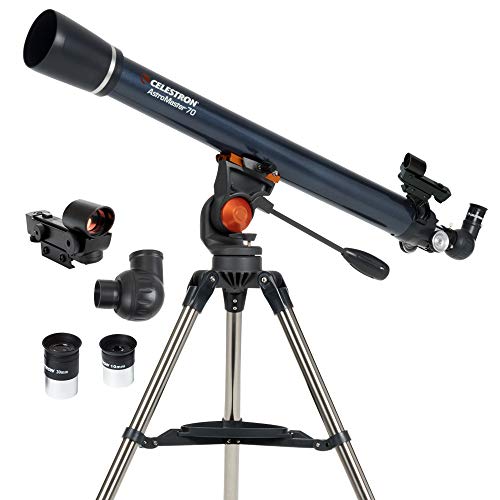
The Celestron Travel Scope 70 is a great entry-level telescope that delivers better views of the moon, planets and some deep-sky objects. It's also suitable for children while you decide if you want to drop serious money on a bigger telescope further down the line.

You can buy the Celestron Travel Scope 70, on sale right now for $90 on Amazon.
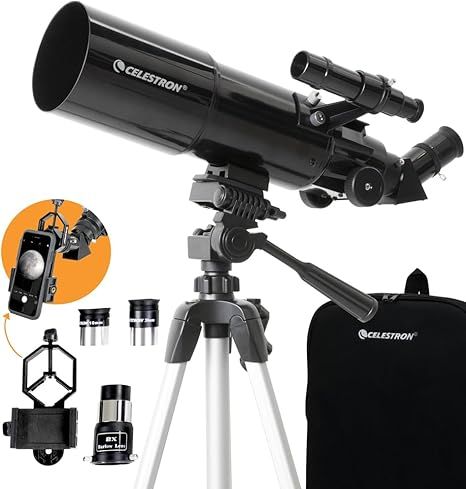
Save $30 on this super-portable and beginner telescope that offers quality views and can be packed away into the supplied backpack. It boasts two eyepieces, which is enough to get someone started on their astronomy journey.

We reviewed the Moon Mission Travel Scope 70, which is essentially the same telescope with a lunar-themed skin.View Deal
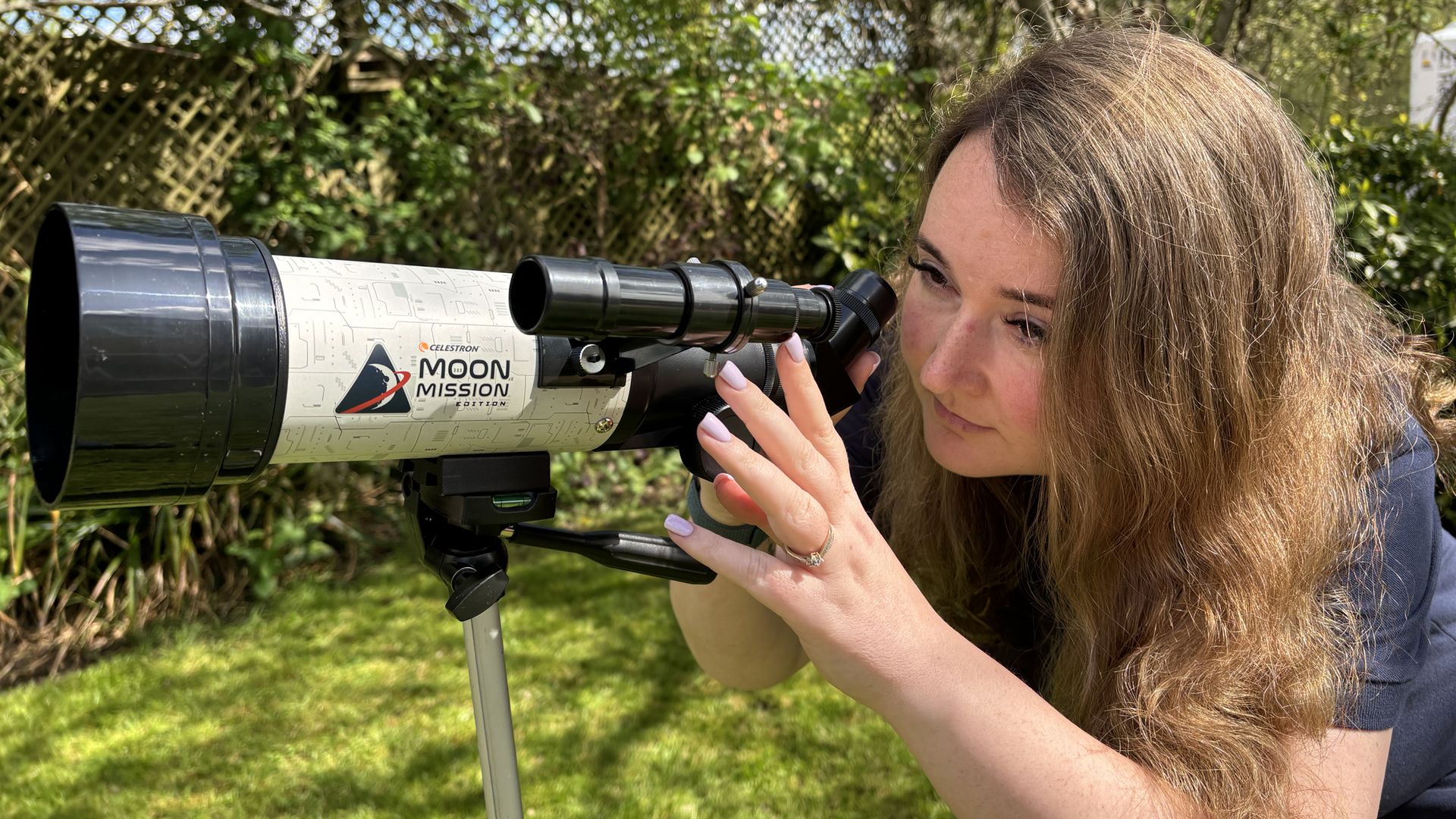
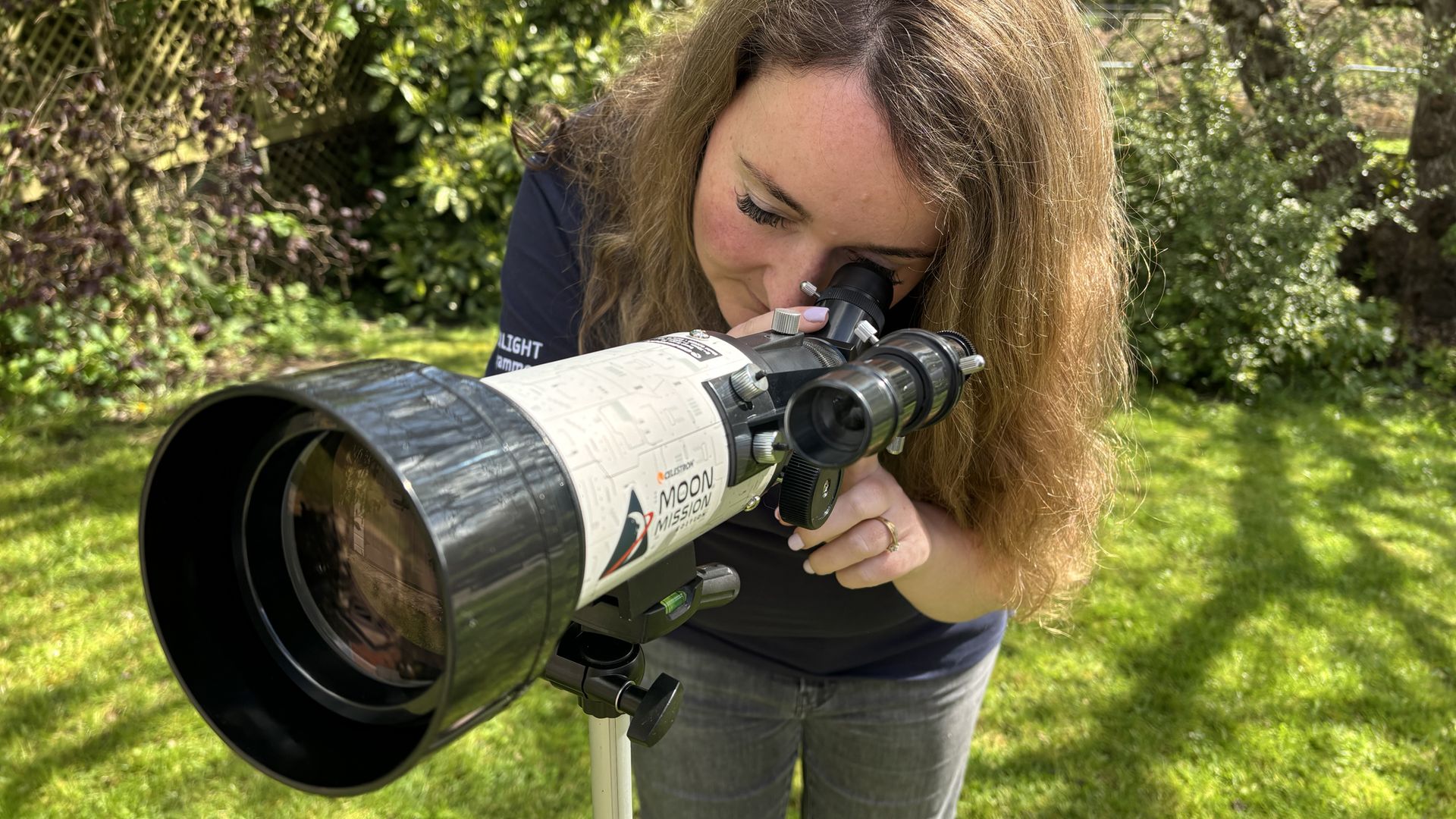
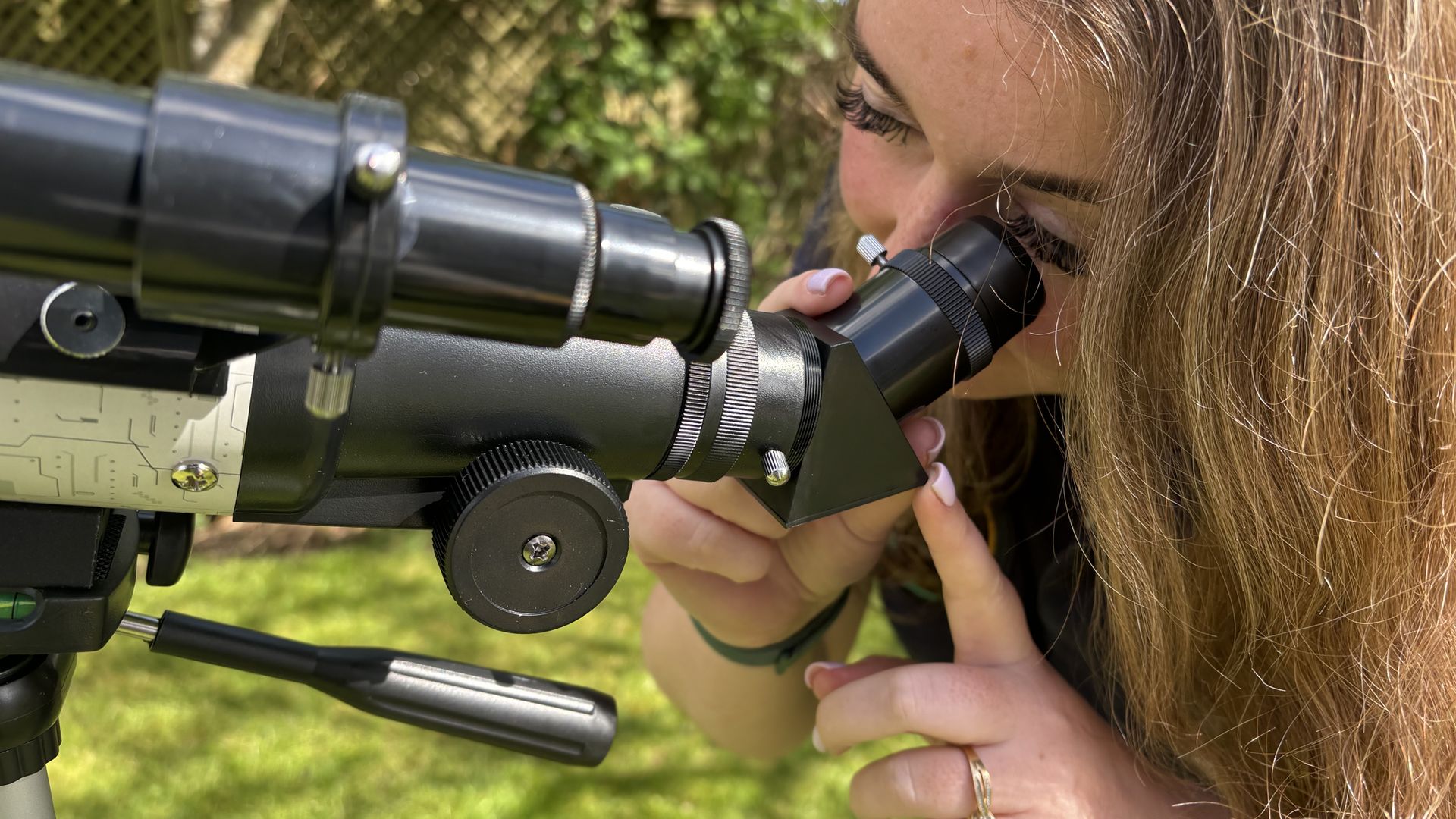
The author looking through a Celestron Moon Mission Travel-scope 70.
Our reviewer, Gemma Lavender, was impressed with the view of the moon using the telescope.Gemma Lavender
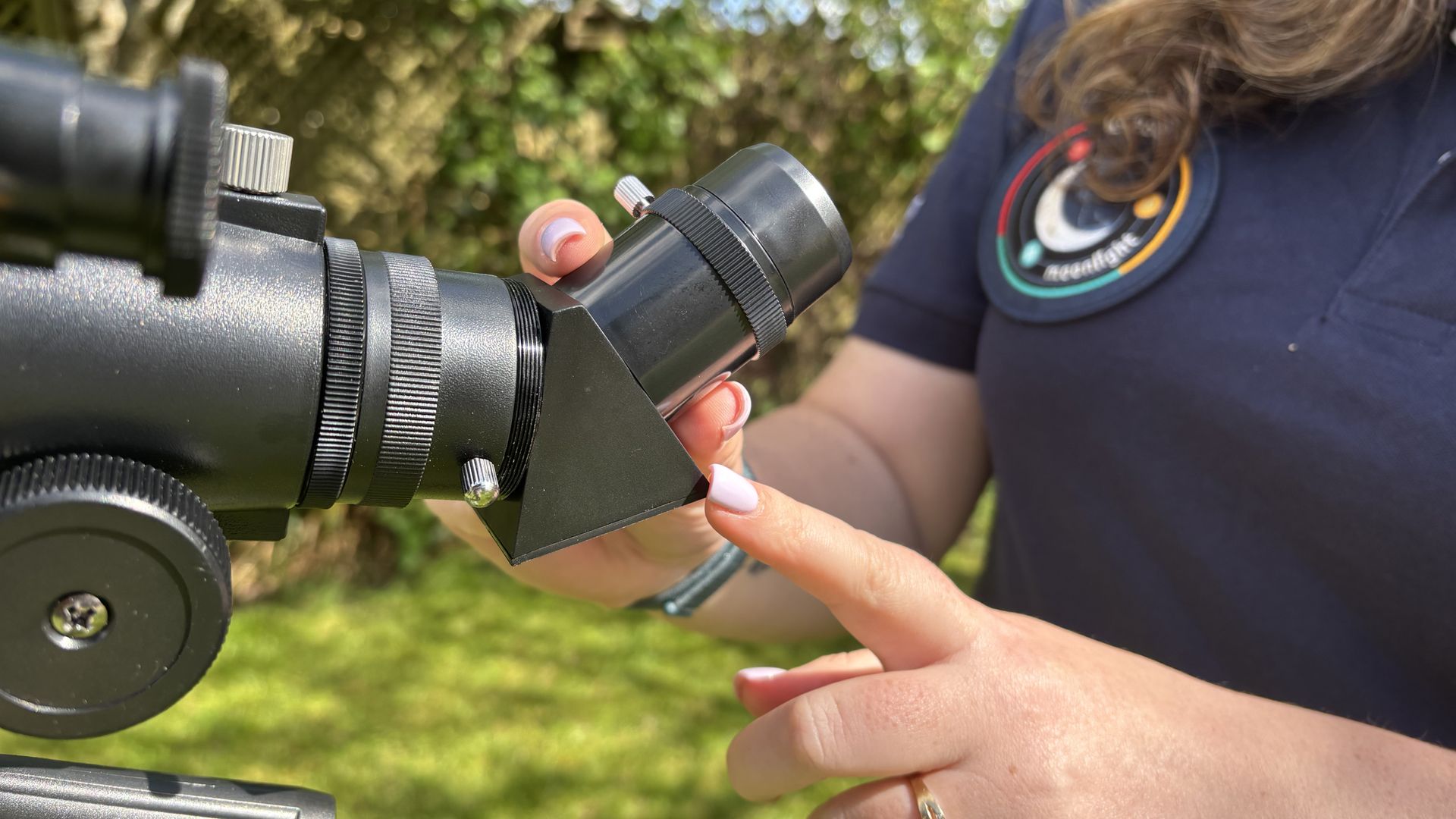
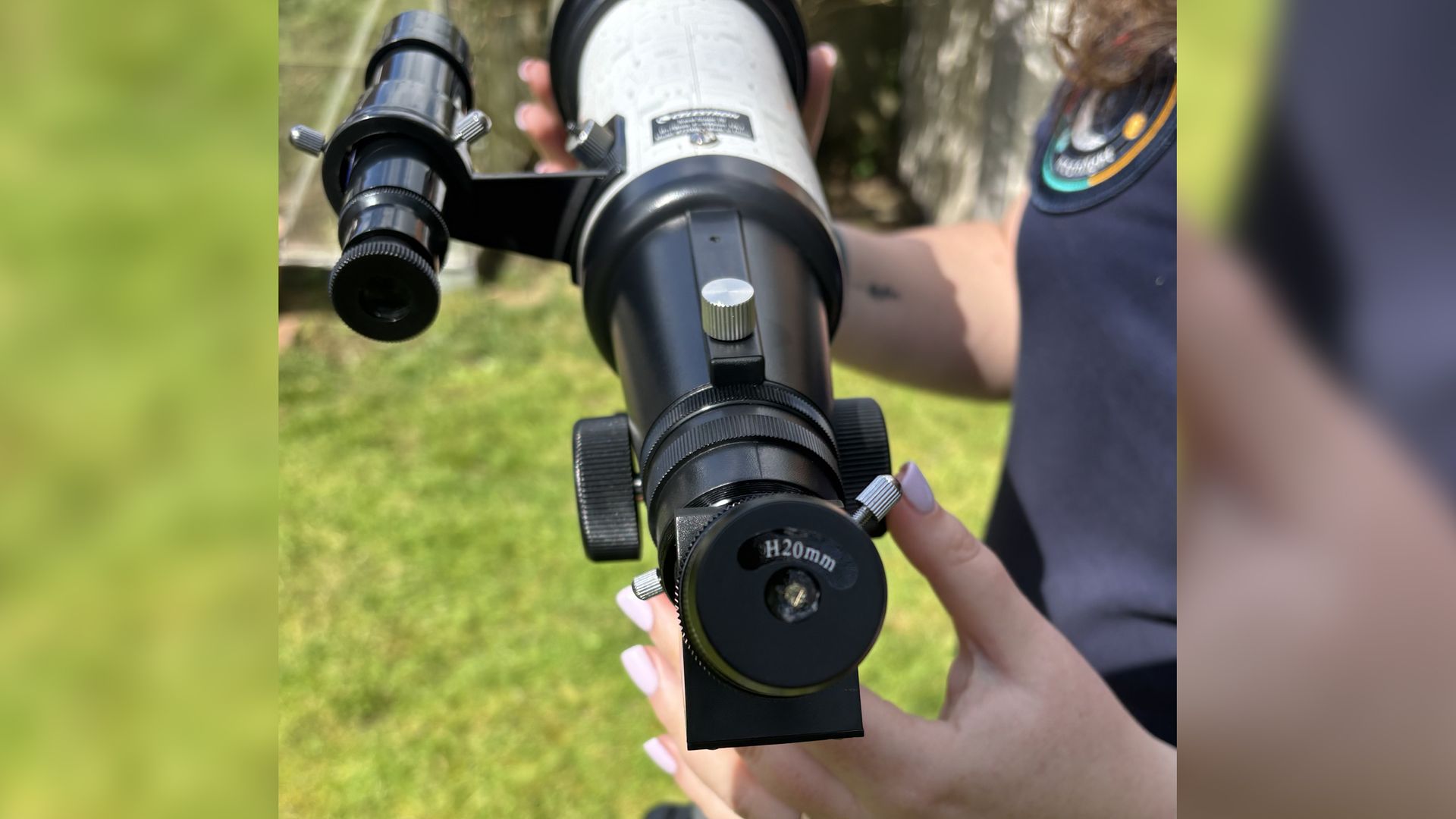
Author Gemma Lavender with a Celestron Moon Mission Travel Scope 70, an eyepiece on view of the scope.
Gemma Lavender
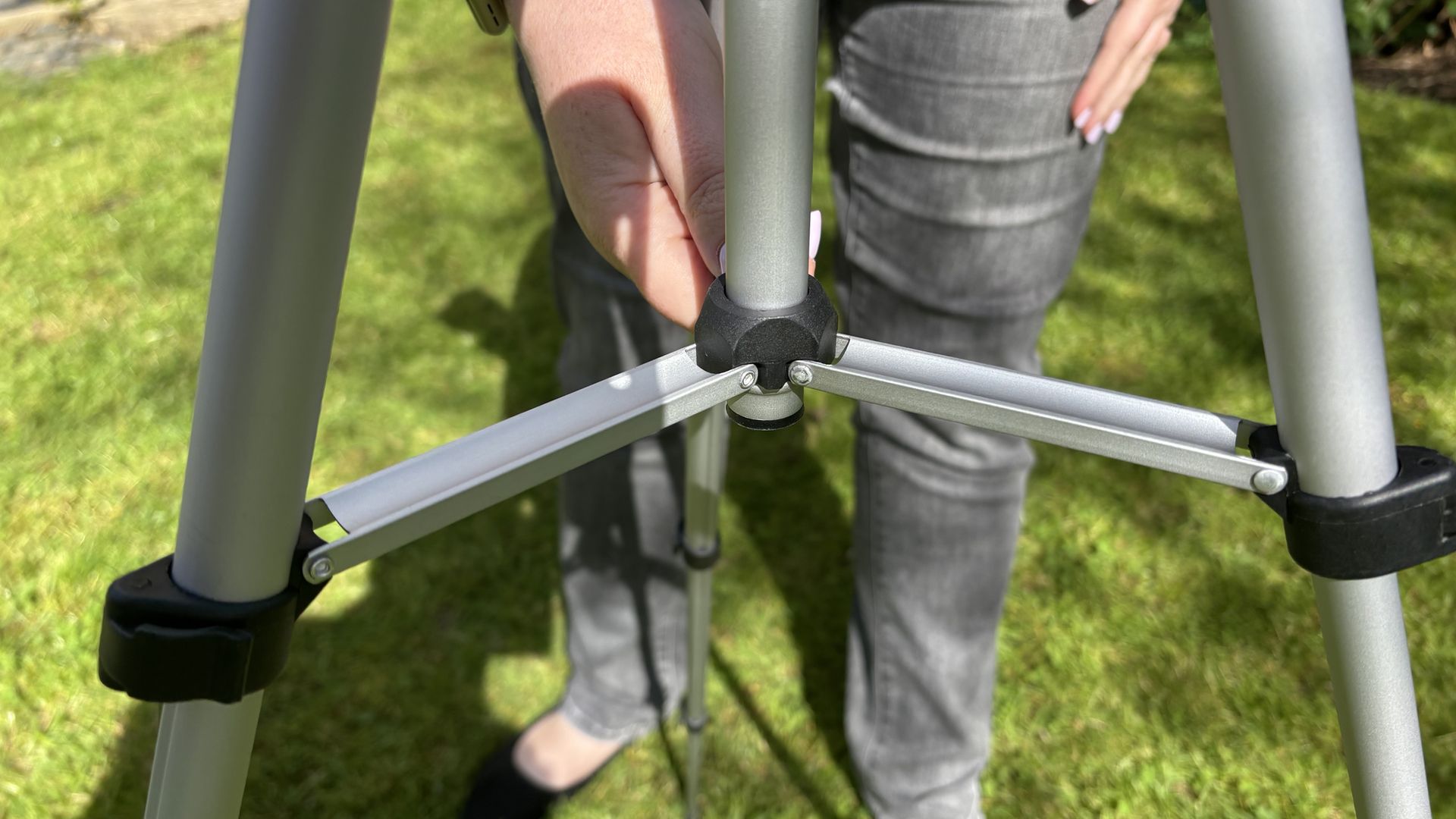
Author Gemma Lavender with a Celestron Moon Mission Travel Scope 70, zoomed in on the tripod.
Gemma Lavender
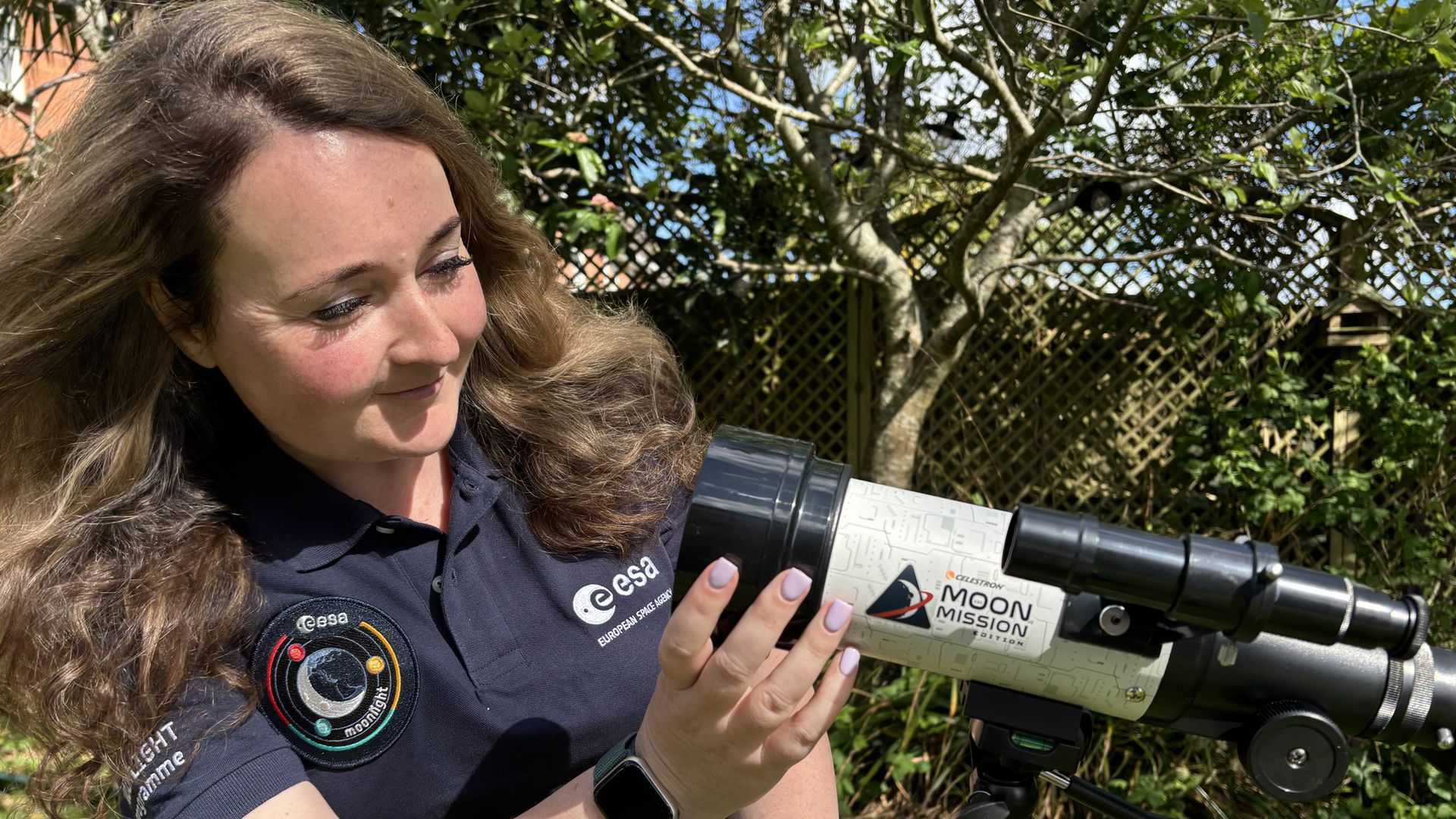
Author Gemma Lavender with a Celestron Moon Mission Travel Scope 70.
Gemma Lavender
Author Gemma Lavender with a Celestron Moon Mission Travel Scope 70.
Gemma Lavender
Author Gemma Lavender with a Celestron Moon Mission Travel Scope 70, looking down the objective end.
Gemma Lavender
Author Gemma Lavender with a Celestron Moon Mission Travel Scope 70.
Gemma Lavender

Moving from stargazing with the naked eye to using specialist optics, like binoculars and telescopes, is a wonderful experience. You get to see those wonderful objects in the sky up-close and in much more detail. The problem? A lot of the best telescopes cost eye-watering prices or are so big that you have to sacrifice floor space in your home. You might want one of those models and are still figuring out which one to buy. What to do in the meantime?

Grabbing a small budget model like the Celestron Travel Scope 70 won't dent your bank account and will provide you with better views of the moon, planets and stars without requiring its own observatory. We reviewed the Celestron Moon Mission Travel Scope 70 and gave it three and a half stars for its portability, affordability and the great views of the moon it delivered.

It is especially ideal for beginner astronomers or children and a great starting telescope to nurture a lifelong hobby and interest in the night sky. It won't give you the most HD views but it is great for getting a better view of the moon, Jupiter and some star clusters.

With Black Friday arriving Nov. 27, we are expecting prices to drop across a range of skywatching gear, technology and Lego, so stay tuned to our Black Friday page for the best prices on gear we have experience with.

Key features: 70mm aperture, fully coated optics, a carry bag, a collapsible, full-height tripod, 10mm and 20mm eyepieces, a finderscope and Celestron's Starry Night Software Basic Edition.

Price history: This scope dipped to $81 during Amazon's June Prime Day event, but this is the cheapest it has been since then.

Price Comparison: Amazon: $90 | B&H Photo: $90 | Best Buy: $90

Review consensus: This is a great beginner-friendly telescope and comes with a couple of eyepieces to get new users on their skywatching journey. It has a strong review consensus on Amazon that praises the ease of assembly and portability of the model.

✅ Buy it if: You are a total beginner or just need something light that can be taken away on a trip.

❌ Don't buy it if: You want something that has more room to grow with you as you get more experience stargazing. Our best telescopes guide has other options that are more expensive, but many of them offer more room to grow after you have learned the basics.

Check out our other guides to the best telescopes, binoculars, cameras, star projectors, drones, lego and much more.
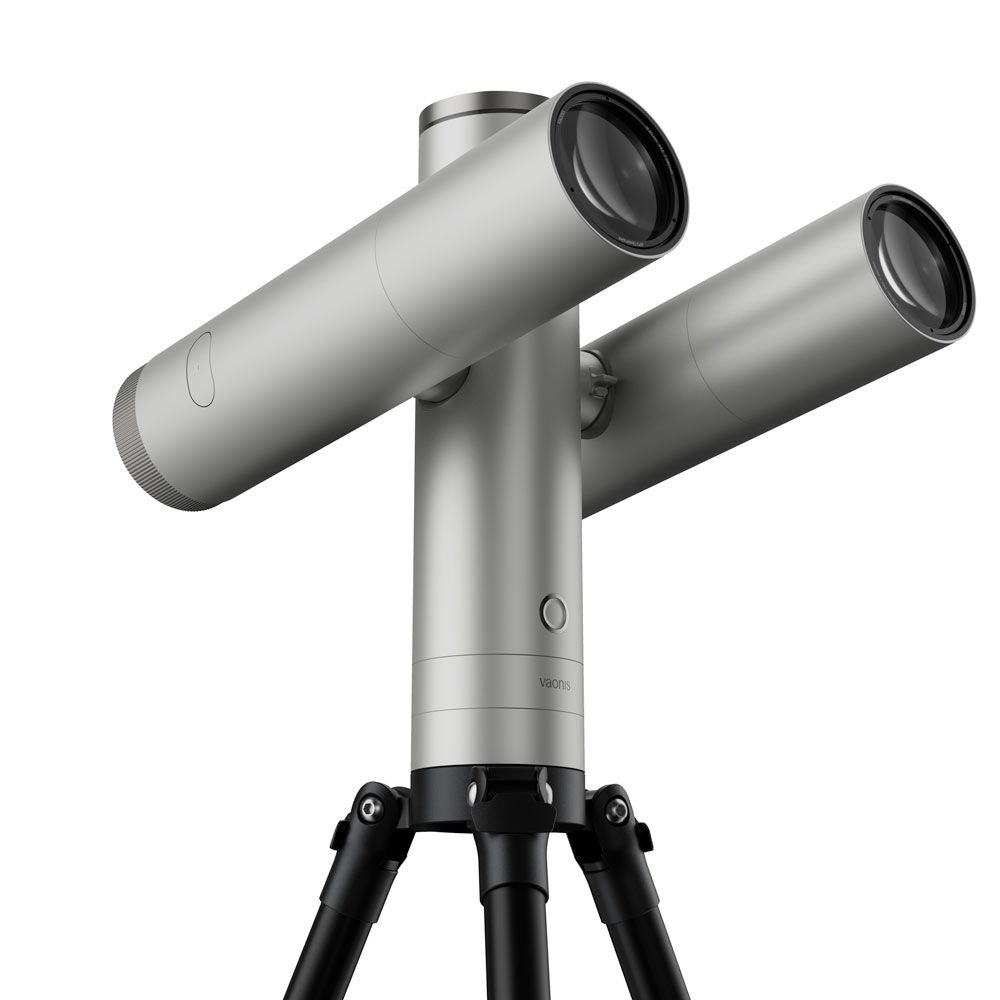
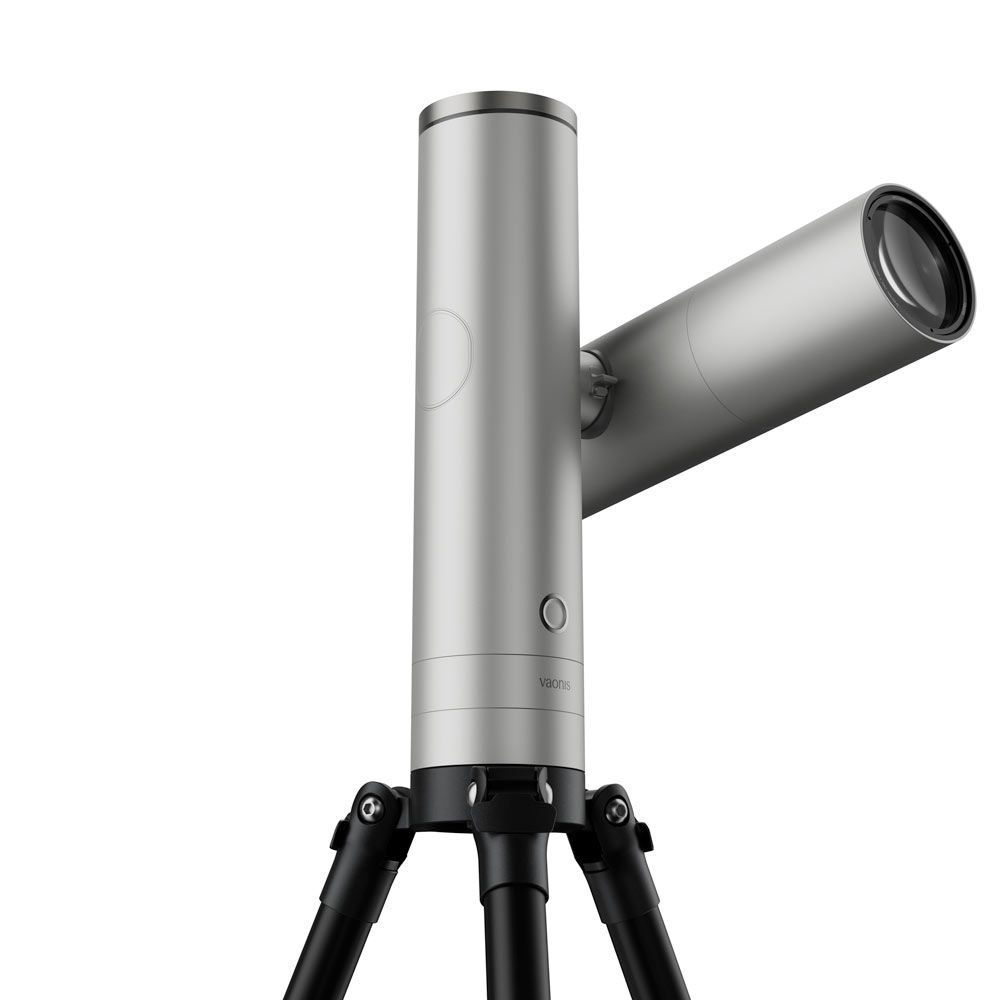
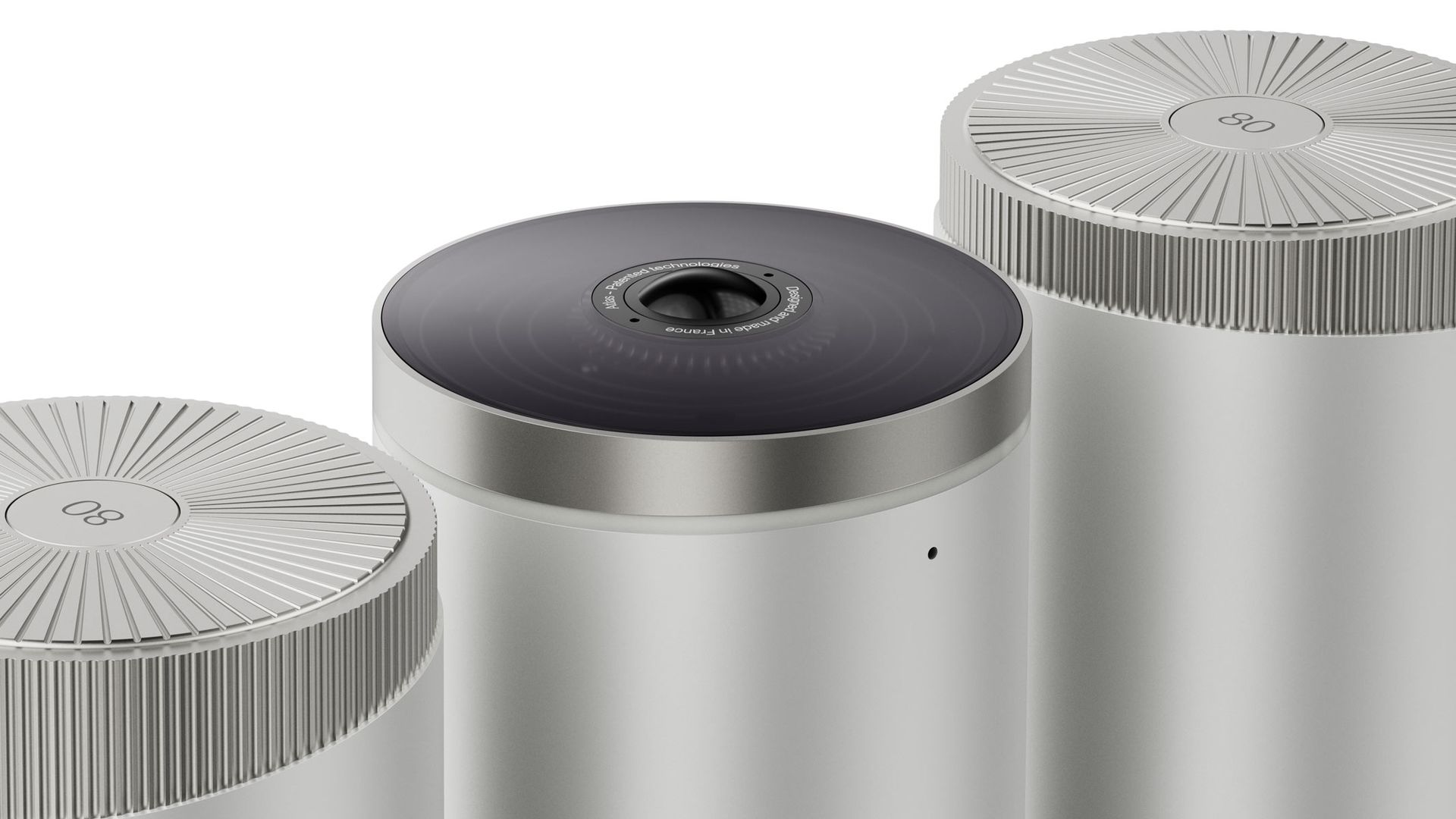
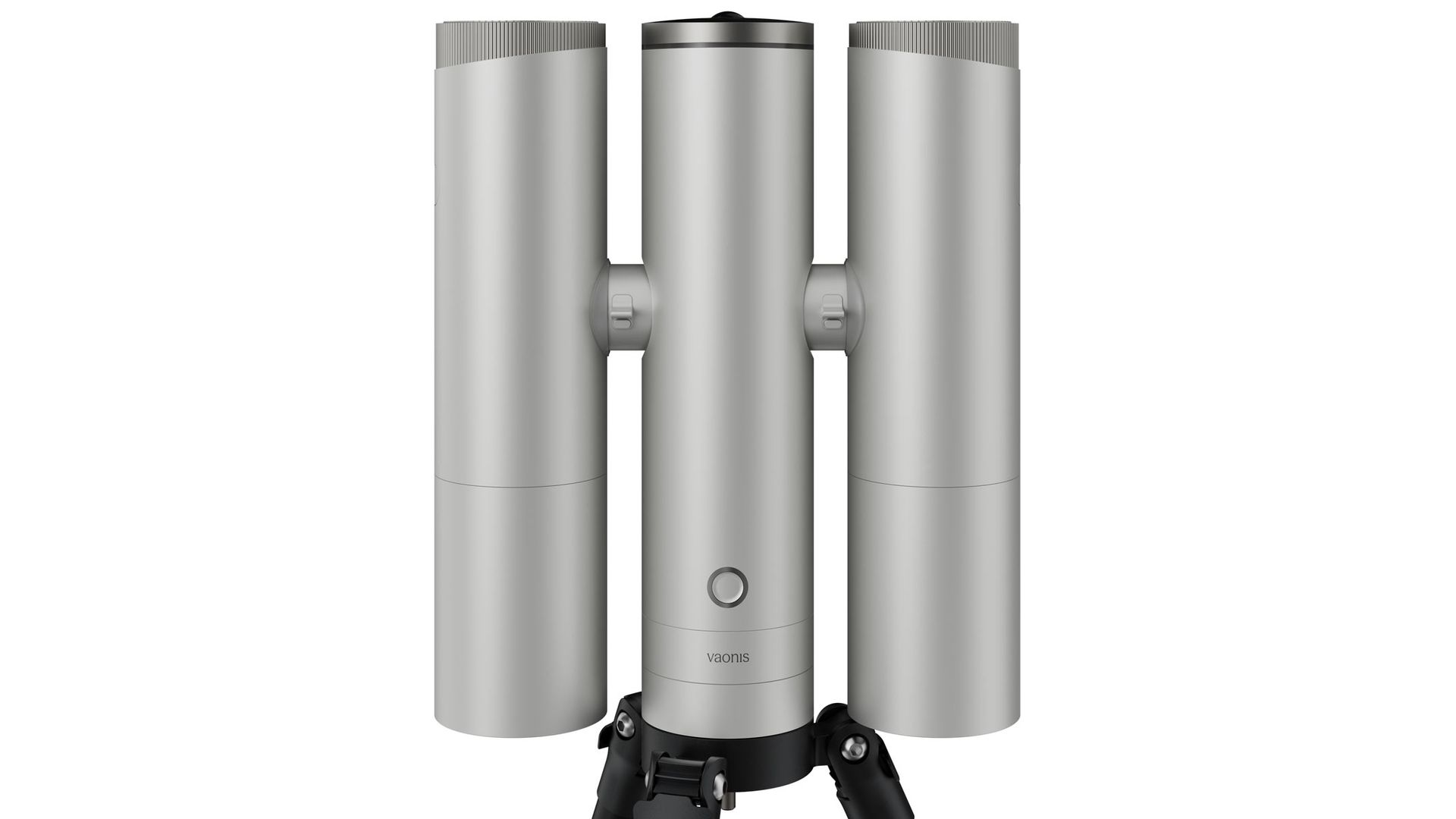
Vaonis unveils Atlas, the world’s 1st modular smart telescope system

Vaonis has just announced its new generation of smart telescope technology, known as Atlas. Less of a single smart telescope and more of a new optical system, Atlas was designed with interchangeability and adaptability in mind. Its new SkyDock system allows two optical tubes to be connected and the telescope has live night sky monitoring to predict available observations.

You can preorder the Vaonis Atlas with a single Atlas 80 module for $3,990, or $5,490 for the twin at Adorama. But it'll also soon be available at B&H and other retailers.

Currently, there is only one optical tube, the Atlas 80, but Vaonis is planning to release add-on modules designed for looking at different night sky objects, including for planetary observation. We think this is an exciting step for smart telescope technology and is, essentially, the start of modular astronomy for amateur stargazers, allowing them to choose optics that suit their observation interests. The Vaonis Atlas with two Atlas 80 modules will be available for preorder for $5,490.

Atlas with two Atlas 80 imaging modules: was $6990 now $5490
Pre-order and save $1,500 on the new Vaonis Atlas system that comes with two Atlas 80 imaging modules, a SkyGuard dock and a tripod.

Using dual imaging modules should enable faster imaging of deep sky objects.View Deal

Atlas with single Atlas 80 optical tube: was $4990 now $3990
Pre-order and save $1,000 on the new Vaonis Atlas system that comes with a single Atlas 80 imaging module, a SkyGuard dock and a tripod.

The dock contains an extra slot for dual module imaging, which can fit another Atlas 80 module and future optical tube releases.View Deal

A front view of the Vaonis Atlas on a small black tripod, with two Atlas 80 optical tubes attached, against a white background.
The Vaonis Atlas can have two imaging modules connected to the SkyDock.Vaonis
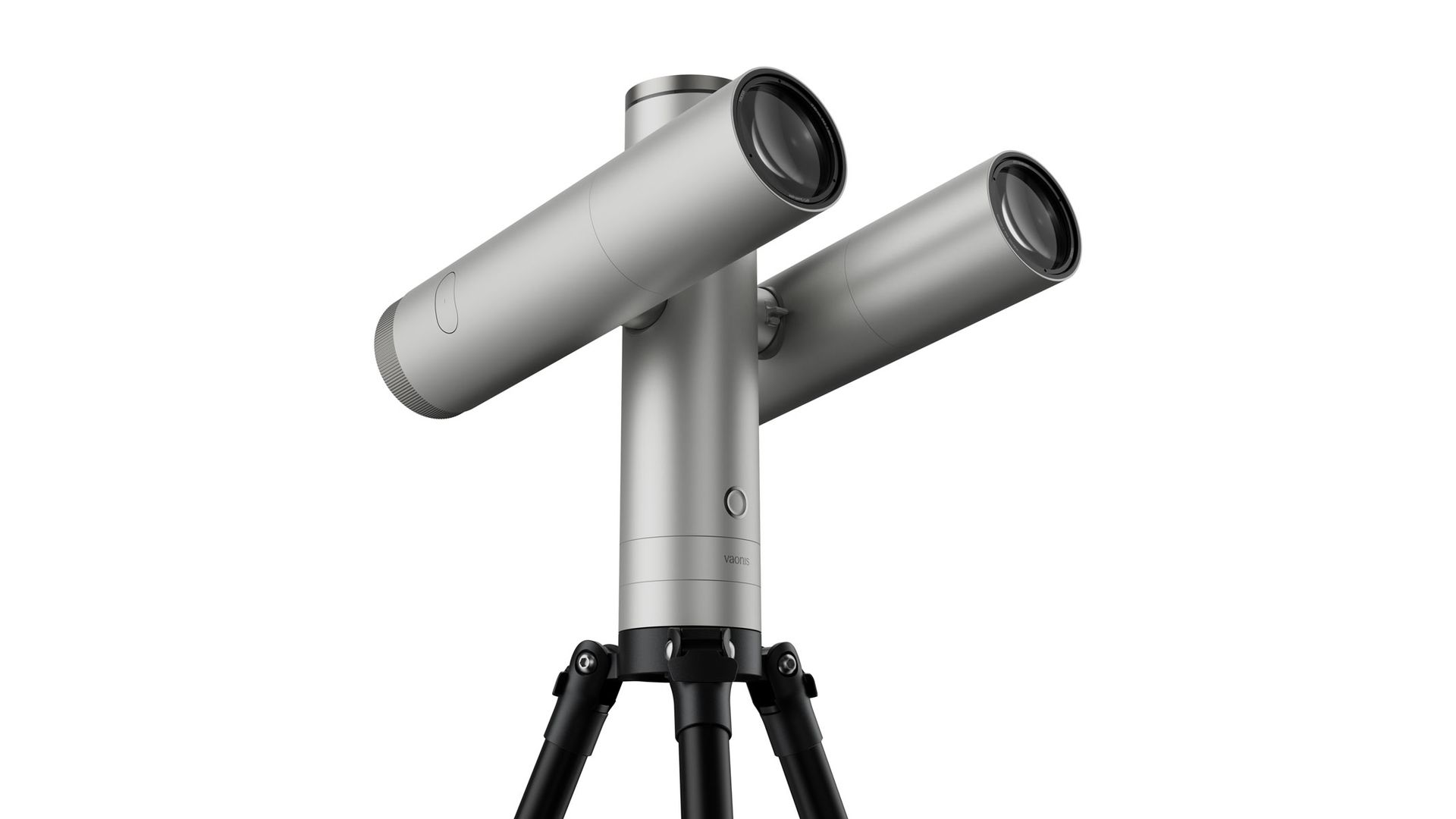
The Vaonis Atlas on a small black tripod, with two Atlas 80 optical tubes attached and pointing upwards, against a white background.
Two identical imaging modules enables SkyTwin mode, which allows for faster imaging of finer details on targets.Vaonis
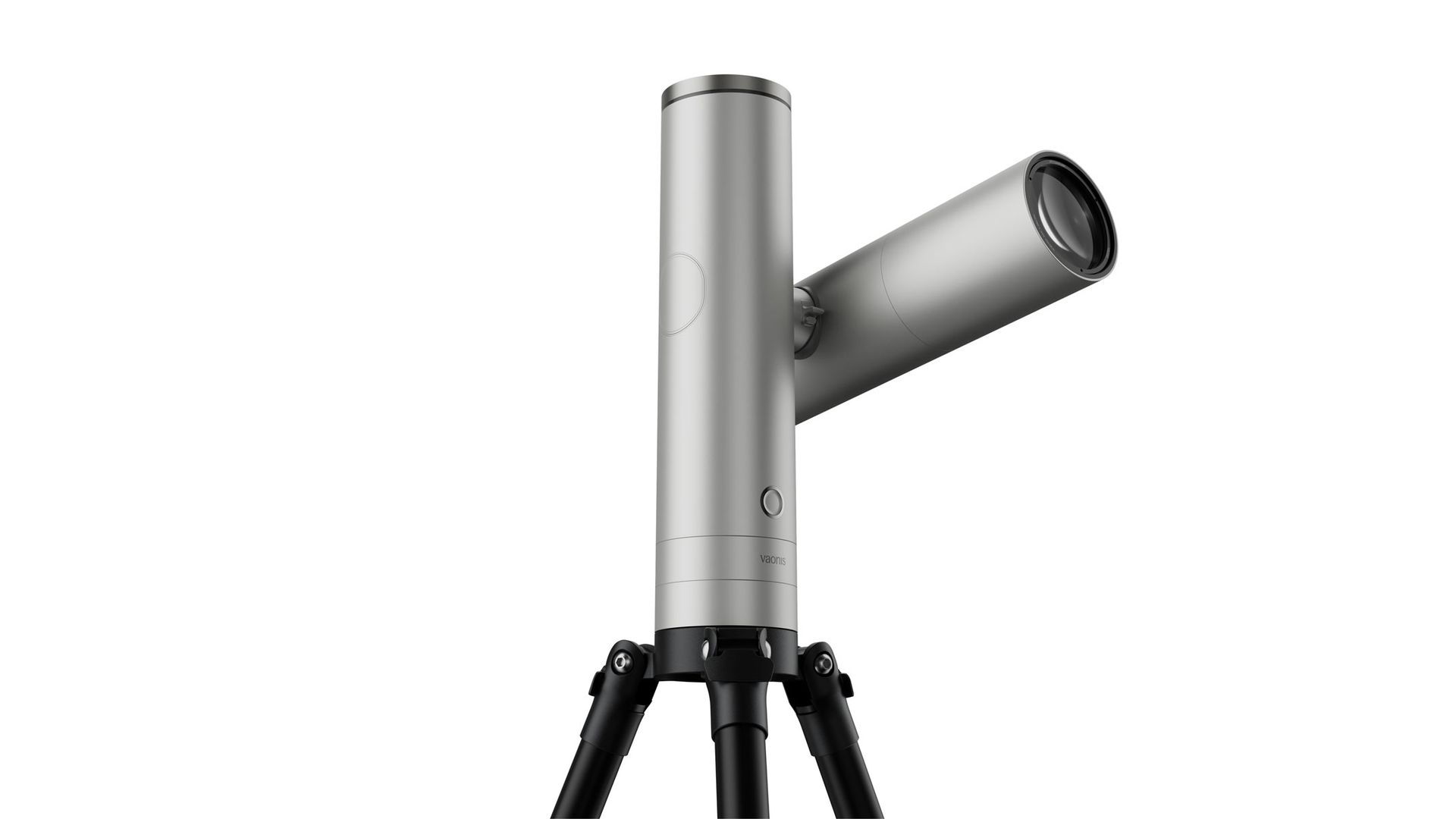
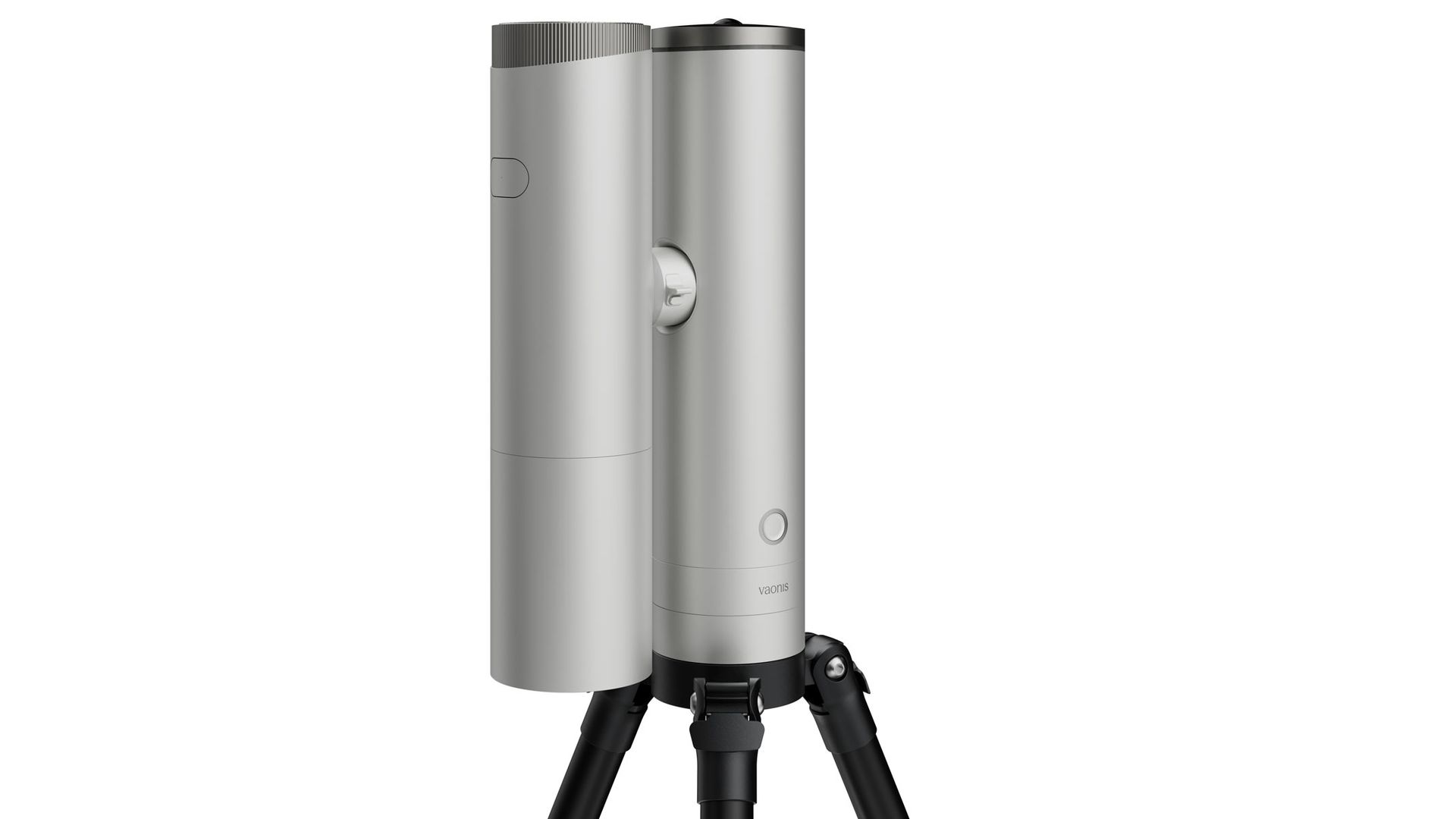
The Vaonis Atlas on a small black tripod, with a single Atlas 80 optical tube attached, against a white background.
You don't have to buy two imaging modules straight away, as the Atlas is fully functional with just one. Vaonis
The Vaonis Atlas on a small black tripod, with a single Atlas 80 optical tube attached and pointing upwards, against a white background.
The Atlas 80 module is the first optical tube Vaonis has released for this new system and is focused on photographing nebulas, galaxies and star clusters. Vaonis
The Eagle Nebula (M16), as imaged by the Vaonis Atlas.
The Eagle Nebula (M16), as imaged by the Vaonis Atlas.Vaonis
The Triangulum galaxy (M33), as imaged by the Vaonis Atlas.
The Triangulum galaxy (M33), as imaged by the Vaonis Atlas.Vaonis
The Wizard Nebula (NGC 7380), as imaged by the Vaonis Atlas.
The Wizard Nebula (NGC 7380), as imaged by the Vaonis Atlas.Vaonis
The Heart Nebula (IC 1805), as imaged by the Vaonis Atlas.
The Heart Nebula (IC 1805), as imaged by the Vaonis Atlas.Vaonis

The world of smart technology in stargazing optics is constantly pushing forward but it tends to move in waves in terms of actual "new" technology. Obviously, smart telescopes improve as new releases come out, usually with higher resolution and an upgraded optical design, but they are still just improvements on a base model. For years, Vaonis has improved and developed their Vespera models, but the announcement of the Atlas reveals a potential new direction for the company.

The Atlas system is the first-ever modular smart telescope system for Vaonis, with a base dock system fitted with two ports for connecting two imaging modules (an optical tube with a sensor). The Atlas 80 imaging module is an optical tube with a 3.15-in (80 mm) aperture and a Sony IMX585 8.3MP sensor, designed for imaging deep-space objects such as galaxies, nebulas and star clusters. Attaching identical imaging modules allows you to image targets quicker and with more detail, but the most intriguing part of this whole release is not actually available yet.

Vaonis has promised to expand the Atlas ecosystem after launch, including a backpack, filters, an equatorial wedge and most importantly, new imaging modules. The next planned imaging module is for planetary observation, which could be a game changer. If you have used a smart telescope for planetary observation, you will know that they produce grainy blobs when compared to their stunning deep space imagery. Vaonis might not just be introducing modularity for smart telescopes; they might also be introducing the ability to get a good photo of a planet with one.

Atlas pre-orders open today and are available from BH Photo and Video and Adorama. The special preorder pricing is available until Nov. 15, with the First shipments expected in March 2027. This release includes the SkyDock along with either one Atlas 80 or two Atlas 80 imaging modules.

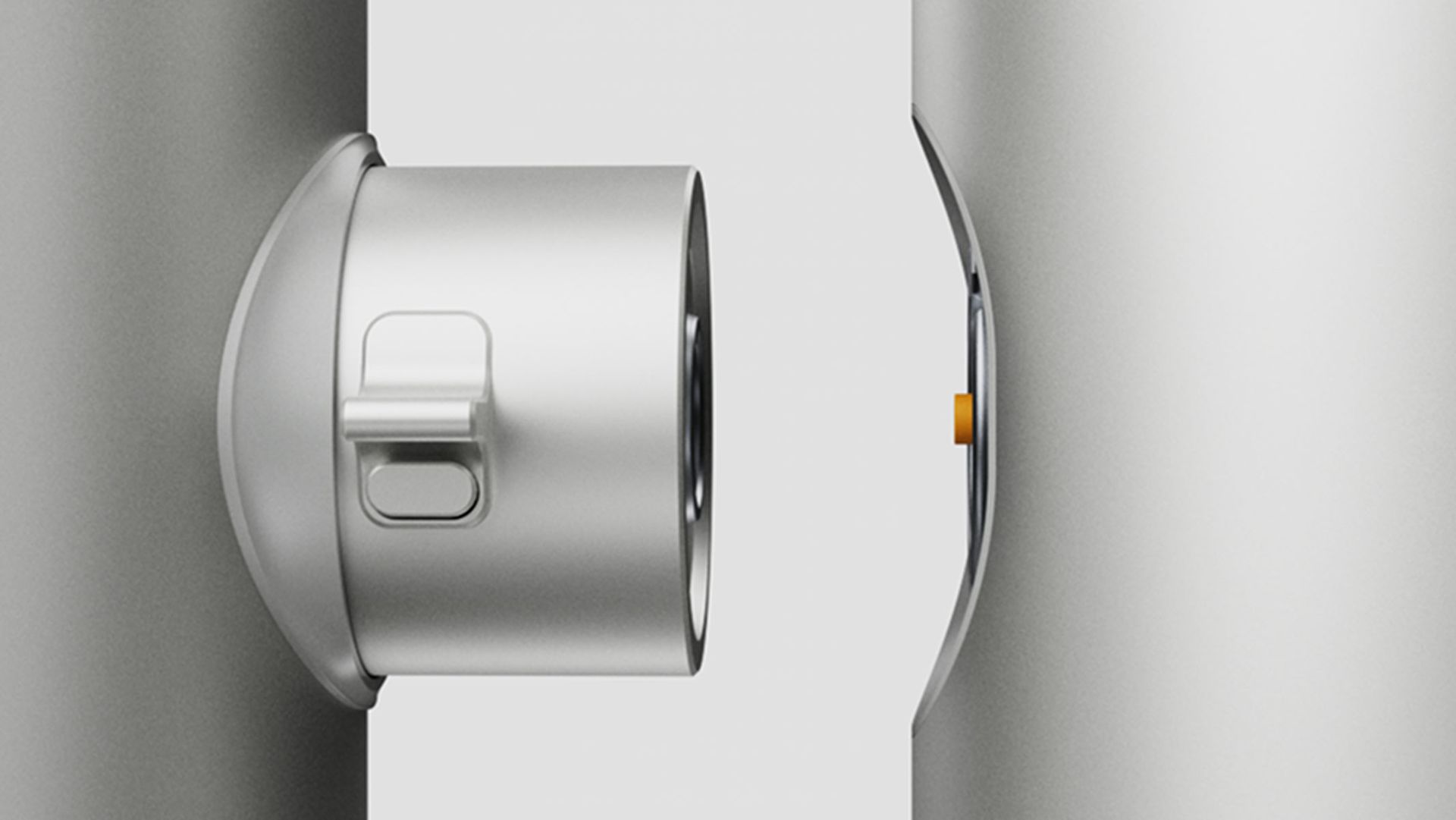
The SkyDock connection system on the Vaonis Atlas.
The SkyDock connection system allows optical tubes to be connected and disconnected depending on what target you are observing. Vaonis
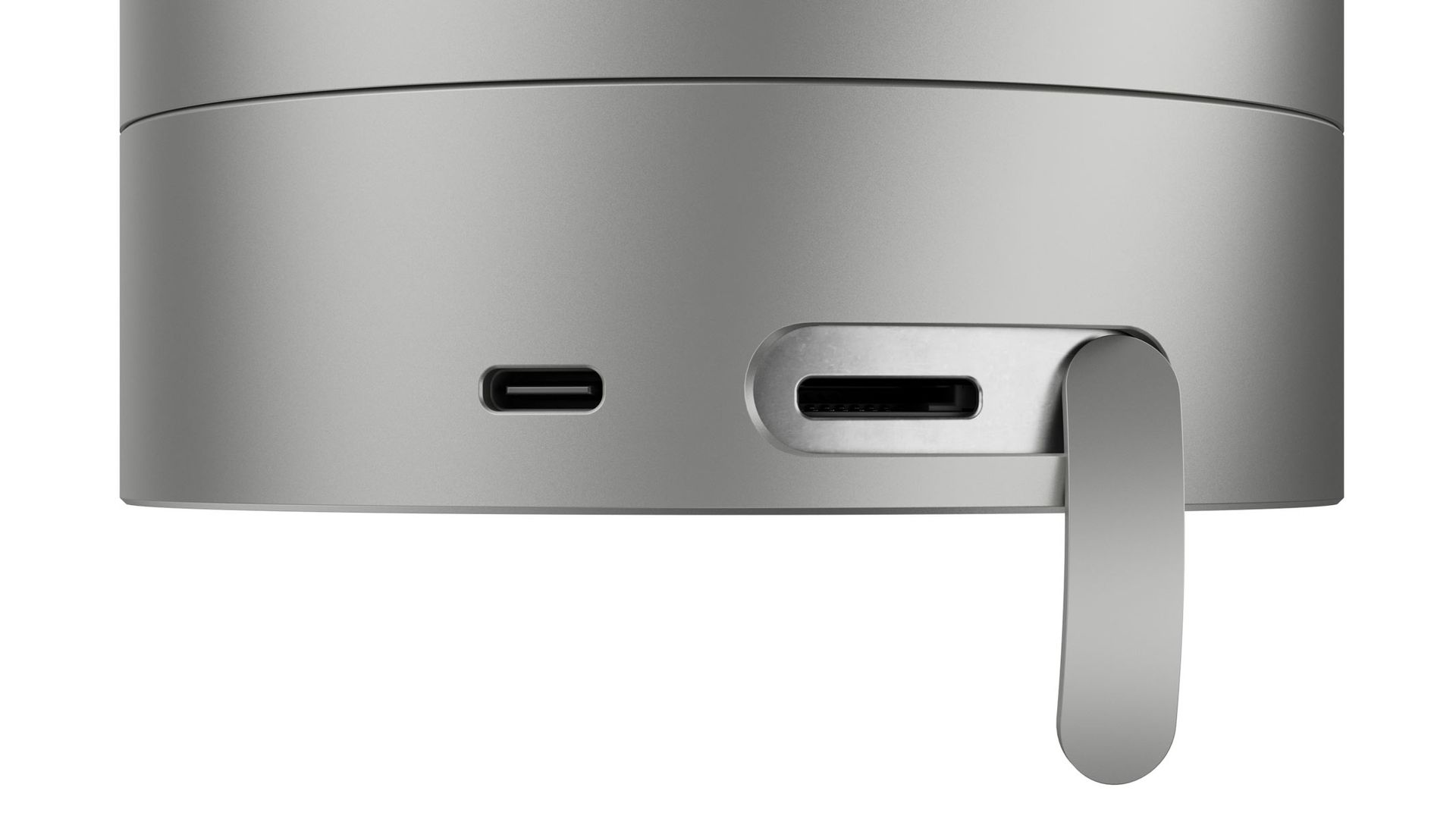
The USB-C and ethernet port on the Vaonis Atlas SkyDock, against a white background.
The Atlas comes with a USB-C and ethernet port for charging and data transfer.Vaonis
The SkyGuard sensor on top of the Vaonis Atlas, with two imaging modules either side, against a white background.
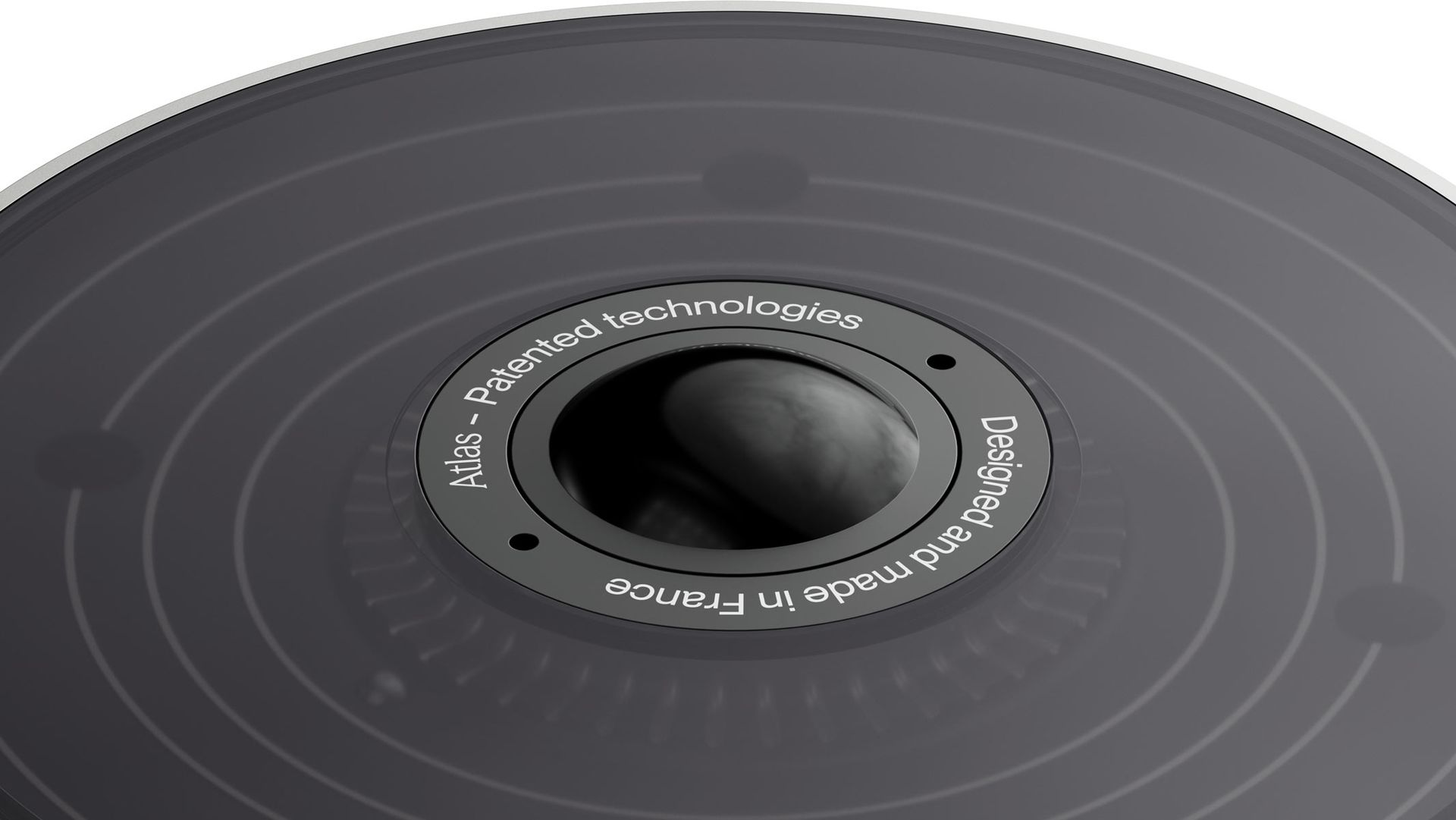
The SkyGuard sensor on the dock analyses real time sky conditions and predicts targets for observation. Vaonis
A close-up of the SkyGuard sensor on top of the Vaonis Atlas.
As well as helping you plan your stargazing, the SkyGuard sensor can also take a timelapse video of the changing night sky. Vaonis

Key features: Modular design, Atlas 80 imaging module with 3.15-in (80 mm) apochromatic quadruplet lens, 360 mm focal length, f/4.5 focal ratio and a Sony IMX585 8.3-megapixel sensor, app-controlled, automatic pointing and imaging (Go-To function), 16.1-in (41 cm) height when closed (excluding tripod), 14.3 lb (6.5 kg) weight, up to 6 hours of battery life.

Product launched: Oct 2026

Price comparison for Vaonis Atlas with single optical tube: B&H PhotoVideo: Likely starting at $3,990 | Adorama: Starting at $3,990

✅ Buy it if: You want to invest in a smart telescope but are interested in getting the best photographs of a wide range of night sky targets, including deep-space objects and planets.

❌ Don't buy it if: You don't care about interchangeability or adaptability from your smart telescope and are mainly interested in using it to photograph deep-sky objects.

Check out our other guides to the best telescopes, binoculars, cameras, star projectors, drones, lego and much more.
I review smart telescopes and binoculars for a living, here’s what I would buy in the last few hours of Amazon Prime Day today

I review optics gear for a living and have tested a range of telescopes, cameras and binoculars but I'm also aware of how expensive stargazing can be once you've dipped your toe in. We see some of the best prices of the year during holiday sales, which include October Prime Day, which ends tonight!

The best prices are reserved for Prime members but don't worry; if you are a new member, you can grab a 30-day free trial period so that you can get a deal if you want it.

Astronomy and stargazing have come a long way in recent years, with the popularisation of smart telescopes and beginners being able to capture deep-sky wonders easily. Image-stabilized binoculars have been around a bit longer but new models are impressive for handheld stargazing, delivering a shake-free view of the night sky. What's next: Smart binoculars? (Yes).

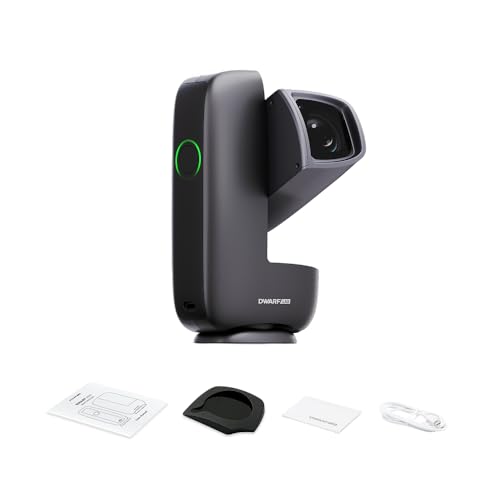
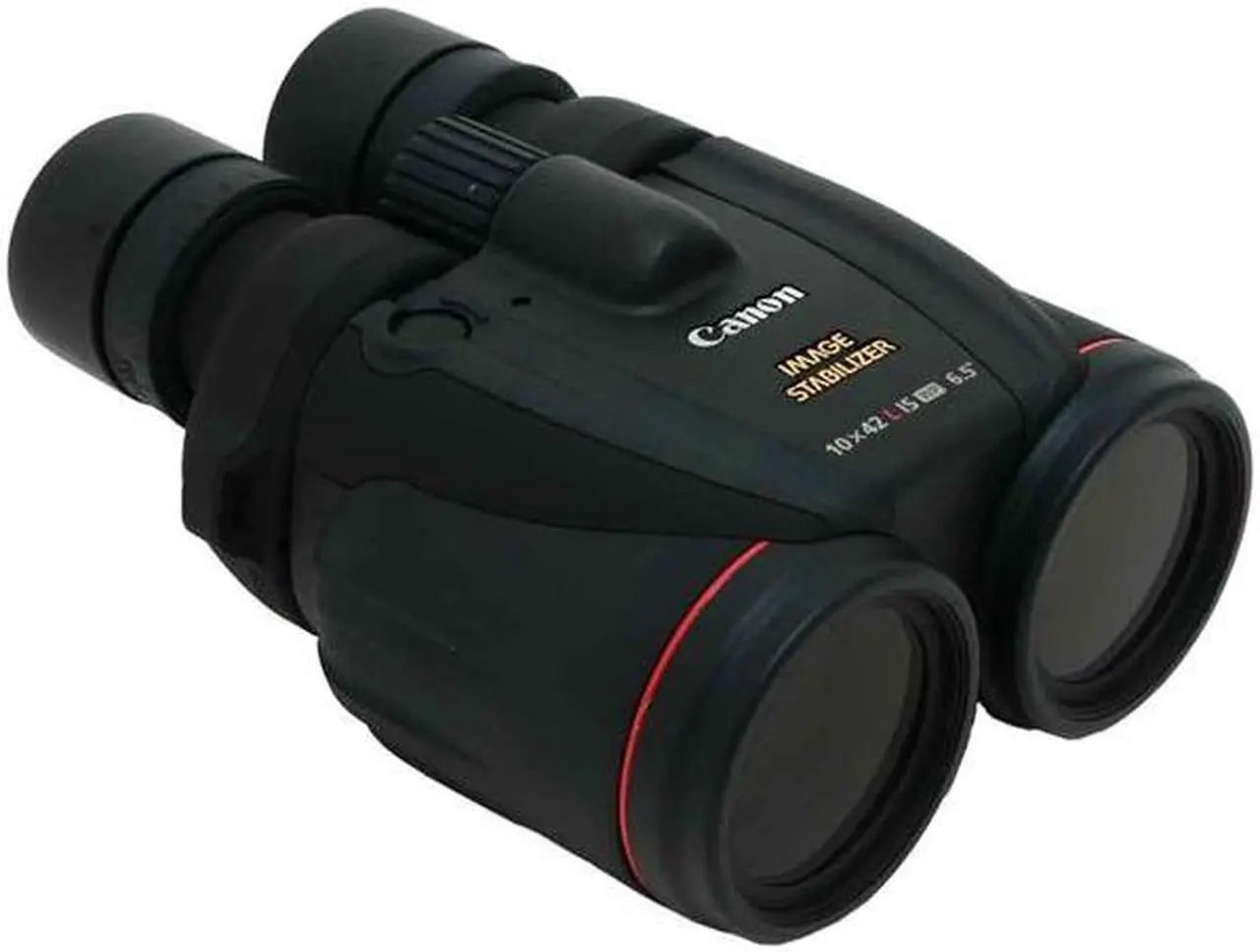
The latest advancements in skywatching are often within the premium price range and can outprice a lot of beginners. This is why waiting until the holiday savings season is a great idea if you are on a budget or a beginner. The new Dwarflab Dwarf Mini is now at its lowest-ever price and our best binoculars, the Canon 10x42L IS WP, are now 11% off. Amongst these premium picks are some cheaper models that are great for skywatching, whatever your budget or experience level.

Grab 17% off the Celestron 114AZ Dobsonian for a limited time for October Prime Day

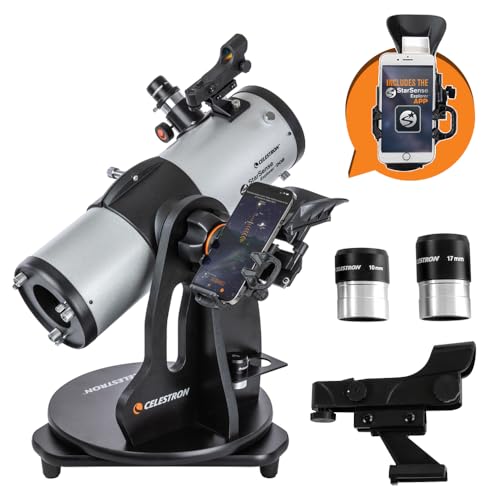
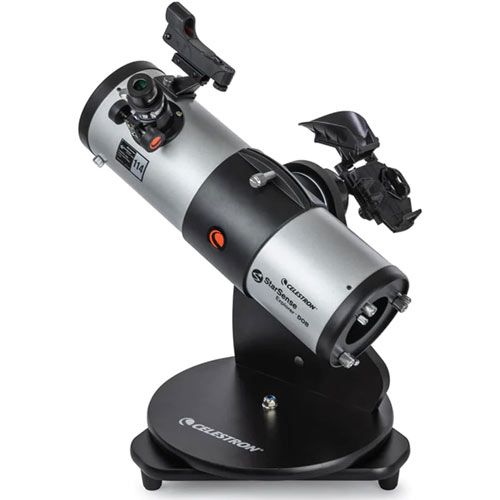
A telescope can be complicated, simple or somewhere in-between. The Celestron 114AZ Dobsonian telescope is a great telescope for beginners, thanks to its easy-to-use Dobsonian design and assistive StarSense smartphone app inegration. We gave the lightweight tripod version, the Celestron LT 114AZ, three stars for its affordability and helpful navigation. Right now, it is at its cheapest price since June's Prime Day.

You can buy the Celestron 114AZ Dobsonian telescope, on sale right now for $315 from Amazon.

We are on the final day of Amazon's Prime Big Deal days event with the best prices reserved for Amazon Prime members. If you are new to Prime, you can get a 30-day free membership so that you can grab this 17% saving. All the best telescope and camera deals from all retailers will be on our Prime Day hub, with money off a range of products.

StarSense Explorer 114AZ Dobsonian telescope: was $380 now $315
Save $65 on this easy-to-use telescope that has a smartphone app to help you find targets. It is great for beginners and those wanting a better view of the moon and the planets.

We reviewed the lightweight tripod version, the Celestron LT 114AZ, and gave it three stars. View Deal

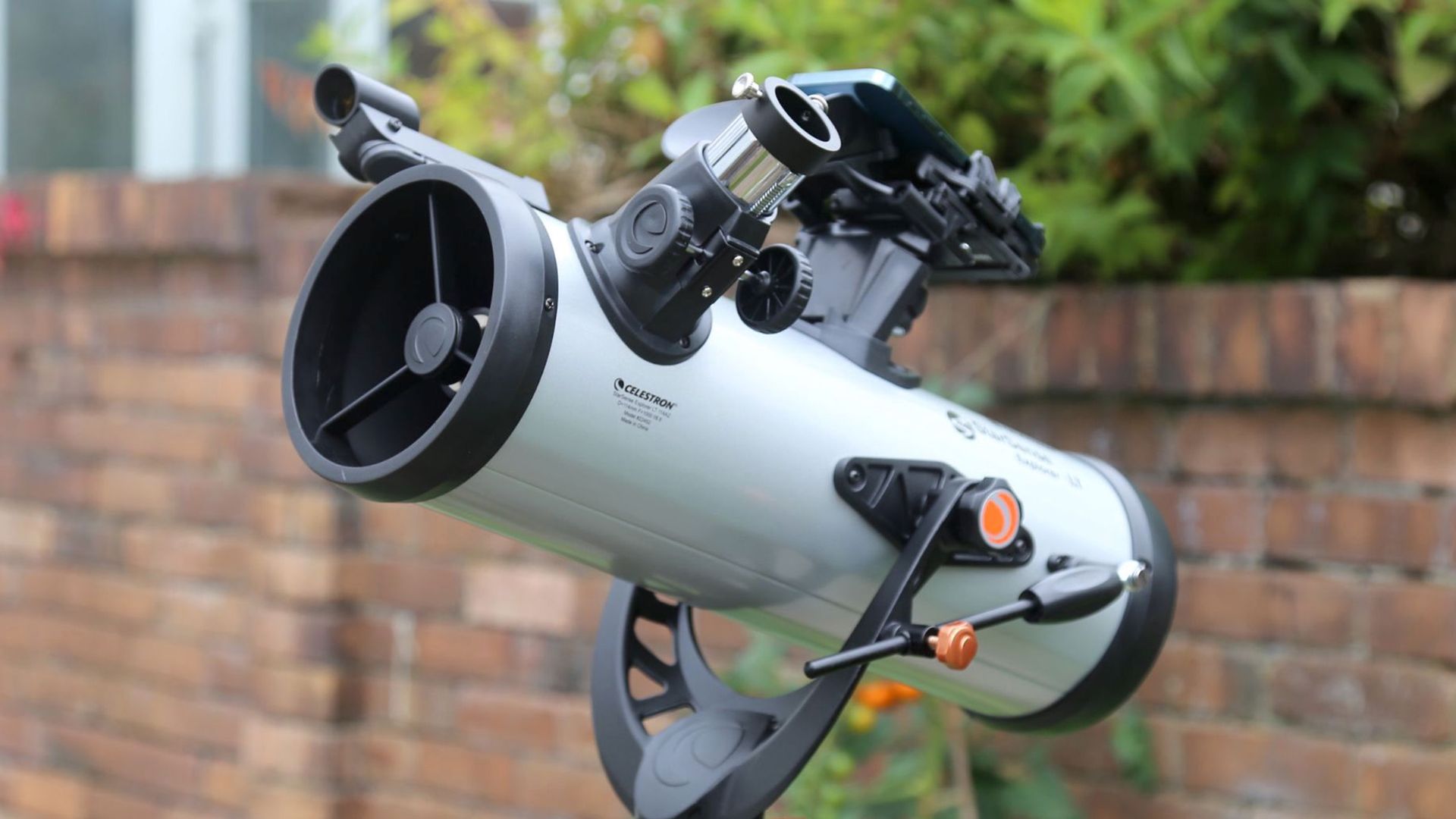
Celestron StarSense Explorer LT 114AZ pointing at the sky against a brick wall backdrop
Celestron StarSense Explorer LT 114AZ comes with an Alt-Az mount for beginner-friendly skywatching tracking.Jamie Carter
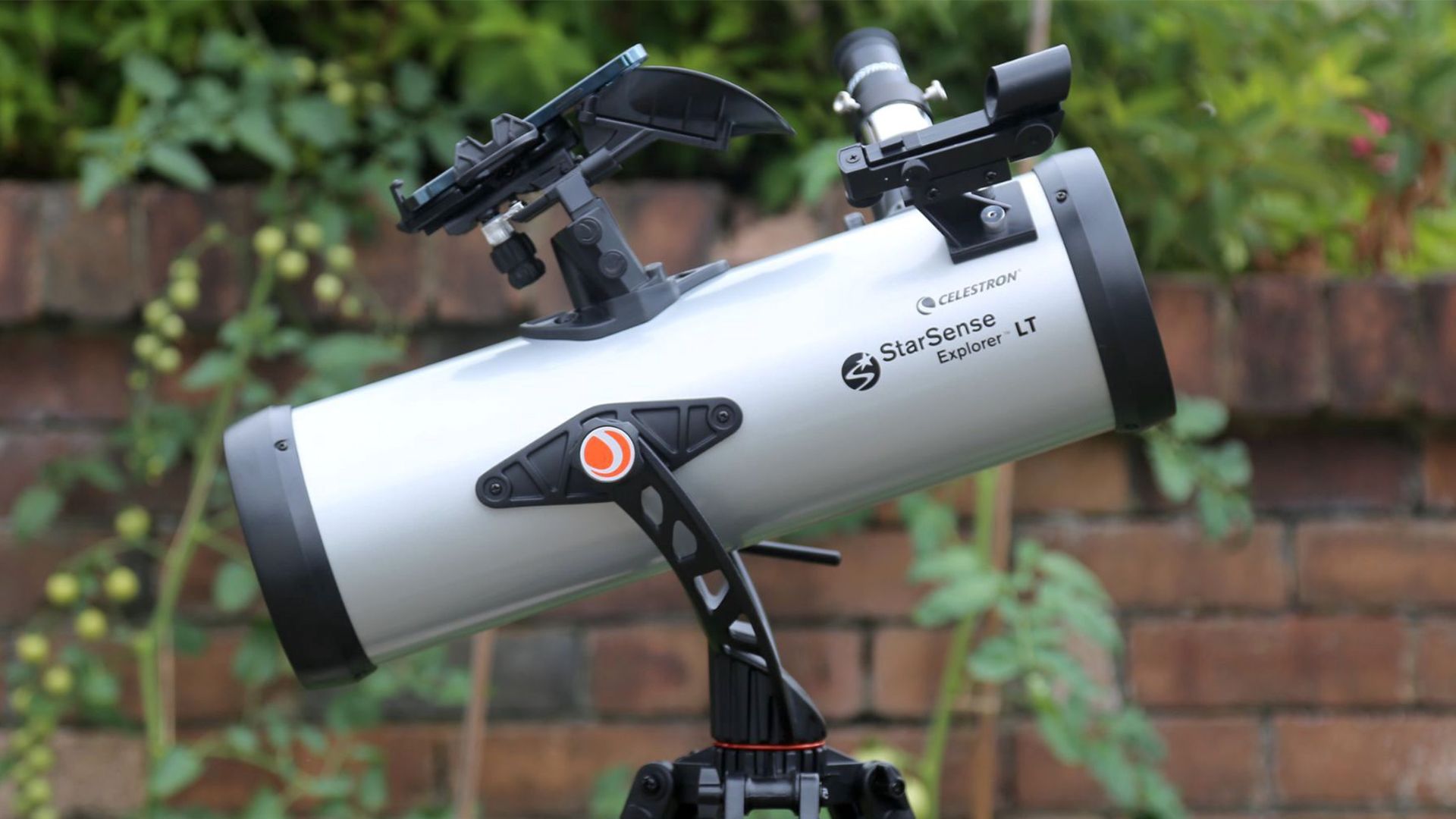
 A side on view of the Celestron StarSense Explorer LT 114AZ 2
Jamie Carter
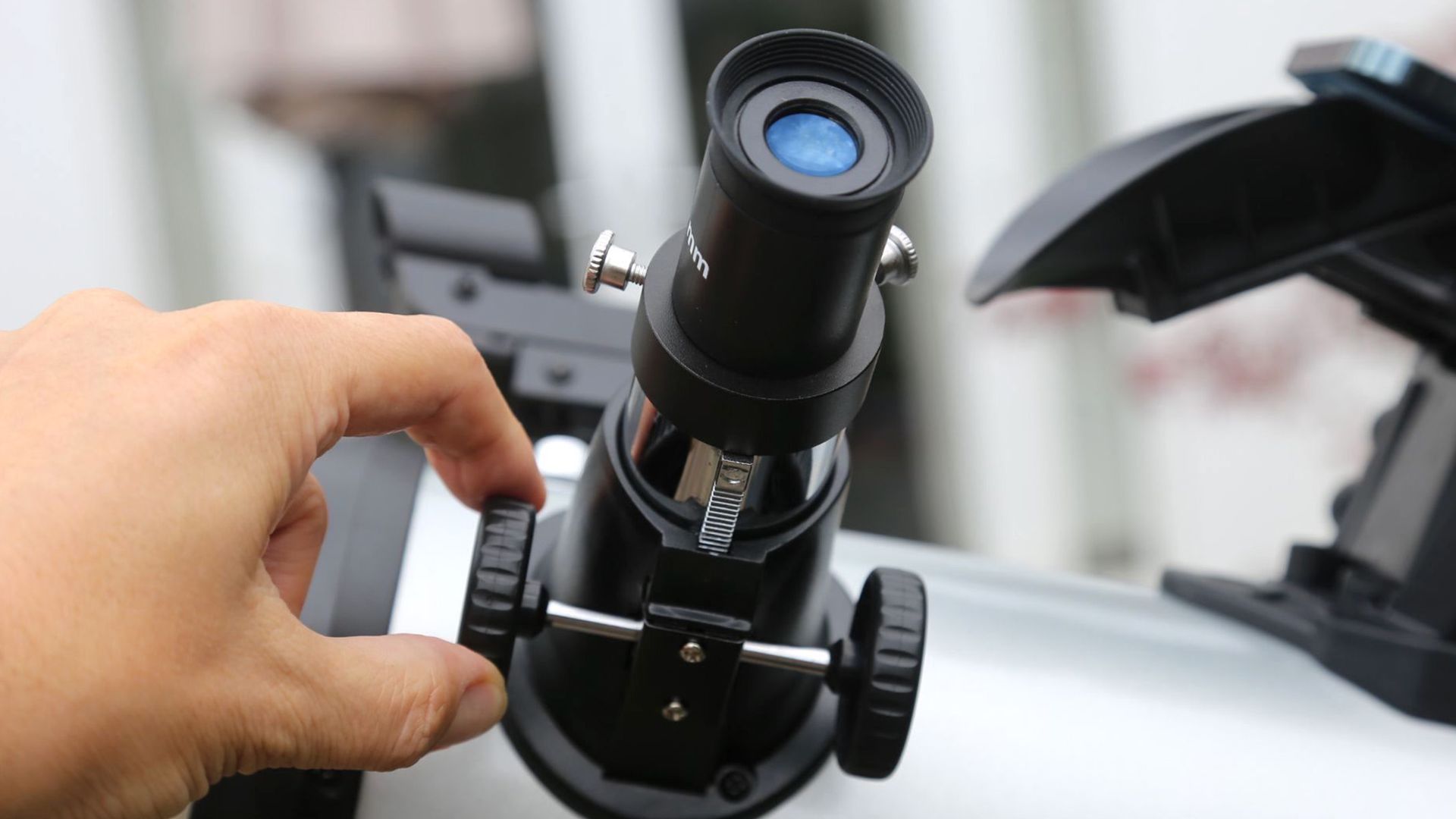
Close up of the lightweight and basic focuser
Jamie Carter
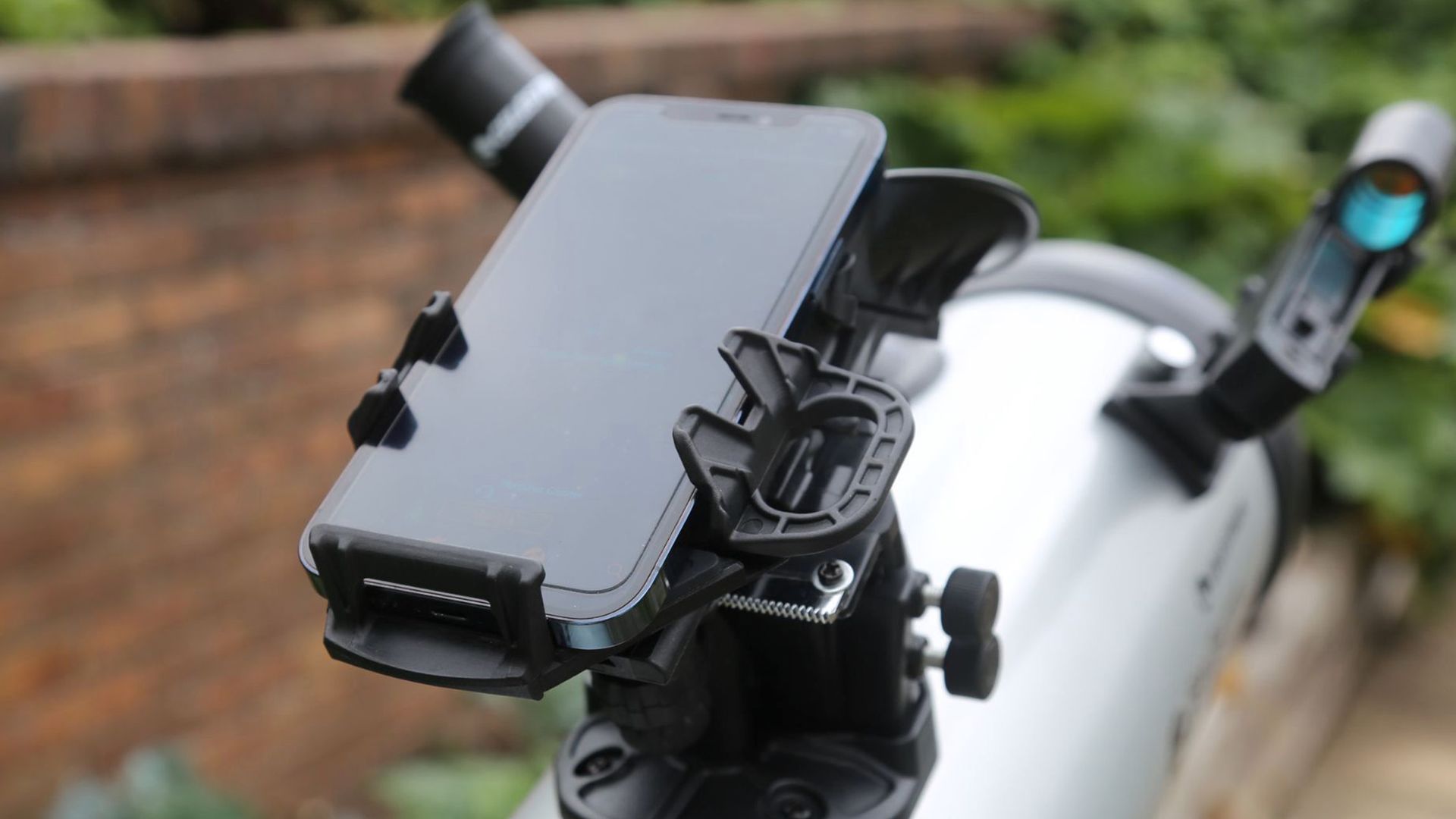
The smartphone holder on the Celestron StarSense Explorer LT 114AZ
Jamie Carter
Image shows the smartphone holder
Jamie Carter
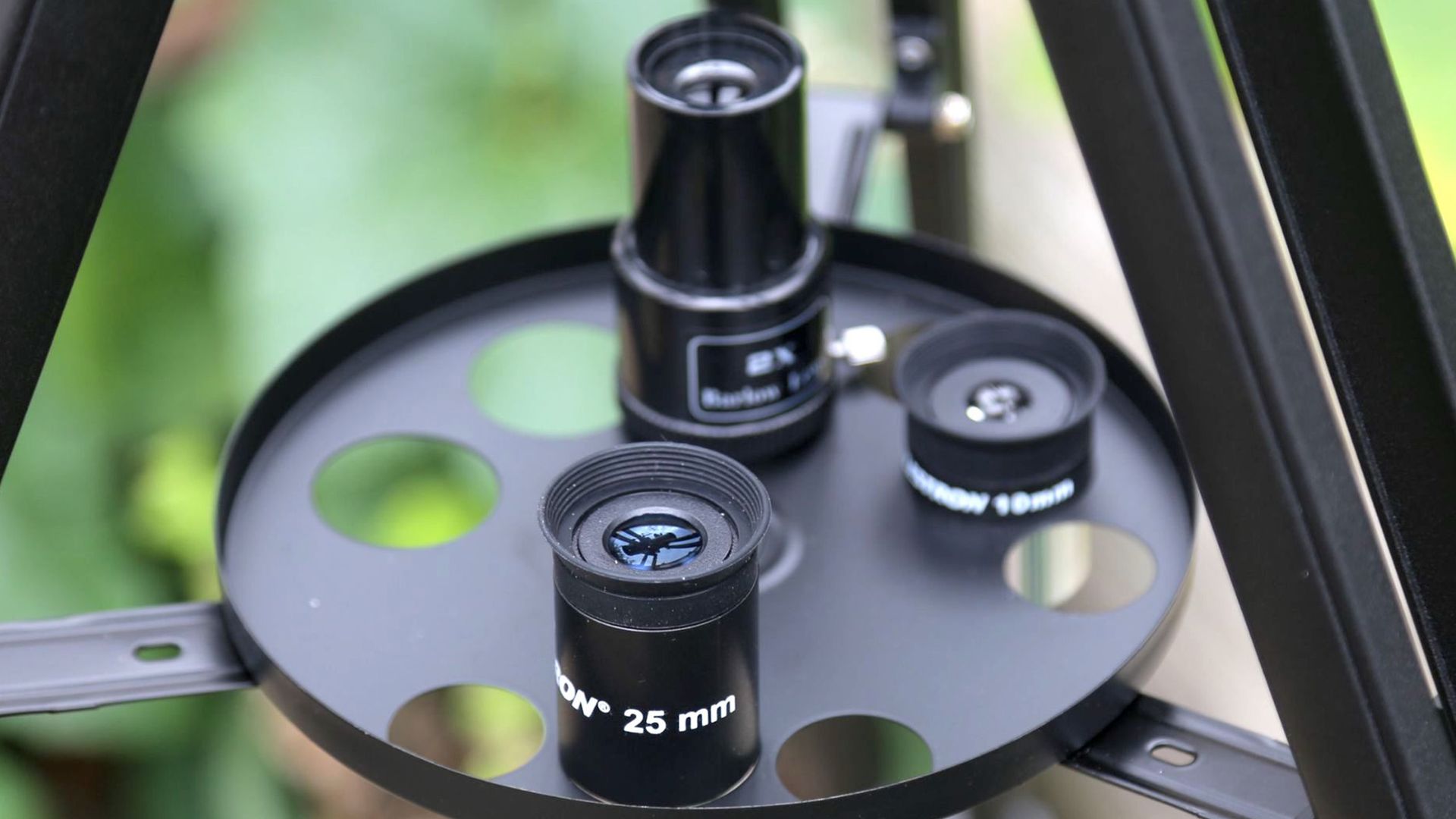
Close up of the two Kellner eyepieces and 2 x barlow lenses
Jamie Carter

When we reviewed the Celestron StarSense Explorer LT 114AZ, which is the lightweight tripod-mounted version of this telescope, we thought that the tripod was flimsy and affected our ability to observe and navigate to night sky objects. This version of the telescope doesn't have a tripod and has a Dobsonian design, which is very sturdy when used on a stable surface like a table or bench.

It really shines during planetary observation such as the moon and Jupiter, but it did struggle with deep-sky objects. The supplied eyepieces are ideal for planetary viewing, but if you wanted to upgrade your setup, you can always buy a separate set of the best eyepieces.

This deal from Amazon is the cheapest the Celestron 114AZ Dobsonian telescope has been since last Prime Day and it has to end tonight, when Prime Big Deal Days finishes. New members can sign up for a 30-day free trial so that you can access the best deals without having to pay a subscription fee. Our October Prime Day deals hub has all the best savings across telescopes, cameras and skywatching gear.

Key features: 4.5-inch (114 mm) aperture, 450mm focal length (f/4), alt-azimuth tabletop Dobsonian base, StarSense Explorer smartphone app integration, 1.25-inch rack-and-pinion focuser, StarPointer red-dot finderscope.

Product launched: July 2023

Price history: This telescope usually retails for $380, but it is generally on sale for $340. This price is the cheapest it has been since last Prime Day in June, when it dropped to $280.

Price comparison: Amazon: $315 | Best Buy: $345 | Walmart: $380

Reviews consensus: We gave the lightweight, alt-azimuth version of this model three stars in our Celestron StarSense Explorer LT 114AZ telescope review for its great StarSense app navigation and easy set-up.

Space: ★★★

Featured in guides: The StarSense Explorer LT114AZ features in best telescopes for seeing planets, best budget telescopes

✅ Buy it if: You are interested in planetary observation, as the optics and included Barlow lens are highly suitable for observing the moon, Jupiter and Saturn.

❌ Don't buy it if: You want to observe deep space objects like star clusters and galaxies; a telescope with a larger aperture would be better, such as one of the best telescopes for deep space.

Check out our other guides to the best telescopes, binoculars, cameras, star projectors, drones, lego and much more.
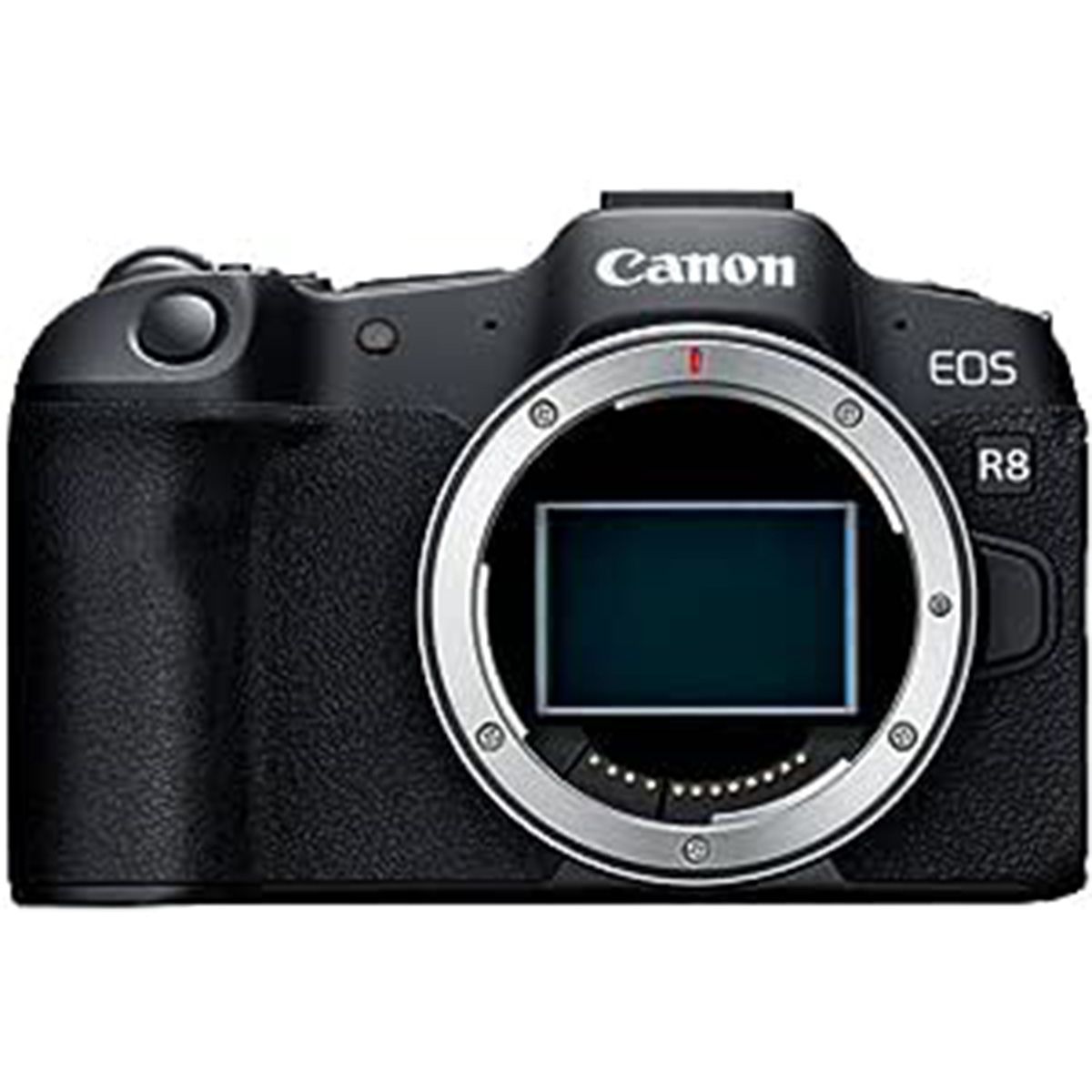
The Canon EOS R8 is great for mirrorless camera newbies and is now $428 off in this deal from Best Buy

You don't need the latest mirrorless camera to start your photography journey, there is too much functionality for a beginner on them and tend to be very expensive. The Canon EOS R8 is a great camera for someone new to photography, with a 24MP sensor, great high ISO handling for astro and dual-pixel autofocusing. Best Buy is currently selling the model for $28 cheaper than Amazon during their Prime Big Deal Days event with a total saving up to $428.

You can buy the Canon EOS R8, on sale right for $1,220 on Best Buy.

Walmart kicked off the holiday savings period on Oct. 5, meanwhile, Amazon has kicked off its second Prime Day event, with the best prices reserved for Amazon Prime members. If you are a new Prime member, you can get a 30-day free membership so that you can access these savings. All the best deals from all retailers will be on our Prime Day hub, with money off cameras, telescopes and binoculars.

Save a huge $428 on this amazing beginner mirrorless camera. It has a 24MP sensor, a slim body and is well capable of astrophotography.

Check out our Canon EOS R8 review here.View Deal

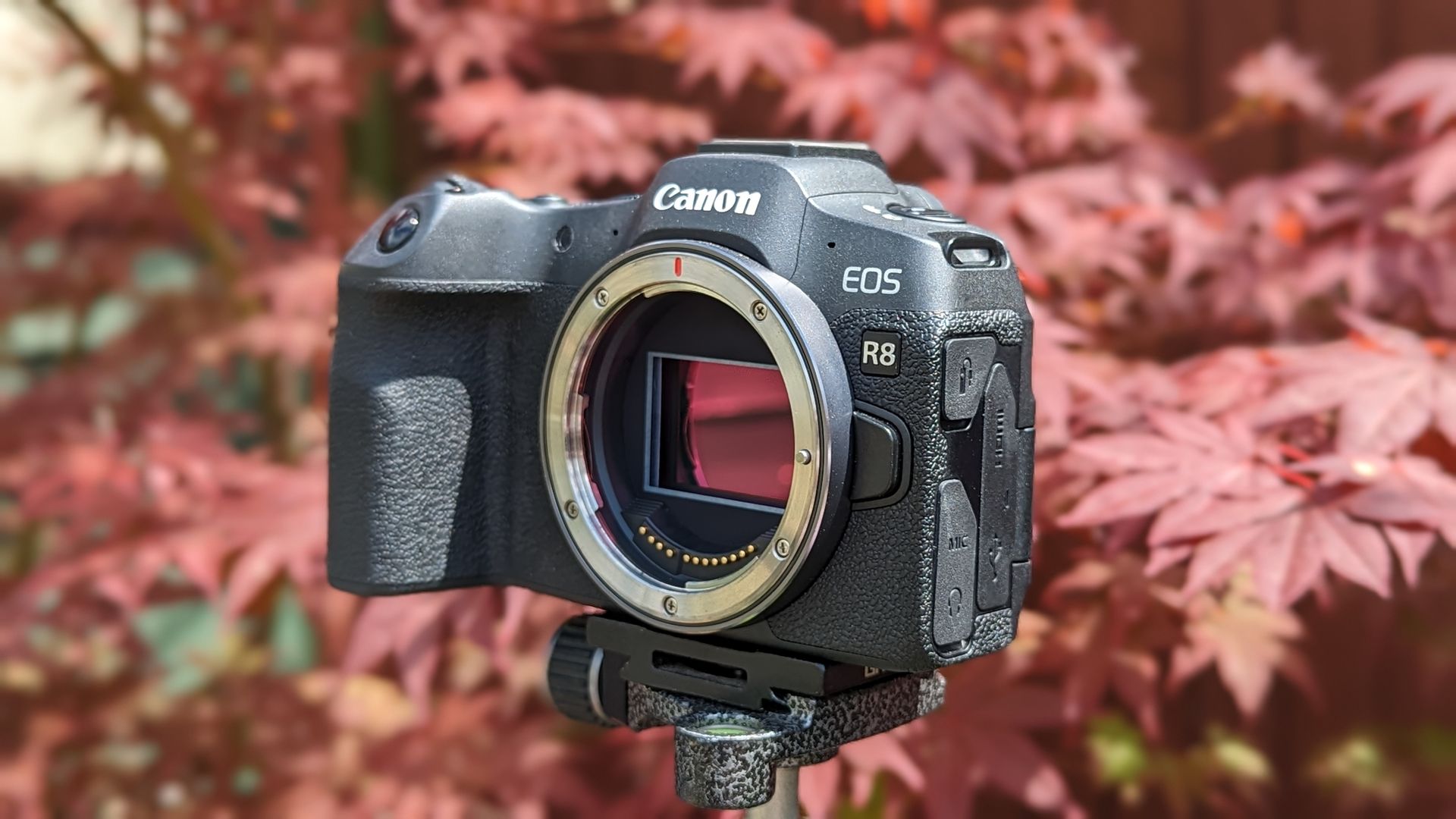
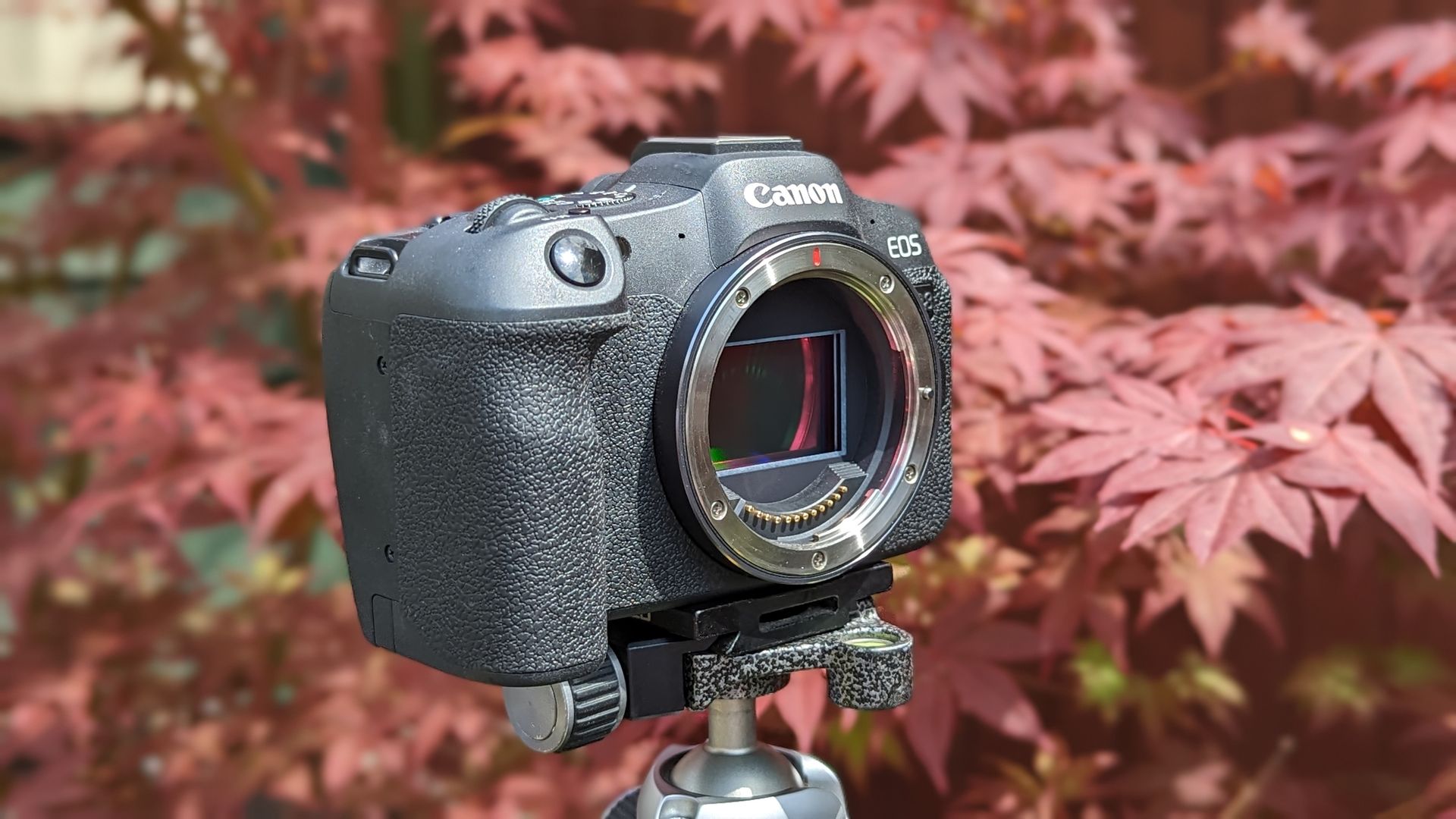
side view of the Canon EOS R8
The Canon EOS R8 is compatible with all Canon RF lenses.Jason Parnell-Brookes
The Canon EOS R8 three quarter view
The build on the Canon EOS R8 is sturdy enough whilst staying light weight.Jason Parnell-Brookes
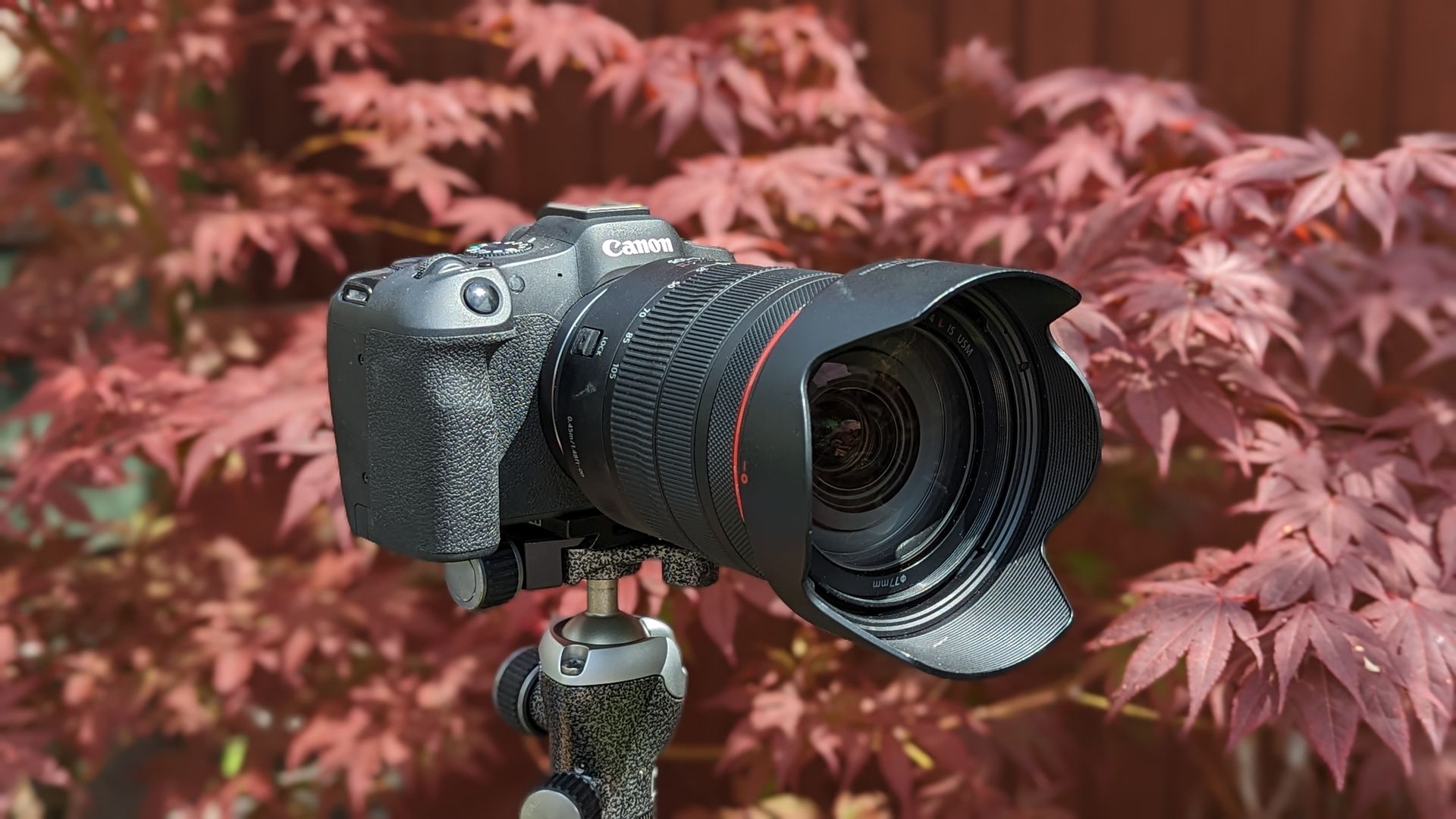
The Canon EOS R8 with a lens attached
The Canon EOS R8 can handle some of the bigger RF lenses too, without seeming unbalanced.Jason Parnell-Brookes
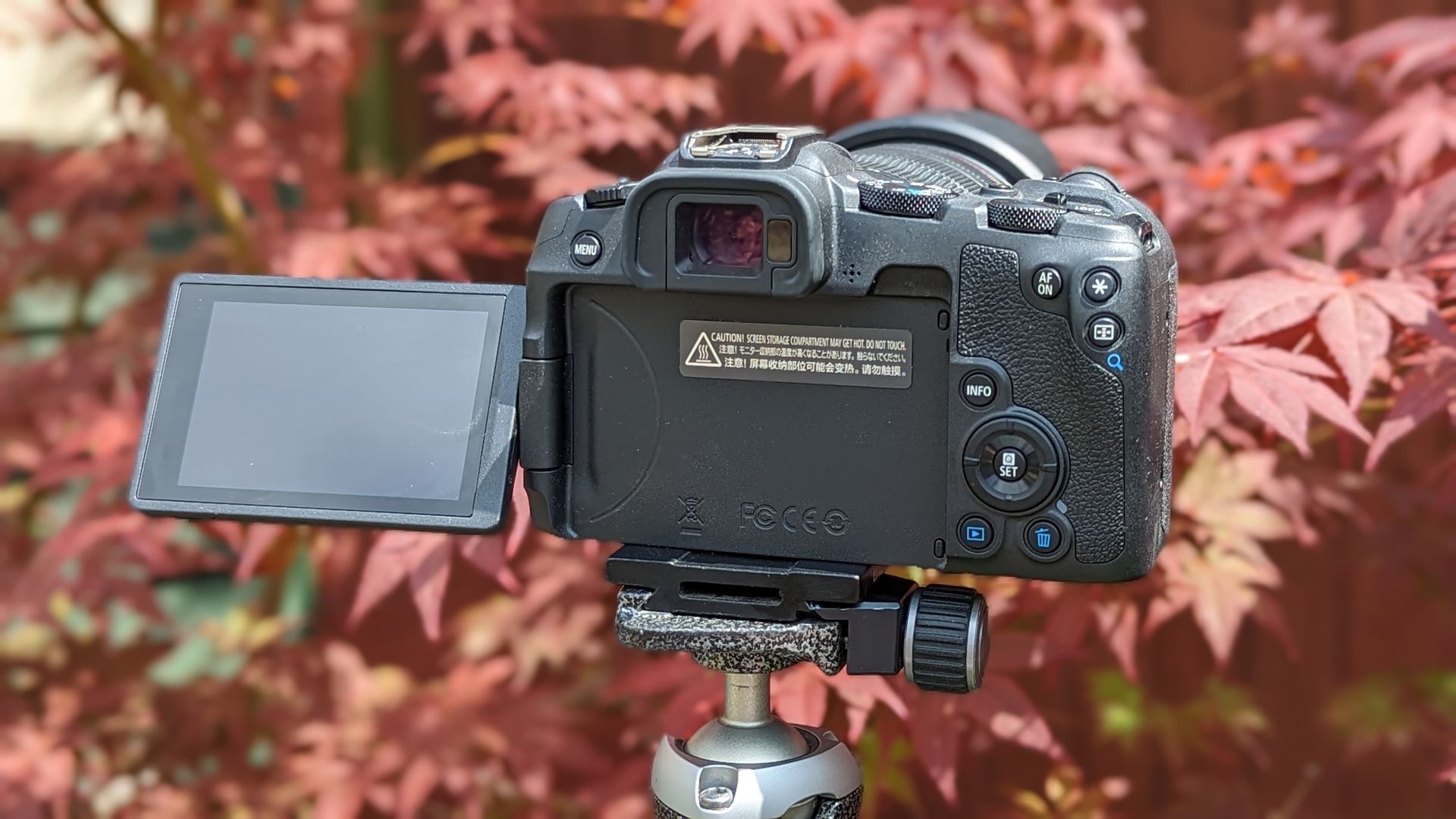
The Canon EOS R8
The Canon EOS R8 has a fully articulated LCD screen which makes it a breeze for capturing photographs from difficult angles.Jason Parnell-Brookes
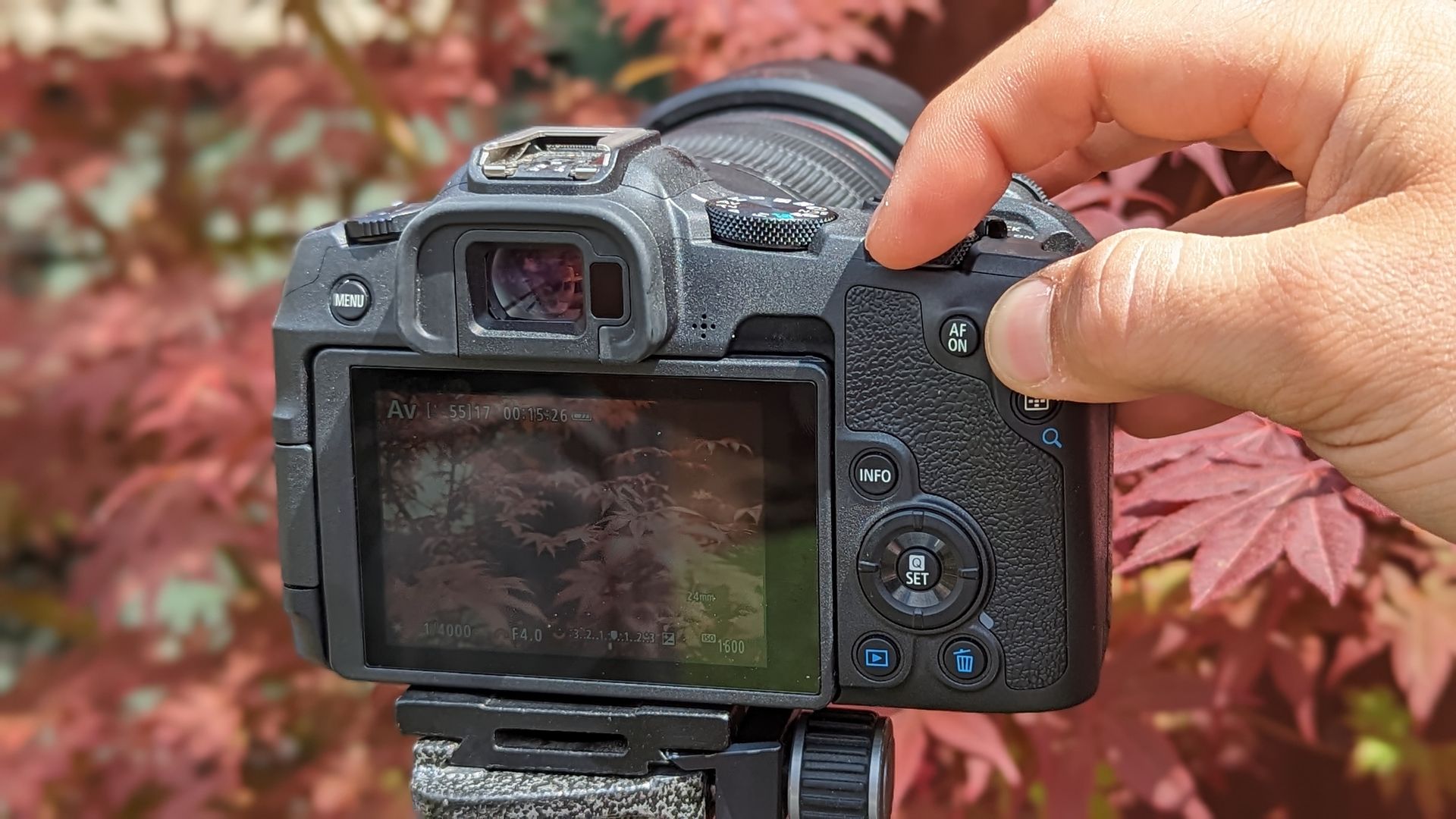
The Canon EOS R8 being used by the reviewer
The back panel also features buttons that are placed in the right spots for easy use.Jason Parnell-Brookes
Top view of the Canon EOS R8
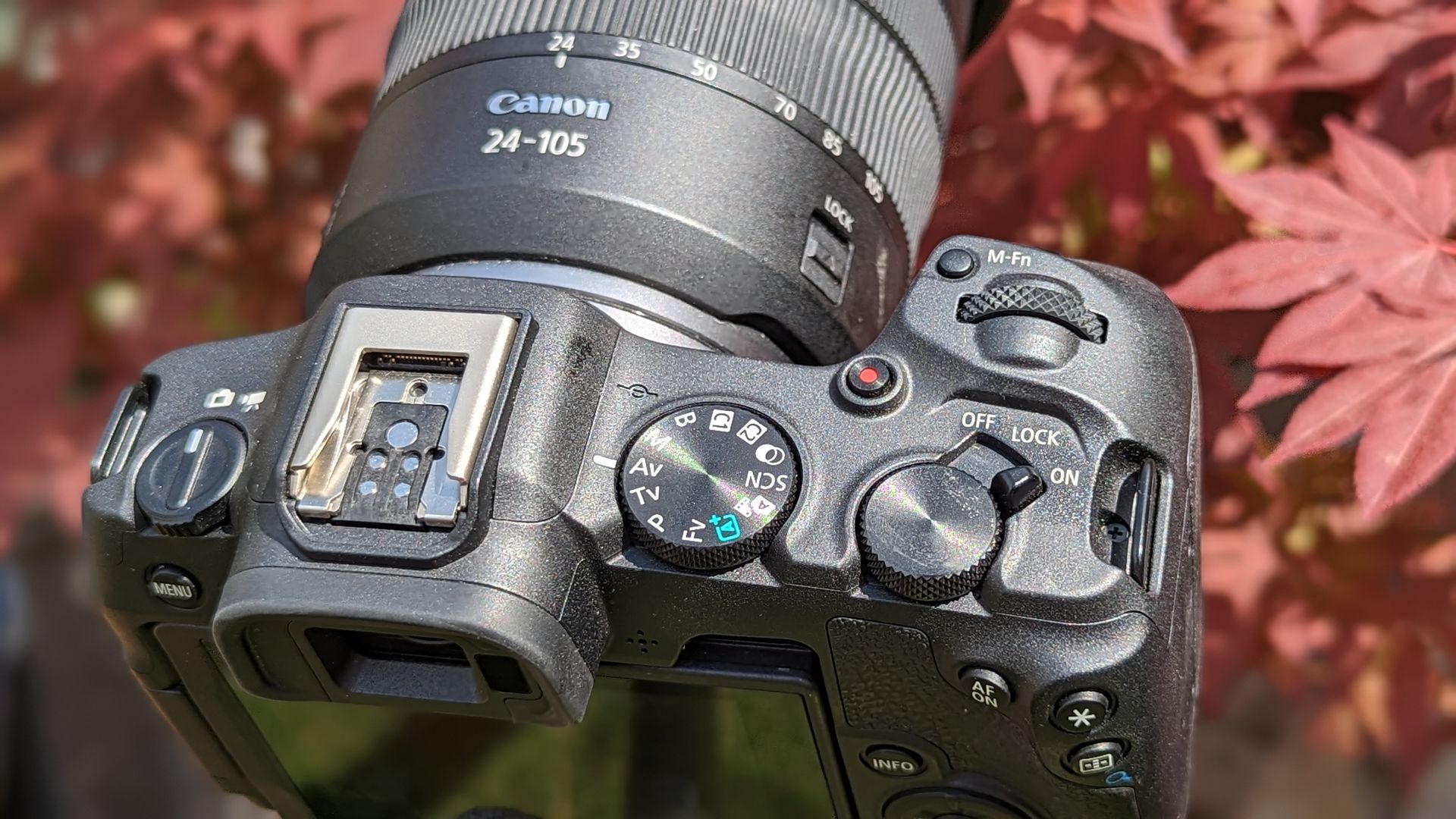
The dials on top of the Canon EOS R8 allow for easy manipulation of exposure controls and is intuitive enough for beginners and enthusiasts.Jason Parnell-Brookes

The Canon EOS R8 is a great beginner full-frame camera that packs a lot of functionality into such a cheap model. We thought the autofocus was great at tracking a range of subjects, using it to capture Venus in the night sky. On top of sharp dual-pixel autofocus, the R8 also has great high ISO handling and is one of the lightest Canon full-frame mirrorless cameras.

This is a great buy for someone looking to get into photography and even astrophotography because it offers strong overall performance within a relatively lightweight and cheap build. The button placement is great for beginners and allows new users to start straight away before moving up to more advanced shooting.

This deal from Best Buy is the lowest price we have seen on this model since January 2025, offering $428 off the retail price on Amazon and offering an extra $28 off the current Amazon price. This huge discount also gives you more spare cash to spend on some nice glass and get one of the best lenses for astrophotography.

Both of these discounts come during October Prime Day, which is running from Oct. 6-7 and offering some great prices for Prime members. New members can sign up for a 30-day free trial so that you can access the best deals without having to pay a subscription fee.

Key features: 24.2MP full-frame sensor, DIGIC X image processor, 4K UHD 60p video recording, Dual Pixel CMOS AF II autofocus, ISO range 100-102,400 (expandable to 204,800), 40FPS burst shooting, vari-angle touchscreen LCD.

Product launched: April 2023

Price history: This camera usually retails between $1,499 and $1,349. This price from Best Buy is the cheapest the camera has been since January 2025.

Price comparison: Best Buy: $1,220 | Walmart: $1499 | Amazon: $1,248

Reviews consensus: We gave the Canon EOS R8 four and a half stars for its slim body, great high ISO noise handling and Dual Pixel CMOS AF II autofocusing. We think it is a great budget option for beginners who want to start shooting astrophotography as well as general photography.

Space: ★★★★½ | Digital Camera World: ★★★★½ | LiveScience: ★★★★½

Featured in guides: best cameras for astrophotography, best Canon cameras

✅ Buy it if: You want a cheap but great mirrorless camera to learn photography with, whilst having enough functionality to keep you learning for years.

❌ Don't buy it if: You need professional-level features like in-body image stabilization (IBIS), a CFexpress slot or a super-high resolution sensor. Our guide to the best cameras features a range of pro-level models.

Check out our other guides to the best telescopes, binoculars, cameras, star projectors, drones, lego and much more.
Pre-order the Unistellar Envision AR binoculars and learn about the night sky in real-time

When we had an early preview of the Unistellar Envisions last year, our editor-in-chief Tariq Malik said they felt like something out of Star Trek. I have been very excited about getting my hands on these for a long time and I can't wait to use them to identify stars and constellations in the night sky.

You can preorder the Unistellar Envision AR smart binoculars right now, available for $1499 exclusively from Unistellar.

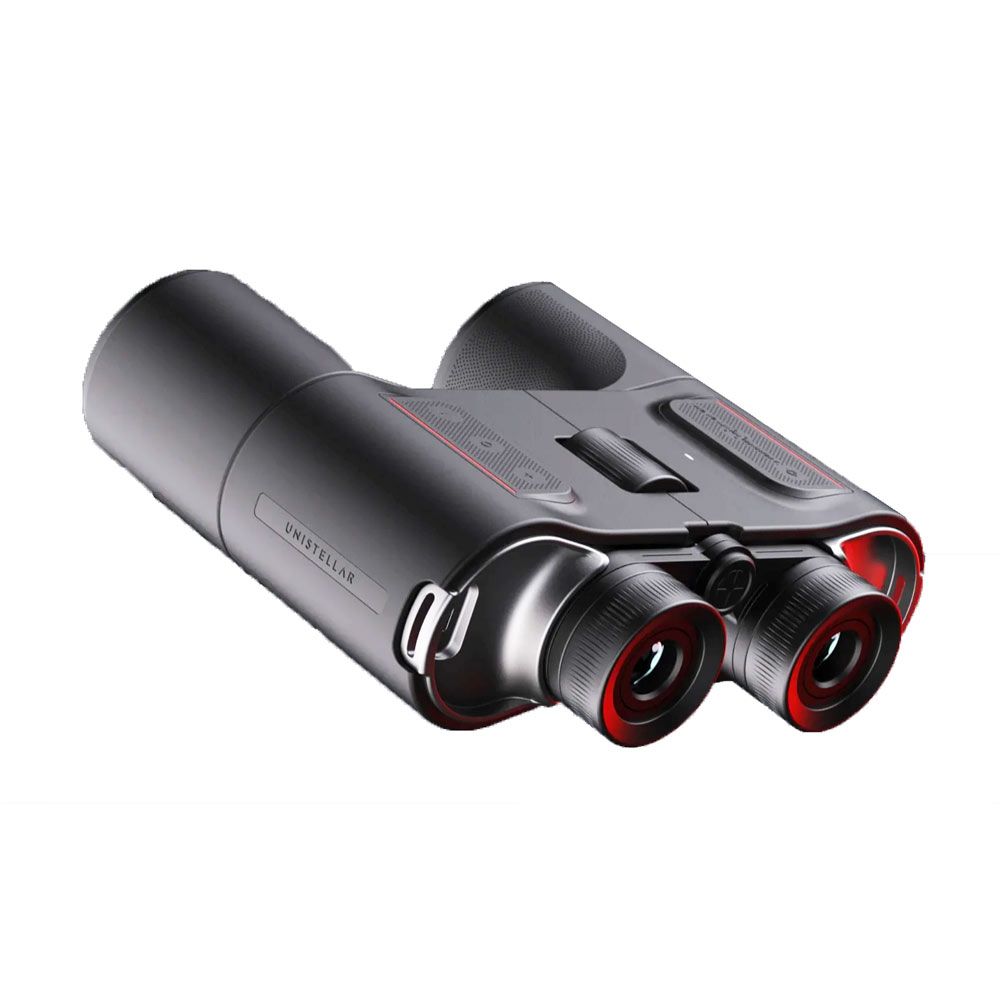
Unistellar announced that pre-orders were opening for the highly-anticipated Envisions at this year's IFA 2026 conference in Berlin and have delivered more details on the type of functionality customers can expect. The 10x50 smart binoculars can be used with or without the augmented reality (AR) overlay which is able to recognise constellations, planets and deep-sky objects in real time, with more functionality expected to be released within the coming months.

Pre-order now for guaranteed delivery before Christmas.

The Envisions are the highly anticipated augmented reality (AR) smart binoculars from Unistellar, with night sky object recognition from a database of over 1,000 astronomical targets, shareable target lock and guided navigation mode. Functionality to identify natural landmarks, paths and shelters is expected in the coming months.

$1,499 / £1,299 / €1,499

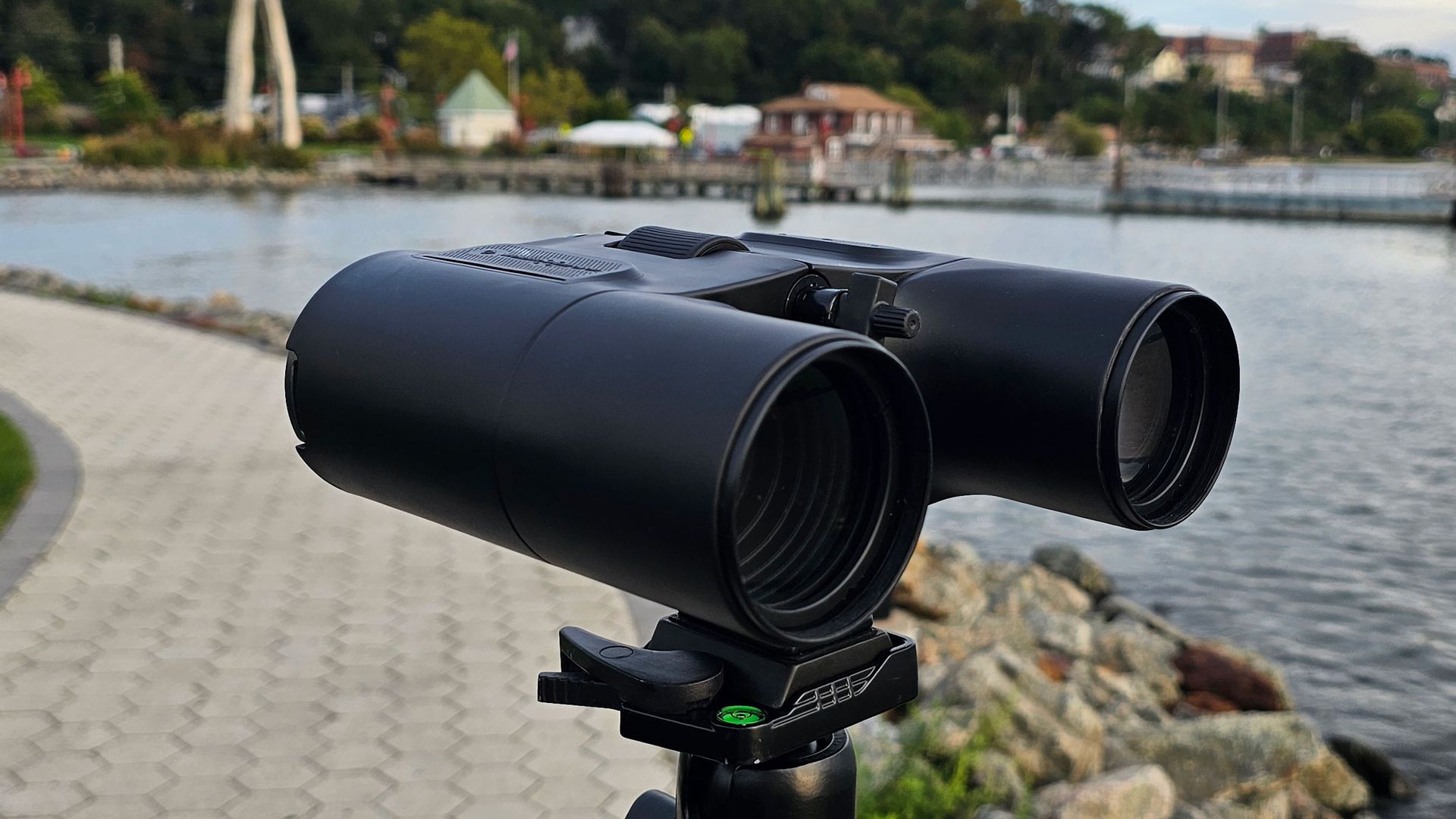
A man looking through the Unistellar Envision smart binoculars with a dock in the background.
Our editor-in-chief Tariq Malik was very impressed with them during a demo and thought they felt like something from Star Trek. Tariq Malik / Future
A side back view of the Unistellar Envision smart binoculars with water in the background.
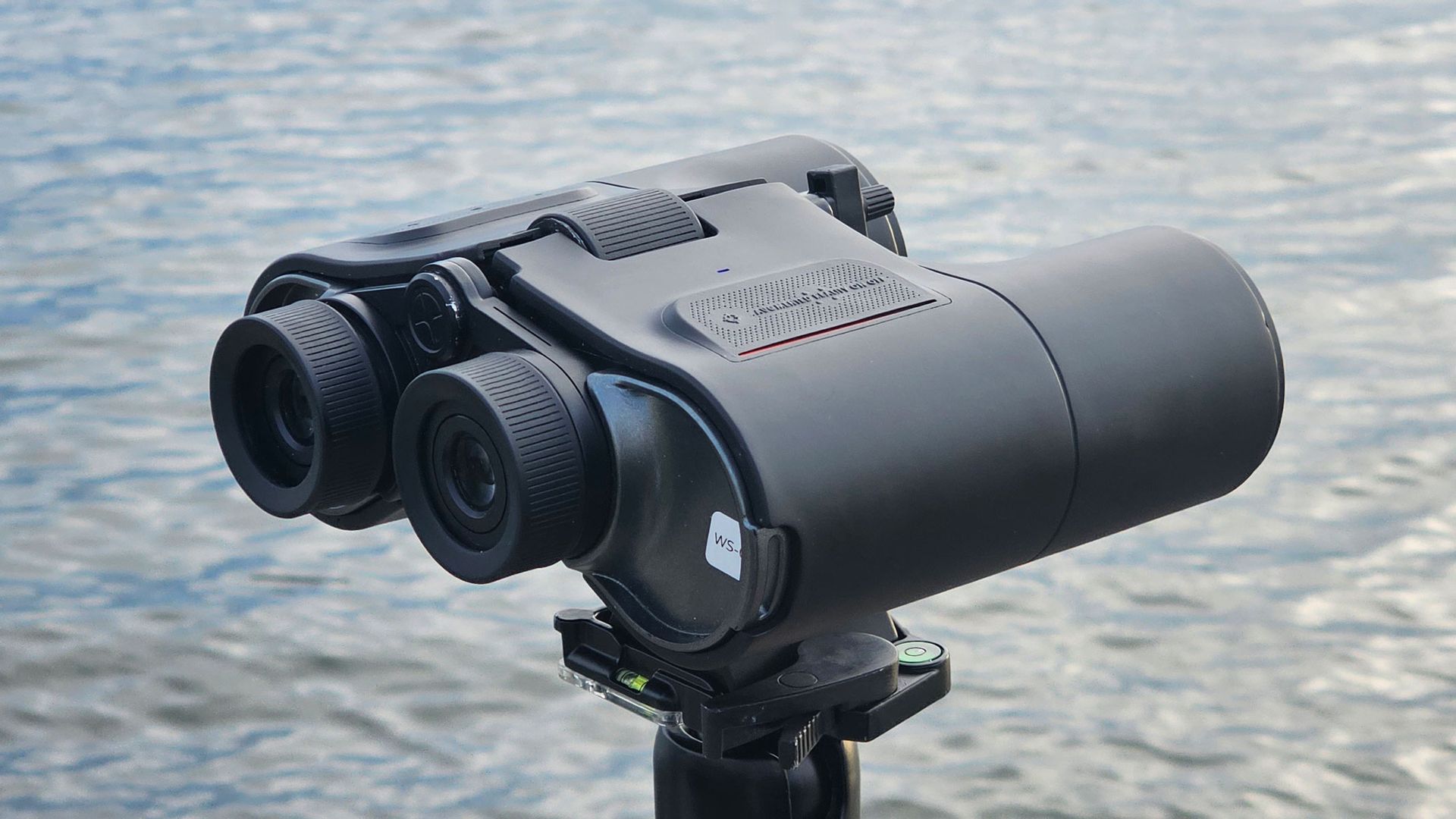
Controls on the right hand side of the model allow you to activate the AR overlay or just use them as regular 10x50 binoculars.Tariq Malik / Future
A side-front view of the Unistellar Envision smart binoculars with water and houses in the background.
At 10x magnification and with 50mm objective lenses, these smart binoculars also hit the key specs for stargazing binoculars even without the augmented reality (AR) overlay.Tariq Malik / Future
A man looking up at the night sky with the Unistellar Envision smart binoculars with water in the background.
Guided navigation mode when paired with the Unistellar app helps guide you toward specific night sky objects that you want to observe.Tariq Malik / Future
A mountain in the distance with a red AR overlay through binoculars.
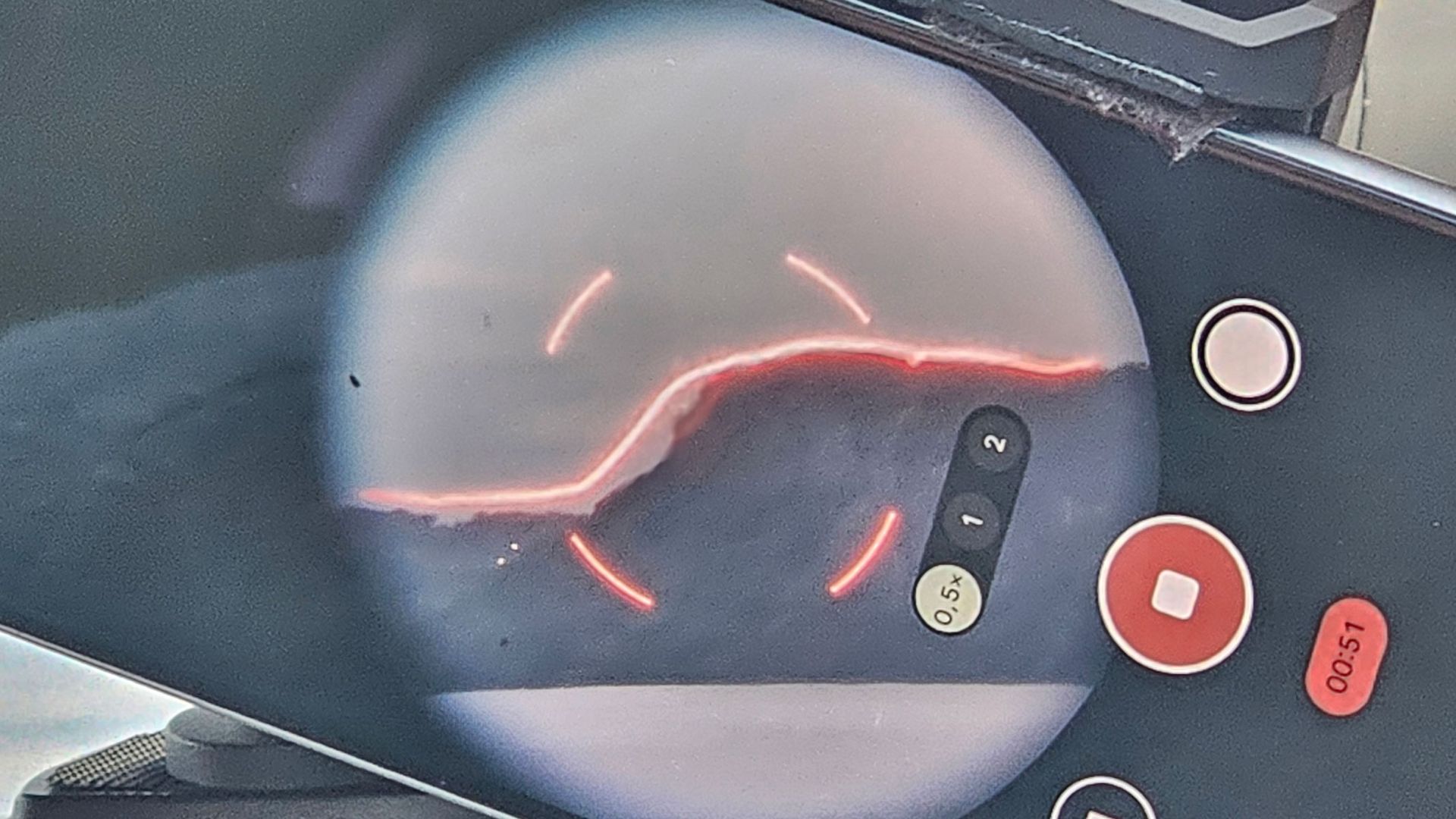
On top of night sky object identification, functionality for identifying geographical features is expected to be released soon. Tariq Malik / Future
A smartphone showing the view through the Unistellar Envision binoculars with a red AR overlay of a mountain.
The red augmented reality (AR) overlay displays the name of your chosen target and helps you identify new parts of the natural world.Tariq Malik / Future

Unistellar have already shown their muscle in the smart telescope department with the Odyssey, eQuinox 2 and eVscope 2 delivering easy and professional astrophotography to beginner and intermediate stargazers alike. Now they are pushing into the world of smart binoculars with the release of the Unistellar Envision smart binoculars.

These binoculars are "smart" in a different way to the rest of Unistellar's products. They use augmented reality to help users identify constellations, stars and deep sky objects, with a red overlay displaying names and information within the 10x magnified view. Our editor-in-chief got his hands on a pair of Envisions last year and was struck by how sci-fi they felt, likening them to something from Star Trek.

Whilst connected to the Unistellar smartphone app, users can select "Guided Navigation Mode" which guides them to their chosen target. This can also be used for custom targets that the user selects and can be used during shared viewing to help others find the same target. Functionality for geographical landmark identification is expected to be released in the coming months and subsequent software updates are expected to introduce new and exciting uses.

This Unistellar Envision pre-order guarantees delivery before Christmas, so if there is a stargazing obsessed loved one in your life, these smart binoculars could be the perfect gift. They are ideal for those who love adventuring and prefer dynamic skywatching with a new tool that boasts over 1,000 astronomical targets of interest and more than 200,000 visible stars in its database.

Key features: 10x magnification, 50mm objective lenses, porro prism design, weight 2.65 lbs (1.2 kg), five-hour AR battery life, operates without battery as classic binoculars, six-degree field of view, BaK-4 fully multi-coated optics, 1,000+ astronomy targets, +1,000,000 terrestrial targets (functionality expected to be released within the coming months).

Product launched: 2025

Price history: Unistellar did offer the binoculars for $999 for those who pre-ordered them last year but the current selling price is $1,499.

Unistellar exclusive: $1,499

Reviews consensus: We tried them out before general release and were impressed with their augmented reality (AR) overlay which helped us identify stars and a geographical target.

Featured in guides: best smart binoculars

✅ Buy it if: You want an interactive display that helps you learn about the night sky and locate targets.

❌ Don't buy it if: You need stronger than 10x magnification for long-distance viewing or features like image-stabilization or extreme waterproofing.

Check out our other guides to the best telescopes, binoculars, cameras, star projectors, drones, lego and much more.