‘Passive haptic learning’ (PHL) system teaches Morse code without trying

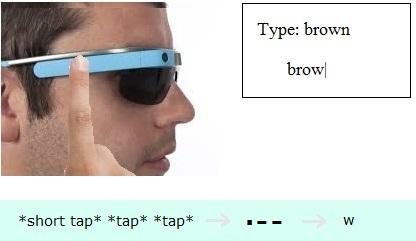
Study participants learned to tap Morse code into Google Glass after four hours (credit: Georgia Tech/Caitlyn Seim)

Researchers at the Georgia Institute of Technology have developed a “passive haptic learning” (PHL) system that teaches people Morse code within four hours, using a series of vibrations felt near the ear. Participants wearing Google Glass learned it without paying attention to the signals —they played games while feeling the taps and hearing the corresponding letters.

They were 94 percent accurate keying a sentence that included every letter of the alphabet and 98 percent accurate writing codes for every letter.

Georgia Tech researchers used this same method to teach people braille, how to play the piano and improved hand sensation for those with partial spinal cord injury.

The team used Glass for this study because it has both a built-in speaker and tapper (a bone-conduction transducer).

Unconscious learning

In the study, participants played a game while feeling vibration taps between their temple and ear. The taps represented the dots and dashes of Morse code and passively “taught” users through their tactile senses — even while they were distracted by the game.

The taps were created when researchers sent a very low-frequency signal to Glass’s speaker system. At less than 15 Hz, the signal was below hearing range but, because it was played very slowly, the sound was felt as a vibration.

Half of the participants in the study felt the vibration taps and heads a voice prompt for each corresponding letter. The other half — the control group — felt no taps to help them learn.

Participants were tested throughout the study on their knowledge of Morse code and their ability to type it.  After less than four hours of feeling every letter, everyone was challenged to type the alphabet in Morse code in a final test.
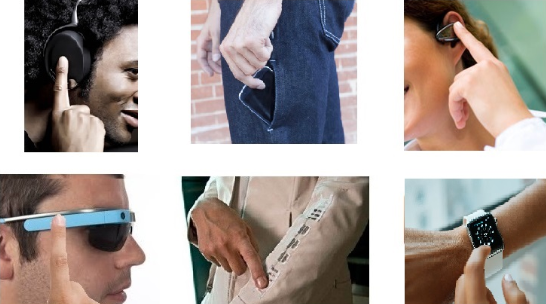
The findings demonstrate silent, eyes-free text entry on a mobile device without a keyboard (participants touched on Glass’s touchpad to enter Morse code during quizzes), but the system could be adapted to allow other mobile or wearable devices to be used (credit: Georgia Tech/Caitlyn Seim)

The control group was accurate only half the time.  Those who felt the passive cues were nearly perfect.

The method “shows that PHL lowers the barrier to learn text-entry methods — something we need for smartwatches and any text-entry that doesn’t require you to look at your device or keyboard,” said Georgia Tech Professor Thad Starner.

“This research also shows that other common devices with an actuator could be used for passive haptic learning,” he says. “Your smartwatch, Bluetooth headset, fitness tracker or phone.”

The researchers’ next study will go a step further, investigating whether PHL can teach people how to type on a QWERTY keyboard.

The work is supported in part by the National Science Foundation.


Abstract of Tactile taps teach rhythmic text entry: passive haptic learning of morse code

Passive Haptic Learning (PHL) is the acquisition of sensorimotor skills with little or no active attention to learning. This technique is facilitated by wearable computing, and applications are diverse. However, it is not known whether rhythm-based information can be conveyed passively. In a 12 participant study, we investigate whether Morse code, a rhythmbased text entry system, can be learned through PHL using the bone conduction transducer on Google Glass. After four hours of exposure to passive stimuli while focusing their attention on a distraction task, PHL participants achieved a 94% accuracy rate keying a pangram (a phrase with all the letters of the alphabet) using Morse code on Glass’s trackpad versus 53% for the control group. Most PHL participants achieved 100% accuracy before the end of the study. In written tests, PHL participants could write the codes for each letter of the alphabet with 98% accuracy versus 59% for control. When perceiving Morse code, PHL participants also performed significantly better than control: 83% versus 46% accuracy.


‘Nanobionic’ spinach plants detect explosives, pollution, drought

By embedding spinach leaves with carbon nanotubes, MIT engineers have transformed spinach plants into sensors that can detect explosives and wirelessly relay that information to a handheld device similar to a smartphone. (credit: Christine Daniloff/MIT)

MIT engineers have implanted spinach leaves with carbon nanotubes, resulting in a hybrid electronic system that they call “plant nanobionics” for detecting dangerous (and other) chemicals.

Two years ago, in the first demonstration of plant nanobionics, MIT engineer Michael Strano, PhD, used nanoparticles to enhance plants’ photosynthesis ability and turn them into sensors for nitric oxide, a pollutant produced by combustion.

Detecting trace molecules

In the new study, the researchers embedded the carbon-nanotube sensors for nitroaromatic compounds into the leaves of spinach plants. The plant can detect minute samples of explosives that leech into the groundwater. Carbon nanotubes can also be used as sensors to detect a wide range of molecules, including hydrogen peroxide, the explosive TNT, and the nerve gas sarin.

To read the signal, the researchers shine a laser onto the leaf, prompting the carbon nanotubes in the leaf to emit near-infrared fluorescent light. This can be detected with a small infrared camera connected to a Raspberry Pi, a $35 credit-card-sized computer, which then alerts the user with an email. The fluorescent signal could also be detected with a smartphone by removing the near-infrared filter that most camera phones have, the researchers say.

“You can apply these techniques with any living plant,” says Strano, leader of the MIT research team and the senior author of a paper describing the nanobionic plants in the Oct. 31 issue of Nature Materials. That opens the door to novel ways for plants to pick up signals that tell of environmental pollution, and even drought.

Plants “know that there is going to be a drought long before we do,” he says. “They can detect small changes in the properties of soil and water potential. If we tap into those chemical signaling pathways, there is a wealth of information to access.”


MIT | Plant-to-human communication


Abstract of Nitroaromatic detection and infrared communication from wild-type plants using plant nanobionics

Plant nanobionics aims to embed non-native functions to plants by interfacing them with specifically designed nanoparticles. Here, we demonstrate that living spinach plants (Spinacia oleracea) can be engineered to serve as self-powered pre-concentrators and autosamplers of analytes in ambient groundwater and as infrared communication platforms that can send information to a smartphone. The plants employ a pair of near-infrared fluorescent nanosensors—single-walled carbon nanotubes (SWCNTs) conjugated to the peptide Bombolitin II to recognize nitroaromatics via infrared fluorescent emission, and polyvinyl-alcohol functionalized SWCNTs that act as an invariant reference signal—embedded within the plant leaf mesophyll. As contaminant nitroaromatics are transported up the roots and stem into leaf tissues, they accumulate in the mesophyll, resulting in relative changes in emission intensity. The real-time monitoring of embedded SWCNT sensors also allows residence times in the roots, stems and leaves to be estimated, calculated to be 8.3 min (combined residence times of root and stem) and 1.9 min mm−1leaf, respectively. These results demonstrate the ability of living, wild-type plants to function as chemical monitors of groundwater and communication devices to external electronics at standoff distances.

New study challenges consensus that math abilities are innate

How do you decide which cart to get behind to check out faster? (credit: iStock)

A new theory on how the brain first learns basic math could alter approaches to identifying and teaching students with math-learning disabilities, according to Ben-Gurion University of the Negev (BGU) researchers.

The widely accepted “sense of numbers” theory suggests people are born with a “sense of numbers,” an innate ability to recognize different quantities, and that this ability improves with age. Early math curricula and tools for diagnosing math-specific learning disabilities such as dyscalculia, a brain disorder that makes it hard to make sense of numbers and math concepts, have been based on that consensus.

Other theories suggest that a “sense of magnitude” that enables people to discriminate between different “continuous magnitudes,” such as the density of two groups of apples or total surface area of two pizza trays, is even more basic and automatic than a sense of numbers.

Not just numbers

The new study, published in the Behavioral and Brain Sciences journal, combines these approaches. The researchers argue that understanding the relationship between size and number is what’s critical for the development of higher math abilities. By combining number and size (e.g., area, density, and perimeter), we can make faster and more efficient decisions.

For example: how do you choose the quickest checkout line at the grocery store? While most people intuitively get behind someone with a less filled-looking cart, a fuller-looking cart with fewer, larger items may actually be quicker. The way we make these kinds of decisions reveals that people use the natural correlation between number and continuous magnitudes to compare options — not just numbers.

Other factors, such as language and cognitive control, also play a role in acquiring numerical concepts, they note.

“This new approach will allow us to develop diagnostic tools that do not require any formal math knowledge, thus allowing diagnosis and treatment of dyscalculia before school age,” says Tali Leibovich, PhD, from University of Western Ontario, who led the study.

“If we are able to understand how the brain learns math, and how it understands numbers and more complex math concepts that shape the world we live in, we will be able to teach math in a more intuitive and enjoyable way,” says Leibovich.

The study was supported by the European Research Council under the European Union’s Seventh Framework Programme.


Abstract of From ‘sense of number’ to ‘sense of magnitude’ – The role of continuous magnitudes in numerical cognition

In this review, we are pitting two theories against each other: the more accepted theory—the ‘number sense’ theory—suggesting that a sense of number is innate and non-symbolic numerosity is being processed independently of continuous magnitudes (e.g., size, area, density); and the newly emerging theory suggesting that (1) both numerosities and continuous magnitudes are processed holistically when comparing numerosities, and (2) a sense of number might not be innate. In the first part of this review, we discuss the ‘number sense’ theory. Against this background, we demonstrate how the natural correlation between numerosities and continuous magnitudes makes it nearly impossible to study non-symbolic numerosity processing in isolation from continuous magnitudes, and therefore the results of behavioral and imaging studies with infants, adults and animals can be explained, at least in part, by relying on continuous magnitudes. In the second part, we explain the ‘sense of magnitude’ theory and review studies that directly demonstrate that continuous magnitudes are more automatic and basic than numerosities. Finally, we present outstanding questions. Our conclusion is that there is not enough convincing evidence to support the number sense theory anymore. Therefore, we encourage researchers not to assume that number sense is simply innate, but to put this hypothesis to the test, and to consider if such an assumption is even testable in light of the correlation of numerosity and continuous magnitudes.

Electroacupuncture lowers hypertension by activating natural opioids

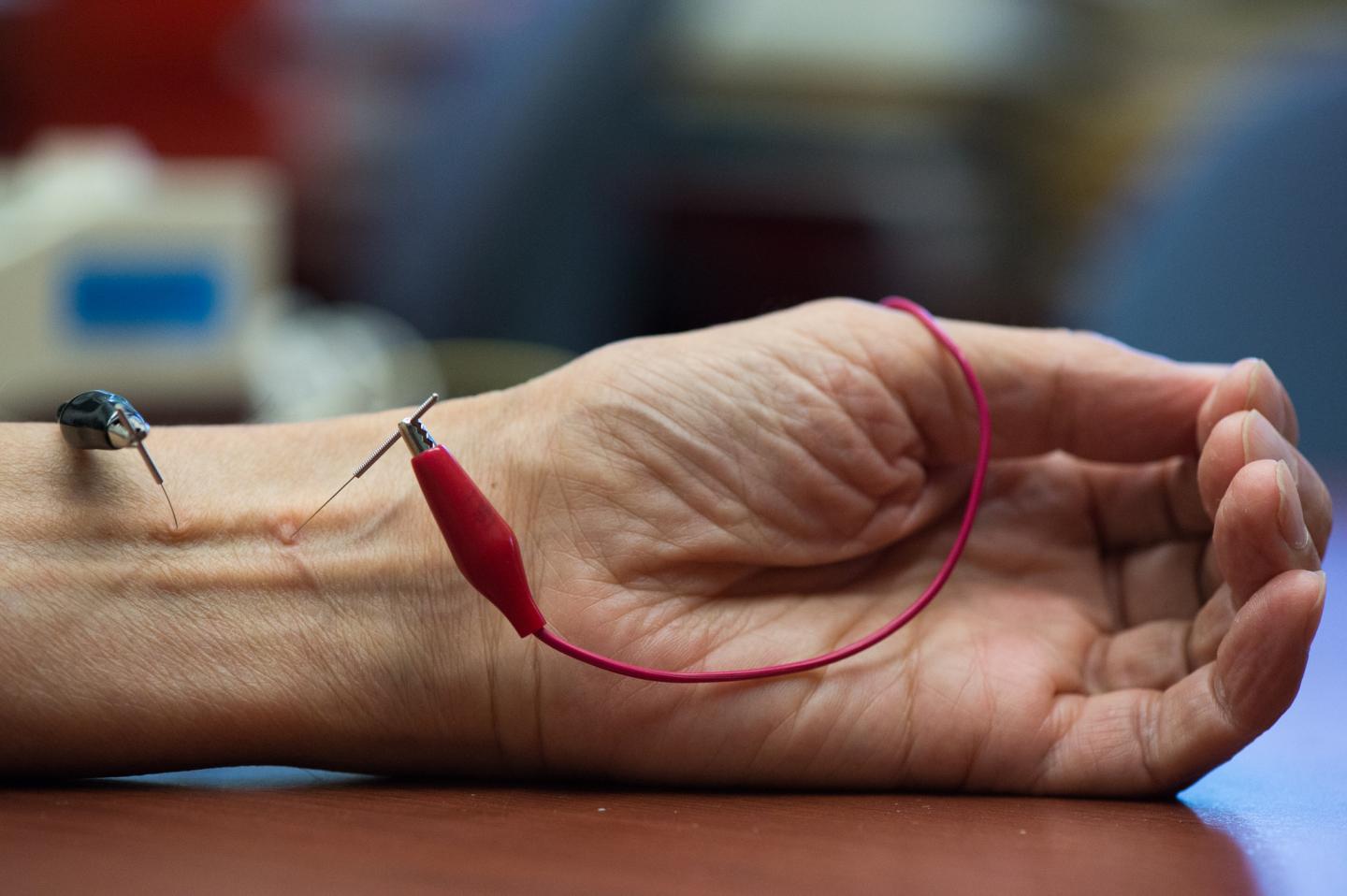
UCI study shows that repetitive electroacupuncture evokes a long-lasting action in lowering blood pressure in hypertension. (credit: Chris Nugent/UCI)

A study led by researchers at UC Irvine’s Susan Samueli Center for Integrative Medicine suggests electroacupuncture can effectively reduce hypertension in rats.

The team led by cardiology researcher Zhi-Ling Guo published evidence in Nature’s Scientific Reports (open access) to show how electroacupuncture remediates high blood pressure “by increasing the gene expression of enkephalin, one of three major opioid peptides produced by the body.”

The new study* builds on earlier reported research at the Samueli Center that tracked the efficacy of electroacupuncture to lower hypertension in humans. Patients stimulated at specific locations in the wrist had drops in their overall blood pressure scores.

The potential advantages of electroacupuncture over conventional medical therapy include few (if any) side effects, according to the researchers.

The study was supported by National Institutes of Health grants.

* In tests on rats subjected to cold exposure, UC Irvine School of Medicine cardiology researcher Zhi-Ling Guo and colleagues noted that blood pressure reductions lasted for at least three days after electroacupuncture (2 Hz, 0.1 – 0.4 mA, 0.5 ms duration) for 30 minutes twice weekly for five weeks by increasing the gene expression of enkephalin. With the onset of winter in the northern hemisphere, hospitals and clinicians typically see an uptick in deaths from stroke and heart attack associated with high blood pressure, according to a study by Canadian scientists published in Nature Scientific Reports.


Abstract of Repetitive Electroacupuncture Attenuates Cold-Induced Hypertension through Enkephalin in the Rostral Ventral Lateral Medulla

Acupuncture lowers blood pressure (BP) in hypertension, but mechanisms underlying its action are unclear. To simulate clinical studies, we performed electroacupuncture (EA) in unanesthetized rats with cold-induced hypertension (CIH) induced by six weeks of cold exposure (6 °C). EA (0.1 – 0.4 mA, 2 Hz) was applied at ST36-37 acupoints overlying the deep peroneal nerve for 30 min twice weekly for five weeks while sham-EA was conducted with the same procedures as EA except for no electrical stimulation. Elevated BP was reduced after six sessions of EA treatment and remained low 72 hrs after EA in 18 CIH rats, but not in sham-EA (n = 12) and untreated (n = 6) CIH ones. The mRNA level of preproenkephalin in the rostral ventrolateral medulla (rVLM) 72 hr after EA was increased (n = 9), compared to the sham-EA (n = 6), untreated CIH rats (n = 6) and normotensive control animals (n = 6). Microinjection of ICI 174,864, a δ-opioid receptor antagonist, into the rVLM of EA-treated CIH rats partially reversed EA’s effect on elevated BP (n = 4). Stimulation of rVLM of CIH rats treated with sham-EA using a δ-opioid agonist, DADLE, decreased BP (n = 6). These data suggest that increased enkephalin in the rVLM induced by repetitive EA contributes to BP lowering action of EA.

How to 3D-print your own baby universe

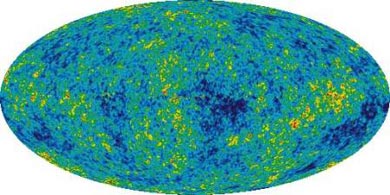
Cosmic microwave background radiation — 2D view (credit: NASA)

Researchers have created a 3D-printed cosmic microwave background (CMB) — a map of the oldest light in the universe — and have provided the files for download.

The cosmic microwave background (CMB) is the “glow” that the universe had in the microwave range. It maps the oldest light in the universe and tells astronomers more about the early universe and the formation of structures within it, such as galaxies. It was imprinted when the universe was only 380,000 years old — when the universe first became transparent, instead of an opaque fog of plasma and radiation.

The Planck satellite is making increasingly more detailed maps of the CMB, which are increasingly difficult to view and explore. To address this issue, Dave Clements, PhD, from the Department of Physics at Imperial College London and team have created plans for 3D printing the CMB. The work is published (open access) in the European Journal of Physics.

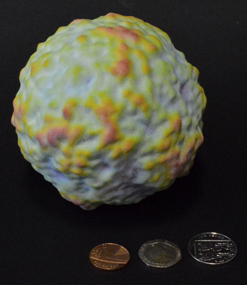
3D-printed CMB model. The bumps (not to scale) and associated colors represent both higher temperatures and higher densities of matter (credit: D. L. Clements et al./European Journal of Physics)

The 3D-printed model represents differences in the temperature as bumps and dips on a spherical surface and also as colors (from blue for coldest to red as warmest, corresponding to colors in the flat view). These temperature differences relate to different densities of matter, which correspond to the formation of structures in the universe, including stars, galaxies, galaxy clusters, and superclusters.

The CMB can be printed from a range of 3D printers, and two file types have been created by the team: one for simple single-color structures and one that includes the temperature differences represented as colors as well as bumps and dips. The files are free to download.

Dave Clements’ latest book, Infrared Astronomy — Seeing the Heat: from William Herschel to the Herschel Space Observatory, is available now.


Abstract of Cosmic sculpture: a new way to visualise the cosmic microwave background

3D printing presents an attractive alternative to visual representation of physical datasets such as astronomical images that can be used for research, outreach or teaching purposes, and is especially relevant to people with a visual disability. We here report the use of 3D printing technology to produce a representation of the all-sky cosmic microwave background (CMB) intensity anisotropy maps produced by the Planck mission. The success of this work in representing key features of the CMB is discussed as is the potential of this approach for representing other astrophysical data sets. 3D printing such datasets represents a highly complementary approach to the usual 2D projections used in teaching and outreach work, and can also form the basis of undergraduate projects. The CAD files used to produce the models discussed in this paper are made available.

New MIT technique reveals the basis for machine-learning systems’ hidden decisions

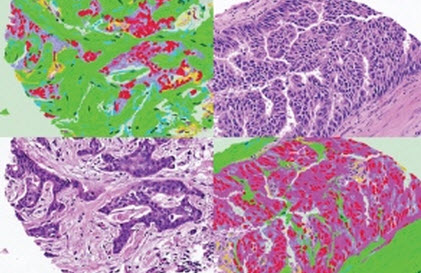
A Stanford School of Medicine machine-learning method for automatically analyzing images of cancerous tissues and predicting patient survival was found more accurate than doctors in breast-cancer diagnosis, but doctors still don’t trust this method, say MIT researchers (credit: Science/AAAS)

MIT researchers have developed a method to determine the rationale for predictions by neural networks, which loosely mimic the human brain. Neural networks, such as Google’s Alpha Go program, use a process known as “deep learning” to look for patterns in training data.

An ongoing problem with neural networks is that they are “black boxes.” After training, a network may be very good at classifying data, but even its creators will have no idea why. With visual data, it’s sometimes possible to automate experiments that determine which visual features a neural net is responding to, but text-processing systems tend to be more opaque.

In the deep learning process, training data is fed to a network’s input nodes, which modify it and feed it to other nodes, which modify it and feed it to still other nodes, and so on. The values stored in the network’s output nodes are then correlated with the classification category that the network is trying to learn — such as the objects in an image, or the topic of an essay.

“In real-world applications, sometimes people really want to know why the model makes the predictions it does,” says Tao Lei, an MIT graduate student in electrical engineering and computer science and first author on the new paper. “One major reason that doctors don’t trust machine-learning methods is that there’s no evidence.” Another critical example is self-driving cars.

At the Association for Computational Linguistics’ Conference on Empirical Methods in Natural Language Processing, researchers from MIT’s Computer Science and Artificial Intelligence Laboratory (CSAIL) will present a new way to train neural networks so that they provide not only predictions and classifications but rationales for their decisions.

“There’s a broader aspect to this work, as well,” says Tommi Jaakkola, an MIT professor of electrical engineering and computer science and a coauthor on the open-access paper. “You may not want to just verify that the model is making the prediction in the right way; you might also want to exert some influence in terms of the types of predictions that it should make. How does a layperson communicate with a complex model that’s trained with algorithms that they know nothing about? They might be able to tell you about the rationale for a particular prediction. In that sense it opens up a different way of communicating with the model.”

Interpreting a neural net’s decisions

In the new paper, the CSAIL researchers specifically address neural nets trained on textual data. To enable interpretation of a neural net’s decisions, the researchers divide the net into two modules. The first module extracts segments of text from the training data, and the segments are scored according to their length and their coherence: The shorter the segment, and the more of it that is drawn from strings of consecutive words, the higher its score.

The segments selected by the first module are then passed to the second module, which performs the prediction or classification task. The modules are trained together, and the goal of training is to maximize both the score of the extracted segments and the accuracy of prediction or classification.

An example of a beer review with ranking in two categories. The rationale for Look prediction is shown in bold. (credit: MIT CSAIL)

One of the data sets on which the researchers tested their system is a group of reviews from a website where users evaluate different beers. The data set includes the raw text of the reviews and the corresponding ratings, using a five-star system, on each of three attributes: aroma, palate, and appearance.

What makes the data attractive to natural-language-processing researchers is that it’s also been annotated by hand, to indicate which sentences in the reviews correspond to which scores. For example, a review might consist of eight or nine sentences, and the annotator might have highlighted those that refer to the beer’s “tan-colored head about half an inch thick,” “signature Guinness smells,” and “lack of carbonation.” Each sentence is correlated with a different attribute rating.

As such, the data set provides an excellent test of the CSAIL researchers’ system. If the first module has extracted those three phrases, and the second module has correlated them with the correct ratings, then the system has identified the same basis for judgment that the human annotator did.

In experiments, the system’s agreement with the human annotations was 96 percent and 95 percent, respectively, for ratings of appearance and aroma, and 80 percent for the more nebulous concept of palate.

In the paper, the researchers also report testing their system on a database of free-form technical questions and answers, where the task is to determine whether a given question has been answered previously.

In unpublished work, they’ve applied it to thousands of pathology reports on breast biopsies, where it has learned to extract text explaining the bases for the pathologists’ diagnoses. They’re even using it to analyze mammograms, where the first module extracts sections of images rather than segments of text.


Abstract of Rationalizing Neural Predictions

Prediction without justification has limited applicability. As a remedy, we learn to extract pieces of input text as justifications – rationales – that are tailored to be short and coherent, yet sufficient for making the same prediction. Our approach combines two modular components, generator and encoder, which are trained to operate well together. The generator specifies a distribution over text fragments as candidate rationales and these are passed through the encoder for prediction. Rationales are never given during training. Instead, the model is regularized by desiderata for rationales. We evaluate the approach on multi-aspect sentiment analysis against manually annotated test cases. Our approach outperforms attention-based baseline by a significant margin. We also successfully illustrate the method on the question retrieval task.

New MIT technique reveals the basis for machine-learning systems’ hidden decisions

A Stanford School of Medicine machine-learning method for automatically analyzing images of cancerous tissues and predicting patient survival was found more accurate than doctors in breast-cancer diagnosis, but doctors still don’t trust this method, say MIT researchers (credit: Science/AAAS)

MIT researchers have developed a method to determine the rationale for predictions by neural networks, which loosely mimic the human brain. Neural networks, such as Google’s Alpha Go program, use a process known as “deep learning” to look for patterns in training data.

An ongoing problem with neural networks is that they are “black boxes.” After training, a network may be very good at classifying data, but even its creators will have no idea why. With visual data, it’s sometimes possible to automate experiments that determine which visual features a neural net is responding to, but text-processing systems tend to be more opaque.

In the deep learning process, training data is fed to a network’s input nodes, which modify it and feed it to other nodes, which modify it and feed it to still other nodes, and so on. The values stored in the network’s output nodes are then correlated with the classification category that the network is trying to learn — such as the objects in an image, or the topic of an essay.

“In real-world applications, sometimes people really want to know why the model makes the predictions it does,” says Tao Lei, an MIT graduate student in electrical engineering and computer science and first author on the new paper. “One major reason that doctors don’t trust machine-learning methods is that there’s no evidence.” Another critical example is self-driving cars.

At the Association for Computational Linguistics’ Conference on Empirical Methods in Natural Language Processing, researchers from MIT’s Computer Science and Artificial Intelligence Laboratory (CSAIL) will present a new way to train neural networks so that they provide not only predictions and classifications but rationales for their decisions.

“There’s a broader aspect to this work, as well,” says Tommi Jaakkola, an MIT professor of electrical engineering and computer science and a coauthor on the open-access paper. “You may not want to just verify that the model is making the prediction in the right way; you might also want to exert some influence in terms of the types of predictions that it should make. How does a layperson communicate with a complex model that’s trained with algorithms that they know nothing about? They might be able to tell you about the rationale for a particular prediction. In that sense it opens up a different way of communicating with the model.”

Interpreting a neural net’s decisions

In the new paper, the CSAIL researchers specifically address neural nets trained on textual data. To enable interpretation of a neural net’s decisions, the researchers divide the net into two modules. The first module extracts segments of text from the training data, and the segments are scored according to their length and their coherence: The shorter the segment, and the more of it that is drawn from strings of consecutive words, the higher its score.

The segments selected by the first module are then passed to the second module, which performs the prediction or classification task. The modules are trained together, and the goal of training is to maximize both the score of the extracted segments and the accuracy of prediction or classification.

An example of a beer review with ranking in two categories. The rationale for Look prediction is shown in bold. (credit: MIT CSAIL)

One of the data sets on which the researchers tested their system is a group of reviews from a website where users evaluate different beers. The data set includes the raw text of the reviews and the corresponding ratings, using a five-star system, on each of three attributes: aroma, palate, and appearance.

What makes the data attractive to natural-language-processing researchers is that it’s also been annotated by hand, to indicate which sentences in the reviews correspond to which scores. For example, a review might consist of eight or nine sentences, and the annotator might have highlighted those that refer to the beer’s “tan-colored head about half an inch thick,” “signature Guinness smells,” and “lack of carbonation.” Each sentence is correlated with a different attribute rating.

As such, the data set provides an excellent test of the CSAIL researchers’ system. If the first module has extracted those three phrases, and the second module has correlated them with the correct ratings, then the system has identified the same basis for judgment that the human annotator did.

In experiments, the system’s agreement with the human annotations was 96 percent and 95 percent, respectively, for ratings of appearance and aroma, and 80 percent for the more nebulous concept of palate.

In the paper, the researchers also report testing their system on a database of free-form technical questions and answers, where the task is to determine whether a given question has been answered previously.

In unpublished work, they’ve applied it to thousands of pathology reports on breast biopsies, where it has learned to extract text explaining the bases for the pathologists’ diagnoses. They’re even using it to analyze mammograms, where the first module extracts sections of images rather than segments of text.


Abstract of Rationalizing Neural Predictions

Prediction without justification has limited applicability. As a remedy, we learn to extract pieces of input text as justifications – rationales – that are tailored to be short and coherent, yet sufficient for making the same prediction. Our approach combines two modular components, generator and encoder, which are trained to operate well together. The generator specifies a distribution over text fragments as candidate rationales and these are passed through the encoder for prediction. Rationales are never given during training. Instead, the model is regularized by desiderata for rationales. We evaluate the approach on multi-aspect sentiment analysis against manually annotated test cases. Our approach outperforms attention-based baseline by a significant margin. We also successfully illustrate the method on the question retrieval task.

Boosting levels of antioxidant may help resist age-related decline

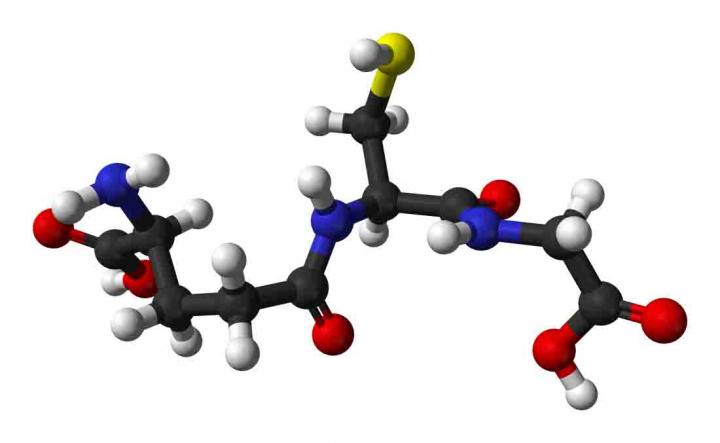
The chemical structure of glutathione, an antioxidant that may help resist the toxins that are an underlying cause of aging. (credit: Oregon State University)

Researchers at Oregon State University have found evidence in a rat study* that levels of glutathione, which helps resist the toxic stresses of everyday life, decline with age, and this sets the stage for a wide range of age-related health problems, they suggest.

The new study, published in the journal Redox Biology, also highlighted a compound called N-acetyl-cysteine (NAC), which is used in high doses in medical detoxification emergencies to help patients in a toxic crisis, such as ingestion of poisonous levels of heavy metals or acetaminophen overdose.

NAC, the researchers said, is known to boost the metabolic function of glutathione and increase its rate of synthesis. In the study, pretreatment with NAC increased glutathione levels in the older cells and largely helped offset the level of cell death.

But the researchers said that at much lower levels, NAC might also help maintain glutathione levels and prevent the routine metabolic declines associated with aging.

Aging-related decline of these detoxification pathways, the scientists say, are linked to cardiovascular disease, diabetes and cancer, some of the primary causes of death in the developed world.

“We’ve known for some time of the importance of glutathione as a strong antioxidant,” said Tory Hagen, lead author on the research and the Helen P. Rumbel Professor for Health Aging Research in the Linus Pauling Institute at OSU.

Detoxing with glutathione

“What this study pointed out was the way that cells from younger animals are far more resistant to stress than those from older animals. In young animal cells, stress doesn’t cause such a rapid loss of glutathione. The cells from older animals, on the other hand, were quickly depleted of glutathione and died twice as fast when subjected to stress.

According to Hagen, glutathione is such an important antioxidant that its existence appears to date back as far as oxygen-dependent, or aerobic life itself — about 1.5 billion years. It’s a principal compound to detoxify environmental stresses, air pollutants, heavy metals, pharmaceuticals and many other toxic insults.

“I’m optimistic there could be a role for this compound in preventing the increased toxicity we face with aging, as our abilities to deal with toxins decline,” Hagen said. “We might be able to improve the metabolic resilience that we’re naturally losing with age.”

Hagen suggested that higher levels of glutathione — boosted by NAC — might also help reduce the toxicity of some prescription drugs, cancer chemotherapies, and treat other health issues.

This research was supported by the National Institutes of Health, the National Science Foundation, and the Medical Research Foundation of Oregon.

* In this study, scientists tried to identify the resistance to toxins of young cells, compared to those of older cells. They used a toxic compound called menadione to stress the cells, and in the face of that stress, the younger cells lost significantly less of their glutathione than older cells did. The glutathione levels of young rat cells never decreased to less than 35 percent of its initial level, whereas in older rat cells glutathione levels plummeted to 10 percent of their original level.


Abstract of Glutathione maintenance mitigates age-related susceptibility to redox cycling agents

Isolated hepatocytes from young (4–6 mo) and old (24–26 mo) F344 rats were exposed to increasing concentrations of menadione, a vitamin K derivative and redox cycling agent, to determine whether the age-related decline in Nrf2-mediated detoxification defenses resulted in heightened susceptibility to xenobiotic insult. An LC50 for each age group was established, which showed that aging resulted in a nearly 2-fold increase in susceptibility to menadione (LC50 for young: 405 μM; LC50 for old: 275 μM). Examination of the known Nrf2-regulated pathways associated with menadione detoxification revealed, surprisingly, that NAD(P)H: quinone oxido-reductase 1 (NQO1) protein levels and activity were induced 9-fold and 4-fold with age, respectively (p=0.0019 and p=0.018; N=3), but glutathione peroxidase 4 (GPX4) declined by 70% (p=0.0043; N=3). These results indicate toxicity may stem from vulnerability to lipid peroxidation instead of inadequate reduction of menadione semi-quinone. Lipid peroxidation was 2-fold higher, and GSH declined by a 3-fold greater margin in old versus young rat cells given 300 µM menadione (p<0.05 and p≤0.01 respectively; N=3). We therefore provided 400 µM N-acetyl-cysteine (NAC) to hepatocytes from old rats before menadione exposure to alleviate limits in cysteine substrate availability for GSH synthesis during challenge. NAC pretreatment resulted in a >2-fold reduction in cell death, suggesting that the age-related increase in menadione susceptibility likely stems from attenuated GSH-dependent defenses. This data identifies cellular targets for intervention in order to limit age-related toxicological insults to menadione and potentially other redox cycling compounds.

Neurons from stem cells replace damaged neurons, precisely rewiring into the brain

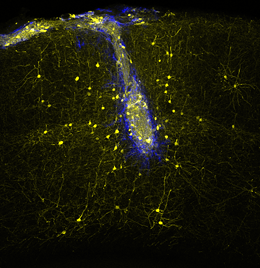
As shown in this in vivo two-photon image, neuronal transplants (blue) connect with host neurons (yellow) in the adult mouse brain in a highly specific manner, rebuilding neural networks lost upon injury. (credit: Sofia Grade/LMU/Helmholtz Zentrum München)

Embryonic neural stem cells transplanted into damaged areas of the visual cortex of adult mice were able to differentiate into pyramidal cells — forming normal synaptic connections, responding to visual stimuli, and integrating into neural networks — researchers at LMU Munich, the Max Planck Institute for Neurobiology in Martinsried and the Helmholtz Zentrum München have demonstrated.

The adult human brain has very little ability to compensate for nerve-cell loss, so biomedical researchers and clinicians are exploring the possibility of using transplanted nerve cells to replace neurons that have been irreparably damaged as a result of trauma or disease, leading to a lifelong neurological deficit.

Previous studies have suggested there is potential to remedy at least some of the clinical symptoms resulting from acquired brain disease through the transplantation of fetal nerve cells into damaged neuronal networks. However, it has not been clear whether transplanted intact neurons could be sufficiently integrated to result in restored function of the damaged network.

Stem-cell-derived neurons mirror connections of damaged neurons

Now, in study published in Nature, the researchers have found that transplanted embryonic nerve cells properly differentiated into pyramidal cells, forming normal synaptic connections, responding to visual stimuli, and carrying out the tasks performed by the damaged cells (videos here).

The researchers were also “astounded” to find that the replacement neurons grew axons throughout the adult brain, reaching proper target areas, and receiving V1-specific (from the primary visual cortex) inputs from host neurons — precisely the same inputs that the original neurons had received.

This includes neocortical circuits that normally never incorporate new neurons in the adult brain.

In addition, after 2–3 months, the transplanted neurons were fully integrated in the brain, showing functional properties indistinguishable from the original neurons.

The study was supported by funding from the German Research Foundation (DFG). 


Abstract of Transplanted embryonic neurons integrate into adult neocortical circuits

The ability of the adult mammalian brain to compensate for neuronal loss caused by injury or disease is very limited. Transplantation aims to replace lost neurons, but the extent to which new neurons can integrate into existing circuits is unknown. Here, using chronic in vivo two-photon imaging, we show that embryonic neurons transplanted into the visual cortex of adult mice mature into bona fide pyramidal cells with selective pruning of basal dendrites, achieving adult-like densities of dendritic spines and axonal boutons within 4–8 weeks. Monosynaptic tracing experiments reveal that grafted neurons receive area-specific, afferent inputs matching those of pyramidal neurons in the normal visual cortex, including topographically organized geniculo-cortical connections. Furthermore, stimulus-selective responses refine over the course of many weeks and finally become indistinguishable from those of host neurons. Thus, grafted neurons can integrate with great specificity into neocortical circuits that normally never incorporate new neurons in the adult brain.

A deep-learning system to alert companies before litigation

(credit: Intraspexion, Inc.)

Imagine a world with less litigation.

That’s the promise of a deep-learning system developed by Intraspexion, Inc. that can alert company or government attorneys to forthcoming risks before getting hit with expensive litigation.

“These risks show up in internal communications such as emails,” said CEO Nick Brestoff. “In-house attorneys have been blind to these risks, so they are stuck with managing the lawsuits.”

Example of employment discrimination indicators buried in emails (credit: Intraspexion, Inc.)

Intraspexion’s first deep learning model has been trained to find the risks of employment discrimination. “What we can do with employment discrimination now we can do with other litigation categories, starting with breach of contract and fraud, and then scaling up to dozens more,” he said.

Brestoff claims that deep learning enables a huge paradigm shift for the legal profession. “We’re going straight after the behemoth of litigation. This shift doesn’t make attorneys better able to know the law; it makes them better able to know the facts, and to know them early enough to do something about them.”

And to prevent huge losses. “As I showed in my book, Preventing Litigation: An Early Warning System), using 10 years of cost (aggregated as $1.6 trillion) and caseload data (about 4 million lawsuits – federal and state — for that same time frame), the average cost per case was at least about $350,000,” Brestoff explained to KurzweilAI in an email.

Brestoff, who studied engineering at Cal Tech before attending law school at USC, will present Intraspexion’s deep learning system in a talk at the AI World Conference & Exposition 2016, November 7–9 in San Francisco.