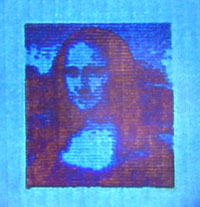
A color laser printer with an amazing 127,000 dots per inch resolution

A laser-printed microscopic image of Mona Lisa 50 micrometers long, less than one pixel on an iPhone Retina display (credit: Technical University of Denmark)

A new laser-printing technology allows for printing high-resolution data and color images at the unprecedented resolution of 127,000 dots per inch (DPI) and with a speed of 1 nanosecond per pixel — developed by researchers at Technical University of Denmark’s DTU Nanotech and DTU Fotonik.

At that extreme resolution, images can be printed on the microscale. This patented method uses special plasmonic metasurfaces coated with 20 nanometers of aluminum. When a laser pulse heats each nanocolumn (up to 1,500°C for a few nanoseconds), it melts and is deformed.

The intensity of the laser beam heating controls the amount of deformation, which determines which color are printed. Low-intensity laser pulses lead to a minor deformation of the nanocolumn, resulting in blue and purple hue reflections. Stronger laser pulses create a larger deformation, which  leads to reflection from the nanocolumn at longer wavelength orange and yellow hue.

According to Professor Anders Kristensen, it’s also possible to save data invisible to the naked eye with this technology. “This includes serial numbers or bar codes of products and other information. The technology can also be used to combat fraud and forgery, as the products will be labeled in way that makes them very difficult to reproduce. It will be easier to determine whether the product is an original or a copy.”

The new laser printing technology can also be used on a larger scale to personalize products such as mobile phones with unique decorations, names, etc. and for  marking parts for cars, such as instrument panels and buttons. The scientists hope to eventually replace conventional laser printers.


Abstract of Plasmonic colour laser printing

Colour generation by plasmonic nanostructures and metasurfaces has several advantages over dye technology: reduced pixel area, sub-wavelength resolution and the production of bright and non-fading colours. However, plasmonic colour patterns need to be pre-designed and printed either by e-beam lithography (EBL) or focused ion beam (FIB), both expensive and not scalable processes that are not suitable for post-processing customization. Here we show a method of colour printing on nanoimprinted plasmonic metasurfaces using laser post-writing. Laser pulses induce transient local heat generation that leads to melting and reshaping of the imprinted nanostructures. Depending on the laser pulse energy density, different surface morphologies that support different plasmonic resonances leading to different colour appearances can be created. Using this technique we can print all primary colours with a speed of 1 ns per pixel, resolution up to 127,000 dots per inch (DPI) and power consumption down to 0.3 nJ per pixel.
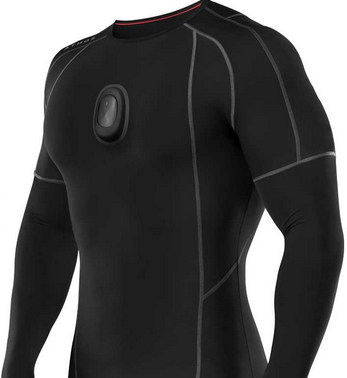
When wearable electronics devices disappear into clothes

The Athos Upper Body Package includes 14 built in sensors for real-time muscle and heart rate data. (credit: Athos)

Wearables will “disappear” in 2016, predicts New Enterprise Associates venture capital partner Rick Yang, cited in a Wednesday (Dec. 16) CNBC article — integrated “very directly into your everyday life, into your existing fashion sense to the extent that nobody knows you’re wearing a wearable,” he said.

For example, Athos makes smart workout clothes embedded with inconspicuous technology that tracks muscle groups, heart, and breathing rates, he noted.

But taking that next step in wearable technology means ditching bulky, clothes-deforming batteries. Supercapacitors (see “Flexible 3D graphene supercapacitors may power portables and wearables“), as discussed on KurzweilAI, are a perfect match for that. They work like tiny batteries, but unlike batteries, they can be rapidly charged and deliver more power quickly in a smaller space.

They’re a lot smaller and thinner than batteries. But still too bulky.

Weaving electronics into fabrics

Enter Case Western Reserve University researchers, who announced Wednesday that have developed flexible wire-shaped microsupercapacitors that can be embedded as microscopic-sized wires directly in fabrics. These provide three times higher capacitance than previous attempts to create microsupercapacitors, the researchers say.*

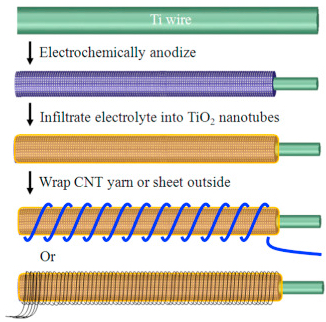
Wearable wires (credit: Tao Chen, Liming Dai/Energy Storage Materials)

In this new design, the modified titanium wire is coated with a solid electrolyte made of polyvinyl alcohol and phosphoric acid. The wire is then wrapped with either yarn or a sheet made of aligned carbon nanotubes, which serves as the second electrode.

The titanium oxide nanotubes, which are semiconducting, separate the two active portions of the electrodes, preventing a short circuit.

“They’re very flexible, so they can be integrated into fabric or textile materials,” said Liming Dai, the Kent Hale Smith Professor of Macromolecular Science and Engineering. “They can be a wearable, flexible power source for wearable electronics and also for self-powered biosensors or other biomedical devices, particularly for applications inside the body.”

The scientists published their research on the microsupercapacitor in the journal Energy Storage Materials this week. The study builds on earlier carbon-based supercapacitors.

Conductive inks

An article just published in Chemical & Engineering News (C&EN) profiles textiles printed with such stretchable embedded wiring and electronic sensors, which can transmit data wirelessly and withstand washing.

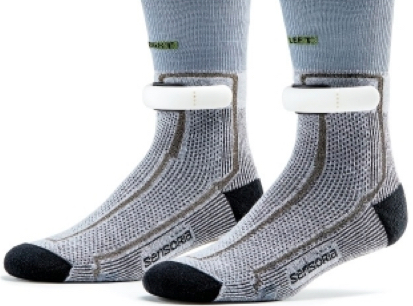
Smart socks (credit: Sensoria)

For example, “smart socks” incorporate stretchable silver-based conductive yarns that connect their sensors to a magnetic Bluetooth electronic anklet that transmits data to a mobile app to keep track of foot landings, cadence, and time on the ground.

The data are intended to help runners improve their form and performance. Two pairs of socks and an anklet cost $200.

C&EN also highlights another key technology: conductive inks, which are used by BeBop Sensors in a design for a thin shoe insole integrated with piezoresistive-fabric sensors and silicon-based electronics, which are capable of measuring a wearer’s foot pressure.

They’ve also developed a conceptual design for a car steering wheel cover that senses driver alertness and weight-lifting gloves that sense weight and load distribution between hands.

Mounir Zok, senior sports technologist for the U.S. Olympic Committee dates the beginning of wearable technology to 2002, when relatively small electronic devices first began to replace the probes, electrodes, and masks that athletes wore while tethered to monitoring equipment in training labs, C&EN notes.

Devices to measure heart rate, power, cadence, and speed can lead to improved performance for athletes, Zok explained. Many of the first wearable devices designed for track and field were cumbersome and interfered with performance. But the smaller, more flexible, less power-hungry devices available today are helping Zok and his colleagues better monitor athletic improvements.

* In a lab experiment, the microsupercapactitor was able to store 1.84 milliFarads per micrometer. Energy density was 0.16 x 10⁻³ milliwatt-hours per cubic centimeter and power density .01 milliwatt per cubic centimeter.


Abstract of Flexible and wearable wire-shaped microsupercapacitors based on highly aligned titania and carbon nanotubes

Wire-shaped devices, such as solar cells and supercapacitors, have attracted great attentions due to their unique structure and promise to be integrated into textiles as portable energy source. To date, most reported wire-shaped supercapacitors were developed based on carbon nanomaterial-derived fiber electrodes whereas titania was much less used, though with excellent pseudocapacitvie properties. In this work, we used a titanium wire sheathed with radially aligned titania nanotubes as one of the electrodes to construct all-solid-state microsupercapacitors, in which the second electrode was carbon nanotube fiber or sheet. The capacitance of the resulting microsupercapacitor with a CNT sheet electrode (1.84 mF cm−2) is about three time of that for the corresponding device with the second electrode based on a single CNT yarn. The unique wire-shaped structure makes it possible for the wire-shaped microsupercapacitors to be woven into various textiles and connected in series or parallel to meet a large variety of specific energy demands.

New nanomanufacturing technique for extremely high-resolution imaging, biological sensing

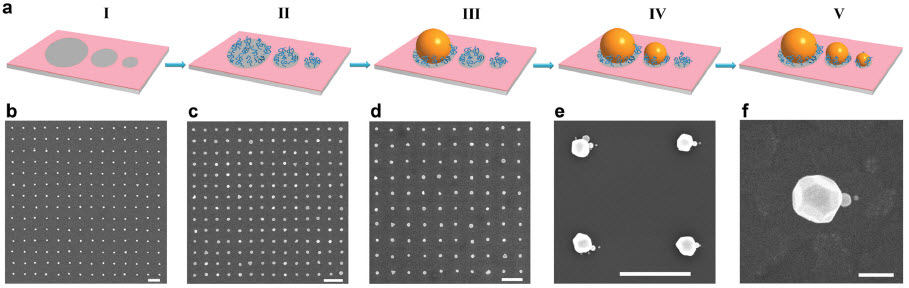
Schematic of the fabrication process and SEM images of the nanostructures used to create a nanolens. (credit: Augustine Urbas et al./Advanced Materials)

Researchers have developed a method of constructing nanolenses that could focus incoming light into a spot much smaller than possible with conventional microscopy, making possible extremely high-resolution imaging or biological sensing.

They precisely aligned three spherical gold nanoparticles of graduated sizes in a string-of-pearls arrangement  to produce the focusing effect.

The first step employs the lithographic methods used in making printed circuits to create a chemical mask that leaves a pattern of three spots of decreasing size exposed on a substrate such as silicon or glass that won’t absorb the gold nanoparticles. Lithography allows for extremely precise and delicate patterns, but it can’t produce three-dimensional structures. So the scientists used chemistry to build polymer chains atop the patterned substrate in three dimensions, tethered to the substrate through chemical bonds.

“The chemical contrast between the three spots and the background makes the gold particles go only to the spots,” said Xiaoying Liu, senior research scientist at the University of Chicago’s Institute for Molecular Engineering. To get each of the three sizes of nanospheres to adhere only to its own designated spot, the scientists played with the strength of the chemical interaction between spot and sphere. “We control the size of the different areas in the chemical pattern and we control the interaction potential of the chemistry of those areas with the nanoparticles,” said Nealey.

The spheres are separated by only a few nanometers. It is this tiny separation, coupled with the sequential ordering of the different-sized spheres, that produces the nanolensing effect.

High-resolution sensing using spectroscopy

The scientists are already exploring using this “hot spot” for high-resolution sensing using spectroscopy. “If you put a molecule there, it will interact with the focused light,” said Liu. “The enhanced field at these hot spots will help you to get orders of magnitude stronger signals. And that gives us the opportunity to get ultra-sensitive sensing. Maybe ultimately we can detect single molecules.”

The researchers also foresee applying their manufacturing technique to nanoparticles of other shapes, such as rods and stars.

Scientists at the Air Force Research Laboratory and Florida State University were also involved in the research, which is described in the latest edition of Advanced Materials.


Abstract of Deterministic Construction of Plasmonic Heterostructures in Well-Organized Arrays for Nanophotonic Materials

Plasmonic heterostructures are deterministically constructed in organized arrays through chemical pattern directed assembly, a combination of top-down lithography and bottom-up assembly, and by the sequential immobilization of gold nanoparticles of three different sizes onto chemically patterned surfaces using tailored interaction potentials. These spatially addressable plasmonic chain nanostructures demonstrate localization of linear and nonlinear optical fields as well as nonlinear circular dichroism.

Social-media news consumers at higher risk of ‘information bubbles’

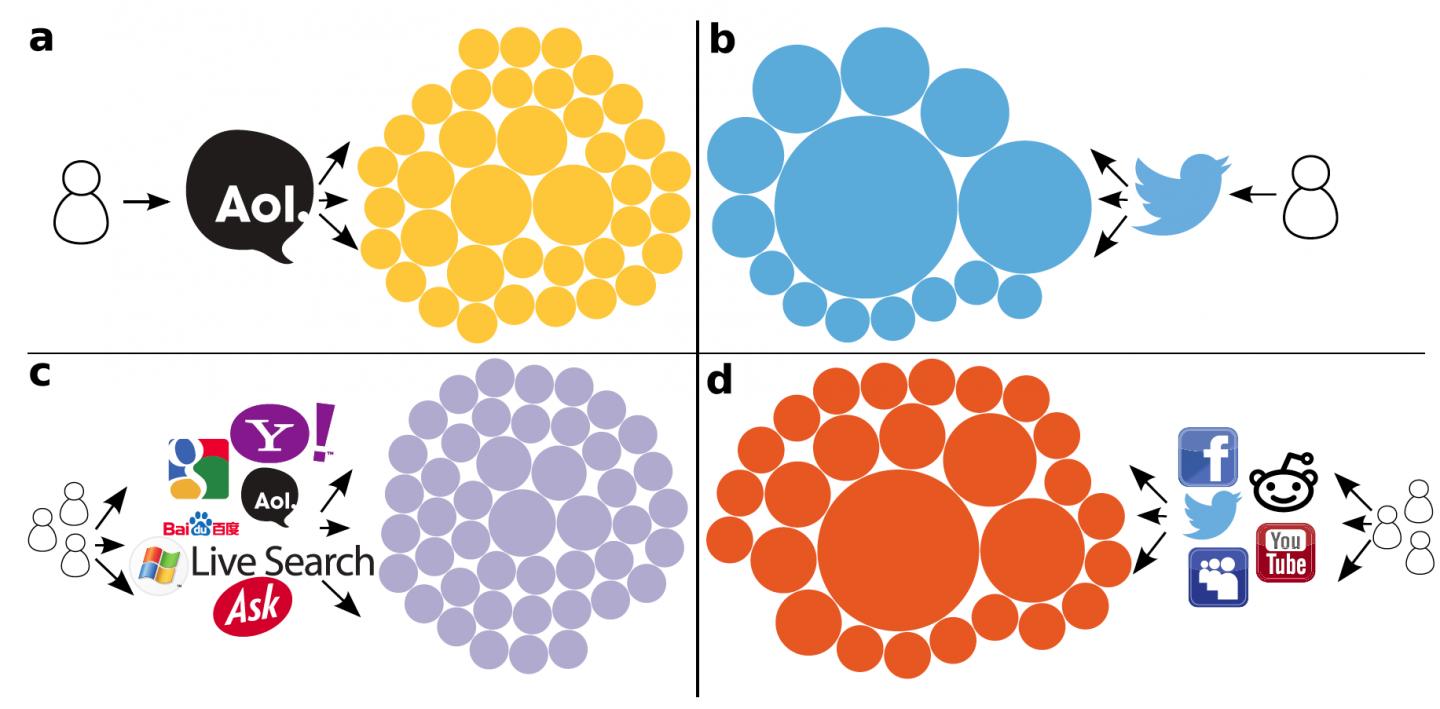
Each circle is proportional to the number of clicks to a website from a single user (a, b) or a group of users (b, d) referred by search engines (a, c) vs. social media (b, d). Social media concentrate clicks to fewer sources, as shown by the larger circles. (credit: Dimitar Nikolov)

Do you find your news and information from social media instead of search engines? If so, you are at risk of becoming trapped in a “collective social bubble.”

That’s according to Indiana University researchers in a study, “Measuring online social bubbles,” recently published in the new open-access online journal PeerJ Computer Science, based on an analysis of more than 100 million Web clicks and 1.3 billion public posts on social media*.

“These findings provide the first large-scale empirical comparison between the diversity of information sources reached through different types of online activity,” said Dimitar Nikolov, a doctoral student in the School of Informatics and Computing at Indiana University (IU), lead author of the study.

Collective social bubble

“Our analysis shows that people collectively access information from a significantly narrower range of sources on social media compared to search engines.”

To measure the diversity of information accessed over each medium, the researchers developed a method that assigned a score for how user clicks from social media versus search engines were distributed across millions of sites.

A lower score indicated users’ Web traffic concentrated on fewer sites; a higher score indicated traffic scattered across more sites. A single click on CNN and nine clicks on MSNBC, for example, would generate a lower score than five clicks on each site.

Overall, the analysis found that people who accessed news on social media scored significantly lower in terms of the diversity of their information sources than users who accessed current information using search engines.

The results show the rise of a “collective social bubble” where news is shared within communities of like-minded individuals, said Nikolov, noting a trend in modern media consumption where “the discovery of information is being transformed from an individual to a social endeavor.”

How “friends” limit your sphere of information

Nikolov noted that people who adopt this behavior as a coping mechanism for “information overload” may not even be aware they’re filtering their access to information by using social media platforms, such as Facebook, where the majority of news stories originate from friends’ postings.

“The rapid adoption of the Web as both a source of knowledge and social space has made it ever more difficult for people to manage the constant stream of news and information arriving on their screens,” added study co-author Filippo Menczer, professor of informatics and computing, director of the Center for Complex Networks and Systems Research. “These results suggest the conflation of these previously distinct activities may be contributing to a growing ‘bubble effect’ in information consumption.”

“Compared to a baseline of information-seeking activities, this evidence shows, empirically, that social media does in fact expose communities and individuals to a significantly narrower range of news sources, despite the many information channels on the medium,” Nikolov said.

It would also be interesting to see how social media as sources compare to news publications, and how social media may make users more vulnerable to propaganda and other forms of information and opinion control.

* IU scientists applied their analysis to three massive sources of information on browsing habits. An anonymous database compiled by the researchers, contained the Web searches of 100,000 users at IU between October 2006 and May 2010 (the primary source). Two other datasets contained identifiers, enabling the scientists to confirm that information access behavior at the community level reflected the behavior of individual users: a dataset containing 18 million clicks by more than half a million users of the AOL search engine in 2006; and 1.3 billion public posts containing links shared by over 89 million people on Twitter between April 2013 and April 2014. To measure the range of news sources accessed by users, the IU scientists used an open directory of news sites, filtering out blogs and wikis, resulting in 3,500 news outlets.


Abstract of Measuring online social bubbles

Social media have become a prevalent channel to access information, spread ideas, and influence opinions. However, it has been suggested that social and algorithmic filtering may cause exposure to less diverse points of view. Here we quantitatively measure this kind of social bias at the collective level by mining a massive datasets of web clicks. Our analysis shows that collectively, people access information from a significantly narrower spectrum of sources through social media and email, compared to a search baseline. The significance of this finding for individual exposure is revealed by investigating the relationship between the diversity of information sources experienced by users at both the collective and individual levels in two datasets where individual users can be analyzed—Twitter posts and search logs. There is a strong correlation between collective and individual diversity, supporting the notion that when we use social media we find ourselves inside “social bubbles.” Our results could lead to a deeper understanding of how technology biases our exposure to new information.

Stanford researcher scans his own brain for a year and a half — the most studied in the world

humanconnectome

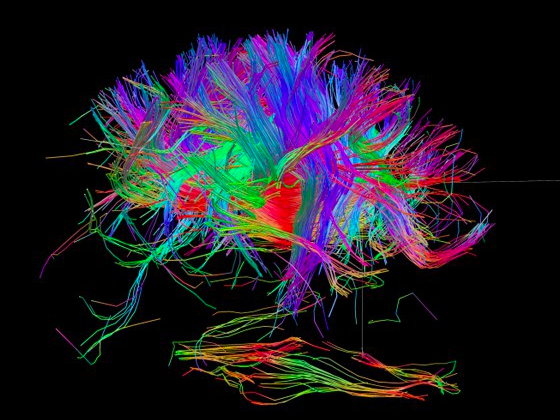
Human connectome (Credit: NIH Human Connectome Project)

You’ve probably seen the “connectome” map of the major networks between different functional areas of the human brain. Cool graphic. But this is just an average.

It raises a lot of questions: How does this map relate to your brain? Do these connections persist over a period of months or more? Or do they vary with different conditions (happy or sad mood, etc.)? And what if you’re a schizophrenic, alcoholic, meditator, or videogamer, etc., how does your connectome look?

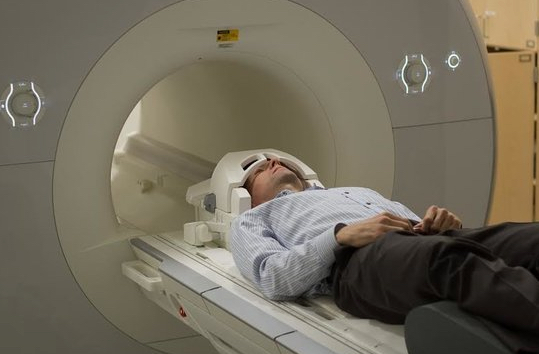
These questions obsessed Stanford psychologist Russell Poldrack, leading to his “MyConnectome project.” In the noble DIY tradition of Marie Curie, Jonas Salk, and Albert Hoffman, he started off his day by climbing into an MRI machine and scanning his brain for 10 minutes Tuesdays and Thursdays every week for a year and a half — making his brain the most studied in the world.

Poldrack’s morning FMRI scan (credit: Russell Poldrack)

He also fasted and drew blood on Tuesdays for testing with metabolomics (chemical fingerprints in biological fluids) and genomics (gene tests, performed by 23andMe).

The results — the most complete study of the brain’s network connections over time — are published in open-access Nature Communications.

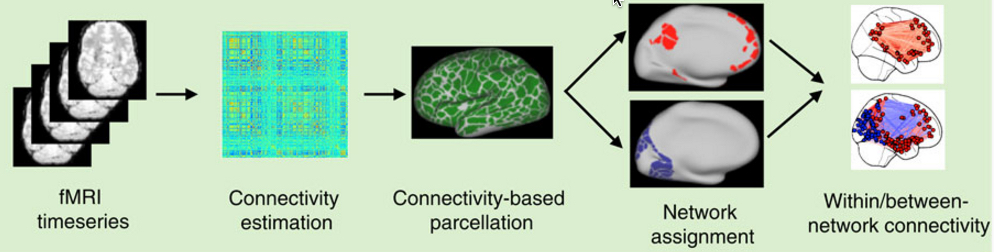
An overview of the resting-state fMRI analysis pipeline (credit: Russell A. Poldrack et al./Nature Communications)

Here is some of what he found out:

  • His connectivity was surprisingly consistent, which is good news for researchers studying differences between healthy brains and those of patients with neurological disorders that might suffer from disrupted connectivity, such as schizophrenia or bipolar disorder.
  • There was a strong correlation between brain activity and changes in the expression of many different families of genes. The expression of genes related to inflammation and immune response matched Poldrack’s psoriasis flare-ups, for example.
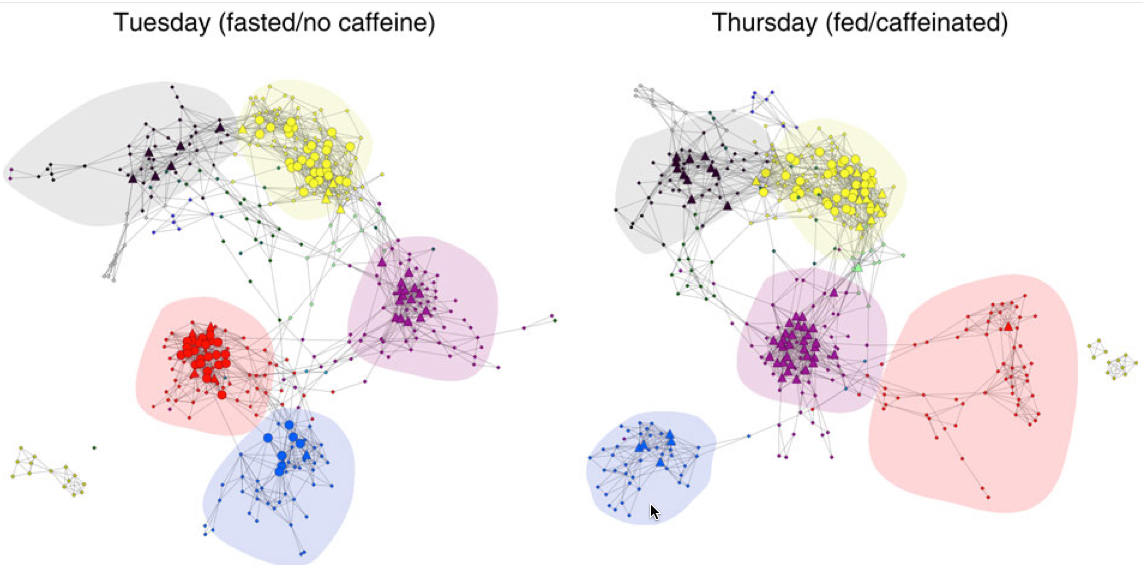
  • Fasting with no caffeine on Tuesdays radically changed the connection between the somatosensory motor network and the higher vision network: it grew significantly tighter without caffeine. “That was totally unexpected, but it shows that being caffeinated radically changes the connectivity of your brain,” Poldrack said. “We don’t really know if it’s better or worse, but it’s interesting that these are relatively low-level areas. It may well be that I’m more fatigued on those days, and that drives the brain into this state that’s focused on integrating those basic processes more.”

Network connections for Tuesdays (fasted) and Thursdays (fed/caffeinated). Hubs are shown as larger nodes, with provincial hubs depicted as circles and connector hubs depicted as triangles. Network module membership is coded by node color; major networks are shaded, including somatomotor (red), second visual (blue), cingulo-opercular (purple), fronto-parietal (yellow) and default mode (black). (credit: Russell A. Poldrack et al./Nature Communications)

What’s next

“I’m generally a pretty happy and even-keeled person,” Poldrack said. “My positive mood is almost always high, and my negative mood is almost always non-existent. It would be interesting to scan people with a wider emotional variation and see how their connections look over time.” As he suggests in the video (below), “We need to learn a lot more about how individual brains differ from one another. … There are many more questions yet to be answered. … When it comes to understanding the brain. we really just scratched the surface.”

Fortunately, Poldrack and his colleagues have made the entire data set and the ready-built tools to analyze it available here. The data set is large and deep; Poldrack said he hopes people will approach it from innovative angles and uncover connections that will help advance the research. Meanwhile, Poldrack plans to hone software to elucidate the interplay between brain function and gene expression.

But so far we only have a experimental population of one. Any volunteers (and funders) for a follow-up study?

* In any action that a person undertakes, many different regions of the brain communicate with each other, serving as a sort of check-and-balance system to make sure that the correct actions are taken to deal with the situation at hand. These messages are communicated over more than a dozen networks, sets of functional areas of the brain that preferentially talk to one another.

There are multiple networks for vision, a somatosensory/motor network, and there are others that are attributed to attention or task management. Collectively, these are known as the connectome. Because the strength or efficiency of these individual networks can affect behavior, they have become of greater interest to researchers in recent years. To isolate these connections, researchers examine functional MRI data collected while the patient is at rest.


Stanford | Stanford researcher scans his own brain for a year and a half


Abstract of Long-term neural and physiological phenotyping of a single human

Psychiatric disorders are characterized by major fluctuations in psychological function over the course of weeks and months, but the dynamic characteristics of brain function over this timescale in healthy individuals are unknown. Here, as a proof of concept to address this question, we present the MyConnectome project. An intensive phenome-wide assessment of a single human was performed over a period of 18 months, including functional and structural brain connectivity using magnetic resonance imaging, psychological function and physical health, gene expression and metabolomics. A reproducible analysis workflow is provided, along with open access to the data and an online browser for results. We demonstrate dynamic changes in brain connectivity over the timescales of days to months, and relations between brain connectivity, gene expression and metabolites. This resource can serve as a testbed to study the joint dynamics of human brain and metabolic function over time, an approach that is critical for the development of precision medicine strategies for brain disorders.

Importance of physical activity and aerobic exercise for healthy brain function

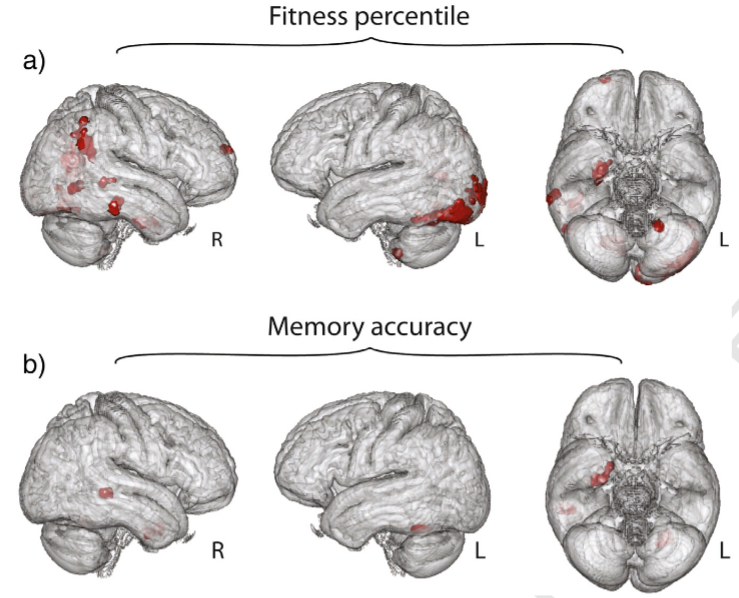
Results of exploratory whole-brain analysis. Parts (a) and (b) illustrate the results of an exploratory whole brain analysis, showing regions (red) where gray matter volume may be associated with fitness percentile or memory accuracy, respectively. Results are depicted within the group average brain. (credit: Andrew S. Whiteman et al./NeuroImage)

Young adults who have greater aerobic fitness also have greater volume of their entorhinal cortex, an area of the brain responsible for memory, Boston University School of medicine (BUSM) researchers have found.

While aerobic fitness is not directly associated with performance on a recognition memory task, the participants with a larger entorhinal cortex also performed better on a recognition memory task.

The entorhinal cortex is a brain area known to show early pathology in Alzheimer’s disease, which is characterized by profound memory impairment.

The researchers recruited healthy young adults (ages 18-35 years) who underwent a treadmill test to measure aerobic capacity. During this test, the amount of oxygen and carbon dioxide in the participants’ breath as they walked or ran on a treadmill was measured.

Participants then underwent magnetic resonance imaging and performed a recognition memory task. Entorhinal and hippocampal volume was determined using a method known as voxel-based morphometry and then regression analysis to examine whether recognition memory and aerobic fitness predicted brain volumes.

Effects of aerobic exercise

“Our results suggest that aerobic exercise may have a positive effect on the medial temporal lobe memory system (which includes the entorhinal cortex) in healthy young adults. This suggests that exercise training, when designed to increase aerobic fitness, might have a positive effect on the brain in healthy young adults,” explained corresponding author and principal investigator Karin Schon, PhD, BUSM assistant professor of anatomy and neurobiology.

Researchers said this work could support previous studies that suggest aerobic exercise may forestall cognitive decline in older individuals at risk of dementia, and extends the idea that exercise may be beneficial for brain health to younger adults. “This is critical given that obesity, which has recently been linked with cognitive deficits in young and middle-aged adults, and physical inactivity are on the rise in young adults,” Schon said.

These findings appear in the journal NeuroImage.


Abstract of Entorhinal volume, aerobic fitness, and recognition memory in healthy young adults: A voxel-based morphometry study

Converging evidence supports the hypothesis effects of aerobic exercise and environmental enrichment are beneficial for cognition, in particular for hippocampus-supported learning and memory. Recent work in humans suggests that exercise training induces changes in hippocampal volume, but it is not known if aerobic exercise and fitness also impact the entorhinal cortex. In animal models, aerobic exercise increases expression of growth factors, including brain derived neurotrophic factor (BDNF). This exercise-enhanced expression of growth hormones may boost synaptic plasticity, and neuronal survival and differentiation, potentially supporting function and structure in brain areas including but not limited to the hippocampus. Here, using voxel based morphometry and a standard graded treadmill test to determine cardio-respiratory fitness (Bruce protocol; VO2 max), we examined if entorhinal and hippocampal volumes were associated with cardio-respiratory fitness in healthy young adults (N = 33). In addition, we examined if volumes were modulated by recognition memory performance and by serum BDNF, a putative marker of synaptic plasticity. Our results show a positive association between volume in right entorhinal cortex and cardio-respiratory fitness. In addition, average gray matter volume in the entorhinal cortex, bilaterally, was positively associated with memory performance. These data extend prior work on the cerebral effects of aerobic exercise and fitness to the entorhinal cortex in healthy young adults thus providing compelling evidence for a relationship between aerobic fitness and structure of the medial temporal lobe memory system.

How much TV you watch as a young adult may affect midlife cognitive function

(credit: iStock)

Watching a lot of TV and having a low physical activity level as a young adult were associated with worse cognitive function 25 years later in midlife, according to an article published online by JAMA Psychiatry.

The researchers* examined associations between 25-year patterns of television viewing and physical activity and midlife cognition in a study of 3,247 adults (ages 18 to 30), using a questionnaire to assess television viewing and physical activity during repeated visits over 25 years.

Cognitive function was evaluated at year 25 using three tests that assessed processing speed, executive function and verbal memory.

Participants with high television viewing (more than three hours per day for more than two-thirds of the visits) during 25 years were more likely to have poor cognitive performance on some of the tests. Low physical activity (measured as units based on time and intensity) during 25 years was associated with poor performance on one of the tests. The odds of poor cognitive performance were almost two times higher for adults with both high television viewing and low physical activity.

These behaviors were associated with slower processing speed and worse executive function but not with verbal memory. Participants with the least active patterns of behavior (both low physical activity and high television viewing time) were the most likely to have poor cognitive function. … Individuals with both low physical activity and high sedentary behavior may represent a critical target group, the study concludes.

The authors acknowledge a few limitations, including possible selection bias and that physical activity and TV viewing were self-reported. (Also, correlation does not imply causation.)

* Tina D. Hoang, M.S.P.H., of the Northern California Institute for Research and Education at the Veterans Affairs Medical Center, San Francisco, Kristine Yaffe, M.D., of the University of California, San Francisco, and coauthors.


Abstract of Effect of Early Adult Patterns of Physical Activity and Television Viewing on Midlife Cognitive Function

IMPORTANCE Sedentary behaviors and physical inactivity are not only increasing worldwide but also are critical risk factors for adverse health outcomes. Yet, few studies have examined the effects of sedentary behavior on cognition or the long-term role of either behavior in early to middle adulthood.

OBJECTIVE To investigate the association between 25-year patterns of television viewing and physical activity and midlife cognition.

DESIGN, SETTING, AND PARTICIPANTS Prospective study of 3247 adults (black and white races; aged 18-30 years) enrolled in the Coronary Artery Risk Development in Young Adults (CARDIA) Study (March 25, 1985, to August 31, 2011). Data analysis was performed June 1, 2014, through April 15, 2015.

MAIN OUTCOMES AND MEASURES We assessed television viewing and physical activity at repeated visits (3 assessments) over 25 years using a validated questionnaire. A 25-year pattern of high television viewing was defined as watching TV above the upper baseline quartile (>3 hours/d) for more than two-thirds of the visits, and a 25-year pattern of low physical activity was defined as activity levels below the lower, sex-specific baseline quartile for more than two-thirds of the of the visits. We evaluated cognitive function at year 25 using the Digit Symbol Substitution Test (DSST), Stroop test, and Rey Auditory Verbal Learning Test.

RESULTS At baseline, the mean (SD) age of the 3247 study participants was 25.1 (3.6) years, 1836 (56.5%) were female, 1771 (54.5%) were white, and 3015 (92.9%) had completed at least high school. Compared with participants with low television viewing, those with high television viewing during 25 years (353 of 3247 [10.9%]) were more likely to have poor cognitive performance (<1 SD below the race-specific mean) on the DSST and Stroop test, with findings reported as adjusted odds ratio (95% CI): DSST, 1.64 (1.21-2.23) and Stroop test, 1.56 (1.13-2.14), but not the Rey Auditory Verbal Learning Test, adjusted for age, race, sex, educational level, smoking, alcohol use, body mass index, and hypertension. Low physical activity during 25 years in 528 of 3247 participants (16.3%) was significantly associated with poor performance on the DSST, 1.47 (1.14-1.90). Compared with participants with low television viewing and high physical activity, the odds of poor performance were almost 2 times higher for adults with both high television viewing and low physical activity in 107 of 3247 (3.3%) (DSST, 1.95 [1.19-3.22], and Stroop test, 2.20 [1.36-3.56]).

CONCLUSIONS AND RELEVANCE High television viewing and low physical activity in early adulthood were associated with worse midlife executive function and processing speed. This is one of the first studies to demonstrate that these risk behaviors may be critical targets for prevention of cognitive aging even before middle age.

ASCB Celldance 2015 premieres three videos featuring live cell imaging

ASCB’s Celldance Studios released Monday (Dec. 14) three new short videos made by cell scientists, featuring dramatic live cell imaging.

The videos, which take advantage of accelerating advances in super-resolution imaging, fluorescent tagging, and Big Data manipulation, where made in the labs of Douglas Robinson at John Hopkins University, John Condeelis at Albert Einstein College of Medicine, and Satyajit Mayor at the National Centre for the Biological Sciences (NCBS) in India.

The videos were announced at the 2015 American Society for Cell Biology annual meeting.


Edison Leung et al., Albert Einstein College of Medicine for ASCB Celldance 2015 | Spying on Cancer Cell Invasion

Edison Leung says his cancer research lab makes movies of all genres—horror, action, thriller, and war—all shot inside cancer tumors. Working alongside Allison Harney in the Einstein lab of John Condeelis, Leung’s Celldance video shows metastasizing cancer cells, helped by the body’s own immune cells called macrophages, break through a blood vessel wall and escape to form new tumors. Through live cell imaging, Leung’s video captures the moment the cancer cell and the macrophage work as a team to break through the vessel wall of a mouse.


Satyajit Mayor, National Centre for Biological Science, India, for ASCB Celldance 2015 | At the Cell’s Edge

In this video made the Mayor lab in Bangalore, researchers give a detailed account of their exploration of the churning lipids and proteins on the cell surface, illustrated by startling live cell videos, high-tech simulations, and low-tech white boards. “At the Cell’s Edge” paints the cell membrane as a restless nanoscale seascape.


Douglas Robinson, Johns Hopkins University for ASCB Celldance 2015 | Shape Shifting Cells

The Robinson lab video is a visual extravaganza of high-resolution microscopy, mathematical representations, animation, and live action. It starts with a basic question: why are cancer cells softer than normal cells? It ends with a potential drug that can turn hardness against pancreatic cancer cells. Their cell story walks us through the stages of discovery — the shape and hardness of cells, cell cannibalism where the soft (cancer) eat the hard (normal), an amoeba model to see the proteins that stiffen cells, and the identification of 4HAP, a small protein that attacks pancreatic cancer cells.

New microscope creates near-real-time videos of nanoscale processes


MIT | Microscope creates near-real-time videos of nanoscale processes

MIT engineers have designed an atomic force microscope (AFM) that scans images 2,000 times faster than existing commercial models. Operating at near-real-time-video speed, it can capture structures as small as a fraction of a nanometer from single strands of DNA down to individual hydrogen bonds.

Existing AFMs have similar spatial resolution but function at slow speeds.

In one dramatic demonstration of the instrument’s capabilities (see video), the researchers scanned a 70- by-70-micrometers sample of calcite as it was first immersed in deionized water and later exposed to sulfuric acid. Over a period of several seconds, the team observed the acid eating away at the calcite, expanding existing nanometer-sized pits in the material that quickly merged and led to a layer-by-layer removal of calcite along the material’s crystal pattern.

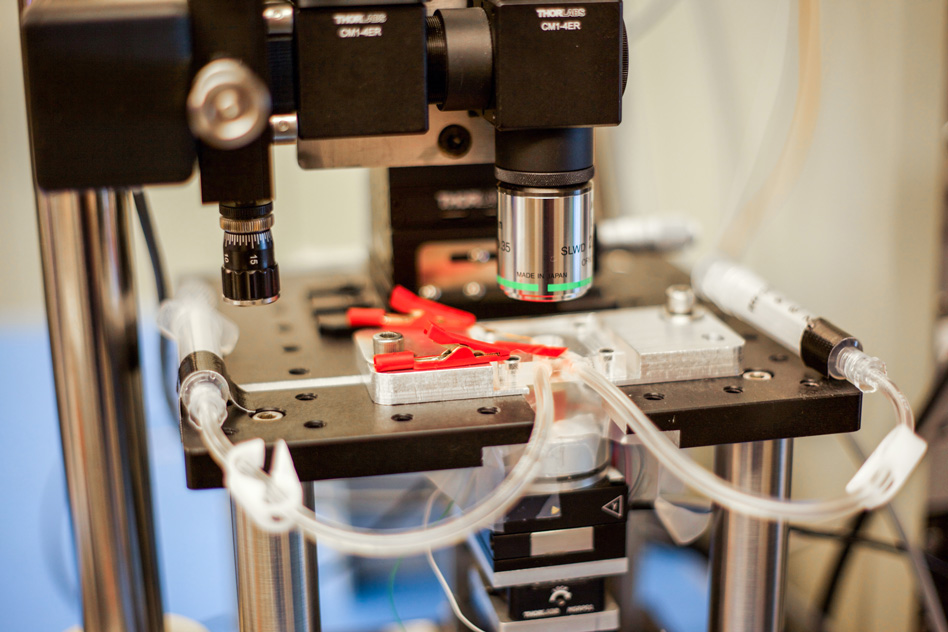
The new MIT high-speed microscope produces images of chemical processes taking place at the nanoscale at a rate that is close to real-time video. This closeup shot of the microscope shows transparent tubes used to inject various liquids into the imaging environment. This liquid can be water, acid, buffer solution for live bacteria, cells, or electrolytes in an electrochemical process. Researchers use one as an inlet and the other as an outlet to circulate and refresh the solutions throughout the experiment. (credit: Jose-Luis Olivares/MIT)

Kamal Youcef-Toumi, a professor of mechanical engineering at MIT, says the instrument’s sensitivity and speed will enable scientists to watch atomic-sized processes play out as high-resolution “movies” for the first time.

“People can see, for example, condensation, nucleation, dissolution, or deposition of material, and how these happen in real-time — things that people have never seen before,” Youcef-Toumi says. “This is fantastic to see these details emerging. And it will open great opportunities to explore all of this world that is at the nanoscale.”

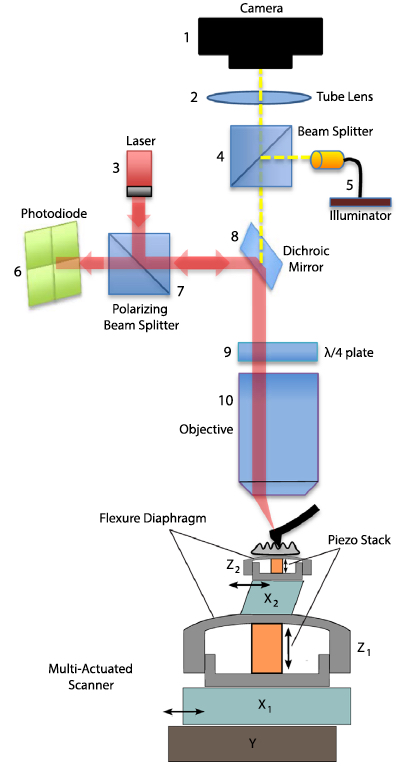
A schematic of the AFM (credit: I. Soltani Bozchalooi et al./Ultramicroscopy)

The group’s design and images, which are based on the PhD work of Iman Soltani Bozchalooi, now a postdoc in the Department of Mechanical Engineering, are published in the journal Ultramicroscopy.

Atomic force microscopes typically scan samples using an ultrafine probe, or needle, that skims along the surface of a sample, tracing its topography, similarly to how a blind person reads Braille. Samples sit on a movable platform, or scanner, that moves the sample laterally and vertically beneath the probe.

Because AFMs scan incredibly small structures, the instruments have to work slowly, line by line, to avoid any sudden movements that could alter the sample or blur the image. Such conventional microscopes typically scan only about one to two lines per second.

To speed up the scanning process, scientists have built platforms that scan samples more quickly, but over a smaller area, and the platforms don’t allow scientists to zoom out to see a wider view or study larger features.

Synchronized Scanners

The main innovation of the new design is a multi-actuated scanner. The sample platform incorporates both a smaller, speedier scanner and a larger, slower scanner for every direction, which work together as one system to scan a wide 3-D region at high speed.

The microscope operates at about eight to 10 frames per second and can scan across hundreds of microns and image features that are several microns high.

“We want to go to real video, which is at least 30 frames per second,” Youcef-Toumi says. “Hopefully we can work on improving the instrument and controls so that we can do video-rate imaging while maintaining its large range and keeping it user-friendly.”


Abstract of Design and control of multi-actuated atomic force microscope for large-range and high-speed imaging
This paper presents the design and control of a high-speed and large-range atomic force microscopy (AFM). A multi-actuation scheme is proposed where several nano-positioners cooperate to achieve the range and speed requirements. A simple data-based control design methodology is presented to effectively operate the AFM scanner components. The proposed controllers compensate for the coupled dynamics and divide the positioning responsibilities between the scanner components. As a result, the multi-actuated scanner behavior is equivalent to that of a single XYZ positioner with large range and high speed. The scanner of the designed AFM is composed of five nano-positioners, features 6 μm out-of-plane and 120 μm lateral ranges and is capable of high-speed operation. The presented AFM has a modular design with laser spot size of 3.5 μm suitable for small cantilever, an optical view of the sample and probe, a conveniently large waterproof sample stage and a 20 MHz data throughput for high resolution image acquisition at high imaging speeds. This AFM is used to visualize etching of calcite in a solution of sulfuric acid. Layer-by-layer dissolution and pit formation along the crystalline lines in a low pH environment is observed in real time.


Abstract of Multi-actuation and PI control: A simple recipe for high-speed and large-range atomic force microscopy

High speed atomic force microscopy enables observation of dynamic nano-scale processes. However, maintaining a minimal interaction force between the sample and the probe is challenging at high speed specially when using conventional piezo-tubes. While rigid AFM scanners are operational at high speeds with the drawback of reduced tracking range, multi-actuation schemes have shown potential for high-speed and large-range imaging. Here we present a method to seamlessly incorporate additional actuators into conventional AFMs. The equivalent behavior of the resulting multi-actuated setup resembles that of a single high-speed and large-range actuator with maximally flat frequency response. To achieve this, the dynamics of the individual actuators and their couplings are treated through a simple control scheme. Upon the implementation of the proposed technique, commonly used PI controllers are able to meet the requirements of high-speed imaging. This forms an ideal platform for retroactive enhancement of existing AFMs with minimal cost and without compromise on the tracking range. A conventional AFM with tube scanner is retroactively enhanced through the proposed method and shows an order of magnitude improvement in closed loop bandwidth performance while maintaining large range. The effectiveness of the method is demonstrated on various types of samples imaged in contact and tapping modes, in air and in liquid.

New transparent metal films may radically reduce costs for smartphone, tablet and TV displays

A figure showing the crystal structure of strontium vanadate (orange) and calcium vanadate (blue). The red dots are oxygen atoms arranged in 8 octohedra surrounding a single strontium or calcium atom. Vanadium atoms can be seen inside each octahedron. (credit: Lei Zhang/Penn State)

A new material that is both highly transparent and electrically conductive could make large screen displays, smart windows, touch screens, and solar cells more affordable and efficient, according to materials scientists and engineers at Penn State who have discovered just such a material.

Indium tin oxide (ITO), the transparent conductor that is now used for more than 90 percent of the display market, has been the dominant material for the past 60 years. But in the last decade, the price of indium has increased dramatically. Displays and touchscreen modules have become a main cost driver in mobile devices, such as smartphones and tablets, making up close to 40 percent of the cost.

As as result, while memory chips and processors get cheaper, smartphone and tablet displays get more expensive from generation to generation. Manufacturers have searched for a possible ITO replacement, but until now, nothing has matched ITO’s combination of optical transparency, electrical conductivity, and ease of fabrication.

New display materials

In a paper appearing Tuesday (Dec 15) online in Nature Materials, Roman Engel-Herbert, assistant professor of materials science and engineering, and his team report a new design strategy that approaches the problem from a different angle.

The researchers use thin (10 nanometer) films of an unusual class of materials called correlated metals in which the electrons flow like a liquid. In most conventional metals, such as copper, gold, aluminum or silver, electrons flow like a gas; in correlated metals, such as strontium vanadate and calcium vanadate, they move like a liquid. These correlated metals show a high optical transparency despite their high, metal-like conductivity.

“We are trying to make metals transparent by changing the effective mass of their electrons,” Engel-Herbert says. “We are doing this by choosing materials in which the electrostatic interaction between negatively charged electrons is very large compared to their kinetic energy. As a result of this strong electron correlation effect, electrons ‘feel’ each other and behave like a liquid rather than a gas of non-interacting particles. This electron liquid is still highly conductive, but when you shine light on it, it becomes less reflective, thus much more transparent.”

Less than 5 percent of the cost of current display materials

Currently, indium costs around $750 per kilogram, whereas strontium vanadate and calcium vanadate are made from elements with orders of magnitude higher abundance in the earth’s crust. Vanadium sells for around $25 a kilogram, less than 5 percent of the cost of indium, while strontium is even cheaper than vanadium.

“Our correlated metals work really well compared to ITO. Now, the question is how to implement these new materials in a large scale manufacturing process. From what we understand right now, there is no reason that strontium vanadate could not replace ITO in the same equipment currently used in industry,” says Engel-Herbert.

Along with display technologies, Engel-Herbert and his group plan to combine their new materials with a promising type of solar cell that uses a class of materials called organic perovskites. Developed only within the last half dozen years, these materials outperform commercial silicon solar cells but still require an inexpensive transparent conductor. Strontium vanadate, also a perovskite, has a compatible structure that makes this an interesting possibility for future inexpensive, high-efficiency solar cells.

The Office of Naval Research, the National Science Foundation, and the Department of Energy funded this work.


Abstract of Correlated metals as transparent conductors

The fundamental challenge for designing transparent conductors used in photovoltaics, displays and solid-state lighting is the ideal combination of high optical transparency and high electrical conductivity. Satisfying these competing demands is commonly achieved by increasing carrier concentration in a wide-bandgap semiconductor with low effective carrier mass through heavy doping, as in the case of tin-doped indium oxide (ITO). Here, an alternative design strategy for identifying high-conductivity, high-transparency metals is proposed, which relies on strong electron–electron interactions resulting in an enhancement in the carrier effective mass. This approach is experimentally verified using the correlated metals SrVO3 and CaVO3, which, despite their high carrier concentration (>2.2 × 1022 cm−3), have low screened plasma energies (<1.33 eV), and demonstrate excellent performance when benchmarked against ITO. A method is outlined to rapidly identify other candidates among correlated metals, and strategies are proposed to further enhance their performance, thereby opening up new avenues to develop transparent conductors.