Carbon dioxide capture by a novel material that mimics a plant enzyme

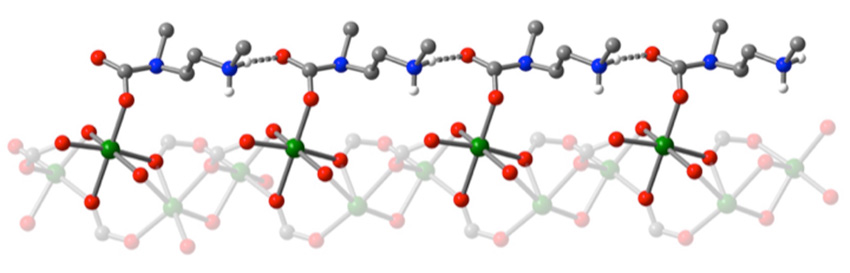
Atomic structure of the adsorbed* carbon dioxide (gray sphere bonded to two red spheres) inserted between the manganese (green sphere) and amine (blue sphere) groups within the novel metal-organic framework, forming a linear chain of ammonium carbamate (top). Some hydrogen atoms (white sphere) are omitted for clarity. (credit: Image courtesy of Thomas McDonald, Jarad Mason, and Jeffrey Long)

A novel porous material that achieves carbon dioxide (CO2) capture-and-release with only small shifts in temperature has been developed by a team of researchers at the Center for Gas Separations Relevant to Clean Energy Technologies, led by the University of California, Berkeley (a DOE Energy Frontier Research Center), and associates.

This metal-organic framework (MOF) structure, which adsorbs* CO2, closely resembles an enzyme found in plants known as RuBisCO, which captures CO2 from the atmosphere for conversion into nutrients.

The discovery* paves the way for designing more efficient materials that dramatically reduce overall energy cost of carbon capture. Such materials could be used for carbon capture from fossil-fuel-based power plants as well as from the atmosphere, mitigating the greenhouse effect.

The enhanced carbon capture efficiency of the new class of materials could allow for dramatic reductions in the overall energy cost of carbon capture in power plants or even from the atmosphere, according to the researchers.

* Adsorbed CO2 is captured on the surface of a material; absorbed CO2 is captured inside the material.

** The cooperative mechanism for carbon dioxide (CO2) adsorption in porous MOF materials:

First, a CO2 molecule gets inserted between a metal ion and an amine group within the cylindrical pore of the MOF. Interestingly, the chemical environment of the MOF with the adsorbed CO2  is very similar to that of plant enzyme RuBisCO with a bound CO2.

RuBisCO plays an essential role in biological carbon fixation by plants and conversion into nutrients. In the case of the newly synthesized diamine-appended MOFs, however, the inserted CO2 reorganizes the chemical environment at the adjacent metal ion site to be just right for the insertion of the next CO2.

As more CO2 enters the pore, a cooperative domino effect ensues that leads to the formation of linear chains of ammonium carbamate along the cylindrical pore surfaces of the MOF.

Gas adsorption measurements show the high selectivity of the material for CO2 from the typical composition of flue gas from fossil-fuel-based power plants that contains nitrogen, water, and CO2.

Furthermore, the material has large working capacities — the amount of CO2 adsorbed and desorbed for a given amount of material — that are enabled by only moderate temperature shifts for the adsorption and desorption processes.

Finally, the research points out that changing the strength of the metal-diamine bond through metal substitution allows for rational tuning of the adsorption and desorption properties.


Abstract of Cooperative insertion of CO2 in diamine-appended metal-organic frameworks

The process of carbon capture and sequestration has been proposed as a method of mitigating the build-up of greenhouse gases in the atmosphere. If implemented, the cost of electricity generated by a fossil fuel-burning power plant would rise substantially, owing to the expense of removing CO2 from the effluent stream. There is therefore an urgent need for more efficient gas separation technologies, such as those potentially offered by advanced solid adsorbents. Here we show that diamine-appended metal-organic frameworks can behave as ‘phase-change’ adsorbents, with unusual step-shaped CO2 adsorption isotherms that shift markedly with temperature. Results from spectroscopic, diffraction and computational studies show that the origin of the sharp adsorption step is an unprecedented cooperative process in which, above a metal-dependent threshold pressure, CO2 molecules insert into metal-amine bonds, inducing a reorganization of the amines into well-ordered chains of ammonium carbamate. As a consequence, large CO2 separation capacities can be achieved with small temperature swings, and regeneration energies appreciably lower than achievable with state-of-the-art aqueous amine solutions become feasible. The results provide a mechanistic framework for designing highly efficient adsorbents for removing CO2 from various gas mixtures, and yield insights into the conservation of Mg2+ within the ribulose-1,5-bisphosphate carboxylase/oxygenase family of enzymes.
AI authors crowdsourced interactive fiction


GVU Center at Georgia Tech | A new Georgia Tech artificial intelligence system develops interactive stories through crowdsourced data for more robust fiction. Here (in a simplified example), the AI replicates a typical first date to the movies (user choices are in red), complete with loud theater talkers and the arm-over-shoulder movie move.

Georgia Institute of Technology researchers have developed a new artificially intelligent system that crowdsources plots for interactive stories, which are popular in video games and let players choose different branching story options.

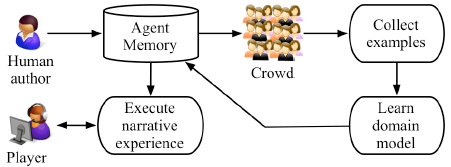
“Our open interactive narrative system learns genre models from crowdsourced example stories so that the player can perform different actions and still receive a coherent story experience,” says Mark Riedl, lead investigator and associate professor of interactive computing at Georgia Tech.

With potentially limitless crowdsourced plot points, the system could allow for more creative stories and an easier method for interactive narrative generation. For example, imagine a Star Wars game using online fan fiction, generating paths for a player to take.

Current AI models for games have a limited number of scenarios, no matter what a player chooses. They depend on a dataset already programmed into a model by experts.

Near human-level authoring

The Scheherazade-IF Architecture (credit: Matthew Guzdial et al.)

test* of the AI system, called Scheherazade IF (Interactive Fiction) — a reference to the fabled Arabic queen and storyteller — showed that it can achieve near human-level authoring, the researchers claim.

“When enough data is available and that data sufficiently covers all aspects of the game experience, the system was able to meet or come close to meeting human performance in creating a playable story,” says Riedl.

The creators say that they are seeking to inject more creative scenarios into the system. Right now, the AI plays it safe with the crowdsourced content, producing what one might expect in different genres. But opportunities exist to train Scheherazade (just like its namesake implies) to surprise and immerse those in future interactive experiences.

The impact of this research can support not only online storytelling for entertainment, but also digital storytelling used in online course education or corporate training.

* The researchers evaluated the AI system by measuring the number of “commonsense” errors (e.g. scenes out of sequence) found by players, as well as players’ subjective experiences for things such as enjoyment and coherence of story.

Three test groups played through two interactive stories — a bank robbery and a date to the movies — to measure performance of three narrative generators: the AI story generator, a human-programmed generator, or a random story generator.

For the bank robbery story, the AI system performed identically to the human-programmed generator in terms of errors reported by players, with a median of three each. The random generator produced a median of 12.5 errors reported.

For the movie date scenario, the median values of errors reported were three (human), five (AI) and 15 (random). This shows the AI system performing at 83.3 percent of the human-programmed generator.

As for the play experience itself, the human and AI generators compared favorably for coherence, player involvement, enjoyment and story recognition.


Abstract of Crowdsourcing Open Interactive Narrative

Interactive narrative is a form of digital interactive experience in which users influence a dramatic storyline through their actions. Artificial intelligence approaches to interactive narrative use a domain model to determine how the narrative should unfold based on user actions. However, domain models for interactive narrative require artificial intelligence and knowledge representation expertise. We present open interactive narrative, the problem of generating an interactive narrative experience about any possible topic. We present an open interactive narrative system— Scherazade IF—that learns a domain model from crowdsourced example stories so that the player can perform different actions and still receive a coherent story experience. We report on an evaluation of our system showing near-human level authoring

Silk bio-ink could help advance tissue engineering using 3-D printers

Scientists have developed a silk-based, 3-D printer ink for use in biomedical implants or tissue engineering (credit: American Chemical Society )

Tufts University scientists have developed a silk-based bio-ink that could allow for printing tissues that could be loaded with pharmaceuticals, cytokines (for directing stem cell functions), and antibiotics (for controlling infections), for example, or used in biomedical implants and tissue engineering.

Current 3-D printing processes are limited to simple body parts such as bone. And most inks currently being developed for 3-D printing are made of thermoplastics, silicones, collagen, gelatin, or alginate, which have limits. For example, the temperatures, pH changes and crosslinking methods that may be required to toughen some of these materials can damage cells or other biological components that researchers would want to add to the inks.

To address these bio-ink limitations, Tufts Stern Family Professor of Engineering David L. Kaplan and associates combined silk proteins, which are biocompatible, and glycerol, a non-toxic sugar alcohol commonly found in food and pharmaceutical products. The resulting ink was clear, flexible, stable in water, and didn’t require any processing methods, such as high temperatures, that would limit its versatility.

The researchers reported their research findings in the journal ACS Biomaterials Science & Engineering.

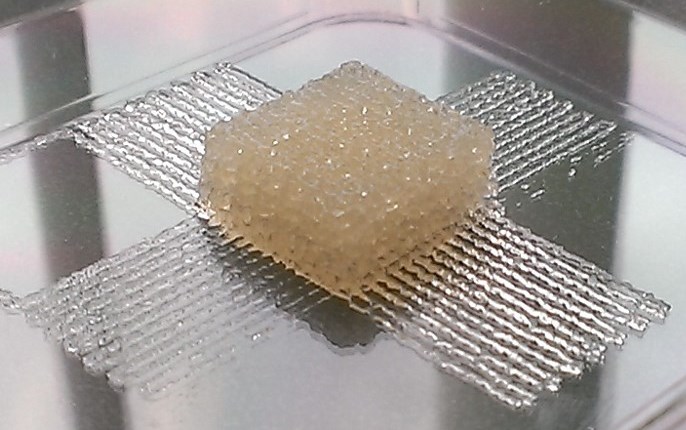
(a−e) Printing of 10% silk, 2% glycerol bioink into regular or irregular constructs; (a) 5 μm thick prints; (b) optically clear 250 μm thick printed mesh with regular geometry; (c) flexible, clear, 250 μm thick printed tubes; (d) irregular CAD geometry printed onto an aluminum surface; (e) Silk Lab logo printed onto a silk film substrate;
(f) printing of a 5% silk, 10% gelatin biogel mesh with simple geometry onto planar print surface; (g) a printed biogel mesh structure measuring 17 mm × 17 mm × 6 mm, microchannels are 250 μm wide; (h) SEM of a cryogel mesh created from the biogel structures via lyophilization; (i−k) printing of regular and irregular shaped constructs was performed using programming generated from CAD geometry; biogel was composed of 5% agar, 5% silk, 1% glycerol. (credit: Rod R. Jose/ACS Biomater. Sci. Eng)


Abstract of Polyol-Silk Bioink Formulations as Two-Part Room-Temperature Curable Materials for 3D Printing

Silk-based bioinks were developed for 2D and 3D printing. By incorporating nontoxic polyols into silk solutions, two-part formulations with self-curing features at room temperature were generated. By varying the formulations the crystallinity of the silk polymer matrix could be controlled to support printing in 2D and 3D formats interfaced with CAD geometry and with good feature resolution. The self-curing phenomenon was tuned and exploited in order to demonstrate the formation of both structural and support materials. Biocompatible aqueous protein inks for printing that avoid the need for chemical or photo initiators and that form aqueous-stable structures with good resolution at ambient temperatures provide useful options for biofunctionalization and a broad range of applications.

Intel invests US$50 million in quantum-computing research

Think of classical physics as a coin. It can be either heads or tails. If it were a bit, it would be 0 or 1. In quantum physics, this coin is best thought of as a constantly spinning coin. It represents heads and tails simultaneously. As a result, a qubit would be both 0 and 1 and spin simultaneously up and down. (credit: Intel)

Intel announced today (Thursday Sept. 3) an investment of $50 million and “significant engineering resources” in quantum computing research, in a 10-year collaborative relationship with the Delft University of Technology and TNO, the Dutch Organisation for Applied Research.

“A fully functioning quantum computer is at least a dozen years away, but the practical and theoretical research efforts we’re announcing today mark an important milestone in the journey to bring it closer to reality,” said Mike Mayberry, Intel vice president and managing director of Intel Labs.

Infographic: Quantum Computing

The Promise of Quantum Computing By Intel CEO Brian Krzanichg

Completely paralyzed man voluntarily moves his legs, UCLA scientists report

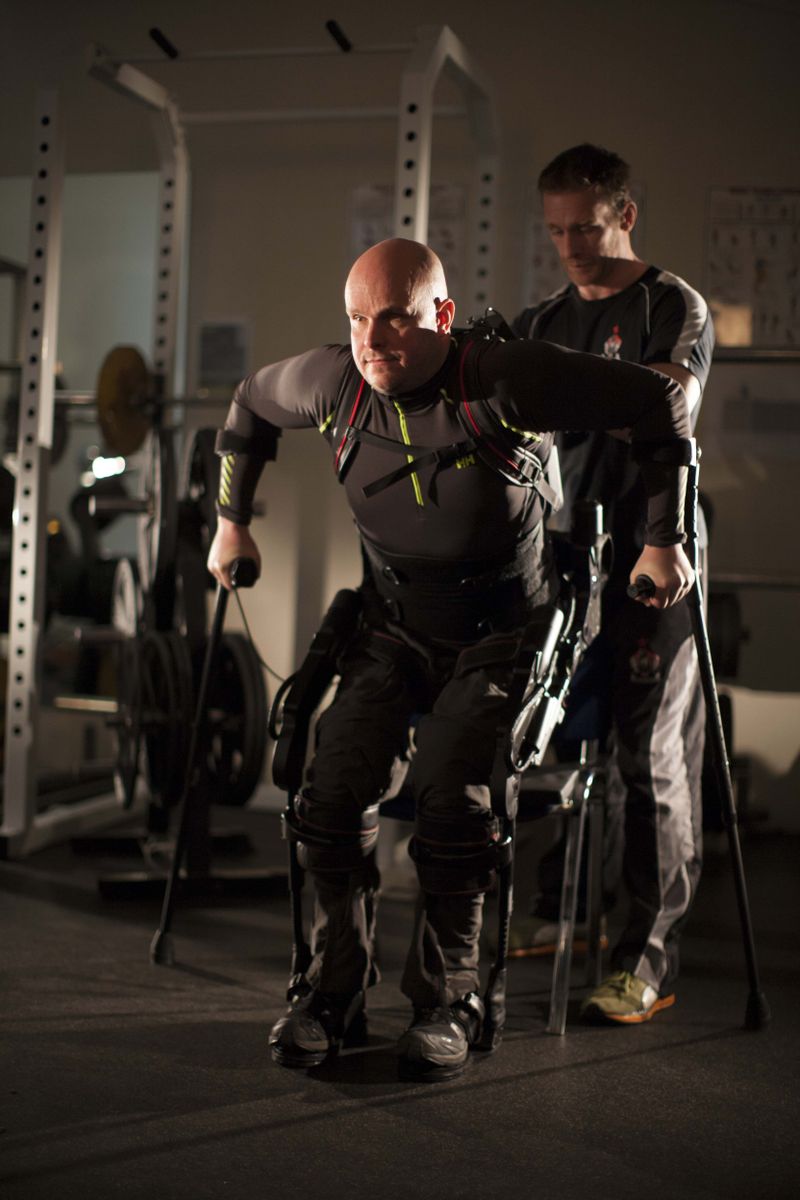
Mark Pollock and trainer Simon O’Donnell (credit: Mark Pollock)

A 39-year-old man who had been completely paralyzed for four years was able to voluntarily control his leg muscles and take thousands of steps in a “robotic exoskeleton” device during five days of training, and for two weeks afterward, UCLA scientists report.

This is the first time that a person with chronic, complete paralysis has regained enough voluntary control to actively work with a robotic device designed to enhance mobility.

In addition to the robotic device, the man was aided by a novel noninvasive spinal stimulation technique that does not require surgery. His leg movements also resulted in other health benefits, including improved cardiovascular function and muscle tone.

The new approach combines a battery-powered wearable bionic suit that enables people to move their legs in a step-like fashion, with a noninvasive procedure that the same researchers had previously used to enable five men who had been completely paralyzed to move their legs in a rhythmic motion.

That earlier achievement is believed to be the first time people who are completely paralyzed have been able to relearn voluntary leg movements without surgery. (The researchers do not describe the achievement as “walking” because no one who is completely paralyzed has independently walked in the absence of the robotic device and electrical stimulation of the spinal cord.)

Mountain racing blind? No problem. Paralyzed? “Iron ElectriRx” man is aceing that too

In the latest study, the researchers treated Mark Pollock, who lost his sight in 1998 and later became the first blind man to race to the South Pole. In 2010, Pollock fell from a second-story window and suffered a spinal cord injury that left him paralyzed from the waist down.

At UCLA, outfitted with the robotic exoskeleton, Pollock made substantial progress after receiving a few weeks of physical training without spinal stimulation and then just five days of spinal stimulation training in a one-week span, for about an hour a day.

“In the last few weeks of the trial, my heart rate hit 138 beats per minute,” Pollock said. “This is an aerobic training zone, a rate I haven’t even come close to since being paralyzed while walking in the robot alone, without these interventions. That was a very exciting, emotional moment for me, having spent my whole adult life before breaking my back as an athlete.”

Even in the years since he lost his sight, Pollock has competed in ultra-endurance races across deserts, mountains and the polar ice caps. He also won silver and bronze medals in rowing at the Commonwealth Games and launched a motivational speaking business.

“Stepping with the stimulation and having my heart rate increase, along with the awareness of my legs under me, was addictive. I wanted more,” he said.

The research was published by the IEEE Engineering in Medicine and Biology Society, the world’s largest society of biomedical engineers.

Expanding the clinical toolbox for the paralyzed

“It will be difficult to get people with complete paralysis to walk completely independently, but even if they don’t accomplish that, the fact they can assist themselves in walking will greatly improve their overall health and quality of life,” said V. Reggie Edgerton, senior author of the research and a UCLA distinguished professor of integrative biology and physiology, neurobiology and neurosurgery.

The procedure used a robotic device manufactured by Richmond, California-based Ekso Bionics that captures data that enables the research team to determine how much the subject is moving his own limbs, as opposed to being aided by the device.

“If the robot does all the work, the subject becomes passive and the nervous system shuts down,” Edgerton said.

The data showed that Pollock was actively flexing his left knee and raising his left leg and that during and after the electrical stimulation, he was able to voluntarily assist the robot during stepping; it wasn’t just the robotic device doing the work.

“For people who are severely injured but not completely paralyzed, there’s every reason to believe that they will have the opportunity to use these types of interventions to further improve their level of function. They’re likely to improve even more,” Edgerton said. “We need to expand the clinical toolbox available for people with spinal cord injury and other diseases.”


Edgerton Lab, University of California Los Angeles | Paralyzed subject Training in Ekso during spinal cord stimulation

The future of spinal-cord research

Edgerton and his research team have received many awards and honors for their research, including Popular Mechanics’ 2011 Breakthrough Award.

“Dr. Edgerton is a pioneer and we are encouraged by these findings to broaden our understanding of possible treatment options for paralysis,” said Peter Wilderotter, president and CEO of the Christopher and Dana Reeve Foundation, which helped fund the research. “Given the complexities of a spinal cord injury, there will be no one-size-fits-all cure but rather a combination of different interventions to achieve functional recovery.

“What we are seeing right now in the field of spinal cord research is a surge of momentum with new directions and approaches to remind the spine of its potential even years after an injury,” he said.

NeuroRecovery Technologies, a medical technology company Edgerton founded, designs and develops devices that help restore movement in patients with paralysis. The company provided the device used to stimulate the spinal cord in combination with the Ekso in this research.

Edgerton said although it likely will be years before the new approaches are widely available, he now believes it is possible to significantly improve quality of life for patients with severe spinal cord injuries, and to help them recover multiple body functions.

In addition to the Reeve foundation, the research was funded by the National Institutes of Health’s National Institute of Biomedical Imaging and Bioengineering, the F. M. Kirby Foundation, the Walkabout Foundation, the Dana and Albert R. Broccoli Foundation, Ekso Bionics, NeuroRecovery Technologies and the Mark Pollock Trust.

Almost 6 million Americans live with paralysis, including nearly 1.3 million with spinal cord injuries.


Abstract of Iron ‘ElectriRx’ Man: Overground Stepping in an Exoskeleton Combined with Noninvasive Spinal Cord Stimulation after Paralysis

We asked whether coordinated voluntary movement of the lower limbs could be regained in an individual having been completely paralyzed (>4 yr) and completely absent of vision (>15 yr) using a novel strategy – transcutaneous spinal cord stimulation at selected sites over the spinal vertebrae with just one week of training. We also asked whether this stimulation strategy could facilitate stepping assisted by an exoskeleton (EKSO, EKSO Bionics) that is designed so that the subject can voluntarily complement the work being performed by the exoskeleton. We found that spinal cord stimulation enhanced the level of effort that the subject could generate while stepping in the exoskeleton. In addition, stimulation improved the coordination patterns of the lower limb muscles resulting in a more continuous, smooth stepping motion in the exoskeleton. These stepping sessions in the presence of stimulation were accompanied by greater cardiac responses and sweating than could be attained without the stimulation. Based on the data from this case study it appears that there is considerable potential for positive synergistic effects after complete paralysis by combining the overground stepping in an exoskeleton, a novel transcutaneous spinal cord stimulation paradigm, and daily training.

First US patients treated with noninvasive focused ultrasound for Parkinson’s disease

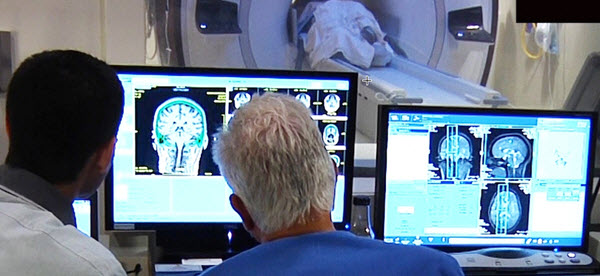
University of Maryland medical doctors monitor focused ultrasound treatment for essential tremor, guided by magnetic resonance imaging (MRI) (credit: University of Maryland School of Medicine)

Researchers at the University of Maryland have performed the first focused ultrasound treatments on a deep structure within the brain related to Parkinson’s disease* called the globus pallidus.

These treatments are part of international pilot studies of 40 patients assessing the feasibility, safety, and preliminary efficacy of focused ultrasound treatments for Parkinson’s disease, guided by magnetic resonance imaging (MRI).

The researchers are using MRI to help them guide ultrasound waves through the intact skin and skull to reach the globus pallidus part of the brain. If successful, focused ultrasound could offer an alternative approach for certain patients with Parkinson’s disease who have failed medical therapy or become disabled from medication-induced dyskinesia (tremor). To date, seven patients in Korea and one patient in Canada have been treated in studies.

The new Parkinson’s procedure

ExAblate Neuro system (credit: Insightec)

The non-invasive ultrasound and MRI imaging procedures are done on an outpatient basis in the Center for Metabolic Imaging and Image-Guided Therapeutics (CMIT) MRI suite, using the ExAblate Neuro system developed by Insightec.

During the Parkinson’s procedure, patients lie in an MRI scanner with a head-immobilizing frame fitted with a transducer helmet. Ultrasonic energy is targeted through the skull to the globus pallidus of the brain, and images acquired during the procedure give physicians a real-time map of the area being treated.

“We’re raising the temperature in a very restricted area of the brain to destroy tissue,” explained principal investigator Howard M. Eisenberg, MD, the Raymond K. Thompson Chair of Neurosurgery. “The ultrasound waves create a heat lesion that we can monitor through MRI.”

The entire procedure lasts two to four hours, and patients are awake and able to interact with the treatment team. This allows the physicians to monitor the immediate effects of treatment and make adjustments if necessary.

Researchers from the University of Virginia Health System reported in the New England Journal of Medicine in 2013 that 15 patients with essential tremor** — a related disorder — who received focused ultrasound saw “significant improvement” in their dominant hand tremor. Patients treated in the initial phase of the study at the University of Maryland experienced similar results.

The Michael J. Fox Foundation for Parkinson’s Research and the Focused Ultrasound Foundation are funding the new Parkinson’s study.

* As many as one million Americans have Parkinson’s disease, a chronic, degenerative disorder for which there is no cure. The second most common movement disorder, Parkinson’s results from the malfunction or loss of brain cells crucial for movement and coordination. Symptoms include motor difficulties such as tremor, rigidity and postural instability. People with Parkinson’s can also experience non-motor symptoms of cognitive impairment, depression, and anxiety, and autonomic dysfunction.

** Essential tremor, which is eight times more common than Parkinson’s disease, causes debilitating shaking that can be resistant to drug therapy. It mainly affects the hands, head and voice, making aspects of daily life like eating, drinking and writing extremely difficult.


Abstract of A Pilot Study of Focused Ultrasound Thalamotomy for Essential Tremor

Background

Recent advances have enabled delivery of high-intensity focused ultrasound through the intact human cranium with magnetic resonance imaging (MRI) guidance. This preliminary study investigates the use of transcranial MRI-guided focused ultrasound thalamotomy for the treatment of essential tremor.

Methods

From February 2011 through December 2011, in an open-label, uncontrolled study, we used transcranial MRI-guided focused ultrasound to target the unilateral ventral intermediate nucleus of the thalamus in 15 patients with severe, medication-refractory essential tremor. We recorded all safety data and measured the effectiveness of tremor suppression using the Clinical Rating Scale for Tremor to calculate the total score (ranging from 0 to 160), hand subscore (primary outcome, ranging from 0 to 32), and disability subscore (ranging from 0 to 32), with higher scores indicating worse tremor. We assessed the patients’ perceptions of treatment efficacy with the Quality of Life in Essential Tremor Questionnaire (ranging from 0 to 100%, with higher scores indicating greater perceived disability).

Results

Thermal ablation of the thalamic target occurred in all patients. Adverse effects of the procedure included transient sensory, cerebellar, motor, and speech abnormalities, with persistent paresthesias in four patients. Scores for hand tremor improved from 20.4 at baseline to 5.2 at 12 months (P=0.001). Total tremor scores improved from 54.9 to 24.3 (P=0.001). Disability scores improved from 18.2 to 2.8 (P=0.001). Quality-of-life scores improved from 37% to 11% (P=0.001).

Conclusions

In this pilot study, essential tremor improved in 15 patients treated with MRI-guided focused ultrasound thalamotomy. Large, randomized, controlled trials will be required to assess the procedure’s efficacy and safety. (Funded by the Focused Ultrasound Surgery Foundation; ClinicalTrials.gov number, NCT01304758.)

Life expectancy climbs worldwide but people spend more years living with illness and disability

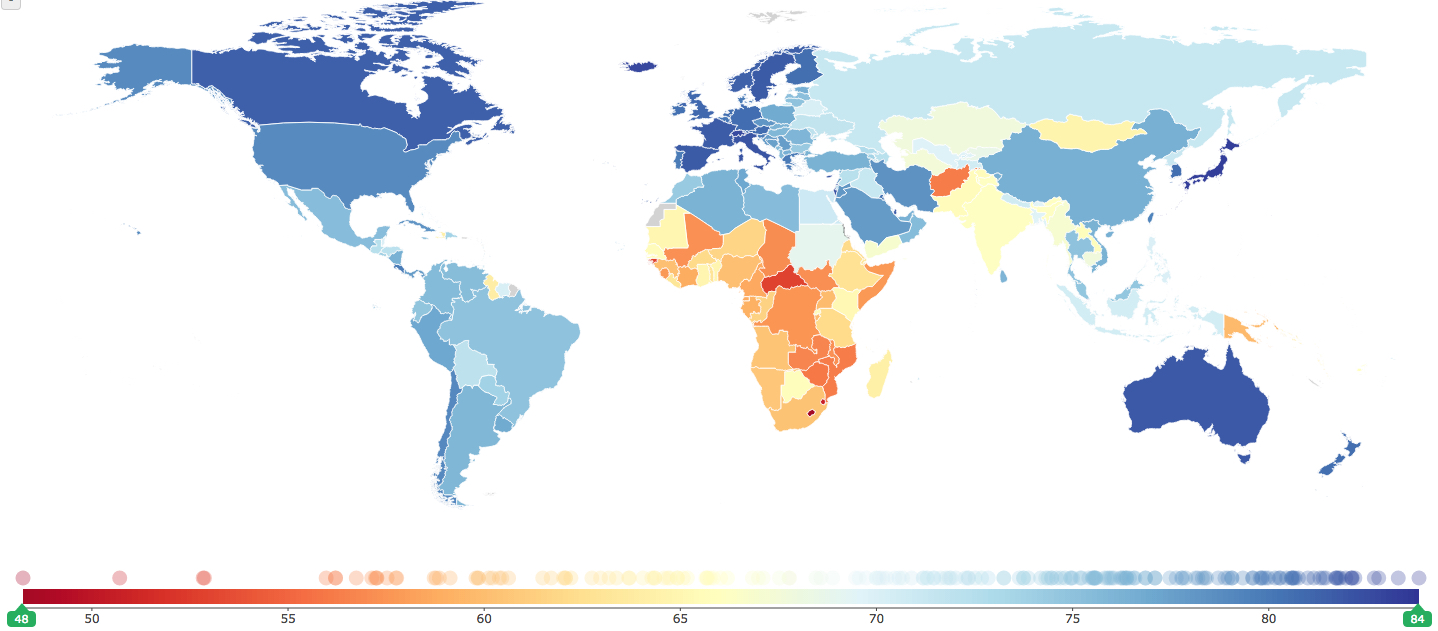
Life expectancy at birth, both sexes, 2013 (credit: Institute for Health Metrics and Evaluation)

The good news: as for 2013, global life expectancy for people in 188 countries has risen 6.2 years since 1990 (65.3 to 71.5). The bad news: healthy life expectancy (HALE) at birth rose by only 5.4 years (56.9 to 62.3), due to fatal and nonfatal ailments (interactive visualization by country here).

In other words, people are living more years with illness and disability. Ischemic heart disease, lower respiratory infections, and stroke cause the most health loss around the world.

That’s according to a study published in the medical journal The Lancet on August 27, conducted by an international consortium of researchers working on the Global Burden of Disease study, led by the Institute for Health Metrics and Evaluation (IHME) at the University of Washington.

“The world has made great progress in health, but now the challenge is to invest in finding more effective ways of preventing or treating the major causes of illness and disability,” said Professor Theo Vos of IHME, the study’s lead author.

For dozens of countries — including Botswana, Belize, and Syria — healthy life expectancy in 2013 was not significantly higher than in 1990. In some of those countries, including South Africa, Paraguay, and Belarus, healthy life expectancy has actually dropped (by as much as 10 years) since 1990.

Causes of health loss

The fastest-growing global cause of health loss between 1990 and 2013 was HIV/AIDS, which increased by 341.5%. But this dramatic rise masks progress in recent years; since 2005, health loss due to HIV/AIDS has diminished by 23.9% because of global focus on the disease. Ischemic heart disease, stroke, low back and neck pain, road injuries, and COPD have also caused an increasing amount of health loss since 1990.The impact of other ailments, such as diarrheal diseases, neonatal preterm birth complications, and lower respiratory infections, has significantly declined.

Across countries, patterns of health loss vary widely. The countries with the highest rates of DALYs are among the poorest in the world, and include several in sub-Saharan Africa: Lesotho, Swaziland, Central African Republic, Guinea-Bissau, and Zimbabwe. Countries with the lowest rates of health loss include Italy, Spain, Norway, Switzerland, and Israel.

The number of DALYs due to communicable, maternal, neonatal, and nutritional disorders has declined steadily, from 1.19 billion in 1990 to 769.3 million in 2013, while DALYs from non-communicable diseases have increased steadily, rising from 1.08 billion to 1.43 billion over the same period.

Ethiopia: a case study in progress

Ethiopia is one of several countries that have been rising to the challenge to ensure that people live lives that are both longer and healthier. In 1990, Ethiopians could expect to live 40.8 healthy years. But by 2013, the country saw an increase in healthy life expectancy of 13.5 years — more than double the global average — to 54.3 years.

“Ethiopia has made impressive gains in health over the past two decades, with significant decreases in rates of diarrheal disease, lower respiratory infection, and neonatal disorders,” said Dr. Tariku Jibat Beyene of Addis Ababa University. “But ailments such as heart disease, COPD, and stroke are causing an increasing amount of health loss. We must remain vigilant in addressing this new reality of Ethiopian health.”

Countries with highest healthy life expectancy, both sexes, 2013

1 Japan
2 Singapore
3 Andorra
4 Iceland
5 Cyprus
6 Israel
7 France
8 Italy
9 South Korea
10 Canada

Countries with lowest healthy life expectancy, both sexes, 2013

1 Lesotho
2 Swaziland
3 Central African Republic
4 Guinea-Bissau
5 Zimbabwe
6 Mozambique
7 Afghanistan
8 Chad
9 South Sudan
10 Zambia

Leading causes of DALYs or health loss globally for both sexes, 2013

1 Ischemic heart disease
2 Lower respiratory infection
3 Stroke
4 Low back and neck pain
5 Road injuries
6 Diarrheal diseases
7 Chronic obstructive pulmonary disease
8 Neonatal preterm birth complications
9 HIV/AIDS
10 Malaria


Abstract of Global, regional, and national disability-adjusted life years (DALYs) for 306 diseases and injuries and healthy life expectancy (HALE) for 188 countries, 1990–2013: quantifying the epidemiological transition

Background: The Global Burden of Disease Study 2013 (GBD 2013) aims to bring together all available epidemiological data using a coherent measurement framework, standardised estimation methods, and transparent data sources to enable comparisons of health loss over time and across causes, age–sex groups, and countries. The GBD can be used to generate summary measures such as disability-adjusted life-years (DALYs) and healthy life expectancy (HALE) that make possible comparative assessments of broad epidemiological patterns across countries and time. These summary measures can also be used to quantify the component of variation in epidemiology that is related to sociodemographic development.

Methods: We used the published GBD 2013 data for age-specific mortality, years of life lost due to premature mortality (YLLs), and years lived with disability (YLDs) to calculate DALYs and HALE for 1990, 1995, 2000, 2005, 2010, and 2013 for 188 countries. We calculated HALE using the Sullivan method; 95% uncertainty intervals (UIs) represent uncertainty in age-specific death rates and YLDs per person for each country, age, sex, and year. We estimated DALYs for 306 causes for each country as the sum of YLLs and YLDs; 95% UIs represent uncertainty in YLL and YLD rates. We quantified patterns of the epidemiological transition with a composite indicator of sociodemographic status, which we constructed from income per person, average years of schooling after age 15 years, and the total fertility rate and mean age of the population. We applied hierarchical regression to DALY rates by cause across countries to decompose variance related to the sociodemographic status variable, country, and time.

Findings: Worldwide, from 1990 to 2013, life expectancy at birth rose by 6·2 years (95% UI 5·6–6·6), from 65·3 years (65·0–65·6) in 1990 to 71·5 years (71·0–71·9) in 2013, HALE at birth rose by 5·4 years (4·9–5·8), from 56·9 years (54·5–59·1) to 62·3 years (59·7–64·8), total DALYs fell by 3·6% (0·3–7·4), and age-standardised DALY rates per 100 000 people fell by 26·7% (24·6–29·1). For communicable, maternal, neonatal, and nutritional disorders, global DALY numbers, crude rates, and age-standardised rates have all declined between 1990 and 2013, whereas for non–communicable diseases, global DALYs have been increasing, DALY rates have remained nearly constant, and age-standardised DALY rates declined during the same period. From 2005 to 2013, the number of DALYs increased for most specific non-communicable diseases, including cardiovascular diseases and neoplasms, in addition to dengue, food-borne trematodes, and leishmaniasis; DALYs decreased for nearly all other causes. By 2013, the five leading causes of DALYs were ischaemic heart disease, lower respiratory infections, cerebrovascular disease, low back and neck pain, and road injuries. Sociodemographic status explained more than 50% of the variance between countries and over time for diarrhoea, lower respiratory infections, and other common infectious diseases; maternal disorders; neonatal disorders; nutritional deficiencies; other communicable, maternal, neonatal, and nutritional diseases; musculoskeletal disorders; and other non-communicable diseases. However, sociodemographic status explained less than 10% of the variance in DALY rates for cardiovascular diseases; chronic respiratory diseases; cirrhosis; diabetes, urogenital, blood, and endocrine diseases; unintentional injuries; and self-harm and interpersonal violence. Predictably, increased sociodemographic status was associated with a shift in burden from YLLs to YLDs, driven by declines in YLLs and increases in YLDs from musculoskeletal disorders, neurological disorders, and mental and substance use disorders. In most country-specific estimates, the increase in life expectancy was greater than that in HALE. Leading causes of DALYs are highly variable across countries.

Interpretation: Global health is improving. Population growth and ageing have driven up numbers of DALYs, but crude rates have remained relatively constant, showing that progress in health does not mean fewer demands on health systems. The notion of an epidemiological transition—in which increasing sociodemographic status brings structured change in disease burden—is useful, but there is tremendous variation in burden of disease that is not associated with sociodemographic status. This further underscores the need for country-specific assessments of DALYs and HALE to appropriately inform health policy decisions and attendant actions.

Funding: Bill & Melinda Gates Foundation.

Magnetic fields provide a lower-power, more secure wireless body network

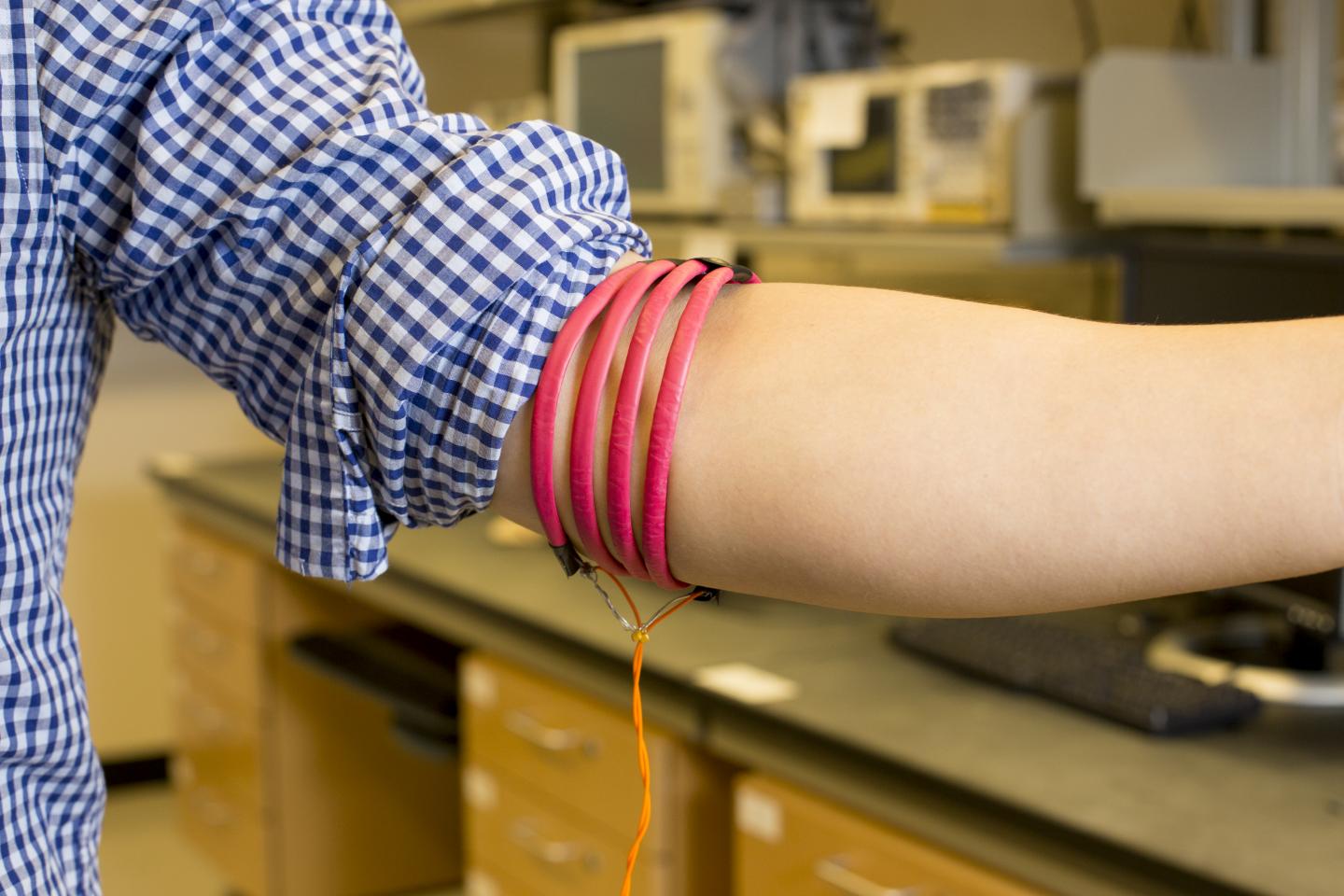
This is a prototype of the magnetic field human body communication, developed at UC San Diego, consists of magnetic-field-generating coils wrapped around three parts of the body, including the head, arm and leg (credit: Jacobs School of Engineering, UC San Diego)

A new wireless communication technique that works by sending magnetic signals through the human body could offer a lower power and more secure way to communicate information between wearable electronic devices than Bluetooth, according to electrical engineers at the University of California, San Diego.

While this work is still a proof-of-concept demonstration, researchers envision developing it into an ultra-low-power wireless system that can easily transmit information around the human body. One use would be a wireless sensor network for full-body health monitoring.

“In the future, people are going to be wearing more electronics, such as smart watches, fitness trackers and health monitors. All of these devices will need to communicate information with each other. Currently, these devices transmit information using Bluetooth radios, which use a lot of power to communicate. We’re trying to find new ways to communicate information around the human body that use much less power,” said Patrick Mercier, a professor in the Department of Electrical and Computer Engineering at UC San Diego who led the study. Mercier also serves as the co-director of the UC San Diego Center for Wearable Sensors.

Bluetooth technology uses high-frequency electromagnetic radiation to transmit data; at those frequencies, radio signals do not easily pass through the human body, so they require a power boost to help overcome this signal obstruction, or “path loss.”

Lower power consumption

In this study, electrical engineers demonstrated a technique called “magnetic field human body communication” (mHBC), which uses the body as a vehicle to deliver magnetic energy between electronic devices. An advantage of this system is that magnetic fields are able to pass freely through biological tissues, so signals are communicated with much lower path losses and potentially, much lower power consumption.

In their experiments, researchers demonstrated that the magnetic communication link works well on the body, but they did not test the technique’s power consumption. However, the showed that the path losses associated with magnetic field human body communication are upwards of 10 million times lower than those associated with Bluetooth radios.

“This technique, to our knowledge, achieves the lowest path losses out of any wireless human body communication system that’s been demonstrated so far. This technique will allow us to build much lower power wearable devices,” said Mercier.

Lower power consumption also leads to longer battery life. “A problem with wearable devices like smart watches is that they have short operating times because they are limited to using small batteries. With this magnetic field human body communication system, we hope to significantly reduce power consumption as well as how frequently users need to recharge their devices,” said Jiwoong Park, a Ph.D student in Mercier’s Energy-Efficient Microsystems Lab at the UC San Diego Jacobs School of Engineering and first author of the study.

Human body communication schemes: (a) galvanic coupling using electric fields, (b) capacitive coupling using electric fields, and (c) the proposed magnetic resonant coupling scheme (credit: Jiwoong Park and Patrick P. Mercier)

The engineers presented their findings Aug. 26 at the 37th Annual International Conference of the IEEE Engineering in Medicine and Biology Society in Milan, Italy. In a forthcoming paper, they also compare their mHBC scheme to two earlier electric field human body communication (eHBC) schemes: galvanic coupling (using electric currents) and capacitive eHBC, also known as a wireless Body Area Network (using near-field radio frequencies); both have high path loss and other problems, they note.

Better security

The researchers also pointed out that this technique does not pose any serious health risks. Since this technique is intended for applications in ultra low power communication systems, the transmitting power of the magnetic signals sent through the body is expected to be many times lower than that of MRI scanners and wireless implant devices.

Another potential advantage of magnetic field human body communication is that it could offer more security than Bluetooth networks. Because Bluetooth radio communicates data over the air, anyone standing within 30 feet can potentially eavesdrop on that communication link. On the other hand, magnetic field human body communication employs the human body as a communication medium, making the communication link less vulnerable to eavesdropping. With this technique, researchers demonstrated that magnetic communication is strong on the body but dramatically decreases off the body. To put this in the context of a personal full-body wireless communication network, information would neither be radiated off the body nor be transmitted from one person to another.

“Increased privacy is desirable when you’re using your wearable devices to transmit information about your health,” said Park.

A proof-of-concept prototype

The researchers built a prototype to demonstrate the magnetic field human body communication technique. The prototype consists of copper wires insulated with PVC tubes. On one end, the copper wires are hooked up to an external analyzer and on the other end, the wires are wrapped in coils around three areas of the body: the head, arms and legs. These coils serve as sources for magnetic fields and are able to send magnetic signals from one part of the body to another using the body as a guide. With this prototype, researchers were able to demonstrate and measure low path loss communication from arm to arm, from arm to head, and from arm to leg.

Researchers noted that a limitation of this technique is that magnetic fields require circular geometries in order to propagate through the human body. Devices like smart watches, headbands and belts will all work well using magnetic field human body communication, but not a small patch that is stuck on the chest and used to measure heart rate, for example. As long as the wearable application can wrap around a part of the body, it should work just fine with this technique, researchers explained.

UPDATE Sept. 5, 2015 — ADDED (with illustration): In a forthcoming paper, they also compare their mHBC scheme to two earlier electric field human body communication (eHBC) schemes: galvanic coupling (using electric currents) and capacitive eHBC, also known as a wireless Body Area Network (using near-field radio frequencies); both have high path loss and other problems, they note.

Lack of sleep connected to catching a cold, new research confirms

(Credit: iStock)

If you sleep six hours a night or less a night, you are 4.2 times more likely to catch a cold (five hours or less, 4.5 times more likely) compared to those who sleep more than seven hours in a night.

That’s the finding of a study by  Carnegie Mellon University’s Sheldon Cohen, the Robert E. Doherty University Professor of Psychology in the Dietrich College of Humanities and Social Sciences, and researchers from UC San Francisco and the University of Pittsburgh Medical Center.

Published in the journal Sleep, the researchers used objective sleep measures. For the study, 164 adults underwent two months of health screenings, interviews and questionnaires to establish baselines for factors like stress, temperament, and alcohol and cigarette use. The researchers also tracked their sleep patterns for seven days using a watch-like sensor that measured the duration and quality of sleep throughout the night.

Then, the participants were sequestered in a hotel, administered the cold virus via nasal drops and monitored for a week, collecting daily mucus samples to see if the virus had taken hold.

“Sleep goes beyond all the other factors that were measured,” Prather said. “It didn’t matter how old people were, their stress levels, their race, education or income. It didn’t matter if they were a smoker. With all those things taken into account, statistically sleep still carried the day and was an overwhelmingly strong predictor for susceptibility to the cold virus.”

Aric Prather, assistant professor of psychiatry at UCSF and lead author of the study, said the study shows the risks of chronic sleep loss better than typical experiments in which researchers artificially deprive subjects of sleep, because it is based on subjects’ normal sleep behavior. “This could be a typical week for someone during cold season,” he said.

Sleep should be treated as a crucial pillar of public health, along with diet and exercise, the researchers said.


Abstract of Behaviorally Assessed Sleep and Susceptibility to the Common Cold

Study Objectives:

Short sleep duration and poor sleep continuity have been implicated in the susceptibility to infectious illness. However, prior research has relied on subjective measures of sleep, which are subject to recall bias. The aim of this study was to determine whether sleep, measured behaviorally using wrist actigraphy, predicted cold incidence following experimental viral exposure.

Design, Measurements, and Results:

A total of 164 healthy men and women (age range, 18 to 55 y) volunteered for this study. Wrist actigraphy and sleep diaries assessed sleep duration and sleep continuity over 7 consecutive days. Participants were then quarantined and administered nasal drops containing the rhinovirus, and monitored over 5 days for the development of a clinical cold (defined by infection in the presence of objective signs of illness). Logistic regression analysis revealed that actigraphy- assessed shorter sleep duration was associated with an increased likelihood of development of a clinical cold. Specifically, those sleeping < 5 h (odds ratio [OR] = 4.50, 95% confidence interval [CI], 1.08–18.69) or sleeping between 5 to 6 h (OR = 4.24, 95% CI, 1.08–16.71) were at greater risk of developing the cold compared to those sleeping > 7 h per night; those sleeping 6.01 to 7 h were at no greater risk (OR = 1.66; 95% CI 0.40–6.95). This association was independent of prechallenge antibody levels, demographics, season of the year, body mass index, psychological variables, and health practices. Sleep fragmentation was unrelated to cold susceptibility. Other sleep variables obtained using diary and actigraphy were not strong predictors of cold susceptibility.

Conclusions:

Shorter sleep duration, measured behaviorally using actigraphy prior to viral exposure, was associated with increased susceptibility to the common cold.

World’s most powerful, largest digital camera will image 37 billion stars and galaxies

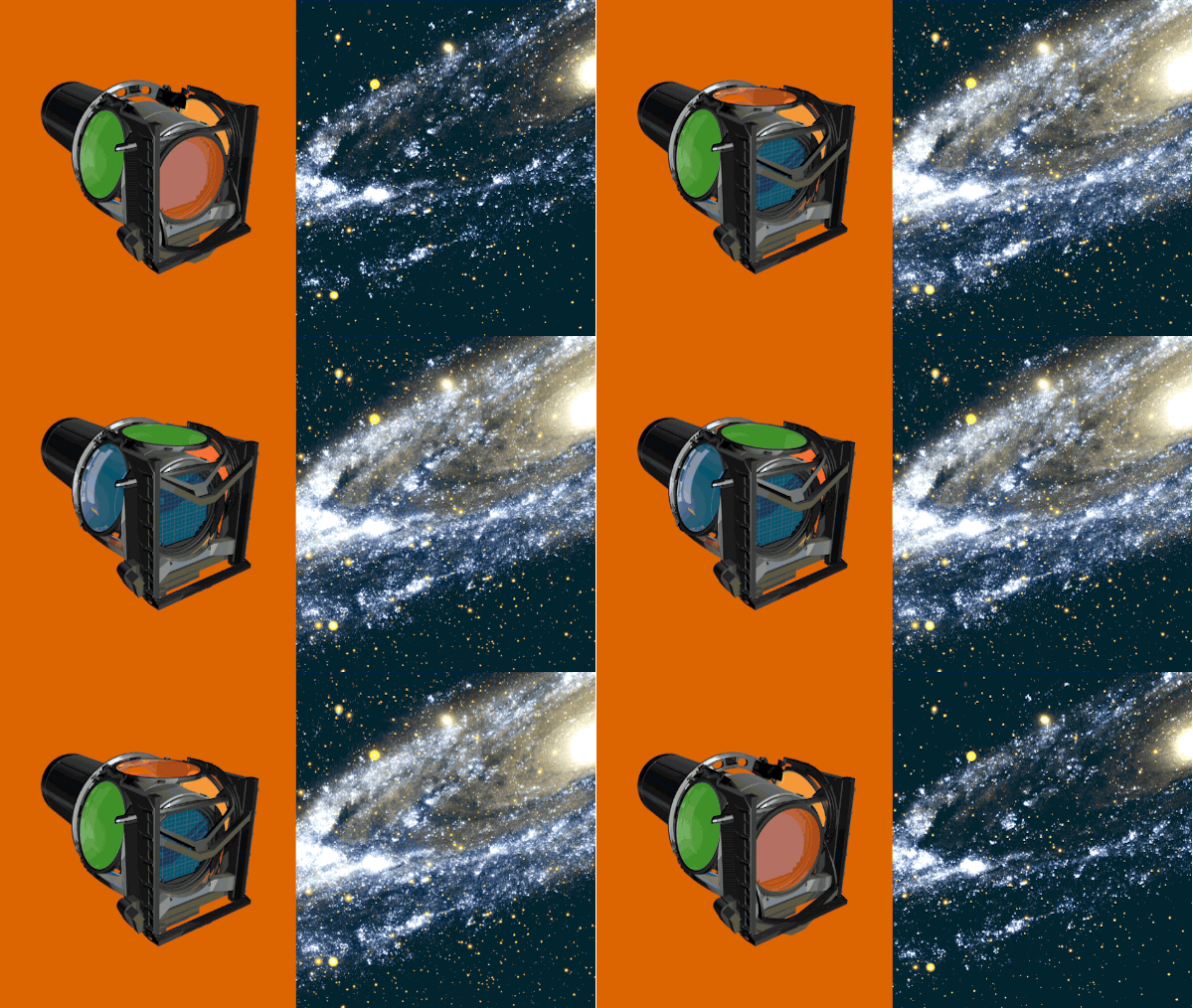
The LSST’s camera will include a filter-changing mechanism and shutter. This animation shows that mechanism at work, which allows the camera to view different wavelengths; the camera is capable of viewing light from near-ultraviolet to near-infrared (0.3-1 μm) wavelengths. (credit: SLAC National Accelerator Laboratory)

The Department of Energy has approved the start of construction for a 3.2-gigapixel digital camera — the world’s largest — at the heart of the Large Synoptic Survey Telescope (LSST), revealing unprecedented details of the universe and helping unravel some of its greatest mysteries.

Assembled at the DOE’s SLAC National Accelerator Laboratory, the camera will be the eye of LSST.

Starting in 2022, LSST will take digital images of the entire visible southern sky every few nights from atop a high mountain called Cerro Pachón in Chile. It will produce a wide, deep, and fast survey of the night sky, cataloging by far the largest number of stars and galaxies ever observed.

During a 10-year time frame, LSST will detect tens of billions of objects and will create movies of the sky with unprecedented details.

In one shot, the Large Synoptic Survey Telescope’s 3.2-gigapixel camera will capture an area of the sky 40 times the size of the full moon (or almost 10 square degrees of sky). LSST’s large mirror and large field of view work together to deliver more light from faint astronomical objects than any optical telescope in the world. (credit: SLAC National Accelerator Laboratory)

The telescope’s camera — the size of a small car and weighing more than three tons — will capture full-sky images at such high resolution that it would take 1,500 high-definition television screens to display just one of them.

Components of the camera are being built by an international collaboration of universities and labs, including DOE’s Brookhaven National Laboratory, Lawrence Livermore National Laboratory and SLAC National Accelerator Laboratory. Building and testing the camera will take approximately five years.

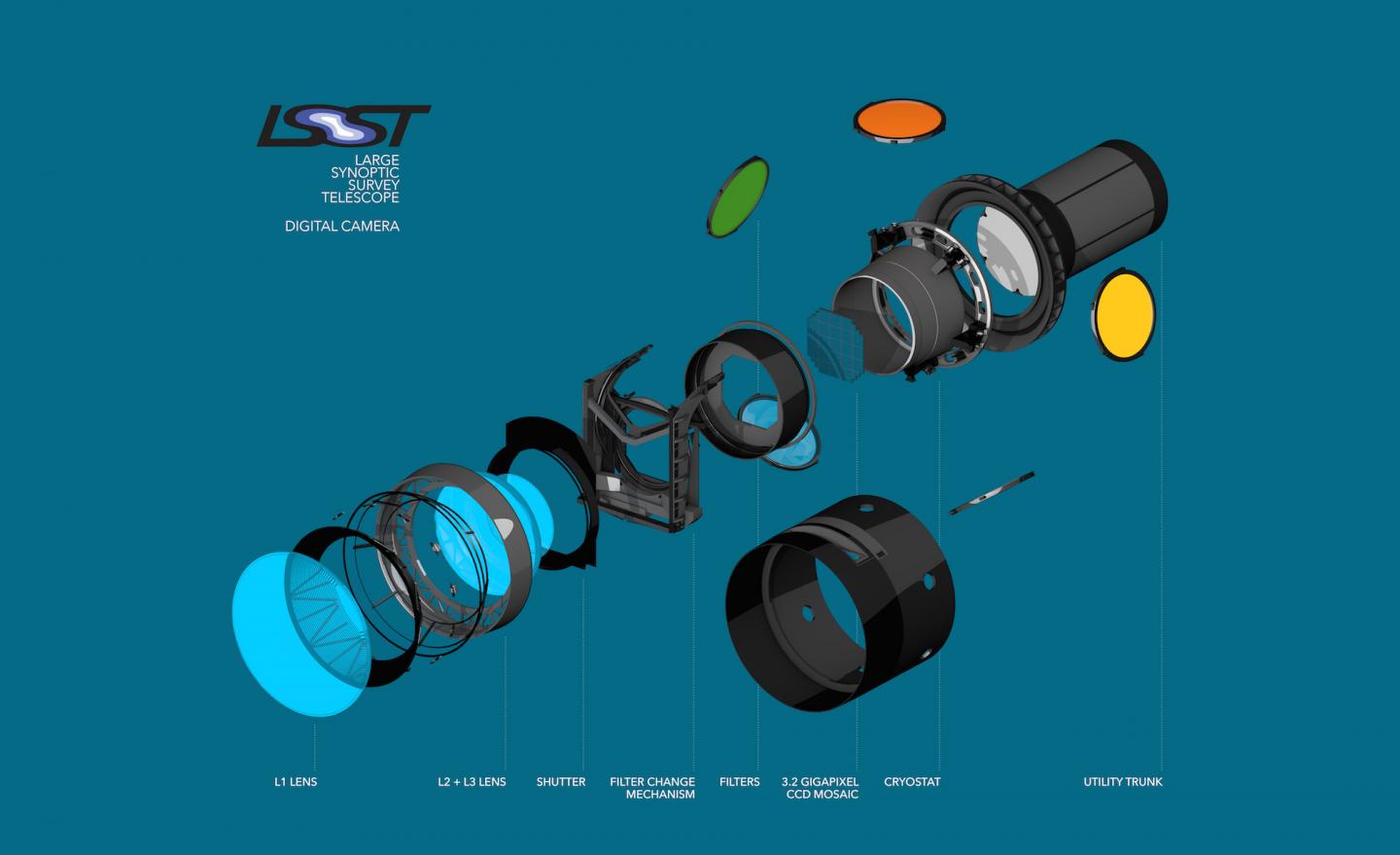
This exploded view of the LSST’s digital camera highlights its various components, including lenses, shutter and filters. (credit: SLAC National Accelerator Laboratory)

SLAC is also designing and constructing the NSF-funded database for the telescope’s data management system. LSST will generate a vast public archive of data — approximately 6 million gigabytes per year, or the equivalent of shooting roughly 800,000 images with a regular 8-megapixel digital camera every night, albeit of much higher quality and scientific value. This data will help researchers study the formation of galaxies, track potentially hazardous asteroids, observe exploding stars, and better understand dark matter and dark energy, which together make up 95 percent of the universe but whose natures remain unknown.

The National Research Council’s Astronomy and Astrophysics decadal survey, Astro2010, ranked the LSST as the top ground-based priority for the field for the current decade. The recent report of the Particle Physics Project Prioritization Panel of the federal High Energy Physics Advisory Panel, setting forth the strategic plan for U.S. particle physics, also recommended completion of the LSST.

Funding for the camera comes from the DOE, while financial support for the telescope and site facilities, the data management system, and the education and public outreach infrastructure of LSST comes primarily from the National Science Foundation (NSF).