On Sept. 9, 1982, the first private rocket launched from a Texas cattle ranch.
The Conestoga 1 rocket was designed by Space Services Inc. of America (SSIA) and built from spare parts of other rockets. It was named after a type of covered wagon that used to transport American settlers westward to the new frontier during the 19th century.
The 36-foot rocket lifted off from a private launch facility on Matagorda Island, Texas and flew for 10-and-a-half minutes. It reached an altitude of 195 miles and became the first privately funded rocket to reach space.
The only payload on board was 40 gallons of water, which didn't serve much scientific purpose, but it was ejected from the spacecraft at peak altitude to serve as a visual marker so ground crews could watch.
The private Conestoga 1 rocket sits atop its launchpad at Matagorda Island, Texas ahead of its historic Sept. 9, 1982 launch. It was the first privately developed rocket to fly. (Image credit: Space Services Inc.)
Why it mattered
Private rocket launches may seem routine today (SpaceX alone launches hundreds each year), spaceflight in 1982 was primarily the purview of government agencies like NASA, the U.S. military and other national agencies.
That changed with the launch of Conestoga 1 by SSIA. The company, led at the time by legendary Mercury 7 and Apollo-Soyuz astronaut Deke Slayton, and entreneurs Charles Chafer and David Hannah, Jr., was based in Houston and raised $6 million from 57 supporters to develop their rocket, according to Wired. The company initially tried to launch a different type of rocket, called Percheron, in 1981, but it exploded on the pad, according to an account by Inc. magazine.
SSIA found success three years later with Conestoga 1, a solid-fueled rocket based on an old Minuteman missile second stage (which Wired said SSIA bought from NASA for $365,000). It launched on its suborbital mission from Matagordo Island, Texas, which is about 170 miles (274 km) north of what is now Starbase, Texas, home to SpaceX's Starship megarocket launches.
SSIA would go on to launch another suborbital sounding rocket carrying science experiments in 1989. The company attempted to launch a larger Conestoga rocket (Conestoga 1620), which included additional strap-on boosters, in October 1995 from NASA's Wallops Flight Facility on Wallops Island, Virginia, but it failed 46 seconds after liftoff, according to NASA.
Today, SSIA's subsidiary Celestis, a space funeral company, now offers memorial flights by arranging to fly human cremains into space on commercial spaceflights. (SpaceX's Falcon 9 rockets have carried some such payloads. Another branch offers informal star naming services.
But the legacy of Conestega 1 lives on today in a robust commercial space launch industry that has seen a number of private companies enter the space marketplace. SpaceX, Blue Origin, Virgin Galactic and Scaled Composites have even built and flown private astronauts on suborbital (and orbital in SpaceX's case) missions. SpaceX, meanwhile, has built and launched the largest private rocket on Earth, the Starship and Super Heavy booster. It stands over 400 feet tall, is more powerful than NASA's mighty Saturn V moon rocket, and is designed to be fully reusable to allow missions to Earth orbit, the moon and Mars.
A huge SpaceX rocket is just minutes away from launching NASA's next great observatory into space: the Roman Space Telescope. But if you're hoping to watch it live online, you'll have to get up pretty early today (Aug. 30) or you'll miss it.
"Roman’s deep, sweeping surveys will help investigate dark energy and dark matter, discover and characterize planets beyond our solar system, map billions of galaxies, study black holes and share enormous amounts of data with both scientists and the public," NASA said in an update Friday (Aug. 28), after clearing Roman for launch.
Here's a look at what time NASA's Roman Space Telescope will launch atop a SpaceX Falcon Heavy rocket, as well as how to watch online.
What time is SpaceX's Roman Space Telescope launch?
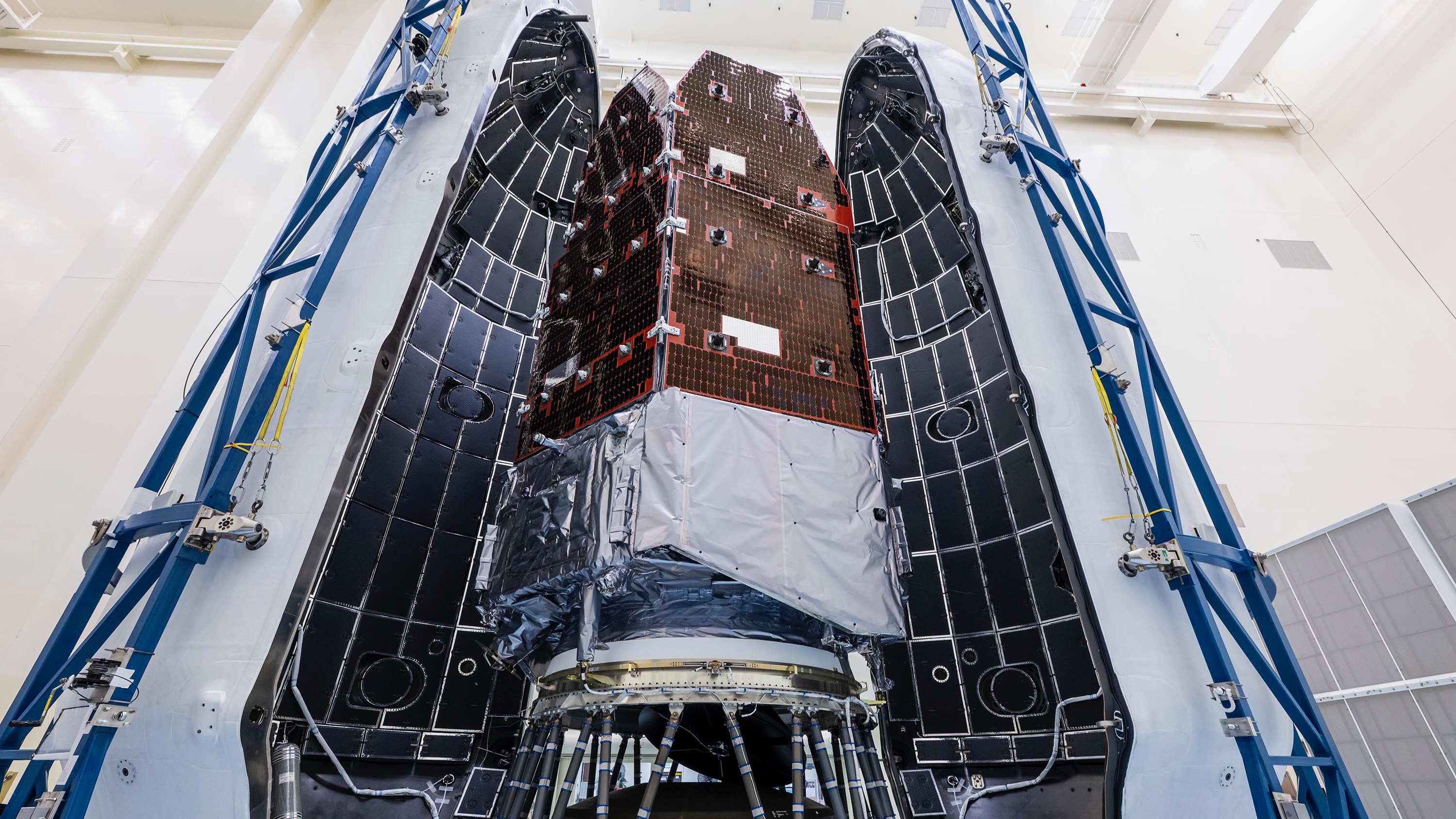
NASA's Nancy Grace Roman Space Telescope is encapsulated in the payload fairing of its SpaceX Falcon Heavy rocket. (Image credit: SpaceX)
SpaceX is currently targeting the launch of NASA's Roman Space Telescope for no earlier than 7:26 a.m. EDT (1126 GMT) today, Aug. 30.
The company will launch Roman into space atop a Falcon Heavy rocket from Launch Complex 39A at NASA's Kennedy Space Center in Florida. A launch livestream will begin about one hour before liftoff.
While SpaceX hopes to launch Roman on time, the company can try again tomorrow, on Monday, Aug. 31, if needed. A launch on that day would lift off a few minutes earlier, at 7:22 a.m. EDT (1122 GMT), SpaceX has said.
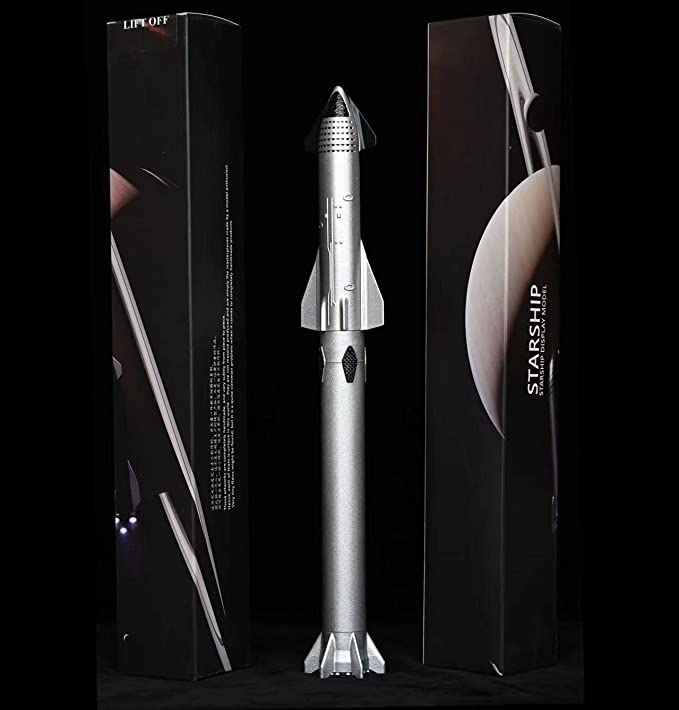
Even if you can't see SpaceX's Starship in person, you can score a model of your own. Standing at 13.77 inches (35 cm), this is a 1:375 ratio of SpaceX's Starship as a desktop model. The materials here are alloy steel and it weighs just 225g.View Deal
Can I watch SpaceX's Roman Space Telescope launch?
NASA will provide a launch webcast early Sunday morning. That livestream begins Aug. 30 at 6:20 a.m. EDT (1020 GMT) and will run through the launch and a post-launch briefing. That livestream can be found on the NASA website here, as well as all of NASA Social channels (Facebook, Instagram, X), and streaming channels like Twitch, Discovery+, Amazon Prime, NASA+, and of course YouTube.
SpaceX will also host its own launch livestream via its X account, which will begin about an hour before liftoff.
As mentioned above, SpaceX aims to launch Roman for NASA at 7:26 a.m. EDT (1126 GMT), with the flight lasting about 31 minutes and 31 seconds — the time post-liftoff at which Roman is expected to deploy into space.
A post-launch press conference is scheduled for 9:30 a.m. EDT (1330 GMT) and will include comments from the experts listed below.
NASA Administrator Jared Isaacman
Nicky Fox, associate administrator, Science Mission Directorate, NASA Headquarters
Jackie Townsend, Roman telescope project manager, NASA Goddard
Julie McEnery, Roman telescope senior project scientist, NASA Goddard
Denton Gibson, launch director, NASA’s Launch Services Program, NASA Kennedy
How long is SpaceX's Roman Space Telescope launch?
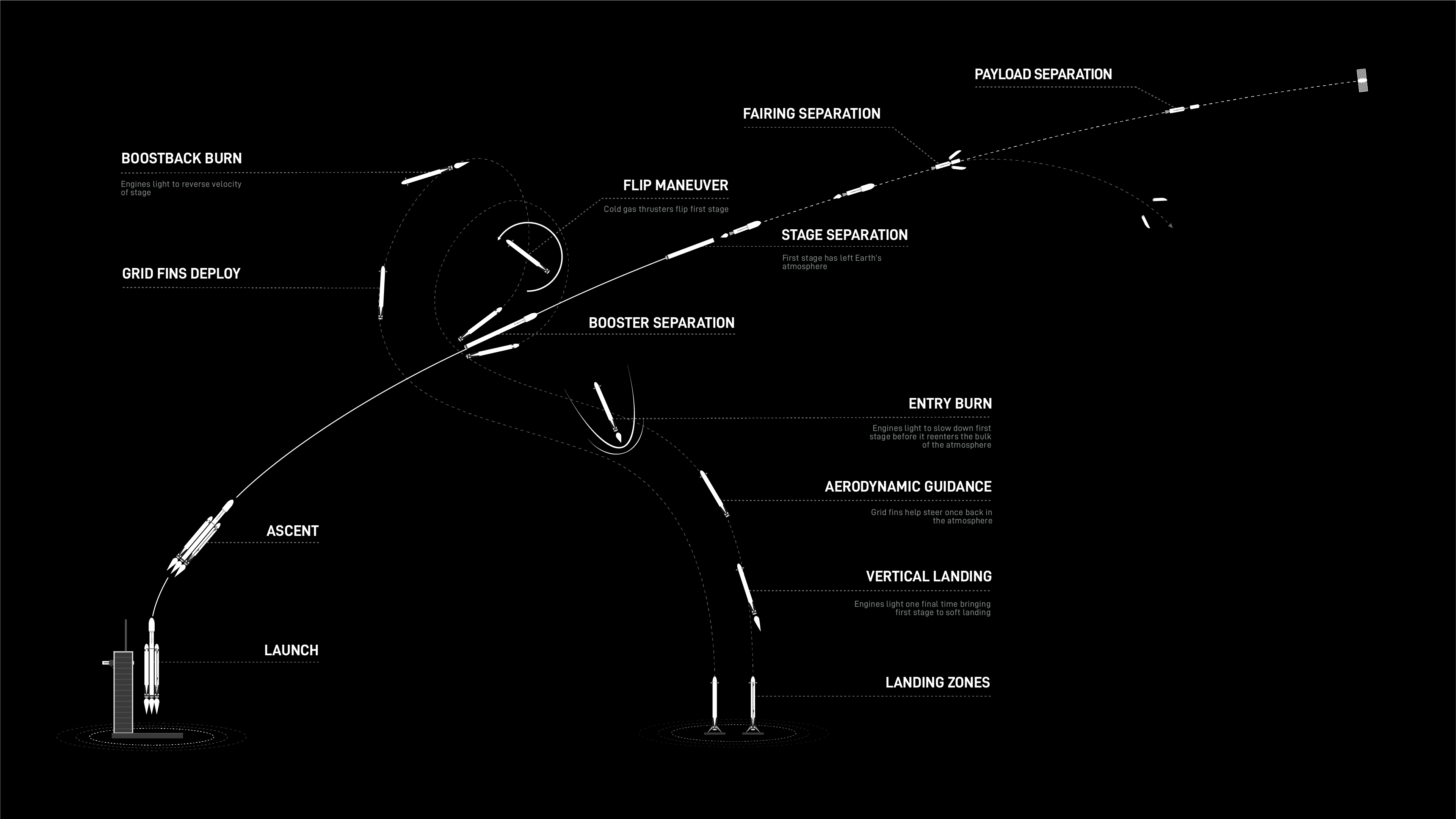
A diagram showing SpaceX's Roman Space Telescope launch profile on a Falcon Heavy rocket. The flight should last about 31.5 minutes. (Image credit: SpaceX)
SpaceX's Roman Space Telescope launch for NASA will last just over 31 minutes (31 minutes and 31 seconds, to be exact), in order to send Roman on its way into deep space.
After liftoff, the Falcon Heavy rocket's core booster and twin side boosters will fire for just under 2.5 minutes, after which the side boosters will separate and return to Earth. If all goes well, they should land about 7 minutes, 23 seconds after liftoff.
"This is the first and third flight for the two first stage side boosters supporting this mission, which previously launched theGOES-U and Viasat-3 F3 missions," SpaceX wrote in a mission overview. "Following stage separation, Falcon Heavy’s two side boosters will land on SpaceX’s Landing Zones 2 and 40 (LZ-2 and LZ-40) at Cape Canaveral Space Force Station in Florida." SpaceX does not appear to be planning a core first-stage landing off shore for this flight.
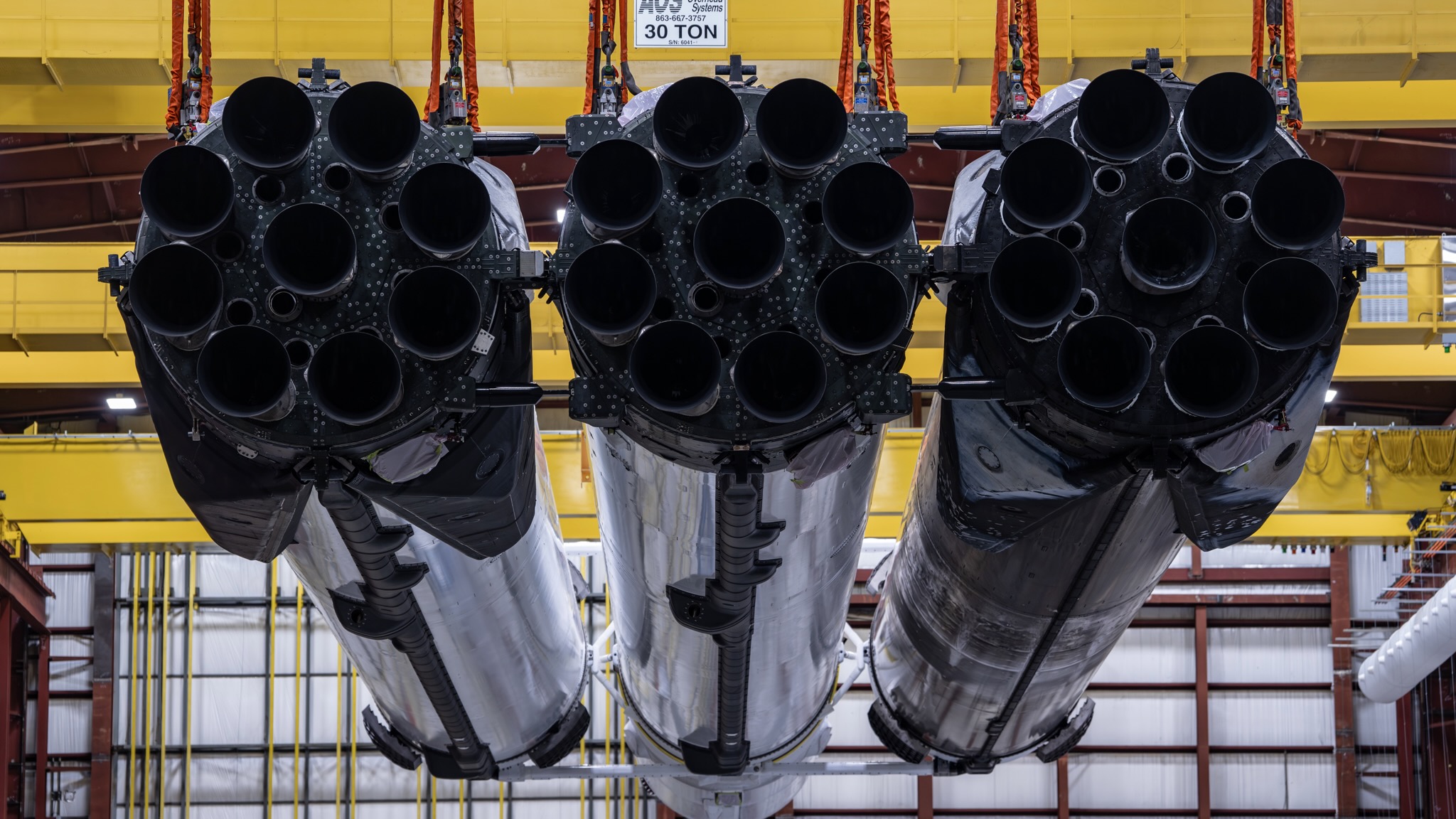
The three first-stage boosters of the Falcon Heavy rocket that will launch NASA's Nancy Grace Roman Space Telescope on Aug. 30, 2026. SpaceX shared this photo via X on Aug. 26. (Image credit: SpaceX)
Here's a look at the launch and flight timeline from SpaceX.
The upper stage of the Falcon Heavy will continue firing its engine through the 8-minutes-and-28-seconds mark, when it will shut down for a 16-minute cruise period. Just over 24 minutes into the flight, the second stage will reignite its single Merlin engine for about three minutes before shutting down for good.
The Roman Space Telescope will then deploy from its carrier at the 31:31 minute mark. It is expected to deploy its solar panels and sunshade shortly after liftoff, then spend the next few days unfolding its antenna and aperture cover, while also performing a mid-course correction burn on its way to its final destination: a stable point in space called Lagrange Point 2, about 1 million miles (1.5 million kilometers) from Earth, opposite the sun.
"The Roman team will complete a carefully orchestrated series of deployments, calibrations, and tests in the three months following launch before the observatory reaches its final orbit," NASA has said of the steps that will follow.
What if the Roman Space Telescope can't launch?
If SpaceX can't launch the Roman Space Telescope on Aug. 30, the company and NASA have at least one backup day to try again.
A second launch window is available on Monday, Aug. 31, at 7:22 a.m. EDT (1122 GMT), according to SpaceX. Both SpaceX and NASA are watching the weather closely to determine if Roman can fly on Aug. 30.
"Meteorologists with the U.S. Space Force’s Space Launch Delta 45 Weather Squadron are predicting a 60% chance of favorable weather conditions for launch, which is targeted for 7:26 a.m. EDT on Sunday, Aug. 30 from Launch Complex 39A at Kennedy," NASA wrote in an update Friday (Aug. 28).
On Aug. 25, 1997, NASA launched the Advanced Composition Explorer, or ACE satellite to study energetic particles traveling through space.
It lifted off from Kennedy Space Center in Florida on a Delta II rocket and spent the next three and a half months making its way to its orbital post near the L1 Lagrangian point, a point of gravitational equilibrium between Earth and the sun. There, the spacecraft is monitoring the stream of accelerated particles coming from the sun known as the solar wind.
ACE provides 24/7 continuous coverage of the solar wind, which lets scientists know when to expect geomagnetic storms that can disrupt communication satellites and power grids on Earth.
Why it mattered
A Boeing Delta II rocket launches NASA's Advanced Composition Explorer satellite from Launch Complex 17A at the Cape Canaveral Air Force Station in Florida on Aug. 25, 1997. (Image credit: NASA)
The ACE satellite is a NASA sentinel survivor.
When it launched in 1997, NASA hoped the ACE satellite mission would last up to five years as it monitored solar wind speeds and conditions, as well as the flow of other critical charged particles through space, such as galactic cosmic rays, as well as interplanetary and interstellar particles.
As of today, ACE has been hard at work for 29 years and shows no signs of stopping. It's one of NASA's oldest still-operating sun-monitoring spacecraft (the Solar and Heliospheric Observatory, or SOHO, is two years older, as it launched in 1995).
ACE serves as a core part of NASA's early-warning system for incoming space weather. It's nine primary instruments were between 10 and 10,000 times better than any sensors flown in space when the satellite launched in 1997. In 2005, one of those instruments — the Solar Energetic Particle Ionic Charge Analyzer — stopped sending data, but it is the only instrument to be lost during ACE's lifetime, NASA has said.
On Aug. 7, 1980, NASA's Viking 1 spacecraft ended its epic and historic mission on the Red Planet.
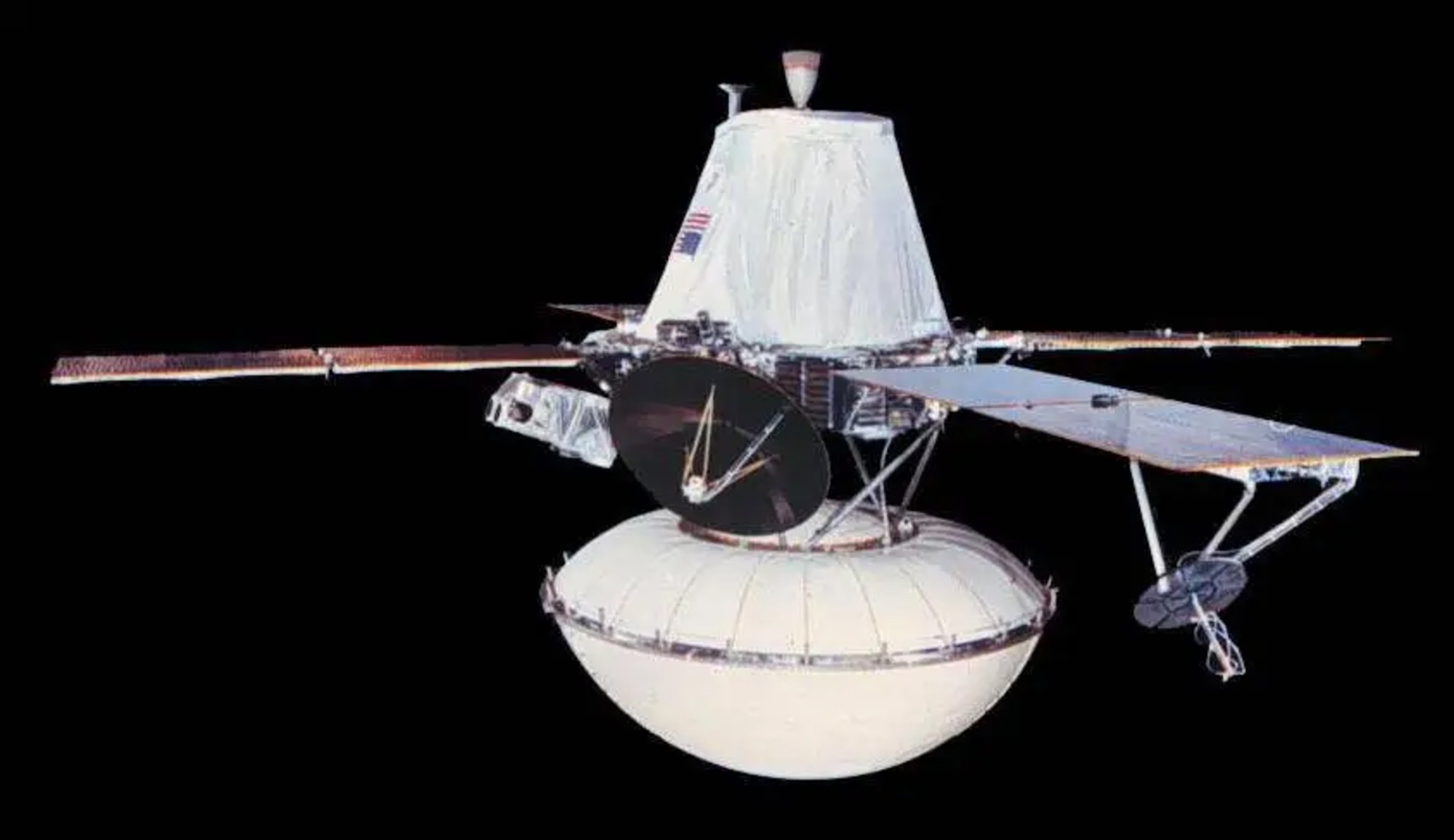
Viking 1 was the first spacecraft to successfully land on Mars. It was one of two Viking missions NASA launched in 1975 to go look for evidence oflife on Mars. Each of the Viking missions were composed of an orbiter and a lander. Viking 1's orbiter took photos of the Martian surface that helped NASA decide where to drop the lander.
After four years of orbiting Mars, the orbiter ran out of attitude-control propellant, so NASA had to shut it down. The lander continued its scientific observations for another three years before it lost contact with NASA in 1983.
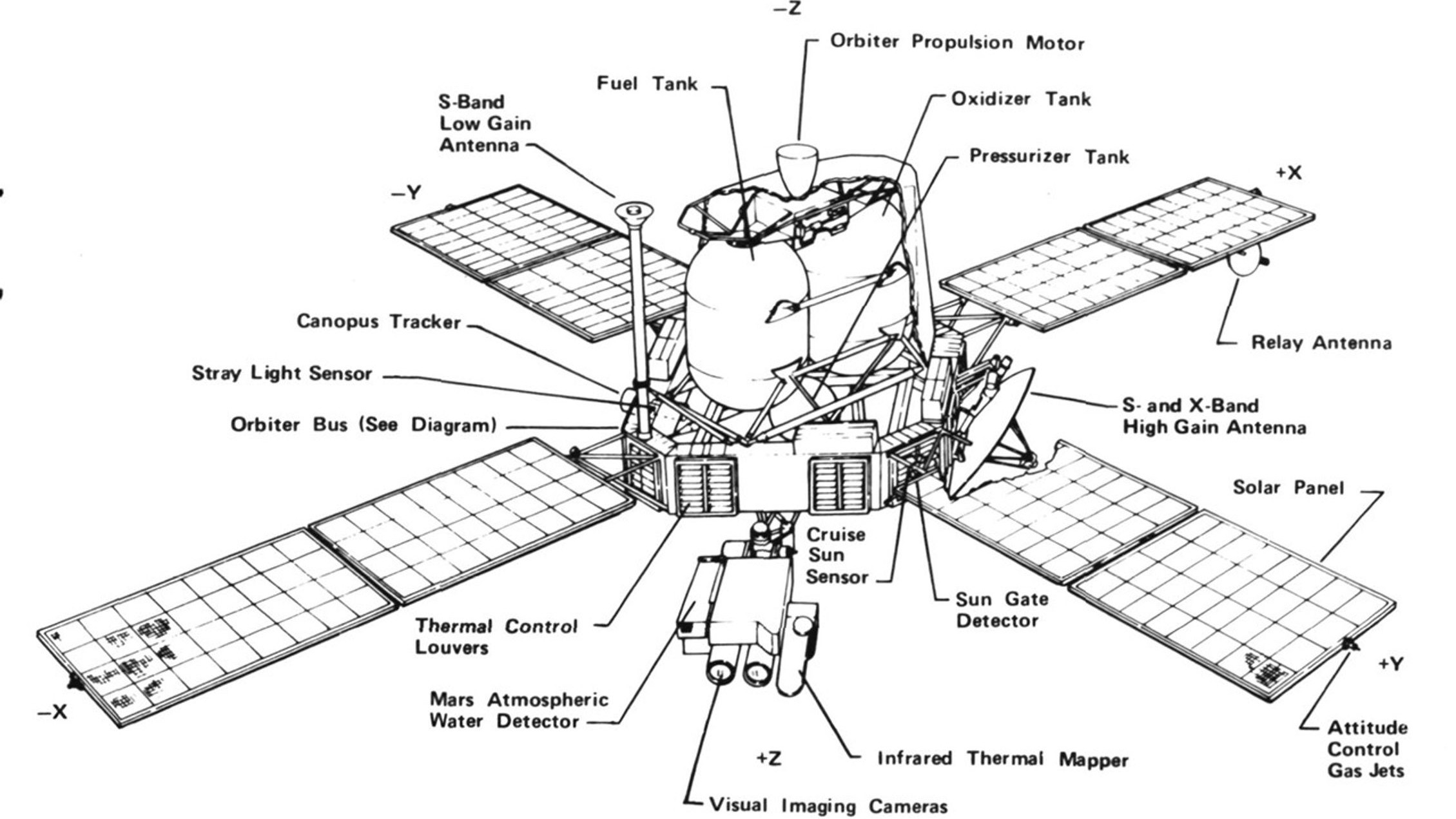
A photo of NASA's Viking 1 Mars orbiter with its Mars lander attached in a landing capsule.NASAThis NASA graphic shows the different parts of the Viking 1 Mars Orbiter.NASA
Why it mattered
NASA's Viking 1 mission is most well-known for making the first truly successful landing on Mars, but the mission was more than just a huge lander. Viking 1 actually consisted of two spacecraft, the Viking 1 Lander and the Viking 1 Orbiter. The two spacecraft rode to Mars together, with the lander separating from the orbiter ahead of its landing on the Red Planet.
In fact, NASA sent FOUR Viking spacecraft to Mars in total. The Viking 2 mission also carried both a Lander and Orbiter. But the Viking 1 probes were the first of that wave. The two orbiters were based on NASA's general Mariner 9 spacecraft bus, but more sophisticated. They carried three primary instrument suites: A two-camera imaging system; infrared spectrometer for water vapor mapping; and an infrared radiometer for thermal mapping.
The Viking missions were only planned to last 90 days, but both the lander and orbiter lasted years beyond their design lifetime. The Viking 1 Orbiter studied Mars for four years, orbiting the planet 1,488 times before shutting down on orbit 1,489 on Aug. 7, 1980.
The Viking 1 and Viking 2 Orbiters captured a combined 52,663 high-resolution photos of Mars, mapping about 97% of its surface with a resolution of about 984 feet (300 meters). They also snapped photos of Mars' two moons, Phobos and Deimos, in great detail, far surpassing what NASA achieved with the Mariner 9 Mars orbiter in 1971.
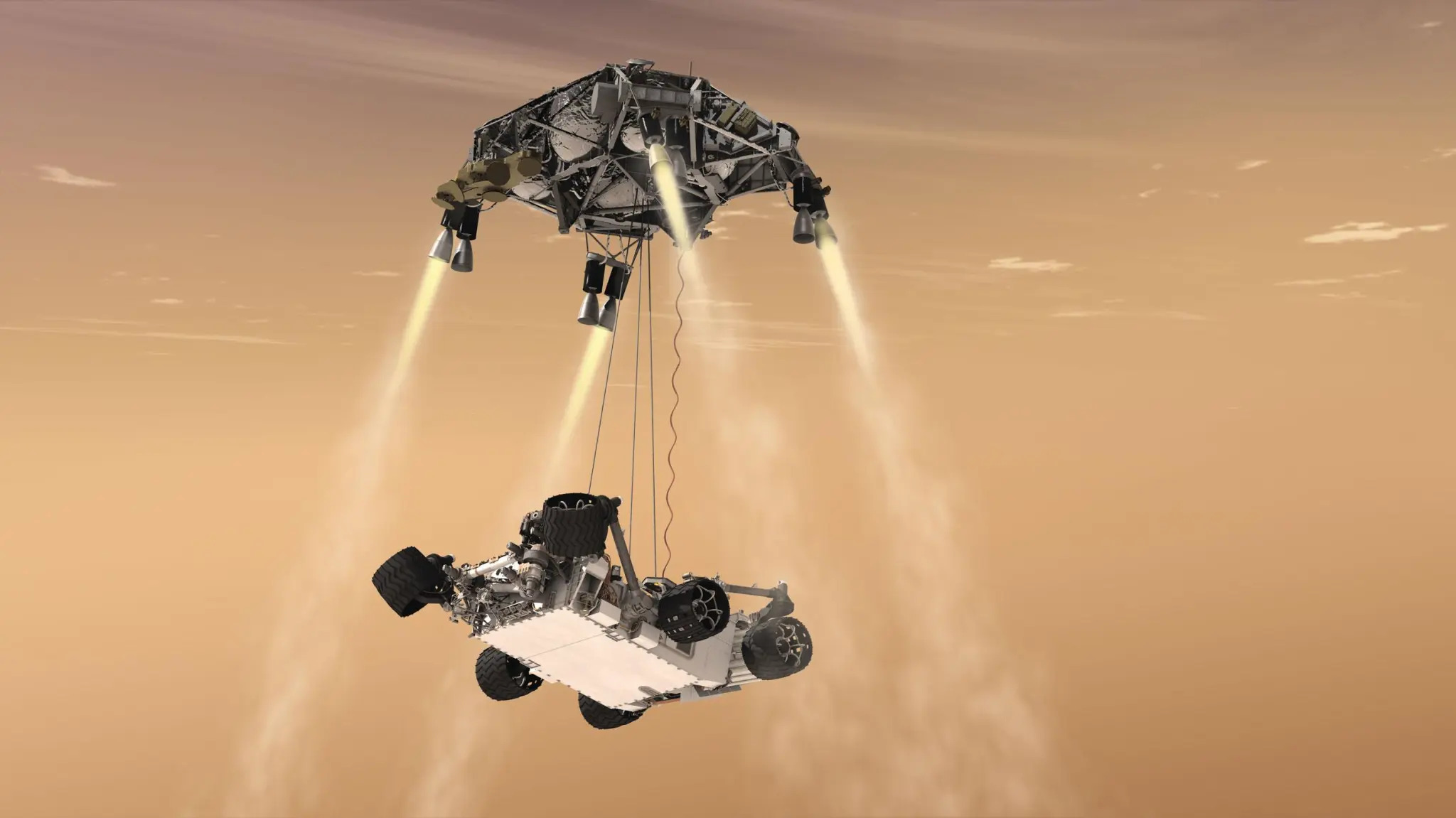
At the time, the Curiosity rover was the biggest and most ambitious Mars rover that NASA ever launched. Its landing involved a new kind of maneuver that had never been tried before using something called a "sky crane." Like previous rovers that have landed on Mars, Curiosity used a parachute and rocket engines to slow down as it descended through the Red Planet's atmosphere.
But while other rovers used airbags to cushion the last part of the fall, Curiosity's rocket-propelled sky crane hovered over the ground and gently lowered it with cables. Touchdown was confirmed at 1:31 a.m. EDT (0531 GMT), though it was 10:31 p.m. PDT on Aug. 5 at Curiosity's JPL control room.
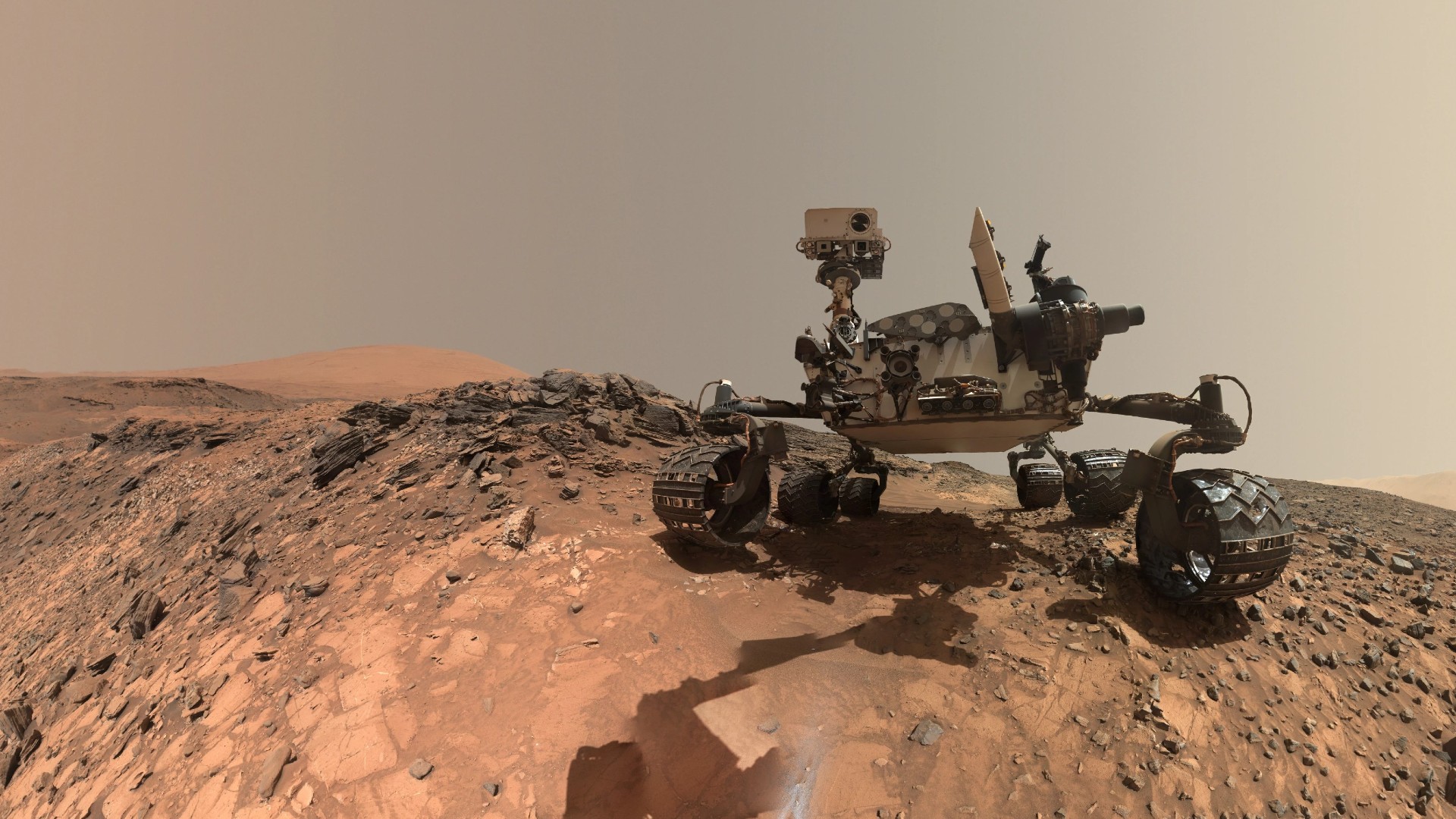
How Curiosity landed on Mars.NASA/JPL-CaltechNASA's Curiosity rover on MarsNASA, JPL-Caltech and MSSS
Why it mattered
The Curiosity Mars rover was built by engineers and scientists at NASA's Jet Propulsion Laboratory in Pasadena, California. The space center's motto is ambitious: "Dare Mighty Things." With Curiosity, JPL may have dared more mightily than it ever had before.
First, there's the rover's immense size. It weighs nearly 1 ton on Earth and is the size of a small car. It's powered by a nuclear battery and was the first of a new family of massive rovers to land on Mars. The sky crane landing approach was a big departure from the direct touchdowns of the Viking landers, as well as the bouncy airbag landings of the Mars Pathfinder, Spirit and Opportunity missions.
It all had to go right autonomously during a time NASA called the "7 minutes of terror" — the time it took for the landing, which would happen faster than the rover could get instructions from flight controllers on Earth due to the signal travel time to reach Mars. And it all worked spectacularly.
Curiosity not only aced its landing at Gale Crater on Mars, but it changed Mars landings forever. NASA repeated the feat nine years later with the successful landing of the Perseverance rover at Jezero Crater on Mars in February 2021. Curiosity and Perseverance are the largest rovers ever to explore Mars and set a new benchmark for what is possible on other planets.
As of this writing, Curiosity has spent 14 years exploring Mars, drilling into rocks and finding new clues about water on Mars and the planet's potential habitability in the ancient past. It's still going strong, even if it got a rock stuck on its drill for a few days earlier this year.
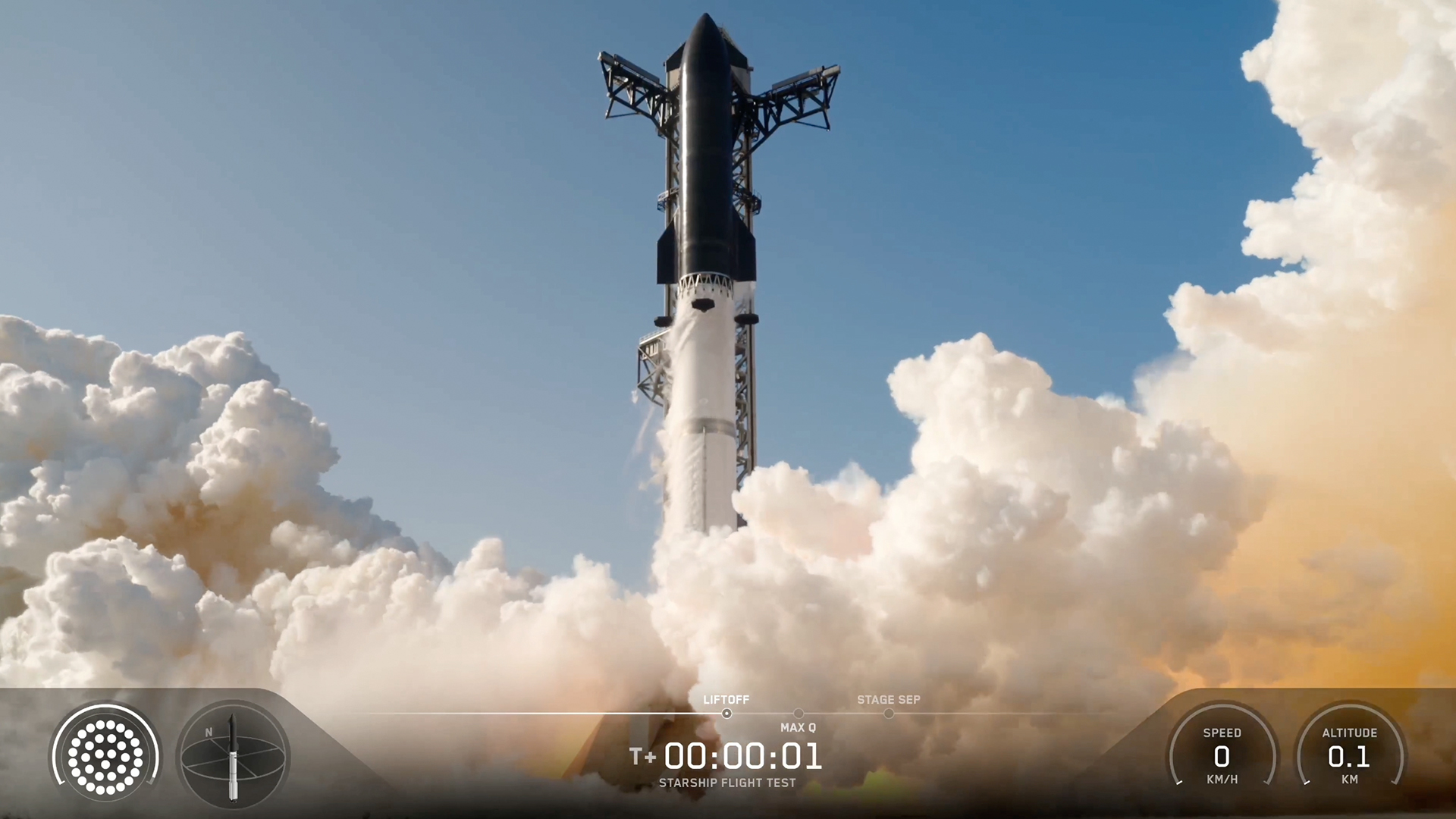
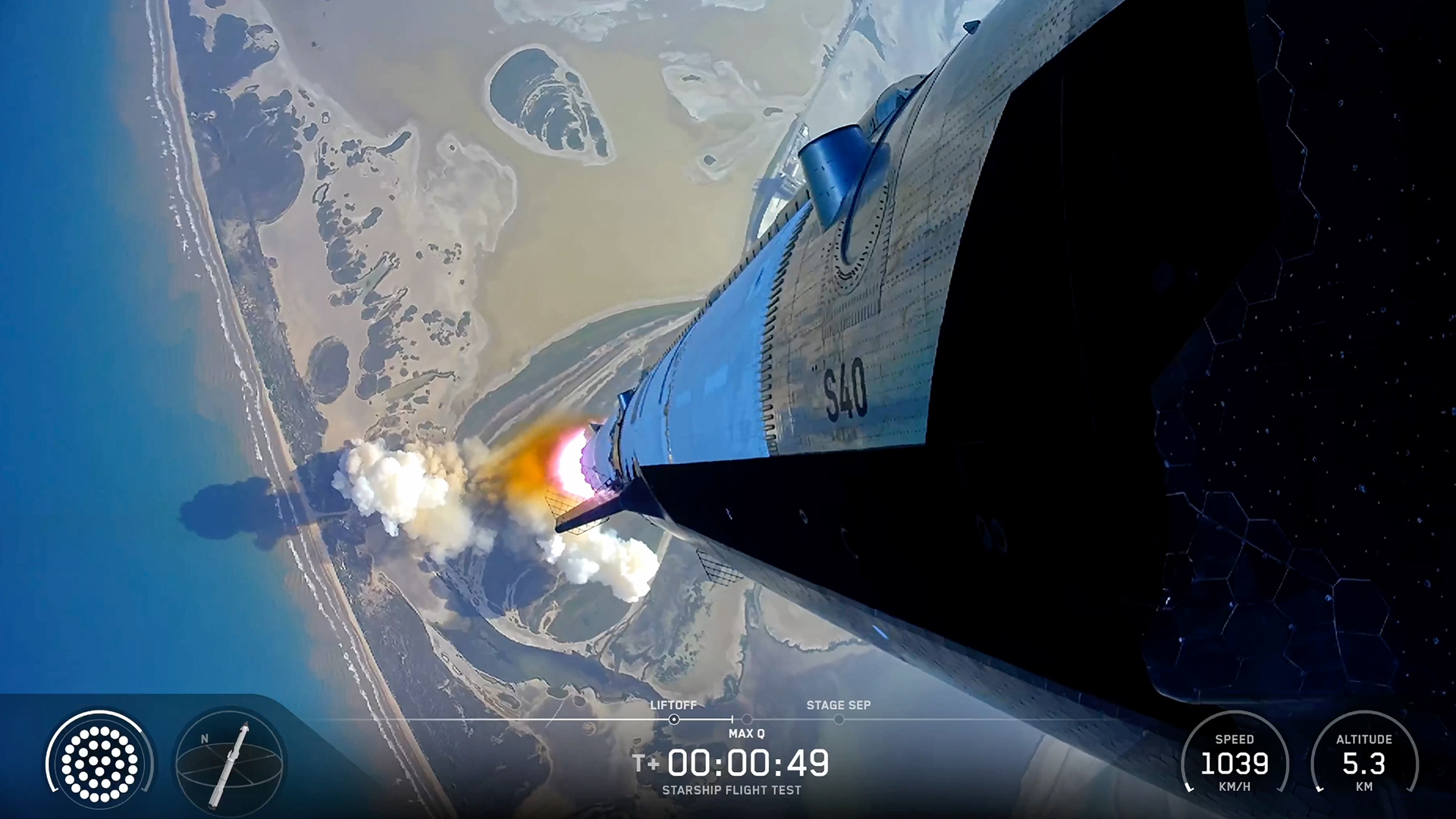
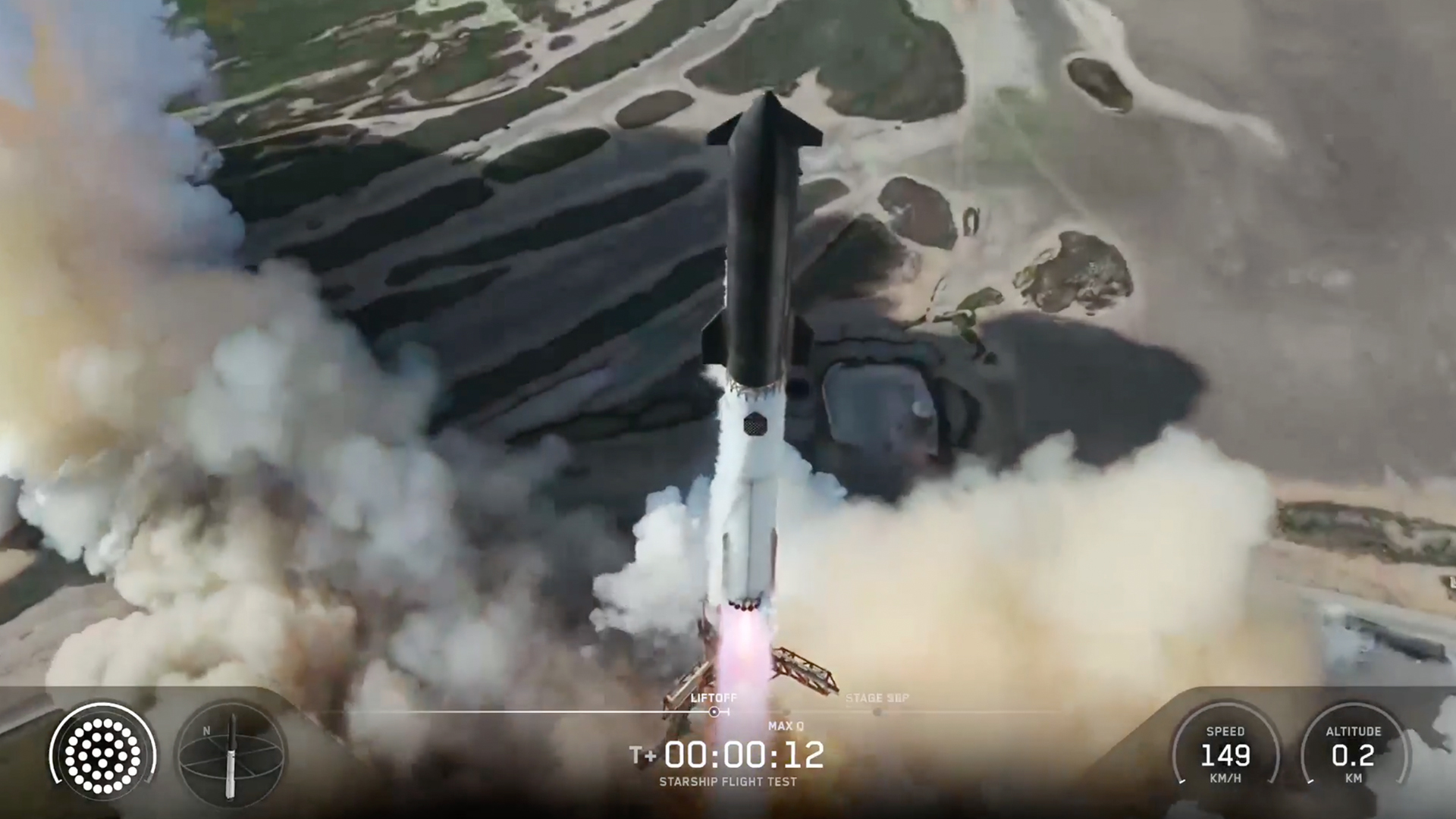
SpaceX launched the world's most powerful rocket on a critical 13th test flight late Friday, but there was no triskaidekaphobia on this mission.
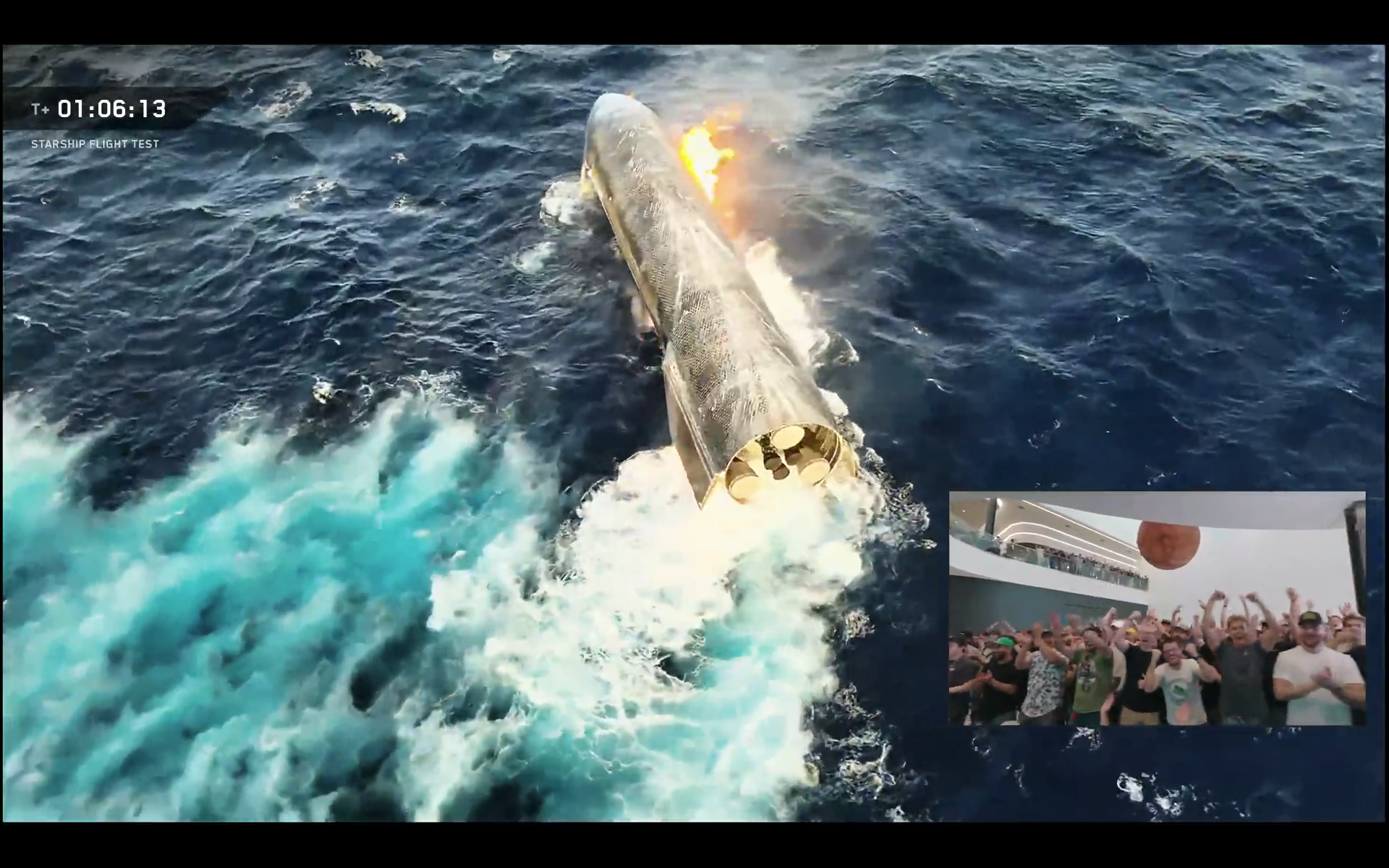
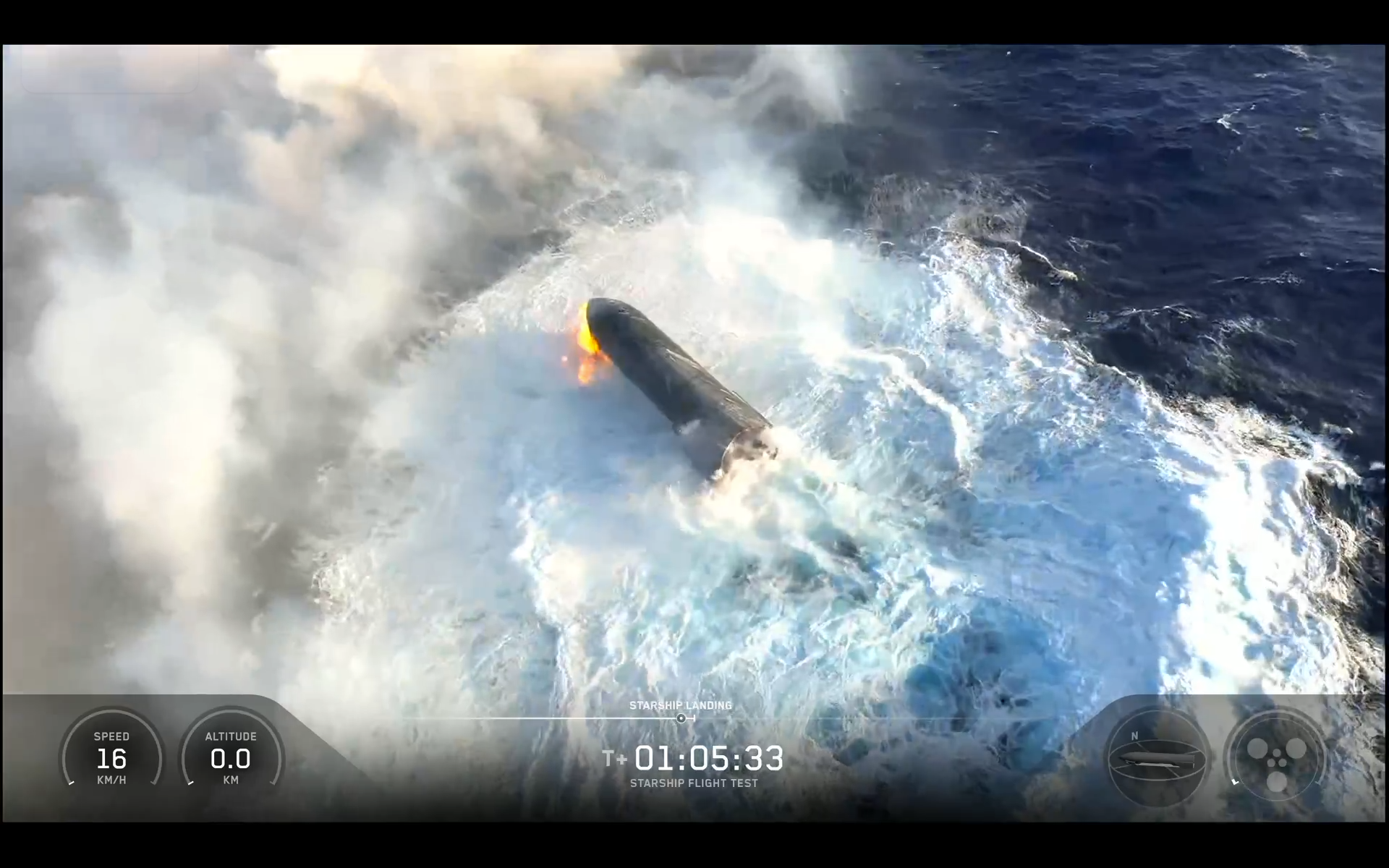
The July 24 test launch, Space's Starship Flight 13 mission, sent a towering rocket the size of a 40-story skyscraper into space from South Texas, returned its massive Booster to Earth, and then — in a feat perhaps none saw coming — gently landed its Starship upper stage in the Indian Ocean, where it tipped over to float belly up on the sea.
"Starship is intact, floating in the ocean and transmitting telemetry!" SpaceX CEO Elon Musk wrote on X.
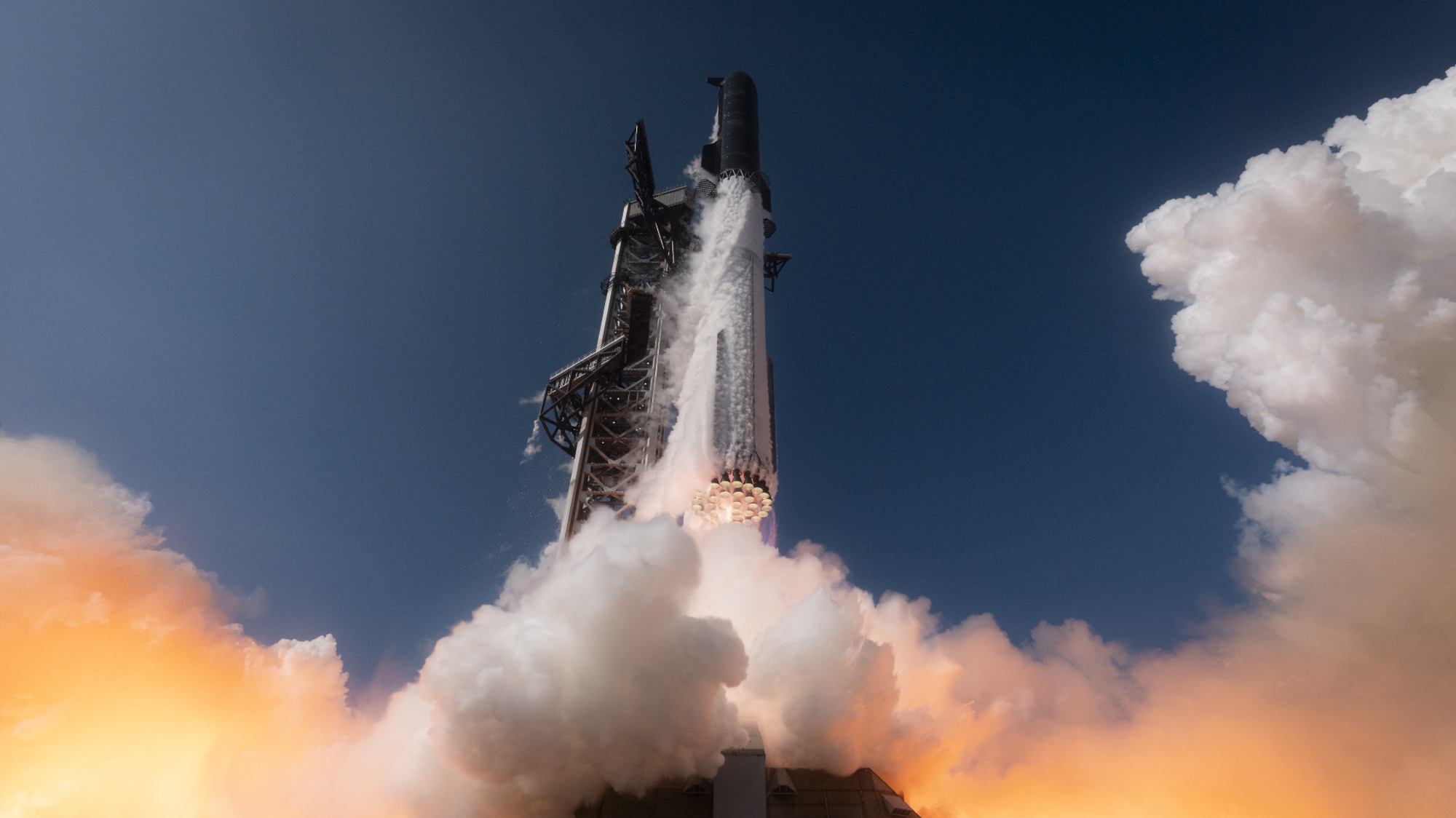
SpaceX's Starship Flight 13 test flight lifts off from Starbase, Texas on July 24, 2026.SpaceXSpaceX's Starship Flight 13 test flight lifts off from Starbase, Texas on July 24, 2026.SpaceXSpaceX's Starship Flight 13 test flight lifts off from Starbase, Texas on July 24, 2026.SpaceX
Even if you can't see SpaceX's Starship in person, you can score a model of your own. Standing at 13.77 inches (35 cm), this is a 1:375 ratio of SpaceX's Starship as a desktop model. The materials here are alloy steel and it weighs just 225g.View Deal
"That is a first," SpaceX spokesperson Dan Huot added in live commentary as a drone beamed stunning views of Starship bobbing in the waves. "That is the softest splashdown we have ever had with Starship in the Indian Ocean."
The splashdown capped what appeared to be a mostly successful test flight of SpaceX's biggest Starship ever. With a mighty roar, Starship Flight 13 lifted off from SpaceX's Starbase, Texas launch site at 6:51 p.m. EDT (2251 GMT) on a test flight that lasted just over one hour.
It was only the second flight of the company's new Starship Version 3 design, or V3, and SpaceX was hoping for a better outing than its first attempt in May. During that previous test, the Starship Flight 12 mission, the massive Super Heavy first-stage Booster suffered engine problems after stage separation and failed to make a water landing in the Gulf of Mexico. It crashed instead.
Lucky Flight 13
Friday's Starship Flight 13 mission fared a bit better.
SpaceX initially tried to launch Flight 13 on July 16, but the rocket aborted the try at the last second due to engine issues. SpaceX replaced some first-stage Raptor engines in time for a July 23 launch attempt, but waved off due to weather, setting the stage for Friday's successful liftoff.
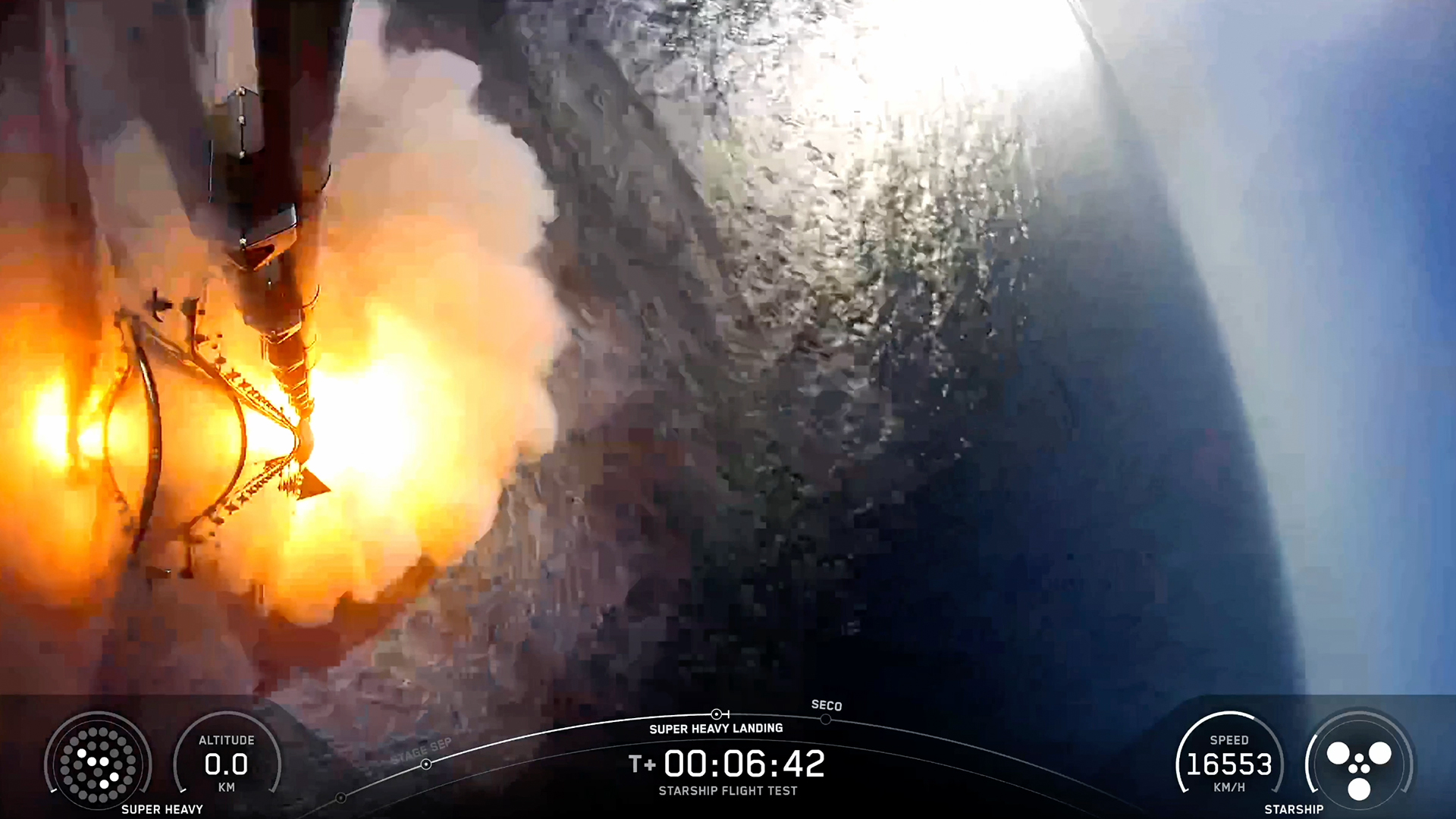
Minutes into the flight, the Super Heavy Booster successfully separated from its Ship upper stage, aced a flip maneuver and returned to Earth. There was a problem during the landing burn. Only five engines appeared to fire when 13 were required to slow the Booster to landing speed. It hit the Gulf waters harder than planned, its camera views cutting out.
"It didn't look like we lit all 13 engines that we were planning for that initial landing burn," Huot said. "We were targeting a softer splashdown and, as you saw, it came in with quite a bit of velocity."
SpaceX's Starship Flight 13 Booster hits the Gulf of Mexico waters hard, with only 5 of 13 planned engines firing during a landing burn, on July 24, 2026. (Image credit: SpaceX)
Starlink V3 makes a debut
Starship is intact, floating in the ocean...'
- Elon Musk, SpaceX CEO
Despite the Booster's rough landing, there were clear successes on Starship Flight 13.
While sailing on its suborbital trajectory, Flight 13's Ship upper stage deployed 20 next-generation Starlink Version 3 internet satellites — large, flat satellites equipped with laser communications links and expansive solar arrays that will replace SpaceX's current Starlink internet megaconstellation.
Starship is designed to launch 60 Starlink V3 satellites at a time, spitting them out through a slit-like payload bay door like a giant PEZ candy dispenser. All 20 Starlink V3 satellites deployed smoothly, with the last two switching on flashlights and looking back at their Ship carrier before floating off into orbital darkness. The satellites did not stay in space. They fell to Earth and burned up (by design) due to their suborbital flight path.
The Ship upper stage (which SpaceX also refers to as Starship) then reignited one of its six Raptor engines to test a critical engine relight capability that will allow future Starships to enter and leave orbit. The burn went off without a hitch — a milestone since SpaceX had not always performed the burn if a test didn't go smoothly.
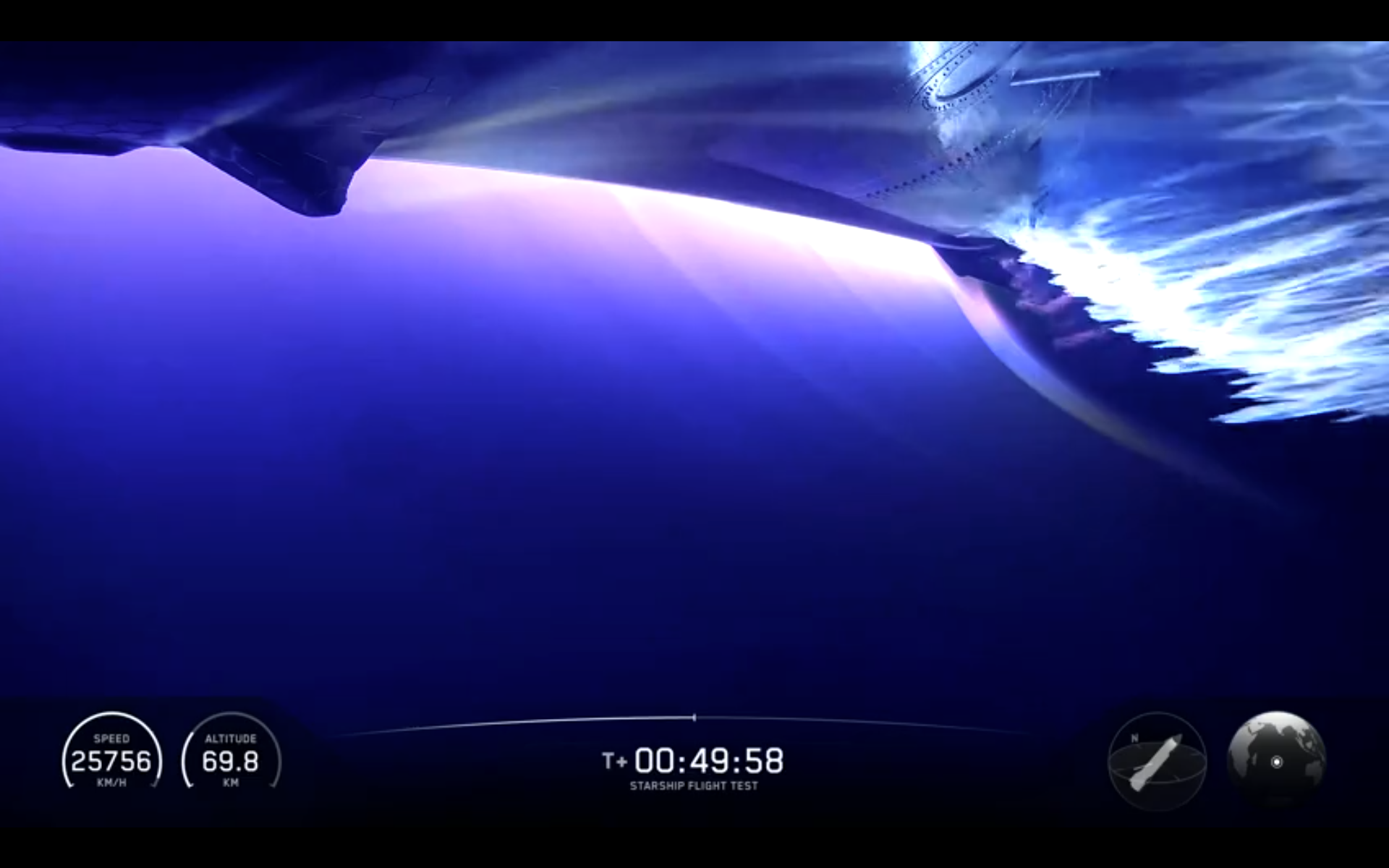
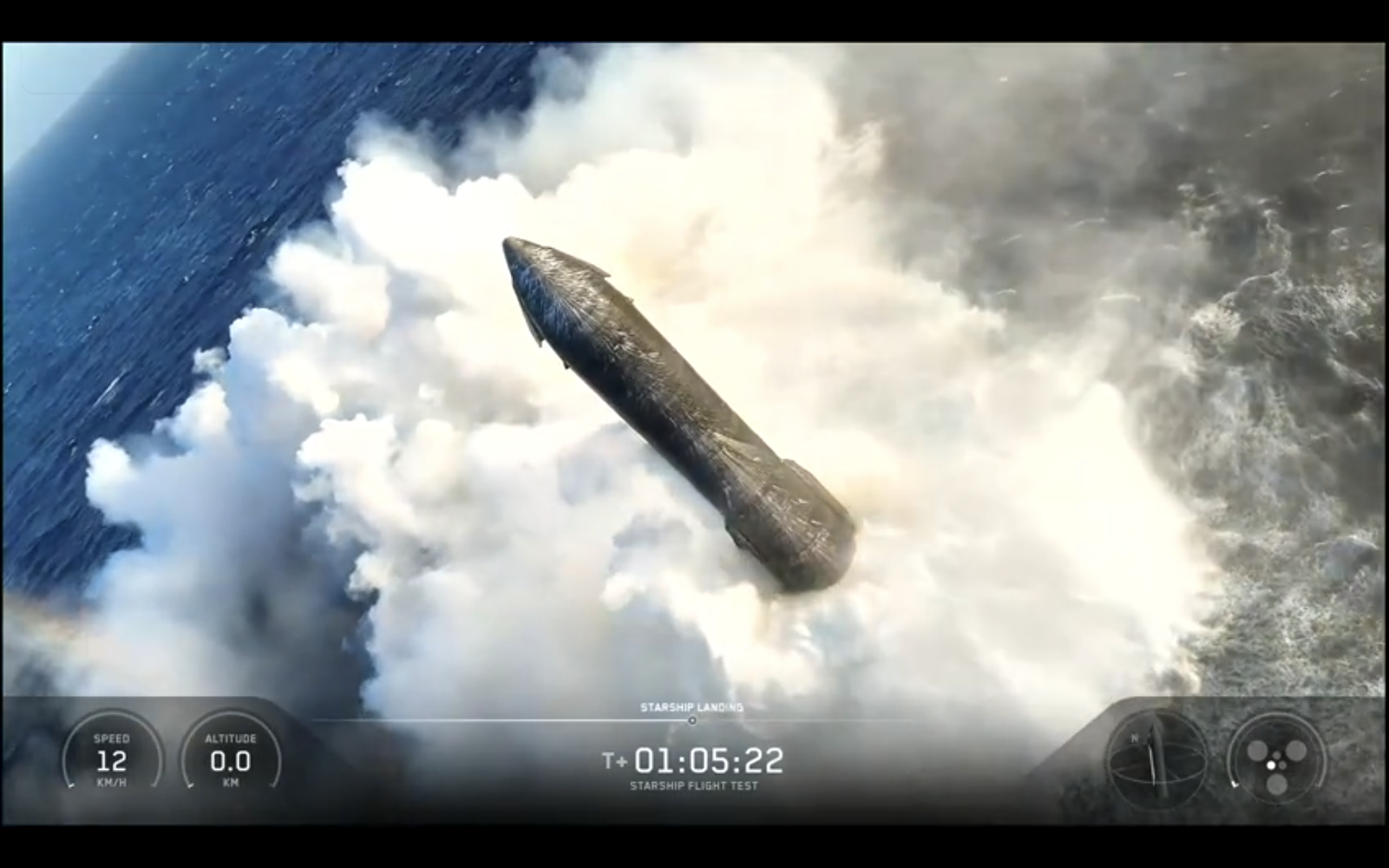
Then it was time for reentry, with cameras beaming back stunning views of Starship wrapped in super-hot plasma as it fell back to Earth. The spacecraft executed a three-engine burn to flip over into a vertical landing position, but did shift down to two engines, then one before it toppled over to rest on the waves.
The sight of a floating Starship triggered a cacophony of cheers from SpaceX teams at Starbase and its Hawthorne, California rocket factory in the company's livestream. After all, Starships usually explode after they tip over.
"This is just the first time we've put a Starship into the water," SpaceX's Dan Huot said during live commentary. He called it SpaceX's "softest splashdown" ever. "This is a dream scenario for this team that's trying to get this heat shield data."
A view of SpaceX's Starship Flight 13 Ship vehicle wrapped in plasma during reentry on July 24, 2026. (Image credit: SpaceX)
The heat shield isn't the only thing SpaceX's recovery team will be looking at.
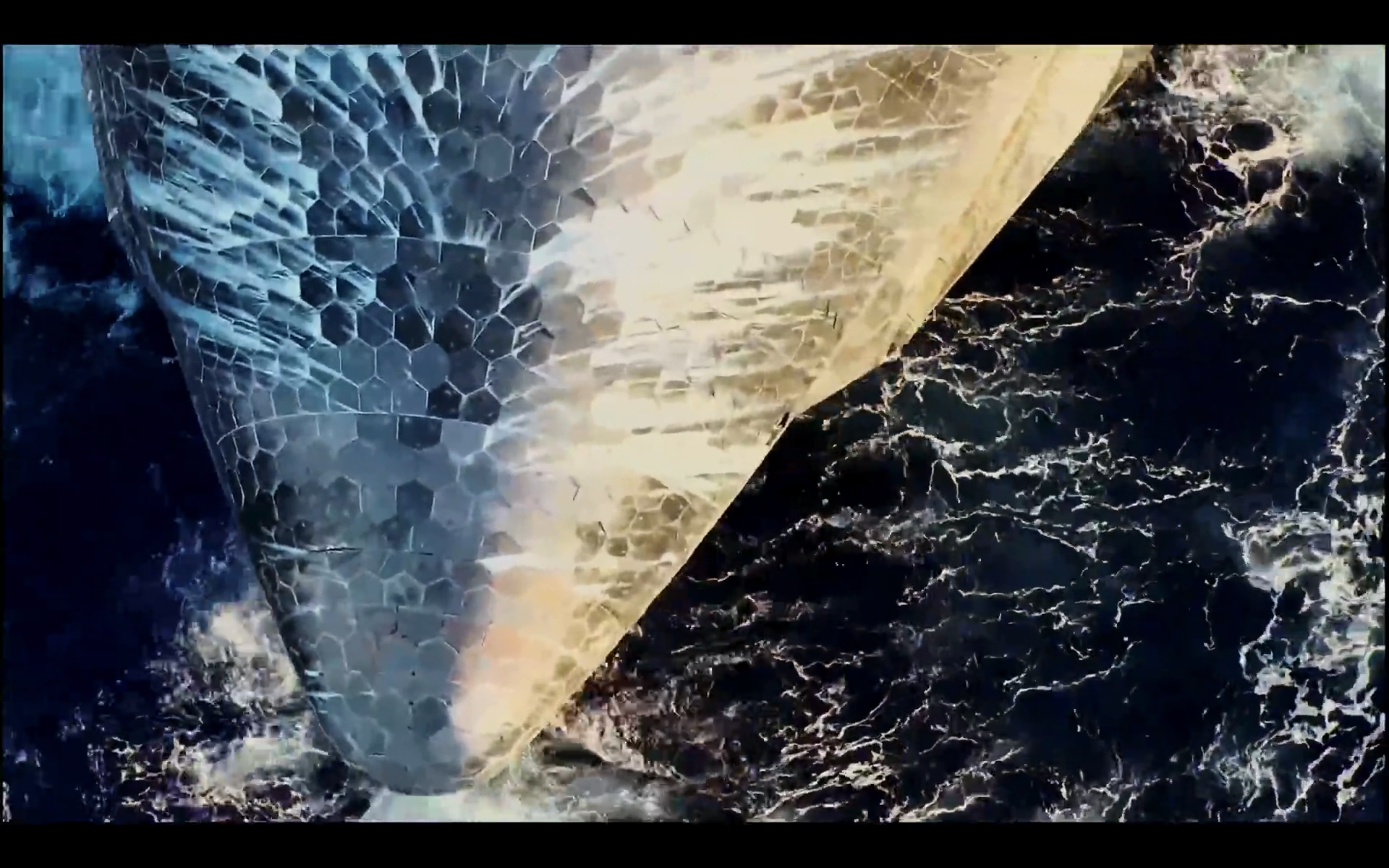
Live views from Starship showed its six engines intact along with its flaps and other systems. Teams will be poring over what they can retrieve from the sea to help improve future Starship upgrades.
SpaceX is developing Starship to be a fully reusable launch system, a 407-foot-tall (124 meters) megarocket capable of taking Starlink fleets to orbit as easily as it lands NASA astronauts on the moon. That part is key.
NASA has tapped SpaceX's Starship to land its Artemis IV astronauts on the moon in 2028, but SpaceX has yet to ever complete an entire Earth orbit with Starship after 13 test flights and three years of launches. It's been a decade since Elon Musk first unveiled what SpaceX now calls Starship during a 2016 speech.
SpaceX's Starship Flight 13 Ship vehicle floats in the Indian Ocean just after splashdown on July 24, 2026.SpaceXSpaceX's Starship Flight 13 Ship vehicle floats in the Indian Ocean just after splashdown on July 24, 2026. Some flames are visible at the nose. SpaceXSpaceX's Starship Flight 13 Ship vehicle floats in the Indian Ocean just after splashdown on July 24, 2026. The flames near the nose are now gone.SpaceXA view of SpaceX's Starship Flight 13 Ship during its final landing and splashdown in the Indian Ocean on July 24, 2026.SpaceX
Over the next two years, SpaceX must not only send a Starship into orbit. The company also aims to return a Ship to Earth to catch it in the "chopsticks" of its Mechazilla launch pad at Starbase. (The company has already done so with its Super Heavy Booster stages.)
SpaceX also must successfully demonstrate in-space Starship refueling, complete an orbital tanker version of Starship, and finish a crewed lander version complete with a life support system that can keep astronauts alive on the moon. That's a lot on the Starship to-do list and NASA is watching.
"Congrats on getting Flight 13 underway," NASA Administrator Jared Isaacman wrote on X after the launch. "Excited for what will be learned from this mission. When Starship comes online, its capabilities will be game-changing, not least of which will be ensuring we never give up the Moon again!" In a lunar coincidence, Friday's launch coincided with the 57th anniversary of theApollo 11astronauts' return to Earth after their historic moon landing flight.
But for now, SpaceX is clearly celebrating.
"I'm a little over the moon right now," Huot said. "Wow. Lucky number 13. Hell of a great day for Starship."
Even if you can't see SpaceX's Starship in person, you can score a model of your own. Standing at 13.77 inches (35 cm), this is a 1:375 ratio of SpaceX's Starship as a desktop model. The materials here are alloy steel and it weighs just 225g.View Deal
Hey, Space Fans! Every weekend here at Space.com, you may have noticed we highlight the latest episode of the podcast This Week In Space, a TWiT show co-hosted by yours truly and my friend and colleague Rod Pyle, a space historian and editor of the National Space Society magazine Ad Astra.
This Week In Space episodes usually drop each Saturday, but this week we're doing something a bit different. To mark the 50th anniversary of NASA's Viking landings (Viking 1 touched down on Mars on July 20, 1976), Rod and I will host a special live taping of the podcast to discuss all things Martian starting at 1:30 p.m. EDT (1730 GMT). It should last up to 90 minutes.
Joining us on the podcast will be:
Dr. Pascal Lee, a planetary scientist, geologist and artist with the SETI Institute, Mars Institute and NASA Ames Research Center.
Dr. Penny Boston, an astrobiologist and speleologist (the study of caves) with the New Mexico Institute of Mining and Technology.
During our discussion, we'll touch on the personal and scientific impacts of NASA's Viking Mars landings and look at where Mars exploration may go in the modern age. We might even discuss the best places for the hunt for signs of life: the surface or inside Martian caves?
So if you're a Mars fan or a casual space aficionado, join us today at 1:30 p.m. EDT to get a detailed look at NASA's Viking Mars landings and their lasting impact on Martian exploration.
SpaceX is just a few days away from its first Starship test flight of the summer, and if you're hoping to watch the world's largest rocket lift off, you'll need to know where and when to tune in. But don't worry — we've got you covered.
The next Starship test flight, called Flight 13 (SpaceX doesn't appear to be superstitious), is scheduled to launch from the company's test site in Starbase, Texas near Boca Chica Beach on Monday, July 20. Liftoff is set for 6:45 p.m. EDT (2245 GMT).
As its name suggests, the upcoming flight will be the 13th test launch overall of SpaceX's Starship megarocket. It will be the second such flight this year, after the May 22 launch of Starship Flight 12. SpaceX is designing Starship, which stands more than 400 feet (121 meters) tall, to be a fully reusable rocket capable of launching missions to the moon, Mars or beyond.
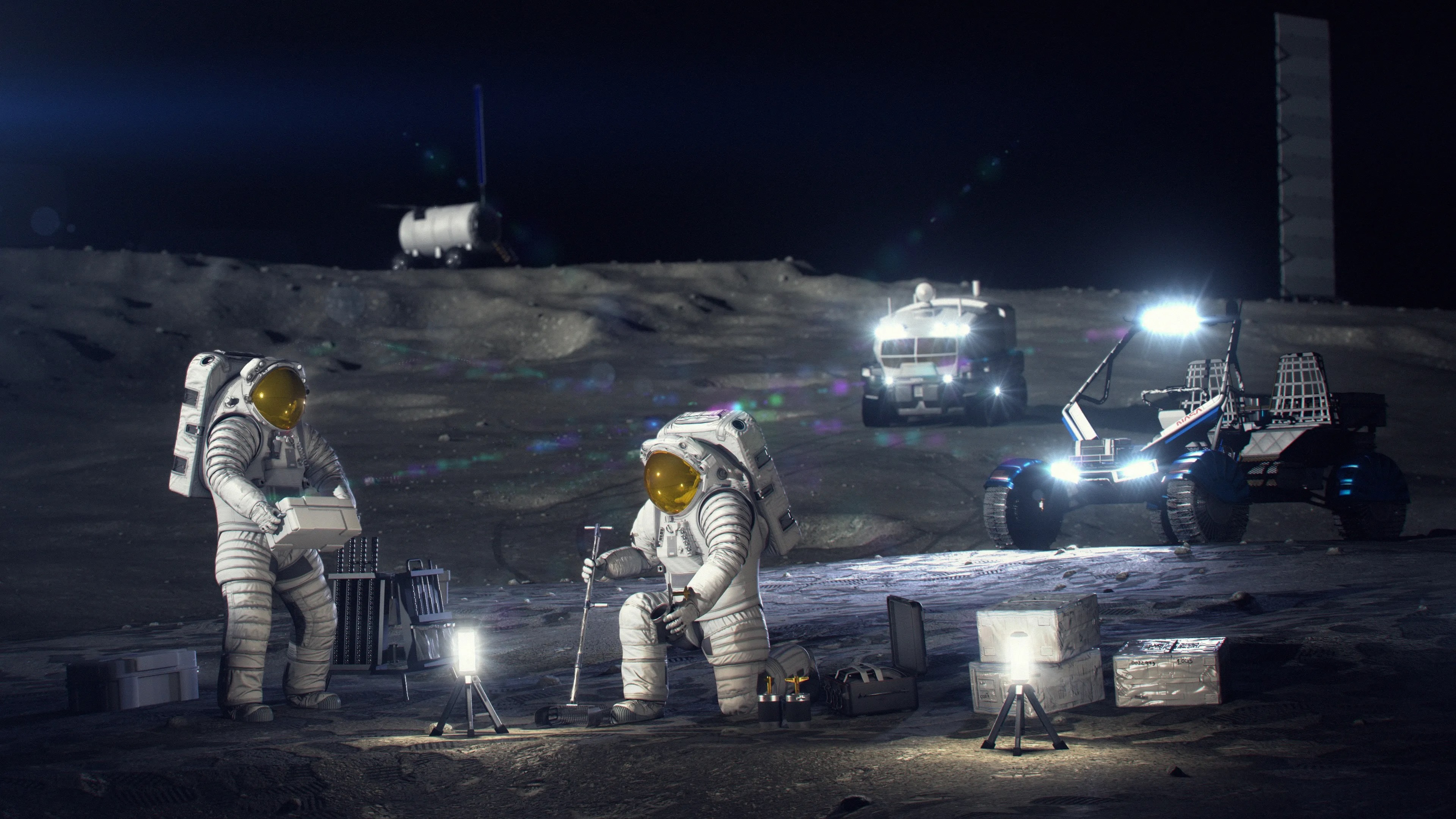
NASA picked Starship to land its Artemis IV astronauts on the moon by 2028, and SpaceX has sold at least one Starship passenger flight to Mars as well. But before SpaceX can carry astronauts to other worlds with Starship, it has to complete a series of suborbital flights and, eventually, reach Earth orbit for in-flight fueling tests, docking demonstrations and more.
SpaceX's Starship Flight 13 is a suborbital test that will be the second flight of SpaceX's new V3 Starship. Below you'll find details on what time Flight 13 will launch, what the mission will do and a full timeline for the mission.
What time is SpaceX's Starship Flight 13 launch?
(Image credit: SpaceX)
SpaceX is currently targeting the launch of Starship Flight 13 for no earlier than 6:45 p.m. EDT (2245 GMT) on Monday, July 20. (The company originally tried to lift off on Thursday, July 16, but that attempt was aborted at the last second.) However, the exact timing of the launch could change.
That's because SpaceX has a 90-minute window in which to launch Flight 13 from Starbase Pad 2. Liftoff could occur anytime between 6:45 p.m. and 8:15 p.m. EDT (2245 to 0015 GMT). SpaceX's launch webcast will begin 30 minutes before liftoff.
And remember, SpaceX likely has backup days, so the launch could slip a bit if needed. In that case, it would likely lift off at the same time — 6:45 p.m. EDT — and have a 90-minute window, as on the coming attempt.
Even if you can't see SpaceX's Starship in person, you can score a model of your own. Standing at 13.77 inches (35 cm), this is a 1:375 ratio of SpaceX's Starship as a desktop model. The materials here are alloy steel and it weighs just 225g.View Deal
Can I watch SpaceX's Starship Flight 13 launch?
Yes, you'll be able to watch SpaceX's Starship Flight 13 launch online, but you'll have your pick on where to watch.
SpaceX will provide its own livestream of the launch via its X account and the official Flight 13 mission page. If everything is on time, that livestream will begin at 6:15 p.m. EDT (2215 GMT) — 30 minutes before the planned Flight 13 liftoff.
Space.com will simulcast the SpaceX Flight 13 launch webcast on this page, as well as an our homepage and YouTube channel.
A prelaunch show
Now, if you need to get your Starship Flight 13 fix earlier than SpaceX's stream, a good place to look is the NASASpaceflight show: Its livestream will start several hours before liftoff.
The NASASpaceflight launch webcast will begin on July 20 at 3:45 p.m. EDT (1945 GMT). NASASpaceflight has a wealth of cameras installed around SpaceX's Starbase test facility, and the company will share up-close views and live commentary for many preflight activities.
In-person launch options
While SpaceX does not have an official Starship launch viewing site, there are several places where you can see the launch in person around the Starbase area.
For first-time spectators, I recommend watching Starship launch from near the Cameron County Amphitheater at Isla Blanca Park on South Padre Island, which is just across the bay from Starbase. The rocky beaches around the amphitheater offer a clear line of sight of the Starship launch pad, and there are often spectators on boats out of nearby Port Isabel offering a picturesque view. It's about 5 miles (8 kilometers) from the launch site, and the park has bathrooms.
The traffic getting to South Padre Island (if you're not staying at a hotel on the island) can be heavy on launch days, so another option is watching from the shore in Port Isabel, which is home to Hopper Haus, a SpaceX-themed bar and grill that I can confirm makes awesome burgers.
There is also a shoreline stretch of Highway 48 between Brownsville and Port Isabel, from 6 to 8 miles (10 to 13 km) from the launch site, where you can pull up for the day to watch the launch. It's just the side of the highway, so you won't find amenities like bathrooms there. You can learn more about that at the site SpaceLaunchSchedule.com.
If you're looking for a more rustic experience (and have cash for a $200 ticket, though kids under 17 are $40), you can camp at the Rocket Ranch, which is 3.8 miles (6.1 km) from the Starbase launch site, and camp there for one day and night. It has two viewing locations available, one at an "Outpost" and the other on the campground itself. The Outpost location is the closest and has "unmatched media service," so you can stay connected. Larger four-day camping packages are also available. The ticket includes bus transportation from the ranch campground to a viewing site and back for one launch attempt. I've actually never visited this ranch, but I wanted to include it so you know it's an option. Be sure to read the full Rocket Ranch FAQ so you know what to expect.
How long is SpaceX's Starship Flight 13?
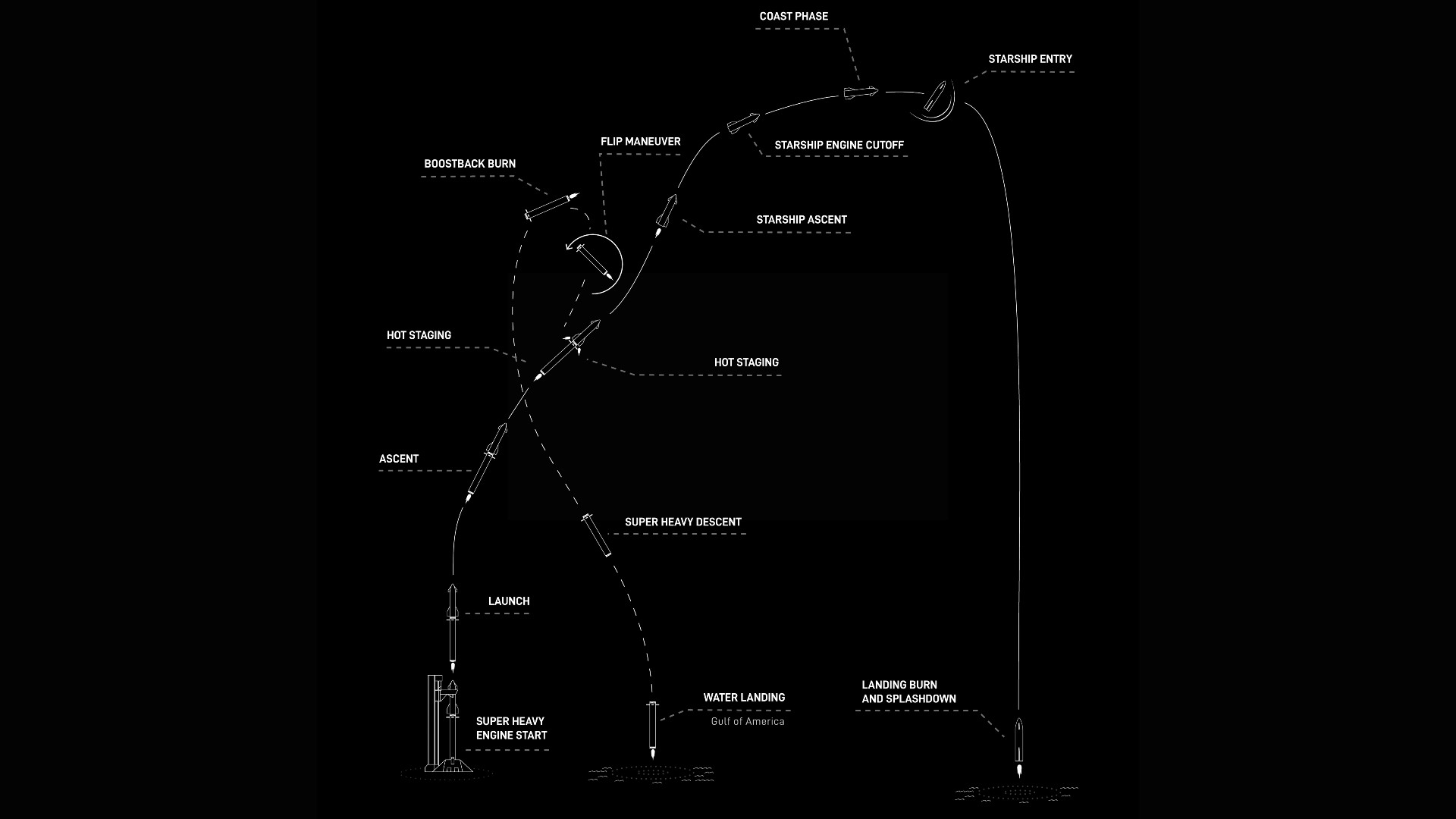
A diagram showing SpaceX's Flight 13 Starship mission profile. The flight should last just over 1 hour. (Image credit: SpaceX)
SpaceX's Starship Flight 13 test flight will last just over 1 hour and 5 minutes and should follow the same mission profile as the company's last test, Flight 12, in May. This will be the second flight of SpaceX's new Starship Version 3, or V3.
During Flight 12, the giant Super Heavy booster stage failed to return to Earth properly for a controlled landing and splashdown in the Gulf of Mexico (which the Trump Administration has renamed the Gulf of America). Instead, the booster crashed into the ocean.
"The booster’s primary test objective will be executing a successful launch, ascent, stage separation, boostback burn, and landing burn at an offshore landing point in the Gulf of America," SpaceX wrote in a mission overview. "There have been several modifications to hardware and software to address issues seen on the previous flight."
Starship Flight 13 will launch from SpaceX's new Pad 2 at Starbase, which the company upgraded with shorter, faster "chopsticks" — capture arms that can catch returning Starship Super Heavy boosters and Ship upper stages during landing, as well as lift vehicles into place on the pad for launch. Check out our full overview on how SpaceX changed Starship for V3 here.
SpaceX Starship Flight 13 Launch Timeline
TIME (Hr:Min:Sec)
EVENT
T-0:50:00
Flight director polls for fueling
T-0:37:30
Ship liquid oxygen loading begins
T-0:37:00
Super Heavy liquid oxygen loading begins
T-0:35:25
Super Heavy liquid methane loading begins
T-0:34:48
Ship liquid methane loading begins
T-00:21:30
Raptor engine chilldown begins on Ship and Super Heavy
Super Heavy landing burn shutdown (followed by splashdown)
T+08:05
Starship engine cutoff
T+16:40
Payload deploy demo starts
T+27:29
Payload deploy demo complete
T+38:58
Ship engine relight demonstration
T+47:30
Ship reentry
T+01:02:23
Ship transonic
T+01:03:01
Ship is subsonic
T+01:05:01
Landing burn start
T+01:05:03
Landing flip
T+01:05:12
Landing burn three to two engines
T+01:05:19
Landing burn two to one engines
T+01:05:26
"An exciting landing!" SpaceX says.
SpaceX will not try to reach orbit with Starship Flight 13 or return its Ship back to Earth for a capture at the launch pad. Instead, both vehicles aim to make controlled descent and water landings, before falling over and sliding into the sea.
While the Super Heavy booster will splash down in the Gulf of Mexico off the coast of Boca Chica, the Ship upper stage will follow a suborbital trajectory for a target splashdown in the Indian Ocean off the coast of Western Australia.
During the flight, the Ship vehicle will attempt to deploy 20 Starlink V3 satellites, the company's newer and larger satellite-internet units, but they won't reach orbit. They will follow Starship's suborbital trajectory back down to Earth and burn up in the atmosphere.
Six of the Starlink V3 satellites are equipped with cameras to record live views of Starship and its heat shield and beam them back to Earth for analysis.
"For the first time, Starship will carry V3 Starlink satellites to space, which aim to greatly expand the network's capacity and user speeds. As part of this initial test, Starship is planned to deploy 20 satellites which will extend solar arrays and antennas and will attempt to connect with the larger Starlink constellation via high-capacity lasers," SpaceX wrote in the mission overview. "The Starlink satellites will be on the same suborbital trajectory as Starship and are expected to demise upon reentry approximately 20 minutes after deployment."
What if Starship Flight 13 can't launch?
If SpaceX can't launch Starship Flight 13 on July 20, the company likely has multiple backup opportunities. So, if bad weather or another technical issue delays launch, SpaceX could try again in the coming days.
Whichever date SpaceX launches Starship Flight 13, you will be able to follow the mission on Space.com. Be sure to return to Space.com on launch day for complete Starship Flight 13 coverage.
Editor's note: This story was updated at 1:15 p.m. ET on July 17 with the new target launch date of July 20.
Happy Fourth of July, Space Fans! As the United States celebrates its 250th birthday, we here at Space.com got to thinking. How have things changed in space since 1776? What was the night sky like? What have we learned and where might we go in the next 250 years?
The results are what you see below. A series of stories (some serious and some less so) about the last 250 years of space exploration, NASA and American achievements in space and what lies ahead. We even took a look at what Space.com might have looked like if we were around in 1776. Take a look!
On Episode 217 of This Week In Space, Rod Pyle and Tariq Malik discuss the progression of American space efforts. Since 1958, the United States has been part of the spaceflight adventure, and since the mid-1960s has led in just about any category that counts. In this episode, we review which flights launched or landed on July 4, and relive some of our very favorite US space missions of all time!
What did the evening sky look like for Benjamin Franklin, Thomas Jefferson, and their contemporaries on July 4, 1776? To understand the sky more fully, it helps to look at how people in 1776 tracked celestial events and what they would have expected to see overhead.
We made some halting steps over the centuries — getting kites aloft in ancient China, for example, and drawing up ambitious but unrealized flying machines during the Renaissance — but our boots were still firmly rooted on the ground when the United States of America was born on July 4, 1776.
Aside from fireworks, what better way to celebrate 250 years of independence than by launching your own model rocket into the sky? The limited edition Estes Liberty Star rocket is the perfect model for the job, decked out with a blue and red styling and featuring beginner friendly assembly for an easy setup.
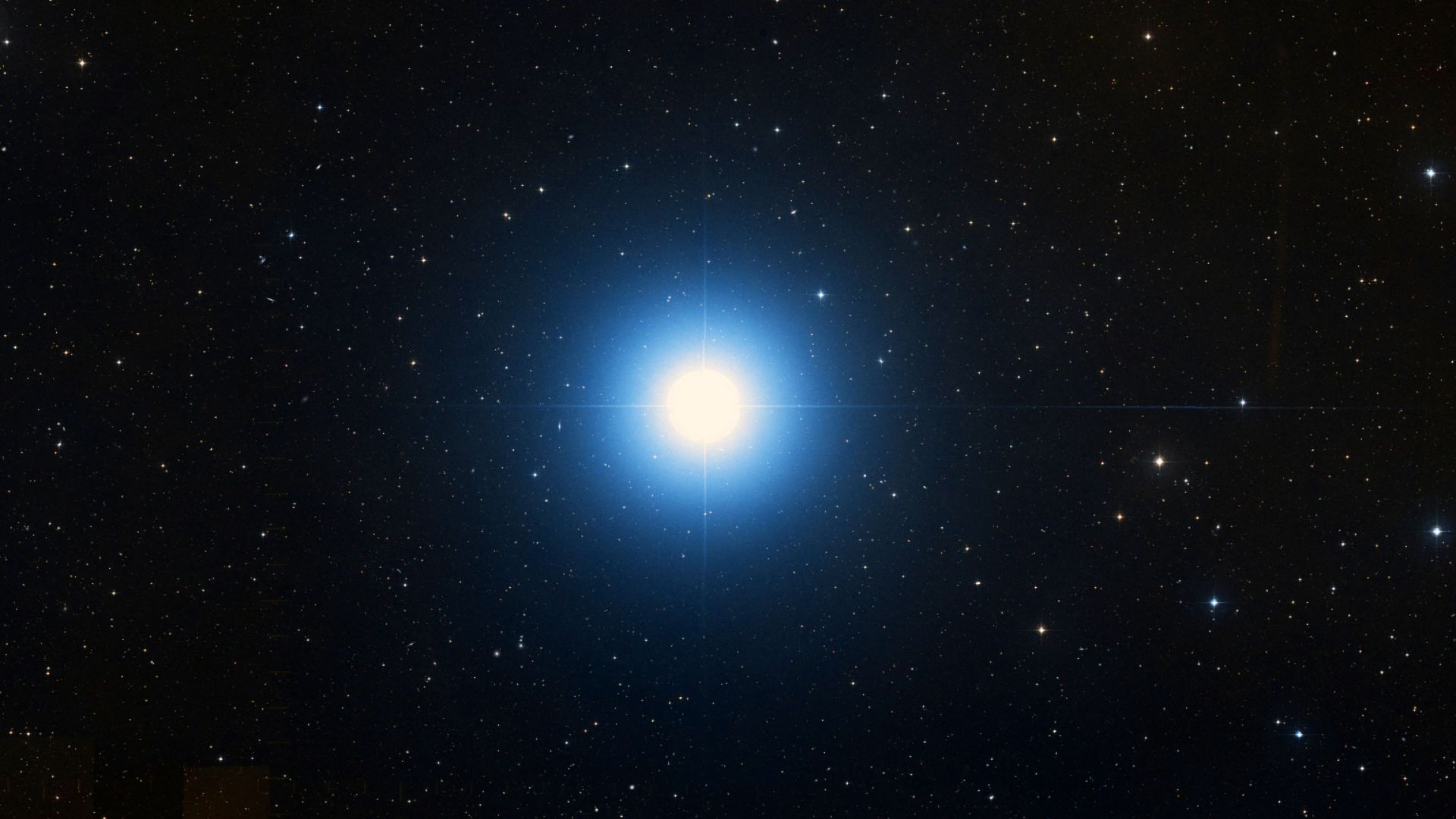
The United States' 250th birthday is right around the corner and what better way to celebrate than by looking for a star whose light began its journey to Earth around the time the Declaration of Independence was signed?
The United States' 250th birthday is almost here, so why not take a break from the fireworks and explore four America-themed wonders hiding in the summer night sky?
To celebrate 250 years of the U.S. as an independent nation, Space.com takes you on a journey through some common misunderstandings of the universe through the years and the roles American scientists played in clearing up that cosmic confusion.
The past 250 years of optical telescopes have seen revolutionary discoveries and technology that the telescope's inventor, a seventeenth century spectacle-maker by the name of Hans Lippershey, maybe wouldn't have believed possible.
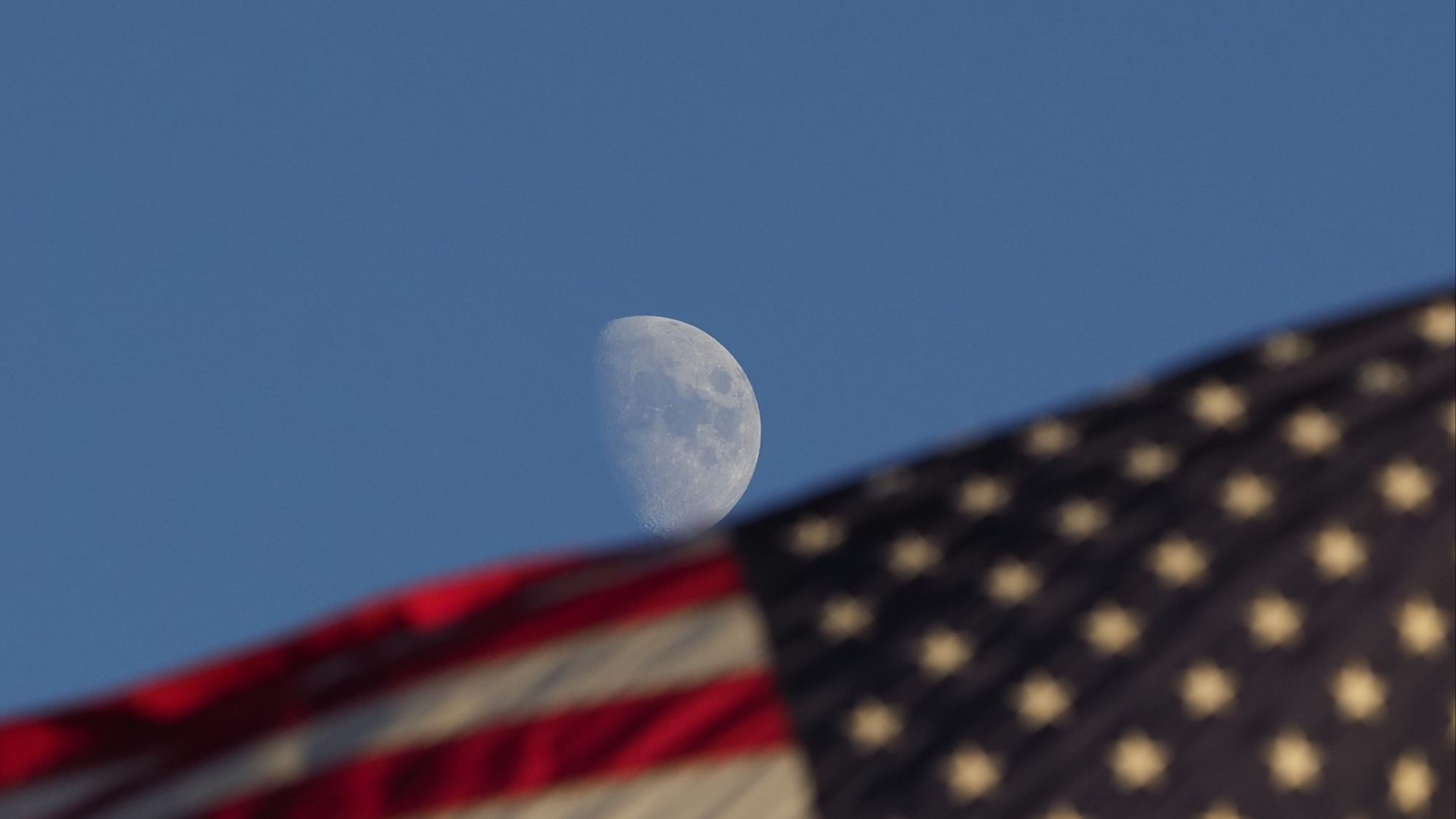
After Americans declared independence on July 4, 1776, a waning gibbous moon rose in the night sky. To the people celebrating the birth of a new nation, it would have looked much the same as the moon we see today. But there was one subtle difference: 250 years ago, the moon was about 31 feet (9.4 meters) closer to Earth than it is now.
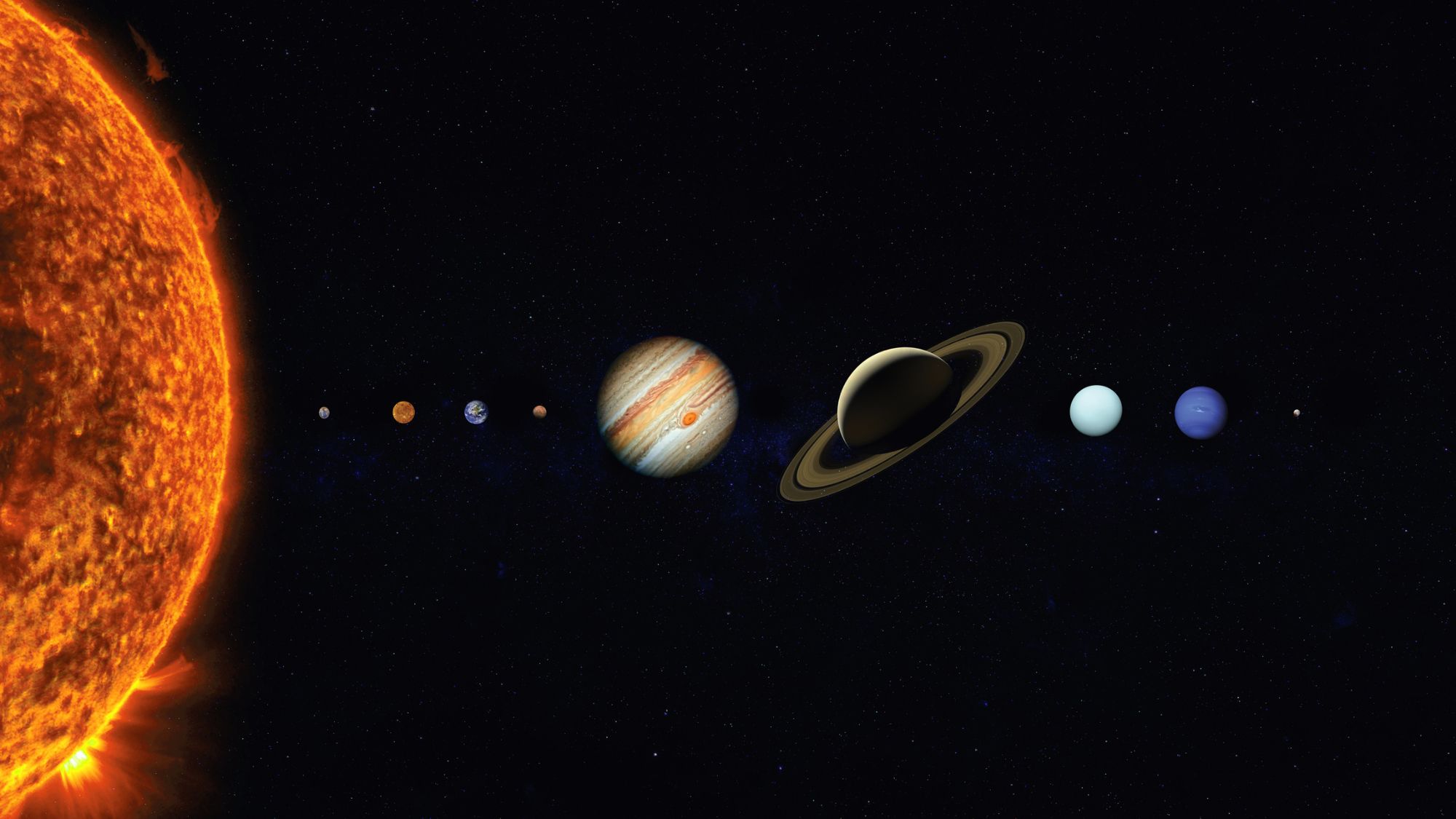
Over the past 250 years, the number of "planets" in our solar system has ranged from six to nine — and, briefly, even 11 — depending on what astronomers knew at the time and how they defined a planet. As the United States prepares to celebrate its 250th anniversary, that changing tally offers a unique lens on humanity's evolving understanding of the cosmos since 1776.
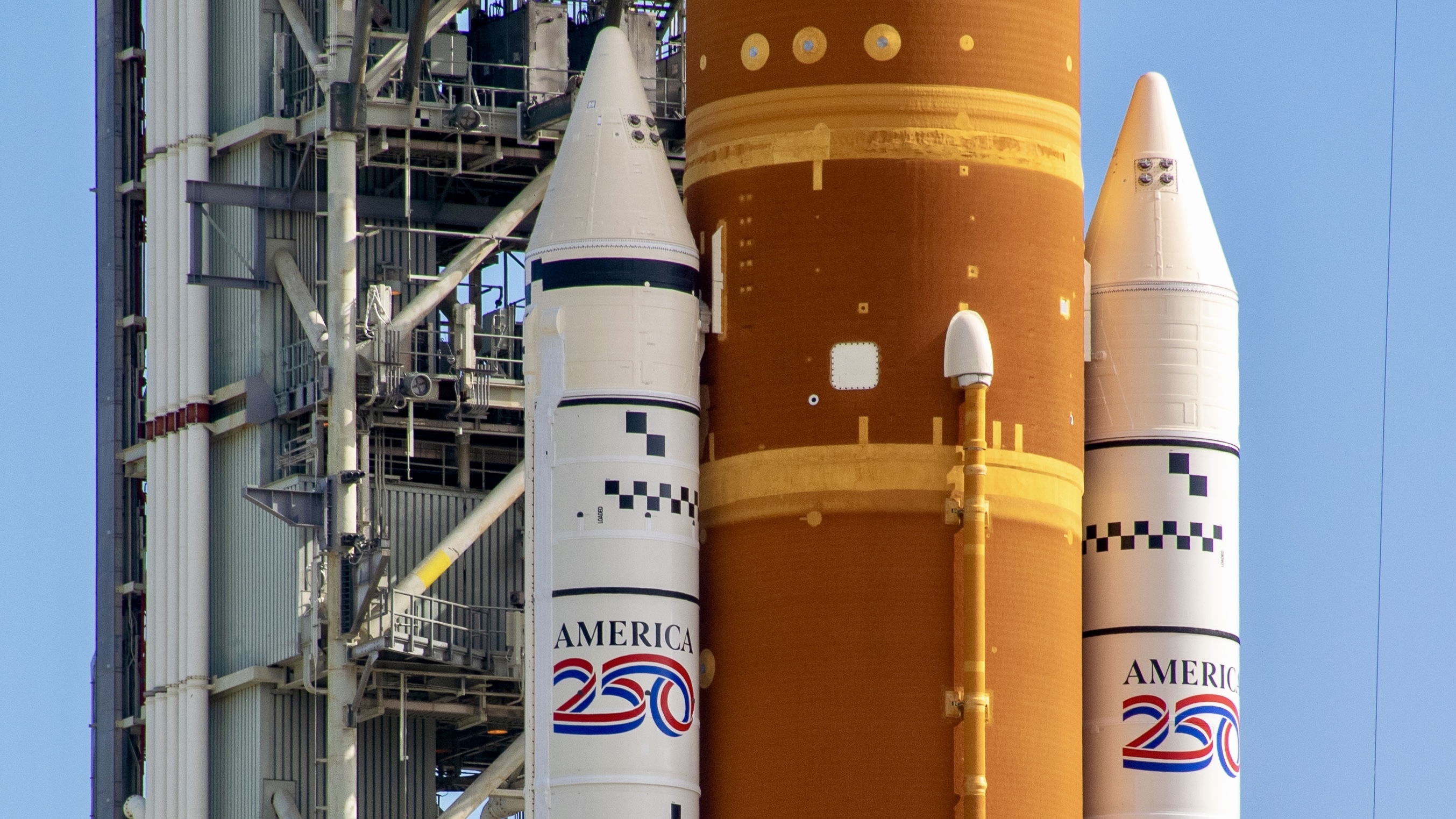
It doesn't get more America than giant rockets and missions to the moon. That's why NASA painted two giant "America 250" logos on the rocket that launched the Artemis 2 astronauts around the moon earlier this year.
NASA is taking the "America 250" birthday celebration to new heights. "From the earliest days of exploration, to the first steps on the moon and the missions shaping our future, NASA represents the spirit of discovery that defines our nation," the agency wrote on a webpage marking the milestone anniversary.
NASA's Chandra X-ray Observatory has released four stunning images of cosmic wonders, depicted in red, white and blue to coincide with the United States' 250th anniversary on July 4.
NASA released this image to celebrate the 250th anniversary of the birth of the U.S. It is a fitting tribute as the protostars break away from the molecular cloud in which they formed to become fully fledged stars in their own right.
When the U.S. was born, humanity was still seven years away from balloon-borne flight. Where might we be another 250 years from now, should the nation be fortunate enough to survive that long?
Those are some great reads, but America isn't the only "Independence Day" celebration going on this year. There is another anniversary that we celebrated this week, but it's not a country, it's a movie.
'Independence Day' at 30: Roland Emmerich & Dean Devlin talk blowing up the White House and crafting a true sci-fi classic (interview)
We often talk about certain works of art ushering in or being ushered in by, but "Independence Day" ("ID4") truly broke the mold for how huge tentpole pictures were marketed three decades ago, something that still reverberates today. So, to celebrate "Independence Day" on its 30th anniversary, we connected with the dynamic creative duo of director Roland Emmerich and screenwriter Dean Devlin ("Universal Soldier," "Stargate," "Godzilla") for a jog down memory lane to remember one of the greatest sci-fi movies in history.
That's going to be a wrap for our Space.com's America 250 celebration!
Thank you all for joining us and we hope you had as much fun reading these features as we had making them. We wish you all the best if you're celebrating the Fourth of July festivities in the United States this Independence Day.
Maybe in 2276, we'll be celebrating from the moon and Mars ... or perhaps somewhere beyond
On paper, it seems like the math would be clear. A nearly 22-year-old space telescope, well past its prime, is falling out of space after decades of hunting the biggest explosions in the universe. Rest in peace, right?
After all, it would cost NASA $30 million to save the telescope, called the Swift Observatory, which the agency launched in 2004 on a planned two-year mission. Some of us have cars that we've replaced far sooner for much less. And now, higher-than-expected drag on the satellite from Earth's outer atmosphere (caused by solar storms) will pull Swift out of orbit by year's end. So why not accept the inevitable fiery demise of the observatory when it plunges back to Earth?
Swift, it turns out, is still worth it, according to NASA. The observatory has spent over two decades as a sort of orbital sentinel that scans the cosmos for gamma-ray bursts, ready to quickly point itself at the short-lived — but insanely powerful — space explosions at a moment's notice. No other off-Earth observatory, not even the famed Hubble Space Telescope or James Webb Space Telescope, can perform such a feat of astronomy. So NASA is launching a rescue mission on June 30, one led by the company Katalyst Space using its new Link spacecraft.
"We didn't want to set the precedent that anything that comes out of orbit has to be boosted, because it is part of our space ecosystem to have things deorbit frequently," Shawn Domagal-Goldman, NASA's Astrophysics Division director, told reporters during a Swift rescue mission briefing on June 17. "But this was not just any spacecraft; this is an observatory with unique capabilities for astrophysics … It is a swift observatory that can quickly pivot across the night sky to find things that go boom in the night."
A sentinel in the night
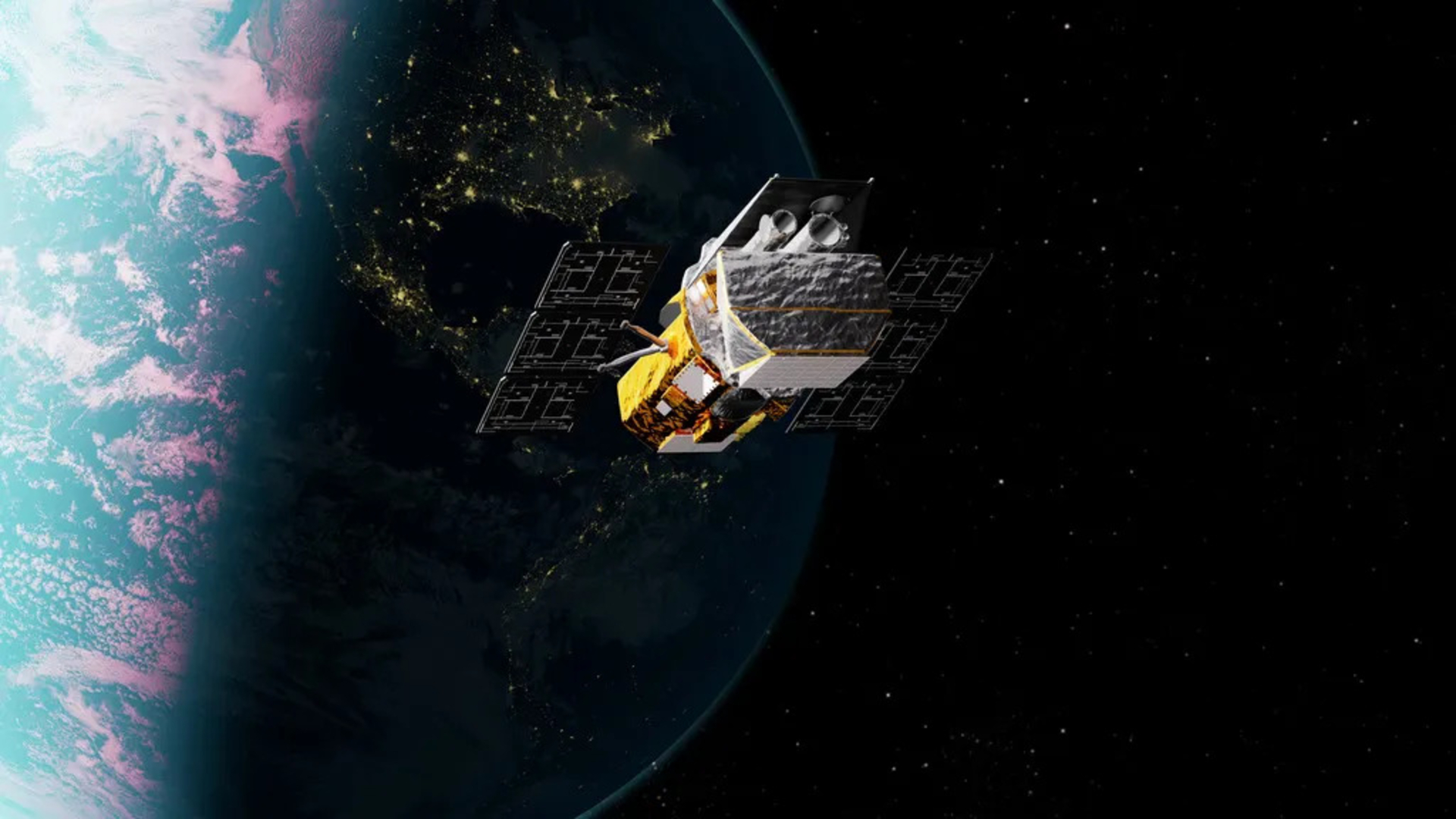
NASA’s Neil Gehrels Swift Observatory, shown in this artist’s concept, orbits Earth as it studies the ever-changing universe. Launched in 2004, the space telescope's days are numbered as it is falling out of space. (Image credit: NASA’s Goddard Space Flight Center Conceptual Image Lab)
NASA originally built and launched Swift in 2004 for $250 million. Since then, the observatory has served as a first responder of sorts to rapidly spot distant gamma-ray bursts that can last mere seconds, yet unleash more power than our sun will in its entire lifetime. Because of its success, Swift's mission has been extended repeatedly.
"The name is not an acronym. It comes from the ability to rapidly and autonomously repoint its narrowfield X-ray and UV [ultraviolet] telescopes almost anywhere on the sky," Swift Principal Investigator Brad Cenko told reporters during the June 17 briefing. (NASA renamed Swift the Neil Gehrels Swift Observatory in 2018 after the mission's first principal investigator, who died a year earlier.)
"The universe is a very dynamic place. Somewhere in the cosmos, a massive star explodes every second," he added. "And over time, our exceptional operations team, led by Penn State, has found new and innovative ways for the satellite to rapidly respond to these discoveries."
Rings of cosmic dust set alight by the BOAT, the most energetic cosmic explosion ever observed by Swift and other space telescopes. (Image credit: NASA/Swift/A. Beardmore (University of Leicester))
The Hubble Space Telescope can capture sharper photos than Swift, but it takes up to two days to point Hubble at a new target, Cenko said. It takes Swift mere minutes. "It really is NASA's first responder, and by working together in this complementary manner, the NASA astrophysics portfolio can tackle questions that would be impossible for any single facility to answer," Cenko added.
Observations from Swift helped confirm that the heaviest elements in our universe, including precious metals like platinum and gold in your rings and necklaces, were forged by the explosive power associated with gamma-ray bursts (which scientists think are produced by supernovas and neutron-star mergers). In 2022, Swift discovered a gamma-ray burst so bright, scientists nicknamed it the "BOAT," short for Brightest of All Time. At the time,it was the most powerful space explosion ever seen.
But now Swift is falling back to Earth on a trajectory at an increasing rate and will burn up in our atmosphere soon, if nothing is done.
Katalyst to the rescue with Swift Boost
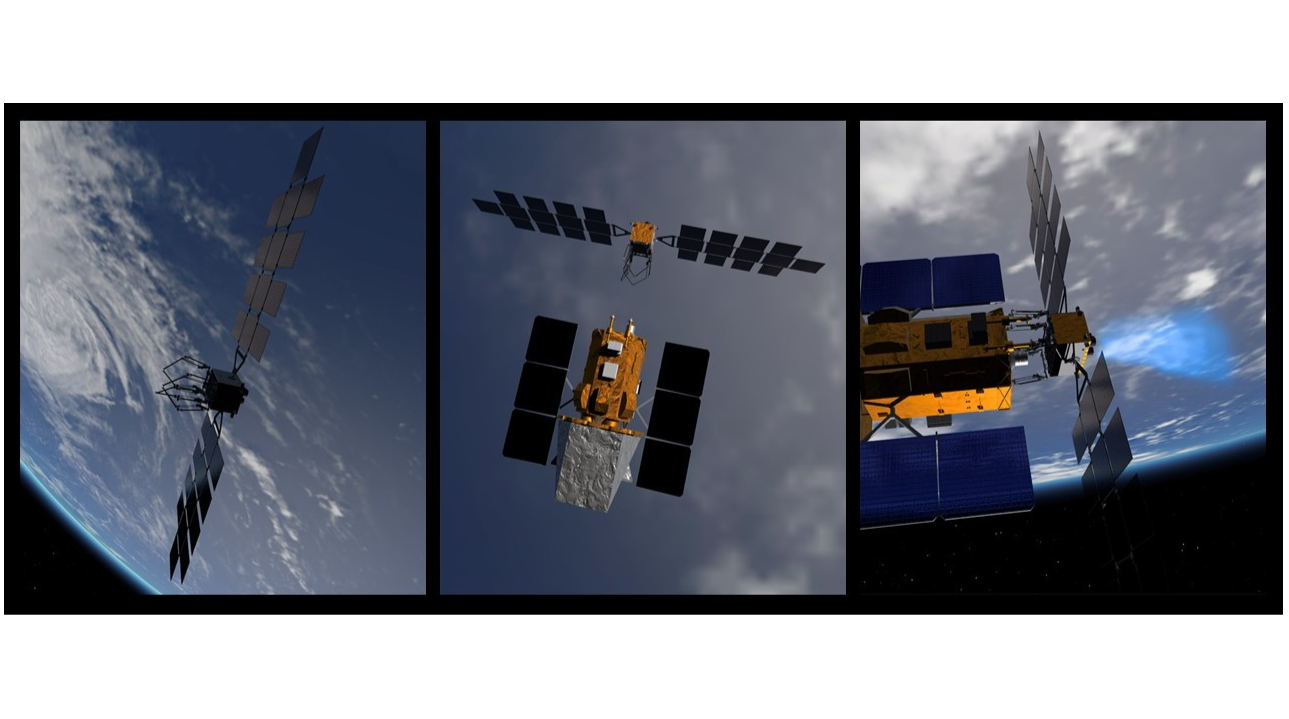
Artist's illustration of Katalyst Space Technologies' Link servicing spacecraft approaching and capturing NASA's Swift space observatory on an orbit-boosting mission. (Image credit: Katalyst Space Technologies)
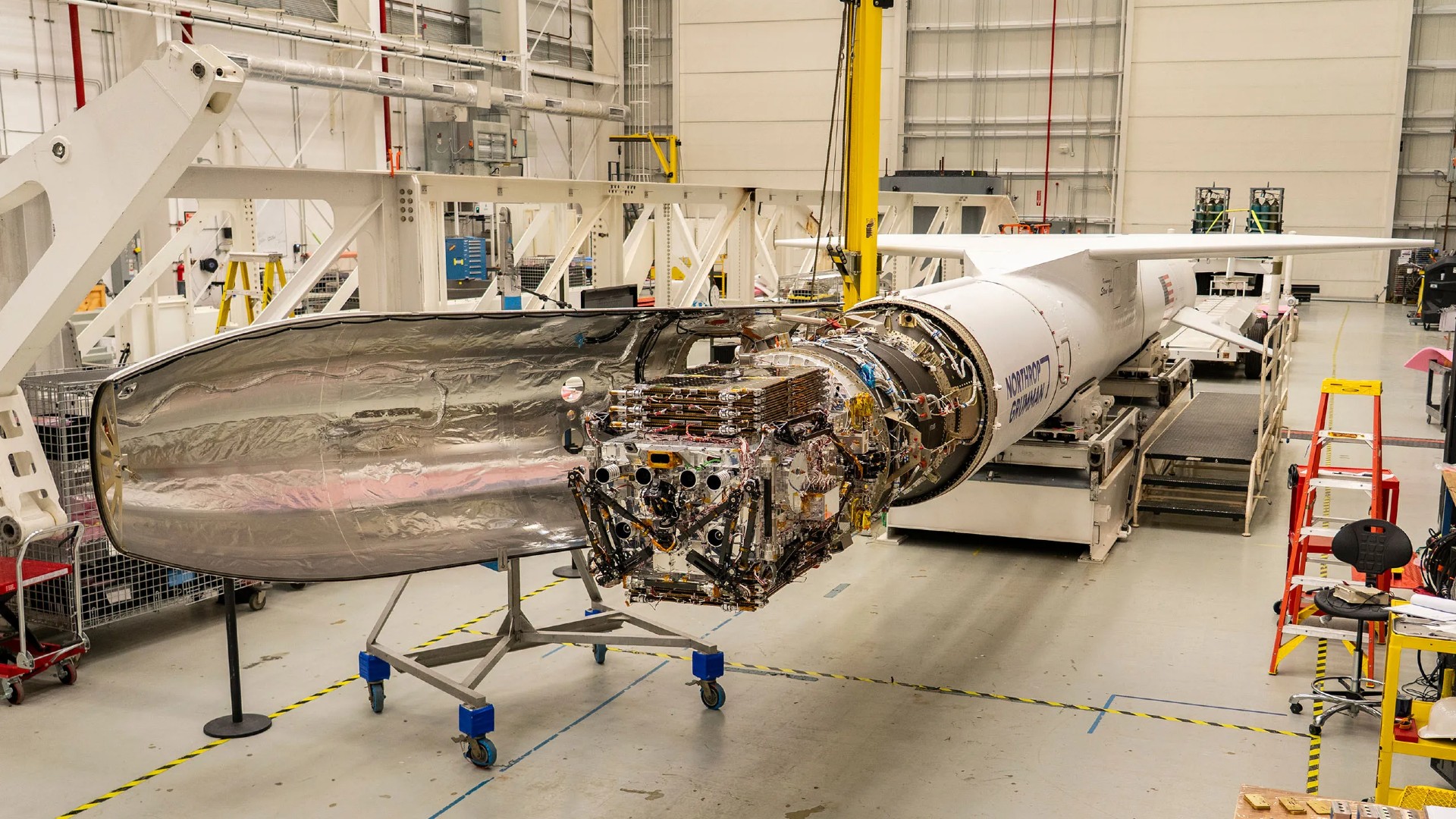
NASA's Swift rescue mission, called Swift Boost, is now scheduled to launch Tuesday (June 30) — about 3 days later than originally planned — on the last-ever Pegasus XL rocket, an air-launched booster built by Northrop Grumman. It will be carried aloft by the last L-1011 Stargazer carrier plane, which Northrop also operates, on a flight out of the U.S. military's Reagan Missile Test Site on Kwajalein Atoll in the South Pacific's Marshall Islands.
To rescue Swift, NASA has turned to the untested Arizona-based company Katalyst Space, which the space agency picked to fly the Swift Boost mission just nine months ago, in September 2025. That is a mindbogglingly short time in which to build a brand-new spacecraft, then launch it on a rendezvous mission to a space observatory that was never built to be rendezvoused with, and then push the Swift telescope to a higher orbit — one that will guarantee at least five or more years of science life, if successful.
It's a huge bet, and something that's never been done before. Even Swift's top scientist has butterflies in his stomach.
Engineers from Katalyst stabilize their LINK robotic servicing spacecraft as it moves into a vibration chamber at NASA's Goddard Space Flight Center. It will launch on June 27, 2026. (Image credit: NASA/Scott Wiessinger)
"Absolutely, no doubt. Been some sleepless nights, a number of them," Cenko told Space.com in an interview last week. "On the other hand, working with this team of folks gives me great confidence."
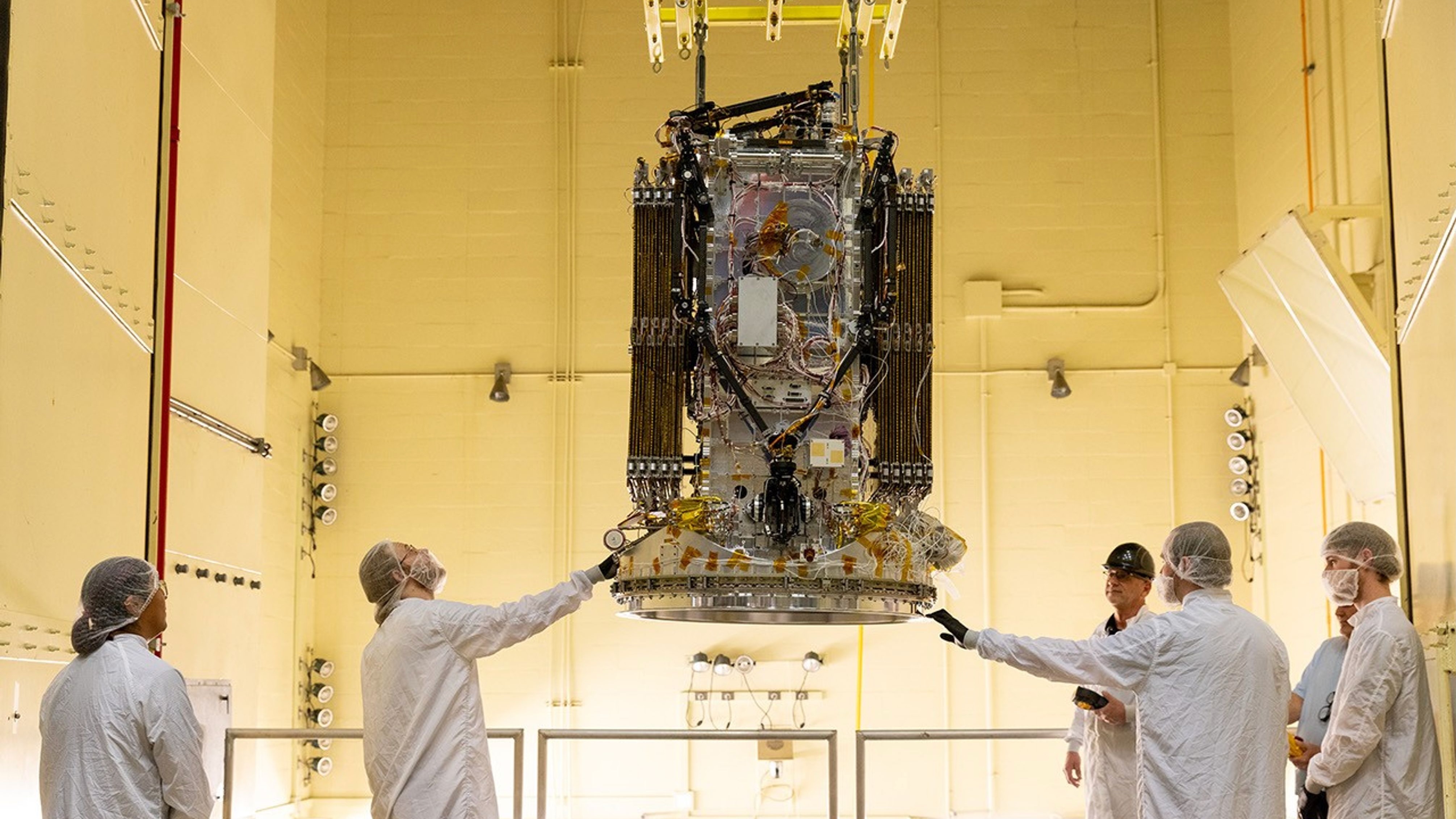
Cenko and NASA's Swift mission team have worked closely with Katalyst mission managers and engineers on the Swift Boost mission. Katalyst calls its rescue ship Link. It's a small spacecraft about the size of a refrigerator that has three main ion engines, three robotic arms and a suite of sensors and thrusters to attempt to capture the falling Swift observatory. Link has gone from a blank sheet of paper to a finished spacecraft attached to a rocket viaan "unprecendented development timeline," its Katalyst builders said.
"That is something that we were able to do, because every part of this mission has been driven by the exceptional urgency provided by the Swift requirements," said Kieran Wilson, Link's principal investigator at Katalyst. The top requirement: Be ready to launch before Swift falls out of space.
A risky plan
Katalyst Space's LINK robotic servicing satellite awaits encapsulation inside a Northrop Grumman Pegasus XL rocket on June 8, 2026, at NASA's Wallops Flight Facility in Virginia. Liftoff is set for June 30 at 6:23 a.m. EDT (1023 GMT) from the Reagan Missile Test Site on Kwajalein Atoll in the Marshall Islands of the South Pacific. (Image credit: NASA/Ron Beard)
Swift was originally placed in an orbit 375 miles (600 kilometers) above Earth when it launched in 2004. The spacecraft has no engines of its own to maintain its orbit. It's now on a path to fall below 186 miles (300 km) in altitude by October. At that point, Katalyst's Link may not be able to reach Swift in time to save the space telescope.
Testing and computer modeling have been key to try and iron out all the kinks in the mission.
"We've been relying on NASA expertise to ensure that we're not making silly mistakes along the way and maximize our probability of success," Wilson said.
"There's a lot of very simple things that can go wrong, and we're adding a lot of additional complexities to the program, but we've been through an aggressive test campaign over the last few months," he added.
After launch, Link will spend several weeks in orbit conducting a series of tests to ensure it is ready to try and save Swift. If all goes well, it will then rendezvous with Swift, grapple on with its robotic arms, and spend up to three months slowly raising the observatory's orbit.
If Katalyst succeeds in saving Swift, the company will have done something never accomplished in space history: reboosting an ailing space telescope using a spacecraft developed in less than a year to rescue a target that was meant to be left in space on its own forever. Katalyst sees big business in such a service, and already has a U.S. Space Force contract to demonstrate a similar capability for larger spacecraft using its new Nexus vehicle. That mission will launch in 2027.
And if Katalyst doesn't succeed? Then Swift will fall out of space on its own, something the space observatory is already going to do anyway.
Those are stark all-or-nothing stakes, but ones that Cenko can accept. The science team even put Swift in a low-power mode in February, halting all research operations to help slow its drag-induced descent.
"I also remind myself that the alternative here is that we reenter the Earth's atmosphere, so in that sense, you know, the risk here is relatively low," Cenko told me. "Maybe we can't be doing science for a few more months. But trading that against the potential benefit of many years of upsurge? That is a no-brainer."
Editor's note: This story was updated at 4 p.m. ET to reflect the new launch date and time for Swift Boost. The mission will now launch no earlier than Tuesday, June 30, at 6:23 a.m. EDT (1023 GMT).