I've spent years chasing the northern lights across the Arctic, from the mountains of Swedish Lapland to the dramatic Norwegian fjords.
If there's one thing I've learned, it's that choosing where to see the northern lights is about much more than simply heading as far north as possible. Whether you're on the hunt for somewhere that offers the best chance of clear skies, the most dramatic scenery or a plethora of winter activities to keep you warm, choosing the right destination can make a big difference, especially as auroras are never guaranteed.
My biggest piece of advice? Choose somewhere you've always wanted to visit regardless of whether the northern lights might appear. That way, the auroras become the icing on the cake rather than the sole measure of a successful trip.
From my personal favorites in Scandinavia to some of North America's most established aurora hotspots, here are seven of the best places to see the northern lights this 2026/27 season.
Best places to see the northern lights at a glance
Location | Best for |
Kiruna and Abisko, Sweden | Best for a short northern lights trip |
Tromsø, Norway | Best for a city break |
Norwegian coast | Best for a scenic Arctic voyage |
Finnish Lapland | Best for a winter wonderland getaway |
Iceland | Best for volcanoes, glaciers and natural wonders |
Fairbanks, Alaska | Best for a U.S. aurora getaway |
Yellowknife, Canada | Best for a Canadian aurora getaway |
Abisko and Kiruna, Sweden: Best for a short northern lights trip
Best time to visit: September to early April
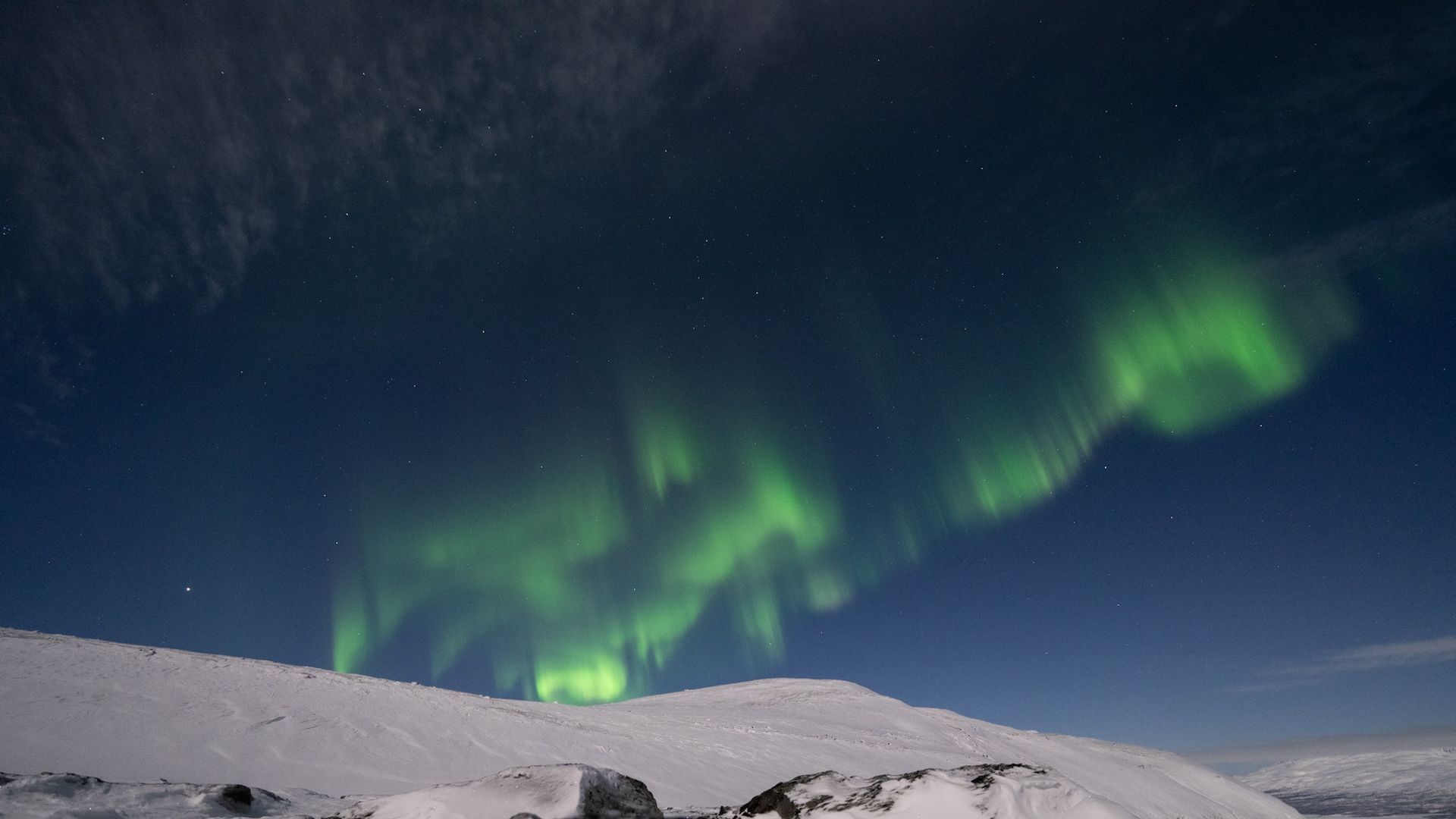
Swedish Lapland holds a particularly special place in my heart. It's where I saw the northern lights for the very first time, during a trip to Kiruna in February 2023.
I'd only booked two nights in Kiruna, one of which included a northern lights tour with Anders from Outdoor North 67º. Talk about putting all your eggs in one basket! But the gamble paid off, and I was treated to a spellbinding display of auroras dancing across the Arctic sky. I've been hooked ever since.
Kiruna offers a wide range of accommodation, restaurants and activities, making it a convenient base for exploring the region. From here, you can join guided aurora tours, visit the famous Icehotel in Jukkasjärvi or head into the wilderness for dog sledding and snowmobiling adventures.
One of the region's biggest draws is Abisko National Park, around 60 miles (100 kilometers) northwest of Kiruna. Abisko is famous for its so-called "Blue Hole", a local weather phenomenon in which the skies above the national park can be clear, even if the surrounding region (and weather forecast) is cloudy. This is partly thanks to the surrounding mountains, which create a rain shadow effect, reducing the precipitation in the area.
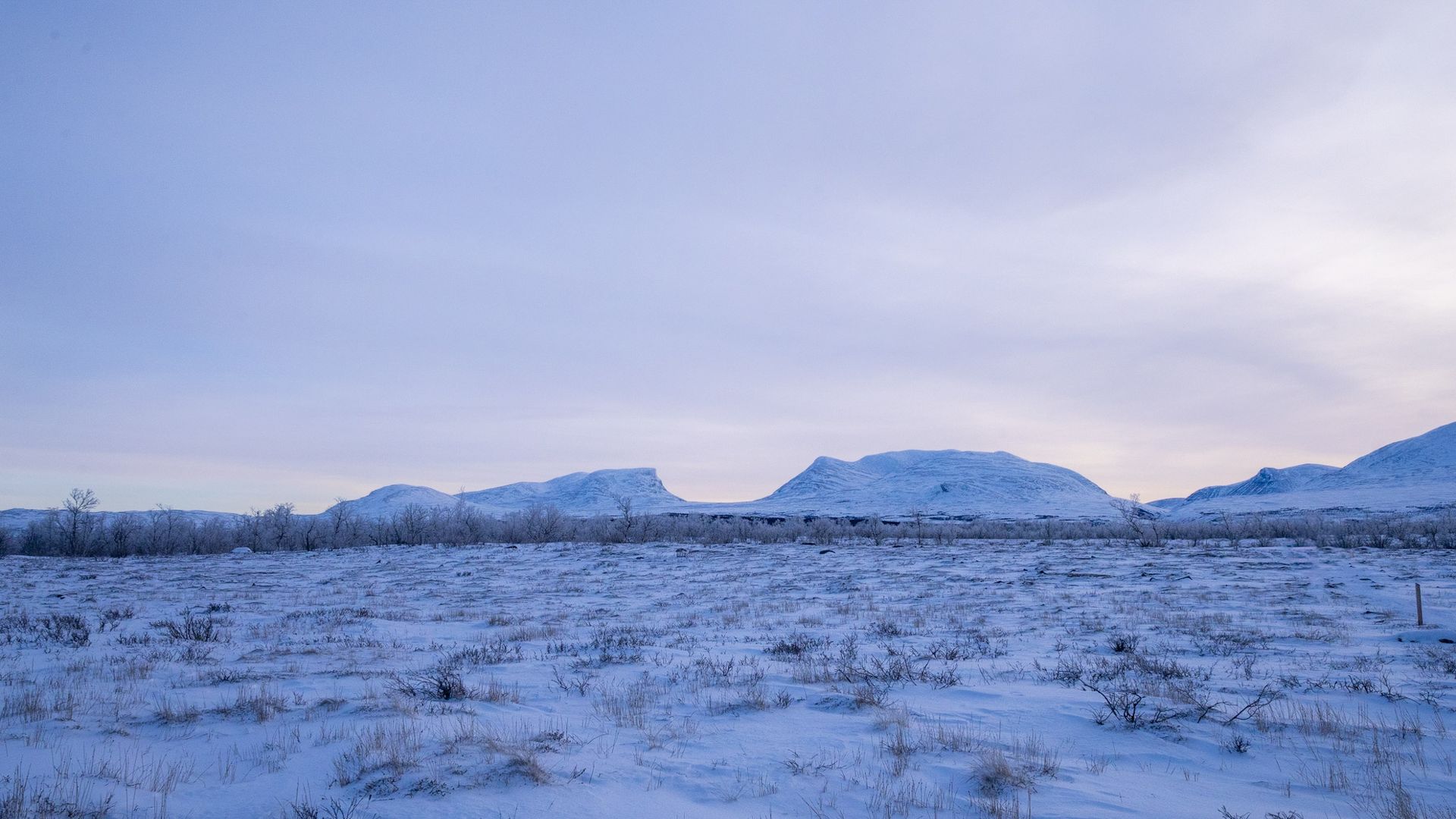
And if you're visiting Abisko, I'd highly recommend taking the chairlift up Mount Nuolja to the Aurora Sky Station. The views across Abisko National Park and the surrounding mountains are spectacular. Just be sure to check the chairlift's operating dates and times before visiting, as it doesn't run throughout the entire season.
My tip: Although my two-night gamble paid off, I wouldn't recommend relying on such a short window if seeing the northern lights is your main goal. If possible, give yourself at least three or four nights to improve your chances of clear skies and aurora activity.
Tromsø, Norway: Best for a city break
Best time to visit: September to early April
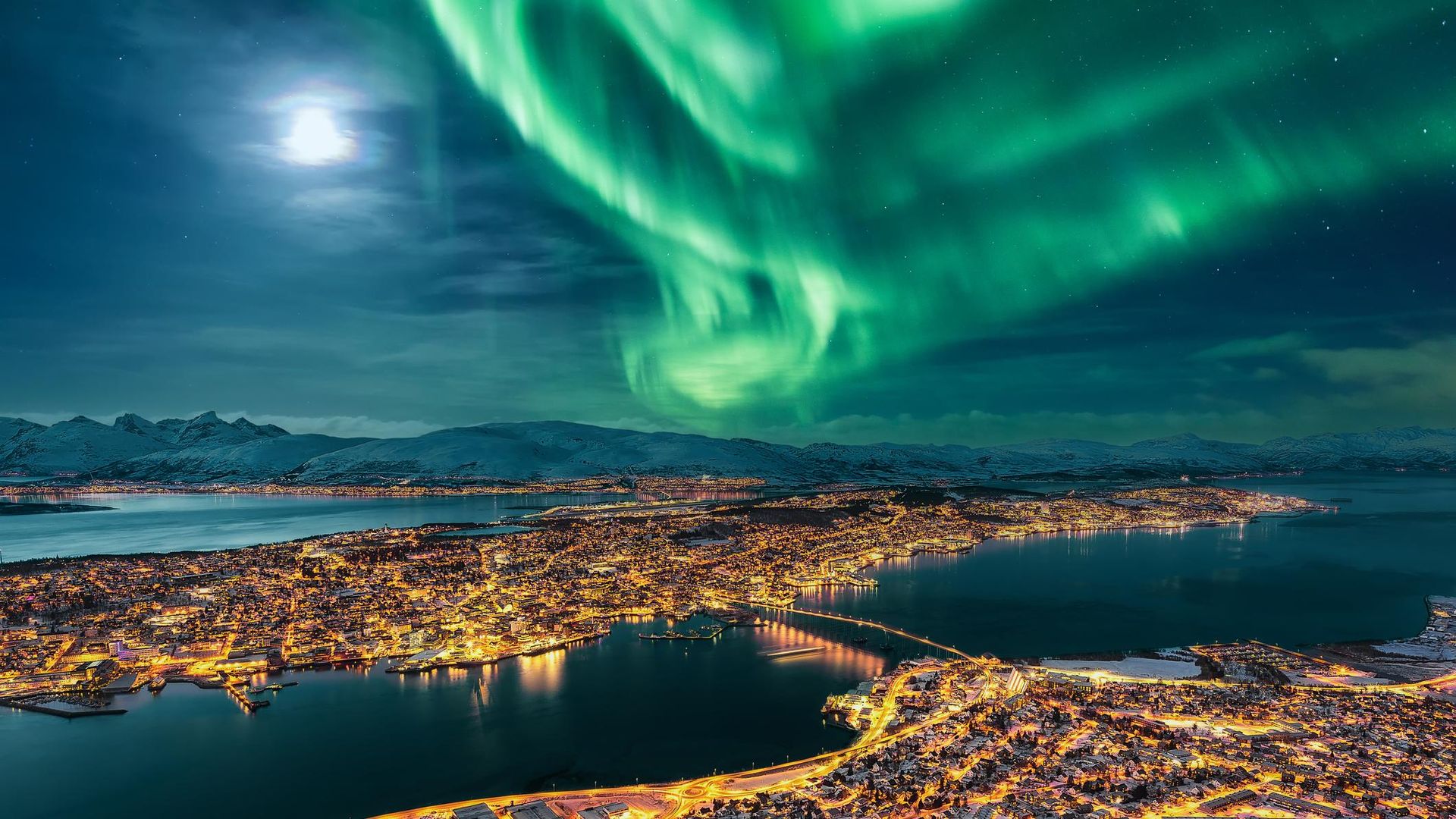
If you want to experience the northern lights without giving up the comforts of city life, Tromsø is hard to beat.
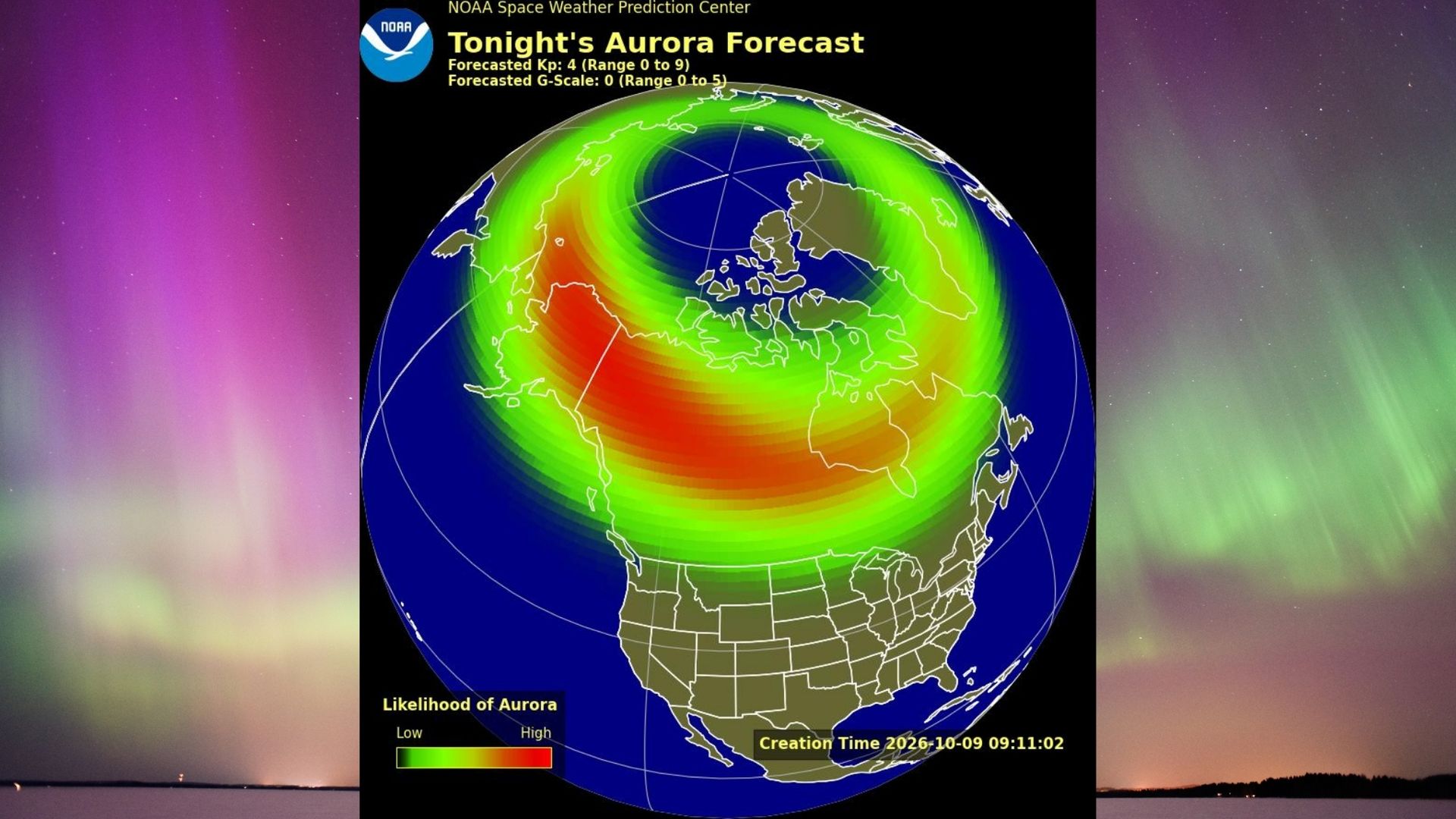
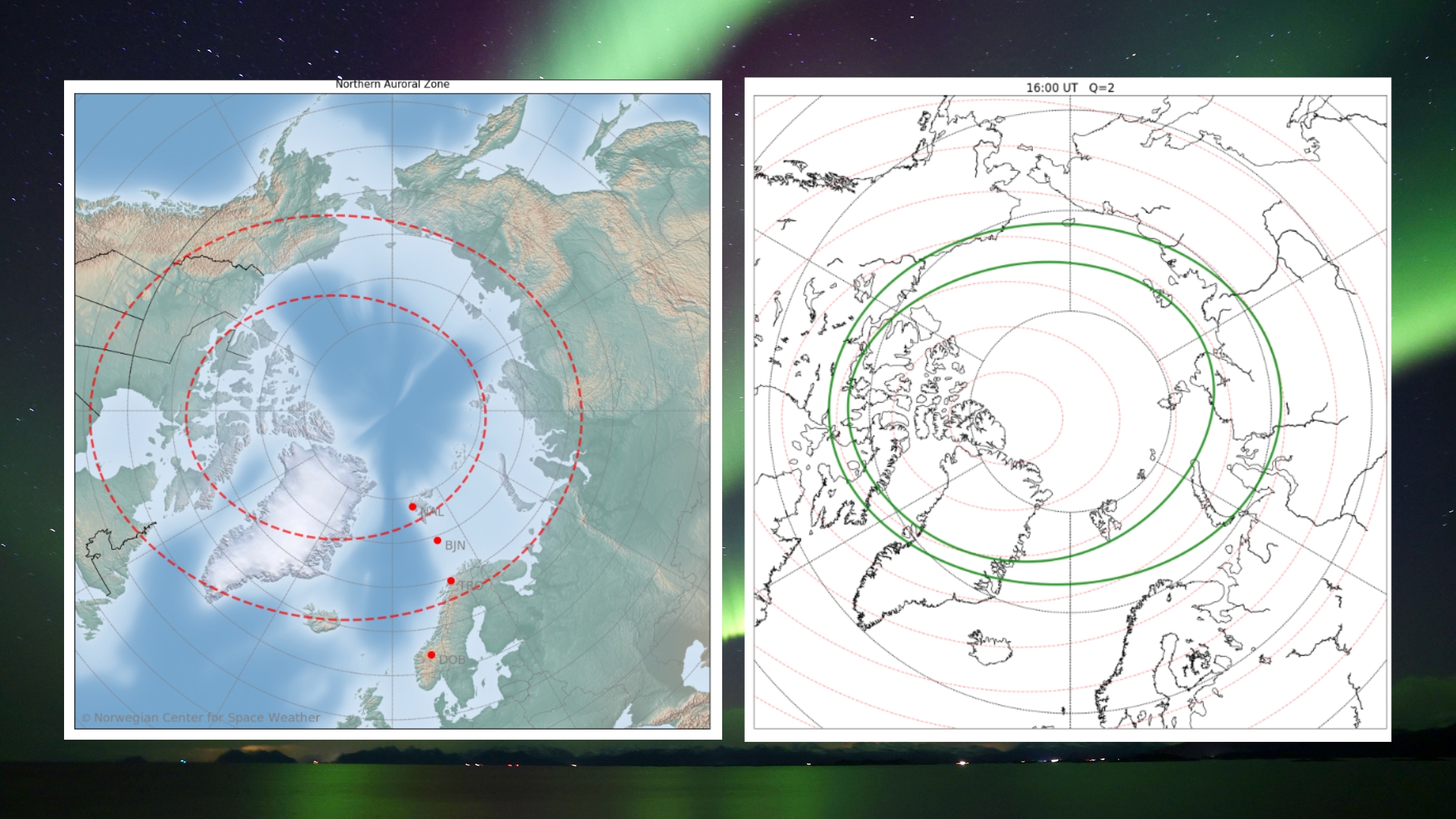
Located high above the Arctic Circle in northern Norway, Tromsø sits beneath the auroral oval, the region surrounding Earth's magnetic poles where auroras occur most frequently.
What I particularly like about Tromsø is that it offers the best of both worlds. You have a lively city with excellent restaurants, cafes, shops, museums and accommodation, while spectacular mountains and wilderness are only a short journey away.
There's also a huge range of northern lights tours available, from small-group photography excursions to longer aurora-chasing adventures.
My tip: Tromsø is ideal if you want to combine northern lights hunting with a city break holiday. I'd recommend booking at least one guided aurora tour, particularly if the local weather forecast looks challenging.
The Norwegian coast: Best for a scenic Arctic voyage
Best time to visit: September to March
If there's one northern lights experience I'd encourage people to consider, it's sailing along the Norwegian coast.
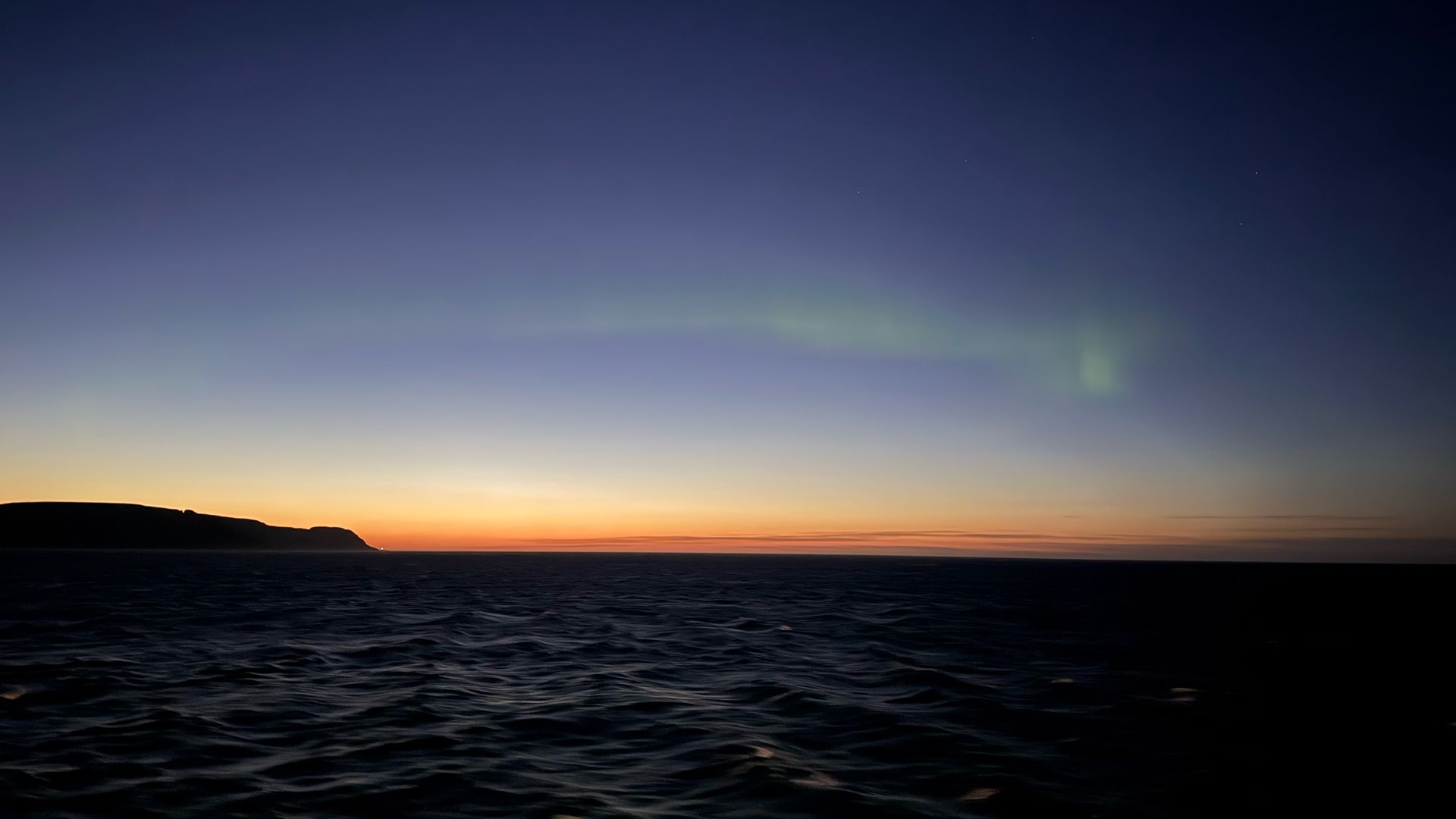
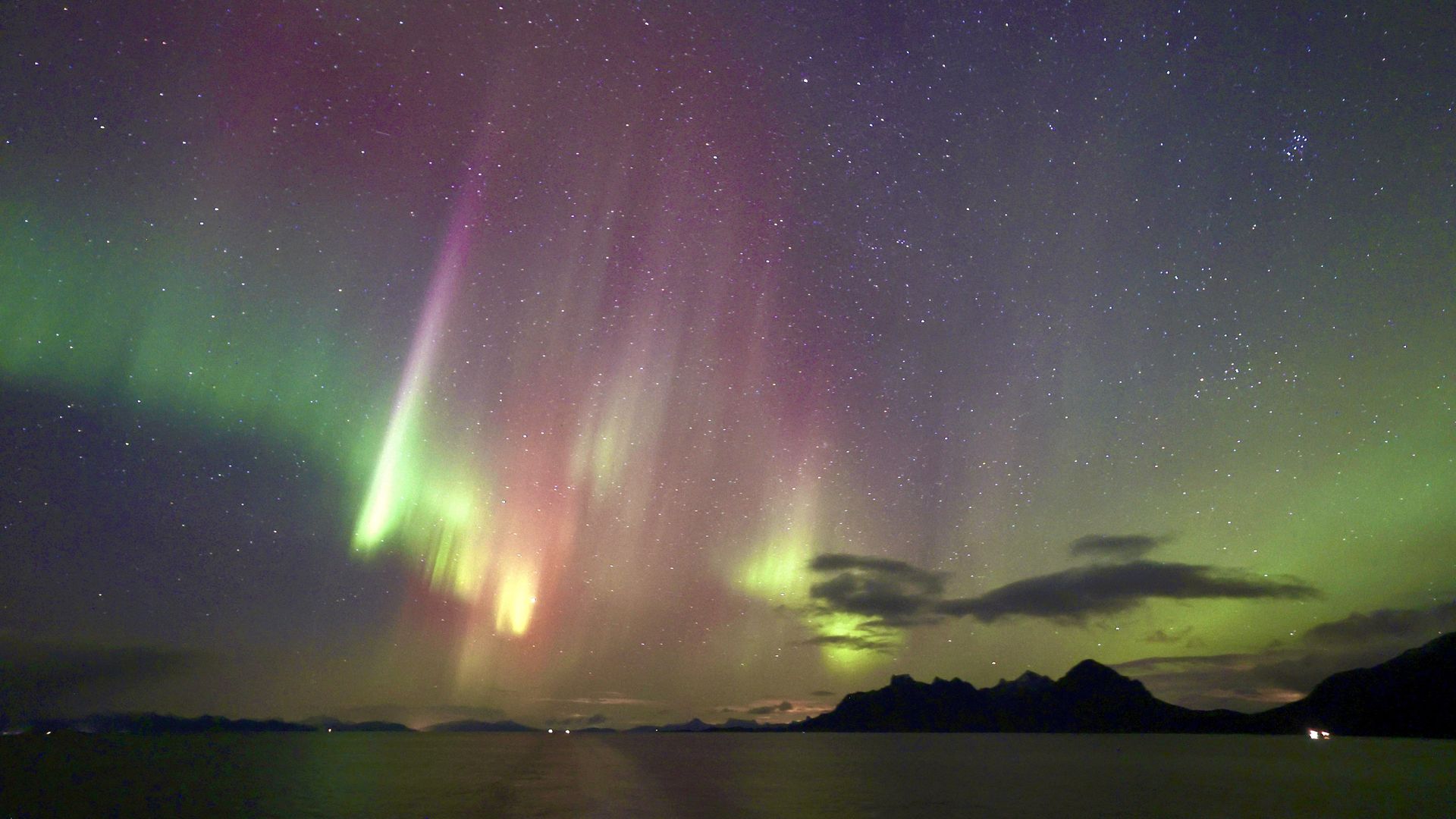
I've been fortunate enough to travel along this extraordinary coastline on several occasions, and there's something very special about watching the northern lights from the deck of a ship, surrounded by good company, mountains, fjords and the dark Arctic sea.
Operators such as Hurtigruten and HX offer voyages along the Norwegian coast, combining opportunities to see the northern lights with some of the most spectacular scenery in Europe. While Hurtigruten operates coastal voyages calling at towns and communities along the route, HX offers expedition-style experiences with a focus on exploring the natural environment.
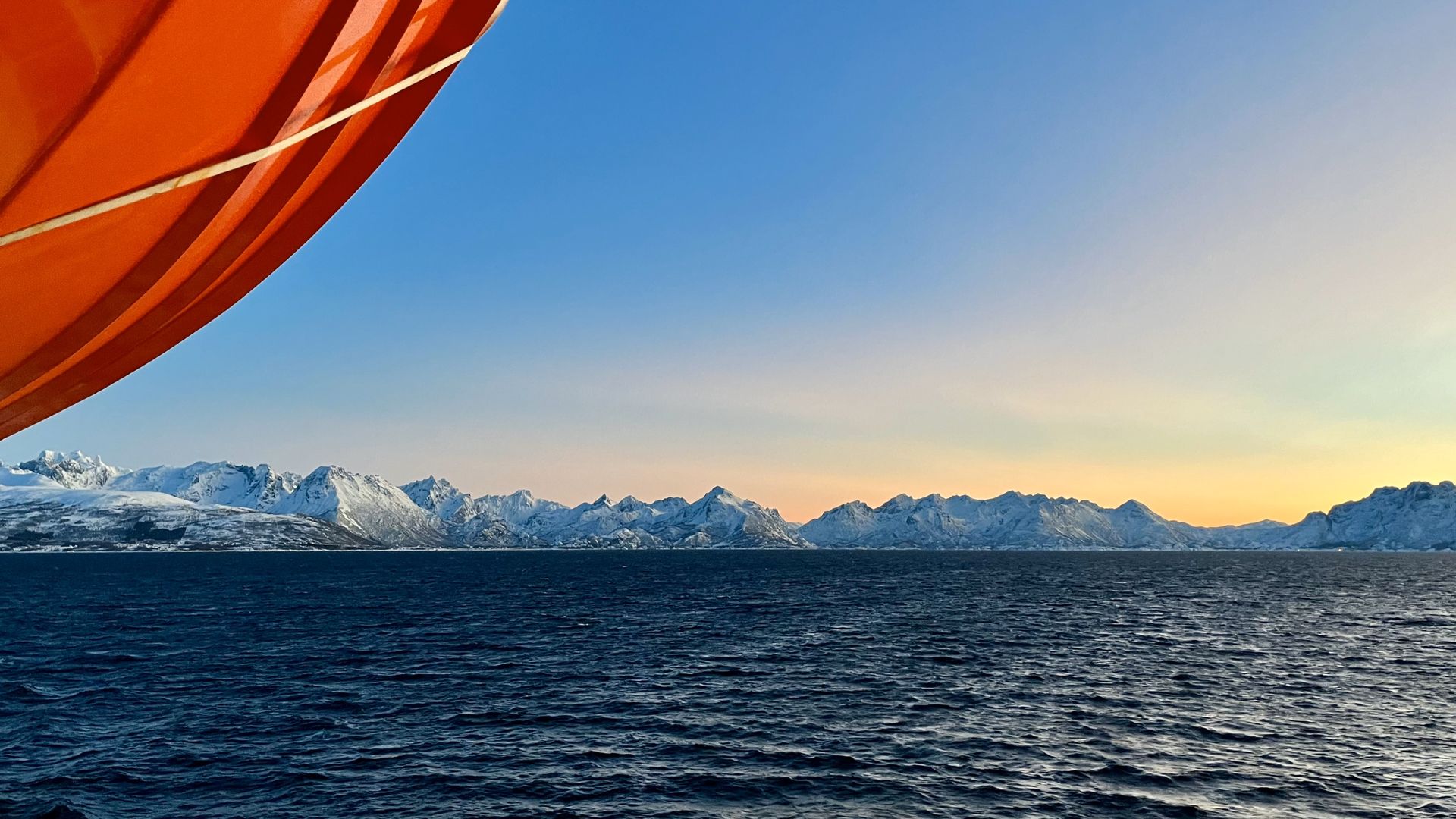
Rather than staying in one location, you'll travel through different coastal landscapes, with opportunities to experience Arctic wildlife, local culture and winter excursions along the way.
And then, of course, there's the possibility of the northern lights appearing overhead.
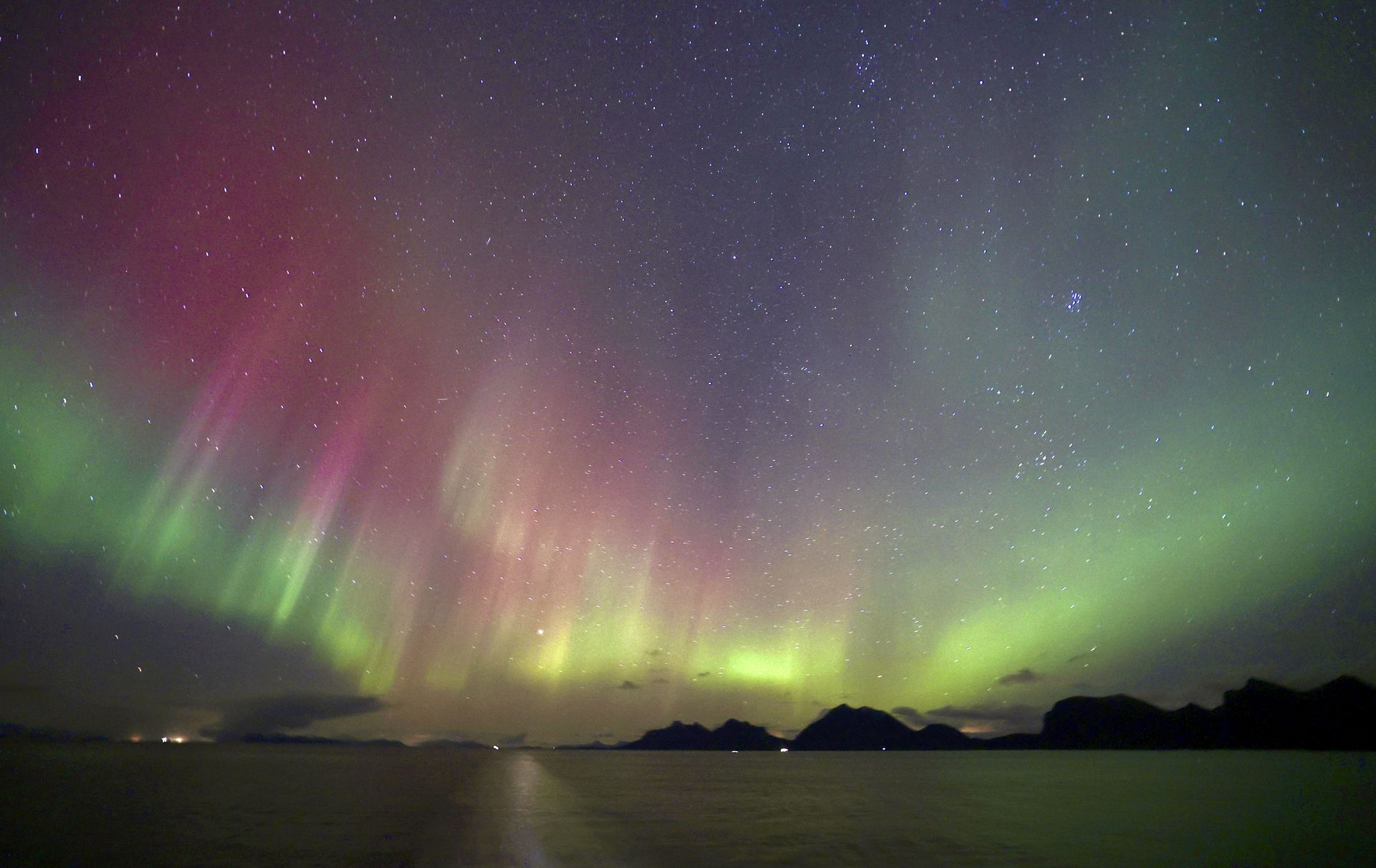
I'll be setting sail on a handful of Hurtigruten's astronomy voyages as a guest lecturer, sharing the science and wonder of the northern lights along the way.
However, there's an important trade-off. Unlike a land-based aurora chase, a ship can't simply drive inland to escape coastal cloud cover. You're largely dependent on the weather along your route, although traveling through different regions over several nights gives you multiple opportunities.
Hurtigruten also offers a Northern Lights Promise on qualifying voyages, providing a complimentary return voyage if the lights aren't officially sighted during your trip. Be sure to check the eligibility requirements and terms before booking.
My tip: Choose a Norwegian coastal voyage because you want to experience the coastline itself. The scenery, communities and Arctic landscapes make it a remarkable journey regardless of auroras.
Finnish Lapland: Best for a winter wonderland getaway
Best time to visit: September to March
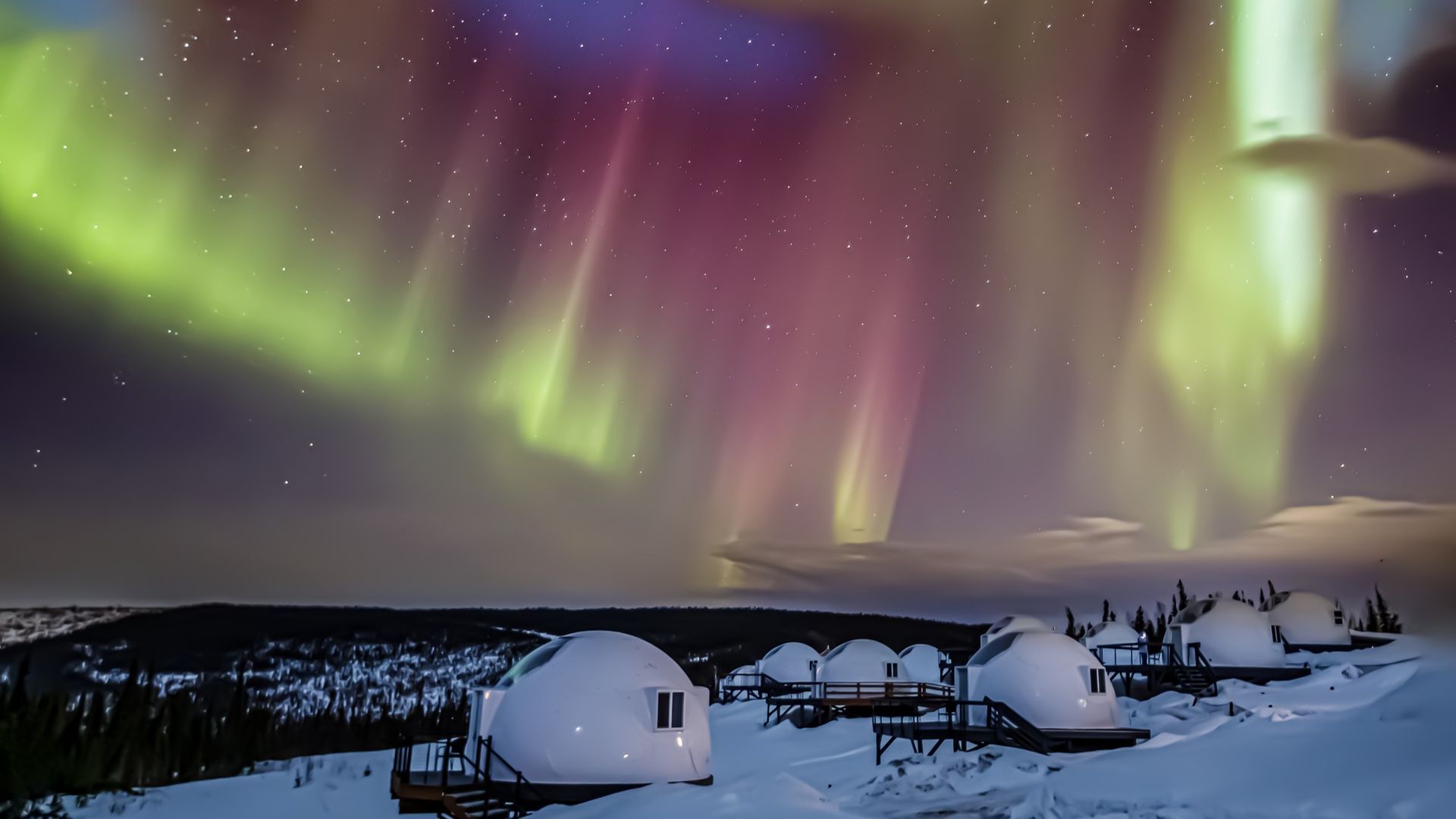
If you dream of a northern lights holiday involving snow-covered forests, cozy cabins and perhaps even watching auroras from a glass-roofed igloo, Finnish Lapland could be the perfect choice.
Northern Finland lies beneath the auroral oval, making it a popular destination for aurora chasers. Places such as Inari, Saariselkä and Ivalo offer excellent access to dark skies and Arctic wilderness.
Rovaniemi, the official hometown of Santa Claus, is another popular option, particularly for families, although it's worth traveling away from the city's lights for the best views.
My tip: For a quieter, more wilderness-focused escape, I'd look at northern Lapland around Inari or Saariselkä. If you're traveling with children or want a more activity-packed holiday, Rovaniemi may be a better fit.
Iceland: Best for volcanoes, glaciers and natural wonders
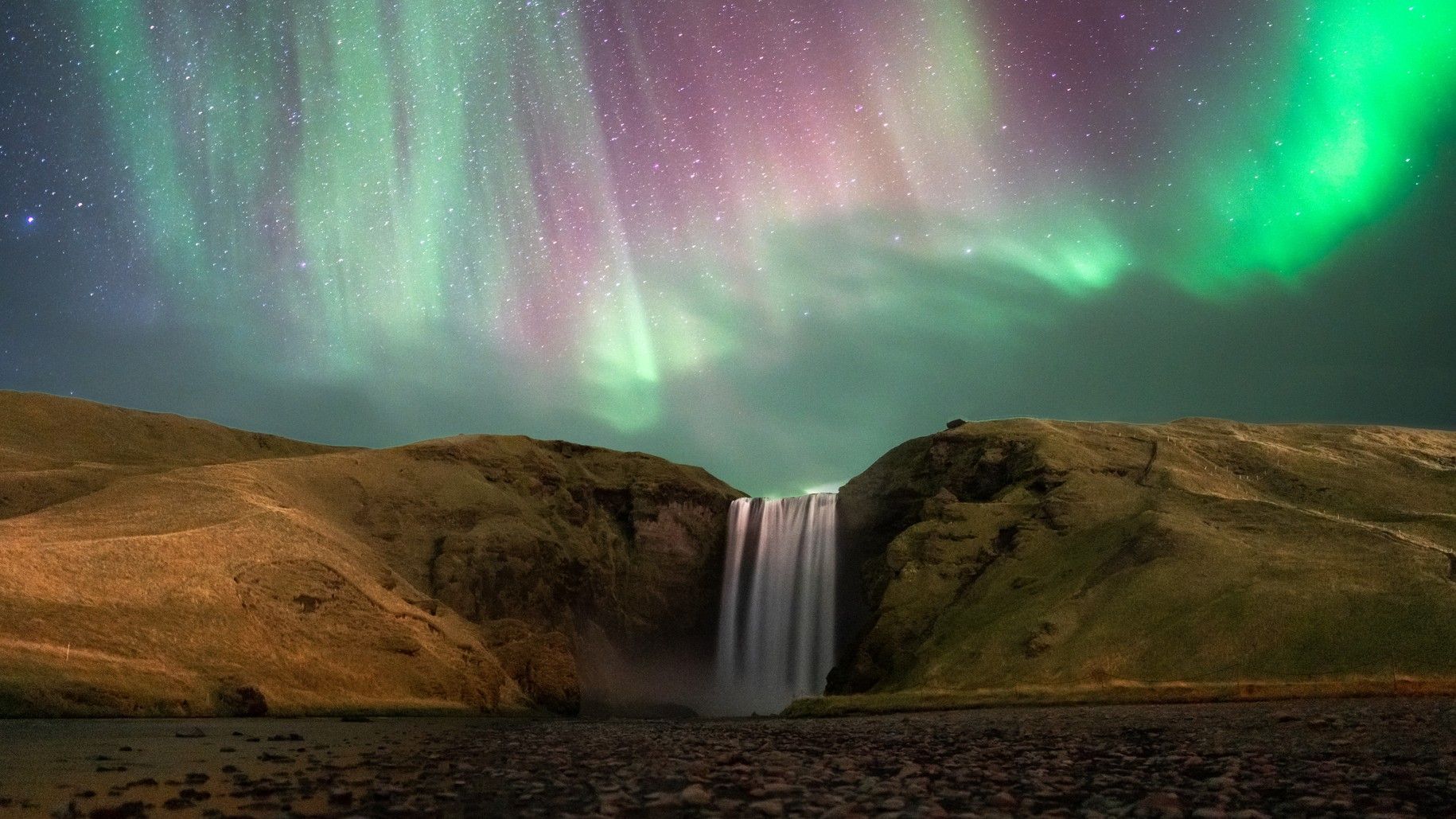
Iceland is one of the most extraordinary places I've ever visited. What makes it particularly special is the sheer variety of landscapes packed into one country, from towering waterfalls and vast glaciers to active volcanoes, black-sand beaches and steaming geothermal pools. There's an incredible amount to explore between northern lights hunting sessions.
But there's a catch.
Iceland's notoriously changeable weather and frequent cloud cover can make aurora hunting challenging. For that reason, I'd consider Iceland one of the riskier destinations on this list if your main objective is seeing the northern lights.
Iceland's landscapes provide some of the most spectacular backdrops imaginable for aurora photography, and when the skies cooperate, the results can be breathtaking.
The key is flexibility. I'd recommend giving yourself several nights and booking a northern lights tour that can travel in search of clearer skies rather than relying on a single fixed viewing location.
And while I've visited Iceland myself, I haven't been there specifically to chase auroras. What I can say from experience is that the country is absolutely worth visiting regardless of whether the lights appear.
My tip: Visit Iceland because you want to see Iceland, not just the northern lights. Explore its waterfalls, glaciers and volcanic landscapes, and treat any aurora sightings as an extraordinary bonus.
Fairbanks, Alaska: Best for a U.S. aurora getaway
Best time to visit: September to March
For U.S.-based travelers dreaming of seeing the northern lights, Fairbanks is a more convenient travel destination than Scandinavia.
Located in Alaska's interior, Fairbanks sits beneath the auroral oval. Its inland location is a major advantage compared to many coastal Arctic destinations; Fairbanks generally experiences less precipitation and more opportunities for clearer skies.
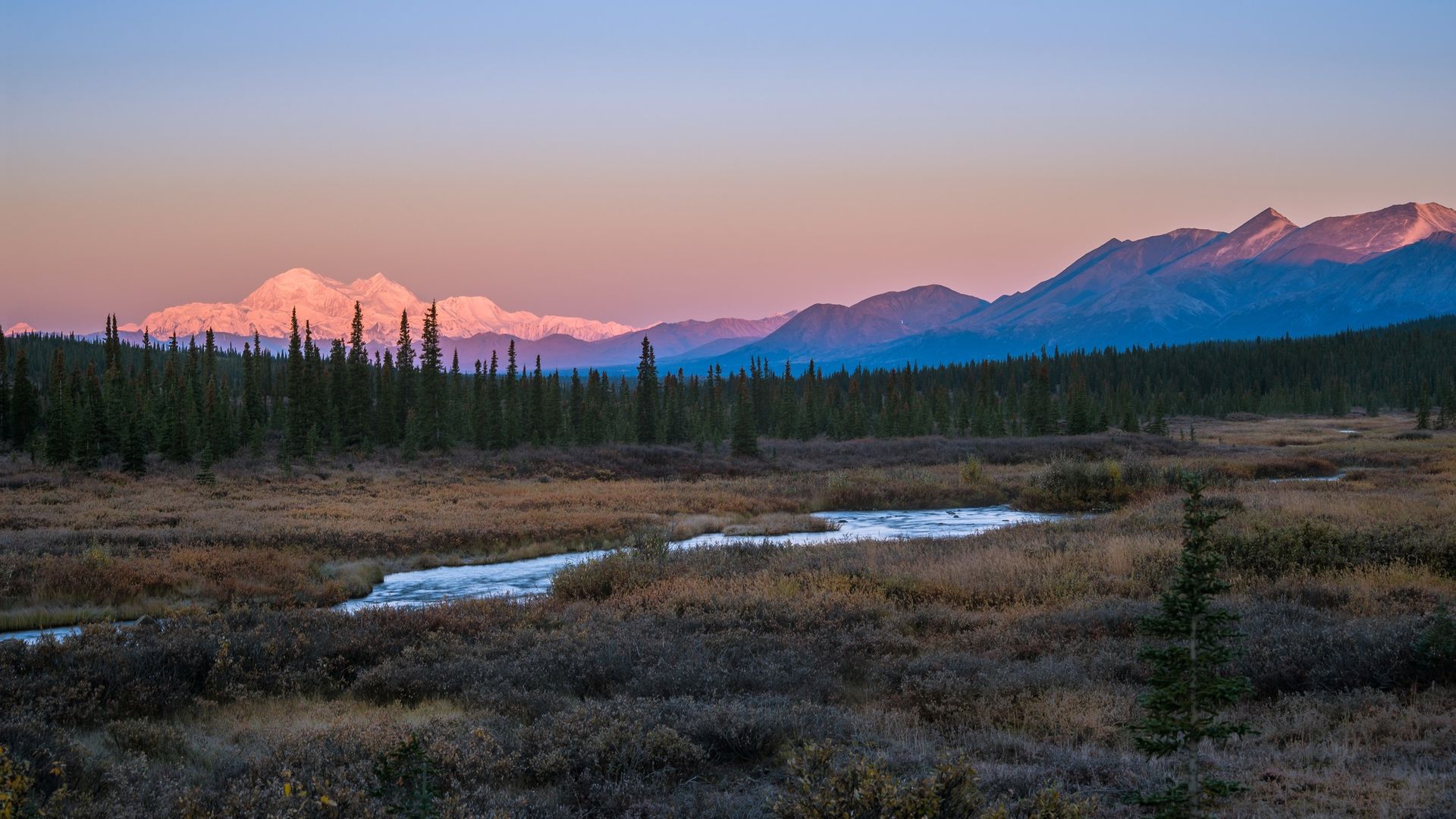
The official aurora-viewing season runs from Aug. 21 to April 21, providing a long window for planning a trip. However, if you're visiting in late August or early September, be prepared for some late nights. With daylight still lingering well into the evening, the sky may not become dark enough for good aurora viewing until around midnight or later.
The advantage of visiting earlier in the season is that temperatures are generally much milder compared to in the depths of winter. But if you would prefer longer nights and more opportunities to spot auroras, consider a trip between late September and March.
Yellowknife, Canada: Best for a Canadian aurora getaway
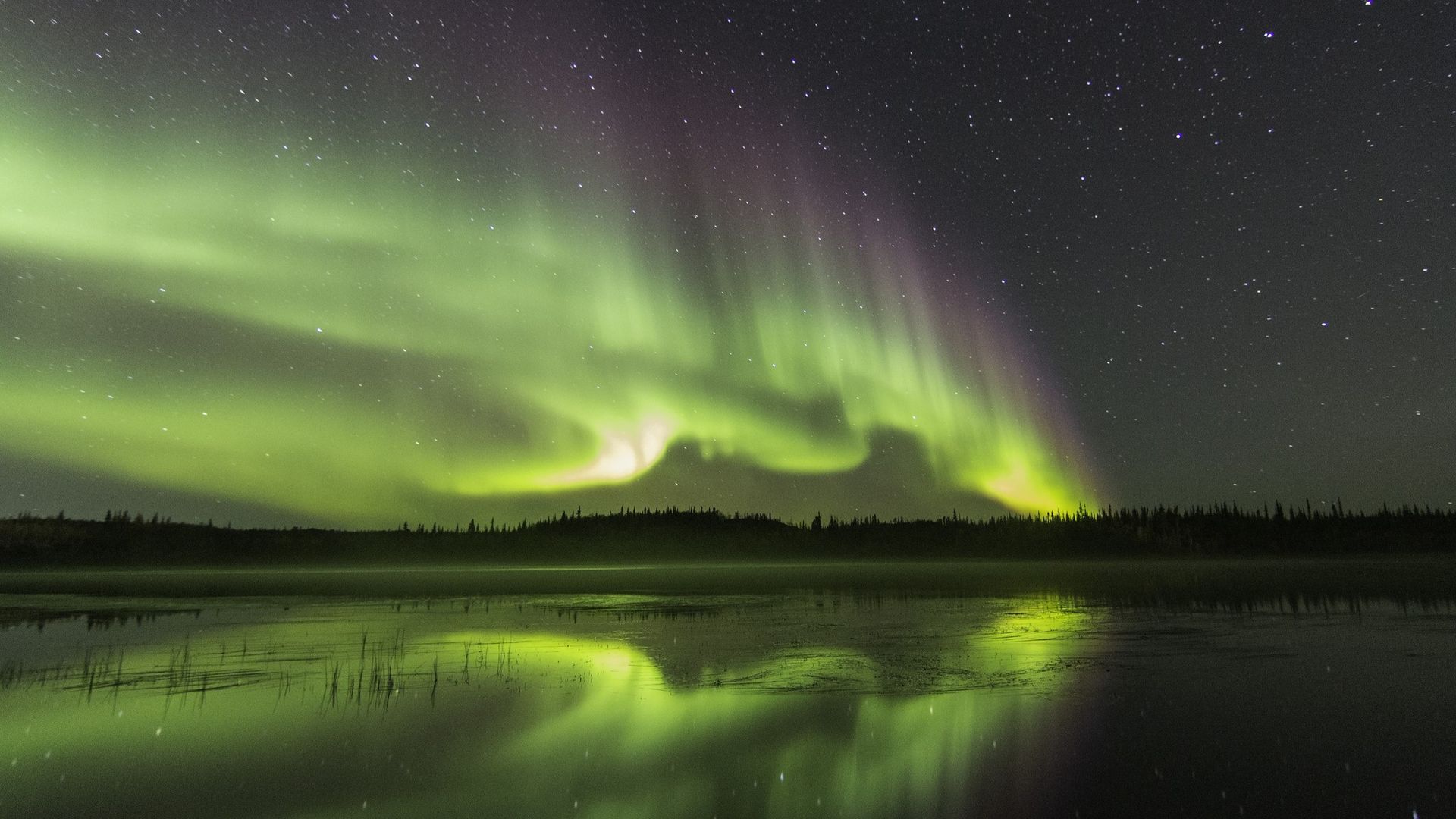
Best time to visit: Mid-August to late September and mid-November to early April
For Canadian travelers hoping to see the northern lights, Yellowknife offers an incredible aurora-viewing destination without the need to travel overseas.
Situated beneath the auroral oval, Yellowknife benefits from a relatively dry continental climate, with plenty of opportunities for clear skies compared with some coastal Arctic locations.
However, timing your visit carefully can make a difference. Although auroras are visible throughout the dark months, late October and early November are generally a less favorable period for a dedicated aurora trip. As temperatures drop, heavy cloud systems move through the area, making sightings more challenging. Indeed, some tour operators temporarily reduce their activities during this period. This is when the region receives most of its snowfall, so shifting your aurora viewing plans before or after this period gives you considerably better visibility.
My tip: Consider booking a multi-night package or several guided outings to give yourself more opportunities if the weather doesn't cooperate.
When is the best time to see the northern lights?
The northern lights occur throughout the year, but you need sufficiently dark skies to see them. That's why the main aurora tourism season across much of the Arctic runs from roughly late August or September through March or early April.
March and September are particularly good months for aurora hunting, thanks to a seasonal boost in geomagnetic activity around the spring and autumn equinoxes. This is partly explained by the Russell-McPherron effect, which describes how the changing orientation of Earth's magnetic field relative to the magnetic field carried by the solar wind makes geomagnetic disturbances more likely around the equinoxes. A 75-year study by retired NASA solar physicist David Hathaway shows that March has more geomagnetically active days than any other month of the year (with October a close second), according to Spaceweather.com.
But personally, I prefer hunting for auroras in the depths of winter, particularly December and January, when the long, dark nights give me plenty of opportunities to look for the lights. Yes, it's much colder, but I love the snowy Arctic landscapes, and I'd much rather be standing in a winter wonderland than battling driving rain!
Frequently asked questions
Where is the best place to see the northern lights for the first time?
For a first northern lights trip, I'd particularly recommend Abisko or Kiruna in Swedish Lapland or Tromsø in northern Norway.
Abisko is appealing for its relatively favorable local weather conditions, while Tromsø offers a great combination of guided aurora tours, accommodation and other Arctic activities.
The best choice depends on what kind of holiday you're looking for.
How many nights should you book to see the northern lights?
I'd recommend at least three or four nights, although a week gives you more flexibility if the weather doesn't cooperate. That said, on my first trip, I stayed for just two nights, with an aurora tour booked for only one of them, and got lucky with a dazzling display. So really, my advice is simple: book as many nights as you can!
Remember, even in the world's most famous aurora destinations, sightings are never guaranteed.
Can you see the northern lights during a full moon?
Absolutely! This is one of the most common northern lights myths.
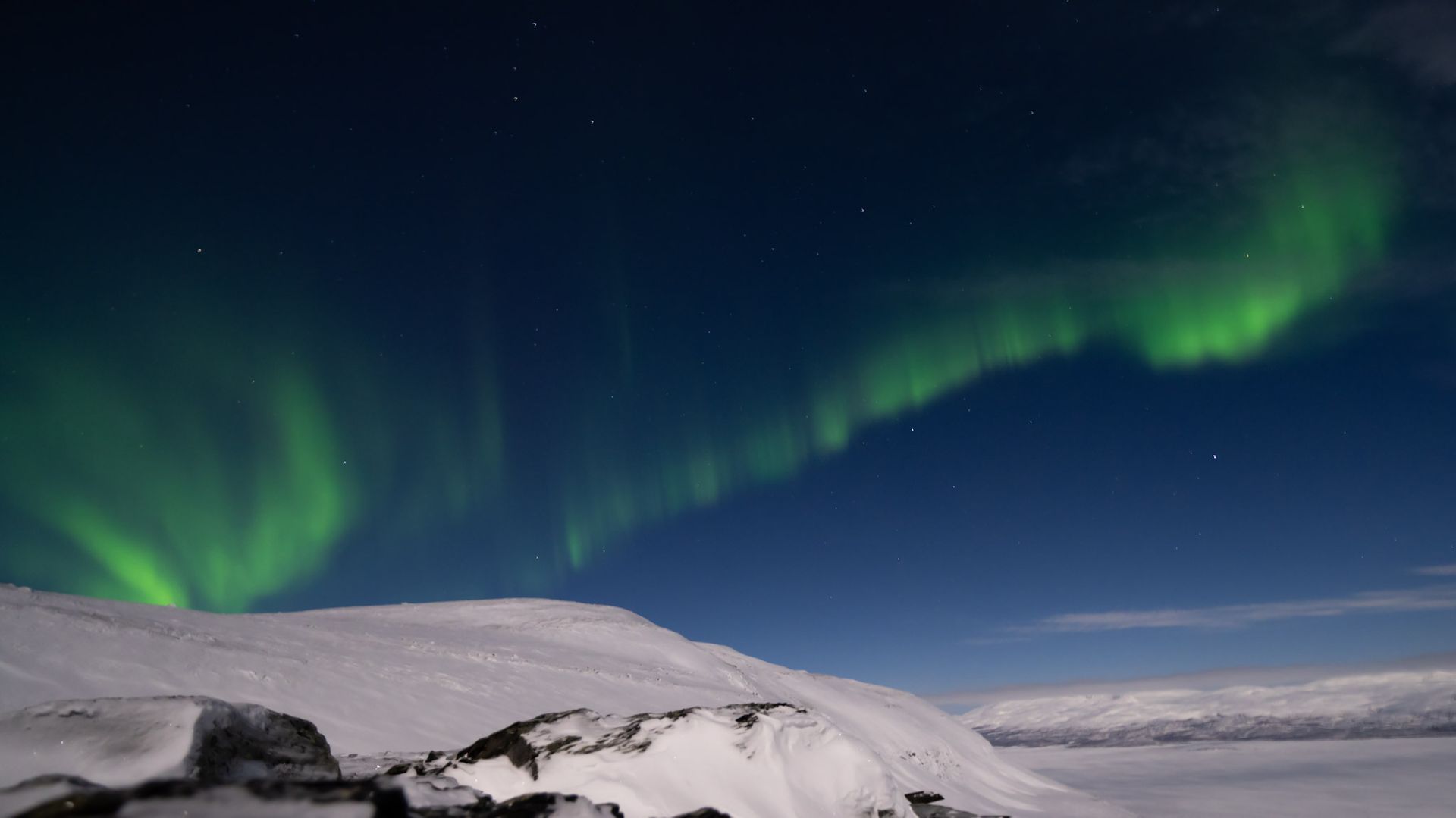
A bright full moon can wash out faint auroras, but stronger displays remain visible and can look spectacular against a moonlit landscape.
I've personally witnessed beautiful auroras under bright moonlight, and the additional illumination can make the surrounding scenery particularly striking in photographs.
Can you see the northern lights in summer?
Auroras occur year-round, but in high-latitude destinations such as northern Norway, Sweden and Finland, the summer nights are generally too bright to see them.
As darkness returns in late August and September, the northern lights become visible again.
Is the 2026/27 season a good time to see the northern lights?
Yes. Although Solar Cycle 25 has passed its maximum, the sun remains in an active phase of its approximately 11-year cycle.
Spectacular aurora displays can still occur during the declining phase of the solar cycle, so there's plenty of reason to plan a northern lights adventure over the next year or two.
And remember, at destinations beneath the auroral oval, you don't need a major solar storm to see the northern lights.
Ultimately, the best northern lights trip isn't necessarily the one with the strongest forecast or the highest latitude. It's the one that combines a little planning, a lot of patience and a destination you'll love exploring — whether the auroras show up or not.