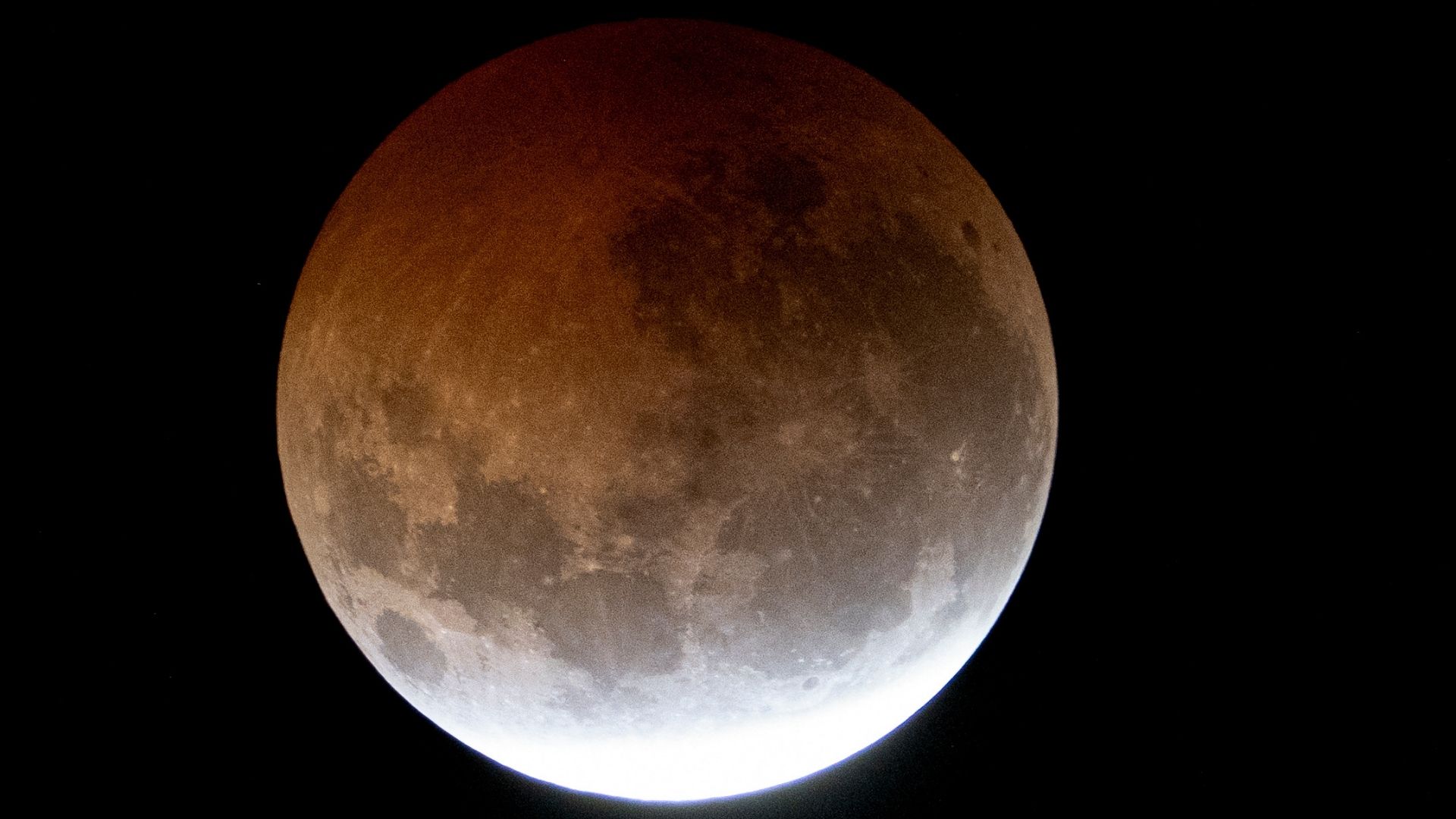
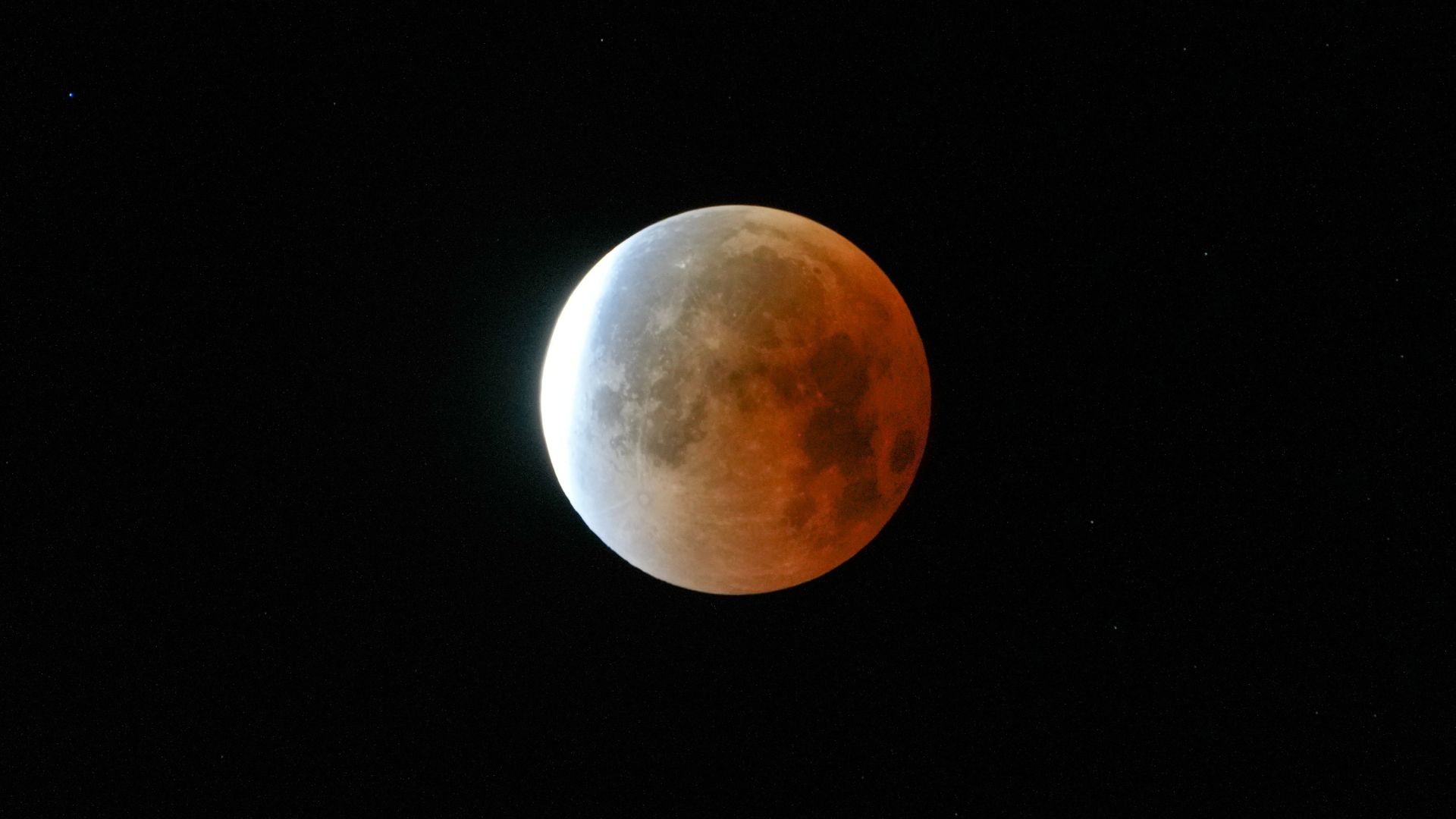
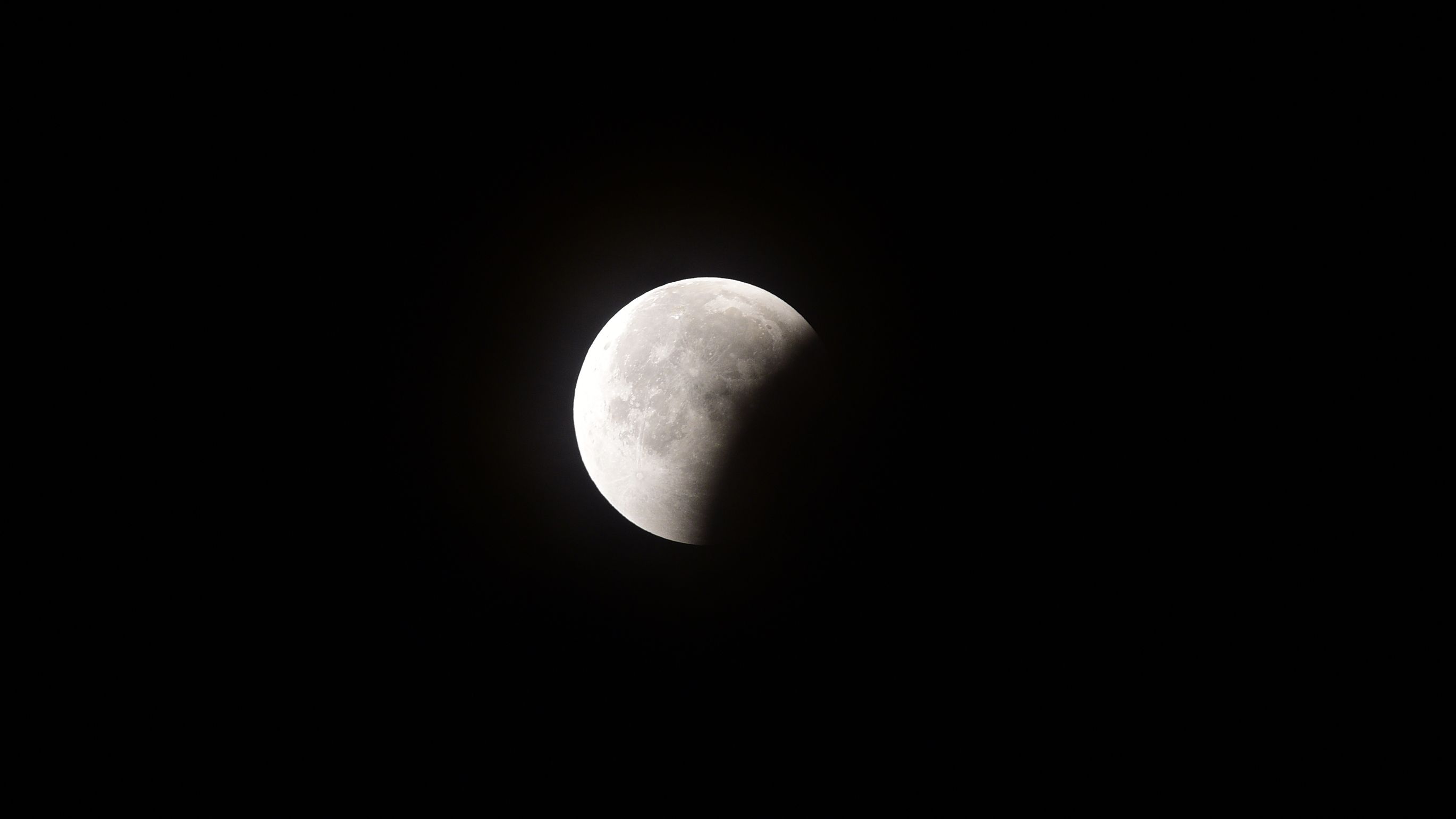
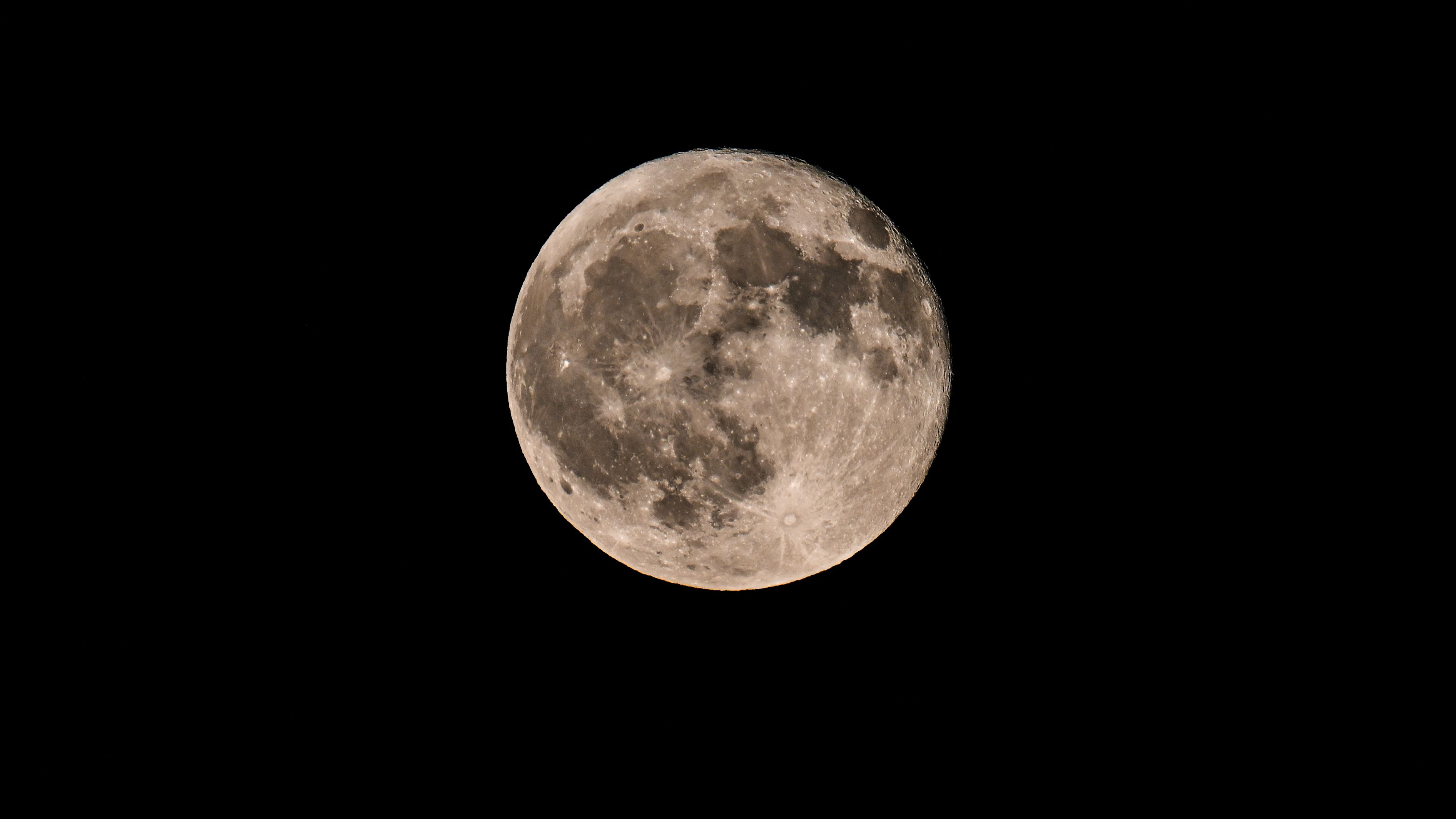
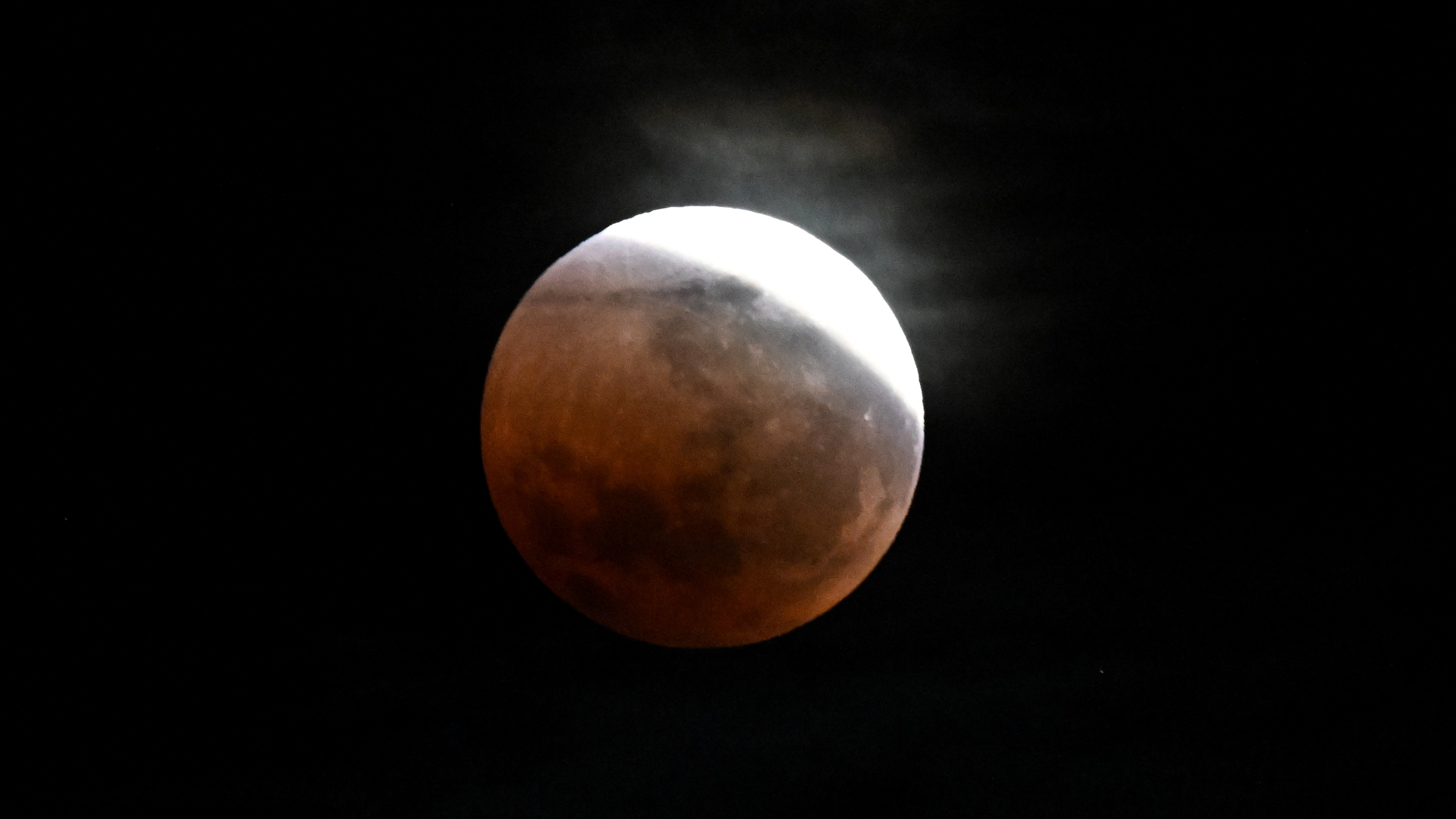
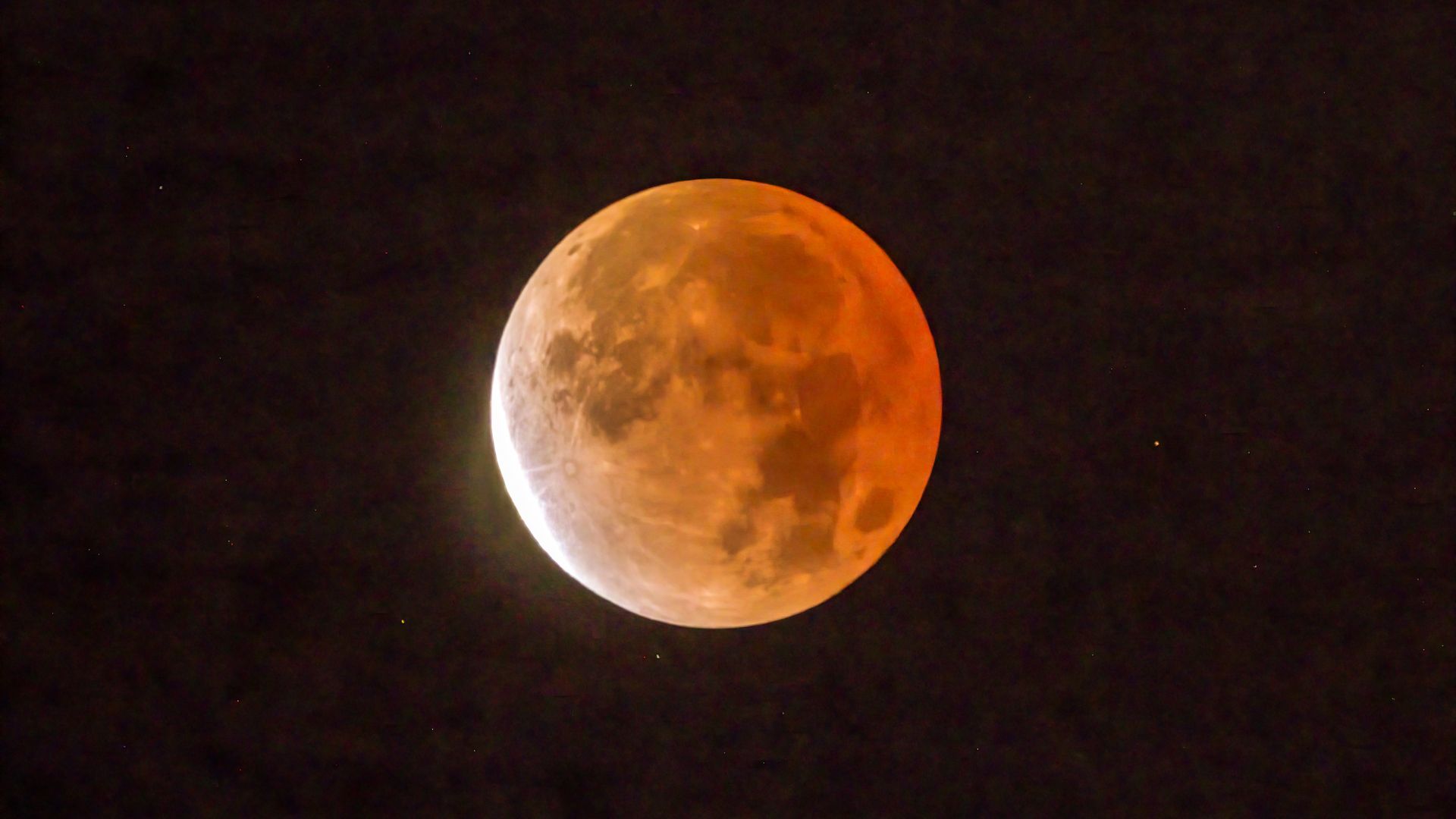
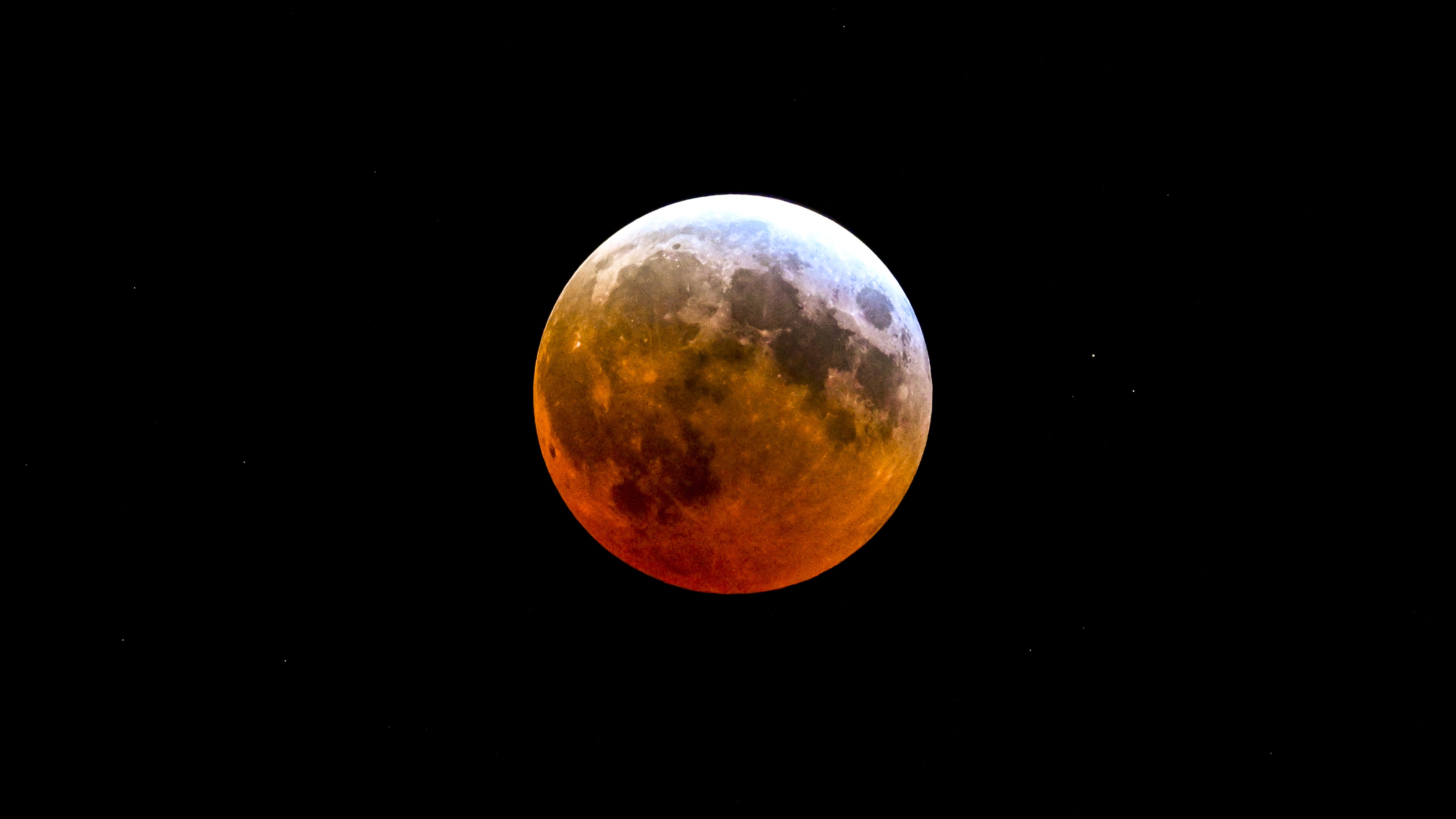
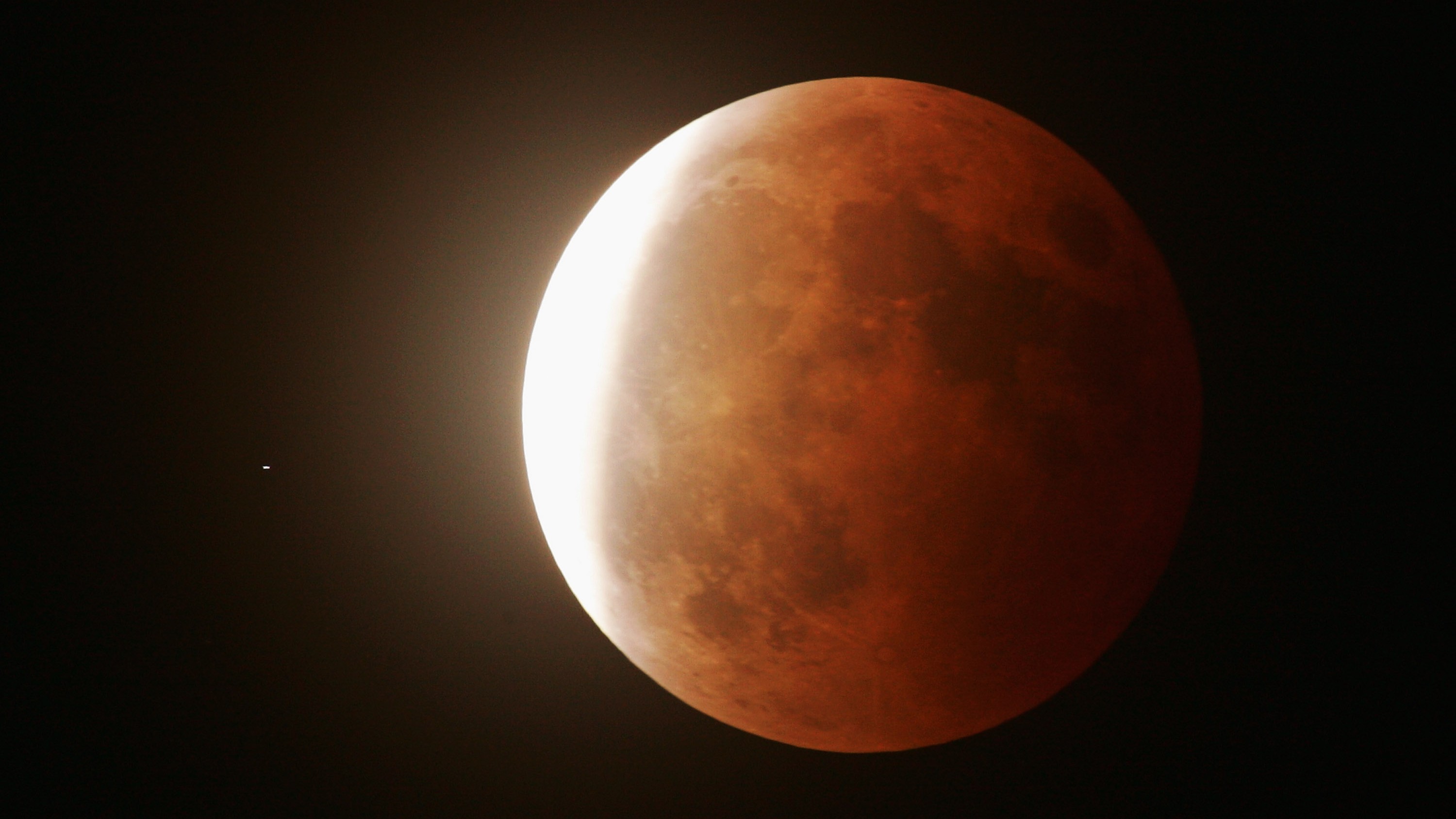
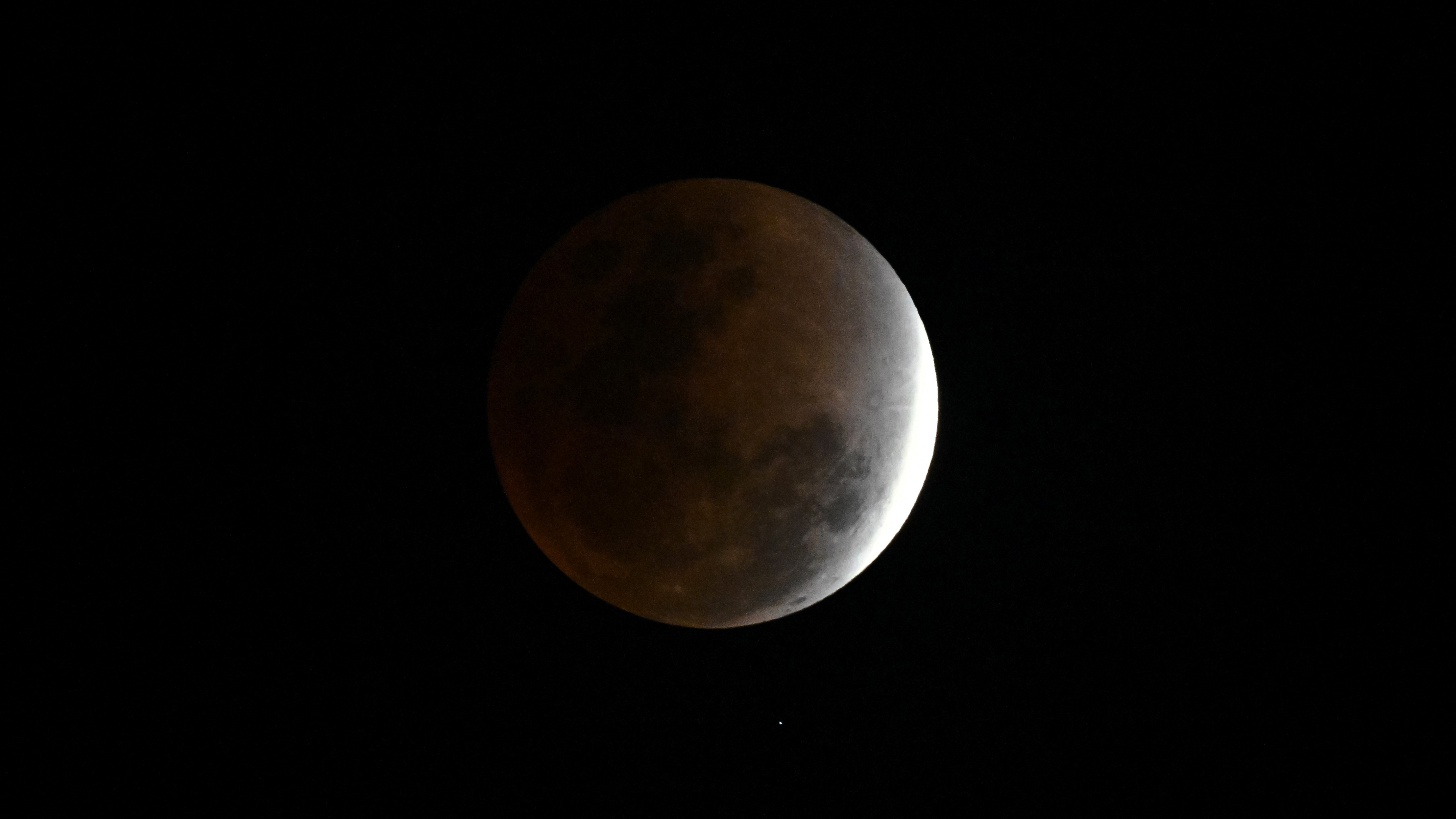
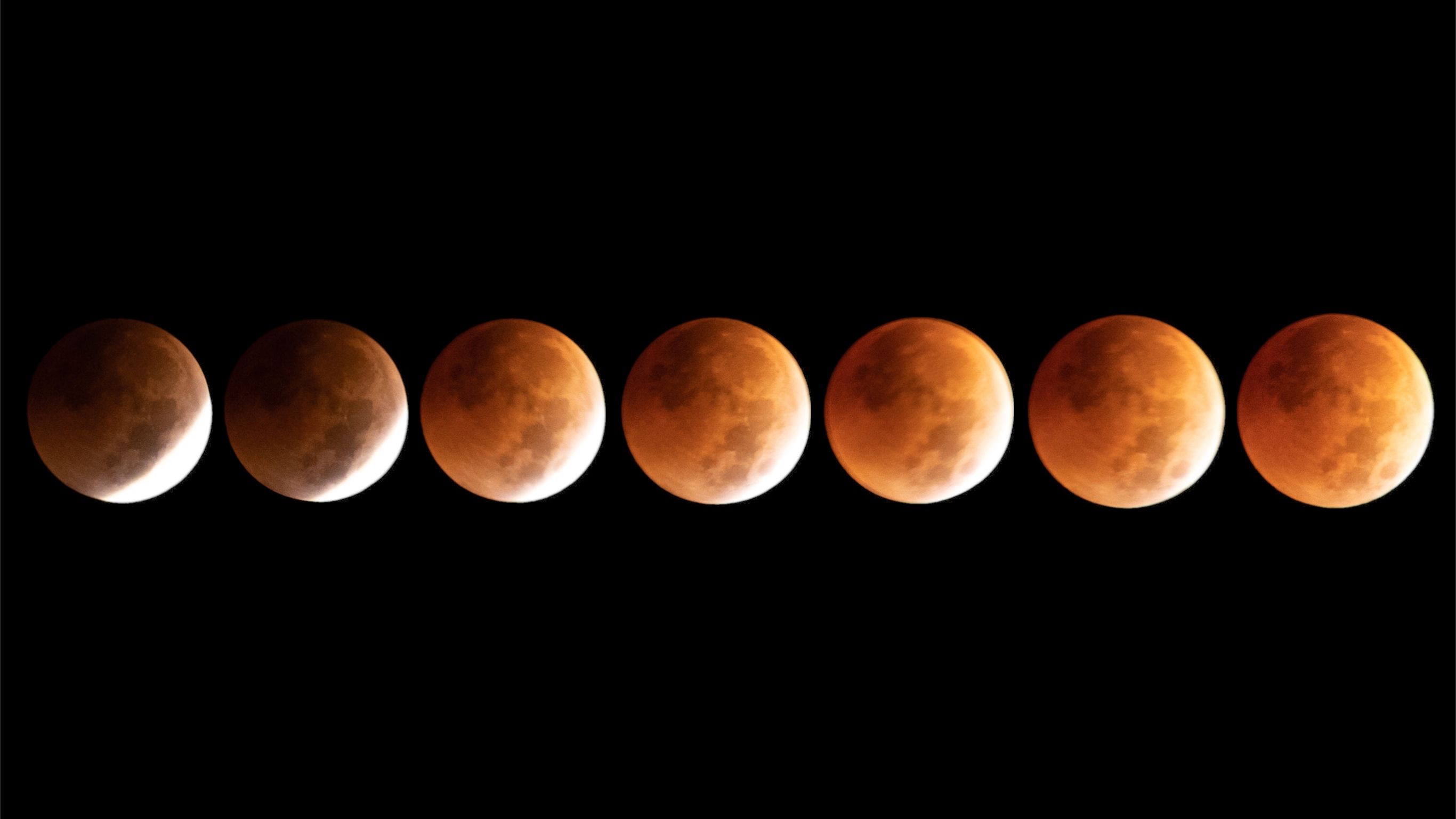
August's "almost Blood Moon" partial lunar eclipse has come and gone, delighting stargazers with a gorgeous natural light show as light filtered by our planet's atmosphere turned it a deep crimson around the point of maximum eclipse.
Earth won't darken the moon again until Feb. 20, 2027, when a penumbral eclipse will cast our planet's soft outer shadow across February's full "Snow Moon", so named for the freezing weather that occurs around the time it rises.
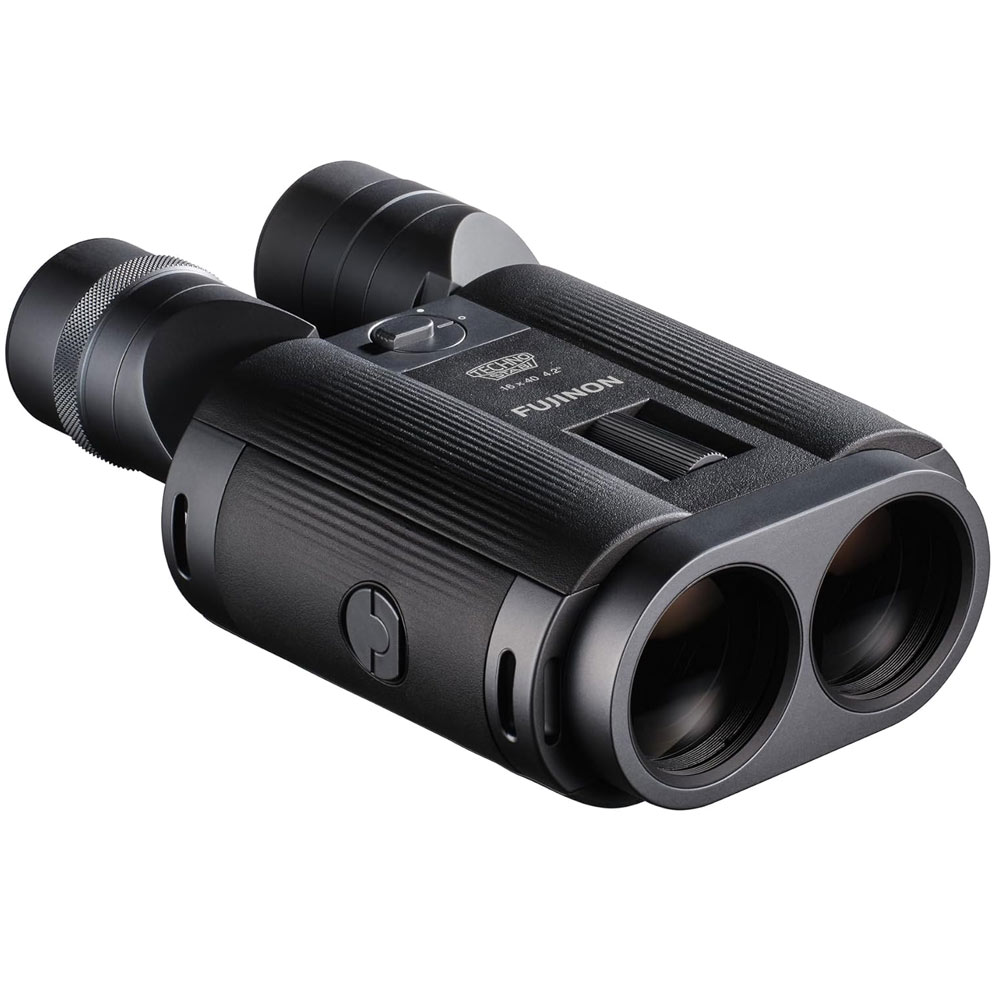
Fujinon Techno-Stabi 1640
(Image credit: Fujifilm)
With 16x magnification and some of the strongest image stabilization available, these binoculars deliver detailed views of the moon without needing a tripod by completely eliminating hand-shake.
The darkening will be incredibly subtle compared to that of a partial lunar eclipse, where the moon passes into Earth's intense inner shadow — the umbra — revealing our planet's curved silhouette on the lunar surface.
Our planet's deeper umbral shadow will miss the moon entirely on Feb. 20, 2027, setting the stage for an understated show of orbital mechanics, as the moon's silver lustre is almost imperceptibly dimmed by Earth's penumbra.
The soft penumbral shadow will be most apparent at 6:12 p.m. EST (2312 GMT) on Feb. 20, as the moon passes closer to our planet's umbra, according to Time and Date. The shadow will be deepest around the moon's north polar region, but even then the effect will be very subtle.
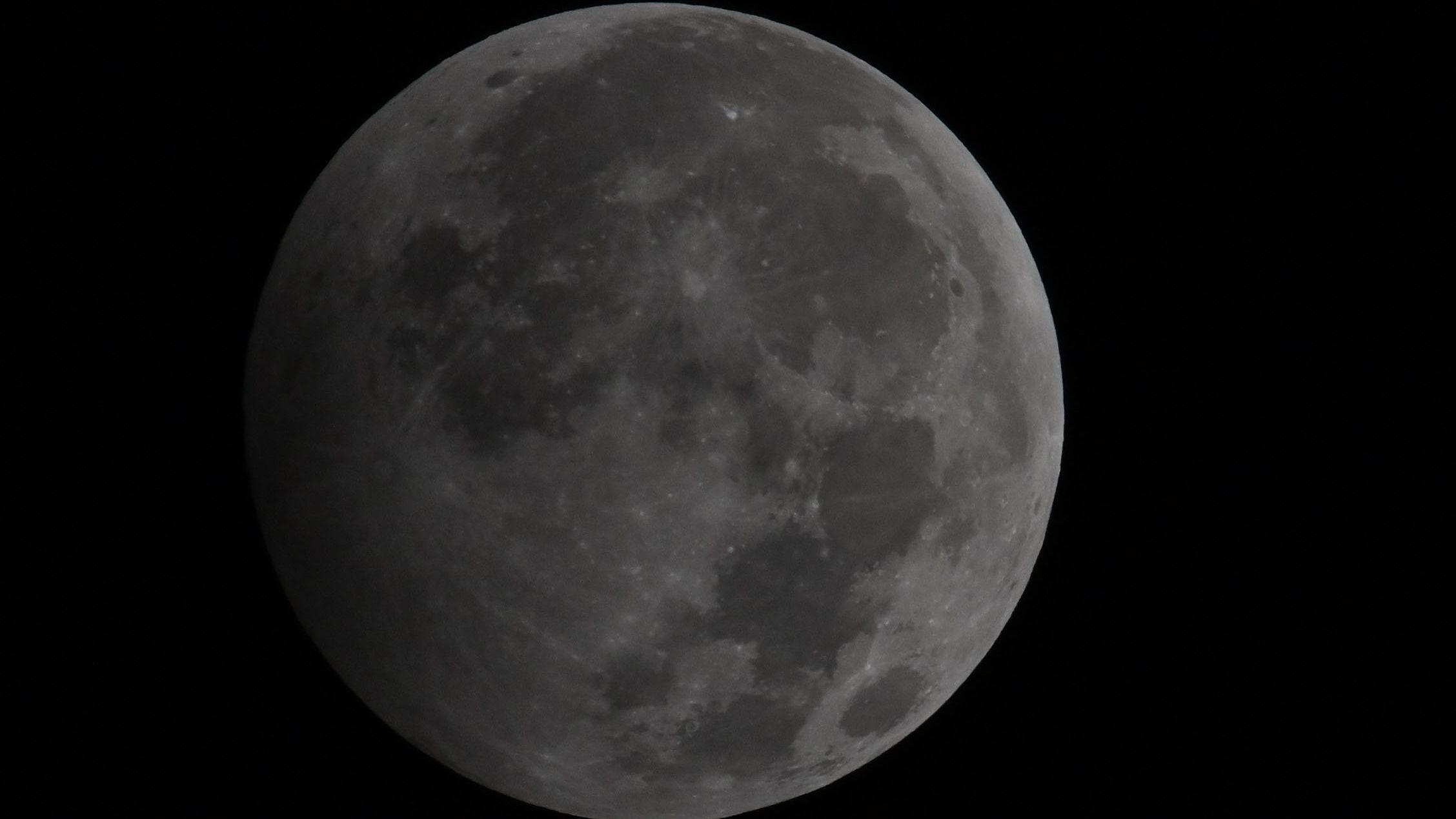
Earth's penumbral shadow darkens the moon during a lunar eclipse. (Image credit: Photo by Ritesh Shukla/NurPhoto via Getty Images)
The next lunar eclipse to rival August's won't occur until New Year's Eve in December 2028, when a magnificent total lunar eclipse will transform Earth's satellite into a magnificent "Blood Moon" in the skies over Asia, Australia and the Pacific.
Editor's Note: If you would like to share your astrophotography with Space.com's readers, then please send your photo(s), comments, and your name and location to spacephotos@space.com.
A gorgeous partial lunar eclipse delighted stargazers overnight on Aug. 27-28, as Earth's shadow darkened the full "Sturgeon Moon" in an impressive display of orbital mechanics, and we've got the photos to prove it!
The lunar eclipse occurred as Earth passed between the sun and the moon, granting viewers a spectacular view of our planet's deep umbral shadow as it advanced to cover 96% of the lunar disk, leaving a tiny crescent exposed to direct sunlight.
Photographers were ready and waiting to capture the moon as it turned blood red around the point of maximum eclipse on Aug. 28, as light filtered through Earth's atmosphere via Rayleigh Scattering saturated its shadowed surface. Read on to see our favorite photos of the Aug. 27-28 partial lunar eclipse.
Partial lunar eclipse August 2026: Best photos from around the world
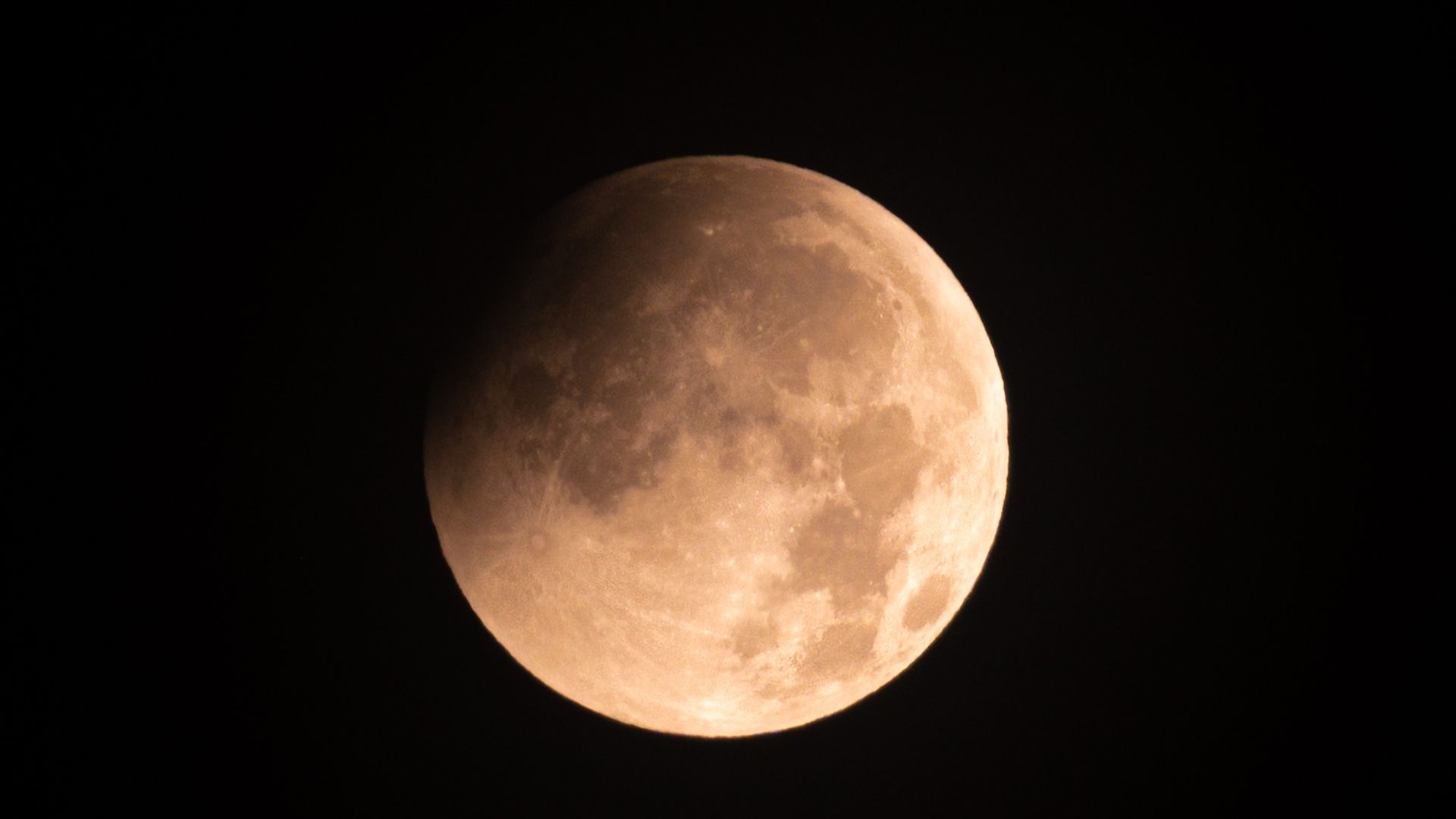
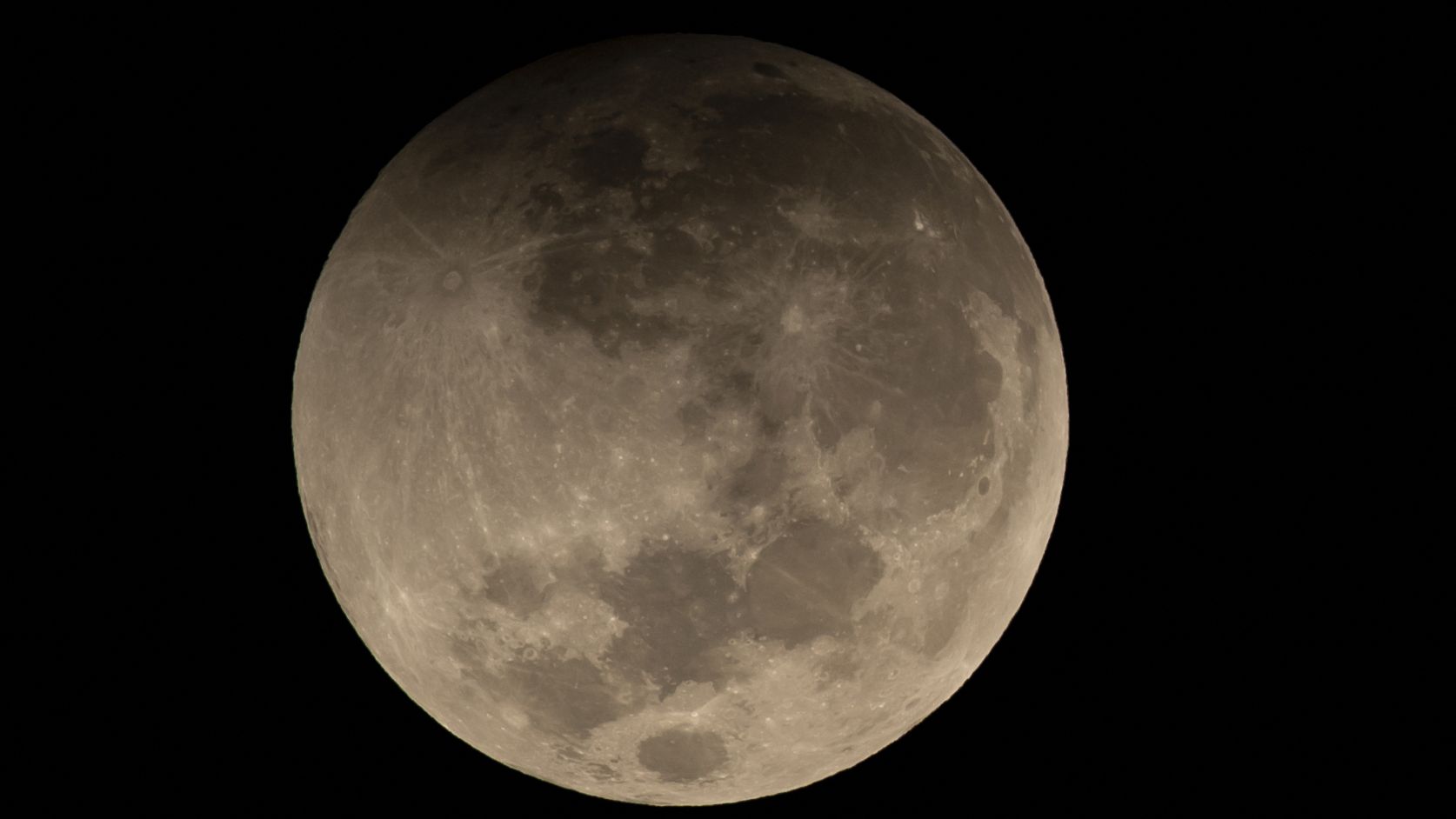
We kick off with a gorgeous photo of the full moon was captured from the Hungarian village of Zsujta by Robert Nemeti just as Earth's shadow took its first "bite" out of the lunar disk, shortly after the partial phase of the eclipse began at 10:33 p.m. EDT on Aug. 27 (0233 GMT on Aug. 28).
Tycho Crater is visible in the lower region of the lunar disk close to the shadow, while bright ejecta rays of reflective material brighten the darker lunar seas, where lava solidified to form basaltic plains billions of years ago.
Earth's inner shadow touches the lunar disk in the skies over Hungary. (Image credit: Photo by Robert Nemeti/Anadolu via Getty Images)
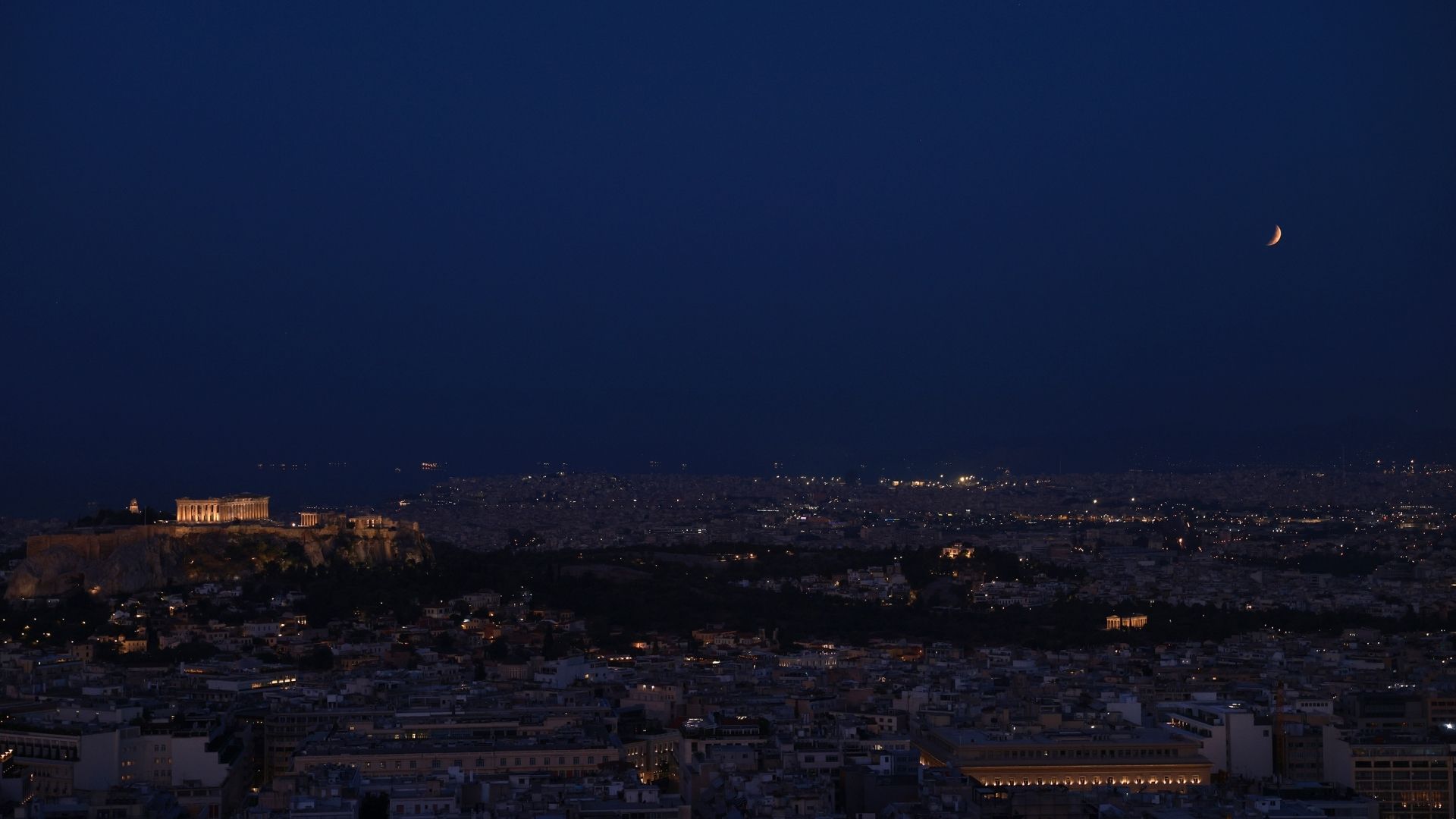
The eclipsed moon shared the stage with the Parthenon in Athens in this tranquil wide-angle photo from Costas Baltas. Earth's curved silhouette can be seen clearly on the lunar disk, serving as proof of our planet's spherical shape, just as it did for the ancient Greek philosophers who helped pioneer the idea over 2,000 years ago.
The eclipsed moon shines over the Parthenon in Athens, Greece (Image credit: Photo by Costas Baltas/Anadolu via Getty Images)
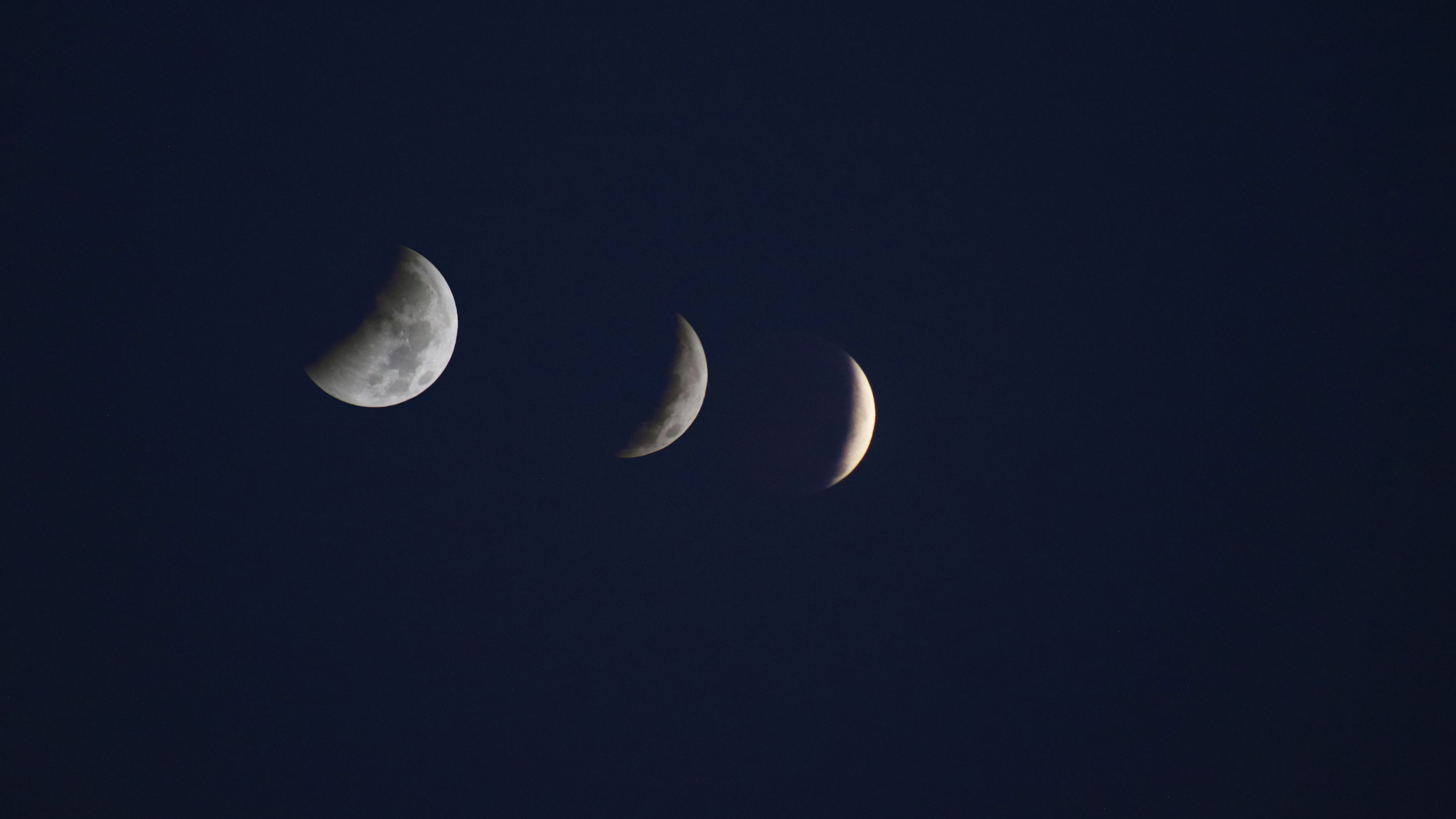
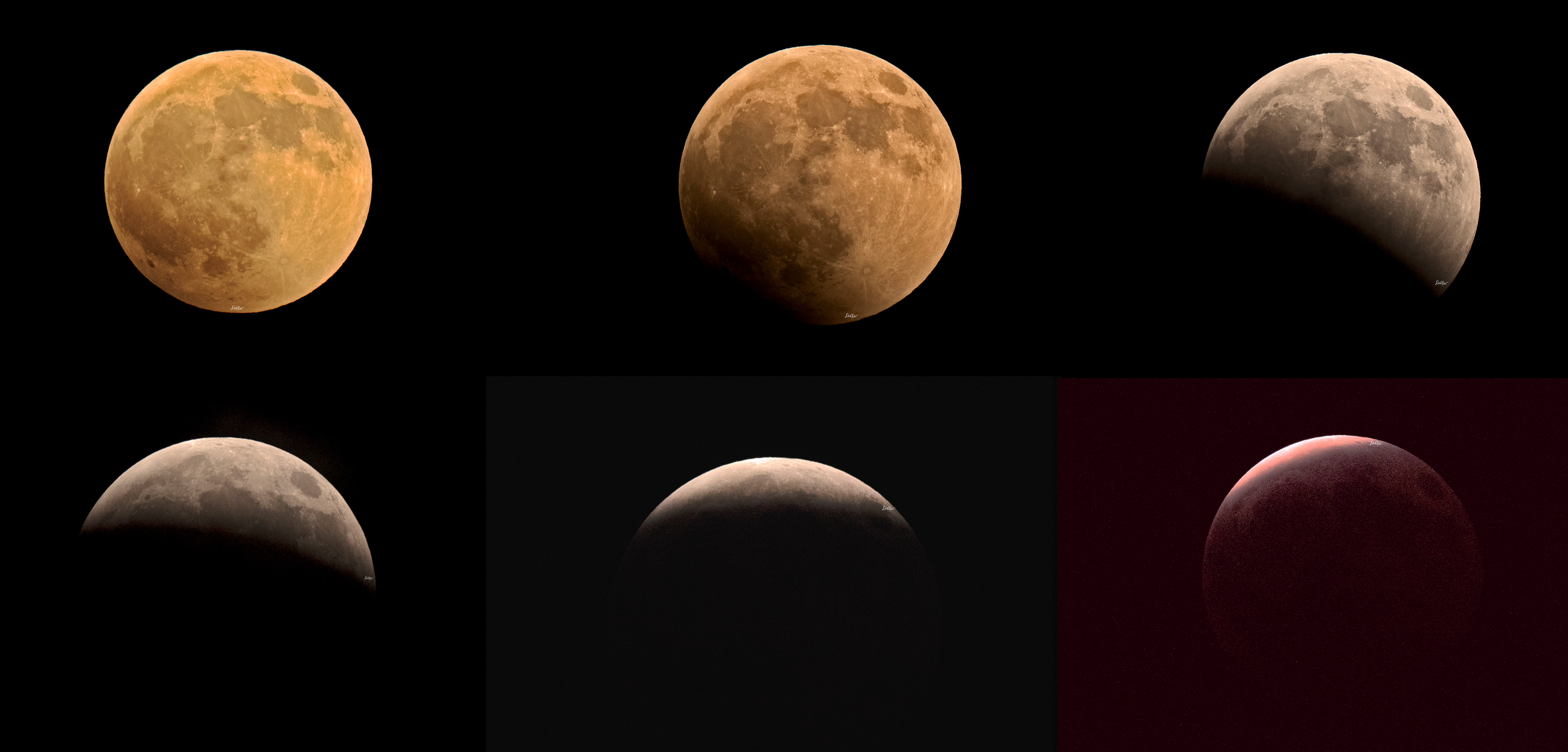
Giuseppe Pappa created a stunning composite image of the eclipse depicting Earth's shadow as it rolled across the lunar surface during the partial phase from Pedara, Sicily.
Pappa snapped the images using a Canon 760D with a 300 mm lens to capture the lunar seas standing out on the remaining sunlit portion of the lunar surface.
A composite shot of August's partial lunar eclipse. (Image credit: Giuseppe Pappa)
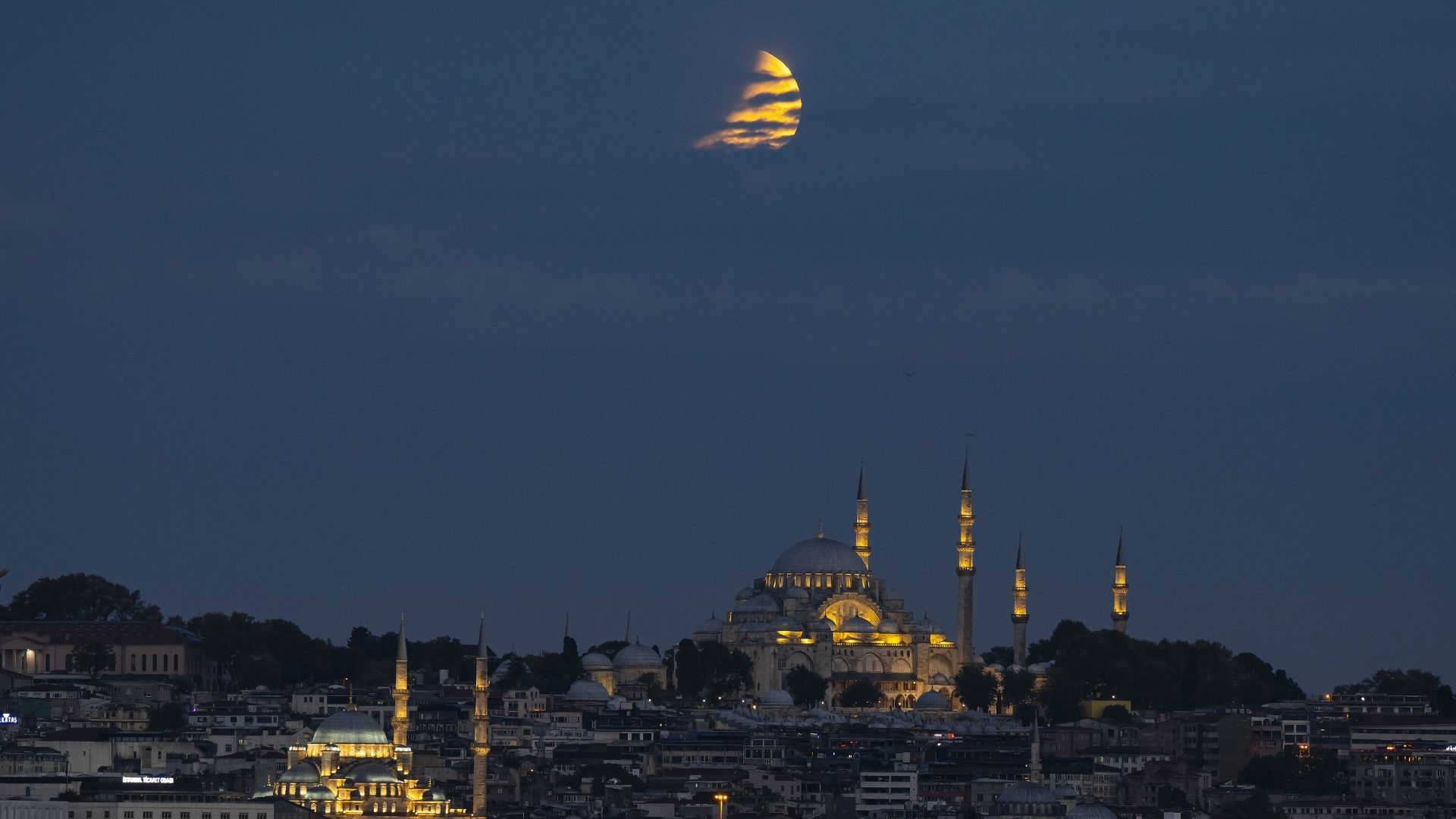
This atmospheric view of the partially eclipsed moon shining over the Suleymaniye Mosque in Istanbul, Turkiye, was taken by Isa Terli.
The partially eclipsed moon shines over Istanbul, Turkiye. (Image credit: Photo by Isa Terli/Anadolu via Getty Images)
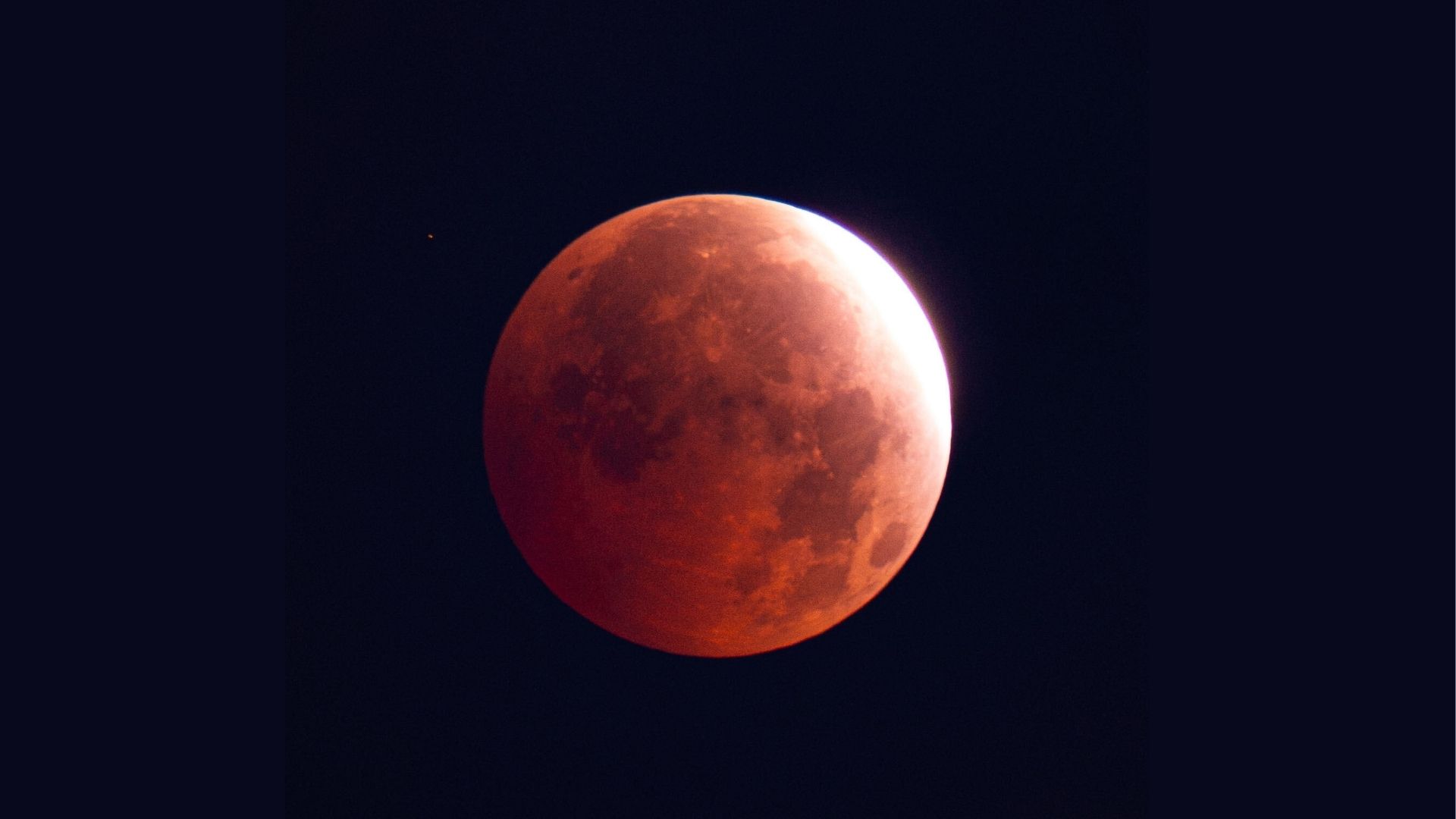
Kevin McCarthy captured a spectacular view as the eclipsed moon shone blood red in the skies over North Carolina, after a brief weather scare!
"With thunderstorms in the area throughout the night, I was worried I may miss the chance to capture this event," McCarthy told Space.com. "But, at the last minute, as the maximum shadow coverage approached, the clouds parted long enough for me to get the shot."
Deep partial lunar eclipse from Charlotte, North Carolina. (Image credit: Kevin McCarthy)
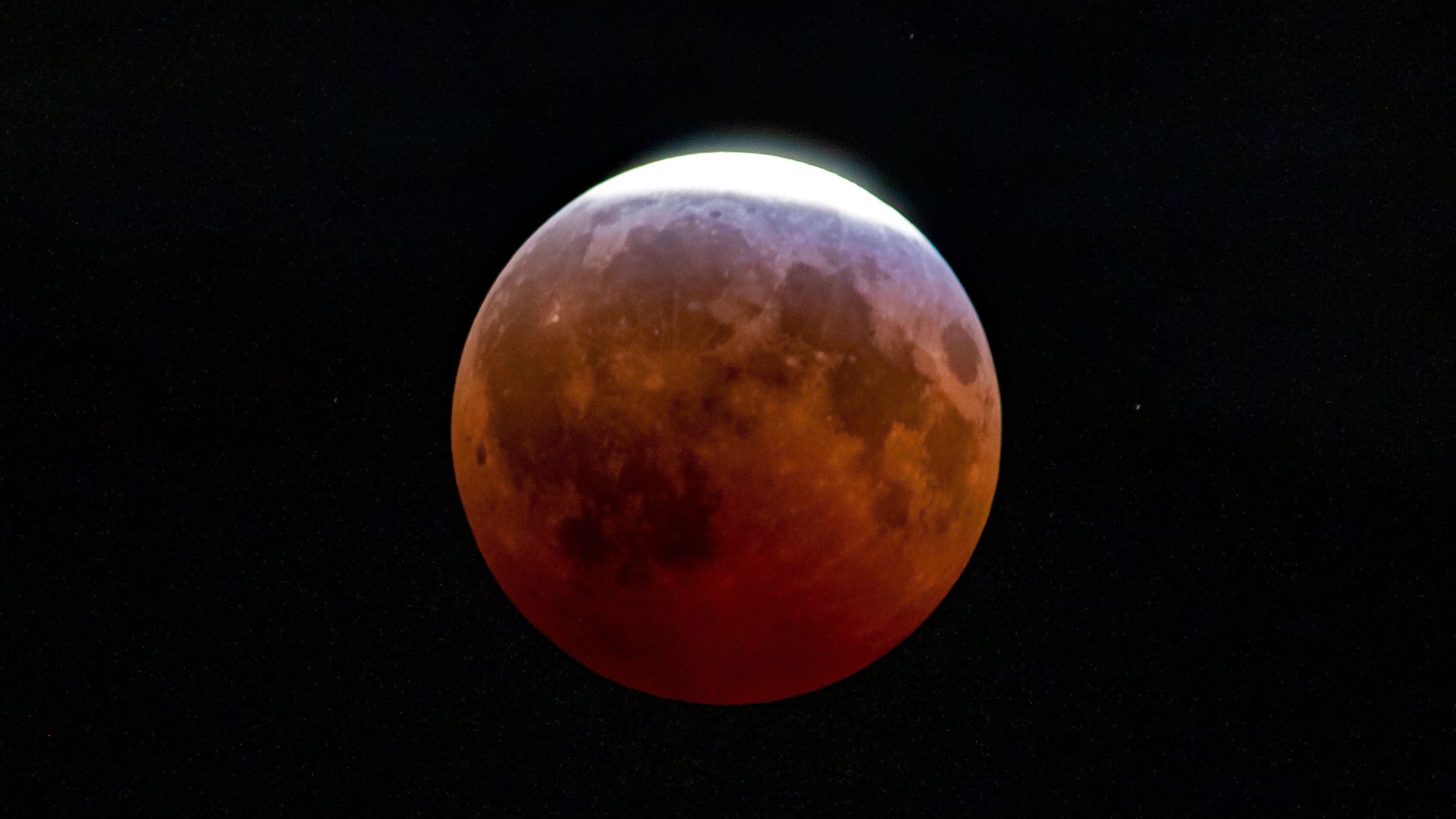
Photographer Josh Dury snapped his own incredible view of that same eclipsed lunar disk as glowed in the predawn sky over the United Kingdom
"The fantastic moment when the moon turned red," Dury said to Space.com. "Nearly didn't get this image due to unexpected fog at my first location. My gut said - 'move'. Approaching the peak of the eclipse this was the image I was able to capture."
(Image credit: Josh Dury)
The almost blood moon's crimson coloring was also on full display in this shot from Mauro Pimentel, taken as a thin crescent of the lunar disk was left exposed to direct sunlight in the skies over Rio de Janeiro, Brazil.
The Sturgeon Moon captured over Brazil. (Image credit: Photo by MAURO PIMENTEL / AFP via Getty Images)
Another stunning composite view of last night's lunar shenanigans was taken by Kohinoor Kar, who documented the transformation of the lunar disk from full Sturgeon Moon to an eclipsed near-blood moon from Phoenix, Arizona.
Partial lunar eclipse from Pheonix, Arizona. (Image credit: Kohinoor Kar)
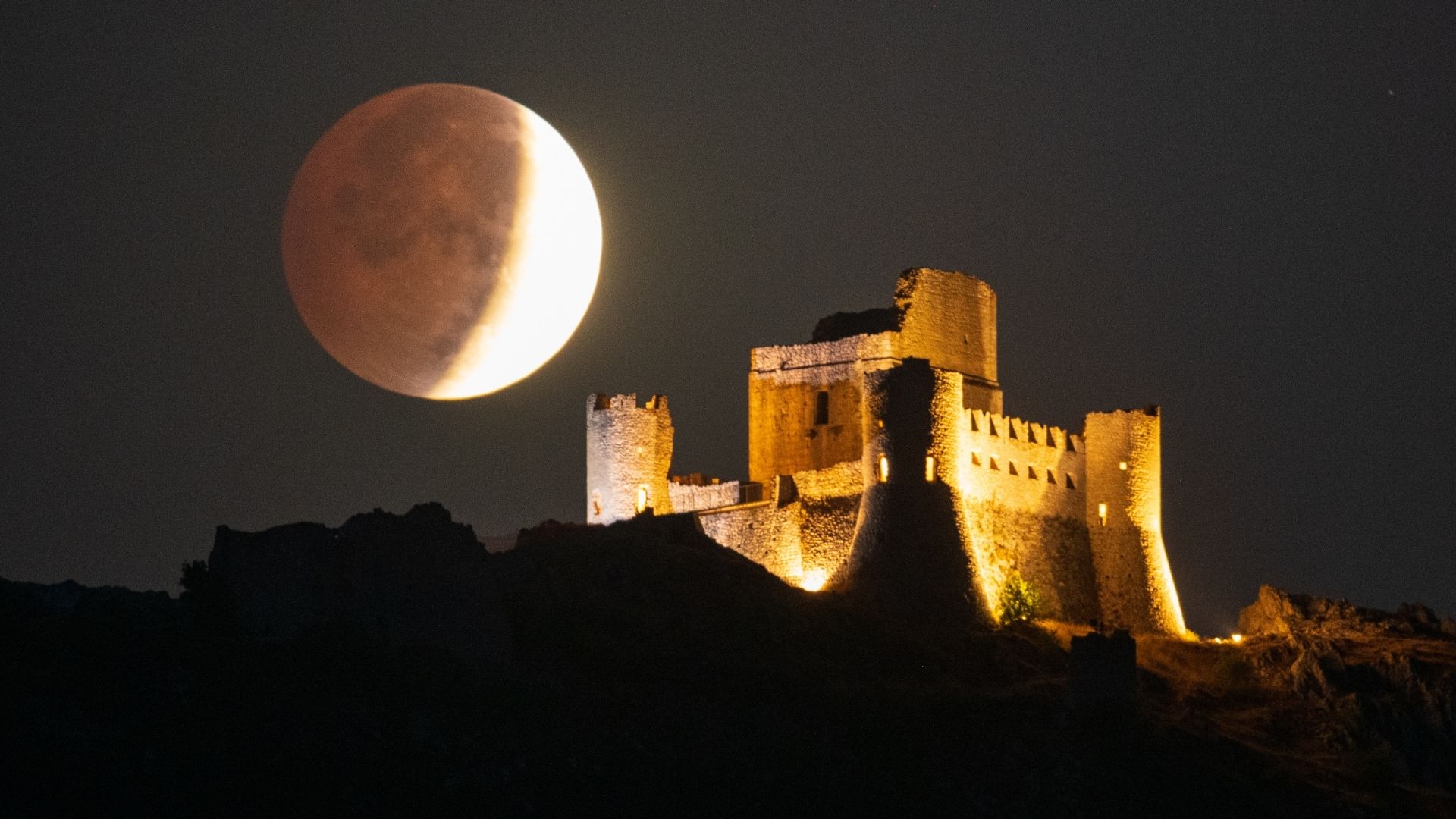
Photographer Lorenzo Di Cola lined up a stunning shot of the full moon as it glowed close to the Rocca Calascio fortress in Calascio, Italy, on Aug. 28, as Earth's shadow retreated from the lunar disk following the point of maximum eclipse.
The eclipsed moon shines close to the Rocca Calascio fortress in Italy. (Image credit: Photo by Lorenzo Di Cola/NurPhoto via Getty Images)
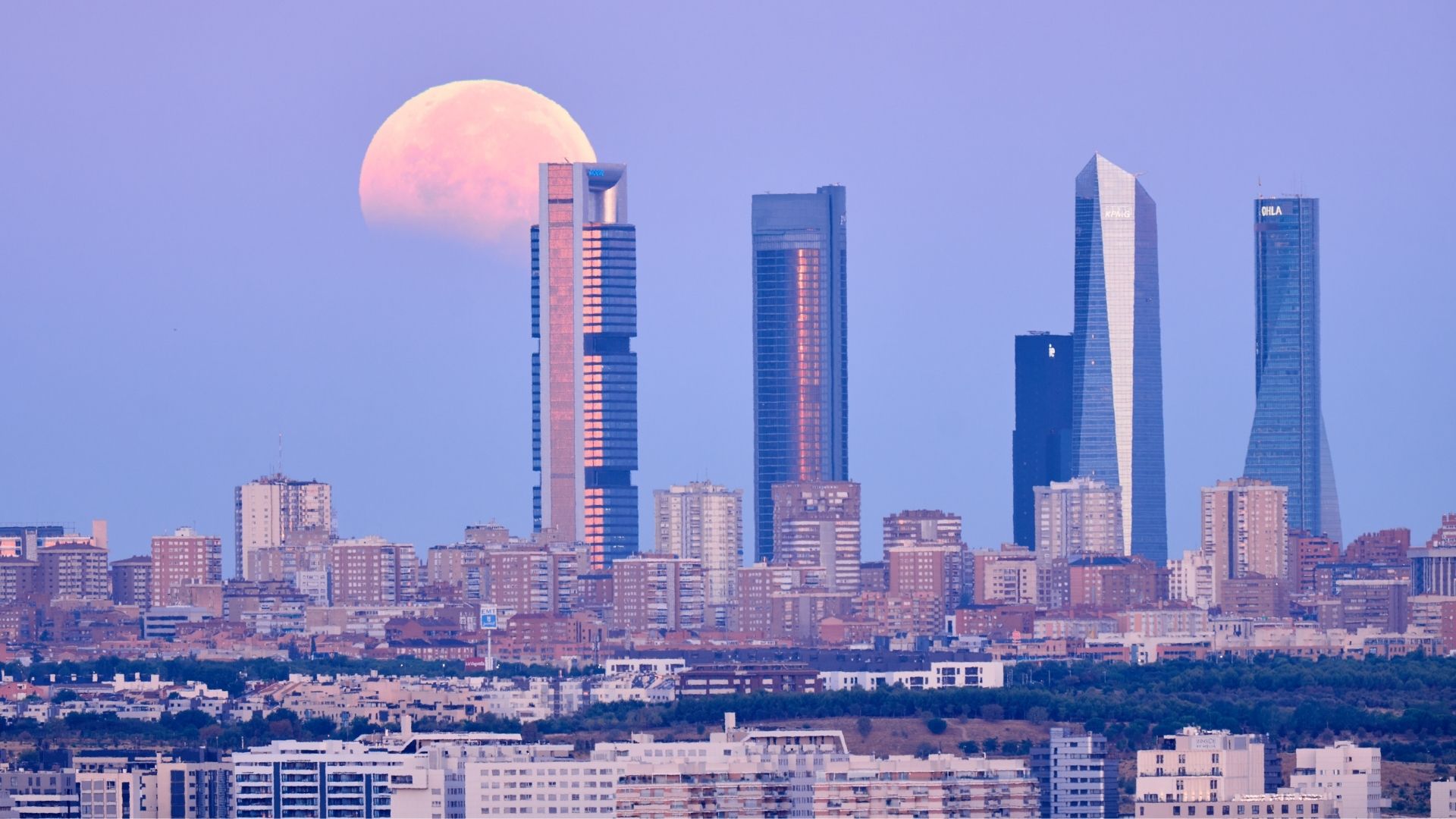
Finally, Angel Martinez captured this gorgeous shot of the eclipsed Sturgeon Moon setting behind a cluster of skyscrapers in Madrid, Spain, as atmospheric effects distorted the true color and outline of the lunar disk.
The moon bids farewell in the skies over Spain. (Image credit: Photo by Angel Martinez/Getty Images)
The next great lunar eclipse won't occur until New Year's Eve in December 2028, when a blood moon eclipse will transform Earth's satellite for 5.3 billion people across Asia, Australia and the Pacific, along with parts of Europe, Africa and the U.S.
Thankfully, we'll only have to wait until Feb. 6, 2027, for the next annular solar eclipse, when the moon will pass in front of the sun to create a magnificent 'ring of fire' along a narrow path crossing South America and West Africa.
Editor's Note: If you would like to share your astrophotography with Space.com's readers, then please send your photo(s), comments, and your name and location to spacephotos@space.com.
August's 96% partial lunar eclipse has been and gone, putting on a mesmerizing show for stargazers across the night side of Earth as out planet's shadow slipped silently across the face of the moon, forcing it to adopt a striking crimson hue at the point of maximum eclipse.
Tonight (Aug. 27-28), the full Sturgeon Moon will slip into Earth's shadow, creating a stunning "almost blood moon" as up to 96.2% of the lunar surface disappears into the darkest part of our planet's shadow, the umbra.
At maximum eclipse, much of the moon may take on an eerie reddish hue as sunlight filtered through Earth's atmosphere is refracted into the shadow and onto the lunar surface. Only a thin sliver of moon will escape Earth's umbra, appearing as a bright arc against an otherwise dim, rusty-red lunar disk.
Lunar eclipses are entirely safe to watch with the naked eye. Unlike a solar eclipse, you don't need filters or certified glasses. Just find the moon at the right time, then simply sit back, relax and enjoy the show. If you can't watch the eclipse in person, you can watch all the action unfold here on Space.com with these free livestreams, weather permitting. You can also follow along with the latest updates with our lunar eclipse live blog.
Who can see it?
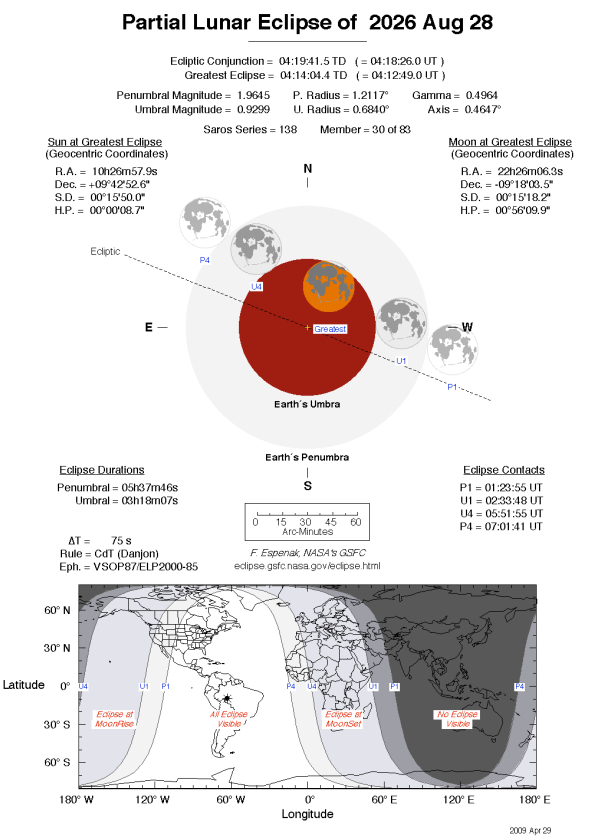
The partial lunar eclipse favors observers across North and South America. About 12% of the world's population — 987 million people — will be able to see all phases of the eclipse, according to Time and Date, weather permitting.
Skywatchers across parts of Europe and Africa will also see the lunar eclipse. However, for many observers, including those in the UK, the moon will set shortly after maximum eclipse, cutting off the later stages of the partial phase.
When to look
A map of the lunar eclipse on Aug. 27-28, 2026. Click the arrows in the bottom-left corner to expand to full screen. (Image credit: F. Espenak, NASA's GSFC)
The eclipse reaches its maximum at 12:12 a.m. EDT (0412 GMT) on Aug. 28, when 96.2% of the lunar surface will be covered by Earth's dark umbral shadow.
But if you have the time, it's worth settling in to watch as much of the eclipse as possible, particularly from the start of the partial phase at around 10:33 p.m. EDT on Aug. 27 (0233 GMT on Aug. 28).
The penumbral phase begins earlier, at 9:23 p.m. EDT on Aug. 27 (0123 GMT on Aug. 28), but the initial dimming will be extremely subtle because Earth's outer penumbral shadow is so faint.
I'd recommend starting your observations when the partial phase starts. From then on, you'll see Earth's shadow take progressively larger "bites" out of the moon. It can almost feel like watching the moon's monthly phases sped up into just a few hours as its appearance changes before your eyes.
Editor's Note: If you capture a photo of the August lunar eclipse and want to share it with Space.com's readers, then please send your photo(s), comments, name and location to spacephotos@space.com.
August's 96% partial lunar eclipse has been and gone, putting on a mesmerizing show for stargazers across the night side of Earth as out planet's shadow slipped silently across the face of the moon, forcing it to adopt a striking crimson hue at the point of maximum eclipse.
A spectacular partial lunar eclipse will darken 96% of the full "Sturgeon Moon" tonight (Aug. 27-28). Here's how you can watch the "almost blood moon eclipse" live online from the comfort of your home.
Each phase of the partial lunar eclipse will occur simultaneously for everyone on the night side of Earth. But if clouds ruin your view — or the moon is below the horizon at the time of the eclipse — there's no need to fret!
Read on to discover a selection of YouTube live streams that'll let you watch each phase of the August partial lunar eclipse online for free. You can also follow along with all the action with our lunar eclipse live blog.
Time and Date
Time and Date will host a livestream of the eclipse on its YouTube channel starting at 10 p.m. EDT on Aug. 27 (0200 GMT on Aug. 28). The stream will feature real-time views of the Sturgeon Moon as Earth's shadow darkens its surface in the skies above Portugal and Spain, weather permitting.
Experienced hosts astrophysicist Graham Jones and Journalist Anne Buckle will provide expert commentary and scientific insights on the nature of the eclipse throughout the event.
The Griffith Observatory
Los Angeles' famous Griffith Observatory will also host a livestream, which will begin at 10:25 p.m. EDT on Aug. 27 (0225 GMT on Aug. 28), providing live views — and public onsite viewing — as the moon turns a deep crimson at the peak of the lunar eclipse.
The Virtual Telescope Project
The Virtual Telescope Project YouTube stream of the lunar eclipse starts at 9:30 p.m. EDT on Aug. 27 (1:30 GMT on Aug. 28), featuring live views of the Sturgeon Moon captured by telescopes in Manciano, Italy and Chile. The stream will be accompanied by commentary and insights from astrophysicist and astronomer Gianluca Masi.
Editor's Note: If you would like to share your astrophotography with Space.com's readers, then please send your photo(s), comments, and your name and location to spacephotos@space.com.
August's 96% partial lunar eclipse has been and gone, putting on a mesmerizing show for stargazers across the night side of Earth as out planet's shadow slipped silently across the face of the moon, forcing it to adopt a striking crimson hue at the point of maximum eclipse.
A dramatic partial lunar eclipse will occur tonight (Aug. 27-28), with almost the entire moon slipping into Earth's shadow.
At its peak, at 12:12 a.m. EDT (0412 GMT) on Aug. 28, 96.2% of the lunar surface will be covered by Earth's dark umbral shadow, leaving only a slender portion of the moon directly illuminated by the sun. The rest of the lunar surface may take on an eerie reddish-orange hue, creating an impressive 'almost blood moon'. The eclipse will be visible from North and South America, Europe and Africa, though exactly how much you'll see will depend on your location (and clouds!).
The eclipse begins when the moon enters Earth's faint outer shadow at 9:23 p.m. EDT on Aug. 27 (0123 GMT on Aug. 28).
Things get much more interesting at 10:33 p.m. EDT (0233 GMT), when the partial eclipse begins and Earth's dark umbral shadow starts to creep across the lunar surface.
Maximum eclipse occurs at 12:12 a.m. EDT (0412 GMT) on Aug. 28, when 96.2% of the moon will be immersed in Earth's umbra.
The partial phase ends at 1:51 a.m. EDT (0551 GMT), with the penumbral eclipse concluding at 3:01 a.m. EDT (0701 GMT).
A map of the lunar eclipse on Aug. 27-28, 2026. Click the arrows in the bottom left corner to expand to full screen. (Image credit: F. Espenak, NASA's GSFC)
North and South America are particularly well-placed for the entire eclipse.
For European skywatchers, the eclipse takes place during the early morning of Aug. 28, with the moon setting while the partial eclipse is still underway. From London, maximum eclipse occurs at 5:12 a.m. BST, just over an hour before moonset.
How to view the lunar eclipse
Unlike a solar eclipse, you don't need any special equipment to view a lunar eclipse. Simply head outside and look up. If you own binoculars or a telescope, take a look through them for an even better view of Earth's shadow sweeping across the lunar surface.
Editor's Note: If you capture a photo of the August lunar eclipse and want to share it with Space.com's readers, then please send your photo(s), comments, name and location to spacephotos@space.com.
Here's what to expect during each stage of the Aug. 27-28 partial lunar eclipse, as our planet's colossal shadow swallows 96% of the moon's surface for billions on the night side of Earth.
August's lunar eclipse is the closing act of a dramatic two-part show, the opening act of which began on Aug. 12 as the moon covered the face of the sun to trigger a spectacular total solar eclipse over parts of Greenland, Iceland and Spain.
cted during a lunar eclipse are staggeringly different from its solar equivalent. One major bonus of a lunar eclipse is that each stage unfolds simultaneously for everyone on the night side of Earth, where the lunar disk is above the horizon. However, the local time for each stage will differ based on your location.
Lunar eclipses are also completely safe to view with the naked eye, or even through a pair of binoculars of a telescope, which will offer a magnified view of the moon as Earth's shadow sweeps across its cratered landscape.
Earth's shadow is divided into two concentric cones that are only visible during the brief window of a lunar eclipse. The outer penumbral cone casts a soft, wide shadow, while the inner umbra reveals the distinct curve of Earth's silhouette.
The 5 stages of the partial lunar eclipse August 2026
Stage 1: Earth's penumbral shadow sweeps across the moon
The penumbral stage of the May 2021 lunar eclipse, captured over Chile. (Image credit: Photo by MARTIN BERNETTI/AFP via Getty Images)
The eclipse officially begins at 9:23 p.m. EDT on Aug. 27 (0123GMT on Aug. 28), as Earth's outer penumbral shadow begins to cover the moon's surface, according to TimeandDate.com.
Darkening of the lunar disk during this stage is incredibly subtle, becoming most apparent in the moments before Earth's inner shadow appears to transform August's "Sturgeon Moon", which is named for the time of year when the large fish were easily caught in North America.
Stage 2: Partial lunar eclipse begins
Earth's shadow swallows the moon during the partial phase of a lunar eclipse. (Image credit: Photo by Aditya Irawan/NurPhoto via Getty Images)
Earth's inner umbral shadow will take its first "bite" out of the moon at 10:33 EDT on Aug. 27 (0233 GMT on Aug. 28), announcing the start of the partial phase of today's deep lunar eclipse.
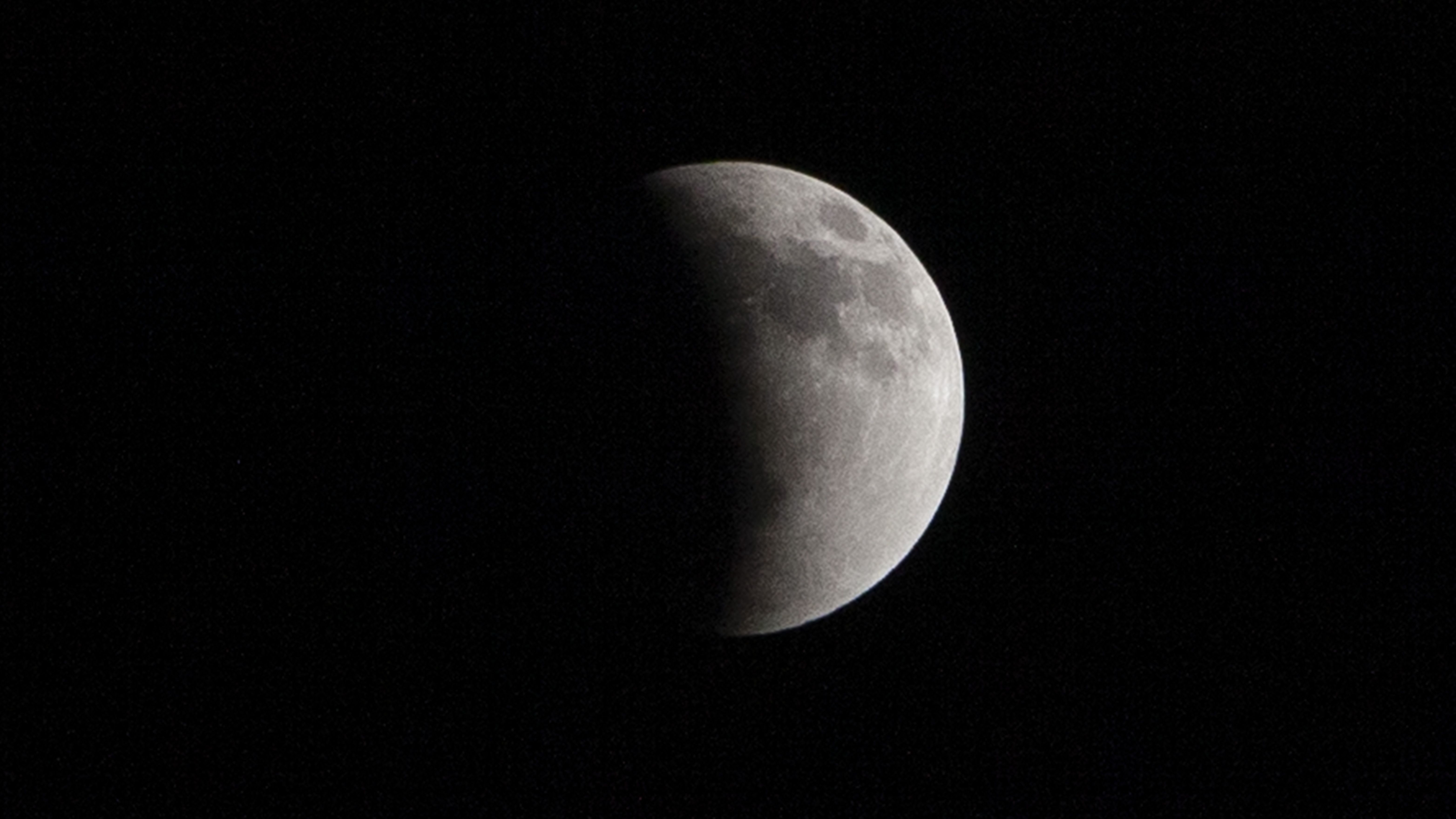
The umbral shadow will first appear as a small semicircle of shadow close to the dark expanses of Oceanus Procellarum (the Ocean of Storms) and Mare Humorum on the moon's southwestern edge, before swiftly spreading to swallow the nearby moonscape.
This partial phase of a lunar eclipse is the only opportunity most of us will get to see the grand sweep of Earth's silhouette with our own eyes, as our planet performs like a doll in a cosmic marionette, casting its shape in shadow against the backdrop of its natural satellite.
Stage 3: Maximum eclipse
The moon takes on a red hue as the majority of its surface passes within Earth's shadow during a lunar eclipse. (Image credit: Photo by Thilina Kaluthotage/NurPhoto via Getty Images)
The eclipse will reach its peak at 12:12 a.m. EDT (0412 GMT) on Aug. 28, as 96% of the lunar disk is smothered in Earth's umbral shadow, leaving a dazzling crescent exposed to direct sunlight on the moon's northern limb.
Around this time, you may notice a subtle red hue infuse the moon, as sunlight filtered through Earth's atmosphere is refracted, or bent onto its surface. It may appear as if the light from every sunset and sunrise on Earth is simultaneously striking the lunar disk, revealing prominent craters and dark lunar seas in spite of the shadow covering it.
Stage 4: Earth's inner shadow slips from the moon
Earth's shadow retreats from the lunar disk in the skies over Nepal. (Image credit: Photo by Narayan Maharjan/NurPhoto via Getty Images)
Earth's inner umbral shadow will steadily retreat from the moon in the hours. The crimson hue that may have been visible at the height of the eclipse will gradually fade as the crescent of the lunar disk exposed to direct sunlight grows, and normality reasserts itself over the natural satellite.
The last vestige of Earth's inner shadow will depart the lunar surface at 1:51 a.m. EDT (0551 GMT) on Aug. 28.
Stage 5: Earth's outer shadow exits the Sturgeon Moon
Dark lunar seas and bright craters mark the Surface of August's Sturgeon Moon. (Image credit: Photo by Tayfun Coskun/Anadolu via Getty Images)
Our planet's outer penumbral shadow will disappear from the Sturgeon Moon shortly after at 3:01 a.m. EDT (0701 GMT), bringing the eclipse to an end. We won't see another like it until New Year's Eve 2028, when a total lunar eclipse will be visible across Asia, Australia and Europe
Editor's Note: If you capture a photo of the August lunar eclipse and want to share it with Space.com's readers, then please send your photo(s), comments, name and location to spacephotos@space.com.
Earth's shadow will swallow 96% of the lunar surface overnight on Aug. 27-28, potentially turning the moon a gorgeous shade of crimson as it bathes in light filtered and refracted by our planet's atmosphere.
The partial lunar eclipse will occur as Earth passes between the sun and moon during the monthly full moon phase. Around this time, Earth's curved inner shadow will appear to creep across the lunar surface while leaving a thin crescent exposed to direct sunlight at the point of maximum eclipse.
But who will actually get to see it? As usual, it's all a matter of location.
Where is the August 2026 partial lunar eclipse visible?
The Aug. 27-28 partial lunar eclipse will be visible to roughly 3.3 billion people spread across North America, South America and parts of Europe and Africa. Each phase will occur simultaneously for everyone watching from Earth, through the local timings for each eclipse phase will vary depending on your location.
A map of the lunar eclipse on Aug. 27-28, 2026. Click the arrows in the bottom left corner to expand to full screen. (Image credit: F. Espenak, NASA's GSFC)
For stargazers on the West Coast of America in cities like Los Angeles, California and Portland, Oregon, the point of maximum eclipse will arrive just a few hours after sunset. While anyone watching from East Coast cities including New York and Jacksonville will see the lunar spectacle peak around midnight local time.
For the United Kingdom, Europe and Africa, the eclipse will be an early morning affair, occurring shortly before sunrise as the moon arcs low towards the western horizon. You can check the exact timings and altitude of the moon during key phases of the Aug. 27-28 eclipse on TimeandDate.com.
The full extent of a partial lunar eclipse can be enjoyed by anyone who happens to be on the night side of Earth at the time that it occurs. You also won't need safety glasses or specialized equipment to view a lunar eclipse. It'll look magnificent to the naked eye, though binoculars, or even a telescope can heighten the experience by granting a magnified view of the moon as Earth's shadow slowly marches across its cratered surface!
Sadly, the moon will be out of sight below the horizon for anyone on the day side of Earth as the eclipse unfolds, making it impossible to view with the naked eye from a host of countries including Australia, India, China and Japan to name but a few.
But we've got you covered.
Space.com will be sharing details on how to watch the partial lunar eclipse live online closer to the time, along with all the latest news via our live blog. Why not also read up our expert tips on how to photograph the moon using a DSLR or mirrorless camera to ensure that you're ready to immortalize the deepest lunar eclipse until New Years Eve 2028-2029?
Editor's Note: If you capture a photo of the partial lunar eclipse and want to share it with Space.com's readers, then please send your photo(s), comments, name and location to spacephotos@space.com.
The countdown is on for the deep partial lunar eclipse of Aug. 27-28. Over the next week, we'll be bringing you the latest eclipse news, viewing tips as well as live updates throughout eclipse night.
Although this isn't quite a total lunar eclipse, it's pretty close! At maximum eclipse, 96.2% of the moon will slip into Earth's dark central shadow known as the umbra, according to Time and Date. Much of the moon may take on a rusty red hue, while a thin sliver remains brightly illuminated.
It's the deepest partial lunar eclipse visible anywhere on Earth until Dec. 31, 2028, making it a must-see event worth staying up late — or setting an alarm early — for.
1 week to go until the deepest partial lunar eclipse until 2028
The partial phase of a lunar eclipse captured over Sydney in September 2025. (Image credit: Photo by Saeed KHAN / AFP via Getty Images)
We're officially one week away from one of the best skywatching events of the year!
On the evening of Aug. 27 (for North America), or the early hours of Aug. 28 (for western Europe), Earth's shadow will creep across the full moon during a very deep partial lunar eclipse. At maximum eclipse, 96.2% of the moon will be immersed in Earth's dark central shadow.
The eclipse will be visible, at least in some part, from North and South America, Europe, Africa and parts of western Asia, weather permitting. Observers in the Americas are well-positioned for the best views while skywatchers across Europe will need to look toward the western horizon before sunrise as the eclipse reaches its peak.
Why this partial lunar eclipse is one you won't want to miss
Craters and lunar seas mark the lunar surface during a deep lunar eclipse. (Image credit: Orchidpoet via Getty Images)
When most people hear the words "partial lunar eclipse," they might often assume it will be less impressive than a total eclipse, and not really worth the effort to try and see it. But the Aug. 27-28 eclipse is anything but ordinary.
At maximum eclipse, 96.2% of the moon will be immersed in Earth's umbra, the darkest part of our planet's shadow. That means only a thin sliver of the lunar surface will remain directly illuminated by the sun, while the rest of the moon will take on a deep reddish-orange hue.
If you miss this one, you'll have to wait until Dec. 31, 2028 for another lunar eclipse that rivals it in spectacle. So whether you're planning on staying up late in the US or setting your alarms early in Europe, this is one skywatching show that's well worth making time for!
Where will the Aug. 27-28 partial lunar eclipse be visible?
The partial phase of a lunar eclipse captured over Canada in 2025. (Image credit: Photo by Chen Shaojin/VCG via Getty Images)
The good news is that unlike a solar eclipse, a lunar eclipse can be seen from anywhere the moon is above the horizon. That means millions of skywatchers worldwide will have a chance to witness at least part of the Aug. 27-28 eclipse, weather permitting.
The best views will be from North and South America, where the entire eclipse will be visible. Across Europe and Africa, the eclipse takes place before dawn on Aug. 28, with the moon setting during the latter stages of the event.
A lunar eclipse captured over the United Kingdom in 2007. (Image credit: Photo by Mike Hewitt/Getty Images)
One of the wonderful things about a lunar eclipse is that it can be witnessed by everyone who happens to be on the night side of Earth as it occurs, weather permitting.
You don't need any special equipment like eclipse glasses to enjoy the show. Simply step outside and look up to see Earth's curved inner shadow crawl across the moon in a spectacular display of orbital mechanics.
Want a closer look? No problem! It's completely safe to point a pair of binoculars or a telescope at the moon during a lunar eclipse. Doing so will give you a magnified view of the colossal craters and dark lunar seas that mark the moon's near side as they fall within the umbral shadow.
3 days to go! Here's everything you need to know
3 days until the partial lunar eclipse, here's everything you need to know. (Image credit: Eclipse inset: Giovanni Bortolani via Getty Images. Royalty Free. Graphic created in Canva Pro.)
The deep partial lunar eclipse is just a few days away, so now is the perfect time to start planning how you're going to view the "almost blood moon".
At maximum eclipse, 96.2% of the moon's surface will be covered by Earth's dark central shadow known as the umbra. While the moon won't be completely eclipsed — so this isn't technically a "blood moon" — much of the lunar surface is expected to take on a reddish-orange hue, with just a thin sliver remaining brightly illuminated.
What will happen during each stage of the partial lunar eclipse?
A partial lunar eclipse turns the moon red in the skies over Sri Lanka. (Image credit: Photo by Thilina Kaluthotage/NurPhoto via Getty Images)
A partial lunar eclipse has five distinct phases that occur simultaneously for everyone on the night side of Earth as our planet slips between the sun and its natural satellite during the full moon phase.
The eclipse begins as Earth's outer penumbral shadow subtly darkens the moon, after which the inner umbral shadow reveals our planet's curved silhouette as it advances across the lunar disk.
(Image credit: Created in Canva Pro by Daisy Dobrijevic)
Planning to watch the deep partial lunar eclipse this week? You'll want to make sure you're looking up at the right time.
The eclipse begins at 9:23 p.m. EDT on Aug. 27 (0123 GMT on Aug. 28), when the moon enters Earth's faint outer shadow, known as the penumbra. From then, the eclipse will deepen and become more visible over several hours as the moon passes into Earth's darker umbral shadow, ultimately leaving 96.2% of the lunar surface covered at its peak.
We're just one week away from a stunning partial lunar eclipse on Aug. 27-28, when billions across North America, South America, Africa and Europe will see Earth's shadow dye the moon a subtle crimson hue, while leaving a thin crescent exposed to direct sunlight.
August's partial lunar eclipse will occur as Earth passes directly between the sun and moon during the full moon phase — an imperfect alignment that will see our planet's intense inner shadow cover 96% of the visible face of our natural satellite.
Stargazers on the night side of Earth will catch their first glimpse of our planet's umbra (the darkest, innermost part of its shadow) creeping onto the moon's surface at 10:33 p.m. EDT on Aug. 27 (0233 GMT on Aug. 28), according to TimeandDate.com. The vast shadow will continue its advance across the crater-scarred landscape in the hours that follow, until it hits the point of maximum eclipse at 12:12 a.m. EDT on Aug. 28 (0412 GMT).
Around this time, you may notice the shadowed region of the moon take on a reddish-orange color, as sunlight filtered through Earth's atmosphere is bent onto the lunar surface — a phenomenon often referred to as a "Blood Moon" during a total eclipse.
Each phase of a lunar eclipse occurs simultaneously for everyone viewing from the night side of Earth, where the lunar disk is visible. However, local timings will differ significantly depending on your location on Earth.
A partial lunar eclipse captured in the skies over the capitol city of Manila in the Philippines. (Image credit: Photo by Ted ALJIBE / AFP via Getty Images)
If you're watching from a city on the West Coast of the United States like California, then the point of maximum eclipse will occur shortly after midnight local time on the night of Aug. 27-28.
Viewers in the United Kingdom, meanwhile, won't observe the moment of maximum eclipse until shortly before sunrise on Aug. 28, as the moon lurks low on the southwestern horizon. Be sure to check out a trusted website like TimeandDate for eclipse timings specific to your location.
You won't need any special kit to protect your eyes during a lunar eclipse as you would during a solar eclipse, when there is a serious risk of vision damage from looking directly upon the sun. However, a pair of quality binoculars or a telescope will give you a stunning view of Earth's shadow as it races across the lunar disk.
Editor's Note: If you capture a photo of the lunar eclipse and want to share it with Space.com's readers, then please send your photo(s), comments, name and location to spacephotos@space.com.
One month from today, skywatchers across the Americas, Europe and Africa will have the chance to witness the best lunar eclipse until New Year's Eve 2028.
On Aug. 28, Earth's shadow will cover up to 96% of the moon's disk in an exceptionally deep partial lunar eclipse. At maximum eclipse, only a thin sliver of the moon will remain outside Earth's darkest shadow, creating an "almost blood moon" with nearly the entire lunar surface glowing a deep reddish-orange.
Unlike a solar eclipse, a lunar eclipse is completely safe to observe with the naked eye and requires no special equipment. All you need is clear skies and a view of the moon.
Where can I see the lunar eclipse?
A map of the lunar eclipse on Aug. 27-28, 2026. Click the arrows in the bottom left corner to expand to full screen. (Image credit: F. Espenak, NASA's GSFC)
The eclipse will be visible across Europe, Africa, the Americas and parts of western Asia, though exactly what you'll see depends on your location.
The Americas are particularly well-placed to catch the eclipse's most dramatic stages, as many locations will see the moon rise already deep within Earth's shadow. Across eastern North America, observers will see the "almost blood moon" climb above the horizon shortly before or during maximum eclipse.
Across Europe and Africa, the eclipse occurs before dawn on Aug. 28. Observers in the U.K. and western Europe will see the moon low in the western sky during the final stages of the eclipse, before it sets shortly after maximum. Farther east, progressively less of the eclipse will be visible before moonset.
North & South America: Best overall views
Europe & Africa: Excellent predawn moonset eclipse
Western Asia: Limited views before moonset
Eastern Asia: Little or no visibility.
What will it look like?
A deep partial lunar eclipse makes for an impressive skywatching event. (Image credit: Laurie LaPorte via Getty Images)
Because 96% of the moon will pass through Earth's central dark shadow, known as the umbra, this eclipse is expected to look remarkably similar to a total lunar eclipse or a "blood moon" lunar eclipse. The moon will likely take on a deep coppery-red hue with only a narrow bright silver lining remaining.
Follow along with Space.com
Over the coming month, Space.com will bring you everything you need to prepare for eclipse night. From viewing guides and photographing the event to a live blog bringing you the latest news and action from the best lunar eclipse until NYE 2028. We'll also be releasing details on how you can watch the eclipse online if you're unable to catch it in person.