Never finishing the fight: Where did Xbox go wrong with Halo?

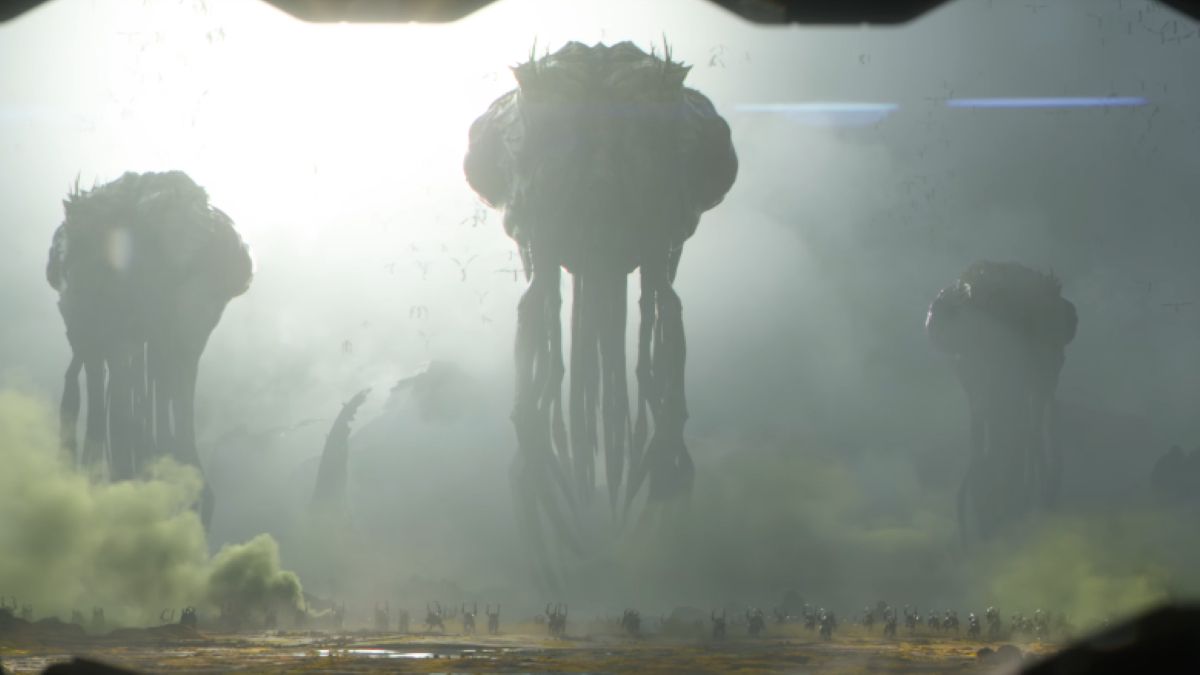
Halo: Campaign Evolved was Xbox’s second attempt at refreshing the 2001 sci-fi FPS classic, and it is perfectly fine. A cromulent remake, if ever there was one, but it’s hardly a franchise-saver, especially as Xbox looks to rethink its studio structure and approach to renowned IPs like Halo or Gears of War.

Halo hasn’t been the same since original developer Bungie — now owned by Sony and working on Destiny and Marathon — departed, leaving 343 Industries (now Halo Studios) to guide the franchise.

Neither Halo 4 nor 5 meaningfully evolved the gameplay formula or overarching narrative. Halo Infinite found more success by reheating what “old Halo felt like” and sticking it into a half-baked open world, but it still felt far from the series’ glory days.

This year’s full remake of Combat Evolved's campaign delivered exactly what it promised: a shiny, 2026 version of the game that made audiences fall in love with the franchise. It was a clear attempt to reignite faith in 343’s vision, but how is a faithful, shinier remake proof of anything?

It might not even matter anymore, as the new Xbox leadership has rocked the ship again, leaving Master Chief and the universe’s future cloudier than ever before. Now, with rumors of a reboot being considered at new steward Activision, is there hope for the Spartans, or will Xbox run into another dead end?

Rebooted or not, Halo needs to leave Master Chief behind
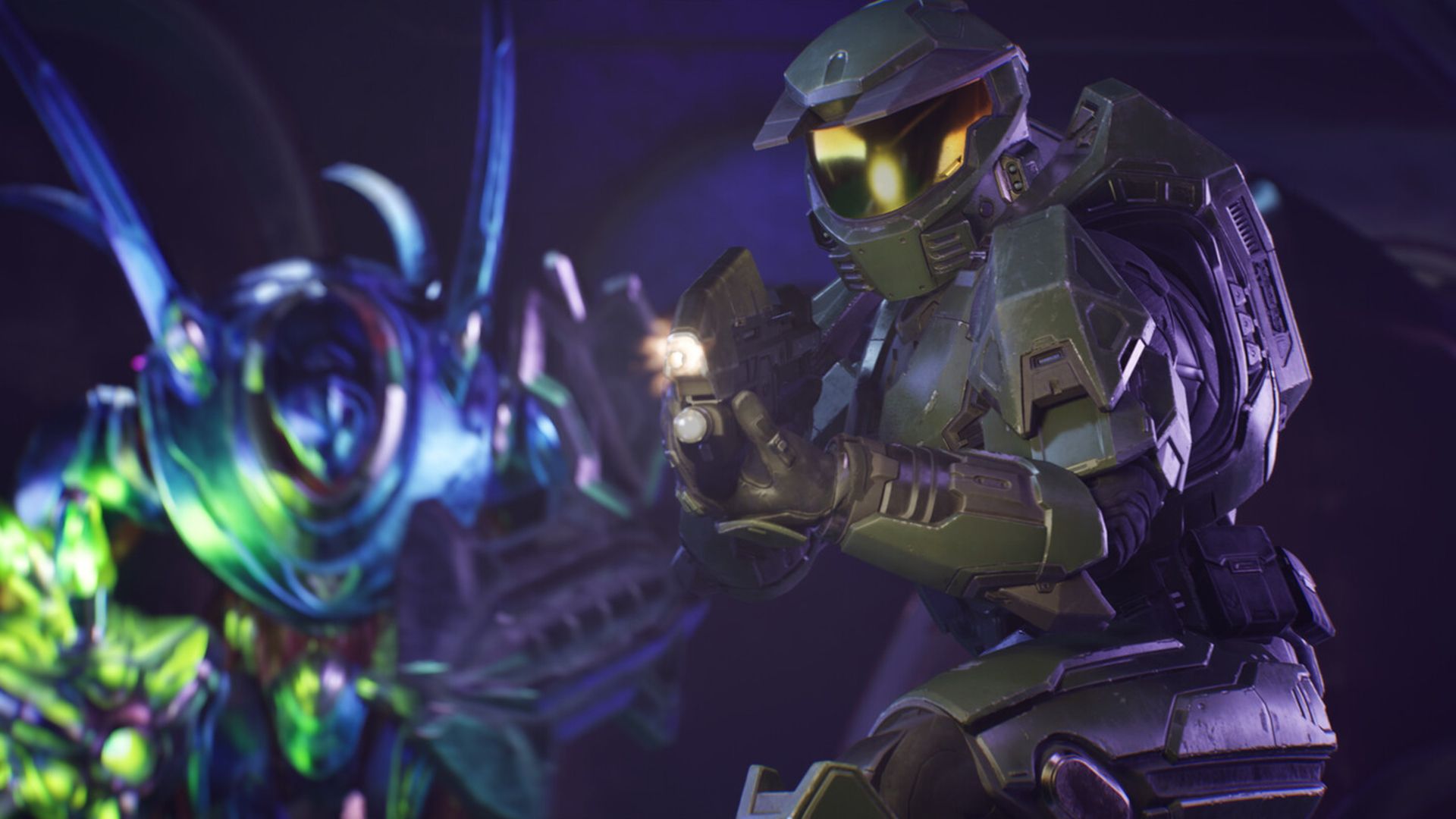
(Image credit: Xbox Game Studios)

It looks like the ‘Halo Studios’ moniker only lasted a single (remade) game, as Xbox has recently announced that Call of Duty maker and publisher Activision — which houses many FPS-oriented studios — is taking over development, essentially leaving the 343 veterans as a minor support studio, which translates into more layoffs.

If we put aside the human and institutional cost of this whole back-and-forth over the years (a big ask in today’s climate), there are reasons to be optimistic about the quality of an Activision-developed Halo. Regardless of what you think about the Call of Duty IP in 2026 and the publisher’s overall vision for it, it’s clear there’s plenty of talent holding everything together and, more importantly, enough experience to iterate on what Halo’s multiplayer side needs to shine bright again.
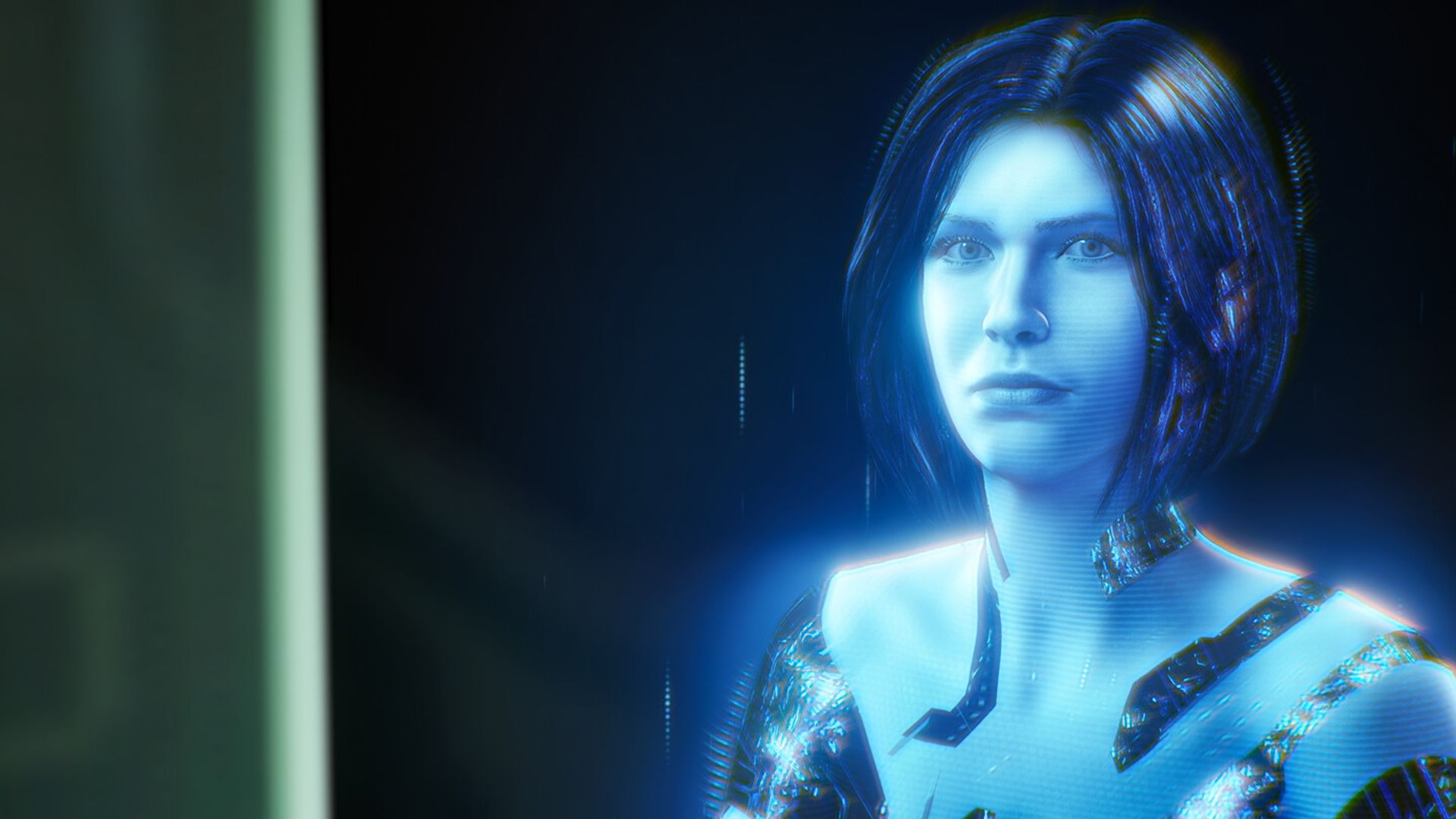
(Image credit: Xbox Game Studios)

But this won’t fix the larger issue with Halo, which is that Master Chief should’ve been left behind long ago. Like it or not, it’s difficult to deny Halo’s “golden era” ended with Halo: Reach (Bungie’s swansong under Xbox) and the Halo Wars spinoffs, which took the series into the real-time strategy genre. These games were wildly different, but they had one core thing in common: they made the sci-fi setting feel bigger instead of smaller, offering the perfect blueprint to build upon in a post-Halo 3 world.

There’s nothing inherently wrong with the Master Chief. Franchises can be built around iconic characters like Mario or Lara Croft. But in the post-Bungie era, his role changed from an extremely competent Spartan soldier to a space messiah. Halo 4, 5, and Infinite used sci-fi nonsense to transform him into this larger-than-life figure, rendering the rest of the UNSC largely powerless in the process.

It’s the same mistake ID Software made with Doomguy, centering the story on how super special he is, and not on the world he inhabits. Now rumours are rumbling that Activision’s reboot might focus on Chief’s origins; that's the last thing Halo needs.

Are Halo 2 and 3 remakes happening?
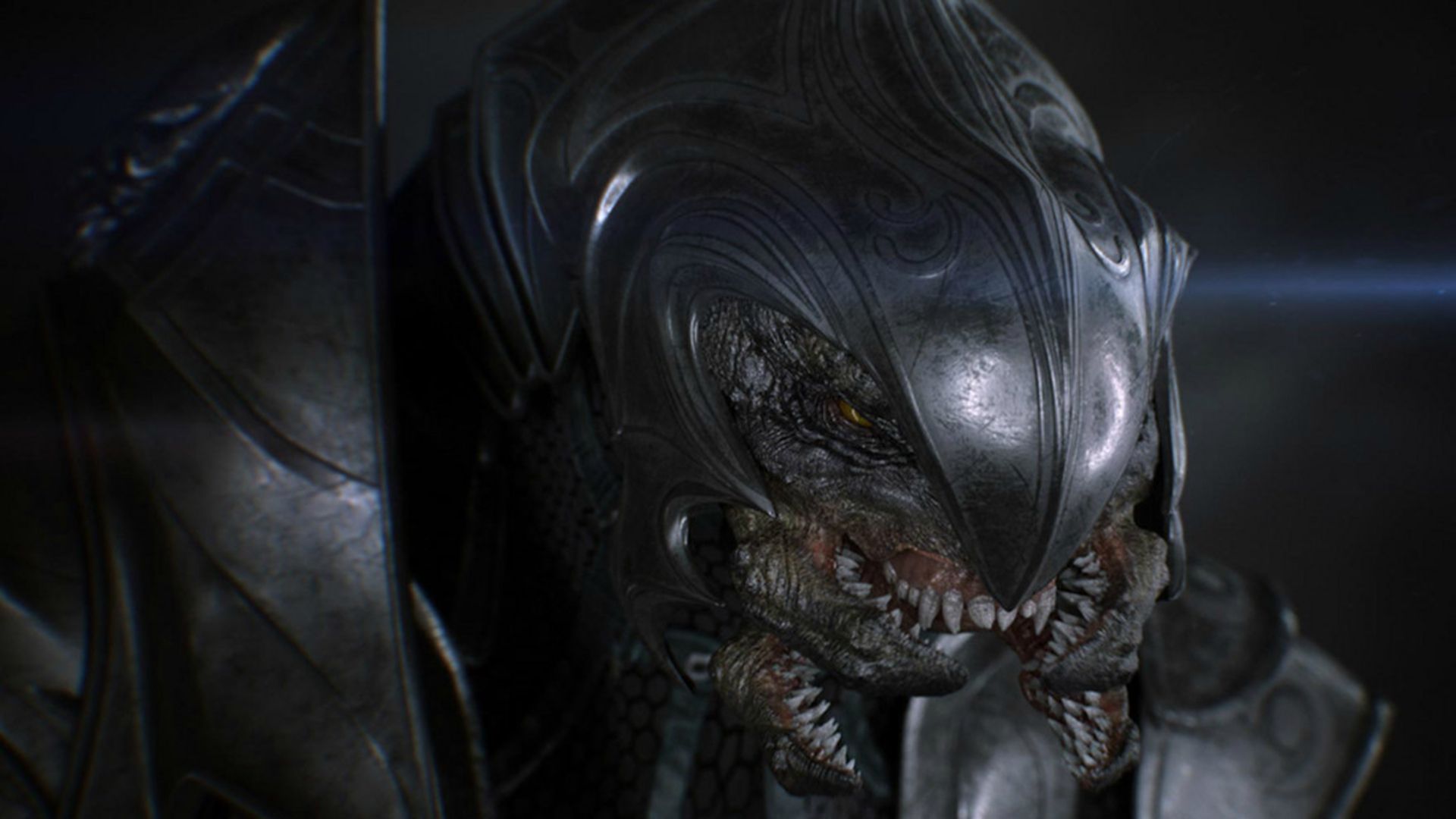
(Image credit: Xbox Game Studios)

Forgetting Activision’s next Halo for a second, we were teased with (even if there wasn’t an official confirmation from Xbox) at least a Halo 2 remake via Halo: Campaign Evolved’s alternative ending.

Back in May 2026, renowned insider Rebs Gaming confidently reported that Halo 2 and 3 remakes were in development. But can fans realistically expect them after new Xbox CEO Asha Sharma’s latest shakeup?

Halo Studios could have done a "fine" job with safe remakes of the two original Halo sequels while Activision handles new projects. It’s hard to reject that approach, especially after Xbox finding success with Bethesda’s The Elder Scrolls IV: Oblivion Remastered and confirming two Fallout remasters are in the works. It seems like money waiting to be made, but the remakes could be cooked too.

Xbox and 343/Halo Studios have made plenty of mistakes with Halo, but the killer has always been their lack of conviction in their ideas. And look, nostalgia shouldn’t be the driving force behind a franchise in dire need of reinvention, but I’m far more annoyed by the creative rollbacks, flip-flopping, and now the loss of knowledge and talent accompanying the gutting of Halo Studios.

Xbox Live Action
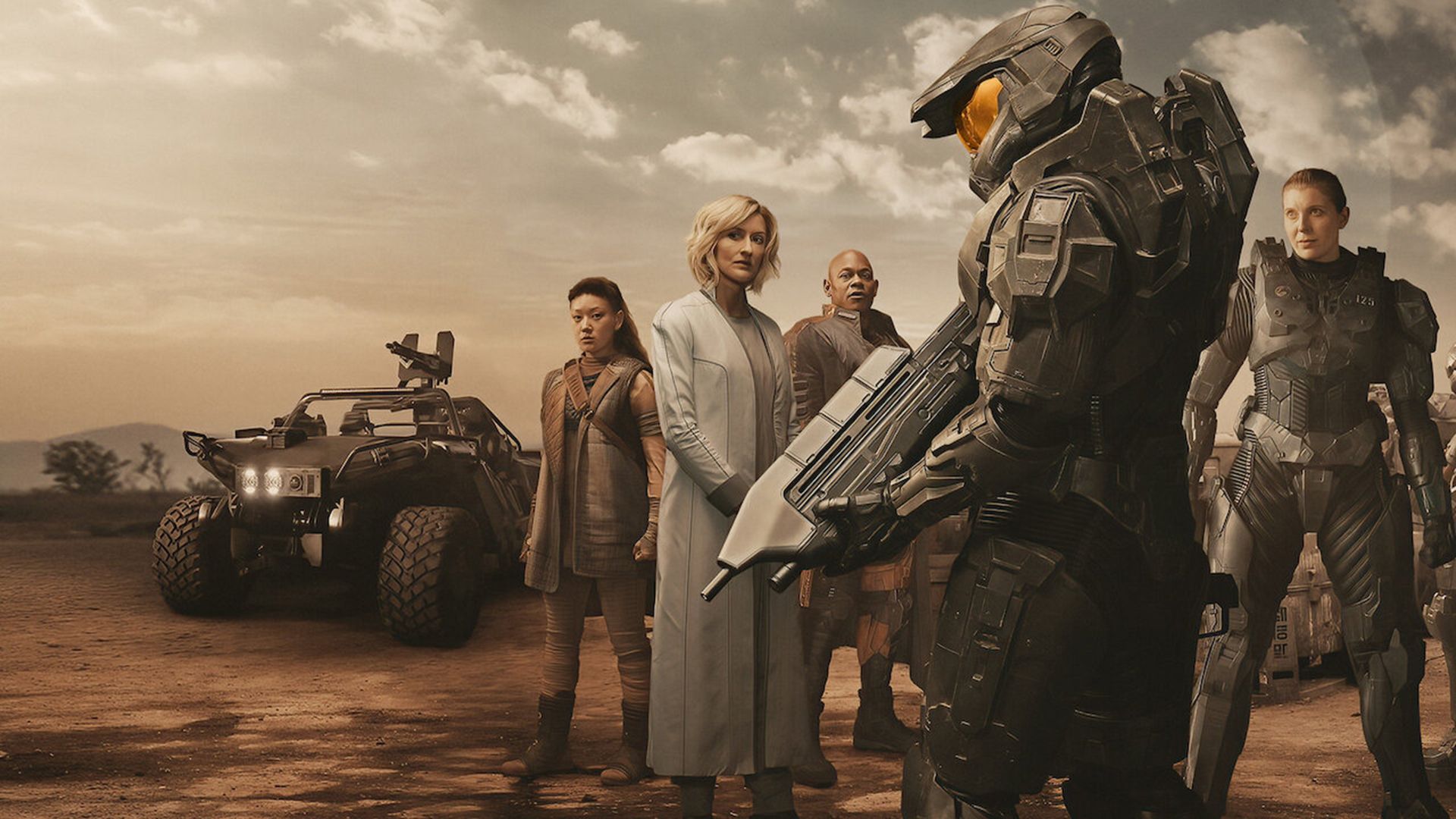
(Image credit: Xbox Game Studios)

We haven’t even touched on the mess that was the live-action Halo show. It lasted only two seasons, had John-117 walking around outside the Mjolnir armor for most of its runtime, and was cancelled just as the story finally got to the titular Halo. Why would you stray so far from the source material, and how do you miss the mark so badly?

In many ways, it perfectly encapsulated what’s been wrong with Halo as a whole for so many years. The powers that be can’t decide what they really want from it, and thus it’s stuck, unable to leave the past behind or convincingly establish a new horizon for itself. Other franchises have run into the same issues — looking at you, Star Wars — but Halo has been stuck in this purgatory for 15+ years, as Xbox leaders and strategy shifts come and go.

Could Xbox’s newly-formed XP division deliver the focused big-screen adaptation the series has always deserved? I’m sure that’s the plan, but even a cursory glance back at Xbox’s handling of the franchise for the past decade or so says no.

Halo’s deep problems won’t be fixed overnight, and throwing a bunch of hard-working developers to the curb certainly won’t help. Halo’s current struggles didn’t come from Halo Studios or 343 Industries; they came from impatient and incompetent leadership calling the property-defining shots. I’ve seen nothing to suggest that’s changed.
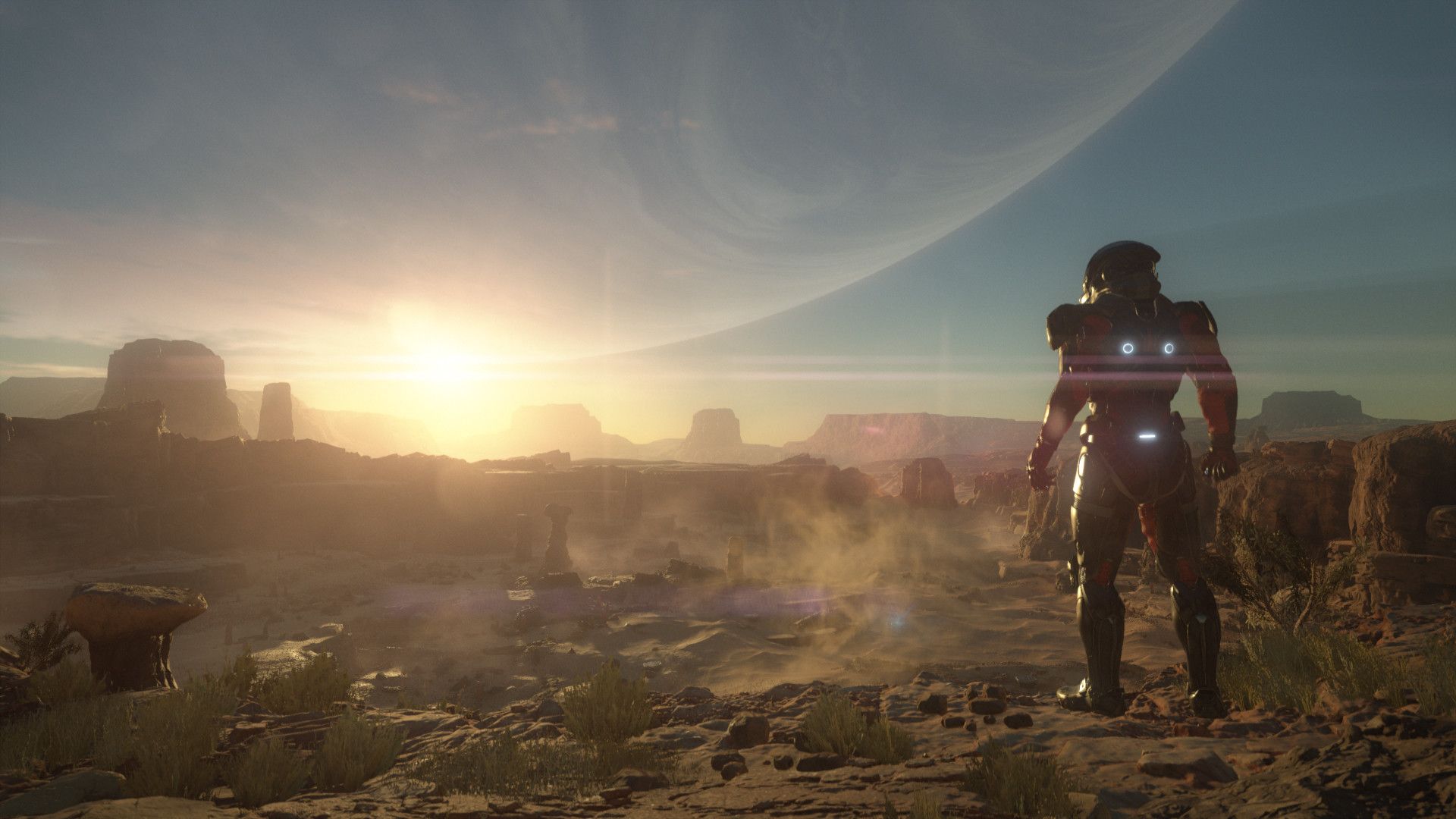
Next Mass Effect game cancelled as EA shuts down legendary sci-fi RPG studio BioWare

The writing was on the wall, but the news still hit us like a truck yesterday. BioWare, the iconic RPG studio behind the Mass Effect and Dragon Age series, is no more. Development on the next Mass Effect has stopped, but EA might not be entirely done with the IP.

Variety reported, backed by EA’s own statement and BioWare’s goodbye on socials, that EA is laying off 3% of its global workforce and closing down BioWare. The shift comes shortly after the company went fully private this summer, with Saudi Arabia and private equity acquiring it alongside all its studios and properties.

A new Mass Effect game — meant to serve as a follow-up to the original trilogy — had been in development since the early 2020s, though progress was slow following severe downsizing after 2024’s Dragon Age: The Veilguard failed to meet EA’s expectations. According to Bloomberg’s Jason Schreier, only around 50 staff remained at the studio, which would’ve needed to go on a hiring spree to complete development of the massive sci-fi RPG.

The first post-shutdown shocker arrived a bit later, with IGN exclusively revealing that Mass Effect isn't entirely dead, as the upcoming live-action TV show based on Mass Effect is still moving forward at Prime Video.

The series started active development at Amazon in late 2024, but it has yet to reach production status. Little is known about the story, but rumors point to it aiming to bridge the gap between the original trilogy and the now-cancelled new game. Despite closing the studio that created it, EA still owns the Mass Effect property.

Screenshot from the Mass Effect series

(Image credit: EA)

Variety’s report, which includes more comments from EA’s top brass about the present and future of the publisher, also contains updates on Marvel’s Iron Man (developed at Motive) and Star Wars Jedi 3 (Respawn Entertainment). Both are still coming, and the more surprising news comes in the shape of DICE and Respawn teaming up for a totally new project, believed to be Star Wars Battlefront 3 after days of strong rumors from a number of reputable sources.

Elsewhere, ex-BioWare developers have teamed up at new studios like Archetype and Arcanaut. The former is preparing to ship Mass Effect-inspired action RPG Exodus in 2027, and the latter recently started work on Star Wars: Fate of the Old Republic, with original Knights of the Old Republic (and Mass Effect) director Casey Hudson behind the wheel.

Here’s hoping both studios, as well as the recently laid-off developers, can find success in an increasingly hostile industry.

How the impossible geometry of ‘Tomb Raider III”s UFO level was made

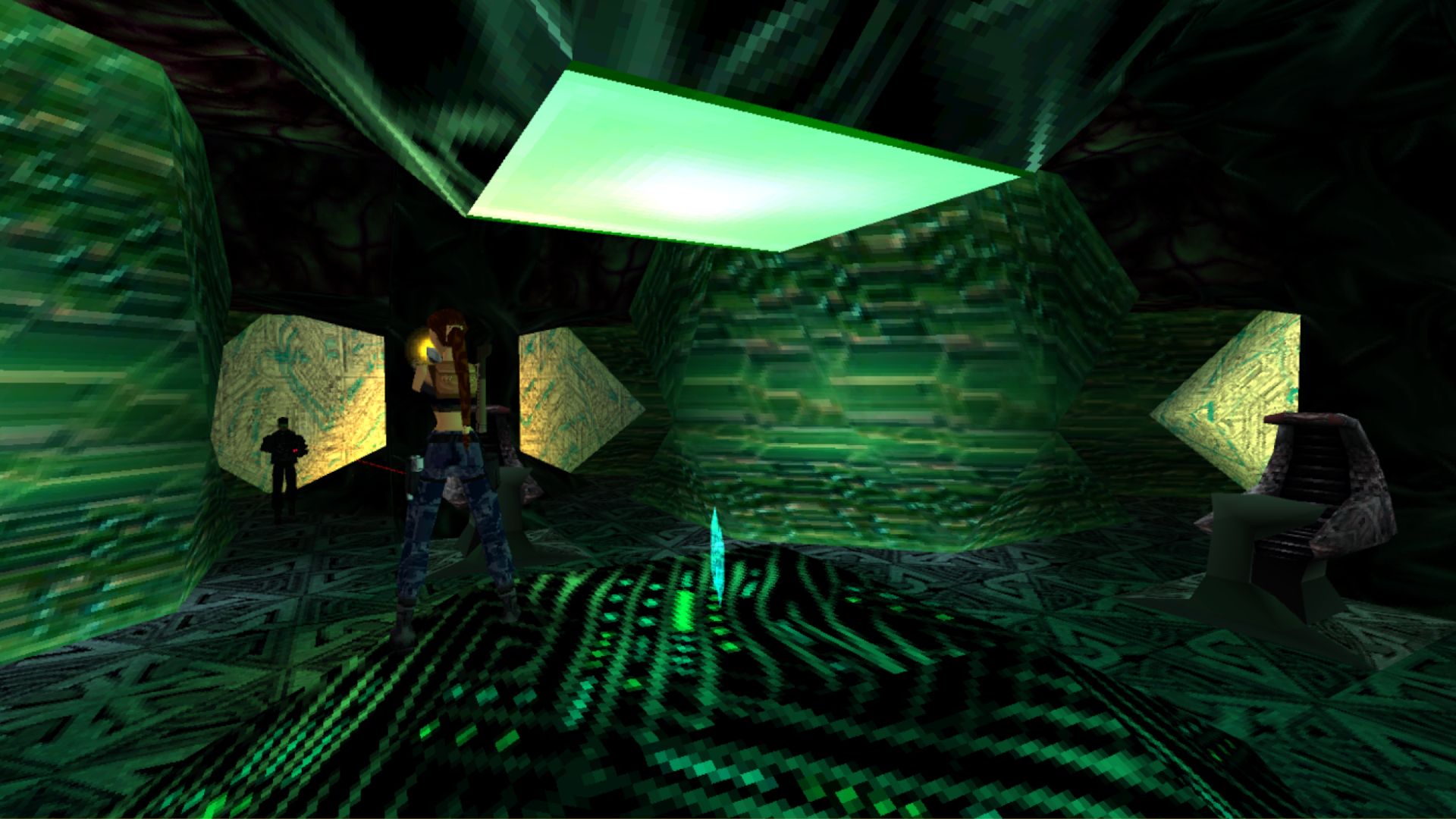
"Tomb Raider" celebrates its 30th anniversary this month. While many remember the iconic T-Rex or locking Winston the Butler in the freezer, many forget about the UFO in 1998’s "Tomb Raider III"; a mysterious alien craft that worked a lot like Doctor Who’s TARDIS.

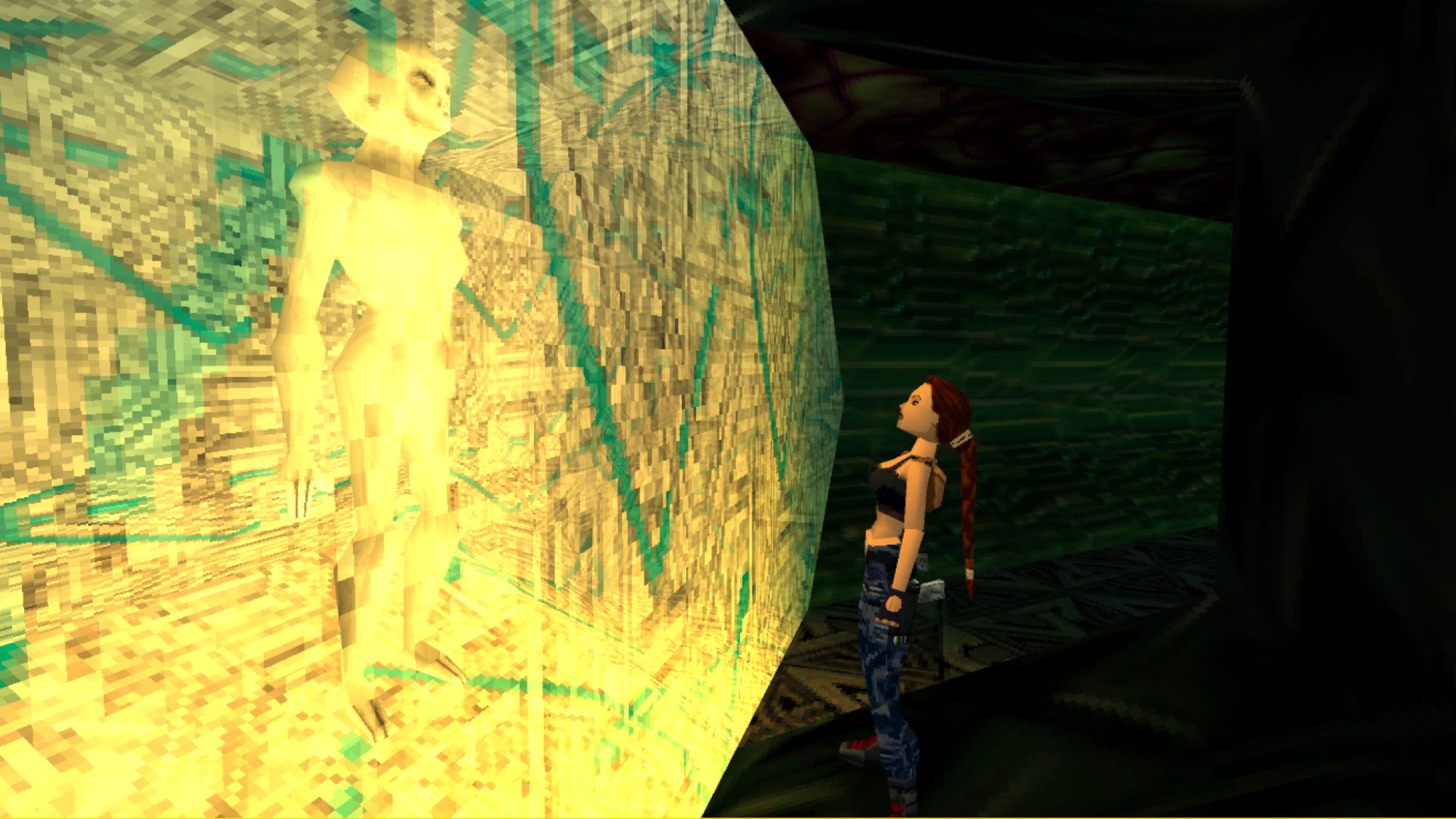
Coming off the back of the hugely successful "Tomb Raider 2", developer Core Design had big plans for the third entry, including kayaking, those iconic London levels, and, of course, a level featuring a UFO in Area 51. Although it looked small on the outside, the UFO featured multiple floors for players to explore as they searched for a vital artifact, all as enemies swarmed in.

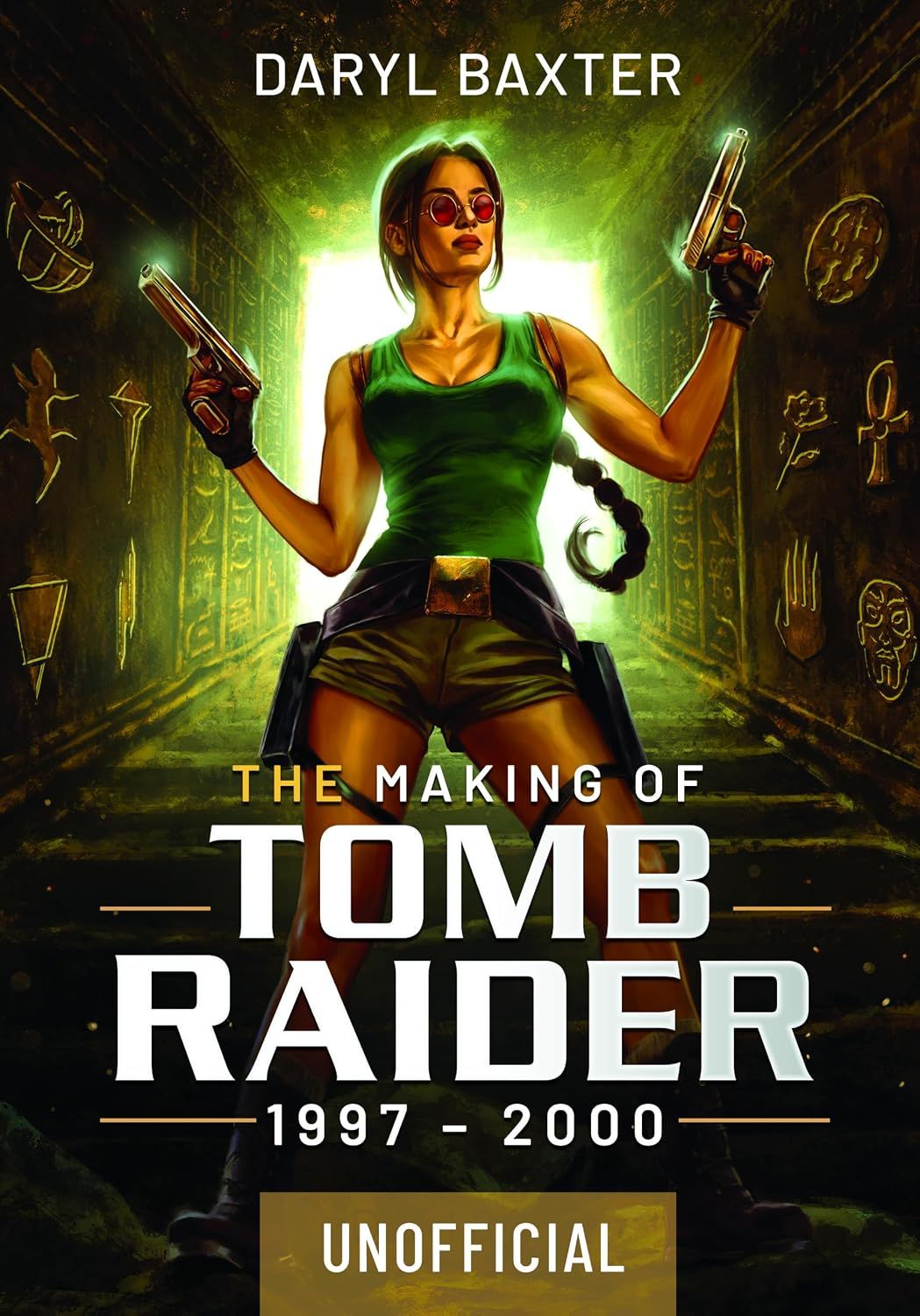
Now, I'm something of a Tomb Raider historian, and my upcoming book — "The Making of Tomb Raider: 1997-2000" (available from October 30) — goes into detail about the making of "Tomb Raider III", "Tomb Raider IV", and other games in the series during those three years. While writing the book, I spoke to level designer Richard Morton about how the physics-defying UFO was made and how shows like "The X-Files" inspired him and the team.

The Lone Gunwoman

The UFO from Tomb Raider 3

(Image credit: Core Design / Eidos Interactive)

When you start "Tomb Raider III", you find Lara in India, stumbling across one of four artifacts. After completing India, you can choose between London, South Pacific, and Nevada to collect the other artifacts before reaching the final section in Antarctica.

Richard Morton was one of the designers for "Tomb Raider III", who took on South Pacific and some of Nevada, a location that Neal Boyd had already begun work on before he moved to "Project Eden". Eventually, Lara would find herself in Area 51, with the final part of the level taking place in a UFO that houses the artifact she seeks.

“Area 51 was a bit of a team effort,” reveals Morton. “The part where the rocket launches, Neal did a lot of that stuff. So much of that level is his work, as well as some of the other routes. Andy Sandham helped in finishing off that level, too. And then the bit with the UFO, that was mine.”

Of course, a level called Area 51 needed aliens. In the late 1990s, UFOs were everywhere, ranging from TV shows like The X-Files to countless documentaries on whether aliens were real.

“We knew Area 51 had to have aliens in it in some form. And we did put some down on operating tables – we were all influenced by films and shows like 'The X-Files' and 'Independence Day', which were around at the time of TR3.”

You’d run past the UFO at certain points in between toggling switches, collecting keys, and even launching a rocket. Eventually, you’d unlock a door, letting you in to reveal an impossibly large interior. But all wasn’t as it seemed, and the journey to get here was fraught with challenges.

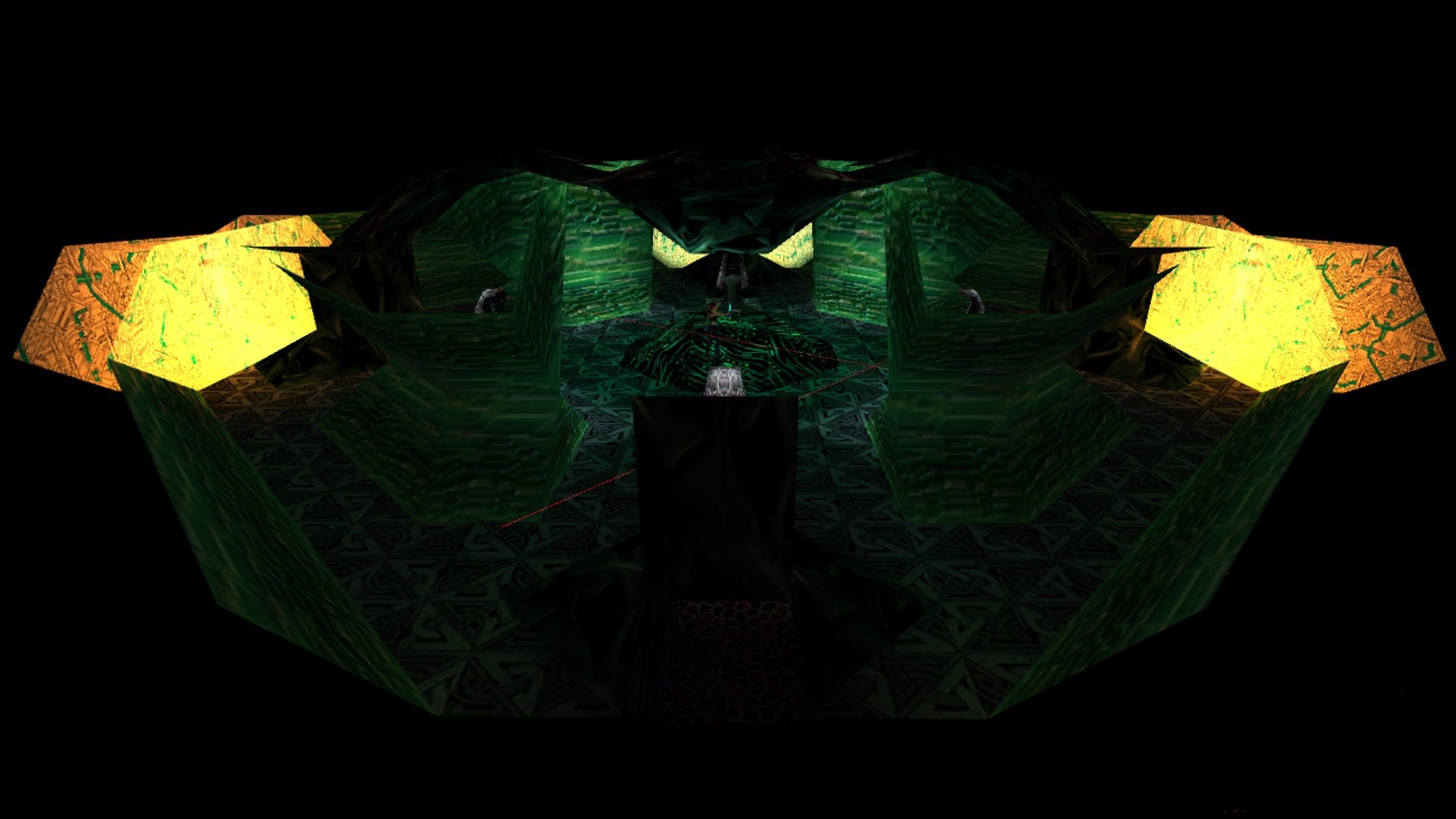
“I was working quite late one evening, and it wasn't a UFO to start with. I was working on the level and suddenly wondered what would happen if I had three rooms next to each other, with the room in the middle that was only the width of the portal,” explains Morton. “Then I’d link that to a separate room that was only visible inside the portal. I then somehow managed to build this impossible room that was surrounded by eight rooms – the only way I could get it to work. And it did, but it worked horizontally – it was just like Valve's 'Portal', but nine years before.”

AI programmer Tom Scutt, who had joined the team to improve the artificial intelligence for the enemies, worked with Morton to see how a portal could work in the level.

“Tom loved it, but I think he started doing some tests around it – this was just a portal in a room to see if it could be used. Soon after, he explained to me that enemies wouldn't work with it without being heavily reworked, because of how the navigation worked with the enemies,” Morton explains. “So if Lara went through a portal to 'another world', for example, the enemies wouldn't know; they'd just stay in the same room. So all in all, they basically said that they loved it, but you can't do it - and yet I kept trying.”

The truth is in there

The UFO from Tomb Raider 3

(Image credit: Core Design / Eidos Interactive)

With Area 51 taking shape and the portal idea becoming viable, Morton realized that the two could become one, resulting in the UFO. “The next night, I decided to build a UFO, which we'd already built within the level in this rough shape in one of the hangars at the end of the level.”

That night, Morton cracked it, meaning the inside of the UFO could now be far bigger. “I built a ladder going up from the entrance, which went straight up through the tiny UFO model, which was only three by three blocks, with a one-block hole going up into it. So I remade the same trick from the night before, only vertically, and it worked!”

Still, despite getting the trick to work, more had to be done to ensure no bugs would emerge during this final section of the level.

“Once you got inside the UFO, I think we had to do a tiny bit of fiddling around, just to make the enemies warp inside the UFO. But they'd only try to attack you when you were in the UFO. I think we triggered them once you got in there and de-triggered them once you came out, just to stop them from firing at you when you weren't in there, just to keep that illusion of this TARDIS UFO going.”

Programmer Martin Gibbins, who had previously warned that the UFO would break everything, was won over by it. “Despite the UFO being Richard's idea, that was a testament to Gavin Rummery's ridiculous portal system. It had a single-block doorway into what was effectively a room. That was the clip window for the rest of the world, so you could do whatever you'd like inside of it. He got it working, and I thought it was great.”

For its time, it was an amazing feat on PlayStation and PC. With this being the third mainline "Tomb Raider" game, some players felt that the series was getting stale. But it was moments like the UFO and discovering it was far bigger than many initially thought that stuck with players, and still does to this day.

The UFO from Tomb Raider 3

(Image credit: Core Design / Eidos Interactive)

Unfortunately, another moment like the UFO would not happen in subsequent games, with the pressure of making the Thanksgiving deadline looming over the team. But Morton reveals that the team did speak about what could have alternatively happened at the end of the level.

"I think we talked about having a portal room that took you to another area that could have been either another location on Earth or another location across the galaxy. But obviously, we just didn't have time to do anything like that. It would have been awesome, though.”

However, after Morton spent two evenings trying to get the UFO to work and some on the team worried that it would break the game, it became a big highlight of "Tomb Raider III".

“When I showed the team the UFO, they were basically trembling, thinking, 'What have you done now!?' And we found out that it did work, and they ended up loving it. Looking back, I couldn't believe that I'd pulled it off, to be honest. I couldn't believe that the engine didn't just crash the game every time the camera looked into that portal. It didn't crash, and I thought, ‘Wow, that's awesome,’ at the time.”

The impossible geometry of the "Tomb Raider III" UFO is indeed an impressive spectacle, even almost 30 years later. If you’re interested in seeing how the TARDIS/UFO works, you can play "Tomb Raider III" via the Remastered collection, available on PlayStation 4/5, Xbox Series, Nintendo Switch 1/2, iOS, Android, and PC via Steam.

If you want to know more about "Tomb Raider 3" and its enigmatic UFO, "The Making of Tomb Raider: 1997-2000" is available from October 30 via Pen and Sword, Amazon, and other retailers.

The Making of Tomb Raider: 1997-2000 by Daryl Baxter: was $49.95 now $39.07
The Making of Tomb Raider: 1997-2000 tells the untold story of a pivotal period about one of the most successful video game series of all time, as a new development team at Core Design took charge of Tomb Raider in 1997.View Deal

Alien: Isolation 2: This highly anticipated sequel has no release date yet, but here’s everything else we know

We’ve had a lot of good Alien video games in recent years, but nothing has quite matched the highs and authenticity of 2014’s Alien: Isolation. It took a decade of players clamouring for a sequel, but in late 2024, our prayers were answered when developer Creative Assembly dropped a trailer announcing Alien: Isolation 2.

Now, we’re slowly learning about what developer Creative Assembly has in store for us. Scary teasers and comments from creative director Al Hope suggest we're looking at a bigger, more ambitious survival horror game beyond an obvious visual glow-up. Our hands-on preview at Gamescom 2026 also confirmed the protagonist isn’t Amanda Ripley, which instantly raises a number of questions.

Ahead of Alien: Isolation 2’s arrival, there are plenty of Alien movies and games to go through – plus Alien: Earth’s stellar first season. Now's also a great time to play through the original Alien: Isolation again, to prepare yourself for the horrors that await us with the sequel.

Now, enough yacking. It's time to get on the express elevator to hell and find out everything that we know about Alien: Isolation 2 so far.

When is Alien: Isolation 2 coming out?

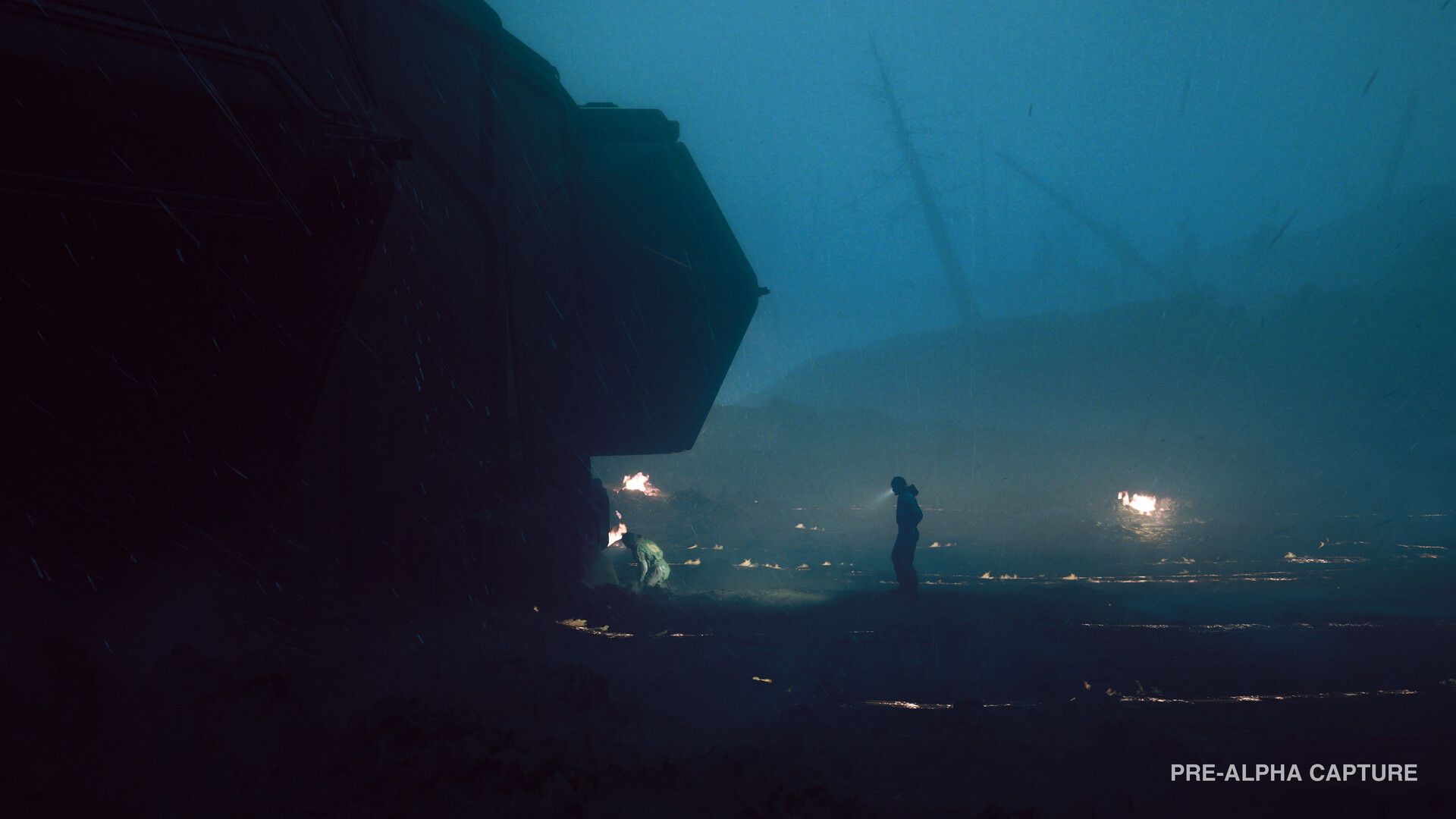
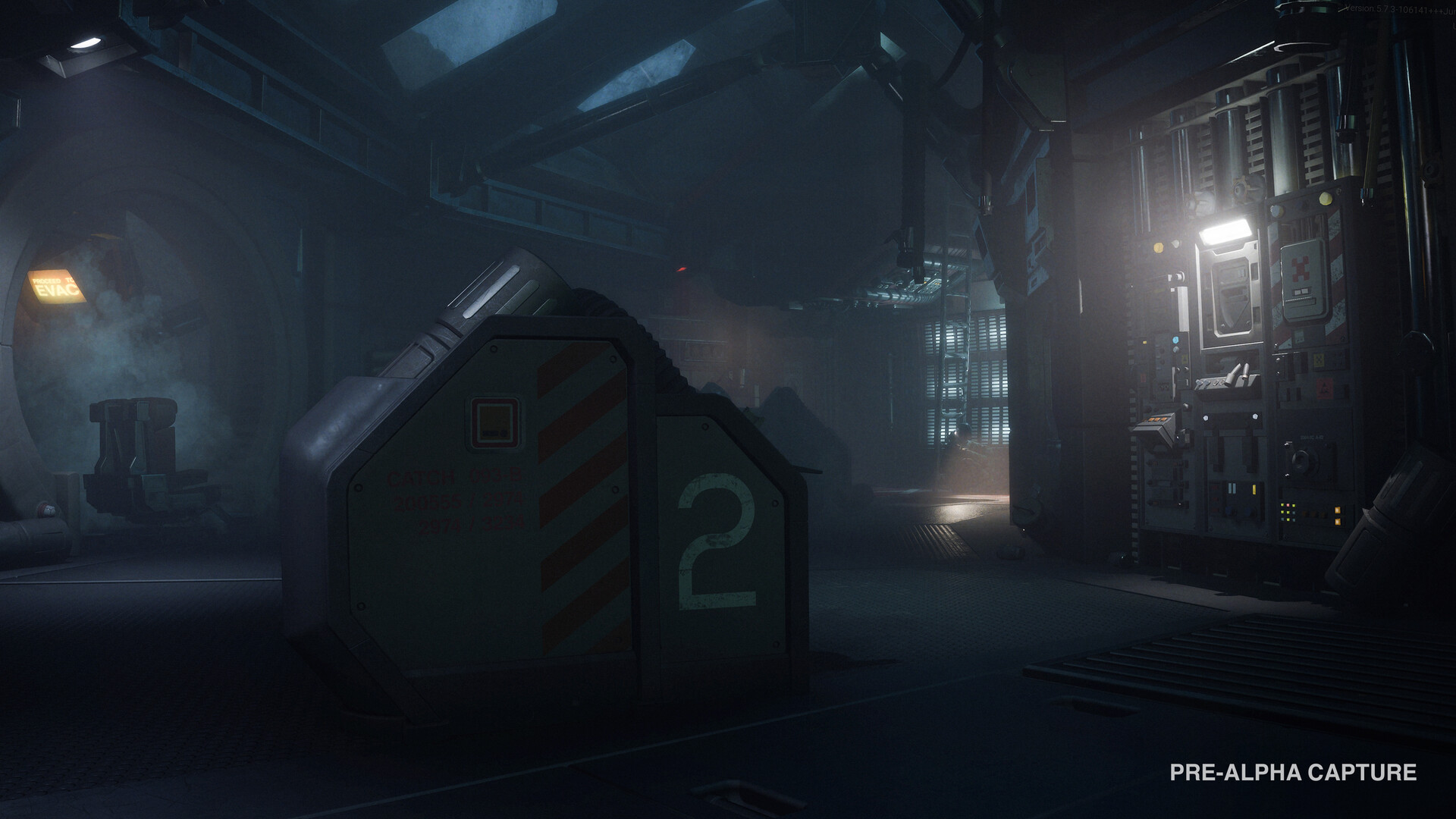
Pre-alpha screenshot from sci-fi horror game Alien Isolation 2

(Image credit: The Creative Assembly)

Alien: Isolation 2 doesn't have a confirmed release window yet.

Despite the impressive in-game teaser and gameplay demos, Sega and Creative Assembly still haven’t talked about a potential release window. Though many outlets are running with a 2027 target as possible, the truth is the powers that be aren’t ready to commit yet.

When we know more, you'll know more.

What platforms will Alien: Isolation 2 be on?

Pre-alpha screenshot from sci-fi horror game Alien Isolation 2

(Image credit: The Creative Assembly)

Alien: Isolation 2 is launching on PC (Steam), PS5, Xbox Series X|S, and Nintendo Switch 2.

Though it’s unclear if the game will release before next-gen consoles arrive, the current plan is to target current-gen machines and, of course, PC through Steam.

Given the high-fidelity visuals, a Nintendo Switch 2 version might come as a shock, but looking at the excellent third-party ports the hybrid handheld has received so far, we’re confident the developers can deliver a thrilling experience on it as well.

Alien: Isolation 2 trailers

After the aforementioned teasers, Sega and Creative Assembly finally unveiled Alien: Isolation 2 with the first-ever in-game footage in summer 2026. Watch its ‘Last Chance’ reveal trailer below:

When does Alien: Isolation 2 take place in the timeline?

Pre-alpha screenshot from sci-fi horror game Alien Isolation 2

(Image credit: The Creative Assembly)

Alien: Isolation 2 is confirmed to happen a few months after the events of the first game. Amanda Ripley’s battle against a Xenomorph infestation aboard the Sevastopol Station took place roughly 15 years after the events of the original 1979 movie, which places both games closer to Alien: Romulus in the canon timeline.

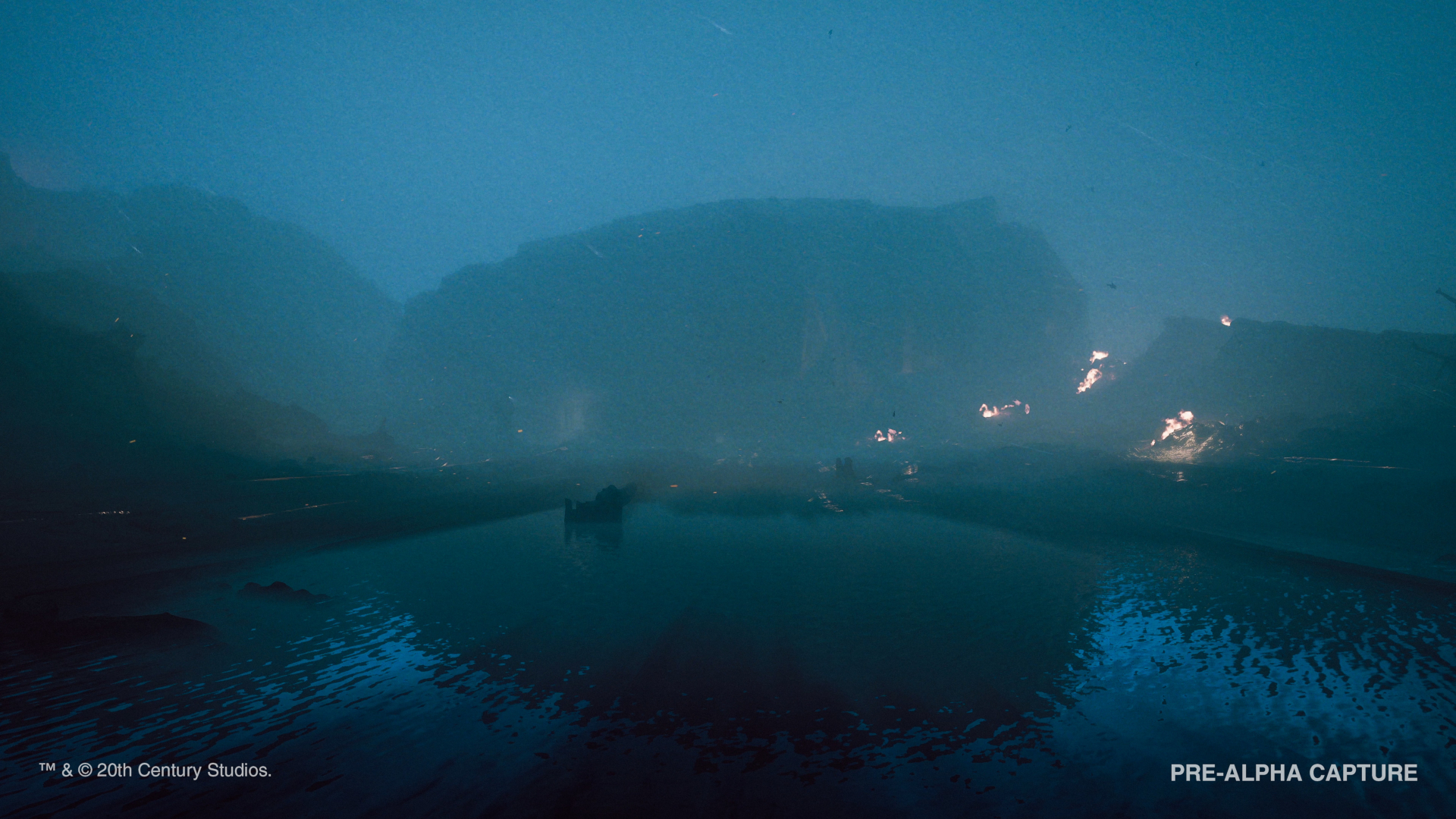
This time around, however, there are two big differences: Amanda Ripley isn’t the protagonist anymore, and, instead of a space station, we’ll have to survive on a rainy colony planet.

Deeper plot details are a secret for now, but we know the planet’s name is LV-921. There, a Weyland-Yutani employee named Blake and her colleagues come across a crashed part of the doomed Sevastopol station, which was destroyed by Ripley in an attempt to exterminate the aliens at the end of the first game.

The prologue demo we played at Gamescom didn’t offer much more context, but Blake is an administrative employee who’s just arrived at the colony and wants to prove she fits her new role. As you can imagine, that quickly gets her in trouble. A Xenomorph had crash-landed on the planet already, so maybe it’s up to her to finish the job that the previous Alien: Isolation protagonist started...

What type of game is Alien: Isolation 2?

Pre-alpha screenshot from sci-fi horror game Alien Isolation 2

(Image credit: The Creative Assembly)

Like its predecessor, Alien: Isolation 2 is a single-player, first-person survival horror game.

The gameplay loop of the original is preserved. This means you'll have limited access to weaponry and survival tools, and you'll face sneaky (and relentless) Xenomorphs that dynamically adapt to player progress and movement through each level. You’re not meant to kill the aliens, but rather to avoid and escape them.

Through patience, stealth, and smart use of supplies for crafting, survival is achievable, but this isn’t a bug hunt with the Colonial Marines. To quote Ash in the original movie, “I can’t lie to you about your chances, but you have my sympathies.”

Does Alien: Isolation 2 have a multiplayer mode?

Pre-alpha screenshot from sci-fi horror game Alien Isolation 2

(Image credit: The Creative Assembly)

Alien: Isolation 2 is a single-player survival horror game like the original. At the time of writing, no plans for a co-op or multiplayer mode of any kind have been shared.

At this point, it’s unclear what the whole Alien: Isolation 2 package will look like — and we wouldn’t rule out an extra, mission-based Survivor Mode like the original’s — but it seems Creative Assembly isn’t chasing co-op trends with the sequel in any way. This is a cinematic, high-intensity solo adventure.

Is there a public Alien: Isolation 2 demo?

Though attendees had access to the second Alien: Isolation 2 demo at Gamescom, no wider public demo has been released.

This could change in the future and as the game nears release, but without a launch window in sight, don’t hold your breath. It’ll be a while before most players can get their hands on the long-awaited sci-fi survival horror sequel.

New ‘StarCraft’ game announced, but it’s a grim open-world shooter and it’s not coming until 2030

BlizzCon 2026 delivered big gaming news over the weekend, including Diablo 5 and a new Warcraft 3 expansion announcement, but sci-fi lovers were the ones with the most cause to celebrate, as we learned that StarCraft will return in 2030. It's not coming back as a sci-fi strategy game this time, though.

16 years after StarCraft 2's initial launch and after months of rumors, Blizzard Entertainment has unveiled StarCraft, the next chapter in the franchise. Provisional title or not ('Dominion' is just the trailer's moniker), we know that it's set roughly 70 years after the events of the SC2 trilogy and that it's been envisioned as a "narrative-driven open world shooter" without seasonal or live-service elements, at least at the time of writing.

Creative director Dan Hay's (known for his work on the modern Far Cry games) teased a game that's quite different from what's shown in the first CG trailer above. Humans are still fighting against the Zerg, a ruthless hive-like species infesting the stars, and we get to see thousands (if not millions) of marines being thrown into the meat grinder... literally.

We've seen this story before, but the trailer's condensed tale of an eager young man getting turned into ground meat during his first encounter with the Zerg is chilling. It's all well and good when you're floating above the carnage, but the average StarCraft battle looks way more brutal from a boots-on-the-ground point of view.

From the cinematic, you'd think StarCraft is more of a Helldivers-like game, but it seems the focus will be on single-player gameplay with a strong story. I wouldn't rule out some form of co-op or multiplayer, though.

Screenshot from the reveal trailer for the untitled Starcraft open-world shooter coming in 2030.

(Image credit: Blizzard Entertainment)

Other hot bits of info straight from BlizzCon confirm it's a third-person shooter, meaning players can customize and see the character and their equipment in action as battles rage on. A fantastic choice given how iconic the StarCraft marine armor is.

It's hard to imagine how the full thing will come together without any gameplay footage to look at — and a lot can change between now and the tentative 2030 release window — but we must admit it's a rather attractive pitch, especially after Warhammer 40K: Space Marine 2 did something similar (but with linear levels).

Let's just hope the powers that be haven't completely forgotten about making a third mainline StarCraft game too.

‘The Last Starship’ is 2026’s most slept-on space game — you need to check out this ‘FTL’-like shipbuilding strategy gem

I'm a pretty thrifty guy; no one will ever accuse me of being a hoarder or a bulk shopper. You won’t ever see me at a Costco lugging around 48-count packs of toilet paper, hernia-inducing apple bags, or ginormous 5-pound boxes of Goldfish Crackers.

But after tinkering around with "The Last Starship" for a while, I think I could be converted into a doomsday prepper; someone who loads up on necessary supplies and has a keen sense of the proper protocol for acquiring stockpiles of food, water, ammo, and —if I were stuck out in deep space — oxygen.

After being available in early access for nearly three years, "The Last Starship" 1.0 was finally released on Feb. 6, 2026, for PC from Introversion Software, the same inventive creators of "Prison Architect". It's hardly a new release at this point, but I've been absorbed by it for the last few months, and it's definitely one that space game fans should check out.

This engaging indie sci-fi video game teaches single-player gamers how to strategically operate an interstellar shipping and trading conglomerate. It does this by repeatedly driving home the importance of planning ahead while operating in the cold vacuum of outer space and fortifying your sturdy spaceship.

Oh, and watch out for space pirates!

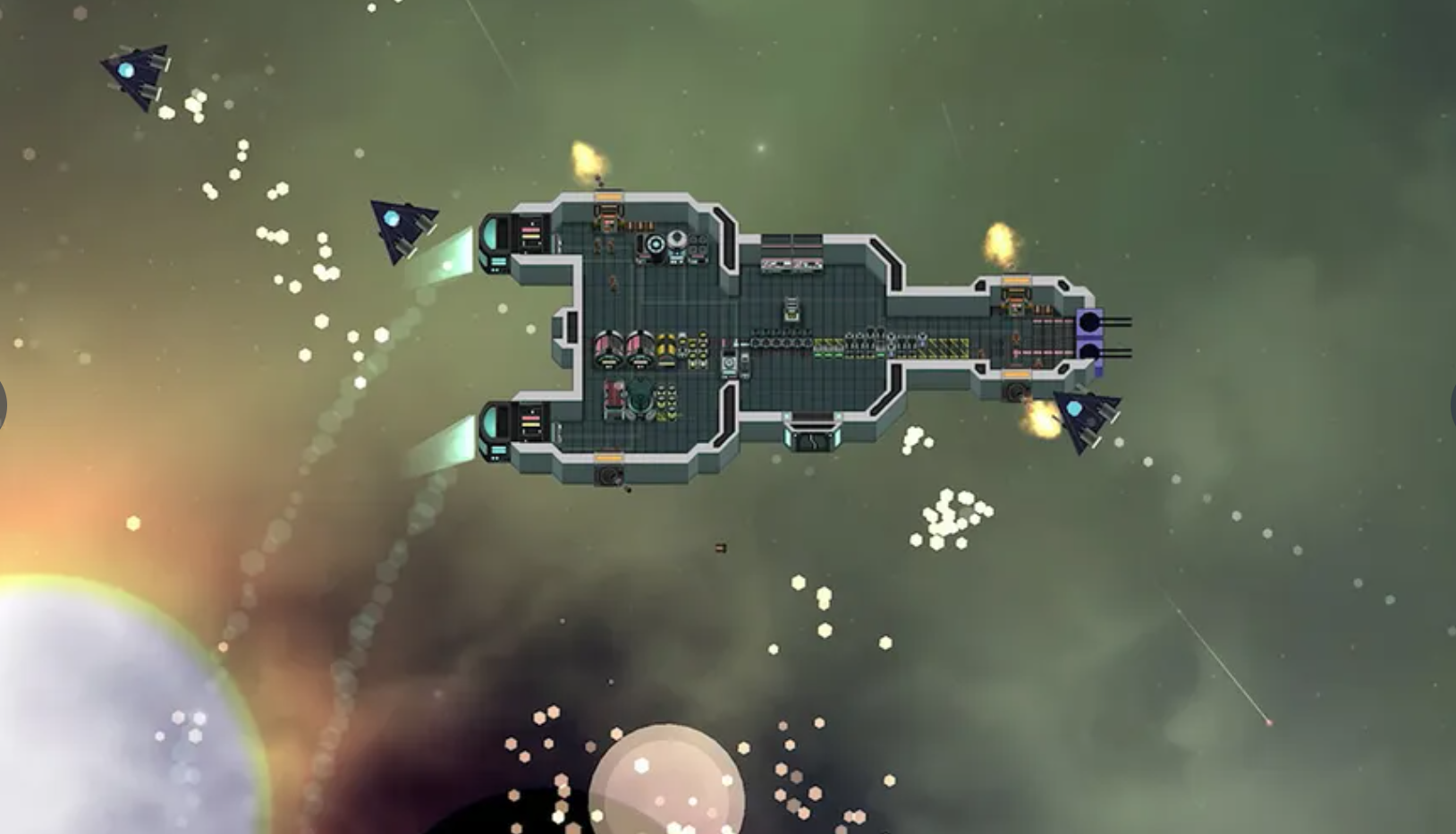
Introversion's "The Last Starship" is officially classified as a 2D space construction and simulation game, where you design, build, and upgrade your very own working starship. Once it’s in operational order, you strike out into the starfields to investigate colorful solar systems, discover rare resources, and even stumble upon arcane secrets.

There's a dreamy, meditative element to "The Last Starship" that can’t be denied, even in this middle-aged gamer’s attitude of flying by the seat of my pants and holding an advanced degree in procrastination from Cambridge University.

You get a sense of genuine pride in accomplishing goals, fine-tuning your interstellar trading operations, and seeing them flourish before you.

Just as in real life, your specific choices will dictate your personal odyssey, whether you’re a brave soul itching to become a pirate hunter, a working joe looking to get into salvaging, mining, or transport delivery, or a visionary scientist like the Stargate engineer.

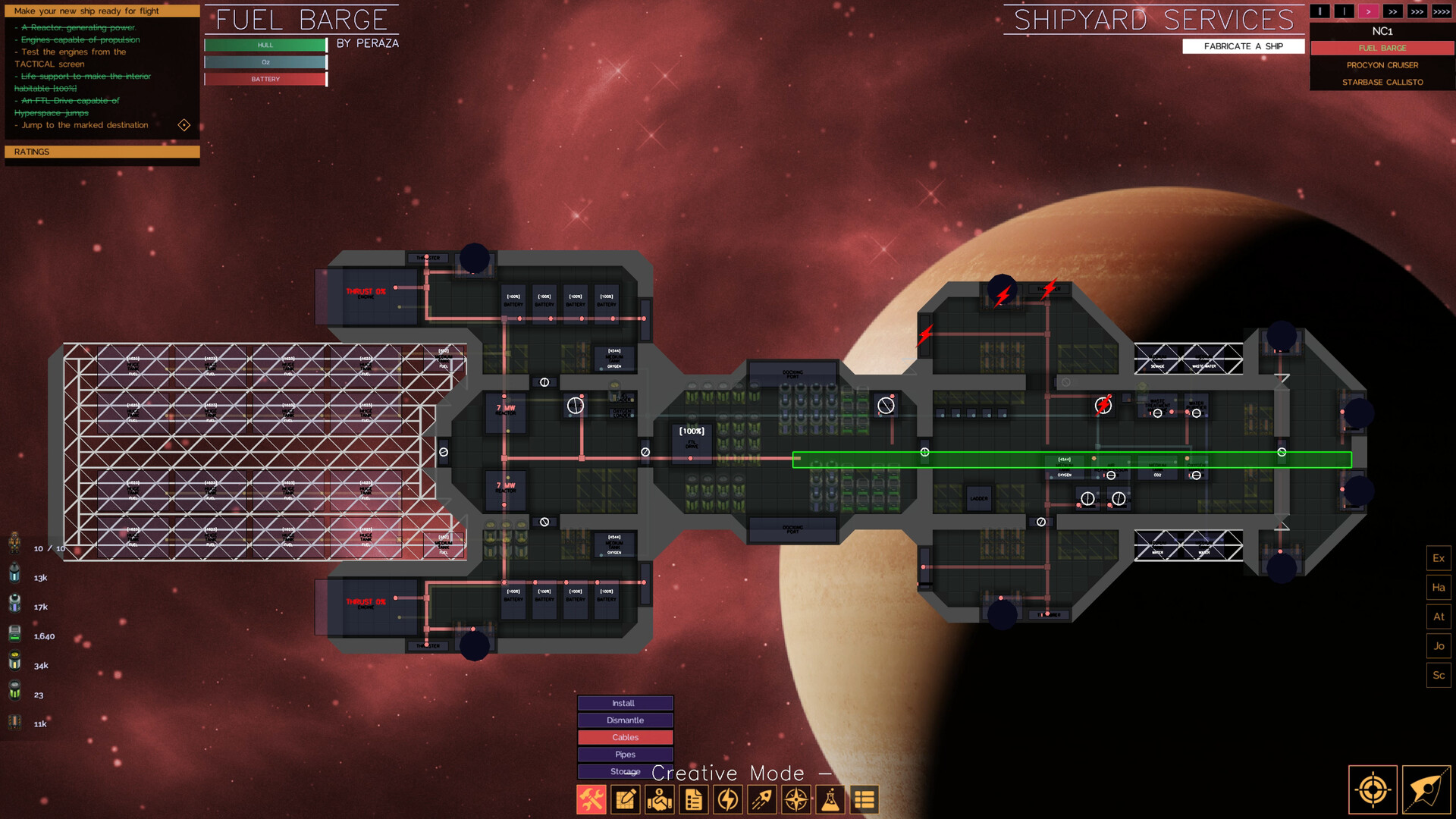
First, choose an appropriate spaceship hull, then boost its propulsion system with engines, add critical life support systems, external sensors, thrusters. Then, supply your crew with tasty chow, and some bristling lasers and autocannons to test your might on the battlefield against space buccaneers. Rescue crews and civilians in peril, or go into business for yourself organizing an asteroid mining camp for profit. The choice is yours.

a scene from a 2D space video game

It's all hands to battle stations in this scene from "The Last Starship" (Image credit: Introversion Software)

And for my fellow right-brained individuals who can barely fathom how a basic kitchen toaster works, this indie gem is a real eye-opener to the planning and engineering know-how that goes into such fantastic machines.

Once you’re up and running and your dutiful crew is bustling about carrying out various operational tasks, you're free to explore the galaxy in your new cosmic ride as its proud captain, picking up missions.

Gliding around the cosmos as the master of your own epic domain with your starship humming happily beneath you provides a supreme sense of satisfaction. Mostly you’ll be hopping around the open-world environment, building and customizing your vessel, and grabbing contracts for a variety of legitimate and illegitimate enterprises to fatten your alien-skin wallet.

a shot from a 2D sci-fi video game

(Image credit: Introversion Software)

Feeling ambitious? Become a hustler as a commercial spacebus driver or strike out excavating and smelting minerals for profit to sell and bolster your bank account to purchase even larger starships or equipment upgrades. Feeling lazy? Just play around and create cool ships while traversing the universe!

For intrepid commanders, the game’s procedurally generated map delivers missions and meteor storms featuring a multitude of characters inhabiting their own storylines waiting to be uncovered.

Managing your resources will be of the utmost importance, but organizational aptitude and drone deployment will exponentially increase your survivability in the final frontier. Intense space combat sessions do remind me of some of the cooler "close quarters battle" scenes in "The Expanse."

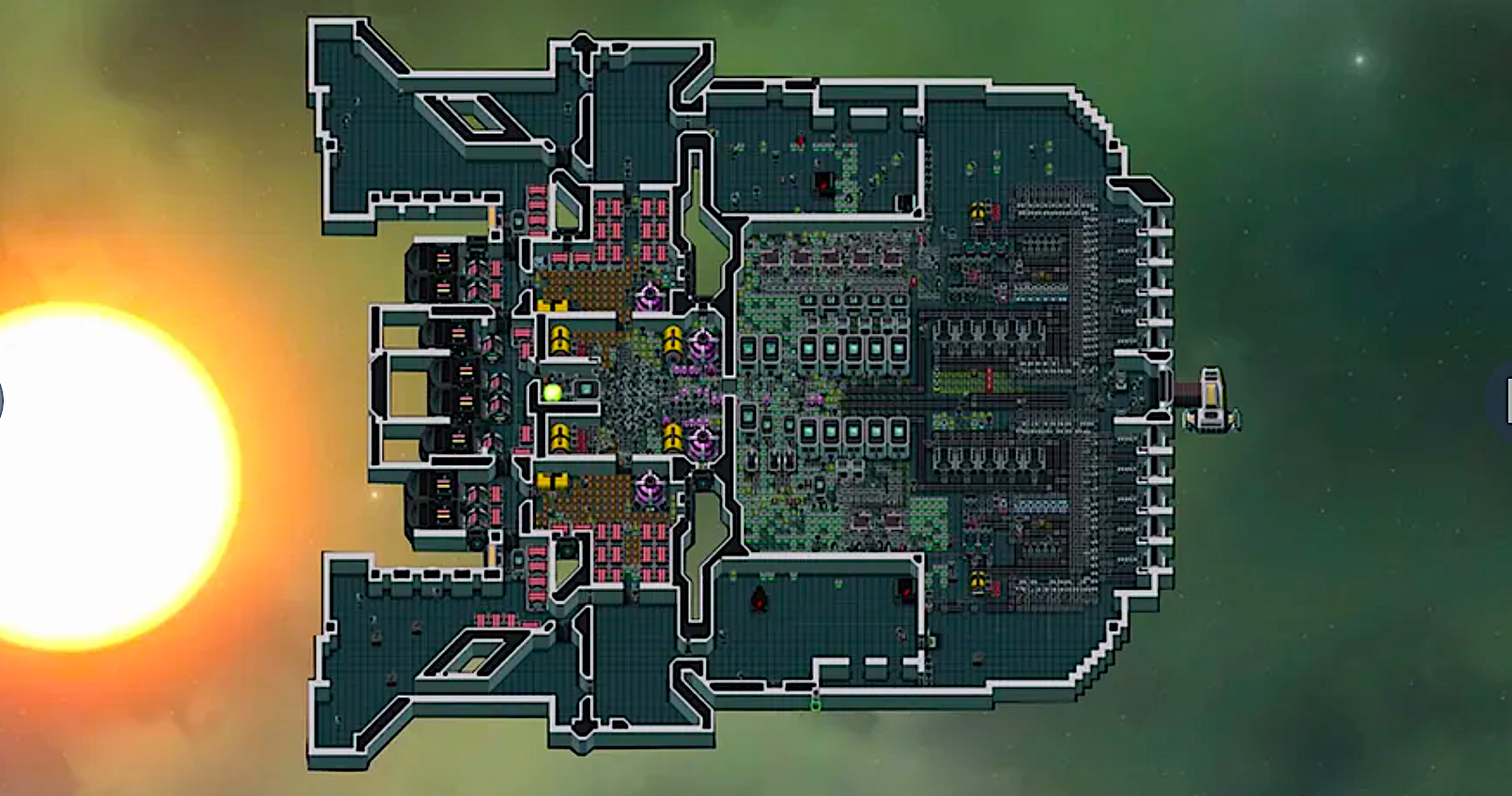
a shot from a 2D sci-fi video game

Cruising a massive spaceship build from Introversion's "The Last Starship" (Image credit: Introversion Software)

On the slight downside, "The Last Starship" might be a bit rudimentary for gamers seeking more challenging logistical endeavors, as I've found it's pretty easy to build up your spaceship. Obstacles are usually solved easily by slapping on another module or installing more reactors and managing your oxygen and CO2.

Despite that, it’s a thoroughly enjoyable initial iteration that’s constantly receiving attentive updates and patches, so hang with it, ye gallant captains.

"The Last Starship" is an excellent 2D open-world, spaceship-building game that offers tons of strategy fun in a nostalgic visual package. If you’re an "F.T.L." fanatic, you’ll absolutely dig it!

"The Last Starship" is available for purchase on Steam, Humble Store, and GOG for Windows and macOS. Oh, and there's a free demo you can check out if you're on the fence.

We played ‘Exodus’, a sci-fi RPG that should please ‘Mass Effect’ fans, even if you can’t romance the talking octopus

Exodus' journey so far has been quite transparent, with publisher Wizards of the Coast and developer Archetype Entertainment giving us a surprising number of updates and looks at the sci-fi action RPG over the years. Now, at Gamescom 2026, they've finally given us the release date and a striking hands-on demo.

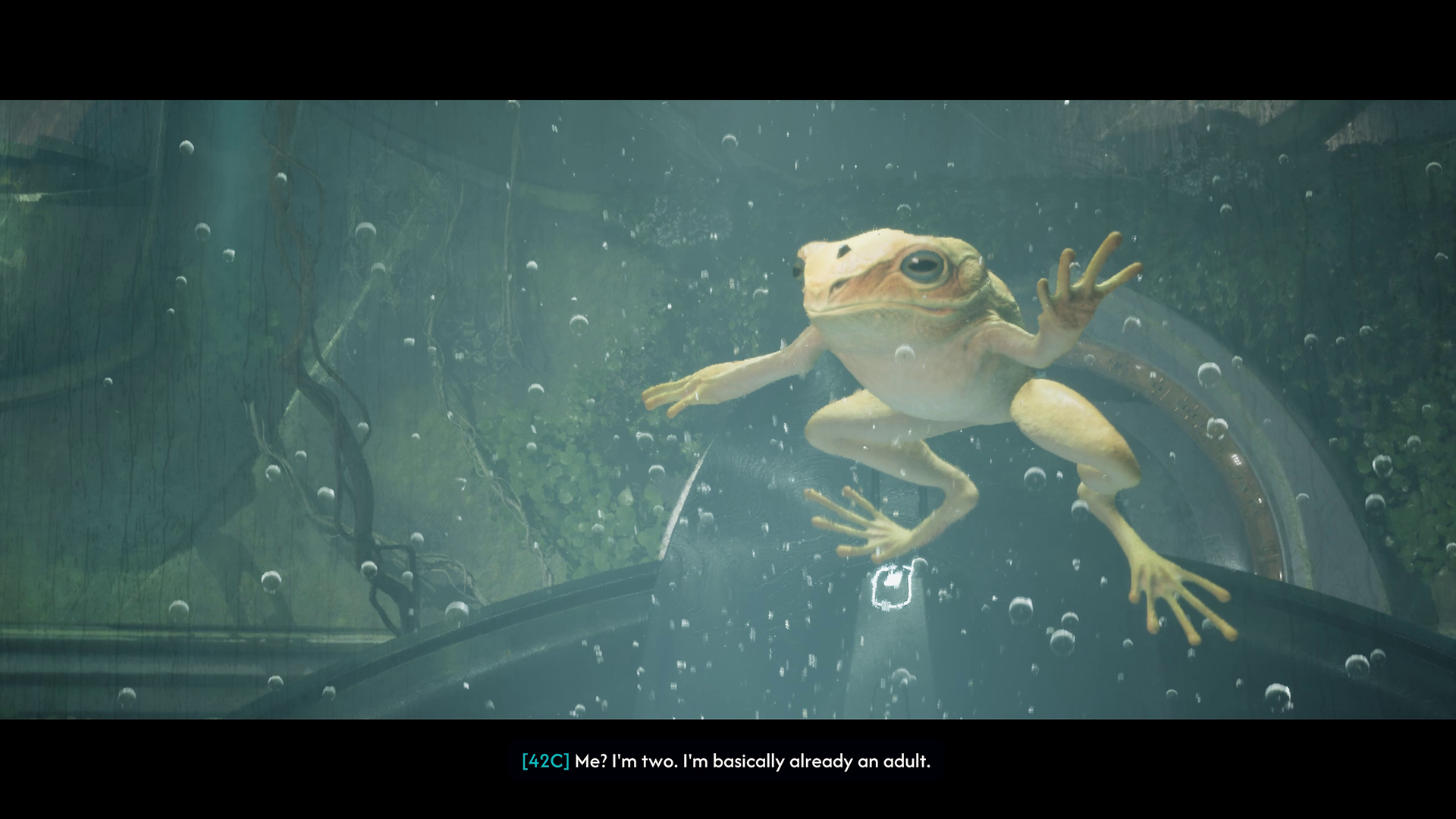
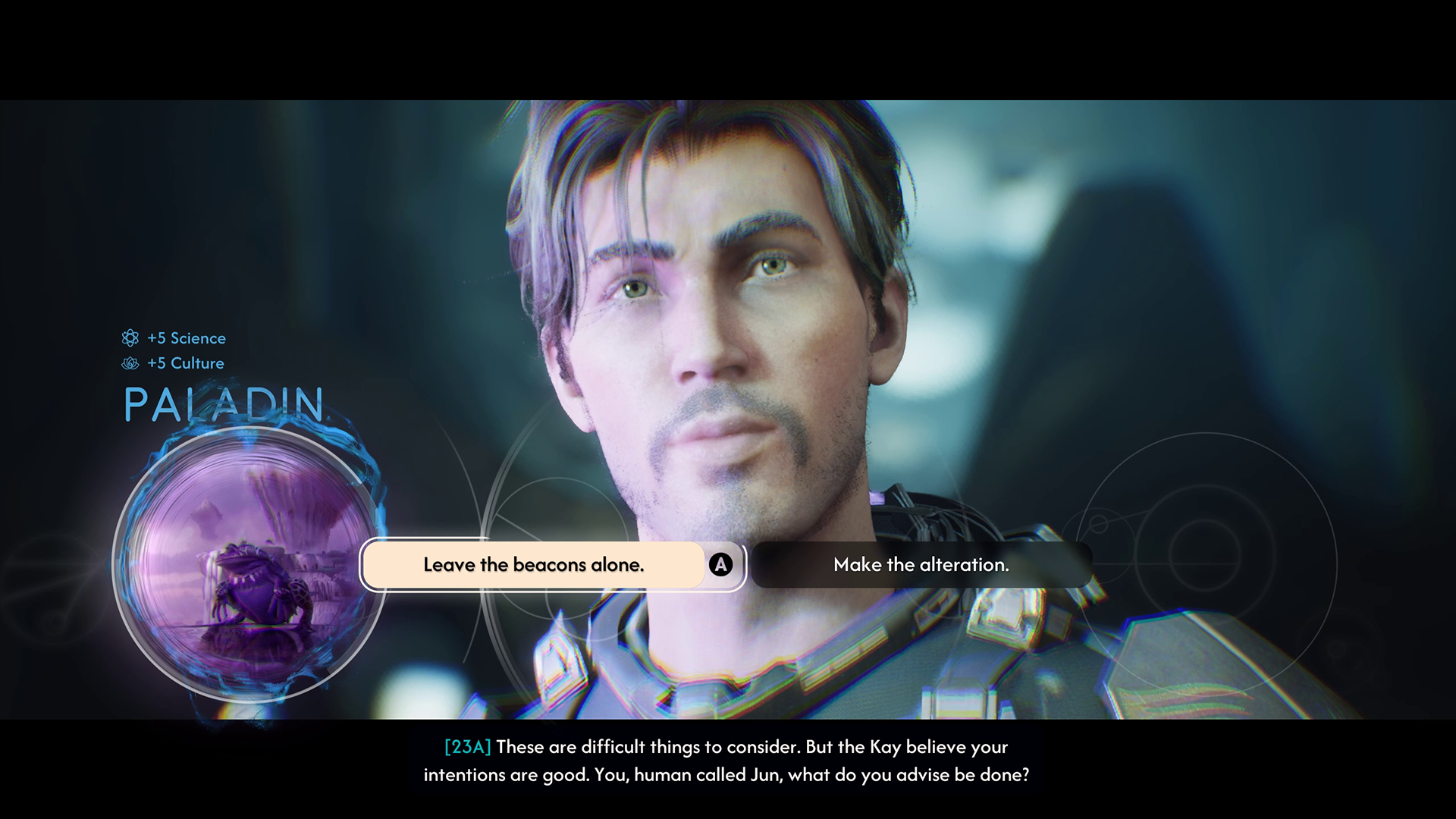
I was able to play a 50-minute demo that takes protagonist Jun Aslan (who you can customize Commander Shepard-style) and their companions to Khonsu, a huge orbital space platform above the world of Lidon, where a population of Awakened frogs – genetically modified animals that are natural to this universe – are keeping more than a few critical systems in working order. I won't get into story spoilers here, but their connection to Lidon's people makes them valuable allies who must be protected from certain evildoers...

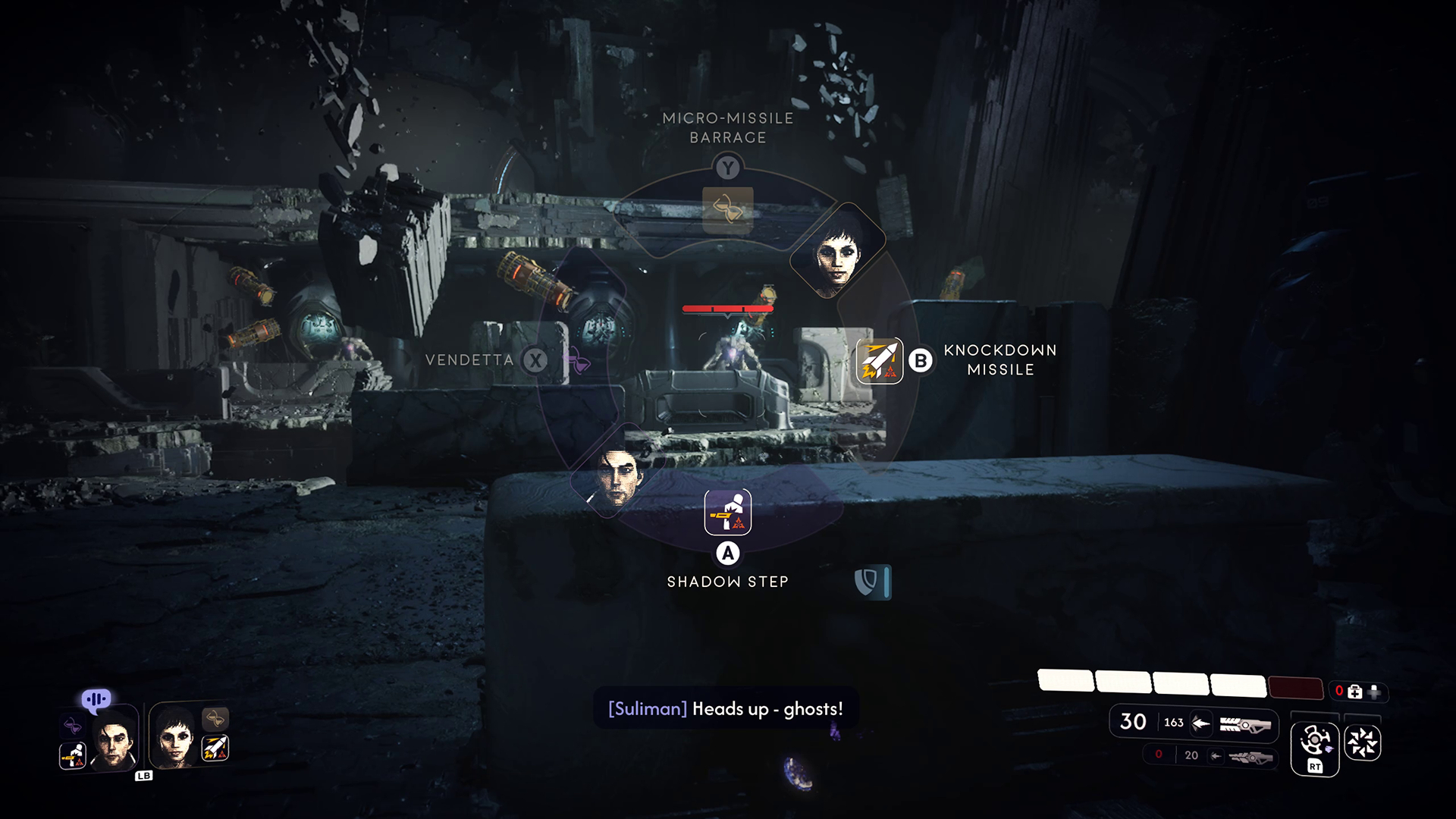
For the most part, Exodus plays exactly like you think it does after looking at the gameplay videos, and I mean that as a compliment. In many ways, it feels like an evolution of Mass Effect – one that's fiercer and more dynamic. The gunplay is punchy and satisfying; Jun and their NPC companions are more agile; and the arsenal of both sci-fi weapons and ancient powers (magic in a sci-fi trench coat) gives players a richer selection of tools to neutralize enemies with.

On top of my hands-on time with the game, I was able to sit down and chat with three members of the development team: Chad Robertson (producer), Chris King (director), and Drew Karpyshyn (writer). If those names sound familiar, it's because they all come from a BioWare background*, so they know their way around sprawling space operas.

*Archetype houses more triple-A talent from other iconic studios like Naughty Dog

The following interview has been edited for better flow.

"One of the tenets was that we wanted to be developing an IP that could stand the test of time, and we needed something in the science fiction space for the benefit of Hasbro and Wizards of the Coast. They're very interested in developing an IP that could be owned and be science fiction," Robertson said of the project's beginnings years ago.

Archetype was founded in 2019, so Exodus has been brewing and evolving for quite some time. The backing of Hasbro and Wizards could be felt throughout the whole demo; Exodus is an expensive game with a stunning visual look.

Screenshot from the 2027 sci-fi game

(Image credit: Archetype Entertainment)

"We've been able to stick with that without having to worry about money and financing and being able to execute on that vision," Robertson added. This also extends to how all the exploration and combat feel even at this stage. While the demo wasn't ready for the public yet, it was a compelling vertical slice with most of the systems and assets in pretty good shape.

The more you dig into Exodus' universe-building, the bolder it becomes, throwing concepts like the Awakened or time dilation into the mix. Still, it's very much a game ideated by BioWare veterans.

"It's sort of natural that we ended up with an RPG set in an epic sci-fi universe with strong player agency and heavy companion content... Yeah, I could've guessed that's where we would end up," said Karpyshyn. While the KOTOR and Mass Effect veteran led on the narrative front, sci-fi author Peter F. Hamilton added to the "core" of the universe and wrote two big sequel novels that also serve as our first proper step into Exodus' universe.

Screenshot from the 2027 sci-fi game

(Image credit: Archetype Entertainment)

"He was very collaborative, but we also wanted to give him a free hand to tell the story he wanted to tell. So he took the elements that he was most interested in and expanded on them, and that allowed us to take some of the ideas and bring them into the game," Karpyshyn explained. Plenty of time (roughly 40,000 years) and space (it's set in the Omega Centauri cluster) separate Exodus from being a look at humanity's immediate future, so Archetype is looking at the universe as a place "that will tell many different stories" over time.

Well ahead of the game's launch, Wizards of the Coast is betting big on the IP, with tabletop adventures, novels, and a Secret Level short introducing RPG fanatics to its universe. How do you rein all that ambition in when working on a huge video game? According to Robertson, setting reasonable limits happened naturally: "We wanted to build a player experience that was cohesive and complete enough. Over the course of the first couple of years, I think we kinda naturally figured it out." He admitted there's "plenty of other stories" they want to tell, though.

Screenshot from the 2027 sci-fi game

(Image credit: Archetype Entertainment)

A highlight of the demo was how fluid the tone in Exodus seems. It's playful — and often comedic — but never too much, and even as a separate, isolated chunk of the game, it presents high stakes and dilemmas I personally cared about. Again, it reminded me of Mass Effect at its best – especially the second one. I was impressed by how grounded it all felt despite heavily featuring a bunch of talking frogs and an armored bear who was also insulting me during a boss fight.

King mentioned the Awakened are "a really interesting example", as it's a concept that pushed them to explore "different ways to present them and what the tone would be". In fact, he revealed they made them "a bit too serious" early on (some of that can even be felt in the earlier lore videos on them). Eventually, the team found a balance between Jun's progression, which "has a lot of heavy, even dark themes", and other elements and characters that you run into. "They're meant to provide a counterbalance to that. You do have lighthearted moments."

Screenshot from the 2027 sci-fi game

(Image credit: Archetype Entertainment)

Inevitably, I had to ask about the matter of romances, and that human emotion we call love. Many players show up for these RPGs looking for hilarious, dramatic, and spicy romantic relationships.

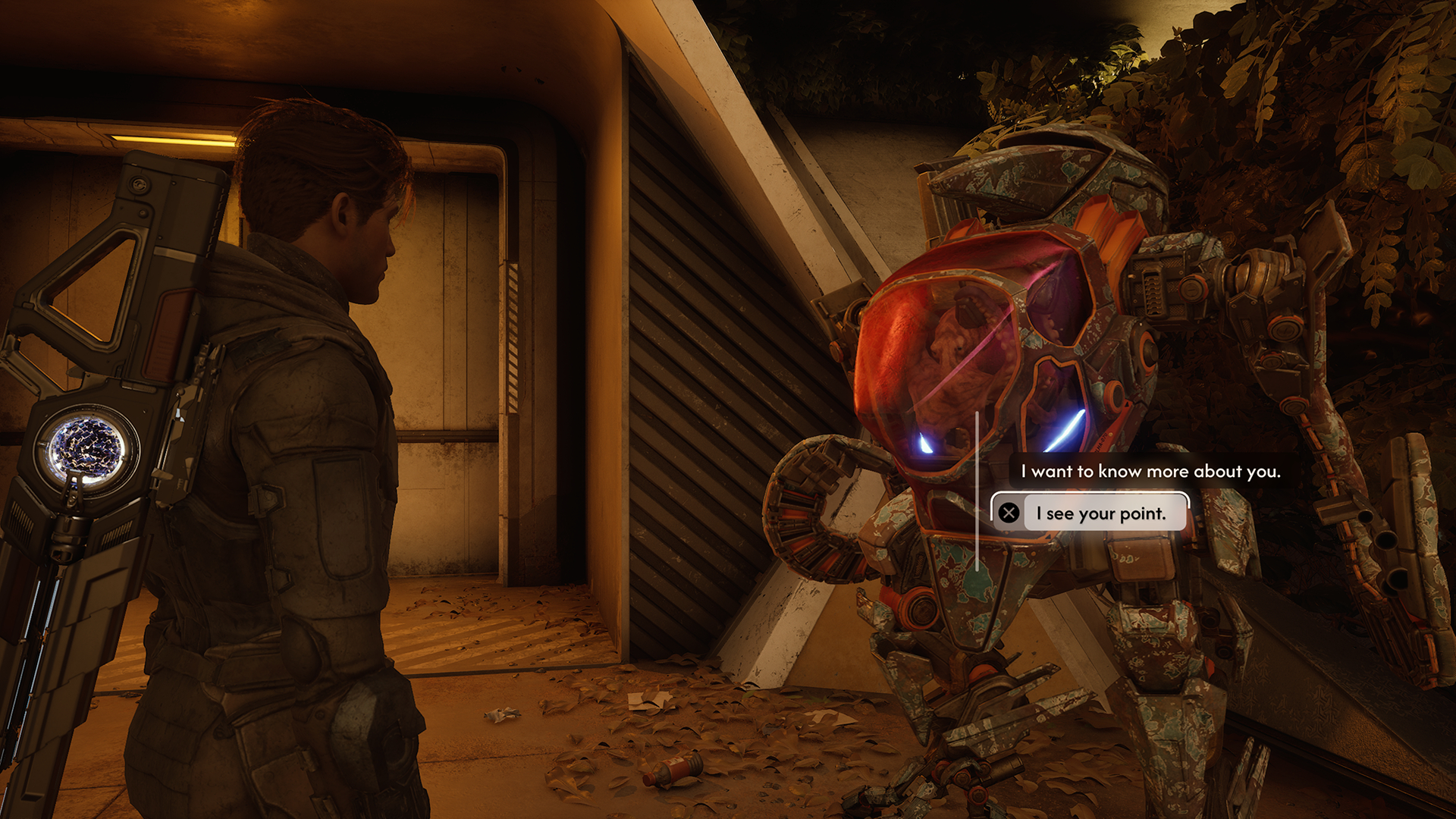
The first thing Karpyshyn did was shoot down the possibility of a Salt (the combat mech-piloting octopus) romance: "Salt isn't really into humans. She thinks they're kind of gross. But there are many other romances. You can play as male or female Jun, and we don't lock any of the romances out based on gender choice. But you do have to pursue and work for them. They're not gonna happen by accident."

His reply then led to some brief talk about the tension between Jun and the members of the crew: "All your companions have their own goals, wants, and needs. They don't get along with each other always. We're constantly putting you into these conflict situations where you have to decide how to navigate... As a player, you have to decide, 'Do I want to risk annoying the romance character?' and maybe the romance ends... Life is messy, and we wanted the game to be messy and complicated."

Indeed, the hands-on preview mission ended with a heavy choice that no doubt would have major consequences down the line. Even if my save game meant nothing at this stage, I was still conflicted, and the developers mentioned it was interesting to finally get this game in front of people outside the studio and see their reactions to certain story beats.

Screenshot from the 2027 sci-fi game

(Image credit: Archetype Entertainment)

On that front, I also had to ask the trio about the voice acting (some voices were really familiar) and the music in the game, which are totally top-notch. "I'm tempted to ask which ones you recognize," Robertson said before stating they're not ready to elaborate on those yet. "The marketing team would shoot us in the head."

During our chat, the team wanted to get some quick feedback on a specific zero-gravity section — shooting and platforming are involved — which they described as "revelatory" after getting the sound FX right. I agree with them. Whereas many space walks in video games feel too fantasy-like or realistic to be truly exciting, Exodus appears to find a fine balance between the space opera spectacle we're showing up for and the harsh coldness of the void out there. There are certain sound FX still giving you feedback, but muffled shootouts are refreshingly scary.

When asked about customization options and character build – as in abilities and skills – possibilities, King answered that "philosophically, what we want to do is give players interesting choices and figure out what they like playing the most".

It's not a hard class system like in the original Mass Effect games. "We let you sort of express and figure out what you like in the skill tree... Layered on top of that, there are mastery levels on classes, and then depending on your choices, it unlocks hybrid trees," explains King.

Screenshot from the 2027 sci-fi game

(Image credit: Archetype Entertainment)

Combined with the many types of guns and suits available — each with different firing modes and upgrades — it all creates a familiar yet deeper progression structure.

Speaking about the game as a whole and what he's particularly proud of, King circled back to "player agency" and what he calls "water cooler moments", as you can discuss with friends at work or online what your and their choices were and what happened. At least, that's what the team hopes will happen with some of the story beats.

Robertson added to his answer: "The first time we had enough pieces together... and you could feel the music and cinematics coming together, and the emotional weight behind it, that's what these games are about. Where you have that angst over a decision and feel the anxiety of what just happened. 'I should have chosen something different.' I think we're super proud of those. There's a bunch of moments in the game like that." At this point, I can already see what the team means, which is why I sincerely believe there might be something special to Exodus.

Exodus is releasing on PC (Steam & Epic Games Store), PS5, and Xbox Series X|S on April 7, 2027.

‘Alien: Isolation 2’: Facing a ruthless and evolved Xenomorph in our Gamescom hands-on preview

It's hard to downplay excitement for Alien: Isolation 2 after a first menacing teaser and promising early previews. Alien video games are in a good spot right now thanks to bangers like Aliens Dark Descent and Fireteam Elite 2, but nothing has hit quite like Creative Assembly's 2014 survival horror classic.

Now, after a thrilling Gamescom hands-on demo, it looks like the studio has nailed it once again, bringing Xenomorph-shaped scares to the next generation. At least that's what its breezy prologue section I played at Gamescom suggests.

As the earliest possible section of the game, no new mechanics were present, and the larger ideas and structure are still a big mystery. Instead, Sega and Creative Assembly have bet on pure atmosphere, dread that runs deeper thanks to more detailed graphics and audio, and of course, letting everyone know the Xenomorph's dynamic AI has evolved too.

Though it'd been mentioned before, the biggest shocker comes with the immediate reveal that Amanda Ripley is no longer the protagonist. Even if I wouldn't close the door on her showing up one way or another in Alien: Isolation 2, her story was continued elsewhere after all hope for a sequel was lost a few years ago. (Look at us now).

Instead, we play as Blake, a gal from Earth who seems eager to please her employers, even if that bothers Cole and Otto, two rugged workers under her command.

Pre-alpha screenshot from sci-fi horror game Alien Isolation 2

(Image credit: The Creative Assembly)

Still, the game smartly kicks off with a quick rundown of what went down in the first Isolation, narrated by Ripley, who was responsible for the destruction of the infested Sevastopol station. The nightmare was over... until it wasn't. The bad news is that part of Sevastopol was ejected as an emergency measure, probably to preserve the lab inside and the horrors within it. It's a similar setup to Alien: Romulus' "the Company went and recovered a chunk of the Nostromo", but it gets the job done.

Our interview with Creative Director Al Hope revealed that "Alien: Isolation 2 picks up a few months after the first game". The nature of the colony-planet we're on remains a mystery, but it seems the terraforming process is going well, with plenty of vegetation and trees scattered about. Shame about the remarkably bad weather though.

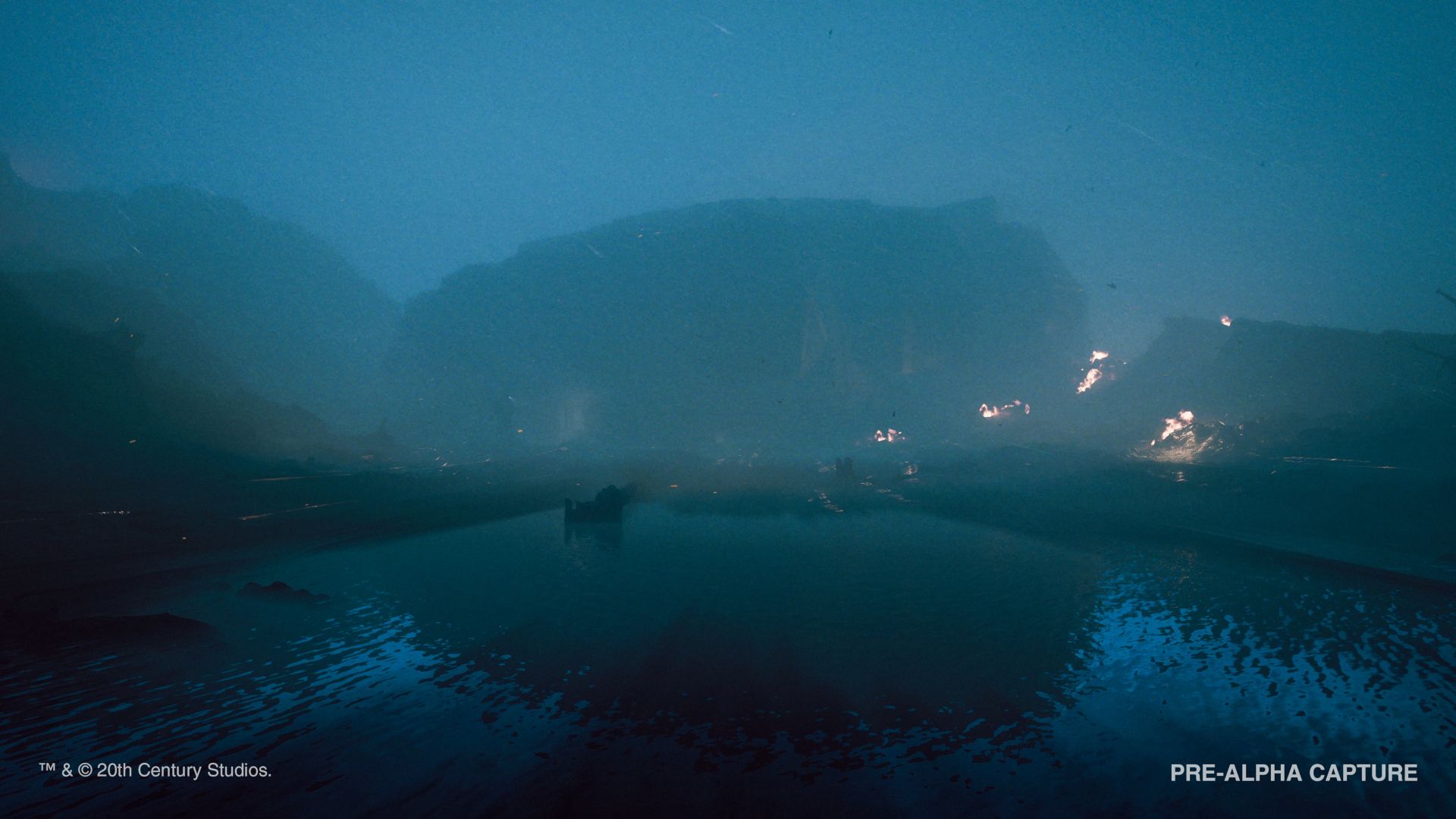
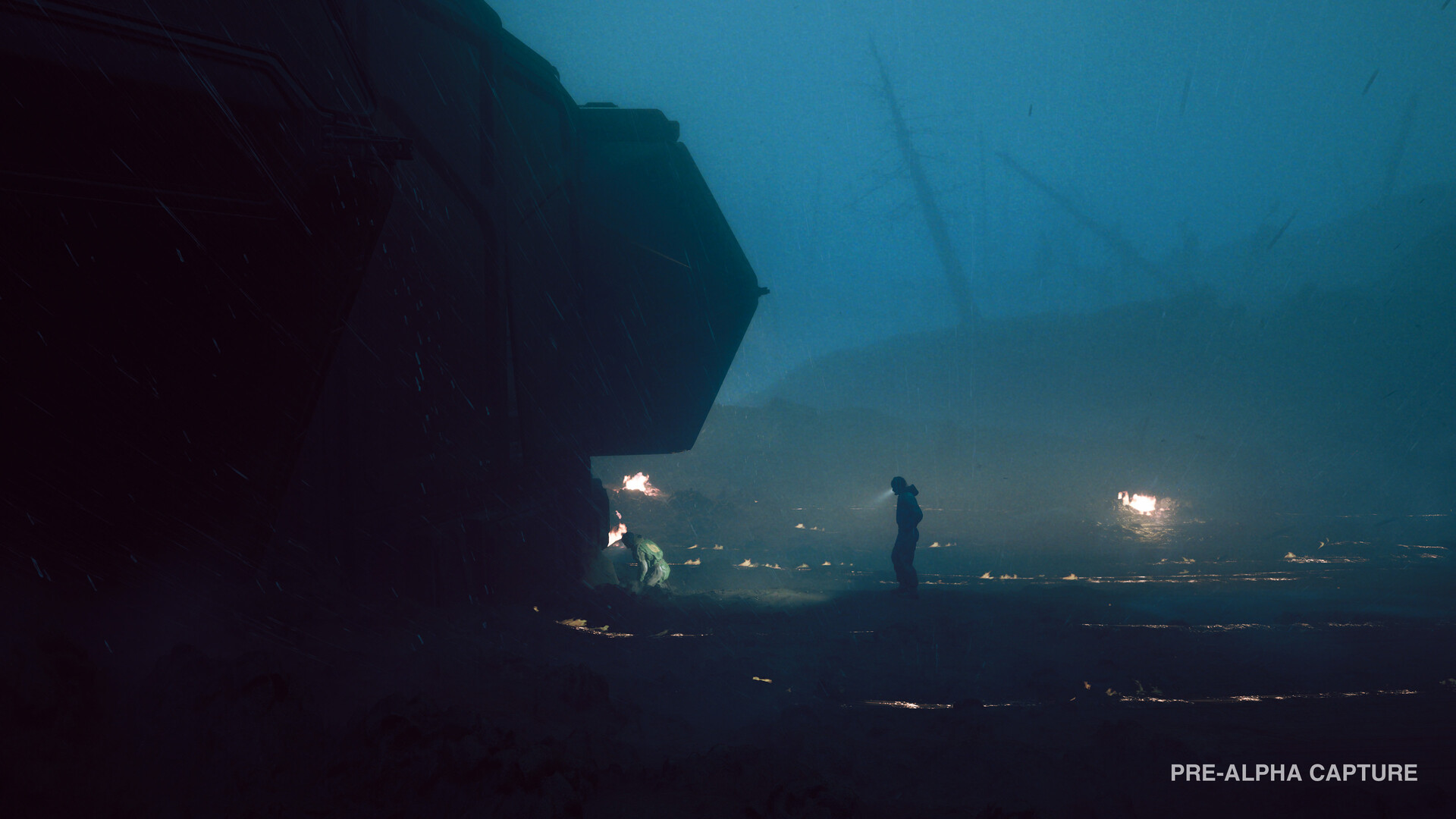
During the prologue, the ground vehicle is forced to stop during the beginning of a terrible storm, and that makes visibility once Blake steps out of the vehicle an issue. Hope also confirmed that these inclement weather conditions will play an actual role in how the survival gameplay evolves over the course of the game, but for now the prologue keeps things mostly on-rails.

In any case, the rainy and windy weather is a fantastic showcase of the game's visuals and sound FX work. It's fairly stressful even without a Xenomorph haunting the place (yet), so I can only imagine how intense Alien: Isolation 2 will get once things ramp up. After wandering around the area and spotting a crashed structure, Blake decides to play the hero and goes into the trashed remnants of the Sevastopol despite Cole's persistent warnings about the rising water level of the river. Who knows, that guy might make it out alive thanks to his "I'm not getting paid enough for this" mentality.

Pre-alpha screenshot from sci-fi horror game Alien Isolation 2

(Image credit: The Creative Assembly)

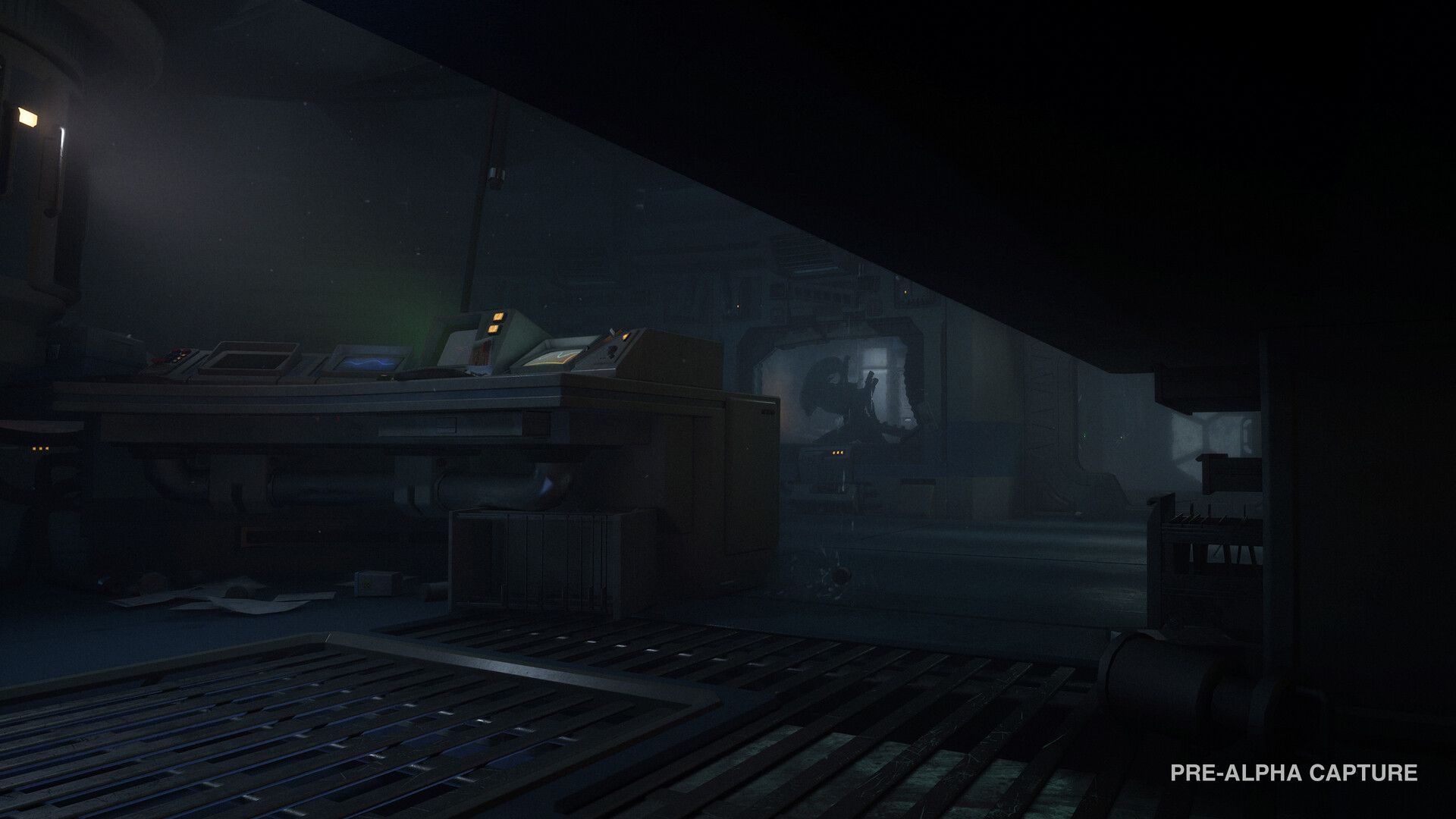
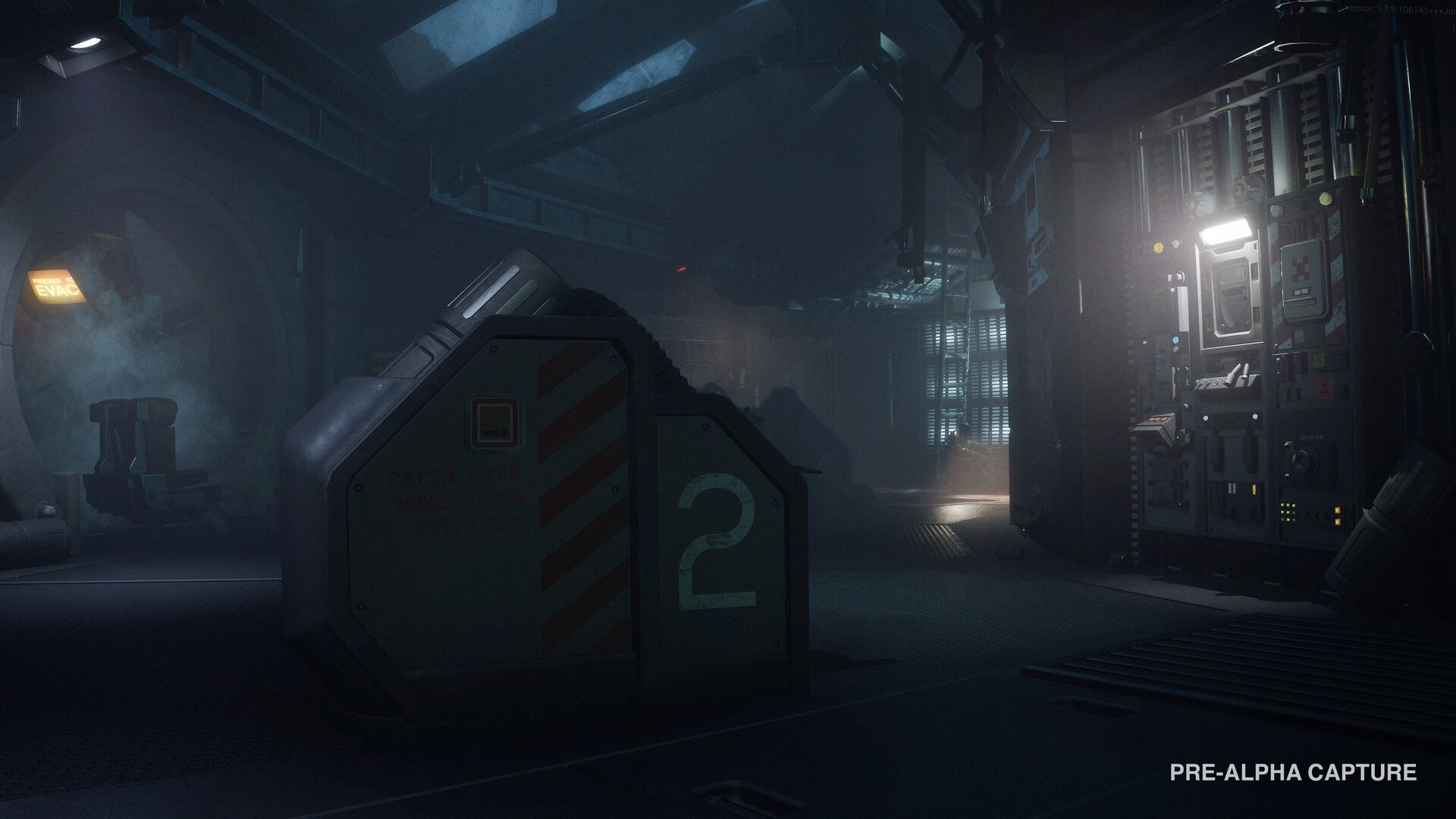
Inside the messy lab, malfunctioning doors are the first obstacle. It seems I was meant to use my only two flares to roam around the dark corridors and look for pieces of scrap that Blake can use to fix some circuits. Instead, I used them outside and went "oooh" at the lighting, wasting them. This made the first step into this haunted house trickier than it needed to be, but I eventually made it into its inner sections, restoring some of the power and also awakening the beast.

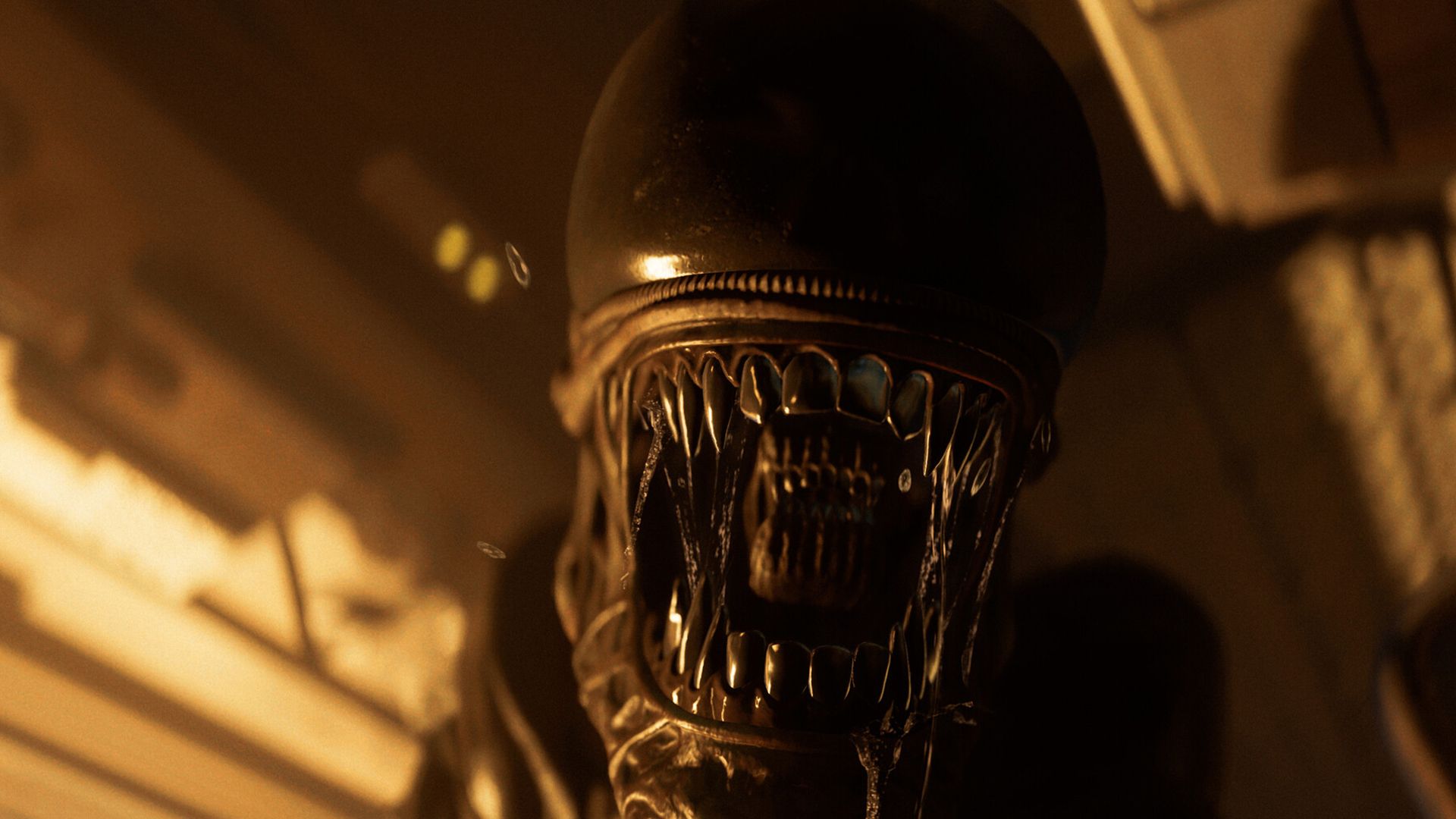
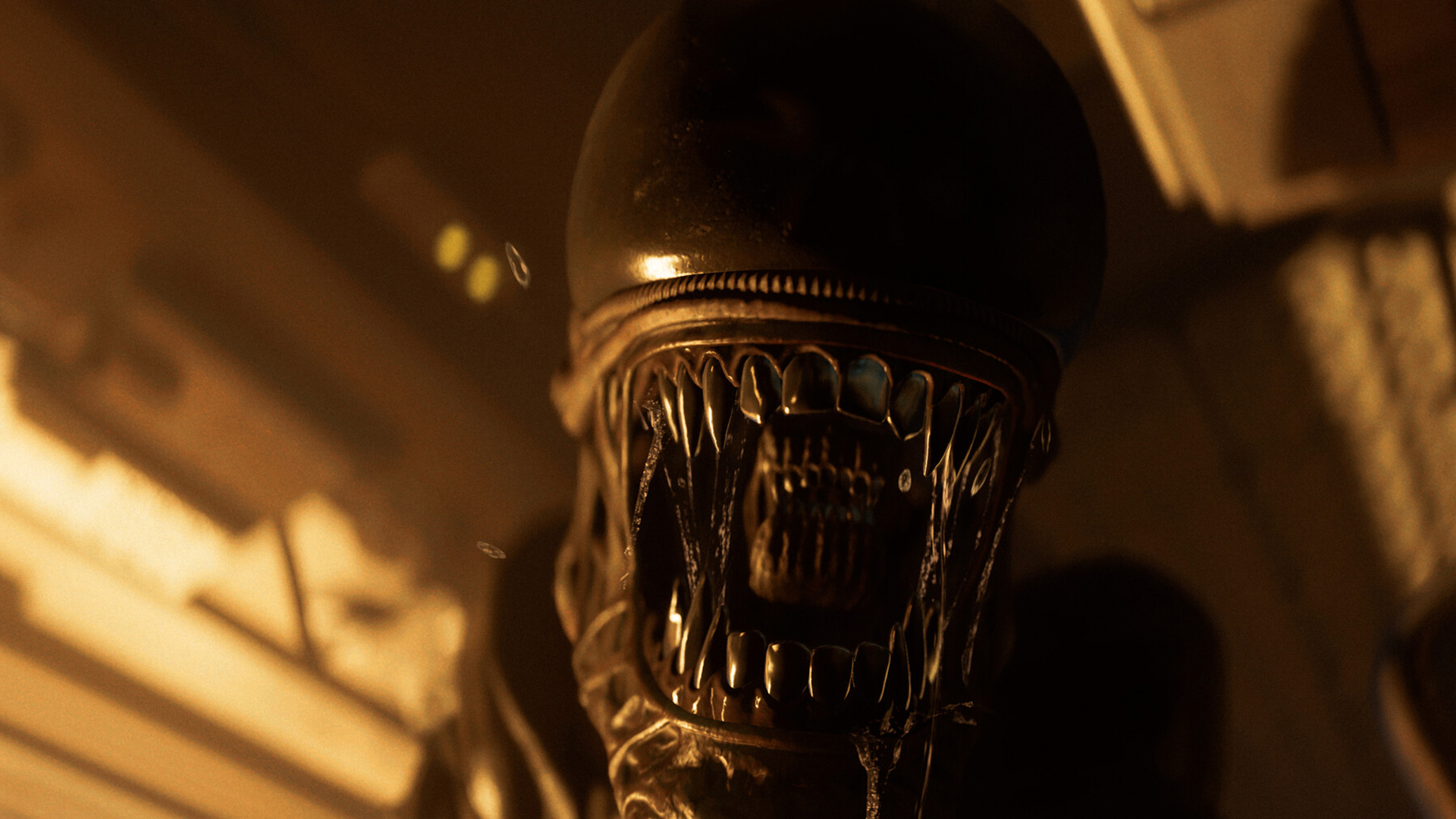
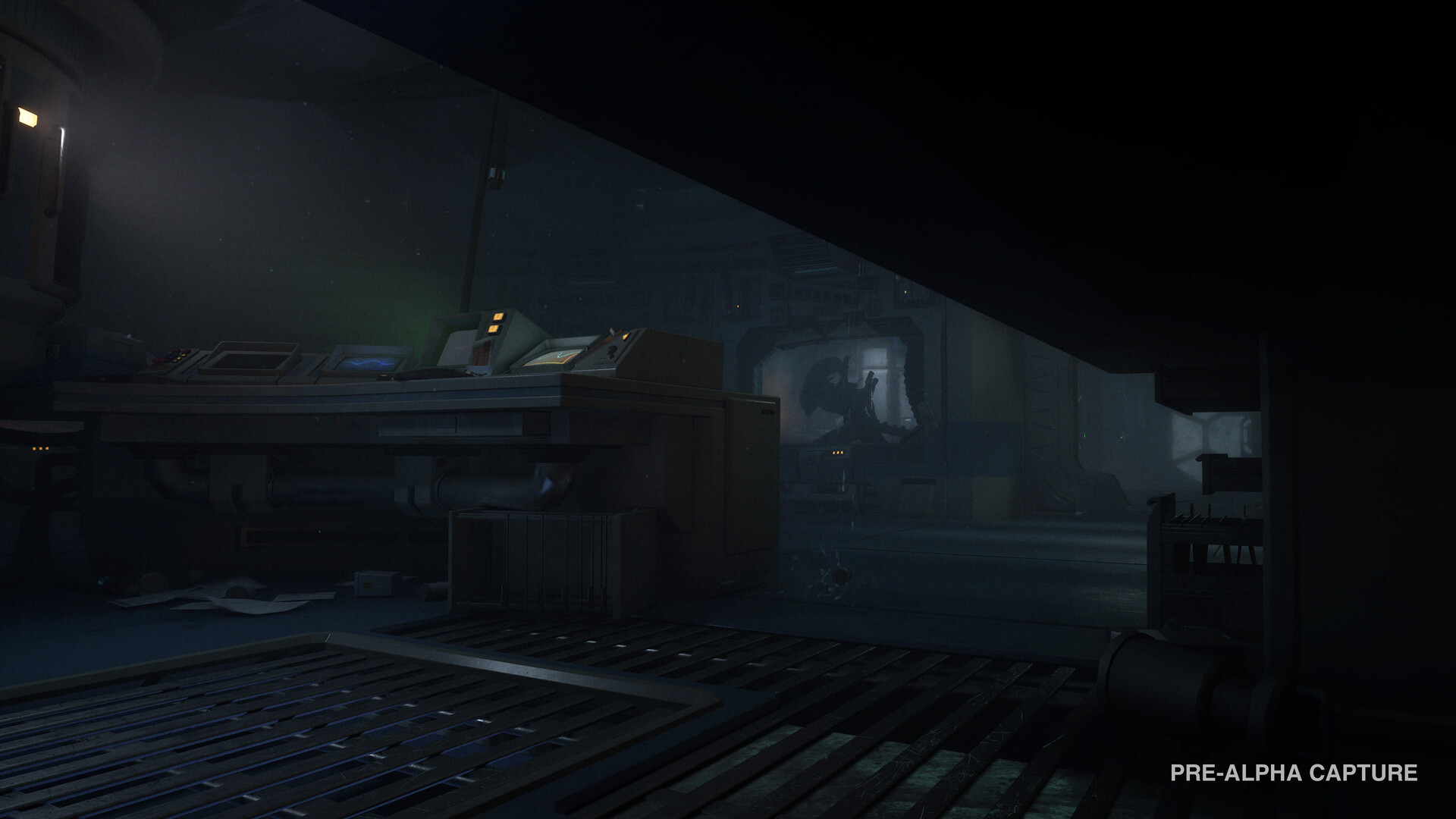
Creative Assembly thought it made no sense to keep the Xenomorph in the shadows for long. It's a trick the studio pulled off once, but 12 years later, it'd have been silly to tease us with limited glimpses of a creature everyone already knows and fears. Instead, the Xenomorph drops down right in front of Blake, who's lucky enough to be able to duck under a table the moment it shows up, offering us a glimpse at its glorious new model.

After that point, the goal in the demo is simple: Get the hell out of there. With obstacles like fire coming out of pipes and blocked doors, survival comes down to chucking small items like bottles across the room to keep the Xenomorph off Blake's back while trying to find a way forward. No motion tracker, no flamethrower, no anything. Just crawling on one's knees and making the right move at the right moment. Needless to say, poor Blake was impaled and "kissed" by the alien drone more than a few times before my time was up.

Pre-alpha screenshot from sci-fi horror game Alien Isolation 2

(Image credit: The Creative Assembly)

At this stage, it's impossible to discern how Alien: Isolation 2 differs from the original beyond the more advanced tech powering it, the new cast of characters, and the desolate planetary setting. What this demo achieved, however, was making the main Xenomorph threat even livelier. Its patrols were more unpredictable, and the reaction times shocked me more than once.

Muscle memory and knowledge of the previous aliens' behaviors in the 2014 original won't save you here. Even staying inside the vents for too long made it search every nook and cranny before eventually finding and grabbing me. There's no easy way out even when you're silent, and I suspect Creative Assembly wants to push players to be on the move always.

There's a clear opportunity here to create a bolder sequel that borrows more from the recent Resident Evil entries — which were themselves partially shaped by Alien: Isolation's first-person horror — to keep players on their toes, always readjusting to environments and non-Xeno threats. It's a full circle moment for the dev team, and the final confirmation that the first game is now a bona fide classic.

Creative Assembly's Survival Team has gotten back in the saddle like nothing happened, and now I'm just excited to see the twists and turns that elevate its basic tried and tested formula.

Alien: Isolation 2 is releasing on PC (Steam), PS5, Xbox Series X|S, and Nintendo Switch 2 in the near future. A release window hasn't been locked yet.

‘Alien Isolation 2’ creative director talks upping the scare factor for the sequel (interview)

Released in 2014, "Alien: Isolation" was a sci-fi horror gaming masterpiece that combined stealth, survival horror mechanics, and cinema's greatest monster to create an underpants-ruiningly terrifying experience. After earning phenomenal reviews, winning awards, and selling millions of copies globally, players were left clamouring for a sequel. Now, 12 years later, it's finally happening.

In June 2026, fans got what they’ve been waiting for: their first real glimpse into what Alien: Isolation 2 has in store. From the trailer, we learned that players will play as a survey team member at a small Weyland-Yutani outpost called Kurosaki Station. When a ship crashes in the nearby forest, you head out to search for survivors, but the search-and-rescue mission quickly becomes a fight for survival when you start being hunted by a xenomorph.

While Alien: Isolation 2 doesn’t have an official release date yet, more info is expected later this year, including our hands-on preview at Gamescom 2026 (which is coming later this week). In the meantime, Space caught up with Al Hope, the Creative Director for Alien: Isolation 2, to chat about what it’s like to create horror in video games and what fans can expect from the sequel.

Space.com: Alien: Isolation is considered one of the scariest games ever made. In fact, many people see it as the scariest game ever. Do you think you’ve discovered the secret to great video game horror?

Hope: "What can I say, we had the best source material in the world to work with. We spent so long deconstructing Ridley Scott’s 1979 movie when making Alien: Isolation to really understand the building blocks, and how it evokes such a unique and striking sense of horror to this day.

"That’s what we build into our games. That sense of powerlessness against an unknowable, unkillable foe. The ‘perfect organism’ as Ash dubs it. And you’re its prey in a deadly game of cat-and-mouse. We’re taking that brand of horror even further in Alien: Isolation 2."

Pre-alpha screenshot from sci-fi horror game Alien Isolation 2

(Image credit: The Creative Assembly)

Space.com: We have new sets in Alien: Isolation 2, from woodlands to an outpost settlement. What was it like taking the claustrophobic, outer space terror of the first game and transporting it into new environments and settings? Were there any challenges in keeping the horror alive in these areas, or did the new settings help create terror of their own?

Hope: "In many ways, the sequel is a blend of the old and the new. You’ll experience that familiar claustrophobia you felt on Sevastopol Station in the first game while exploring the facilities on Kurosaki in the sequel. You’ll be hunted mercilessly, and you’ll need to improvise in order to change the odds and survive. These are the cornerstones of what we term the ‘Isolation Experience.’

"But as you’ve guessed, the exterior environments in Alien: Isolation 2 have a kind of horror all their own. You might feel some initial sense of relief when escaping the claustrophobic confines of the colony, but the exterior areas are storm-ravaged and wildly inhospitable. The violent weather can rob you of your senses, and yes, the Alien will hunt you outdoors as well, in ways you haven’t experienced before. You’re going to feel exposed, vulnerable, and very isolated."

Pre-alpha screenshot from sci-fi horror game Alien Isolation 2

(Image credit: The Creative Assembly)

Space.com: Over the last few decades, the Alien franchise feels like it’s drifted more and more into the action genre. What encouraged you to take Alien back to its horror roots with Isolation?

Hope: "Back then, we wanted to provide, for the very first time, the experience of encountering and trying to survive against cinema's greatest killer. In a way, it was the game we always wanted to play."

Space.com: In Predator: Badlands, we got our biggest Alien-Predator crossover yet outside of the AVP franchise. With the debate settled and it now firmly canon that the universes are shared, can players expect any Predator easter eggs in Alien: Isolation 2?

Hope: "Our focus in the sequel is very much on placing you in the shoes of a character who has no prior knowledge of the Alien, and who encounters it for the first time.

"How she reacts to that, and how you deal with it through your choices and actions, is where the drama lies. While we will have other NPCs and threats which contribute to that drama, the Predator isn’t a character or concept we’re factoring into the game."

Pre-alpha screenshot from sci-fi horror game Alien Isolation 2

(Image credit: The Creative Assembly)

Space.com: It's been over 10 years since the first game, and many fans started wondering if we were ever going to get a sequel. What took so long to make a sequel happen, and do you think waiting so long helped (or hindered) you at all when making the game?

Hope: "We’d always intended to make a sequel. Even during the development of the original, we had a number of ideas regarding the direction the next game could take.

"But we also had some great opportunities to work on other titles and try some new stuff out, like Halo Wars 2. But again, the hope was always to return with another Isolation game, and now that we’re back in full flow, it feels like coming home."

Pre-alpha screenshot from sci-fi horror game Alien Isolation 2

(Image credit: The Creative Assembly)

Space.com: Timeline-wise, Alien: Isolation takes place between the first two movies, and the sequel apparently takes place just months after the first game. So in the larger Alien timeline, gamers are still playing a story that happens between the first two movies. Does the game’s place in the larger timeline impact how you told the story?

Hope: That’s right, so the original game takes place around 15 years after the events of Alien, and Alien: Isolation 2 picks up a few months after the first game. Its place in the timeline means we’re continuing to draw inspiration from that lo-fi, sci-fi world of tactile, analogue equipment, and environmental features you can touch and feel. Now that we’re expressing those aesthetics in the context of a Weyland-Yutani colony, we have a whole new canvas to explore artistically.

Alien: Isolation 2 is releasing on PC (Steam), PS5, Xbox Series X|S, and Nintendo Switch 2, though there is no fixed release date at this time.

‘Orbitals’ is a co-op sci-fi adventure that recaptures the magic of Saturday morning cartoons

Growing up, the best Saturday morning cartoons were the ones we re-enacted with our friends on the playground. Whether it was screaming at the top of our lungs to go Super Saiyan like in Dragon Ball Z, or sleuthing around the school as Darkwing Duck.

In the years since our childhood, we’ve often bonded with both strangers and friends over memories of Saturday morning cartoons, remembering the quaint stories and characters that influenced our lives in surprisingly profound ways.

Those stories have a unifying power, and that’s at the heart of developer Shapefarm’s debut, Orbitals, which seeks to combine that rich heart with the gameplay style of Hazelight Studios’ co-op games like It Takes Two and Split Fiction. Will Orbitals be looked back on quite as fondly as those cartoons years down the road? Probably not, but this Switch 2 exclusive is a no-frills co-op smorgasbord that’s delightful from start to finish.

Editor's Note: Since Orbitals requires two players to complete, this feature is co-authored by George Yang and Hayes Madsen. Name a more iconic duo.

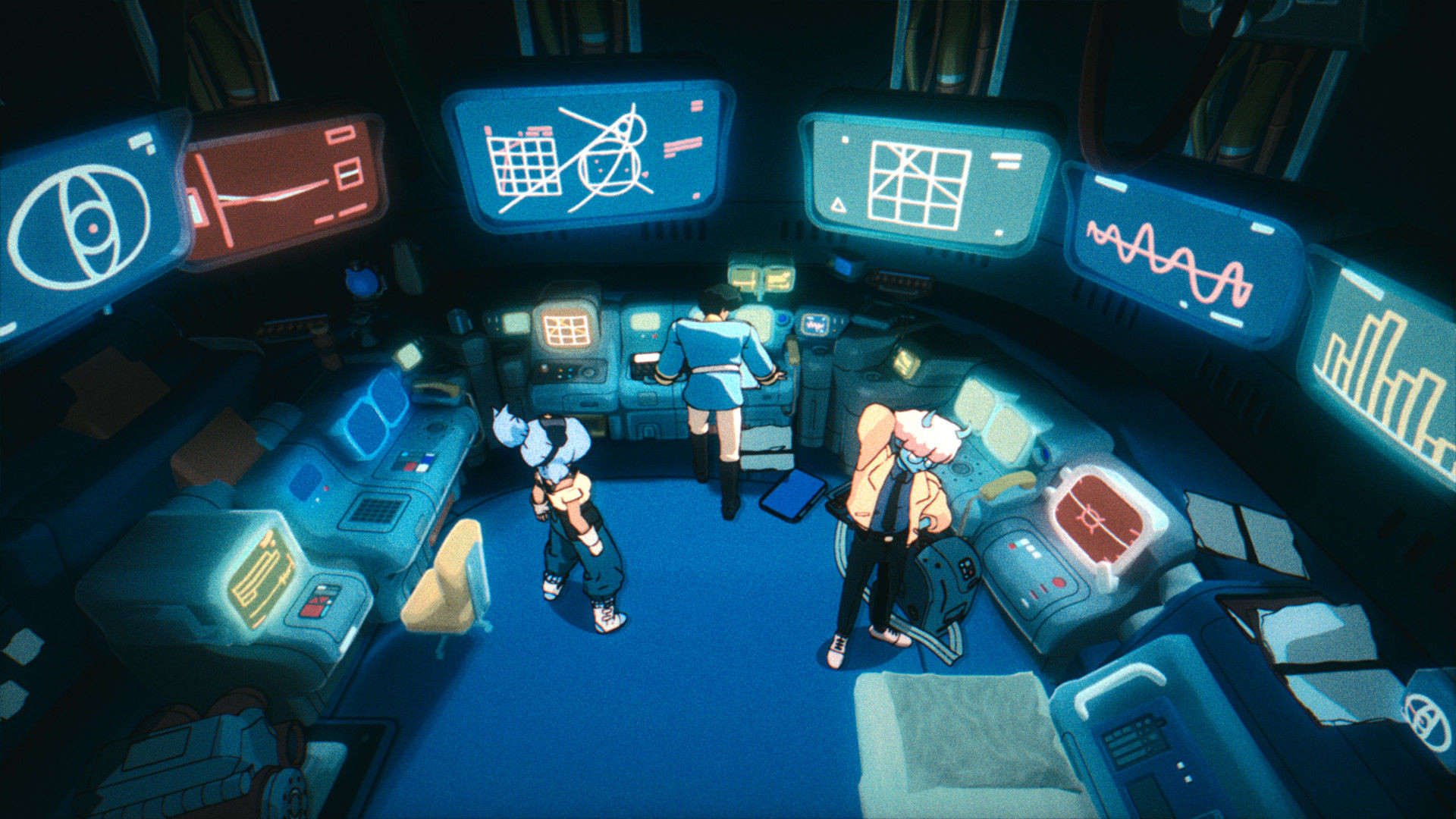
You play as Maki and Omura, two space explorers tasked with finding power cores to power up their home ship and prevent it from being destroyed by a cosmic storm. Orbitals is very similar to co-op games like It Takes Two and Split Fiction, both from Hazelight Studios.

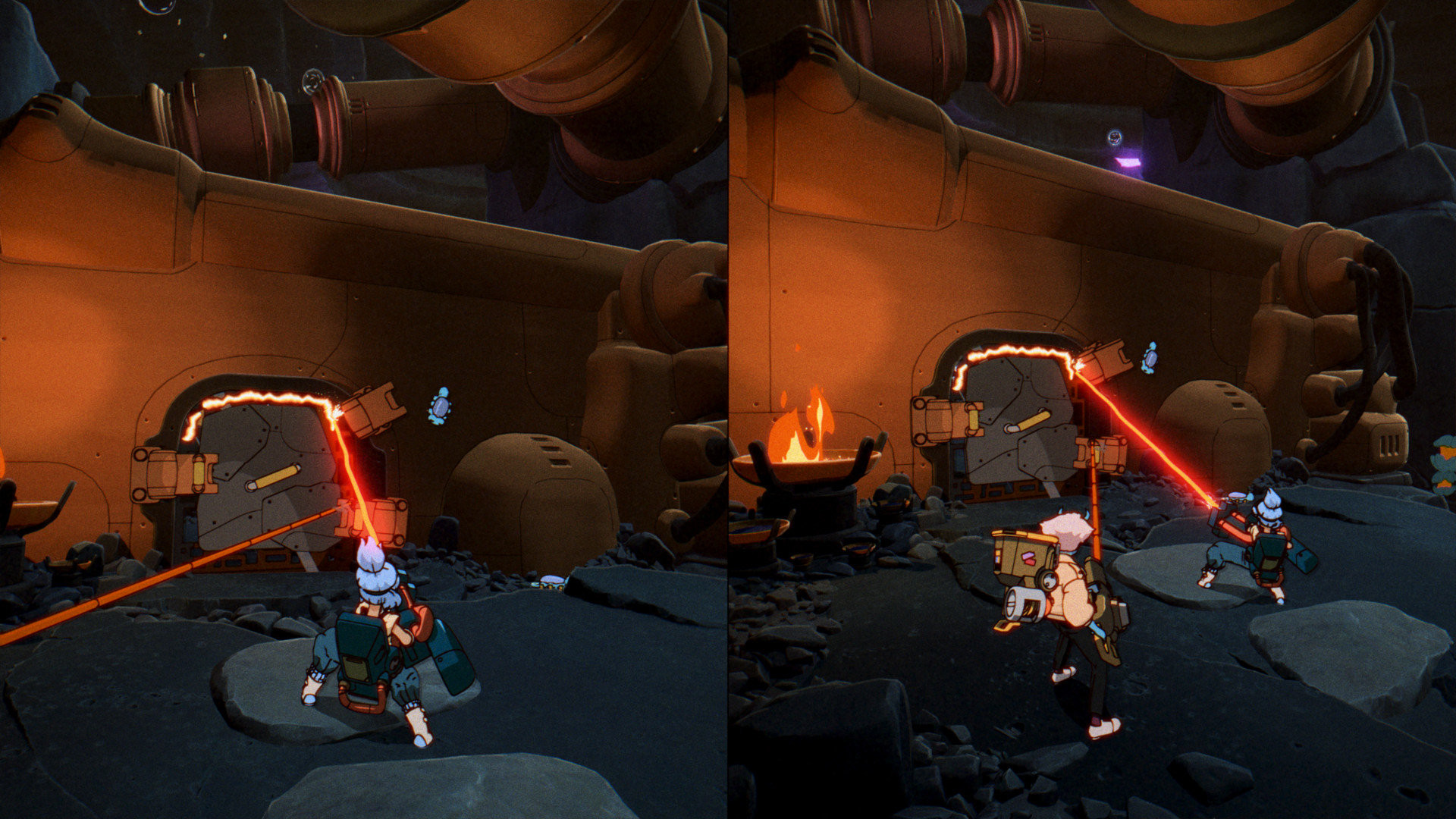
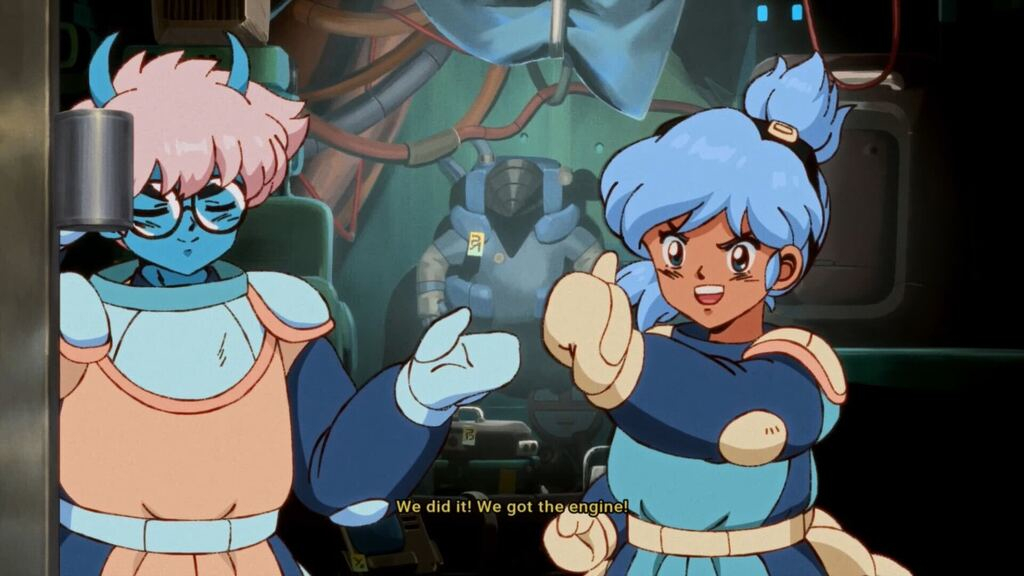
Strictly a two-player game, you and a friend have to work together to solve environmental puzzles while communicating with each other. This dynamic complements the friendly camaraderie between Maki and Omura, the former of whom is a bubbly girl and the latter a more laidback, blue-skinned male humanoid with horns.

(Image credit: Shapefarm)

Perhaps what’s most remarkable about Orbitals is its sense of lightness. This is a game laser-focused on fun, evoking that through smart puzzle design, cooperation, collectibles that are all tied to fun little minigames, and more.

Experiencing Orbitals was just like marathoning an entire season worth of anime. The 80s and 90s anime art direction emphasizes thick lines and simple shading, as opposed to modern standards of meticulous detail and cinematic lighting.

This retro aesthetic permeates every facet of Orbitals. The splash screen that appears when loading up Orbitals, showing Shapefarm and publisher Kepler Interactive’s logos, is soaked in retro-futuristic bright neon like Apple’s back in the 80s. The amazing opening song, “Accelerating Destiny,” is sung by legendary 80s anime vocalist Mami Ayukawa. Each decision feels intentional, like a love letter to this era.

It’s an absolutely gorgeous journey through space that lasts a brisk 5 hours. There are 12 chapters lasting around 20-25 minutes, with each feeling like a separate TV episode, and we know what you're thinking; that seems like a short game. And it is.

Compared to Split Fiction, which lasted way too long, Orbitals finds itself on the other end of the spectrum. The pacing quickly picks up into the finale, making it feel a bit rushed. There's a middle ground that both games missed, which is a shame. Despite that, although hastily, Orbitals wraps itself up in a satisfying way.

Shows like Cowboy Bebop had a ragtag team of underdogs exploring the solar system, instilling lessons about loneliness and existentialism. Mobile Suit Gundam Wing had heavier ethical themes about war. These ideas flew over our heads as kids, and we were mostly occupied by the pretty lights and awesome fight scenes. But rewatching them as adults allowed us to grasp them better. Orbitals follows in these classics’ footsteps, tackling subjects like agency of choice and forgiveness.

(Image credit: Shapefarm)

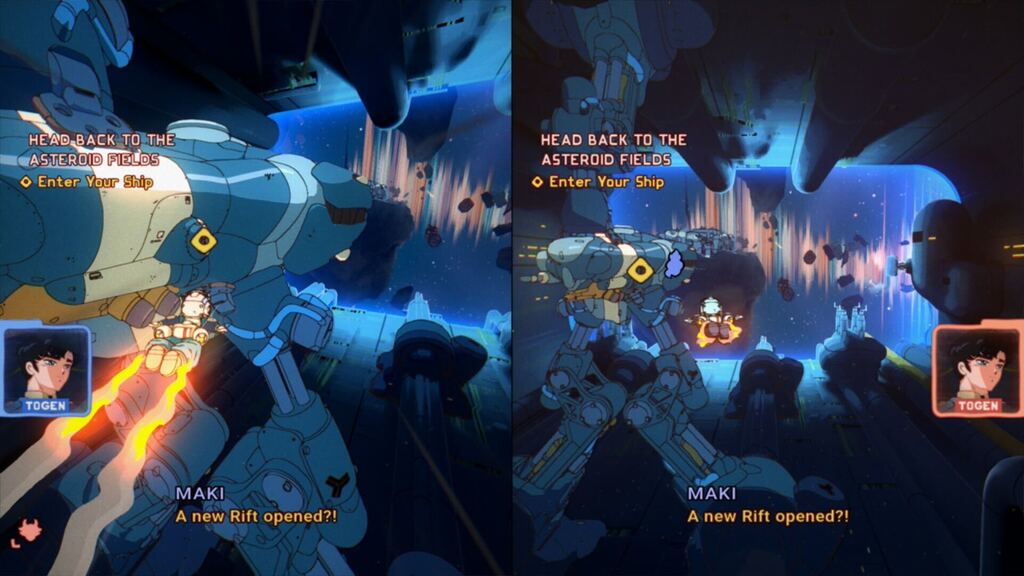
Orbitals has its fair share of battles, with one player controlling the guns while the other steers the ship to take down turrets and incoming asteroids. It’s not too difficult, since each of you only has to focus on one task, but the real challenge comes from communicating.

In a few boss fights, the battles can suddenly change into a completely different format. In one instance, the pilot had to dodge enemy projectiles like a bullet-hell game, while the other player's perspective shifted inside the ship, with them putting out fires before heading back to the guns. It’s these unexpected moments that make Orbitals a blast to play.

As the designated pilot of the duo, Hayes quickly felt the burden of protection weigh upon his shoulders. He didn’t just have to get us from point A to point B, but also had to dodge enemy attacks in frenetic battles, pilot through the sudden bullet-hell segment, use a microwave to possess creatures and shift the stage, and so much more. George, on the other hand, had to quickly dispatch enemies before they depleted the ship’s HP, while also frantically navigating through lava while Hayes cooled it from underneath, creating a path to the other side of the level.

(Image credit: Shapefarm)

Despite a runtime that feels like it ends when the game is really picking up, Orbitals is an incredibly smartly designed little game. One that consistently weaves different gameplay styles and genres together into something effortlessly distinct, even though it clearly is trying to emulate the magic of It Takes Two and Split Fiction. The good news is that it largely succeeds at what it does.

The story is breezy, but punctuated by shockingly good performances and that whimsical Saturday morning cartoon feel. The main duo instantly feel like lifelong friends, with the game knowing it doesn’t need to take the time to lay out that backstory.

Equally, gameplay mechanics are briefly explained but then further explored through experimentation and context clues, rather than lengthy tutorials. Those two aspects combine into a game that, ultimately, makes every hour feel distinctly different, just like a Saturday morning cartoon.

(Image credit: Shapefarm)

It’s those differences that make Orbitals more than the sum of its parts, alongside how much the experience of the game’s two players actually differs.

While the game likely felt more like a shooter for George, Orbitals was essentially a platformer and vehicular exploration game. That inherently adds a bit of a different tinge to each experience, even in how Orbitals relates to those Saturday morning cartoons it tries to evoke. For Hayes’ part, it transported him back to his favorite shows like Gundam and Code Lyoko. This also adds some much-needed replay value, as you can swap roles and dive back in once the credits have rolled.

Orbitals may be short, but there’s a lot to love. The kind of dessert that satisfies your craving, but doesn’t taste too sickly sweet.

Orbitals launches on September 3 exclusively for Nintendo Switch 2.

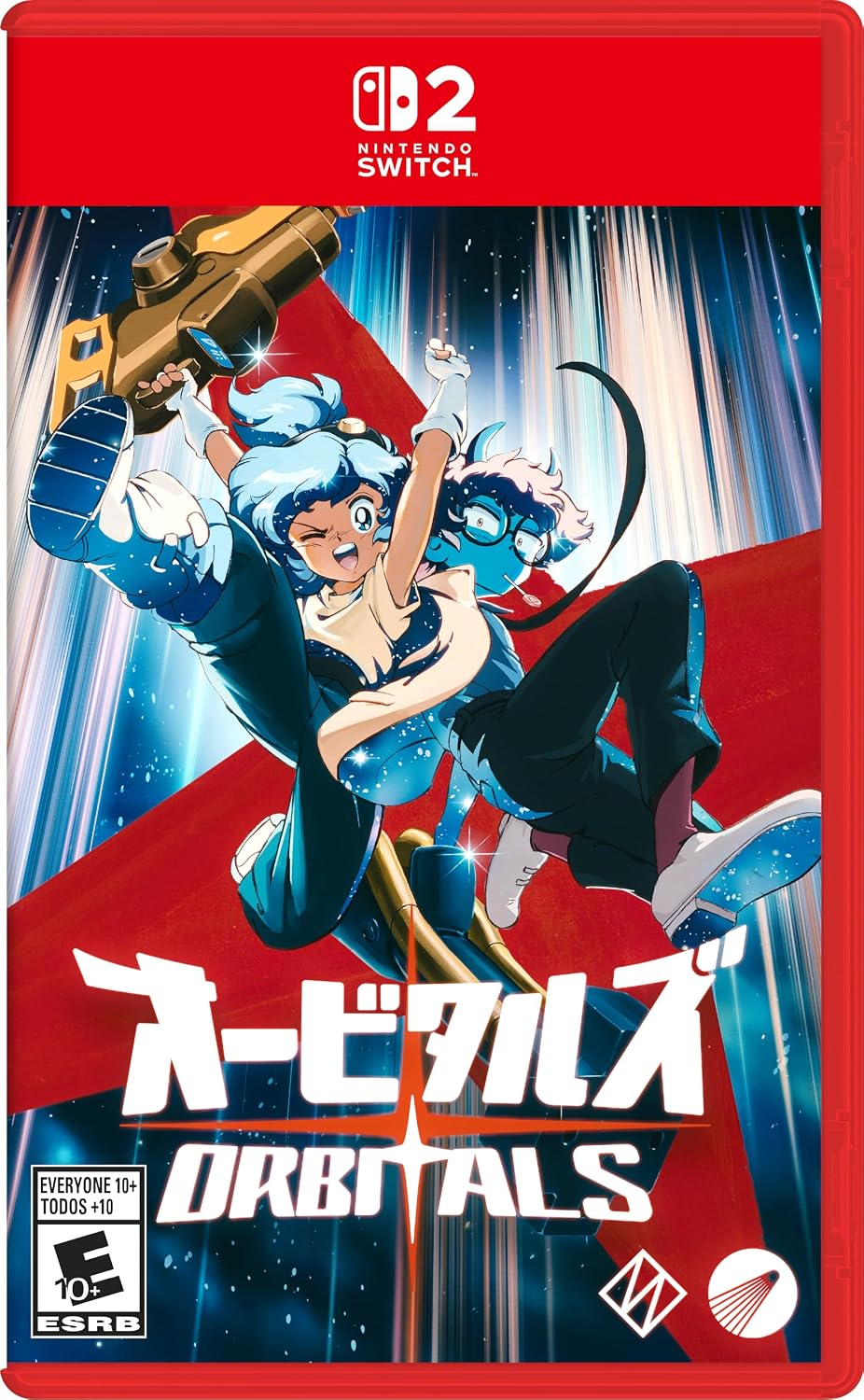
Orbitals - Nintendo Switch 2: $39.99
Grab a friend and launch into Orbitals, an intergalactic 2-player co-op adventure set in a wholly new retro anime world.

Available for pre-order now on Amazon (physical) and Nintendo (digital).
View Deal