ZWO Seestar S30 Pro smart telescope review

Smart telescopes like the Seestar S30 Pro have changed astrophotography and, arguably, urban astronomy. The Seestar S30 Pro takes that concept further than most. Small enough to fit inside a camera backpack, it combines a refractor telescope, motorized mount, dual cameras and image-processing software into a compact unit controlled entirely from a smartphone. Within minutes of powering on, it can align itself to the night sky, slew to a specified target and begin stacking exposures to reveal galaxies, nebulas and star clusters — even from light-polluted locations.
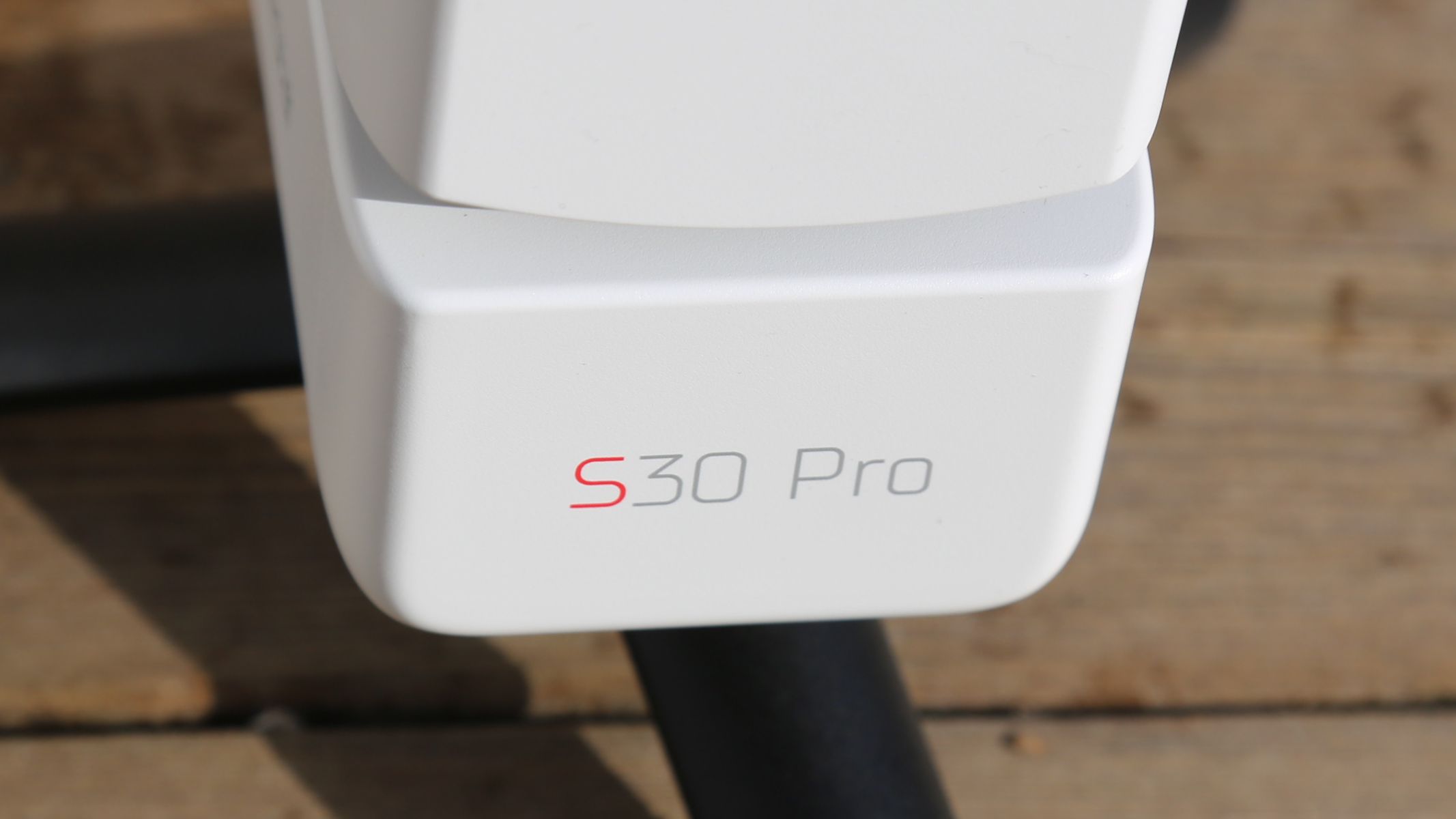
A close-up of the the logo on the ZWO Seestar S30 Pro.

The Pro version of the S30 adds a higher resolution sensor, advanced optics and upgraded software functionality. (Image credit: Jamie Carter)

It makes astrophotography — once a complex and expensive hobby — possible with a single, automated device, though what makes the Seestar S30 Pro particularly interesting is not just its simplicity, but how it changes the experience of observing. Instead of actively operating a telescope, users watch a digital image build in real time. Sure, your eyes don’t see the photons coming from distant galaxies, but that misses the point — urban astronomers can’t see much of those galaxies anyway when using an optical telescope.
The Seestar logo on the ZWO Seestar S30 Pro.

(Image credit: Jamie Carter)

Positioned as an upgrade to the original Seestar S30, it introduces higher-resolution 8.3MP imaging, equatorial tracking support and expanded imaging modes aimed at more advanced users.

Designed for beginners, urban astronomers and astrophotographers of any level who are looking for a portable rig, the Seestar S30 Pro is about convenience, capability and a different way to explore the night sky.

ZWO Seestar S30 Pro smart telescope review

ZWO Seestar S30 Pro: Design
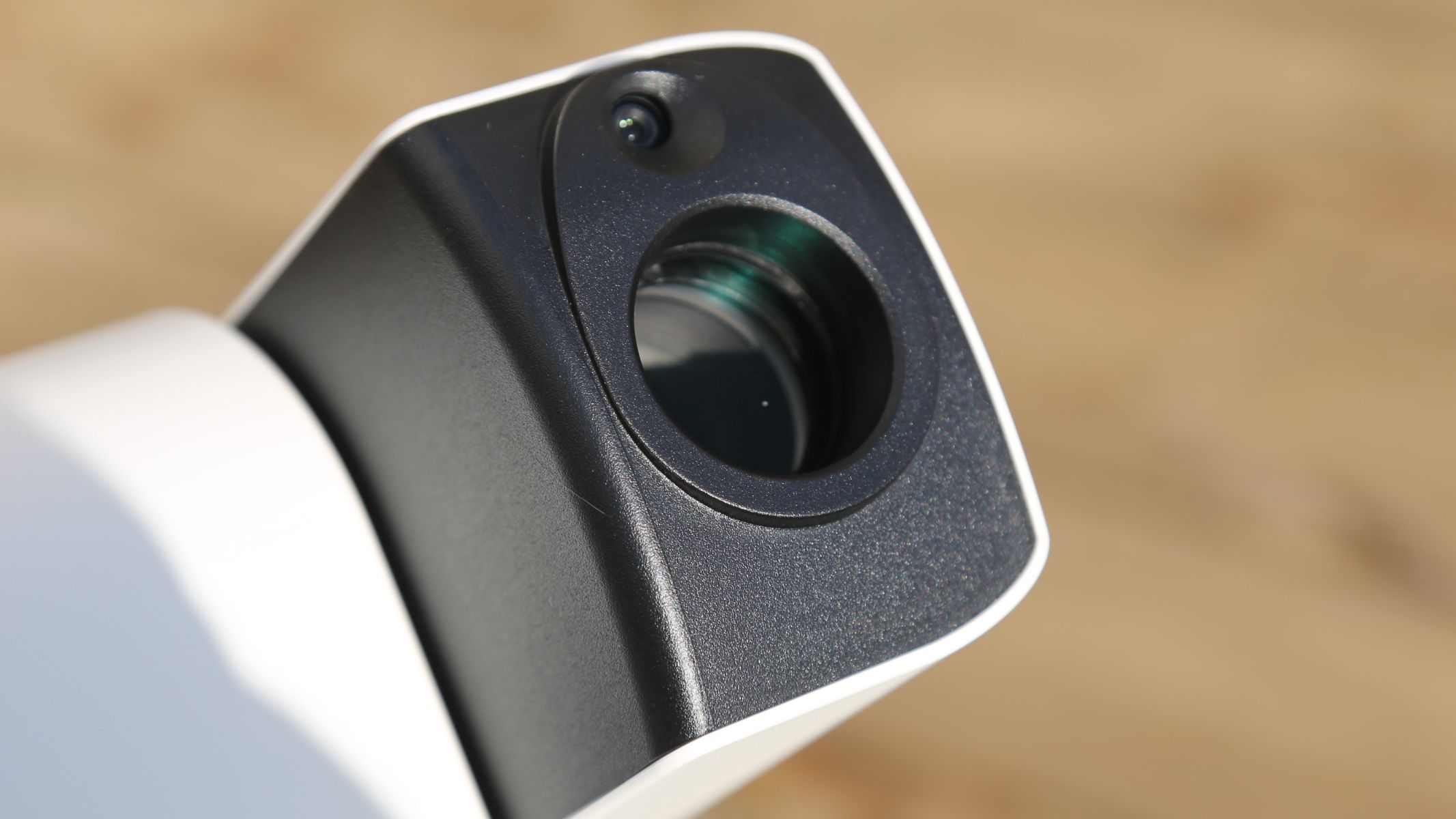
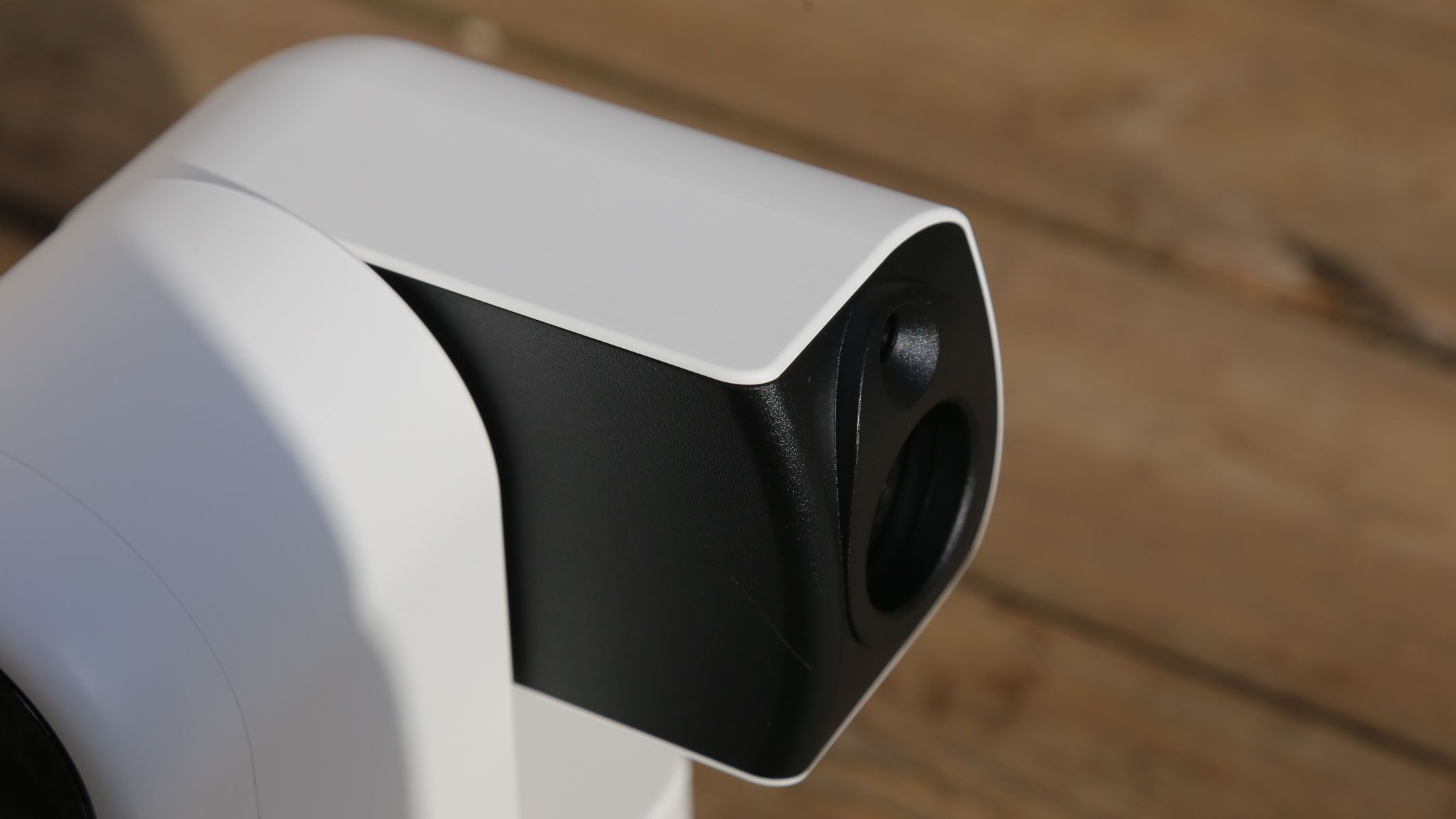
A close-up on the side of the optical tube on the ZWO Seestar S30 Pro pointing upwards.

The Seestar S30 Pro features four lens elements in an optical design called an apochromatic quadruplet refractor. (Image credit: Jamie Carter)
  • Lightweight design
  • Dual-camera system
  • Full smartphone control

At first glance, the Seestar S30 Pro barely resembles a telescope, being closer in size to a telephoto lens than a traditional optical instrument. That portability is one of its defining strengths — this is a telescope you can realistically take anywhere, whether into a backyard, onto a balcony or on a dark-sky trip. You could even take it as hand luggage on a trip to see a total solar eclipse in a distant land.
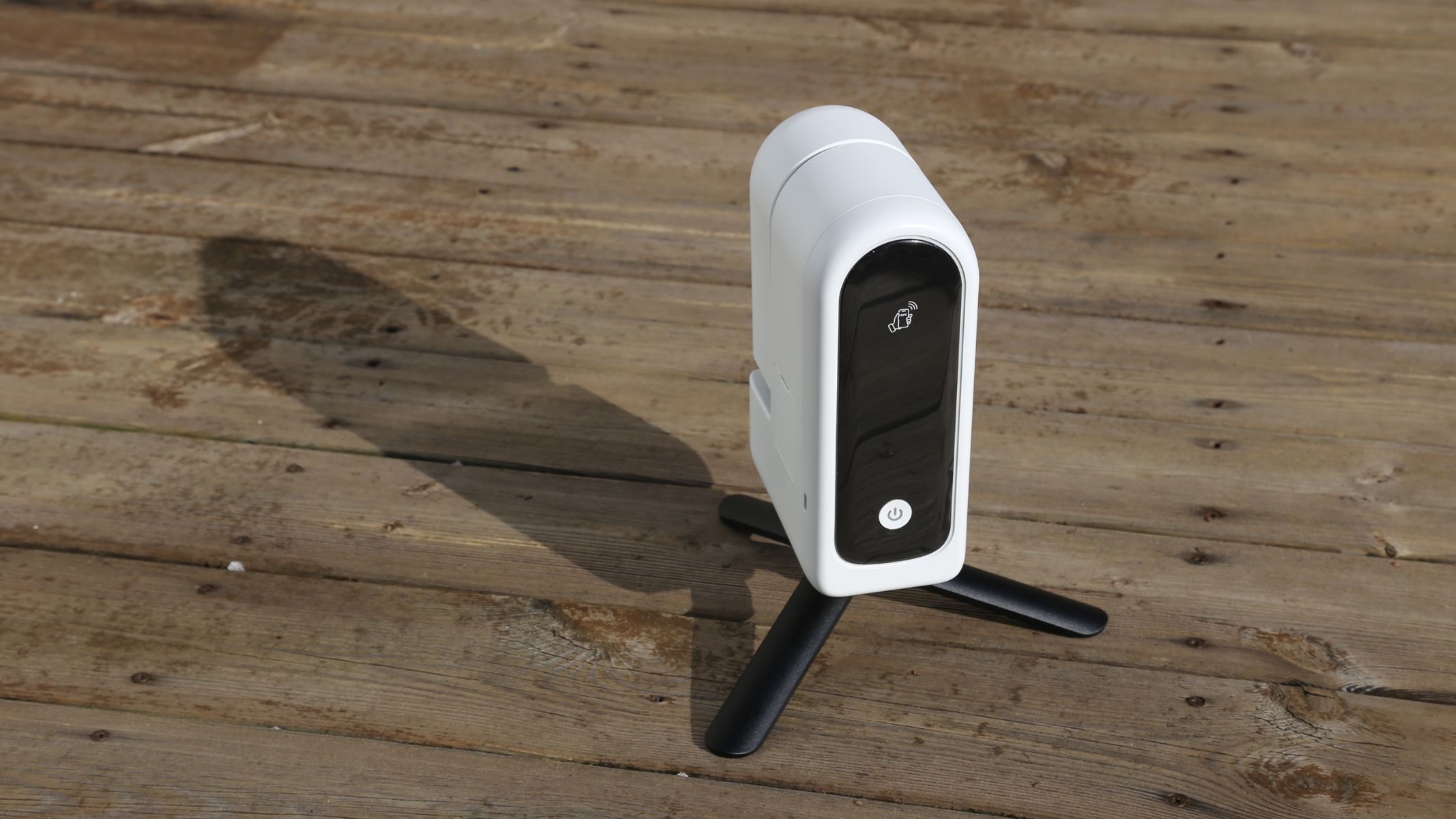
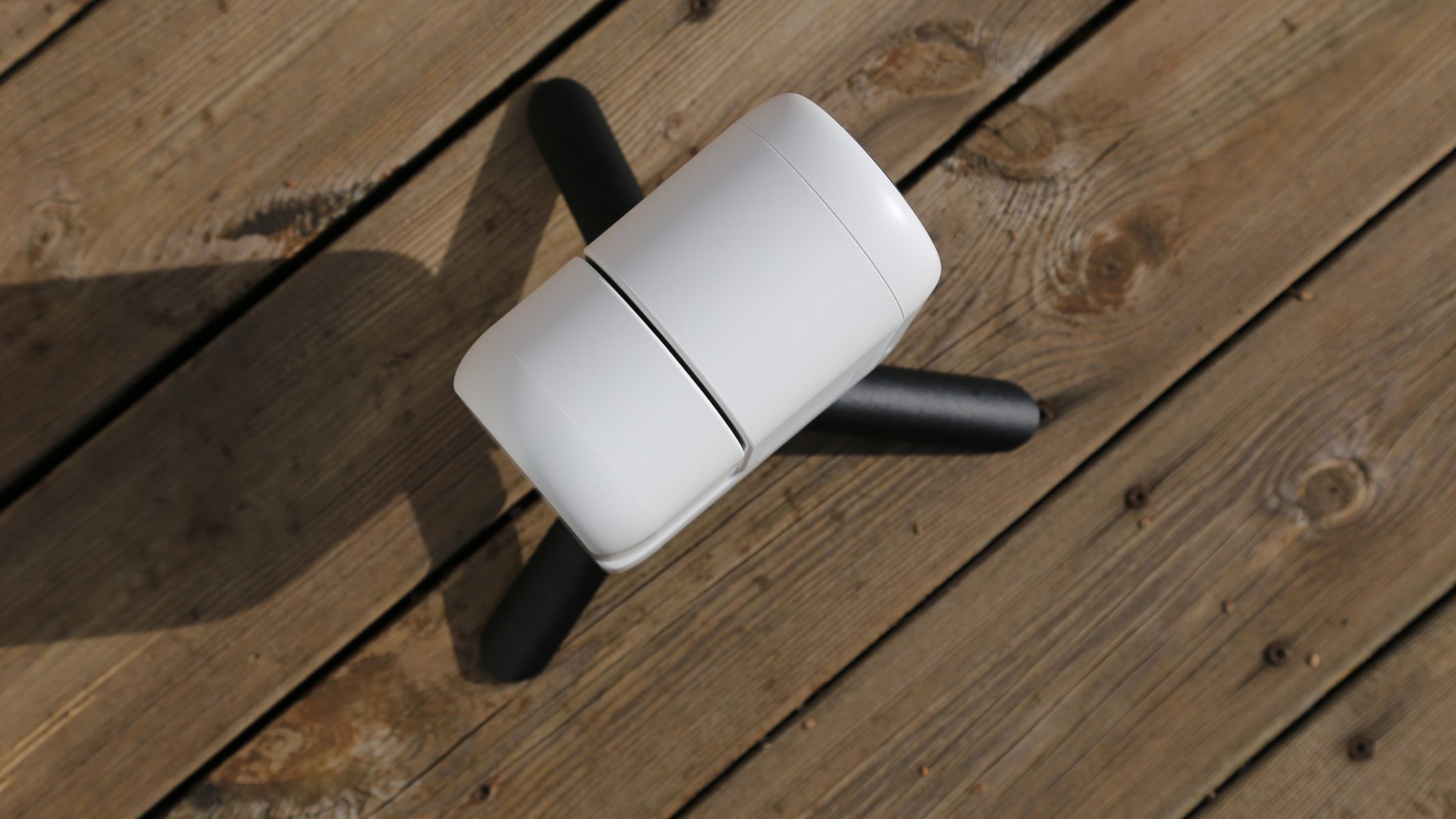
The ZWO Seestar S30 Pro mounted on a tripod on a wooden table.
When packed away the Seestar S30 Pro is very compact and highly portable.Jamie Carter
A bird's eye view of the ZWO Seestar S30 Pro on a wooden table.
Weighing just 3.6 lbs (1.65 kg) it is the lightest apochromatic quadruplet smart telescope.Jamie Carter

The design is deliberately minimal. Aside from a power button and USB-C slot, there are no physical controls. Everything — from slewing and focusing to image capture and processing — is handled through the Seestar app. Once connected to a phone via its own WiFi network, the system operates entirely offline, connecting directly to your phone without requiring an internet connection in the field.
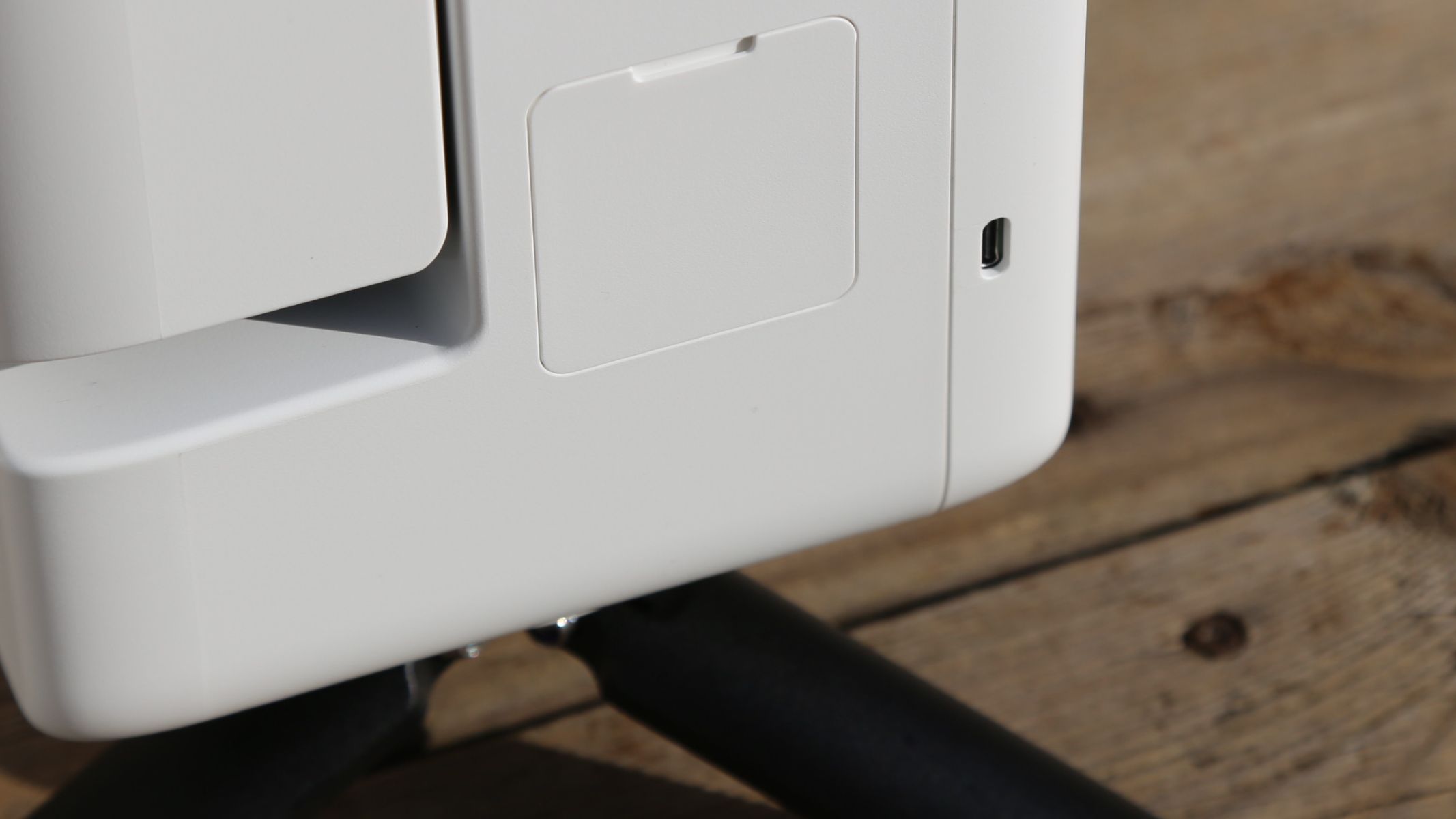
The USB-C slot on the ZWO Seestar S30 Pro.
Apart from the power button and USB-C slot on the S30 Pro, there are no physical controls as everything is controlled by the app.Jamie Carter
A close-up on the side of the optical tube on the ZWO Seestar S30 Pro.
The Seestar S30 Pro combines a telescope, camera and automated mount in a single unit. Jamie Carter
Specifications

Optical design: Quadruplet apochromatic refractor (ED glass)

Aperture: 30mm / 1.18 inches

Focal length: 160mm / 6.3 inches

Focal ratio: f/5.3

Sensor: Sony IMX585 (tele) / Sony IMX586 (wide)

Resolution: 8.3MP (3,840 x 2,160)

Field of view: 4.6 degrees (tele) / 63 degrees (wide)

Mount type: Alt-azimuth (EQ mode supported)

Storage: 128GB internal

Battery: 6000 mAh (~6 hours)

Weight: 3.6 lbs (1.65 kg)

Dimensions: 8.25 x 5.5 x 3.15-in (210 x 140 x 80 mm)

A key feature of this new, improved model is its dual-camera system. The primary telephoto camera is dedicated to deep-sky imaging, using a Sony IMX585 sensor that’s capable of 8.3MP (4K) images, while the secondary wide-angle uses an equally capable Sony IMX586 sensor for sky alignment and wide-field imaging modes.
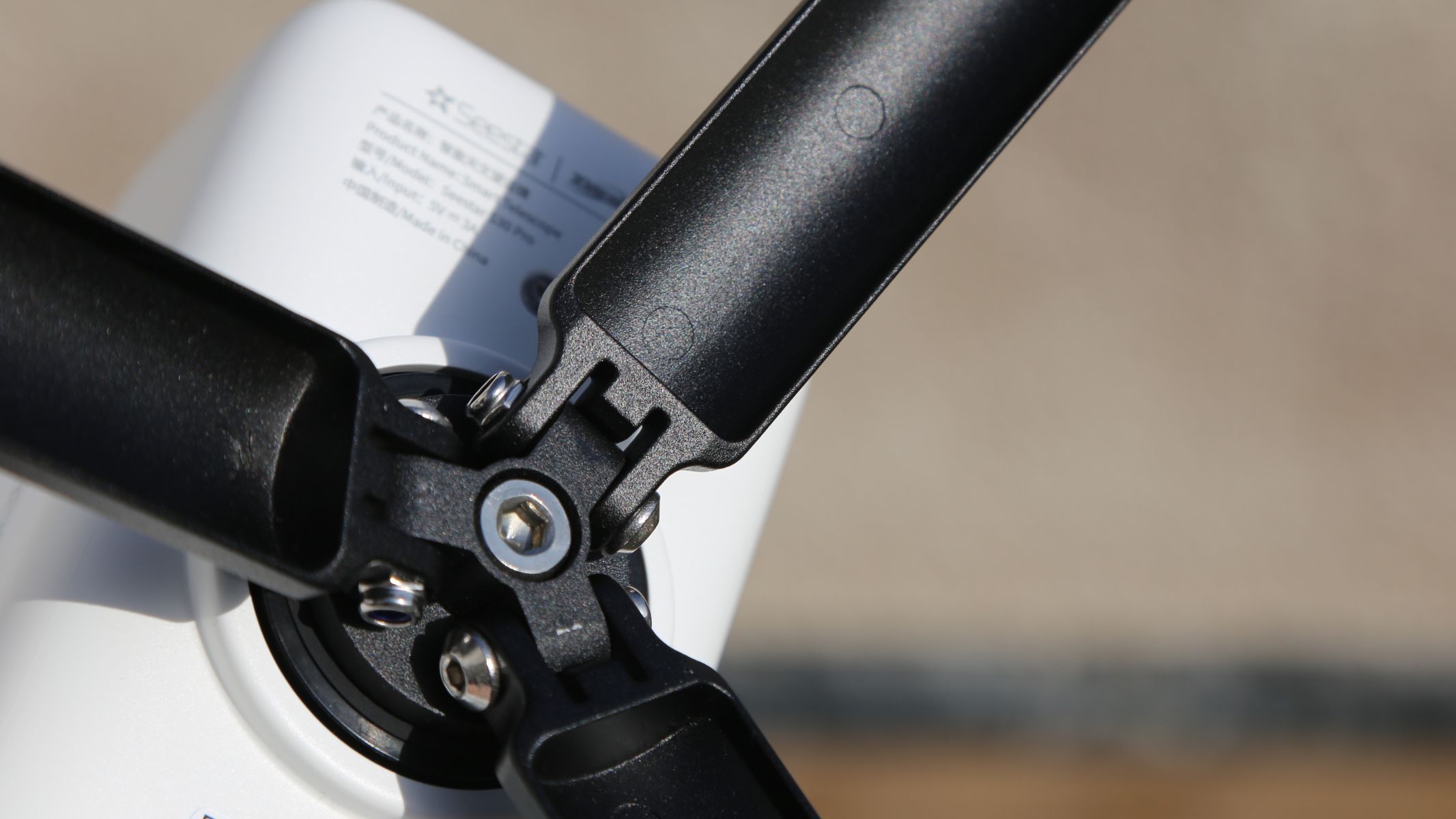
The tripod ZWO Seestar S30 Pro splayed open.

Any tripod can be used with the Seestar S30 Pro. (Image credit: Jamie Carter)

The included tabletop tripod is solid, if small, so users with backyards surrounded by buildings or trees will benefit from mounting the device on a full-size photographic tripod. It also comes with a handy, high-quality padded shoulder bag to store the telescope and all its accessories.

ZWO Seestar S30 Pro: Performance
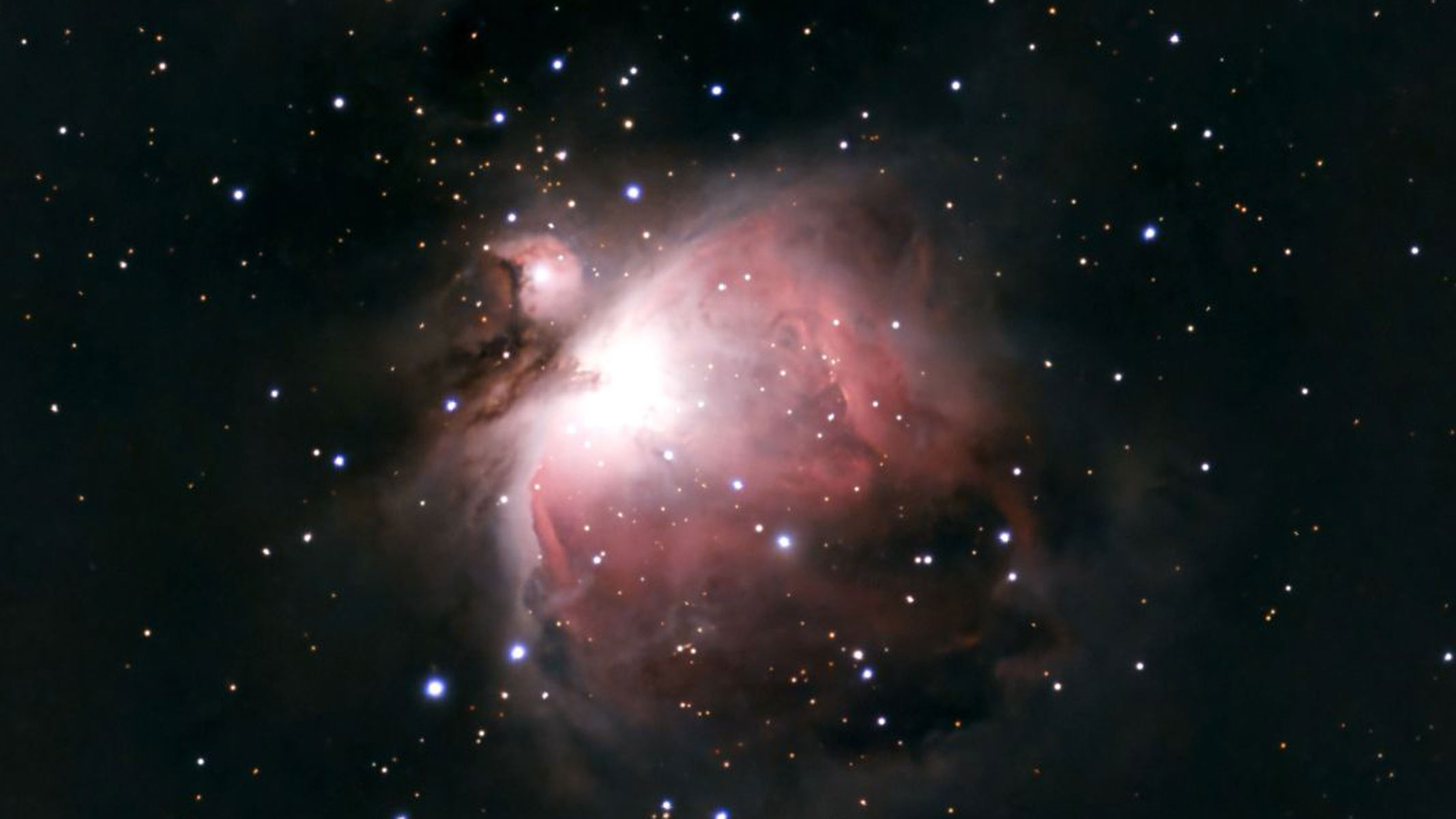
Cropped view of the Orion Nebula (M42), as imaged by the ZWO Seestar S30 Pro in alt-azimuth mode.

The Orion Nebula (M42) shot in alt-azimuth mode. (Image credit: Jamie Carter)
  • Automatic stacking with intelligent frame rejection
  • EQ mode enables longer exposures
  • Strong results under urban/suburban skies

Using the Seestar S30 Pro is less about operating equipment and more about using an app. After powering on and connecting via WiFi, the telescope automatically plate-solves the stars overhead, determines its position and slews to a selected target. Within minutes, it begins capturing short exposures — typically around 10 seconds — which are stacked in real time to reduce noise and improve detail. Crucially, the system automatically discards poor-quality frames caused by tracking errors, wind shake or star trailing.
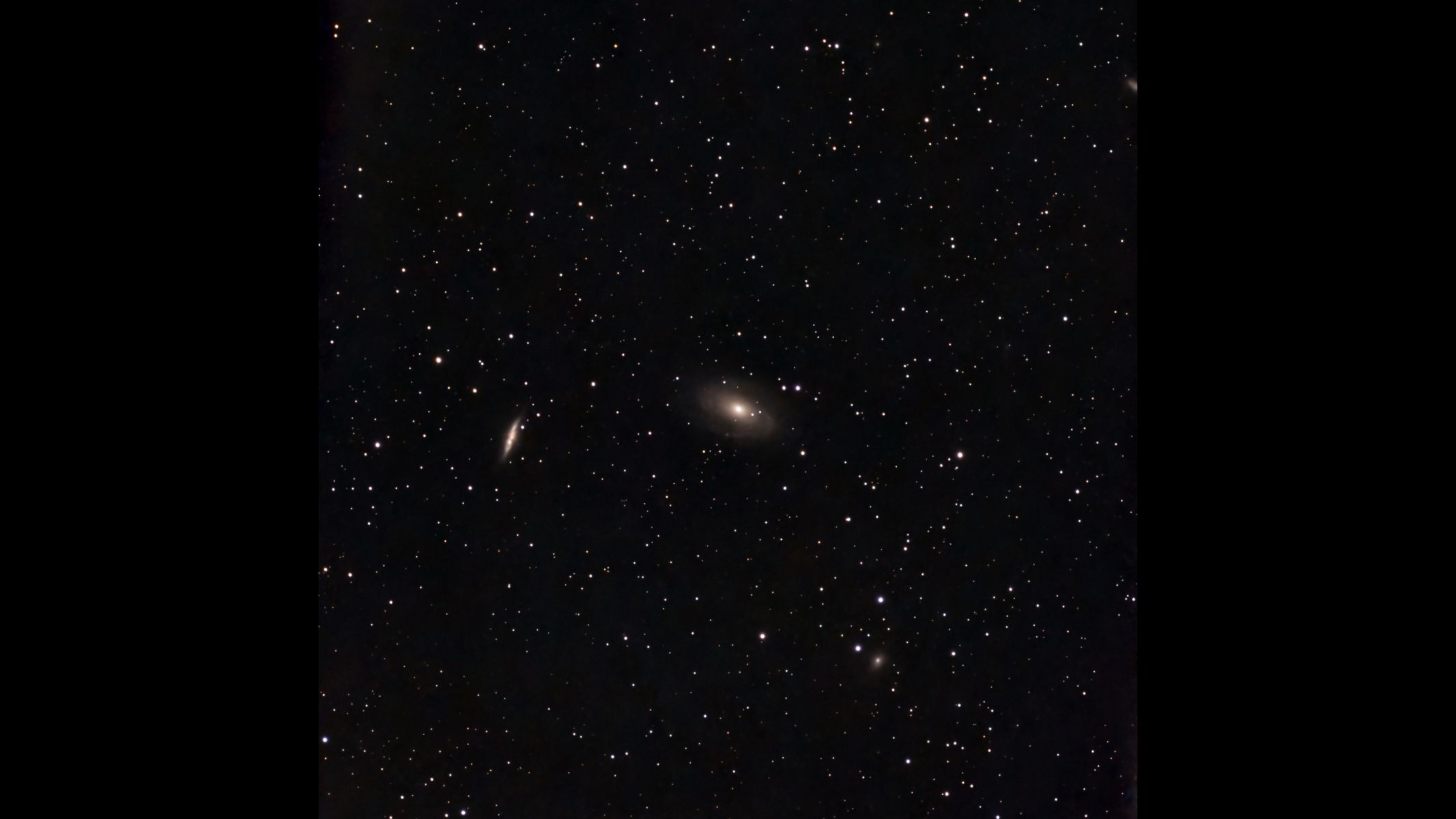
Bode’s Galaxy (M81) and the Cigar Galaxy (M82) as imaged by the ZWO Seestar S30 Pro alt-azimuth mode.

Bode’s Galaxy (M81) and the Cigar Galaxy (M82) shot in alt-azimuth mode. (Image credit: Jamie Carter)

The effect of the image stacking is gradual. As more data is collected, a faint patch of light slowly resolves into a nebula or distant galaxy. The longer the telescope runs, the clearer and more detailed the final image becomes, with nebulosity and spiral arms becoming visible. Stars remain sharp across the field of view — the Seestar S30 Pro’s optics may be small, but they are excellent quality. During our test, we produced some superb images of the Orion Nebula (M42), as well as Bode’s Galaxy (M81) and the Cigar Galaxy (M82), the Whirlpool Galaxy (M51) and the Great Globular Cluster in Hercules (M13).
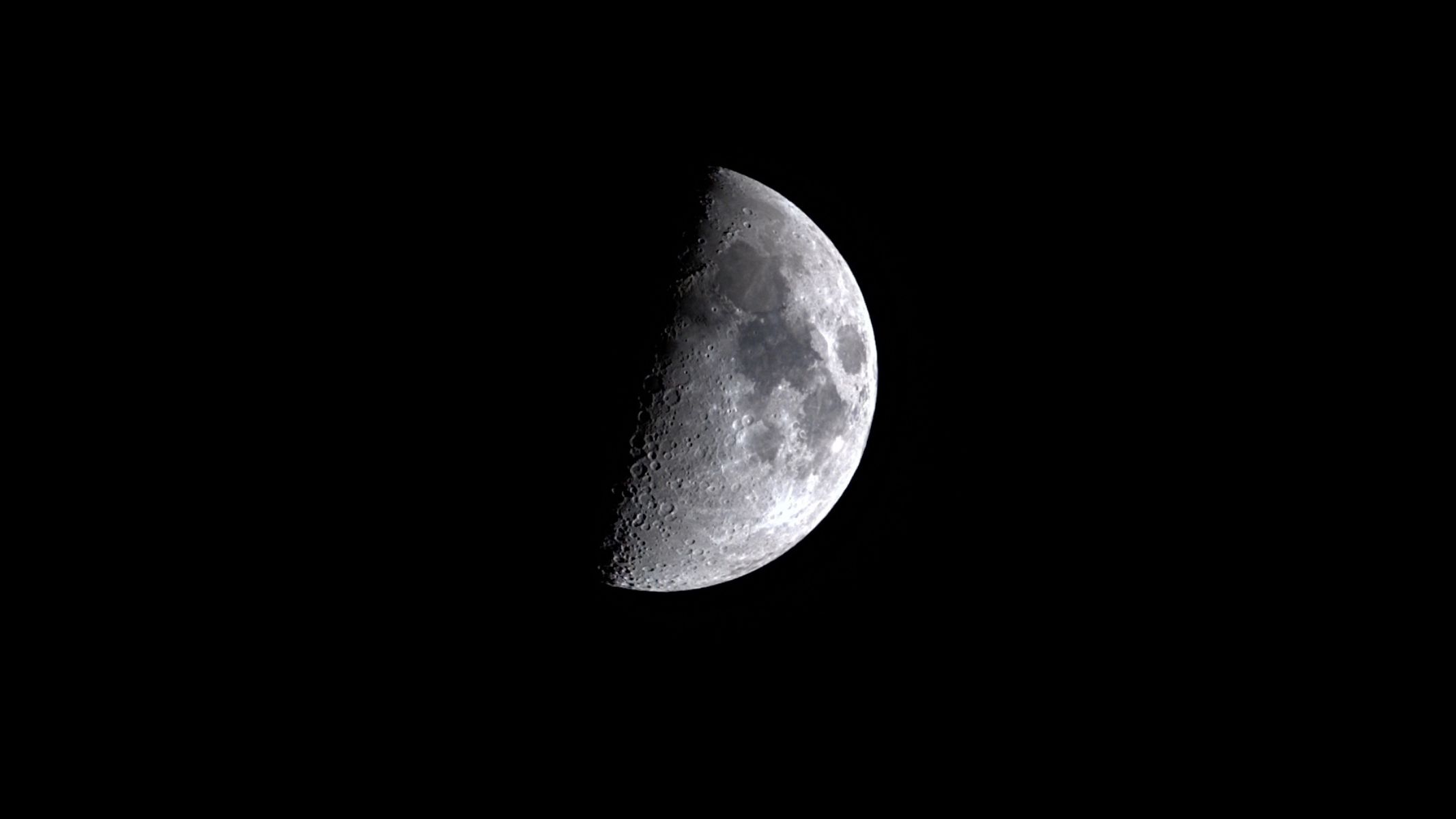
The first-quarter moon as imaged by the ZWO Seestar S30 Pro.

The first-quarter moon imaged by the Seestar S30 Pro. (Image credit: Jamie Carter)

Stacking images is a hugely effective way to do observational astronomy under light-polluted urban skies. By stacking multiple exposures and applying built-in filters (there are three), the Seestar S30 Pro can reveal objects that would otherwise be invisible through the eyepiece of a traditional optical telescope.
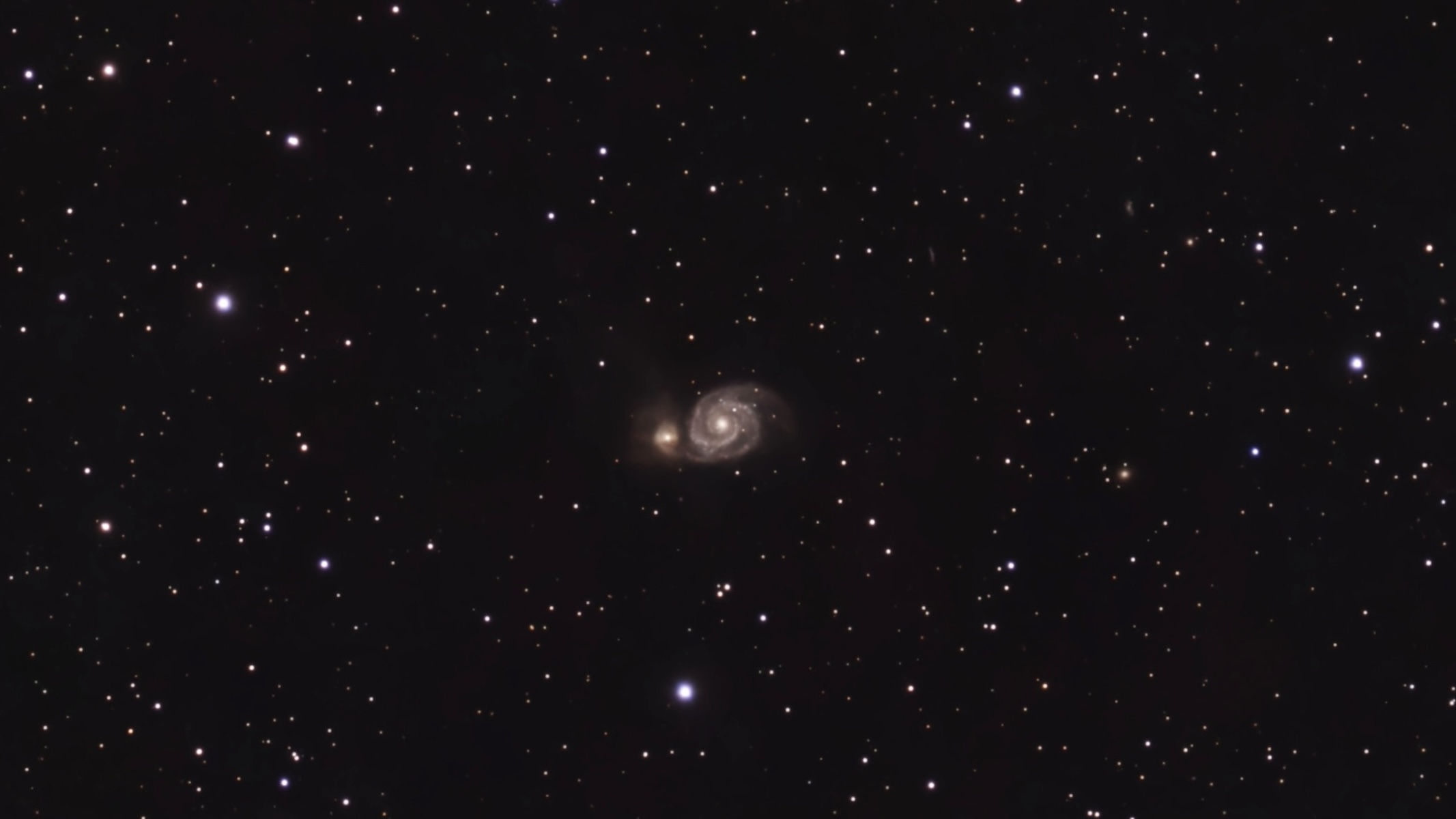
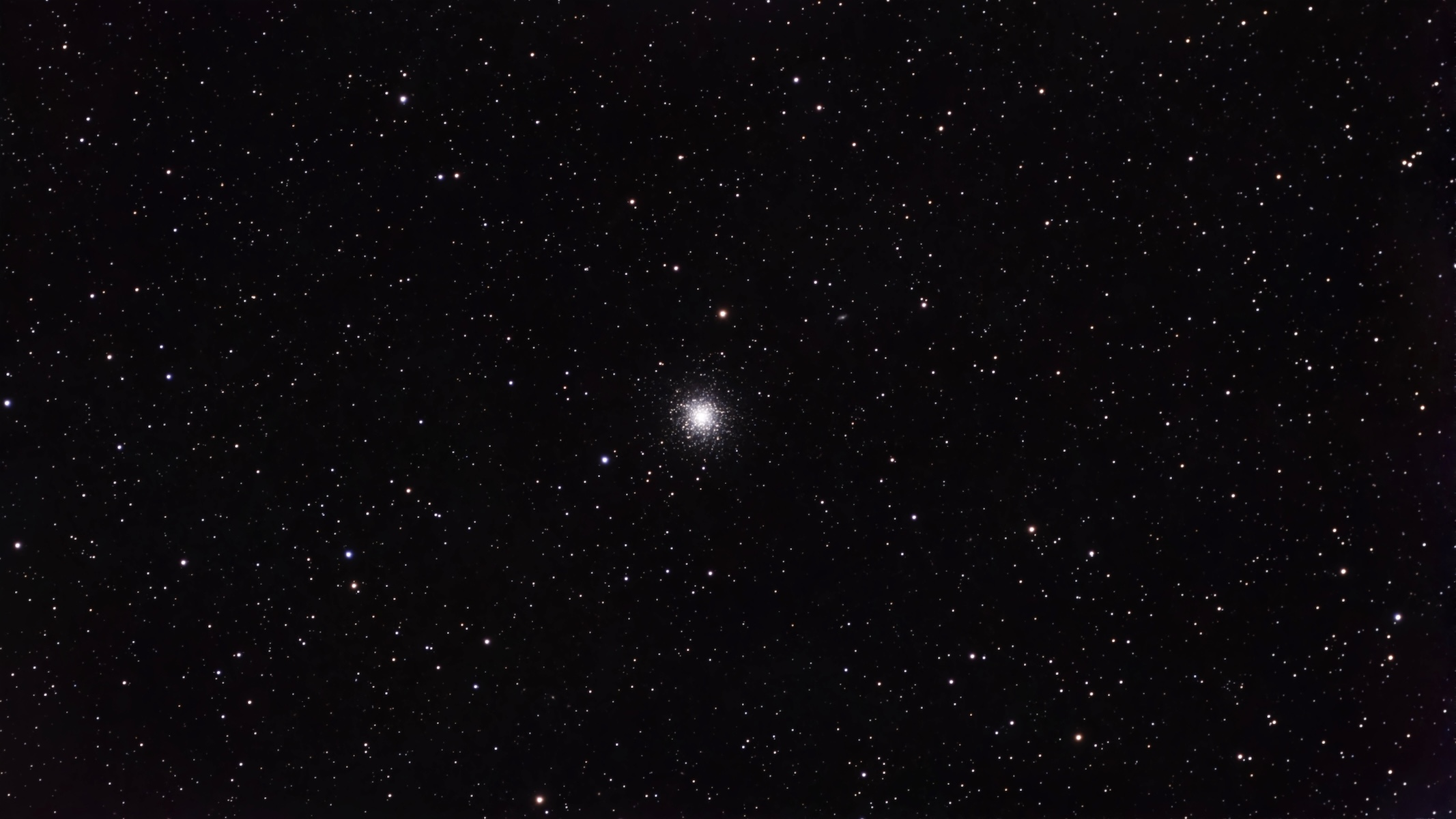
The Whirlpool Galaxy (M51), as imaged with the ZWO Seestar S30 Pro in EQ mode and edited with Deep Sky Stack and AI Denoise.
The Whirlpool Galaxy (M51) shot in EQ mode, edited using Deep Sky Stack and with AI Denoise applied.Jamie Carter
The Great Globular Cluster in Hercules (M13) as imaged by the ZWO Seestar S30 Pro in EQ mode.
The Great Globular Cluster in Hercules (M13) shot in EQ mode, edited using Deep Sky Stack and with AI Denoise applied.Jamie Carter

The all-new equatorial (EQ) mode extends performance further, though aligning the telescope with Earth’s rotation requires purchasing the add-on Seestar TH10 Fluid Tripod Head. This is easy to set up, thanks to an in-app setup process that perfectly positions the tripod and ball head. With Expert Mode engaged, exposures of up to 60 seconds are possible. We tried it on two faint targets — the Whirlpool Galaxy (M51) and the Great Globular Cluster in Hercules (M13) — and got much greater detail.
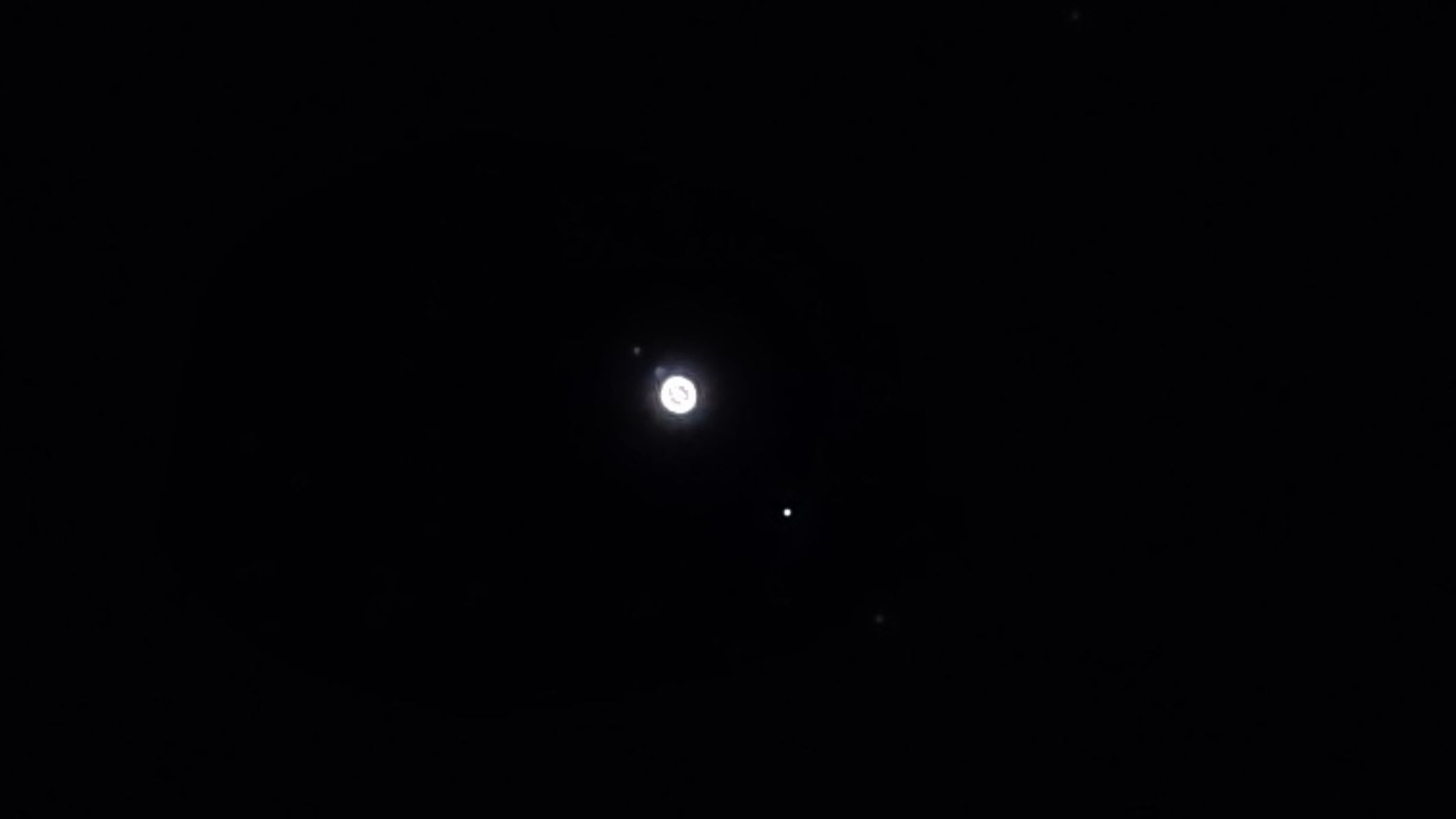
Jupiter and its mons as image by the ZWO Seestar S30 Pro

Jupiter and its moons, as imaged by the Seestar S30 Pro. (Image credit: Jamie Carter)

Planetary imaging is less impressive, with planets appearing small and lacking fine detail. That said, we did manage to image Jupiter and its moons. The telescope is clearly optimized for deep-sky imaging rather than solar system work — the exception being the moon, which looked fabulous through the Seestar S30 Pro.

ZWO Seestar S30 Pro: Functionality
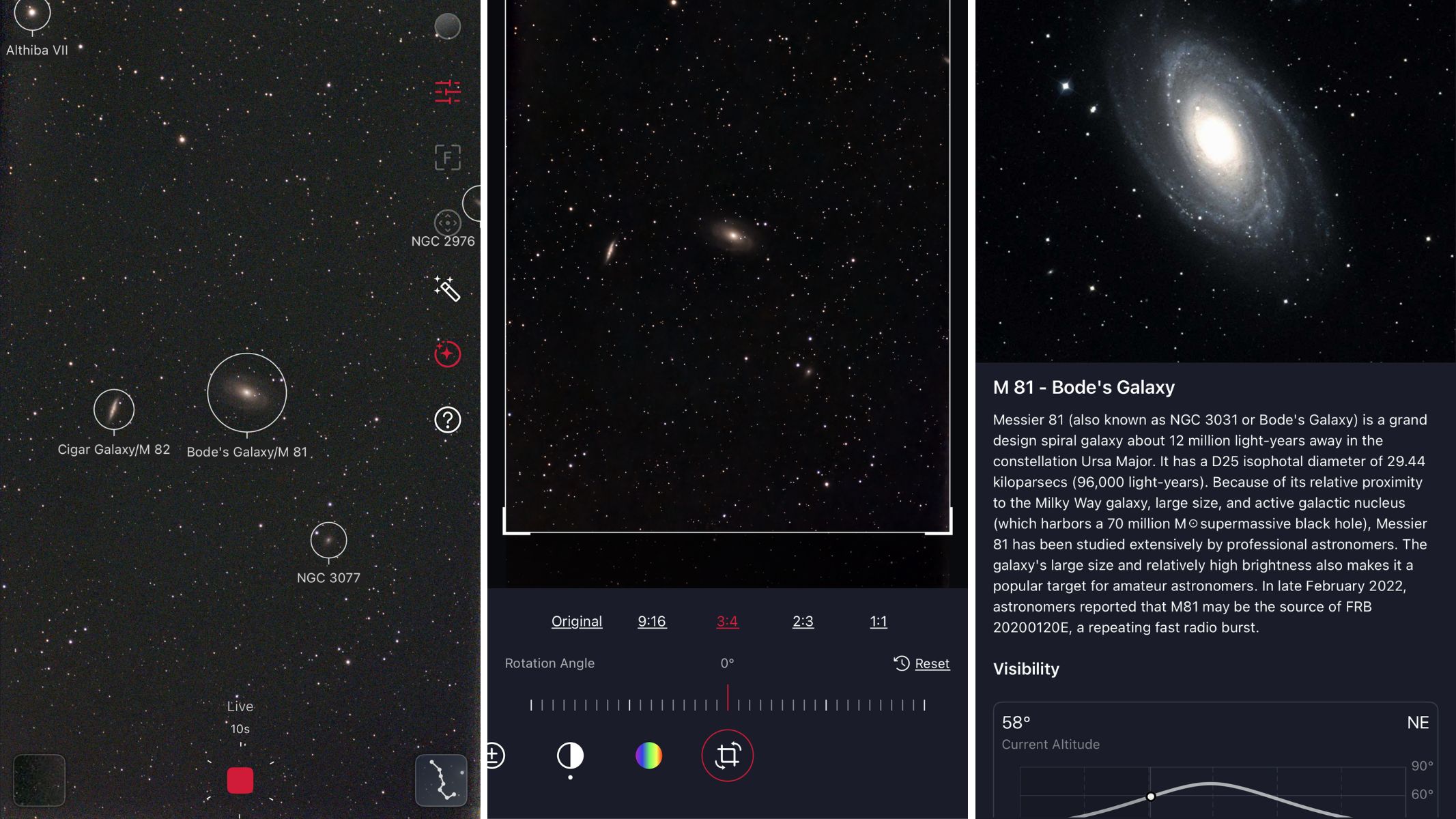
Screenshots from the Seestar app showing object identification, editing capability and astronomical information.

The Seestar app identifies objects, and offers editing and astronomical information. (Image credit: Jamie Carter)
  • Intuitive smartphone app
  • Automated imaging and Plan mode
  • Built-in processing and FITS export

The Seestar app is central to the entire experience. It acts as both controller and processing platform, offering a planetarium-style sky atlas that displays objects visible from the user’s location. Selecting a target triggers automatic alignment, slewing and image capture. Once imaging begins, the app displays real-time progress, including exposure count and total integration time. Users can stop a session at any time or continue it for deeper results. The telescope can operate largely unattended, making it easy to leave running and check later.
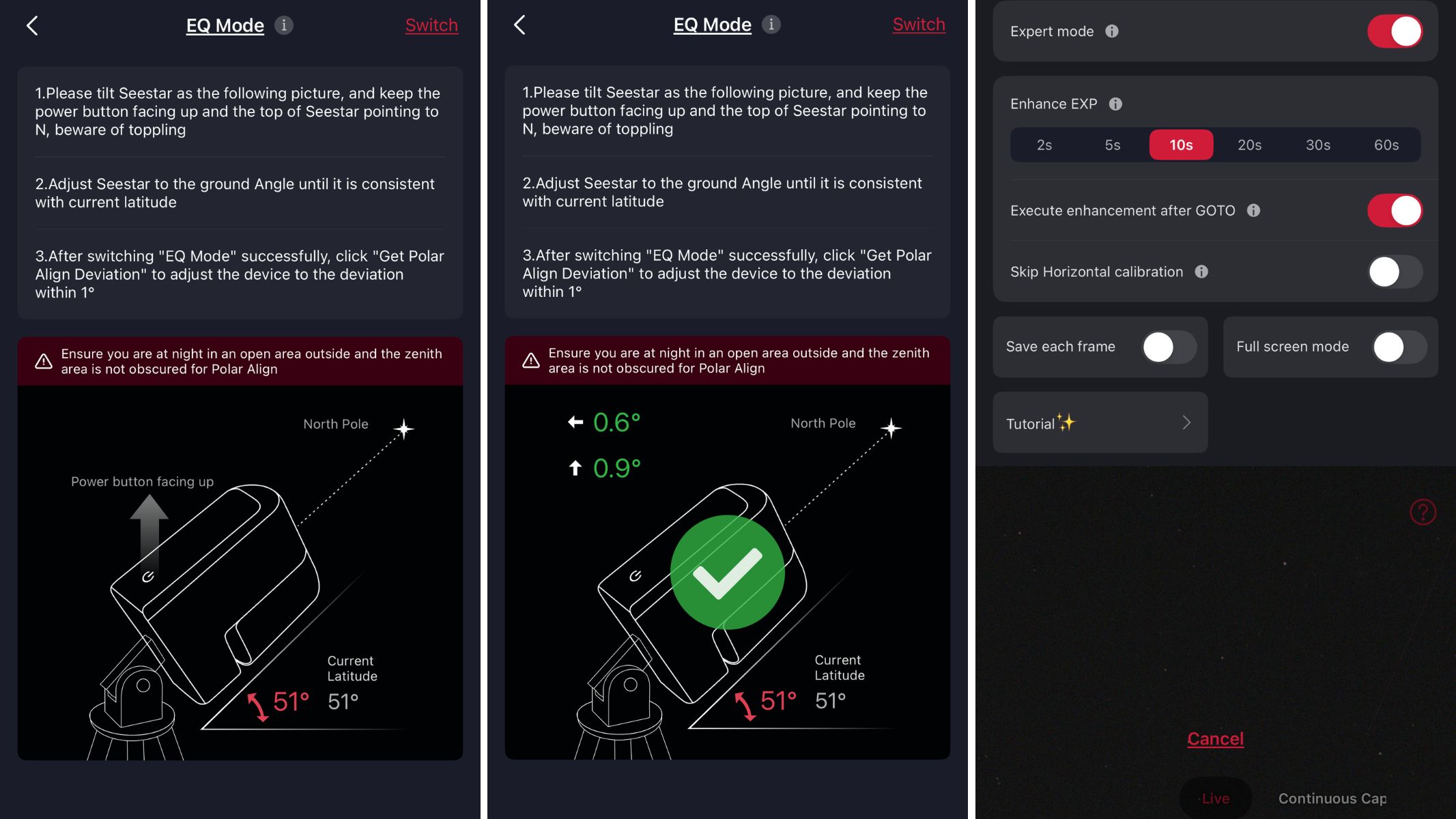
Screeshots from the Seestar app showing how to set up EQ mode on the ZWO Seestar S30 Pro.

Equatorial (EQ) mode set-up on the Seestar S30 Pro app for longer exposure times. (Image credit: Jamie Carter)

If all of this is beginning to sound like the Seestar S30 Pro is ideal for lazy astronomers, it doesn’t end there. Cue the app’s Plan mode, which allows users to schedule multiple targets for imaging overnight. Orion Nebula not rising until 3 a.m.? No problem. Pre-sunrise comet? Stay in bed. Assuming you’ve checked for clear skies beforehand, the Seestar S30 Pro can observe while you sleep. However, Plan mode does come with limits: exposure time and gain cannot be fine-tuned per target, so users must rely on default settings. For most, that won’t deter.
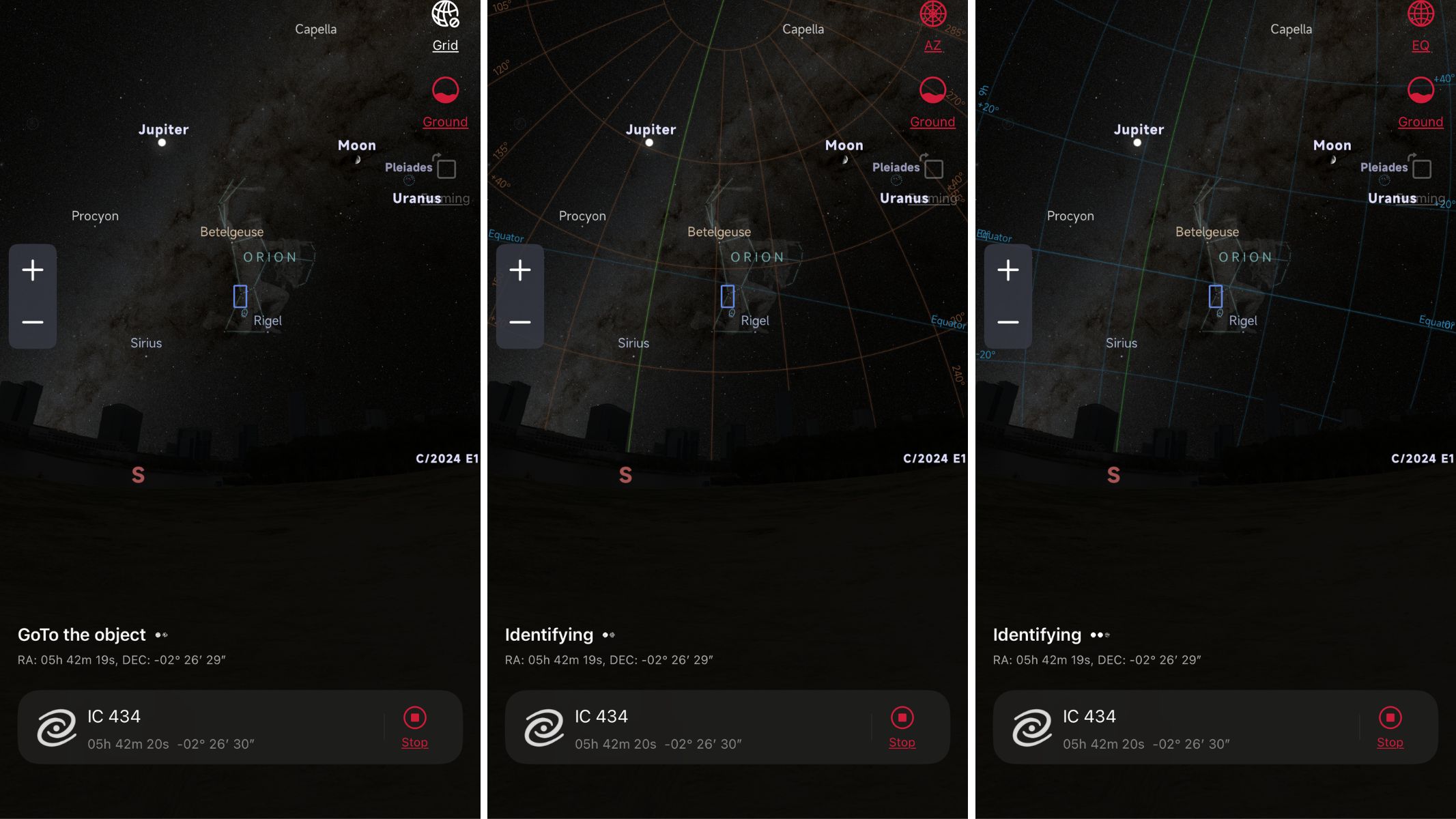
Screenshots from the Seestar app's Sky Atlas, showing the location of night sky targets.

The Seestar app’s Sky Atlas makes it easy to find objects. (Image credit: Jamie Carter)

For those interested in post-processing, the Seestar S30 Pro supports FITS file export, enabling images to be refined in external software such as Siril, PixInsight, DeepSkyStacker or Photoshop (though advanced users dealing in FITS files may find that the system’s 128GB internal storage needs frequent attention). Alternatively, the built-in Deep Sky Stack provides quick results with minimal effort, allowing frames to be discarded and the effective AI Denoise pipeline to be engaged — something that takes a little patience, but delivers excellent results.

How we tested the ZWO Seestar S30 Pro
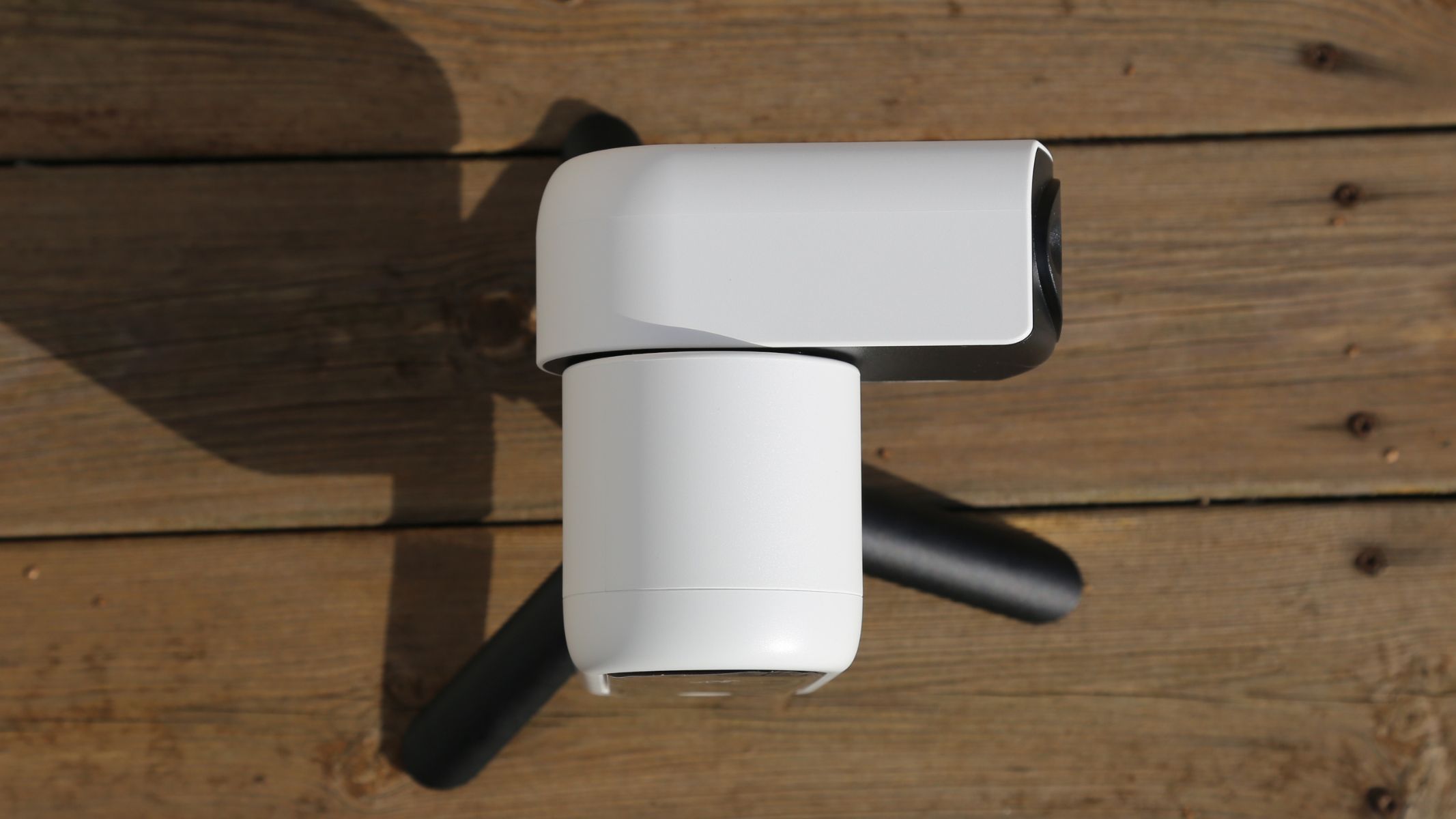
A bird's eye view the ZWO Seestar S30 Pro pointing upwards.

The Seestar S30 Pro has a tiny footprint. (Image credit: Jamie Carter)

Testing took place over multiple nights during late winter and early spring, under suburban Bortle 6 skies in cold but not freezing temperatures. It was also used in Bortle 2 skies in sub-zero temperatures, with no ill effects on the 6-hour battery life. The telescope was used to image a variety of deep-sky objects, with sessions ranging from short captures to integrations lasting several hours. Both standard alt-az mode and EQ mode were tested.

Should you buy the ZWO Seestar S30 Pro?

Buy it if:

✅ You want an easy, automated entry into astrophotography: The S30 Pro is incredibly easy to use and highly portable without skimping on optical quality.

✅ You observe from light-polluted locations: Built-in image processing and stacking allows fine details to be resolved on deep sky objects even when observing from light-polluted locations.

Don't buy it if:

❌ You want full manual control over imaging: Whilst having equatorial (EQ) imaging mode and certain modes for the Milky Way and 8K wide-field stitching, it actually lacks custom exposure times and gain control for precision tweaking.

❌ You’re primarily interested in planetary observation: The S30 Pro is capable of imaging planets but they just aren't as impressive as its deep-sky images.

The Seestar S30 Pro is best understood not as a traditional telescope, but as an automated imaging system designed to make astrophotography accessible. It’s also an upgrade on the Seestar S30 that may or may not be worth the money, depending on your needs.

For beginners, it provides a clear pathway into astrophotography without the usual financial or technical barriers. For more advanced users, it’s an efficient grab-and-go system for casual or supplementary imaging.

If the ZWO Seestar S30 Pro isn't for you

If you’re looking for a more affordable entry point, the ZWO Seestar S30 offers similar ease of use, but with lower (2MP) resolution and fewer advanced features. For those who simply want basic, shareable images, it remains a strong alternative.

The DwarfLab Dwarf Mini is even smaller and more portable but it is limited to 2MP imaging. At the other end of the market, the Unistellar Odyssey is a premium smart telescope offering much larger apertures and access to citizen science campaigns, albeit at significantly higher prices.

For an overview of the top telescopes in this category, read our guide to the best smart telescopes.
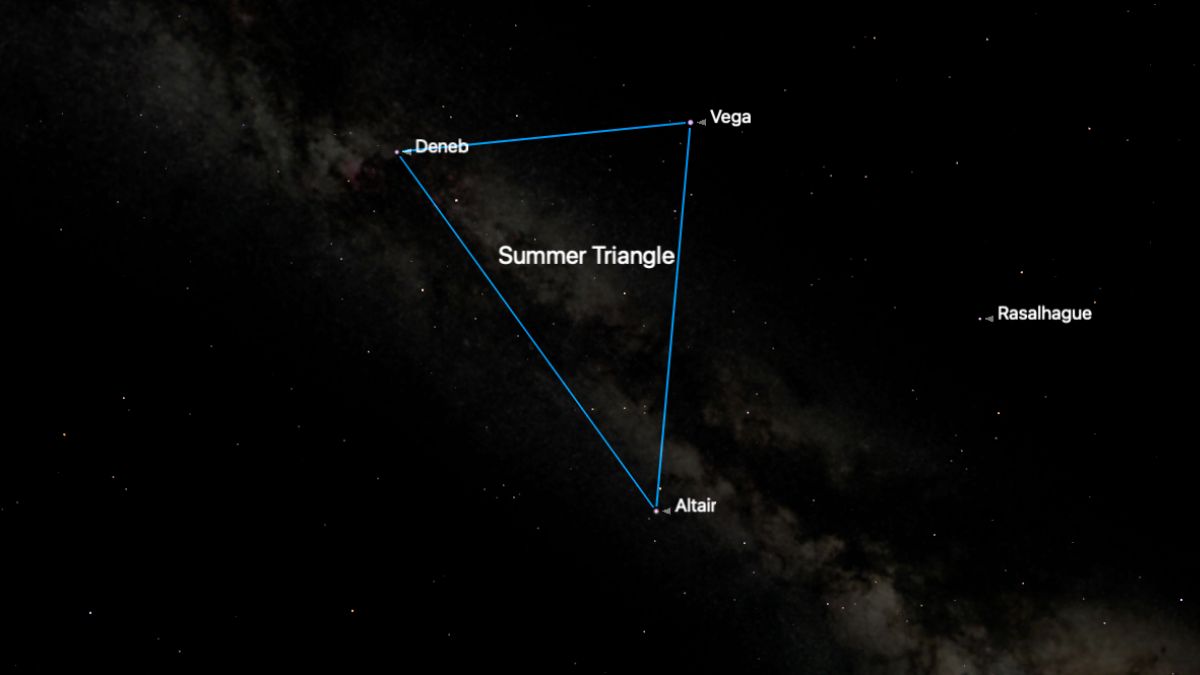
The easiest way to learn the summer night sky starts with these 3 stars

There is a particular moment every July when the night sky makes perfect sense to me. Every time I step outside at night, I instinctively look overhead for the Summer Triangle. Not because it's the most spectacular sight in the sky. In fact, the vast asterism is almost suspiciously simple: three bright stars, large enough to cut through twilight and light pollution without much effort.

Experienced stargazers quietly depend on the Summer Triangle more than we admit. People imagine astronomy involves memorizing the entire sky at once, knowing exactly where each star is and what it's called. Everyone navigates differently, but we all rely on familiar anchor points because the night sky changes quickly with the seasons.

The Summer Triangle is one of the best anchors because it appears exactly when the northern sky can otherwise feel vague and washed out during late twilight. Once those three stars appear, I immediately know where everything else is. The Milky Way becomes easier to trace. The darker regions of the sky reveal themselves. Constellations stop looking random. Suddenly, I know where the Perseids will emerge from later in the night and where to point binoculars to find summer's dense star fields without even thinking about it.

The Summer Triangle also teaches you how to see the night sky. To the untrained eye, the night sky appears as a flat backdrop of stars — hence the "blanket of stars" saying. Every time I hear that cliche, I wince. There is no blanket! The night sky has incredible depth, and there's nowhere better to learn how to appreciate that than when gazing at the Summer Triangle.

Take Altair, the lowest star. It's relatively nearby at about 17 light-years away. It shines brightly largely because it is close to us. Vega lies slightly farther away at roughly 25 light-years, but it is intrinsically far more luminous. It once served as Earth's North Star thousands of years ago and, thanks to our planet's slow axial wobble, will become the North Star again many millennia from now. So far, so local — we're in the sun's backyard with these two stars. The light from both of them began its journey to us this century.

Then there's Deneb. Deneb is so distant — roughly 2,600 light-years away — that the fact it appears this bright at all becomes genuinely difficult to process. Its light began traveling toward Earth while the Roman Empire was still in existence. The only reason it remains prominent in our sky is that Deneb is an enormously luminous supergiant radiating tens of thousands of times more energy than the sun.

Knowing this about Deneb transforms the Summer Triangle into a three-dimensional shape. Here are three stars that appear neatly connected overhead, but in reality, one is separated by an incomprehensible distance. So next time you look at the Summer Triangle, keep Altair and Vega at the front and push Deneb way, way back. It's not a triangle anymore — it's an arrow pointing far into the distance, thousands of light-years away into the starfields of the distant Milky Way.

What's happening and when to look

Deneb is vastly farther from the sun than Altair and Vega. (Image credit: Starry Night)

This week is the perfect time to reacquaint yourself with the Summer Triangle using just your naked eyes. Around 11 p.m. local time at mid-latitudes of the Northern Hemisphere, look high in the southeast. Vega is usually the first to appear, high and brilliant with a slightly blue-white color. To its lower left sits Deneb. Farther south is Altair. By midnight, the entire Summer Triangle stands high overhead and remains one of the defining features of the northern summer sky through October.

Stretching directly through it is our view into the Orion Arm of the Milky Way — the spiral arm of the galaxy containing the solar system itself — while farther south, the glowing river of starlight continues toward the galactic core near the constellations Sagittarius and Scorpius, low on the horizon. Under dark skies, the Milky Way visibly streams behind Deneb and through Altair like a river of stars.

How and when I'm watching it

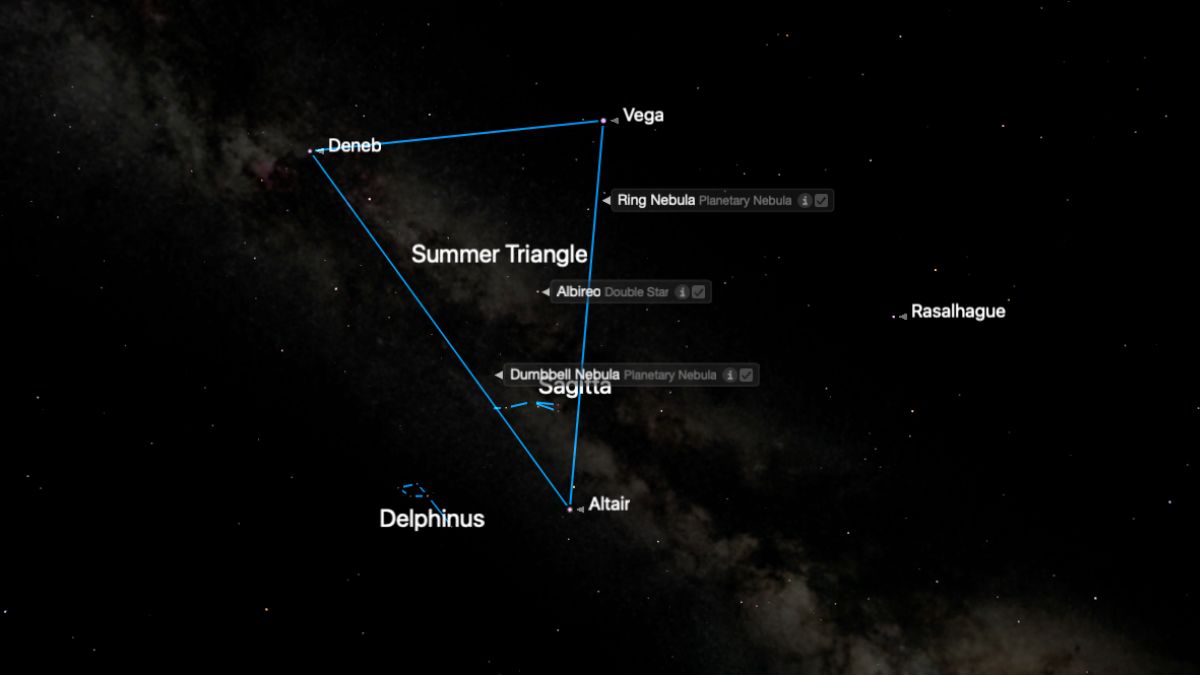
There are many wonders within the Summer Triangle. (Image credit: Starry Night)

Once I start slowly sweeping binoculars through the Summer Triangle, I usually lose all sense of structure and planning. Dense star clouds spill into view everywhere. Dark lanes slice through the Milky Way. Tiny clusters appear almost accidentally. The region between Deneb and Altair may be my favorite casual binocular territory in the entire sky.

Inside the Summer Triangle itself lies the Cygnus Star Cloud, one of the richest naked-eye sections of the Milky Way visible from northern latitudes. Nearby are the Ring Nebula and the Dumbbell Nebula. The beautiful double star Albireo — one bright yellow and the other a fainter blue — sits at the beak of Cygnus, the Swan.

I'll also look for a couple of smaller constellations within and around the Summer Triangle — Delphinus, the Dolphin, hovers to the left of Altair, while tiny Sagitta, the Arrow, hangs above Altair, looking improbably compact.

That's another thing the Summer Triangle taught me — astronomy improves dramatically once you stop hunting objects individually and start exploring regions instead. It's armchair travel of the grandest kind.

If you're looking for a telescope or binoculars to observe the night sky, our guides for the best binocular deals and the best telescope deals can help. Our best cameras for astrophotography and best lenses for astrophotography can help you get ready to capture the next stunning skywatching event.

Stargazer's corner: July 24-31, 2026

See the moon and Antares on July 24. (Image credit: Starry Night)

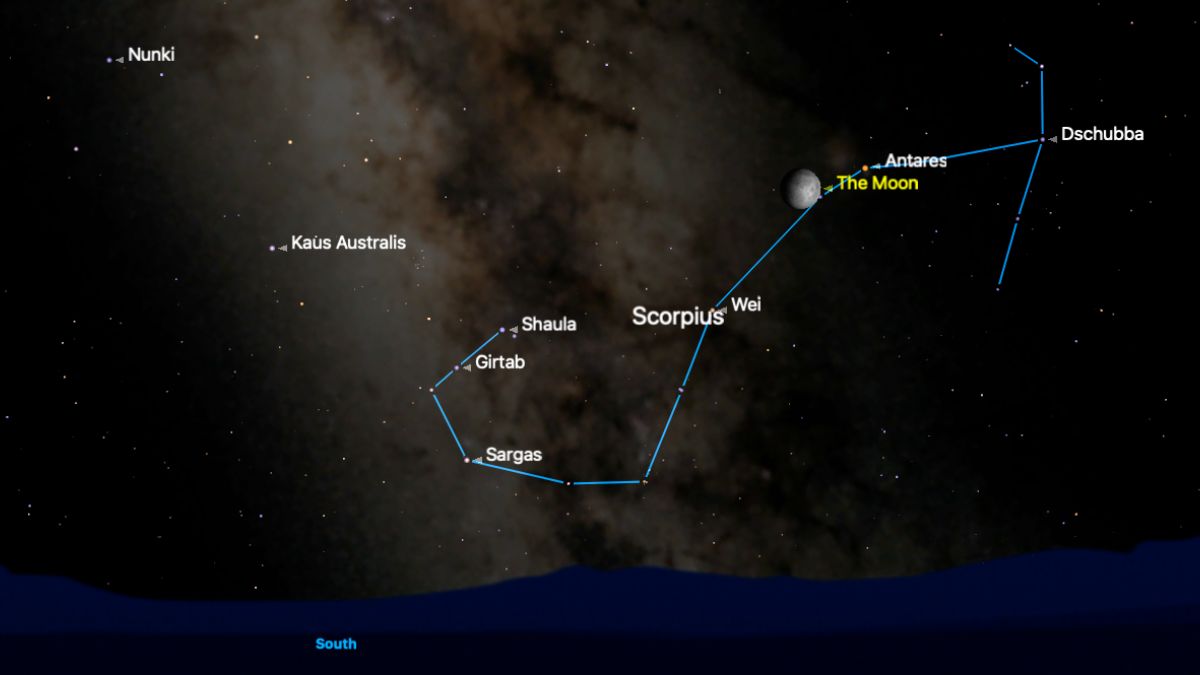
The moon will move beneath the Summer Triangle this week, appearing as an 81%-illuminated waxing gibbous moon as it shines close to supergiant star Antares in the constellation Scorpius, on Friday, July 24. By now, the moon is dominating the night sky, albeit low on the horizon, and on Wednesday, July 29 — the night before the full Buck Moon — the Summer Triangle will appear to point straight at it. Late July also marks the gradual strengthening of the Perseid meteor shower, with occasional early meteors now appearing after midnight. The Southern Delta Aquariids and Alpha Capricornids peak around Thursday-Friday, July 30-31, though the full moon will reduce visibility of fainter meteors considerably.

Constellation of the week: Sagitta

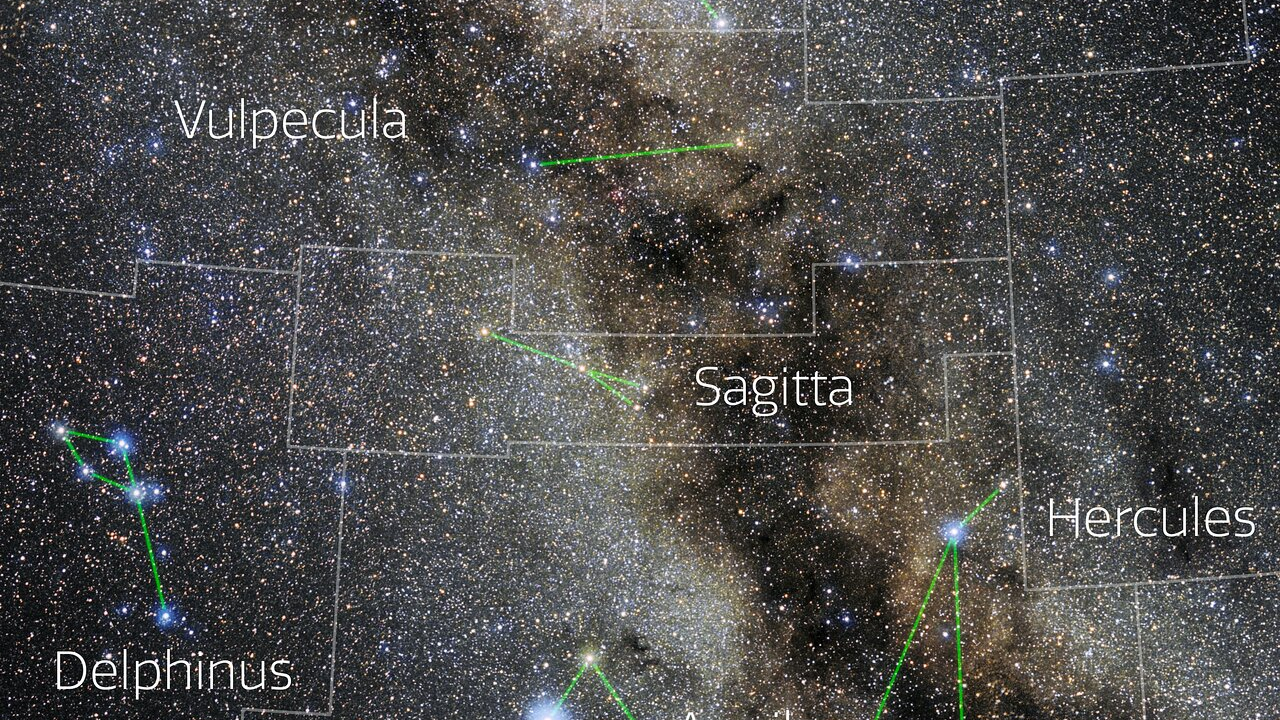
The tiny constellation Sagitta. (Image credit: E. Slawik/NOIRLab/NSF/AURA/M. Zamani)

Sagitta, the Arrow, is one of the smallest constellations, but also one of the easiest to recognize once you've found it. It appears as a short line of five stars — all between 450-650 light-years distant — with an arrowhead, shaft and two stars as the fletchings. It's between Cygnus and Aquila.

It's not bright, but it's well-defined, and once you spot it, it becomes a reliable reference point. Learning these smaller constellations helps fill in the gaps between the more obvious patterns.

How much better is the Canon EOS R6 III than previous models for astrophotography?

In a rare first for me, I actually used autofocus for this entire astrophotography shoot. If I'm being honest? I prefer it when shooting astro with a mirrorless camera. Why? Because it is quicker and that means more time capturing the stars and less time setting up. I can get a star in sharp focus using autofocus in half the time that it would take me to do it manually and it's way easier to focus with the shutter or back button than play about with the focus ring, especially with cold fingers.

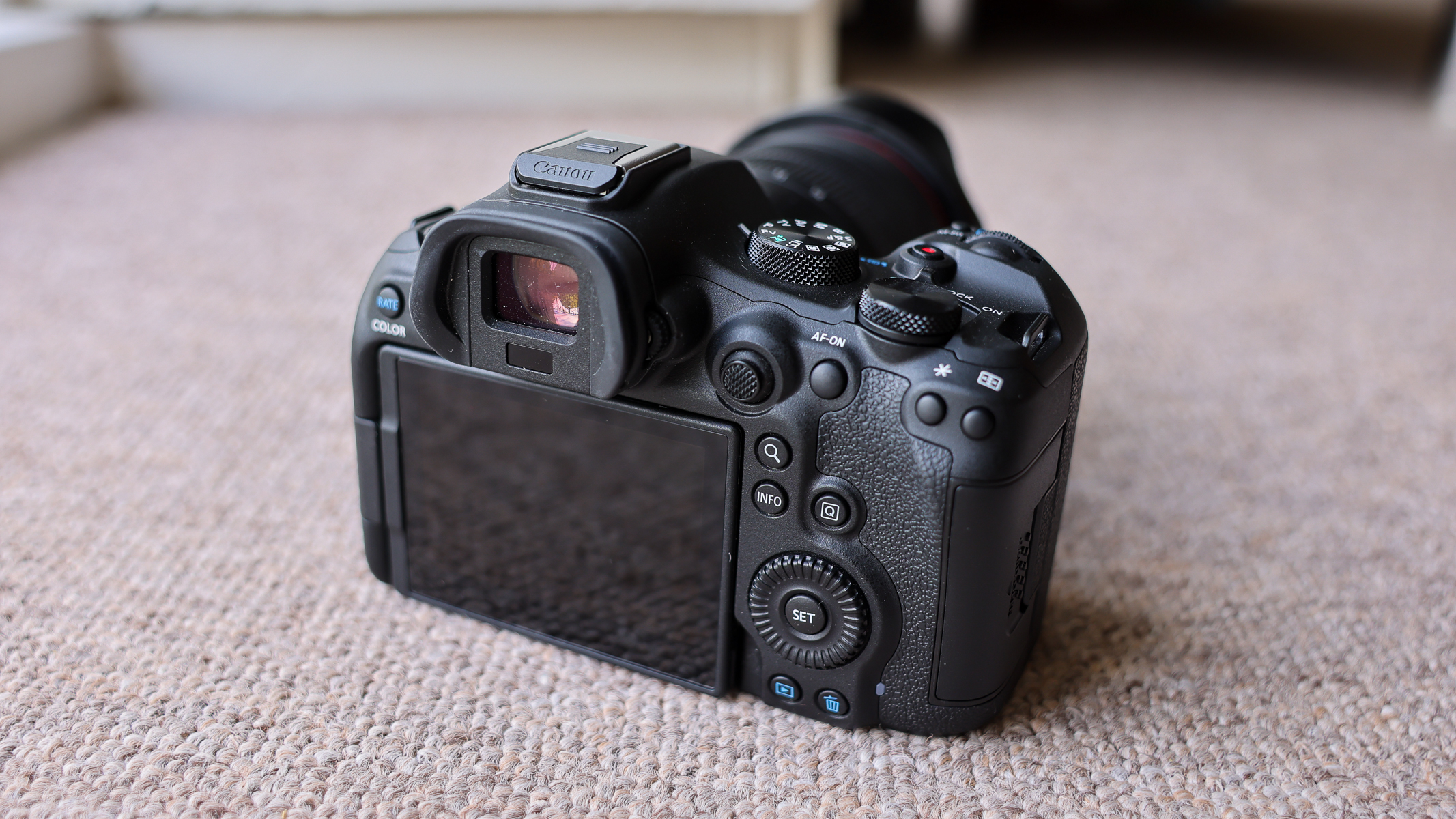
The back panel and screen of the Canon EOS R6 III.

The Canon EOS R6 III makes shooting astro much quicker with its rapid low-light autofocus. (Image credit: Harry Bennett / Future)

I only managed to get out under one clear sky to test the new R6 III but it was a wonderful session at my usual dark hill spot surrounded by a sea of stars and celestial shapes. After setting up my tripod, I was ready to start shooting, armed with the Canon 14mm f/1.4 and 45mm f/1.2 lenses.

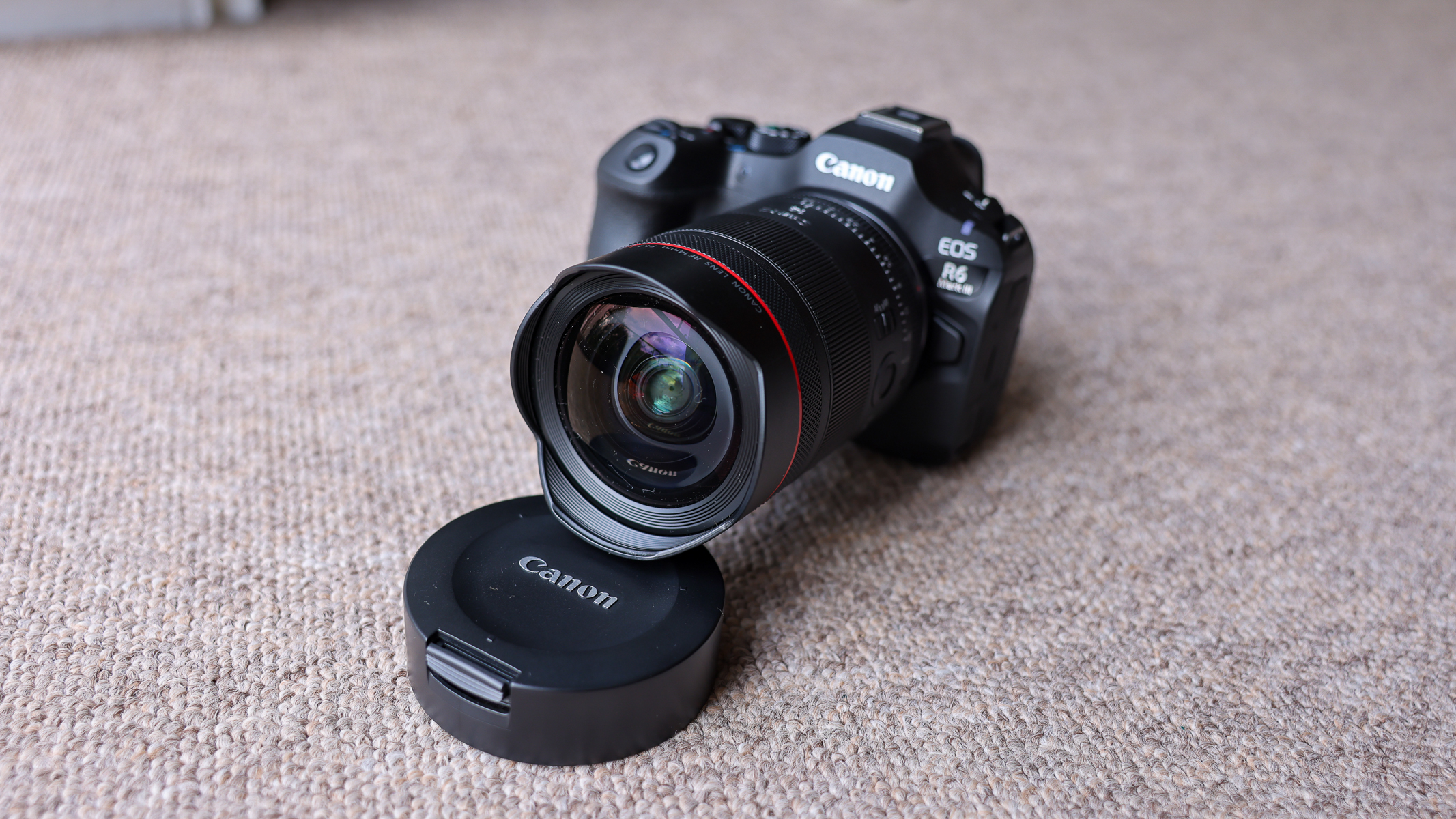
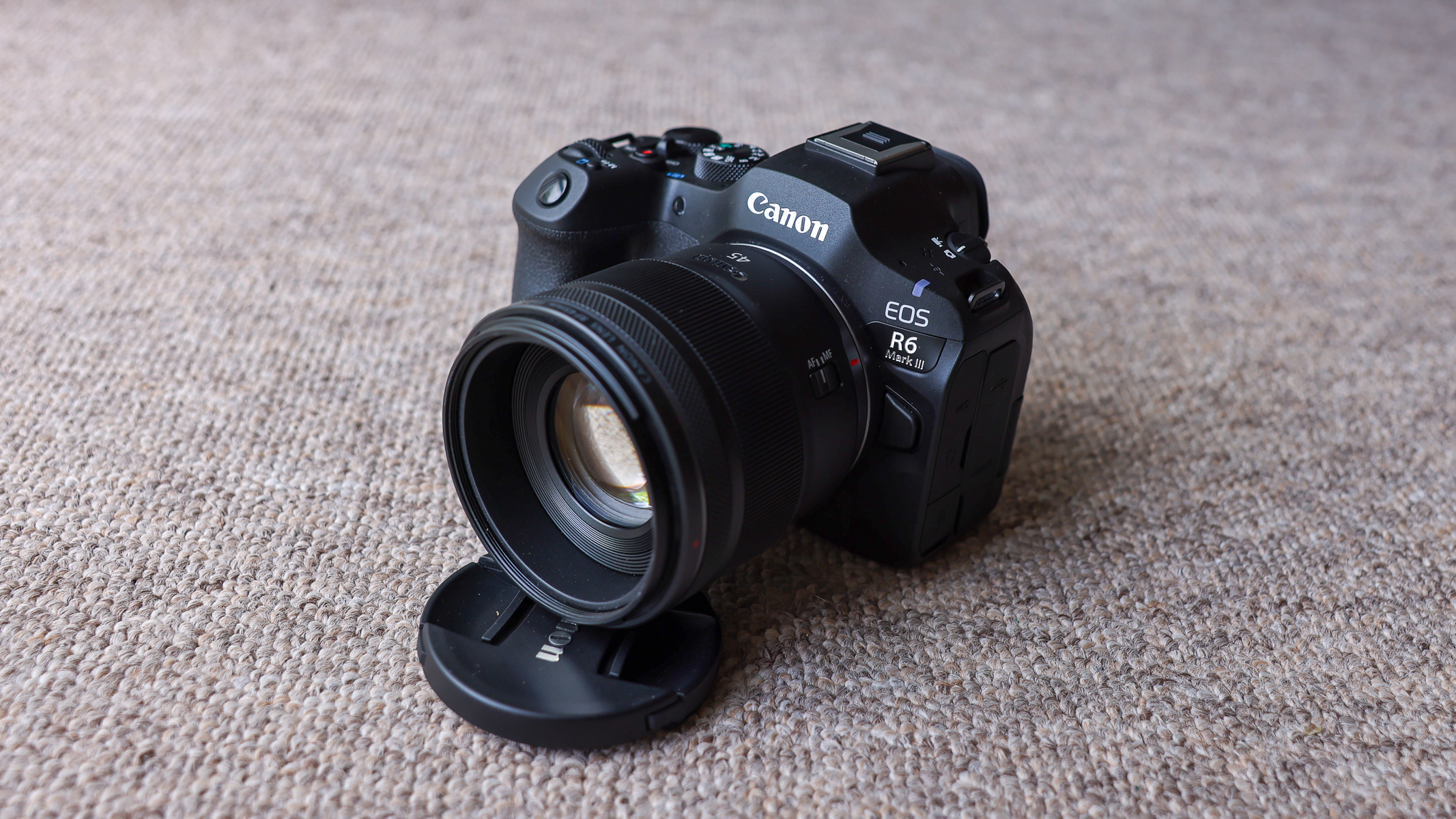
The Canon EOS R6 III with the Canon RF 14mm f/1.4 lens attached and propped up by the lens cover, on a brown carpet.
Pairing the R6 III with the RF 14mm f/1.4 lens is a perfect set up for astrophotography.Harry Bennett / Future
The Canon EOS R6 III with the Canon RF 45mm f/1.2 lens attached and propped up by the lens cover, on a brown carpet.
I also tried it with the Canon RF 45mm f/1.2 lens, which delivered exceptional aperture performance, albeit with a few spots of chromatic aberration.Harry Bennett / Future

If you are a seasoned astrophotographer, you will undoubtedly have started your craft by learning how to manually focus on stars to get them crisp and sharp in the frame. Everyone does. Whilst the manual focus (MF) versus autofocus (AF) debate continues within the community, the technology for low-light autofocusing capability has come a long way since mirrorless cameras were first introduced and the R6 III is physical proof of that.
The astrophotography

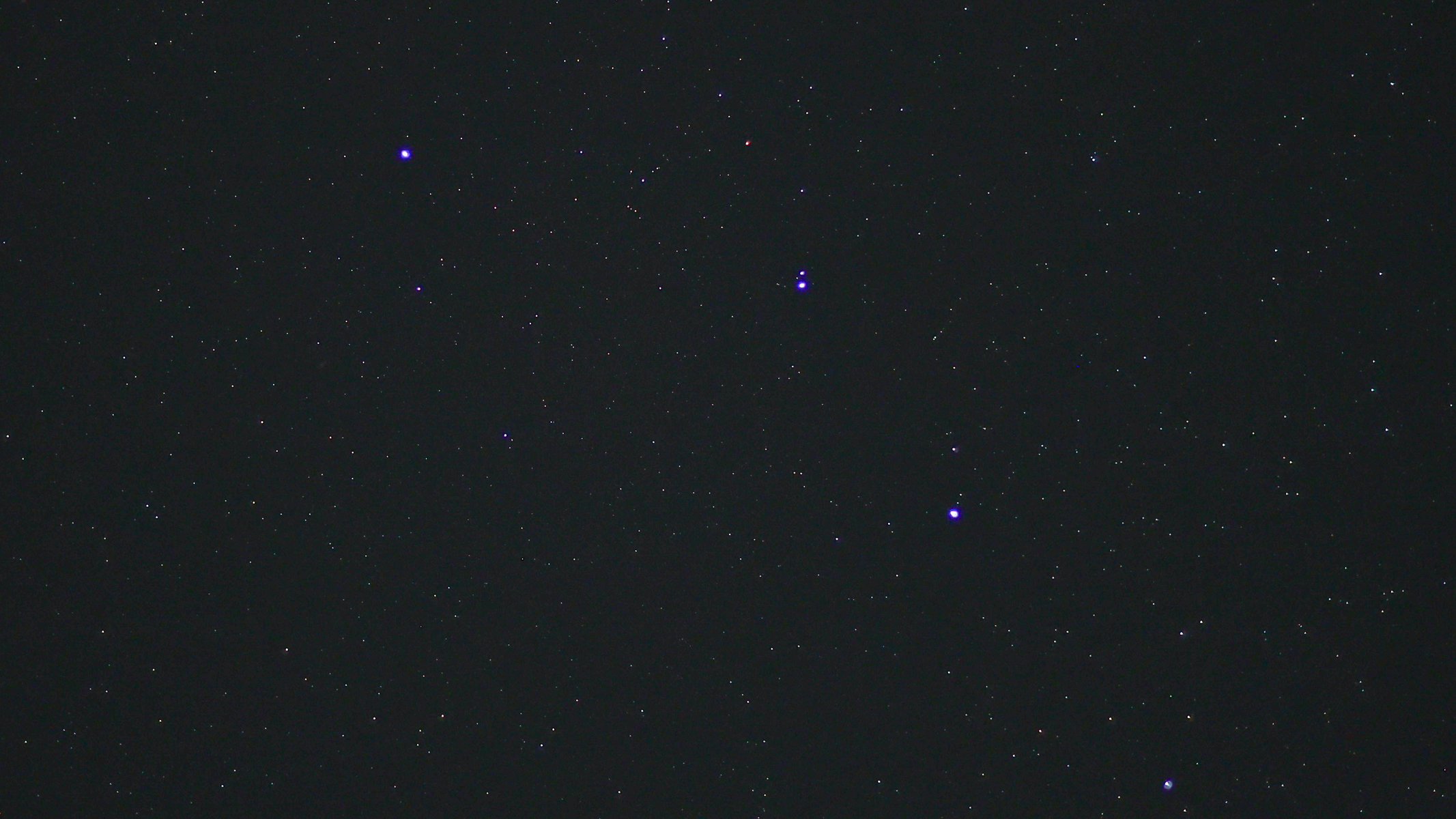
The stars Mizar and Alcor with the handle of the Big Dipper, as imaged by the Canon EOS R6 III.

Mizar and Alcor in the panhandle of the Big Dipper. Shot with Canon EOS R6 III and RF 45mm f/1.2 lens, Aperture: f/1.2, Shutter speed: 2 sec, ISO 500 | Bortle class 4. (Image credit: Harry Bennett / Future)

You only get the luxury of being able to do this if your camera is actually good at autofocusing in low light and for starry nightscapes. All three versions of the Canon EOS R6 feature a low-light autofocus range of -6.5 exposure value (EV), so they already have a strong baseline for shooting under dark skies. The Canon EOS R6 III features a higher resolution and advanced autofocus algorithms, so the AF system actually has more data to use and is better at using it.

I was able to capture bright objects easily and start shooting without having to spend ages using manual focus for each new shot. The autofocus was powerful enough to capture at least one star in each of my frames. I simply used autofocus on the brighter points of light in my composition, waited for the green box and then switched to manual to avoid any refocusing if I decided to recompose the shot.

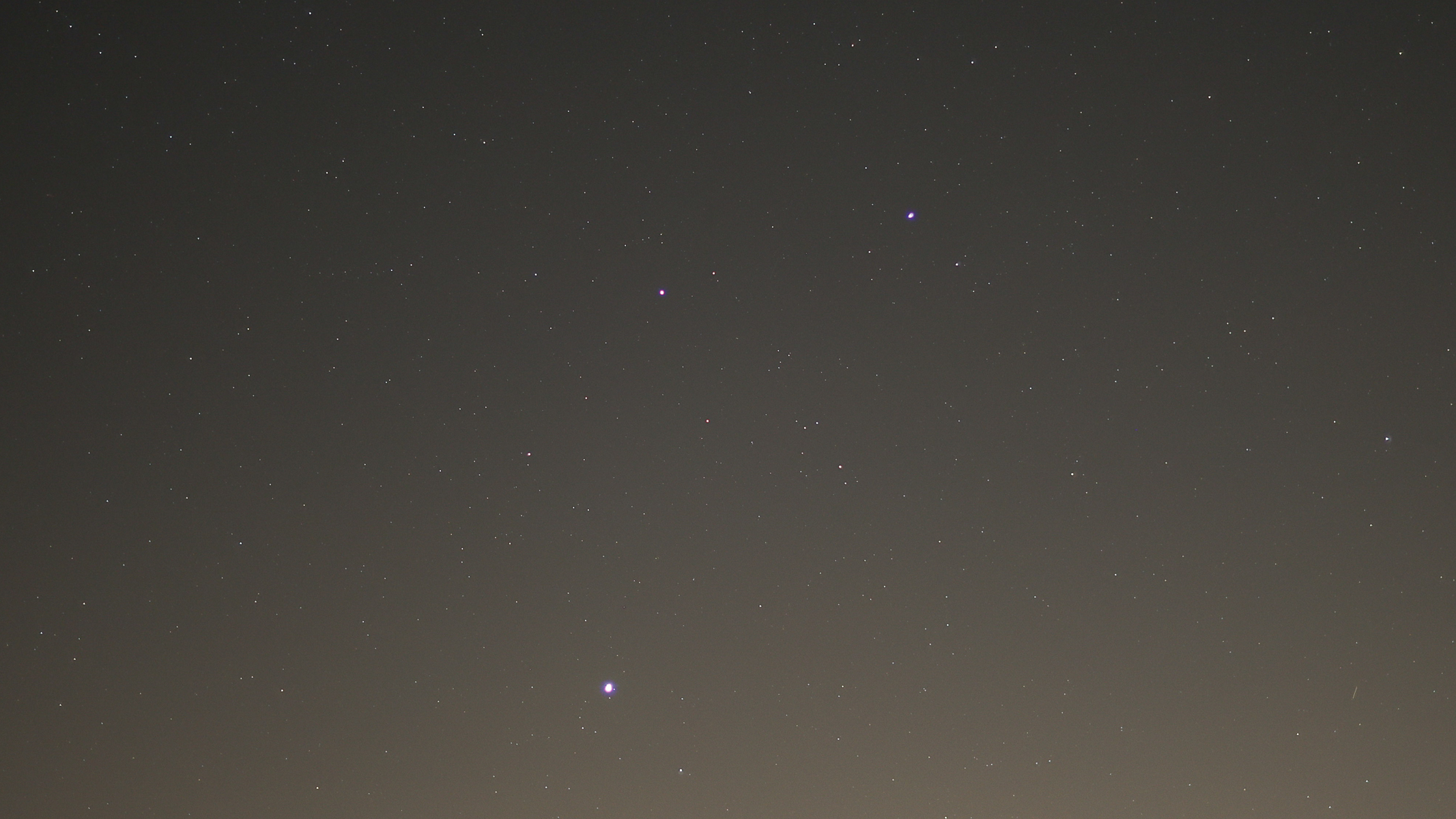
A closeup of Jupiter, Pollux and Castor as imaged by the Canon EOS R6 III.

Pollux and Castor above Jupiter. Shot with Canon EOS R6 III and RF 45mm f/1.2 lens, Aperture: f/1.2, Shutter speed: 2 sec, ISO 500 | Bortle class 4. (Image credit: Harry Bennett / Future)

Bright objects were the easiest to capture, with Jupiter, Pollux and Castor easily captured in the western sky. Light pollution washed out the contrast in this shot but it was the quickest autofocus because of the brightness of the objects.

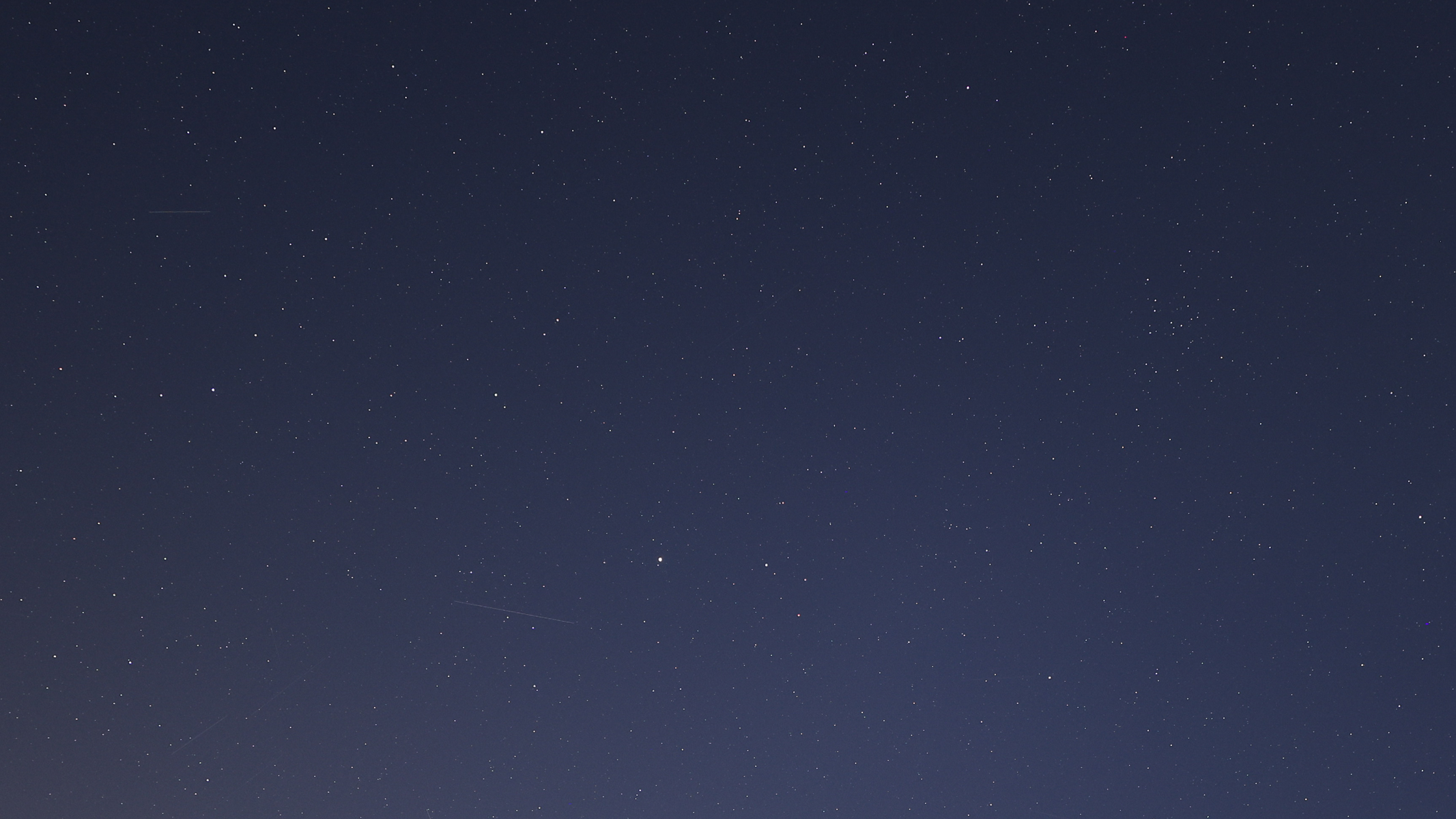
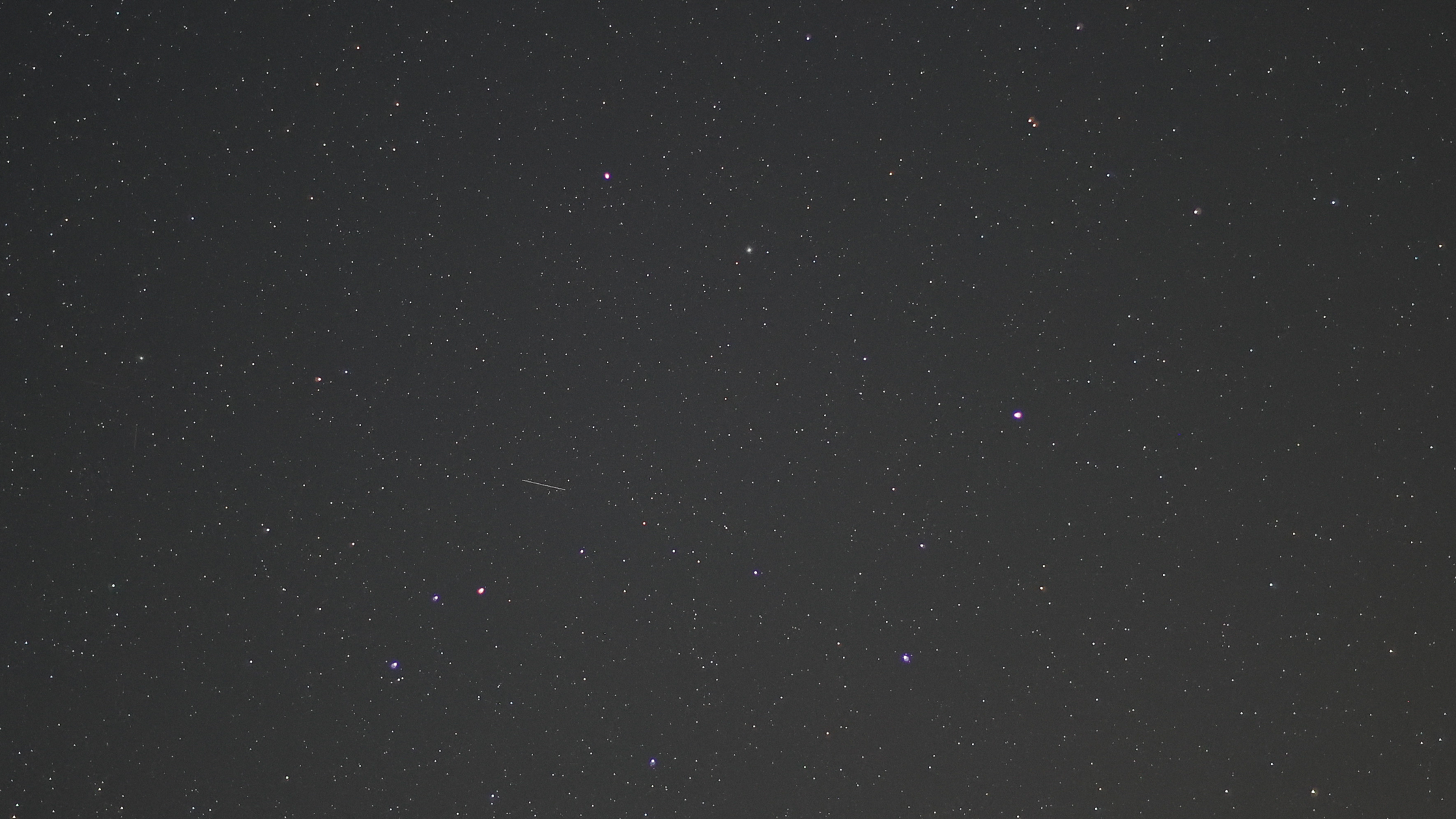
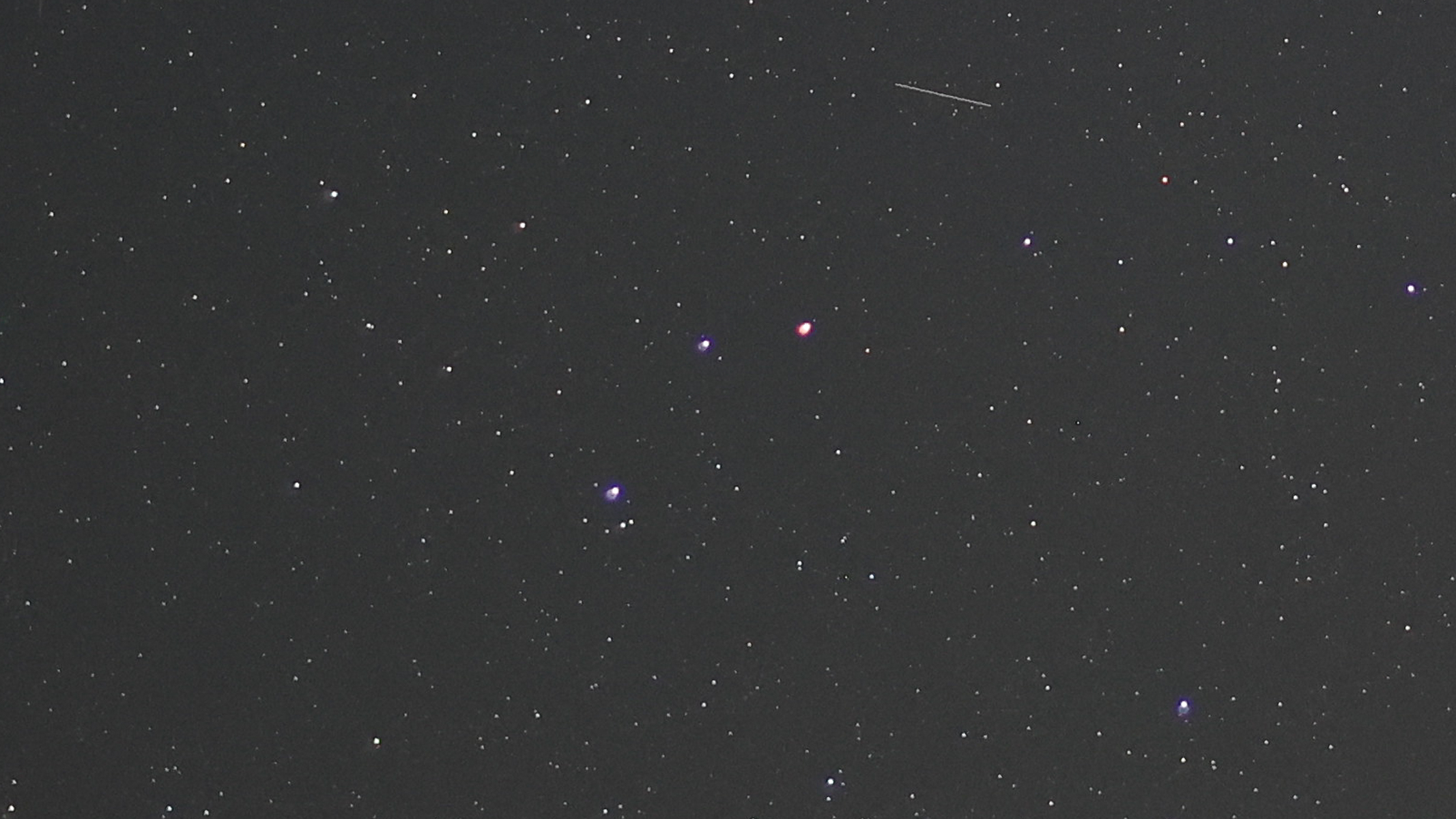
The autofocus helped me capture a range of other constellations too. With the R6 III focusing on the bright star Arcturus, along with the rest of Boötes and Coma Berenices next to the Coma Star Cluster (Melotte 111).

Arcturus, Boötes, Coma Berenices and the Coma Star cluster as imaged by the Canon EOS R6 III.

Arcturus, Boötes, Coma Berenices and the Coma Star cluster (Melotte 111). Shot with Canon EOS R6 III and RF 14mm f/1.4 lens, Aperture: f/1.4, Shutter speed: 8 sec, ISO 800 | Bortle class 4. (Image credit: Harry Bennett / Future)

The shape of Leo is recognisable and the autofocus captured the brightest star, Regulus, to bring the rest of the stars in the constellation into focus. You can even spot the Beehive Cluster (M44) in Cancer, to the right of the frame and it is fairly sharp in focus. Barring some minor star trailing from my lack of a star tracker, the stars are nicely in focus, including on minor objects like star clusters.

Regulus, Leo and the Beehive cluster as imaged by the Canon EOS R6 III.

Regulus in Leo, with the Beehive Cluster (M44) in the bottom right. Shot with Canon EOS R6 III and RF 14mm f/1.4 lens, Aperture: f/1.4, Shutter speed: 6 sec, ISO 640 | Bortle class 4. (Image credit: Harry Bennett / Future)

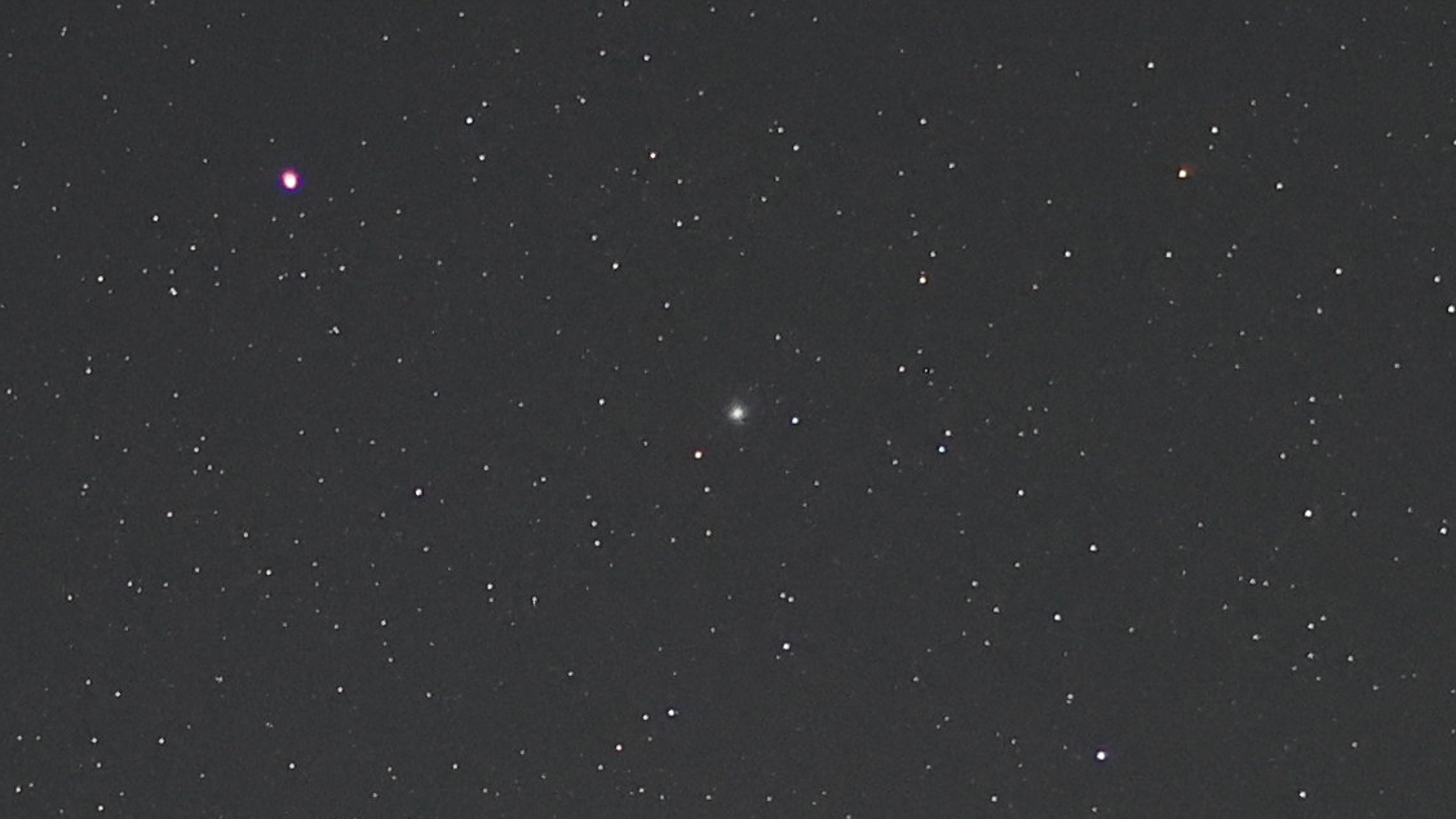
Using the 45mm lens, I got some close-ups of some quadrilateral shapes in the sky. Hercules' prominent trapezoidal keystone is visible and one of the corners, Zeta Herculis, was picked up by the autofocus. It is not exactly a bright star, with a magnitude of 2.88, but the R6 III picked it up easily and brought the rest of the corners into focus. Whilst barely a smudge along one of the sides of Hercules, I even managed to capture the Hercules globular cluster (M13) with the R6 III and the Canon RF 45mm wide open at f/1.2.

The keystone of the constellation Hercules, as imaged by the Canon EOS R6 III.
The keystone of Hercules. Shot with Canon EOS R6 III and RF 45mm f/1.2 lens, Aperture: f/1.2, Shutter speed: 2 sec, ISO 2500 | Bortle class 4.Harry Bennett / Future
The Hercules Globular cluster (M13) as imaged by the Canon EOS R6 III.
A cropped view of the Hercules Globular cluster (M13). Shot with Canon EOS R6 III and RF 45mm f/1.2 lens, Aperture: f/1.2, Shutter speed: 2 sec, ISO 2500 | Bortle class 4.Harry Bennett / Future
The head of the constellation Draco and the star Iota Herculis, as imaged by the Canon EOS R6 III.
The 'head of the dragon' in Draco, with Iota Herculis to the right. Shot with Canon EOS R6 III and RF 45mm f/1.2 lens, Aperture: f/1.2, Shutter speed: 2 sec, ISO 2500 | Bortle class 4.Harry Bennett / Future

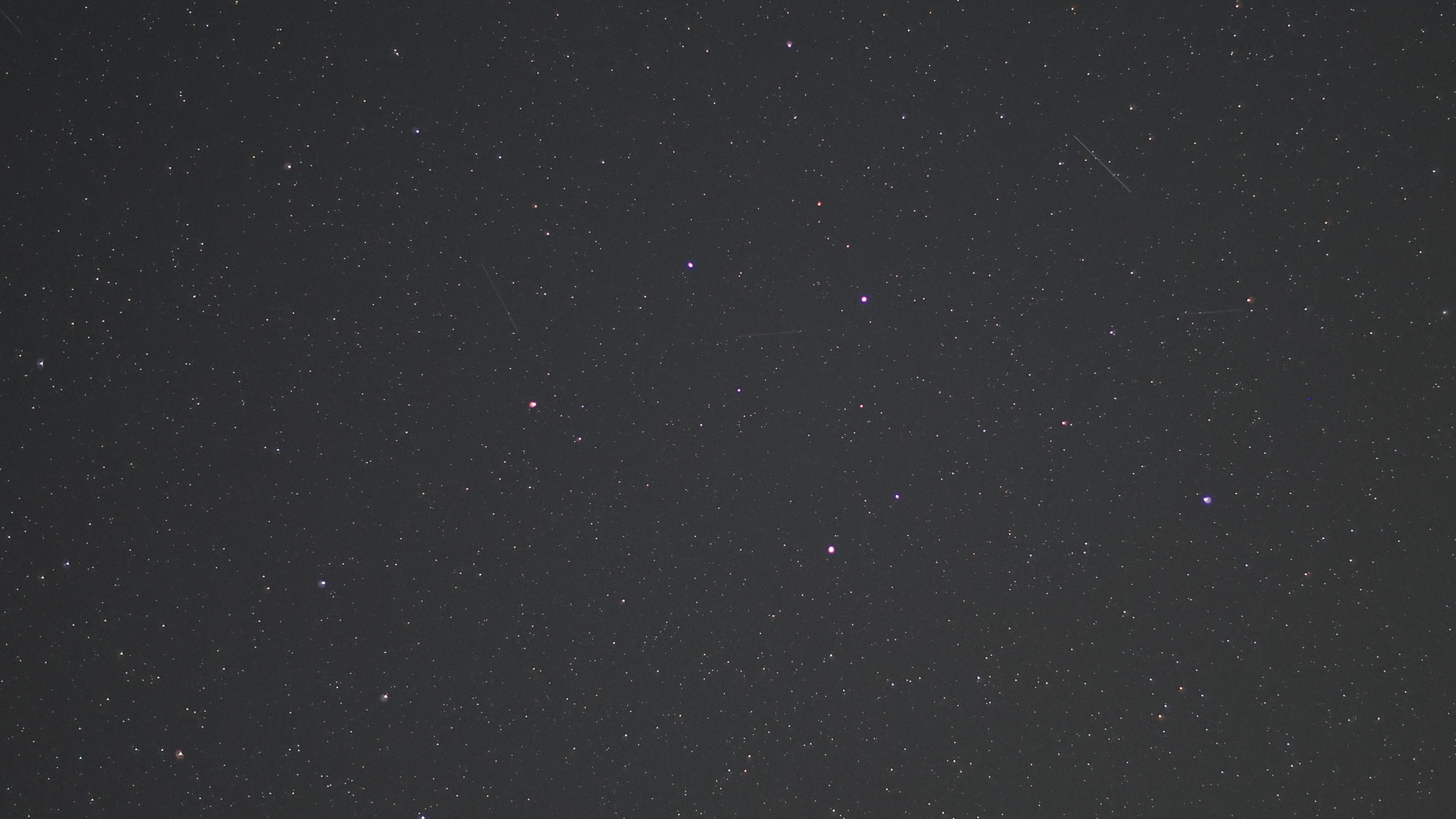
The polygonal head of the dragon in Draco was easily captured in the centre of the frame, with bright stars Eltanin (2.23), Rastaban (2.79) and even Iota Herculis (3.8) showing prominently. The autofocus capabilities of the EOS R6 III are maximised when used alongside a lens with a very fast aperture like f/1.4 and f/1.2. Without these types of lenses, you would be much less likely to be able to autofocus on such dim stars.

The upgrades

The big question when looking at the third iteration of a camera model is to figure out if the upgrades are actually worth it. First, you have to think about your budget and also what you are using the camera for. For astrophotography, there are a few upgrades in the EOS R6 III that can be considered to see whether they are worth it.

The most noticeable upgrade on the R6 III is the resolution, which has been upgraded from the R6 II's 24.2MP sensor to a 32.5 MP sensor. On top of improved resolution for general and astrophotography, the boosted number of pixels allows the Dual Pixel CMOS AF II to collect even more data points because there are more pixels. Dual Pixel architecture splits each pixel into two separate photodiodes and allows each photodiode to read the light from the star at two different positions and allows the lens motor to bring those points together into perfect focus.

The front of the Canon EOS R6 III without a lens on a brown carpet.

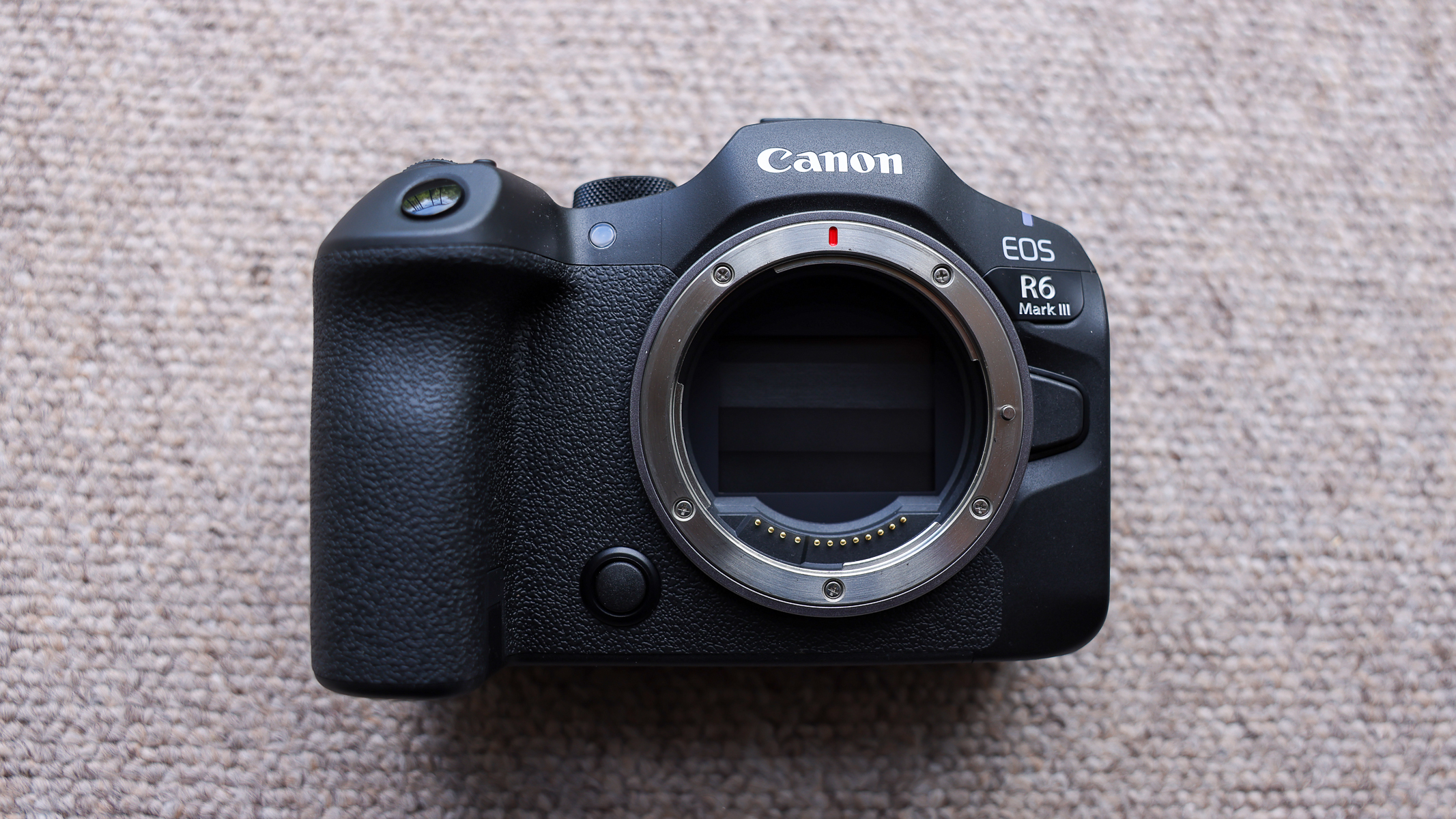
(Image credit: Harry Bennett / Future)

The upgraded sensor resolution combined with upgraded tracking algorithms from the flagship Canon EOS R5 II make the R6 III better at locking onto low-light points and make autofocus for astrophotography much more reliable than in previous models.

I initially expected the higher resolution to translate into more image noise on photographs but this was not the case. The R6 III utilizes dual-gate gain architecture, which means that every pixel has a switchable path at the hardware level depending on the ISO level used and allows images with higher ISOs to have a heavily reduced base amount of noise and thus makes them less grainy.

Orange star Pi Herculis next to Rho Herculis, as imaged by the Canon EOS R6 III.
A cropped view of the orange star Pi Herculis in the keystone of Hercules. Shot with Canon EOS R6 III and RF 45mm f/1.2 lens. Aperture: f/1.2, Shutter speed: 2 sec, ISO 2500 | Bortle class 4.Harry Bennett / Future
Jupiter, Pollux and Castor as imaged by the Canon EOS R6 III.
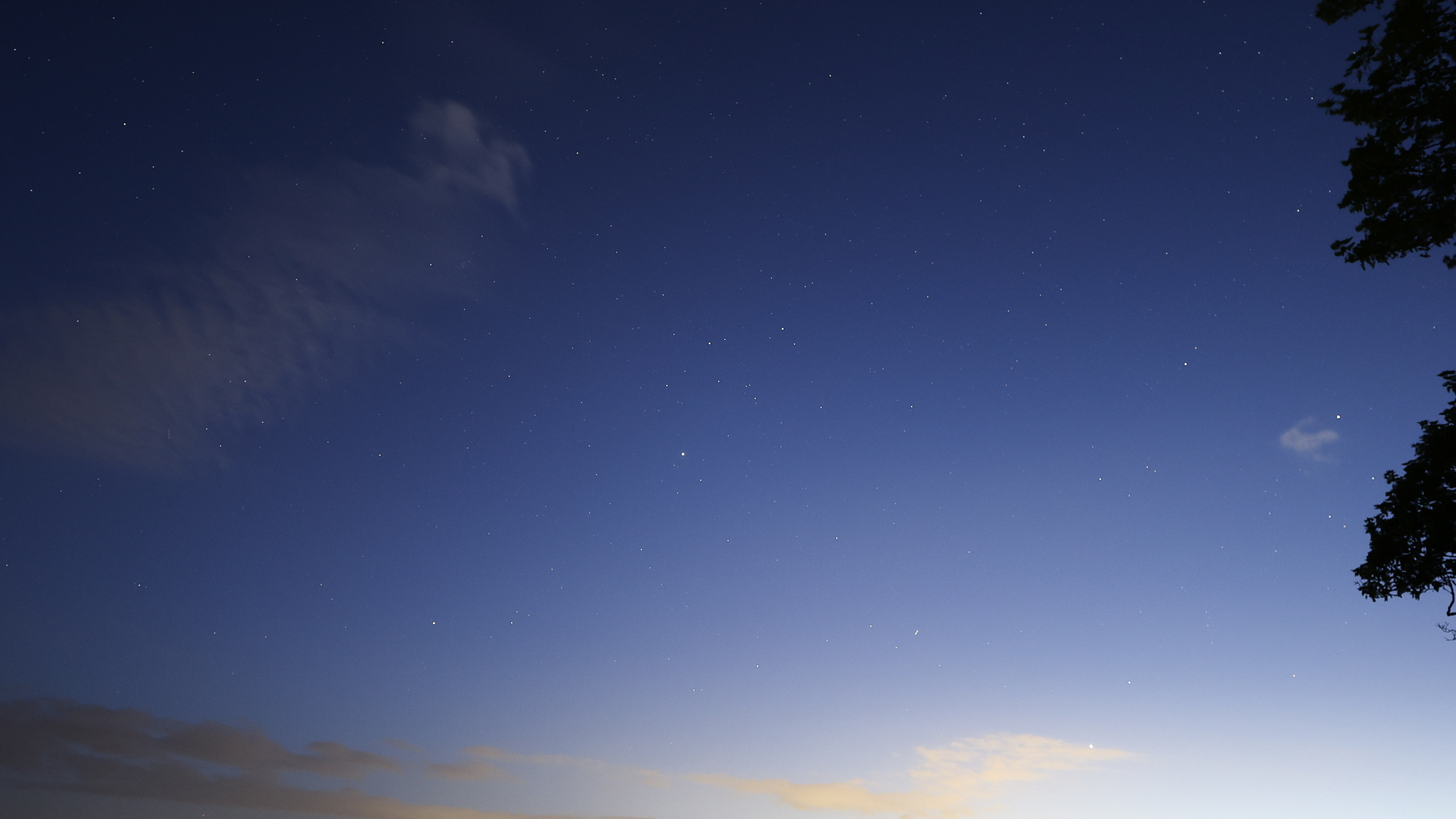
Jupiter beneath Pollux and Castor, with Venus and Auriga to the right. Shot with Canon EOS R6 III and RF 14mm f/1.4 lens, Aperture: f/1.4, Shutter speed: 2 sec, ISO 800 | Bortle class 4.Harry Bennett / Future

Photos at lower ISOs on the R6 III have an incredibly high dynamic range (HDR) thanks to the low conversion gate (LCG) circuit. This allows the natural color of the stars to be preserved instead of coming across as indeterminate white blobs, as well as the subtle hues of the dark surrounding sky in the photograph.

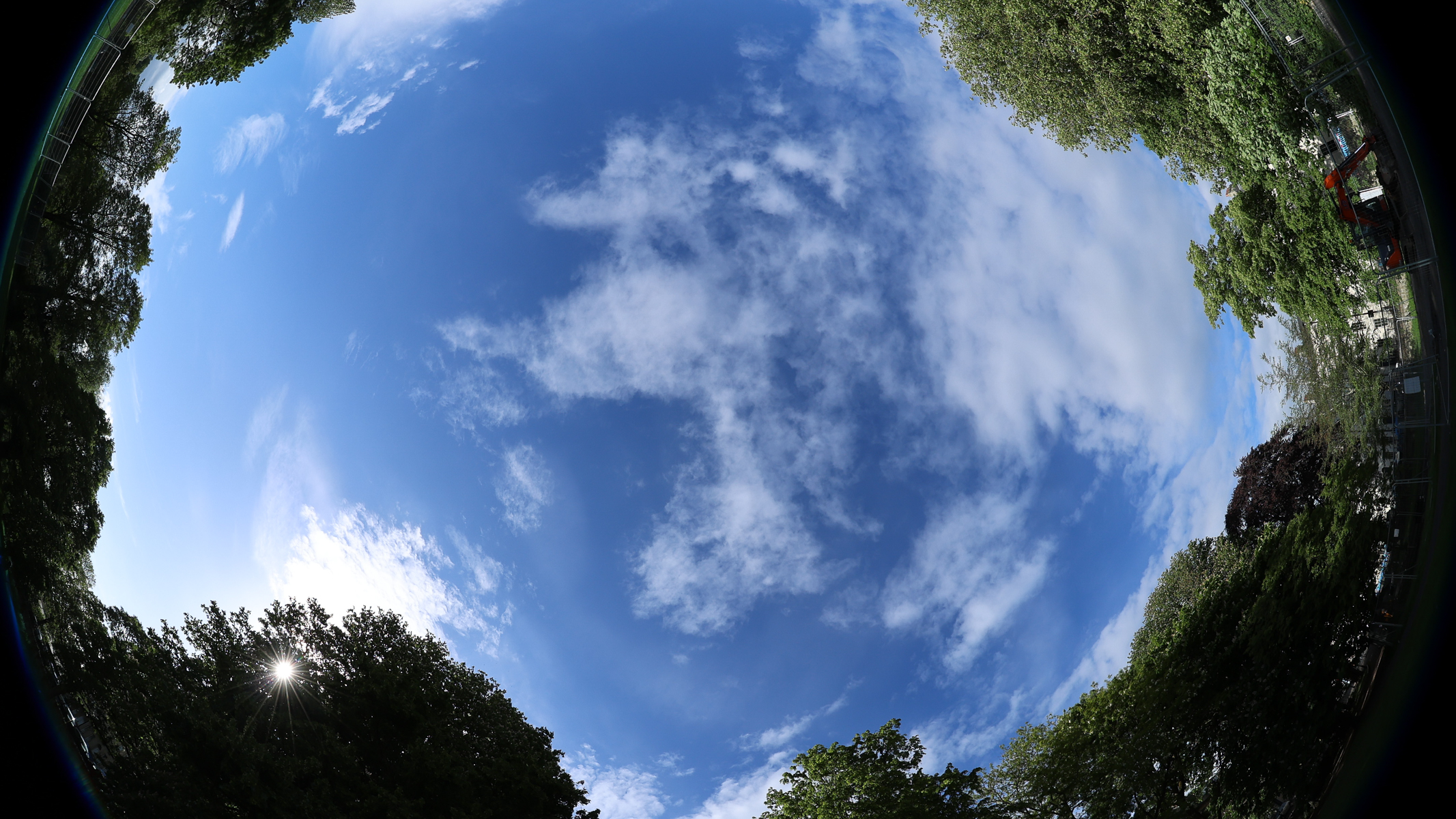
A blue sky with clouds surrounded by trees with a fisheye distortion as imaged by the Canon EOS R6 III and Canon RF 7-14mm f/2.8-3.5 fisheye lens.

A cloudy blue sky. Shot with Canon EOS R6 III and RF 7-14mm f/2.8-3.5 fisheye lens, Aperture: f/8, Shutter speed: 1/125 second, ISO 125. (Image credit: Harry Bennett / Future)

Aside from the technical aspects of how the resolution improves the autofocus, the detail in images from the R6 III is noticeable and is great for picking up finer stellar structures such as star clusters and smaller stars. When paired with a distorted lens like the Canon RF 7-14mm f/2.8-3.5 fisheye lens, extra resolution really helps details pop. I didn't get to use the fisheye lens for astro but general daytime shooting delivered some high-quality photographs.

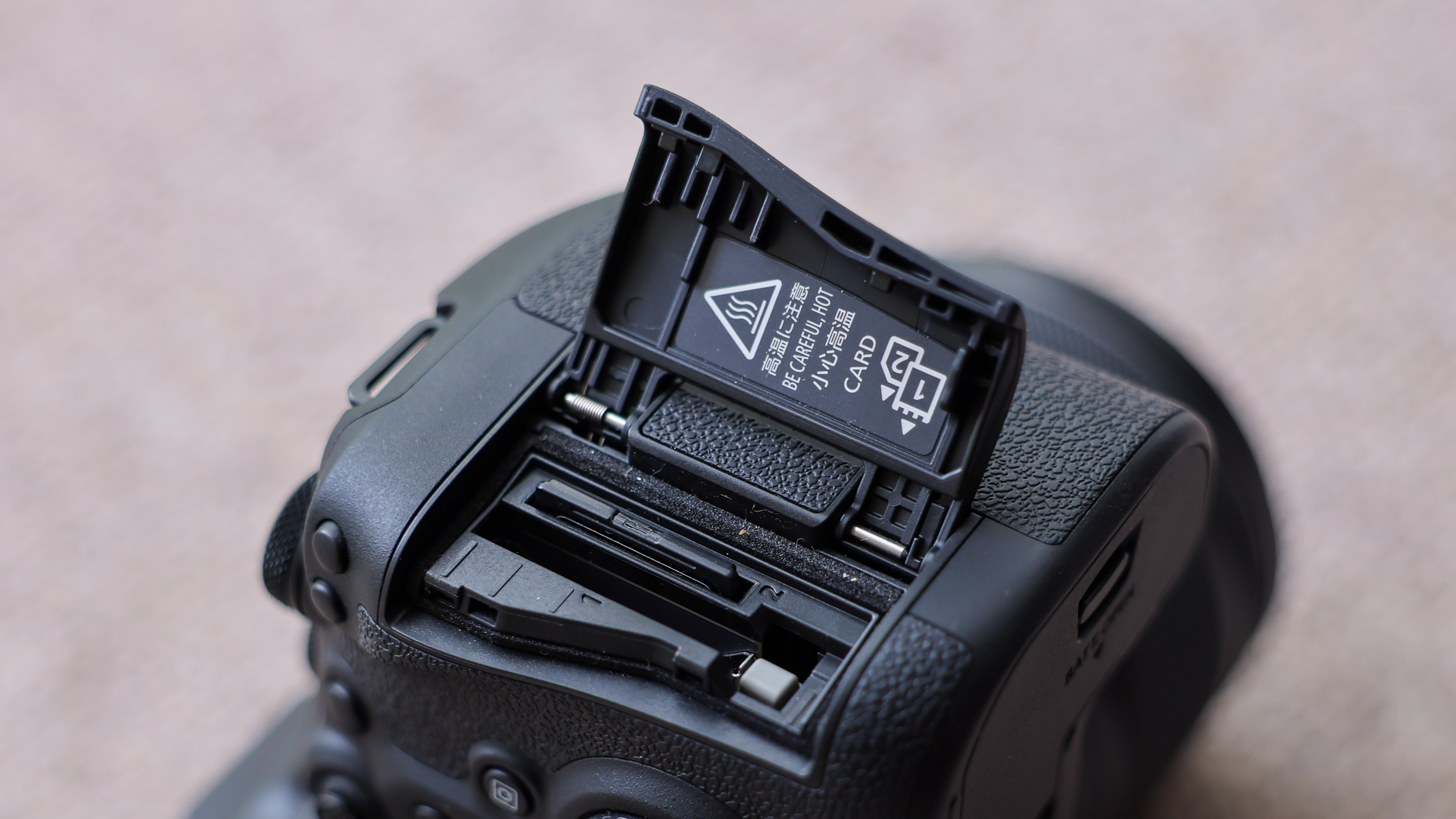
The CFexpress card and SD card slot on the Canon EOS R6 III.

The addition of CFexpress card slot will please professional photographers who need the fastest read and write speeds for their workflow. (Image credit: Harry Bennett / Future)

The final important upgrade on the R6 III is the inclusion of a CFexpress card slot, which allows faster writing and reading speeds both in camera and during media downloads. A UHS-II SD card has an average read speed of 300MB/s and an average write speed of 260MB/s.

This may seem fast but the most advanced CFexpress cards have a read and write speed of over 3000MB/s, which makes huge workloads so much easier to process. This may only be of benefit to professional photographers who shoot a lot of video or need to do a huge amount of burst photography in RAW format, but it does vastly improve the performance of this camera. Bear in mind that CFexpress cards are much more expensive than SD cards and require an additional CFexpress reader to transfer data to a computer.

Is it worth it?

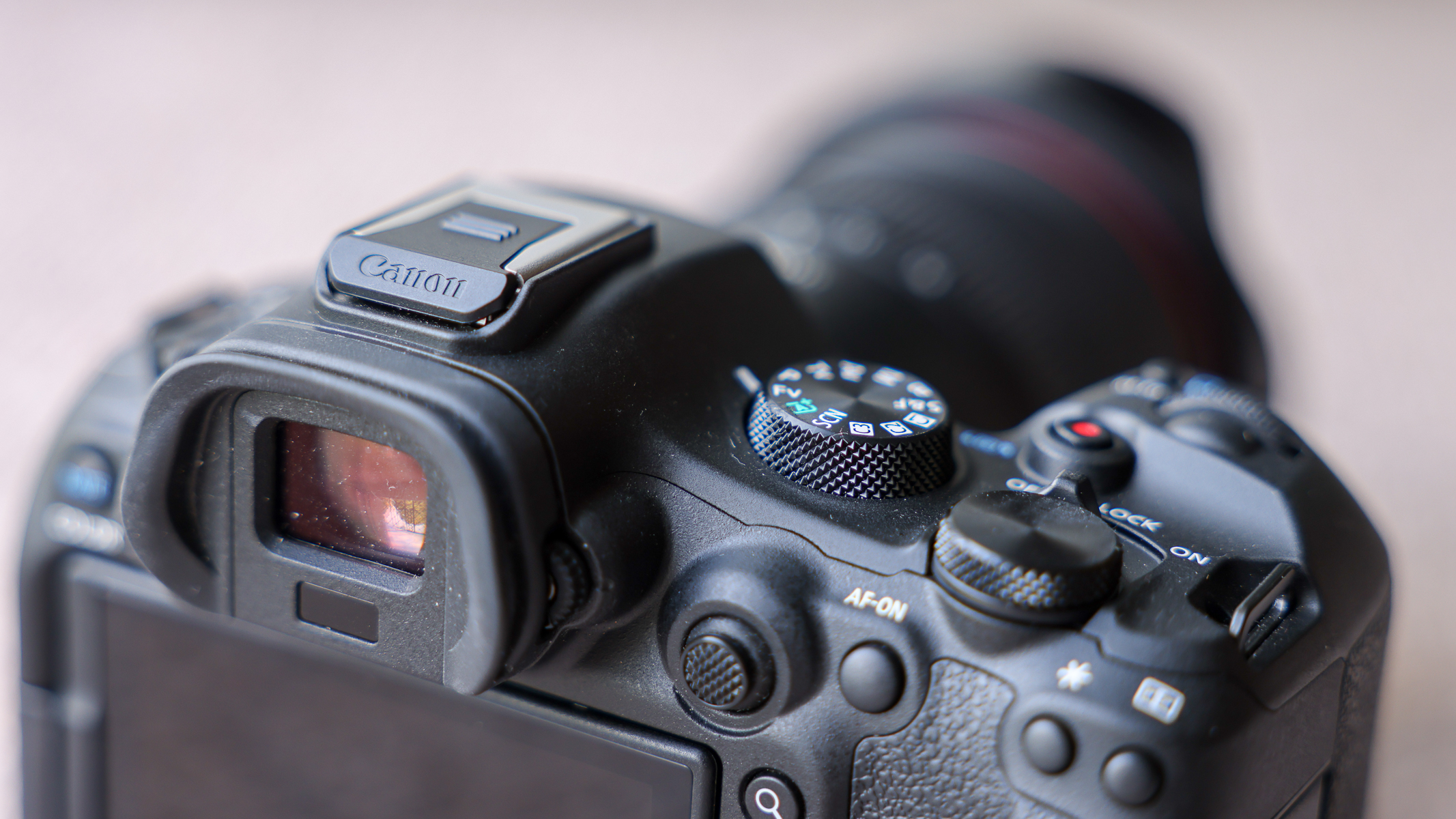
The viewfinder and top controls of the Canon EOS R6 III.

The controls on the EOS R6 III are essentially the same as the EOS R6 II. (Image credit: Harry Bennett / Future)

The price difference between the R6 Mark II and the Mark III is just under $1000 and for that amount of money, justifying the move up to the latest model comes down to a few factors that you will have to consider. The power of the low-light autofocus is tempting but you should think about the camera as a whole to see whether it is worth making the investment.

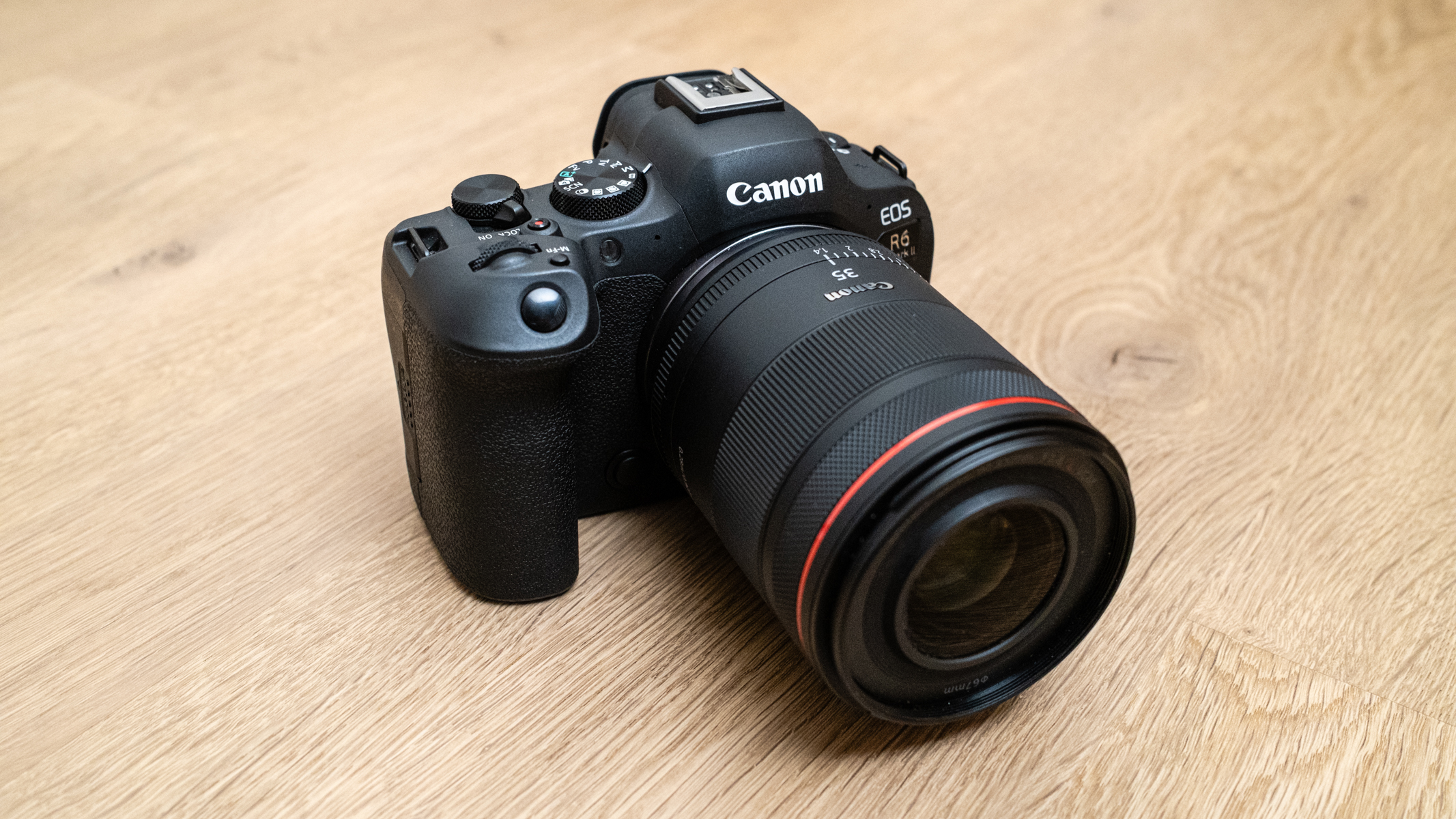
Canon EOS R6 Mark II and RF 35mm f/1.4L on a wooden floor

We gave the Canon EOS R6 II a huge five stars. (Image credit: James Abbott)

If you are looking to boost resolution in your night-time scenes and have been shooting astrophotography for a long time, the R6 III could be worth the extra investment thanks to the 32.5MP sensor, which retains the powerful dual-gain architecture for getting high dynamic range images at lower ISOs and delivering high ISO images with significantly less grain.

If you have a heavy workflow, you are likely to be frustrated with the lack of a CFexpress card slot on the earlier R6 models and would benefit from the advanced functionality the new slot will give you, especially if you shoot a lot of RAW imagery and video.

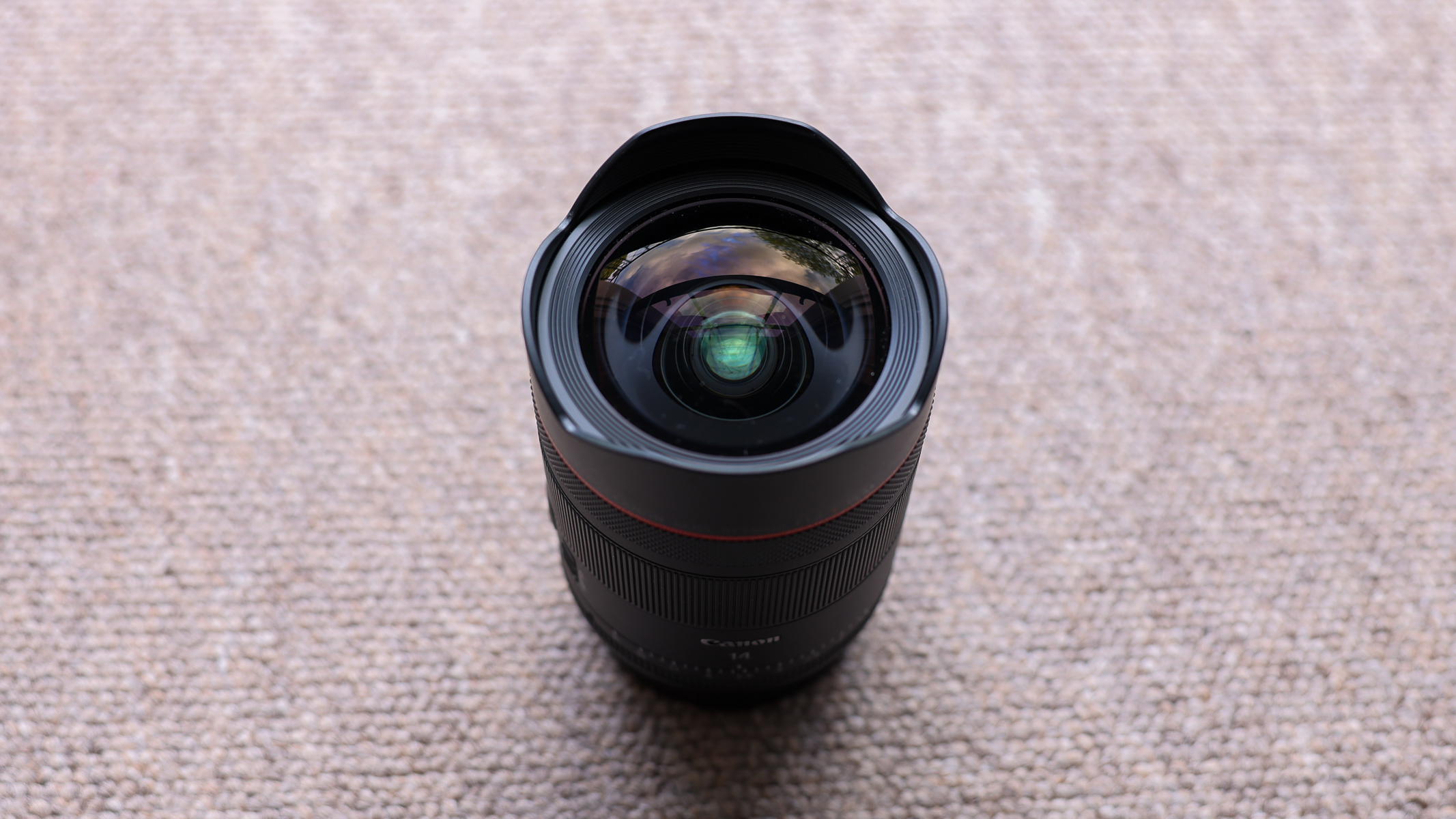
The Canon RF 14mm f/1.4 lens stood up on a brown carpet.

Wide aperture lenses, like an f/1.4 lens, can deliver exceptional low-light performance but they are also extremely expensive, so buyers should consider how they want to invest in their camera gear. (Image credit: Harry Bennett / Future)

Stick with an earlier model or a different mirrorless camera if you are a very casual astrophotographer who does most of your shooting in the daytime. I just can't justify the massive jump in price for basic shooting, where a beginner or intermediate photographer's money might be better spent on getting a fast f/1.4 lens for superior astro. I used the Canon RF 14mm f/1.4 lens for astrophotography testing and I don't think the images would have looked half as good if I had used a lens with a smaller aperture. If you already own the R6 II, the only reason you might upgrade is if you need to do more heavy cropping into your images or need better hybrid video functionality from a camera.

Billions of miles and thousands of years in the making: This is the life of a Perseid shooting star

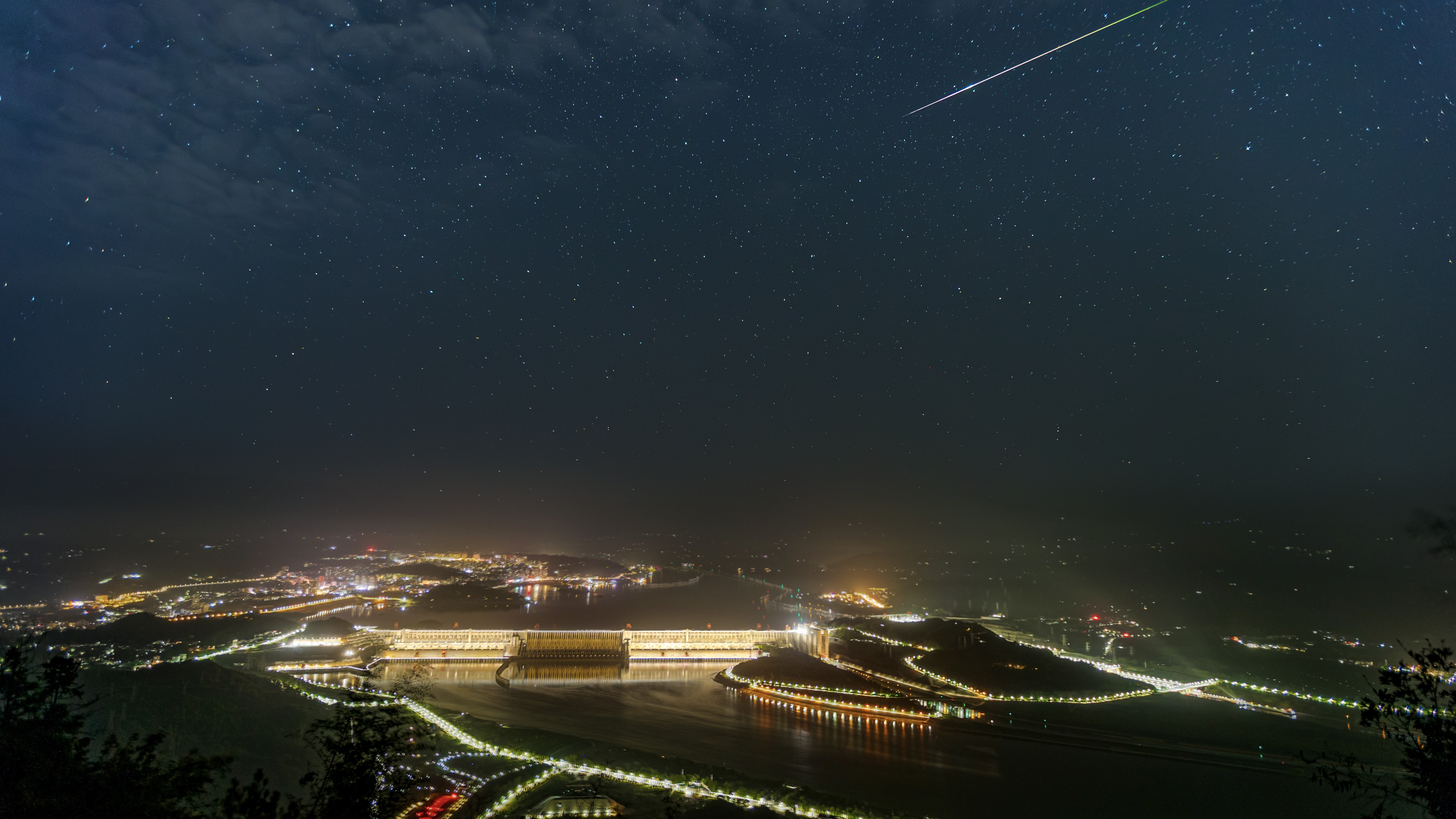
Picture it: A slash of vivid green light splits the starry sky. There for a moment and then gone, leaving nothing but a short-lived glowing trail and a moment of pure joy. You've finally caught it, your first Perseid shooting star of the season.

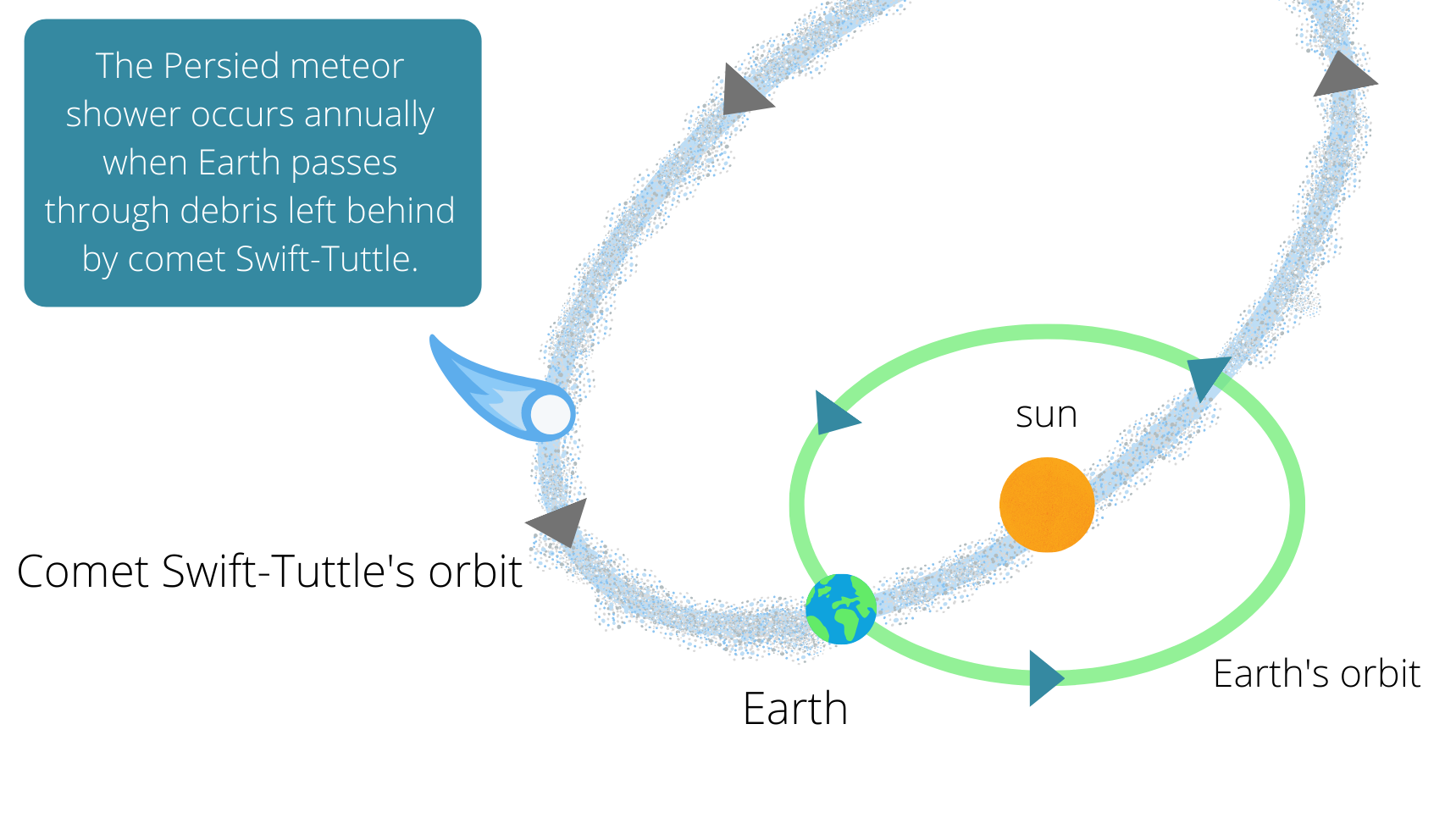
What you saw was the final moment of a story billions of miles and thousands of years in the making. A story that began with that same shooting star locked inside the icy body of the wandering comet 109P/Swift-Tuttle.

The 16-mile-wide (26 kilometer) giant of a comet spends its life journeying back and forth between the outer and inner solar system, where its frigid body is heated by the sun, triggering dramatic outbursts of activity. While in close proximity to our star, ice near to the surface of the comet is transformed into gas, skipping the water stage entirely as it escapes out into the vastness of interplanetary space.

Embedded within that ice was once a micrometeoroid no larger than a grain of sand, destined to become the Perseid shooting star you saw.

The violence of the newborn micrometeoroid's exile was followed by an epoch of utter silence, as its orbit was subtly influenced by the unseen forces of the solar system. It would be easy to think of this as a lonely existence, but we'd be wrong.

Our cosmic pebble was joined by millions of others, all shed in the wake of Swift-Tuttle. A great stream of primordial material that threads through the inner solar system, crossing the path of Earth before extending in a great swarm that messily traces the elliptical orbit of their comet progenitor, below the plane of the solar system. Beyond the orbit of Pluto.

Each follows its own unique path. Trajectories are shaped by the force of a micrometeoroid's expulsion from the comet's nucleus, along with the gentle push of radiation from the sun and the gravitational tug of the planets.

A perseid blazes earthward over Hubei province in China. (Image credit: Photo credit should read CFOTO/Future Publishing via Getty Images))

It's impossible to know how long our shooting star drifted through the cold expanse of interplanetary space. Was it hundreds or many thousands of years? How many times might it have journeyed around the sun before its fateful rendezvous with our Blue Marble?

We can never know. What we do know is how its journey ended.

Civilizations could have risen to their zenith and crumbled in the time our micrometeoroid spent traversing the unfeeling expanse of interplanetary space, but its demise lasted but a fraction of a second. It collided with our planet's gaseous shell at 132,000 miles per hour (212,433 kmph), cutting a brilliant green trail through the summer sky as atmospheric friction vaporized the cometary shard.

It's that fiery demise that you spotted tonight — an experience that will repeat hundreds of times each and every hour at the height of the Perseid meteor shower, as Earth passes through the densest part of the debris stream cast off by comet Swift-Tuttle.

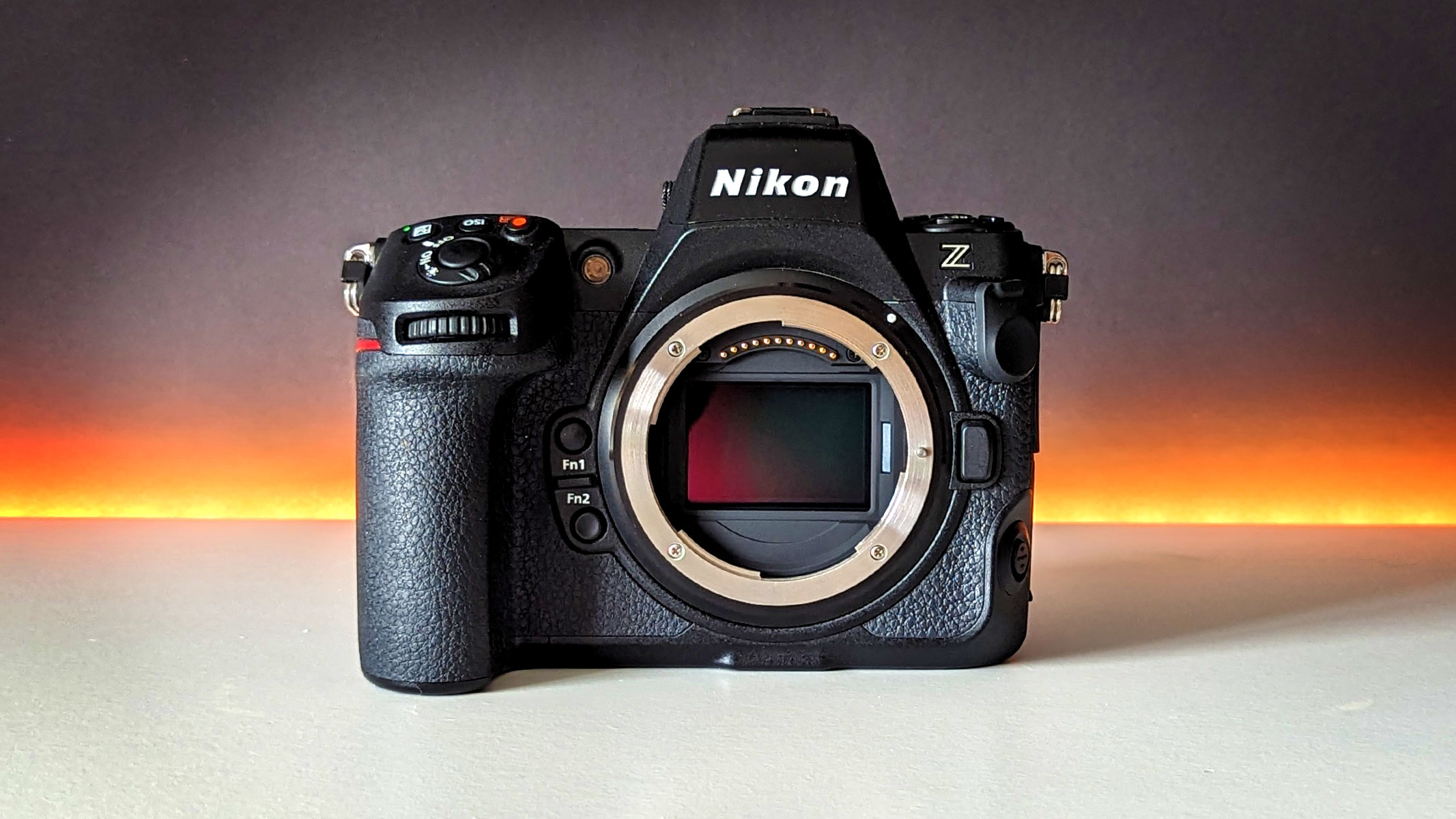
Nikon Z8

Nikon Z8 on a white table

(Image credit: Jase Parnell-Brookes)

The Nikon Z8 excels in just about every department and we rate it as the best overall camera out there. It features a full-frame 45.7MP sensor, 8K video capabilities and excellent low-light performance. Check out our Nikon Z8 review for more!

The Perseid meteor shower is active from now until Aug. 24, with the best viewing window occurring in the early hours of Aug. 13, as the shower's radiant rises to its highest point on the night of the shower's peak.

This year's peak will be particularly spectacular, unfolding as it does in the pristinely dark skies surrounding the Aug. 12 new moon, which will also cause a spectacular total solar eclipse to be visible across parts of Spain, Iceland and Greenland. If you find yourself in the path of totality and have luck on your side, then you might just spot a Perseid fireball brightening the false twilight that falls as the moon hides the face of the sun at the crescendo of the eclipse!

Want to capture a shooting star that will stay with you forever? Then be sure to read our guide to photographing fast-moving meteors, along with our roundups of the best cameras and lenses for astrophotography if you're looking to upgrade your gear.

Editor's Note: Did you catch a photo of a Perseid shooting star and want to share it with Space.com's readers? Then please go ahead and send your photos along with your comments, name and location to spacephotos@space.com.

Get stabilized views of the cosmos with the Canon 18×50 IS binoculars, now almost 30% off

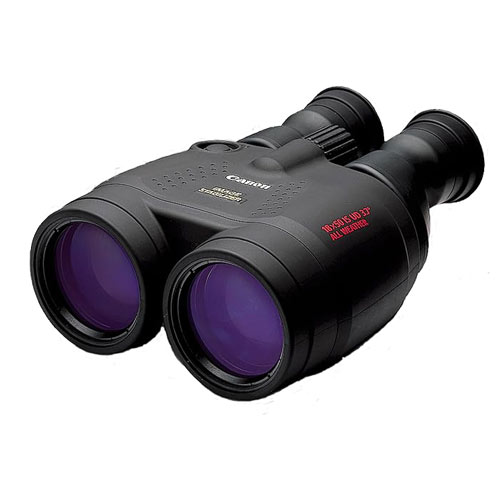
The Canon 18x50 IS binoculars are ideal for stargazing and are able to deliver clarity on night sky objects, thanks to their image stabilization. The 50mm objective lenses are the benchmark for stargazing binoculars and are able to deliver bright views of the night sky. They are currently 30% off their retail price.

You can get the Canon 18x50 IS all-weather binoculars on sale for $1195 from Amazon.

When it comes to stargazing, image-stabilized binoculars are a cut above the rest. Even at high magnifications, you get detailed views of night sky objects like star clusters and nebulas, instead of shaky worms of light. Our expert reviewer gave the Canon 18x50 IS binoculars four stars and called them 'stargazing ready' thanks to their high 18x magnification and image-stabilization.

Save a huge $454 on these stargazing ready binoculars. They have 18x magnification, 50mm objectives and excellent image stabilization. They also feature weather proofing to protect them in harsh weather and rain.

We gave them four stars in our full Canon 18x50 IS binoculars review.View Deal

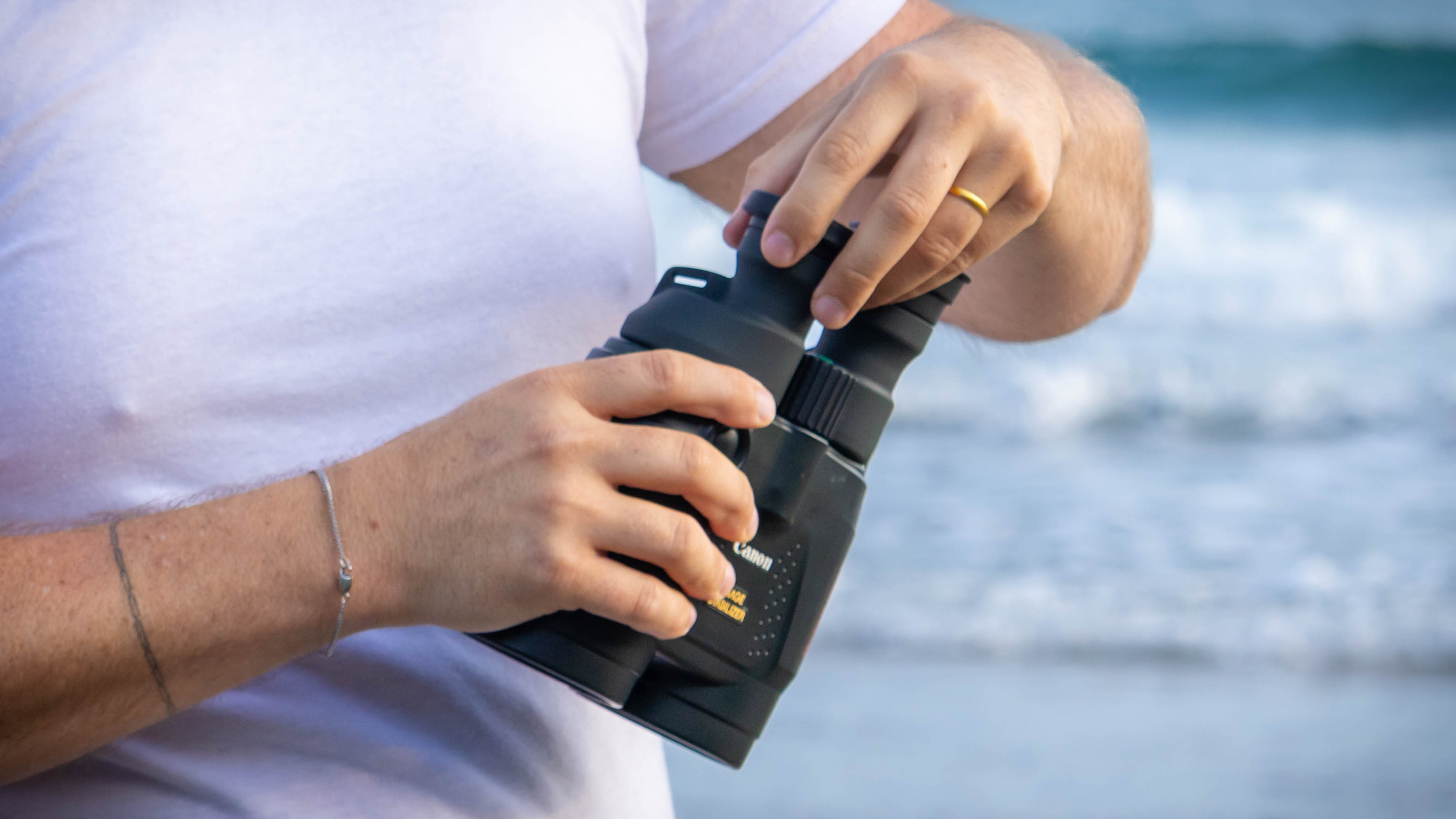
A male using the Canon 18x50 IS binoculars, facing the camera with the sea behind them.
The Canon 18x50 IS binoculars don't need a tripod for stargazing thanks to the image stabilization.Jase Parnell-Brookes
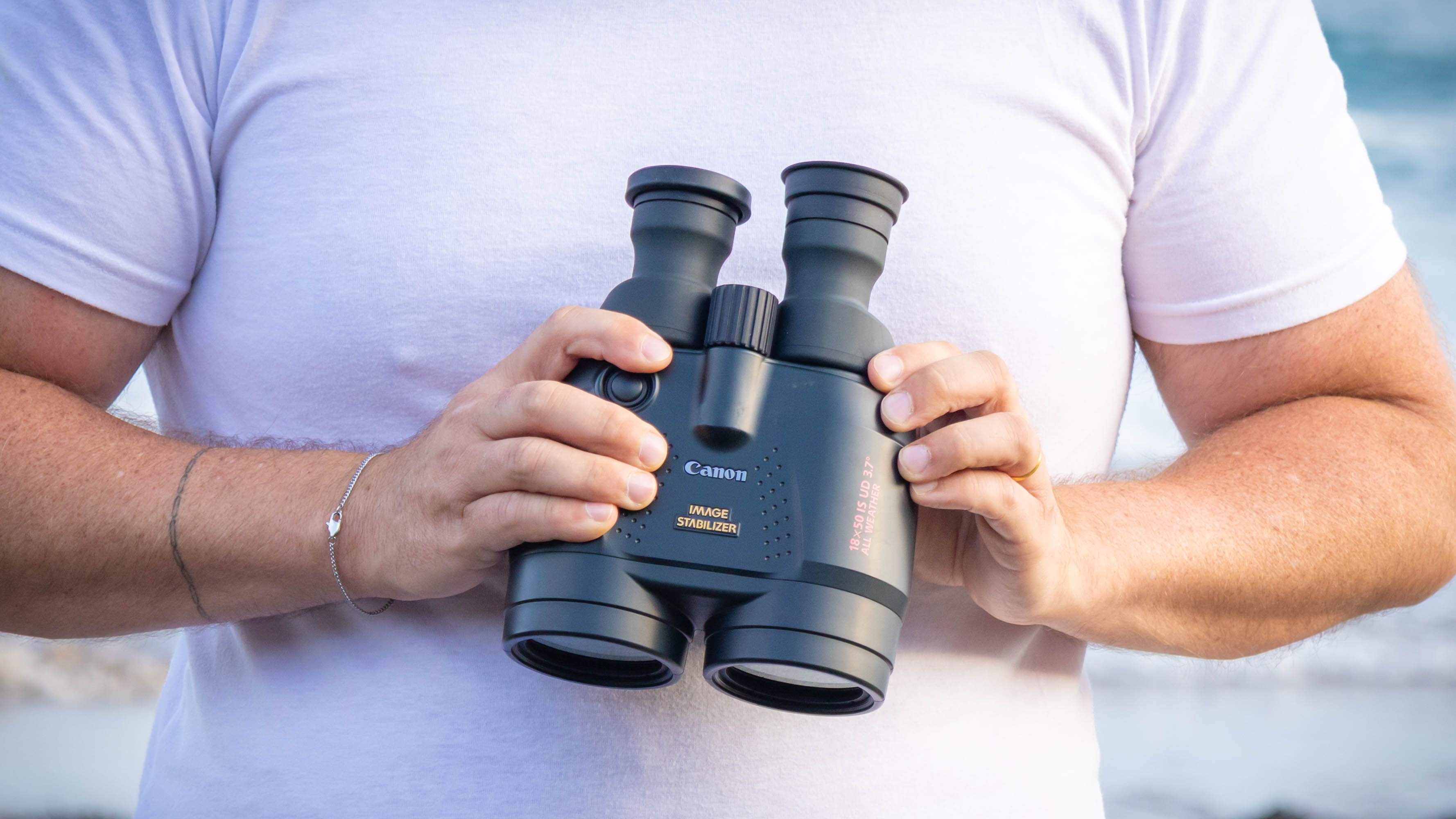
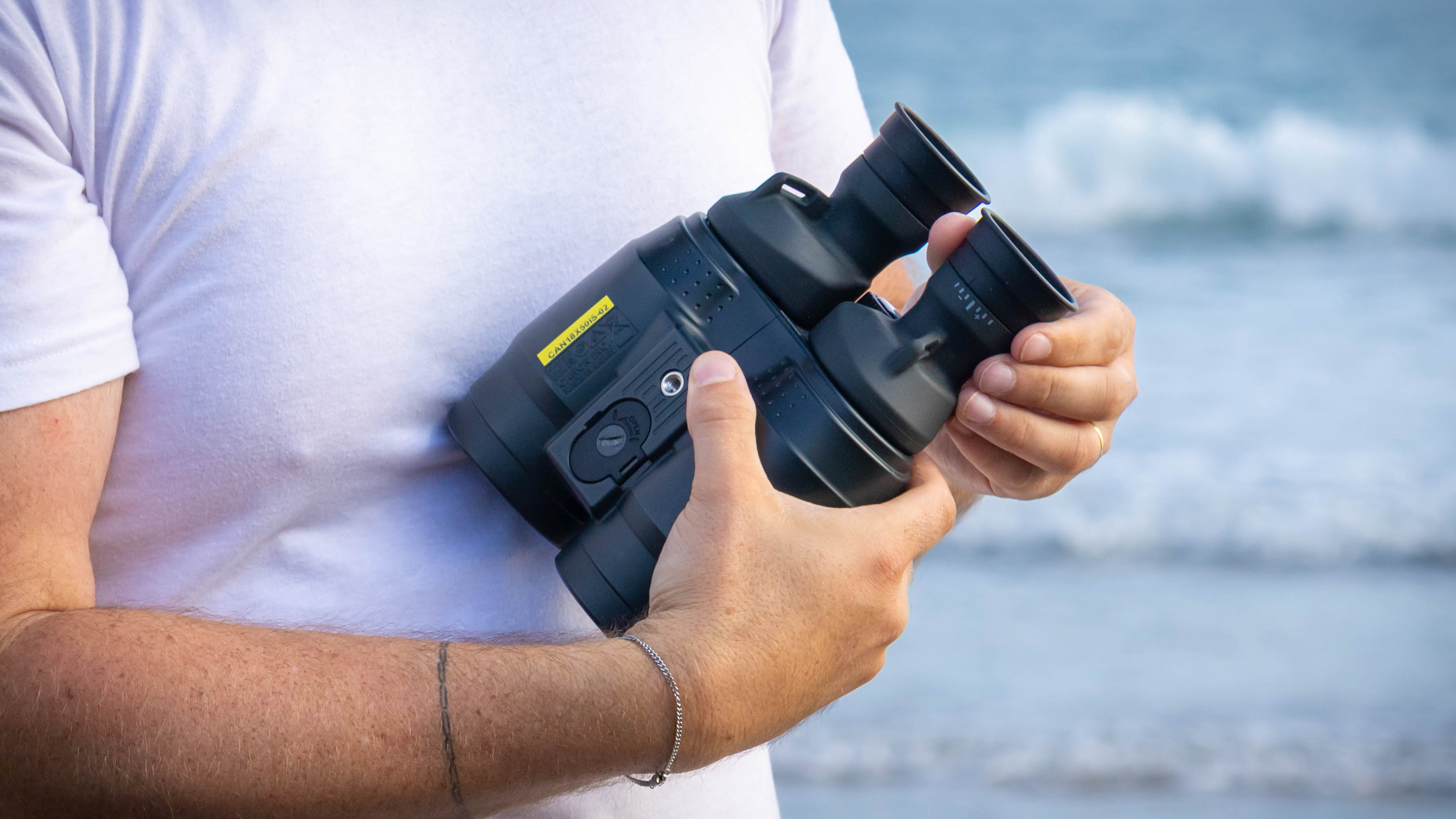
A close up of a person holding the Canon 18x50 IS binoculars close to their chest, showing the top of the binos.
Whilst quite big, the Canon 18x50 IS binoculars are packed full of great premium features like 18x magnification, 50mm objective lenses and of course the image-stabilization.Jase Parnell-Brookes
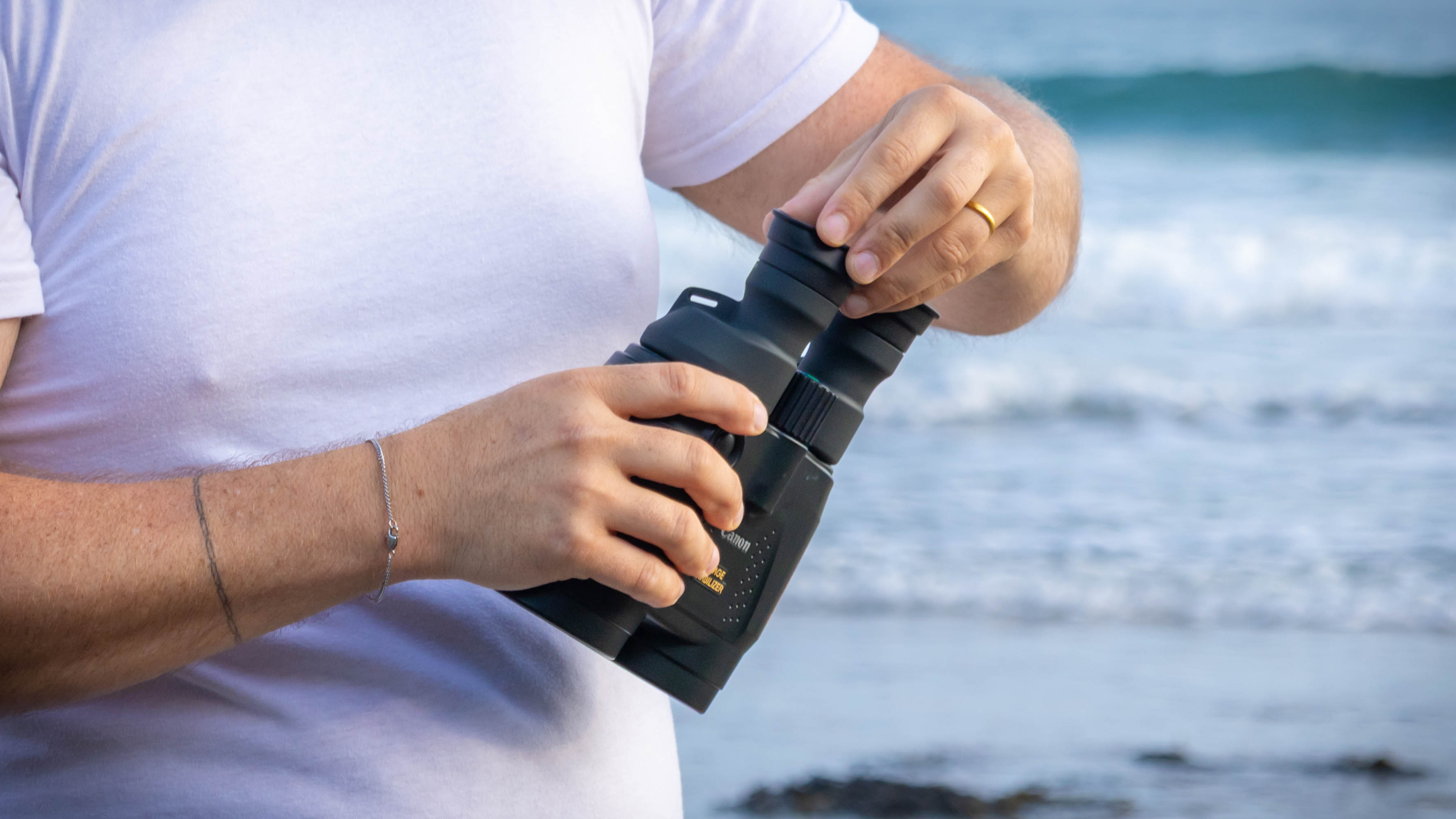
A male by the sea holding the Canon 18x50 IS binoculars, adjusting the eyecups.
They have a nice wide field of view so you can capture a spacious view. Jase Parnell-Brookes
A close up of someone demonstrating the eyecup positions on the Canon 18x50 IS binoculars.
The eyecups are rubber and can be flipped up or down depending on whether you want any eye-relief.Jase Parnell-Brookes
A close up of the eyecups being adjusted to the flap up position on the Canon 18x50 IS binoculars.
They feature a generous 15mm of eye relief.Jase Parnell-Brookes
A close up of the back of the Canon 18x50 IS binoculars, showing the strap holders.
I loved the design and performance of the Canon 18x50 IS binoculars.Jase Parnell-Brookes

Stargazing with regular binoculars or image stabilized binoculars is the same difference as night and day. Especially at higher magnifications, image stabilization becomes a necessity when using the binoculars without a tripod and you can struggle to get a shake-free view without it.

The Canon 18x50 IS binoculars offer a powerful 18x magnification and 50mm objective lenses for great astronomy performance. You don't need to worry sacrificing low-light capability for image-stabilization. The star clusters, galaxies and nebulas are bright without becoming lines of squiggly light. They are brilliant for bird watching and general use, too, with the image stabilization adding to the quality of all views.

The optical technology stands out with ultra-low dispersion (UD) glass elements for virtually no chromatic aberration (color fringing) and doublet field flatteners for sharp stars from edge-to-edge. Optics expert, Jase Parnell-Brookes, gave them four stars in their full Canon 18x50 binoculars review for enabling a relaxing and impressive session of stargazing. They highlighted the strong grip for sturdiness in challenging conditions but even though they are advertised as all-weather, they are not fully waterproof. At 27% off asking price, this is a huge saving on a pair of binoculars we think are among the best for stargazing.

Key features: 18x magnification, 50mm objective lens diameter, 3.7-degree field of view, 15mm eye relief, 41.6 oz (1.2 kg).

Price history: The Canon 18x50 IS binoculars have a retail price of $1,648 but are often discounted from Amazon for $1,549. This deal from an Amazon seller brings the price down to $1,195, with the official Amazon listing on sale for $1,199.

Price comparison: Amazon: $1,195 | BHPhotoVideo: $1,449 | Adorama: $1,149

Reviews consensus: In our Canon 18x50 IS binoculars review, we praised their the premium features that made it perfect for stargazing: 18x magnification, 50mm objective lenses and superb image stabilization.

Space: ★★★★

✅ Buy it if: You want high powered views of the universe from handheld binoculars without the need for a tripod.

❌ Don't buy it if: If you don't need high magnification or image-stabilization, a lower magnification pair might be more suited to you, like the Nikon Action 7x50 binoculars.

Check out our other guides to the best telescopes, binoculars, cameras, star projectors, drones, lego and much more.

10 places in the US and Canada to see August’s partial solar eclipse and Perseid meteor shower in 1 trip

Aug. 12, 2026, offers a rare double-header for skywatchers across northeastern North America: a partial solar eclipse during the afternoon followed, hours later, by the peak of the Perseid meteor shower beneath dark summer skies. The eclipse is part of a total solar eclipse happening in eastern Greenland, western Iceland and northern Spain.

"The neat thing about seeing a partial eclipse, especially one that is total somewhere else, is that you get to join in with the whole event that's going on," Tyler Nordgren, astronomer and eclipse artist at Space Art Travel Bureau, told Space.com. "It is a worldwide event, and you can get a sense of the three‑dimensional nature of the universe."

Together, the two events make a perfect excuse for an overnight astronomy road trip — whether that means heading into the mountains, camping beside a lake or escaping to a remote coastline. Pack a reclining camp chair, warm layers and plenty of bug spray, but before you do anything else, book a campsite because peak Perseids night can be one of the busiest camping nights of the year.

Do take precautions with the solar eclipse. "It will not be safe to look at with the naked eye, and it will not be safe to photograph with a camera that doesn't have a solar filter on it," Nordgren explained. "If you've got eclipse glasses left over from 2024, take them out, point them at a bright light bulb, and make sure there is no light coming through any pin pricks or scratches."

Eclipse timings and sightlines are from Xavier Jubier's Interactive Google Maps; cloud cover is from Time and Date, and Bortle and sky quality meter (SQM) data come from the Light Pollution map. Bortle and SQM ratings indicate darker skies and better stargazing conditions.

REMEMBER: During a partial solar eclipse, it is never safe to look directly at the sun without proper solar viewing protection, such as certified eclipse glasses or approved solar filters. Read our guide on how to observe the sun safely.

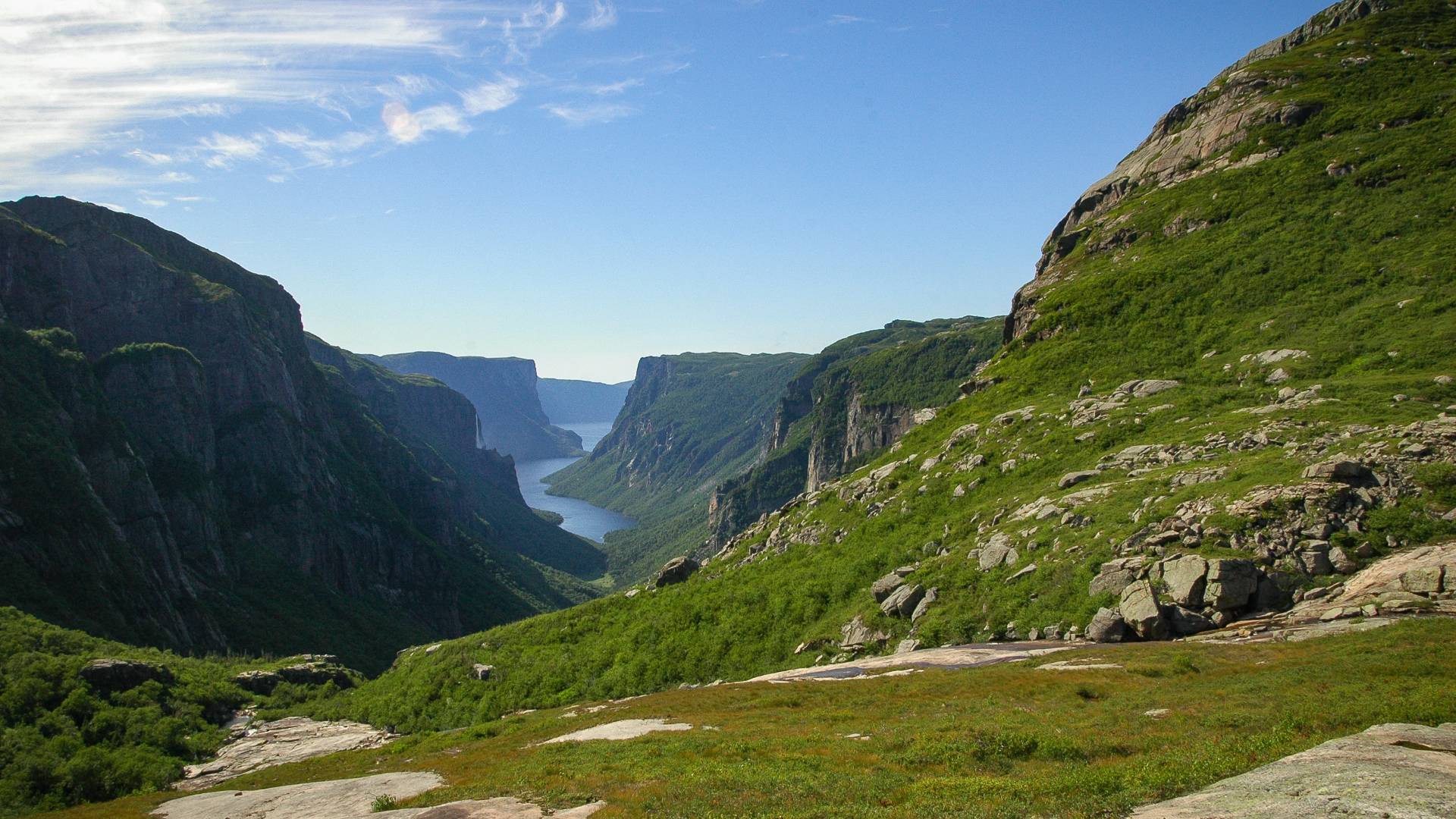
1. Gros Morne National Park, Newfoundland

Western Brook Pond in Gros Morne National Park, Newfoundland. (Image credit: Marc Guitard via Getty Images)

Location: Newfoundland, Canada

Max eclipse: 49% at 3:26 p.m. NDT

Sun position: 47° above the southwest horizon

Eclipse window: 2:20-4:28 p.m. NDT

Light pollution: 3.0 Bortle/SQM 21.89

Average August cloud cover: 74%

Gros Morne National Park combines relatively dark skies with the deepest eclipse in eastern North America, with nearly half of the sun obscured at maximum. Coastal viewpoints, lakeshores and elevated trails offer wide southwest-facing horizons for the afternoon eclipse, while the park's low levels of artificial light make it well suited for Perseid viewing after midnight. The main drawback is Newfoundland's often variable weather and relatively high average cloud cover.

2. Mount Carleton Dark-Sky Preserve, New Brunswick

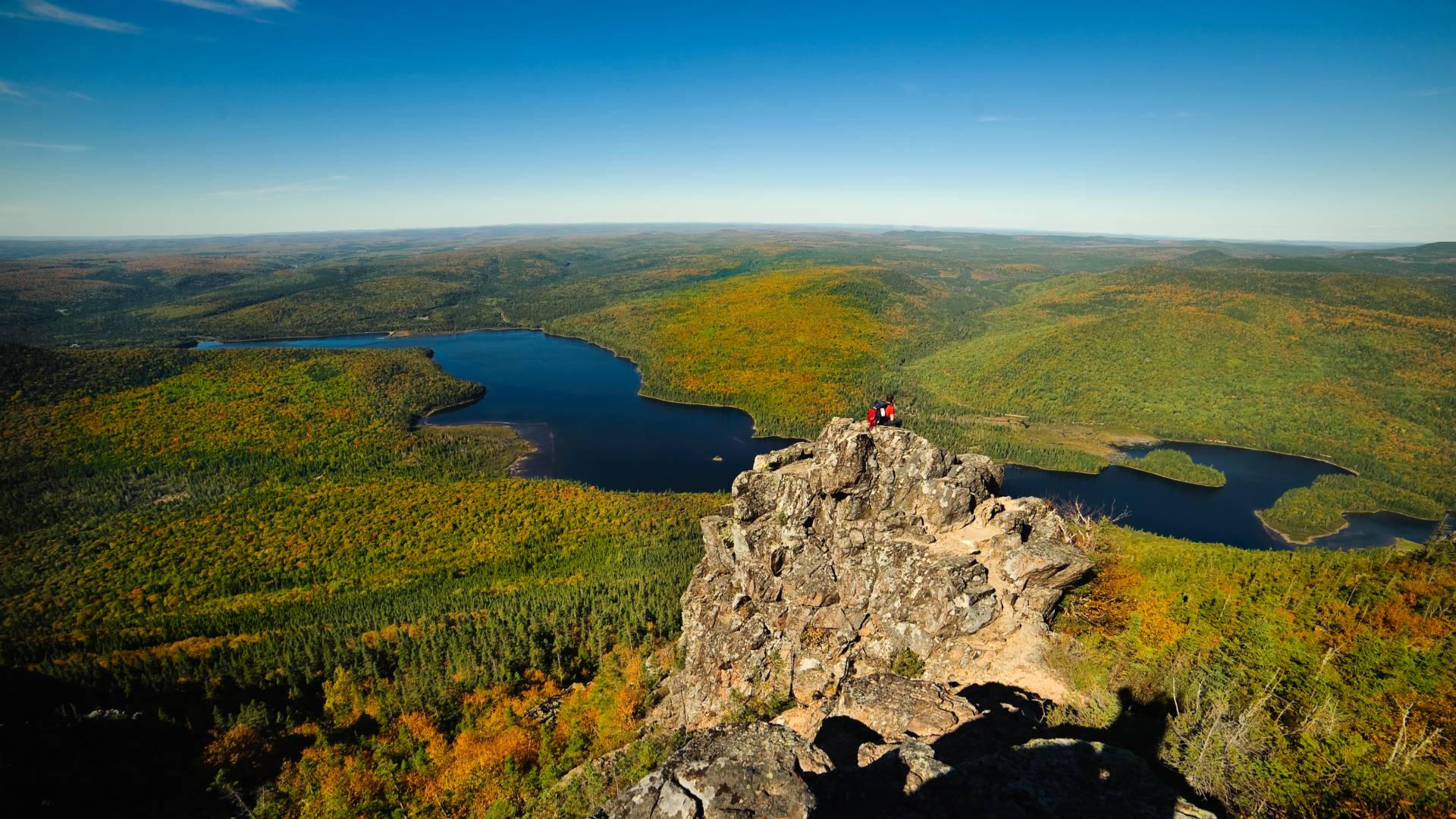
The view from Mount Sagamook, in Mount Carleton Provincial Park, New Brunswick, Canada. (Image credit: Marc Guitard via Getty Images)

Location: Mount Carleton Provincial Park, New Brunswick, Canada

Max eclipse: 31% at 2:50 p.m. ADT

Sun position: 54° above the southwest horizon

Eclipse window: 1:48–3:49 p.m. ADT

Light pollution: 2.2 Bortle/SQM 21.97

Average August cloud cover: 63%

Mount Carleton Provincial Park has some of the darkest skies in Atlantic Canada, with Bortle 2 conditions across much of the preserve. Open areas around Mount Carleton and nearby lakes provide unobstructed southwest views for the eclipse, while the remote setting is perfect for Perseid observing later that night. Campgrounds inside the park make it practical for an overnight trip.

3. Fundy Dark-Sky Preserve, New Brunswick

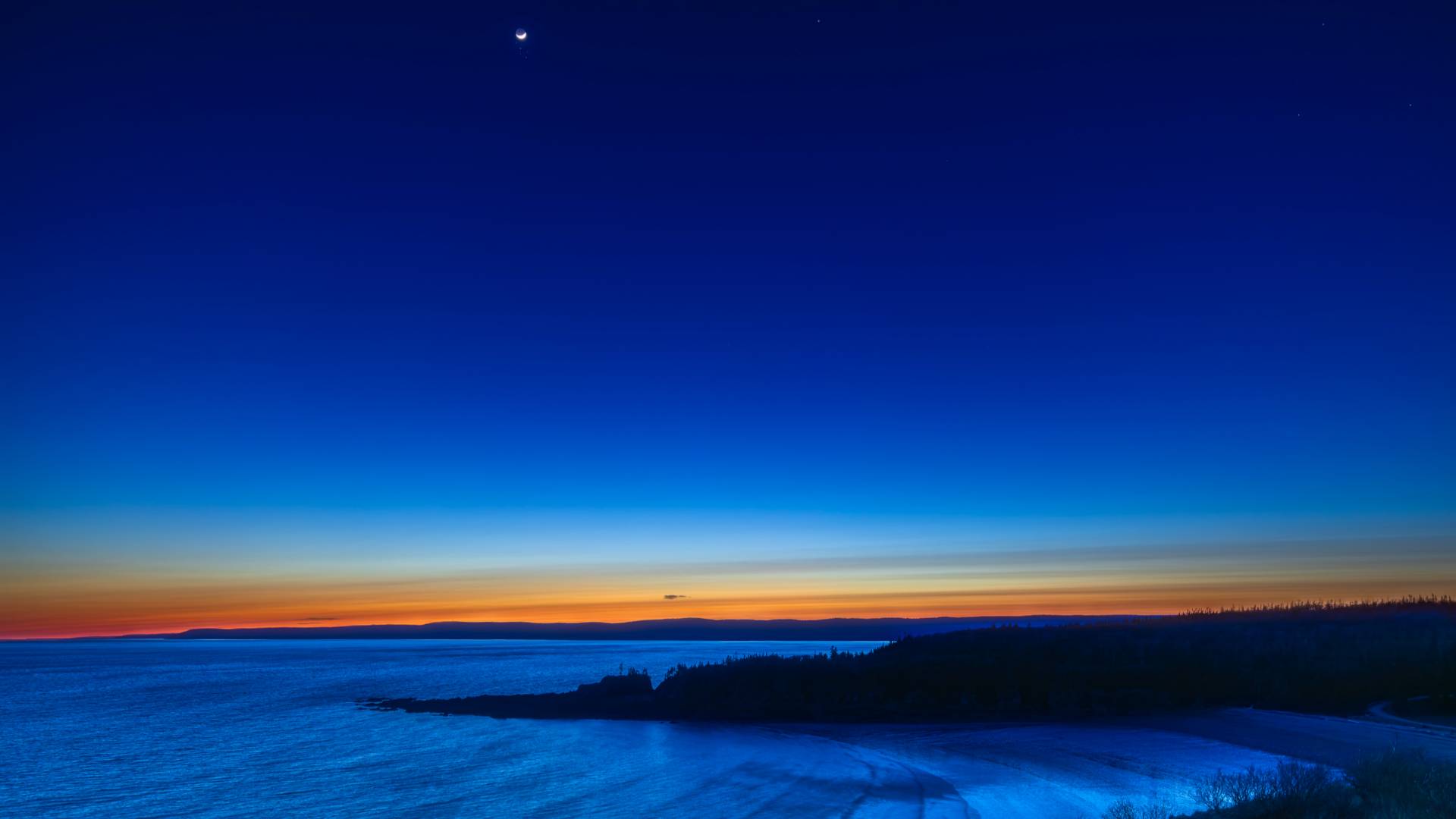
Twilight at sunset over Cape Enrage on the Bay of Fundy near Alma, New Brunswick. (Image credit: Alan Dyer/VWPics/Universal Images Group via Getty Images)

Location: Fundy National Park, Alma, New Brunswick, Canada

Max eclipse: 31% at 2:56 p.m. ADT

Sun position: 54° above the southwest horizon

Eclipse window: 1:54-3:54 p.m. ADT

Light pollution: 3.1 Bortle/SQM 21.88

Average August cloud cover: 56%

Fundy National Park offers reasonably dark skies and accessible observing locations along the Bay of Fundy coast. Open areas around Wolfe Lake and Chignecto Campground provide good visibility toward the southwest during the eclipse, while the surrounding dark-sky corridor supports decent Perseid observing conditions after dark. Coastal "Fundy fog" and changing maritime weather can occasionally affect visibility.

4. Kejimkujik National Park, Nova Scotia

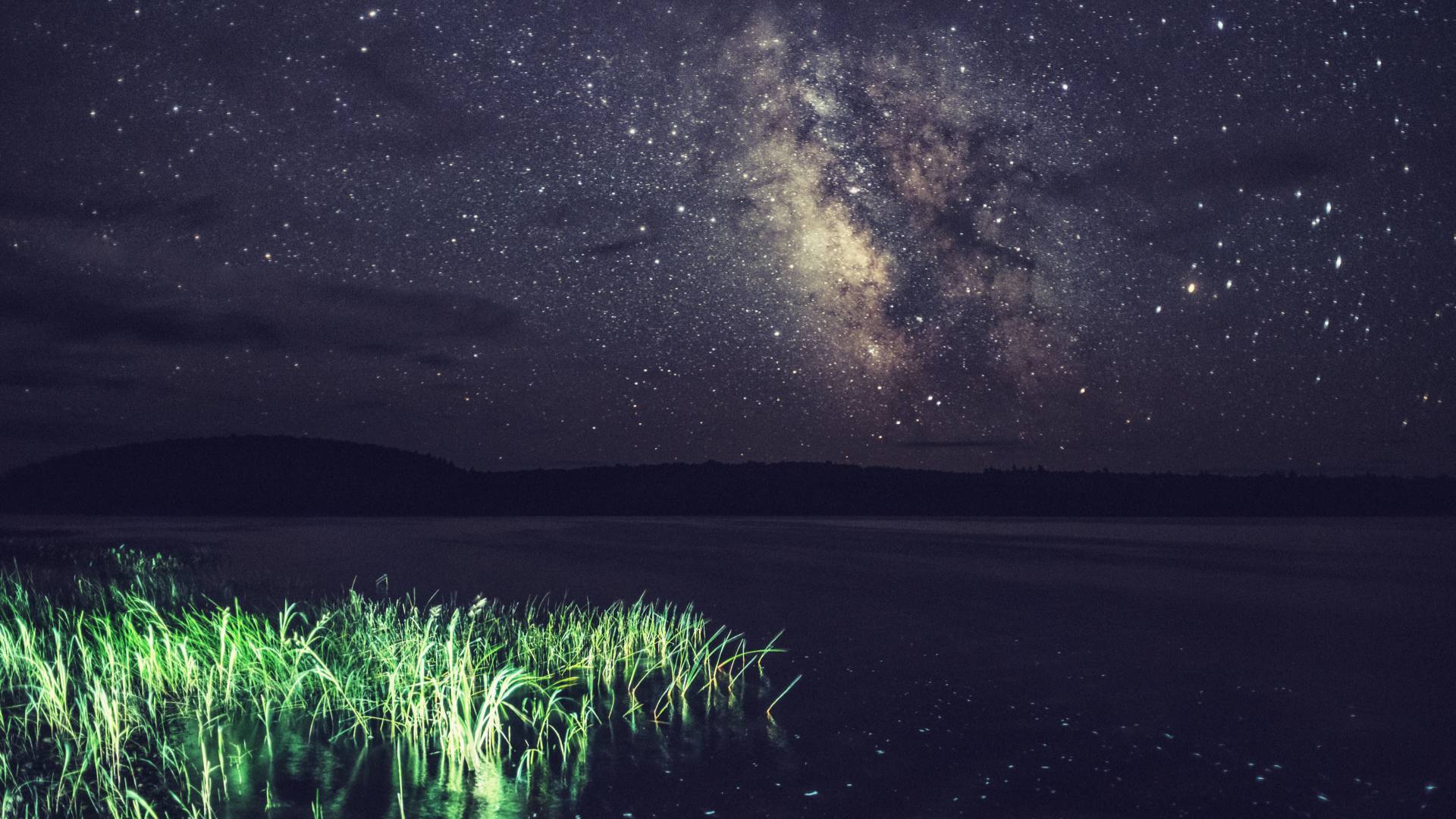
The Milky Way shines over Kejimkujik National Park. (Image credit: shaunl via Getty Images)

Location: Nova Scotia, Canada

Max eclipse: 28% at 2:58 p.m. ADT

Sun position: 54° above the southwest horizon

Eclipse window: 1:57-3:56 p.m. ADT

Light pollution: 2.2 Bortle / SQM 21.96

Average August cloud cover: 49%

Kejimkujik National Park remains one of the darkest accessible observing sites in Atlantic Canada, with low light pollution and broad lake horizons that are well-suited to meteor observing. The partial eclipse here approaches 30%, and the park's lakeside campgrounds provide convenient overnight access for Perseid watching later that evening. Compared with many coastal locations in the region, Kejimkujik also has somewhat lower average cloud cover.

5. Acadia National Park, Maine

Ravens Nest Overlook in Acadia National Park. (Image credit: Stan Dzugan via Getty Images)

Location: Bar Harbor, Maine, US

Max eclipse: 24% at 1:54 p.m. EDT

Sun position: 56° above the southwest horizon

Eclipse window: 12:56-2:50 p.m. EDT

Light pollution: 4.1 Bortle / SQM 21.58

Average August cloud cover: 50%

Acadia National Park combines relatively accessible dark skies with open coastal horizons facing the eclipse. Elevated viewpoints around Cadillac Mountain and the Schoodic Peninsula offer clear sightlines toward the southwestern sky, while overnight observers can expect reasonably dark conditions for Perseid viewing by northeastern U.S. standards. Summer crowds and vehicle access restrictions around Cadillac Summit mean you should make a plan well in advance.

6. Mont Mégantic Dark Sky Reserve, Quebec

Mont Mégantic was one of the first-ever Dark Sky Reserves. (Image credit: Cavan Images via Getty Images)

Location: Le Haut-Saint-François, Quebec, Canada

Max eclipse: 22% at 1:49 p.m. EDT

Sun position: 57° above the southwest horizon

Eclipse window: 12:51-2:44 p.m. EDT

Light pollution: 3.4 Bortle / SQM 21.82

Average August cloud cover: 67%

Mont-Mégantic is one of the best-established astronomy sites in eastern North America, with protected dark skies and extensive observing infrastructure around the observatory and national park. Although the eclipse magnitude is moderate, the reserve's dark nighttime conditions and elevated observing areas make it a strong location for Perseid observing after dark. Cloud statistics are less favorable than farther south in New England.

7. Adirondack Mountains, New York

The 2024 total solar eclipse from the Adirondack Sky Center and Observatory. (Image credit: Lev Radin/Pacific Press/LightRocket via Getty Images)

Location: Hamilton County, New York, US

Max eclipse: 15% at 1:47 p.m. EDT

Sun position: 59° above the southwest horizon

Eclipse window: 12:54-2:38 p.m. EDT

Light pollution: 2.8 Bortle / SQM 21.90

Average August cloud cover: 57%

The Adirondacks offer some of the darkest skies in the northeastern U.S., particularly around remote lakes and higher-elevation observing sites. While the partial eclipse will be modest, the region's low artificial light levels and broad rural horizons make it a strong overnight option for the Perseids. Public campgrounds and astronomy events at local observatories may fill quickly around peak Perseid night. Check the Adirondack Sky Center & Observatory for events.

8. Catskill Mountains, New York

A star-filled summer night in New York's Catskill Mountains. (Image credit: Gregory Adams via Getty Images)

Location: Catskill Mountains, Shandaken, New York, US

Max eclipse: 11% at 1:51 p.m. EDT

Sun position: 61° above the southwest horizon

Eclipse window: 1:02-2:37 p.m. EDT

Light pollution: 4.0 Bortle/SQM 21.59

Average August cloud cover: 65%

The Catskills provide relatively accessible dark skies within a few hours of major northeastern cities, making them a practical option for short-notice observing trips. The partial eclipse will be small, but reservoirs, ridgelines and open viewpoints offer decent southwest sightlines during the afternoon event. Overnight conditions are darker than much of the surrounding northeast region, particularly away from populated valleys.

9. Cherry Springs Dark Sky Park, Pennsylvania

Cherry Springs Dark Sky Park is perfect for glimpsing the eclipse and getting a good view of the Perseids. (Image credit: Yolanda Wang / 500px via Getty Images)

Location: Cherry Springs State Park, Pennsylvania

Max eclipse: 7% at 1:46 p.m. EDT

Sun position: 62° above the south-southwest horizon

Eclipse window: 1:04-2:27 p.m. EDT

Light pollution: 3.2 Bortle / SQM 21.86

Average August cloud cover: 66%

Cherry Springs State Park is one of the best-known observing locations in the eastern US, with very dark skies and unusually open horizons in all directions. Although the eclipse itself will be very shallow, the park is among the best suited for the Perseids later that night, when low light pollution and established observing fields provide excellent meteor-viewing conditions. Expect heavy attendance around the shower peak.

10. Assateague Island National Seashore, Maryland

The Milky Way rises over Assateague Island. (Image credit: Zach Frailey via Getty Images) (Image credit: Zach Frailey via Getty Images)

Location: Worcester County, Maryland, US

Max eclipse: 4% at 1:57 p.m. EDT

Sun position: 64° above the southwest horizon

Eclipse window: 1:20-2:33 p.m. EDT

Light pollution: 4.1 Bortle/SQM 21.59

Average August cloud cover: 55%

Assateague Island offers unobstructed coastal horizons and relatively low light pollution for the mid-Atlantic region. The partial eclipse here will be a technical affair, but the island's open beaches provide excellent naked-eye conditions for Perseid observing after dark, especially looking away from nearby coastal development. However, humidity, sea haze and mosquitoes can be significant factors during August observing sessions.

Beyond the Perseids: 6 meteor showers worth watching this summer

The Perseids may be the summer meteor shower everyone marks on the calendar, but they are not the only reason to look up this season.

From mid-July through late August, Earth plows through several other streams of comet and asteroid debris, triggering a series of lesser-known meteor showers across Northern Hemisphere skies.

Most will not deliver the dazzling hourly rates of the Perseids, and moonlight will spoil some peak nights in 2026. But for patient skywatchers under dark skies, these lesser-known showers can still serve up bright fireballs, faint streaks and a preview of the main event to come.

The duration in days of a shower we provide here is somewhat arbitrary, since the beginning and ending are gradual and indefinite. While the hourly rates from these other meteor streams provide but a fraction of the numbers produced by the Perseids, combined, overall, they provide a wide variety of meteors of differing colors, speeds and trajectories.

Capricornids

First to appear are the Capricornids, starting around July 10, with their maximum on July 25 and end on Aug. 15. Under the best conditions only a few bright meteors per hour come from this stream, so you'll hardly know it is in progress unless you plot meteor trails on a star map and trace them back to their common intersection point; most of the meteors you'll see will be sporadics or members of another shower.

The radiant reaches its highest point at about 30 degrees high in the south, about 2:00 a.m. local daylight time. The waxing gibbous moon will have set at around 1:40 a.m. on the night of the peak, leaving the rest of the night dark for prospective meteor watchers.

Delta Aquarids

Next come the Delta Aquarids, July's most prolific shower, with maximum on July 29, and as many as two or three dozen meteors per hour under ideal conditions. The shower lasts from July 12 to Aug. 23. It has a double radiant, indicating that we are seeing two distinct streams of celestial debris burning up in the Earth's atmosphere.

The meteors are mostly faint; a few bright, 5-10% leave persistent trains; they move at medium-slow speeds because they are coming in sideways across Earth's orbit. On peak night this year, the double radiant will be highest — roughly 40 degrees above the southern horizon — at 3:30 a.m. Unfortunately, in 2026, peak activity will coincide with full moon, so most of these streaks will likely be squelched by bright moonlight.

Piscis Australids

Another weak shower is the Piscis Australids, on July 30, with normal limits July 10 to Aug. 10. This is a lesser stream; only about eight members per hour are seen under best conditions to observers in the Southern Hemisphere, where the radiant — near the bright star Fomalhaut — climbs high in the sky.

As is the case with the Delta Aquarids, the moon, only one day past full, unfortunately, wrecks any chances of getting any decent views this year.

Alpha Capricornids

The final shower peaking in July is the Alpha Capricornids, which begin about July 7, peak on July 31, and end on Aug. 15. The radiant reaches its highest point, about 30 degrees high in the south at about 1:00 a.m. local daylight time. Though sparse (5 per hour) in number, the Alpha Capricornids are photogenic, frequently producing bright yellow fireballs that can be quite spectacular. Sadly, the bright moon, 93% illuminated, is in eastern Capricornus and will seriously impact the peak of this year's display.

Iota Aquarids

The last minor shower before the Perseids is the Iota Aquarids, a two-radiant shower having detectable members from July 15 to Aug. 25. At peak activity on Aug. 6, only about six members per hour are seen under good conditions; the radiants are at their highest point, about 40 degrees in the south at 2:30 a.m. A last quarter moon will be about one-third up in the eastern sky at that hour, which will interfere to an extent with viewing these meteors.

Perseids

The Perseids are predicted to reach their peak in 2026 on the morning of Aug. 13. Meteors whose paths extended backward intersect at a spot near the Perseid-Cassiopeia border not far from the famous Double Cluster in Perseus.

It rises at dusk and is highest in the sky — nearly overhead — at 5:40 a.m. When maximum occurs in a dark sky, as will be the case this year, this rich stream offers a crescendo in hourly rates averaging more than 50 members per hour, though double this rate has been seen on occasion. Many flaring meteors with trains are seen. This shower normally extends from July 17 through Aug. 24.

The Perseid meteor shower will be one of the top skywatching events this year as it will enjoy minimal interference from the moon. (Image credit: SEN LI via Getty Images)

Kappa Cygnids

The last summer shower is the Kappa Cygnids. The limits of this shower run from Aug. 3 to Aug. 25, with the peak on Aug. 17. Though the maximum rate is only about four per hour, the stream does provide slow-moving flaring fireballs, and a careful observer may be nicely rewarded for the time spent.

The radiant is just north of the star Kappa Cygni and is nearly overhead — some 80 degrees high — at around 10:00 p.m. local time. At about that same time, a waxing crescent moon is low in the southwest and is about to set and will offer little viewing interference.

Where to look

The radiant is the place in the sky where the paths of shower members, if extended backward, would intersect when plotted on a star chart. Many people are misled into thinking that this is the best place to look for these meteors, but only stationary meteors — ones coming nearly straight at you — can be seen here.

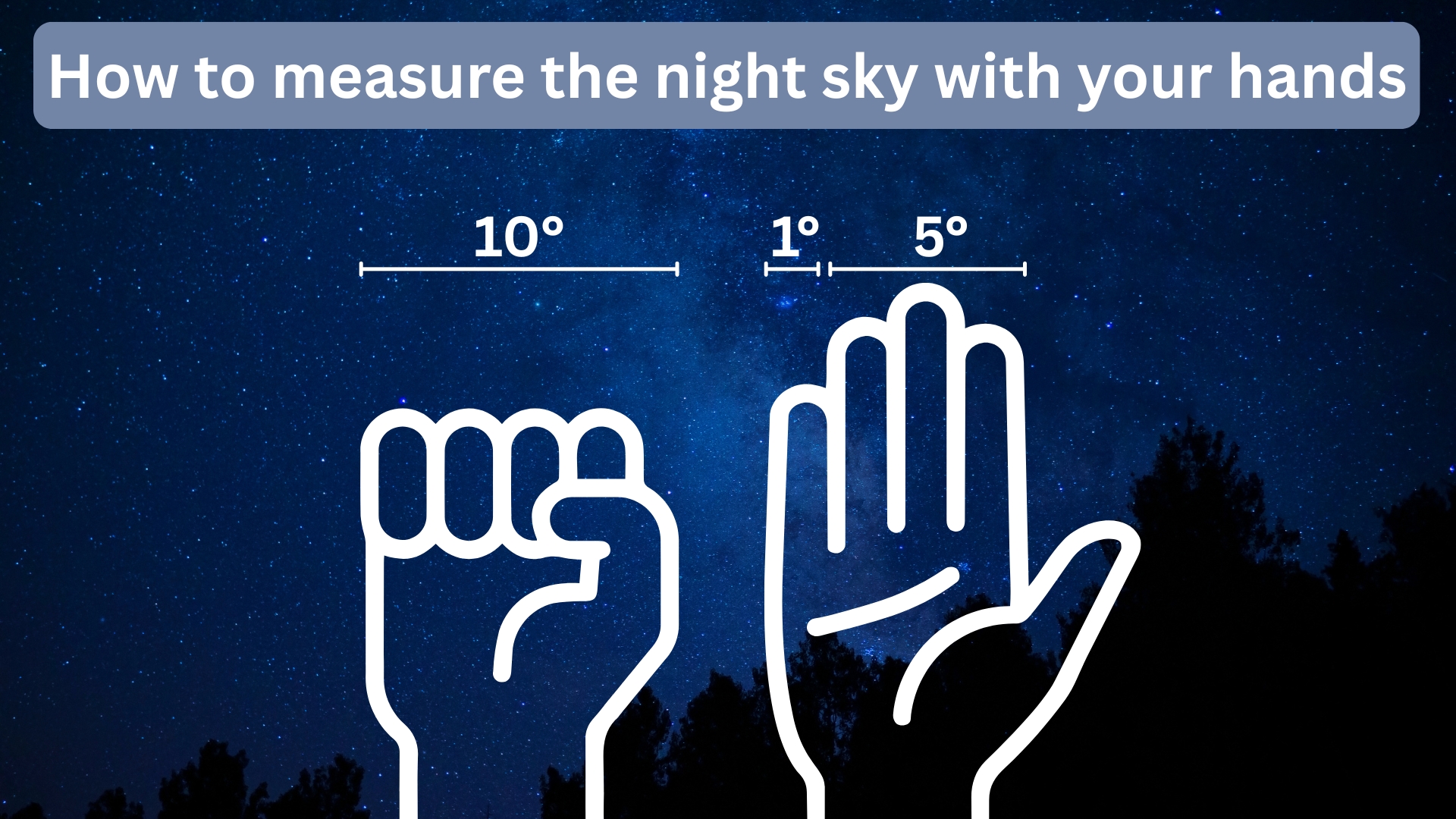
You hand held out at arm's length can be a useful tool for measuring the night sky. (Image credit: Created in Canva Pro)

The greatest numbers will be seen perhaps 30 degrees away from the radiant, in the general direction of the zenith. Remember that your clenched fist held at arm's length is roughly equal to 10 degrees.

In addition to shower meteors, there are always sporadic ones, apparently unrelated to one another, that occur at an average rate of about 7 per hour. The duration in days of a particular shower is somewhat arbitrary, since the beginning and ending are gradual and indefinite.

Skywatching tips

The only equipment you'll need is your eyes and a modest amount of patience.

The number of meteors an observer can see in an hour depends strongly on sky conditions. The rates quoted here are based on a limiting star magnitude of +6.5 (an exceptionally good, dark sky), an experienced observer, and the assumption that the radiant is directly overhead.

The lower the radiant in the sky, the fewer the numbers that will be seen. At an altitude of about 30 degrees, the hourly rate is halved, at 15 degrees it is one-third. No two observers prepare for a meteor vigil the same way.

Expect the overnight low temperature to be well below what the weather forecast suggests. When you sit quite still, close to the rapidly cooling ground, and if the air is even just slightly damp, you can become very chilled. It helps to take a late afternoon nap, followed by a shower, and to wear fresh clothing. Heavy blankets, sleeping bags, a ground cloth, an auto cushion, and a pillow are all necessary equipment. Some food and non-alcoholic beverages will help keep you comfortable.

Don't forget the moon

Another factor is the phase of the moon, which this year will be full on July 29 and new on Aug. 12. This makes it a very favorable year for viewing the Perseids, but not so favorable for those displays peaking at the end of July into early August. However, most are also active for a good number of days before and after maximum activity, so you can also watch for them when moonlight is not a hindrance.

Are these meteor showers worth watching?

In short, minor summer meteor showers are worth watching if you enjoy patient, low-key skywatching, but they are not ideal if you expect a dramatic display.

They offer a long observing season, require no equipment, and can produce a variety of meteors with different colors, speeds, paths, and occasionally bright fireballs. They also give observers more chances to watch when skies are clear and moonlight is less intrusive.

However, most are weak when compared to the Perseids, with low hourly rates and many faint meteors. Moonlight, low radiant positions, overlapping showers, and sporadic meteors can make them harder to see and identify, so observers need dark skies and patience.

Joe Rao serves as an instructor and guest lecturer at New York's Hayden Planetarium. He writes about astronomy for Natural History magazine, Sky and Telescope, The Old Farmer's Almanac and other publications.

The Perseid meteor shower starts this week. Here’s why you should look up now

People keep asking me about the total solar eclipse on August 12. That's understandable. For anyone in the Northern Hemisphere, it is shaping up to be a joyous day of astronomy. Totality will cross eastern Greenland, western Iceland and northern Spain, but much of Europe will see a very deep partial eclipse, and even parts of North America will see a small bite taken from the sun. Then, just hours later, the Perseid meteor shower will peak beneath perfectly moonless skies. What a double-act!

The problem with promoting days and nights like that is that they make us think skywatching is only worth doing at very specific times. Everything becomes about moments, peaks and countdowns. That rings true for an eclipse, of course, but for the Perseids, it's less so.

The Perseid meteor shower actually begins right now. It's active from July 17 through August 24. Yes, it reaches a strong maximum overnight on August 12-13, where observers under ideal dark skies could see 50 or more "shooting stars" per hour. That's absolutely the night to aim for if you only go stargazing once a month. But for stargazers with a little more time, the hunt can begin right now.

The best Perseid is the first one you see. In these weeks before the peak, there's less expectation, less focus on the weather. An unexpected streak while you are outside feels accidental.

For me, it often happens when I've stopped observing properly for the night. Last summer, I was moving my telescope indoors late at night after a fairly unremarkable session looking at a few globular clusters. As I went back inside, I did my usual pause and look at the stars one last time. As I did, my peripheral vision caught a bright meteor whizzing across rooftops in the northeast. Summer's meteor season had begun with a bang when I least expected it to.

The Perseids officially build gradually over several weeks as Earth slowly enters the broad debris stream left behind by Comet Swift-Tuttle. It was last in the inner solar system in 1992 and will return in 2126. The peak around August 12—13 marks the densest part of the stream, but in mid-July, only a handful of meteors will appear each hour. That's exactly why early Perseids feel so special — you stumble across a meteor when you least expect it. Its gradual beginning also explains why some of the earliest Perseids can be surprisingly dramatic. The shower is famous for bright fireballs — large, vivid meteors that sometimes leave glowing trails lingering for several seconds. Even when overall meteor rates remain low in July, a single bright Perseid can add some magic to a night's observing.

What's happening and when to look

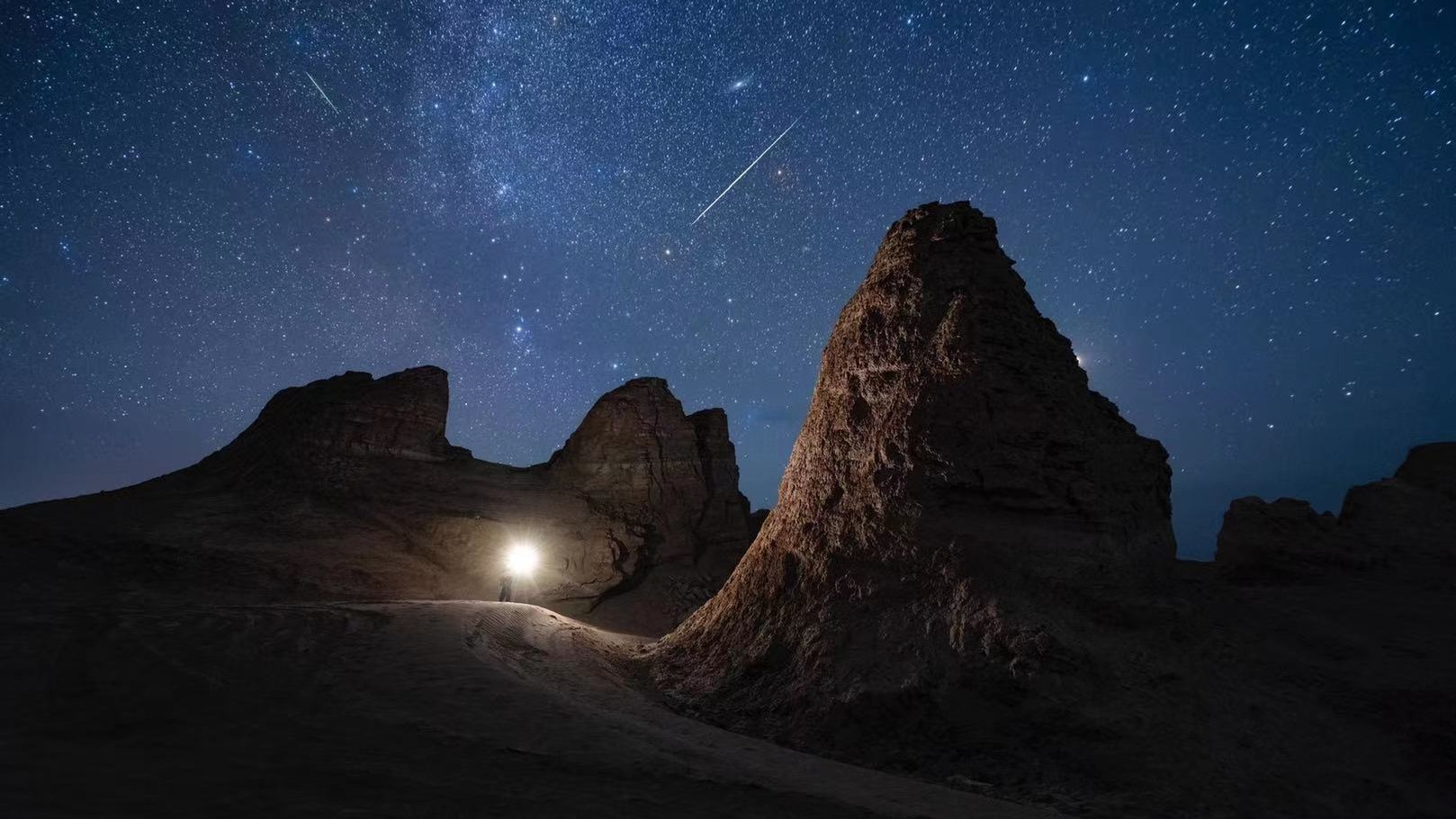
a long meteor streaks through the sky a person below shines a flashlight.

Meteors can technically appear anywhere in the night sky, but will appear to have come from the constellation Perseus. This photo shows a Perseid meteor over the Eboliang Yardang landform on August 12, 2022 in Haixi Mongolian and Tibetan Autonomous Prefecture, Qinghai Province of China. (Image credit: Photo by Wu Zhengjie/VCG via Getty Images)

If you want to begin watching for Perseids this week, the best time is after midnight through the small hours before dawn, when the radiant constellation, Perseus, climbs higher in the northeastern sky. "Shooting stars" can appear anywhere in the night sky, but if their paths backward point roughly toward Perseus, it's a Perseid. That's what gives the shower its name.

There's more to look at than Perseids because July is quietly crowded with other meteor showers. The Southern Delta Aquariids begin strengthening through the second half of the month. From southern latitudes, they can produce roughly 25 meteors per hour under dark skies, though observers farther north tend to see fewer because the radiant stays low in the southern sky. These meteors are usually softer and subtler than Perseids — medium-speed streaks without many dramatic fireballs or glowing trails.

Running alongside them are the Alpha Capricornids, active from early July into mid-August. Technically, this is a weak shower, often producing only a handful of meteors per hour, but it compensates with unusually bright, slow-moving fireballs.

Unfortunately, both showers peak this year beneath an almost full Buck Moon on July 30-31, which will wash out many fainter meteors. But bright meteors and fireballs should still occasionally punch through the moonlight.

Every year, Earth passes through the path of Comet Swift-Tuttle. With the Perseid meteor shower's peak occurring when Earth passes through the densest, dustiest area. (Image credit: Future)

How and when I'm watching it

I will probably begin meteor season the same way I always do: accidentally. I'll increase the odds by lingering outdoors slightly longer than necessary on warm nights, staying up later than I should and using my smart telescope to collect data on deep-sky objects while I search the skies for the first Perseid. It's best done now, before the moon waxes to full, and certainly before early August, when it wanes — the worst moon phase for observing meteors because it's in the sky just as meteor activity peaks.

Stargazer's corner: July 17-24, 2026

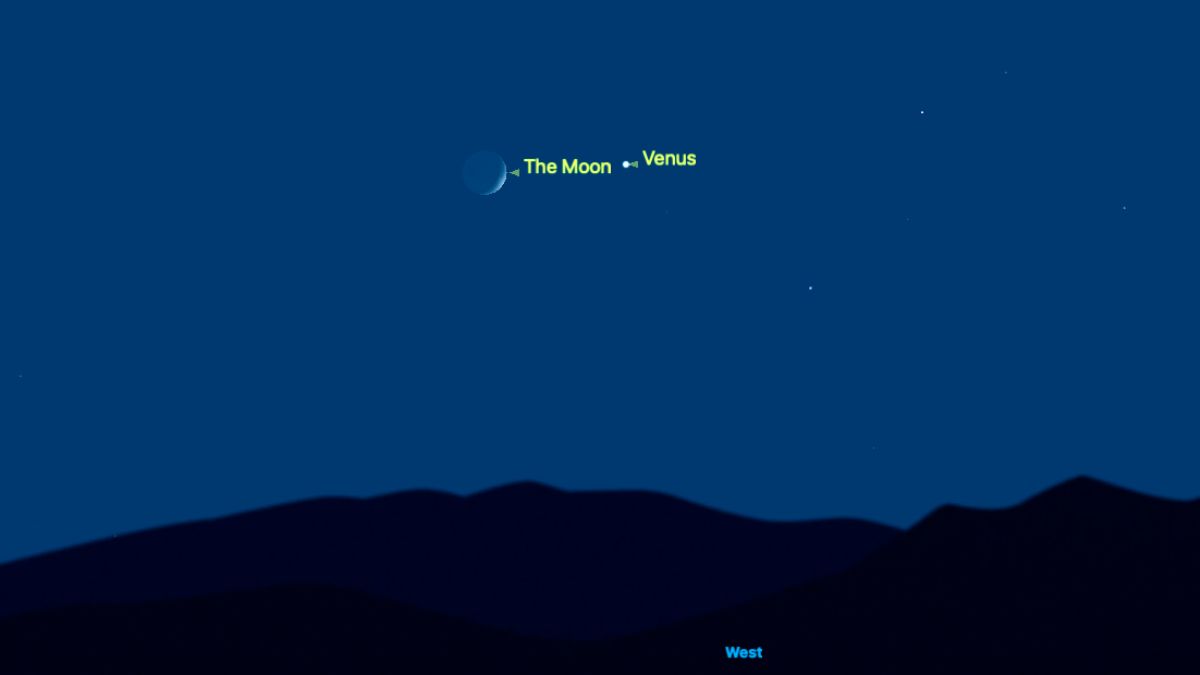
See a crescent moon and Venus on July 17. (Image credit: Starry Night)

With a new moon on July 14, this weekend is perfect for watching the return of a waxing crescent moon to the night sky. Look low in the west during dusk on Friday, July 17, to see a 16%-illuminated waxing crescent moon to the left of Venus. Watch it climb higher into the evening sky night after night, leaving genuinely dark late-night skies once it sets. It's good timing for the first serious Perseid-watching session of the season, particularly after midnight when meteor activity naturally increases as Earth rotates into the direction of travel around the sun.

Meanwhile, the Summer Triangle — formed by Vega, Deneb and Altair — hangs almost overhead during the darkest hours, making this one of the easiest seasonal star patterns for beginners to learn. Saturn now rises comfortably before midnight and dominates the southeastern sky by dawn, when it's joined by Mars and the stunning Pleiades open cluster.

Constellation of the week: Perseus

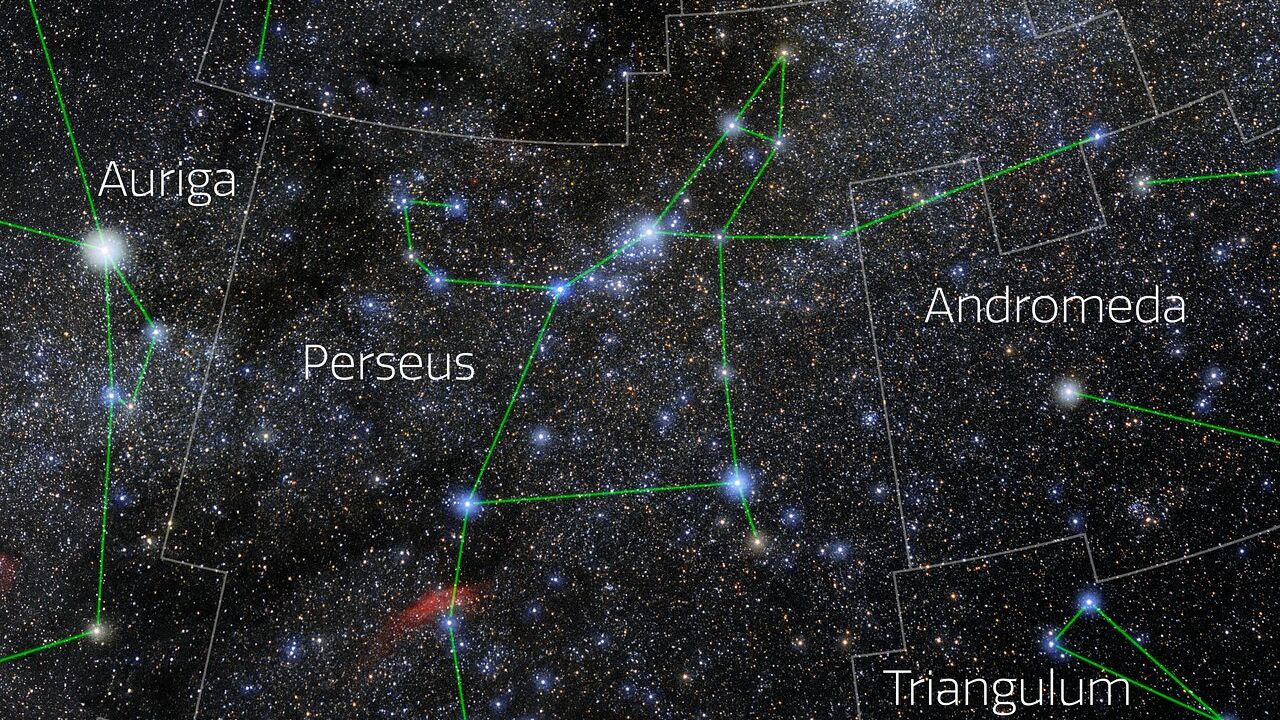
The constellation Perseus. (Image credit: E. Slawik/NOIRLab/NSF/AURA/M. Zamani)

Perseus, "The Hero," never quite looks how beginners expect. Rising into the northeastern night sky around midnight this week between bright star Capella and Saturn in the east, its name suggests something dramatic, but the constellation itself appears more like a loose chain of stars stretching below Cassiopeia in the northeastern sky. At this time of year, Perseus rises late, which is why the best Perseid activity happens after midnight once the radiant climbs higher. Beginners often assume meteors appear only near the radiant itself, but the longest and most impressive Perseids usually streak much farther away across the sky. Perseus matters less as a viewing target than as a reminder that meteor showers are fundamentally about perspective. The meteors are not actually emerging from the constellation at all — Earth is simply driving through comet debris head-on.

The Perseid meteor shower is here! How to see the best shooting stars this summer

Look up! The Perseid meteor shower is finally active, bringing the potential for gorgeous shooting stars and fireballs as Earth plunges into the trail of debris shed by the icy comet Swift-Tuttle. Here's what you need to know.

The Perseid meteor shower 2026 is set to be a truly magnificent affair and a stark contrast to last year, when moonlight drowned out all but the brightest shooting stars. The shower will reach peak activity overnight on Aug. 12-13 under the dark skies of the new moon. During the peak, up to 100 shooting stars may be seen each hour as they cut fiery paths through the summer sky, according to the American Meteor Society.

You could even spot a Perseid brightening the false twilight triggered at the climax of the Aug. 12. eclipse, as the moon perfectly hides the surface of our parent star. But for that to happen you'd have to find yourself in the path of totality just as a large fireball-producing meteoroid struck Earth's atmosphere. It's certainly possible, but let's just say that the odds aren't stacked in your favor.

If you're not in the path of totality then there's no need to despair, you stand a much better chance of spotting Perseids the old fashioned way anyway!

How to spot Perseid shooting stars

Perseid meteors can be spotted anytime after dark from tonight onwards, streaking away from a patch of sky, or radiant, located close to the red supergiant star Eta Persei in the constellation Perseus.

How to measure distances in the night sky using your outstretched hand. (Image credit: Created in Canva Pro)

To find the best meteors, you'll first want to locate Perseus glistening above the northwestern horizon after dark. Next, find a patch of sky 40 degrees above it, and settle in for one of the year's premier natural light shows. This is where the shooting star trails will be at their longest.

The Perseids are also famed for producing vivid green fireballs capable of briefly turning night to day as larger chunks of debris collide with Earth's atmosphere at speeds of up to 37 miles per second (59 kilometers per second).

When to look for Perseid meteors

Perseid meteors may be spotted anytime from 10 p.m. onward for viewers in the U.S., though the number of visible shooting stars will be higher in the hours before dawn, when the radiant rises to its highest point in the summer night sky. Try to head away from city lights and allow at least 20 minutes for your eyes to adapt to the darkness.

Relatively few shooting stars will be visible in the days following the shower's awakening compared to the peak. However, if you do catch one, you'll have seen the demise of a meteoroid that's likely been flying through space for thousands of years before reaching Earth.

Nikon Z8

Nikon Z8 on a white table

(Image credit: Jase Parnell-Brookes)

The Nikon Z8 excels in just about every department and we rate it as the best overall camera out there. It features a full-frame 45.7MP sensor, 8K video capabilities and, of course, excellent low-light performance. Check out our Nikon Z8 review for more.

"The meteors we see early and late during the activity are most likely the oldest as they have obviously been perturbed from the main orbit of the comet, which we encounter in mid-August," said Robsert Lunsford of the American Meteor Society in an email to Space.com.

The greatest number of meteors can be seen in the predawn hours of Aug. 13 as the shower reaches peak activity, when Earth passes through the densest section of the debris stream left behind by comet Swift-Tuttle.

Want to capture your own photos of the Perseid meteor shower? Then be sure to read our guide detailing how to image shooting stars, along with our roundups of the best cameras and lenses for astrophotography.

Editor's Note: Did you capture a photo of a Perseid and want to share it with Space.com's readers? Then please send your photos and comments, along with your name and location to spacephotos@space.com.

After a lifetime of waiting, I’ll finally witness a total solar eclipse next month on Aug. 12

On Aug. 12, I get to fulfil a lifelong ambition. I'll take a flight to Madrid and travel northwest to the city of Valladolid by rail, before striking out for Valoria la Buena — a charming town in central Spain with a population of less than 1,000.

There, I'll bear witness to one of the most spectacular naked eye shows that the solar system has to offer: a total solar eclipse. My first total solar eclipse.

Don't get me wrong. I've been obsessed with eclipses my entire life. I just haven't found myself in the right place at the right time to experience totality until now. 10-year-old me came pretty close during a deep partial eclipse in 1999, when I caught a fleeting glimpse of the moon's silhouette taking a bite out of the sun in the cloud-ridden skies over the United Kingdom.

Smash cut 20-something years later and I'm inexplicably the Skywatching Writer for Space.com, where one of the major perks of the job is being sent to report on eclipses. Things aligned quite nicely.

For the 2026 eclipse, I'll be joining a volunteer team from NASA's Dynamic Eclipse Broadcast (DEB) Initiative led by citizen scientist Charles Greenwald.

The DEB is a network of enthusiastic solar observers led by professional astronomers who use standardized telescopes and software to share inspiring eclipse imagery to the public, while also capturing valuable scientific data on the sun's disk and golden atmosphere.

It was Greenwald who scouted Valoria la Buena as a prime location to observe the eclipse. He's since been hard at work liaising with DEB initiative leadership to test software updates and troubleshoot other issues, while also travelling to Mexico to help train student members of the team ahead of their expedition to Spain. Two more eclipse enthusiasts are due to join the group once it arrives in Madrid, making it a wonderfully international affair.

Less than a month out, things are pretty settled, and a kind of nervous anticipation has taken hold. Flights and trains are booked, and I have a pair of Celestron EclipSmart 10x42 binoculars and the EclipSmart 3-Piece Solar Eclipse Observing and Imaging Kit, courtesy of Celestron. Also hats and an ungodly amount of suntan lotion. I'm bald after all, so the sun is my greatest natural predator.

Of course, preparations can only get you so far. Once we get to Valoria la Buena on Aug. 10 there'll still be important work to do. The first order of business for Charles and his DEB team will be to stake out a location with a clear line of sight to the west for their equipment. Totality will occur with the sun less than 10 degrees above the horizon — roughly the width of your clenched fist held at arm's length — so line of sight will be everything.

We'll also be at the mercy of the weather. Clouds could easily arrive to hide the cosmic show from view — especially with the eclipse so low on the horizon. The DEB team also has to find a spot with good connectivity, which will allow them to broadcast near-live images of our parent star for the public to enjoy and scientists to pore over.

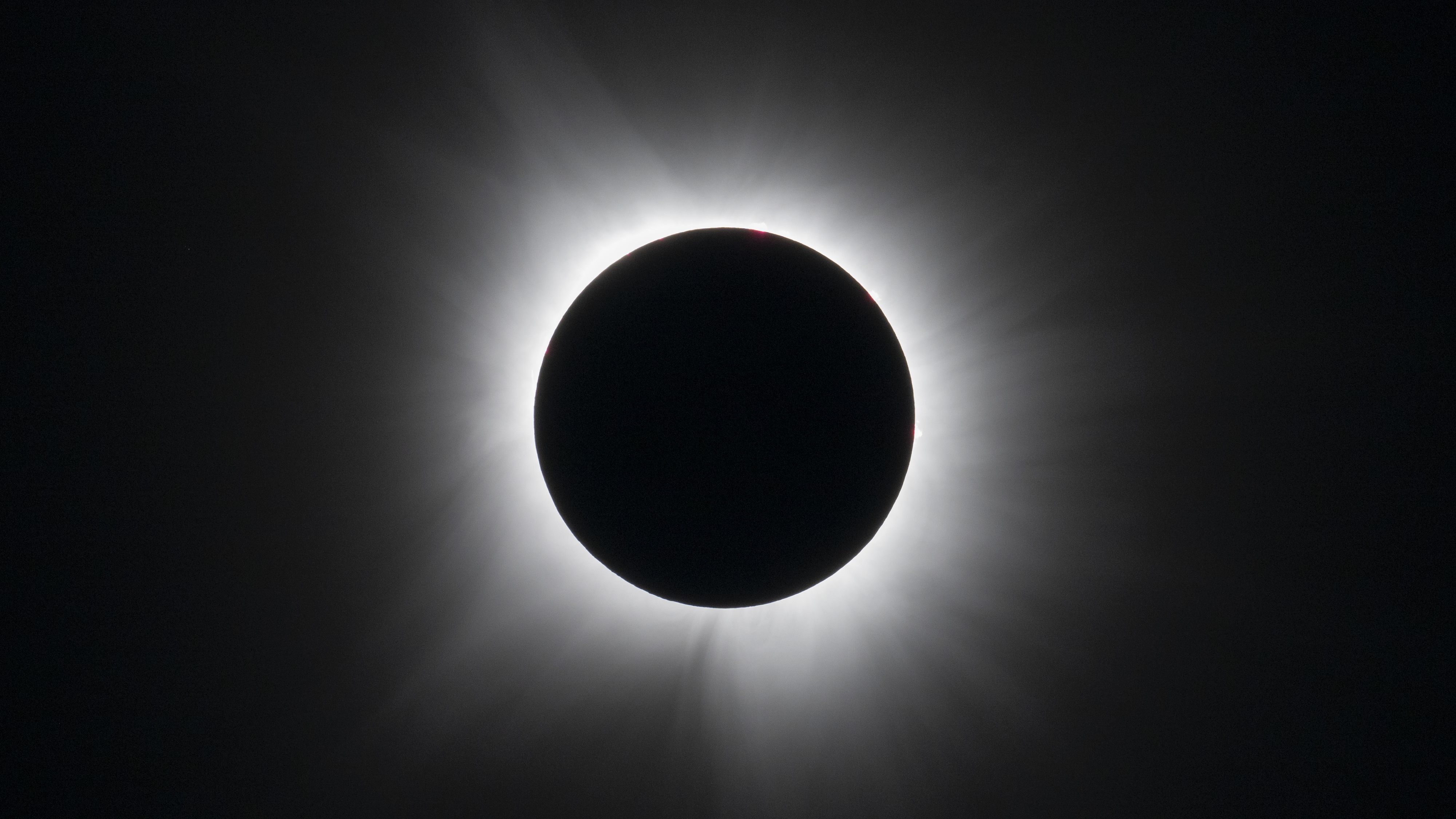
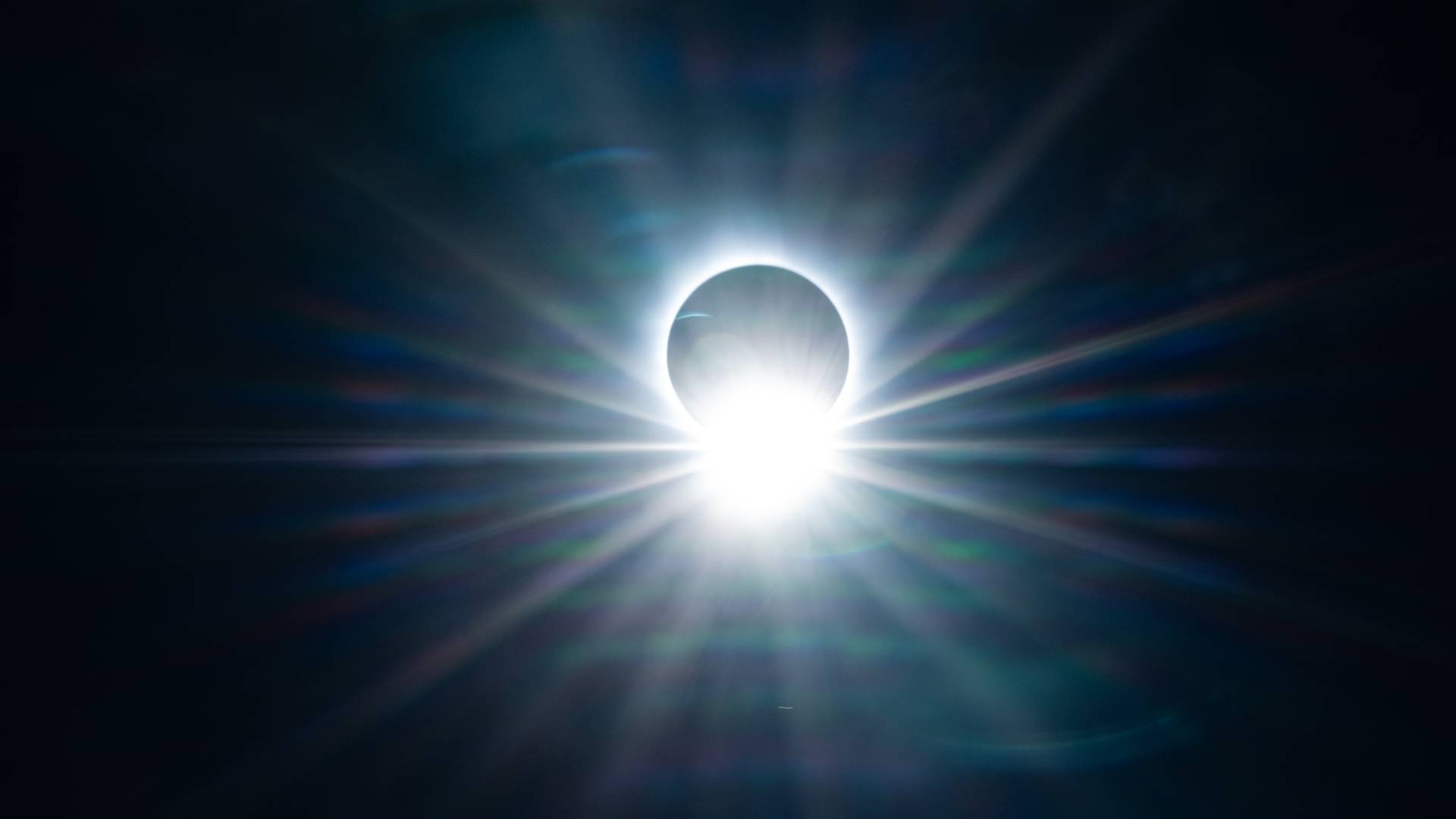
The moon is photographed blocking the sun's disk during totality at the climax of a total solar eclipse. The sun's white atmosphere haloes the moon in a black sky.

The sun's atmosphere shines out from behind the moon during a total lunar eclipse. (Image credit: Photo by Keegan Barber/NASA via Getty Images)

All being well, myself, the DEB team and over 15 million others in the path of totality will bear witness to a heartstopping display of orbital mechanics that crescendos with the fleeting artificial night of totality, as the moon blocks the last sliver of the sun from view. Space.com's Skywatching Editor Daisy Dobrijevic will also be on hand to report on the total solar eclipse as it unfolds in the skies over Greenland.

We can't wait to share our experiences with you. Be sure to stick with Space.com to discover everything there is to know about the Aug. 12 total solar eclipse, along with details on how to watch it online, which will be published closer to the event!

You should also read our guide to safely observing the sun, to ensure that you're ready to enjoy the eclipse, and our roundup of the best solar viewing equipment available in 2026 if you're looking for safe, quality gear.

Editor's Note: Want to share your eclipse photography with Space.com's readers? Then please send your photos and comments, along with your name and location to spacephotos@space.com.