
Use This Fancy Foam for Cooking, Not for Dance Parties

Science and reality


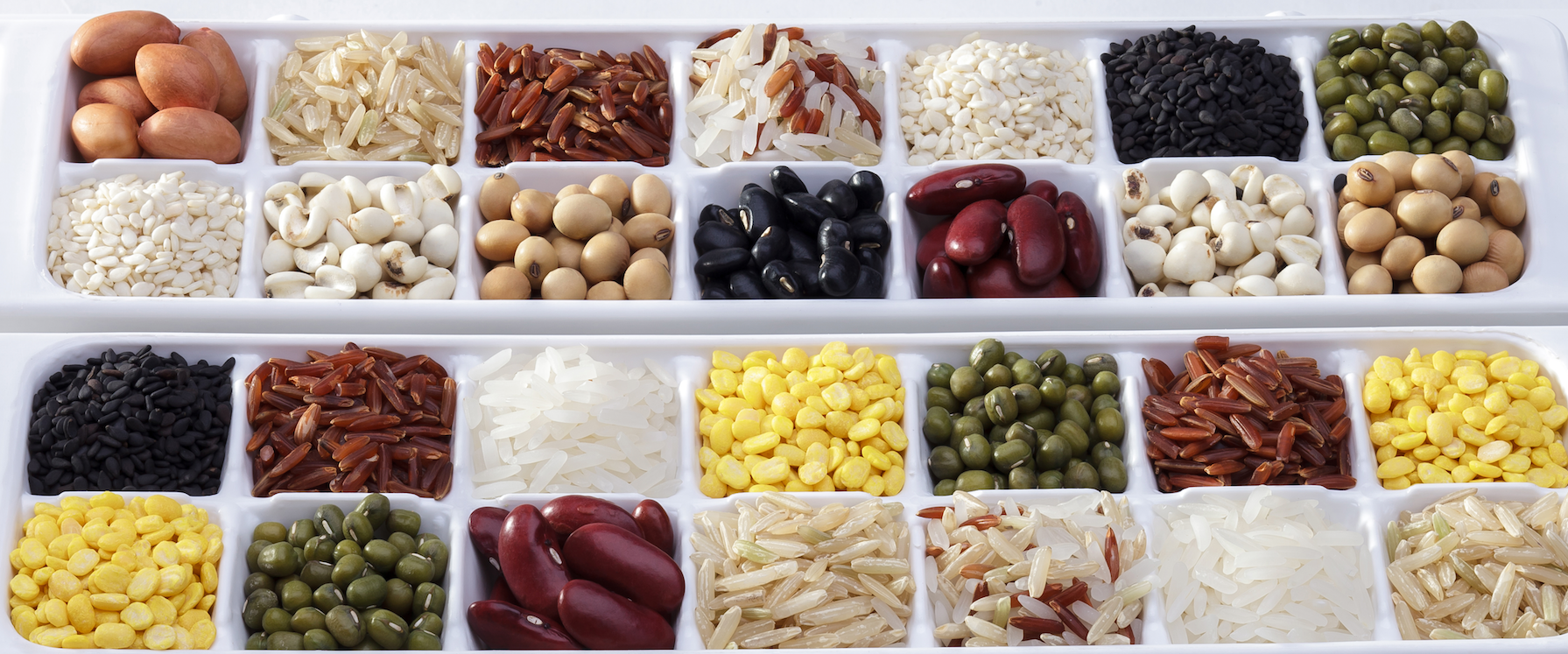
Some high-protein plant sources (credit: iStock)
Eating more protein from plant sources was associated with a lower risk of death, while eating more protein from animals was associated with a higher risk of death — especially among adults with at least one unhealthy behavior such as smoking, drinking, and being overweight or sedentary — according to an open-access survey article published online by JAMA Internal Medicine.
Mingyang Song, M.D., Sc.D., of Massachusetts General Hospital and Harvard Medical School, and coauthors used data from two large U.S. studies, with repeated measures of diet through food questionnaires and up to 32 years of follow-up of 131,342 participants.
The authors report:
“Substitution of plant protein for animal protein, especially from processed red meat, may confer substantial health benefit. Therefore, public health recommendations should focus on improvement of protein sources,” the study concludes.
Limitations of the study
Limitations include the study’s observational design, so residual confounding (other mitigating factors) cannot be excluded, and “the moderately higher protein consumption (median, 19% of calories) in our study population compared with the general U.S. population (15%-16%), thus limiting our ability to assess the effect of the very low end of intake,” the authors note. “Other components in protein-rich foods (e.g., sodium,nitrates, and nitrites in processed red meat), in addition to protein per se, may have a critical health effect.”
Some nutritionists also advise that deficiencies in the diet of vegetarians may include vitamin B(12), vitamin D, omega-3 fatty acids, calcium, iron, and zinc, which may require supplements and fortified foods, according to a 2010 analysis in the journal Nutrition in Clinical Practice.
* They examined hazard ratios (risk) for all-cause and cause-specific mortality in relation to eating animal protein vs. plant protein. Median protein intake, measured as a percentage of calories, was 14 percent for animal protein and 4 percent for plant protein. Among 131,342 study participants, 85,013 (64.7 percent) were women and the average age of participants was 49.
Abstract of Association of Animal and Plant Protein Intake With All-Cause and Cause-Specific Mortality
Importance Defining what represents a macronutritionally balanced diet remains an open question and a high priority in nutrition research. Although the amount of protein may have specific effects, from a broader dietary perspective, the choice of protein sources will inevitably influence other components of diet and may be a critical determinant for the health outcome.
Objective To examine the associations of animal and plant protein intake with the risk for mortality.
Design, Setting, and Participants This prospective cohort study of US health care professionals included 131 342 participants from the Nurses’ Health Study (1980 to end of follow-up on June 1, 2012) and Health Professionals Follow-up Study (1986 to end of follow-up on January 31, 2012). Animal and plant protein intake was assessed by regularly updated validated food frequency questionnaires. Data were analyzed from June 20, 2014, to January 18, 2016.
Main Outcomes and Measures Hazard ratios (HRs) for all-cause and cause-specific mortality.
Results Of the 131 342 participants, 85 013 were women (64.7%) and 46 329 were men (35.3%) (mean [SD] age, 49 [9] years). The median protein intake, as assessed by percentage of energy, was 14% for animal protein (5th-95th percentile, 9%-22%) and 4% for plant protein (5th-95th percentile, 2%-6%). After adjusting for major lifestyle and dietary risk factors, animal protein intake was weakly associated with higher mortality, particularly cardiovascular mortality (HR, 1.08 per 10% energy increment; 95% CI, 1.01-1.16; P for trend = .04), whereas plant protein was associated with lower mortality (HR, 0.90 per 3% energy increment; 95% CI, 0.86-0.95; P for trend < .001). These associations were confined to participants with at least 1 unhealthy lifestyle factor based on smoking, heavy alcohol intake, overweight or obesity, and physical inactivity, but not evident among those without any of these risk factors. Replacing animal protein of various origins with plant protein was associated with lower mortality. In particular, the HRs for all-cause mortality were 0.66 (95% CI, 0.59-0.75) when 3% of energy from plant protein was substituted for an equivalent amount of protein from processed red meat, 0.88 (95% CI, 0.84-0.92) from unprocessed red meat, and 0.81 (95% CI, 0.75-0.88) from egg.
Conclusions and Relevance High animal protein intake was positively associated with mortality and high plant protein intake was inversely associated with mortality, especially among individuals with at least 1 lifestyle risk factor. Substitution of plant protein for animal protein, especially that from processed red meat, was associated with lower mortality, suggesting the importance of protein source.