

Meta’s Muse Spark model offers to analyze users’ health data, including lab results. Beyond the obvious privacy risks, it’s not a capable stand-in for a real doctor.
Meta’s Muse Spark model offers to analyze users’ health data, including lab results. Beyond the obvious privacy risks, it’s not a capable stand-in for a real doctor.
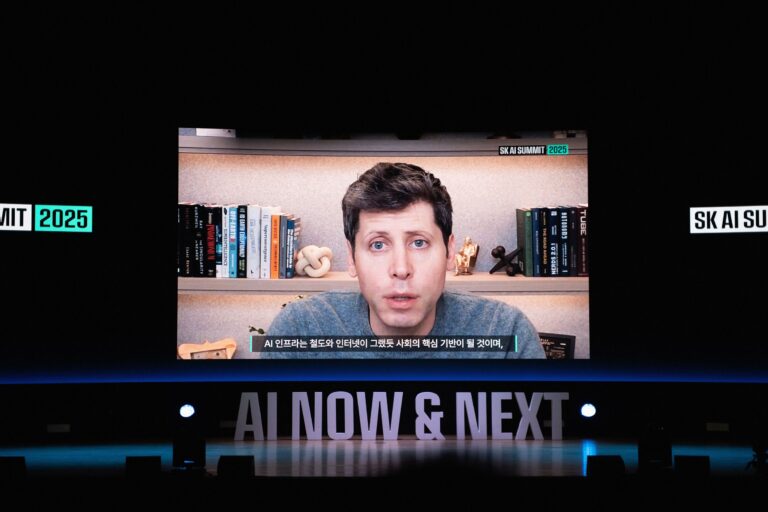
The ChatGPT-maker testified in favor of an Illinois bill that would limit when AI labs can be held liable—even in cases where their products cause “critical harm.”

Black Forest Labs has long punched above its weight in the AI image generation space. Its next move? Powering physical AI.

Since the beginning of the Iran war, the group Explosive Media has released over a dozen viral videos mocking Trump and the US.
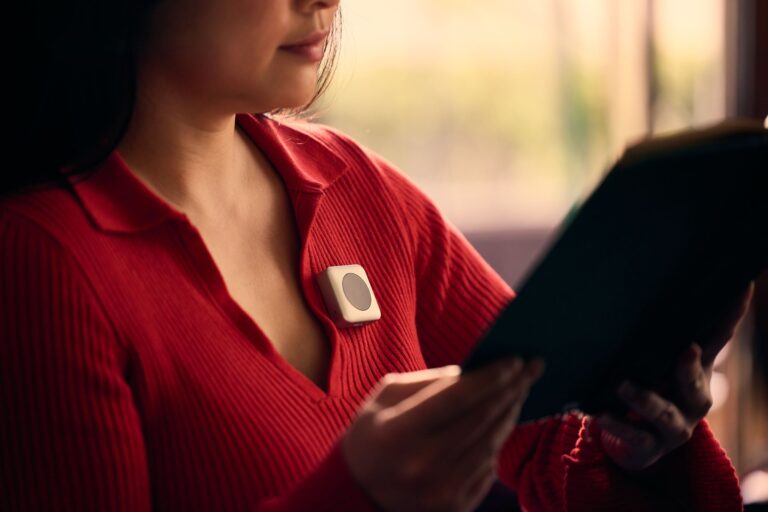
Two former Apple Vision Pro developers made an AI wearable that only listens when you tap it. They hope to win where other AI gadgets have fumbled: privacy.

A US appeals court ruling is at odds with a separate, lower court decision from March, leaving uncertainty about if and how the US military can use the AI company’s Claude model.

Muse Spark is Meta’s first model since its AI reboot, and the benchmarks suggest formidable performance.

The AI system, trained on real military data, is meant to give soldiers mission-critical information.

The AI lab’s Project Glasswing will bring together Apple, Google, and more than 45 other organizations. They’ll use the new Claude Mythos Preview model to test advancing AI cybersecurity capabilities.

Advanced chip packaging is suddenly at the center of the AI boom. Intel is going all in.