

Gidi Littwin’s new AI startup, Hemispheric, makes diagnostic brain scans for conditions like depression, PTSD, and Parkinson’s. He wants the technology to be as cheap and easy as a blood test.
Gidi Littwin’s new AI startup, Hemispheric, makes diagnostic brain scans for conditions like depression, PTSD, and Parkinson’s. He wants the technology to be as cheap and easy as a blood test.

Companies’ increasing reliance on AI chatbots isn’t making the customer service experience smarter. It’s just making it more infuriating.

OpenAI employees have donated more than $215,000 to a political effort opposing Leading the Future, a group backed by the company’s president, Greg Brockman.

A new study found that social media platforms are referring people to sites where they can create nonconsensual, sexually explicit deepfakes for as little as $1 an image.

On this week’s episode of The Big Interview podcast, WIRED’s senior culture editor Manisha Krishnan talks to Gowanus about eschewing Big Tech, going outside, and rejection in the age of dating apps.

In the 1960s an MIT professor named Joseph Weizenbaum created a chatbot called ELIZA. The conversations people had with it set precedents for the chatbots to come.

In response to a public records request, HUD has withheld documents about DOGE’s use of AI—in part by citing a privilege that doesn’t exist.

Apple’s revamped Siri is more than a voice assistant; it’s now the backbone of the iPhone user experience. You can try it now through the iOS 27 public beta.
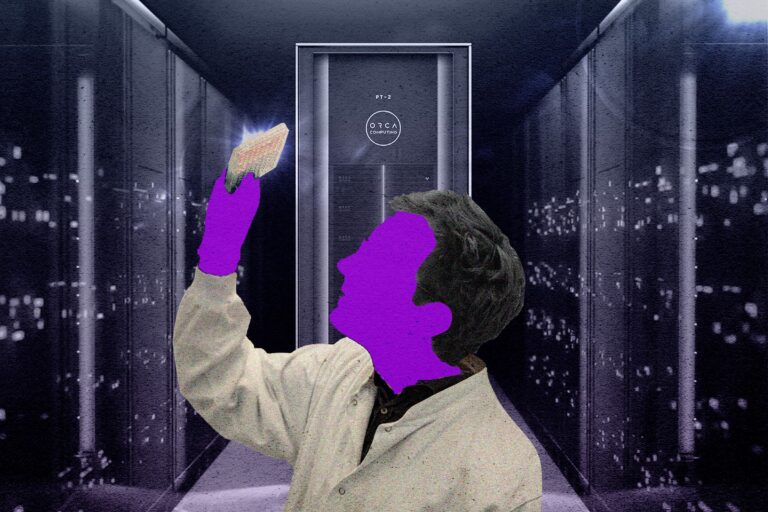
Researchers cobbled together funding and time to show how quantum computing could aid in the development of drugs to help underserved populations and combat rare diseases.

Johannes Heidecke’s departure comes as OpenAI tries to further integrate its research and safety teams.