

The “abliterators” are flooding the internet with AI models that never say no, making it easier for people to improve their cyberdefenses—or build a bomb.
The “abliterators” are flooding the internet with AI models that never say no, making it easier for people to improve their cyberdefenses—or build a bomb.
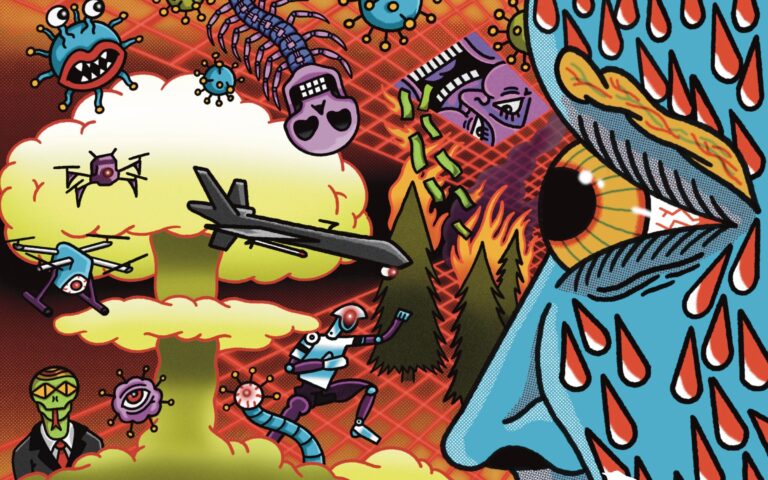
The risk of nuclear catastrophe is real, as is the fallout of the China–US domination game (hi there, spies). But no need to panic about Skynet.

A researcher’s trawl through publicly available code found private information was at risk across multiple departments.

DeepMind researchers were able to formally verify that the widely used encryption protocol works as intended. Their stretch goal? Do the same for “all the software of the world.”
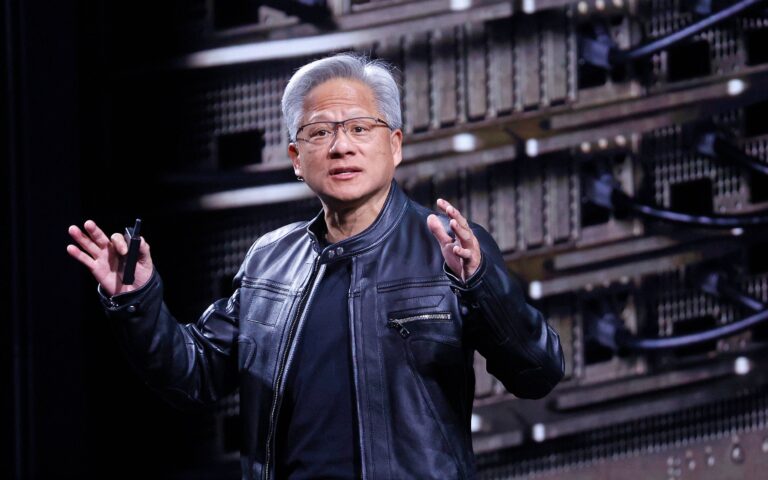
With a big checkbook and sought-after chips, Nvidia’s CEO had his thumb on the world of AI. An extramarital affair with a suspected Chinese spy may put all of that at risk.

As the publishing industry wrestles with paranoia over the provenance of manuscripts, writers are caught in an impossible bind.

As data center protests break out across Europe, a mismatched band of campaigners is trying to block Google from building a sprawling new facility east of London.

The New York Times has added a beta feature to its Cooking app that helps readers swap ingredients or adjust recipes to suit their needs. It mostly hits the mark.
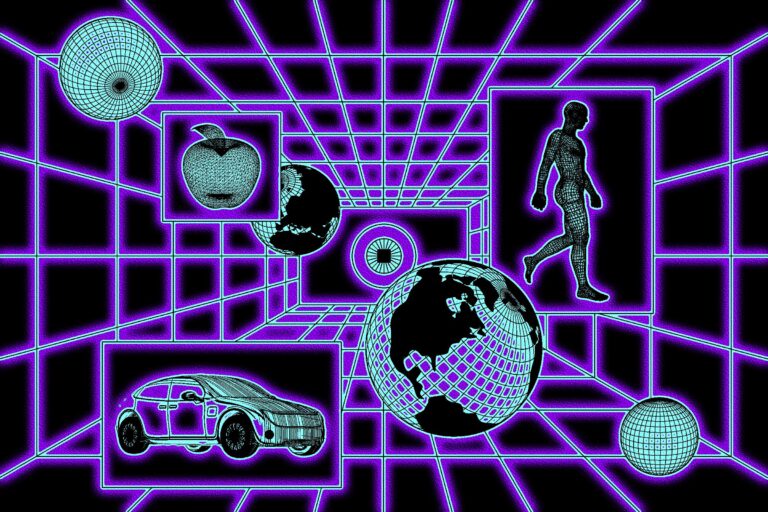
Moving AI from text to 3D space, world models simulate real-world physics to teach robots and autonomous cars how to navigate reality.
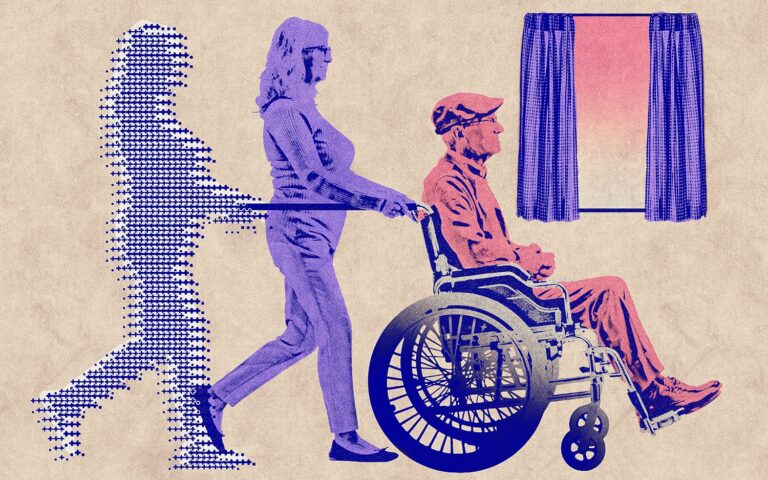
The apps and platforms that help family caregivers manage their loved ones’ needs are becoming more capable, but the broader issue of caregivers’ well-being remains unsolved.