First self-driving ‘cognitive’ vehicle uses IBM Watson Internet of Things

Olli (credit: Local Motors)

Local Motors, creator of the world’s first 3D-printed cars, has developed the first self-driving “cognitive” vehicle, using IBM Watson Internet of Things (IoT) for Automotive.

The vehicle, dubbed “Olli,” can carry up to 12 people. It uses IBM Watson and other systems to improve the passenger experience and allow natural interaction with the vehicle. Olli will be used on public roads locally in Washington DC and later this year in Miami-Dade County.

Olli is the first vehicle to use the cloud-based cognitive computing capability of IBM Watson IoT to analyze and learn from high volumes of transportation data, produced by more than 30 sensors embedded throughout the vehicle. Sensors will be added and adjusted continually as passenger needs and local preferences are identified.

Four Watson developer APIs — Speech to Text, Natural Language Classifier, Entity Extraction and Text to Speech — will enable passengers to interact conversationally with Olli while traveling from point A to point B, discussing topics about how the vehicle works, where they are going, and why Olli is making specific driving decisions.

Watson empowers Olli to understand and respond to passengers’ questions as they enter the vehicle, such as destinations (“Olli, can you take me downtown?”) or specific vehicle functions (“how does this feature work?” or even “are we there yet?”). Passengers can also ask for recommendations on local destinations such as popular restaurants or historical sites based on analysis of personal preferences.

“Cognitive computing provides incredible opportunities to create unparalleled, customized experiences for customers, taking advantage of the massive amounts of streaming data from all devices connected to the Internet of Things, including an automobile’s myriad sensors and systems,” said Harriet Green, General Manager, IBM Watson Internet of Things, Commerce & Education.

Miami-Dade County and Las Vegas are also exploring a pilot program in which several autonomous vehicles would be used to transport people around Miami and Las Vegas.


IBM Internet of Things | Local Motors Debuts “Olli,” the First Self-driving Vehicle to Tap the Power of IBM Watson


IBM Internet of Things | Harnessing vehicle safety data with analytics

How to 3-D print hair, brushes, and fur

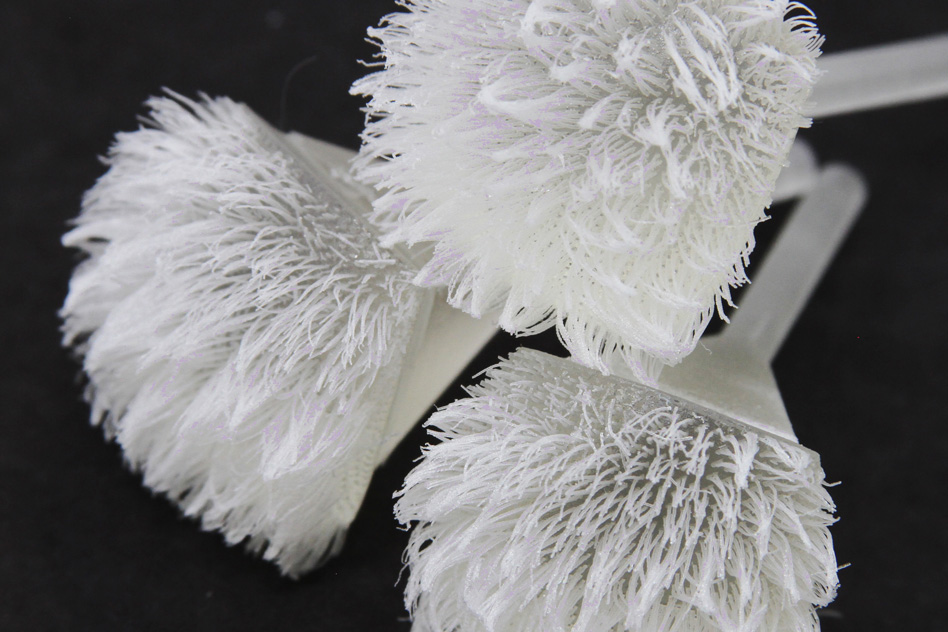
3-D printed hair (credit: Tangible Media Group/MIT Media Lab)

Researchers in MIT’s Media Lab have bypassed a major design step in 3-D printing — quickly and efficiently modeling and printing thousands of hair-like structures.

Instead of using conventional computer-aided design (CAD) software to draw thousands of individual hairs on a computer — a step that would take hours to compute — the team built a new software platform called “Cilllia” that lets users simply define the angle, thickness, density, and height of thousands of hairs in just a few minutes.

Using the new software, the researchers designed arrays of hair-like structures at a resolution of 50 micrometers — about the width of an average human hair. They then designed and printed arrays, ranging from coarse bristles to fine fur, onto flat and also curved surfaces, using a conventional 3-D printer.

The goal was to perform useful tasks such as sensing, adhesion, and actuation … and maybe create a few toys.
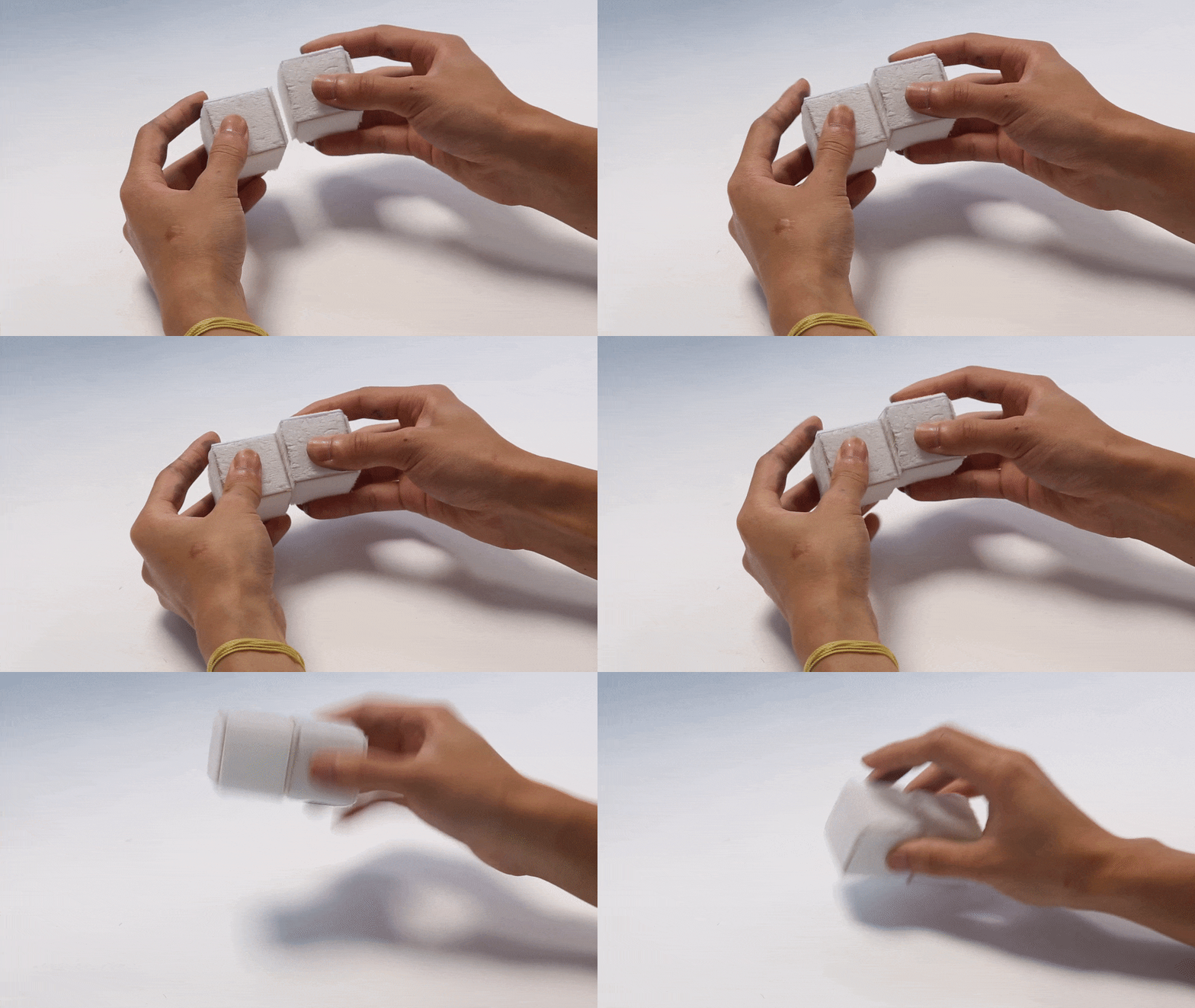
The 3-D printed hairs act like Velcro. (credit: MIT Media Lab researchers)

To demonstrate adhesion, the team printed arrays that act as Velcro-like bristle pads. Depending on the angle of the bristles, the pads can stick to each other with varying forces. For sensing, the researchers printed a small furry rabbit figure, equipped with LED lights that light up when a person strokes the rabbit in certain directions.
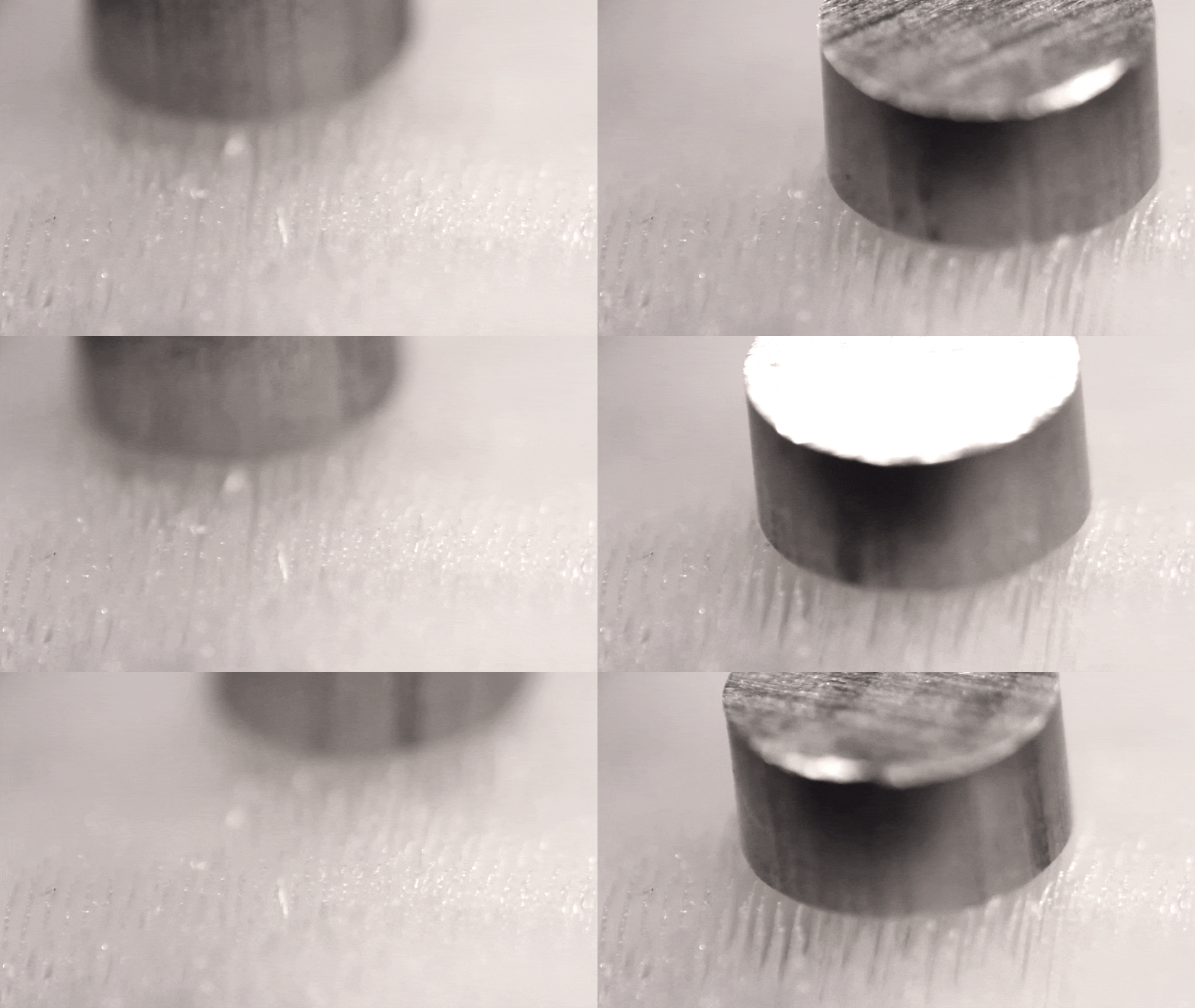
Vibrations cause a piece of metal to move across the 3-D printed hairs. (credit: MIT Media Lab researchers)

And to see whether 3-D-printed hair can help actuate, or move objects, the team fabricated a weight-sorting table made from panels of printed hair with specified angles and heights. As a small vibration source shook the panels, the hairs were able to move coins across the table,  sorting them based on the coins’ weight and the vibration frequency.

A software challenge

“[Hair] comes with a challenge that is not on the hardware, but on the software side,” says Jifei Ou, lead author on a paper presented at the Association for Computing Machinery’s CHI Conference on Human Factors in Computing Systems in May.

To 3-D-print hair using existing software, designers would have to model hair in CAD, drawing out each individual strand, then feed the drawing through a slicer program that represents each hair’s contour as a mesh of tiny triangles. The program would then create horizontal cross sections of the triangle mesh, and translate each cross section into pixels, or a bitmap, that a printer could then print out, layer by layer.

Ou says designing a stamp-sized array of 6,000 hairs using this process would take several hours to process. “If you were to load this file into a normal slicing program, it would crash the program,” he says.

Hair pixels

To design hair, the researchers chose to do away with CAD modeling entirely. Instead, they built a new software platform to model first a single hair and then an array of hairs, and finally to print arrays on both flat and curved surfaces.*

Using these techniques, the team printed pads of Velcro-like bristles, and paintbrushes with varying textures and densities.
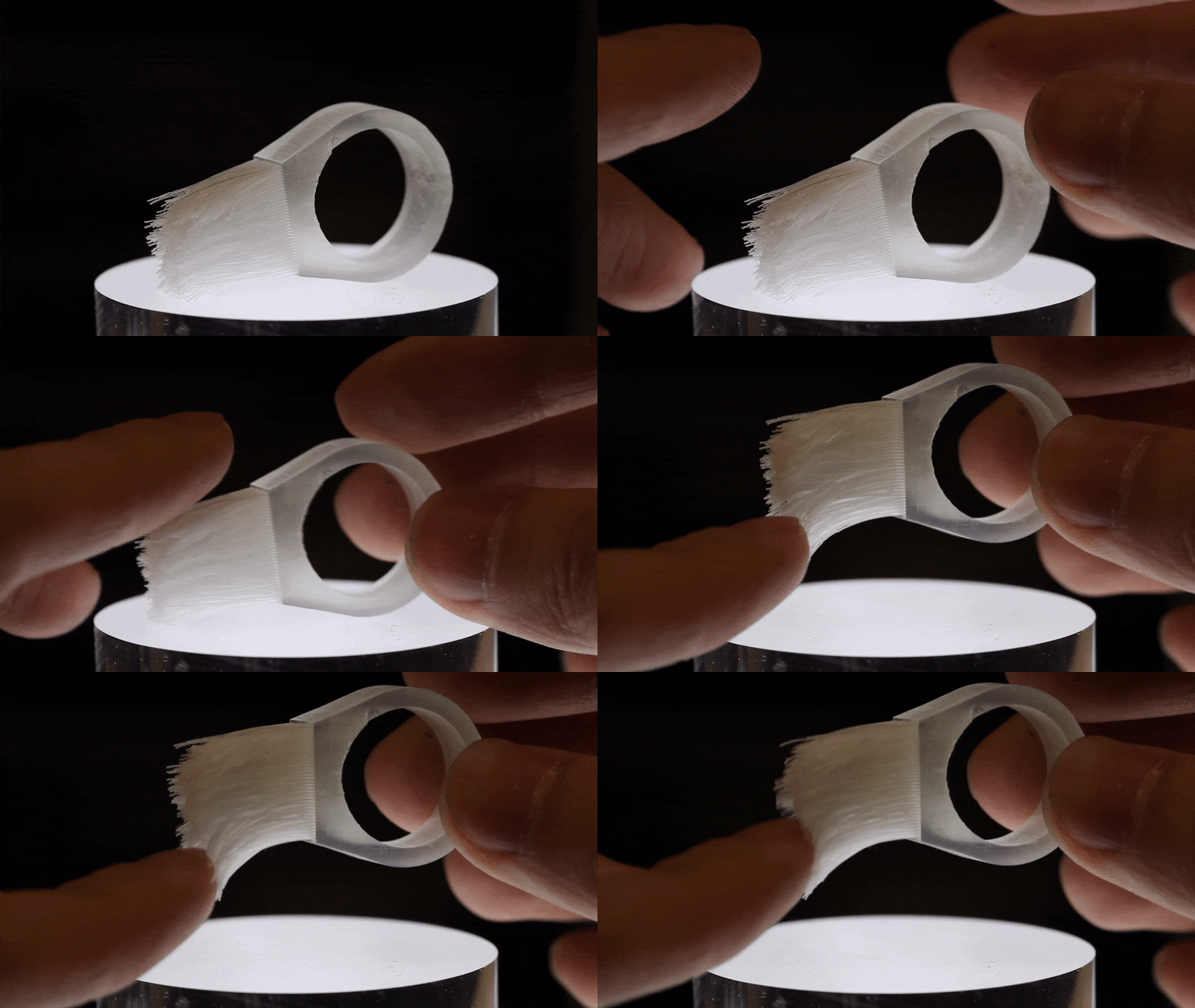
The researchers attached the 3-D printed hairs to a ring. (credit: MIT Media Lab researchers)

Printing hair on curved surfaces proved trickier. To do this, the team first imported a CAD drawing of a curved surface, such as a small rabbit, then fed the model through a slicing program to generate a triangle mesh of the rabbit shape. They then developed an algorithm to locate the center of each triangle’s base, then virtually drew a line out, perpendicular to the triangle’s base, to represent a single hair. Doing this for every triangle in the mesh created a dense array of hairs running perpendicular to the rabbit’s curved surface.

The researchers then used their color mapping techniques to quickly customize the rabbit hair’s thickness and stiffness.

Interactive toys and other objects

“With our method, everything becomes smooth and fast,” Ou says. “Previously it was virtually impossible, because who’s going to take a whole day to render a whole furry rabbit, and then take another day to make it printable?”

Among other applications, Ou says 3-D-printed hair may be used in interactive toys. To demonstrate, his team inserted an LED light into the fuzzy printed rabbit, along with a small microphone that senses vibrations. With this setup, the bunny turns green when it is petted in the correct way, and red when it is not.

“The ability to fabricate customized hair-like structures not only expands the library of 3-D-printable shapes, but also enables us to design alternative actuators and sensors,” the authors conclude in their paper. “3-D-printed hair can be used for designing everyday interactive objects.”

Kelly Schaefer, a designer at IDEO, a design consulting firm, says “this type of work expands the possibilities of 3-D printing as an industry because of the new applications it suggests.”

* The researchers modeled a single hair by representing an elongated cone as a stack of fewer and fewer pixels, from the base to the top. To change the hair’s dimensions, such as its height, angle, and width, they simply changed the arrangement of pixels in the cone.

To scale up to thousands of hairs on a flat surface, Ou and his team used Photoshop to generate a color mapping technique. They used three colors — red, green, and blue — to represent three hair parameters — height, width, and angle. For example, to make a circular patch of hair with taller strands around the rim, they drew a red circle and changed the color gradient in such a way that darker hues of red appeared around the circle’s rim, denoting taller hairs. They then developed an algorithm to quickly translate the color map into a model of a hair array, which they then fed to a 3-D printer.


Abstract of Cilllia: 3D Printed Micro-Pillar Structures for Surface Texture, Actuation and Sensing

This work presents a method for 3D printing hair-like structures on both flat and curved surfaces. It allows a user to design and fabricate hair geometries that are smaller than 100 micron. We built a software platform to let users quickly define the hair angle, thickness, density, and height. The ability to fabricate customized hair-like structures not only expands the library of 3D-printable shapes, but also enables us to design passive actuators and swipe sensors. We also present several applications that show how the 3D-printed hair can be used for designing everyday interactive objects.

China’s Sunway TaihuLight tops world supercomputer ratings

Sunway TaihuLight System (credit: National Supercomputing Center)

Chinese supercomputers maintained their No. 1 ranking on the 47th edition of the TOP500 list of the world’s top supercomputers, announced today (June 20). The new Sunway TaihuLight supercomputer operates at 93 petaflop/s (quadrillions of calculations per second) Rmax on the LINPACK benchmark — twice as fast and three times as efficient as China’s Tianhe-2 (at 33.86 petaflop/s), now in the #2 spot.

The new supercomputer was developed by the National Research Center of Parallel Computer Engineering & Technology (NRCPC) and installed at the National Supercomputing Center in Wuxi in China’s Jiangsu province. The complete system has a theoretical peak performance of 125.4 Pflop/s, with 10,649,600 cores and 1.31 PB of primary memory, according to a report by Top500 co-compiler Jack Dongarra of the University of Tennessee.

The newest edition of the semiannual TOP500 list was announced today at the 2016 International Supercomputer Conference in Frankfurt.

China now leads with largest number of supercomputers

The latest list marks the first time since the inception of the TOP500 that the U.S is not home to the largest number of systems. China now leads with 167 systems and the U.S. is second with 165. China also leads the performance category, thanks to the No. 1 and No. 2 systems. Titan, a Cray XK7 system installed at the Department of Energy’s (DOE) Oak Ridge National Laboratory, is now the No. 3 system, at 17.59 petaflop/s.

Sunway TaihuLight was also built entirely using processors designed and made in China (Tianhe-2 was built with Intel processors).

U.S. primacy on the Top500 list has slipped for a number of reasons, including lower government support, private-sector investing now focused on cloud-computing centers, and the U.S. policy of blocking the sale of a number of advanced microprocessors to China, possibly accelerating development of China’s own technology, the New York Times reports. (Last year, the Obama administration began a new effort to develop an“exascale” supercomputer; it would be more than 10 times faster than the Sunway TaihuLight.)

However, because of funding shortages and technology challenges, “there has been a delay in getting the exascale launched in the U.S., and as a result, we’re further behind than we should be,” Dongarra told the Times, noting that the Chinese government is committed to reaching the exascale goal by the end of this decade.

Cray continues to be the leader in the TOP500 list in total installed performance share, with 19.9 percent (down from 25 percent). Thanks to the Sunway TaihuLight system, the National Research Center of Parallel Computer Engineering & Technology takes the second spot with 16.4 percent of the total performance — with just one machine. IBM takes the third spot with 10.7 percent share, down from 14.9 percent six months ago.

Energy-efficiency ratings

For the first time, the data collection and curation of the Green500 project, which ranks supercomputers by energy efficiency, is now integrated with the TOP500 project. The most energy-efficient system and No. 1 on the Green500 is Shoubu, a PEZY Computing/Exascaler ZettaScaler-1.6 System achieving  6.67 GFfops/Watt at the Advanced Center for Computing and Communication at RIKEN in Japan.

Other highlights from the Top 500 list:

  • Total combined performance of all 500 systems has grown to 566.7 petaflop/s, compared to 420 petaflop/s six months ago and 363 petaflop/s one year ago.
  • There are 95 systems with performance greater than a petaflop/s on the list, up from 81 six months ago.
  • Intel continues to provide the processors for the largest share – 455 systems or 91 percent – of the TOP500 systems. The share of IBM Power processors is now at 23 systems, down from 26 systems six month ago. The AMD Opteron family is used in 13 systems (2.6 percent), down from 4.2 percent on the previous list.

Ultra-flexible solar cells thin enough to wrap around a glass stirring rod

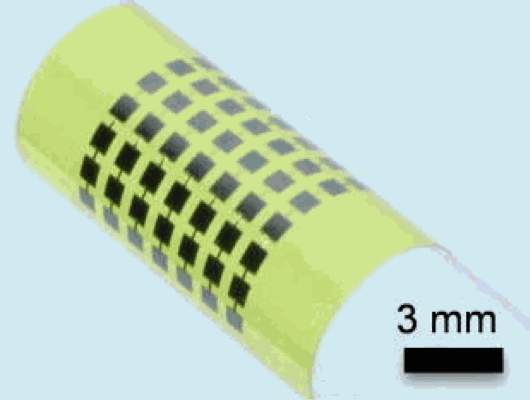
Ultra-thin solar cells flexible enough to bend around small objects, such as this 6-mm-diameter glass rod (credit: Juho Kim, et al./APL)

Scientists in South Korea have designed ultra-thin photovoltaics that are flexible enough to wrap around a thin glass rod. The new solar cells could power wearable electronics like smart watches and fitness trackers.

“Our photovoltaic is about 1 micrometer thick” (the thinnest human hair is about 17 micrometers), said Jongho Lee, an engineer at the Gwangju Institute of Science and Technology in South Korea. Standard photovoltaics are usually hundreds of times thicker, and most other thin photovoltaics are 2 to 4 times thicker, he explained.

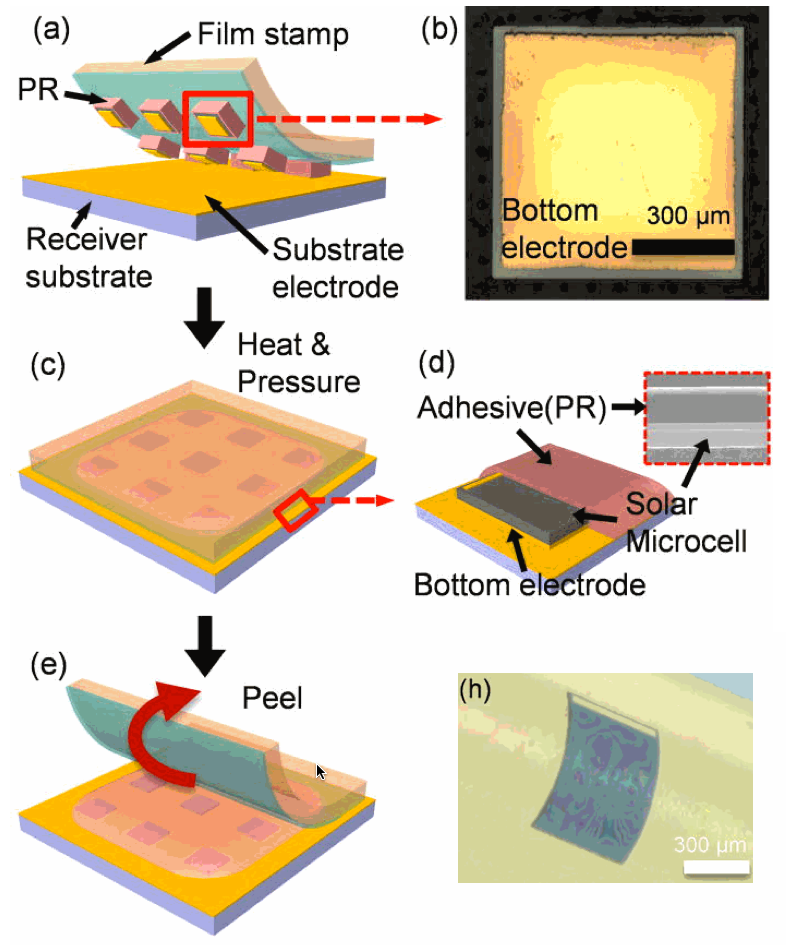
Fabrication procedure of the flexible vertical ultra-thin gallium-arsenide solar microcells.* (credit: Juho Kim, et al./APL)

The researchers made the ultra-thin solar cells from the semiconductor gallium arsenide. They stamped the cells directly onto a flexible substrate without using an adhesive (which would add to the material’s thickness).

The cells were then “cold welded” to the electrode on the substrate by applying pressure at 170 degrees Celsius and melting a top layer of material called photoresist, which acted as a temporary adhesive. The photoresist was later peeled away, leaving the direct metal-to-metal bond.

The metal bottom electrode layer also serves as a reflector to direct stray light back to the solar cells (to increase current output). The researchers tested the efficiency of the device at converting sunlight to electricity and found that it was comparable to thicker photovoltaics.

The team performed bending tests and found the cells could wrap around a radius as small as 1.4 millimeters. They also performed numerical analysis of the cells, finding that they experience one-fourth the amount of strain of similar cells that are 3.5 micrometers thick.

A few other groups have reported solar cells with thicknesses of around 1 micrometer, but have produced the cells in different ways, for example, by removing the whole subtrate by etching. By transfer-printing instead of etching, the new method developed by Lee and his colleagues could be used to make very flexible photovoltaics with a smaller amount of materials, according to Lee.

The thin cells can also be integrated onto glasses frames or fabric and might power the next wave of wearable electronics, Lee said.

The researchers report the results in an open-access paper in the journal Applied Physics Letters, from AIP Publishing.

* (a) Schematic illustration of a film stamp with vertical gallium-arsenide microcells fabricated and isolated from the epitaxially grown source wafers. The photoresist (PR) temporarily holds the solar microcells on the source wafers. (b) The bottom electrode, which also serves as a back reflector, is deposited onto the backside of the ultra-thin vertical GaAs microcells. (c) After the film stamp is brought into contact with the receiver substrate, heat (∼170 °C) and pressure (∼80 kPa) are applied to melt the PR to serve as an adhesive. (d) Cross-sectional scanning electron microscope (SEM) image of the microcell covered with the adhesive (PR) on the receiver substrate after the printing process. The bottom electrode is in direct contact with the Au layer on the receiver substrate. (e) Peeling the film stamp leaves the vertical ultra-thin solar microcells on the receiver substrate. (h) An optical image of the microcell wrapped on a glass slide with a radius of 1 mm. The microcell is encapsulated with a thin epoxy layer (thickness ∼2 μm).

An augmented-reality head-up display in a diver’s helmet

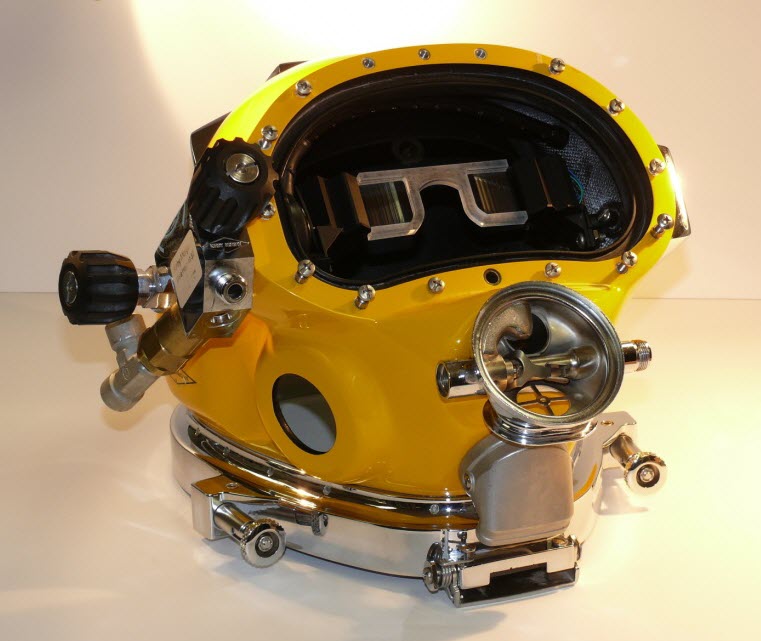
Prototype of the Divers Augmented Vision Display (DVAD) in a dive helmet (credit: Richard Manley/U.S. Navy photo)

The U.S. Navy’s Naval Surface Warfare Center has developed what may be the first underwater augmented-reality head-up display (HUD) built into a diving helmet.

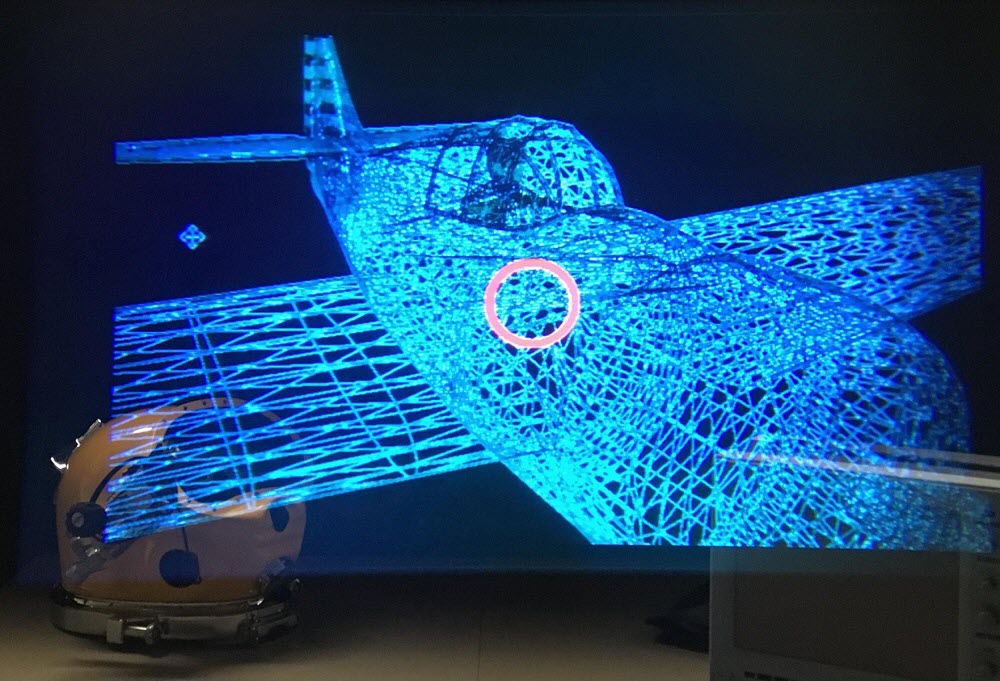
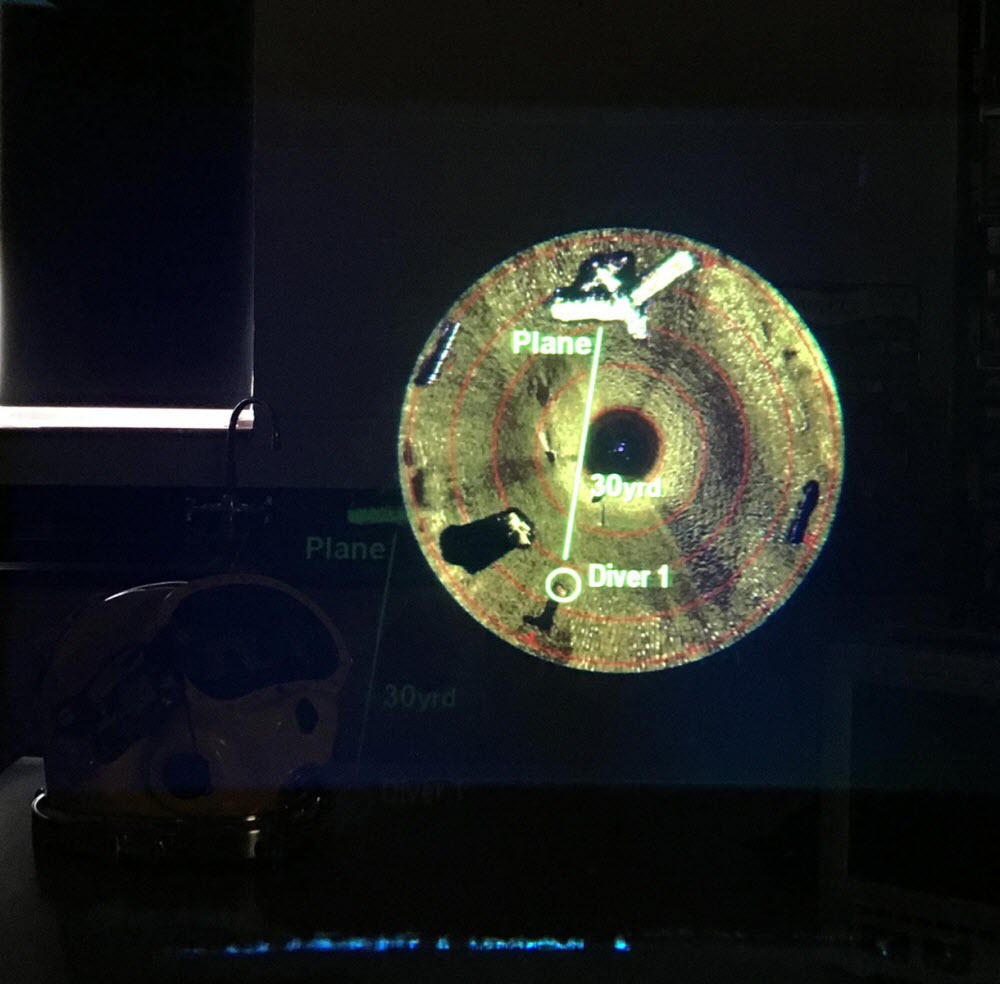
The Divers Augmented Vision Display (DAVD) gives divers a real-time, high-res visual display of everything from sector sonar (real-time topside view of the diver’s location and dive site), text messages, diagrams, and photographs to augmented-reality videos. Having real-time visual data enables them to be more effective and safe in their missions — providing expanded situational awareness and increased accuracy in navigating to a ship, downed aircraft, or other objects of interest.

Lab simulation view of an augmented reality image of an airplane through the Divers Augmented Vision Display (DVAD). Divers Augmented Vision Display (DVAD) (credit: Richard Manley/U.S. Navy photo)

Lab simulation view of a sector sonar image with navigation aids through the Divers Augmented Vision Display (DVAD) (credit: Richard Manley/U.S. Navy photo)

The Naval Sea Systems Command is now developing the next generation of the DAVD, with enhanced sensors such as miniaturized sonar and video video systems to enable divers to see in higher resolution up close, even when water visibility is near zero.


U.S. Navy | Diver Augmented Vision Display (DAVD)

Could deep-learning systems radically transform drug discovery?

(credit: Insilico Medicine)

Scientists at Insilico Medicine have developed a new drug-discovery engine that they say is capable of predicting therapeutic use, toxicity, and adverse effects of thousands of molecules, and they plan to reveal it at the Re-Work Machine Intelligence Summit in Berlin, June 29–30.

Drug discovery takes decades, with high failure rates. Among the reasons: irreproducible experiments with poor choice of animal models and inability to translate the results from animal models directly to humans, the wide variety of diseases, and communication difficulties between scientists, managers, venture capitalists, pharmaceutical companies and regulators. And perhaps the biggest problem: the slow-paced, bureaucratic culture in the pharmaceutical industry, the researchers note.

Radically transforming pharmas with AI

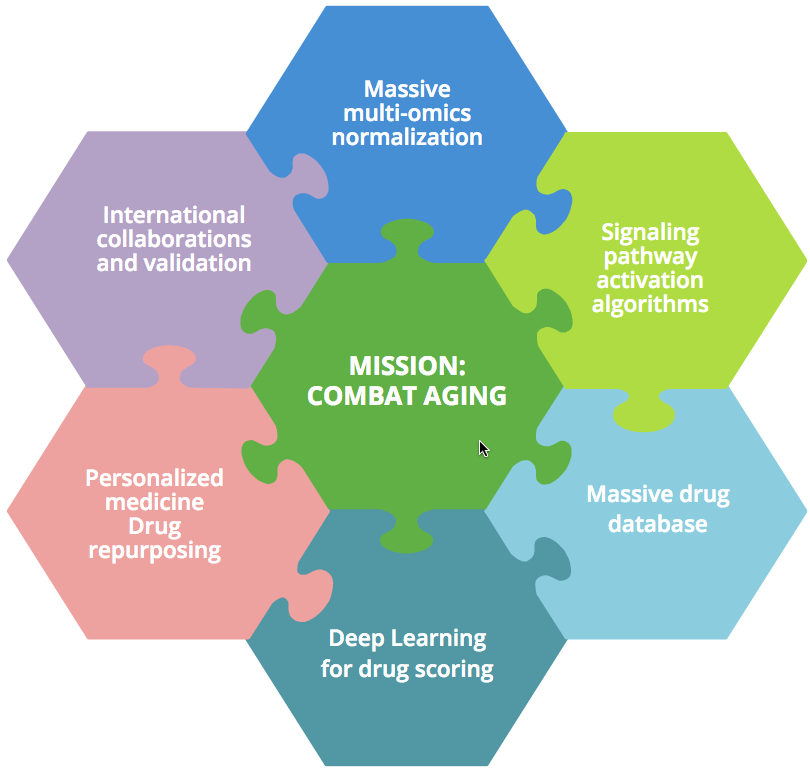
Insilico Medicine says it aims to address these reasons by developing “multimodal deep-learned and parametric biomarkers,” as well as multiple drug-scoring pipelines for drug discovery and drug repurposing, and hypothesis and lead generation.

“At Insilico, we want to radically transform the pharmaceutical industry and double the number of drugs on the market, using artificial intelligence and deep understanding of pharmaceutical R&D processes,” said Polina Mamoshina*, senior research scientist at Insilico Medicine, Inc.

“We decided to start with nutraceuticals and cosmetics, but soon we will be announcing our cancer immunology concomitant drug discovery engine to boost the response rates to checkpoint inhibitors in immuno-oncology.”

“Using our drug discovery engine, we made thousands of hypotheses and narrowed these down to 800 strong molecule-disease predictions, with efficacy, toxicity, adverse effects, bioavailability and many other parameters,” said Alex Aliper, president of Insilico Medicine, Inc.

“We added many drug scoring mechanisms that further validate the initial predictions and put together a team of analysts to research and evaluate individual molecules. We are now partnering with various institutions to validate these predictions in vitro and in vivo.”

As KurzweilAI reported, earlier this month, Insilico Medicine signed an exclusive agreement with Life Extension, a major nutraceutical product vendor, to collaboratively develop a set of geroprotectors — natural products that mimic the healthy young state in multiple old tissues. The goal is to increase the rejuvenation rate of the body and slow down, or even reverse, the aging process.

Polina Mamoshina was the lead author on the paper, “Applications of Deep Learning in Biomedicine” in Molecular Pharmaceutics and contributed to another publication, “Deep learning applications for predicting pharmacological properties of drugs and drug repurposing using transcriptomic data” also in Molecular Pharmaceutics. The later paper received the Editors’ Choice Award from the American Chemical Society. She also co-authored a paper, “Deep biomarkers of human aging: Application of deep neural networks to biomarker development” in Aging, one of the highest-impact journals in aging research.

Two inventions deal with virtual-reality sickness

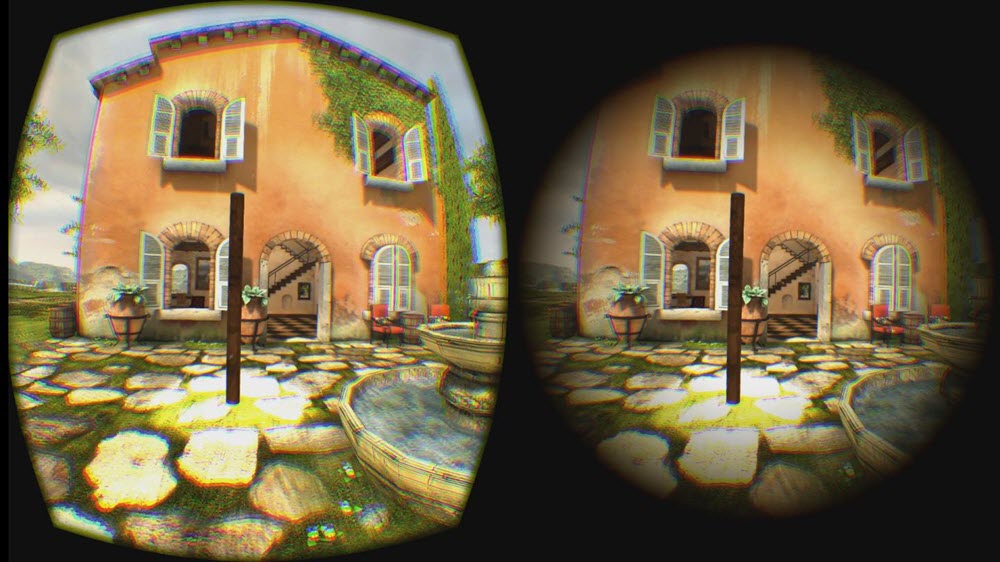
Single-eye view of a virtual environment before (left) and after (right) a dynamic field-of-view modification that subtly restricts the size of the image during image motion to reduce motion sickness (credit: Ajoy Fernandes and Steve Feiner/Columbia Engineering)

Columbia Engineering researchers announced earlier this week that they have developed a simple way to reduce VR motion sickness that can be applied to existing consumer VR devices, such as Oculus Rift, HTC Vive, Sony PlayStation VR, Gear VR, and Google Cardboard devices.

The trick is to subtly change the field of view (FOV), or how much of an image you can see, during visually perceived motion. In an experiment conducted by Computer Science Professor Steven K. Feiner and student Ajoy Fernandes, most of the participants were not even aware of the intervention.

What causes VR sickness is the clash between the visual motion cues that users see and the physical motion cues that they receive from their inner ears’ vestibular system, which provide our sense of motion, equilibrium, and spatial orientation. When the visual and vestibular cues conflict, users can feel quite uncomfortable, even nauseated.

Decreasing the field of view can decrease these symptoms, but can also decrease the user’s sense of presence (reality) in the virtual environment, making the experience less compelling. So the researchers worked on subtly decreasing FOV in situations when a larger FOV would be likely to cause VR sickness (when the mismatch between physical and virtual motion increases) and restoring the FOV when VR sickness is less likely to occur (when the mismatch decreases).


Columbia University | Combating VR Sickness through Subtle Dynamic Field-Of-View Modification

They developed software that functions as a pair of “dynamic FOV restrictors” that can partially obscure each eye’s view with a virtual soft-edged cutout. They then determined how much the user’s field of view should be reduced, and the speed with which it should be reduced and then restored, and tested the system in an experiment.

Most of the experiment participants who used the restrictors did not notice them, and all those who did notice them said they would prefer to have them in future VR experiences.

The study was presented at IEEE 3DUI 2016 (IEEE Symposium on 3D User Interfaces) on March 20, where it won the Best Paper Award.

Galvanic Vestibular Stimulation

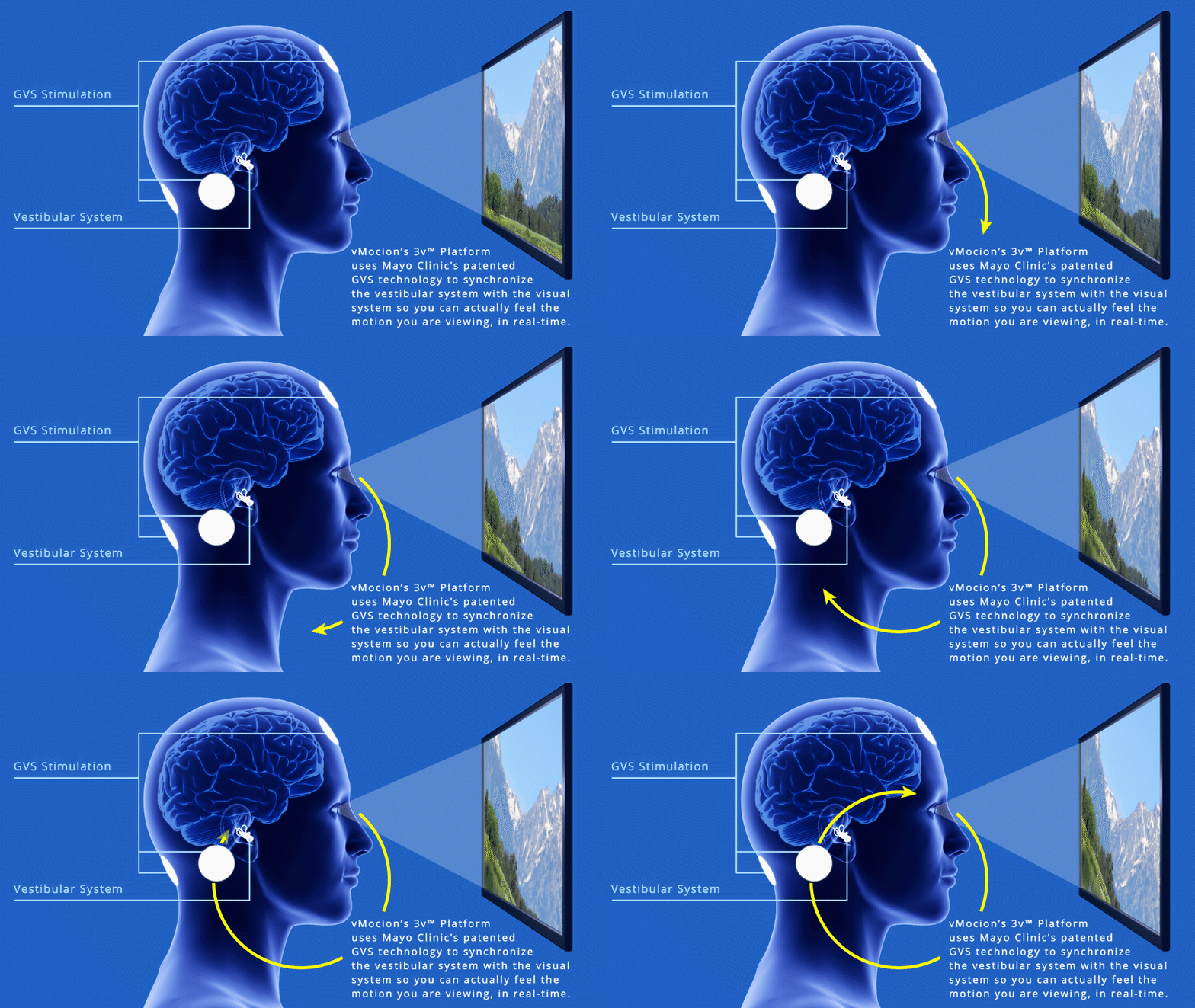
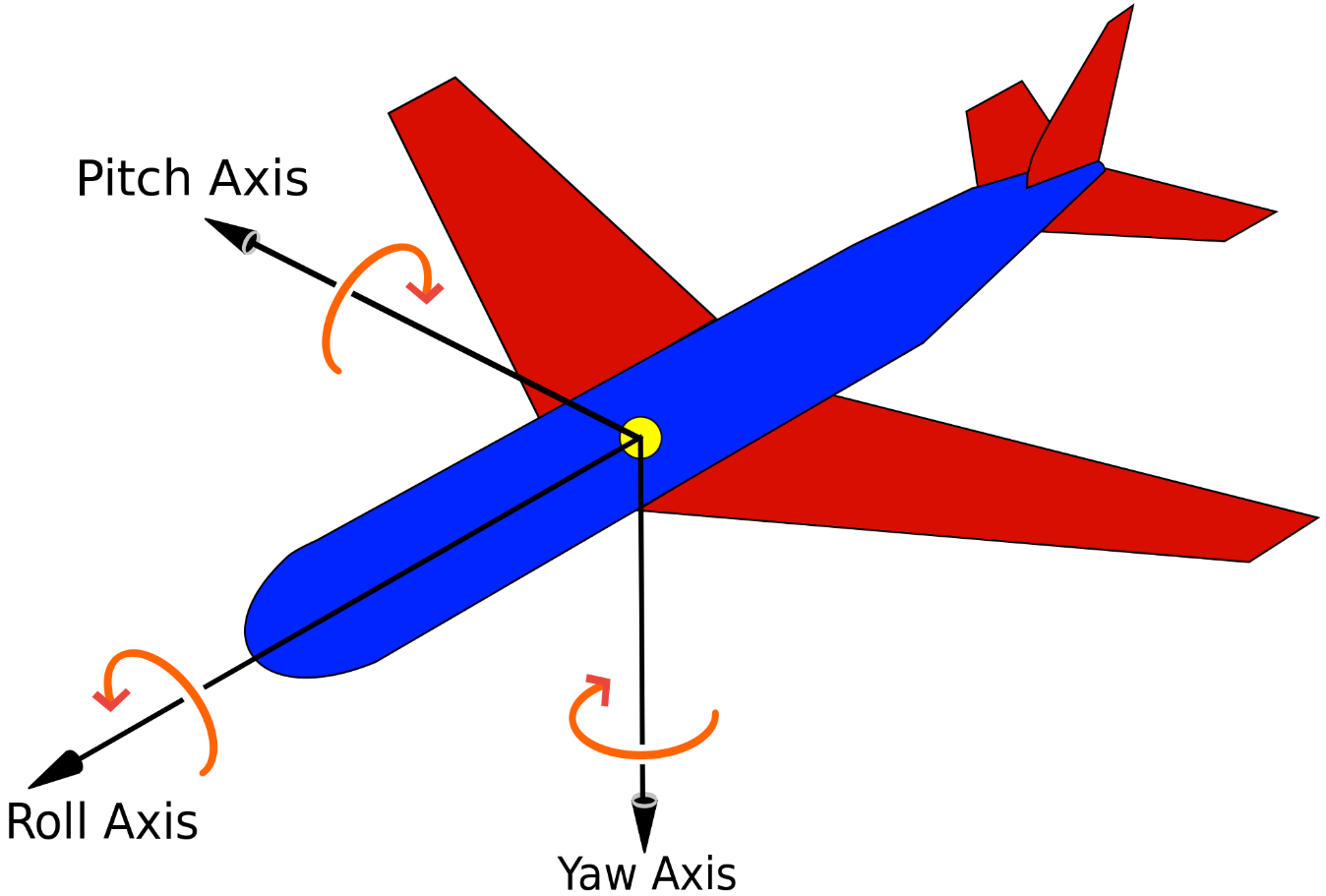
A different, more ambitious approach was announced in March by vMocion, LLC, an entertainment technology company, based on the Mayo Clinic‘s patented Galvanic Vestibular Stimulation (GVS) technology*, which electrically stimulates the vestibular system. vMocion’s new 3v Platform (virtual, vestibular and visual) was actually developed to add a “magical” sensation of motion in existing gaming, movies, amusement parks and other entertainment environments.

The 3v system can generate roll, pitch, and yaw sensations (credit: Wikipedia)

But it turns out GVS also works to reduce VR motion sickness. vMocion says it will license the 3v Platform to VR and other media and entertainment companies. The system’s software that can be integrated into existing operating systems, and added to existing devices such as head-mounted devices — along with smartphones, 3-D glasses and TVs, says Bradley Hillstrom Jr., CEO of vMocion.


vMocion | Animation of Mayo Clinic’s Galvanic Vestibular Stimulation (GVS) Technology

Integrating into VR headsets

“vMocion is are already in talks with companies in the gaming and entertainment industries,” Hillstrom told KurzweilAI, “and we hope to work with systems integrators and other strategic partners who can bring this technology directly to consumers very soon.” Hillstrom said the technology can  be integrated into existing headsets and other devices.

Samsung has announced plans to sell a system using GVS, called Entrim 4D, although it’s not clear from the video (showing a Gear VR device) how it connects to the front and rear electrodes (apparently needed for pitch sensations).


Samsung | Entrim 4D


Mayo Clinic | The Story Behind Mayo Clinic’s GVS Technology & vMocion’s 3v Platform

* The technology grew out of decade-long medical research by Mayo Clinic’s Aerospace Medicine and Vestibular Research Laboratory (AMVRL) team, which consists of experts in aerospace medicine, internal medicine and computational science, as well as neurovestibular specialists, in collaboration with Vivonics, Inc., a biomedical engineering company. The technology is based on work supported by the grants from U.S. Army and U.S. Navy.


Abstract of Combating VR sickness through subtle dynamic field-of-view modification

Virtual Reality (VR) sickness can cause intense discomfort, shorten the duration of a VR experience, and create an aversion to further use of VR. High-quality tracking systems can minimize the mismatch between a user’s visual perception of the virtual environment (VE) and the response of their vestibular system, diminishing VR sickness for moving users. However, this does not help users who do not or cannot move physically the way they move virtually, because of preference or physical limitations such as a disability. It has been noted that decreasing field of view (FOV) tends to decrease VR sickness, though at the expense of sense of presence. To address this tradeoff, we explore the effect of dynamically, yet subtly, changing a physically stationary person’s FOV in response to visually perceived motion as they virtually traverse a VE. We report the results of a two-session, multi-day study with 30 participants. Each participant was seated in a stationary chair, wearing a stereoscopic head-worn display, and used control and FOV-modifying conditions in the same VE. Our data suggests that by strategically and automatically manipulating FOV during a VR session, we can reduce the degree of VR sickness perceived by participants and help them adapt to VR, without decreasing their subjective level of presence, and minimizing their awareness of the intervention.

A low-cost ‘electronic nose’ spectrometer for home health diagnosis

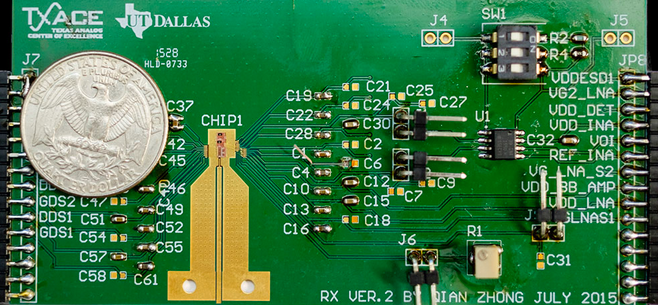
Current experimental design of transmitter radio-frequency front end for a rotational spectrometer. Using integrated circuits (such as the one below “CHIP1”) in an electronic nose promises to make the future device more affordable. (credit: UT Dallas)

UT Dallas researchers have designed an affordable “electronic nose” radio-frequency front end for a rotational spectrometer — used for detecting chemical molecules in human breath for health diagnosis.

Current breath-analysis devices are bulky and too costly for commercial use, said Kenneth O, PhD, a principal investigator of the effort and director of Texas Analog Center of Excellence (TxACE). Instead, the researchers used CMOS integrated circuits technology, which promises to make the device compact and affordable.

A rotational spectrometer generates and transmits electromagnetic waves over a wide range of frequencies, and analyzes how the waves are attenuated (absorbed) to determine what chemicals are present, as well as their concentrations in a sample. The system can detect low levels of chemicals present in human breath.

A breath test contains information about practically every part of a human body, but an electronic nose can detect gas molecules with more specificity and sensitivity than breathalyzers, which can confuse acetone for ethanol (the active ingredient of alcoholic drinks) in the breath, for example. This is important for patients with Type 1 diabetes, who have high concentrations of acetone in their breath.

The current research focuses on the design of a 200–280 GHz transmitter radio-frequency front end.

Future home use predicted

The researchers envision that the CMOS-based device will first be used in industrial settings, and then in doctors’ offices and hospitals. As the technology matures, the devices could be used in homes. Dr. O said the need for blood work and gastrointestinal tests, for example, could be reduced, and diseases could be detected earlier, lowering the costs of health care.

The researchers plan to have a prototype programmable electronic nose available for beta testing in early 2018.

The research is supported by the Semiconductor Research Corporation, Texas Instruments, and Samsung Global Research Outreach. The research team includes members at UT Southwestern, Ohio State University, and Wright State University.

The research was presented Wednesday in an open-access paperat the 2016 IEEE Symposia on VLSI Technology and Circuits in Honolulu, Hawaii.

Bionic leaf 2.0

Bionic leaf 2.0: An artificial photosynthesis system (credit: Jessica Polka)

Harvard scientists have created a system a system that uses solar energy plus hydrogen-eating bacteria to produce liquid fuels with 10 percent efficiency, compared to the 1 percent seen in the fastest-growing plants.

The system, co-created by Daniel Nocera, the Patterson Rockwood Professor of Energy at Harvard University, and Pamela Silver, the Elliott T. and Onie H. Adams Professor of Biochemistry and Systems Biology at Harvard Medical School, uses solar energy to split water molecules into hydrogen and oxygen molecules.

A paper on the research was published June 3 in Science.

“This is a true artificial photosynthesis system,” Nocera said. “Before, people were using artificial photosynthesis for water-splitting, but this is a true A-to-Z system, and we’ve gone well over the efficiency of photosynthesis in nature.”

“What we’ve invented is an artificial leaf. You just drop it in water and sunlight hits it, and out one side comes hydrogen and out the other side comes oxygen.” — Daniel Nocera

“The beauty of biology is it’s the world’s greatest chemist: Biology can do chemistry we can’t do easily,” said Silver, who is also a founding core member of the Wyss Institute at Harvard University. “In principle, we have a platform that can make any downstream carbon-based molecule. So this has the potential to be incredibly versatile.”

Dubbed “bionic leaf 2.0,” the new system builds on previous work by Nocera, Silver and others, which faced a number of challenges. Mainly, the catalyst they used to produce hydrogen (a nickel-molybdenum-zinc alloy) also created reactive oxygen species — molecules that attacked and destroyed the bacteria’s DNA. To avoid that problem, researchers were forced to run the system at abnormally high voltages, resulting in reduced efficiency.

Ready for commercial applications, with a new model

“For this paper, we designed a new cobalt-phosphorus alloy catalyst, which we showed does not make reactive oxygen species,” Nocera said. “That allowed us to lower the voltage, and that led to a dramatic increase in efficiency.”

Nocera and colleagues were also able to expand the portfolio of the system to include isobutanol (a solvent) and isopentanol (used in geothermal power production to drive turbines), along with PHB, a bioplastic precursor.

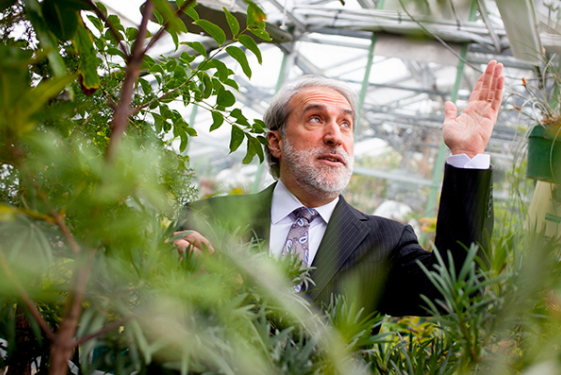
“Instead of having a gas station, the Sun is hitting your house, you have the artificial leaf, you could be generating your own fuel.” — Daniel Nocera (credit: Rose Lincoln/Harvard Staff Photographer)

The new catalyst’s chemical design also allows it to “self-heal,” meaning it won’t leach material into solution — it’s biologically compatible.

Nocera said the system is already effective enough to consider possible commercial applications but within a different model for technology translation. “It’s an important discovery… [that] can do better than photosynthesis,” Nocera said. “But I also want to bring this technology to the developing world.”

Working in conjunction with the First 100 Watts Project at Harvard, which helped fund the research, Nocera hopes to continue developing the technology and its applications in nations such as India with the help of that country’s scientists.

In many ways, Nocera said, the new system marks fulfillment of the promise of his “artificial leaf,” which used solar power to split water and make hydrogen fuel (see ‘Artificial leaf’ harnesses sunlight for efficient, safe hydrogen fuel production).

“If you think about it, photosynthesis is amazing,” he said. “It takes sunlight, water and air—and then look at a tree. That’s exactly what we did, but we do it significantly better, because we turn all that energy into a fuel.”

The work, a direct result of the First 100 Watts Project established at Harvard University, was was supported by Office of Naval Research Multidisciplinary University, Research Initiative Award, Air Force Office of Scientific Research Grant, and the Wyss Institute for Biologically Inspired Engineering. The Harvard University Climate Change Solutions Fund is supporting ongoing research into the “bionic leaf” platform.


Harvard University | Bionic Leaf Turns Sunlight Into Liquid Fuel


Abstract of Water splitting–biosynthetic system with CO2 reduction efficiencies exceeding photosynthesis

Artificial photosynthetic systems can store solar energy and chemically reduce CO2. We developed a hybrid water splitting–biosynthetic system based on a biocompatible Earth-abundant inorganic catalyst system to split water into molecular hydrogen and oxygen (H2 and O2) at low driving voltages. When grown in contact with these catalysts, Ralstonia eutropha consumed the produced H2 to synthesize biomass and fuels or chemical products from low CO2 concentration in the presence of O2. This scalable system has a CO2 reduction energy efficiency of ~50% when producing bacterial biomass and liquid fusel alcohols, scrubbing 180 grams of CO2 per kilowatt-hour of electricity. Coupling this hybrid device to existing photovoltaic systems would yield a CO2 reduction energy efficiency of ~10%, exceeding that of natural photosynthetic systems.

Wearable artificial kidney prototype successfully tested

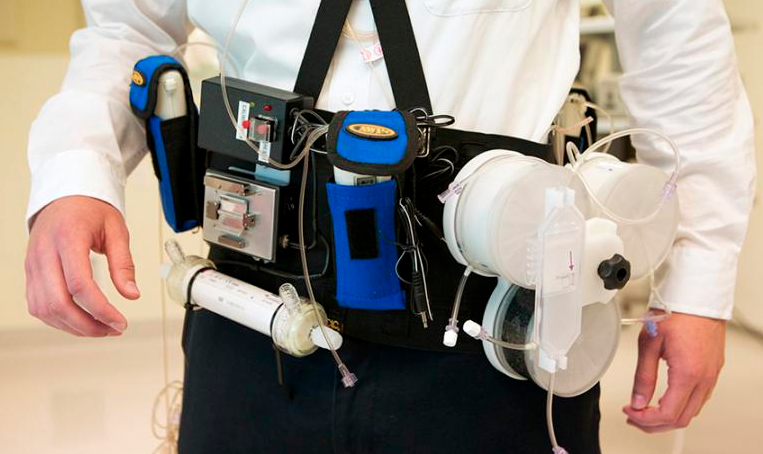
Working prototype of wearable artificial kidney developed by Victor Gura, MD, and his team (credit: Stephen Brashear/University of Washington)

An FDA-approved exploratory clinical trial of a prototype wearable artificial kidney (WAK) — a miniaturized, wearable hemodialysis machine —  at the University of Washington Medical Center in Seattle has been completed, the researchers reported June 2 in an open-access paper in JCI Insight.

The seven patients enrolled in the study reported “significantly greater treatment satisfaction during the WAK treatment period compared with ratings of care during periods of conventional in-center hemodialysis treatment,” according to the researchers.

“During the study, hemodynamic parameters remained stable, ultrafiltration was achieved as intended, and there were no unexpected adverse treatment effects.” The study was led by the device inventor, Victor Gura, M.D., of Cedars-Sinai Medical Center in Los Angeles and Blood Purification Technologies Inc.

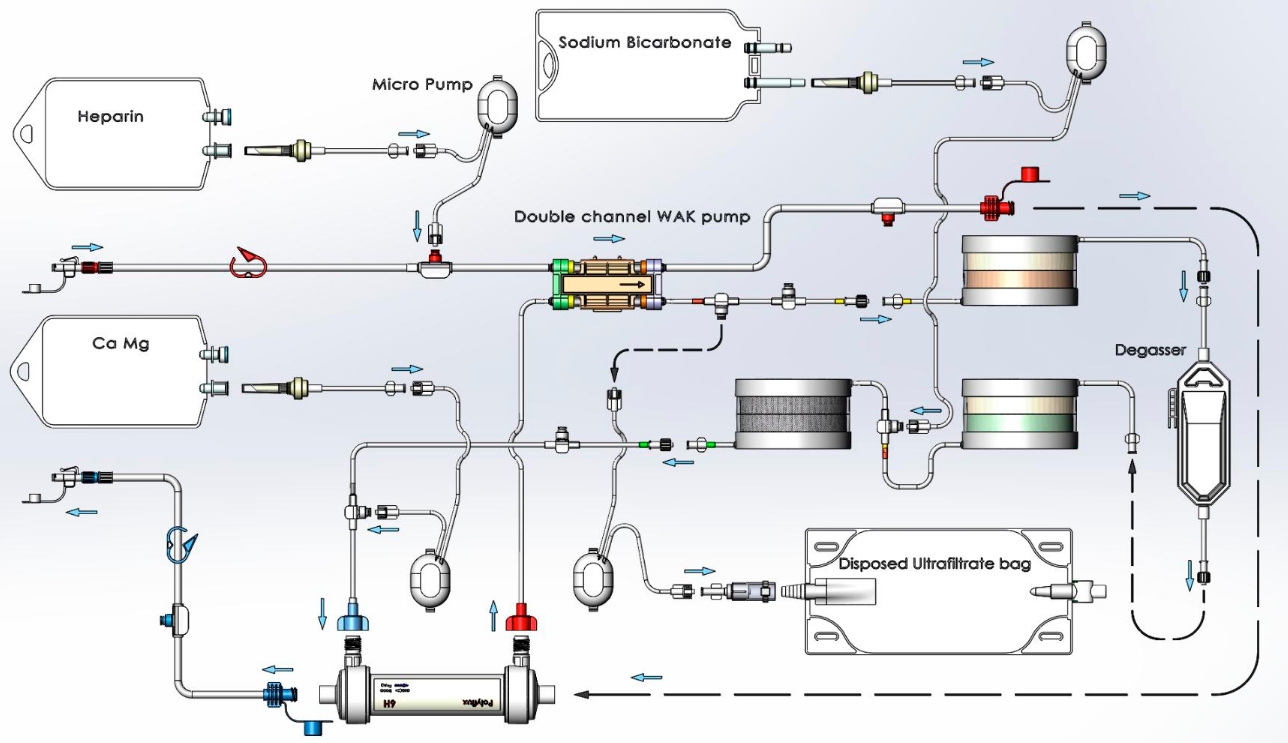
The trial was stopped after the seventh subject due to device-related technical problems, including excessive carbon dioxide bubbles in the dialysate circuit and variable blood and dialysate flows, which the scientists plan to fix.

Detailed schematic flow diagram of wearable artificial kidney blood and dialysate circuits. ZP: zirconium phosphate; HZO: hydrous zirconium oxide; CO2EF: semipermeable degassing bubble removal mechanism. (credit: Victor Gura et al./JCI Insight)

More than 2 million people worldwide experience end-stage renal disease (ESRD), which is currently treated with hemodialysis therapies that require patients to adhere to restrictive dietary and fluid intake limitations and are associated with a high pill burden, according to the researchers. Adjusted rates of all-cause mortality are up to 8 times greater for dialysis patients compared with age-matched individuals in the general population, they note.

The WAK is designed to be worn and used by patients for up to 24 hours per day. The hope is that treatment can be administered at the patients’ homes either by the patients themselves or caretakers.  Being able to be ambulatory while undergoing dialysis, if further proven in additional studies, “would liberate patients from the need to be tethered to a stationary machine during dialysis treatments,” according to the researchers.

(credit: Blood Purification Technologies Inc.)

The researchers caution that “long-term safety of continuous treatment with the WAK has not been established yet. Longer-term studies treating patients in the outpatient and home environment are necessary to address safety issues during ambulation and the home operation of the device by patients and to incorporate additional human factor elements.”

To learn more or donate, contact Wearable Artifical Kidney Foundation, which funded the study along with Blood Purification Technologies Inc.


UWMedicineHealth | Wearable Artificial Kidney: first U.S. clinical trial