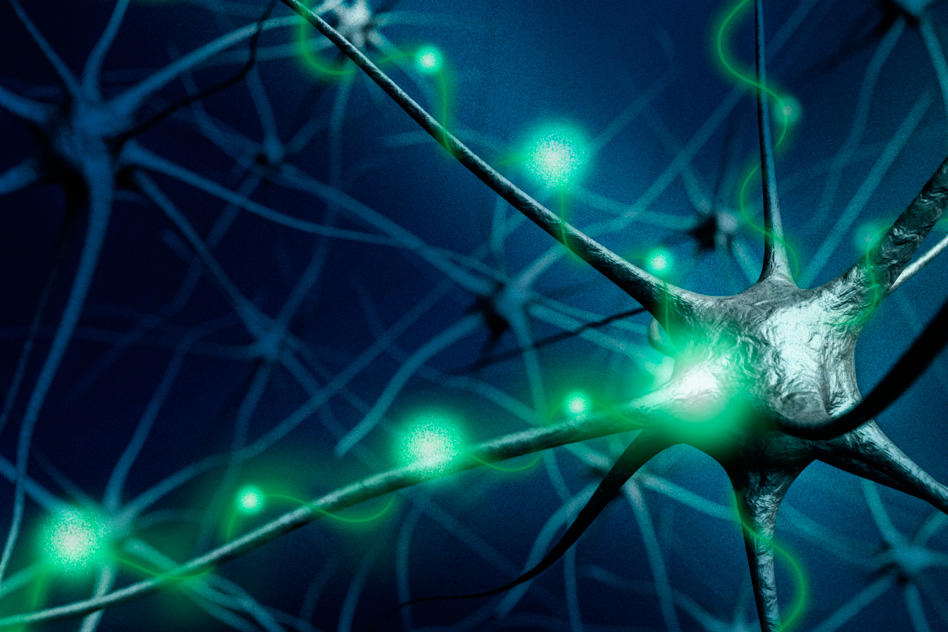
Neurons involved in working memory fire in bursts, not continuously

Pictured is an artist’s interpretation of neurons firing in sporadic, coordinated bursts. “By having these different bursts coming at different moments in time, you can keep different items in memory separate from one another,” Earl Miller says. (credit: Jose-Luis Olivares/MIT)

Think of a sentence you just read. Like that one. You’re now using your working memory, a critical brain system that’s roughly analogous to RAM memory in a computer.

Neuroscientists have believed that as information is held in working memory, brain cells associated with that information must be firing continuously. Not so — they fire in sporadic, coordinated bursts, says Earl Miller, the Picower Professor in MIT’s Picower Institute for Learning and Memory and the Department of Brain and Cognitive Sciences.

That makes sense. These different bursts could help the brain hold multiple items in working memory at the same time, according to the researchers. “By having these different bursts coming at different moments in time, you can keep different items in memory separate from one another,” says Miller, the senior author of a study that appears in the March 17 issue of Neuron.

Bursts of activity, not averaged activity

So why hasn’t anyone noticed this before? Because previous studies averaged the brain’s activity over seconds or even minutes of performing the task, Miller says. “We looked more closely at this activity, not by averaging across time, but from looking from moment to moment. That revealed that something way more complex is going on.”

To do that, Miller and his colleagues recorded neuron activity in animals as they were shown a sequence of three colored squares, each in a different location. Then, the squares were shown again, but one of them had changed color. The animals were trained to respond when they noticed the square that had changed color — a task requiring them to hold all three squares in working memory for about two seconds.

The researchers found that as items were held in working memory, ensembles of neurons in the prefrontal cortex were active in brief bursts, and these bursts only occurred in recording sites in which information about the squares was stored. The bursting was most frequent at the beginning of the task, when the information was encoded, and at the end, when the memories were read out.

The findings fit well with a model that Lundqvist had developed as an alternative to the model of sustained activity as the neural basis of working memory. According to the new model, information is stored in rapid changes in the synaptic strength of the neurons. The brief bursts serve to “imprint” information in the synapses of these neurons, and the bursts reoccur periodically to reinforce the information as long as it is needed.

The bursts create waves of coordinated activity at the gamma frequency (45 to 100 hertz), like the ones that were observed in the data. These waves occur sporadically, with gaps between them, and each ensemble of neurons, encoding a specific item, produces a different burst of gamma waves, like a fingerprint.

Implications for other cognitive functions

The findings suggest that it would be worthwhile to look for this kind of cyclical activity in other cognitive functions such as attention, the researchers say. Oscillations like those seen in this study may help the brain to package information and keep it separate so that different pieces of information don’t interfere with each other.

Robert Knight, a professor of psychology and neuroscience at the University of California at Berkeley, says the new study “provides compelling evidence that nonlinear oscillatory dynamics underlie prefrontal dependent working memory capacity.”

“The work calls for a new view of the computational processes supporting goal-directed behavior,” adds Knight, who was not involved in the research. “The control processes supporting nonlinear dynamics are not understood, but this work provides a critical guidepost for future work aimed at understanding how the brain enables fluid cognition.”


editor’s comments: I’m curious how this relates to forgetting things to make space to learn new things. (Turns out the hippocampus works closely with the prefrontal cortex in working memory, as this open-access Nature paper explains.) Also, what’s the latest on how many things we can keep in working memory (it used to be around five)? Is that number limited by forgetting or by the capacity to differentiate different spike trains? Any tricks for keeping more things in working memory?


Abstract of Gamma and Beta Bursts Underlie Working Memory

Working memory is thought to result from sustained neuron spiking. However, computational models suggest complex dynamics with discrete oscillatory bursts. We analyzed local field potential (LFP) and spiking from the prefrontal cortex (PFC) of monkeys performing a working memory task. There were brief bursts of narrow-band gamma oscillations (45–100 Hz), varied in time and frequency, accompanying encoding and re-activation of sensory information. They appeared at a minority of recording sites associated with spiking reflecting the to-be-remembered items. Beta oscillations (20–35 Hz) also occurred in brief, variable bursts but reflected a default state interrupted by encoding and decoding. Only activity of neurons reflecting encoding/decoding correlated with changes in gamma burst rate. Thus, gamma bursts could gate access to, and prevent sensory interference with, working memory. This supports the hypothesis that working memory is manifested by discrete oscillatory dynamics and spiking, not sustained activity.
We need to forget things to make space to learn new things, scientists discover

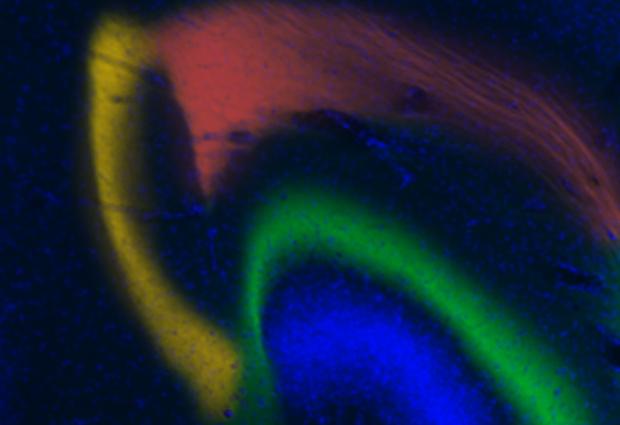
The three routes into the hippocampus seem to be linked to different aspects of learning: forming memories (green), recalling them (yellow) and forgetting them (red) (credit: John Wood)

While you’re reading this (and learning about this new study), your brain is actively trying to forget something.

We apologize, but that’s what scientists at the European Molecular Biology Laboratory (EMBL) and the University Pablo Olavide in Sevilla, Spain, found in a new study published Friday (March 18) in an open-access paper in Nature Communications.

“This is the first time that a pathway in the brain has been linked to forgetting — to actively erasing memories,” says Cornelius Gross, who led the work at EMBL.

Working with mice, Gross and colleagues studied the hippocampus, a region of the brain known to help form memories. Information enters this part of the brain through three different routes. As memories are formed, connections between neurons along the “main” route become stronger.

When they blocked this main route (dentate gyrus granule cells), the scientists found that the mice were no longer capable of learning (in this case, a specific Pavlovian response).* But surprisingly, blocking that main route  also resulted in its connections weakening, meaning the memory was actually being erased.

Limited space in the brain

Gross proposes that one explanation: “There is limited space in the brain, so when you’re learning, you have to weaken some connections to make room for others,” says Gross.

Interestingly, this active push for forgetting only happens in learning situations. When the scientists blocked the main route into the hippocampus under other circumstances, the strength of its connections remained unaltered.

The findings were made using genetically engineered mice, but the scientists demonstrated that it is possible to produce a drug that activates this “forgetting” route in the brain without the need for genetic engineering. This approach, they say, might help people forget traumatic experiences.

* But if the mice had learned that association before the scientists stopped information flow in that main route, they could still retrieve that memory. This confirmed that this route is involved in forming memories, but isn’t essential for recalling those memories. The latter probably involves the second route into the hippocampus, the scientists surmise.


Abstract of Rapid erasure of hippocampal memory following inhibition of dentate gyrus granule cells

The hippocampus is critical for the acquisition and retrieval of episodic and contextual memories. Lesions of the dentate gyrus, a principal input of the hippocampus, block memory acquisition, but it remains unclear whether this region also plays a role in memory retrieval. Here we combine cell-type specific neural inhibition with electrophysiological measurements of learning-associated plasticity in behaving mice to demonstrate that dentate gyrus granule cells are not required for memory retrieval, but instead have an unexpected role in memory maintenance. Furthermore, we demonstrate the translational potential of our findings by showing that pharmacological activation of an endogenous inhibitory receptor expressed selectively in dentate gyrus granule cells can induce a rapid loss of hippocampal memory. These findings open a new avenue for the targeted erasure of episodic and contextual memories.

Transdermal implant releases antibodies to trigger immune system to clear Alzheimer’s plaques

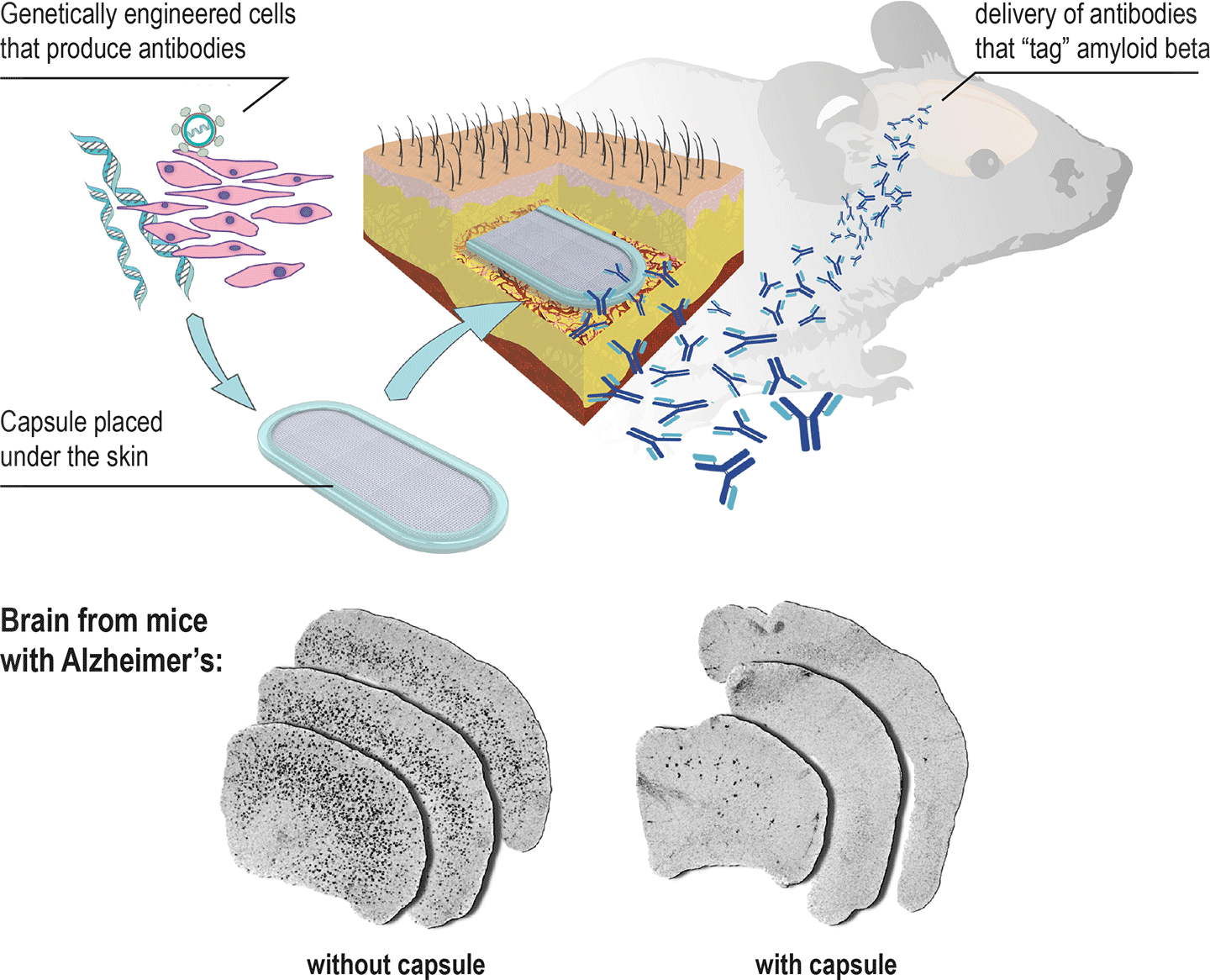
An implant that can prevent Alzheimer’s disease. A new capsule can be implanted under the skin to release antibodies that “tag” amyloid beta, signalling the patient’s immune system to clear it before it forms Alzheimer’s plaques. (credit: École polytechnique fédérale de Lausanne)

EPFL scientists have developed an implantable capsule containing genetically engineered cells that can recruit a patient’s immune system to combat Alzheimer’s disease.

Placed under the skin, the capsule releases antibody proteins that make their way to the brain and “tag” amyloid beta proteins, signalling the patient’s own immune system to attack and clear the amyloid beta proteins, which are toxic to neurons.

To be most effective, this treatment has to be given as early as possible, before the first signs of cognitive decline. Currently, this requires repeated vaccine injections, which can cause side effects. The new implant can deliver a steady, safe flow of antibodies.

Protection from immune-system rejection

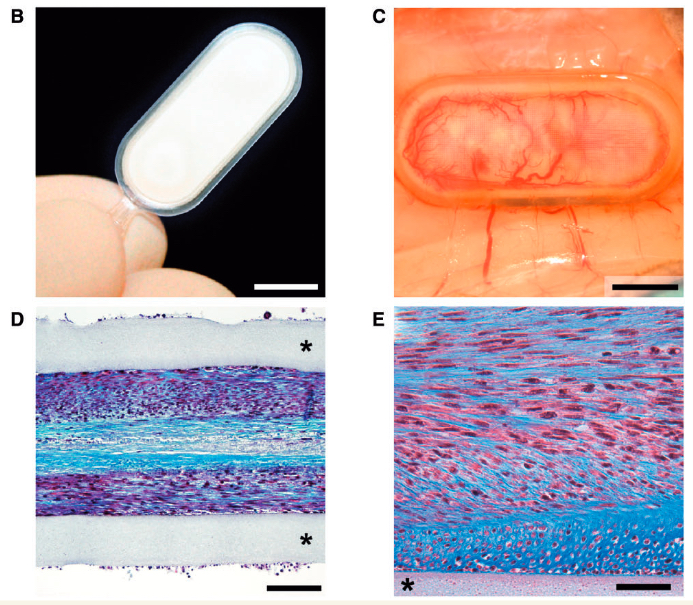
Cell encapsulation device for long-term subcutaneous therapeutic antibody delivery. (B) Macroscopic view of the encapsulation device, composed of a transparent frame supporting polymer permeable membranes and reinforced with an outer polyester mesh. (C) Dense neovascularization develops around a device containing antibody-secreting C2C12 myoblasts, 8 months after implantation in the mouse subcutaneous tissue. (D and E) Representative photomicrographs showing encapsulated antibody-secreting C2C12 myoblasts surviving at high density within the flat sheet device 39 weeks after implantation. (E) Higher magnification: note that the cells produce a collagen-rich matrix stained in blue with Masson’s trichrome protocol. Asterisk: polypropylene porous membrane. Scale bars = 750 mm (B and C),100 mm (D), 50 mm (E). (credit: Aurelien Lathuiliere et al./BRAIN)

The lab of Patrick Aebischer at EPFL designed the “macroencapsulation device” (capsule) with two permeable membranes sealed together with a polypropylene frame, containing a hydrogel that facilitates cell growth. All the materials used are biocompatible and the device is reproducible for large-scale manufacturing.

The cells of choice are taken from muscle tissue, and the permeable membranes let them interact with the surrounding tissue to get all the nutrients and molecules they need. The cells have to be compatible with the patient to avoid triggering the immune system against them, like a transplant can. To do that, the capsule’s membranes shield the cells from being identified and attacked by the immune system. This protection also means that cells from a single donor can be used on multiple patients.

The researchers tested the device mice in a genetic line commonly used to simulate Alzheimer’s disease over a course of 39 weeks, showing dramatic reduction of amyloid beta plaque load in the brain. The treatment also reduced the phosphorylation of the protein tau, another sign of Alzheimer’s observed in these mice.

“The proof-of-concept work demonstrates clearly that encapsulated cell implants can be used successfully and safely to deliver antibodies to treat Alzheimer’s disease and other neurodegenerative disorders that feature defective proteins,” according to the researchers.

The work is published in the journal BRAIN. It involved a collaboration between EPFL’s Neurodegenerative Studies Laboratory (Brain Mind Institute), the Swiss Light Source (Paul Scherrer Institute), and F. Hoffmann-La Roche. It was funded by the Swiss Commission for Technology and Innovation and F. Hoffmann-La Roche Ltd.


Abstract of A subcutaneous cellular implant for passive immunization against amyloid-β reduces brain amyloid and tau pathologies

Passive immunization against misfolded toxic proteins is a promising approach to treat neurodegenerative disorders. For effective immunotherapy against Alzheimer’s disease, recent clinical data indicate that monoclonal antibodies directed against the amyloid-β peptide should be administered before the onset of symptoms associated with irreversible brain damage. It is therefore critical to develop technologies for continuous antibody delivery applicable to disease prevention. Here, we addressed this question using a bioactive cellular implant to deliver recombinant anti-amyloid-β antibodies in the subcutaneous tissue. An encapsulating device permeable to macromolecules supports the long-term survival of myogenic cells over more than 10 months in immunocompetent allogeneic recipients. The encapsulated cells are genetically engineered to secrete high levels of anti-amyloid-β antibodies. Peripheral implantation leads to continuous antibody delivery to reach plasma levels that exceed 50 µg/ml. In a proof-of-concept study, we show that the recombinant antibodies produced by this system penetrate the brain and bind amyloid plaques in two mouse models of the Alzheimer’s pathology. When encapsulated cells are implanted before the onset of amyloid plaque deposition in TauPS2APP mice, chronic exposure to anti-amyloid-β antibodies dramatically reduces amyloid-β40 and amyloid-β42 levels in the brain, decreases amyloid plaque burden, and most notably, prevents phospho-tau pathology in the hippocampus. These results support the use of encapsulated cell implants for passive immunotherapy against the misfolded proteins, which accumulate in Alzheimer’s disease and other neurodegenerative disorders.

A neurofeedback technique for self-motivation

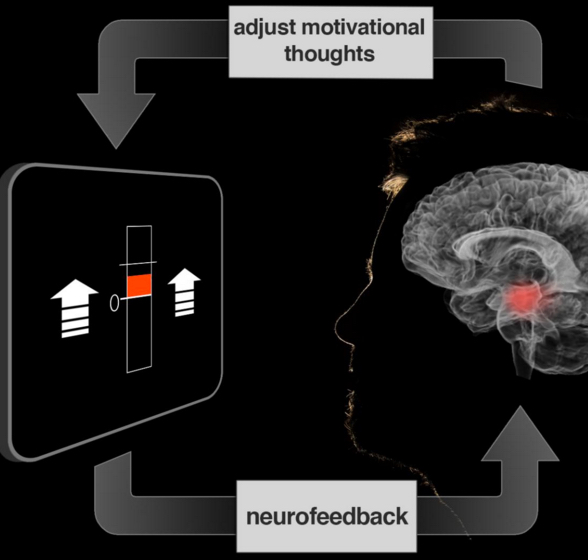
This illustration shows an experiment in which subjects received real-time feedback during an MRI scan that showed activity in a reward center of their brain. Without feedback, they were unable to reliably increase activity in the Ventral Tegmental Area (VTA, in red), but the fluctuating thermometer helped them learn and adopt effective strategies by thinking about motivating themselves. Their self-generated boosts in VTA activation then worked even after the thermometer display was removed. (credit: Jeff MacInnes, Duke University)

Duke University scientists have developed a “neurofeedback” technique to improve self motivation by manipulating specific neural circuits using thoughts and imagery. (Neurofeedback is a specialized form of biofeedback that can help generate strategies to overcome anxiety and stress or to cope with other medical conditions.)

“These methods show a direct route for manipulating brain networks centrally involved in healthy brain function and daily behavior,” said the study’s senior investigator R. Alison Adcock, an assistant professor of psychiatry and behavioral sciences and associate director of the Center for Cognitive Neuroscience in the Duke University Institute for Brain Sciences.

Triggering pleasurable brain sensations

The study used functional magnetic resonance imaging (fMRI), which measures changes in blood oxygen levels, allowing more precisely localized measurements of brain activity than with EEG. Specifically, the study focused on the ventral tegmental area (VTA), a small area deep within the brain that is a major source of dopamine, a neurochemical well known for its role in motivation, experiencing rewards, learning, and memory.

The VTA area is also implicated in the drug and natural reward circuitry of the brain. It is important in cognition, motivation, orgasm, and intense emotions relating to love.

According to Adcock’s previous research, when people are given incentives to remember specific images, an increase in VTA activation before the image appears predicts whether the participants are going to successfully remember the image.

In the new study, described in the March 16 issue of the journal Neuron, the team first encouraged participants in the scanner to generate feelings of motivation — using their own personal strategies — during 20-second intervals. They weren’t able to raise their VTA activity consistently on their own.

Visual “thermometer” feedback elevates dopamine

But when the scientists provided participants with neurofeedback from the VTA, presented in the form of a fluctuating thermometer, participants were able to learn which strategies worked, and ultimately adopt more effective strategies. Compared to control groups, the neurofeedback-trained participants successfully elevated their VTA activity.

Participants reported using a variety of different motivational strategies, from imagining parents or coaches encouraging them, to playing out hypothetical scenarios in which their efforts were rewarded. The self-generated boost in VTA activation worked even after the thermometer display was removed.

The neurofeedback training also activated other regions involved in learning and experiencing rewards, confirming that, at least in the short term, the brain changes its activity more broadly as a result of neurofeedback.

Adcock said one caveat of the study is that the team has not tested whether the neurofeedback drove changes in behavior. The group is working on those studies now and also plans to conduct the same study in participants with depression and attention deficit hyperactivity disorder (ADHD).

This research was supported by the National Institute of Mental Health, the Alfred P. Sloan Foundation, the Esther A. & Joseph Klingenstein Fund, and the Dana Foundation.


Abstract of Cognitive Neurostimulation: Learning to Volitionally Sustain Ventral Tegmental Area Activation

Activation of the ventral tegmental area (VTA) and mesolimbic networks is essential to motivation, performance, and learning. Humans routinely attempt to motivate themselves, with unclear efficacy or impact on VTA networks. Using fMRI, we found untrained participants’ motivational strategies failed to consistently activate VTA. After real-time VTA neurofeedback training, however, participants volitionally induced VTA activation without external aids, relative to baseline, Pre-test, and control groups. VTA self-activation was accompanied by increased mesolimbic network connectivity. Among two comparison groups (no neurofeedback, false neurofeedback) and an alternate neurofeedback group (nucleus accumbens), none sustained activation in target regions of interest nor increased VTA functional connectivity. The results comprise two novel demonstrations: learning and generalization after VTA neurofeedback training and the ability to sustain VTA activation without external reward or reward cues. These findings suggest theoretical alignment of ideas about motivation and midbrain physiology and the potential for generalizable interventions to improve performance and learning.

New synthesized molecule could reduce brain damage in stroke victims

This graphic depicts a new inhibitor, 6S, locking up an enzyme (red) to block the production of hydrogen sulfide (yellow and white). Hydrogen sulfide concentrations have been shown to climb after the onset of a stroke, leading to brain damage. (credit: Matthew Beio, University of Nebraska-Lincoln)

A new molecule known as 6S has reduced the death of brain tissue from ischemic stroke by up to 66 percent in rats while reducing the accompaning inflammation, researchers at the University of Nebraska-Lincoln and the National University of Singapore reported March 9 in an open-access paper published by the journal ACS Central Science.

The inhibitor molecule works by binding to cystathionine beta-synthase (CBS), an enzyme that normally helps regulate cellular function, but can also trigger production of toxic levels of hydrogen sulfide in the brain. (That buildup initiates brain damage after strokes by disrupting blood flow, which prevents oxygen and glucose from reaching brain tissue, ultimately killing neurons and other cells.)

The researchers modeled the inhibitor on a naturally occurring molecule produced by the CBS enzyme, tailoring the molecule’s structure to improve its performance.* That increased the inhibitor’s binding time from less than a second to hours.

Because the 6S inhibitor has only demonstrated its effects in cell cultures and the brain tissue of rats, the researchers cautioned that it represents just an initial step toward developing a stroke-treating drug for humans.

Research and facilities that contributed to the study were partly funded by the American Heart Association, the National Science Foundation, and the National Institutes of Health.

The World Health Organization has estimated that stroke kills more than 6 million people annually.

* The researchers replaced functional groups of atoms known as amines with hydrazines.


Abstract of “Zipped Synthesis” by Cross-Metathesis Provides a Cystathionine β-Synthase Inhibitor that Attenuates Cellular H2S Levels and Reduces Neuronal Infarction in a Rat Ischemic Stroke Model

The gaseous neuromodulator H2S is associated with neuronal cell death pursuant to cerebral ischemia. As cystathionine β-synthase (CBS) is the primary mediator of H2S biogenesis in the brain, it has emerged as a potential target for the treatment of stroke. Herein, a “zipped” approach by alkene cross-metathesis into CBS inhibitor candidate synthesis is demonstrated. The inhibitors are modeled after the pseudo-C2-symmetric CBS product (l,l)-cystathionine. The “zipped” concept means only half of the inhibitor needs be constructed; the two halves are then fused by olefin cross-metathesis. Inhibitor design is also mechanism-based, exploiting the favorable kinetics associated with hydrazine-imine interchange as opposed to the usual imine–imine interchange. It is demonstrated that the most potent “zipped” inhibitor 6S reduces H2S production in SH-SY5Y cells overexpressing CBS, thereby reducing cell death. Most importantly, CBS inhibitor 6S dramatically reduces infarct volume (1 h post-stroke treatment; ∼70% reduction) in a rat transient middle cerebral artery occlusion model for ischemia.

Rats vs. computers vs. rat cyborgs in maze navigation

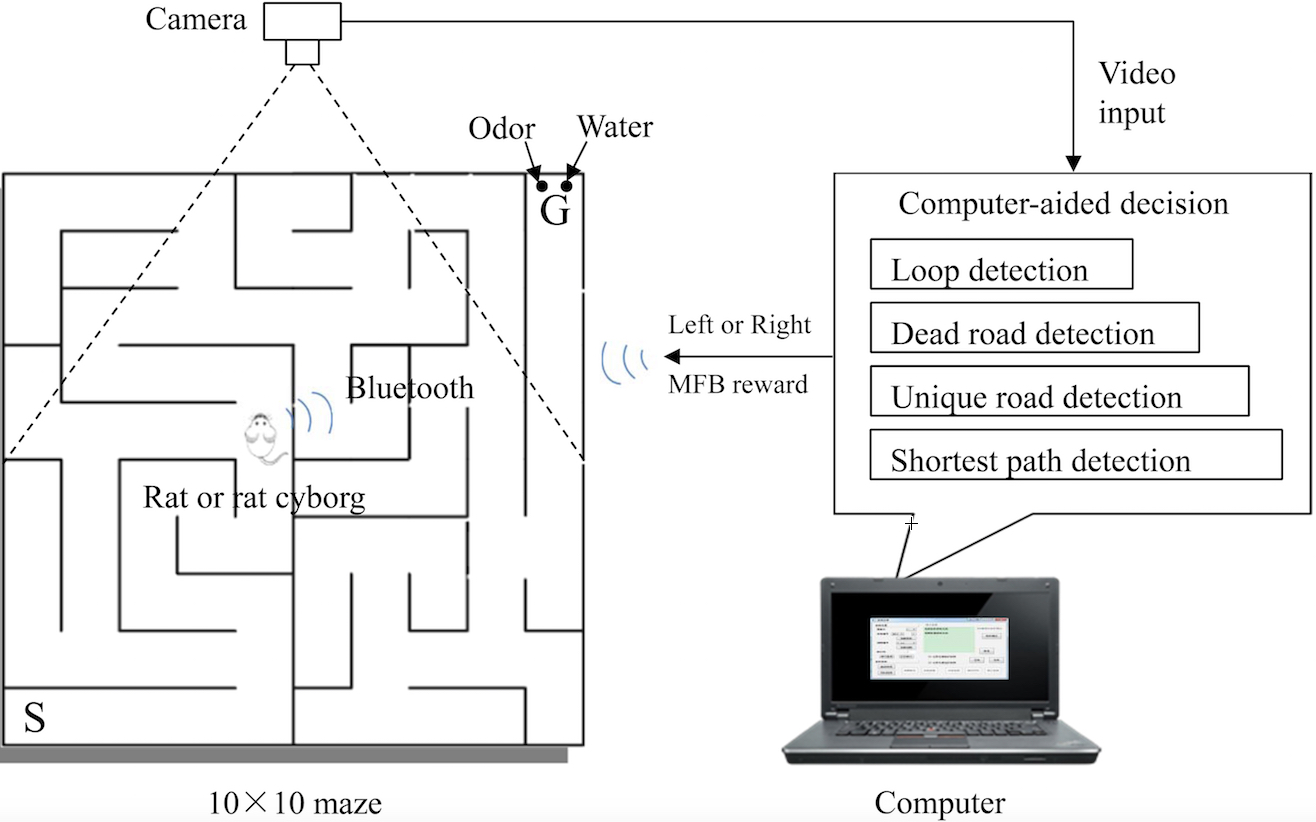
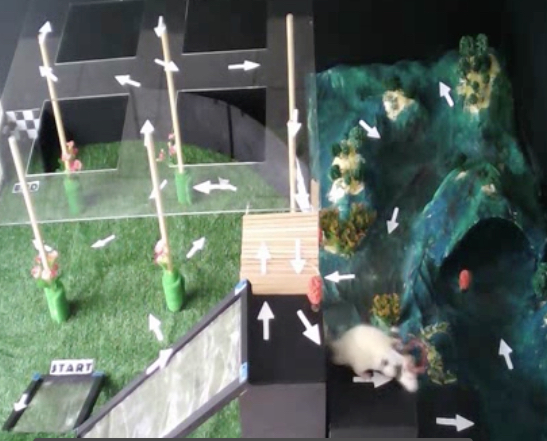
Experimental system for maze solving (credit: Yipeng Yu/PLoS ONE)

What would happen if we combined synthetic and biological systems, creating an intelligent cyborg rat? How would it perform?

Researchers in China decided to find out by comparing the problem-solving abilities of rats, computers, and rat-computer “cyborgs,” as they reported in an open-access PLOS ONE paper.

Rats: Six rats were trained for a week to run a series of unique mazes. After training, the researchers tested the rats on 14 new mazes, monitoring their paths, strategies and time spent solving the mazes.

Maze-solving computer algorithm: Implementing left-hand and right-hand wall-following rules, the algorithm completed the same 14 mazes run by the rats.

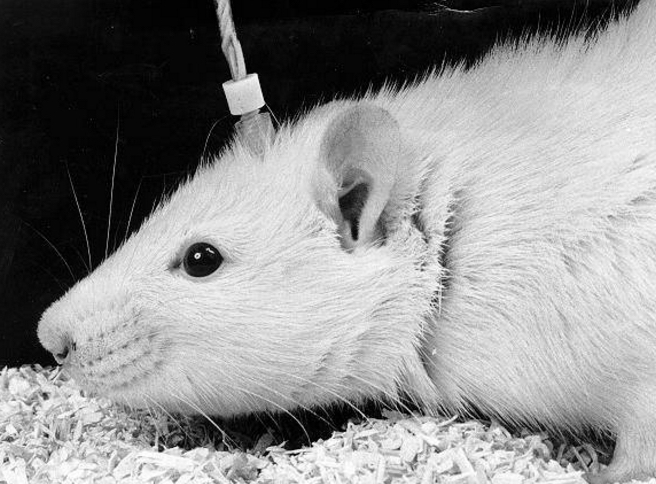
Electrode implant in a laboratory rat used to deliver electrical stimulation to the brain (credit: Vdegroot at Dutch Wikipedia/Creative Commons)

Rat cyborgs: The rats were implanted with a wireless microstimulator mounted on the back of the rat to deliver electric stimuli via microelectrodes into their somatosensory cortex and medial forebrain bundle, which releases dopamine to the nucleus accumbens and is a key node of the brain’s reward system. The computer tracked the rats, analyzed the explored maze information, and decided when and how to intervene when the rats needed help in traversing unique paths and avoiding dead ends and loops (by stimulating the rats’ left and right somatosensory cortex to prompt them to move left or right).

Rat cyborg in maze (credit: Yipeng Yu/PLoS ONE)

Intelligent cyborgs beat both rats and computer

Performance of the rats, computer and rat-cyborgs were compared by evaluating how many times they visited the same location (steps), how many locations they visited, and total time spent to reach the target. Although the cyborgs and computers took roughly the same number of steps, the cyborgs took fewer than the rats, a sign of more efficient problem solving. The cyborgs also visited fewer locations than computers or rats, and took less time than the rats to solve the mazes.*

The researchers suggest that the experiment shows that optimal intelligence may reside in the integration of animals and computers.

In future work, the researchers plan to introduce more tasks and the complexity of tasks will be quantified. “To avoid excessive intervention with the rats, the strength of the computer’s assistance will be graded,” the authors say in the paper. “In addition, more practical rat cyborgs will be investigated: the web camera will be replaced by sensors mounted on rats, such as tiny camera, ultrasonic sensors, infrared sensors, electric compass, and so on, to perceive the real unknown environment in real time; and the computer-aided algorithms can be housed on a wireless backpack stimulator instead of in the computer.”

* The computer aided the rats under three rules: (1) if there was a path to the unique road, the computer would find the shortest path, then Left and Right commands would be sent to navigate the rat to the unique road; (2) if the rat was going to enter a dead cell, Left or Right commands would be sent to prevent such a move; (3) if the rat was in a loop, the computer would find the shortest path to the current destination, then Left and Right commands would be sent to navigate the rat to follow the path.


Abstract of Intelligence-Augmented Rat Cyborgs in Maze Solving

Cyborg intelligence is an emerging kind of intelligence paradigm. It aims to deeply integrate machine intelligence with biological intelligence by connecting machines and living beings via neural interfaces, enhancing strength by combining the biological cognition capability with the machine computational capability. Cyborg intelligence is considered to be a new way to augment living beings with machine intelligence. In this paper, we build rat cyborgs to demonstrate how they can expedite the maze escape task with integration of machine intelligence. We compare the performance of maze solving by computer, by individual rats, and by computer-aided rats (i.e. rat cyborgs). They were asked to find their way from a constant entrance to a constant exit in fourteen diverse mazes. Performance of maze solving was measured by steps, coverage rates, and time spent. The experimental results with six rats and their intelligence-augmented rat cyborgs show that rat cyborgs have the best performance in escaping from mazes. These results provide a proof-of-principle demonstration for cyborg intelligence. In addition, our novel cyborg intelligent system (rat cyborg) has great potential in various applications, such as search and rescue in complex terrains.

Monkeys learn to drive wheelchairs with their thoughts

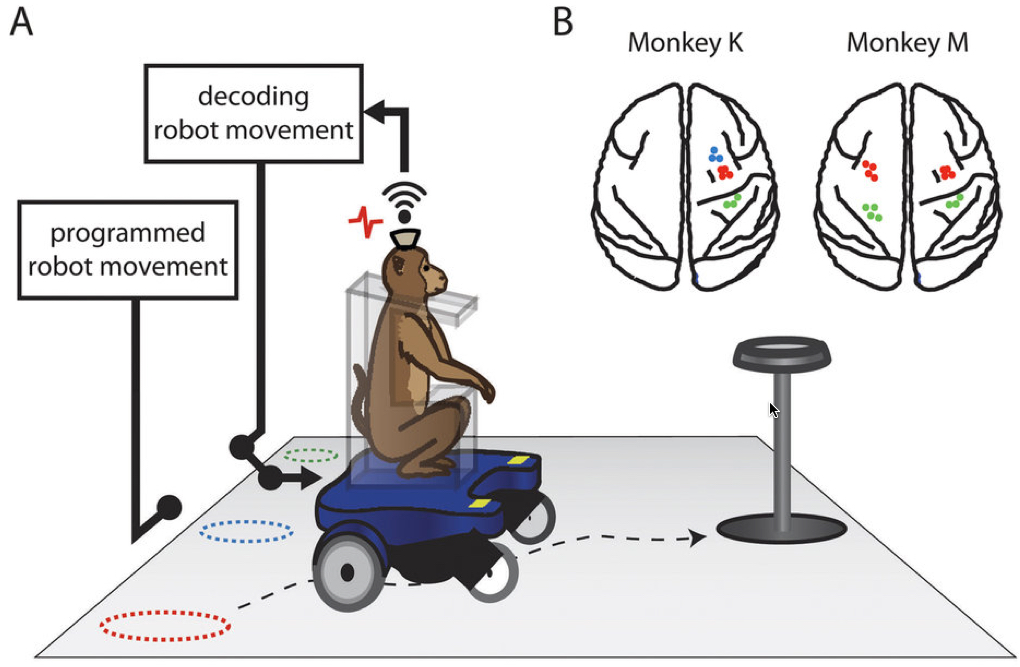
(A) The mobile robotic wheelchair, which seats a monkey, was moved from one of the three starting locations (dashed circles) to a grape dispenser as the wireless recording system recorded the spiking activities from the monkey’s brain along with the passive wheelchair movement, creating programmed movements. (B) Brain regions from which velocity or steering for the two monkeys was recorded. (credit: S. Rajangam et al./Scientific Reports)

Duke Health neuroscientists have developed a brain-machine interface (BMI) that allows monkeys to steer a robotic wheelchair with their thoughts.

The BMI uses signals from hundreds of neurons recorded simultaneously in two regions of the monkeys’ brains that are involved in movement and sensation. As the animals think about moving toward their goal — in this case, a bowl containing fresh grapes — computers translate their brain activity into real-time operation of the wheelchair.

The interface, described in the March 3 issue of the open-access online journal Scientific Reports, demonstrates the future potential for people with disabilities who have lost most muscle control and mobility due to quadriplegia or ALS, said senior author Miguel Nicolelis, M.D., Ph.D., co-director for the Duke Center for Neuroengineering.


Nature Publishing Group | Incredible moment MONKEY drives wheelchair using brain power

“In some severely disabled people, even blinking is not possible,” Nicolelis said. “For them, using a wheelchair or device controlled by noninvasive measures like an EEG (a device that monitors brain waves through electrodes on the scalp) may not be sufficient. We show clearly that if you have intracranial implants, you get better control of a wheelchair than with noninvasive devices.”

Recording brain activity

Scientists began the experiments in 2012, implanting hundreds of hair-thin microfilaments in the premotor and somatosensory regions of the brains of two rhesus macaques. They trained the animals by passively navigating the chair toward the bowl containing grapes. During this training phase, the scientists recorded the primates’ large-scale electrical brain activity. The researchers then programmed a computer system to translate these recorder brain signals into digital motor commands that later controlled the movements of the wheelchair.

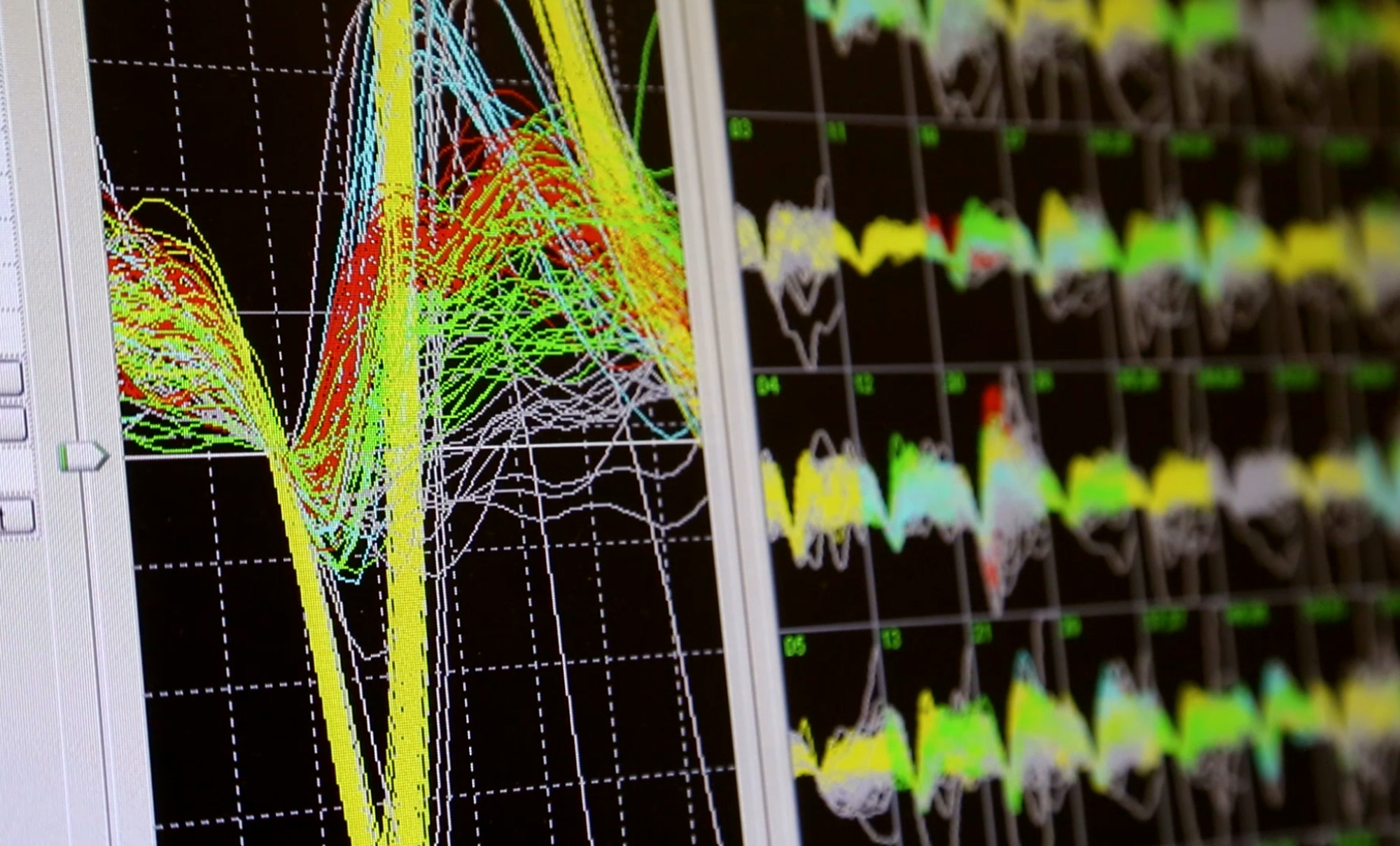
A computer in the lab of Miguel Nicolelis, M.D., Ph.D., monitors brain signals from a rhesus macaque (credit: Shawn Rocco/ Duke Health)

This process is similar to using recorded brain patterns of experienced pilots to train novice pilots (see “Now you can learn to fly a plane from expert-pilot brainwave patterns“), except that in this case, the monkey’s own brain activity was recorded. As the monkeys learned to control the wheelchair just by thinking, they became more efficient at navigating toward the grapes and completed the trials faster, Nicolelis said.

The primates’ brain signals showed signs they were estimating their distance to the bowl of grapes. “This was not a signal that was present in the beginning of the training, but something that emerged as an effect of the monkeys becoming proficient in this task,” Nicolelis said. “This was a surprise. It demonstrates the brain’s enormous flexibility to assimilate a device, in this case a wheelchair, and that device’s spatial relationships to the surrounding world.”

Human version next

The trials measured the activity of nearly 300 neurons in each of the two monkeys. The team now hopes to expand the experiment by recording more neuronal signals to continue to increase the accuracy and fidelity of the primate BMI before seeking trials for an implanted device in humans, he said.

“BMIs can lead to partial neurological recovery or even augment brain function because their chronic and continuous use may trigger widespread cortical plasticity and the emergence of new cortical representations,” the reseachers note in the paper.

The National Institutes of Health funded this study. The Itau Bank of Brazil provided research support to the study as part of the Walk Again Project, an international non-profit consortium aimed at developing new assistive technologies for severely paralyzed patients.


Abstract of iWireless Cortical Brain-Machine Interface for Whole-Body Navigation in Primates

Several groups have developed brain-machine-interfaces (BMIs) that allow primates to use cortical activity to control artificial limbs. Yet, it remains unknown whether cortical ensembles could represent the kinematics of whole-body navigation and be used to operate a BMI that moves a wheelchair continuously in space. Here we show that rhesus monkeys can learn to navigate a robotic wheelchair, using their cortical activity as the main control signal. Two monkeys were chronically implanted with multichannel microelectrode arrays that allowed wireless recordings from ensembles of premotor and sensorimotor cortical neurons. Initially, while monkeys remained seated in the robotic wheelchair, passive navigation was employed to train a linear decoder to extract 2D wheelchair kinematics from cortical activity. Next, monkeys employed the wireless BMI to translate their cortical activity into the robotic wheelchair’s translational and rotational velocities. Over time, monkeys improved their ability to navigate the wheelchair toward the location of a grape reward. The navigation was enacted by populations of cortical neurons tuned to whole-body displacement. During practice with the apparatus, we also noticed the presence of a cortical representation of the distance to reward location. These results demonstrate that intracranial BMIs could restore whole-body mobility to severely paralyzed patients in the future.

First ‘natural machine’ augmented reality product Meta 2 launches to developers

Meta 2 (credit: Meta)

Last month, Meta CEO Meron Gribetz wowed TED with a sneak peak at the company’s new Meta 2 augmented-reality product. Today, Meta announced that the Meta 2 Development Kit is now available for pre-orders.

Meta 2′s Iron-Man-like immersive functionality appears similar to Hololens and Magic Leap, but with a wider 90-degree field of view, 2560 x 1440 high-DPI display, and natural hand-controlled operation.


Meta | Meta 2 Development Kit — Launch Video

Technology pundit and futurist Robert Scoble called Meta 2 “the most important new product since the original Macintosh.”

In his TED Talk, Gribetz, a neuroscientist, described a neuroscience-based design that “merges the art of user interface design with the science of the brain, creating ‘natural machines’ that feel like extensions of ourselves rather than the other way around.”

Meta 2 was designed with input from nearly 1000 companies that were users of the first-generation Meta 1 (see “Meta’s AR headset lets you play with virtual objects in 3D space“). Meta believes the new version has the potential to “fundamentally change the way people collaborate, communicate and engage with information and each other, including medicine, education, and manufacturing.”

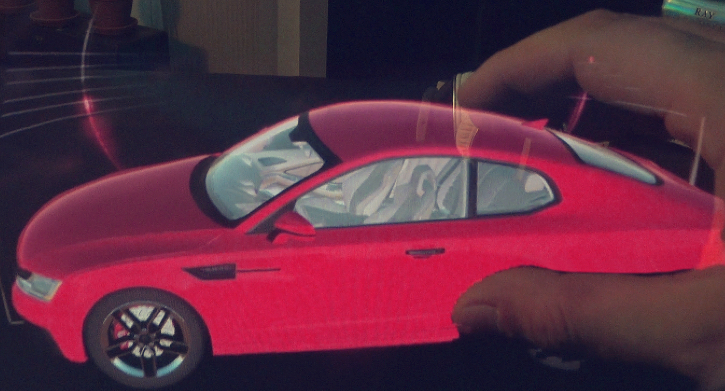
With Meta, you’ll be able to directly grab items you’re interested in and
interact with them. (credit: Meta)

Importantly, Meta 2 is fully hand-controlled; no input device required. Meta says types of AR application include 3D modeling (has advantages over 3D on a screen), web browsing (add holograms to any existing webpage) and remote collaboration (colleagues can view and manipulate holograms with their hands).

Meta 2 has an on-board color camera (720p) and four speakers for near-ear audio. It supports Windows-based applications (Mac later this year) and initially requires a modern computer running Windows 8 or 10.

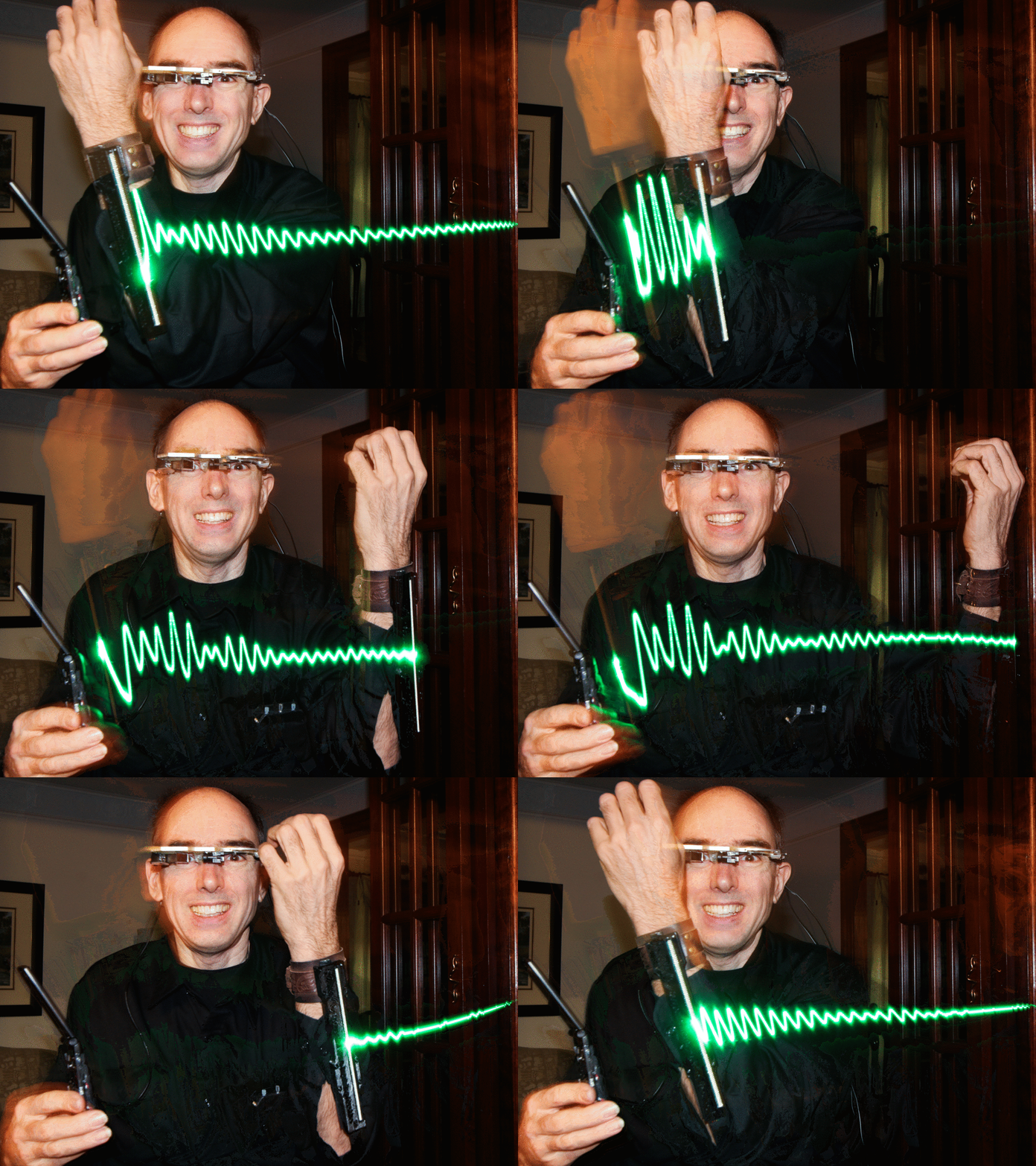
Steve Mann with 3 of his inventions: EyeTap Digital Eye Glass, smartwatch, and SWIM (Sequential Wave Imprinting Machine) phenomenological augmented reality. (credit: Steve Mann)

Meta’s chief scientist is legendary inventor Steve Mann, PhD., a professor at the University of Toronto (see “First attack on a cyborg“).


Meta | Meta Pioneers: Holograam

Better memory through electricity

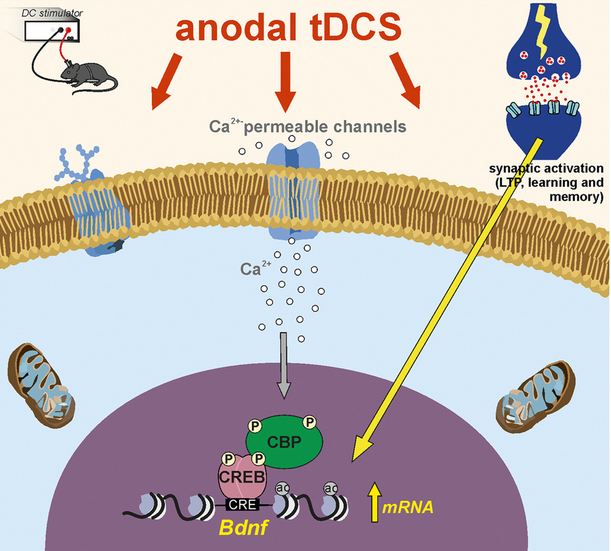
Transient increase in intracellular calcium ions during tDCS initiates molecular cascades leading to improved memory and brain plasticity* (credit: Maria Vittoria Podda et al./Scientific Reports)

Researchers at Catholic University Medical School in Rome have boosted the memory and mental performance of laboratory mice by transcranial Direct Current Stimulation (tDCS) and identified the molecular trigger for the improvement.

A noninvasive technique for brain stimulation, tDCS is applied using two small electrodes placed on the scalp, delivering short bursts of low-intensity electrical currents.

After exposing the mice to single 20-minute tDCS sessions, the researchers saw signs of improved memory and brain plasticity (the ability to form new connections between neurons when learning new information) in the hippocampus (a region of the brain critical to memory processing and storage), which lasted at least a week.

This boost was demonstrated by the enhanced performance of the mice during tests requiring them to navigate a water maze and distinguish between known and unknown objects.

Molecular trigger identified

The researchers also identified the molecular trigger behind the bolstered memory and plasticity: increased production of brain-derived neurotrophic factor (BDNF), a protein essential to brain growth that is synthesized naturally by neurons and is crucial to neuronal development and specialization.

The study was published in Nature Scientific Reports and sponsored by the Office of Naval Research (ONR) Global.

“In addition to potentially enhancing task performance for Sailors and Marines,” said ONR Global Commanding Officer Capt. Clark Troyer, “understanding how this technique works biochemically may lead to advances in the treatment of conditions like post-traumatic stress disorder, depression, and anxiety, which affect learning and memory in otherwise healthy individuals.”

The research may also have potential to strengthen learning and memory in both healthy people and those with cognitive deficits such as Alzheimer’s. “We already have promising results in animal models of Alzheimer’s disease,” said Claudio Grassi, PhD., who leads the research team.

Although tDCS has been used for years to treat patients suffering from conditions such as stroke, depression and bipolar disorder, there are few studies supporting a direct link between tDCS and improved plasticity, making Grassi’s work unique.

* Transient increase in intracellular Ca2+ during tDCS initiates molecular cascades leading to persistent changes in chromatin structure of brain-derived neurotrophic factor (BDNF). These include the phosphorylation of CREB, its binding to BDNF promoter I and recruitment of CREB/CREB-binding protein (CBP). CBP, in turn, promotes H3 acetylation at lysine 9 (H3K9ac) acetylation of BDNF (specifically at promoter I). As a result, stimuli such as long-term potentiation (LTP) induction protocol in slices or learning and memory in vivo are more effective in promoting transcription of BDNF previously primed by anodal tDCS.


Abstract of Anodal transcranial direct current stimulation boosts synaptic plasticity and memory in mice via epigenetic regulation of Bdnf expression

The effects of transcranial direct current stimulation (tDCS) on brain functions and the underlying molecular mechanisms are yet largely unknown. Here we report that mice subjected to 20-min anodal tDCS exhibited one-week lasting increases in hippocampal LTP, learning and memory. These effects were associated with enhanced: i) acetylation of brain-derived neurotrophic factor (Bdnf) promoter I; ii) expression of Bdnfexons I and IX; iii) Bdnf protein levels. The hippocampi of stimulated mice also exhibited enhanced CREB phosphorylation, pCREB binding to Bdnf promoter I and recruitment of CBP on the same regulatory sequence. Inhibition of acetylation and blockade of TrkB receptors hindered tDCS effects at molecular, electrophysiological and behavioral levels. Collectively, our findings suggest that anodal tDCS increases hippocampal LTP and memory via chromatin remodeling of Bdnf regulatory sequences leading to increased expression of this gene, and support the therapeutic potential of tDCS for brain diseases associated with impaired neuroplasticity.

The case of the silent synapses: Why are only 20% of synapses active during neurotransmission?

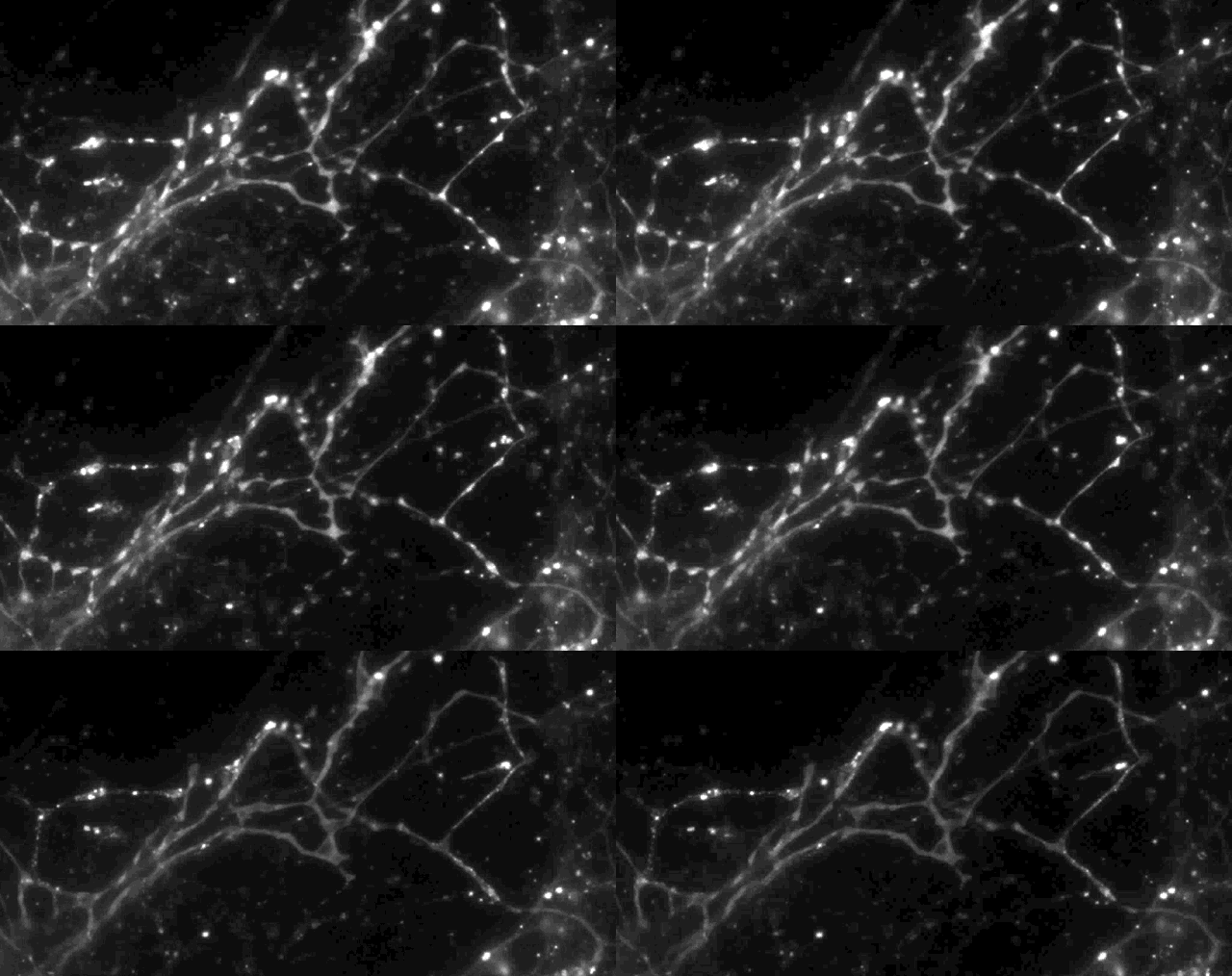
Using a fluorescent molecule to track neurotransmission of dopamine in mouse synapses, scientists made a puzzling discovery. … (credit: Sulzer Lab/Columbia University Medical Center)

Columbia University scientists recently tested a new optical technique to study how information is transmitted in the brains of mice and made a surprising discovery: When stimulated electrically to release dopamine (a neurotransmitter or chemical released by neurons, or nerve cells, to send signals to other nerve cells), only about 20 percent of synapses — the connections between cells that control brain activity — were active at any given time.

The effect had never been noticed. “Older techniques only revealed what was going on in large groups of synapses,” explained David Sulzer, PhD, professor of neurobiology in Psychiatry, Neurology, and Pharmacology at Columbia University Medical Center (CUMC). “We needed a way to observe the neurotransmitter activity of individual synapses, to help us better understand their intricate behavior.”

So Sulzer’s team turned to Dalibor Sames, PhD, associate professor of chemistry at Columbia, to develop a novel compound called “fluorescent false neurotransmitter 200″ (FFN200). When added to brain tissue or nerve cells from mice, FFN200 mimicked the brain’s natural neurotransmitters, allowing the researchers to spy on chemical messaging in action, focusing on complex tasks such as learning and memory.

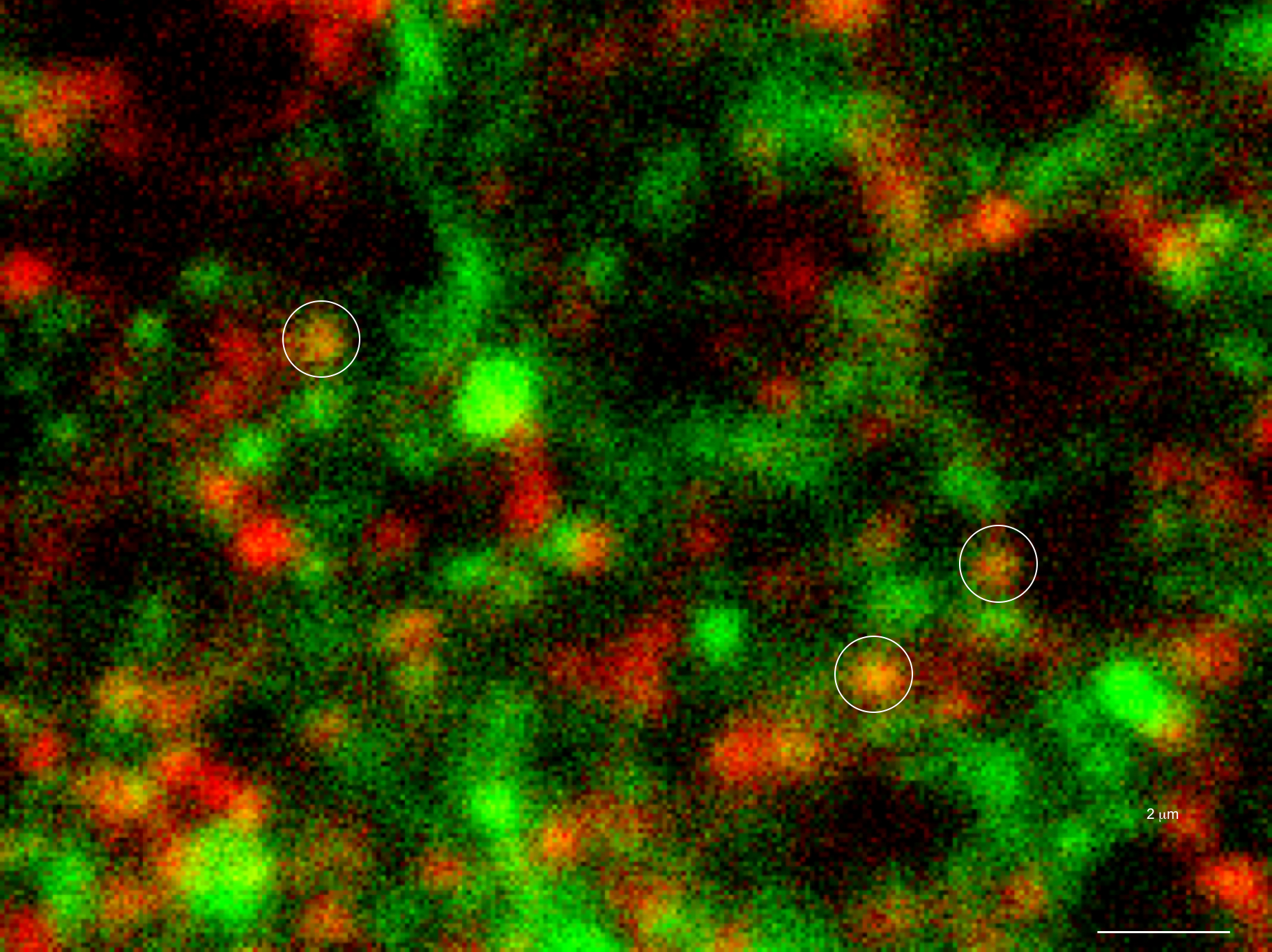
Only 20% of synapses (red) were observed to transmit dopamine. The rest (green) were found to be silent. (credit: Sulzer Lab/Columbia University Medical Center)

Silent synapses: unknown information coding?

Using a fluorescence microscope, the researchers were able for the first time to view the release and re-uptake of dopamine — a neurotransmitter involved in motor learning, habit formation, and reward-seeking behavior — in individual synapses.

When all the neurons were electrically stimulated in a sample of brain tissue, the researchers expected all the synapses to release dopamine. Instead, they found that less than 20 percent of dopaminergic synapses were active following a pulse of electricity.

One possibility: these silent synapses hint at a mechanism of information coding in the brain that’s yet to be revealed, the researchers hypothesize.

The study’s authors plan to pursue that hypothesis in future experiments and examine how other neurotransmitters behave. “If we can work this out, we may learn a lot more about how alterations in dopamine levels are involved in brain disorders such as Parkinson’s disease, addiction, and schizophrenia,” Sulzer said.

The study was published in the latest issue of Nature Neuroscience.

The authors note in the paper that “the state of silent vesicle clusters may be important in disorders such as schizophrenia, which show striatal hyperdopaminergia [excessive release of dopamine in the brain's reward center] and cortical hypodopaminergia [low amounts of dopamine in the cortex] and processes of  ‘unsilencing’ may have clinical applications for diseases such as Parkinson’s disease.”


Columbia Medical | Study Finds Only a Small Portion of Synapses May Be Active During Neurotransmission


Abstract of Fluorescent false neurotransmitter reveals functionally silent dopamine vesicle clusters in the striatum

Neurotransmission at dopaminergic synapses has been studied with techniques that provide high temporal resolution, but cannot resolve individual synapses. To elucidate the spatial dynamics and heterogeneity of individual dopamine boutons, we developed fluorescent false neurotransmitter 200 (FFN200), a vesicular monoamine transporter 2 (VMAT2) substrate that selectively traces monoamine exocytosis in both neuronal cell culture and brain tissue. By monitoring electrically evoked Ca2+ transients with GCaMP3 and FFN200 release simultaneously, we found that only a small fraction of dopamine boutons that exhibited Ca2+ influx engaged in exocytosis, a result confirmed with activity-dependent loading of the endocytic probe FM1-43. Thus, only a low fraction of striatal dopamine axonal sites with uptake-competent VMAT2 vesicles are capable of transmitter release. This is consistent with the presence of functionally ‘silent’ dopamine vesicle clusters and represents, to the best of our knowledge, the first report suggestive of presynaptically silent neuromodulatory synapses.