SpaceX will try for 1st Starship tower catch ‘in a few months,’ Elon Musk says

We'll have to wait a bit longer for a highly anticipated Starship milestone, it appears.

On Aug. 4, SpaceX founder and CEO Elon Musk said the company aimed to attempt the first-ever catch of Starship's upper stage on the vehicle's next test flight, which is tentatively targeted for late August.

But that doesn't seem to be in the cards anymore. "Looks like we will probably catch the ship with the tower in a few months," Musk said early this morning (Aug. 20) via X, the social media platform he bought in 2022.
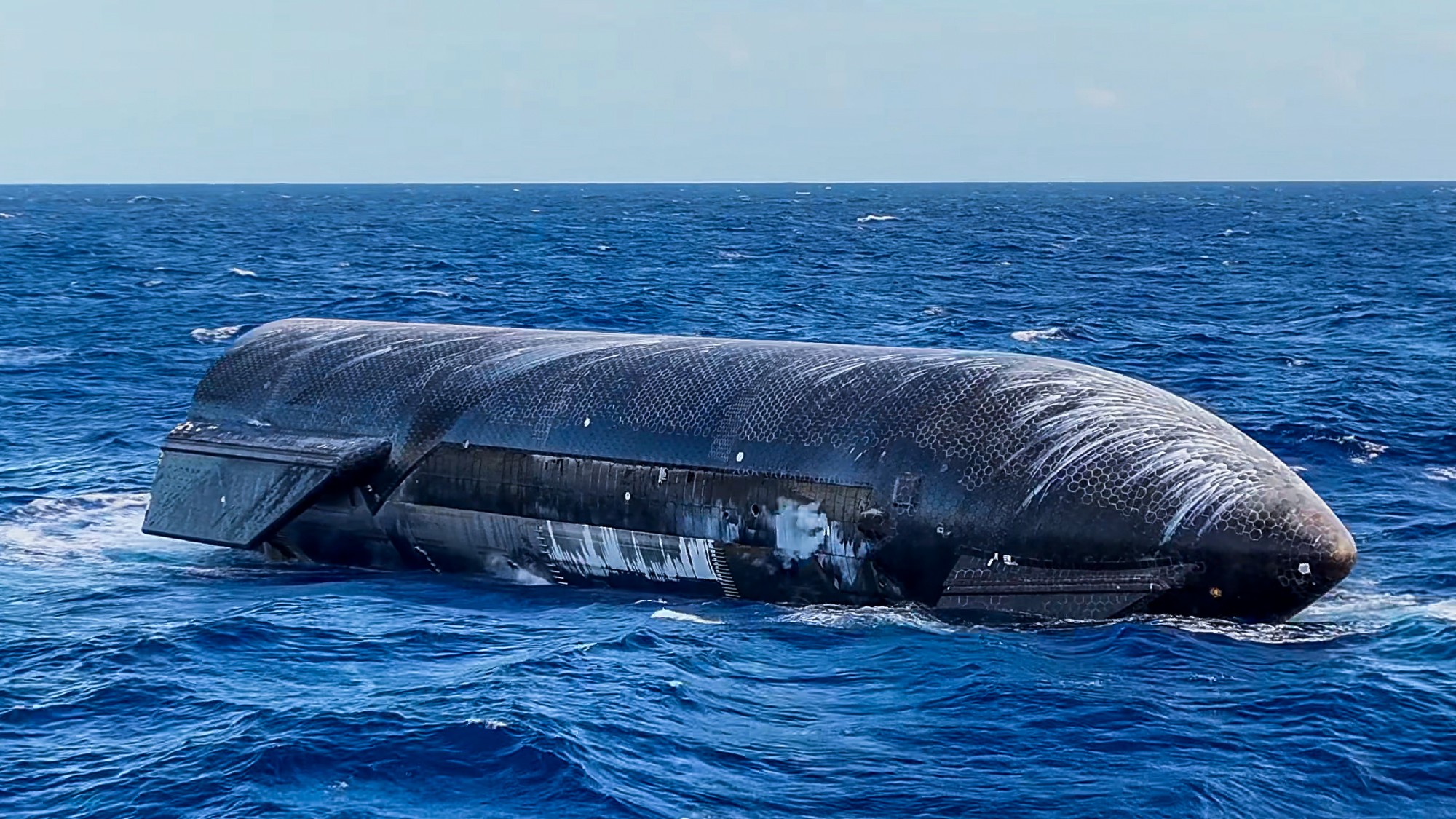
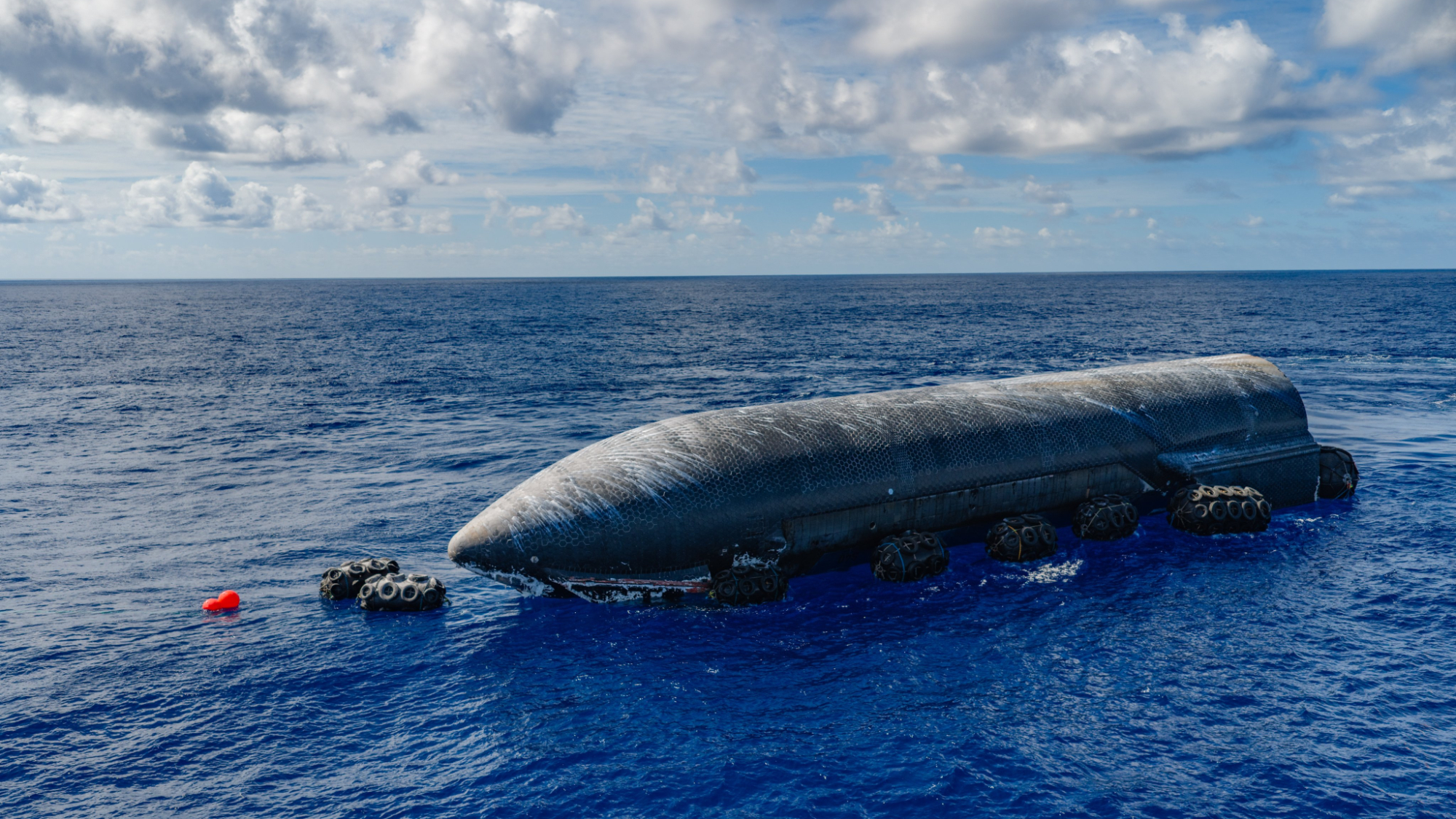
a large black cylinder with wing-like canards floats on top of a choppy blue sea

Starship's Ship upper stage floats in the Indian Ocean after surviving the vehicle's Flight 13, which launched on July 24, 2026. (Image credit: SpaceX via X)

SpaceX has high hopes for Starship, the biggest and most powerful rocket ever built. It consists of a giant first-stage booster called Super Heavy and an upper-stage spacecraft known as Starship, or simply Ship.

Both of these elements are designed to be fully and rapidly reusable. Rapid reuse will be enabled by landings directly on the launch mount, with the aid of the launch tower's "chopstick" arms.

SpaceX has already pulled off such chopstick catches with Super Heavy on three of Starship's 13 suborbital test flights to date. And two of those missions featured a used Super Heavy: Flight 9 used the same booster as Flight 7, and Flight 11 employed the one from Flight 8.

SpaceX has not yet tried to catch Ship, however, because it's a tougher ask: The upper stage comes back down to Earth from much greater heights, and at much higher speeds, than Super Heavy.

But the company has made progress toward this goal recently. For example, on Flight 13, which launched on July 24, Ship survived reentry through Earth's atmosphere and splashed down in its target zone, a patch of the Indian Ocean off the coast of Western Australia.

The vehicle even remained intact after toppling over, a feat none of its predecessors had pulled off. SpaceX subsequently towed Ship to Christmas Island and will study it in depth to inform future iterations of the vehicle.

This encouraging performance led to optimism about a coming tower-catch try for Ship.

"I'd say things look very good, and that's why we, assuming we receive regulatory approval to do so, will attempt to catch the Ship with the tower on the next flight, which is tentatively scheduled for the end of this month," Musk said on Aug. 4, during SpaceX's first call with investors as a public company.

As that quote indicates, however, a Ship tower catch is not entirely up to SpaceX. It also requires approval from regulators — specifically, the U.S. Federal Aviation Administration. It's possible that such approval has not yet been secured for Flight 14, and that's why the timeline has shifted.

After all, Musk has continued to voice confidence in Ship's abilities.

"If there had been a tower out to sea where we practiced landing the ship, it would have been caught," he added in this morning's X post. "First reflight of the ship will be either end of this year or early next. That will be a fork in the road of history for consciousness reaching the stars."

Even without a Ship catch attempt, Flight 14 should still feature some exciting action. During the earnings call, Musk said that Starship will go orbital on Flight 14, something it has never done before.
Rocket Lab launches private Japanese Earth-observing satellite to orbit (video)

Rocket Lab launched a private Japanese satellite to orbit this morning (Aug. 20), adding to a growing constellation of Earth-observing spacecraft.

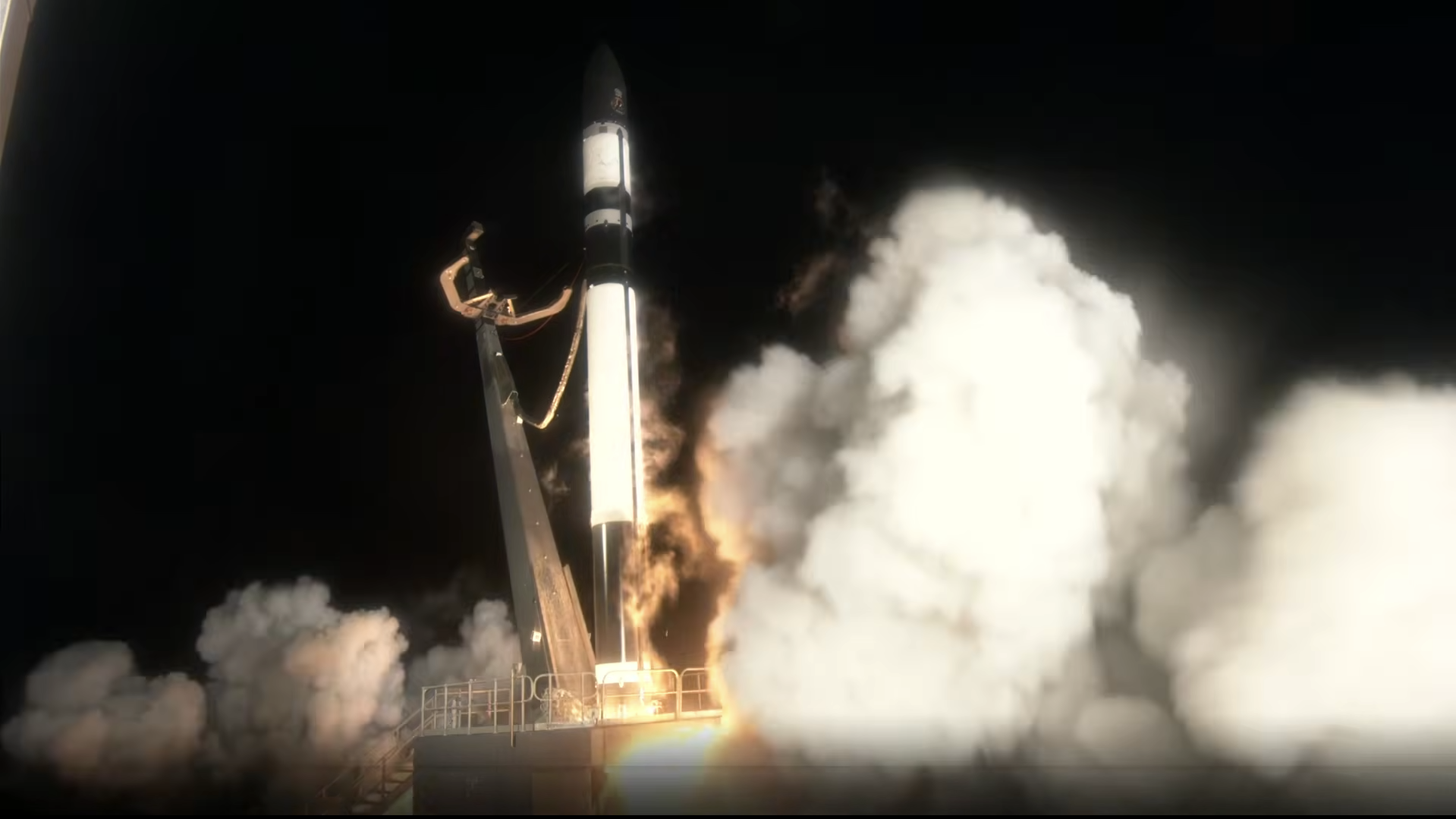
An Electron vehicle lifted off from Rocket Lab's New Zealand site at 9:04 a.m. EDT (1304 GMT; 1:04 a.m. on Aug. 21 local New Zealand time), carrying aloft a radar satellite for the Tokyo-based company iQPS.

The nine 3D-printed Rutherford engines that power Electron's first stage shut off as planned about 2.5 minutes after liftoff. Separation with the rocket's second stage immediately followed, which burned for another 6.5 minutes before releasing Electron's "kick stage" with the IQPS payload for a 40-minute coast phase.

A dark rocket ignites its engines, lifting off a launch pad in a dark night setting.

Electron lifts off from Rocket Lab's New Zealand launch site at 9:04 a.m. EDT (1304 GMT) on Aug. 20. (Image credit: Rocket Lab)

This was Rocket Lab's ninth launch for iQPS, which is building a constellation of 36 synthetic aperture radar (SAR) satellites in low Earth orbit (LEO). Such spacecraft can study Earth day or night, and they can peer through cloud cover as well.

The iQPS network "is being developed and deployed at a rapid pace to provide high resolution and near-real time SAR imagery to its global users," Rocket Lab wrote in a description of today's mission, which it calls "The Lightning God Defends."

That name is a reference to the satellite going up today: It's nicknamed SUSANOO-II, after a Japanese lightning god.

Following the 40-minute coast phase of Electron's kick stage, the rocket completed one final burn to circularize its orbit and successfully deployed SUSANOO-II about 50 minutes after launch, at an altitude of 357 miles (575 kilometers).

Today's flight was Rocket Lab's 14th of 2026 and 93rd overall. The company's most recent launch, on Aug. 6, also lofted an iQPS satellite to LEO.

The vast majority of the company's flights have been performed by Electron, a 59-foot-tall (18 meters) rocket that gives small satellites dedicated rides to Earth orbit and beyond. Rocket Lab also operates a suborbital variant of Electron called HASTE, which allows customers to test sensors and other tech in the hypersonic flight environment.

Mysterious Russian ‘space activity’ causes US Air Force flight to Antarctica to turn around: report

A mysterious incident over the southern Indian Ocean forced a U.S. Air Force aircraft to turn around due to an unnamed hazard in space.

According to several New Zealand-based news outlets, a U.S. Air Force (USAF) C-17 Globemaster transport aircraft left Christchurch Airport on New Zealand's South Island on Tuesday (Aug. 18) bound for McMurdo Station in Antarctica. Aircraft trackers using flight radar software noticed the C-17 turn around over the ocean some two hours into its flight.

According to a statement from New Zealand's Civil Aviation Authority given to the country's Stuff news outlet, the C-17 turned around after the Russian Air Traffic Management Corporation issued a notice advising of "space activity, potentially hazardous to aviation en route to Antarctica." It still remains unknown what that activity might have entailed, and the USAF has yet to issue a statement.

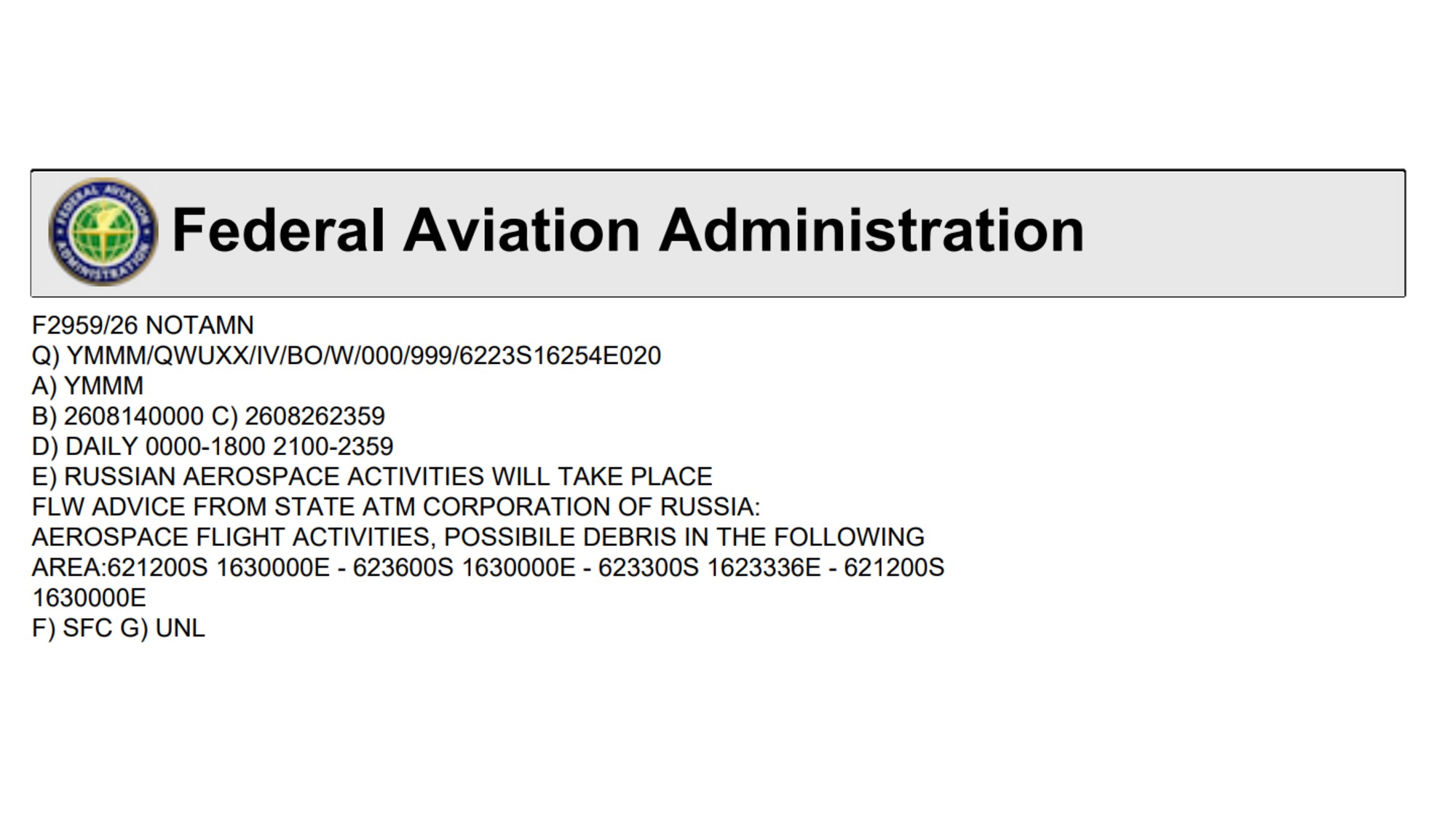
The U.S. Federal Aviation Administration (FAA) issued a NOTAM (Notice to Airmen) on Aug. 10 for a large region of airspace over Australia and the Indian Ocean known as the Melbourne Flight Information Region, or YMMM. The notice states that, beginning on Aug. 14, "Russian aerospace activities will take place" and that there is "possible debris" in several areas throughout the massive YMMM airspace.

It's possible that the notice that caused the C-17 to turn around was related to this NOTAM, which was still active as of Tuesday.

black text on a white background

A NOTAM issued by the FAA on Aug. 14 stating there was "possible debris" due to "Russian aerospace activities" throughout a large region of airspace covering Australia and the Indian Ocean. (Image credit: FAA)

There is precedent that might give some clues as to what that aerospace activity might have been.

In the last few years, pieces of falling space debris reentering Earth's atmosphere have caused several airspace closures. In November 2022, for example, the core stage of a Chinese Long March 5B rocket fell to Earth in an uncontrolled reentry over Spain, prompting multiple airspace closures out of caution.

In January 2025, SpaceX's Starship exploded on its seventh test flight, raining fiery debris over the Atlantic Ocean near the Turks and Caicos islands. The FAA activated a "Debris Response Area" near the falling debris, causing some aircraft to have to divert to secondary airports due to low fuel.

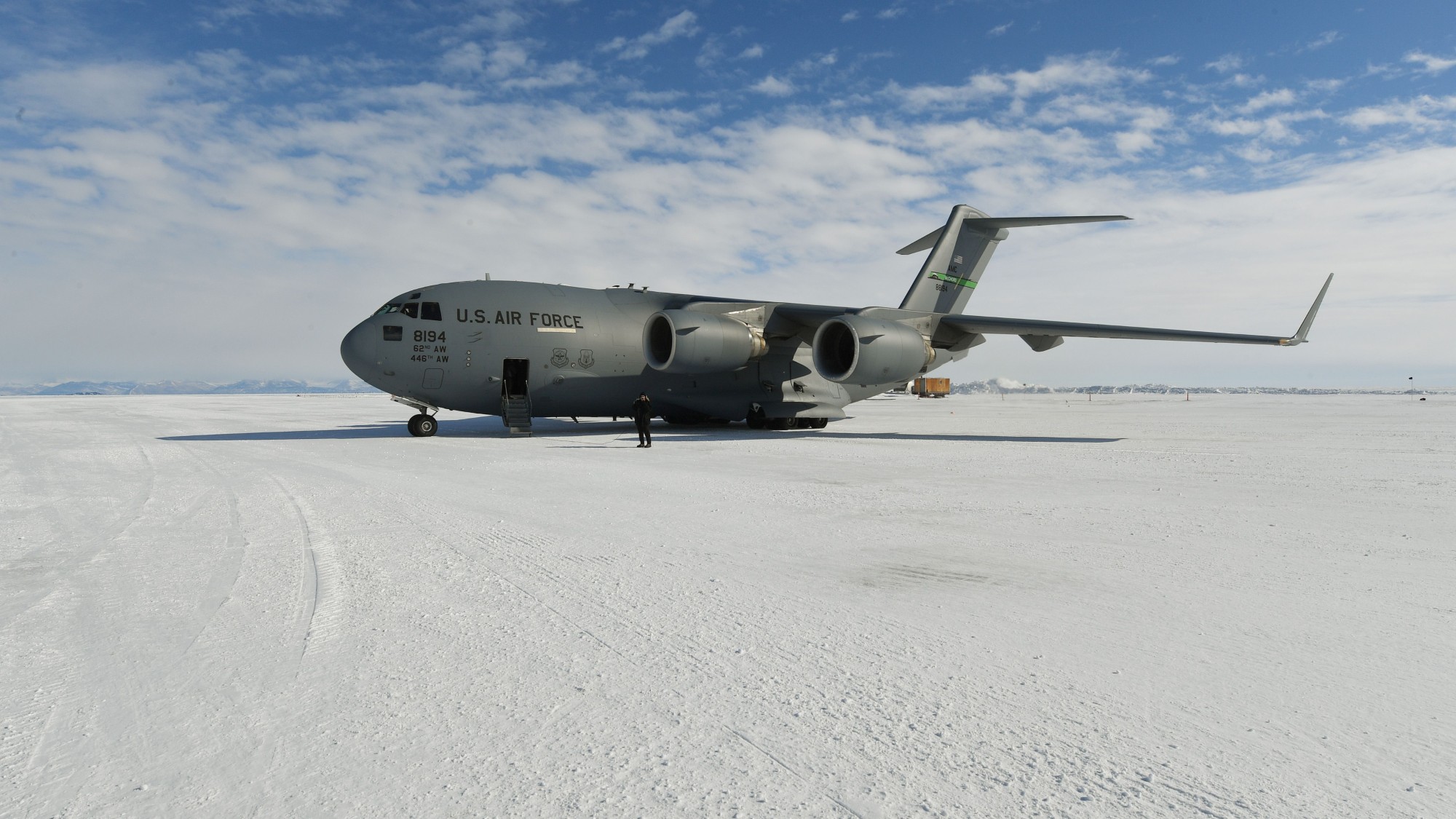
a large grey airplane sits on a snow-covered plateau

A U.S. Air Force C-17 Globemaster set to leave Antarctica for New Zealand from McMurdo Station, Antarctica on Nov. 12, 2016. (Image credit: MARK RALSTON/AFP via Getty Images)

That same month, a study published in the journal Scientific Reports found there is a 26% chance of "an uncontrolled space debris reentry in busy airspaces" due to the sharp increase in space traffic in recent years. But experts say much more data is needed to determine how to mitigate risks and how to respond in the event of such debris incidents.

Of course, there remains the chance that Russia's notice to air crews wasn't caused by falling space debris at all. Governments regularly issue similar notices when they are testing weapons that fly to high altitudes, such as ballistic missiles.

Typically, however, such tests are planned far in advance, meaning any notices would have been issued long before the USAF's C-17 took to the air.

Touchdown! Private Chinese rocket aces landing on 2nd-ever flight (video)

China just notched another big spaceflight milestone.

The Beijing startup LandSpace successfully landed the first stage of its Zhuque-3 rocket this evening (Aug. 18), becoming the first Chinese company ever to do so during an orbital launch.

It was just the second Chinese orbital rocket touchdown overall. The first was pulled of on July 10 by a Long March 10B, which is built by the state-owned China Aerospace Science and Technology Corporation (CASC).

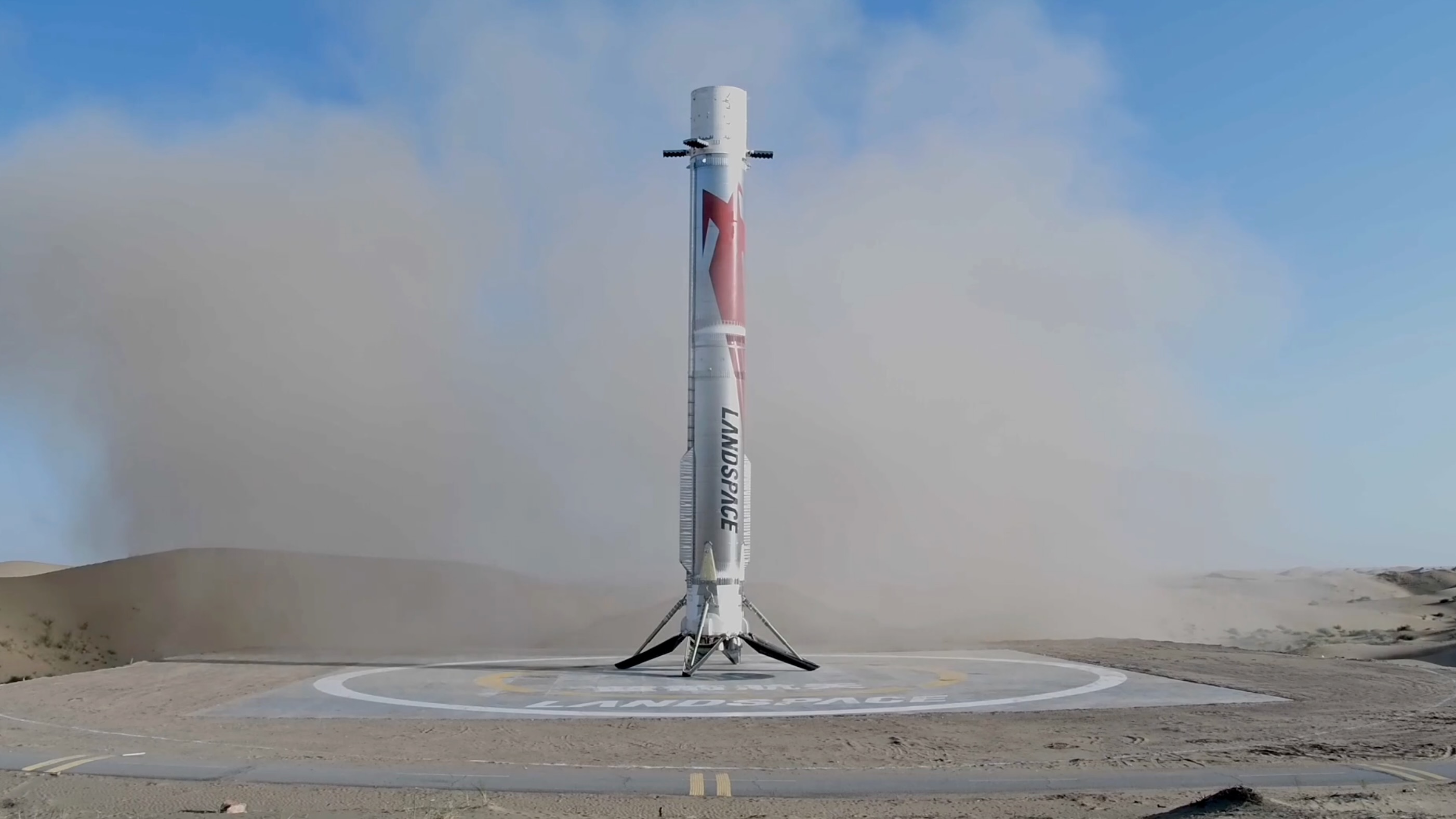
The first stage of Landspace's Zhuque-3 rocket rests on its landing pad shortly after its historic touchdown on Aug. 18, 2026.

The first stage of Landspace's Zhuque-3 rocket rests on its landing pad shortly after its historic touchdown on Aug. 18, 2026. (Image credit: LandSpace)

The Long March 10B had some help returning to Earth, settling softly into a net-like device affixed to a ship at sea. But Zhuque-3 came down on terra firma and stayed upright thanks to a set of landing legs, like those sported by SpaceX's workhorse Falcon 9 rocket.

"This mission marks China's first-ever successful recovery attempt of the first stage of an orbital-class launch vehicle using landing legs, and China's first successful booster recovery on land," LandSpace said via X this evening.

"It is a pivotal flight test for Zhuque-3 as it transitions from the technological demonstration and verification phase toward the engineering application phase of reusability," the company added. "This mission further verified the design correctness and reliability of the Zhuque-3 reusable launch vehicle system, validated its first-stage recovery capability and engineering maturity."

Zhuque-3 broadly resembles the Falcon 9, which made its first landing way back in 2015 and now has more than 600 of them under its belt. Both feature a reusable booster and an expendable upper stage, and they're about the same height — 230 feet (70 meters) for the Falcon 9 and 216 feet (66 m) for Zhuque-3.

Their lifting power is similar as well. Zhuque-3 can haul about 40,350 pounds (18,300 kilograms) to low Earth orbit, while the Falcon 9's LEO payload capacity is 50,265 pounds (22,800 kg).

The two rockets use two very different fuels, however — a combination of liquid oxygen (LOX) and rocket-grade kerosene for the Falcon 9, compared to LOX and liquid methane for Zhuque-3. This "methalox" mixture is also used by Starship, the fully reusable megarocket that SpaceX is developing to help humanity settle the moon and Mars, among other spaceflight tasks.

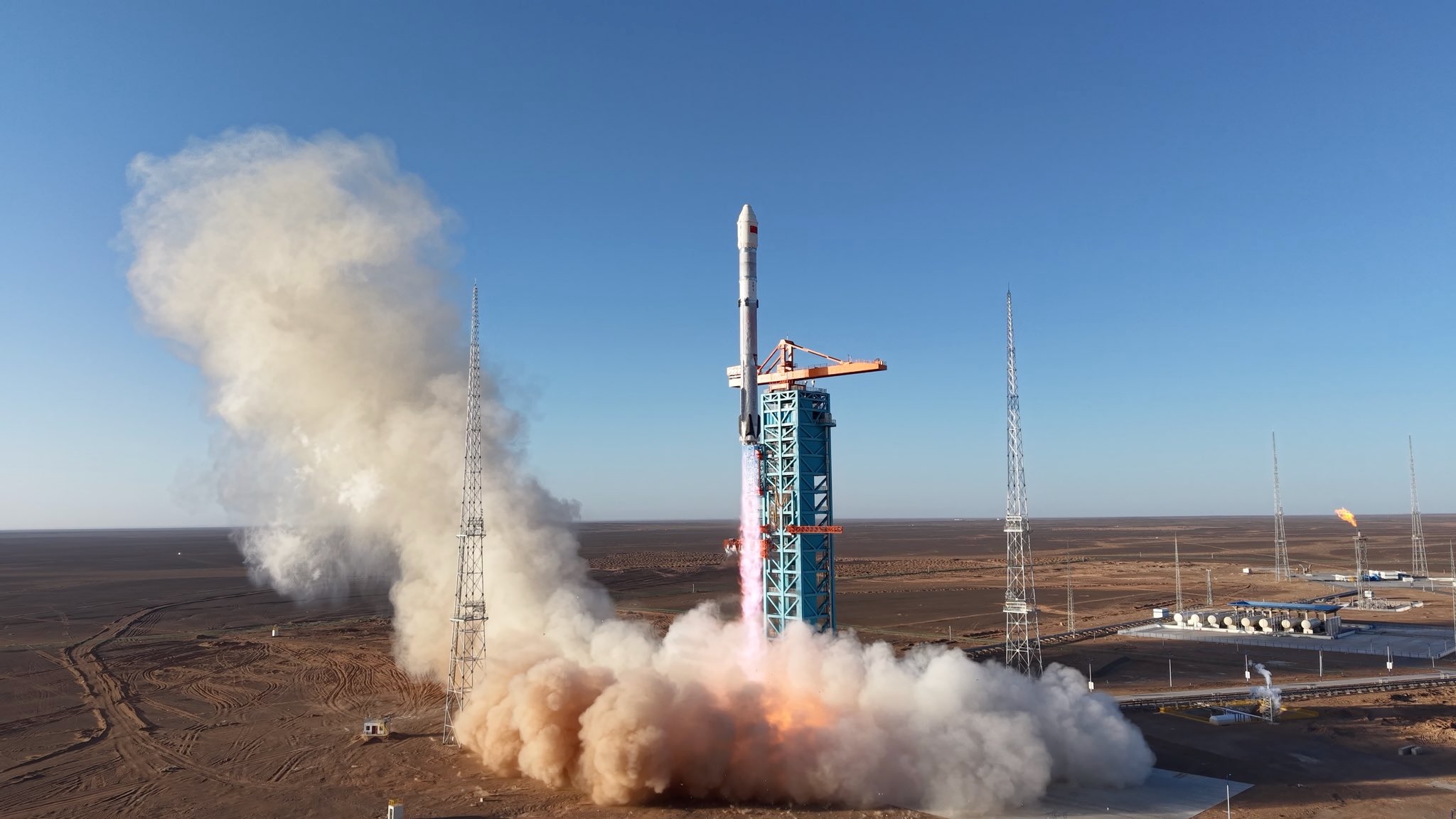
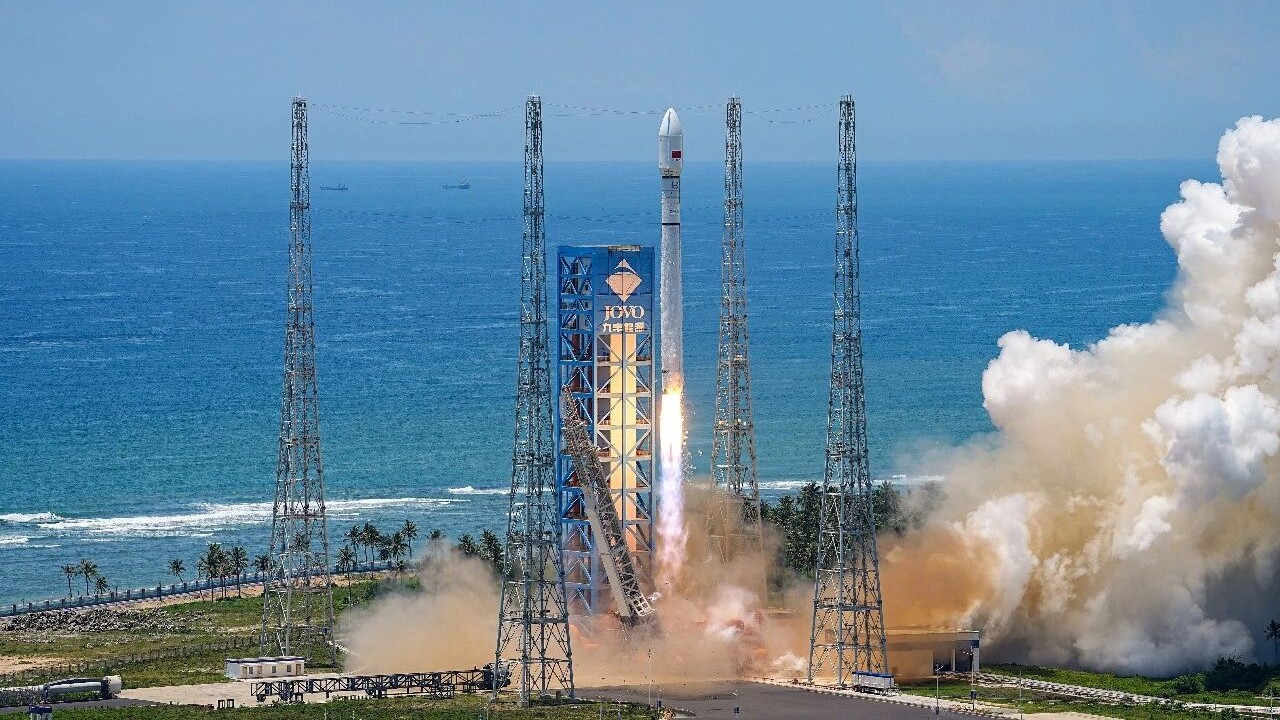
a white and red rocket launches from a desert spaceport

LandSpace's Zhuque-3 rocket launches on its second-ever mission on Aug. 18, 2026. The flight was a success, and Zhuque-3's first stage returned to Earth for a landing — the first ever for a private Chinese orbital rocket. (Image credit: LandSpace)

Today's launch — which occurred from the Dongfeng Commercial Space Innovation Pilot Zone in northwest China at 7:35 p.m. EDT (2335 GMT; 7:35 a.m. on Aug. 19 Beijing time) — was the second overall for the Zhuque-3. The rocket first flew on Dec. 2, 2025, on a mostly successful debut; Zhuque-3's upper stage reached orbit as planned, which is rare for a first flight.

LandSpace tried to bring the booster back for a touchdown that day as well, but the attempt failed. Zhuque-3 suffered "an abnormal combustion" as it neared the ground, according to the state-run outlet Xinhua (translation by Google), and ended up exploding near the designated landing pad.

Today's mission, however, was an unqualified success for the Zhuque-3: The rocket's upper stage delivered a satellite called Honghu 03, which was developed by Hongqing Technology, to its designated orbit, LandSpace wrote in another X post today.

Zhuque-3 is part of a concerted Chinese push toward rocket reusability, an efficiency-boosting feature that has helped make the Falcon 9 the world's leading launcher by far. (The SpaceX rocket flew 165 times in 2025, roughly equalling the activity of all other orbital launchers combined.)

For example, CASC isn't just working on the Long March 10 line (which includes the 10A crew-carrying variant); its Long March 12A and 12B rockets will also have reusable first stages. The Long March 12A has lifted off once to date, in December 2025, and its debut was similar to that of Zhuque-3: The Long March 12A second stage reached orbit successfully, but its booster failed to stick the landing.

And then there are the private rockets. A number of Chinese companies in addition to LandSpace are working on vehicles with reusable first stages, including CAS Space, Deep Blue Aerospace, Galactic Energy, iSpace, Orienspace and Space Pioneer. So Chinese rocket landings may not be a novelty for much longer.

Starship lives! SpaceX craft arrives at Christmas Island after 24-day ocean ordeal

The seas have been kind, or at least kinder than expected, to SpaceX's Starship spacecraft, as it's been tugged through the Indian Ocean to friendlier tides.

Ship 40, the upper stage that flew on Starship's Flight 13 test launch, performed the vehicle's first successful intact ocean splashdown at the end of its mission on July 24, after lifting off from SpaceX's Starbase facility in South Texas. The spacecraft landed in the Indian Ocean as planned and has since become the focus of the SpaceX Recovery team, tasked with hauling it to port.

Over the past 24 days, that team faced "challenging conditions and increasingly rough seas," SpaceX said in an Aug. 7 post on X, and at one point was not expected to be successful in its efforts to haul Ship 40 safely to shore. Despite the odds, however, they have now reached calmer waters. The massive, 171-foot-tall (52 meters) spacecraft now floats just offshore of Christmas Island, awaiting inspection. "A team of SpaceX engineers is on their way to conduct additional analysis on the vehicle in calmer waters before attempting to return it to Starbase," the company said in an Aug. 18 update.

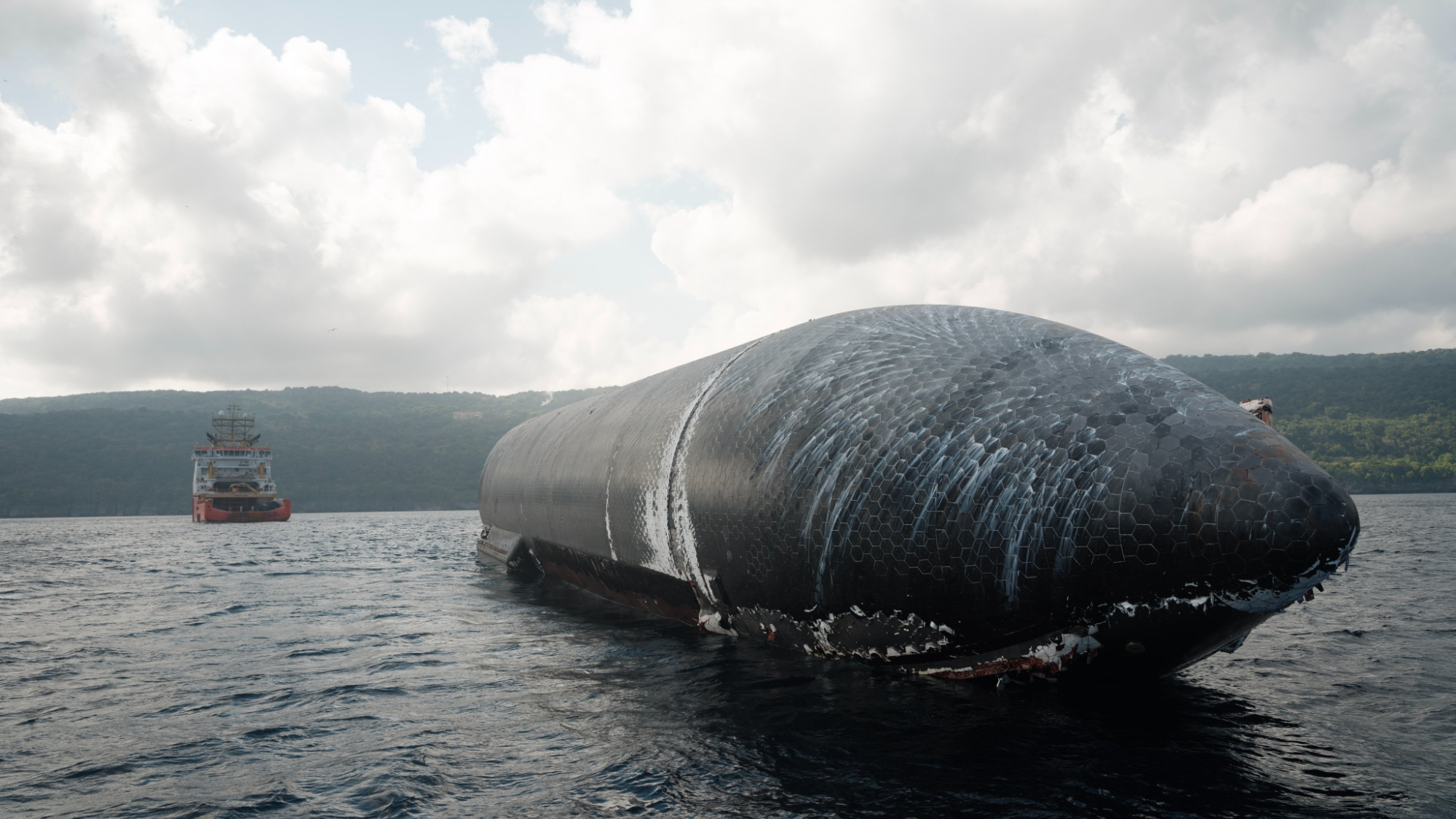
a giant black-tiled rocket lays afloat on the ocean with a boat and an island in the background.

SpaceX Ship 40 from Starship's 13th test flight to calm waters off the shore of Christmas Island. (Image credit: SpaceX)
A giant dark rocket floats in the blue ocean.
SpaceX
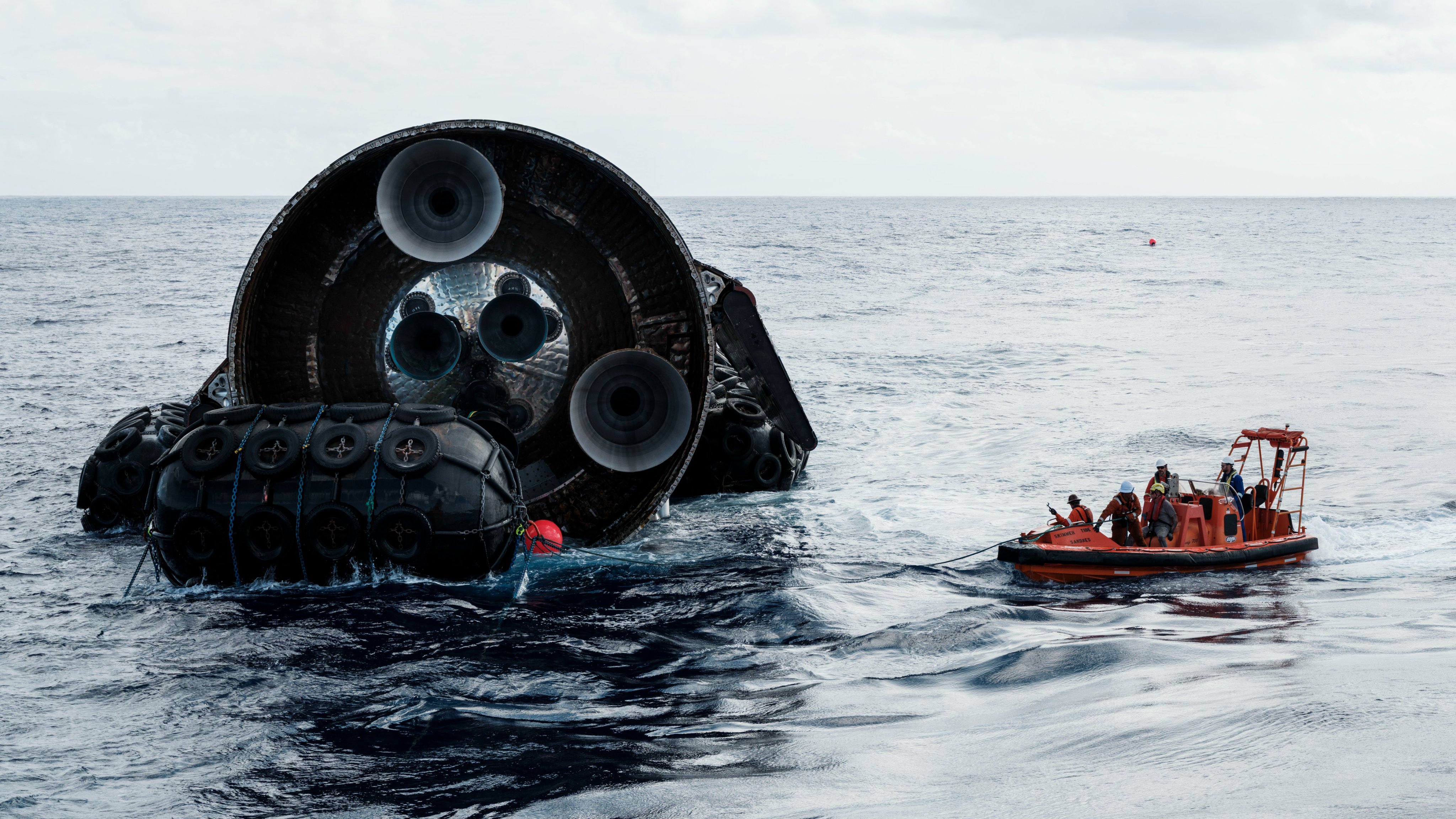
the aft end of a rocket with 3 small and 3 large engines floats in the ocean next to an orange raft with people aboard.
SpaceX

Christmas Island is an Australian territory about 1,200 miles (1,900 kilometers) northwest of Broome. Most of the island is a national park, and it's famous for its 40 million or so red land crabs, which migrate en masse to the sea to spawn in one of the world's great wildlife spectacles.

Flight 13 was the second launch for the Version 3 (V3) design of SpaceX's towering Starship rocket. V3's debut on Flight 12 in May didn't quite go as planned — engine issues after stage separation caused the vehicle's Super Heavy booster to crash into the Gulf of Mexico instead of splashing down softly as intended. Ship 39 executed its landing burn above the Indian Ocean just like Ship 40 did, but Ship 39 exploded after toppling into the water — the expected outcome for Ship during Starship test flights. Ship 40 was the first one to survive the splashdown intact.

The fact that Ship 40 didn't explode has given SpaceX the unexpected opportunity to study the spacecraft up close. The company's iterative design process has led to the introduction of incremental improvements for each progressive Starship launch. Ship 40 is the first upper stage that has flown in space and returned in one piece, and it therefore provides a previously unstudied article for evaluation as SpaceX works to perfect the spacecraft's aerodynamics, hydraulics, heat tile efficiency and overall design.

Starship is SpaceX's super heavy-lift launch vehicle designed to be the world's most powerful rocket, and the first capable of full reusability. Starship's expected readiness for operational missions has been a shifting goalpost since its first test launch in April 2023, and there are still some big milestones that SpaceX needs to reach in order to avoid rippling delays through other parts of the space industry.

NASA has contracted SpaceX to build a version of Starship to land astronauts on the moon as a part of the Artemis IV mission in 2028, and to fly a compatible V3 Starship to practice rendezvous and docking maneuvers with the Orion spacecraft in Earth orbit on Artemis III next year. Starship still has several boxes to check on NASA's qualifications list before it will be certified to fly astronauts, and a significant one of the those, reaching orbit, may be just on the horizon.

SpaceX is already preparing Ship 41 and its Super Heavy booster for Flight 14. During that flight, the company plans to not only deliver the upper stage to orbit but also to return Ship to Starbase for recovery using the "Mechazilla" launch tower's chopstick arms — a major step toward Starship's full reuse capability. SpaceX hopes to launch Flight 14 before the end of August, CEO Elon Musk said during the company's first earnings call earlier this month.

SpaceX launches its 100th mission of the year, sends Starlink satellites to orbit (video)

SpaceX has hit the century mark for the third year in a row.

A Falcon 9 rocket lifted off from California's Vandenberg Space Force Base on Wednesday (Aug. 19) at 12:01 a.m. EDT (0401 GMT; 9:01 p.m. on Aug. 18 local time).

It was the 97th Falcon 9 launch of the year and the 100th mission of 2026 overall for SpaceX.

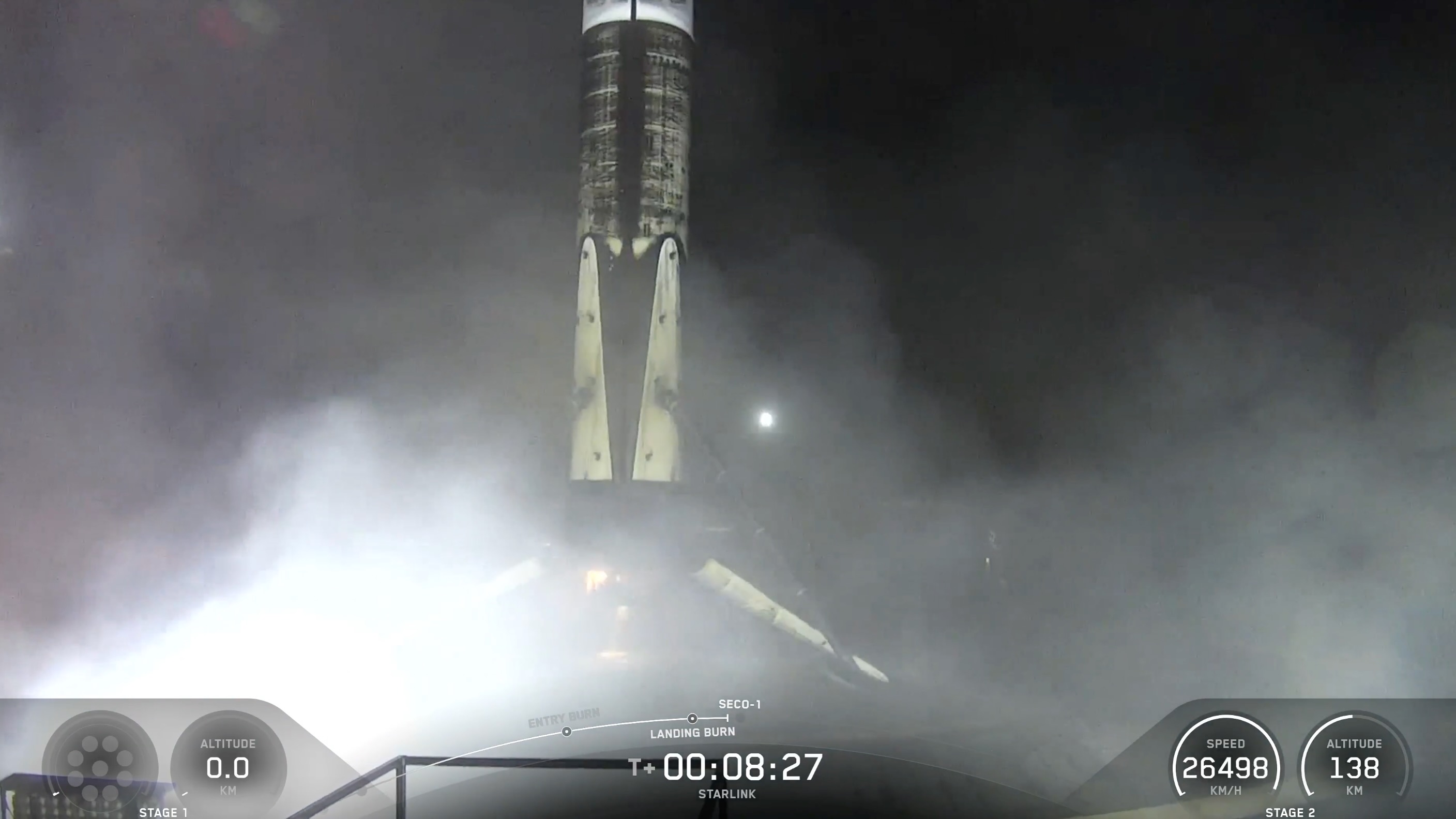
A black and white spacex falcon 9 rocket first stage sits on the deck of a ship at sea.

The Falcon 9's first stage rests on the deck of a drone ship after its successful landing on Aug. 19, 2026. (Image credit: SpaceX)

The mission is carrying 24 of SpaceX's Starlink internet satellites to low Earth orbit. If all goes according to plan, the Falcon 9's upper stage will deploy them there 61.5 minutes after liftoff.

The rocket's first stage, meanwhile, came back to Earth about 8.5 minutes into flight as planned, landing in the Pacific Ocean on the drone ship "Of Course I Still Love You." It was the 12th mission for this particular booster, which is designated B1097.

B1097 is no stranger to milestone flights. During a Starlink launch this past April, for example, the booster performed the 600th landing of an orbital rocket in SpaceX's illustrious history.

Previous Booster B1097 launches

Sentinel-6B | Twilight | NROL-172 | Transporter-17 | 7 Starlink missions

The vast majority of SpaceX's launches this year — at the moment, 74 of them — have been devoted to building out the Starlink megaconstellation, which currently consists of nearly 11,000 operational satellites.

One of SpaceX's three non-Falcon 9 launches of 2026 was performed by its Falcon Heavy rocket. The other two were suborbital test flights of Starship, the giant, fully reusable vehicle that SpaceX is developing to help humanity settle the moon and Mars, among other tasks.

SpaceX first topped 100 launches in 2024, when it conducted a total of 138 missions (132 by Falcon 9, two by Falcon Heavy and four by Starship). In 2025, the company flew a total of 170 times (165 by Falcon 9 and five by Starship).

Such numbers will jump dramatically in the coming years, if all goes to plan. SpaceX founder and CEO Elon Musk has said the company wants to launch Starship multiple times per day, boosting annual tallies to 1,000 or so. Falcon 9 and Falcon Heavy aren't part of this longer-term picture; SpaceX wants to phase them out and have Starship shoulder the load.

Editor's note: This story was updated at 12:20 a.m. ET on Aug. 19 with news of successful launch and rocket landing.

China bounces back from Long March rocket explosion with back-to-back launches (video)

China just completed not one but two space missions, less than a week after a Long March 7A rocket explosion briefly grounded its fleet.

The state-owned China Aerospace Science and Technology Corporation (CASC) returned to flight with the launch of a Long March 12 rocket from the Hainan Commercial Space Launch Site in Wenchang. The rocket lifted off on Aug. 16 at 12:10 a.m. EDT (0410 GMT; 12:10 p.m. local time in China) and delivered a stack of 24 internet-beaming satellites into low Earth orbit (LEO).

It was the first launch since China's Long March 7A exploded mid-flight on Aug. 10. Footage of that mission showed the Long March 7A's fairing section and the upper portion of the launch vehicle bending backward about 85 seconds after liftoff, resulting in the total loss of the rocket and its payload, the Zhongxing-4B communications satellite.

A white Long March 12 rocket lifts off against the backdrop of a rich blue sea.

China's Long March 12 rocket lifted off with a stack of 24 internet satellites on Aug. 16, 2024. (Image credit: CASC/Hu Zhipeng)

Less than 24 hours after the successful Long March 12 mission, and about 1,300 miles (2,100 kilometers) north of the Wenchang launch site, a Long March 2C rocket lifted off from the Taiyuan Satellite Launch Center, in Shanxi province. The launch occurred on Aug. 16 at 11:02 p.m. EDT (0302 GMT and 11:02 a.m. local time in China on Aug. 17), and delivered the "SEO" satellite for the United Arab Emirates to its planned orbit, according to the China National Space Administration.

Of the pair launched over the weekend, the Long March 12 is much more similar to the Long March 7A; the two stand 203 feet (62 meters) and 197 feet (60 m) tall, respectively. But the two rockets are designed with different purposes. The slightly wider Long March 12 is a two-stage rocket optimized for delivering relatively heavy payloads to LEO and sun-synchronous orbits, while the three-stage Long March 7A is designed for higher-altitude missions to geostationary transfer orbit and beyond.

In contrast, the Long March 2C stands only about 141 feet (43 m) tall. The two-stage rocket is used primarily for smaller payloads to LEO, with a lifting capacity of only about 3.9 tons, and has a long list of launches dating back to 1982. The newest of the three, the Long March 12, was introduced in 2024 and has now launched seven missions — all successful. Last week was the Long March 7A's second failure in a total of 18 launches since the rocket's debut in 2020.

CASC hasn't provided an update on the Long March 7A incident, other than a statement indicating that the cause is under investigation. As that continues, China has more launches on the horizon.

The second flight of the Zhuque-3 rocket, a launch vehicle designed for reusability from Chinese company Landspace, is scheduled to launch Tuesday evening (Aug. 18), and a Long March 5 rocket carrying the Chang'e 7 robotic mission to the moon's South Pole is expected to lift off on Sunday (Aug. 23).

Blue Origin adding second pad to Cape Canaveral launch complex amid rocket explosion repairs

Blue Origin plans to return its Florida launch site to a dual-pad facility to support its bigger, more powerful New Glenn "9x4" rocket, which is still under development.

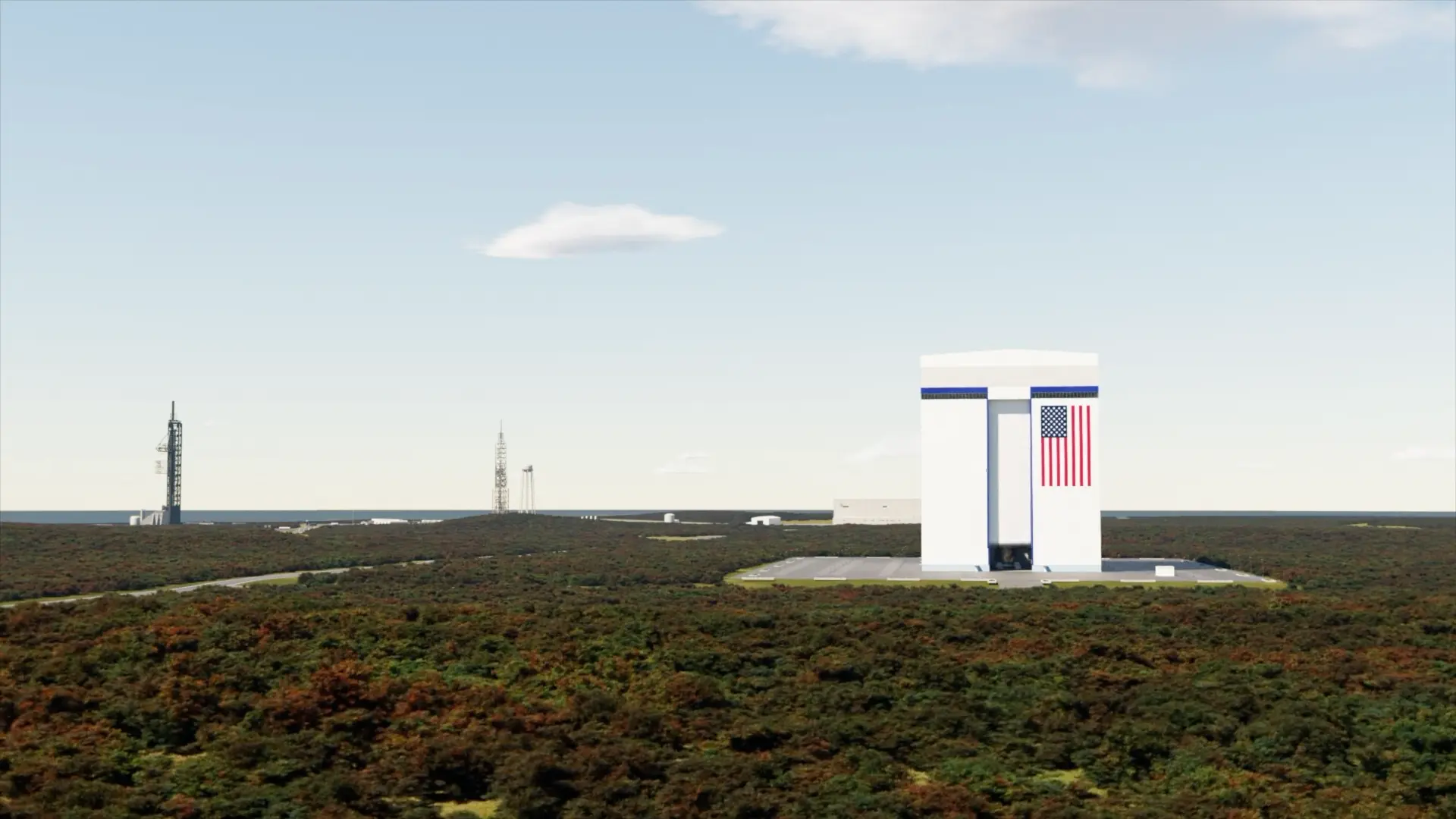
As facility repairs continue following the explosion of one of Blue Origin's New Glenn "7x2" rockets during tests at Cape Canaveral Space Force Station's Launch Complex-36 in May, the company has announced its intent to expand the site with an additional pad. The company also plans to build operations infrastructure for the complex on land nearby, which will include a Vertical Integration Facility (VIF) for the New Glenn 9x4 vehicle, and a Payload Processing Facility (PPF).

Blue Origin has expressed confidence in its ability to complete repairs at its existing LC-36 pad (LC-36A) in time for New Glenn 7x2 to return to launch by the end of the year, but the company did not state a timeline for the readiness of LC-36B or an expected debut of New Glenn 9x4.

The 7x2 and 9x4 designations are a denotation of the rockets' engine configurations. It's similar to SpaceX's name for the Falcon 9 rocket, which is powered by nine Merlin 1D engines on its first stage, arranged in a circle of eight around a single engine in the center. New Glenn's first stage is powered by Blue Origin's BE-4 engines, and the rocket's second stage uses BE-3Us.

Both New Glenn first-stage configurations are designed for landing and reusability. The 7x2 flies with seven BE-4 engines on its first stage and two BE-3Us on its second stage. Subsequently, the taller, yet-to-debut New Glenn 9x4 will be powered by nine BE-4 engines on its first stage and four BE-3Us on its second stage. It will therefore be capable of launching larger, heavier payloads into space.

For roughly four decades beginning in the 1960s, LC-36 was home to two pads that supported the Atlas-Centaur family and, later, the Atlas I, II and III rockets. In that time, the pads hosted launches of NASA's Surveyor, Mariner and Pioneer probes, as well as commercial and national-security payloads. But that era ended in the mid-aughts as those Atlas rockets reached retirement. LC-36A hosted its final launch in 2004, LC-36B launched its last rocket in 2005, and the complex was decommissioned and demolished.

A square building stands on a flat landscape with a pair of rocket launch towers in the background.

A render of the Vertical Integration Facility with Launch Complexes 36A & 36B in the distance. (Image credit: Blue Origin)

Blue Origin took over the lease for LC-36 in 2015, began construction of its own launch facility in 2016, and launched the first New Glenn 7x2 rocket from the facility in 2025. Since that debut, New Glenn has flown two more missions, with the most recent lifting off in April. The company had planned for as many as eight to 12 launches in 2026, but May's static test fire explosion has reduced that number to a hopeful one (1).

The fourth New Glenn rocket (NG-4) was slated to deliver a stack of Amazon Leo wireless internet satellites to orbit before its destruction during testing on May 8, which also resulted in extensive damage to LC-36 facilities. Less than a month later, Blue Origin CEO Dave Limp provided a repair update with the assurance that New Glenn would fly again before the end of 2026. He also outlined some early upgrades that would be integrated into LC-36 as a result of the unexpected repairs, including the replacement of New Glenn's transporter erector with "an alternative vertical conop (operational concept)," for transporting the rocket to the pad.

"LC-36 has served as a cornerstone of American spaceflight for decades, supporting a broad range of missions for NASA and commercial partners," Blue Origin said in a statement. "Now, this historic site is entering a new era, furthering New Glenn operations."

According to Limp, the additional pad will require as much as 2,500 tons of steel, much of which will go toward building a700-foot-tall (213 meters) launch tower.

"Proud to honor the legacy of Launch Complex 36. Rebuilding LC-36A and flying again this year remains our priority. Alongside that work, a separate team is beginning work on LC-36B, the operational home for New Glenn's 9x4," Limp said in an Aug. 12 social media post.

New record! SpaceX launches 2 Falcon 9 rockets just 38 minutes apart (video)

SpaceX keeps setting spaceflight records.

Elon Musk's company launches far more frequently than any other outfit, and it operates the largest satellite constellation ever assembled — the Starlink broadband network, which consists of nearly 11,000 satellites (and counting).

On Saturday evening (Aug. 15), SpaceX set another mark, for the shortest time between orbital flights: It launched two Falcon 9 rockets just 38 minutes apart, besting its old mark — set on Aug. 31, 2024 with two Starlink missions — by 27 minutes.

a black-and-white spacex falcon 9 rocket launches into a dark night sky.

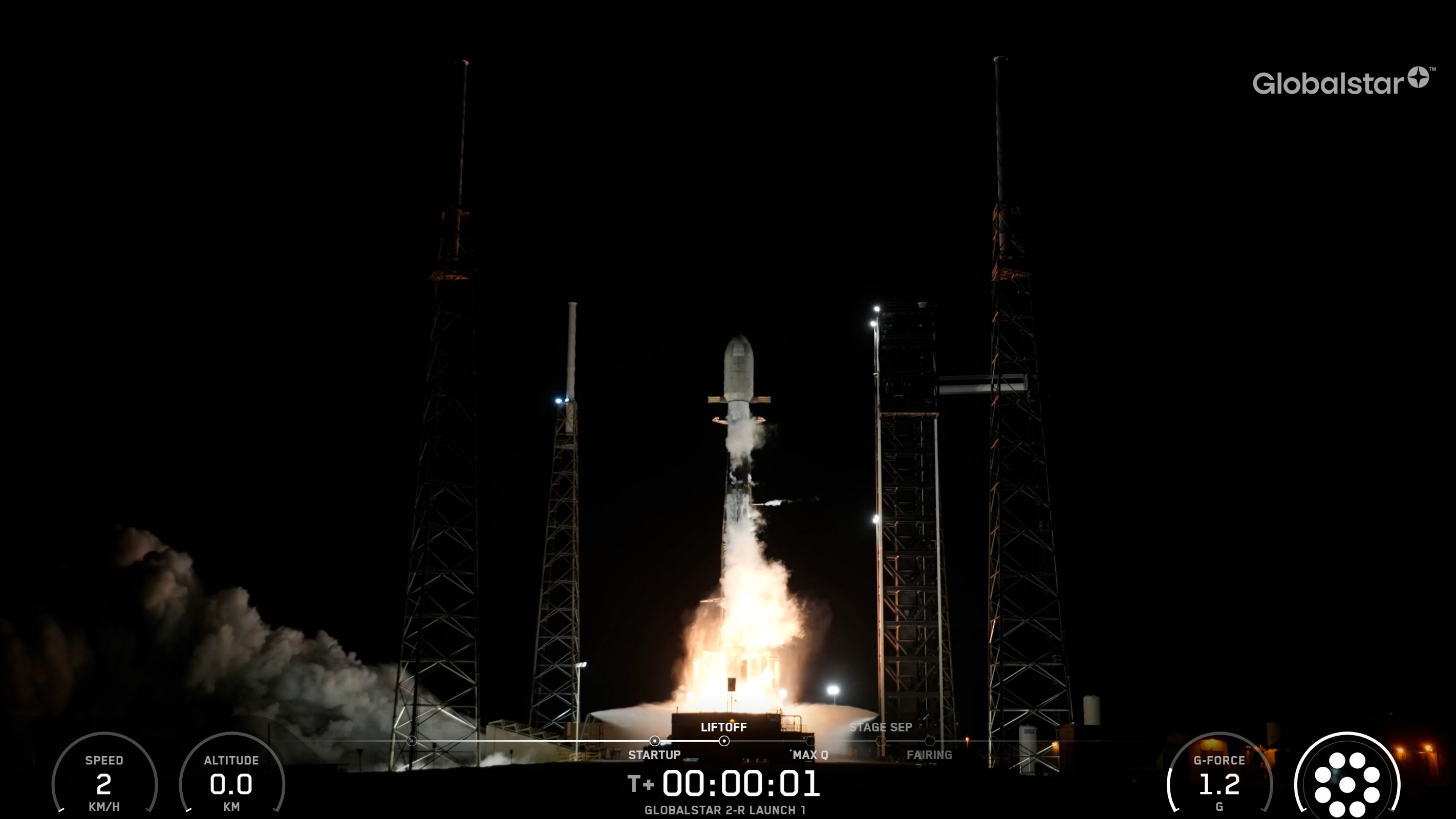
A SpaceX Falcon 9 rocket launches eight satellites for the telecom company Globalstar from Florida's Cape Canaveral Space Force Station on Aug. 15, 2026. (Image credit: SpaceX)

The first liftoff, from Florida's Cape Canaveral Space Force Station, occurred Saturday at 9:12 p.m. EDT (0112 GMT on Aug. 16) and carried eight satellites to low Earth orbit (LEO) for Louisiana-based telecom company Globalstar.

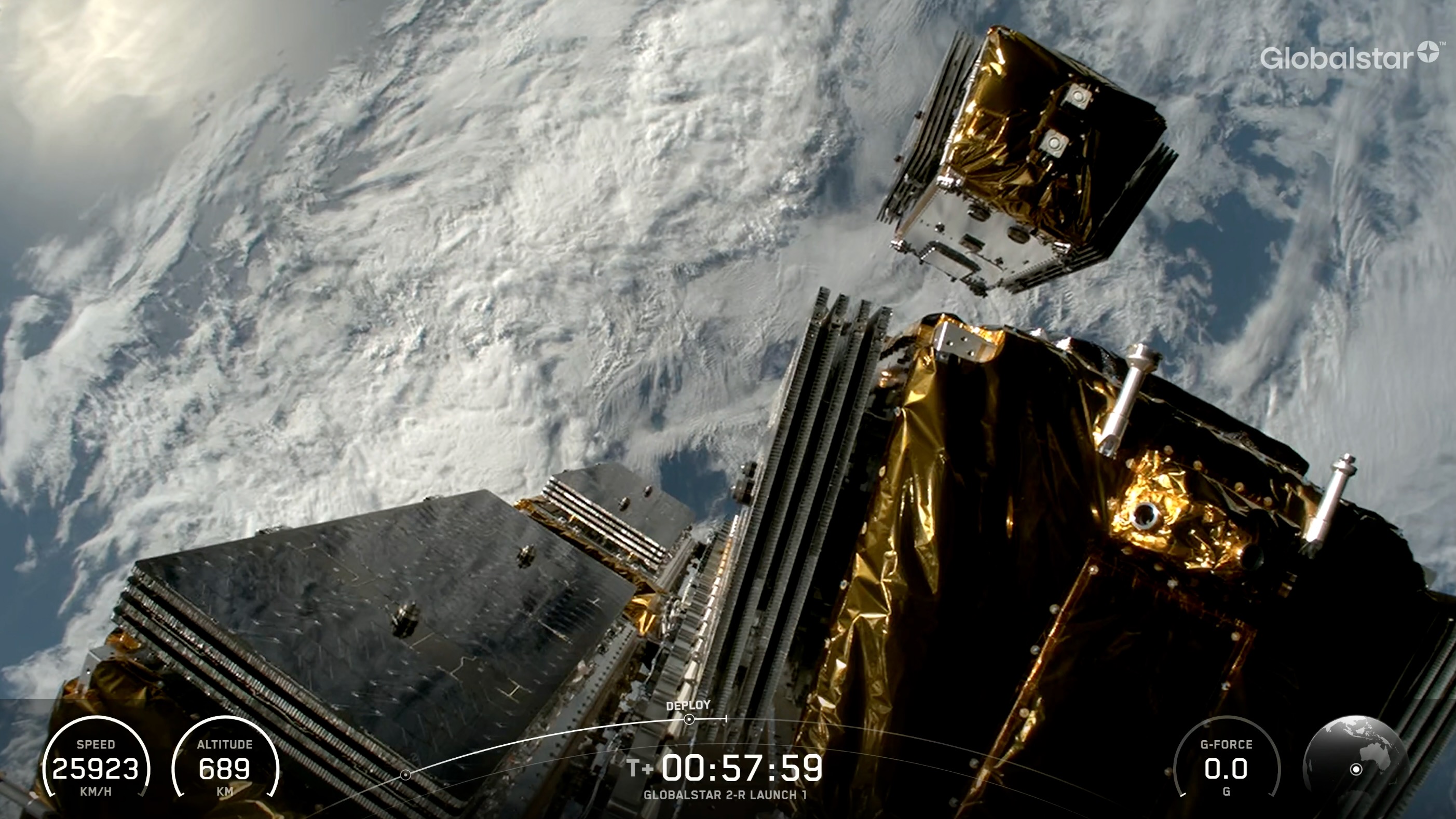
All eight spacecraft were deployed successfully, separating over a six-minute span beginning 56.5 minutes after liftoff, SpaceX announced via social media.

While that Falcon 9 was powering its way to LEO, another one launched from Vandenberg Space Force Base, on California's central coast. That liftoff, at 9:50 p.m. EDT (6:50 p.m. local time; 0150 GMT on Aug. 16), kicked off a mission for the U.S. Space Force called USSF-366.

view from a rocket in orbit around earth showing a boxy satellite deploying

A Globalstar satellite deploys from the upper stage of its Falcon 9 rocket on Aug. 15, 2026. (Image credit: SpaceX)

We know very little about USSF-366, which isn't surprising given its classified status. However, rocket watchers have made a few inferences from the limited available information.

"It is possibly a batch of classified LEO satellites for a U.S. government entity based on SpaceX's Starshield satellite bus, based on locations of rocket stage drop zones being exact fits with previous Starlink Group 15 launches," NextSpaceflight.com wrote in its mission description. (Starshield is a SpaceX project that uses modified versions of Starlink craft to fly national security missions for the U.S. government.)

It's unclear when and where the rocket's upper stage will deploy the USSF-366 payload(s); SpaceX's mission description doesn't reveal that information. And the company ended its livestream shortly after the first-stage landing, as is typical for national security flights.

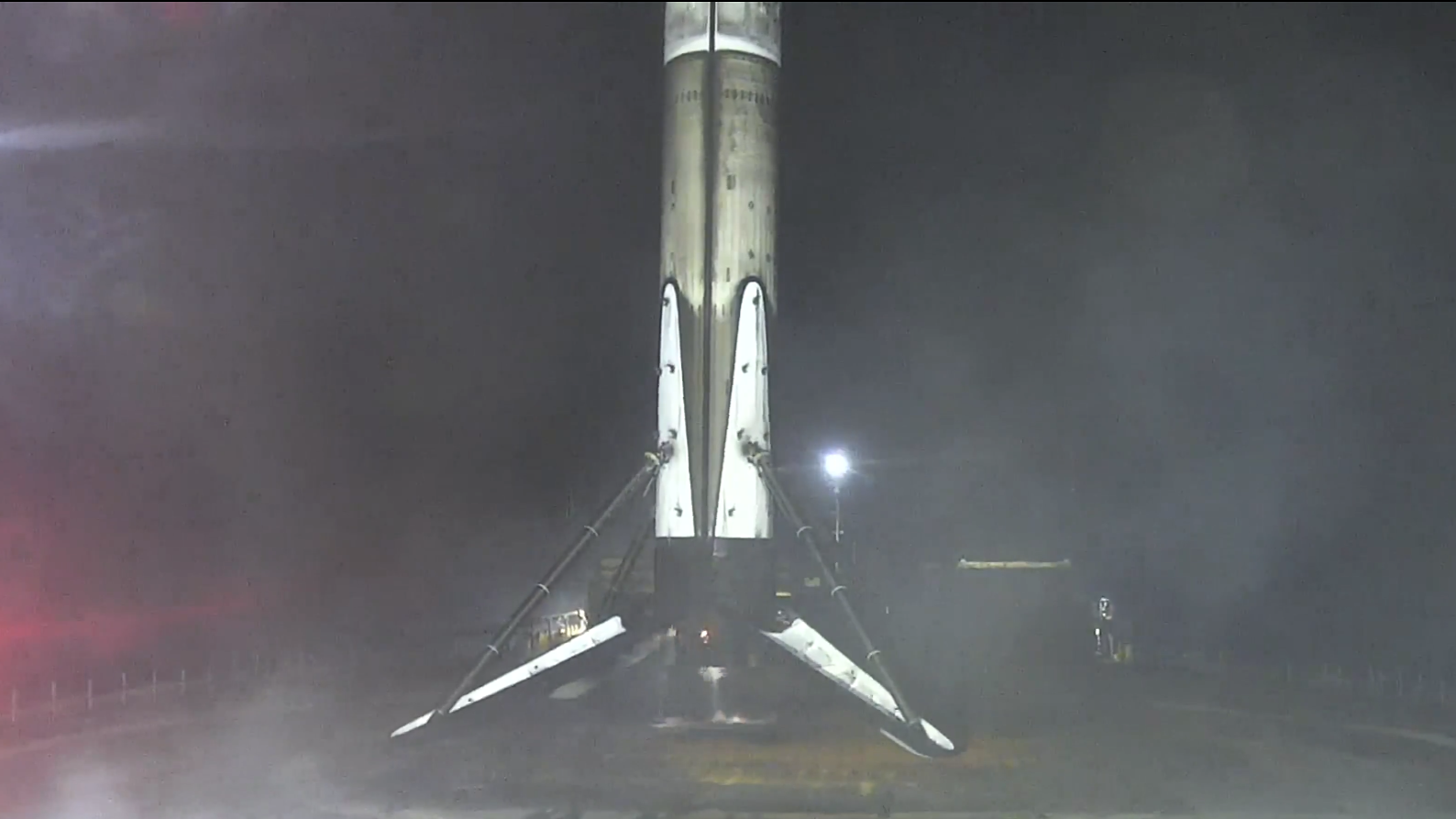
Both of Saturday's missions featured successful rocket landings. The Falcon 9 first stage that launched the Globalstar mission came back for a touchdown at Cape Canaveral about eight minutes after launch. It was the 14th flight for that particular booster.

The USSF-366 Falcon 9 first stage, meanwhile, came back to Earth about 8.5 minutes after its launch, touching down in the Pacific Ocean on the SpaceX droneship "Of Course I Still Love You." That booster now has 18 missions under its belt.

Saturday's doubleheader brought the tally of Falcon 9 launches in 2026 to 96. The vast majority of those — about 75% — have been Starlink missions.

SpaceX wraps Starlink double header day with the launch of 24 Starlink satellites from California

Just over 12 hours after its first liftoff of the day out of Florida's Space Coast, SpaceX has delivered a second batch of Starlink internet satellites to orbit on a rocket lifting off from the company's California launch site.

A Falcon 9 rocket lifted off from Vandenberg Space Force Base on Aug. 12, at 12:46 p.m. EDT (0346 GMT; 9:46 p.m. local time). The mission, Starlink Group 17-49, carried 24 of the broadband spacecraft to low Earth orbit (LEO) to join SpaceX's growing constellation of more than 10,000 satellites.

About 8.5 minutes after clearing the tower, the Falcon 9's first stage, Booster 1103 successfully landed on SpaceX's "Of Course I Still Love You" droneship in the Pacific Ocean." It was the fifth flight for this particular booster.

A charred white rocket stands with legs extended on a dark barge at sea.

The Falcon 9's first stage is seen just after its drone-ship landing on Aug. 12, 2026. (Image credit: SpaceX)

In addition to being its third Starlnk mission, B1103 also launched the NROL-179 and SDA-T1TL-E in support of U.S. national defense.

Following separation from Falcon 9's main booster, the rocket's second stage flew onward to LEO, delivering its 24 Starlink satellites about one hour after liftoff.

Previous Booster B1103 launches

Today's liftoff was the 94th Falcon 9 launch of the year, 73 of which have delivered Starlink stacks to the growing constellation — the largest satellite constellation ever assembled.

Starlink currently consists of more than 10,900 active satellites, according to astrophysicist Jonathan McDowell. But SpaceX has even bigger megaconstellations in mind: The company has filed to operate 100,000 of its bigger, more capable Starlink V3 satellites, and SpaceX CEO Elon Musk has also stated his intent to launch a million AI data center satellites to Earth orbit as well.