
Smell can bring back vivid childhood memories—the so-called “Proust’s madeleine” phenomenon—and neuroscientists now think they know why
Avocado flowers switch sex daily—now we know why
New work explains how avocado trees coordinate a complex reproductive strategy, switching every day between male and female
July’s full Buck Moon leads a mini planet parade through the summer sky tonight
The July full "Buck Moon" rises tonight to lead Saturn, Mars and Mercury in a spectacular mini planetary parade through the summer sky. Here's what you need to know.
July's full moon phase occurs at 10:36 a.m. EDT on July 29 (1436 GMT), when the lunar disk will appear fully illuminated. It's often called the Buck Moon, to reflect the time when young male deer grow out their antlers. It has also been named the Berry Moon by the indigenous Anishinaabe people and as the Thunder Moon by the Western Abenaki people, according to the Old Farmer's Almanac.
Look to the southwestern horizon at sunset to catch the full Buck Moon as it creeps slowly into the summer sky. The moon may appear particularly large at moonrise thanks to a phenomenon known as the "Moon Illusion", where our brains trick us into perceiving it as larger than it actually is while close to the horizon. You might also see it adopt a yellow-orange hue as Earth's atmosphere scatters the bluer wavelengths of its light as it travels low in the sky.
Celestron SkyMaster Pro 15x70

These are our best binoculars for moon views. The 15x magnification and 70mm objective lenses deliver sharp contrast along the terminator and lunar details that pop, but make sure you grab a tripod for steady views.
_
Sunlight strikes the moon head on during July's full moon phase, leaving no shadows to emphasize the presence of the countless craters that litter the lunar surface. It's a perfect time to explore the dark lunar seas that scar the moon's surface, where ancient lava flows once flooded networks of impact basins, then hardened billions of years ago, repaving vast swathes of Earth's natural satellite.
Grab a pair of binoculars or a telescope and look a little closer. You'll find a network of bright streaks intersecting as they travel outward from youthful impact craters. These features are known as ejecta rays, and were created when material cast out in violent impacts fell back onto the lunar surface. Every crater on the moon once had its own set of ejecta rays. However, all but the most recent have since faded into obscurity due to space weathering.
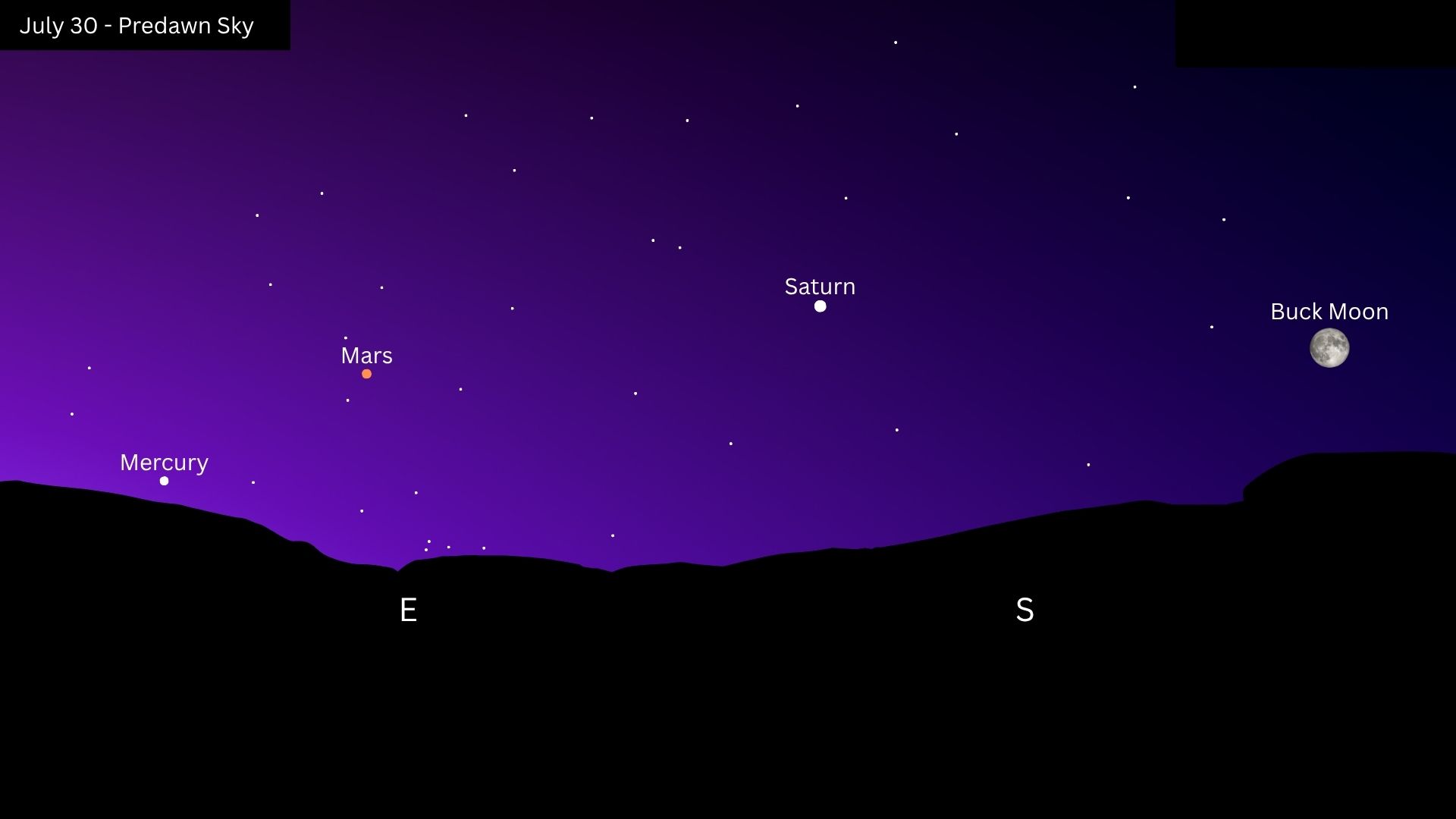
Venus will appear as a bright evening star to the west after sunset, serving as the opening act for a magnificent planetary procession in the hours that follow. Saturn, Mars and Mercury will rise in the east to trail the moon in a majestic arc as it treads a ponderous path from east to west through the summer sky.
Want to capture the incredible predawn lineup for yourself? Then be sure to check out our guide to photographing the planets, along with our expert tips on photographing the moon. You can also read our roundup of the best cameras and lenses for astrophotography to ensure that you're ready for the next big skywatching event.
Editor's Note: If you would like to share your astrophotography with Space.com's readers, then please send your photo(s), comments, and your name and location to spacephotos@space.com.
The ultimate science summer reading list
SciAm books editor Bri Kane shares her favorite science books for every summer mood
How to Bring a Geothermal Well Back from the Dead
Startup Zanskar has created one of the most productive geothermal wells in the US at a power plant that had been in decline for years.
NASA’s New 3D Model Shows the Earth Is a Lumpy Mess
We like to think of our home as a nice, smooth sphere. But mapping the Earth’s gravitational field provides a different view of the planet.
Math’s acclaimed ‘einstein tile’ finds a new home among physicists
Discovered by an amateur mathematician in 2022, this strange construct can tile an infinite surface without repeating. But can it be useful in the real world?
DJI Lito 1 drone review
Key specs
Camera: 48MP 1/2-inch CMOS
Video resolution: Up to 4K
Frame rates: 4K 100 FPS / 2.7K vertical up to 60 FPS / FHD up to 100 FPS
Battery: 2590 mAh up to 36 minutes flight
Charger type: USB-C cable/battery charging hub
Modes: Cine, Normal, Sport
Video transmission range: 9.3 miles (IC) / 4.97 miles (CE/SRRC/MIC)
Dimensions: : Folded 5.67 x 3.70 x 2.44 in / 144 x 94 x 62 mm / Unfolded 7.20 x 9.88 x 3.11 in / 183 x 251 x 79 mm
Weight: 8.78 oz / 249 g
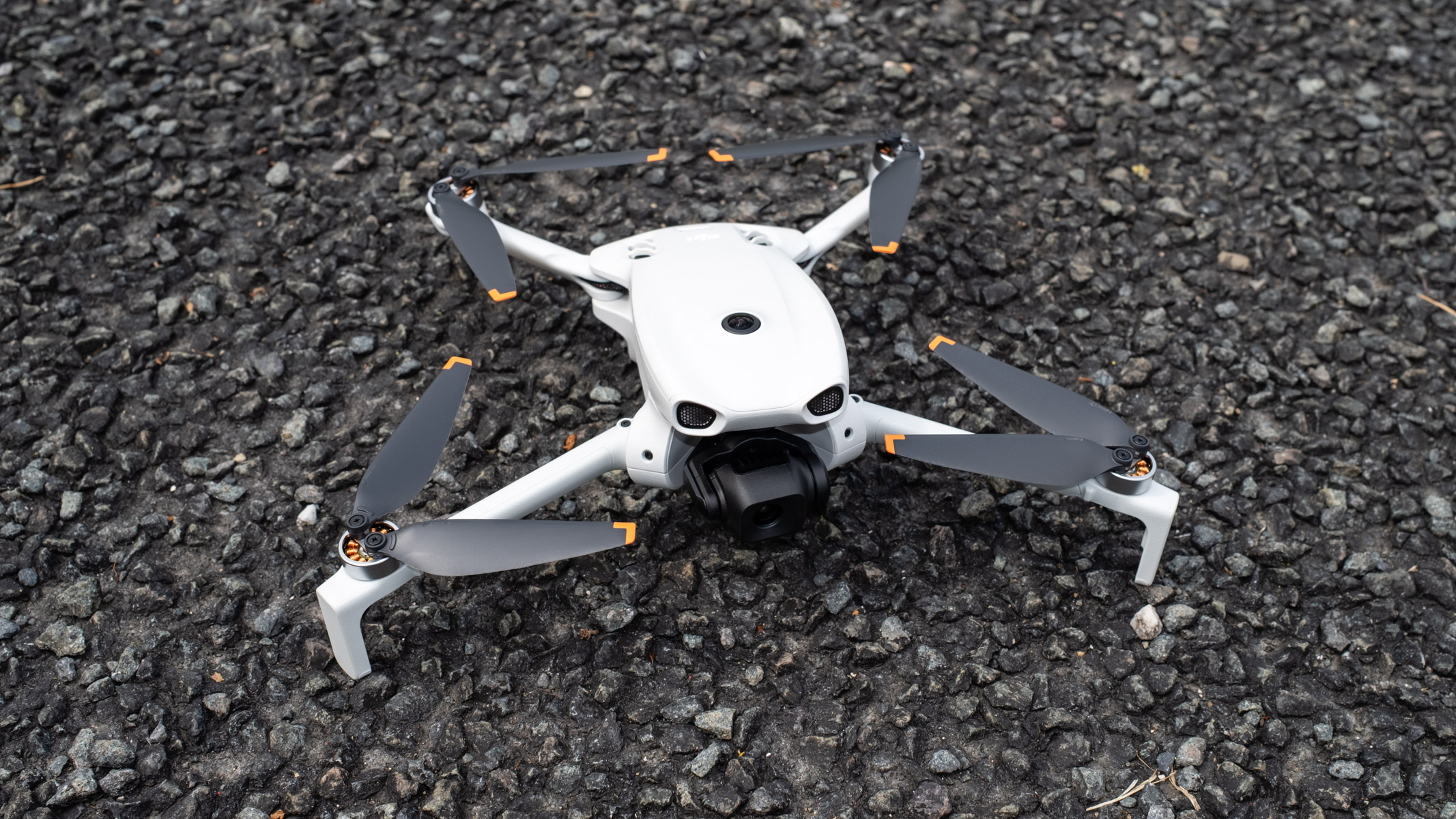
The drone market is hotter than ever, with newbie and slightly more experienced drone pilots now able to enjoy some seriously impressive features on low-cost drones. The new DJI Lito series replaces the older Mini series, with the exception of the DJI Mini 5 Pro, which is DJI’s flagship sub-250 g drone. There are two models available and in this review, we are going to take a look at the DJI Lito 1.
The Lito 1 may be the entry-level Lito model, but it still comes with a feature we’ve been waiting to see on a beginner drone for ages - 5-lux omnidirectional obstacle sensing, otherwise known as collision avoidance. This is a feature that, up until now, has only been available on more advanced and expensive drones, despite being a feature that beginners can truly benefit from.
There are also intelligent flight modes, including ActiveTrack, QuickShots, MasterShots, Hyperlapse, and Panorama, that help you to capture professional-looking photos and videos at the touch of a button. The subject tracking modes are particularly impressive, especially for an entry-level drone, thanks to the omnidirectional obstacle sensing.
The Lito 1 features a 48MP 1/2-inch CMOS sensor with video capture available up to 4K at 100 FPS and photos in JPEG and Raw format. Video can only be captured in the normal profile, which is perfect for beginners because it can be used straight out of camera with no need for color grading.
DJI Lito 1: Design
- Sub-250 g drone
- Compact folding design
- Respectable battery life
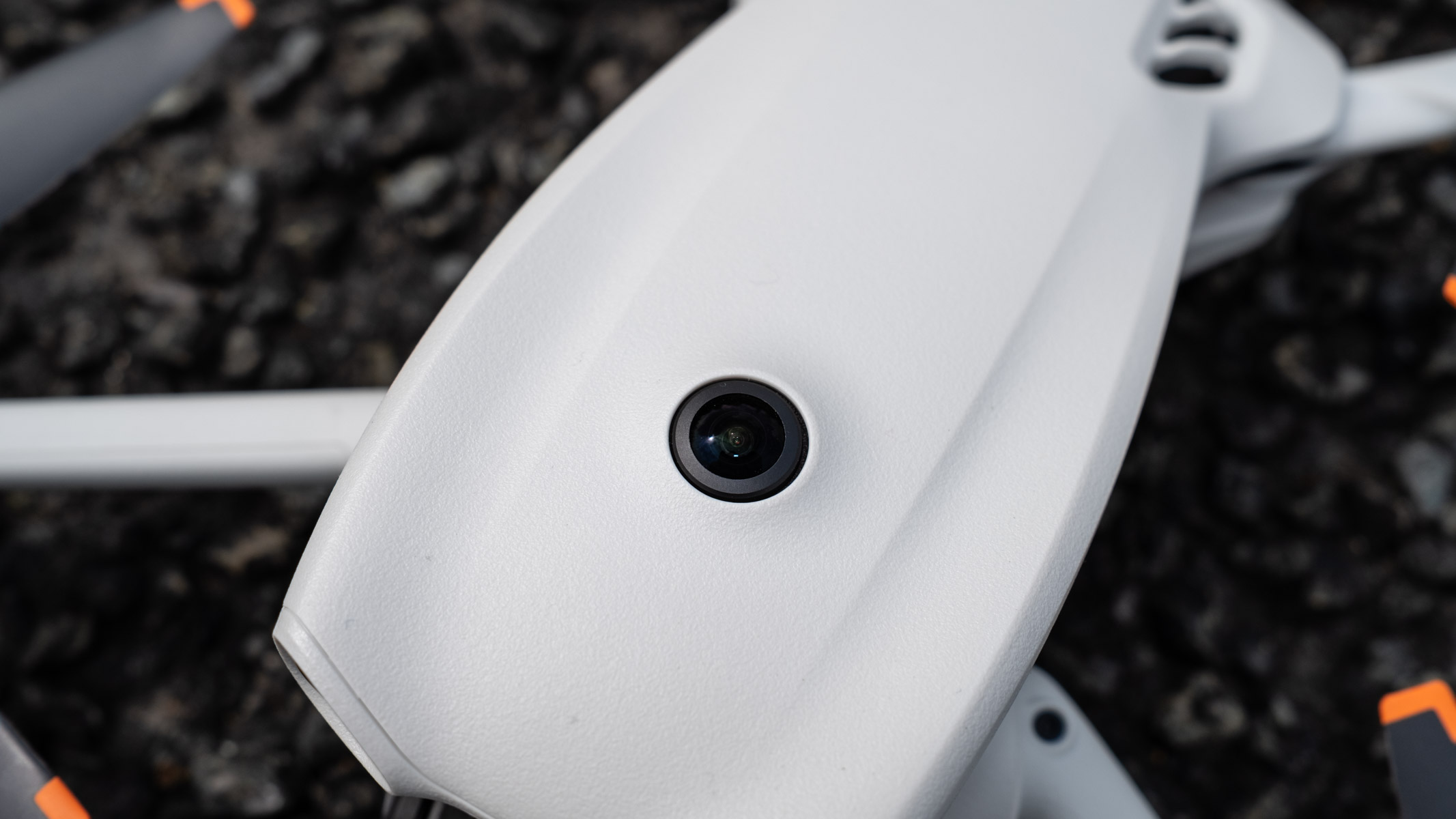
The Lito 1 is a small, lightweight camera drone that looks much like other DJI ‘mini’ drones, with a folding design that makes it even more compact for travel and storage. At 8.78 oz / 249 g, this regulator-friendly drone is just 5.67 x 3.70 x 2.44 in / 144 x 94 x 62 mm when folded, and 7.20 x 9.88 x 3.11 in / 183 x 251 x 79 mm unfolded.
In terms of overall design, it won’t win any innovation awards with its typically DJI light gray build, but it’s undoubtedly a functional drone with great build quality. One of the main visual differences between the Lito 1 and the DJI Mini 4K, for example, is that the Lito 1 has one 5-Lux omnidirectional obstacle sensor on the top of the drone, and another on the bottom.
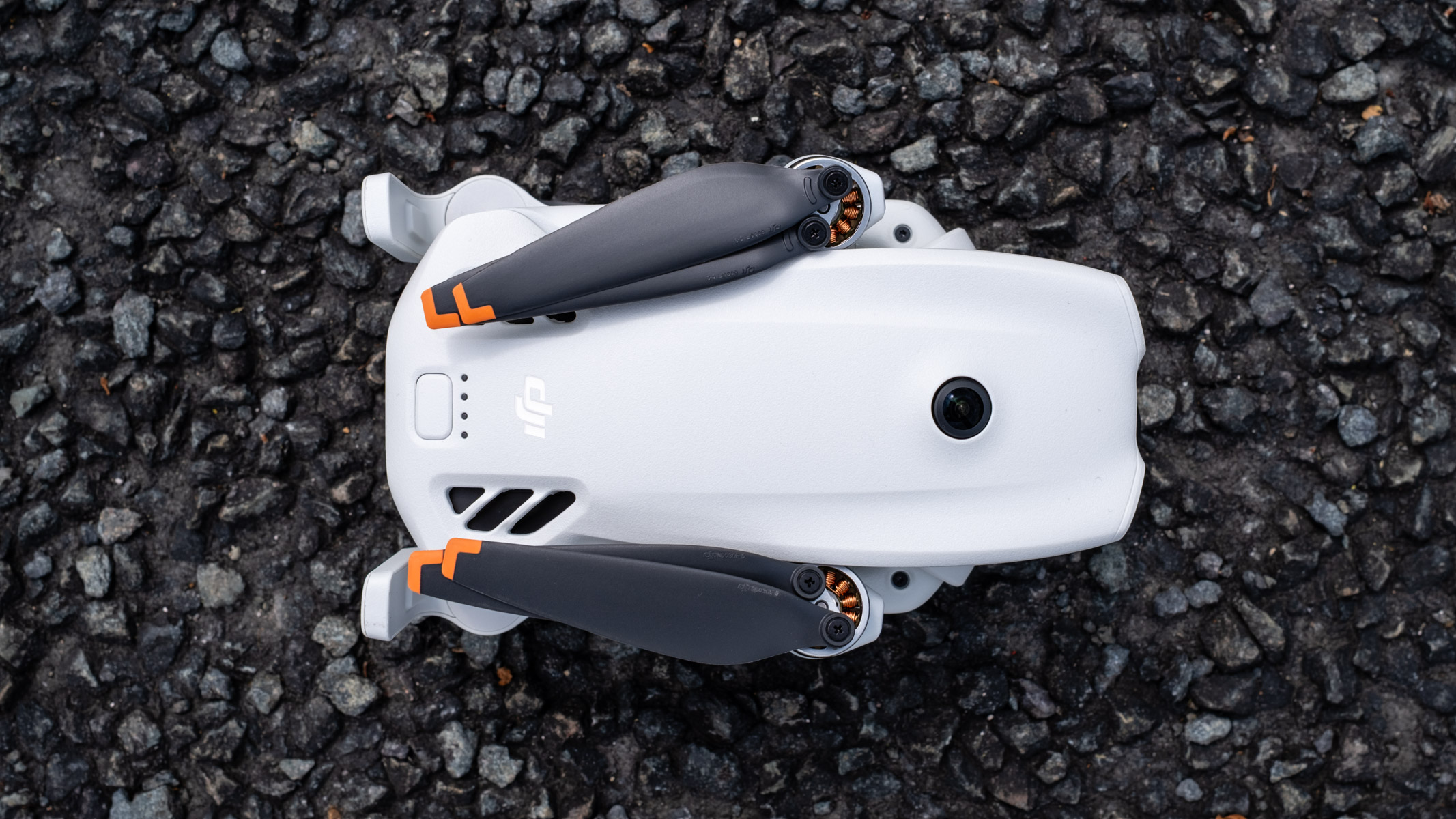
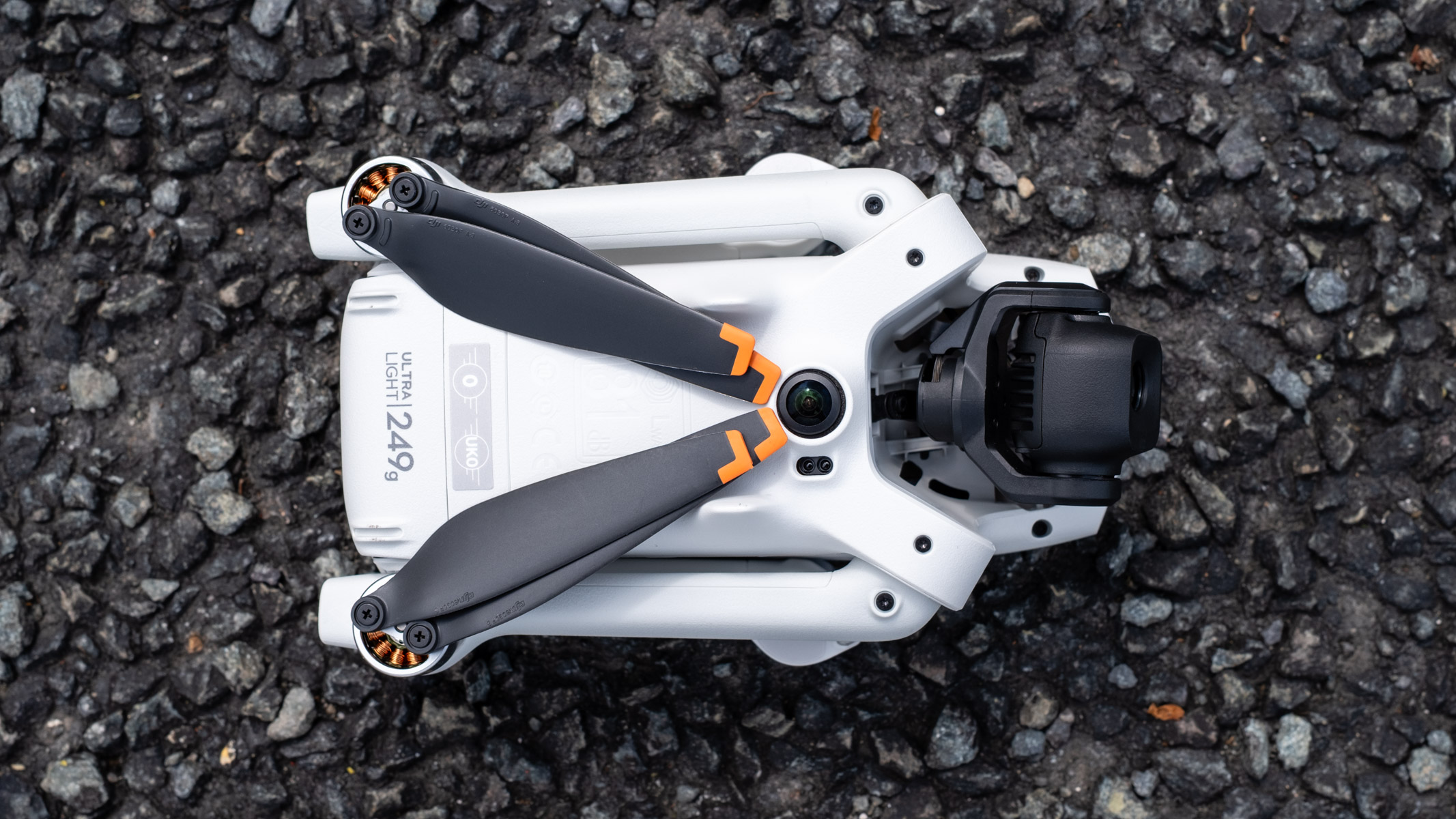
These two sensors provide highly effective 360-degree obstacle avoidance that will give beginner drone pilots confidence, but you can never fully rely on them to avoid obstacles. Omnidirectional obstacle sensing is fantastic, but it’s no substitute for flying with care and attention. You can also change the way it behaves to suit different situations.
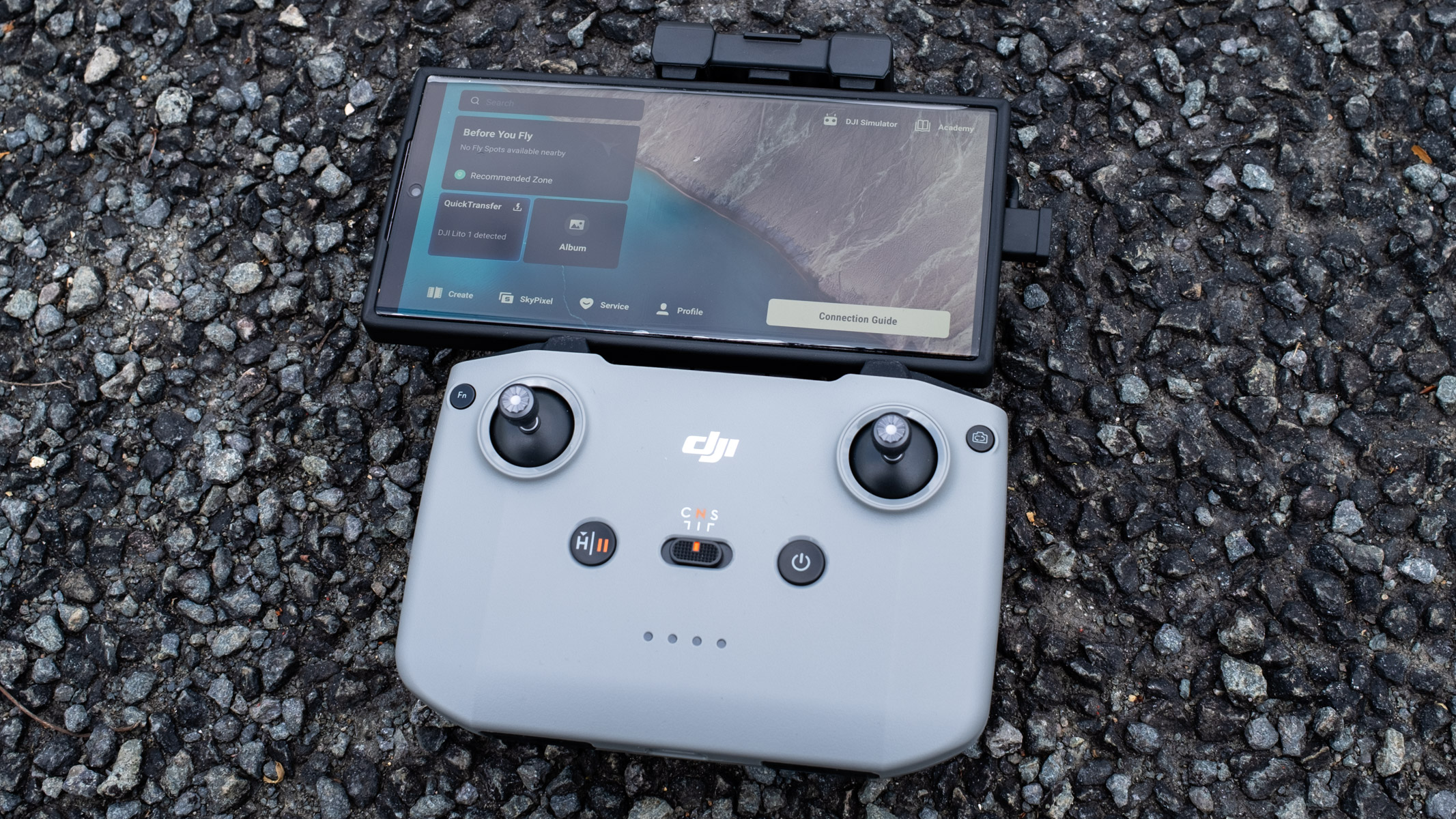
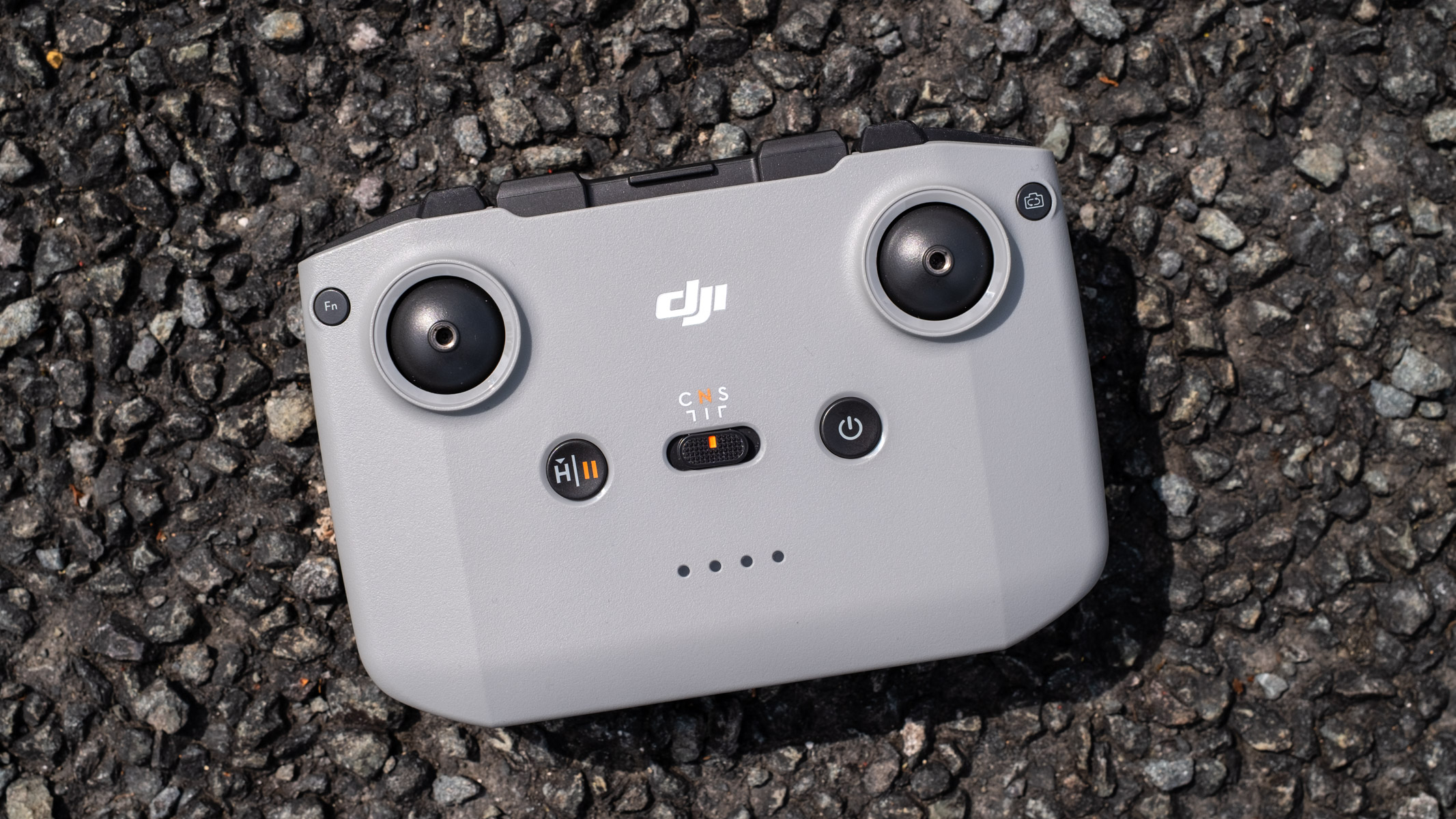
The Lito 1 comes with the DJI RC-N3 controller in the Fly More Combo. This is the most basic DJI controller, where you attach your phone to a telescopic phone holder at the top to give you a camera view and access to settings.
It’s not as convenient as a smart controller but it does its job well and helps to keep costs down. The DJI RC-N3 has a decent battery life and is comfortable to hold, with detachable control sticks that stow away at the bottom of the controller when not in use.
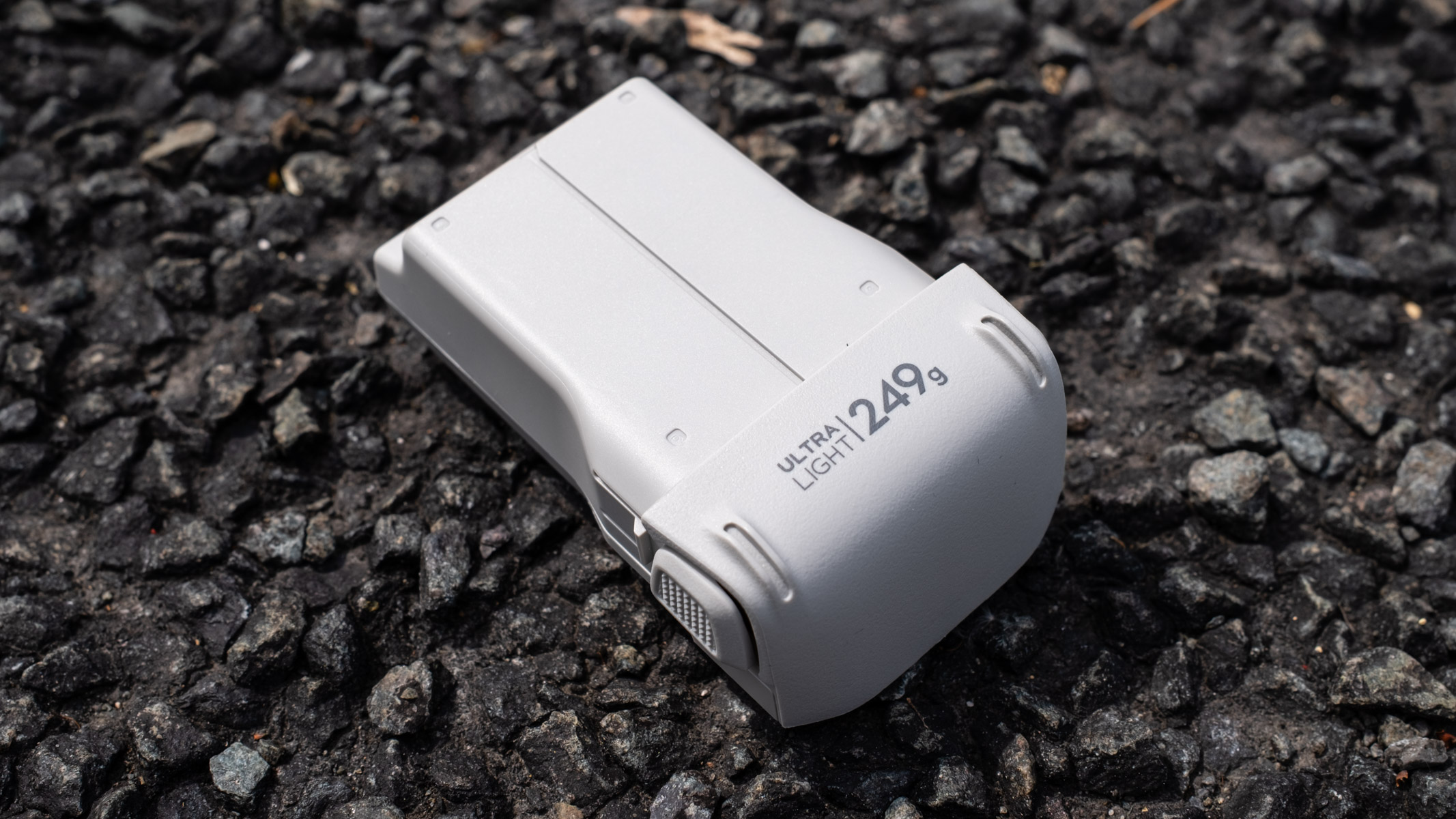
Battery life of the drone itself is great but the claimed 36 minutes of flight time doesn’t quite translate to reality. Flight times came in at around 24 minutes before the battery reached around 16% and 'Return to Home' was initiated. This is still great for small 2590 mAh batteries and plenty of time if you have three batteries from the 'Fly More Bundle' to offer over an hour of flight time.
DJI Lito 1: Functionality
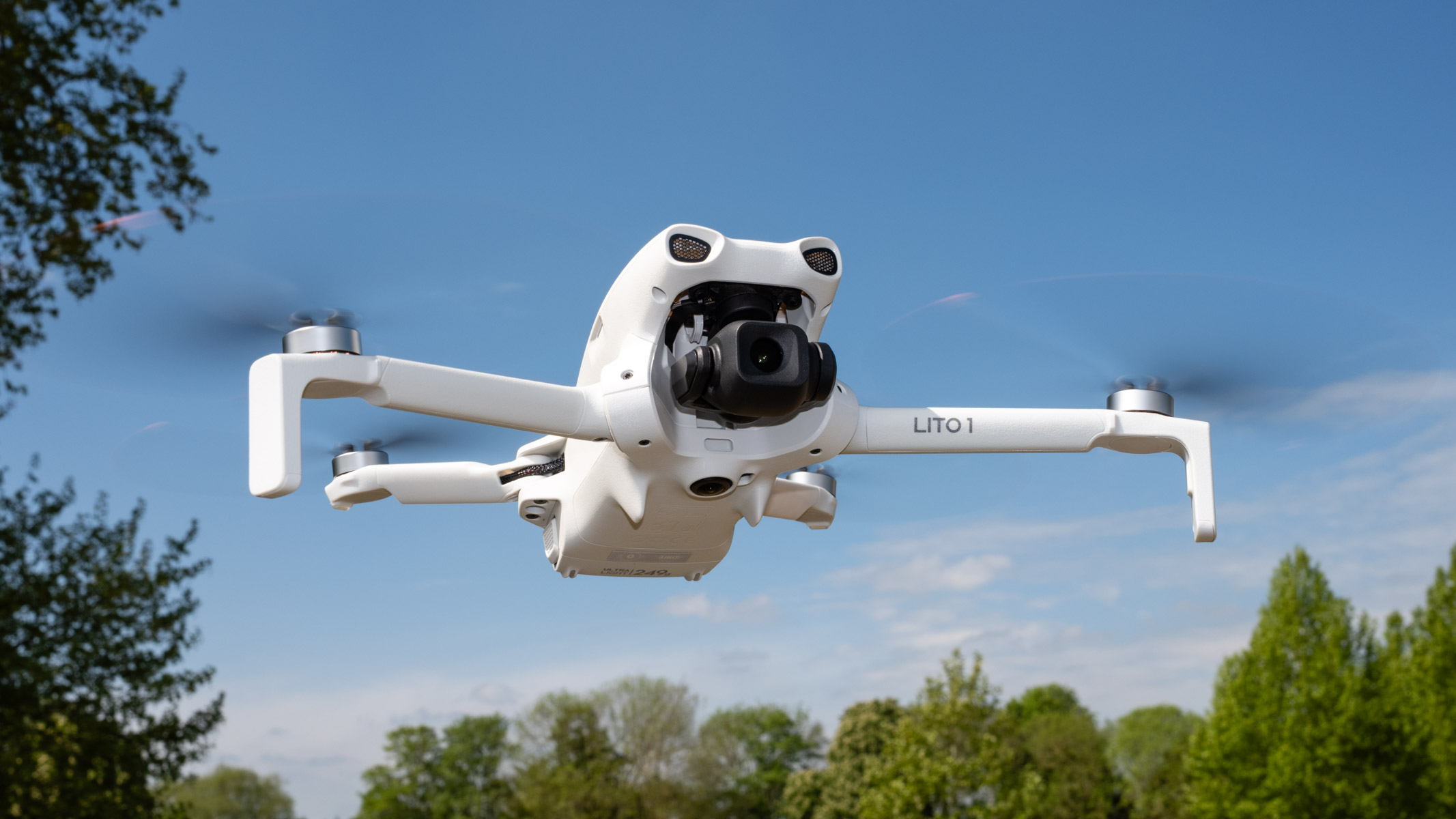
- Quick takeoff
- No internal storage
- Non-GPS RTH
The Lito 1 is a nimble drone capable of some respectable flight speeds, with a maximum speed of 40.27 mph in sport mode and 26.84 mph in normal mode and when tracking subjects. Cine mode is also available with reduced speed and less sensitive controls to assist pilots when capturing cinematic footage. Wind resistance is also great at 23.94 mph, so it will only be on the most windy days when you can’t fly.
Controls are responsive, and you undoubtedly enjoy a robust DJI flight experience with the drone. Plus, video transmission is faultless, and there were no issues whatsoever during testing. Then there are the intelligent flight modes, which include ActiveTrack, QuickShots, MasterShots, Hyperlapse, and Panorama; these all help beginners and experienced pilots alike to capture professional-looking photos and videos at the touch of a button.
The jewel in the crown feature has to be the Omnidirectional Obstacle Sensing because this is the first time it’s been available on a beginner drone model, not to mention one that is so competitively priced. There are several modes available, including Brake and Bypass, so you can select the option that suits the flying situation, and despite having only two sensors – one on the top and one on the bottom of the drone – it does a fantastic job. The subject-tracking modes are impressive, thanks to omnidirectional obstacle sensing and selecting a subject to track is incredibly easy.
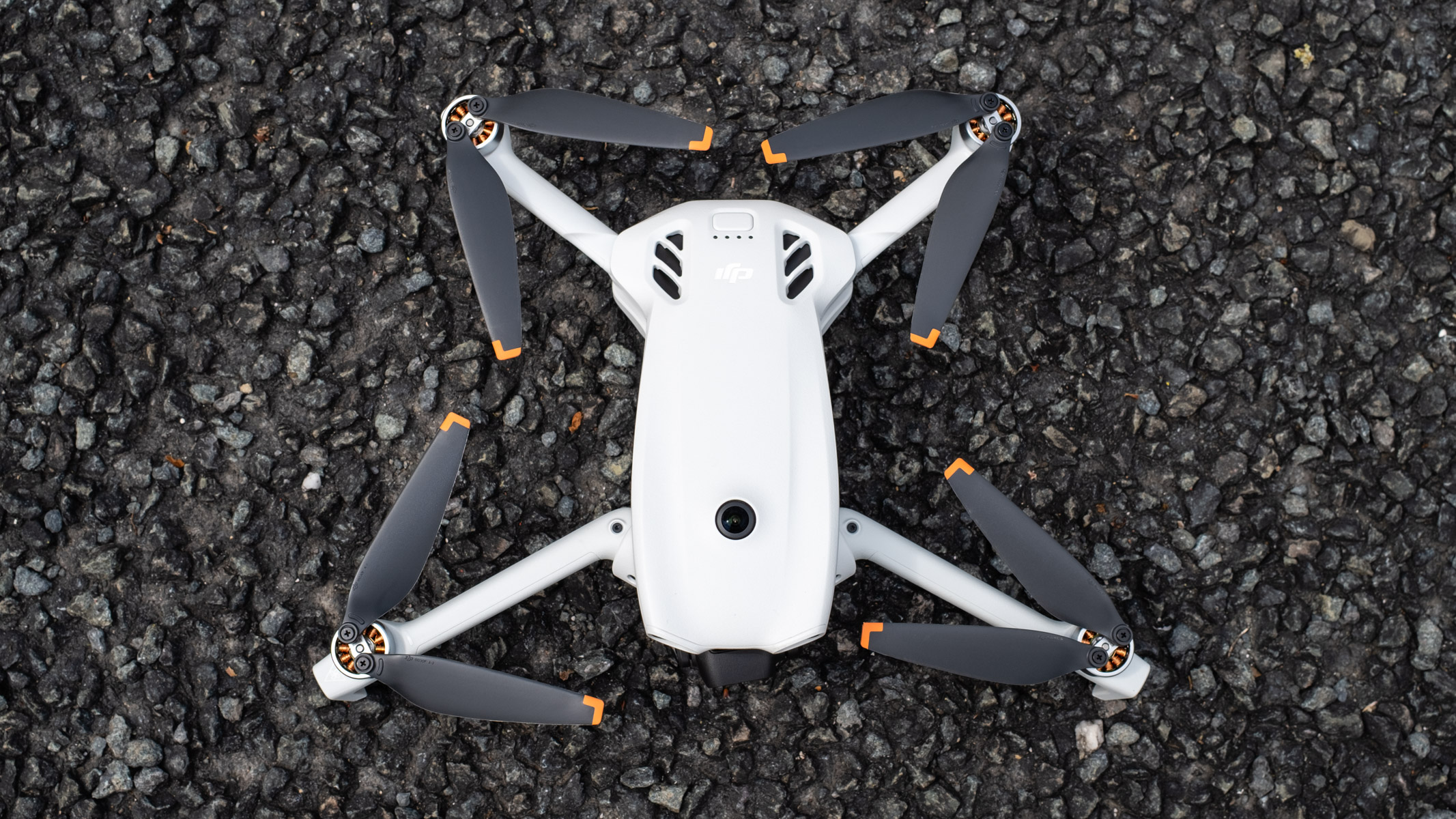
Other useful features include Quick Takeoff and Return to Home (RTH). The former allows you to take off before satellite signals have been fixed for GPS, which is useful in more built-up locations.
RTH is the feature pilots know and appreciate, but where it differs slightly from the Lito 1 is that during the latter stages of the RTH process, the drone tracks its take-off route, so a strong GPS connection isn’t essential. This wasn't tested because there were always strong signals, but on paper, it sounds great.
One missing feature is internal storage, so you’ll have to rely on using a microSD card to save your photos and videos. It’s certainly not a dealbreaker and is typical of beginner models. It does, however, offer Wi‑Fi 6 QuickTransfer at up to 50 MB/s, so you can transfer imagery to your smartphone using the DJI Fly app quickly.
DJI Lito 1: Performance
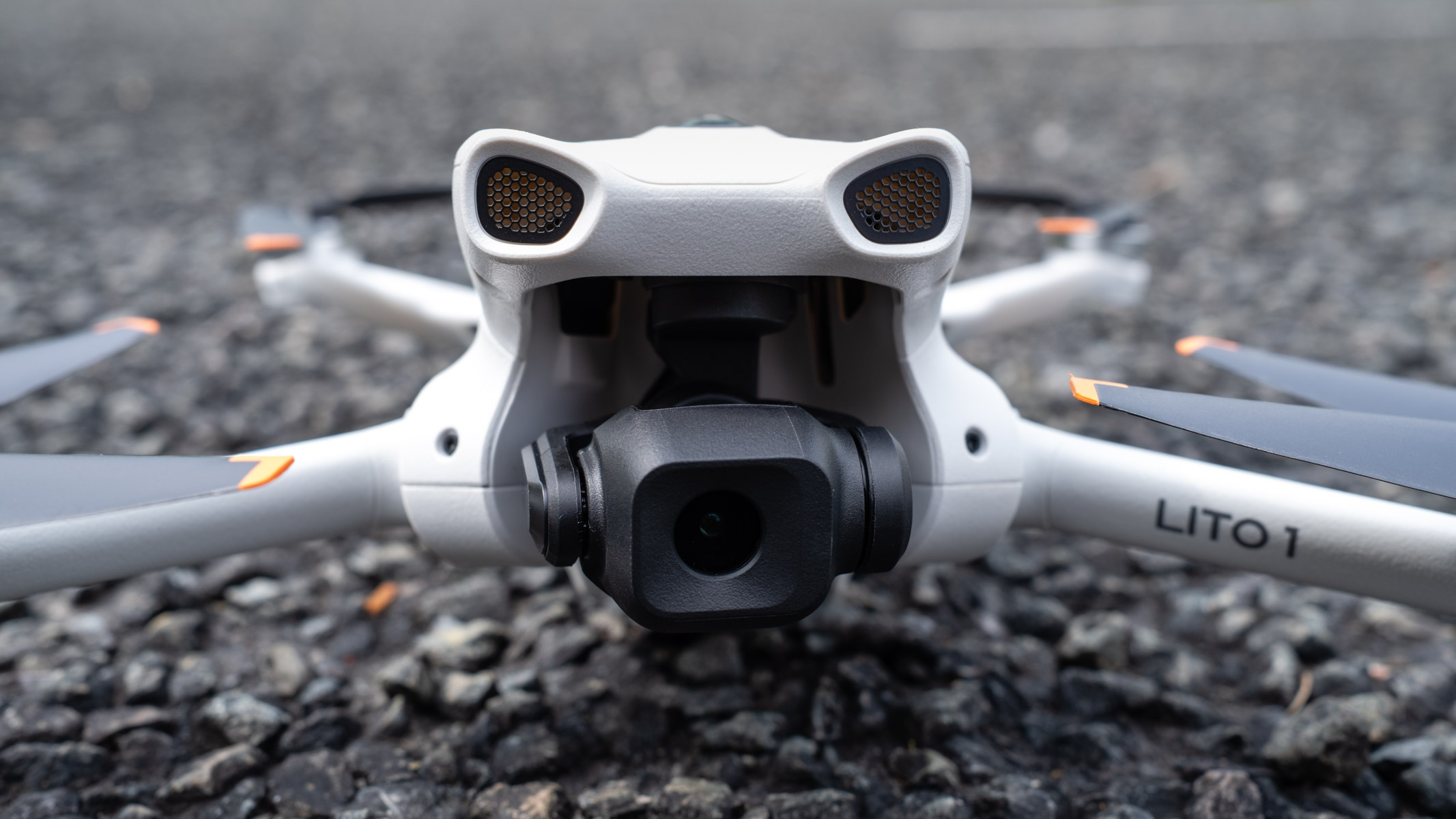
- 1/2-inch 48MP CMOS sensor
- Up to 4K 100 FPS video
- Raw & JPEG photos
The Lito 1 is the absolute beginner model in the new Lito line-up, and as such it has the smaller sensor of the two available models. The camera features a 1/2-inch 48MP CMOS sensor and the lens offers an equivalent focal length of 26.2mm. The aperture is fixed at f/1.8 while focus is available from 4m to infinity.
Image quality is impressive overall, despite the small sensor, and much better than many drones at a similar price point with a small sensor. So, despite this being a beginner model, there’s no doubt that the Lito 1 will keep most beginner pilots happy for years to come before the desire to upgrade to a more advanced model takes hold.





Photos are typically sharpest in the central area of the frame with some fall-off towards the edges of the frame. Video quality is better, as is usually the case, but this is due to using fewer sensor pixels and the centre of the lens. Not to mention, video is much more forgiving than photos because the image is moving.
Photos can be captured in Raw and/or JPEG using shooting modes including Single Shot, Burst Shooting, Automatic Exposure Bracketing (AEB) and Timed shots with delays between two and 60 seconds. This is exactly what you need for shooting photos with a drone.
Please note the footage below was shot in 4K, but our video player only plays in HD.
Video can be captured at up to 4K 100 FPS, 2.7K vertical up to 60 FPS and FHD up to 100 FPS. Video can only be captured in the Normal color profile for straight out of camera footage, so there’s no need for color grading.
The main downside for more advanced users is that the Lito 1 doesn’t capture video in the 10-bit D-Log M color profile, but if you need this, the slightly higher-spec Lito X1 is the model for you.
DJI Lito 1: Price
The DJI Lito 1 is competitively priced at just £429 for the Fly More Combo, or £299 for the drone and a battery if you already own a DJI RC-N3 controller. The Fly More Combo includes three batteries, a charging hub, a carry case, and accessories, along with the drone and the controller. At the time of writing, the drone is unfortunately unavailable in the United States.
This is a great price for an entry-level drone in a Fly More Combo with all those useful accessories. It’s slightly more expensive than some other entry-level drones, but the main advantage of the Lito 1 is that it has Obstacle Sensing.
Should you buy the DJI Lito 1?
If you’re an absolute beginner looking for a solid drone that will meet your needs for some time to come, the DJI Lito 1 is one of the most attractive drones available. If you’d like the same drone but with some additional features, the DJI Lito X1 is a more advanced version.
Flight performance is excellent, and the omnidirectional obstacle sensing is incredibly useful for beginners because it can seriously reduce the risk of crashing. Image quality is also impressive considering the size of the camera sensor, although it’s not a drone that you’d choose to use professionally.
Alongside the omnidirectional obstacle sensing, another impressive and indeed useful feature is subject tracking, which performs incredibly well. This is a feature you don’t often see in entry-level drones, and when you do, it doesn’t work well, but with the Lito 1, the performance can’t be faulted.
If this drone isn't for you
The DJI Lito X1 is the higher spec model of the two new Lito models and features a larger sensor alongside forward-facing LiDAR for improved obstacle sensing. It can also capture video in the flat D-Log M color profile.
If you’d like the most advanced sub-250 g drone available, the DJI Mini 5 Pro offers the best image quality, features and functionality of any compact and lightweight drone.
If you’d like a sub-250 g drone at a competitive price but don’t need obstacle avoidance, the Potensic Atom 2 is a fantastic sub-250 g drone capable of capturing 4K video and photos in Raw and JPEG.
NASA fuels its next-gen Roman Space Telescope for August launch
NASA announced on Tuesday (July 28) that it has officially fueled-up the Roman Space Telescope — a magnificent new observatory expected to generate over 500 terabytes of cosmic data per year. By comparison, the Hubble Space Telescope, in its 35 years of service, has created over 400 terabytes in total.
At present, the Roman Space Telescope's launch aboard a SpaceX Falcon Heavy rocket is scheduled to occur on Aug. 30 at 7:26 a.m. EDT (1126 GMT). And considering the project is sort of the gold-standard for telescope-building, as the team says it's nine months ahead of schedule and under budget, hopes are high that this launch date will stick.
Fueling of the observatory took place on Saturday (July 25) and involved pumping it up with what's known as hydrazine fuel. Hydrazine fuel is a classic sort of fuel used in NASA spacecraft as it's highly efficient; however, because its extremely toxic and unstable, there have been attempts to move away from this sort of fuel and replace it with something less hazardous.
The Roman Space Telescope's inauguration into NASA's fleet of observatories will mark a pretty big moment for the advancement of astronomy.
Roman's specs are quite impressive; thanks to that showy data-generation figure discussed above, the telescope is expected to further our knowledge of intriguing phenomena like dark matter, dark energy, supernova explosions and even the hunt for habitable exoplanets.
It will work as a complement to other major telescopes, including the James Webb Space Telescope (JWST). For example, while Roman can't see as far as the JWST, it does have the same sort of infrared vision that enables such deep space probing. What it can do that the JWST cannot, though, is see a much wider swath of space at once.

One of Roman's instruments, named Wide Field Instrument (WFI), will be able to create images of the infrared universe 50 times wider than the JWST's images. This means that while the JWST is zooming in on a particular object of interest, Roman could meanwhile be compiling future targets for the JWST or catching anything fleeting that the JWST would've missed due to its highly narrow view.
As another example, to help with dark universe studies, this ultra-wide view should allow Roman to study lots of galaxy movements at once. That's great because the only way we even know dark matter and dark energy exist (aka one of the best ways we have of studying the two) is by the way they affect galaxy movements.
"So we're going to see thousands of supernovae, and some of these are going to be further away than any supernovae we've ever seen before," Dominic Benford, program scientist for the Nancy Grace Roman Telescope previously told Space.com.
To accomplish all of these goals though, Roman will have to use its new fuel supply to get to its designated station in space: Lagrange point 2. This is a sought-after spot for spacecraft as it's a gravitationally stable point about a million miles from Earth. That stability means spacecraft have to use less fuel to stay put.
"Roman will use its propellant to power two types of thrusters that help it stay in its planned orbit around L2 and ensure the solar array panels face the sun, which is the observatory's main source of power throughout the mission," NASA explained in a statement.
It's where the JWST is right now — if all goes to plan, we'll really have a nice tag-team operation happening over there.
Our Milky Way galaxy appears to have flipped 90 degrees long ago. But why?
The Milky Way's spiral disk may have flipped over by 90 degrees, in turn altering the solar system's orbit around the center of the galaxy.
Spiral galaxies such as the Milky Way have two main, visible, structural components: a disk that encapsulates most of its stars, gas and the central black hole, and a more diffuse halo of older stars that encapsulates the disk.
However, the Milky Way's stellar halo has always been a bit of an oddity. The European Space Agency's Gaia mission measured the motion of the halo's stars to find they rotate slowly compared to other material within the spiral disk. Now, supercomputer models led by Kirill Batrakov of the University of Durham have found what triggers this: galactic mergers and spiral disks becoming flipped over.
In their simulations, Batrakov and colleagues tracked the evolution of 25 Milky-Way-like galaxies across billions of years. They found that those which had slowly spinning haloes also experienced head-on mergers with other galaxies and had their disk flipped at some point.
"We already know that the Milky Way had a massive head-on collision in the past with a galaxy known as Gaia-Sausage-Enceladus," Batrakov said in a statement. "So, we think that the Milky Way disk likely flipped in the past."
Gaia-Sausage-Enceladus was a dwarf galaxy with more than 10 billion times the mass of our sun that slammed into the Milky Way between 8 billion and 11 billion years ago. The evidence for this collision was also found in Gaia's measurements of the motions of stars. The colliding galaxy's strange name comes in part because as it was ripped to pieces by the Milky Way's gravity, its stars were channeled onto highly elongated, sausage-shaped streams that our galaxy incorporated into its halo.
This collision was the last major impact that our Milky Way galaxy experienced, but maybe not the last major event that it experienced. At some point, the Milky Way's disk seems to have also flipped, but what caused this is uncertain. Also of note: The simulations showed that galaxies whose disks flipped hadn't always experienced a merger.
"We think that there might possibly be different mechanisms driving the disk flips," Batrakov told Space.com. "At this point, we are not sure which scenario applies to the Milky Way specifically and a further investigation is needed on the precise mechanics of disk flips."
These two mechanisms — the merger and the flip — would both contribute to the slower spinning halo. The head-on merger sees lots of stars from the Gaia-Sausage-Enceladus galaxy get thrown into the halo but on trajectories strongly misaligned with the disk. So, relative to the disk, they collectively rotate more slowly.

The disk flip leads to a similar situation. In the simulations, the flip is measured with respect to the space around the galaxy, but as the orientation of the disk changes relative to the halo, the halo doesn't immediately reorient with it and takes its time to synchronize its rotation with the disk. Hence, this misalignment results in the halo having less coherent rotation relative to the new orientation of the disk.
If the disk flip occurred during the solar system's lifetime, then it could have impacted our own orbit around the galactic center.
"A disk flip means that most of the Milky Way's stars once moved on very different trajectories than they do today, possibly even our sun, meaning our 'stable' spot in the galaxy might not have been so stable for the solar system's whole lifetime," said Batrakov.
Much of what we understand about other galaxies comes from our knowledge of the Milky Way and its story.
"Finding that its disk flipped adds a new chapter to that story, one we must account for when placing the Milky Way in a broader context of other galaxies," said Batrakov, who recognizes just how incredible it is that we can infer this story through careful observations billions of years after the fact.
"What excites me most is that this complex history can be reconstructed just from present-day observations," he said.
Batrakov presented his work at the Royal Astronomical Society's National Astronomy Meeting, being held at the University of Birmingham between July 20 and July 24.