On this day in space! Sept. 8, 2004: NASA’s Genesis spacecraft crashed in the Utah desert, shattering its samples of solar wind particles from the sun

On Sept. 8, 2004, NASA's Genesis spacecraft crash-landed in Utah after its parachutes failed to deploy.

Genesis was NASA's first sample-return mission since the Apollo program, and the first attempt ever to bring back samples from someplace farther than the moon. The spacecraft picked up solar wind particles while orbiting the L1 Lagrange point, which is about 1 million miles from Earth. L1 is a "sweet spot" between the Earth and the sun, where the gravitational pull from both objects balances out.

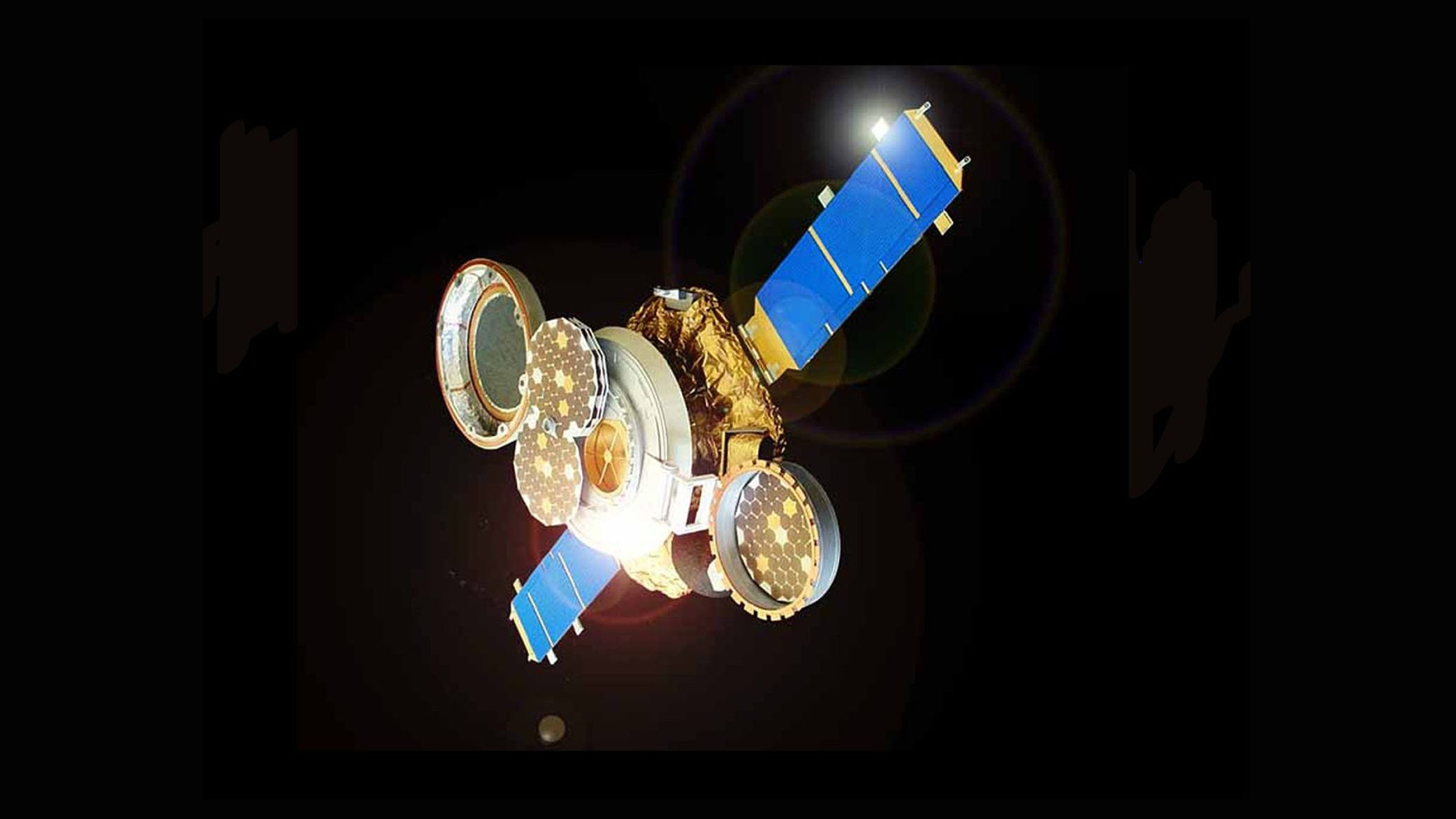
Genesis collected samples of the solar wind using arrays made of ultrathin semiconductors called "wafers." Atoms and ions floating around in space stuck to these wafers, and Genesis was supposed to bring them back safely. But that didn't happen, because its parachute didn't work.

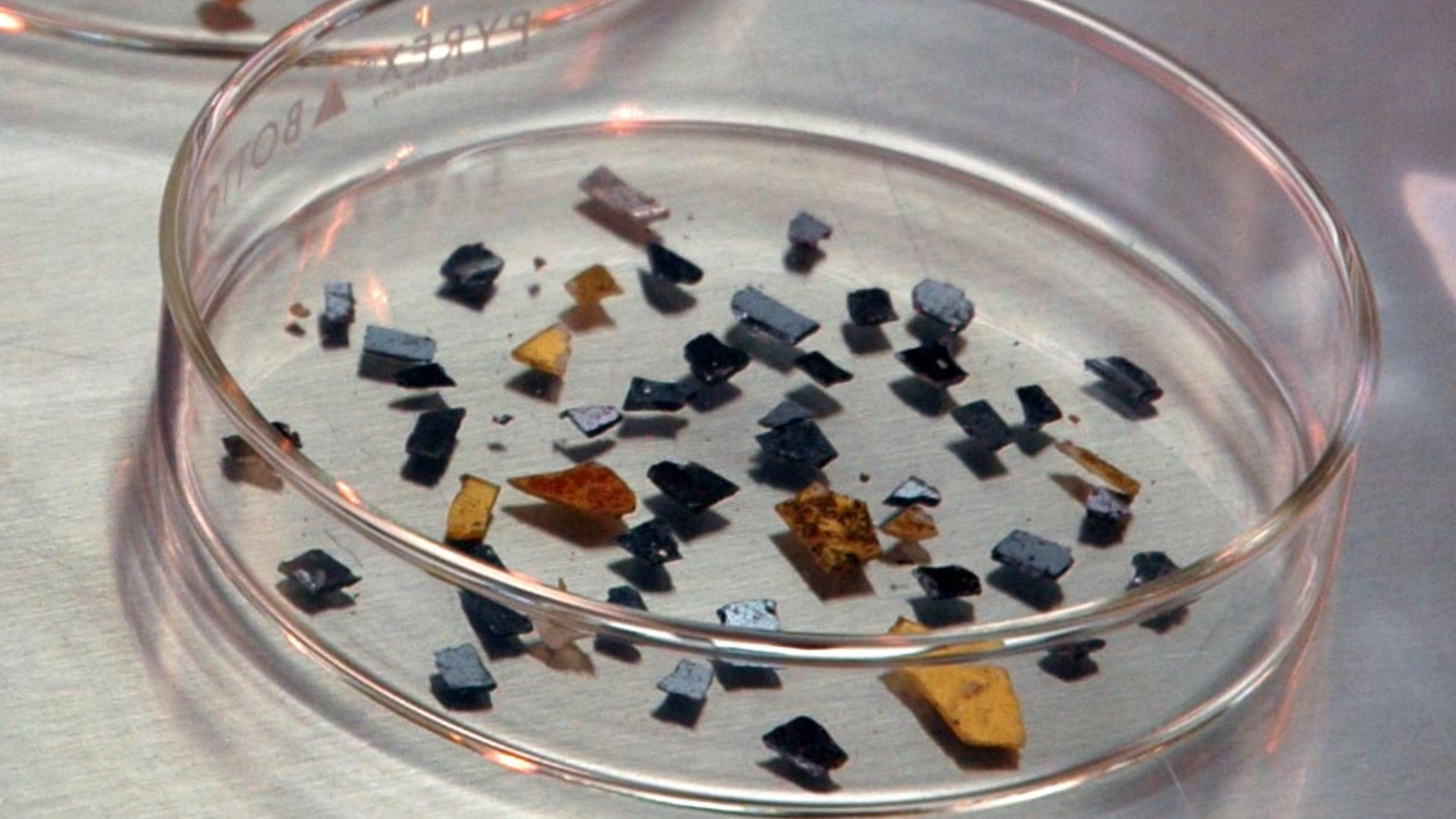
Instead, Genesis tumbled from the sky and slammed into the Utah desert. Scientists literally had to pick up the pieces after the wafers containing the solar wind samples shattered into thousands of tiny shards. Luckily, scientists were still able to salvage some of the samples.
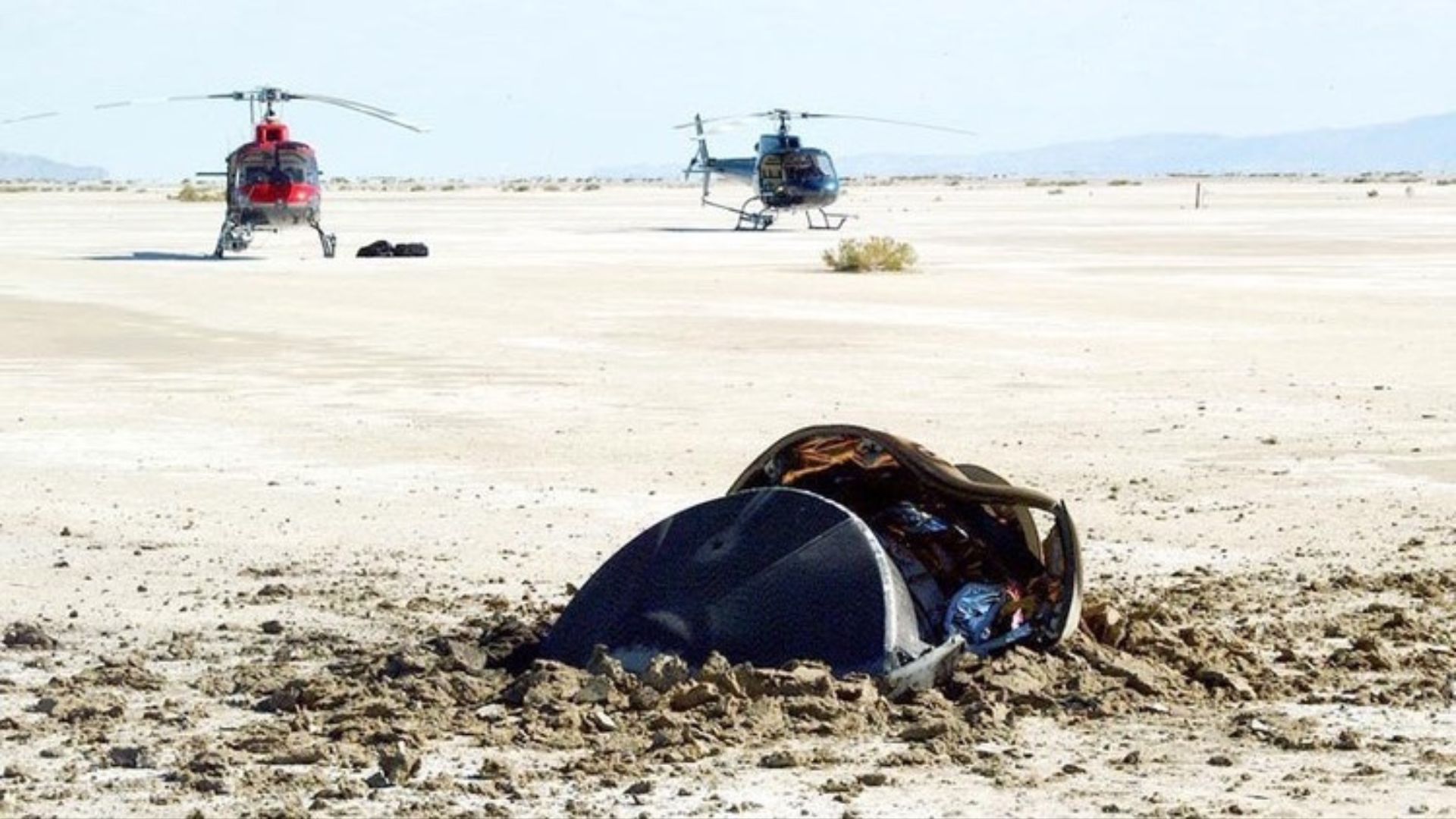
A small pile of metal parts is half buried in a sandy beach as helicopters approach from the background

NASA's Genesis solar wind sample return capsule, seen here half-buried in the Utah desert floor, crashed due to a design flaw on Sept. 8, 2004. (Image credit: USAF 388th Range Squadron)

Why it mattered

NASA's Genesis probe launched in August 2001 on a $264 million mission to collect samples of the solar wind. It was the first time NASA tried a sample-return mission since Apollo 17 in 1972 (which was a crewed flight), and this trip would be fully robotic.

In order to secure the Genesis solar wind samples safely, NASA opted for a tried and true approach for space retrieval: capturing a returning craft by the parachute using a helicopter. Similar techniques were used in the past to collect spy satellite film from military satellites.
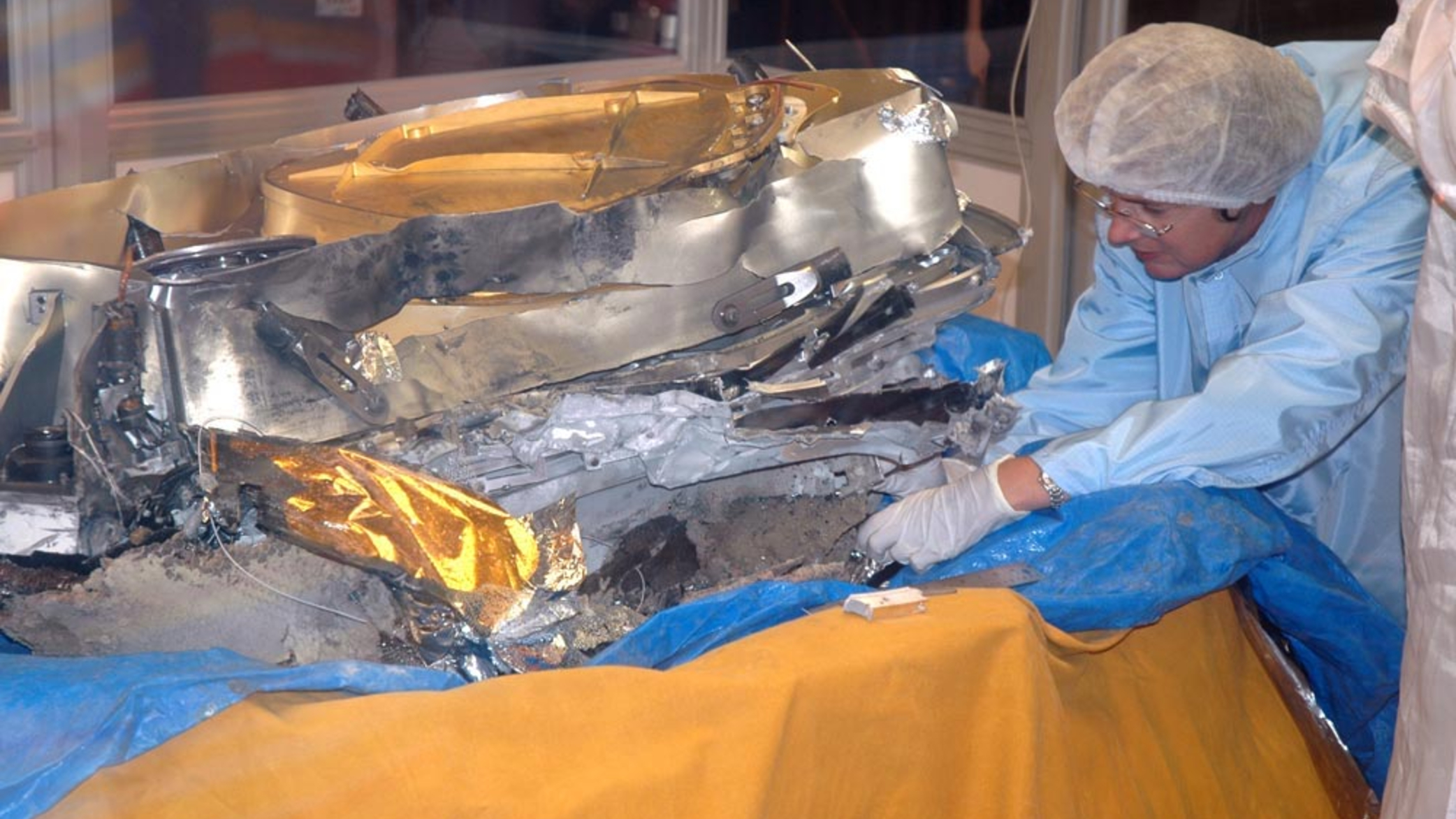
A scientist in protective gear trying to secure solar wind samples from crashed Genesis spacecraft
A scientist in protective gear trying to secure solar wind samples from crashed Genesis spacecraft.NASA
Fragments of NASA's shattered Genesis sample cansiter with solar wind samples
Fragments of NASA's shattered Genesis sample cansiter with solar wind samples.NASA
Artist's concept of the Genesis spacecraft.
This artist's concept shows what the Genesis spacecraft looked like in space with its fragile sample return wafers exposed to collect solar wind samples.NASA

But a design flaw in the parachute system, and a fairly basic one at that, doomed the Genesis spacecraft. Four gravity switches in the sample-return canister were installed backwards due to an error in the design schematics. It affected both the primary and backup parachute systems.

The switches were supposed to detect when Genesis began braking in Earth's atmosphere and trigger parachute deployment. That never happened, so the probe crashed into Earth instead.

NASA scientists were still able to glean some science from the shattered Genesis sample-return capsule, but the result was far from optimal, as you'd expect. The mishap also prompted reviews of NASA's Stardust comet sample return probe, which used the same type of gravity switches, but that spacecraft's switches were installed correctly and it made a successful landing in 2006.

Happy Birthday, Star Trek!
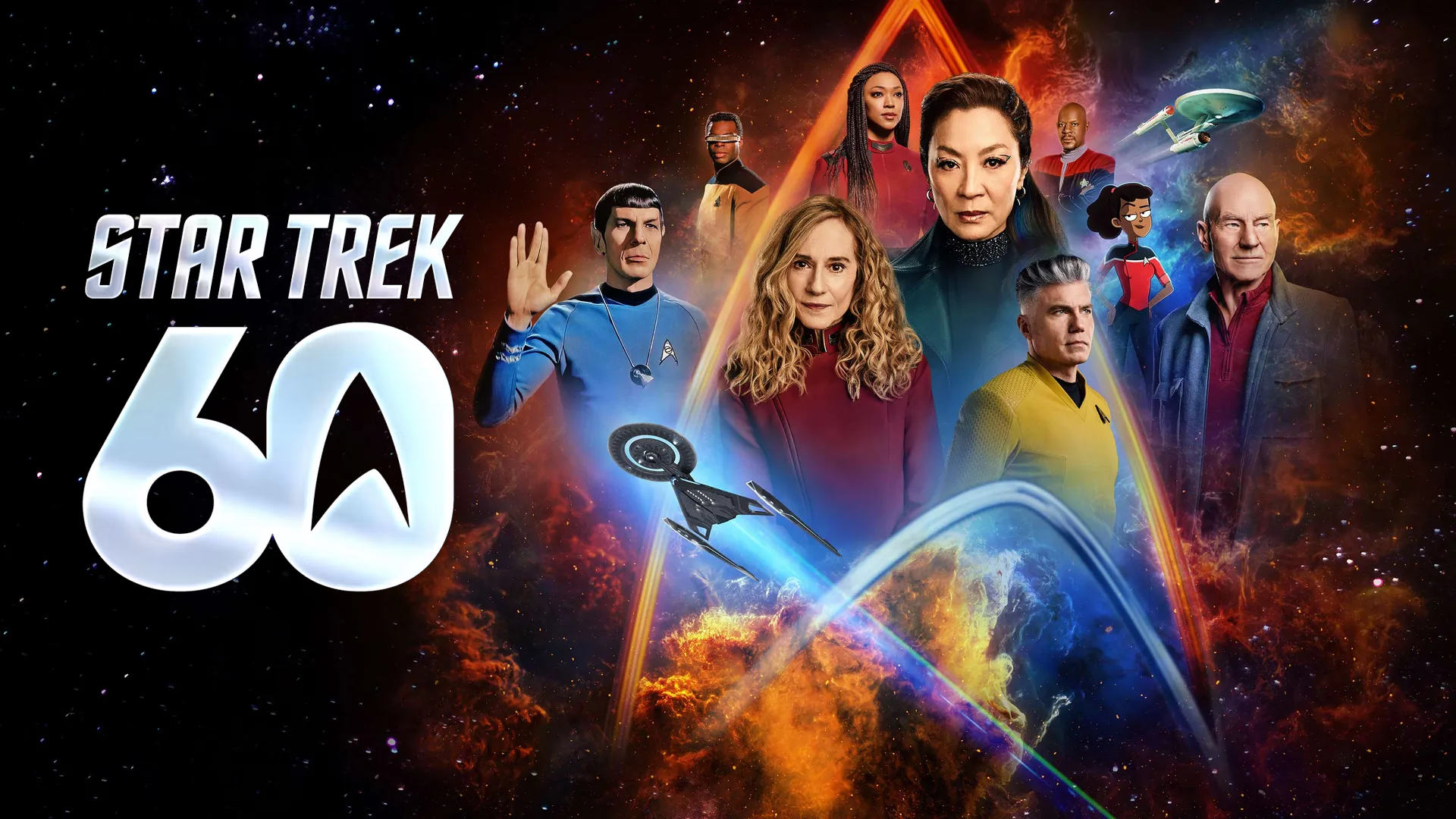
A collection of iconic star trek characters on a space background, with the Star Trek 60 logo shown on the left.

(Image credit: Paramount)

Speaking of things flying through space. There was another event that occurred on this day in 1966 that - while not actually being in space - has influenced our concept of spaceflight for a decade.

On Sept. 8, 1966, the first episode of "Star Trek" debuted on television. The iconic science fiction series, which has spawned a myriad of spin-offs and feature films (not to mention all the merch), has inspired countless engineers, scientists and space fans over six decades.

The Star Trek franchise celebrates its 60th anniversary in 2026, and you can find our Star Trek coverage here.

Want more space history? Check out our full On This Day In Space Story archive and watch our On This Day In Space videos on YouTube.
On this day in space! Sept. 7, 1995: NASA launches its 100th astronaut flight on space shuttle Endeavour’s STS-69 mission

On Sept. 7, 1995, the space shuttle Endeavour launched on mission STS-69. This was the 100th successful crew spaceflight mission for NASA.

Endeavour lifted off from NASA's historic Pad 39A launch site at the Kennedy Space Center in Florida. During the 11-day mission, five crewmembers did science experiments, deployed and retrieved a satellite called Spartan 201, and conducted a nearly seven-hour-long spacewalk to practice methods future astronauts would use to build the International Space Station.

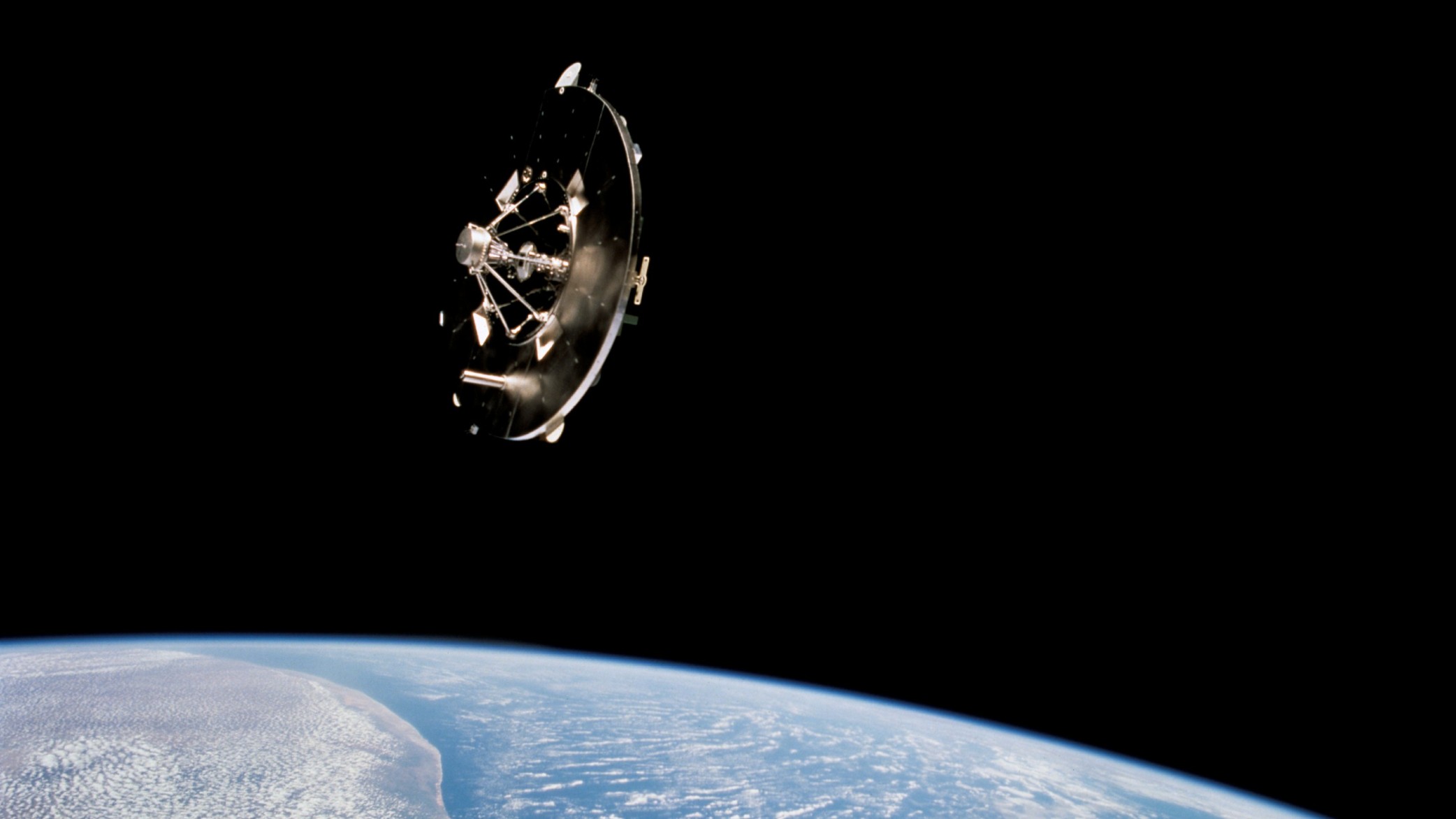
The astronauts also deployed the Wake Shield Facility, a saucer-shaped satellite that flew free of the shuttle for several days. This was the first time two different payloads were retrieved and deployed during the same mission.

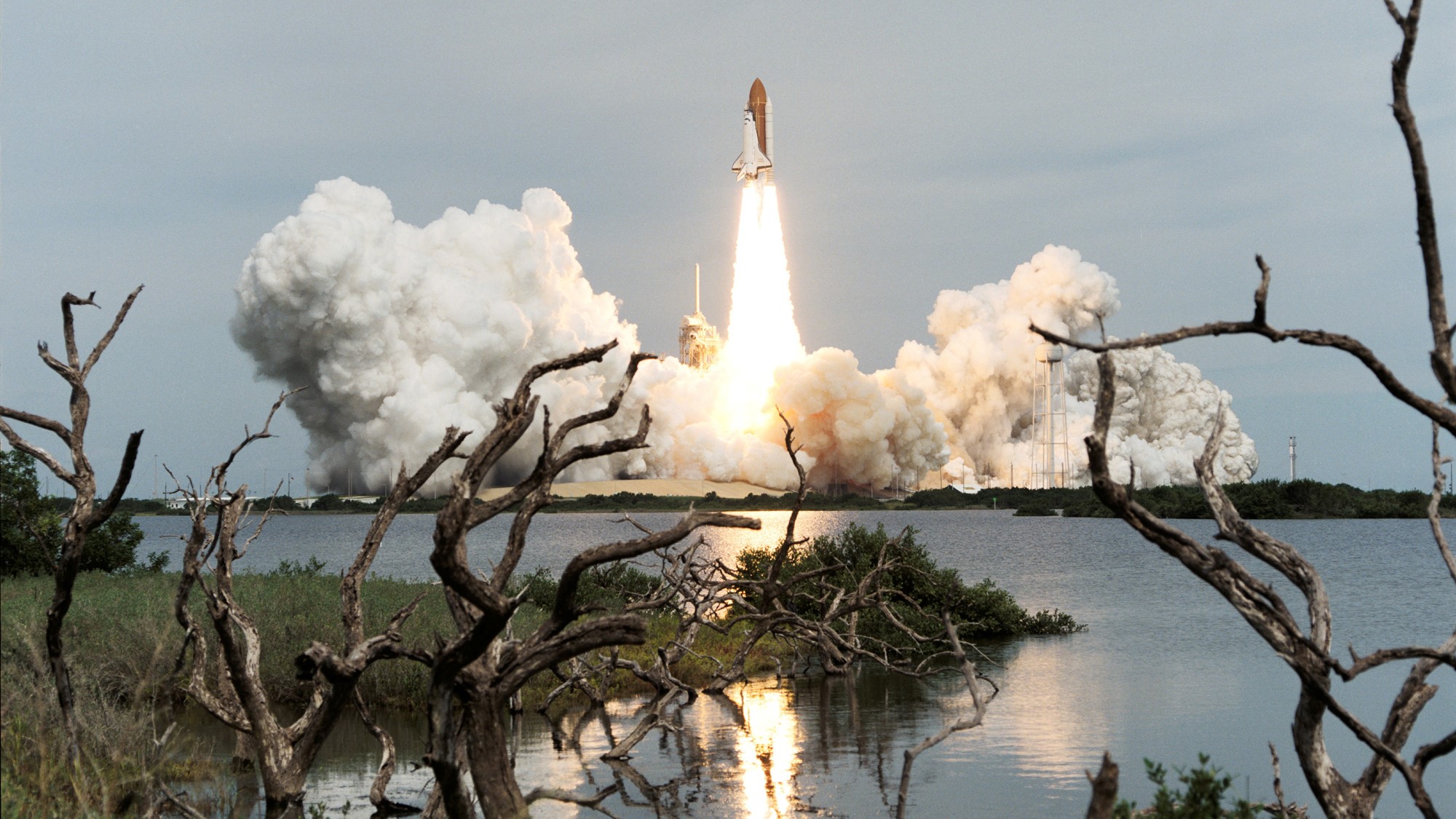
a space shuttle launches in the distance with large plumes of smoke on either side. The foreground shows flora near a body of water, which reflects the rocket engine flames.

NASA's space shuttle Endeavour lifts off on the space agency's 100th astronaut flight on Sept. 7, 1995. (Image credit: NASA)

Why it mattered

The launch of STS-69 on space shuttle Endeavour was a milestone of sorts for NASA and U.S. space exploration. As the 100th crewed flight by NASA astronauts, it showed that flying humans in space was not a one-off or occasional feat.

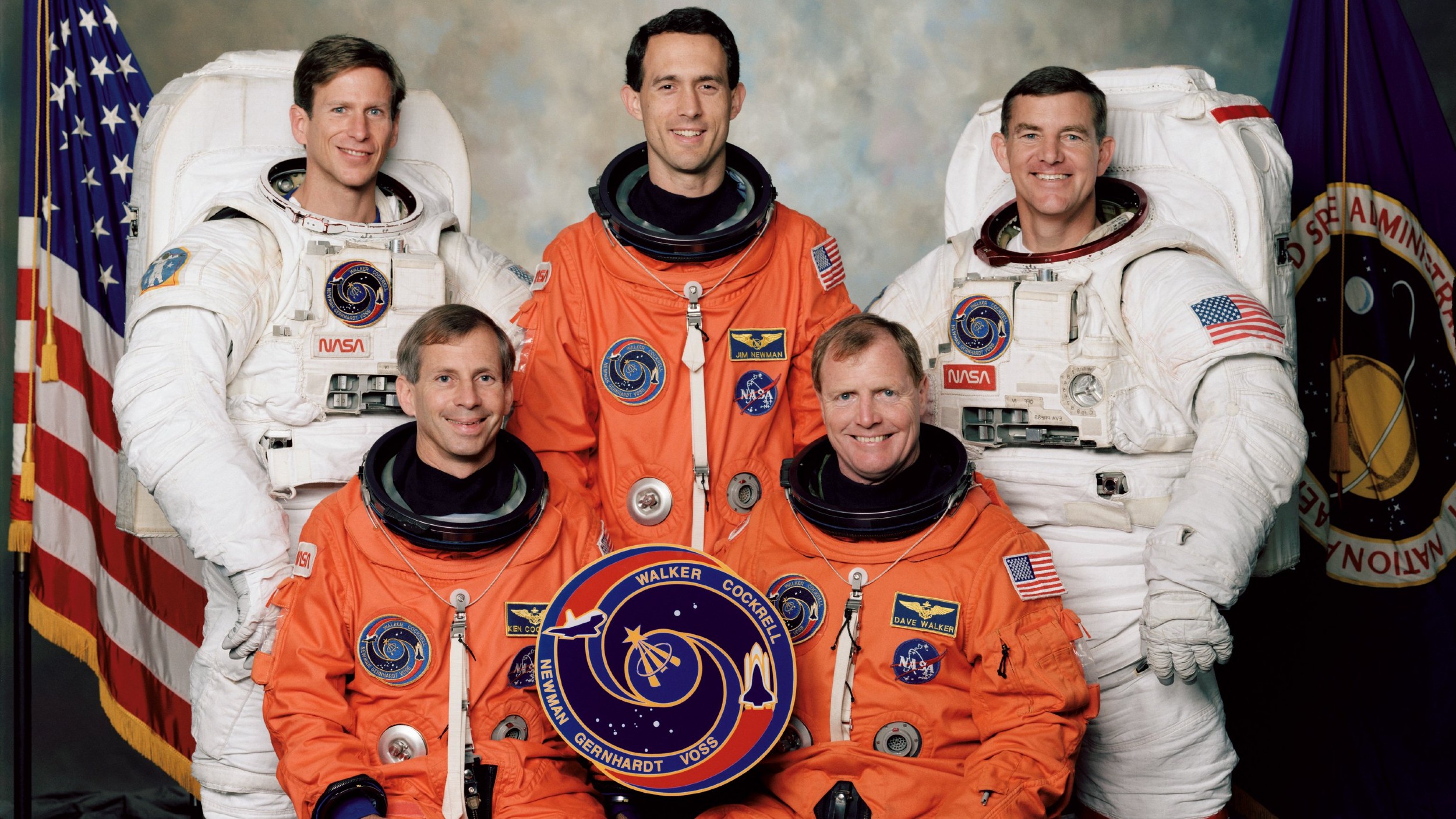
The five-astronaut crew was commanded by David Walker, with Kenneth Cockrell as pilot. Astronaut Jim Voss served as payload commander (remember, this was the first time two different payloads would be deployed in space), with astronauts Jim Newman and Michael Gernhardt rounding out the team as mission specialists.

A disk-shaped science experiment called the Wake Shield Facility flies over Earth on STS-69 in September 1995.
The saucer-shaped Wake Shield Facility moves away from space shuttle Endeavour after its initial deployment on STS-69.NASA
Five astronauts, two in white spacewalking suits and three in orange launch suits, post for an STS-69 NASA shuttle crew portrait.
The five astronauts of NASA's 100th crewed mission, STS-69 on Endeavour: David M. Walker (right front) is mission commander; with Kenneth D. Cockrell (left front) scheduled to serve as pilot. On the back row are (left to right) Michael L. Gernhardt and James H. Newman, both mission specialists; and James S. Voss, payload commander.NASA

The Spartan 201-03 payload was an experiment designed to study the sun's outer atmosphere as it transitioned into solar wind. It was the third of four such Spartan 201 flights on a NASA space shuttle.

The Wake Shield Facility-2, meanwhile, was a sort of in-space factory. The saucer-shaped platform was actually a stainless steel disk designed to create an "ultravacuum environment" in space in order to grow thin films that could be used for new advanced electronics. The disk was actually deployed twice during the 11-day mission and successfully grew four thin films of seven planned, while also performing an electrical field experiment for the U.S. Air Force on its second deployment.

The one spacewalk of the mission was performed by astronauts Voss and Gernhardt, who spent 6 hours and 46 minutes working outside Endeavour to test new thermal upgrades to NASA's extravehicular activity (or EVA) suits, as well as new tools and techniques to build the then nascent International Space Station.

There was one space oddity on this STS-69 mission, according to NASA. The crew was NASA's second "dog crew," or Dog Crew II, with each of the astronauts adopting a dog nickname.

"Walker was Red Dog; Cockrell was Cujo; Voss, Dog Face; Newman, Pluto; and Gernhardt, Under Dog," NASA said in an overview.

Want more space history? Check out our full On This Day In Space Story archive and watch our On This Day In Space videos on YouTube.
On this day in space! Sept. 6, 1947: The US Navy launches 1st V-2 rocket at sea in ballistic missile test

On Sept. 6, 1947, a rocket launched from an aircraft carrier for the first time. The V-2 rocket was captured from a German manufacturing site by the Allied forces at the end of World War II.

V-2s were the world's first long-range guided ballistic missile. They were designed by German rocket scientist Wernher von Braun, a famous aerospace engineer, invented them for Nazi Germany before he was secretly moved to the U.S. and started working for NASA. Von Braun and the seized V-2 missile parts were brought to the White Sands Missile Range in New Mexico, where the scientists assembled the parts and began experimenting with launches.

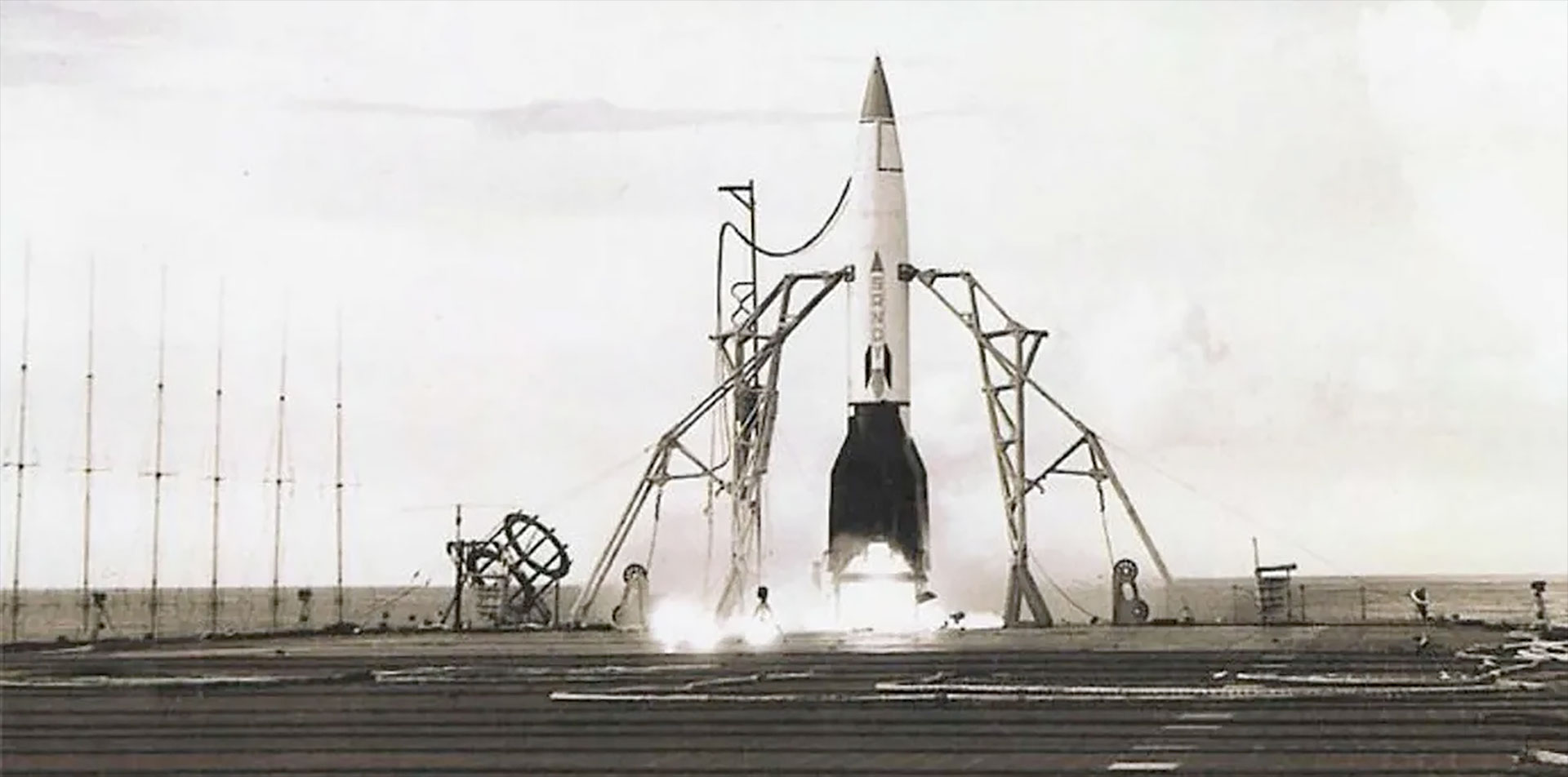
The first V-2 to launch at sea blasted off from a U.S. Navy ship called the USS Midway in a mission titled "Operation Sandy." The aircraft carrier sailed a few hundred miles south of Bermuda for the launch. After liftoff, the V-2 started tilting midair and only made it to an altitude of 15,000 feet (4,600 meters) before falling back to Earth.

a small rocket with a white body and black fins and nose cone is prepared for launch on the fligh deck of an aircraft carrier

A V-2 rocket ignites its engine on the deck of the USS Midway during the U.S. Navy's first ballistic missile test on Sept. 6, 1947. (Image credit: USS Midway Museum)

Why it mattered

Rockets may be great for space exploration, but the technology's roots are firmly embedded in military applications, with the V-2 rocket standing out as a clear example.

The rocket was designed as a military weapon first and foremost, and it was U.S. military's push to secure such tech that led to Operation: Paperclip, which secreted Von Braun and many other German aerospace scientists out of Germany at the end of World War II.

Operation: Sandy marked the first ballistic missile launch by the U.S. Navy, but today the such missiles are a standard part of the arsenal of some ships. That all started with the 1947 test flight. It also marked a step forward in U.S. missile technology, which would later evolve into orbital rockets just over a decade later.

While the V-2 rocket that launched from the USS Midway veered off course and began to break apart at an alttude of about 12,000 feet, according to MidwayCurrents.org, it did prove the concept of a missile launch at sea.

Want more space history? Check out our full On This Day In Space Story archive and watch our On This Day In Space videos on YouTube.
On this day in space! Sept. 5, 1977: NASA launches Voyager 1 on epic journey across the solar system

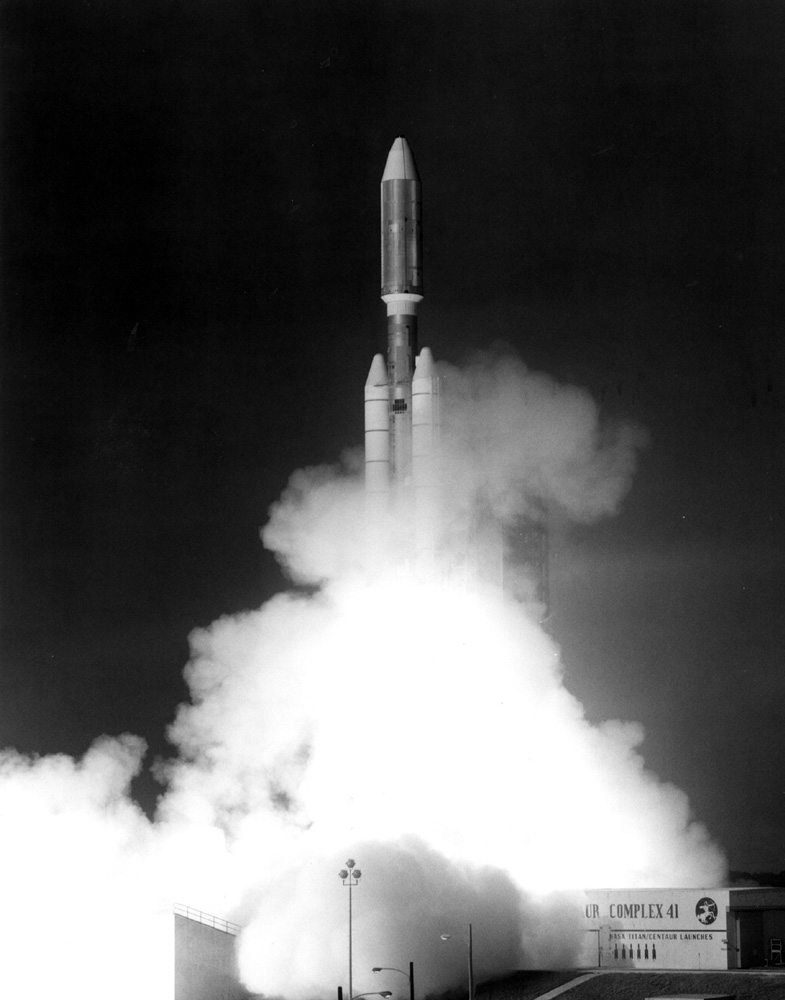
On Sept. 5, 1977, Voyager 1 began its epic journey through deep space with a glorious morning launch from Cape Canaveral, Florida.

Voyager 1 initially launched on a mission to explore the outer planets. After flying by Jupiter and Saturn in 1979 and 1980, the spacecraft took a sharp turn and started heading straight out of the solar system.

Voyager 1 became the first spacecraft to reach interstellar space in 2012, although scientists are still debating about exactly where that boundary lies.

The spacecraft's next big encounter will take place in about 40,000 years, when it will fly by another star system. And just in case it comes across any intelligent life out in the universe, it's carrying a golden record with sights, sounds and greetings from planet Earth.

Why it mattered

NASA's Voyager 1 spacecraft launches from NASA's Kennedy Space Center in Florida on Sept. 5, 1977.

NASA's Voyager 1 spacecraft launches from NASA's Kennedy Space Center in Florida on Sept. 5, 1977. (Image credit: NASA/KSC)

Voyager 1 is a space exploration icon and NASA's ultimate long-lasting mission.

The spacecraft was part of a two spacecraft mission (Voyager 2 launched a few weeks earlier) to explore the outer solar system like never before. While Voyager 2 launched on a four-planet "Grand Tour" of the solar system, a trajectory that included flybys of Jupiter, Saturn, Uranus and Neptune, it wasn't the fastest of missions.

Voyager 1 launched on a fast-track to Jupiter. In fact, the probe actually overtook Voyager 2 on the way to Jupiter and arrived their first for a flyby in March 1979. A year later, in November 1980, Voyager 1 passed by Saturn in a flyby that shot it out of the solar system.

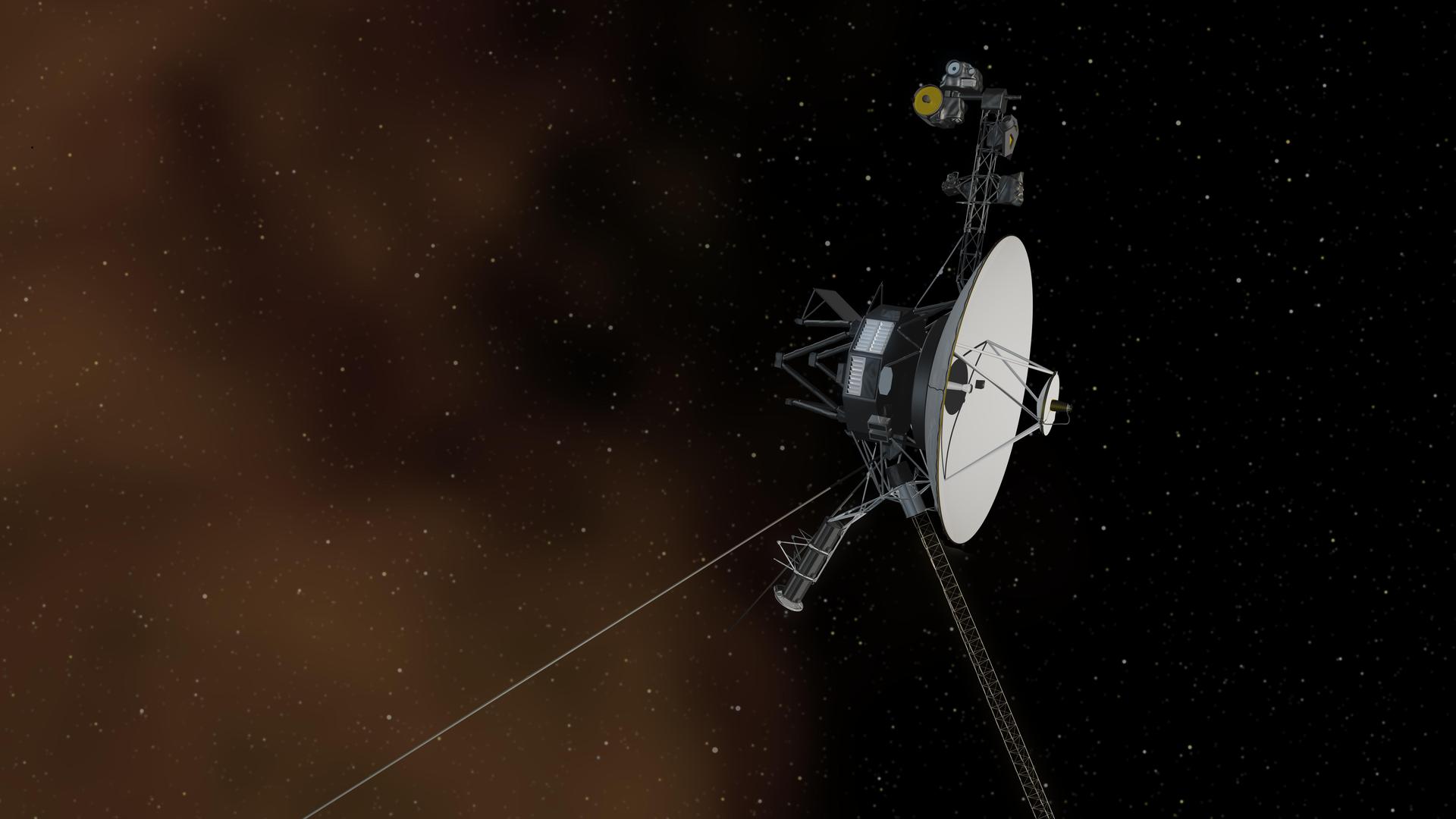
Voyager 1, launched in September 1977, is currently exploring the farthest edges of the solar system.

Voyager 1, launched in September 1977, is currently exploring the farthest edges of the solar system. (Image credit: NASA)

By Feb. 17, 1998, Voyager 1 grabbed the record as the farthest human-built object after it flew farther than Pioneer 10 and in 2012, the spacecraft became the first probe ever to enter interstellar space. It remains NASA's farthest flung mission still active today.

Today, Voyager 1 is 15.9 billion miles (171.6 astronomical units) from Earth and still flying. Even 49 years after launch, the spacecraft is still collecting some data, but its nuclear radioisotope thermoelectric generator does not produce as much power as it did at launch, so NASA teams have steadily shut down heaters and unneeded instruments over the decades.

Earlier this year, on April 17, NASA commanded Voyager 1 to shut down its low-energy charged particles experiment to save power. For nearly 50 years, the instrument has provided constant measurements on the ion, electron and cosmic ray environment in deep space.

Want more space history? Check out our full On This Day In Space Story archive and watch our On This Day In Space videos on YouTube.