Moogfest 2016: the synthesis of future music, technology, and art

Moogfest 2016, a four-day, mind-expanding festival on the synthesis of technology, art, and music, will happen this coming week (Thursday, May 19 to Sunday, May 22) near Duke University in Durham, North Carolina, with more than 300 musical performances, workshops, conversations, masterclasses, film screenings, live scores, sound installations, multiple interactive art experiences, and “The Future of Creativity” keynotes by visionary futurist Martine Rothblatt, PhD. and virtual reality pioneer and author Jaron Lanier.

Cyborg activist Neil Harbisson is the first person in the world with an antenna implanted in his skull, allowing him to hear the frequencies of colors (including infrared and ultraviolet) via bone conduction and receive phone calls. (credit: N. Harbisson)

By day, Moogfest unfolds in venues throughout downtown Durham in spaces that range from intimate galleries and experimental art installations to grand theaters as a platform for geeky exploration and experimentation in sessions and workshops, featuring more than 250 innovators in music, art, and technology, including avant-garde pioneers such as cyborg Neil Harbisson, technoshaman paleo-ecologist/multimedia performer Michael Garfield on “Technoshamanism: A Very Psychedelic Century,” sonifying plants with Data Garden, the Google Magenta (Deep Dream Generator) on training neural networks to generate music, Onyx Ashanti showing how to program music with your mind, Google Doodle’s Ryan Germick, and cyborg artist Moon Ribas, whose cybernetic implants in her arms perceive the movement of real-time earthquakes.

Modular Marketplace 2014 (credit: PatrickPKPR)

Among the fun experimental venues will be the musical Rube Goldberg  workshop, the Global Synthesizer Project (an interactive electronic musical instrument installation where users can synthesize environmental sounds from around the world), THETA (a guided meditation virtual reality spa), WiFi Whisperer (an art installation that visually displays signals around us), the Musical Playground, and Modular Marketplace, an interactive exhibition showcasing the latest and greatest from a lineup of Moog Music and other innovative instrument makers and where the public can engage with new musical devices and their designers; free and open to the public, at the American Tobacco Campus at 318 Blackwell Street from 10am–6pm from May 19–22.


INSTRUMENT 1 from Artiphon will make its public debut at Moogfest 2016. It allows users of any skill or style to strum a guitar, tap a piano, bow a violin, or loop a drum beat — all on a single interface. By connecting to iOS devices, Macs and PCs, this portable musical tool can make any sound imaginable.

In addition, noted MIT Media Lab opera composer/inventor Tod Machover will demonstrate his Hyperinstruments, responsive stage technologies that go beyond multimedia, large-scale collaborative systems and enable entire cities to create symphonies together, and musical tools that promote wellbeing, diagnose disease, and allow for customizing compositions.

Music of the future

By night, Moogfest will present cutting-edge music in venues throughout the city. Performing artists include pioneers in electronic music like Laurie Anderson and legendary synth pioneer Suzanne Ciani, alongside pop and avant-garde experimentalists of today, including Grimes, Explosions in the Sky, Oneohtrix Point Never, Alessandro Cortini, Daniel Lanois, Tim Hecker, Arthur Russell Instrumentals, Rival Consoles, and Dawn of Midi.

Durham’s historic Armory is transformed into a dark and body-thumping dance club to host the best of electronica, house, disco and techno. Godfathers of the genre include The Orb, DJ Harvey, and Robert Hood alongside inspiring new acts such as Bicep (debuting their live show), The Black Madonna and a Ryan Hemsworth curated night including Jlin, Qrion and UVBoi.

“The liberation of LGBTQ+ people is wired into the original components of electronic music culture…” — Artists’ statement here

Local favorite Pinhook features a wide range of experimental sounds: heavy techno from Kyle Hall, Paula Temple and Karen Gwyer, live experimentation from Via App, Patricia, M. Geddes Gengras and Julia Holter, jaggedly rhythmic futurists Rabit and Lotic, and the avante-garde doom metal of The Body.

Moogfest’s largest venue, Motorco Park, is a mix of future-forward electro-pop and R&B with performances by ODESZA, Blood Orange, critically- acclaimed emerging artist DAWN (Dawn Richard) playing her first NC show, he kickoff of Miike Snow’s U.S. Tour, Gary Numan, Silver Apples, Mykki Blanco and newly announced The Range as well as a distinguished hip hop lineup that includes GZA, Skepta, Torey Lanez, Daye Jack, Denzel Curry, Lunice and local artists King Mez, Professor Toon and Well$.

Full Schedule: https://moogfest.sched.org
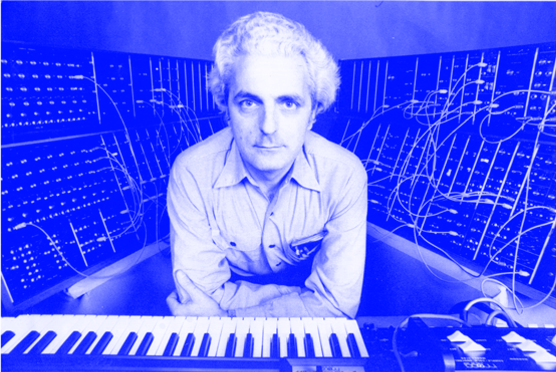
Robert Moog (credit: Moogarchives.com)

Since 2004, Moogfest has brought together artists, futurist thinkers, inventors, entrepreneurs, designers, engineers, scientists, and musicians. Moogfest is a tribute to Dr. Robert “Bob” Moog and the profound influence his inventions have had on how we hear the world. Over the last sixty years, Bob Moog and Moog Music have pioneered the analog synthesizer and other technology tools for artists. He was vice president for new product research at Kurzweil Music Systems from 1984 to 1988.
A robot with human-like grace and precision

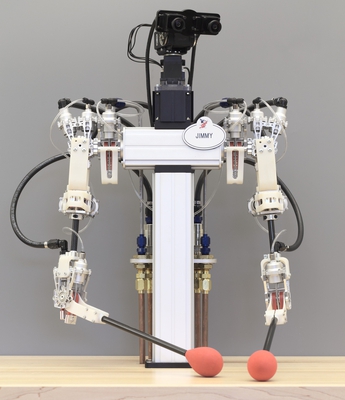
A hybrid hydrostatic transmission and human-safe haptic telepresence robot (credit: Disney Research)

A human-safe lifelike telepresence robot with the delicacy and precision needed to pick up an egg without breaking it or thread a sewing needle has been developed by researchers at Disney Research, the Catholic University of America, and Carnegie Mellon University.

The secret: a hydrostatic transmission that precisely drives robot arms, offering extreme precision with almost no friction or play.

The hybrid transmission design also makes it possible to halve the number of bulky hydraulic lines that a fully hydraulic system would require and allows for making its robotic limbs lighter and smaller, said John P. Whitney, an assistant professor of mechanical and industrial engineering at Northeastern University, who led the development of the transmission while an associate research scientist at Disney Research.

Whitney said a robot joint normally would have two hydraulic cylinders, balanced against each other. But in this latest design, the researchers paired each water-filled cylinder with an air-filled cylinder instead. The pneumatic cylinder serves as a constant force air-spring, providing the necessary preload force and allowing the joint to move in both directions with only half the number of bulky hydraulic lines.

Lifelike interaction with people

The researchers used the new transmission to build a simple humanoid robot with two arms, with stereo cameras mounted in the head, streaming their video signal to an operator wearing a head-mounted display. The arms are coupled to an identical control figure to enable the robot to be used for human-robot interaction research.

“This technology enabled us to build robot arms that are light, fast, and dexterous,” Whitney said. “They have an incredible lifelike nature, offering a combination of small mass, high speed, and precise motion not seen before.”

Robots using this technology are ideally suited for naturally compliant and lifelike interaction with people. When tele-operated, the low friction and lack of play allow the transmission to faithfully transmit contact forces to the operator, providing a high-fidelity remote sense of touch.

Whitney and colleagues will report on the new transmission and the upper body humanoid robot they built with it at the IEEE Conference on Robotics and Automation, ICRA 2016, May 17 in Stockholm, Sweden.


Disney Research | A Hybrid Hydrostatic Transmission and Human Safe Haptic Telepresence Robot


Abstract of A Hybrid Hydrostatic Transmission and Human-Safe Haptic Telepresence Robot

We present a new type of hydrostatic transmission that uses a hybrid air-water configuration, analogous to N+1 cable-tendon transmissions, using N hydraulic lines and 1 pneumatic line for a system with N degrees of freedom (DOFs). The common air-filled line preloads all DOFs in the system, allowing bidirectional operation of every joint. This configuration achieves the high stiffness of a water-filled transmission with half the number of bulky hydraulic lines. We implemented this transmission using pairs of rolling-diaphragm cylinders to form rotary hydraulic actuators, with a new design achieving a 600-percent increase in specific work density per cycle. These actuators were used to build a humanoid robot with two 4-DOF arms, connected via the hydrostatic transmission to an identical master. Stereo cameras mounted on a 2-DOF servo-controlled neck stream live video to the operator’s head-mounted display, which in turn sends the real-time attitude of the operator’s head to the neck servos in the robot. The operator is visually immersed in the robot’s physical workspace, and through the bilateral coupling of the low-impedance hydrostatic transmission, directly feels interaction forces between the robot and external environment. We qualitatively assessed the performance of this system for remote object manipulation and use as a platform to safely study physical human-robot interaction.

Google open-sources natural language understanding tools

Google has just released two powerful natural language understanding tools for free, open-source use by anyone. These tools allow machines to read and understand English text (such as text you type into a browser to do a Google search).

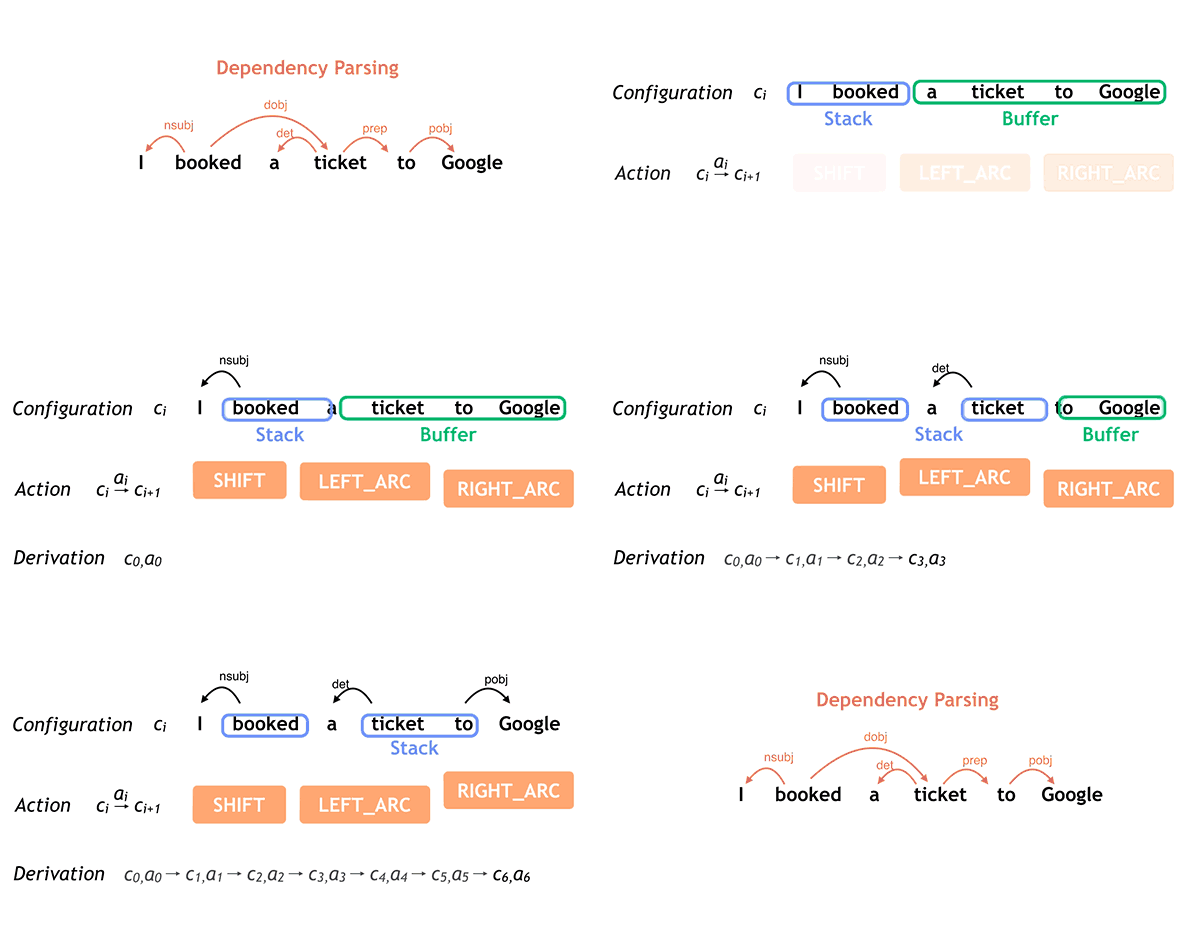
SyntaxNet is a “syntactic parser” — it allows machines to parse, or break down, sentences into their component parts of speech and identify the underlying meaning). And the Parsey McParseface program implements SyntaxNet in English (it learned from an annotated collection of old newswire stories called The Penn Treebank Project).

Here’s an example of how it parses and analyzes an English sentence :Using deep neural networks, SyntaxNet is implemented in Google’s TensorFlow (see Google open-sources its TensorFlow machine learning system).

So how well does it work?

On a standard benchmark consisting of randomly drawn English newswire sentences (“Penn Treebank”), Parsey McParseface recovers individual dependencies between words with over 94% accuracy, Google says. ”Linguists trained for this task agree in 96–97% of the cases. This suggests that we are approaching human performance—but only on well-formed text.

“Because Parsey McParseface is the most accurate such model in the world, we hope that it will be useful to developers and researchers interested in automatic extraction of information, translation, and other core applications of NLU,” says Google.


Your smartphone and tablet may be making you ADHD-like

(credit: KurzweilAI)

Smartphones and other digital technology may be causing ADHD-like symptoms, according to an open-access study published in the proceedings of ACM CHI ’16, the Human-Computer Interaction conference of the Association for Computing Machinery, ongoing in San Jose.

In a two-week experimental study, University of Virginia and University of British Columbia researchers showed that when students kept their phones on ring or vibrate and with notification alerts on, they reported more symptoms of inattention and hyperactivity than when they kept their phones on silent.

The results suggest that even people who have not been diagnosed with ADHD may experience some of the disorder’s symptoms, including distraction, fidgeting, having trouble sitting still, difficulty doing quiet tasks and activities, restlessness, and difficulty focusing and getting bored easily when trying to focus, the researchers said.

“We found the first experimental evidence that smartphone interruptions can cause greater inattention and hyperactivity — symptoms of attention deficit hyperactivity disorder — even in people drawn from a nonclinical population,”said Kostadin Kushlev, a psychology research scientist at the University of Virginia who led the study with colleagues at the University of British Columbia.

In the study, 221 students at the University of British Columbia drawn from the general student population were assigned for one week to maximize phone interruptions by keeping notification alerts on, and their phones within easy reach.

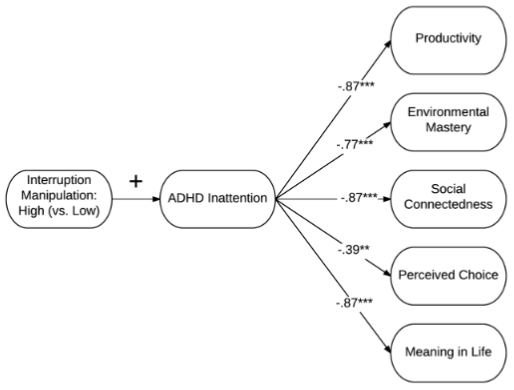
Indirect effects of manipulating smartphone interruptions on psychological well-being via inattention symptoms. Numbers are unstandardized regression coefficients. (credit: Kostadin Kushlev et al./CHI 2016)

During another week participants were assigned to minimize phone interruptions by keeping alerts off and their phones away.

At the end of each week, participants completed questionnaires assessing inattention and hyperactivity. Unsurprisingly, the results showed that the participants experienced significantly higher levels of inattention and hyperactivity when alerts were turned on.

Digital mobile users focus more on concrete details than the big picture

Using digital platforms such as tablets and laptops for reading may also make you more inclined to focus on concrete details rather than interpreting information more contemplatively or abstractly (seeing the big picture), according to another open-access study published in ACM CHI ’16 proceedings.

Researchers at Dartmouth’s Tiltfactor lab and the Human-Computer Interaction Institute at Carnegie Mellon University conducted four studies with a total of 300 participants. Participants were tested by reading a short story and a table of information about fictitious Japanese car models.

The studies revealed that individuals who completed the same information processing task on a digital mobile device (a tablet or laptop computer) versus a non-digital platform (a physical printout) exhibited a lower level of “construal” (abstract) thinking. However, the researchers also found that engaging the subjects in a more abstract mindset prior to an information processing task on a digital platform appeared to help facilitate a better performance on tasks that require abstract thinking.

Coping with digital overload

Given the widespread acceptance of digital devices, as evidenced by millions of apps, ubiquitous smartphones, and the distribution of iPads in schools, surprisingly few studies exist about how digital tools affect us, the researchers noted.

“The ever-increasing demands of multitasking, divided attention, and information overload that individuals encounter in their use of digital technologies may cause them to ‘retreat’ to the less cognitively demanding lower end of the concrete-abstract continuum,” according to the authors. They also say the new research suggests that “this tendency may be so well-ingrained that it generalizes to contexts in which those resource demands are not immediately present.”

Their recommendation for human-computer interaction designers and researchers: “Consider strategies for encouraging users to see the ‘forest’ as well as the ‘trees’ when interacting with digital platforms.”

Jony Ive, are you listening?


Abstract of “Silence your phones”: Smartphone notifications increase inattention and hyperactivity symptoms

As smartphones increasingly pervade our daily lives, people are ever more interrupted by alerts and notifications. Using both correlational and experimental methods, we explored whether such interruptions might be causing inattention and hyperactivity-symptoms associated with Attention Deficit Hyperactivity Disorder (ADHD) even in people not clinically diagnosed with ADHD. We recruited a sample of 221 participants from the general population. For one week, participants were assigned to maximize phone interruptions by keeping notification alerts on and their phones within their reach/sight. During another week, participants were assigned to minimize phone interruptions by keeping alerts off and their phones away. Participants reported higher levels of inattention and hyperactivity when alerts were on than when alerts were off. Higher levels of inattention in turn predicted lower productivity and psychological well-being. These findings highlight some of the costs of ubiquitous connectivity and suggest how people can reduce these costs simply by adjusting existing phone settings.


Abstract of High-Low Split: Divergent Cognitive Construal Levels Triggered by Digital and Non-digital Platforms

The present research investigated whether digital and non-digital platforms activate differing default levels of cognitive construal. Two initial randomized experiments revealed that individuals who completed the same information processing task on a digital mobile device (a tablet or laptop computer) versus a non-digital platform (a physical print-out) exhibited a lower level of construal, one prioritizing immediate, concrete details over abstract, decontextualized interpretations. This pattern emerged both in digital platform participants’ greater preference for concrete versus abstract descriptions of behaviors as well as superior performance on detail-focused items (and inferior performance on inference-focused items) on a reading comprehension assessment. A pair of final studies found that the likelihood of correctly solving a problem-solving task requiring higher-level “gist” processing was: (1) higher for participants who processed the information for task on a non-digital versus digital platform and (2) heightened for digital platform participants who had first completed an activity activating an abstract mindset, compared to (equivalent) performance levels exhibited by participants who had either completed no prior activity or completed an activity activating a concrete mindset.

(credit: KurzweilAI/Apple)

This five-fingered robot hand is close to human in functionality

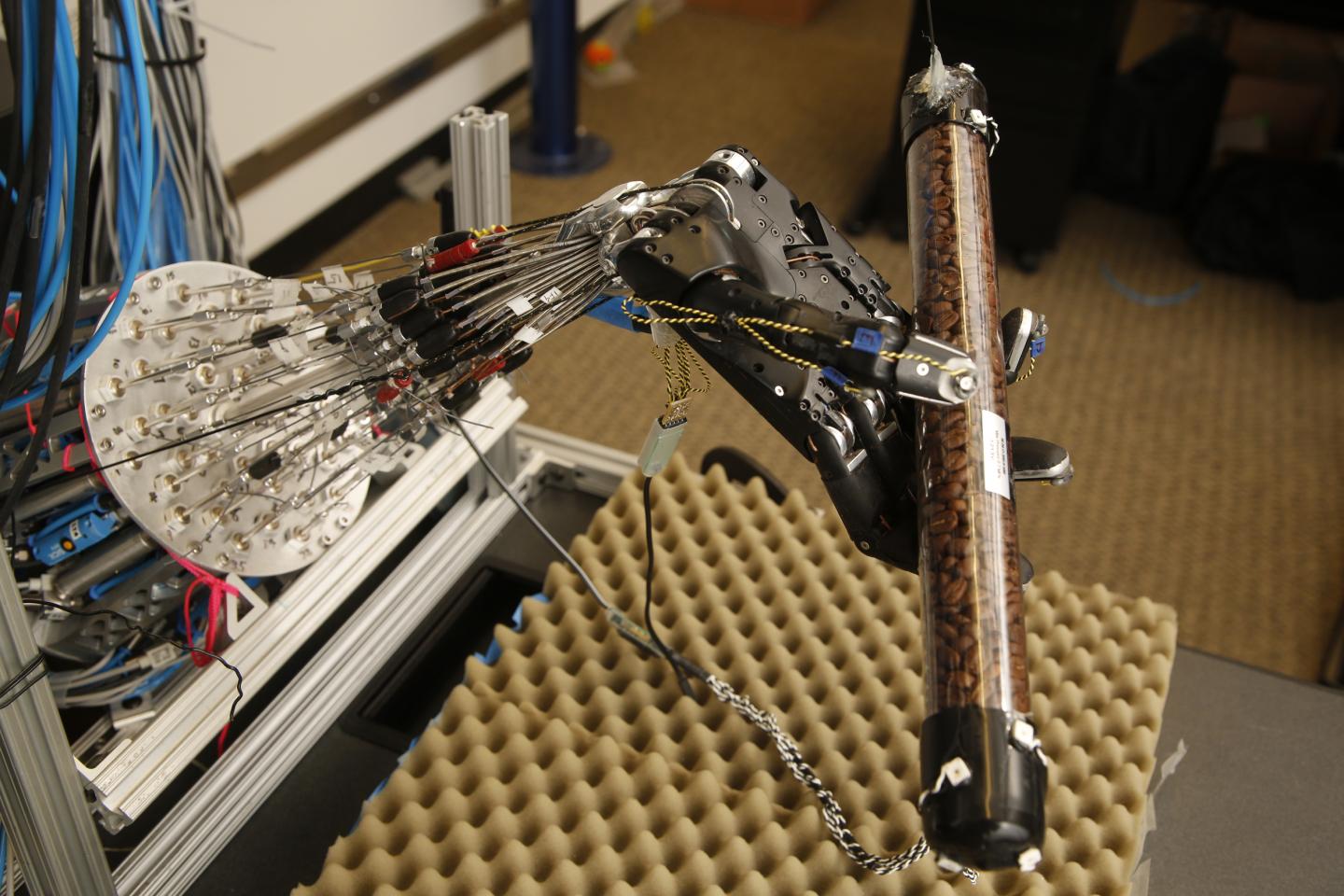
This five-fingered robot hand developed by University of Washington computer science and engineering researchers can learn how to perform dexterous manipulation — like spinning a tube full of coffee beans — on its own, rather than having humans program its actions. (credit: University of Washington)

A University of Washington team of computer scientists and engineers has built what they say is one of the most highly capable five-fingered robot hands in the world. It can perform dexterous manipulation and learn from its own experience without needing humans to direct it.

Their work is described in a paper to be presented May 17 at the IEEE International Conference on Robotics and Automation.

“Hand manipulation is one of the hardest problems that roboticists have to solve,” said lead author Vikash Kumar, a UW doctoral student in computer science and engineering. “A lot of robots today have pretty capable arms but the hand is as simple as a suction cup or maybe a claw or a gripper.”

The UW research team has developed an accurate simulation model that enables a computer to analyze movements in real time. In their latest demonstration, they apply the model to the robot hardware and to real-world tasks like rotating an elongated object.

Autonomous machine learning

With each attempt, the robot hand gets progressively more adept at spinning the tube, thanks to machine learning algorithms that help it model both the basic physics involved and plan which actions it should take to achieve the desired result. (This demonstration begins at 1:47 in the video below.)


University of Washington | ADROIT Manipulation Platform

This autonomous-learning approach developed by the UW Movement Control Laboratory contrasts with robotics demonstrations that require people to program each individual movement of the robot’s hand to complete a single task.

Building a dexterous, five-fingered robot hand poses challenges, both in design and control. The first involved building a mechanical hand with enough speed, strength, responsiveness, and flexibility to mimic basic behaviors of a human hand.

The UW’s dexterous robot hand — which the team built at a cost of roughly $300,000 — uses a Shadow Hand skeleton actuated with a custom pneumatic system and can move faster than a human hand and with 24 degrees of freedom (types of movement). It is too expensive for routine commercial or industrial use, but it allows the researchers to push core technologies and test innovative control strategies.

The team first developed algorithms that allowed a computer to model highly complex five-fingered behaviors and plan movements to achieve different outcomes — like typing on a keyboard or dropping and catching a stick — in simulation. Then they transferred the models to work on the actual five-fingered hand hardware. As the robot hand performs different tasks, the system collects data from various sensors and motion capture cameras and employs machine learning algorithms to continually refine and develop more realistic models.

So far, the team has demonstrated local learning with the hardware system, which means the hand can continue to improve at a discrete task that involves manipulating the same object in roughly the same way. Next steps include beginning to demonstrate global learning, which means the hand could figure out how to manipulate an unfamiliar object or a new scenario it hasn’t encountered before.

The research was funded by the National Science Foundation and the National Institutes of Health.


Abstract of Optimal Control with Learned Local Models: Application to Dexterous Manipulation

We describe a method for learning dexterous manipulation skills with a pneumatically-actuated tendon-driven 24-DoF hand. The method combines iteratively refitted timevarying linear models with trajectory optimization, and can be seen as an instance of model-based reinforcement learning or as adaptive optimal control. Its appeal lies in the ability to handle challenging problems with surprisingly little data. We show that we can achieve sample-efficient learning of tasks that involve intermittent contact dynamics and under-actuation. Furthermore, we can control the hand directly at the level of the pneumatic valves, without the use of a prior model that describes the relationship between valve commands and joint torques. We compare results from learning in simulation and on the physical system. Even though the learned policies are local, they are able to control the system in the face of substantial variability in initial state.

Scientists digitally mimic evolution to create novel proteins

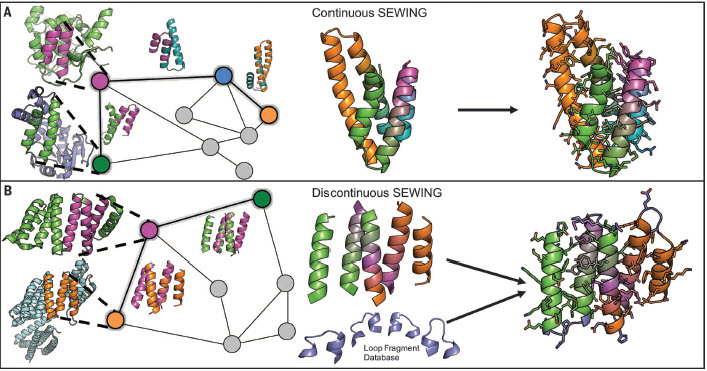
Overview of the SEWING method. (A) Continuous SEWING workflow. (B) Discontinuous SEWING workflow. Left: Parental Protein Data Banks are shown with extracted substructures; graph schematic — colored nodes indicate substructures contained in the final design model, and superimposed structures show structural similarity indicated by adjacent edges. Center: design model before sequence optimization and loop design. Right: final design models. (credit: T. M. Jacobs et al./Science)

Here’s an innovative idea: create new proteins by simply “sewing” together pieces of existing proteins. That’s exactly what researchers at the University of North Carolina School of Medicine have done to design new “cellular machines” needed to understand and battle diseases.

Published today in the journal Science, the new technique, called SEWING, was inspired by natural evolutionary mechanisms that also recombine portions of the 100,000 different known proteins in the body.

First, throw out the blueprint

Traditionally, researchers have used computational protein design to recreate in the laboratory what already exists in the natural world. But in recent years, their focus has shifted toward inventing novel proteins with new functionality. Those design projects all start with a specific structural “blueprint” in mind, and as a result are limited.

Senior study author Brian Kuhlman, PhD, professor of biochemistry and biophysics, and his colleagues believe that by removing the limitations of a pre-determined blueprint and taking cues from evolution, they can more easily create new functional proteins.

“We can now begin to think about engineering proteins to do things that nothing else is capable of doing,” he said. “The structure of a protein determines its function, so if we are going to learn how to design new functions, we have to learn how to design new structures. Our study is a critical step in that direction and provides tools for creating proteins that haven’t been seen before in nature.”

Mimicking nature

To mimic the mechanisms of natural protein evolution, they developed a computer design strategy called SEWING (Structure Extension With Native-substructure Graphs):

  1. The researchers digitally chopped up naturally occurring proteins into well-defined pieces.
  2. They performed a series of computational tests to figure out which pieces would fit well together. In nature, this step would involve looking for stretches of amino acid sequences that are similar between proteins. On the computer, it involved searching for regions of structural similarity to make things fit in the right place.
  3. They whittled down the list to the top 21 proteins, which they produced in the lab.
  4. To confirm what they created, they took pictures of these proteins using x-ray crystallography and nuclear magnetic resonance (NMR), and found that the proteins contained all the unique structural varieties they had designed on the computer.

Currently, the researchers are using SEWING to create proteins that can bind to several other proteins at a time. Many of the most important natural proteins are similar multitaskers, including the blood protein hemoglobin, which carries four copies of oxygen from the lungs to the body’s tissues.


Abstract of Design of structurally distinct proteins using strategies inspired by evolution

Natural recombination combines pieces of preexisting proteins to create new tertiary structures and functions. We describe a computational protocol, called SEWING, which is inspired by this process and builds new proteins from connected or disconnected pieces of existing structures. Helical proteins designed with SEWING contain structural features absent from other de novo designed proteins and, in some cases, remain folded at more than 100°C. High-resolution structures of the designed proteins CA01 and DA05R1 were solved by x-ray crystallography (2.2 angstrom resolution) and nuclear magnetic resonance, respectively, and there was excellent agreement with the design models. This method provides a new strategy to rapidly create large numbers of diverse and designable protein scaffolds.

Machine learning accelerates the discovery of new materials

Feedback from experiments: augmented dataset with four new alloys (credit: Los Alamos National Laboratory)

Scientists at Los Alamos National Laboratory and the State Key Laboratory for Mechanical Behavior of Materials in China have used a combination of machine learning, supercomputers, and experiments to speed up discovery of new materials with desired properties.

The idea is to replace traditional trial-and-error materials research, which is guided only by intuition (and errors). With increasing chemical complexity, the possible combinations have become too large for those trial-and-error approaches to be practical.

The scientists focused their initial research on improving nickel-titanium (nitinol) shape-memory alloys (materials that can recover their original shape at a specific temperature after being bent). But the strategy can be used for any materials class (polymers, ceramics, or nanomaterials) or target properties (e.g., dielectric response, piezoelectric coefficients, and band gaps).

Cutting time and cost of creating new materials

“What we’ve done is show that, starting with a relatively small data set of well-controlled experiments, it is possible to iteratively guide subsequent experiments toward finding the material with the desired target,” said principal investigator Turab Lookman, a physicist and materials scientist in the Physics of Condensed Matter and Complex Systems group at Los Alamos. “The goal is to cut in half the time and cost of bringing materials to market,” he said.

The impetus for the research was a 2013 announcement by the Obama Administration and academic and industry partners of the Materials Genome Initiative, a public-private endeavor that aims to cut in half the time it takes to develop novel materials that can fuel advanced manufacturing and bolster the American economy. This new study is one of the first to demonstrate how an informatics framework can do that.*

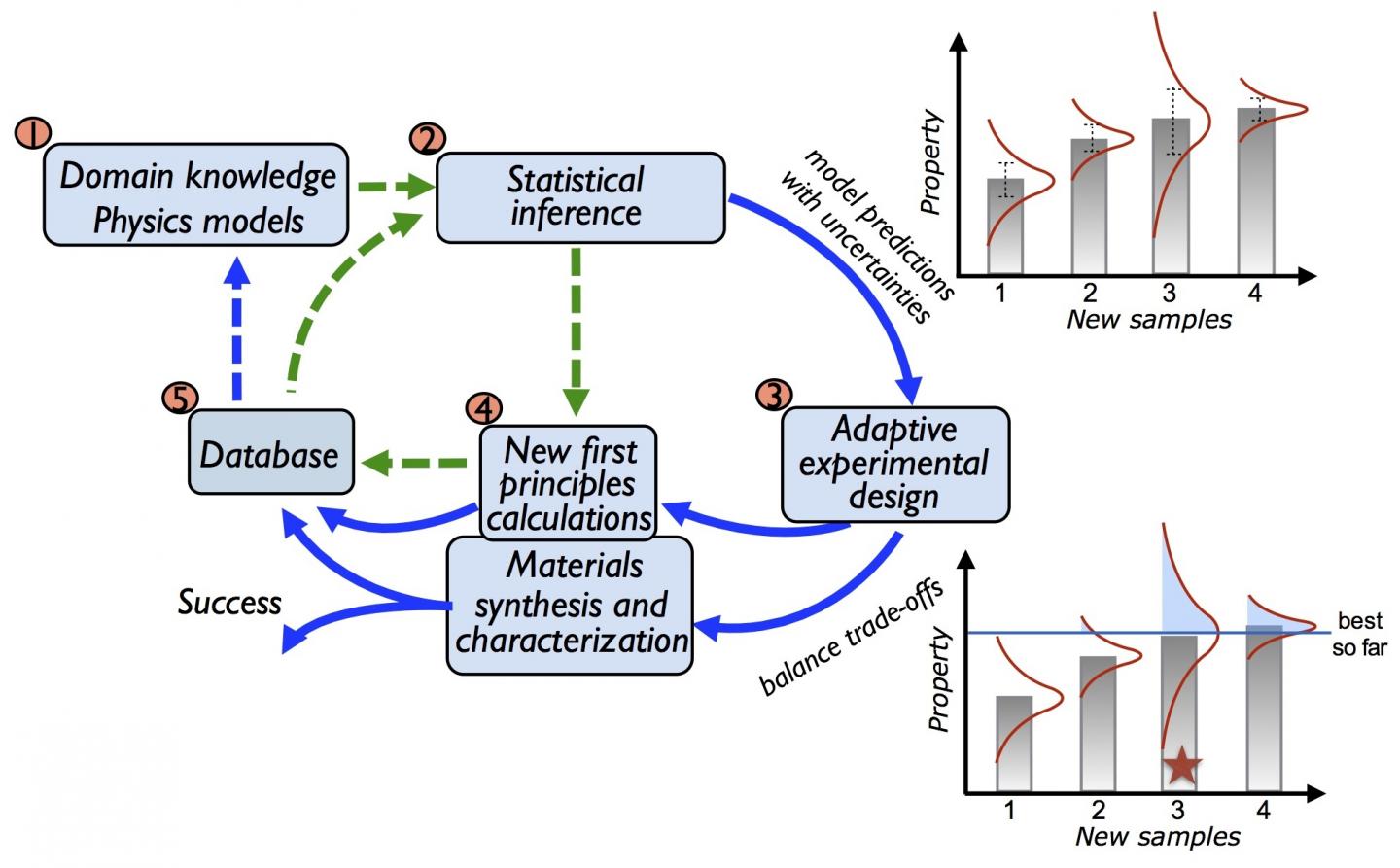
Adaptive design framework (credit: Los Alamos National Laboratory)

Although the new research focused on the chemical exploration space, it can be readily adapted to optimize processing conditions when there are many “tuning knobs” controlling a figure of merit, as in advanced manufacturing applications, or to optimize multiple properties, such as (in the case of the nickel-titanium-based alloy) low dissipation and a transition temperature several degrees above room temperature.

The research was published in an open-access paper in Nature Communications. The Laboratory Directed Research and Development (LDRD) program at Los Alamos funded the work and the lab provided institutional computing resources.

* Much of the effort in the field has centered on generating and screening databases typically formed by running thousands of quantum mechanical calculations. However, the interplay of structural, chemical and microstructural degrees of freedom introduces enormous complexity, especially if defects, solid solutions, and multi-component compounds are involved, which the current state-of-the-art tools are not yet designed to handle. Moreover, few studies include any feedback to experiments or incorporate uncertainties. This becomes important when experiments or calculations are costly and time-consuming.


Abstract of Accelerated search for materials with targeted properties by adaptive design

Finding new materials with targeted properties has traditionally been guided by intuition, and trial and error. With increasing chemical complexity, the combinatorial possibilities are too large for an Edisonian approach to be practical. Here we show how an adaptive design strategy, tightly coupled with experiments, can accelerate the discovery process by sequentially identifying the next experiments or calculations, to effectively navigate the complex search space. Our strategy uses inference and global optimization to balance the trade-off between exploitation and exploration of the search space. We demonstrate this by finding very low thermal hysteresis (ΔT) NiTi-based shape memory alloys, with Ti50.0Ni46.7Cu0.8Fe2.3Pd0.2 possessing the smallest ΔT (1.84 K). We synthesize and characterize 36 predicted compositions (9 feedback loops) from a potential space of ~800,000 compositions. Of these, 14 had smaller ΔT than any of the 22 in the original data set.

New material temporarily tightens skin

New material temporarily protects and tightens skin, and smoothes wrinkles. (credit: Olivo Labs)

MIT scientists and associates have developed a new material that can temporarily protect and tighten skin, and smooth wrinkles. With further development, it could also be used to deliver drugs to help treat skin conditions such as eczema.

The material is a silicone-based polymer that could be applied on the skin as a thin, imperceptible coating, mimicking the mechanical and elastic properties of healthy, youthful skin.

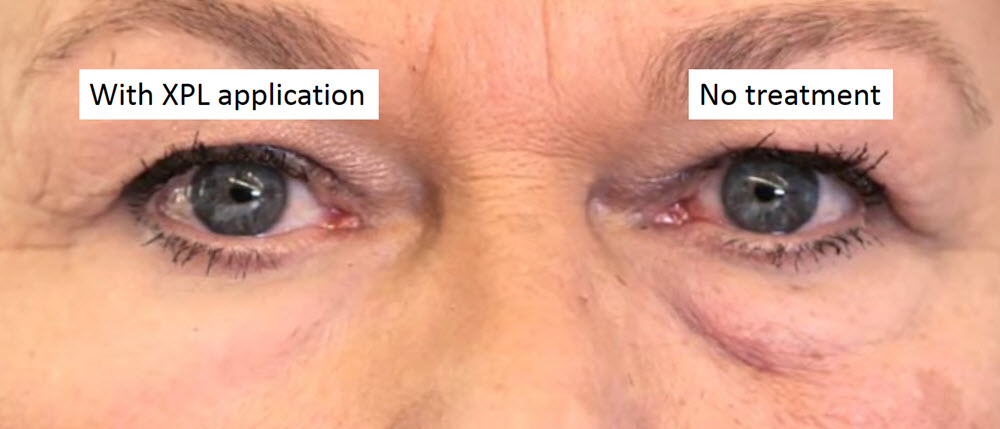
In tests with human subjects, the researchers found that the material was able to reshape “eye bags” under the lower eyelids and also enhance skin hydration (moisturizing, or preventing the skin from dying out). This type of “second skin” could also be adapted to provide long-lasting ultraviolet protection, the researchers say.

Mimicking skin

As skin ages, it becomes less firm and less elastic — problems that can be exacerbated by sun exposure. This process impairs skin’s ability to protect against extreme temperatures, toxins, microorganisms, radiation, and injury. About 10 years ago, the MIT-headed research team set out to develop a protective coating that could restore the properties of healthy skin, for both medical and cosmetic applications.

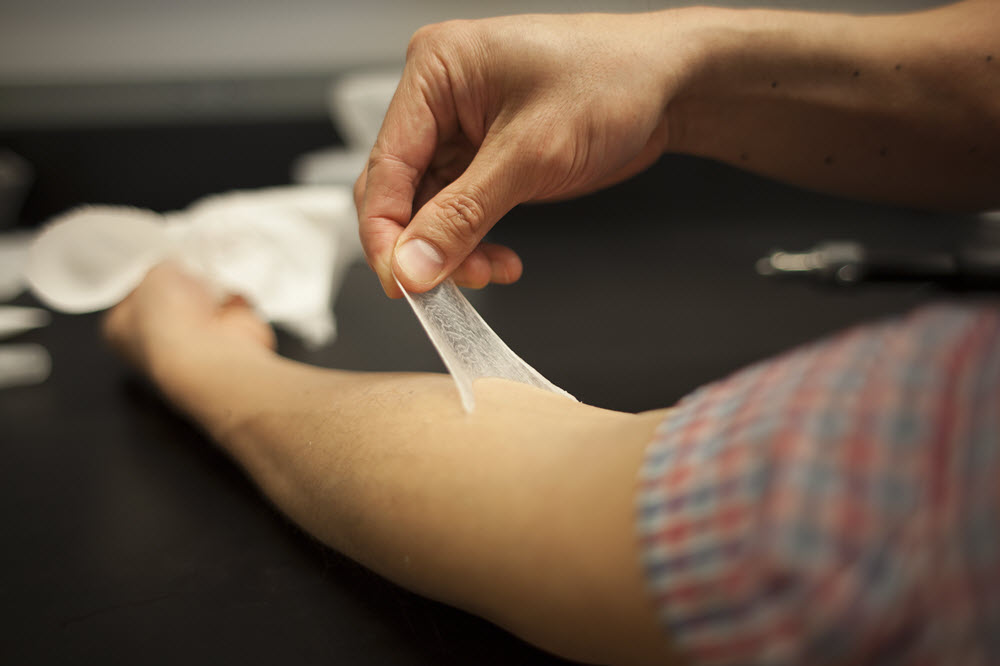
An invisible layer that can provide a barrier, provide cosmetic improvement, and potentially deliver a drug locally to the area that’s being treated. (credit: Melanie Gonick/MIT)

The idea was to control the properties of skin by coating it with polymers that would impart beneficial effects, while making the coating invisible and comfortable.

“It has to have the right optical properties, otherwise it won’t look good, and it has to have the right mechanical properties, otherwise it won’t have the right strength and it won’t perform correctly,” says Robert Langer, the David H. Koch Institute Professor at MIT and a member of the Koch Institute. Langer is the senior author of a paper describing the polymer in the May 9 online issue of Nature Materials.

The researchers created a library of more than 100 possible polymers with the chemical structure known as siloxane — a chain of alternating atoms of silicon and oxygen. These polymers can be assembled into a network arrangement known as a cross-linked polymer layer (XPL).

The researchers then tested the materials in search of one that would best mimic the appearance, strength, and elasticity of healthy skin.

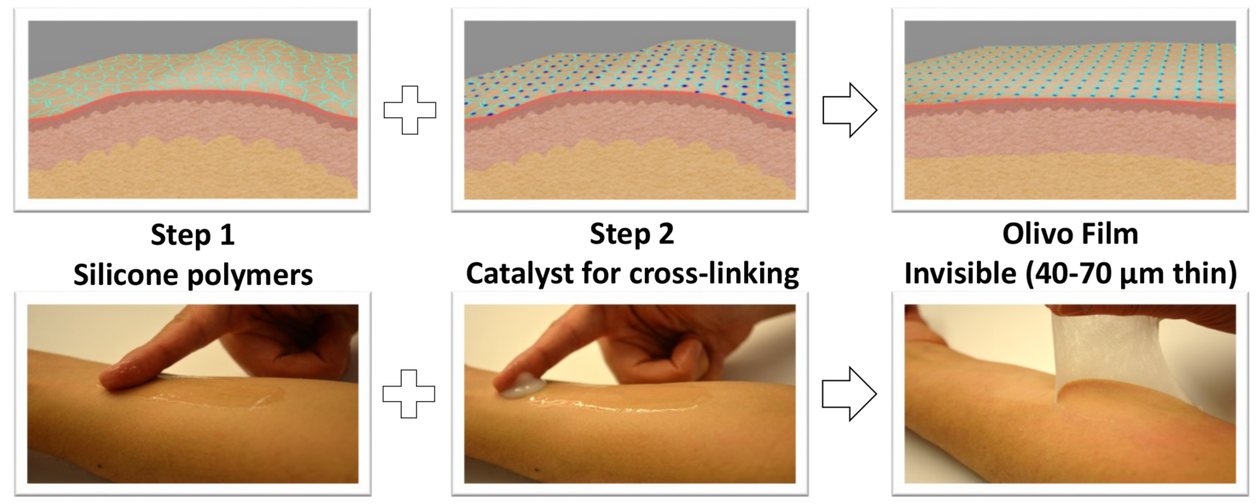
Two-step topical application of Olivo film (credit: Olivo Labs)

The best-performing material they found has elastic properties very similar to those of human skin. In laboratory tests, it easily returned to its original state after being stretched more than 250 percent (natural skin can be elongated about 180 percent). In laboratory tests, the novel XPL’s elasticity was much better than that of two other types of wound dressings now used on skin — silicone gel sheets and polyurethane films.

In the paper, researchers describe studies performed on humans to test the material’s effectiveness in terms of wearability, prevention of water loss, and safety.  In wearability, the XPL material outperformed two commercial wound dressings with respect to flexibility, elasticity, thickness and visibility.  In moisturization (hydration) and water loss, XPL exhibited statistically less water loss and more skin-hydration than high-end commercial moisturizers.  Additionally, no skin irritation was observed in these tests.

The XPL is currently delivered in a two-step process. First, polysiloxane components are applied to the skin, followed by a platinum catalyst that induces the polymer to form a strong cross-linked film that remains on the skin for up to 24 hours. This catalyst has to be added after the polymer is applied because after this step the material becomes too stiff to spread. Both layers are applied as creams or ointments, and once spread onto the skin, XPL becomes essentially invisible.*


MIT | Engineering a second skin

The new material was developed at MIT spinoff Living Proof, which has now spun out the XPL technology to Olivo Laboratories, LLC. Initially, Olivo’s team will focus on medical applications of the technology for treating skin conditions such as dermatitis.

“This ‘skin conforming’ platform brings with it transport properties that have significant promise to treat underlying conditions,” said Dr. Rox Anderson, Harvard Professor, Olivo co-founder, and Dermatologist at Massachusetts General Hospital, where researchers were also involved in the research.  “For eczema or sun protection as examples, this second skin platform can then serve as a reservoir for control-release transdermal drug delivery or SPF ingredients, a possibility we are currently pursuing in our lab.”

 A beauty business based on MIT bioengineering

Jennifer Aniston is co-owner of Living Proof, a hair care company whose products are based on discoveries at MIT’s Langer Lab (credit: Living Proof)

Living Proof, a hair care company with roots in research emerging from the Langer Lab at MIT, has won 80 awards and counting and retails in 33 countries plus Hong Kong.

Fronted by celebrity spokesperson and co-owner Jennifer Aniston, Living Proof has formulated hair products that capitalize on the properties of octaflouropentyl methacrylate, or OFPMA, which is both hydrophobic and lipophobic (repels both water and fat). “It lays down on the surface and changes how moisture moves in and out of the fiber,” Spengler explains. “That has a profound influence on the quality of hair.”

The researchers have also discovered poly beta-amino ester (PBAE), which deposits a flexible pattern of thickening points that create space between each hair strand, making fine hair feel fuller.

* The researchers performed several studies in humans to test the material’s safety and effectiveness. In one study, the XPL was applied to the under-eye area where “eye bags” often form as skin ages. These eye bags are caused by protrusion of the fat pad underlying the skin of the lower lid. When the material was applied, it applied a steady compressive force that tightened the skin, an effect that lasted for about 24 hours.

In another study, the XPL was applied to forearm skin to test its elasticity. When the XPL-treated skin was distended with a suction cup, it returned to its original position faster than untreated skin.

The researchers also tested the material’s ability to prevent water loss from dry skin. Two hours after application, skin treated with the novel XPL suffered much less water loss than skin treated with a high-end commercial moisturizer. Skin coated with petrolatum was as effective as XPL in tests done two hours after treatment, but after 24 hours, skin treated with XPL had retained much more water. None of the study participants reported any irritation from wearing XPL.


Abstract of An elastic second skin

We report the synthesis and application of an elastic, wearable crosslinked polymer layer (XPL) that mimics the properties of normal, youthful skin. XPL is made of a tunable polysiloxane-based material that can be engineered with specific elasticity, contractility, adhesion, tensile strength and occlusivity. XPL can be topically applied, rapidly curing at the skin interface without the need for heat- or light-mediated activation. In a pilot human study, we examined the performance of a prototype XPL that has a tensile modulus matching normal skin responses at low strain (<40%), and that withstands elongations exceeding 250%, elastically recoiling with minimal strain-energy loss on repeated deformation. The application of XPL to the herniated lower eyelid fat pads of 12 subjects resulted in an average 2-grade decrease in herniation appearance in a 5-point severity scale. The XPL platform may offer advanced solutions to compromised skin barrier function, pharmaceutical delivery and wound dressings.

Warning: Your hospital may kill you and they won’t report it

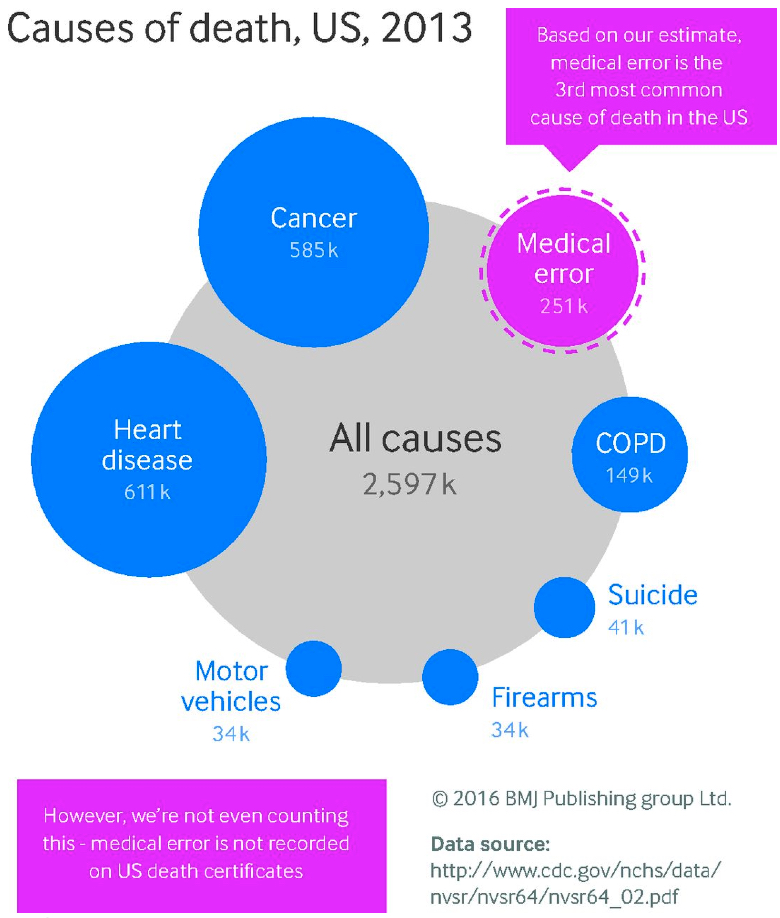
The common causes of death in the United States in 2013 (credit: BMJ)

Medical error is the third leading cause of death in the U.S. after heart disease and cancer — an estimated 210,000 to 400,000 deaths a year among hospital patients — say experts in an open-access paper in the British Medical Journal — despite the fact that both hospital reporting and death certificates in the U.S. have no provision for acknowledging medical error.

Martin Makary and Michael Daniel at Johns Hopkins University School of Medicine in Baltimore call for better reporting to help understand the scale of this problem and determine how to tackle it.

Currently, death certification in the U.S. relies on assigning an International Classification of Disease (ICD) code to the cause of death, so causes of death not associated with an ICD code, such as human and system factors, are not captured. According to the World Health Organization, 117 countries code their mortality statistics using the ICD system, including the UK and Canada.

As a result, accurate data on deaths associated with medical error is lacking. However, using studies from 1999 onwards — and extrapolating to the total number of U.S. hospital admissions in 2013 — Makary and Daniel calculated a mean rate of death from medical error of 251,454 a year.

Comparing their estimate to the annual list of the most common causes of death in the U.S., compiled by the Centers for Disease Control and Prevention (CDC), suggests that medical error is the third most common cause of death in the US.

Fixing medical errors

“Although we cannot eliminate human error, we can better measure the problem to design safer systems mitigating its frequency, visibility, and consequences,” the experts advise, using three steps: making errors more visible when they occur so their effects can be intercepted; having remedies at hand to rescue patients; and making errors less frequent by following principles that take human limitations into account.

For instance, instead of simply requiring cause of death, they suggest that death certificates could contain an extra field asking whether a preventable complication stemming from the patient’s medical care contributed to the death. Another strategy would be for hospitals to carry out a rapid and efficient independent investigation into deaths to determine the potential contribution of error.

Measuring the consequences of medical care on patient outcomes “is an important prerequisite to creating a culture of learning from our mistakes, thereby advancing the science of safety and moving us closer towards creating learning health systems,” they add.

“Sound scientific methods, beginning with an assessment of the problem, are critical to approaching any health threat to patients,” they write. “The problem of medical error should not be exempt from this scientific approach.”

And they call for “more appropriate recognition of the role of medical error in patient death to heighten awareness and guide both collaborations and capital investments in research and prevention.”


Abstract of Medical error—the third leading cause of death in the US

The annual list of the most common causes of death in the United States, compiled by the Centers for Disease Control and Prevention (CDC), informs public awareness and national research priorities each year. The list is created using death certificates filled out by physicians, funeral directors, medical examiners, and coroners. However, a major limitation of the death certificate is that it relies on assigning an International Classification of Disease (ICD) code to the cause of death.1 As a result, causes of death not associated with an ICD code, such as human and system factors, are not captured. The science of safety has matured to describe how communication breakdowns, diagnostic errors, poor judgment, and inadequate skill can directly result in patient harm and death. We analyzed the scientific literature on medical error to identify its contribution to US deaths in relation to causes listed by the CDC.

Bee model could be breakthrough for autonomous drone development

A visualization of the model taken at one time point while running. Each sphere represents a computational unit, with lines representing the connection between units. The colors represent the output of each unit. The left and right of the image are the inputs to the model and the center is the output, which is used to guide the virtual bee down a simulated corridor. (credit: The University of Sheffield)

A computer model of how bees use vision to avoid hitting walls could be a breakthrough in the development of autonomous drones.

Bees control their flight using the speed of motion (optic flow) of the visual world around them. A study by Scientists at the University of Sheffield Department of Computer Science suggests how motion-direction detecting circuits could be wired together to also detect motion-speed, which is crucial for controlling bees’ flight.

“Honeybees are excellent navigators and explorers, using vision extensively in these tasks, despite having a brain of only one million neurons,” said Alex Cope, PhD., lead researcher on the paper. “Understanding how bees avoid walls, and what information they can use to navigate, moves us closer to the development of efficient algorithms for navigation and routing, which would greatly enhance the performance of autonomous flying robotics,” he added.

“Experimental evidence shows that they use an estimate of the speed that patterns move across their compound eyes (angular velocity) to control their behavior and avoid obstacles; however, the brain circuitry used to extract this information is not understood, ” the researchers note. “We have created a model that uses a small number of assumptions to demonstrate a plausible set of circuitry. Since bees only extract an estimate of angular velocity, they show differences from the expected behavior for perfect angular velocity detection, and our model reproduces these differences.”

Their open-access paper is published in PLOS Computational Biology.


Abstract of A Model for an Angular Velocity-Tuned Motion Detector Accounting for Deviations in the Corridor-Centering Response of the Bee

We present a novel neurally based model for estimating angular velocity (AV) in the bee brain, capable of quantitatively reproducing experimental observations of visual odometry and corridor-centering in free-flying honeybees, including previously unaccounted for manipulations of behaviour. The model is fitted using electrophysiological data, and tested using behavioural data. Based on our model we suggest that the AV response can be considered as an evolutionary extension to the optomotor response. The detector is tested behaviourally in silico with the corridor-centering paradigm, where bees navigate down a corridor with gratings (square wave or sinusoidal) on the walls. When combined with an existing flight control algorithm the detector reproduces the invariance of the average flight path to the spatial frequency and contrast of the gratings, including deviations from perfect centering behaviour as found in the real bee’s behaviour. In addition, the summed response of the detector to a unit distance movement along the corridor is constant for a large range of grating spatial frequencies, demonstrating that the detector can be used as a visual odometer.