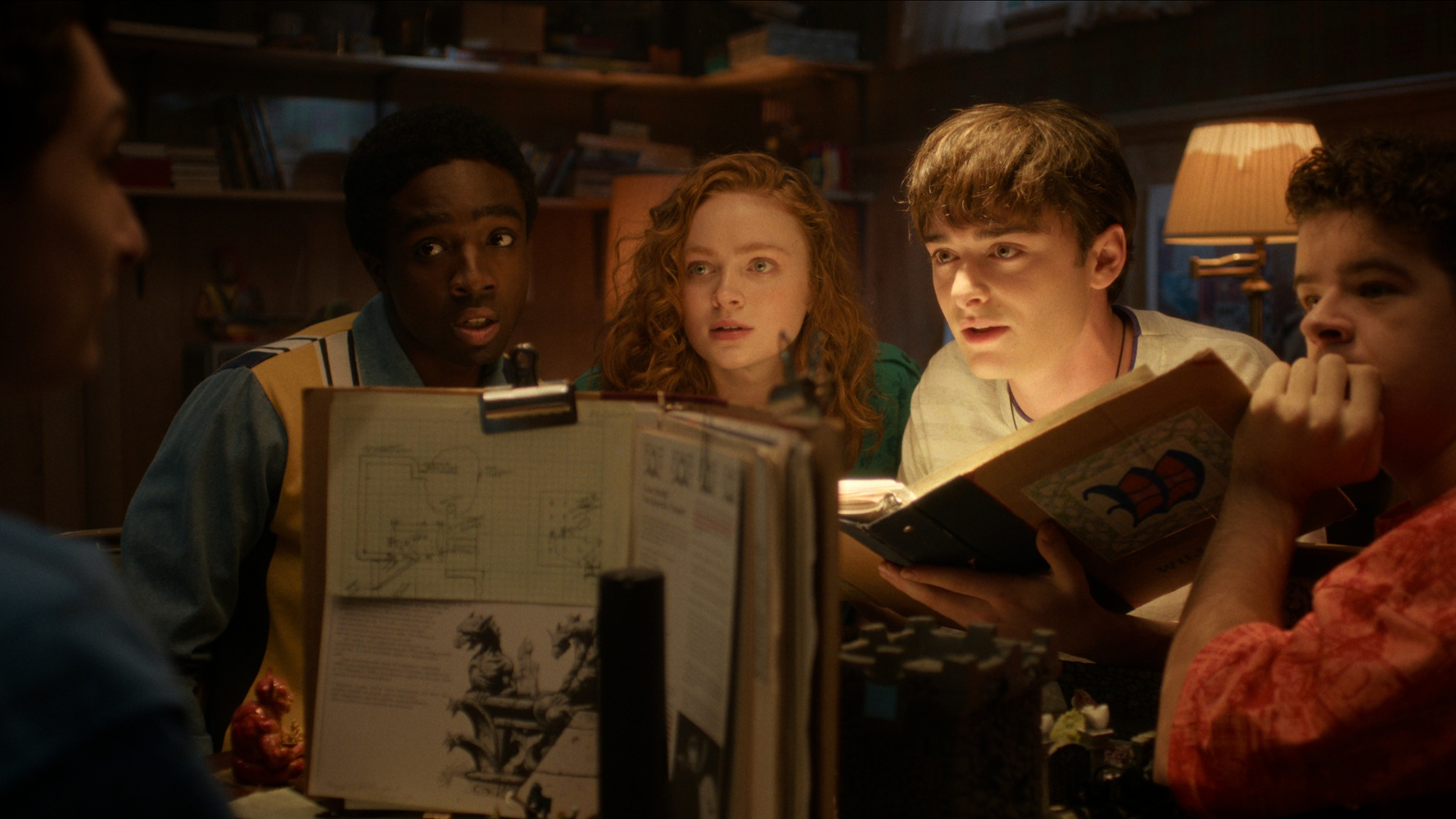
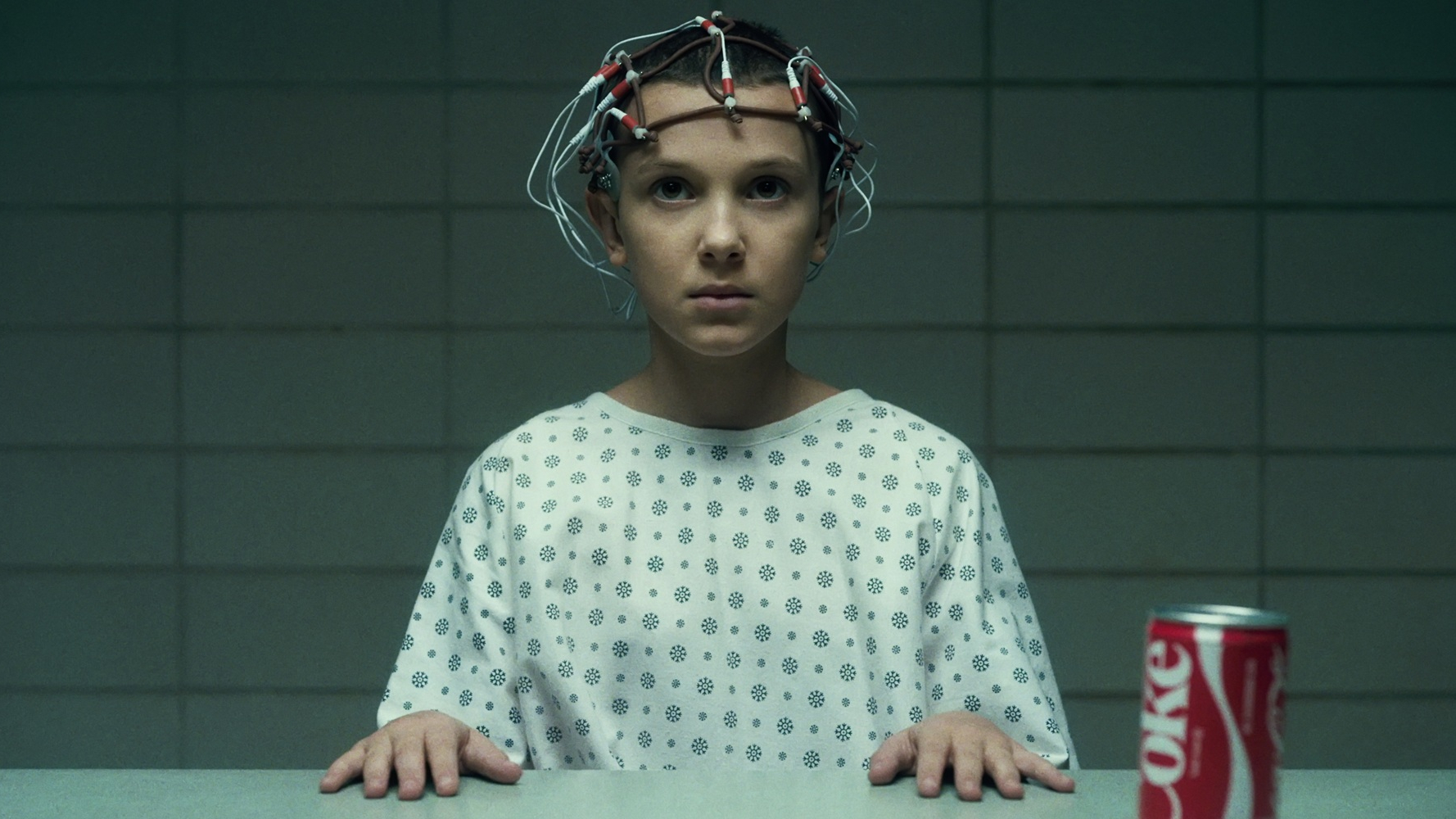
In July 2016, "Stranger Things" stormed its way into the pantheon of pop culture greats. Finding the sweet spot of '80s nostalgia, horror, and sci-fi, the Duffer Brothers' series established itself as one of Netflix's flagship shows and a favourite water cooler topic for close to a decade.
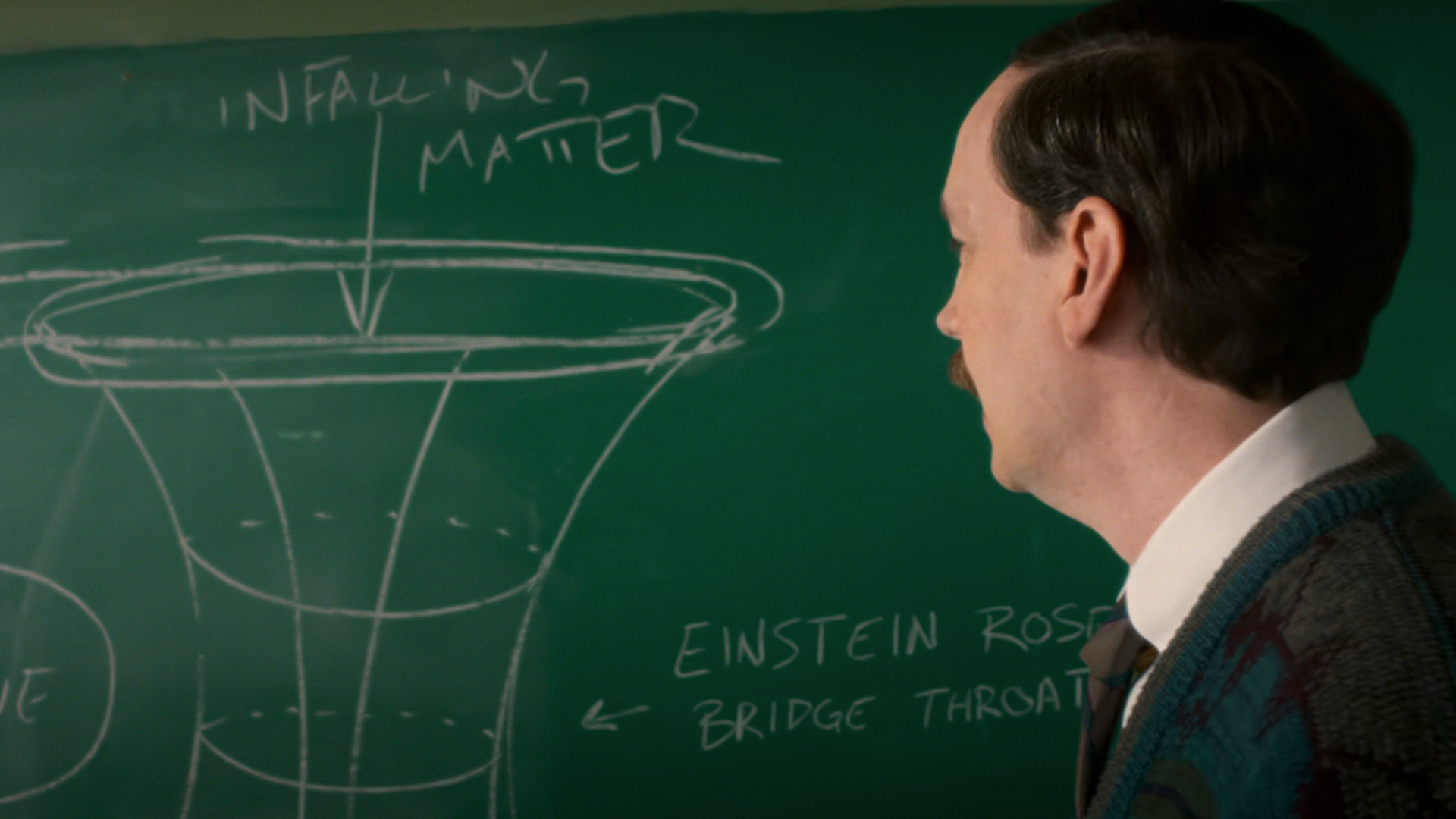
Much like "Jurassic Park" encouraged an entire generation to suddenly view paleontology through a new set of eyes, the same can be said about "Stranger Things" and science. Seriously, how many of us discovered the many-worlds theory because of the concept of the Upside Down on the show? Even wormholes are easier to understand now because of Mr Clarke's lessons than whatever the heck happens in "Interstellar" that has Matthew McConaughey bawling like he's been forced to sit through a Jared Leto movie marathon.
Parents and government groups have long highlighted the negative effects of entertainment, but not enough is said about its positive influences, especially the ability to inspire. In fact, it's often underestimated how invaluable a show like "Stranger Things" has been to educators who want to turn around the declining numbers in STEM graduates.
For University of Liverpool physics professor Carsten Welsch, "Star Wars" references were no longer cutting it with his students. However, the "Stranger Things" science allowed him to relate to a younger generation of learners. " It's a really good way to talk about science, which can be quite a challenge, especially with teenagers," Welsch told NPR. "Normally, the moment you mention physics or engineering, they run away."
This is something echoed by Louis Bearson, the director of science, business, and education at the Institute of Physics. Bearson mentioned how some of the devices used on the show and its delicate unpacking of complex topics like quantum physics could widen the appeal of science and physics beyond the explanations in the textbooks.
"One of the issues we have is that physics really needs to be more representative of the community at large," Bearson told The Times. "If we can get a broader base of people interested through things like 'Stranger Things', that's only going to be for the good."
(Image credit: Netflix)
It wasn't only the educators who appreciated the power of "Stranger Things" to connect with others, but also government departments like the U.S. Department of Energy.
The official website used the premise of the Upside Down to explain its own work, especially in terms of its search for other dimensions and how this is done in a real-world setting. While the information was always out there for anybody interested in finding out more, how many people would have read and taken an interest in any of it without the influence of "Stranger Things"?Apart from the natural benefit to educators and government departments wanting to increase the interest in STEM education, "Stranger Things" opened up the doors to something else equally important: intelligent discourse among its fanbase — the kind that's often missing in an online world where trolls walk among us and bring their bad manners from under-the-bridge living.
Reddit and social media forums were flooded with young fans discussing what they watched, the possibilities of where it could go, and even providing explanations to others who might not have understood the scientific concepts. It was encouraging, insightful, and fun, as people learned through interaction and exploration, which to this day is still the best way to learn anything.
(Image credit: Netflix)
In 2017, Olivia Richter, a then-student at the School of Communication and College of Arts and Sciences and writer for The Eagle, wrote a column about how "Stranger Things" served as a modern role model for curiosity.
The author explained how the Hawkins gang expressed "a great thirst for knowledge" and dispelled the notion that being smart or nerdy was something to be ashamed of. "It is encouraging a culture of curiosity and learning in its viewers," Richter wrote. "Much of the science in the show is based in fiction, though it is still highly successful in making science look exciting and fun and creating a model for young people that it is cool to be inquisitive."
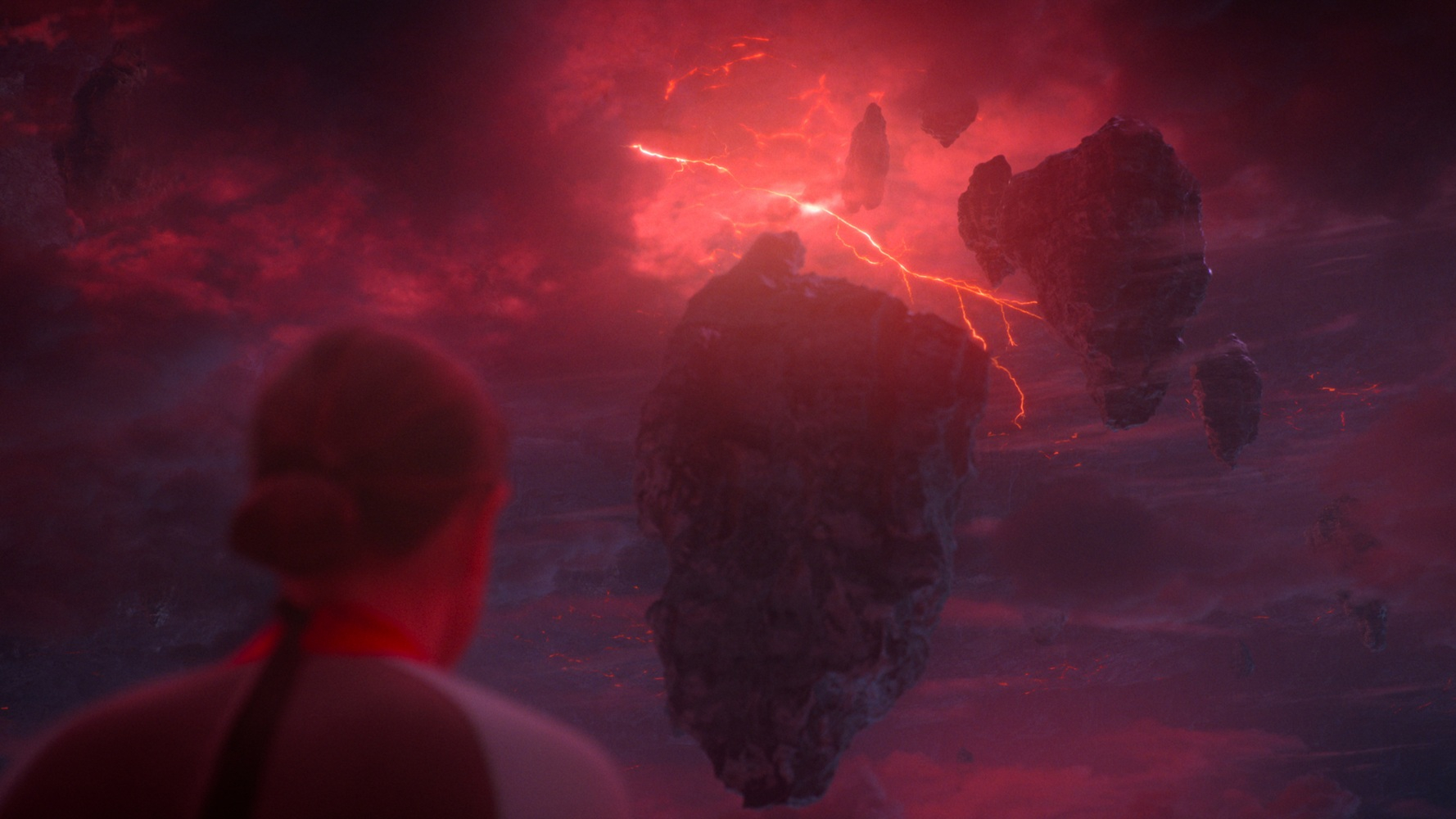
Fans demonstrated an example of this ultra-curious attitude after the series finale. Science has always been about hypotheses and proving theories, and this approach was applied to the Conformity Gate theory that spread like wildfire online. Sure, some people might call it a conspiracy theory and looking for something that isn't there, but the fans from around the world rallied to find clues and provide evidence for their unique hypothesis about the show's ending.
(Image credit: Netflix)
They might not have been right in the end — maybe even being deliberately misled by Netflix's marketing — but the fact that they questioned, critiqued, and researched to such an extent is a positive sign that the show's message had an impact. It's also proof that critical thinking isn't dead and intelligent life is still out there.
Say what you want about the final season of "Stranger Things" and whether the ending stuck the landing or not, but there's no disputing the Demogorgon-shaped mark it left on viewers around the globe. More than that, it was a show that provoked curiosity and discovery, as well as encouraging a new generation to find out more about science.
In a world riddled with fake news, false information, endless rage-bait, and sustained pushes for conformity rather than curiosity, we desperately need more neuron-firing programming like this.
All five seasons of "Stranger Things" are on Netflix.
Where does James Cameron's "Aliens" rank among the other Alien movies? That depends on who you ask. Some might say it's the best, while others put it just behind the original (spoiler alert: it's the best). Regardless, there's no denying that this 1986 film shifted gears, moving the franchise from horror to horror-tingedsci-fi action and paving an alternate path for the future.
As Cameron stated in aninterview with Lofficier, the plan always was "to do a film that was not as scary... it's scary, but it's not as scary, but more intense, and I like to use the word, exhilarating. Because I think you get exhilarated by the intensity of the kind of action that's in this film."
In terms of story progression, the sequel's shake-up makes complete sense. Sigourney Weaver's Ellen Ripley survived the Xenomorph in "Alien", but now she must conquer her fears and face the grim creature once again. This time, she has allies and firepower on her side, though most of those Colonial Marines turn out to be about as useful as French kissing a beehive.
(Image credit: 20th Century Fox)
"Aliens" exploded into a monster hit, both financially and critically, suggesting that Cameron has a Midas touch when it comes to sequels. Famous movie critic Roger Ebert called it "a superb example of filmmaking craft", and it's tough to argue that point. Yet what's amazing to ponder is how "Aliens" nearly fell apart several times before it actually happened.
Despite 1979's "Alien" turning a big profit on paper, Hollywood's accounting practices are more baffling than Palpatine's return in "Star Wars: The Rise of Skywalker".
Somehow, "Alien" was deemed a flop, and 20th Century Fox remained conflicted about a sequel – so much so that it almost sold the rights to the "Rambo" producers of all people (imagine the crossover potential, though, as John Rambo guns down a horde of Xenomorphs while Jerry Goldsmith's iconic score blares in the background).
(Image credit: 20th Century Fox)
After much oohing, aahing, and handwringing, the studio relented and selected Cameron to put together a treatment based on the impressive nature of his script for "The Terminator".
In 1983, Cameron only needed three days to put together a 45-page treatment, which can be read here. The nuts and bolts of what would become "Aliens" are mostly present in this document, but Fox turned its nose up at the filmmaker's proposal. The studio certainly wasn't escaping allegations that it looked for more reasons not to do the movie than to proceed.
What "Aliens" required was a champion from within – somebody to convince the studio execs that they were leaving money on the table by ignoring this franchise. This came with the hiring of producer Larry Gordon, who pushed for the sequel in the four walls of the boardroom.
After the success of "The Terminator", Cameron returned to the fray as writer-director, while his then-girlfriend-soon-to-be-wife Gail Anne Hurd boarded the film as a producer.
(Image credit: Getty Images (Bob Penn))
With the script submitted and Cameron cocked, locked, and ready to shoot in 1985, a new problem arose: budget. Cameron's camp argued that "Aliens" could be done for $15.5 million, but Fox's bean counters feared it would be closer to $35 million, and nobody considered the poor billionaires at stake.
Fox offered $12 million. "We walked out and said, 'Thanks, we'll do something else,'" Cameron told the Los Angeles Times.
Behind the scenes, Gordon managed to convince his bosses to fork out the extra money for the production. With that hurdle successfully navigated, Cameron was back in the driver's seat and ready to head off to LV-426.
(Image credit: 20th Century Fox)
Next though, Fox decided to suggest the unthinkable at the time: "Aliens" without Sigourney Weaver. It's a decision that reeks of a straight-to-video sequel, the kind of thing you'd expect to be fronted by a Kevin Sorbo type.
Cameron, on the other hand, was under the impression that Weaver had been contractually locked in for a sequel, but that wasn't the case at all. Now it was up to Cameron to convince Weaver to do the film. He met with Weaver, and the meeting seemed positive enough, but her agents wanted a big payday for her – and rightfully so. Fox refused, and so Cameron and Hurd quit… again; they weren't going to make the movie without Weaver.
Frustrated but trying to roll the dice on this flailing project one last time, Cameron pulled a sneaky trick, as he revealed to GQ years later. Weaver shared the same agency as Arnold Schwarzenegger, so Cameron phoned Schwarzenegger's agent and told him how he was about to start rewriting the "Aliens" script to remove Ripley entirely. The news travelled faster than a Xenomorph through a ventilation shaft.
(Image credit: Getty Images)
"The deal was done in 12 hours after that," Cameron said. "So I never wrote a word of that hypothetical story that I said I was gonna do, that I had no intention of writing anyway. So anyway, it worked, and Sigourney got her million bucks, and everybody was happy."
As far as most movie productions go, "Aliens" was mostly smooth sailing when it began to shoot. Deadlines were met, it didn't go over budget, and the studio let them get on with it. The biggest challenge involved the final cut – with Fox wanting the picture to have a two-hour runtime to secure more theatrical screenings.
Cameron relented, taking out his scissors and cutting a few superfluous scenes, but the film still wasn't quite at the magic mark. Having cut everything that he could, Cameron explained that any further amendments would destroy the story and damage the integrity of the movie. This time, Fox didn't argue and stuck with the filmmaker.
(Image credit: 20th Century Fox)
History confirms the right call was made here. The franchise now follows the blueprint laid by Cameron's "Alien" more than Ridley Scott's "Jaws in space" foundation. While there's always a survival element in these movies, the action-centric approach is a critical part of the series' DNA. Sure, the protagonists remain scared, but they receive the opportunity to light up the Xenomorphs and show those ugly monsters who's the boss.
Looking back now, it's unbelievable to think that Fox almost tanked "Aliens" with its studio shenanigans. A classic emerged from the chaos of inflated egos, penny-pinching, and blood pressure-raising frustration.
It's proof that in Hollywood, no one can hear you scream (nor do they care), so it's up to you to find a way to survive.
The biggest blockbusters of 2014 threw up a varied rogues' gallery of bad guys. In "Transformers: Age of Extinction", it was a reincarnated version of Optimus Prime's perma-nemesis, Megatron, while Captain America faced off against a reborn Hydra infiltrating the upper echelons of the US government in "The Winter Soldier". For Spider-Man, it was Electro, while Maleficent showed up in live-action to give Sleeping Beauty nightmares.
Christopher Nolan has never been one to go with the Hollywood crowd, however, and in his outer space opus "Interstellar", the antagonist was time itself — or, to be more specific, Einstein's theory of general relativity.
Nolan, whose Homeric epic "The Odyssey" makes landfall in theaters this week, has always been obsessed with time, and our perception of it. From "Memento"'s backwards narrative to "Tenet"'s time-flipping terrorists, the director has tended to steer clear of linear narratives. Even the three interweaving plotlines of his World War II drama, "Dunkirk", unfold at completely different speeds. In short, Nolan is not a filmmaker you should ever set your clock by.
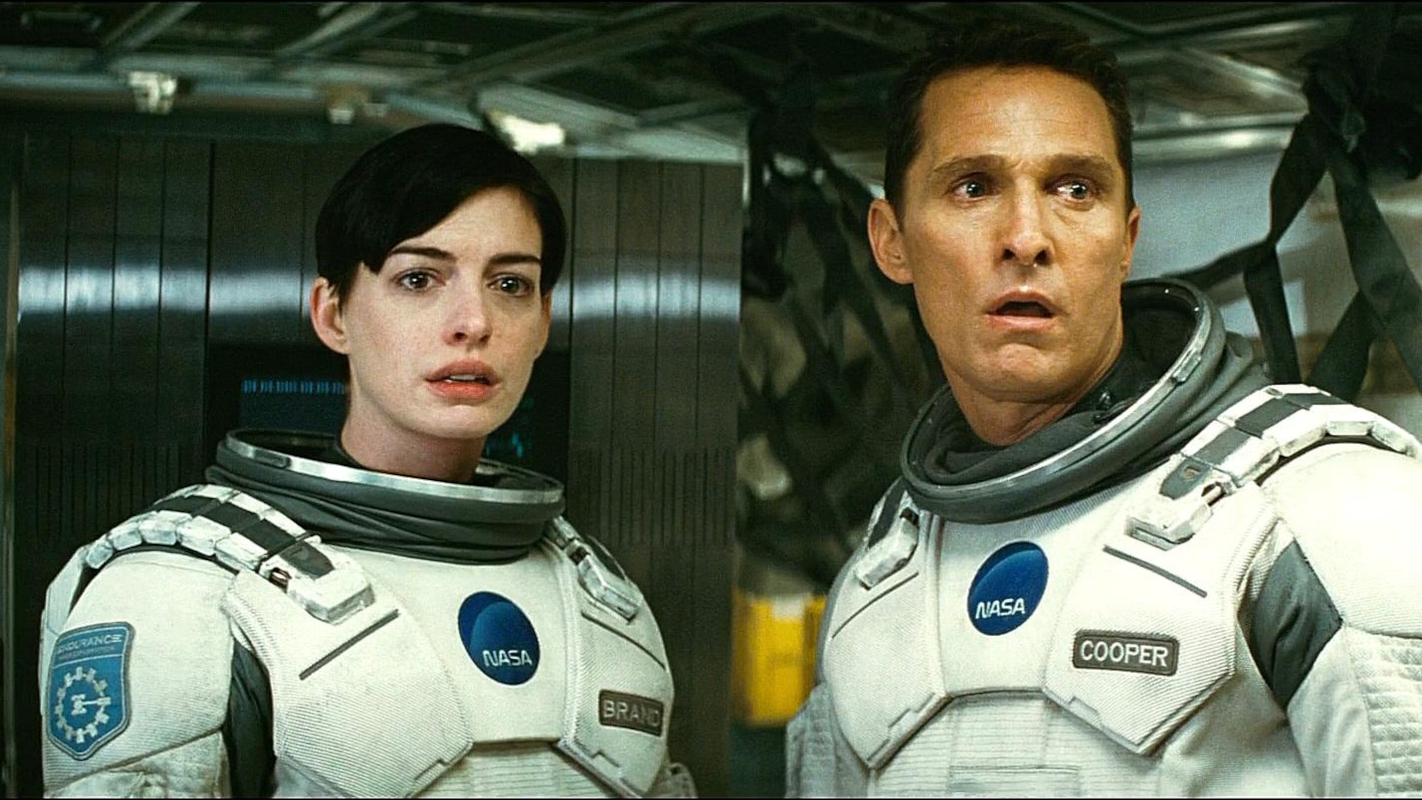
But time has never been as cruel as it is in "Interstellar", where the fundamental constants of the universe combine to wreak havoc with human emotions. "Time is relative," explains Anne Hathaway's biologist/astronaut Amelia Brand. "It can stretch, and it can squeeze, but it can't run backwards. It just can't."
She's summed up "Interstellar" in a nutshell, so it's not hard to see why this was the story Nolan wanted to tell when he added his own entry to the canon of cerebral cinematic sci-fi.
(Image credit: Paramount Pictures)
At one point in "Interstellar"'s evolution, it seemed set to be a Steven Spielberg movie. Physicist Kip Thorne had originated the project with producer Lynda Obst, and the "Close Encounters of the Third Kind" director spent a year developing the movie with them. He even hired Nolan's younger brother, Jonah (whose credits include "The Dark Knight" and "Westworld"), to write a script.
Spielberg ultimately dropped out — "It just didn't stick with me, and I don't know why," he told Empire magazine — but Jonah knew the ideal replacement. "Jonah actually said, 'If there comes a point where you decide not to make this movie, I can tell you who's gonna grab it. He's already bugging me about it. And that's my brother Chris.' The second I decided not to make it, Chris jumped on board, probably the next day. 'Interstellar' was a much better movie in Chris Nolan's hands than it would have been in mine."
In the film's near future, humanity is literally running out of time. The Earth's ecosystem is breaking down, with dust storms killing crops across the United States and causing major health issues among the survivors. Nolan even uses talking head footage of real-life survivors of the Dust Bowl that ravaged the US Midwest in the 1930s (taken from Ken Burns' 2012 documentary "The Dust Bowl") to add to the urgency of the situation.
(Image credit: Paramount Pictures)
But the remains of NASA — now forced into hiding — have a plan. They've discovered a stable wormhole near Saturn, and it leads to another galaxy. Probes have found planets on the other side, and some of them might — just might — be capable of supporting life.
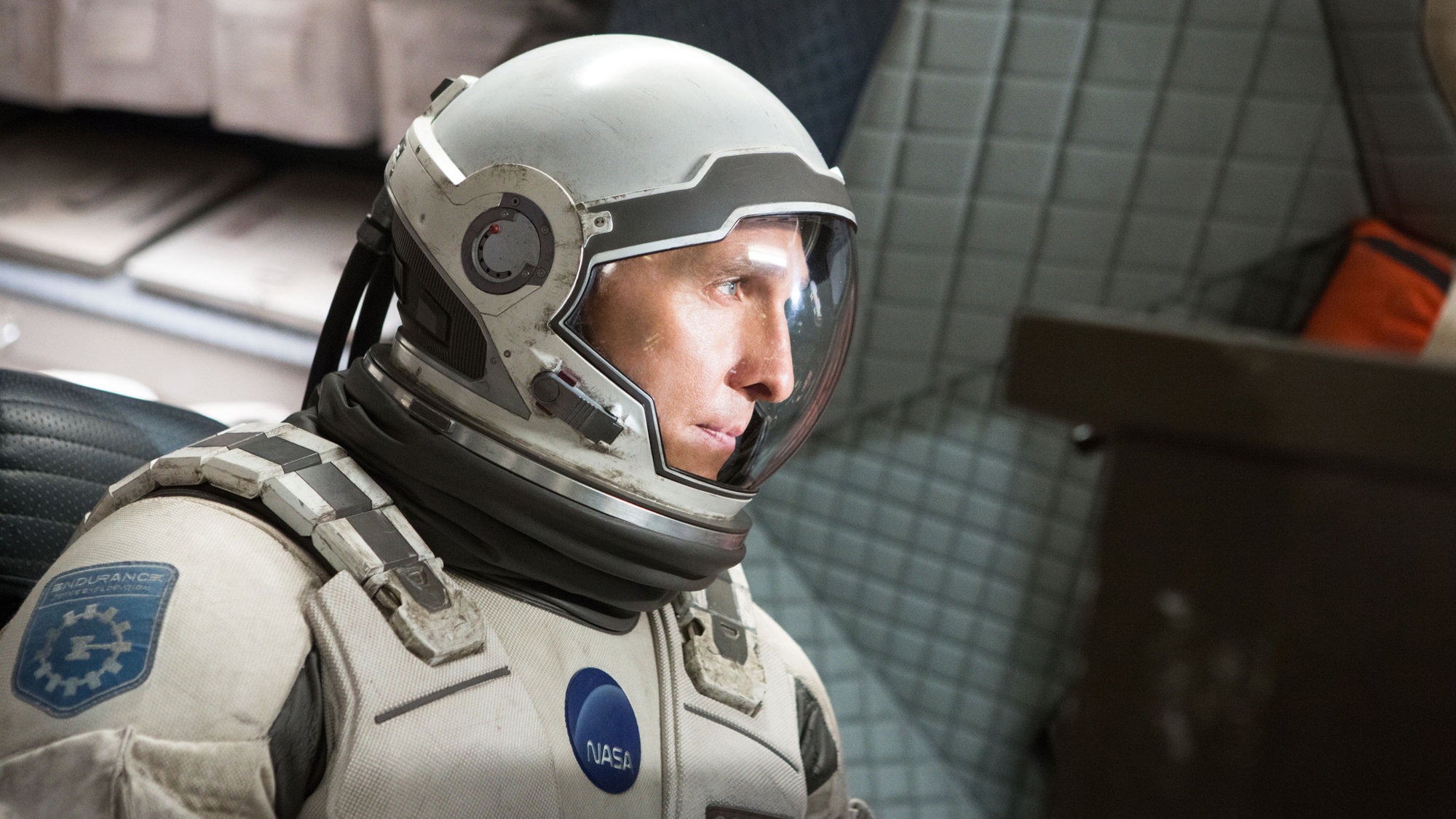
So when former pilot-turned-farmer Joseph Cooper (Matthew McConaughey) stumbles on NASA's clandestine base (for reasons that will later become clear), he's recruited for a mission checking in on the brave pioneers sent to investigate these strange new worlds. Unfortunately, this means leaving his kids behind.
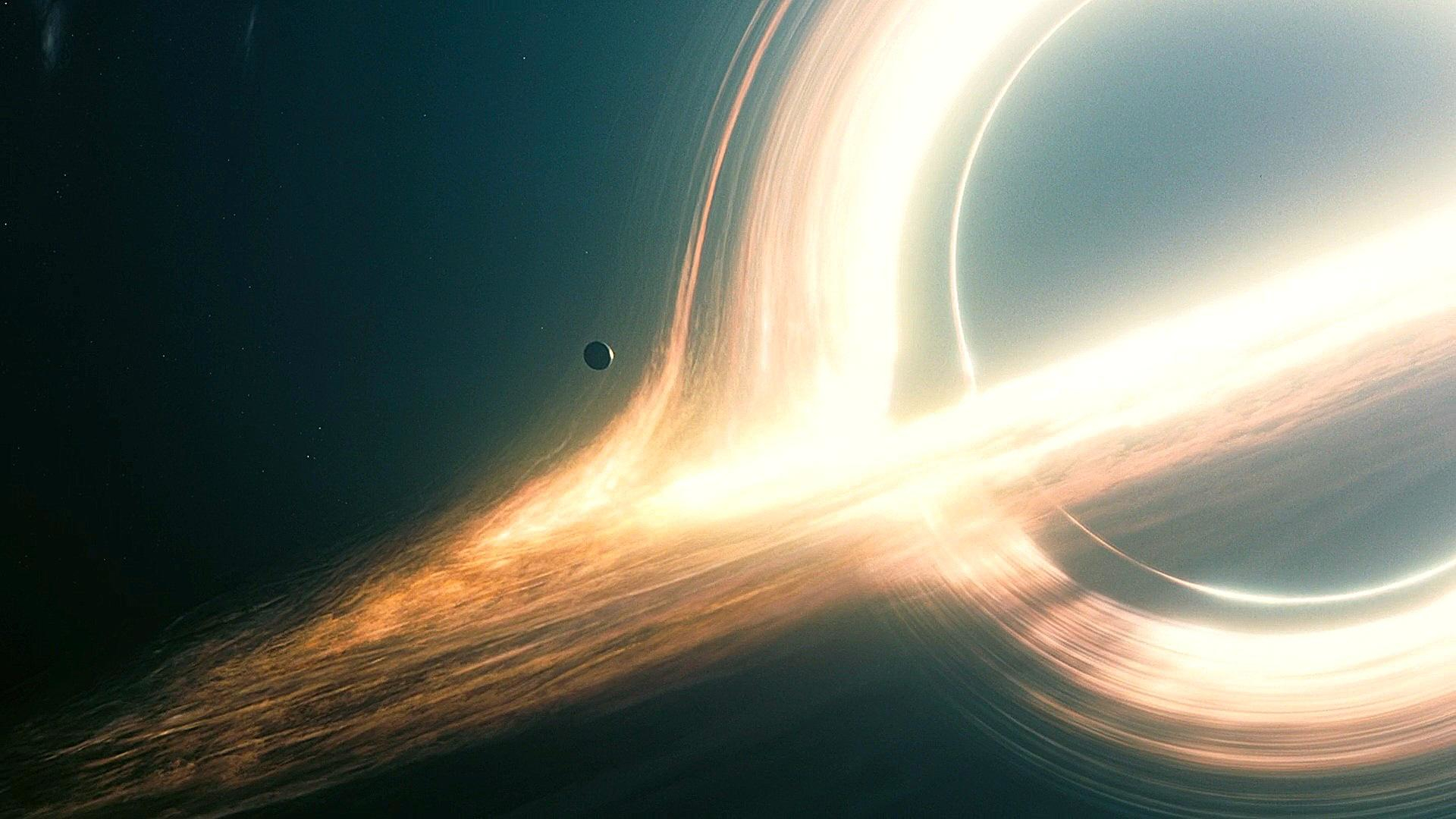
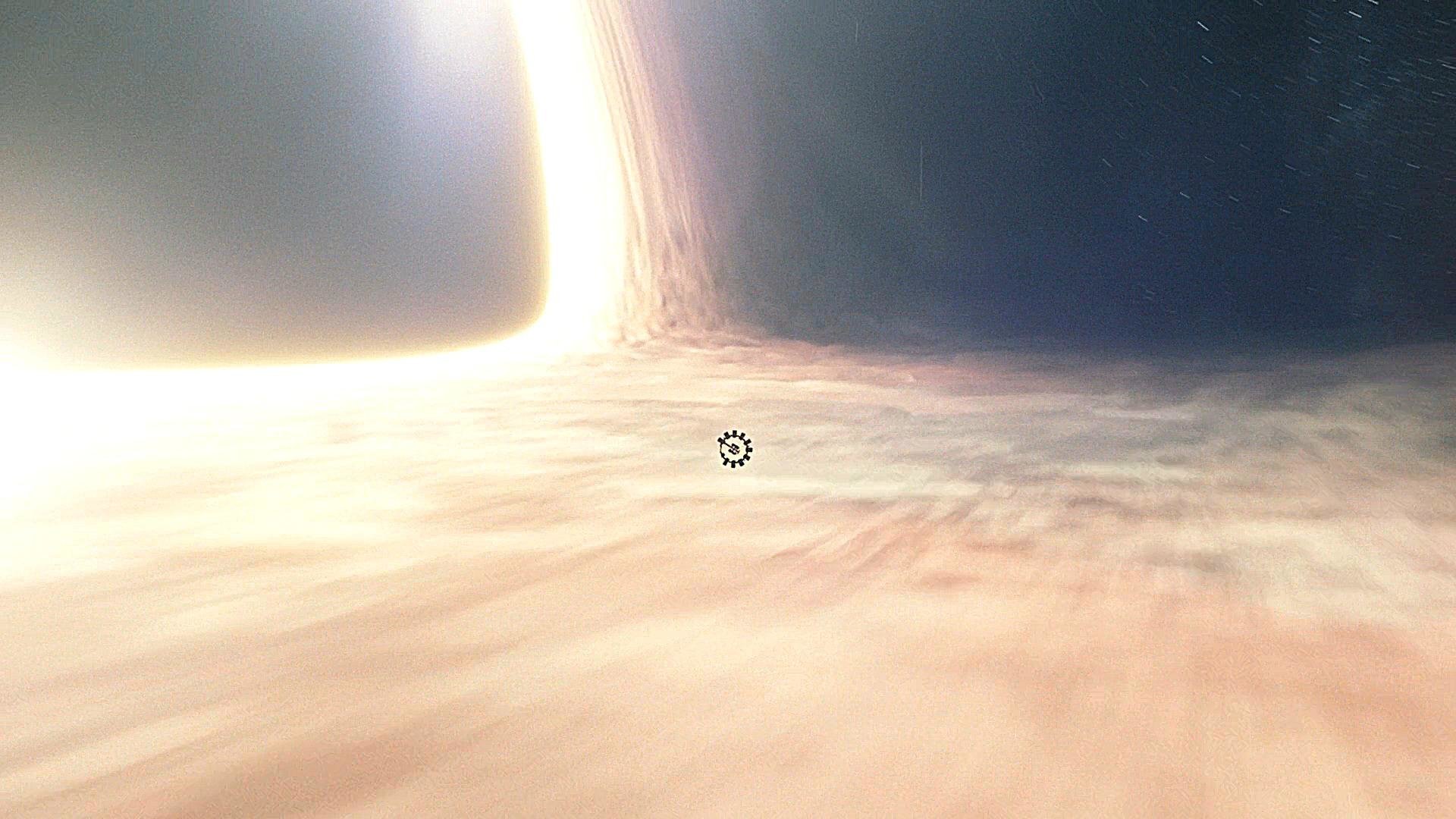
And this is where relativity becomes one of the harshest antagonists in movie history. The Endurance crew's first destination, "Miller's Planet", orbits a black hole known as Gargantua. Its gravity is so intense that anything in its vicinity experiences extreme time dilation — to the extent that an hour on the planet's surface is equivalent to seven years for everyone else. "We need to think of time as a resource, just like oxygen and food," Brand says before they make landfall.
(Image credit: Paramount Pictures)
But in that old Hollywood tradition, not everything goes to plan on the surface, and by the time Cooper and Brand escape Gargantua's influence — minus their late crewmate Doyle (Wes Bentley) — decades have passed on Earth. In an extremely powerful sequence, we see Cooper catching up on the last 20-plus years of life back home via video messages from his son, Tom (the young version played by Timothée Chalamet, the older version by Casey Affleck).
In a matter of minutes, Cooper learns about the birth and death of a grandchild, as well as the passing of his father-in-law. At the end of the reel, his heartbroken daughter Murphy (young version: Mackenzie Foy; adult version: Jessica Chastain; elderly version: Ellen Burstyn) sends her first message since he abandoned her for outer space. The reason for breaking radio silence? She's now the same age he was when he left; her childhood vanished in the blink of an eye.
"Interstellar" makes a mockery of the myth that Nolan's films are cold and emotionless. Relativity shows no mercy for family bonds, and McConaughey, Chastain, and Hathaway all deliver towering performances as they deal with its consequences. This is a human story told across a multi-dimensional canvas.
(Image credit: Paramount Pictures)
Even beyond their lives being thrown out of sync by time dilation — at the end of the movie, a still-40-something Cooper comes face-to-face with a nonagenarian Murph on her deathbed — they're coming to terms with the fact that the whole mission was built on a lie.
NASA boss Dr Brand (Michael Caine) may have thought he was doing the right thing by pretending that his gravity equation could be solved and giving false hope that humanity might one day find a new home among the stars. But it doesn't make it any less of a kicker when he confesses his grand betrayal, admitting on his deathbed that "Plan B" — sending embryos into the cosmos to extend the human race — was "Plan A" all along. Of course, whether he's right or wrong, he's a second-tier 'bad guy' compared to relativity.
Nolan went to extraordinary lengths to give his film a sound scientific footing. He consulted extensively with Thorne in order to generate a scenario where relativistic effects would be so extreme that minutes on a planet's surface would equate to years back on Earth. "Kip, apart from being an incredible mind, is actually a very good explainer of difficult concepts, and he was very patient with all of us lesser beings," producer Emma Thomas told SFX magazine. The Oscar-winning VFX team at D-Neg, meanwhile, turned their work modelling the accretion disc around Gargantua into an actual scientific paper.
(Image credit: Paramount Pictures)
By the time the film enters its endgame, it's embracing tesseracts and five-dimensional superbeings, as Cooper uses gravity to communicate with Murph across time. In the process, he reveals that the "ghost" that helped him find NASA all those years ago was actually a future version of himself. Such diamond-hard sci-fi concepts are probably not, however, the reason that "Interstellar" has since — despite mixed reviews on release — become one of Nolan's most popular films a decade later.
"What I've found is that people who let the film wash over them get the most out of it," Nolan admitted in "The Nolan Variations" by Tom Shone, and the director may just have a point. While a cynic might have issues with the notion that love is a quantifiable force transcending the universe (anyone know the SI unit for that?), it's impossible to deny the genius of "Interstellar"'s use of high-level physics to explore the human condition.
It's unlikely any of us will find ourselves in the vicinity of a black hole, but all of us know what it means to want more time with the people we love.
"The Odyssey" is in theaters from Friday, July 17. "Interstellar" is available to stream on Hulu and Paramount+ in the US, and Sky Cinema and HBO Max in the UK.
It's been busy, and some exciting things are happening! A couple of companies are moving into the space solar power arena — something we've long advocated — and that's welcome progress. Starship is set to fly Starship test number 13, and a lot is riding on this — the system is overdue for some proof of concept to keep up with NASA's HLS contract.
An exoplanet spotted a decade ago has shown signs of a potentially habitable atmosphere; there are landslides — big ones — on Pluto, and evidence of "space candy" sugars in an interstellar cloud are in the news. Finally, SpaceX is doubling down on their big defense contracts with a well-funded US Space Force. Join us for all the latest!
This Week in Space covers the new space age. Every Friday we take a deep dive into a fascinating topic. What's happening with the new race to the moon and other planets? When will SpaceX really send people to Mars?
Join Rod Pyle and Tariq Malik from Space.com as they tackle those questions and more each week on Friday afternoons. You can subscribe today on your favorite podcatcher.
It's almost inconceivable that 40 years have passed since what's been called the greatest sci-fi action filmof all time (and not just by us) assaulted theaters with the juiced-up sequel to Ridley Scott's 1979 classic, "Alien."
Director James Cameron's propulsive vision for a gung-ho military-style movie would call upon Stan Winston Studio's elite creature effects crew from 1984's "The Terminator" — a team that would later work on "Predator," "Terminator 2: Judgment Day," "Jurassic Park," and "Predator 2."
Cameron's "Aliens" greatly expands upon the xenomorph life cycle with the inclusion of a matriarchal beast that his screenplay described as "a massive silhouette in the mist, the ALIEN QUEEN glowers over her eggs like a great, glistening black insect-Buddha. Her fanged head is an unimaginable horror. Her six limbs, the four arms and two powerful legs, are folded grotesquely over her distended abdomen."
The brilliant filmmaker and Winston's energetic gang would craft and operate this 14-foot-tall articulated hydraulic puppet fabricated from fiberglass, foam rubber, and plastic. It contained two stunt performers in the torso and puppeteers on the ground manipulating legs and limbs.
Production was led by Stan Winston, Shane Mahan, Alec Gillis, John Rosengrant, Tom Woodruff Jr., and Lindsay MacGowan, the core wizards who’d later found the acclaimed Legacy Effects firm with J. Alan Scott following Stan Winston’s unfortunate death in 2008. Gillis and Woodruff would eventually split off to form Amalgamated Dynamics in 1988.
We caught up with Mahan and MacGowan to have them offer memories of working on "Aliens" at Pinewood Studios and specifically constructing this magnificent drooling, hissing monster that's spawned countless nightmares since the blockbuster landed on July 18, 1986.
"It was 1983 when I started at Stan's on the first 'Terminator,'” Mahan tells Space. "I’d worked with Jim on a Roger Corman movie that Makeup Effects Lab was doing, 'Battle Beyond the Stars.' [...] During 'Terminator,' Jim had drawings of Sigourney and the Power Loader he'd brought into the shop. I'd see them out of the corner of my eye and knew exactly what it was supposed to be. It was clearly an alien of that world with Sigourney Weaver.
"I was intrigued by it all because four years before, when 'Alien' had come out, it was so amazing cinematically. The lifecycle of the creature, and the organic nature of it. I had no idea that seven years later we'd be in England doing a sequel."
Mahan and posse began working on the Queen's preliminary designs in Southern California at Stan Winston's shop, where they conducted the infamous 'garbage bag test' out in the back parking lot, so named due to the flailing puppet being wrapped in black plastic trash bags.
"It was a proof of concept of how that was going to work," he explains. "Moving to Windsor, England, and setting up shop at Pinewood Studios was extraordinarily exciting. We then started making the full-size process of making the Queen and all the other effects, and we met the English crew, and Lindsay was one of them."
MacGowan fondly remembers his experience on the ambitious project and being recruited to join Stan Winston and the rest of the guys.
"They were legends at that point for us. We were also young and goofy, and it's amazing they actually let us do what we did when we were that young," MacGowan notes. "I was at college at the time, and I’d skip off college and make my way to Pinewood. It was like here’s the rock ‘n' roll Americans, and then we have our more reserved English team that got influenced by the American team. It was a lot of fun and some of my favorite memories of starting in the business.
"I remember it being incredibly cold at Pinewood at the time. There was no insulation in the warehouse, and we had these giant propane jet heaters, and they kept going out. We’d be nice and warm, then suddenly the flame would be out. It was a great time to get to know Shane, John, Alec, and Tom. I look at them as my American brothers."
Having everything under one roof, being created pre-shooting, was a great asset as it allowed Cameron to constantly oversee the process and monitor the progress being made.
"We were life-casting all the actors, various teams were doing the xenomorph warriors and the eggs and the facehuggers," Mahan adds. "It was a pretty big build list, and we had four or five months to get everything done. John Richardson was a great special effects man from the Bond films, and we all thought that was cool to work with guys that had done James Bond movies.
"That was my first time in England, so the setting was very new and exciting. Of course, we blew off a lot of steam occasionally, but we were very serious about just getting it all done. We knew we had a lot to live up to because of the first film. Very few people, if any, had come back from working on that first film. You don’t know how it's going to turn out. We all thought the 'Aliens' script was great. Jim had a lot of turmoil there and didn’t have a good time on his own for various reasons, but we weren't really privy to that."
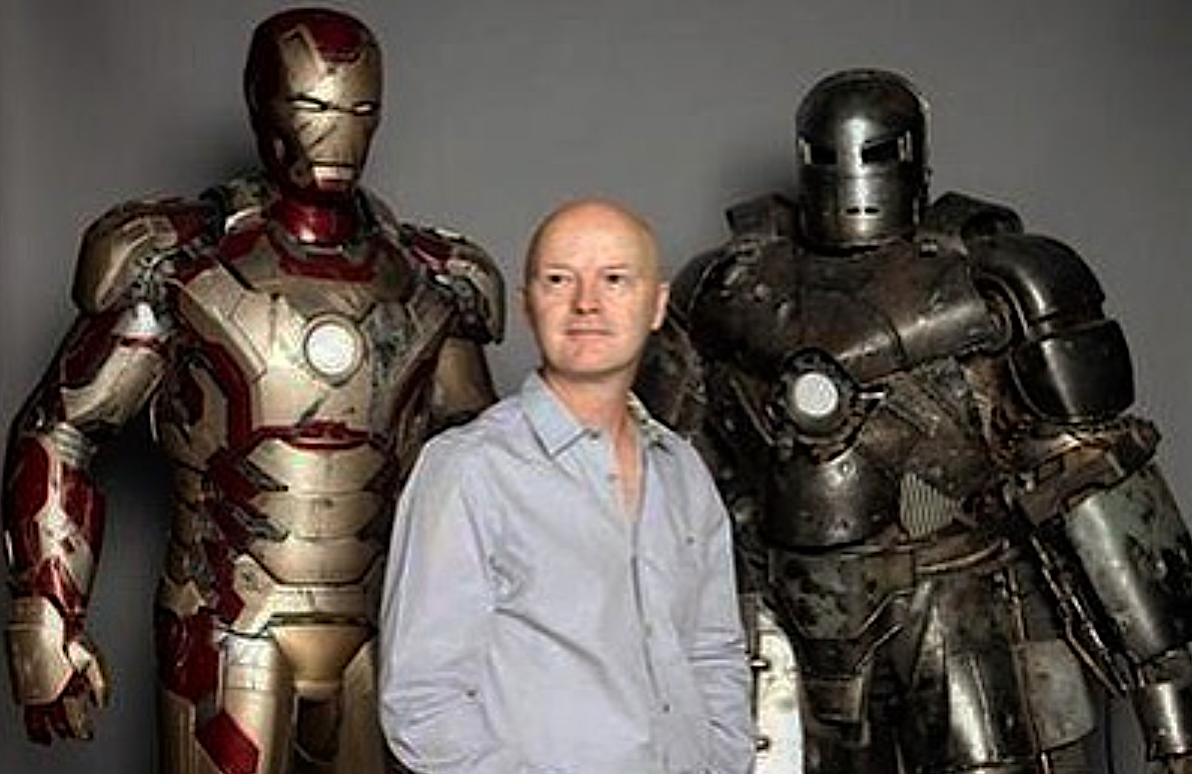
Legacy Effects' Lindsay MacGowan between two armored supersuits created for 2008's "Ironman" (Image credit: Legacy Effects)
Before hopping across the pond to the UK, Mahan and his ace crew did molds and castings using a quarter-scale maquette of the Alien Queen sculpted at Stan Winston's shop for their design master.
"Back then, everything had to be done by measurements, by plotting out, and by eye. Today, it's so simple to have a computer generate and mill out a perfectly formed section. You had to use a really focused artistic eye to get exactly where we were supposed to be.
"We also had to make action suits, and there were a lot of them. I think there were 13 or 14, and then there were like eight eight-foot-tall puppets that were more spindly and long that were going to be used on wires and get hit and blow up and get shot. Then there was one articulated half-animatronic that would play in various scenes. You have to imagine an era that was pre-CGI. There was no reliance on rod removal or performer puppeteer removal. You had to hide everything and everybody in the frame. So in the dropship fight, it’s an enormous amount of people making the Queen operate, and you don’t see them.
"That all comes down to Jim Cameron and his magnificent eye for framing this action scene without seeing the crane or any of the support devices. Directors today, most of them don't even have any idea how to do that. And that was the magic of Jim Cameron and still is. He had the designing thought of shot composition and action that played off the best attributes of that hydraulic/actor-driven Queen. Because there were two guys inside and nine of us on her tail, her head, the cable, her hands, the feet. We were everywhere."
MacGowan took his role very seriously to get the fit and finishing perfect for this elegant egg-laying beast that would end up being the seething, android-ripping superstar of the popular 1986 sequel. -
"It was really just to honor what Giger had done in the past, but also to give Jim what he was looking for in his vision for the Queen," he recalls. "The Queen is really Jim's design and entire look. Our focus was making sure that we got what Jim wanted, but still make sure that fans of the original movie, which was all of us, could really appreciate."
As a mentor to his dedicated young crew of VFX creators, Winston schooled them in the subtle art of injecting personality and emotion into their creature performances.
"It's something they always reinforced, but if you’re a student of horror and science fiction films, you know all the great creatures and monsters have got some sympathetic or some interesting personality," adds Mahan. "Even the xenomorph in the first film, the personality is that it does not care. It's just going to kill you. But that’s still a personality trait.
"We were always taught by Stan that these are not effects; these are characters that we’re making; these are actors in the film. It just happens to be a creature from space, or a robot from the future, or a dinosaur. Whatever it is, it has to be believed, and we’ve always carried that philosophy through."
As to the mystery of exactly where the original Alien Queen screen-used puppet ended up, Mahan has a few clues, but sadly admits that most of it has unfortunately been lost to time.
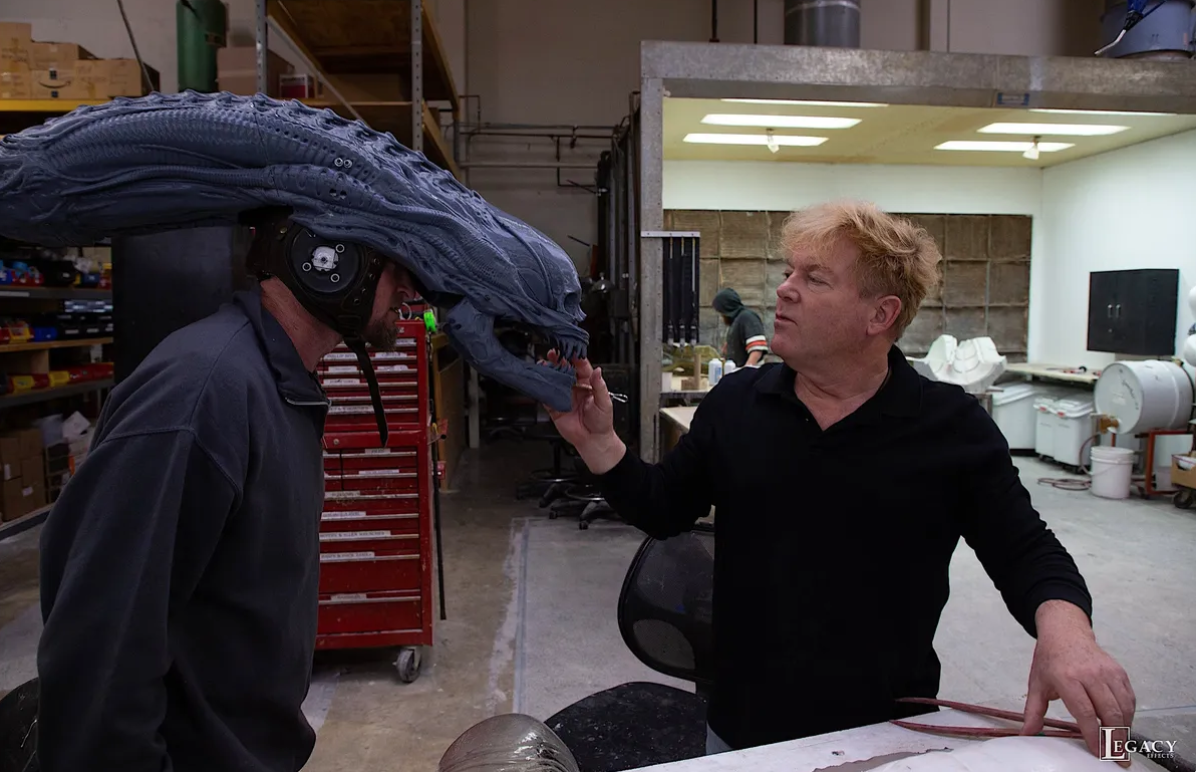
Legacy Effects' Shane Mahan working on a xenomorph design for "Alien: Romulus" (Image credit: Legacy Effects)
"Jim has one in his museum, and I think collector Bob Burns did have a head," Mahan shares. "The rest of it might be that it's fallen into disrepair. I know when we left, a lot of it was put into containers at Pinewood, and it sat and rotted for years. We always wanted to get that back, but I’ve not seen a real Queen in a while.
While the classic design hasn't changed much over the years, Mahan notes that the materials used to make creatures like the Alien Queen have.
"The head was fiberglass and had other foam rubber parts. The materials back then were not very sophisticated," explains Mahan. "The materials we have today, like what we did on 'Alien: Romulus', are like from outer space. They're translucent silicones, and they stretch well, and there’s lightweight plastic 3D-grown parts."
"Back then, the only thing we had was clear urethane that I got the cowl of her head to kind of move around. The original idea was that the skin on her face was supposed to be translucent. It ended up being foam rubber painted to look translucent. A lot of those materials have just fallen apart. On screen, it's pretty impressive.
"When we did 'Alien: Romulus,' Lindsay and I had not done an 'Alien' film since 'Aliens.' When that opportunity came up to revisit that world, the sensory memories came flooding back. It's one of those movies where I think I remember every day that I was on set for that film.”
"Aliens" is available to stream on Disney+ in the UK, and to rent and buy on various platforms in the US.
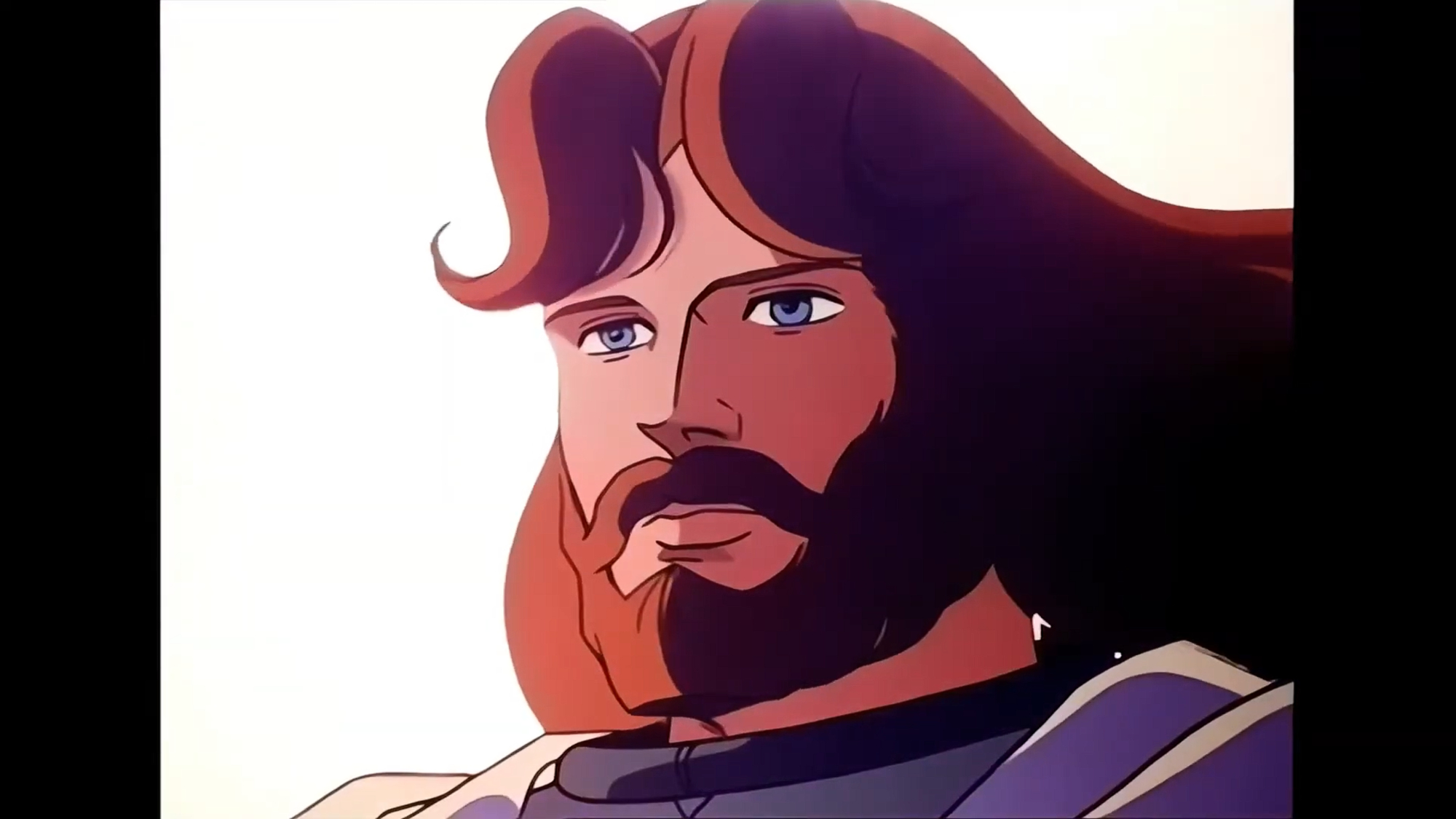
It's not known whether "Ulysses 31" was on Christopher Nolan's radar in his teenage years, but it's intriguing to think it could have influenced the director's decision to take on Homer's "The Odyssey".
This animated space opera, a French/Japanese co-production, delivered a crash course in Greek mythology to a generation of kids who grew up in the '80s. And, although it looks more like "Star Wars" than Homer's original tale, it had a decent stab at transferring the Classics to the 31st century (the clue really was in the title), years before the Coen brothers took "The Odyssey" to the Deep South in "O Brother, Where Art Thou?"
The cartoon's core premise would be familiar to any Greek scholar, even though purists would surely bristle at the hero going under his Roman pseudonym, Ulysses, rather than the original Greek Odysseus.
(Image credit: DIC Audiovisuel & Tokyo Movie Shinsha)
At heart, it's that old story of a ship's captain racing to get home from Troy (in this case, a starbase) before his wife, Penelope, marries another man. That voyage is soon waylaid, however, when Ulysses' son, Telemachus, is abducted to become a sacrifice to a giant robot Cyclops.
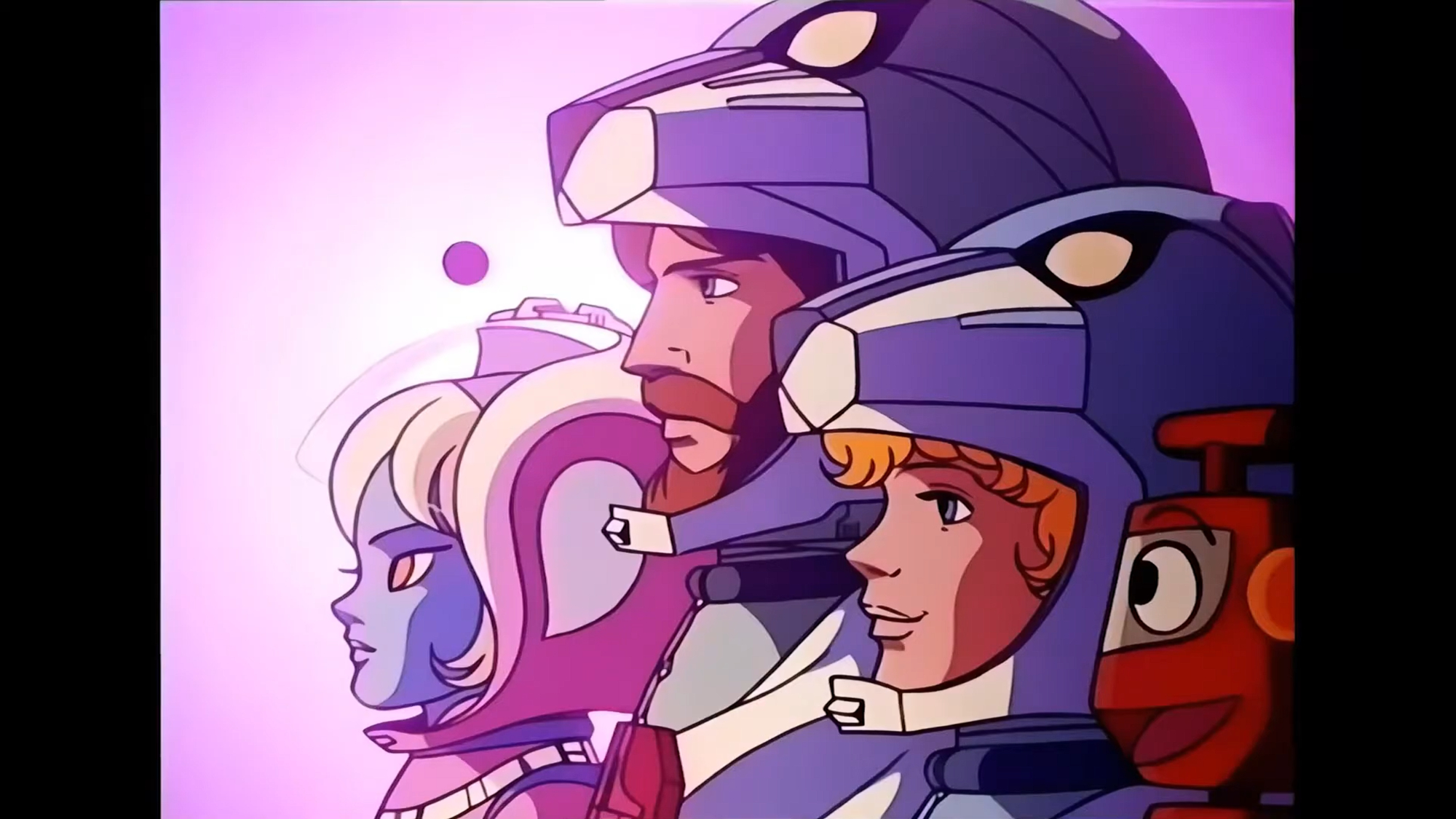
Ulysses quickly lives up to the promise of his famous theme song — "Always fighting all the evil forces, bringing peace and justice to all" — by vanquishing the one-eyed menace and rescuing Telemachus along with Yumi and Numinor (a pair of blue alien Zotrians who, as far as we can tell, do not feature in the original Homer).
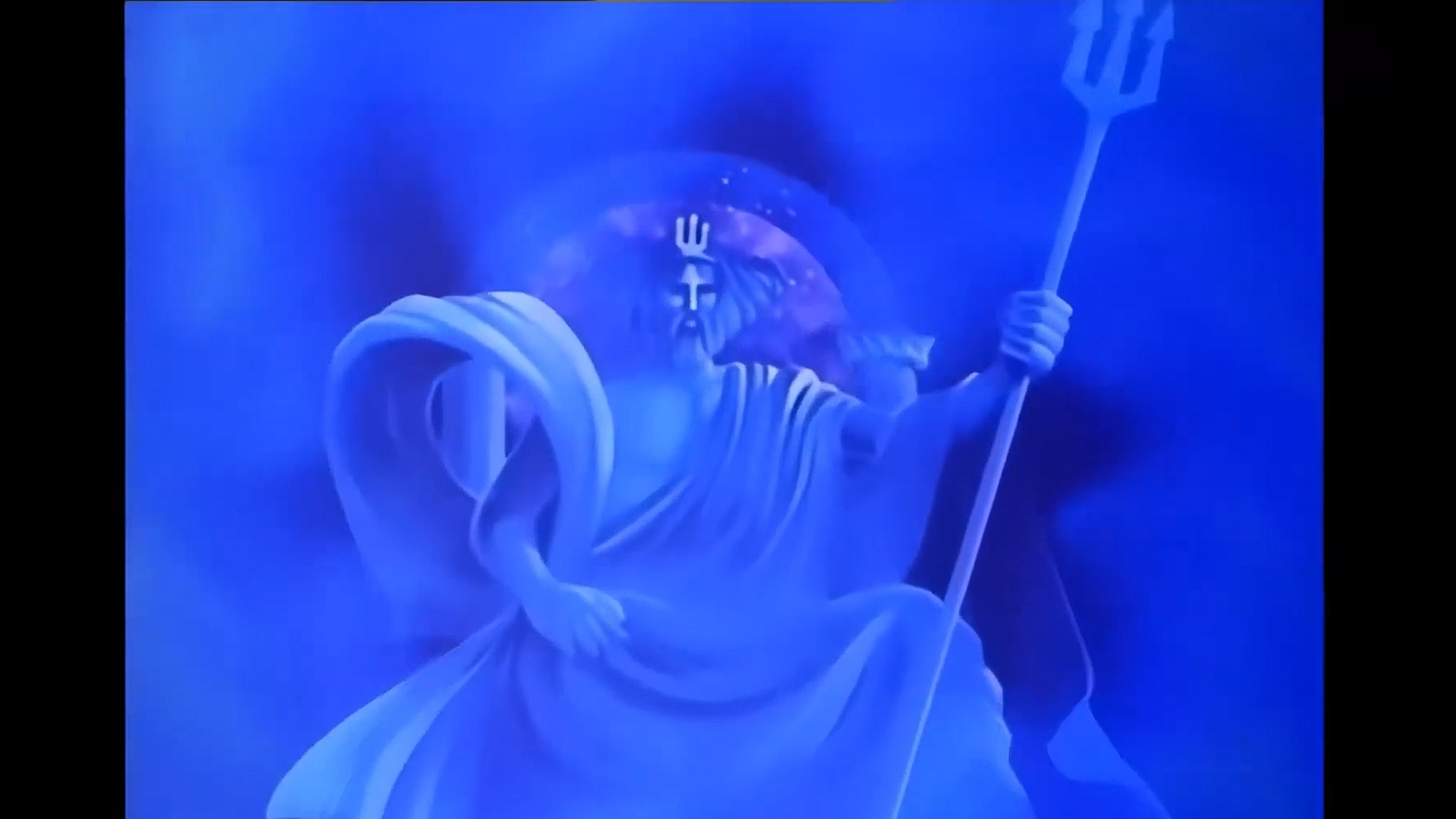
Unfortunately for Ulysses and his crew, he messed with the wrong giant robot Cyclops, because this one happened to belong to the Greek sea god Poseidon, who's now taken up residence in outer space. The deity is so annoyed at the puny mortal's impudence that he gets his brother, Zeus (aka the head honcho in Olympus), to inflict divine retribution.
(Image credit: DIC Audiovisuel & Tokyo Movie Shinsha)
Ulysses is subsequently sentenced to "travel among unknown stars" (his ship, the Odyssey, has its navigational databanks purged) while his crewmates — referred to, in what now sounds like contemporary corporate jargon, as "companions" — are put into a perpetual slumber. If he's going to make it home to Penelope, he'll need to find the Kingdom of Hades before his 26-episode run comes to an end.
It's less an update of Homer than a riff on his greatest hits, with several other notable classics of the Classical period thrown in for good measure. In addition to slaying the Cyclops, Ulysses follows in OG Odysseus's footsteps when he meets the Sirens and Lotus Eaters.
But he also ventures beyond the confines of Homer's narrative when he encounters Sisyphus (fated to devote his entire life to a repetitive, pointless task), Orpheus (en route to Hades to rescue Eurydice, the love of his life), and three-headed dog Cerberus, reinvented as an interceptor satellite with, yes, three heads.
(Image credit: DIC Audiovisuel & Tokyo Movie Shinsha)
Many of the character names are also familiar. Priam, the commander of the Troy starbase, shares his name with Troy's last king in antiquity, while Nestor, Ulysses' second in command, is an advisor in the original story. Shirka, the computer on Ulysses' ship, takes her name from Circe, a sorceress.
But the show also adopts a pretty liberal approach to the source material. Homer's version of Telemachus spends much of the story separated from his dad, whereas "Ulysses 31"'s is a constant presence. While Odysseus's shipmates mostly wound up dead, here they're plunged into a state of literal suspended animation, lifelessly floating in the ship's hold.
And Ulysses is already aware of the Greek gods before he makes first contact — in one episode, he even travels back thousands of years in time to meet his famous namesake.
(Image credit: DIC Audiovisuel & Tokyo Movie Shinsha)
If this sounds like writers sanitising the story for younger audiences, well, it didn't feel that way if you watched the show as a kid. At times, "Ulysses 31" is genuinely freaky, from those levitating lifeless bodies to some truly grotesque monsters. The gods themselves are also an unnerving presence, omnipresent beings of colossal power who see humans as their playthings and view Ulysses' toils as some twisted spectator sport.
Besides, unlike "Masters of the Universe" and many of the other biggest sci-fi cartoons of the '80s, the good guys weren't always guaranteed to win. Being Ulysses — a single dad guiding his son and adopted daughter Yumi through the cosmos — wasn't easy.
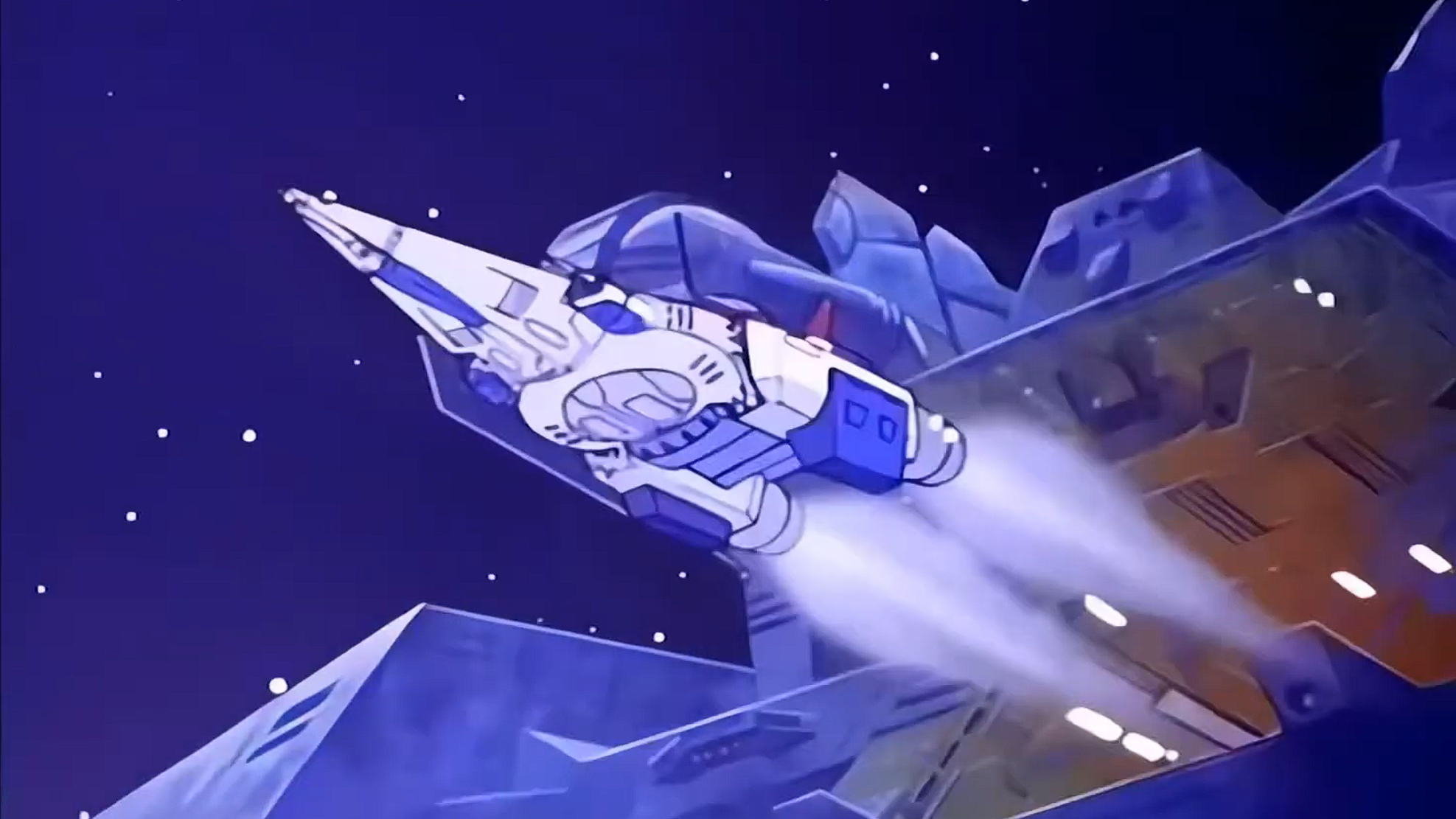
Now 45 years old (though it didn't find its way onto British and American TV screens until the mid-'80s), "Ulysses 31" is showing its age. The animation is often rudimentary, particularly in outer-space scenes that are effectively a cut-out of a starship being dragged across a stellar background. The dialogue, meanwhile, is played hilariously straight — good luck finding a laugh among these uncharted stars — and often consists of someone shouting another character's name. "Telemachus!" "Father!" "My son!" "Yumi!" etc. Telemachus's small red robot pal, Nono, is up there with the most irritating "cute" sidekicks of the era — quite the achievement in an extremely competitive field.
(Image credit: DIC Audiovisuel & Tokyo Movie Shinsha)
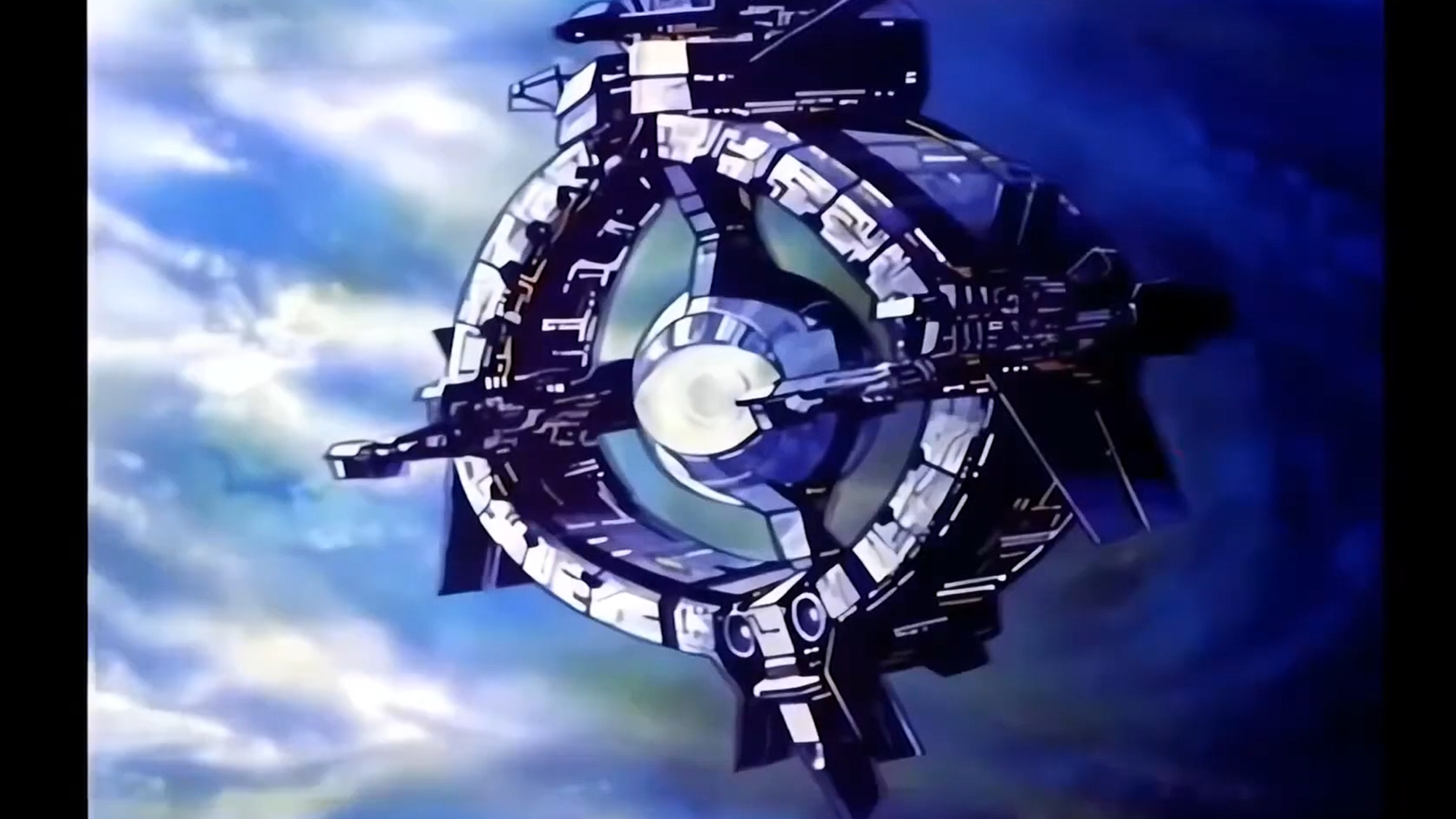
But there's also plenty to like. As static as they sometimes look, the spaceship designs have the feel of a classic space opera book cover, particularly Ulysses' eye-shaped craft, the aptly named Odyssey. The series also borrows heavily from a more modern piece of mythology, namely the "Star Wars" saga. Ulysses may not be a Jedi (as far as we know), but his gun/laser sword weapon looks a lot like a lightsaber. Some of the incidental music even apes John Williams' score from a galaxy far, far away.
Which brings us on to the soundtrack, the main reason this show lives on in the collective consciousness of a generation.
The work of Denny Crockett, Ike Egan, and, on selected tracks, Shuki Levy and Haim Saban (the latter duo also composed for "Masters of the Universe", "Jayce and the Wheeled Warriors," and many more cartoon classics), the music is a cut above. "The Curse of the Gods" refrain is loaded with menace, totally living up to its portentous title, and then there's that theme song.
Seriously, to people of a certain age — even those who remember nothing else about the show — hearing the name "Ulysses" is enough to get them singing "Ulysee-ee-ee-ee-ees" ad infinitum, an earworm truly worthy of the gods of Olympus.
Homer's tales may still be remembered thousands of years after he wrote them, but you can guarantee he didn't have a tune quite like that.
"Ulysses 31" isn't on any major streaming service, but there are fan uploads on YouTube if you want to experience the show for yourself.
Making a sequel to Ridley Scott's 1979 classic "Alien" should have been a disaster. This was a movie that defined a whole new sub-genre of outer-space horror, a perfectly structured scarefest that also introduced one of cinema's greatest-ever monsters to the world.
Luckily, James Cameron — then one of Hollywood's hottest properties off the back of "The Terminator" — has never been a shrinking violet, and was brave enough to face the Xenomorph challenge head-on. Reinventing the franchise as a muscular sci-fi action movie, he created a whole new sub-genre of his own with a film every bit as memorable as its predecessor.
So, as the peerless "Aliens" turns 40, here — in honour of LV-426, the moon where the movie takes place — are 26 reasons it's still the greatest sci-fi action movie of all time.
1. James Cameron’$ original pitch
(Image credit: 20th Century Fox)
With only "The Terminator" (and the long-forgotten "Piranha II") on his resumé, James Cameron was yet to ascend to "king of the world" status when he pitched for the "Alien" sequel. His subsequent meeting with studio execs has since become the stuff of Hollywood legend.
The story goes that he turned over a copy of the script, wrote "ALIEN", added an S to the end, and then scrawled a couple of lines through the final letter. "ALIEN$" was a language the bigwigs understood, and you know what? Cameron was kinda right.
2. A new genre
(Image credit: 20th Century Fox)
Same continuity, same creature, same lead character… "Aliens" is undeniably a sequel to "Alien".
But while Ridley Scott's original film was already the definitive outer-space horror, Cameron boldly shifted genres to make the definitive outer-space action movie. Forty years on, fans are still debating which one is best.
3. Nothing is wasted
(Image credit: 20th Century Fox)
Anyone teaching action movie screenwriting should use "Aliens" as a core text. It's lean, it's efficient, and every line and moment is integral to the all-time classic whole.
It's no accident that Ripley shows off her Power Loader skills in the opening act — it's Cameron's version of Chekhov's gun.
4. The time jump
(Image credit: 20th Century Fox)
Some sequels pick up immediately after their predecessor left off. But by leaving Ellen Ripley in hypersleep for 57 years, the universe has a chance to evolve around her. Indeed, that's enough time for Weyland-Yutani to colonize LV-426 and — just maybe — pay a visit to that mysterious spaceship with all those eggs in its cargo hold.
What could possibly go wrong?
5. Ellen Ripley
(Image credit: 20th Century Studios)
Ellen Ripley may have been the accidental hero of "Alien", but she's 100% proactive in "Aliens". At the beginning of the movie, she's still traumatized by her experience on the Nostromo, and her employers at Weyland-Yutani are doing little to help. But her cool head in a high-pressure situation puts highly trained Colonial Marines to shame, and by the final act, she's grown into one of cinema's greatest heroes.
Sigourney Weaver rightly earned herself an Academy Award nomination for her tour de force performance.
6. The Colonial Marines
(Image credit: 20th Century Fox)
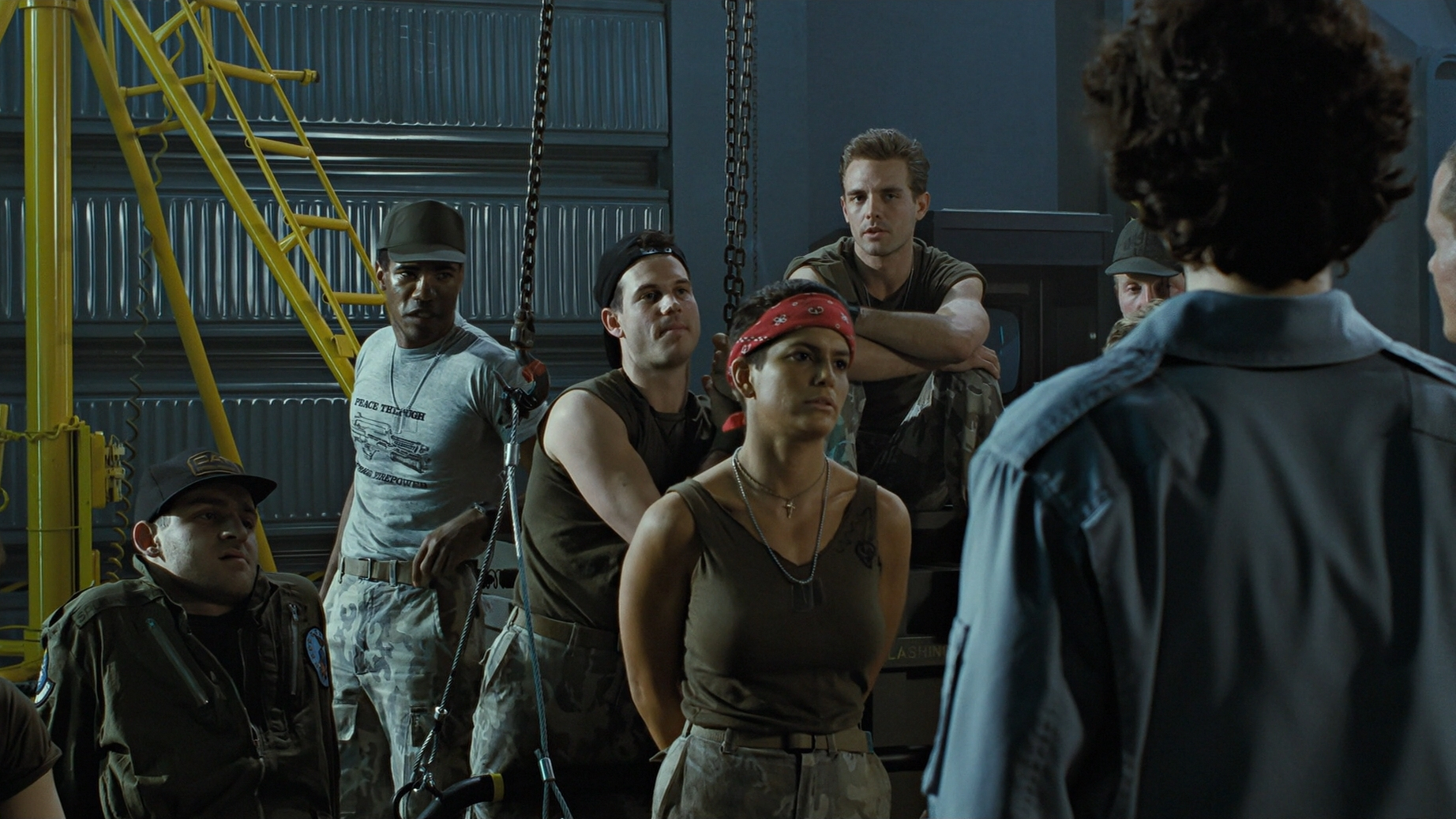
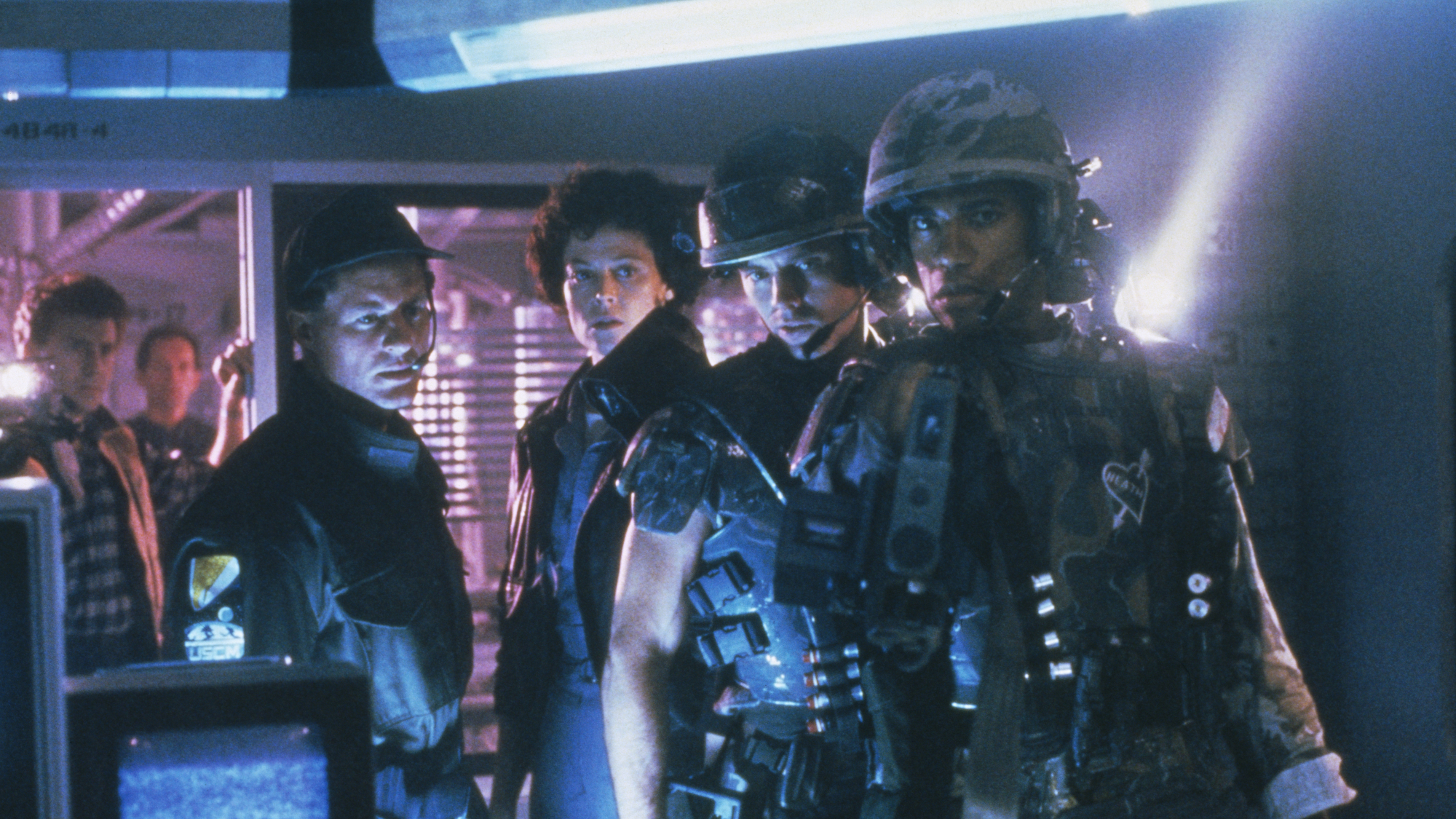
Cameron waited until late on in production to shoot the scene where the Colonial Marines wake up from hypersleep. It's a genius move, their real-life familiarity helping to establish a convincing camaraderie between these elite soldiers.
Even though most are lucky if they speak more than a line or two, Cameron's writing is so tight that we already know plenty — and care — about them when they inevitably become Xenomorph fodder. (Top fact: with the exception of Lt Gorman and Corporal Hicks, the Marines all share a first initial with the actor who plays them.)
7. The Dropship
(Image credit: 20th Century Fox)
Physics purists can bemoan the science all they like, but there's something undeniably cool about the craft that plunges the Marines to the surface of LV-426. A wonderfully utilitarian example of pre-CG model work.
8. The slow-build
(Image credit: 20th Century Studios)
In the original version of the movie, an entire hour has passed before you see an alien. Cameron doesn't waste a second of that time, however, establishing characters (see above), introducing Newt, showing off the geography of the Hadley's Hope terraforming base, and building a creeping sense of dread.
Those acid burns on the floor can't be good news, right?
9. The shouldercams
(Image credit: 20th Century Fox)
In an era when cameras can be shrunk down into phones or even a pair of glasses, anybody can film anything. But when Cameron gave his soldiers shoulder-mounted video units, it felt genuinely groundbreaking. It provides a suitably chaotic Marine's-eye-view as the carnage unfolds, but you always know whose perspective you're following because, well, their names are written on screen.
10. The ambush
(Image credit: 20th Century Fox)
"Aliens" may take its time getting to the actual aliens, but when it does, it doesn't hold back.
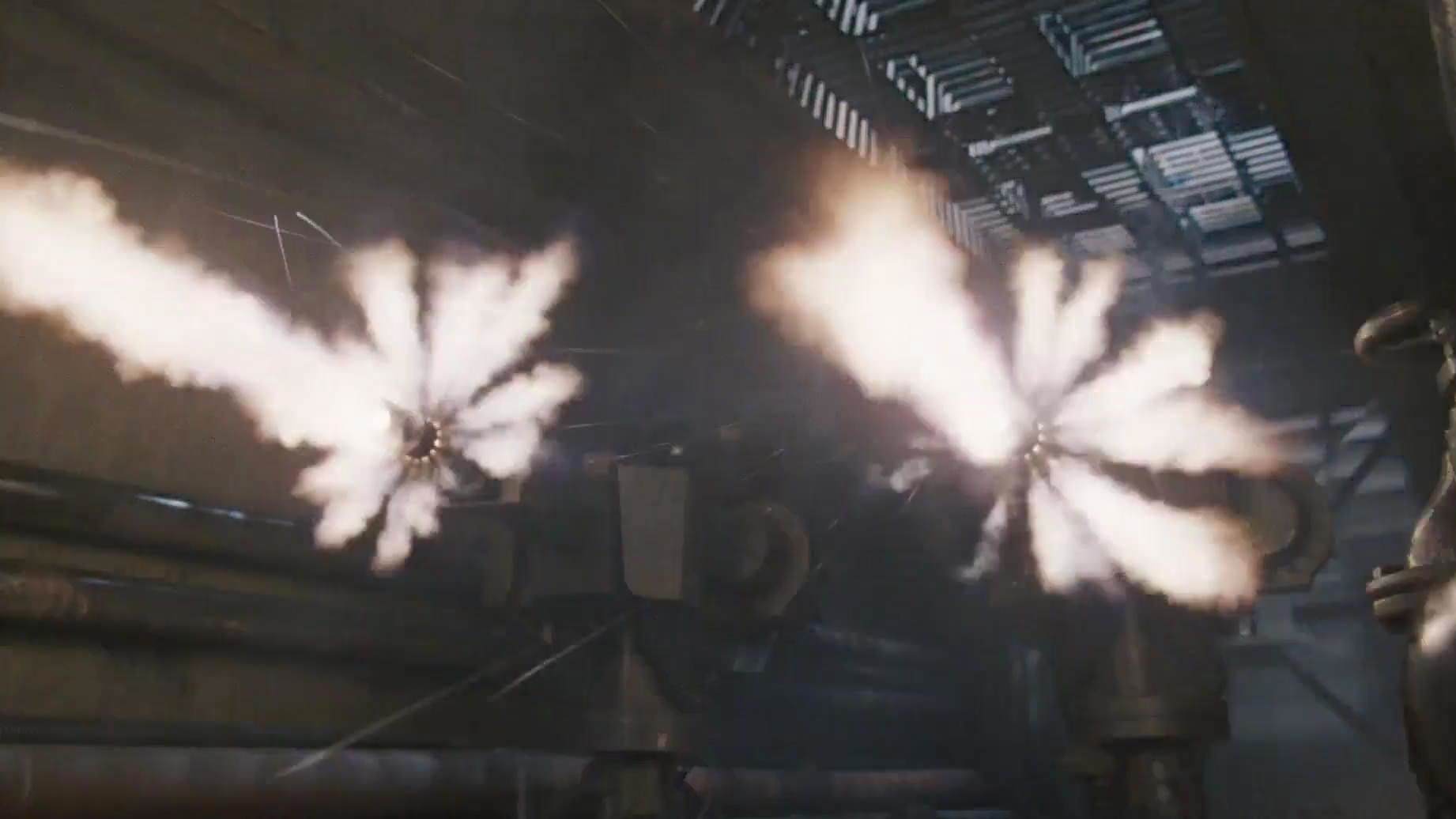
The walls start moving, flame-throwers start flaming, and suddenly the Marines are on the back foot against a vastly superior enemy. Throw in an exploding bag of ammunition, and it's all so brilliantly disconcerting that you need several rewatches to work out what you've just witnessed.
Within a matter of minutes, Hicks, Hudson, Vasquez, and Gorman are the only Marines left standing — and Gorman's technically comatose.
11. The Xenomorph drones
(Image credit: Twentieth Century Fox)
HR Giger's original Xenomorph is a design classic, but Cameron was more concerned about practicality than looks.
The new alien suits (usually occupied by gymnasts and acrobats) prioritized movement, as the director went big on research and development to make sure their motion was as inhuman — and as fast — as possible.
Remarkably, only six suits were built for "Aliens", but ingenious editing makes it look like Hadley's Hope is swarming with them.
12. The Alien Queen
(Image credit: 20th Century Fox)
We'd seen the eggs, the Facehuggers, and the drones. But, as Ripley pointedly asks, "Who's laying the eggs?"
The answer is a truly terrifying new stage in the Xenomorph life cycle, and arguably the last essential addition to the franchise's mythology.
Designed by Stan Winston (who'd worked with Cameron on "The Terminator" and won an Oscar for his work on "Aliens"), the Alien Queen is a towering apex predator who'll do anything to protect her kids.
13. Newt
(Image credit: 20th Century Fox)
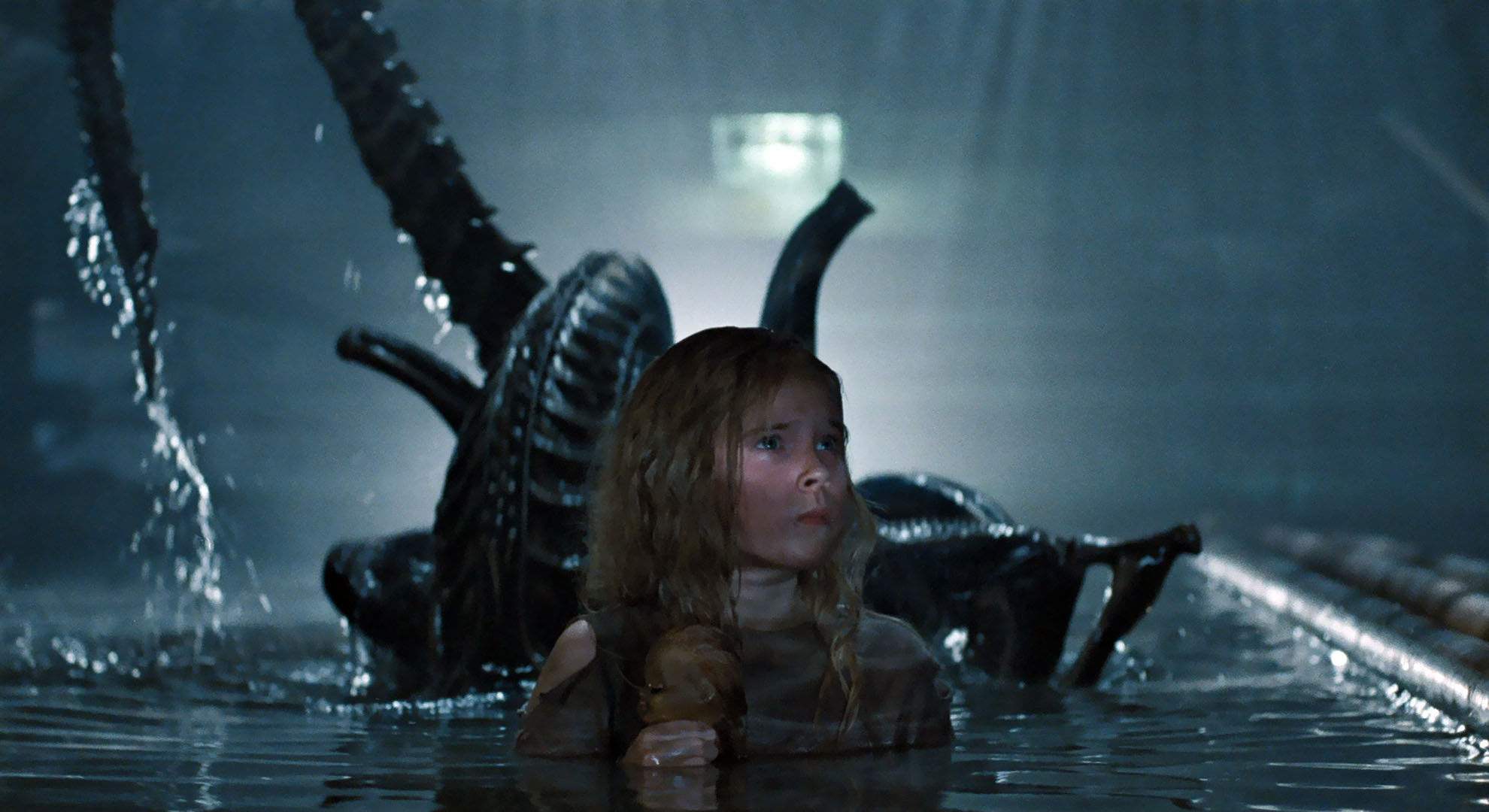
Introducing a kid to a hard-boiled action franchise can be a risky move, but Rebecca Jordan (known to everyone as Newt, played by Carrie Henn) is totally integral to "Aliens".
As the last known survivor of Hadley's Hope, she's resourceful as hell and has plenty to teach the heavily armed Marines about survival in a Xenomorph-infested world. She also brings out the maternal instinct in Ripley, a key theme of the movie that comes to a head in her famous face-off against the Queen: "Get away from her, you bitch!"
Speaking of which…
14. The quotable dialogue
(Image credit: 20th Century Fox)
"We're on an express elevator to hell." "They mostly come at night… mostly." "Game over, man. Game over." "I say we take off, nuke the site from orbit. It's the only way to be sure."
Few action movies — with the possible exception of "Predator" and "Die Hard" — are quite as chock-full of zingers as "Aliens".
15. The APC
(Image credit: 20th Century Fox)
The Armored Personnel Carrier is every bit as iconic as the dropship it calls home.
Part mobile base-of-operations, part all-terrain action vehicle, it's the reason the few remaining Marines escape their close encounter in one piece — even if its transaxles have issues dealing with concentrated acid blood.
It's telling that the Resources Development Administration hardware in the "Avatar" series is so heavily influenced by this timeless "Aliens" tech.
16. Facehuggers on the move
(Image credit: 20th Century Fox)
The Facehugger that jumped — and subsequently impregnated — Kane in the original “Alien was already the stuff of nightmares. But the parasites in the sequel are much more than some acid-blooded jack-in-a-box.
In “Aliens”, those spider-like legs allow them to scurry around to hunt down their prey, ensuring they're a clear and present danger — even if you're not foolhardy enough to put your face over an open egg.
17. Carter Burke
(Image credit: 20th Century Fox)
If there’s one thing the "Alien" saga has taught us, it's that you should never, ever trust Weyland-Yutani, chillingly referred to simply as "the Company".
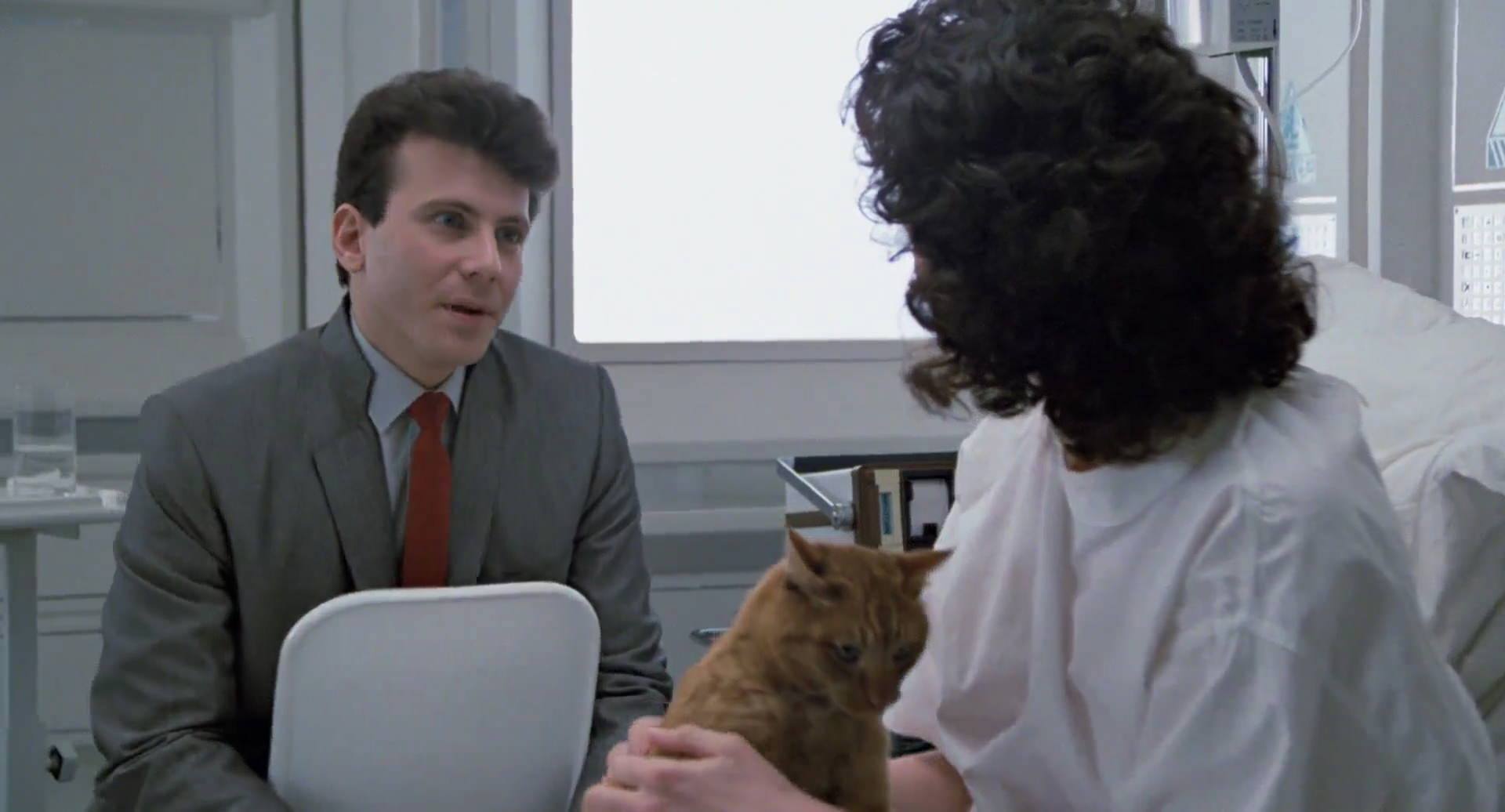
If "Alien"'s Ash was the ultimate company android, Burke (Paul Reiser) is the epitome of the company man, a total scumbag whose friendly, "I'm-your-best-friend demeanor" can’t disguise the fact that he’d screw you over for a percentage, kiddo. The only character in the movie whose death by Xenomorph elicits a cheer.
18. The motion trackers
(Image credit: 20th Century Fox)
You don't need to see the Xenomorphs to know they're there.
The ominous beep of the Marines' motion trackers is a highly effective way of teasing the approaching menace — even when they're hiding in the ceiling.
19. A countdown to detonation
(Image credit: 20th Century Fox)
It's bad enough that you're trapped on a barren moon surrounded by a vicious hive of extraterrestrials who want to use you as hosts for their offspring. And that your primary choice of rescue has crashed on the surface, leaving you even more stranded.
Then, fate (or, to be more accurate, James Cameron) throws you a curveball in the form of an atmospheric processor about to go nuclear. The clock is well and truly ticking…
20. Bill Paxton
(Image credit: 20th Century Fox)
The late Bill Paxton was Cameron's lucky charm, also turning up in "The Terminator", "True Lies", and "Titanic". But "Aliens" is his signature role, as the famously pessimistic Private Hudson makes the most of his limited dialogue.
As an interesting sidenote, Paxton had the honor of being killed on screen by a Terminator, a Predator, and a Xenomorph.
21. The Power Loader
(Image credit: 20th Century Fox)
Part Japanese mecha, part Transformer, Ripley's Power Loader is an instantly iconic piece of kit, so painstakingly designed that it looks like it could actually work IRL.
If you're going to go woman-to-woman with an angry Alien Queen, never leave the house without one.
22. Bishop
(Image credit: 20th Century Fox)
Ash, the Nostromo's resident synthetic in "Alien", was a bona fide bad 'un, prepared to sacrifice the crew in the name of getting a valuable Xenomorph back to "the Company"’s weapons division.
It's hardly a surprise, then, that Ripley is suspicious of Bishop (Lance Henriksen) from the off. Luckily for everyone, he gradually proves his worth via his skills with the knife game, elite dropship-piloting abilities, and generally being an all-round good egg.
Not bad for an android… (Bishop is manufactured by Hyperdyne Systems, a nod to Cyberdyne in Cameron’s “Terminator” movies.)
23. The music
(Image credit: 20th Century Fox)
"Aliens" was James Horner's first collaboration with Cameron (he went on to write the scores for "Titanic" and "Avatar"), and the then-32-year-old provided the perfect musical backdrop for the action unfolding on screen.
Sure, some of the themes are derivative of the composer's own "The Wrath of Khan" soundtrack, but it's impossible to imagine "Aliens" without Horner's contribution.
24. The sound effects
(Image credit: 20th Century Fox)
The best sci-fi franchises are as recognisable for their sound as their visuals. So, just as, say, "Star Wars"’ lightsabers and "Star Trek"s transporters are aurally unmistakable, "Aliens" has its own distinctive soundscape.
Hear a pulse rifle firing or the squeal of a Xenomorph, and you know exactly where you are. Best Sound Effects Editing was one of the film's two Academy Award wins, and it's easy to see why.
25. The Special Edition
(Image credit: 20th Century Fox)
If you've never seen "Aliens", the tighter theatrical cut is definitely the place to start. But once you know what's waiting for the Colonial Marines on LV-426, the Special Edition is the definitive version of the movie.
From Newt's family making first contact with a Facehugger to a wonderfully tense sentry gun sequence, Cameron's extra footage enhances a classic. It also adds to the film's mother/child subtext when we learn that Ripley had a daughter, Amanda, who died just before Ellen was discovered by the Weyland-Yutani recovery crew.
Amanda would later be retconned to become the lead character in the survival horror video game "Alien: Isolation".
26. Cameron himself
(Image credit: Getty Images (Bob Penn))
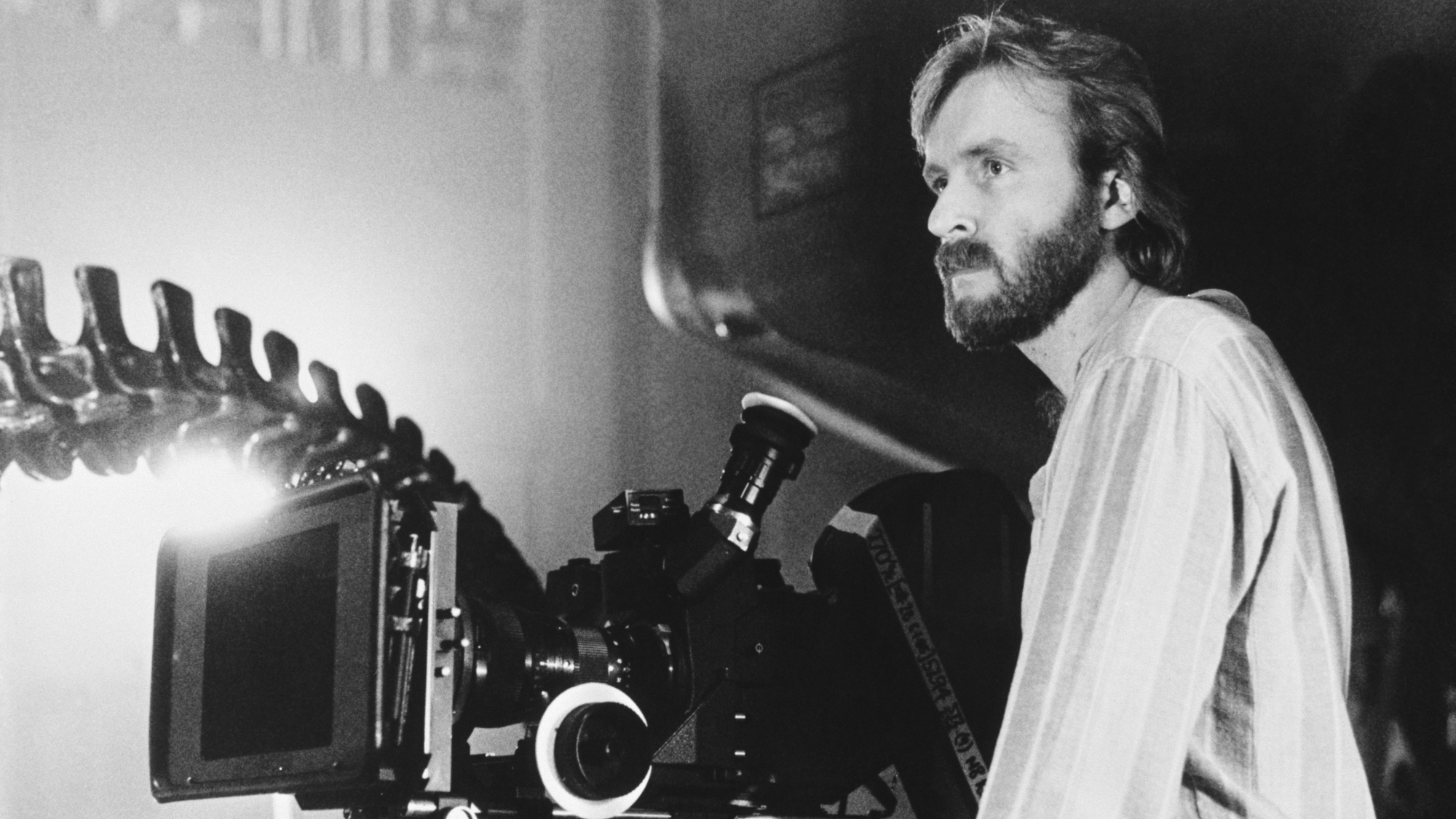
Cameron's intense working methods famously didn't go down well with his unionized British crew, who famously made t-shirts bearing the slogan "You can't scare me, I work for James Cameron".
But whatever the on-set experience, it's impossible to deny that he marshalled proceedings to perfection. Even the director's lesser works — the "Avatar" sequels, for example — feature action beats of unassailable genius. "Aliens", however, demonstrates a filmmaker at the pinnacle of his powers.
Every sci-fi action movie ever made will be judged against "Aliens". Even the brilliant "Predator" lives in the shadow of a movie that remains untouchable — and endlessly rewatchable — four decades after its original release.
"Aliens" is available to stream on Disney+ in the UK, and to rent and buy on various platforms in the US.
After cracking into the animation world with family-friendly animated features from the "Despicable Me " and "Minions" franchise, "The Lorax," and the musical menagerie of "Sing," Illumination is finally setting their sights on outer space with next year's "Not Alone."
"Not Alone" isn’t due to arrive in theaters until Apr. 16, 2027 but this sneak peek — accompanied by David Bowie's somber 1969 anthem "Space Oddity" — sets a sweet tone telling the lively tale of an introverted rocket mechanic name Joe, and Fran, his astro-botanist colleague who has engineered the planet's first plant-based rocket, when alien fugitives toss their lives into chaos.
Xenomorph monstrosities and spaceship laser battles can often dominate sci-fi, so it's great to see something different on the horizon, and while a space rom-com starring Timothée Chalamet and Selena Gomez wasn't on our bingo card, the trailer has us really hyped for this one.
It's a wholly original story that's a definite departure for Illumination, but one that could strongly connect with audiences via the project’s colorful Euro style and humor. Vocal duties include the talents of Timothée Chalamet, Selena Gomez, Brett Goldstein, Rob Brydon, Jamie Demetriou, Diane Morgan, Allison Janney, and Lamorne Morris.
"When Joe and Fran are brought together to prepare for the inaugural launch of this revolutionary rocket, there are immediate sparks, but neither is particularly adept at romance," states the official synopsis.
Illumination's "Not Alone" lands in theaters on April 16, 2027. (Image credit: Illumination)
"Life becomes more complicated when three aliens—tiny, unruly, and adorable—take refuge in Joe's home. Dunk, Welly, and Shirm are on the interplanetary run from a zealous-yet-inept officer of the law named Zandro. The aliens determine that Fran’s rocket could provide their means of getting back home to safety."
The French animation factory recently launched an early trailer for this charming romantic comedy directed by Eric Guillon, Claire Dodgson, and Jonathan Del Val.
(Image credit: Illumination)
Guillon is an Illumination veteran whose career includes serving as lead designer for "Despicable Me" and "Minions," as well as co-directing "Despicable Me 3." Here he's joined by seasoned editor Claire Dodgson ("The Lorax," "Minions," Despicable Me 3," "Minions: The Rise of Gru") and Jonathan Del Val (co-director of "Minions: The Rise of Gru" and "The Secret Life of Pets 2").
This fun animated rom-com is produced by Illumination founder and CEO Chris Meledandri and executive produced by Joy Poirel, Richard Curtis, and David Distenfeld.
America and Hollywood might feel like the natural home of sci-fi, but Britain has quite the science fiction pedigree of its own.
Doctor Who is obviously our great nation's most famous sci-fi export, standing tall amongst the other giants of the genre, but it's far from our only contribution. From television to literature, there is a history of some truly great and groundbreaking science fiction coming from this loose collection of islands.
So, make yourself a nice cup of tea and have a seat while we break down the UK’s 10 best science fiction shows of all time (in no particular order).
1. Doctor Who
(Image credit: BBC)
Release date: November 23, 1963 | Seasons: 41 | Cast: William Hartnell, Patrick Troughton, Jon Pertwee, Tom Baker, Peter Davison, Colin Baker, Sylvester McCoy, Paul McGann, Christopher Eccleston, David Tennant, Matt Smith, Peter Capaldi, Jodie Whittaker, Ncuti Gatwa (& many more)
Doctor Who might not be the juggernaut that it once was, but it is one of the longest-running science fiction shows in the world. It's been going (on and off) since 1963, and it has always had something important to teach its audience.
From the off, it was a show championing scientific curiosity, kindness, and openness, though the stern tones and prickly demeanour of William Hartnell have since given way to a minimum of 14 different actors playing the same role.
While there’s certainly a difference between the original run of television serials and the typically self-contained format of the modern incarnation, the sheer wealth of different stories available means you can find something for everyone.
2. The Quatermass Experiment
(Image credit: BBC)
Release date: July 18, 1953 | Seasons: 4 | Cast: Reginald Tate, Wilfrid Brambell, Katie Johnson
From Doctor Who to one of its contemporaries, or rather, the show that inspired it. The Quatermass Experiment was a set of four different sci-fi serials, each containing 6 episodes, that debuted in 1953, a full decade before Who hit our screens.
The Quatermass Experiment is a striking piece of television, partially because it was really the first of its kind, because it was squarely aimed at adults. Before this, most sci-fi TV was aimed at kids, while silver screen efforts focused on schlocky B-movie-style effects, such as those seen in “The Day the Earth Stood Still”.
Humanity's first rocket launch to space goes awry when it returns to Earth with two crew members missing, and the one remaining astronaut is gravely ill. Professor Quatermass and his team are left struggling to unravel the mystery of what happened to the crew.
While only the first two episodes managed to survive the original live broadcast, the serial still went on to have a huge impact on science fiction. It was one of the first sci-fi shows with mass appeal, and the trio of follow-up serials kept Bernard Quatermass as an icon of pop culture all the way into the 70s, with a variety of Hammer Horror adaptations to bring the character to new audiences.
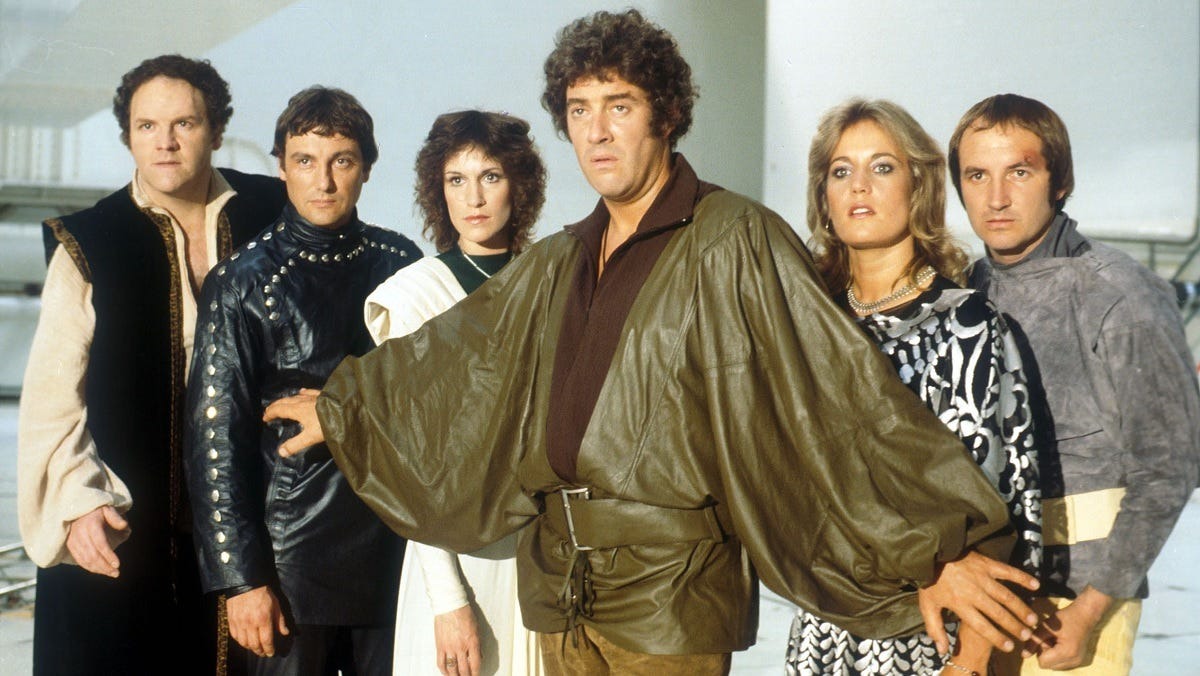
3. Blake’s 7
(Image credit: BBC)
Release date: January 2, 1978 | Seasons: 4 | Cast: Gareth Thomas, Michael Keating, Sally Knyvette, Paul Darrow
And now for something completely different: Blake 7, aka one of the grittiest and most depressing space shows that Britain ever produced.
Blake’s 7 tells the story of Roj Blake, a political dissident working against the totalitarian Federation controlling Earth and its colonies. On his way to a lifetime of false imprisonment, Blake manages to escape and capture a powerful alien vessel, which he then crews with another 5 people and 1 computer, to work together to overthrow the federation.
While most sci-fi of the time was chipper and optimistic about our future, Blake’s 7 was a sci-fi show that explored themes of political dissidence, cynicism, and freedom fighting. It’s a show about a small group fighting a much more powerful enemy, and frankly, it goes to some very, very dark places. When the phrase “mass-murder” has to be bandied around more than once, you know you've left happy-go-lucky behind.
It has an incredibly dour feeling most of the way through, and the ending does nothing to change that vibe. Dark tone aside, Blake’s 7 is the sort of sci-fi show that we just don’t see anymore.
4. The Prisoner
(Image credit: ITV Studios)
Release date: September 29, 1967 | Seasons: 1 | Cast: Patrick McGoohan, Angelo Muscat, Peter Swanwick, Denis Shaw, Fenella Fielding
If you’re a British sci-fi fan of a certain vintage, then you should already be familiar with The Prisoner.
Filmed (mostly) in Portmeirion, the show has some of the most iconic visuals in sci-fi history, despite only being a single self-contained series. From the giant evil balloon, known as Rover, to the beautiful houses of Portmeirion itself, The Prisoner is an incredibly visually striking show.
It follows the plot of a British secret agent who becomes frustrated with his position and resigns. While preparing for a trip, he is rendered unconscious using knockout gas and awakes to find himself inside a perfect recreation of his own home, but this one is located in a mysterious settlement known as The Village.
The plot goes to some wild places from there, but the story is deeply rooted in the societal fear that was surrounding the ongoing counter-cultural movements of the day. Individualism is pitted against collectivism throughout the show, and it’s a testament to the writing that neither ideal is shown to be the obvious right choice by the end.
5. Red Dwarf
(Image credit: BBC)
Release date: February 15, 1988 | Seasons: 12 | Cast: Chris Barrie, Craig Charles, Danny John-Jules, Robert Llewellyn, Norman Lovett
If you’re into Space and British Comedy but you’ve not watched Red Dwarf yet, then what the smeg have you been doing?
This space sitcom follows the adventures of mega-slob Dave Lister, his neurotic, hologramatic bunk-mate Rimmer, their evolved Cat (of the same name), and square-headed mechanoid Kryten. Each episode sees the crew dealing with various sci-fi calamities, from emotion-sucking monsters and time travel shenanigans to being stuck on a frozen asteroid, as they make their way through a harsh galaxy.
The show packs some of the funniest moments in British TV history, especially during the first 5 series or so. They parody every sci-fi concept known to humanity, balancing straight comedy, horror, and drama. You'll get introspective looks at what it means to be human alongside ridiculous situations where Lister gets turned into a 6-inch-tall RoboCop rip-off.
It's also deeply rooted in the British working-class culture of the time, which means plenty of time for curry, beer, banter, and slobbing around the place.
6. Hyperdrive
(Image credit: BBC)
Release date: January 11, 2006 | Seasons: 2 | Cast: Nick Frost, Kevin Eldon, Miranda Hart, Stephen Evans
In a similar vein to Red Dwarf, but nowhere near as popular, Hyperdrive is a Nick Frost-led sci-fi sitcom from 2006. It tells the tale of a British spaceship, the HMS Camden Lock, in its attempts to serve the national interest in an ever-evolving galaxy.
Starring British comedy favourites such as Kevin Eldon and Miranda Hart, Hyperdrive is a very silly show that ended up more like a workplace sitcom in space rather than the next Red Dwarf.
What saves Hyperdrive is the dry humour and the slightly insane set and character design. The series is replete with a baffling array of alien races, almost all of which are basically humans with varying levels of prosthetic facial makeup or zany outfits. Some of these guys are obvious parodies of alien races from classic shows, but they’re all thoroughly weird and worth the price of admission on their own.
7. The Hitchhiker’s Guide to the Galaxy
(Image credit: BBC)
Release date: January 5, 1981 | Seasons: 1 | Cast: Peter Jones, Simon Jones, David Dixon, Mark Wing-Davey, Sandra Dickinson
If you’re more familiar with the movie adaptation or the original radio show, then you might have missed out on the slightly more obscure The Hitchhiker’s Guide to the Galaxy TV series. A decent amount of the radio cast reprise their roles in this single season of British TV, and much like the radio show, the production was ground-breaking for its time.
The show is a ramshackle blend of production techniques, using everything from model shots, classical animation, and even a fair few instances of matte painting to show the truly impossible on a grand scale.
As a result, the TV show has its own surreal vibe that isn’t always found in other versions, and it can get surprisingly grimy and dark when it needs to. Plus, if you get the DVD version, there’s an added joke where every so often it’ll pretend to have an ‘infinite improbability drive’ issue and stop working.
Any talk about British sci-fi cannot fail to mention Charlie Brooker’s seminal science fiction Netflix series that was so popular it damn-near became a phenomenon.
If you’ve somehow missed out on the show so far, it’s a sci-fi anthology series where each episode tells a self-contained story, usually about an element of modern-day society. This ‘reflecting society’ element is why it’s called ‘Black Mirror’, as it could be said the show is holding up a ‘black mirror’ to society.
Black Mirror mostly works in the realm of speculative fiction, but several episodes have a more contemporary, real-world setting. The bulk of the show, though, deals with the pitfalls of technology, modern consumer culture, and the modern media landscape, certainly realms more than familiar to science fiction.
9. Life on Mars
(Image credit: BBC)
Release date: January 9, 2006 | Seasons: 2 | Cast: John Simm, Philip Glenister, Liz White, Dean Andrews, Marshall Lancaster
While it might not be what you immediately think of when it comes to sci-fi, Life on Mars is a fantastic show that straddles the space between speculative science fiction and crime drama, though it’s closer to ‘A Stir of Echoes’ rather than ‘Childhood’s End’.
The show tells the story of Sam Tyler, a modern-day police officer who hits his head and wakes up in the 1970s. While trying to figure out what’s going on, Sam has to deal with the realities of life and policing in the UK in the early 70s, something that’s shockingly entertaining to watch him attempt to juggle.
The real draw of the show is the mystery. Throughout the runtime, you’re never really sure if he has travelled back in time or if he’s either dead or in a coma. Even when you start to think that the show is giving you answers, you’ll soon find the rug pulled out from under you, and the want to finally learn what is happening will keep you coming back.
10. Utopia
(Image credit: Channel 4)
Release date: January 15, 2013 | Seasons: 2 | Cast: Alexandra Roach, Nathan Stewart-Jarrett, Paul Higgins, Fiona O'Shaughnessy, Adeel Akhtar
The final entry on the list is a bit more of an obscure one. Back in 2014, Channel 4 put out Utopia, a sci-fi conspiracy thriller with a comedic bent to it.
Utopia follows a group of nerds who discover a comic has been predicting historic events and accidentally unmask a shadowy conspiracy. While the show was unceremoniously ended after only two series, and on something of a cliffhanger, it offers something that is dark, gritty, humorous, and horrific in equal measure.
Utopia doesn’t shy away from the violence inherent in telling a dystopian story. In fact, the level of violence can be a bit much at times, which is part of the reason some audiences shied away from it. But, if you can stomach it, Utopia is some of the most thrilling British sci-fi ever produced.
More sci-fi TV
That’s it for our list of excellent British Sci-Fi Shows, but if you enjoyed the list, you might want to check out our list of upcoming sci-fi shows. If the big screen is more your speed, we also have a list of upcoming sci-fi movies.
As our planet revels in the recent achievements of this spring’s Artemis 2mission and its four astronaut crew members, a new four-part PBS documentary series takes a scrutinizing look at space exploration and its inherent perils and promises. "Once Upon a Time in Space" will be available to watch on PBS (and the PBS app) starting on July 14, 2026 (9pm ET).
Directed by James Bluemel and his filmmaking team — the crew behind the award-winning "Once Upon a Time in Northern Ireland" and "Once Upon a Time in Iraq" — "Once Upon a Time in Space" explores the connections between those venturing beyond Earth's gravity and the support staff remaining behind while pioneering souls venture into hostile outer space territory.
"'Once Upon a Time in Space' tells the human stories behind one of our most extraordinary endeavors: the exploration of space," states the official synopsis. "Moving beyond scientific achievement, the series examines the personal experiences of astronauts, cosmonauts, ground-based participants, and the loved ones left on Earth. Across four episodes, it traces significant landmarks in spacefaring history, from the birth of the Shuttle and the pioneering Space Station Mir to the rise of commercial spaceflight."
"Once Upon a Time in Space" launches on PBS on July 14 (Image credit: PBS/BBC)
"Through powerful firsthand testimony and intimate, unseen archival footage, a complex portrait of humanity emerges: one that lays bare both our fragility and boundless curiosity. Accounts of bravery, friendship, and tragedy are told against the backdrop of a rapidly changing world, connecting technical and geopolitical developments to those who experienced them."
Here’s a schedule of the docuseries’ chapters and their slated air dates:
Episode 1 "America First" – Tuesday, July 14 – 9:00 p.m. ET
Episode 2 "The Russian Thing" – Tuesday, July 21
Episode 3 "Politics Always Wins" – Tuesday, July 28
Episode 4 "Friends Forever" – Tuesday, August 4
This remarkable show features NASA astronauts Charlie Bolden, Anna Lee Fisher, Bill Fisher, Michael Foale, Jerry Linenger, Mike Mullane, Dan Tani, and Terry Virts. They’re joined by cosmonauts Sergei Zalyotin and Alexander ‘Sasha’ Lazutkin, NASA officials, aerospace engineers, and numerous family members.
Produced in collaboration with the BBC, "Once Upon a Time in Space" was first broadcast last fall in the UK, but now makes its U.S. premiere at 9:00 p.m. ET on PBS, PBS.org and the PBS app.