The 12 best sci-fi movies of the 2000s

At the turn of the century, sci-fi evolved to new heights, which fortunately had nothing to do with Y2K (even if previous sci-fi movies might have led us to believe it would).

Propelling themselves through the 00s, iconic franchises continued to thrive with both Star Wars and Star Trek maintaining their dominion over sci-fi cinema.

The decade also saw the birth of the Marvel Cinematic Universe (MCU) with 2008's Iron Man. The MCU now consists of 38 movies and counting, with many of them sitting firmly in the sci-fi genre.

It wasn't all legacy franchises, though; our list is chock-full of original stories that joined the upper echelons of sci-fi history. In fact, it was such a fantastic decade for science fiction flicks that we've had to extend our "best of" list to 12 entries, because we simply could not narrow it down to ten.

So, let's all meet up in the year 2000 (to 2009), with our list of the 12 best sci-fi movies of the 2000s. Oh, and when you're done here, we've also covered the best sci-fi movies of the 1970s, 1980s, and 1990s.

12. Iron Man
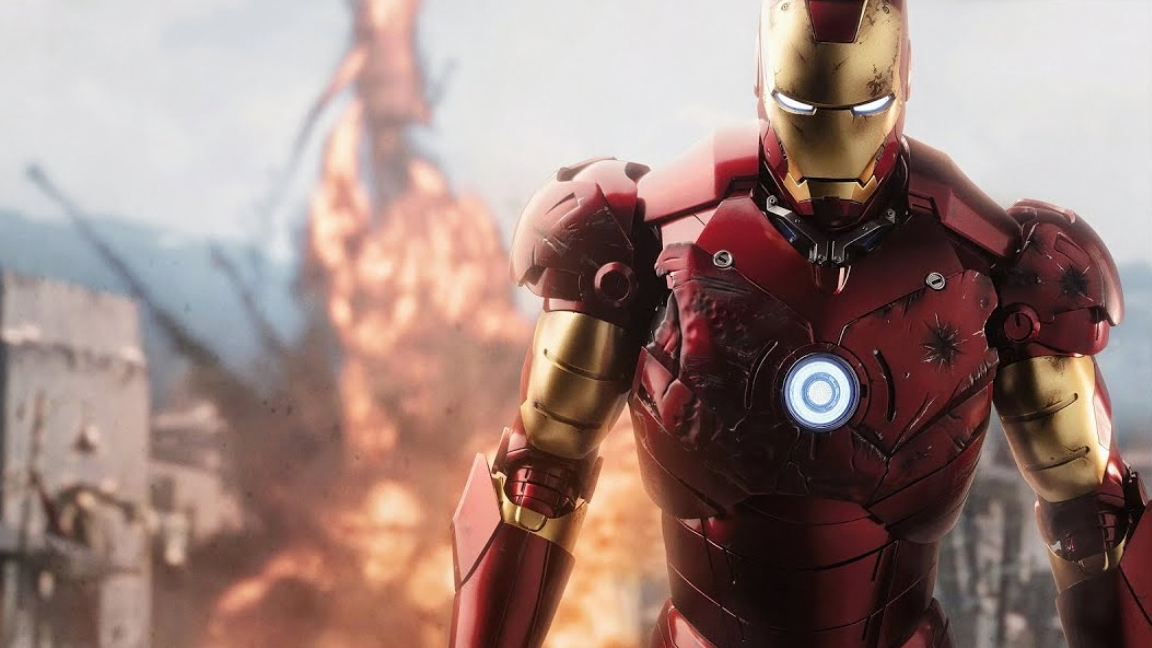
Iron Man_Marvel

(Image credit: Marvel)

Release date: May 2, 2008 | Cast: Robert Downey Jr., Gwyneth Paltrow, Terrence Howard, Jeff Bridges, and more | Director: Jon Favreau | RT score: 94% critics, 91% audience

The Marvel Cinematic Universe is simply that, a universe that weaves and threads through a multitude of movies all centered on Marvel Comics. Over almost three decades, there have been phased releases (with plenty more in the pipeline), but the movie that started it all was Iron Man in 2008. Not only did it kick-start the MCU, but it catapulted Robert Downey Jr. back into the limelight for his stellar performance after being rocked with personal issues prior.

Iron Man follows billionaire engineer Tony Stark, who wasn't born with special powers, but can sure as heck pay and use his powerful mind to give himself them. Crafting the iconic weaponized suit to save himself from a terrorist kidnapping, Iron Man is born.

If you watch the Marvel movies in order chronologically, it's technically not the first, with both Captain America: The First Avenger and Captain Marvel taking place before it, but it was the first in release order, and it's still one of the best MCU movies to date.

Watch Iron Man on Disney+:
Disney+ (With Ads): $11.99/month
Disney+ Premium (No Ads): $18.99/month or $189.99/year

11. Star Trek
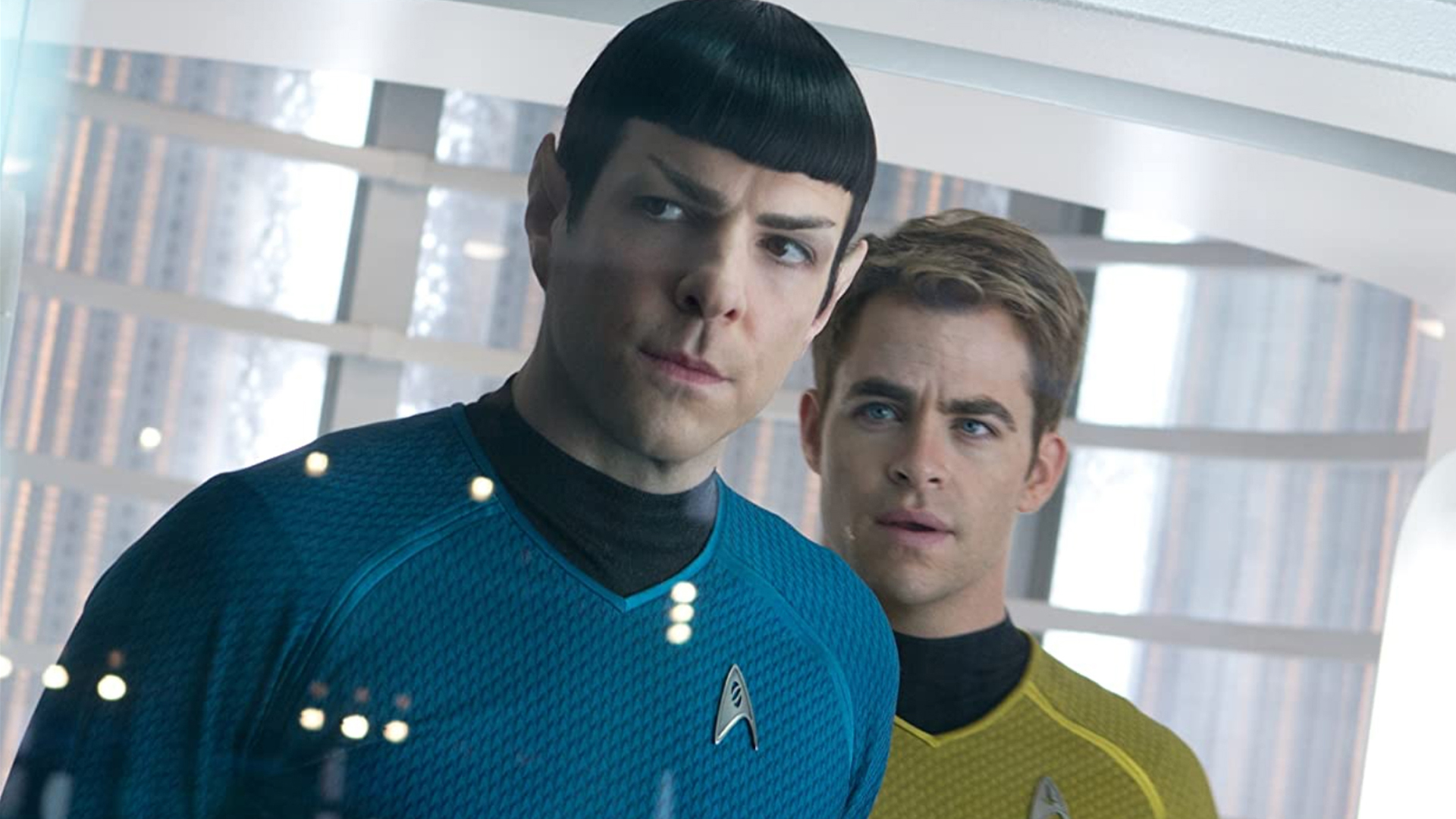
In Defense of the J.J. Abrams Star Trek Movies: image shows kirk and spock

(Image credit: Paramount Pictures)

Release date: May 8, 2009 | Cast: Chris Pine, Zachary Quinto, Simon Pegg, Leonard Nimoy, and more | Director: J. J. Abrams | RT score: 94% critics, 91% audience

Another iconic sci-fi franchise makes an appearance now, as Star Trek returned to the big screen towards the tail end of the 2000s. While Star Trek has been around for decades, in 2009, renowned director J. J. Abrams brought the franchise back with an incredible cast, vibrant visuals, and an epic story.

James T. Kirk (Chris Pine) and Spock (Zachary Quinto) board the USS Enterprise to embark on an epic space adventure to take down a Romulan commander, Nero (Eric Bana).

Reigniting the much-loved franchise, it mostly stays true to the source material, whilst giving it an appropriately modern twist. Whilst it's basically a reboot, Star Trek 2009 uses some time travel shenanigans to establish this Kelvin timeline into the wider Trek universe, with Original Series legend Leonard Nimoy playing a significant role in the flick.

Curious to see how this spin-off fits into the main timeline? Check out our guide on how to watch the Star Trek movies in order.
Watch Star Trek on Paramount+:
Essential (ads): $8.99/mo or $89.99/yr
Premium (no ads): $13.99/mo or $139.99/yr

10. District 9
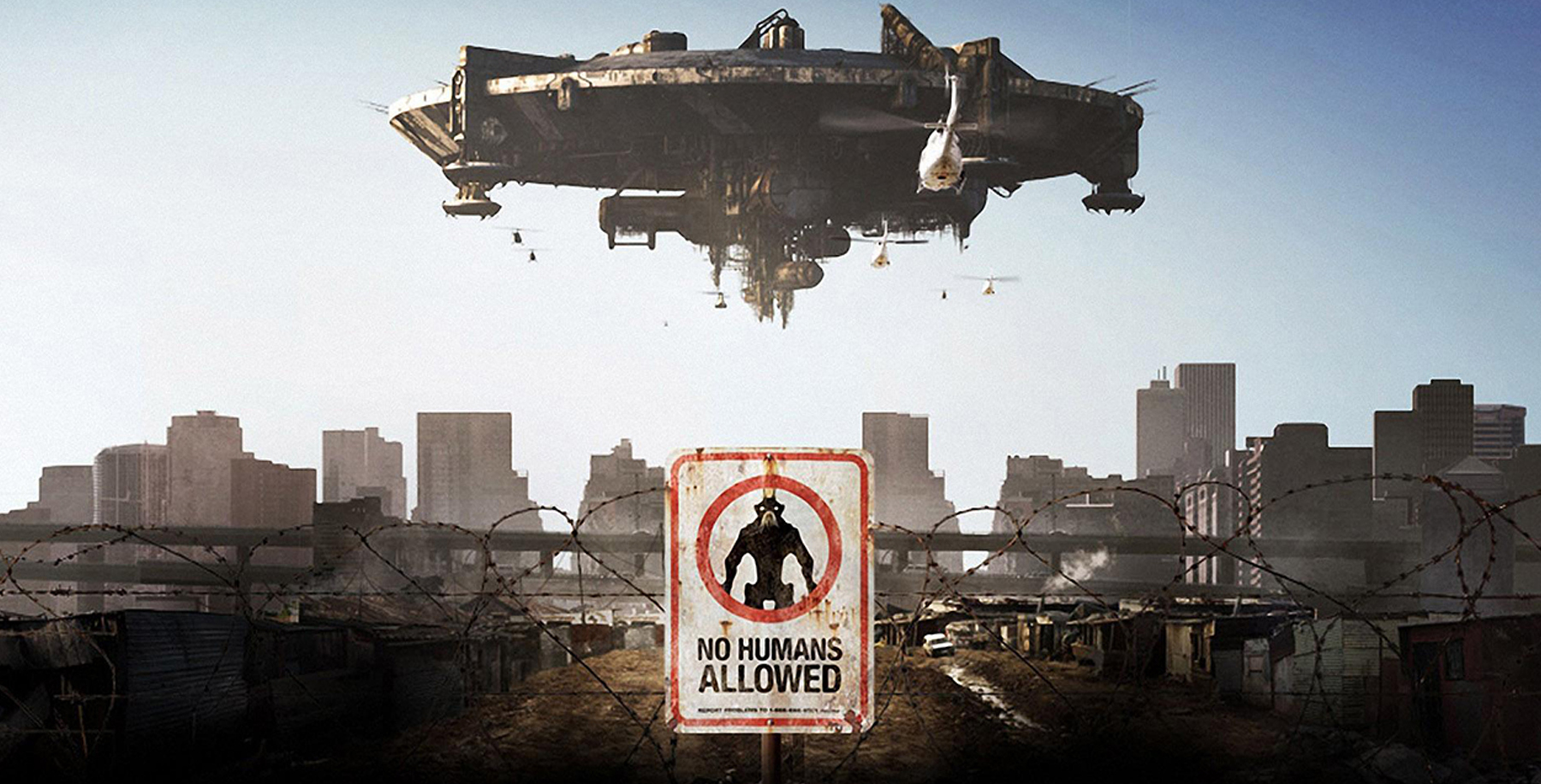
The poster art for District 9

(Image credit: TriStar Pictures)

Release date: August 14, 2009 | Cast: Sharlto Copley, David James, Jason Cope, Vanessa Haywood, and more | Director: Neill Blomkamp | RT score: 90% critics, 82% audience

South African sci-fi movie District 9 is a thriller that blends action and poignant emotional moments, all set in an alternate timeline.

Aliens land in Johannesburg in 1982 seeking refuge, but instead they're crammed into an internment camp called District 9. Skip forward to 2010, and a forced relocation is underway to kick the "Prawns" — now seen as second-class citizens — to the outskirts of the city.

Wikus van de Merwe (Sharlto Copley) plays a government agent working in the Department of Alien Affairs, who gets caught up in a world of questionable ethics and violence. Things only get worse when he gets infected with alien blood that starts to transform him into one of them.

It's a unique take on the mockumentary format, playing out in fictional interviews, news segments, and surveillance videos, alongside the present-day storyline. It's an obvious allegory for apartheid with a sci-fi thriller twist and an incredibly unique offering to the genre.

Rent or buy District 9 on Amazon Prime Video:

Rent: $3.99
Buy: $14.99
Blu-ray: $18.96

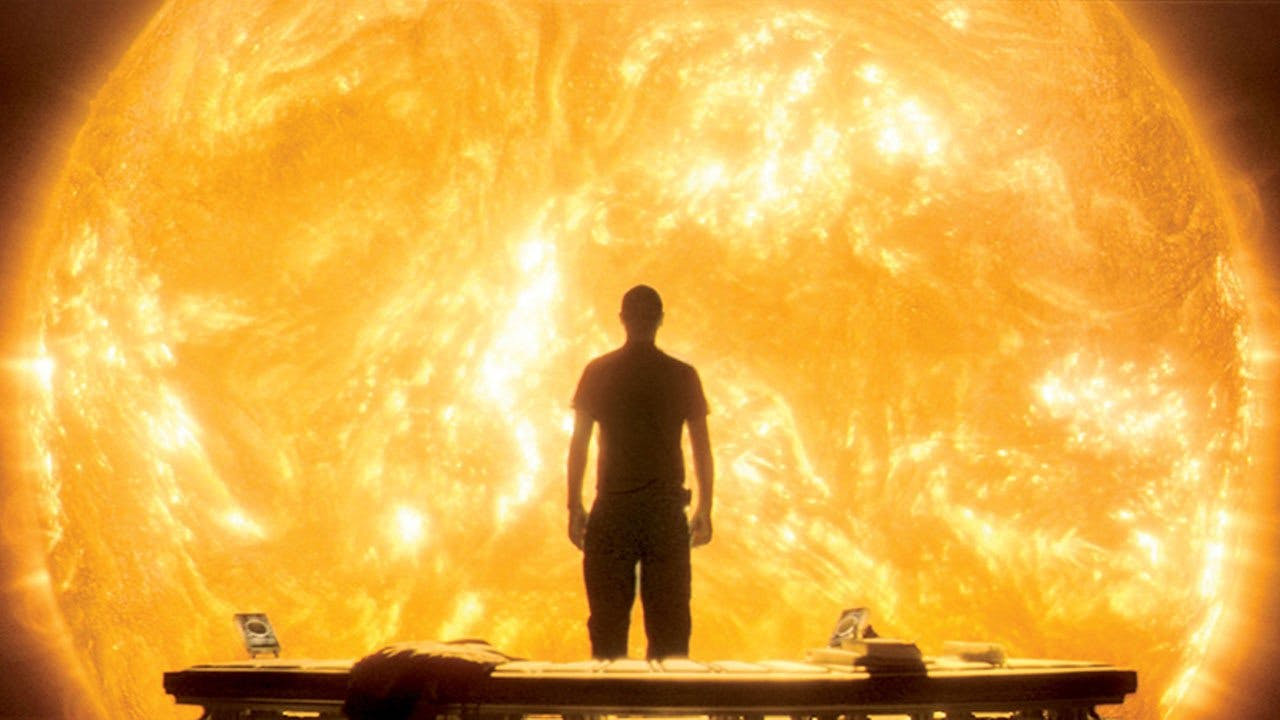
9. Sunshine

Screenshot from the 2007 sci-fi movie

(Image credit: Fox Searchlight Pictures)

Release date: April 6, 2007 | Cast: Cillian Murphy, Rose Byrne, Chris Evans, Michelle Yeoh and more | Director: Danny Boyle | RT score: 77% critics, 73% audience

Danny Boyle is an iconic British director, and after phenomenal pieces of cinema like Shallow Grave, Trainspotting, and The Beach, he finally went to outer space with Sunshine.

Sunshine is a twisty sci-fi thriller set in the near future. The year is 2057, and the sun is dying, threatening human existence. To save the planet, a crew is sent on a mission to give the sun back its shine… by nuking the crap out of it.

As with a lot of death-defying space missions, it doesn't go as planned, or it wouldn't make a very good movie. Funnily enough, heading into space to try and fix the sun with a nuclear fission bomb is a pretty volatile plan, though it's not the bomb that ends up being the biggest threat (No spoilers here, just go watch it). The resulting tension — and some breathtaking moments — cement this movie's spot on our list.

Fun fact: Sunshine was made in collaboration with Alex Garland, the writer of The Beach who would later go on to write and direct another iconic piece of sci-fi cinema, Ex Machina.

Rent or buy Sunshine on Amazon Prime Video:

Rent: $3.99
Buy: $14.99
Blu-ray: $19.76

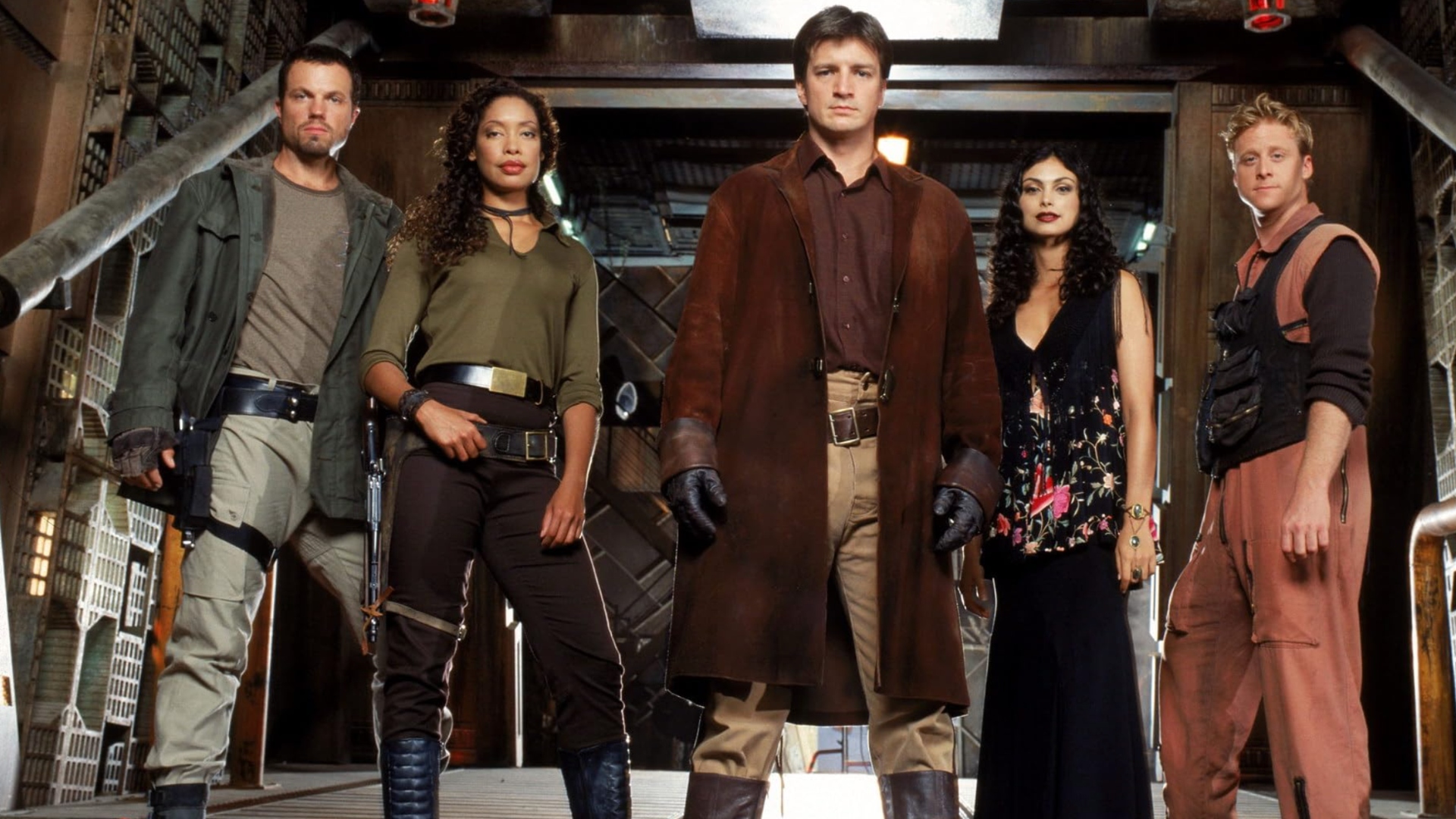
8. Serenity

A group of five, three men and two women all look down facing the camera, in an interior hallway

(Image credit: Universal Pictures)

Release date: September 30, 2005 | Cast: Nathan Fillion, Gina Torres, Chiwetel Ejiofor, Alan Tudyk, and more | Director: Joss Whedon | RT score: 82% critics, 91% audience

After director Joss Whedon's TV show Firefly was discontinued, fans feared that was the end of the iconic space Western. Luckily, it was given a new lease of life in Serenity.

With the same cast reprising their roles, Serenity takes place after the events of the final episode, providing closure for fans of the unfortunately short-lived series, which sits amongst the best sci-fi TV shows of all time.

Serenity follows the crew of the ship as they try to avoid the Alliance forces and protect River, the powerful telepath they are harboring onboard. Skirting bravely around the edges of space to seek solace, they’re hunted by the Operative (Chiwetel Ejiofor), a deadly Alliance assassin on a mission who seeks to recapture her.

For fans of the original show, it's a fitting send-off, and for new fans it's a fun adventure with an impressive cast and unique space western charm.

[Editor’s note: It’s recently been announced that Firefly will get its own animated series!]

7. Donnie Darko
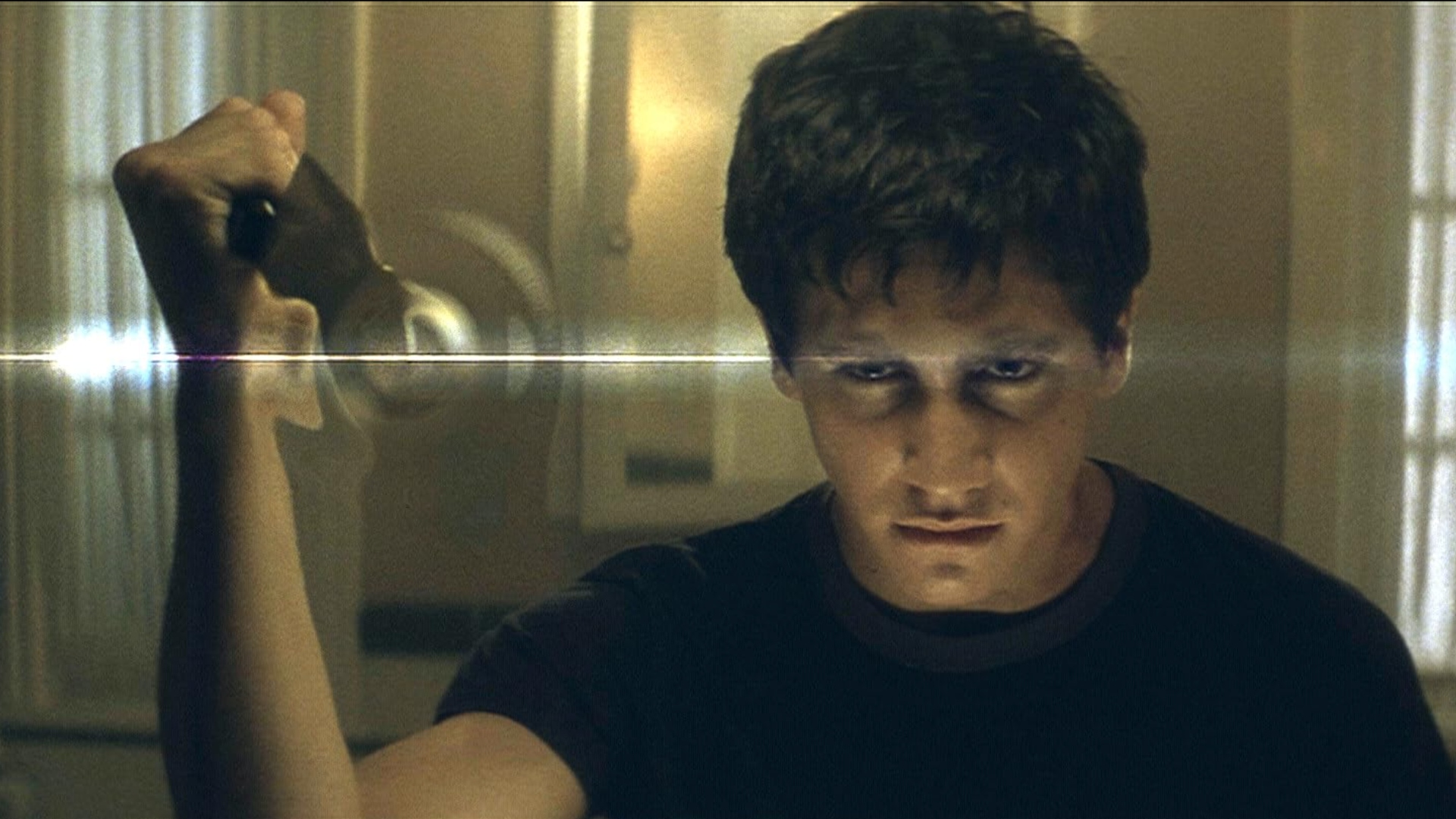
A young man with dark circles around his eyes and dark shaggy hair is holding an object in a mirror

(Image credit: Pandora Cinema/Newmarket Films)

Release date: October 26, 2001 | Cast: Jake Gyllenhaal, Jena Malone, Mary McDonnell, and more | Director: Richard Kelly | RT score: 87% critics, 80% audience

This psychological thriller was one of Jake Gyllenhaal's most prolific roles to date and an unlikely foray into sci-fi for the actor. Yet, his role as Donnie Darko, a troubled teen with a bunny costume-wearing friend that only he can see, is most certainly one of his finest performances.

After a freak accident, Frank the bunny appears in an outstandingly creepy fashion to inform Donnie Darko of the world's impending doom. The following adventure is a wild blend of time travel, crime, and a warped version of reality. You'll be left theorizing on what you've witnessed in Richard Kelly's sci-fi classic.

It might not have got off to the best box office start, but it's certainly secured its cult status now. Fair warning, though: the tension-building of the movie is not for the faint-hearted.

Watch Donnie Darko on Hulu:
Hulu with Ads: $11.99/month or $119.99/year
Premium (No Ads): $18.99/month

6. The Man From Earth
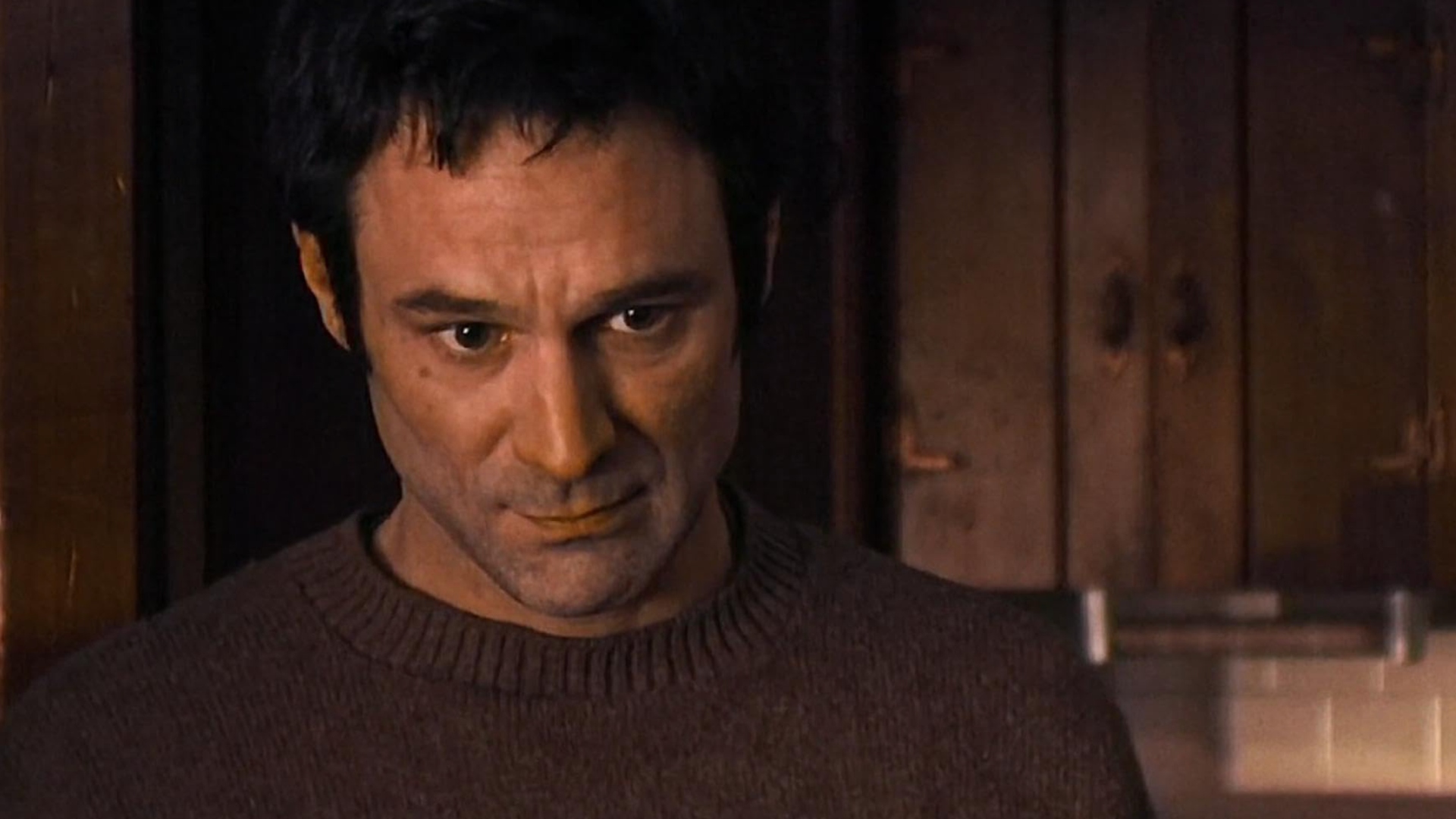
A man with short dark hair and light stubble looks onwards just past the camera in his brown sweater

(Image credit: Anchor Bay Entertainment/Shoreline Entertainment)

Release date: November 13, 2007 | Cast: David Lee Smith, Tony Todd, John Billingsley, and more | Director: Richard Schenkman | RT score: 100% critics, 85% audience

Compared to the rest of this list, The Man From Earth stands alone as a unique flick. Why? Because it strips the sci-fi genre back to basics: there's no crazy CGI (marking an interesting exclusion in the 2000s), no intergalactic adventures (or misadventures), or even dystopian reimaginings.

Retiring college professor John Oldman (David Lee Smith) reveals to his colleagues during a surprise goodbye party that he is, in fact, thousands of years old. As his peers press him about his life on Earth, he unravels his historic tale that touches on a lot of thought-provoking topics.

It's Earth-based as we know it and aims to stun viewers with a simple design, yet complex tale. A goal it very much achieves.

Watch The Man From Earth on Amazon Prime Video:

Amazon Prime: $14.99/month or $139/year
Amazon Prime Video: $8.99/month

Ad-free add-on: $2.99/month

5. Minority Report
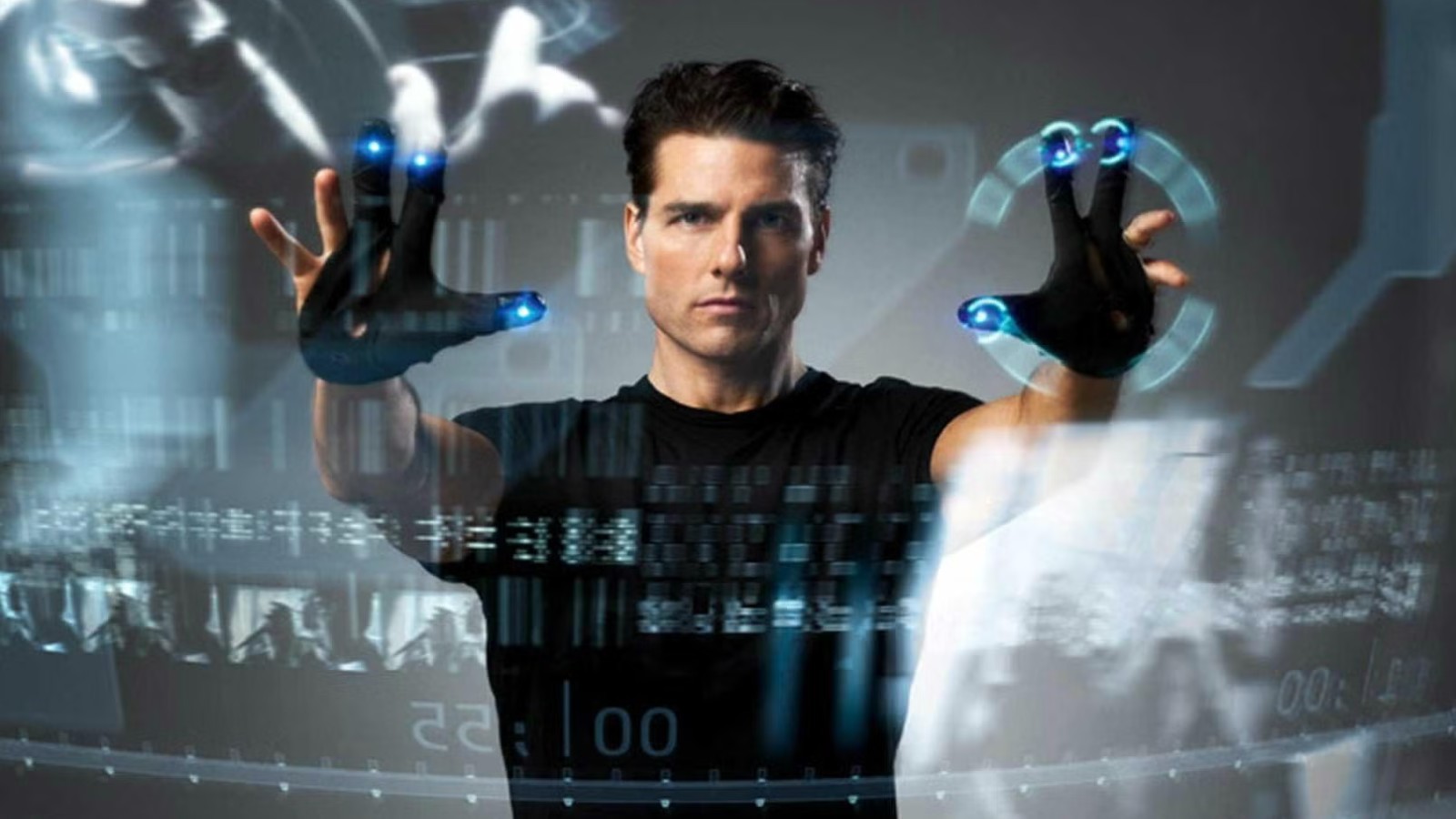
A man is wearing special gloves that allow him to control the futuristic computer using his hands. Floating in front of him are images and words.

(Image credit: 20th Century Fox)

Release date: June 21, 2002 | Cast: Tom Cruise, Colin Farrell, Samantha Morton, and more | Director: Steven Spielberg | RT score: 89% critics, 80% audience

Loosely based on a novella of the same name by Philip K. Dick, Minority Report imagines a world in 2054 (less than 30 years away now) where criminals are stopped in their tracks before they commit a crime. Aided by three psychics called the 'precogs,' a special police department has been set up to apprehend the assailants before they manage to execute their wrongdoing.

This fascinating cyberpunk flick is fronted by Tom Cruise as Precrime Chief John Anderton, a troubled soul determined to complete the department's mission until he becomes a target for precrime himself. Desperately on the run and fighting for his innocence, the system he’s so devoutly believed in begins to unravel.

It's a prescient movie in more ways than one; some of the technology that's predicted in Minority Report, such as iris scanners and multi-touch interfaces, has become a reality today. This is owing to the fact that director Steven Spielberg actually invited scientific experts to think about the kind of technologies they may expect in the future and, interestingly (or worryingly), they proved to be true.

Thank goodness the projectile vomit-inducing 'sick sticks' aren't real…yet.

Watch Minority Report on Paramount+:
Essential (ads): $8.99/mo or $89.99/yr
Premium (no ads): $13.99/mo or $139.99/yr

4. Children of Men
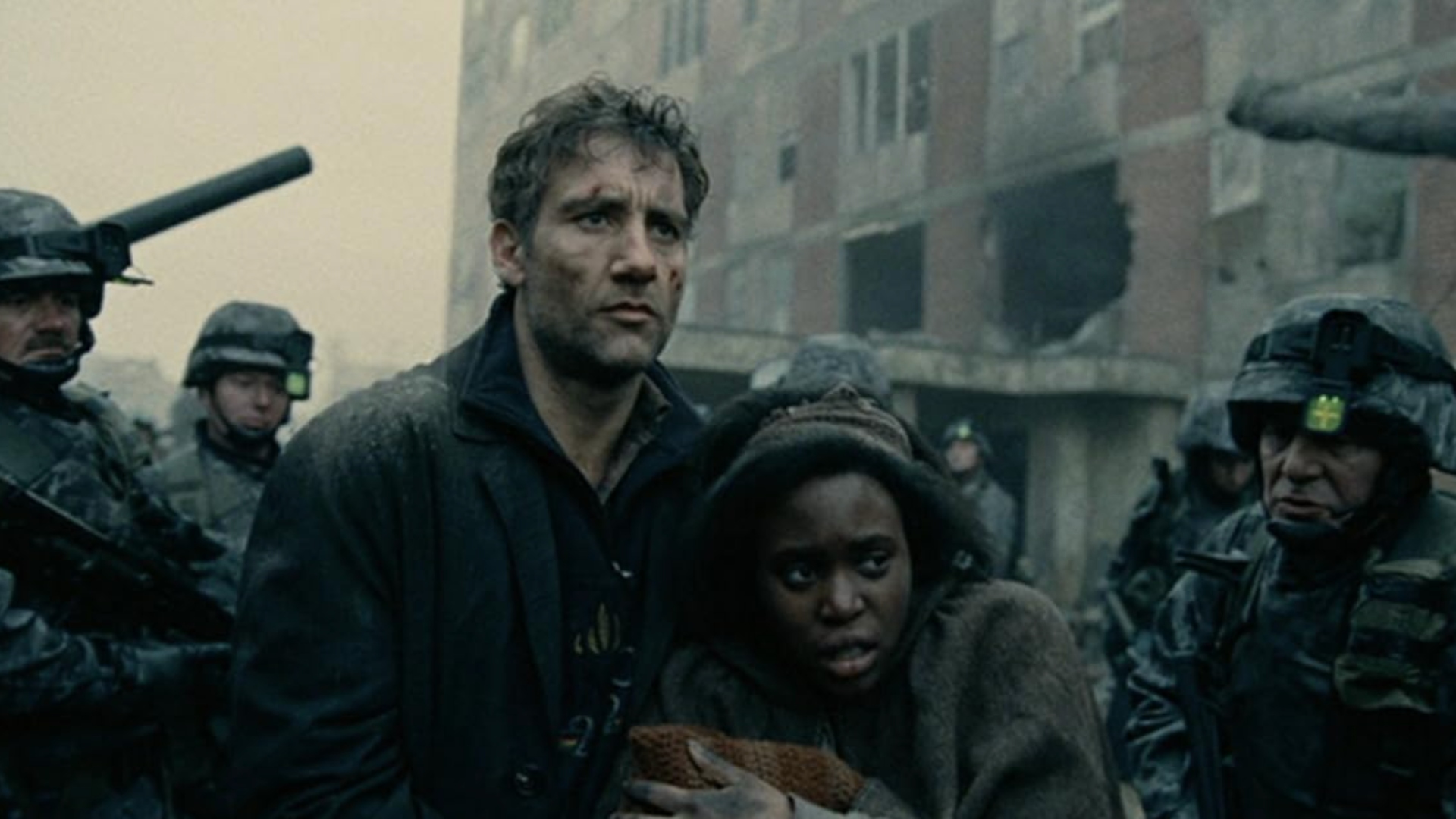
A woman huddles close into a man who has rugged clothes and scuffed clothes are surrounded by soldiers, tanks and a crumbling building

(Image credit: Universal Pictures)

Release date: December 25, 2006 | Cast: Clive Owen, Julianne Moore, Michael Caine, and more | Director: Alfonso Curaón | RT score: 92% critics, 85% audience

There was a recurring theme inspiring sci-fi movies in the 2000s, and it was looking into the near future rather than the far-flung space age.

For Children of Men, the year is 2027 and 18 years of infertility have left Earth facing extinction… that is until a woman gets pregnant. In a dystopian world of desperation and war, small glimmers of hope keep society from crumbling completely. In the face of an intense political climate, Theo (Clive Owen) takes it upon himself to transport the pregnant woman to safety and rebuild humanity at a sanctuary at sea.

Alongside incredibly poignant themes running throughout, Children of Men offers a stunning visual style thanks to director Alfonso Curaón's prowess, which he later expands on in 2013's Gravity.

Rent or buy Children of Men on Amazon Prime Video:

Rent: $3.99
Buy: $14.99
Blu-ray: $8.99

3. Eternal Sunshine of the Spotless Mind

A young couple lying a bed together. The girl has red hair and is holding a coffee cup while looking at the dark haired man, who is smiling and looking up at the ceiling.

(Image credit: Focus Features)

Release date: March 19, 2004 | Cast: Jim Carrey, Kate Winslet, Tom Wilkinson, Elijah Wood, and more | Director: Michael Gondry | RT score: 92% critics, 94% audience

Joel (Jim Carrey) is shocked to discover his ex-girlfriend and love of his life, Clementine (Kate Winslet), has had their entire relationship erased from her memory. Amidst the heartache and upset, he decides to get the same procedure. As his memories begin to fade, he's left in a panic, not wanting to lose everything.

It's a sci-fi tale that blends wholeheartedly with romance, offering a unique look at a world where humanity can choose to forget. When the option of erasing heartbreak is so readily available, is this a kindness or a cruel, emotional violation?

Prepare to be psychologically ruined by the performances from both Carrey and Winslet, which are compelling and heart-wrenching in equal measure.

2. Moon
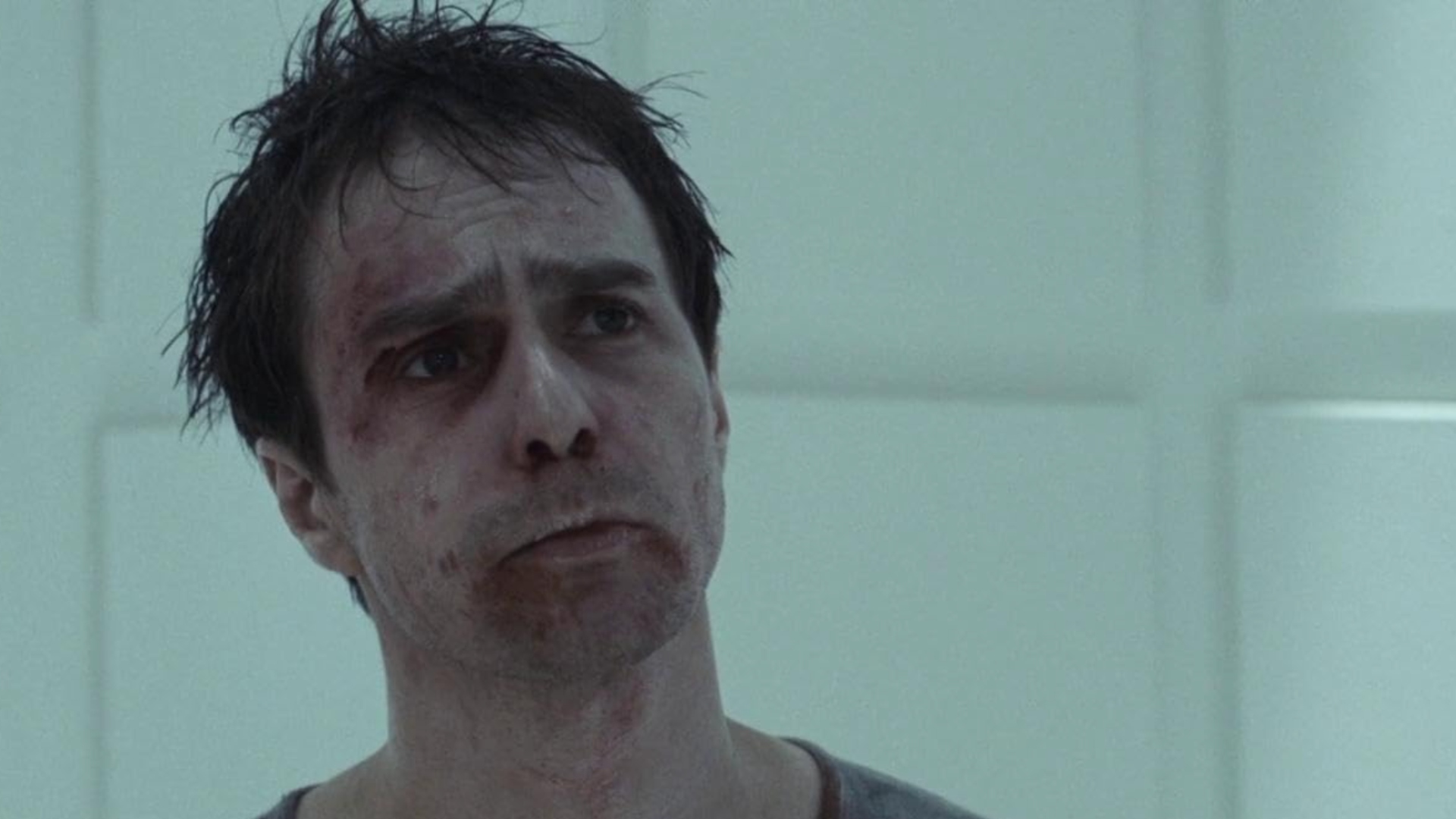
Sam Rockwell played Sam Bell in the 2009 film

(Image credit: Sony Picture Classics)

Release date: June 12, 2009 | Cast: Sam Rockwell, Kevin Spacey, Dominique McElligott, and more | Director: Duncan Jones | RT score: 90% critics, 89% audience

Sam Bell (Sam Rockwell) is the sole employee of a lunar station on the Moon. For three years, he's been tasked with sending a fuel resource, helium-3, back to Earth. Totally isolated, Sam's only company is his intelligent computer, GERTY (voiced by Kevin Spacey), and he yearns to return home to his family.

In the final two weeks of Sam's mission, an accident threatens his return to Earth. What happens next are the most dramatic and twisted moments of his life, as these mysterious events bring Sam face-to-face with his younger self.

It's one of the best sci-fi movies of all time for good reason, owed mainly to Rockwell's outstanding performance that makes you feel almost as entirely alone as he is.

1. WALL-E
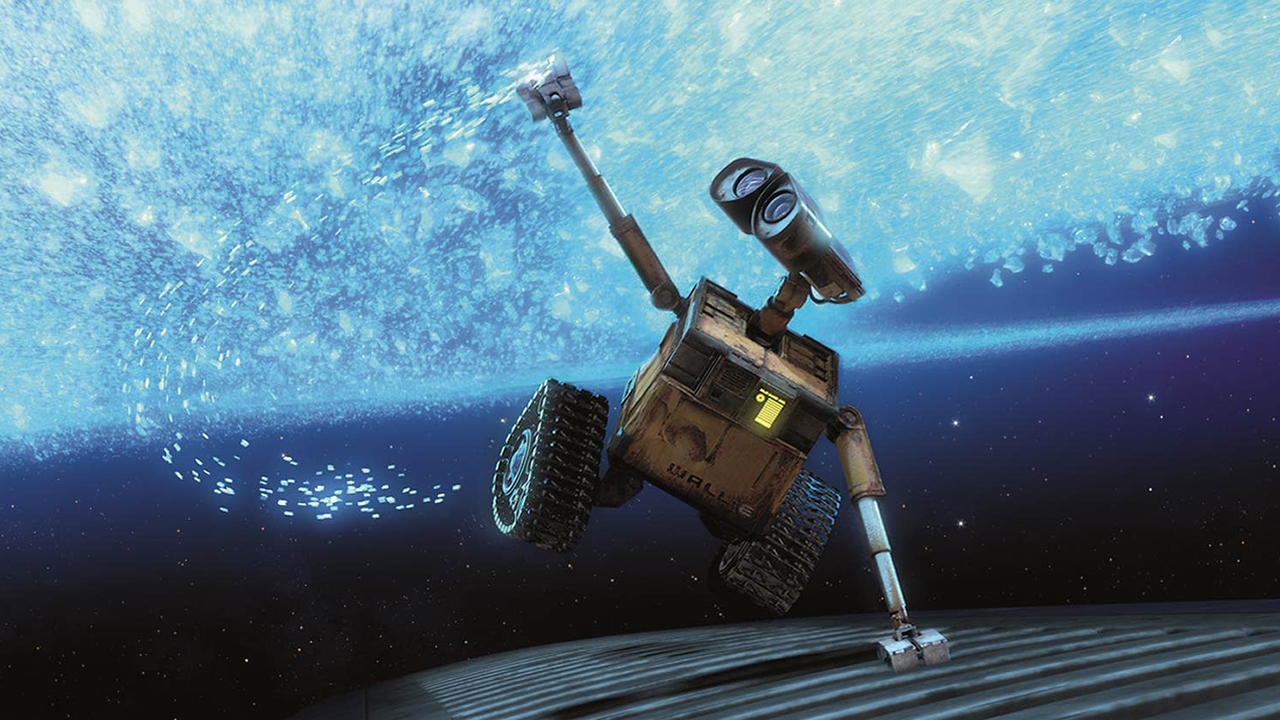
Still from the animated movie

(Image credit: Disney)

Release date: June 27, 2008 | Cast: Ben Burtt, Elissa Knight, Jeff Garlin, and more | Director: Andrew Stanton | RT score: 95% critics, 90% audience

Disney Pixar is no stranger to a good story. Over the decades, they've brought us tales full of adventure, comedy, monsters, and even bugs. Then, in 2008, Pixar turned to sci-fi and introduced us to one of the best movie robots ever: WALL-E.

He's a cute, charming, waste-collecting robot who communicates only in beeps. He has no one to talk to anyway, sadly, as he is the last of his kind, having remained behind on Earth to clean up the mess that humans abandoned. With seemingly no hope in his mission to save our trash-covered planet, WALL-E is surprised and delighted to meet EVE – a companion for a wild adventure.

Beneath the bubbly, fun edge, there's a deeper message that takes a hard look at humanity and tackles environmental issues through the lens of a heart-warming adventure, making this one of sci-fi's most profound and moving animated tales.

Now, if someone could just invent that pizza plant, that would be great.

Watch WALL-E on Disney+:
Disney+ (With Ads): $11.99/month
Disney+ Premium (No Ads): $18.99/month or $189.99/year
‘Orbitals’ is a co-op sci-fi adventure that recaptures the magic of Saturday morning cartoons

Growing up, the best Saturday morning cartoons were the ones we re-enacted with our friends on the playground. Whether it was screaming at the top of our lungs to go Super Saiyan like in Dragon Ball Z, or sleuthing around the school as Darkwing Duck.

In the years since our childhood, we’ve often bonded with both strangers and friends over memories of Saturday morning cartoons, remembering the quaint stories and characters that influenced our lives in surprisingly profound ways.

Those stories have a unifying power, and that’s at the heart of developer Shapefarm’s debut, Orbitals, which seeks to combine that rich heart with the gameplay style of Hazelight Studios’ co-op games like It Takes Two and Split Fiction. Will Orbitals be looked back on quite as fondly as those cartoons years down the road? Probably not, but this Switch 2 exclusive is a no-frills co-op smorgasbord that’s delightful from start to finish.

Editor's Note: Since Orbitals requires two players to complete, this feature is co-authored by George Yang and Hayes Madsen. Name a more iconic duo.

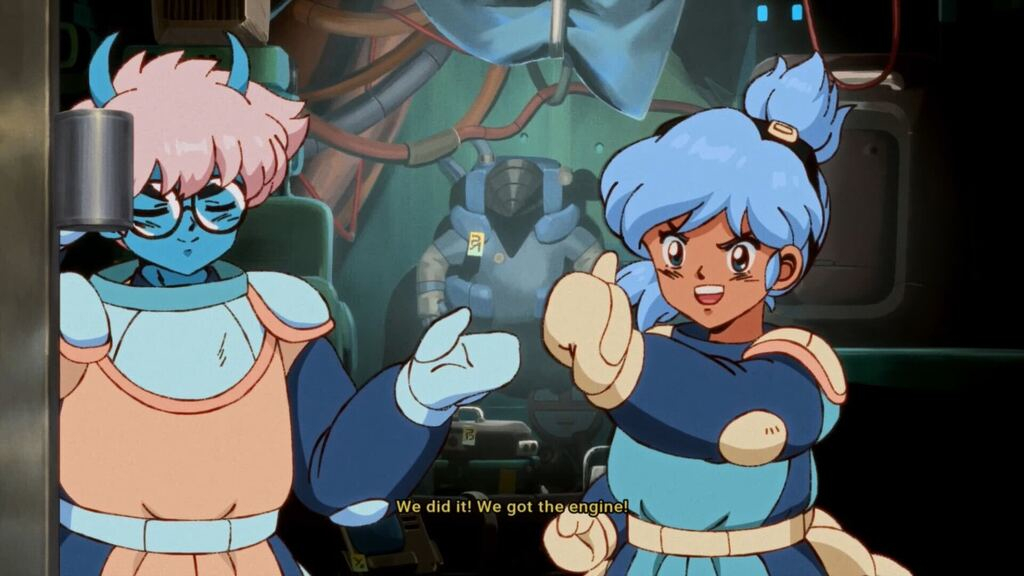
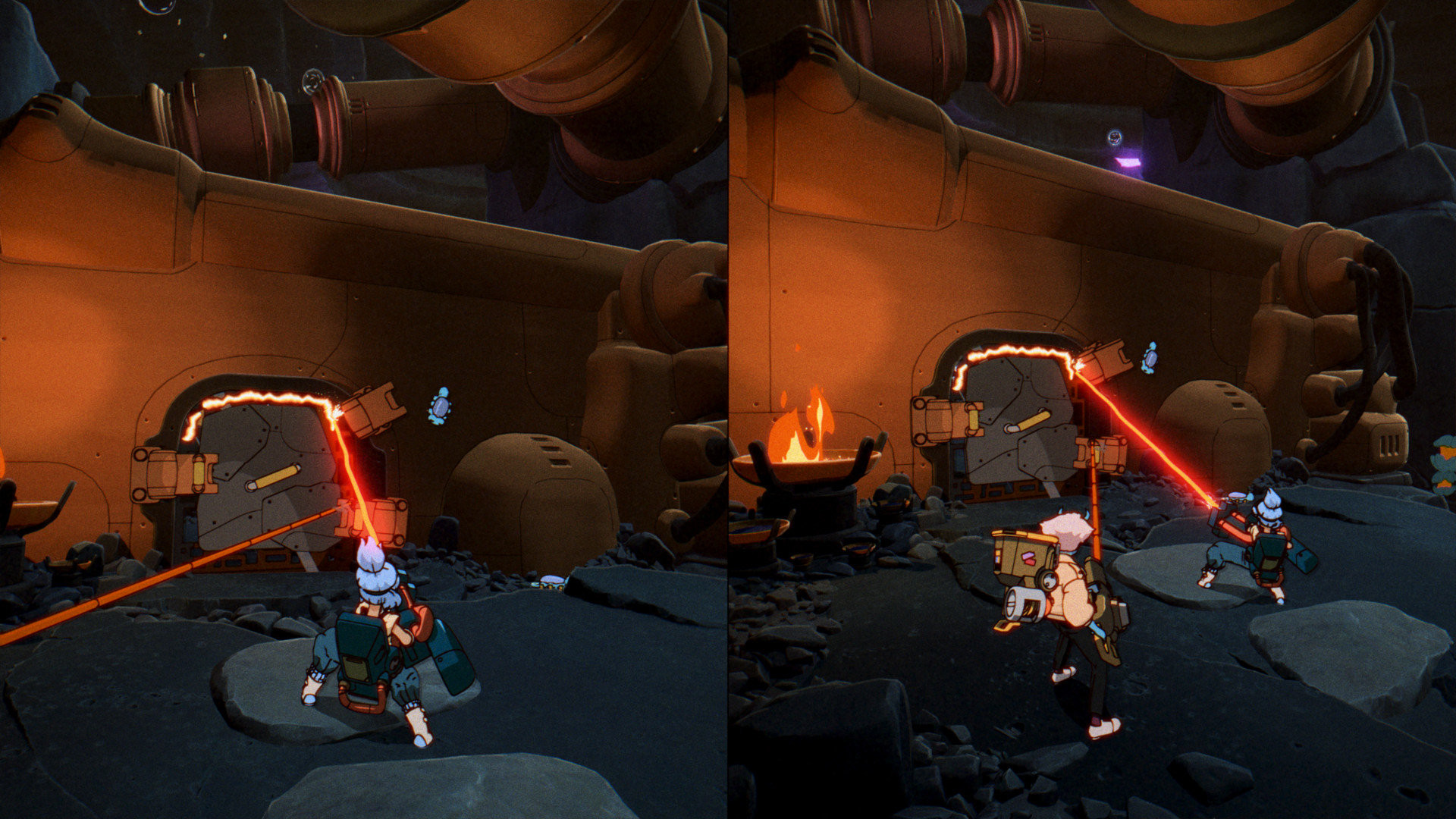
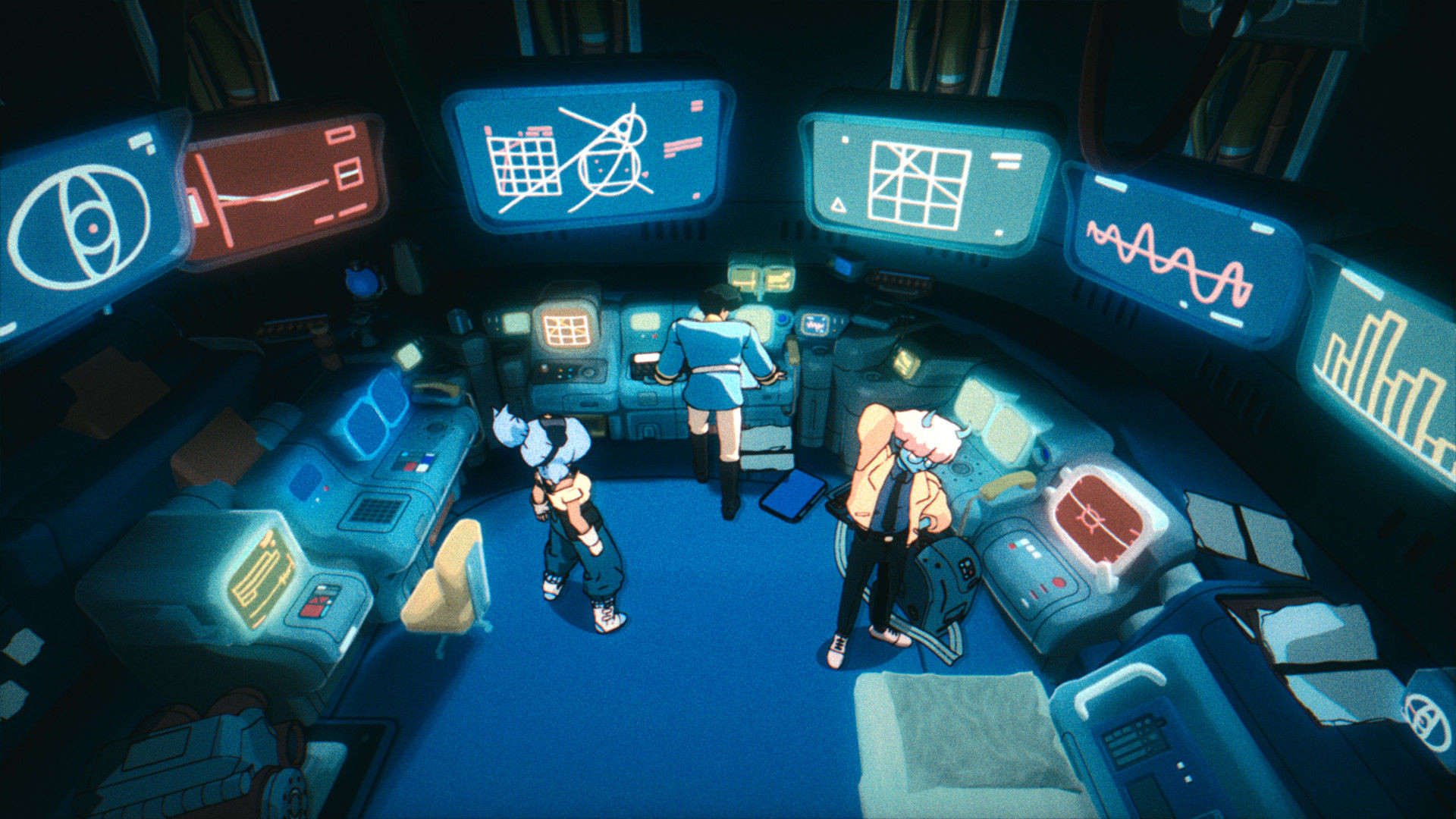
You play as Maki and Omura, two space explorers tasked with finding power cores to power up their home ship and prevent it from being destroyed by a cosmic storm. Orbitals is very similar to co-op games like It Takes Two and Split Fiction, both from Hazelight Studios.

Strictly a two-player game, you and a friend have to work together to solve environmental puzzles while communicating with each other. This dynamic complements the friendly camaraderie between Maki and Omura, the former of whom is a bubbly girl and the latter a more laidback, blue-skinned male humanoid with horns.

(Image credit: Shapefarm)

Perhaps what’s most remarkable about Orbitals is its sense of lightness. This is a game laser-focused on fun, evoking that through smart puzzle design, cooperation, collectibles that are all tied to fun little minigames, and more.

Experiencing Orbitals was just like marathoning an entire season worth of anime. The 80s and 90s anime art direction emphasizes thick lines and simple shading, as opposed to modern standards of meticulous detail and cinematic lighting.

This retro aesthetic permeates every facet of Orbitals. The splash screen that appears when loading up Orbitals, showing Shapefarm and publisher Kepler Interactive’s logos, is soaked in retro-futuristic bright neon like Apple’s back in the 80s. The amazing opening song, “Accelerating Destiny,” is sung by legendary 80s anime vocalist Mami Ayukawa. Each decision feels intentional, like a love letter to this era.

It’s an absolutely gorgeous journey through space that lasts a brisk 5 hours. There are 12 chapters lasting around 20-25 minutes, with each feeling like a separate TV episode, and we know what you're thinking; that seems like a short game. And it is.

Compared to Split Fiction, which lasted way too long, Orbitals finds itself on the other end of the spectrum. The pacing quickly picks up into the finale, making it feel a bit rushed. There's a middle ground that both games missed, which is a shame. Despite that, although hastily, Orbitals wraps itself up in a satisfying way.

Shows like Cowboy Bebop had a ragtag team of underdogs exploring the solar system, instilling lessons about loneliness and existentialism. Mobile Suit Gundam Wing had heavier ethical themes about war. These ideas flew over our heads as kids, and we were mostly occupied by the pretty lights and awesome fight scenes. But rewatching them as adults allowed us to grasp them better. Orbitals follows in these classics’ footsteps, tackling subjects like agency of choice and forgiveness.

(Image credit: Shapefarm)

Orbitals has its fair share of battles, with one player controlling the guns while the other steers the ship to take down turrets and incoming asteroids. It’s not too difficult, since each of you only has to focus on one task, but the real challenge comes from communicating.

In a few boss fights, the battles can suddenly change into a completely different format. In one instance, the pilot had to dodge enemy projectiles like a bullet-hell game, while the other player's perspective shifted inside the ship, with them putting out fires before heading back to the guns. It’s these unexpected moments that make Orbitals a blast to play.

As the designated pilot of the duo, Hayes quickly felt the burden of protection weigh upon his shoulders. He didn’t just have to get us from point A to point B, but also had to dodge enemy attacks in frenetic battles, pilot through the sudden bullet-hell segment, use a microwave to possess creatures and shift the stage, and so much more. George, on the other hand, had to quickly dispatch enemies before they depleted the ship’s HP, while also frantically navigating through lava while Hayes cooled it from underneath, creating a path to the other side of the level.

(Image credit: Shapefarm)

Despite a runtime that feels like it ends when the game is really picking up, Orbitals is an incredibly smartly designed little game. One that consistently weaves different gameplay styles and genres together into something effortlessly distinct, even though it clearly is trying to emulate the magic of It Takes Two and Split Fiction. The good news is that it largely succeeds at what it does.

The story is breezy, but punctuated by shockingly good performances and that whimsical Saturday morning cartoon feel. The main duo instantly feel like lifelong friends, with the game knowing it doesn’t need to take the time to lay out that backstory.

Equally, gameplay mechanics are briefly explained but then further explored through experimentation and context clues, rather than lengthy tutorials. Those two aspects combine into a game that, ultimately, makes every hour feel distinctly different, just like a Saturday morning cartoon.

(Image credit: Shapefarm)

It’s those differences that make Orbitals more than the sum of its parts, alongside how much the experience of the game’s two players actually differs.

While the game likely felt more like a shooter for George, Orbitals was essentially a platformer and vehicular exploration game. That inherently adds a bit of a different tinge to each experience, even in how Orbitals relates to those Saturday morning cartoons it tries to evoke. For Hayes’ part, it transported him back to his favorite shows like Gundam and Code Lyoko. This also adds some much-needed replay value, as you can swap roles and dive back in once the credits have rolled.

Orbitals may be short, but there’s a lot to love. The kind of dessert that satisfies your craving, but doesn’t taste too sickly sweet.

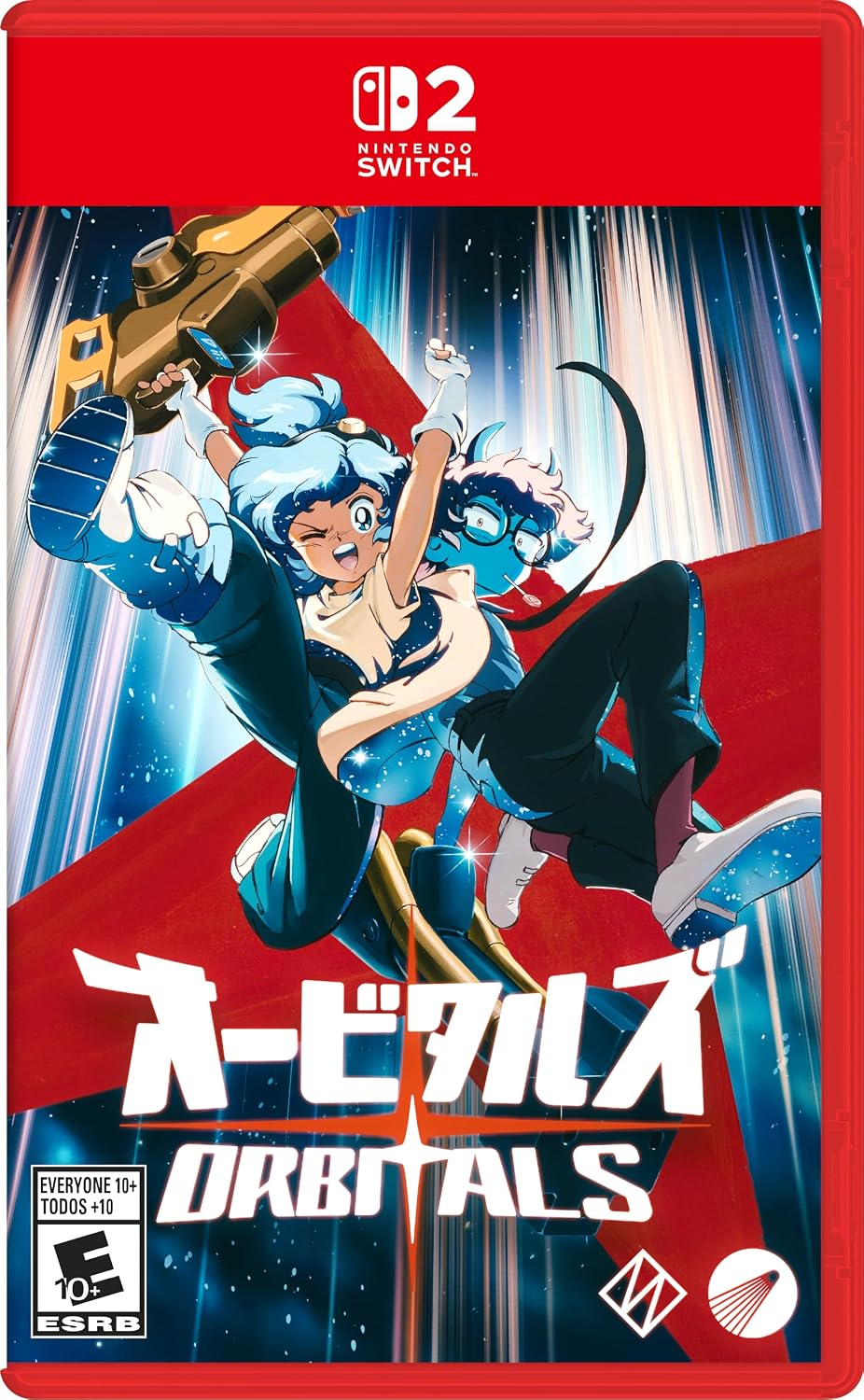
Orbitals launches on September 3 exclusively for Nintendo Switch 2.

Orbitals - Nintendo Switch 2: $39.99
Grab a friend and launch into Orbitals, an intergalactic 2-player co-op adventure set in a wholly new retro anime world.

Available for pre-order now on Amazon (physical) and Nintendo (digital).
View Deal

This Week In Space podcast: Episode 225 — Get a Grip!

On Episode 225 of This Week In Space, Rod Pyle and Tariq Malik are joined by Adam Kall of KMI to discuss their work on the ISS, the goals of the company, and how nature — via the humble octopus and gecko lizards — may provide answers for orbital debris mitigation.

The mitigation of orbital debris is an increasingly serious problem that has not gotten enough attention, but this is changing. Commercial companies are addressing orbital debris, and one of them, KMI Space, has flown its experiments aboard the International Space Station, performing over 170 individual rendezvous-and-grab operations. The results are very promising, and the company is moving ahead with ever more ambitious designs.

Download or subscribe to this show at: https://twit.tv/shows/this-week-in-space.

Get episodes ad-free with Club TWiT at https://twit.tv/clubtwit

Space news of the week

Model Falcon 9!

TOP TELESCOPE PICK:

A Celestron telescope on a white background

(Image credit: Celestron)

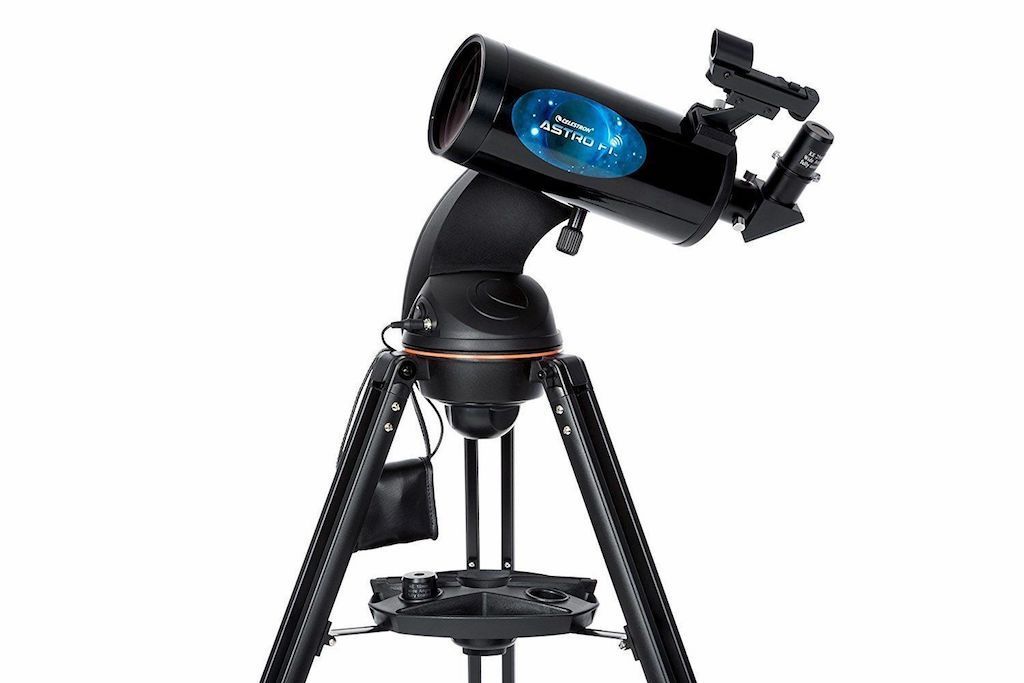
Looking for a telescope to see planets and comets? We recommend the Celestron Astro Fi 102 as the top pick in our best beginner's telescope guide.

Finally, did you know you can launch your own SpaceX rocket? Model rocket maker Estes' stunning scale model of a Falcon 9 rocket that you can pick up now. The launchable model is a detailed recreation of the Falcon 9 and retails for $149.99. You can save 10% by using the code IN-COLLECTSPACE at checkout, courtesy of our partners collectSPACE.com.

About This Week In Space

This Week in Space covers the new space age. Every Friday we take a deep dive into a fascinating topic. What's happening with the new race to the moon and other planets? When will SpaceX really send people to Mars?

Join Rod Pyle and Tariq Malik from Space.com as they tackle those questions and more each week on Friday afternoons. You can subscribe today on your favorite podcatcher.

‘Silo’ season 3: Common and Alexandria Riley talk shocking truths and writers tearing their on-screen marriage apart (interview)

Warning: Potential "Silo" Spoilers Ahead! Get back in the Silo if you aren't up to date!

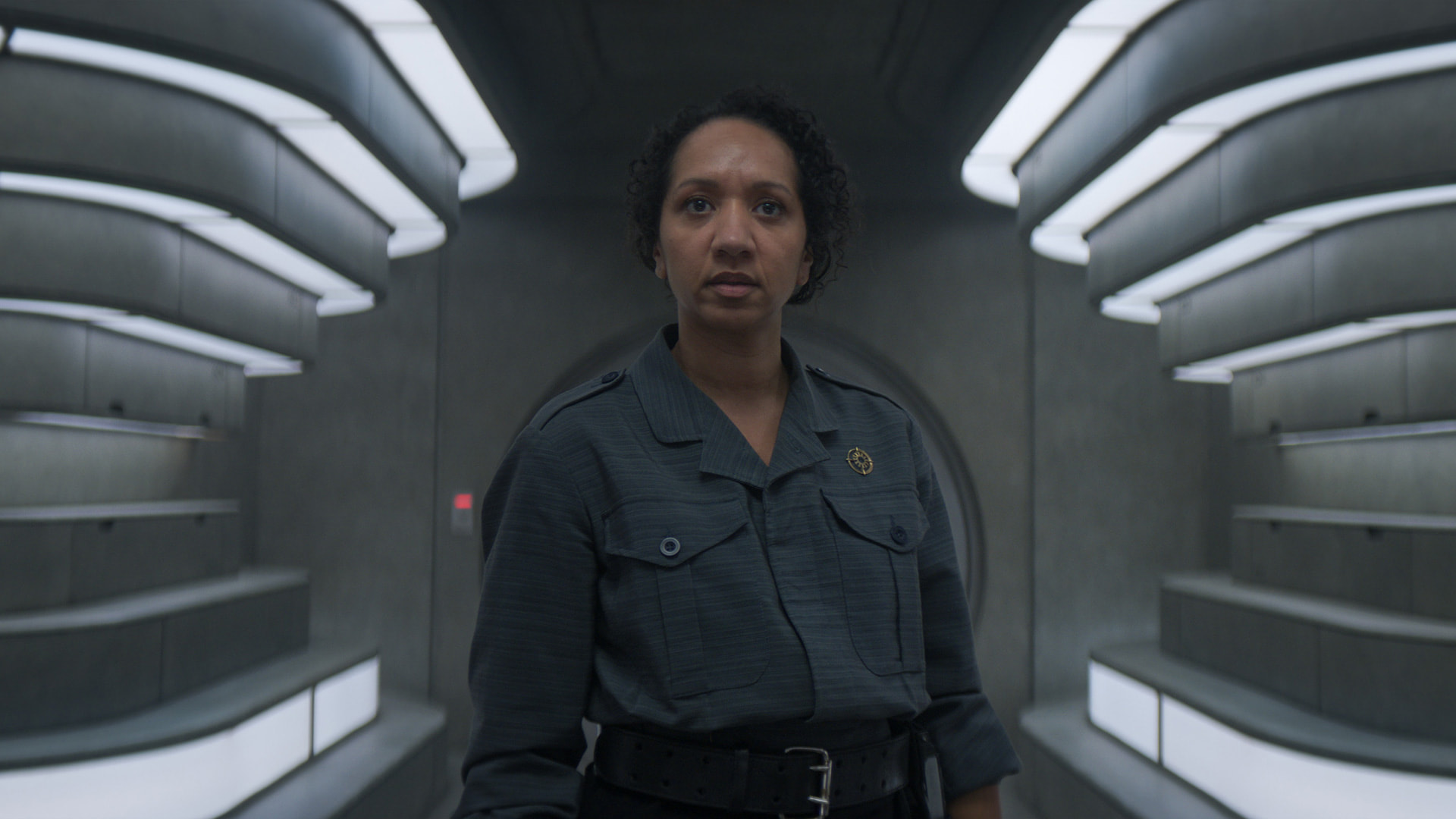
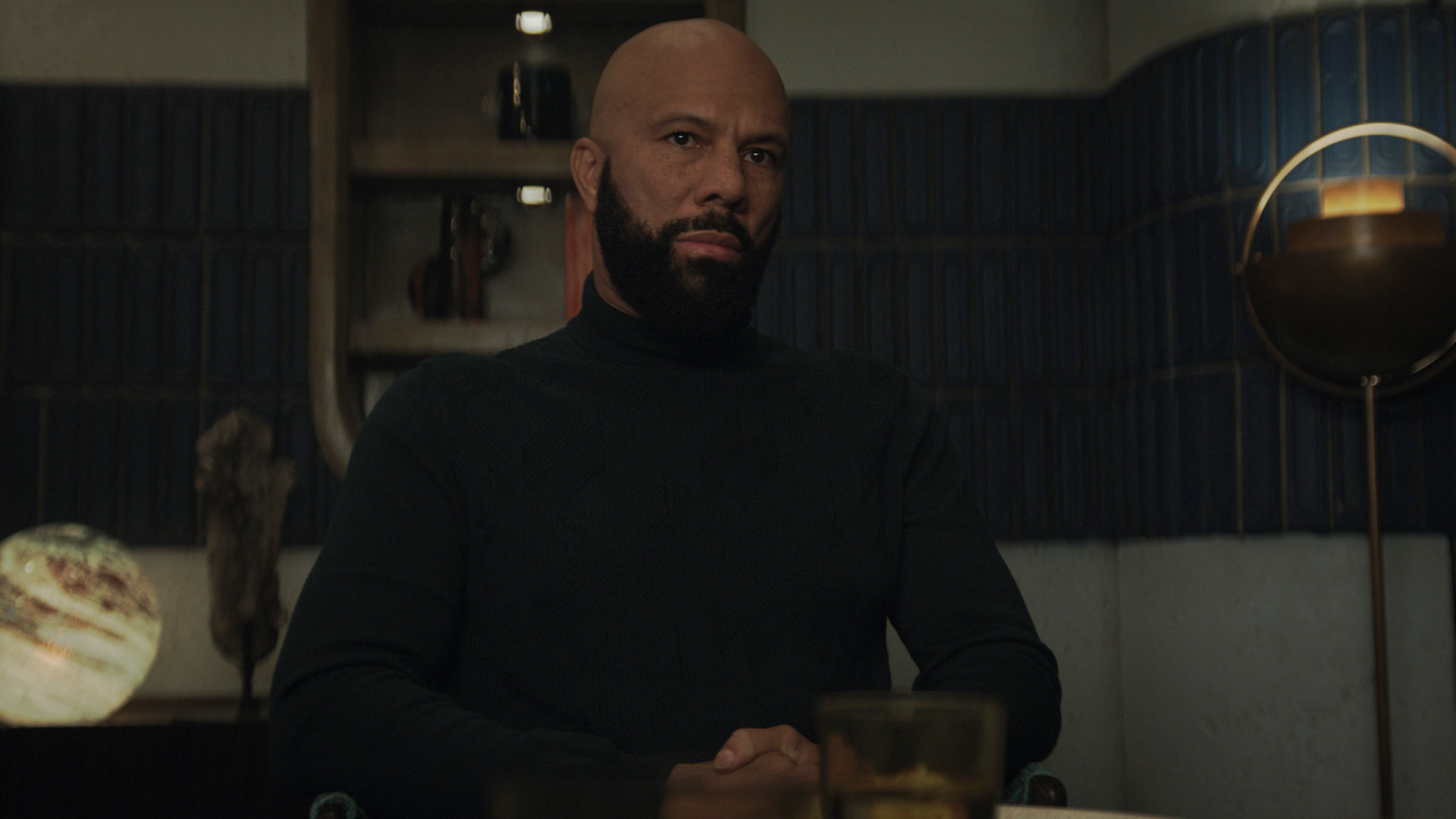
Apple TV's "Silo" season 3 is nearing its final two episodes, depicting the Before Times’ doomsday silo project as well as the shakeup inside Silo 18 with Juliette’s memory returning. The ongoing tempest includes Camille Sims (Alexandria Riley) having to prevent a Safeguard extermination as the new Head of IT this year, and the revelation of ex-security chief Robert Sims (Common) regarding Bernard (Tim Robbins).

With the married couple of Robert and Camille Sims careening off onto very different moral trajectories, Camille must confront troubling truths as her conscience plummets into the pits of Hades, while Robert is on a profound journey of salvation.

"The writers are incredible on this show, and we were so excited when we first saw what they were going to do," Riley tells Space. "It was said to us in a harsh way. They said, 'We’re going to tear you apart.' As an actor, for both of us, it was so fun to play with.

"We see a whole roller coaster of emotions that these two go through," continues Riley. "I think it's interesting as an audience because we’ve come from such a stable unit where we’ve been the most level and the most tactical. So to shake that up and splinter them off has been a real trip for me. We sat with it quite a bit."

Alexandria Riley as Camille Sims in Apple TV's "Silo"season 3 (Image credit: Apple TV)

Her better half is steering away from his murderous past towards enlightenment, which is bright news to fans who hoped his character would find a sense of peace.

"Camille is in a difficult place," Common adds. "Robert is in a difficult place. It is redemptive, but it's scary too, because as a character he doesn't know where he is right now. He's spent his whole life with judicial, like for the government, and that was because he believed it was good for the people of the silo. But now that trust is dispersed. It's gone. He doesn't believe that's the truth, so now he’s trying to find the truth; I love that they’ve given our characters this much of a journey.

"People used to always approach me and say, 'Man, you’re the bad guy. I like you'. Or 'I don’t like you'. And I was like, 'This dude is not a bad guy.' Now in season 3 you'll get to see the different colors of who Sims is, or Camille is, and you can make a decision."

Riley's scenes as the Head of IT, having to interact with The Algorithm’s voice piped in from Silo 1 delivering demands and ultimatums, were incredibly engrossing.

"The voice was there so I could act off that emotion, which was nice," she notes. "But in terms of visuals, there was nothing. They were really intense scenes. I loved being in that room. It reminded me of doing almost like a one-woman show sometimes. It was just you in a stark domed theater. And we’d often run the scenes together, so it was like once you’re on the train you couldn’t get off. You were going through the turmoil constantly, take after take. It was sublime. It was a challenge, but I absolutely loved it."

Common as Robert Sims in Apple TV's "Silo" season 3 (Image credit: Apple TV)

In one quiet scene in the "Farewell" episode, Sims has a poignant moment with Bernard, just before the former Head of IT is forced out into the toxic external environment. The on-set chemistry in this scene is among the best the series has to offer.

"Tim Robbins and I discovered that at this moment in time, Sims and Bernard are two of the closest people in the silo," Common explains. "Bernard was somebody who I actually really cared about. Tim expressed to me through one of the scenes we did that he realized Robert Sims was a person Bernard loved.

"I think all our history and journey as people in the silo, in that moment when he was leaving, I felt like we were able to express that without saying anything. Just a look and an acknowledgement and an honor and respect and a love. I was kinda nervous about that moment, to be honest. But Tim did some things in it that kept it so alive and real."

"Silo" season 3 is currently airing exclusively on Apple TV.

Watch Silo on Apple TV+:
Apple TV+: $12.99/month (7-day free trial)
Apple TV & Peacock Premium: $14.99/month

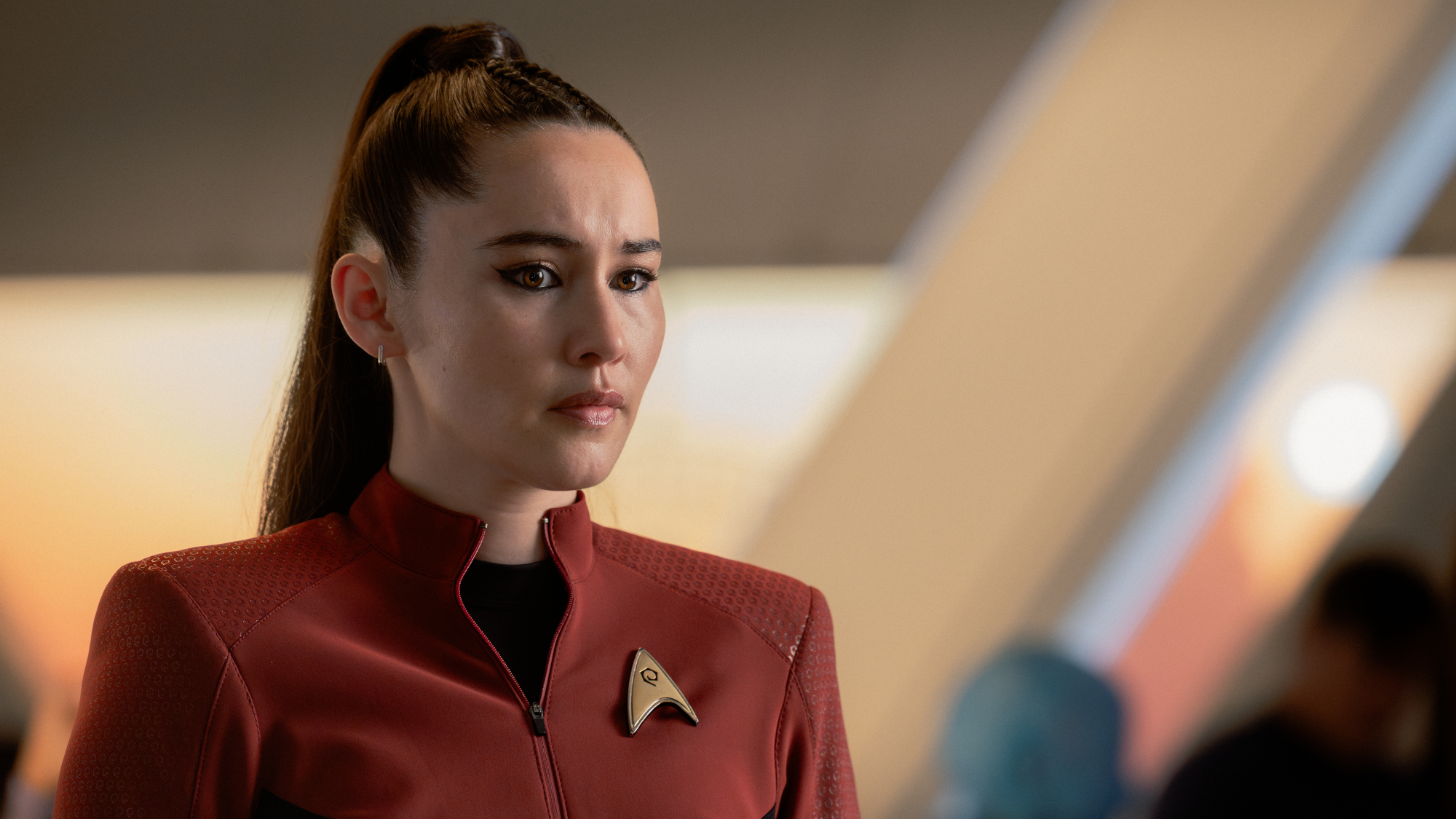
‘Strange New Worlds’ latest episode wastes a lot of time pretending to kill off major ‘Star Trek’ characters

Every so often, "Star Trek" likes to put its brave interstellar adventurers through hell. You know the drill — a bunch of one-off crew members will probably be blown up and/or sucked into space, while set dressers get to have fun making starship bridges look like they've been through the wars. We all know that seeking out new life and new civilisations is the prime directive on that final frontier, but sometimes we just want to see how Starfleet officers respond when the chips are down.

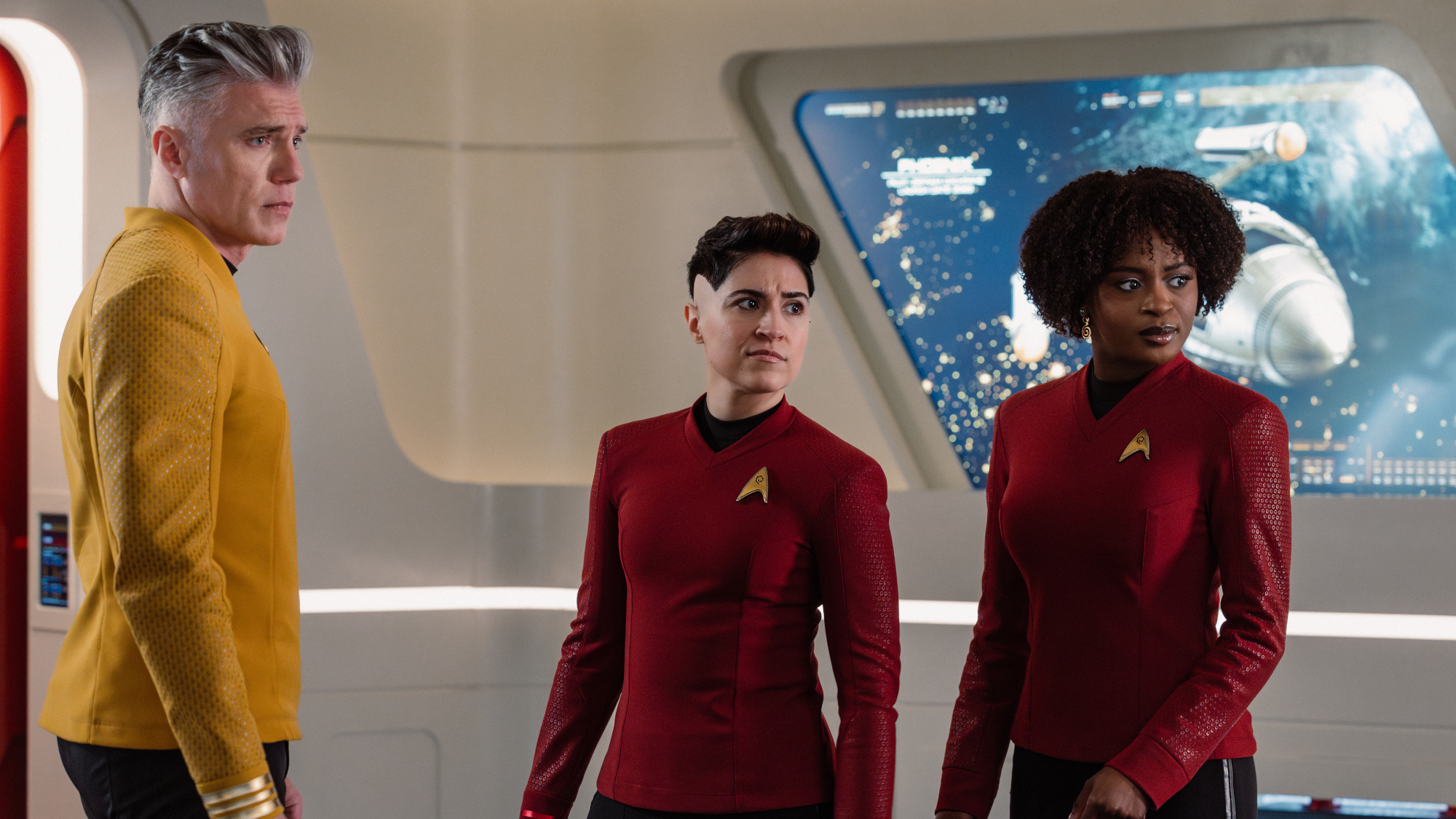
The latest episode of "Strange New Worlds" season 4, "Off-Hour", is one of "Trek"'s semi-regular life-or-death outings. The Enterprise finds itself trapped in a bizarre slipstream wormhole that threatens to destroy the ship if Pike and co can't find a solution before the "24"-style ticking clock (sorry, "Shipboard Chronometer") counts down to zero. It also leaves the fates of several key characters (one in particular) hanging in the balance… or at least it would, if the show wasn't a prequel, with most of its lead characters guaranteed to reappear in subsequent "Trek" canon.

Minor spoilers ahead for "Off-Hour". If you haven't seen the latest episode of "Star Trek: Strange New Worlds" yet, report to transporter room 3 and get out of here at once.

The likes of "The Wrath of Khan", "Voyager "'s two-parter "Year of Hell", and "Strange New Worlds"' very own "Memento Mori" have all gone to extreme lengths to mess up the normally pristine interiors of Starfleet vessels. "The Search for Spock" went even further, leaving the Enterprise in such a bad state that Admiral James T Kirk had no choice but to deploy its in-built self-destruct system.

Unfolding in real-time, "Off-Hour" is built from similar blueprints, as the aforementioned anomaly turns the Enterprise into a nightmarish environment where pretty much anything can kill you. Pike getting an electric shock while turning on the shields is just the tip of the iceberg, as Una "Number One" Chin-Riley snaps her leg in a pocket of extreme gravity, Christine Chapel loses a finger to extreme cold, and an unfortunate group of redshirts finds themselves trapped on the wrong side of a barrier with some lethal neutrino radiation.

(Image credit: Paramount)

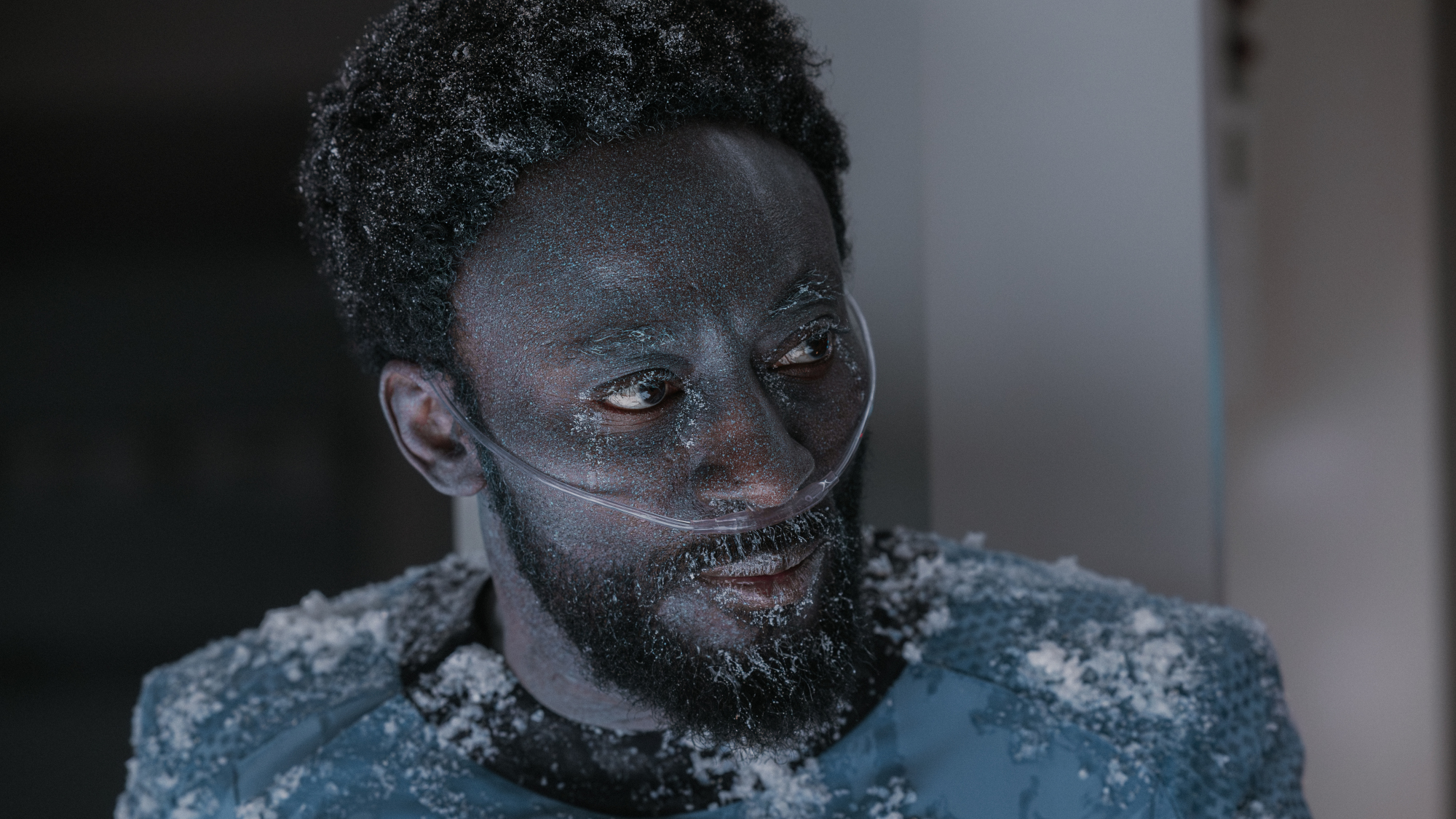
But it's Dr Joseph M'Benga who has the worst day at the office, and by a distance. His quick and noble actions pushing Christine out of the way of an out-of-control medical table leave him pinned against a wall with a fatal trans-lumbar severance — the only thing keeping him alive is the table itself, his internal organs doomed as soon as it's pulled out of the way. Like the clichéd movie cop starting his last day on the beat, he picked the wrong day to tell Christine he's thinking of quitting the Enterprise — especially as his likely replacement, Boyce, is already on board.

There is no way M'Benga should survive this — Boyce even orders Chapel to make the patient comfortable when the inevitable happens — and in most other TV shows you'd think that actor Babs Olusanmokun was about to receive his final paycheck.

But "Star Trek" fans know that M'Benga (then played by Booker Bradshaw) filled in for Dr McCoy in two episodes of the Original Series, meaning that his deathbed chats with Chapel aren't quite as deep and meaningful as they'd be in "ER" or even this episode's biggest influence, "24".

(Image credit: Paramount)

For the same reason, you never fear for Scotty when he beams into a Jefferies Tube, unsure whether there'll be oxygen or heat waiting for him. Or wonder if Spock will survive the radiation burns he endures in a high-risk spacewalk on the Enterprise's hull. In fact, the only lead character who could be in any danger at all is La'an. As one of the few regulars whose post-"Strange New Worlds" fate remains unknown, canon offers little protection when she steps out of the airlock to rescue Spock.

"Star Trek" isn't "Game of Thrones", and shouldn't ever get into the habit of killing off characters for fun. Spock's (albeit temporary) demise in "The Wrath of Khan" still resonates because it was so emotional, dramatic, and unprecedented, as does the death of Kirk's son, David, in "The Search for Spock". William Shatner's performances in the aftermath of both are among the best of his career.

"Strange New Worlds" itself hasn't been afraid to wield the grim reaper's bat'leth when necessary, though it's always been with characters — such as original chief engineer Hemmer — who have no existing legacy in the franchise.

(Image credit: Paramount)

The question facing any prequel, however, is whether you can play around with life-and-death stakes as you would in a story whose conclusion is open-ended. Surely an "anyone could die at any time" plot is redundant when canon has the same protective properties as the Super Stars that make Mario invincible.

The exception that proves the rule is "Andor"'s majestic second season — Mon Mothma's had-to-happen escape from the Galactic Senate turned out to be one of the most unbearably tense TV moments of last year. But that show mostly reserved its highest stakes for characters who didn't have an appointment with the Original Trilogy.

Indeed, when you pretend that a beloved character might die even though they can't, you risk cheapening the drama the same way "The Rise of Skywalker" did when it led us to believe Chewbacca had been blown up, before revealing he was on a different ship all along. You're telling life-or-death stories, without ever having to deal with the messy death part — something that, as we all know from "The Wrath of Khan", even the legendary James T Kirk was never much good at.

(Image credit: Paramount)

As a result, you spend the whole of "Off-Hour" waiting for the inevitable "magical" intervention to save the day. It's certainly not a massive surprise when Chapel works out that using previously theoretical strong-force neutrinos might repair M'Benga's broken body — and a not-at-all unexpected twist when Scotty reveals they could also fix the ship's faltering engines. "Almost sounds too good to be true, I know,” Scotty admits.

Future events will always weigh heavy on any prequel, but surely stories have a responsibility to better acknowledge that viewers know what's coming. Is "Off-Hour" a brilliant example of "Star Trek" at its most tense or a cheap play on our emotions? It's probably a bit of both.

New episodes of "Star Trek: Strange New Worlds" debut on Paramount+ on Thursdays.

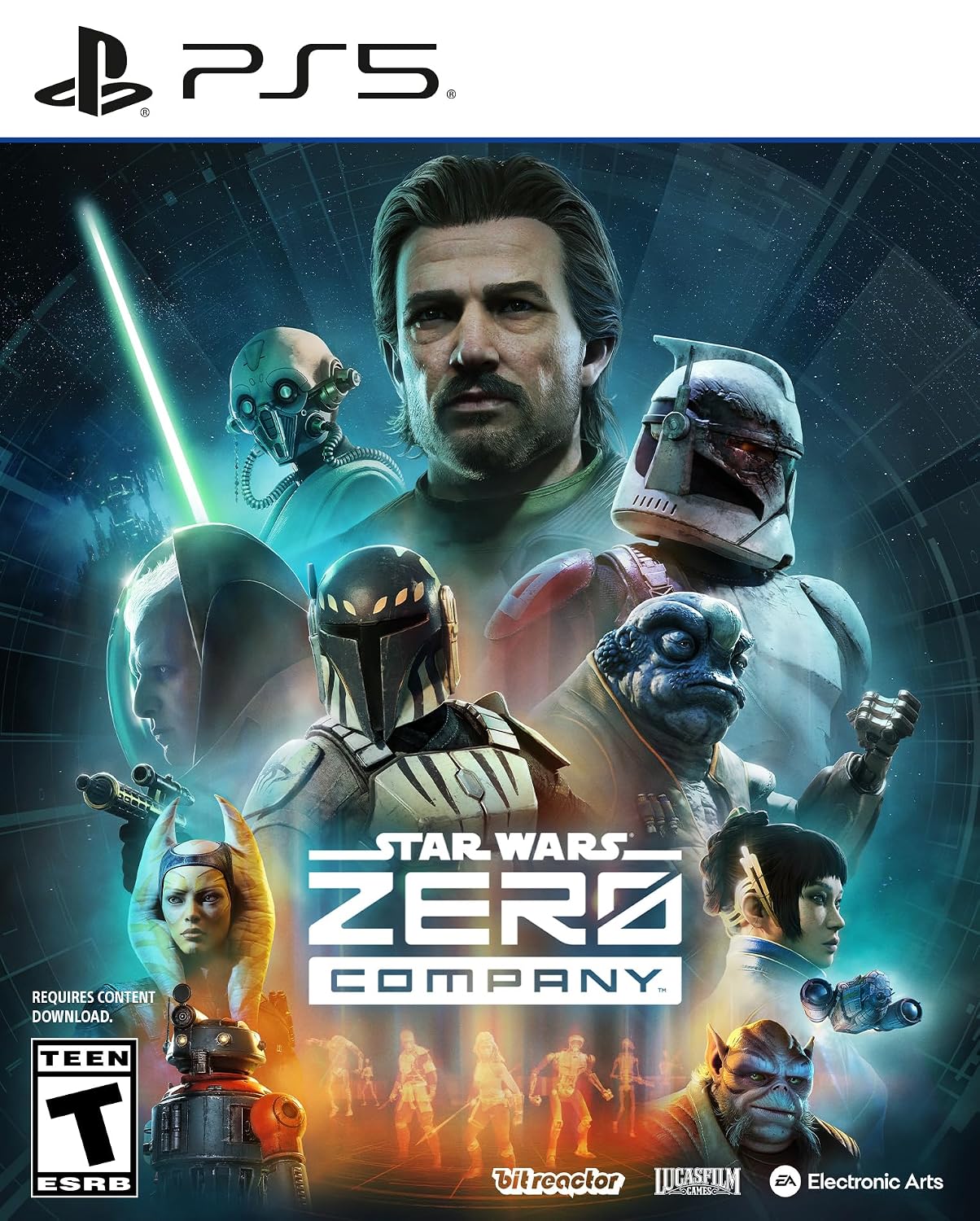
‘Star Wars: Zero Company’ recaptures the magic of your favorite Star Wars films (review)

Across the decades, Star Wars' secret sauce has always been a feeling – an intoxicating mixture of whimsy and adventure that’s nearly impossible to replicate. That’s especially true with the original film trilogy and the prequel film trilogy, even if the two have distinctly different flavors.

The series forays into video games have seen a lot of success, but Zero Company does something I’ve never seen a Star Wars game do before: it seamlessly combines the two different eras of the original and prequel film trilogies into something that not only recaptures the magic of those stories, but entirely stands on its own.

By taking the strategic XCOM formula and splicing it together with the whimsy of Star Wars, Zero Company becomes one of the best adventures you can find in a galaxy far, far away.

Star Wars: Zero Company: $59.88
Command an elite squad through a gritty and authentic Star Wars story set in the twilight of the Clone Wars. Step into the role of Hawks, a former Republic officer leading Zero Company against an emerging threat that could consume the galaxy.

Available on PC, PS5, and Xbox Series X/S.View Deal

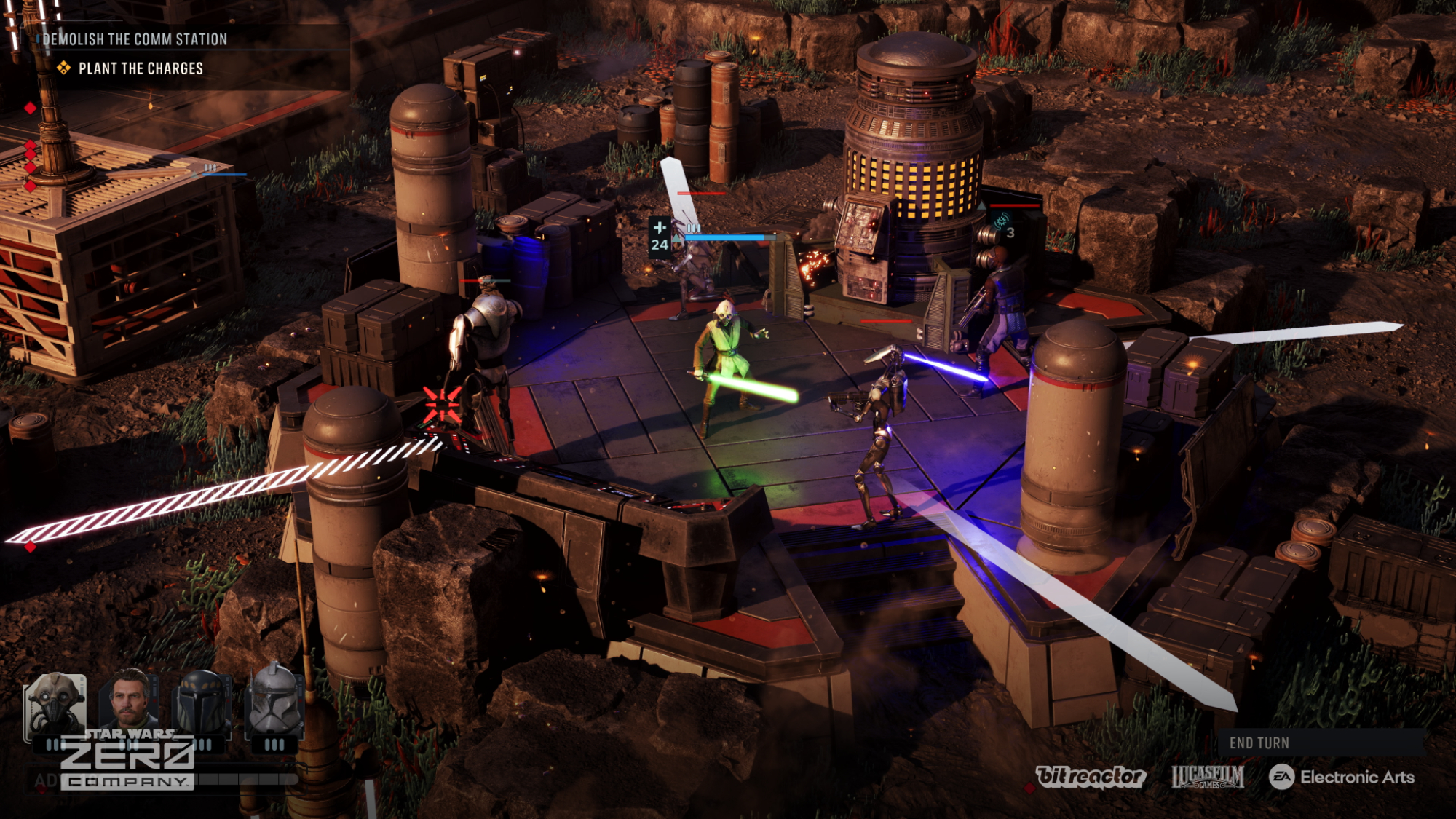
Zero Company takes place in the midst of the Clone Wars of the prequel trilogy, following an ex-Republic officer named Hawks who left their military post after losing an entire unit. The game picks up long after this event, with Hawks now running the titular “Zero Company,” a mercenary group that takes on odd — and often off-the-books — jobs across the war-torn galaxy. But on an ordinary mission, Hawks discovers a bizarre magic plague, a secret plan hatched by the Separatist army, and a contract with Republic intelligence to take on jobs the army can’t do.

The story of Zero Company is firmly set within the Clone Wars, and along with that comes the era's distinctive visual style and aesthetic. Fascinatingly, though, this narrative feels remarkably like a Rebel one, more in line with the original trilogy.

Screenshot from 2026 strategy game

(Image credit: Bitreactor / Lucasfilm Games)

Zero Company’s secretive missions are a perfect vessel to explore the fringes of Galactic Society, the underworld, and the harsh reality common people face in a Republic dangerously veering toward authoritarianism. Zero Company meaningfully explores these themes, using a ragtag band of outcasts as a filter to view them. For all intents and purposes, this story could slot into the original trilogy just as easily, making it a fascinating mish-mash that Star Wars has seldom seen before.

And that all starts with Hawks themselves, a wonderfully charismatic hero who’s nearly impossible to dislike. I played the game as the male Hawks, but you can choose a female Hawks as well. The best way I can think to describe Hawks is as if Han Solo was played by Mathew McConaughey; a hero with a biting sense of humor punctuated by a thick Southern drawl, backed up by some genuinely hilarious writing.

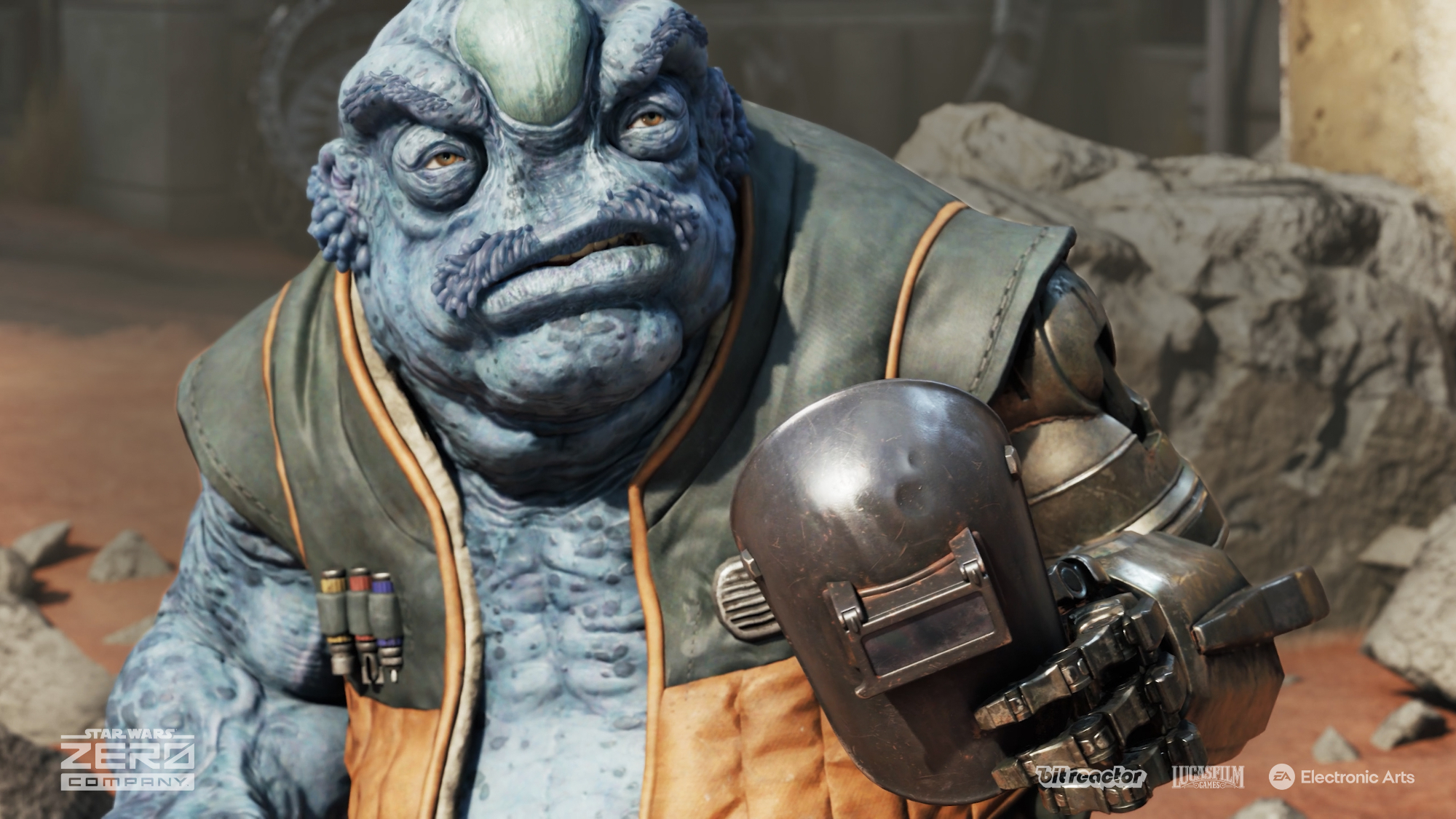
Hawks is the grounding force of Zero Company, the down-to-Earth scoundrel that keeps everyone humble. It's a common trope in Star Wars, but it works well here because Hawks has some real weirdos to bounce off of, including a clone named Trick who has nightmares of losing his helmet before battle, an alien named Kabb who’s obsessed with opera and had a Yoda-like stilt to his speech, and a lost Jedi Padawan, who’s not quite sure how to be a Jedi.

Zero Company relishes the quiet moments where your characters get to bond, translating those bonds directly into gameplay enhancements and skills in battle. Again, this inevitably ends up giving the game more of a Rebellion-era feel, as each of your operatives holds some kind of dark secret or goal that has led them to Zero Company.

Screenshot from 2026 strategy game

(Image credit: Bitreactor / Lucasfilm Games)

There’s a selection of defined characters to build your squad out with, on top of the ability to recruit generic operatives. And you’re going to need the numbers because in Zero Company, literally anyone can die.

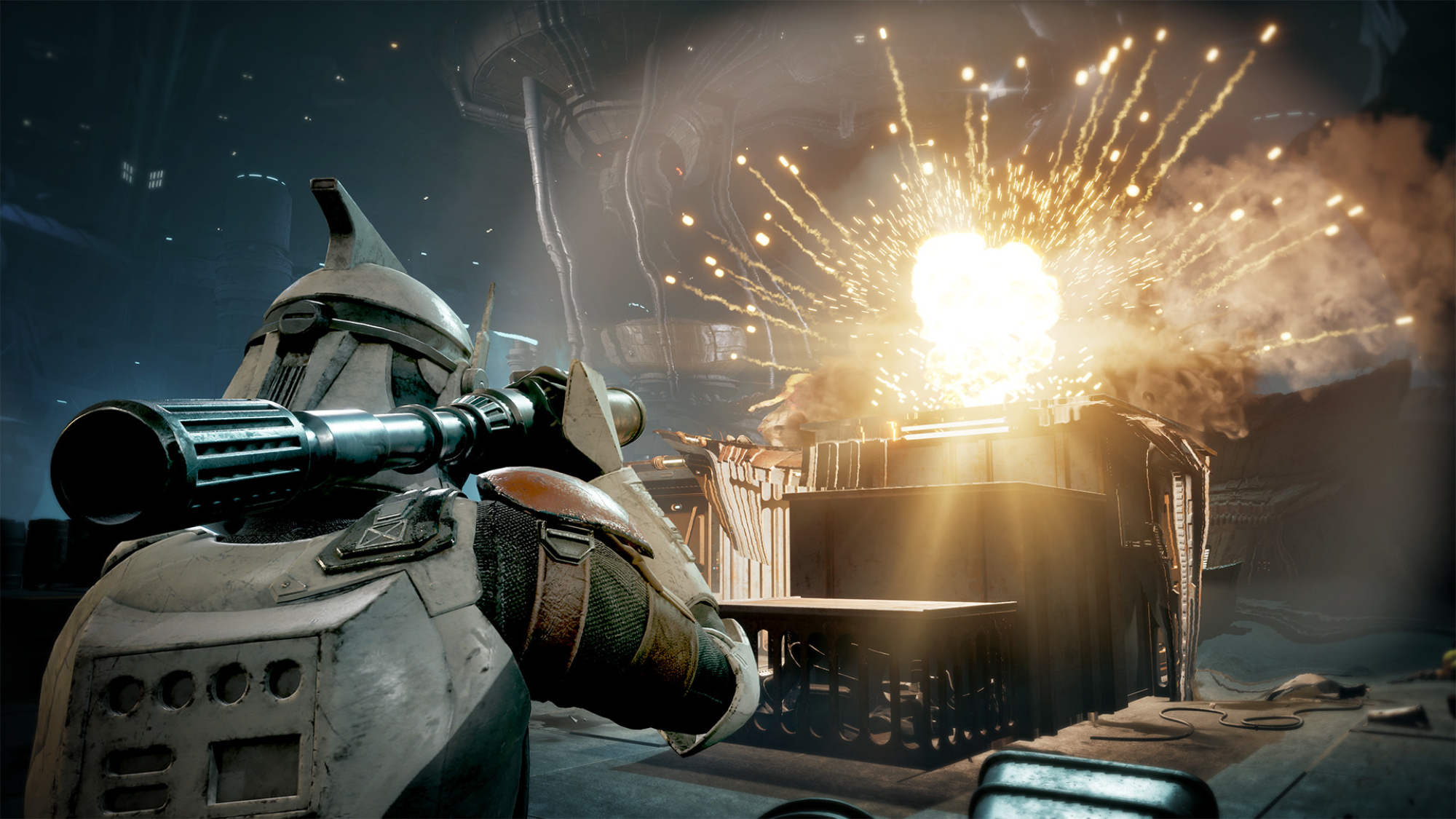
This is an XCOM-style game through and through, meaning complex turn-based combat where each and every one of your characters can fall in battle. But it’s not instant death, luckily, as every character can take two injuries (downs), and the third one means permanent death.

It provides some flexibility to the game’s combat, also tying into the heavy focus on teamwork and operating the squad as a whole. You can take up to four characters into each battle, though you are occasionally joined by some kind of guest character or have to rescue a hostage, thus gaining another character midway through battle.

Zero Company is, essentially, split into three parts: The hideout, Operations, and Tactical Missions. In the hideout, you can talk to characters, conduct research to improve weapons or facilities, and then prepare for missions. On the mission board, you can use intel (gained from Tactical Missions) to conduct quick little text-based expeditions called Operations that grant various rewards, boost your influence in that specific zone, and unlock new Tactical Missions. These add some flavour without actually engaging you in combat. For that, you'll want the Tactical Missions.

Screenshot from 2026 strategy game

(Image credit: Bitreactor / Lucasfilm Games)

There’s a ton of variability in how you build your forces; alongside the class system, which decides a character's skills, each can equip one of four weapons, along with utility items like medpacks or grenades.

Classes and skills lean into different styles of play; Astromech droids are entirely support-focused, generating AP (action points) and buffing the party, while the Assault is focused on heavy damage and drawing aggro. Zero Company smartly leans into the Star Wars universe, making classes and characters feel like distinct pieces of said universe. Tel-Rea, the Jedi character, is almost entirely melee-focused, but comes with her own entirely distinct skills and combat abilities, essentially requiring you to build your party around her.

But by far the most interesting element of building your squad is the relationship system. As characters battle alongside each other, their relationship levels will rise, and each level lets you pick a perk that applies to both operators. You might be able to permanently increase ranged damage, or critical chance, or the range of movement on first turn. This provides a ton of flexibility for progression, and feels extremely rewarding for painting units together – and directly ties into that narrative sense of camaraderie that builds as well.

Screenshot from 2026 strategy game

(Image credit: Bitreactor / Lucasfilm Games)

Zero Company has a lot of different systems and stats to keep track of, and it can be overwhelming at first, but eventually everything clicks together in a superbly satisfying way, like finding that section of a puzzle that just effortlessly comes together.

I’m not hesitant to say that outside of XCOM itself, this is one of the best squad-based strategy games I’ve ever played. And that’s largely because of how well the game leans into the uniqueness of the Star Wars universe, using its source material in nearly every narrative beat and gameplay mechanic.

But the beating heart at the center of everything is the convincing way the game builds your tight-knit squad, the little family that quickly starts to develop. It’s in the little moments in your base, where your janitor says he’s gonna find that space mouse…. and eat it, much to the chagrin of Hawks. It’s in those little moments in battle, where a skill you’ve invested in lets your party member execute a follow-up attack at the perfect time, taking out a Sniper Droid that might have dropped your own squadmate next turn.

Screenshot from 2026 strategy game

(Image credit: Bitreactor / Lucasfilm Games)

And I think the initial smaller scope of Zero Company’s narrative really helps nail that Star Wars feel. There are bigger stakes that eventually develop, but for the first half of the game you’re simply living out life as a band of mercenaries, getting to know your squaddies, and trying to juggle the various systems and injuries your crew gets.

Zero Company uses the epic backdrop of the prequels and the Clone Wars to tell an original trilogy-style story about a band of heroes that simply come together in the right place at the right time. Star Wars is no stranger to good video games, and Zero Company quite handily blasts its way into the conversation as one of the best.

Star Wars: Zero Company: $59.88
Command an elite squad through a gritty and authentic Star Wars story set in the twilight of the Clone Wars. Step into the role of Hawks, a former Republic officer leading Zero Company against an emerging threat that could consume the galaxy.

Available on PC, PS5, and Xbox Series X/S.View Deal

‘Aliens: The Video Games’ author Mike Diver on overlooked Alien games, tracking down retro game developers, and the future of the Xenomorph (interview)

The history of Alien video games is long and twisty, but Mike Diver — veteran writer, editor, critic, and journalist — decided a few years ago to make a complete chronicle of Xenomorph-filled games his next big adventure. Ahead of Aliens: The Video Games' August 30 release, we sat down with him and discussed the franchise's past, present, and future in games.

The following interview has been edited for better flow.

"I played a lot of Alien 3 on Mega Drive," Diver recalls when asked about his first few contacts with Alien. "I was slightly too young to be watching those movies... I was also quite taken with a book that a friend of mine's dad owned – it was a book with stills of the film in it... I saw the chestbursters in those stills before I saw it moving on-screen, and in a way that was more striking." He believes that left an impression on him, which likely helped his fascination with the franchise over time.

Diver worked in games media for a long time, which afforded him opportunities such as covering the first Alien: Isolation, going into Creative Assembly and playing before it came out. This led to Diver researching Alien games for "on and off over, let's say, five to ten years".

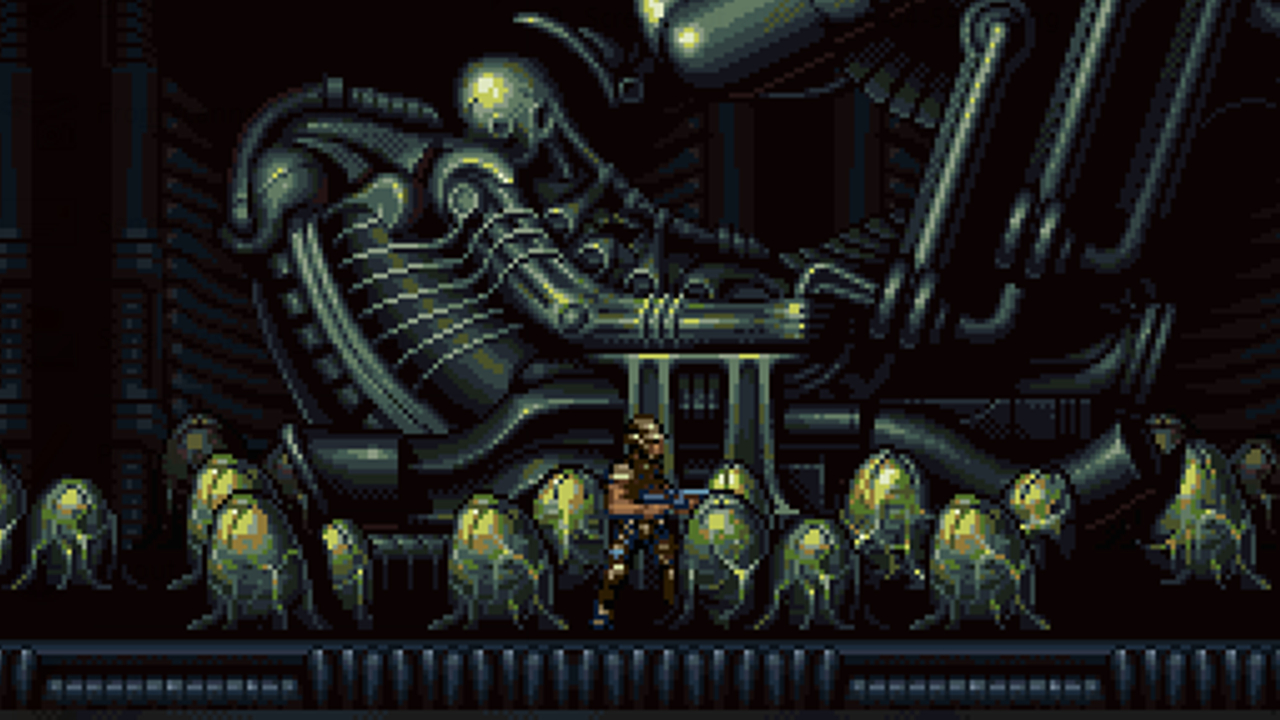
It was actually the Nintendo DS exclusive Aliens: Infestation — a gorgeous 2D sidescroller with a permadeath mechanic for squad members — that made him realize maybe there was a cool opportunity in trying to chronicle the entire history of Alien video games, including the overlooked ones.

(Image credit: SEGA)

"There's no book about Alien games. There was one about Doom, Nintendo, Star Trek... So why not Alien? I pitched it around, got a commission, wrote a book. It sounds easy when you say it like that." While he admits being a fan of the franchise helped, it wasn't easy, especially as he had to chase developers from disbanded studios for research.

"I was speaking to Dave Dorman, who's a comic book artist, and he was working on the cancelled CDI game Aliens Interactive, so he's quoted from archive material, but he and I were exchanging emails, and he was going to send me some concept work and answer some questions, but that never came off, unfortunately," he reveals. "I spoke to a couple of people for Alien: Isolation, but I didn't speak to [director] Al Hope. Sega were quite positive about it, and then they said 'actually no, you can't', and that may be because of the new Isolation game."

While those were notable misses for Diver, he also landed plenty of big shots too. "It was really cool to get someone like Tony Beckwith [producer on Alien 3 for SNES], who's retired, in there, and John Heap, who programmed the original Alien on ZX Spectrum, or Mark Eyles, who worked on Aliens: The Computer Game... There's 24 new interviews across the book in total, so yeah, happy with it."

Screenshot from the sci-fi horror video game

(Image credit: Sega)

After reading through the book myself, I must say it's a proper deep dive that, despite being full of illustrations and screenshots, still feels like a rather breezy read at under 200 pages.

It was a balancing act, Diver admits: "You gotta think about where the audience's interests are gonna lie. I could definitely write a lot more on the MSX Aliens, for example, but the reality is that not many people will know that game. It's nice to include, but I'm not that worried it's a smaller chapter next to something like Colonial Marines. It made sense to go deeper into the games that people played, but I wanted even the smallest chapters to have some sort of substance."

(Image credit: EA)

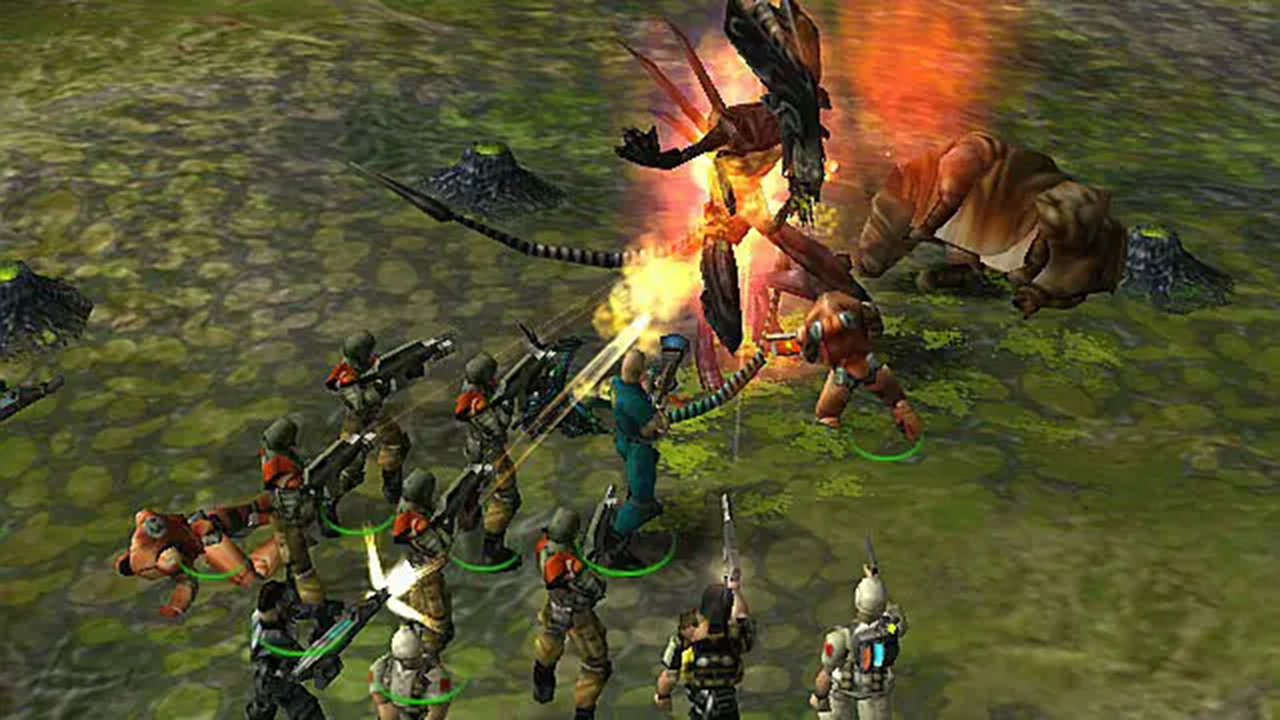
Diver and I also got to gush about weirder, more overlooked experiments like Aliens vs. Predator: Extinction for PS2 and Xbox, an off-beat real-time strategy game that wasn't released on PC. "I managed to get in touch with someone on that game; Jason Hough, a designer at Zono... They had totally worked on multiplayer for ages, and then it was all removed." The reason? Probably deadlines and the fact that "online play wasn't really a thing" in the console space back in 2003. (It wouldn't be long before it took off with titles like SOCOM and the Halo sequels.)

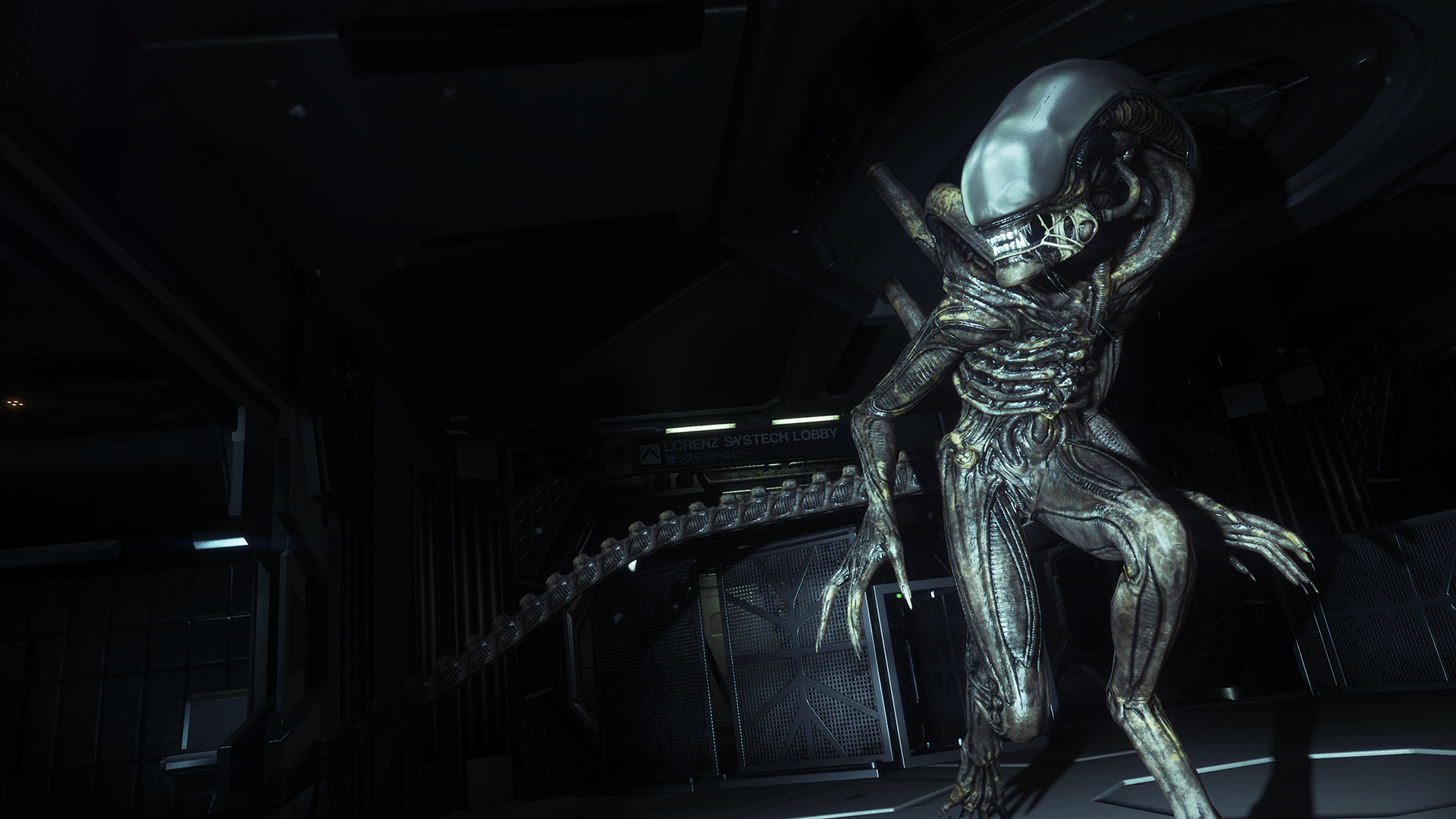
Speaking about the future of Alien video games, we have Fireteam Elite 2 right around the corner and Isolation 2 already being shown off. Diver admits he knows "quite a lot about the Isolation sequel" since "devs talk to devs", but the actual chapter in the book only quotes other people about what they think it'll be like. "It's a little bit annoying to sit on that because I thought there'd be more about that game out by the time this book's out... There are things about that game that I'm excited for people to see."

With all the movement around the IP right now — especially after Alien: Romulus and Earth revived a lot of interest in it — Diver wants to return and do more work on upcoming games. "It's quite a rich, fertile period for Alien games, and I'd really like to do more about them in the future."

(Image credit: LJN / SNES A Day)

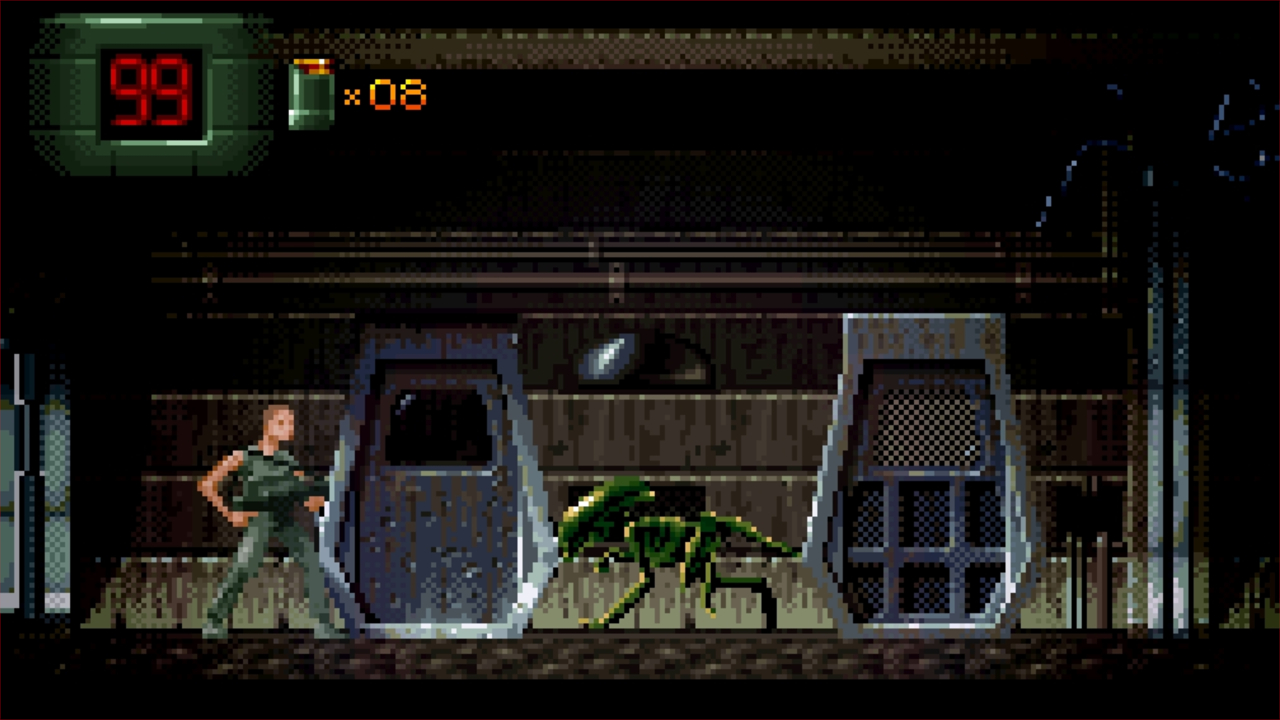
When asked about his favorite part of the book to put together, Diver returns to Alien 3: "That came really quickly, the combination of the Mega Drive and SNES ones, and then being able to speak to Jas Austin, who did the Game Boy version. I wasn't expecting to get anyone for the Game Boy one because credits back then weren't great. I had to dig around a bit."

The AvP (Atari Jaguar) chapter also came together fast according to Diver: "James Hampton was pretty cool as well... He was very responsive. It's lovely when an interviewee is sending you stuff and like really happy to talk more if I had any follow-ups."

I had to ask Diver about the 'ideal' way to go through his guide, which will no doubt push curious gamers to check out some forgotten Alien games one way or another. "It doesn't go from the early '80s through the 2000s in a straight linear, chronological way... Let's say Alien or Alien 3 is your favorite movie. You can go straight to that," explains Diver. "I'd love it if anyone who picks this up sees an Alien game and they go 'Maybe I'll go check that out' and find a way to play them."

(Image credit: Capcom)

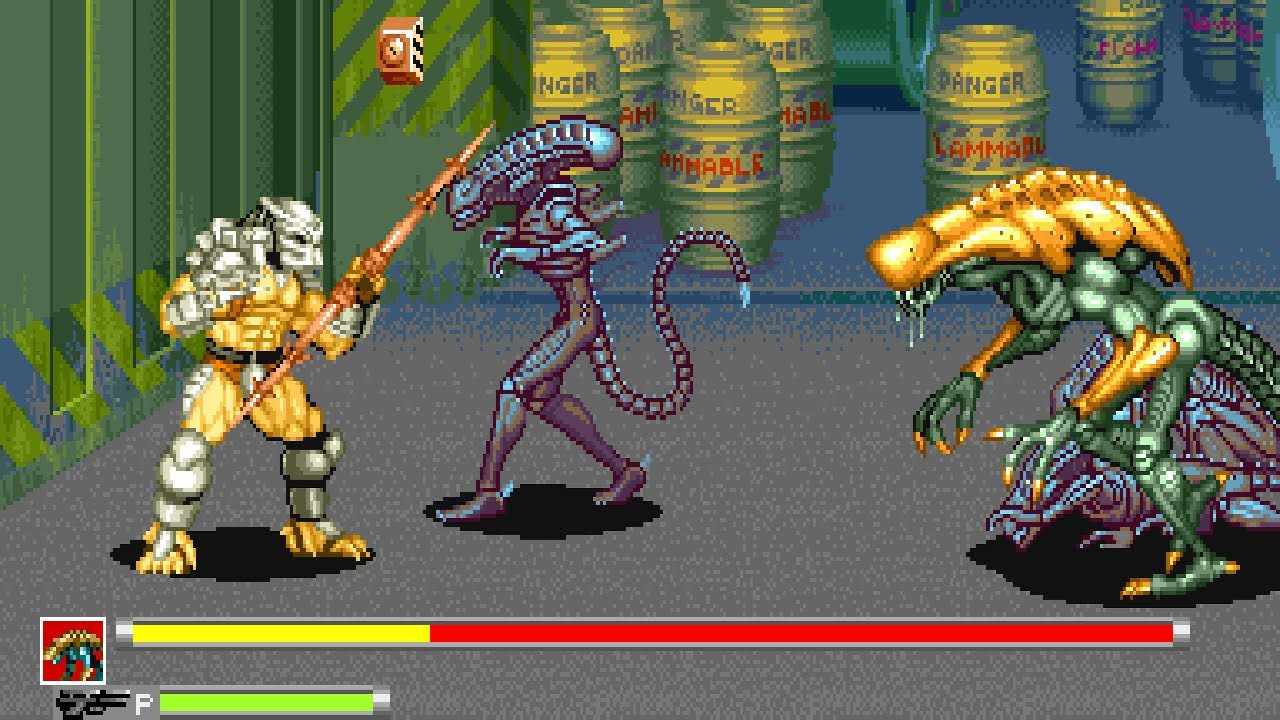
Before logging off, I also asked for his top three Alien games of all time. Diver went with Capcom's AvP (1994) for arcade machines, Aliens: Infestation, and Alien 3 on the SNES. "The Mega Drive one is quite punishing with its time limits... The SNES one is just a lot more methodical, and you can take your time, and the environment art is great. The game ends like Alien 3, so credit for that as well, 'cause the other ones didn't."

We don't get movie tie-ins like those anymore, but looking at what's next for Xenomorphs in video games, I'd say we mostly can't complain… mostly.

Aliens: The Video Games will be available where books are sold starting on August 30. You can pre-order it through Amazon right now.

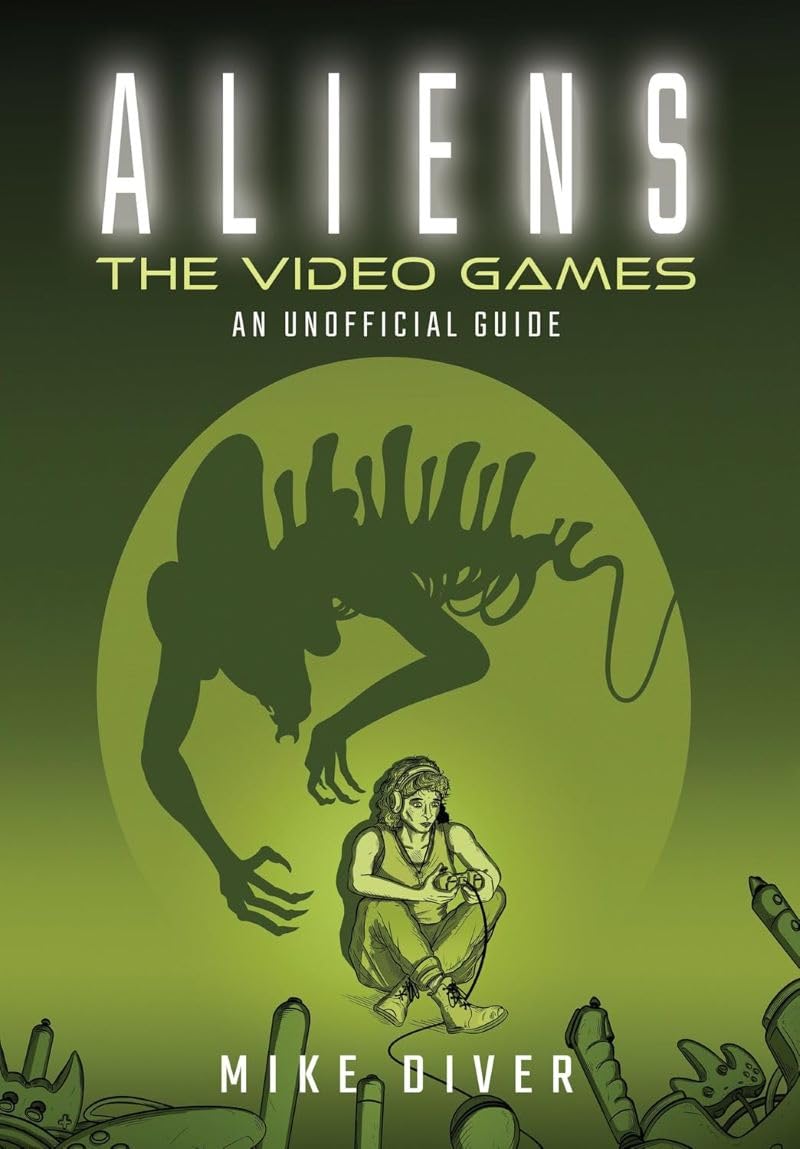
Aliens: The Video Games: An Unofficial Guide releases on August 30 (UK) and November 2 (US). It's available for pre-order now on both Amazon US and Amazon UK.

Aliens: The Video Games is the first complete history of interactive adventures based on the stunning sci-fi universe of the hit movie series and global multimedia franchise. View Deal

‘Ghosts of Mars’ at 25: Are we any closer to living on the Red Planet? We asked the experts

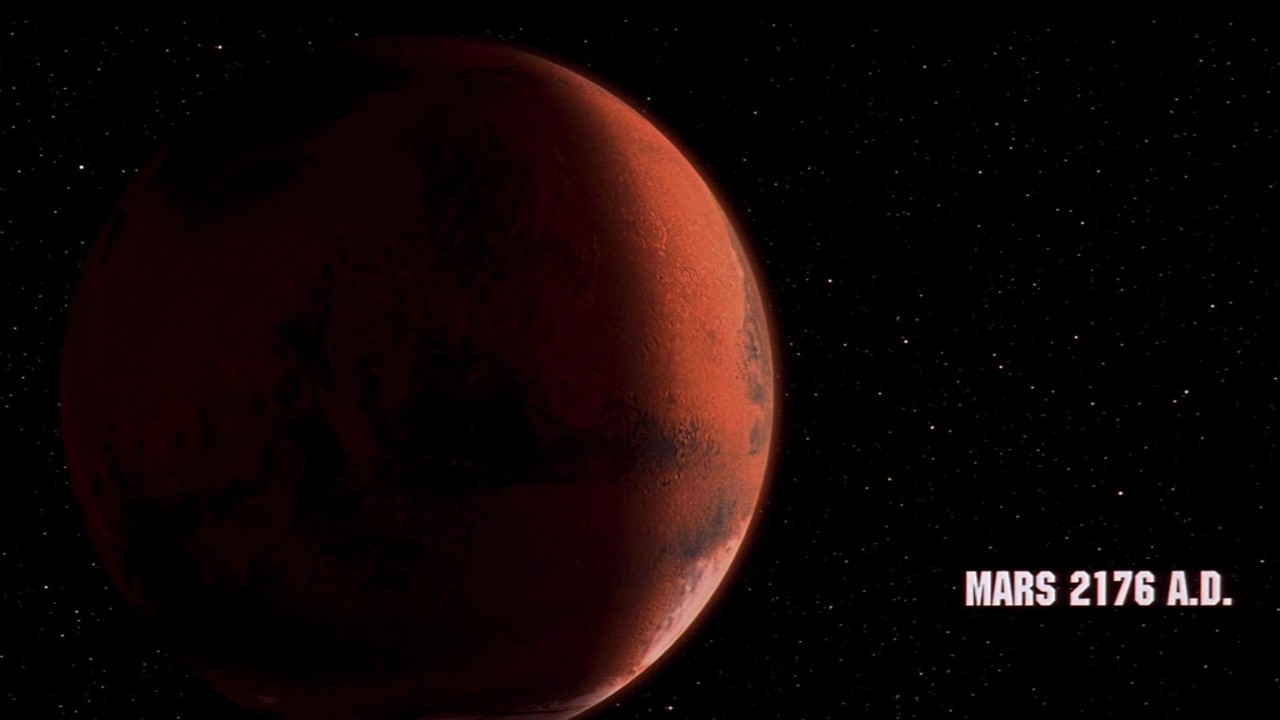
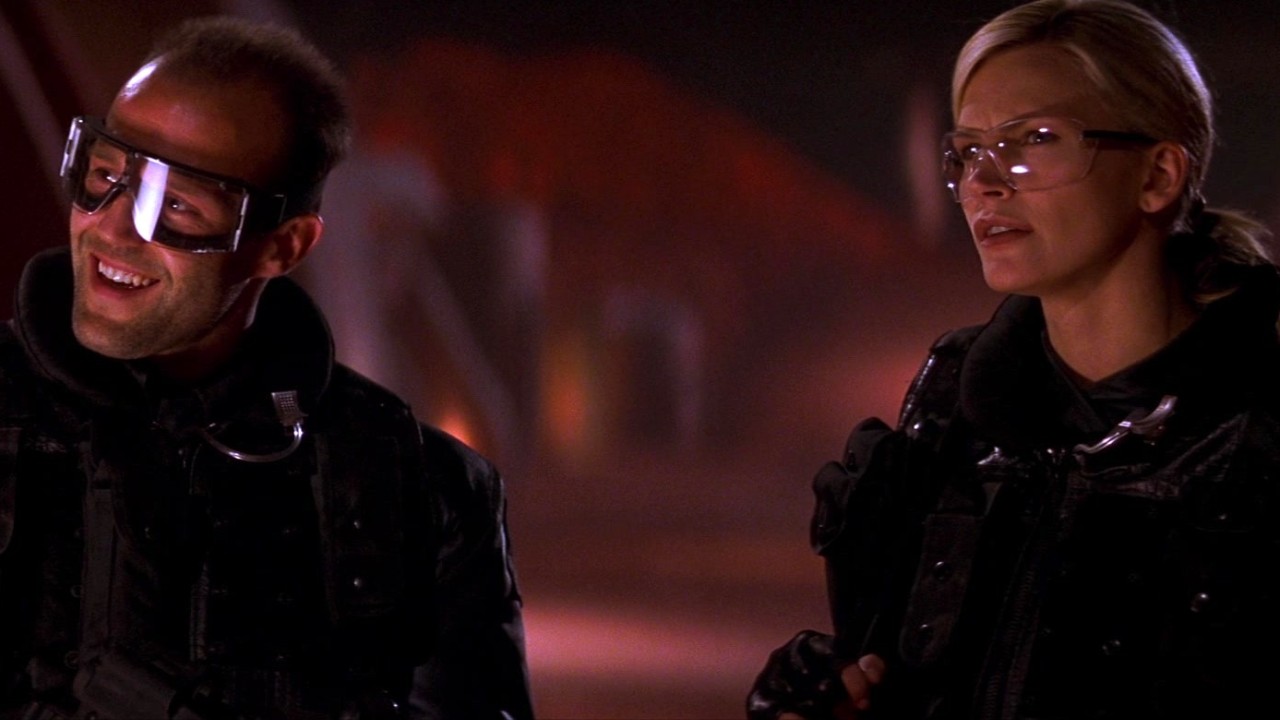
In August 2001, filmmaker John Carpenter said "Boo!" and unleashed "Ghosts of Mars" on the world. While not one of Carpenter's most revered works, it's still a neat sci-fi horror movie in which Mars has been terraformed – 84% terraformed to be exact – and inhabited by humans. Plus, it has Jason Statham and Ice Cube in it, so it's automatically 99% better than all other movies ever made.

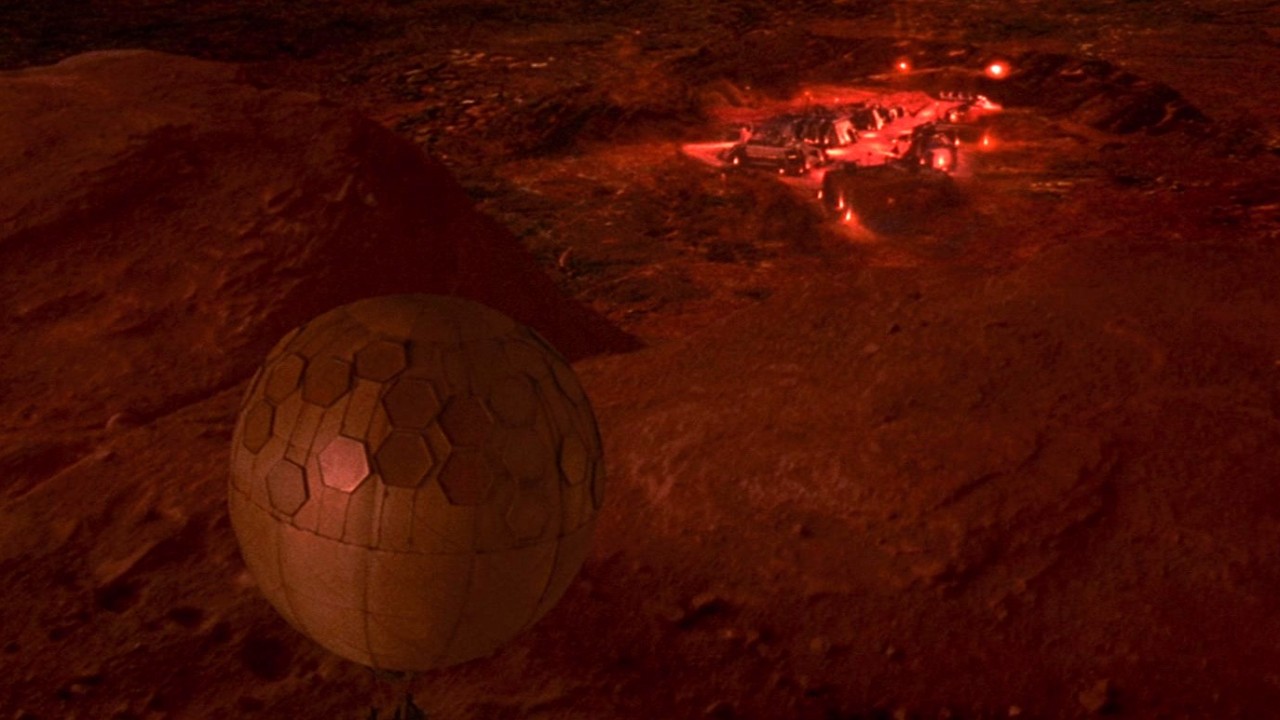
Now, the action takes place at Shining Canyon, a remote mining outpost on Mars that has a gritty wild west/Mad Max-ness vibe; it's cold, harsh, and so so so so soooooo dusty – not exactly a dream home location.

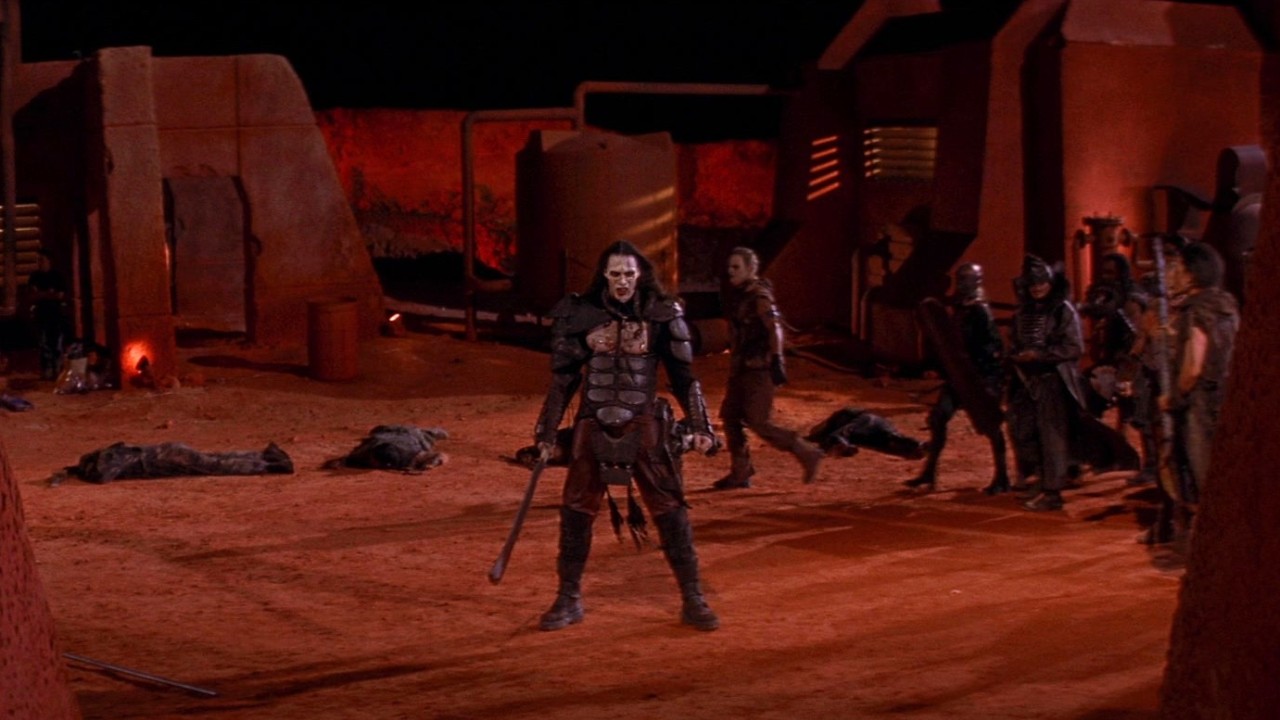
Then there's the whole "scary horde possessed by ancient extraterrestrial evil spirits trying to kill you" thing. But let's remove the spooky elements and put them aside for one second, and really consider the possibility of actually living on Mars. It's been 25 years since the movie was released, so how much closer are we to calling the Red Planet our new home?

Still from the movie Ghosts of Mars (2001).

(Image credit: Screen Gems)

Chief Scientist at the Planetary Society, Dr. Bruce Betts, isn't optimistic. "I don't think we're in a position to do global terraforming due to the technology and lack of resources. The papers indicate now you have only a tiny fraction of carbon dioxide, and then there's just the political and economic reality of it. Any method I've ever heard of is really outrageously expensive over time, and you would have to have multi-year, multi-generational support for programs at a high level. You'd have the whole world having opinions on whether you could or should do it. Then there's also the planetary protection agreements that many countries have agreed to. But the lack of carbon dioxide is the showstopper, really." Even in the movie, they're still 10 years away from having air like we do on Earth.

Dr. Mark Gallaway, an astronomer, science pundit, and founder of Starlight Planetarium, also mentions the cost and carbon dioxide issues as major obstacles, as well as two other challenges that may make attempts to live on Mars near impossible. "There have been enclosed habitats we've built on Earth. A number of times external teams have had to go in and break groups up, because there have been fistfights [...] so that's going to be a long-term problem." And that’s probably going to be an extra big problem when people are cooped up at a remote mining outpost.

Still from the movie Ghosts of Mars (2001).

(Image credit: Screen Gems)

"The other big problem is we have no idea how human physiology works at 0.38G. The only way we could do 0.38 of a G is to have some kind of spin habitat and have people live there. So, without actually knowing what that surface gravity is going to do to us, it's a bit tricky. We might find that they're on Mars for a year, and when they come back, they can't function anymore."

Recent studies about the state of Mars haven't been too promising either. Betts views Bruce Jakosky and Christopher Edwards' 2018 research paper, where it explicitly states "terraforming Mars is not possible using present-day technology," as the biggest reality check.

"The Jakosky and Edwards paper about CO₂ makes me very negative," Betts says. "There have been thoughts of using exotic technologies, such as nanorods and aerogel, but even with the aerogel, I believe they're talking about using it to create localized domes, and you'd create the interior of that and try to terraform it. It's certainly more plausible than doing the whole planet, but still seems like [there are a lot of implications]. [...] People are coming up with new, nifty technologies, but I just don't see how they can be implemented, even if they did work."

Still from the movie Ghosts of Mars (2001).

(Image credit: Screen Gems)

Science fiction tends to depict Mars as a possibility for human occupation, but Gallaway points out another big blow for any terraforming ambitions: "We've made recent discoveries that the soil on Mars is actually quite toxic to life. So the scene in 'The Martian' where Mark Watney grows potatoes? That's just not possible. It means if you're going to colonize Mars, you're going to have to bring all your topsoil, which is a big problem."

In addition to all of this, there are the ethical dilemmas that need to be addressed. Astronomer, teacher, and author Dr. Jeffrey Bennett wrote "Life in the Universe" along with Seth Shostak, Nicholas Schneider, and Meredith MacGregor.

In the book, there's a section that discusses introducing greenhouse gas to the Martian atmosphere in order for humans to walk around without a spacesuit. However, this leads to serious questions about the effects of colonization and whether humans have the right to fundamentally change another planet's atmosphere and potentially wreck it for other possible lifeforms already living there. Remember, "it's their planet… we are the aliens."

Still from the movie Ghosts of Mars (2001).

(Image credit: Screen Gems)

For Bennett, he questions whether terraforming Mars is even an option if humans can't get their own house in order: "Given that we can't even seem to keep Earth's climate functioning the way we'd like it to – for example, global warming is making the climate worse for humans and other life – I find it difficult to believe that our present level of knowledge would allow us to turn an inhospitable place like Mars into a livable world. Perhaps this may become possible in the future, but certainly not before we first learn how to take care of our home planet's climate."

Clearly, living on Mars isn't possible at the moment, but "Ghosts of Mars" takes place in the future, so we still have time because who knows what scientific advancements await us? Alas, experts tend to agree that it's unlikely to happen by 2176 at this current rate, though developments could happen: "I think that people will continue researching on the small scale of things you could do, but I don't think we're going to be any closer to terraforming Mars in reality by 2176 than we are now," Betts says. So, I guess you could say we "don’t stand a ghost of a chance."

Still from the movie Ghosts of Mars (2001).

(Image credit: Screen Gems)

Gallaway suggests an interesting alternative to terraforming Mars, or any other planet: "From a personal point of view, I actually think we should be looking at space habitats rather than planet-based habitats. Get to what we call an M-type asteroid: [...] Get the platinum group metals out, sell those, then spin the asteroid up, and you can live on it – inside at 1G. I'm a big fan of the late Iain M. Banks and his science fiction, where virtually everybody is living in inhabitable orbital structures, because it's easier to make the environment than it is to change it."

Hmm… Gallaway may have just pitched the perfect sequel. Yeah, "Ghosts of the Asteroid" sounds decent, doesn't it? Just as long as Statham somehow returns and punches everything in sight.

Watch "Ghosts of Mars" on Prime Video or Apple TV.

‘Project Hail Mary’ and ‘The Martian’ author Andy Weir is headed back to outer space, but not how you’d expect

Amiable sci-fi author Andy Weir, the New York Times bestselling author of "The Martian," "Artemis," and "Project Hail Mary", is embarking on an entirely new imaginative odyssey later this year.

It's not exactly another sci-fi book, though; It's an audiobook, and Weir is foregoing sole authorship of the project and instead co-shepherding this captivating space opera drama for the folks at Audible.

Arriving on Nov. 5, 2026, "Exoplanet" is an ambitious celestial thriller written by comic book veteran and acclaimed author Benjamin Percy ("Red Moon"), executive produced by Weir, and showcasing a stellar vocal cast that includes Anthony Mackie, the Oscar-winning Ariana DeBose, and John Leguizamo.

"When the starship Wild Blue Yonder is torn apart by a quantum anomaly, each surviving crew member crash-lands in a different era on the same deadly exoplanet — hunted, alone and running out of time," states the official synopsis.

"Chief Engineer Jeff Shaw (Anthony Mackie), aided by his virtual assistant, must battle an unforgiving present, driven by one thing: getting home to his daughter. First Officer Becca Bang (Ariana DeBose) fights to survive a hostile alien past. Science Officer Logan Bowers (John Leguizamo) wakes in a machine-ruled future that shouldn’t exist.

"But the anomaly wasn’t random. A relentless alien intelligence is feeding on human technology, and it's been waiting for them across every timeline. Separated by centuries, the crew must find a way to communicate across time itself before this world consumes them all. Blending heart-stopping action with the mind-bending science that Andy Weir is known for, 'Exoplanet' explores what it means to fight for humanity’s future when your own existence hangs in the balance."

"Exoplanet" brings together a strong creative crew and highlights sound design by Lucasfilm's Skywalker Sound, along with an original soundtrack by composer Rob Cairns ("Love, Death & Robots," "Secret Level").

Additional vocal performers include Cherry Jones ("Succession," "The Handmaid’s Tale"), Sufe Bradshaw ("Veep," "Vice"), Charlie Plummer ("The Long Walk," "Lean on Pete"), Ray Porter (Audible's "Project Hail Mary," "The Bobiverse") and Aida Osman ("Rap Sh!t").

Andy Weir attends

Andy Weir attends "Project Hail Mary" New York premiere at Lincoln Center on March 18, 2026 in New York City (Image credit: Getty Images (Dimitrios Kambouris))

"I'm obsessed with problems, the kind where one person and a lot of math are all that stand between survival and disaster," Weir explained in an Audible statement.

"Benjamin Percy's writing in 'Exoplanet' takes that and adds a twist that genuinely kept me up at night: What if the people trying to save each other were separated not by distance, but by centuries? You can’t see that story. You have to hear it. The crackle across a 500-year gap, the desperation in a voice that doesn't know if anyone’s still listening?"

We'll be listening, Andy! We'll definitely be listening!

Audible’s sci-fi audio drama, "Exoplanet," lands on Nov. 5., 2026.

New ‘Star Trek’ documentary featuring William Shatner hits theaters this fall, celebrating 60 years of Trek

The "Star Trek" franchise's 60th anniversary is coming straight at us warp speed and will be arriving on Sept. 8, 2026. "Trek" faithful from around the globe are expected to pause and salute this space fantasy institution created by Gene Roddenberry in whichever way they deem appropriate.

The celebration has already begun earlier this year at the 2026 Rose Parade and will accelerate past September and into the fall, where there’ll no doubt be 40th anniversary screenings of "Star Trek IV: The Voyage Home" and 30th anniversary tributes to "Star Trek: First Contact" in November, amid a galaxy of other 'Trek'-centric events and retrospectives.

William Shatner's innumerable contributions to the "Star Trek" universe are as infinite as the heavens, and to add to the historic occasion’s festivities, he's co-executive produced a new documentary about the show's history and impact.

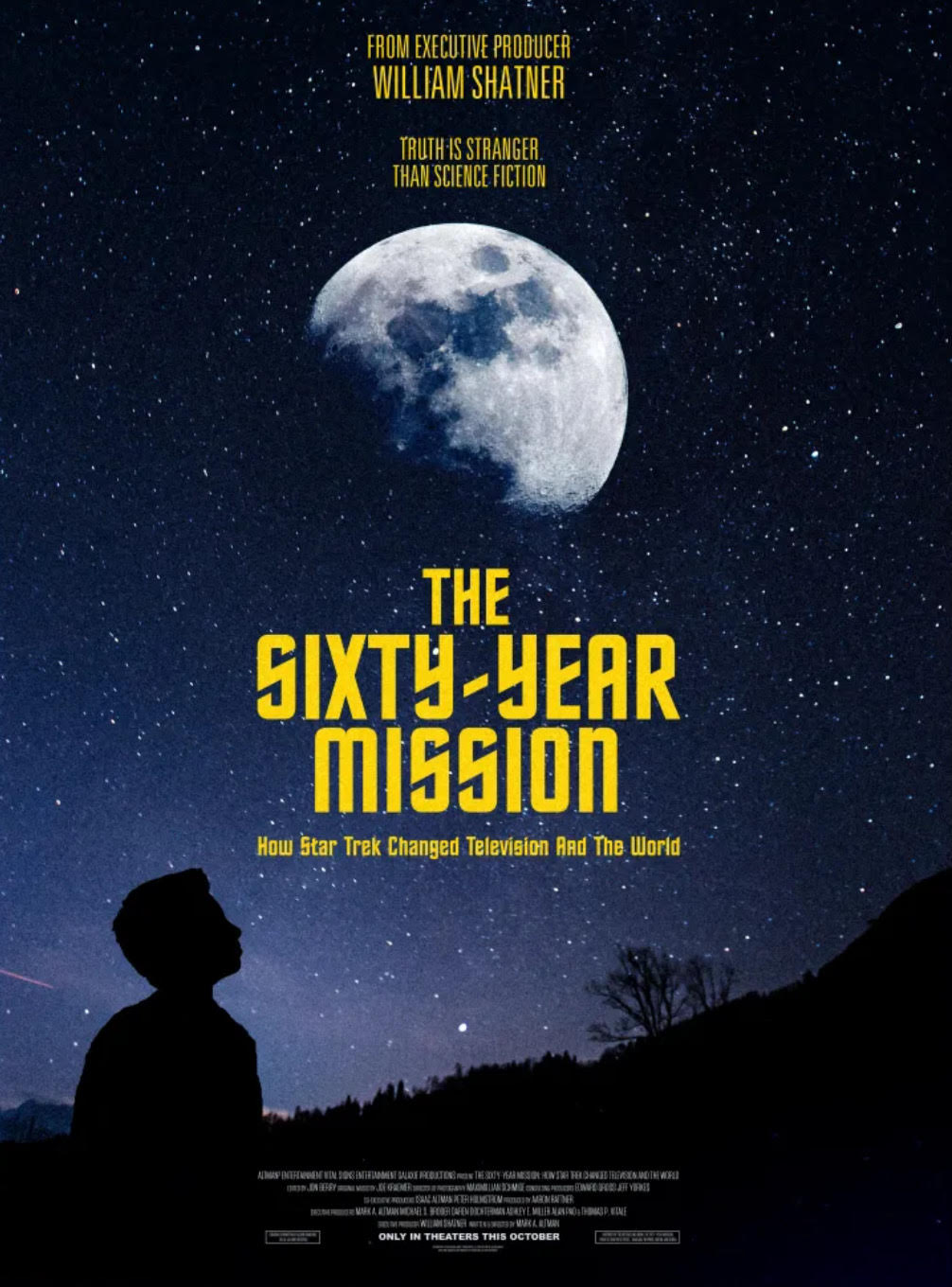
Titled "The Sixty-Year Mission: How Star Trek Changed Television And The World", the documentary will launch exclusively into Regal Cinemas beginning on Oct. 9, 2026.

a night sky image as the backdrop of a sci-fi documentary poster

Executive produced by William Shatner, "The Sixty-Year Mission" lands in theaters on October 9, 2026. (Image credit: Galaxie Pictures)

Written and directed by Mark A. Altman ("Star Trek: The Fifty-Year Mission") in association with Michael S. Broder of Galaxie Pictures, "The Sixty-Year Mission" will focus on the rare combination of creative genius, epic struggles, personal conflicts, and indefatigable spirit that caused the cosmic tumblers to align and birth "Star Trek: The Original Series" in 1966.

"This film is a love letter to 'Star Trek,'" Altman told Deadline. "I’m immensely grateful to Regal to offer this gift to fans for the show’s 60th birthday. I'm confident that the film will appeal both to longtime fans of the franchise as well as new viewers who might be wondering what the unique alchemy of this pop culture icon is really about."

"The Sixty-Year Mission" burrows into the genesis of the seminal TV series that, against all odds, forever altered the landscape of small screen science fiction and ushered in a true classic.

It's brimming with archival footage and fresh insights from "The Original Series" luminaries William Shatner, Walter Koenig, and George Takei, as well as visits with Gene “Rod” Roddenberry, Jr., Jonathan Frakes, Brent Spiner, Gates McFadden, Ethan Peck, Robert Picardo, Christina Chong, and Denise Crosby.

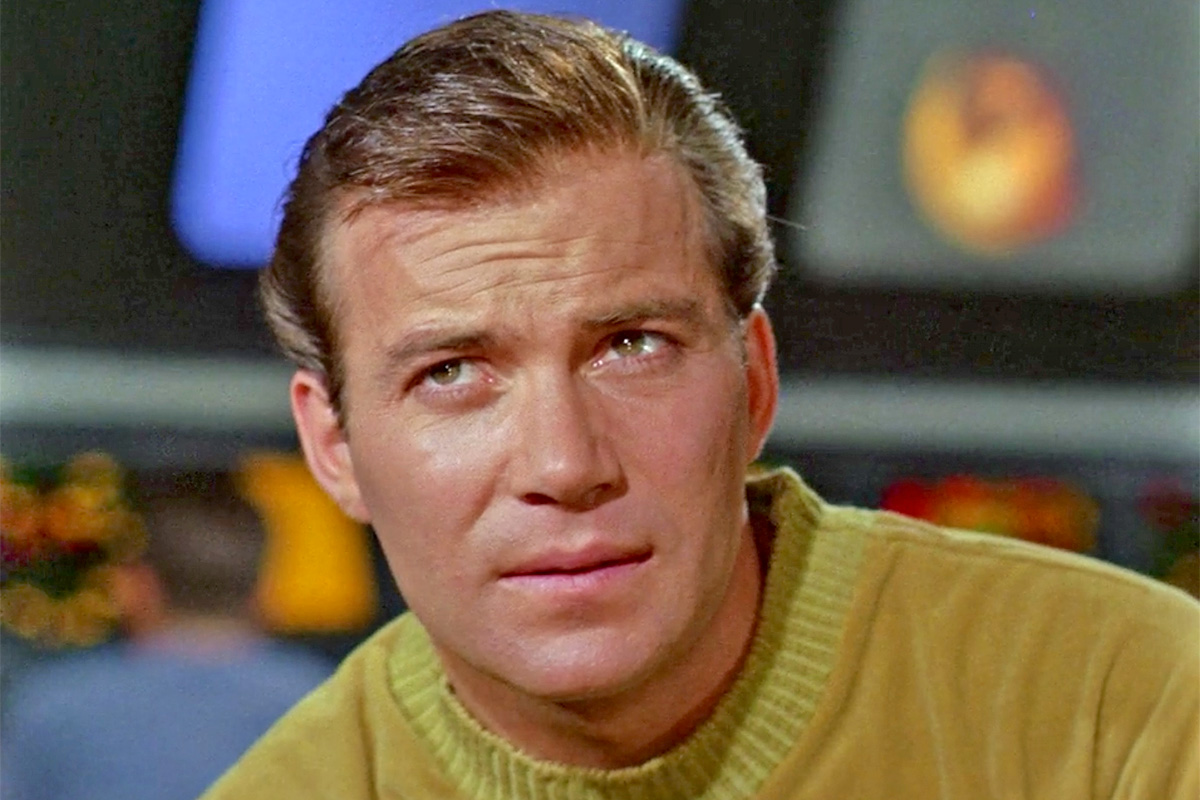
William Shatner as James T. Kirk in

William Shatner as James T. Kirk in "Star Trek: The Original Series" (Image credit: Paramount)

“"We could not be more excited to partner with Regal to ensure that fans have a chance to see this remarkable film honoring the incredible 60-year legacy of 'Star Trek,'" adds Broder. "I am delighted to join forces with William Shatner and many of the franchise’s greatest stars and creatives to bring this film to theaters. And since every birthday deserves a party, we’ll be bringing key 'Star Trek' talent to theaters for exclusive Q&A’s."

Except for the two-part pilot, "The Menagerie," Shatner appeared as the USS Enterprise's Captain James T. Kirk in every one of "Star Trek: The Original Series"' 79 episodes over three seasons and forged a palpable bond with viewers that helped forge "Star Trek's" legacy. His involvement with this documentary at the age of 95 gives the project a definite luster.

"The Sixty-Year Mission" will dock in Regal theaters starting Oct. 9, 2026.