Things aren't going so well for NASA's latest satellite rescue mission.
NASA launched the Swift Boost mission on July 3, sending a specialized spacecraft to low Earth orbit on a Northrop Grumman air-launched Pegasus XL rocket. The spacecraft is called LINK and was built by Arizona-based Katalyst Space Technologies. LINK was sent to orbit to try and link up with NASA's Swift observatory, a highly successful scientific satellite designed to search for gamma-ray bursts, some of the most energetic events in the universe.
But it looks like just a few weeks after launch, LINK is experiencing some issues. "Katalyst's LINK servicing spacecraft experienced issues with attitude control, causing the spacecraft to spin and resulting in sporadic communications," NASA wrote in an update on Tuesday (July 28). Despite the malfunction, however, the space agency says the rest of the spacecraft is functioning normally and remains in otherwise good health.
According to preliminary analysis of the issue, two of the LINK spacecraft's three reaction wheels are not operating. In addition, there is "some loss of functionality" in LINK's cold gas thruster system.
The failure with the LINK spacecraft's reaction wheel is slightly ironic, given that the Swift observatory itself once had issues with its own reaction wheels. In 2022, NASA placed the observatory in safe mode when one of its reaction wheels caused minor issues with the spacecraft's movements.
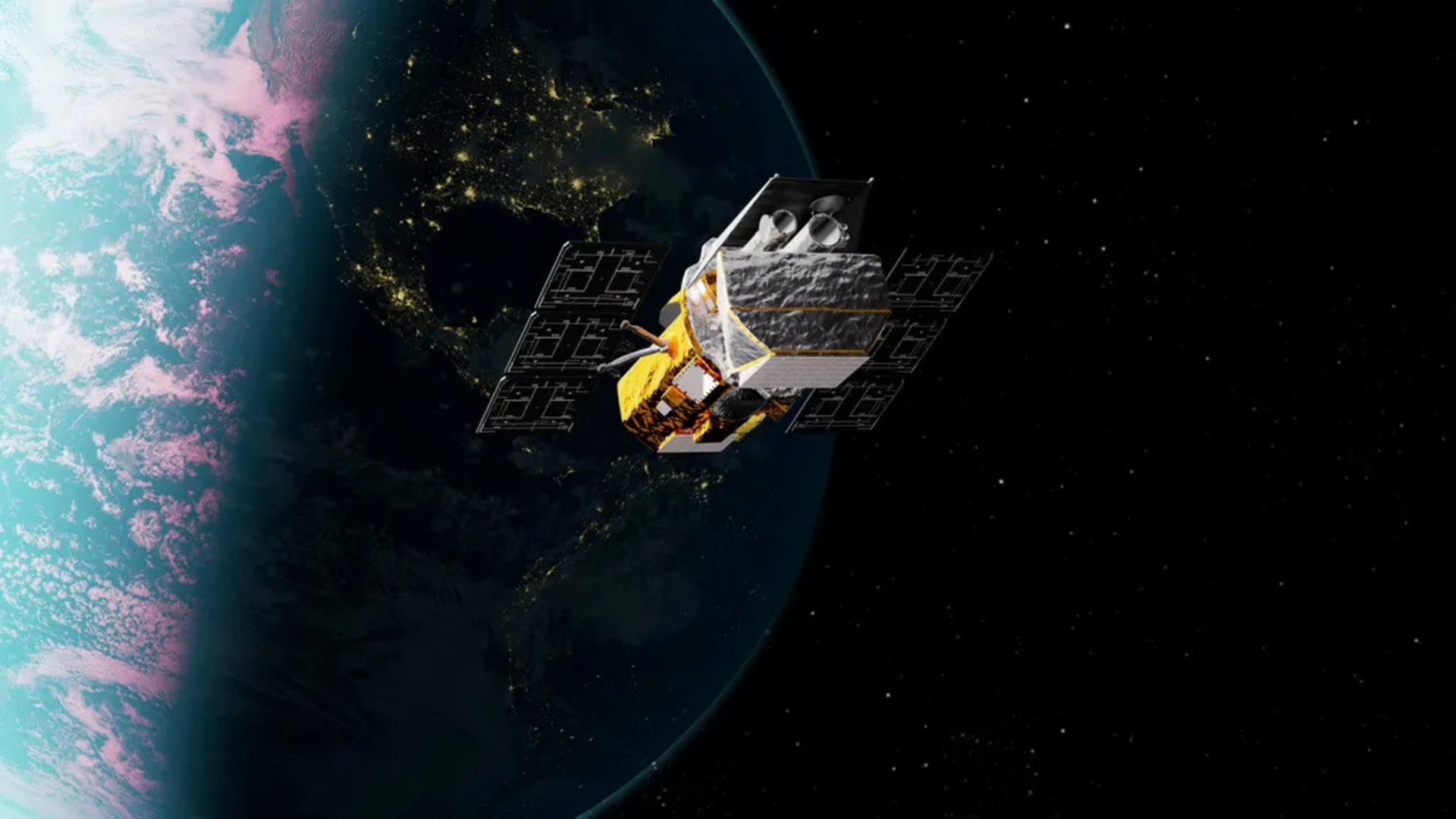
NASA's Neil Gehrels Swift Observatory, shown in this artist's concept, orbits Earth as it studies the ever-changing universe. (Image credit: NASA’s Goddard Space Flight Center Conceptual Image Lab)
Mission teams will now try to use the spacecraft's electric propulsion system to stop the spinning and regain control. If that can be done, NASA and Katalyst will then have to evaluate if the mission can proceed as planned.
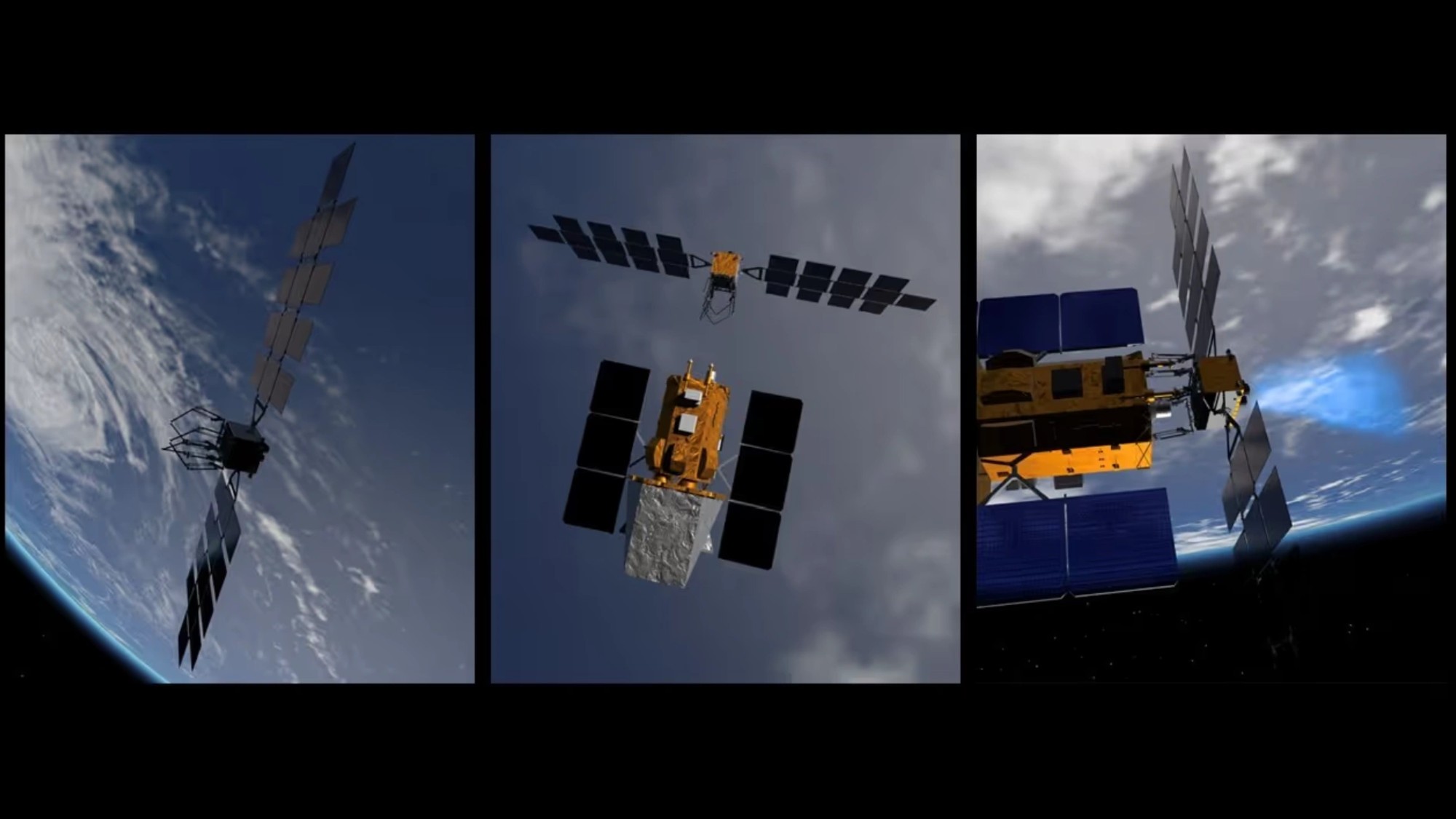
Swift's orbit has been decaying for years, and the observatory is unable to boost its orbit on its own. Thus, LINK was designed to meet up with Swift in low Earth orbit and spend some time studying the observatory to determine how best to grab onto it with three robotic arms. Once it has linked up with Swift, LINK should be able to use its own thrusters to boost the observatory to a higher orbit and extend Swift's life.
Artist's illustration of Katalyst Space Technologies' Link servicing spacecraft approaching and capturing NASA's Swift space observatory on an orbit-boosting mission. (Image credit: Katalyst Space Technologies)
The Swift observatory, officially known as the Neil Gehrels Swift Observatory, was launched in 2004 at a cost of $250 million. The Swift Boost mission only cost NASA $30 million.
Over the last 22 years, Swift has been searching the sky for gamma-ray bursts and other high-energy astrophysics phenomena in the cosmos. In 2022, the observatory spotted a gamma-ray burst nicknamed the "BOAT," short for Brightest of All Time. At the time of discovery, it was the most powerful space explosion ever seen.
SpaceX launched a secret reconnaissance mission for the U.S. government early on Thursday morning (July 30).
A Falcon 9 rocket lifted off from Florida's Cape Canaveral Space Force Station on Thursday, kicking off the mission for the U.S. National Reconnaissance Office (NRO) called NROL-95.
The launch occurred at 3:10 a.m. EDT (0710 GMT).
A SpaceX Falcon 9 rocket launches the NROL-95 mission for the National Reconnaissance Office from Cape Canaveral Space Force Station in Florida on July 30, 2026. (Image credit: SpaceX)
We know very little about NROL-95; the NRO, which operates the country's fleet of spy satellites, has provided no details about the payload or its activities.
The agency has revealed the NROL-95 mission patch. It depicts a snarling ferret with a nighttime sky in the background and the words "We are the Champions" on the emblem's lower border.
"The ferret, a clever creature, embodies agility and resilience — key traits for exploration. Its confident grin and bright eyes reflect a spirit of victory in a realm where determination meets adventure," NRO officials said in an NROL-95 mission description.
"The bold phrase 'We are the Champions' encapsulates the camaraderie and pride shared among those on this purposeful mission," they added.
The patch for the U.S. National Reconnaissance Office's NROL-95 mission. (Image credit: NRO)
NROL-95 was the fourth NRO launch of 2026. The other three — NROL-105 in January, NROL-172 in May and NROL-179 in June — also flew aboard Falcon 9s, but from Vandenberg Space Force Base in California.
Those three other missions were devoted to building out the NRO's "proliferated architecture" constellation, which will consist of hundreds of relatively small, cost-efficient reconnaissance satellites in Earth orbit.
On Thursday, the Falcon 9's first stage came back to Earth for a landing at Cape Canaveral about 8.5 minutes after liftoff. It was the seventh mission for this particular booster, according to a SpaceX mission description.
SpaceX cut off its livestream shortly thereafter, at the request of the agency.
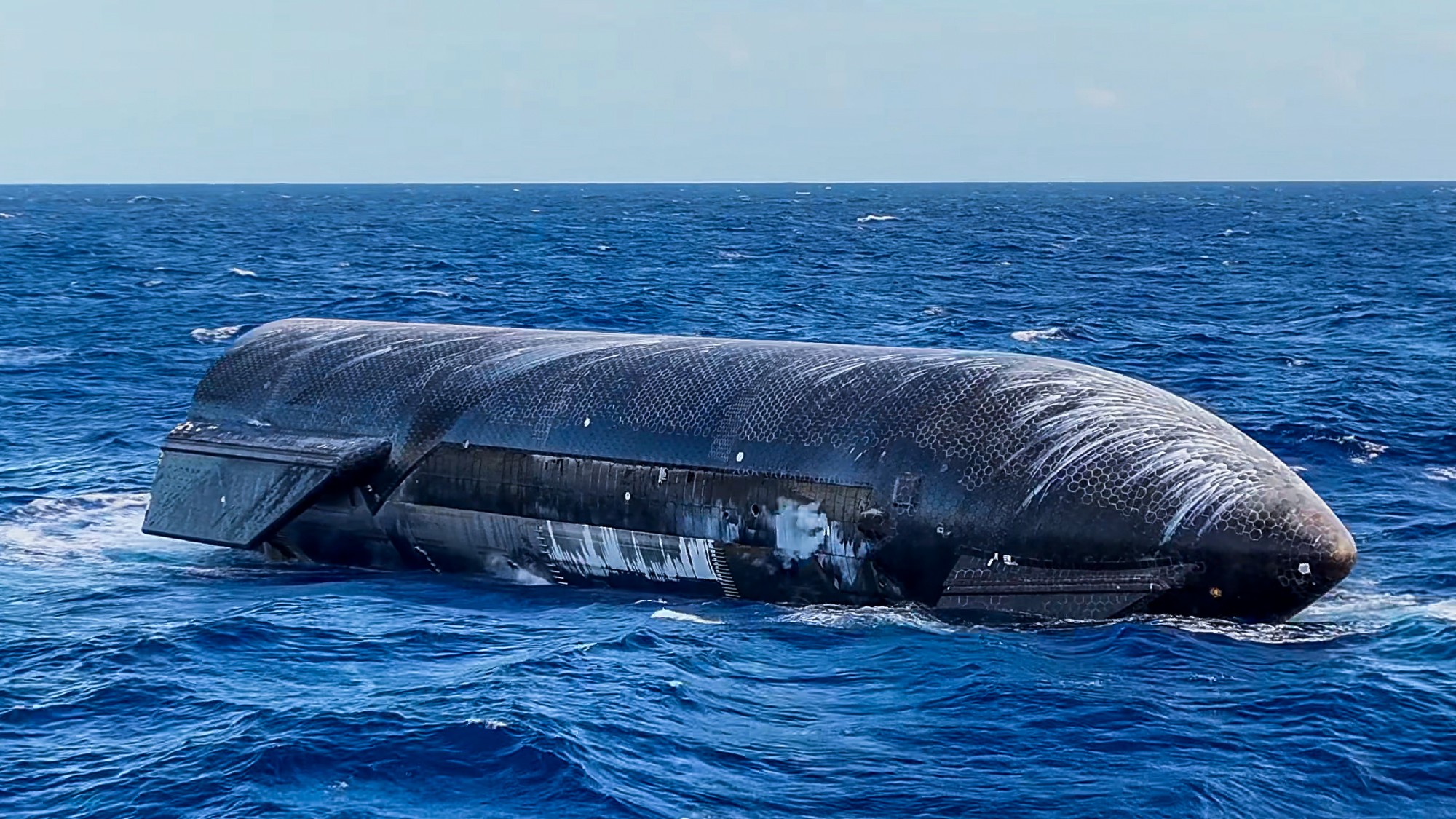
SpaceX's Starship Version 3 floats on the Indian Ocean on July 28, 2026, days after splashing down on the vehicle's Flight Test 13 on July 24. (Image credit: SpaceX via X)
SpaceX's Starship V3 looks absolutely seaworthy in this new photo taken days after its most recent flight test.
What is it?
SpaceX launched its Starship vehicle on July 24, sending the 408-foot-tall (124-meter) Starship Version 3 (V3) rocket on a suborbital trajectory that saw the rocket's upper stage make its softest splashdown yet.
In fact, the landing was so smooth that Starship is still floating off the coast of Western Australia. SpaceX shared the photo of Starship on Tuesday (July 28), posting on X that the vehicle is "still afloat in the Indian Ocean."
The scorch-streaked 171-foot (52-meter) Starship upper stage resembles an orca or a submarine in the photo, resting mostly out of the water.
Why is it incredible?
It wasn't just the splashdown that was so stunning. Video taken from aboard Starship and from the Starlink satellites that were deployed alongside the upper stage during Flight Test 13 truly looks like the stuff of sci-fi.
Starship, which consists of SpaceX's Super Heavy booster and the somewhat-confusingly-named upper stage known as Starship (or Ship), is designed to be rapidly reusable. That means, if all goes according to plan, SpaceX will eventually be able to land both stages and have them refueled, inspected and ready for flight again in a matter of days.
But there are still major hurdles to cross before that goal is ever reached. SpaceX will have to figure out how to make Starship's heatshield more durable and reusable, a feat some experts call a "dead-end for all missions that require full and rapid reusability," according to Ars Technica.
Nevertheless, having a fully intact second stage rocket floating on the ocean four days after a flight test is quite a feat.
SpaceX launched 24 more satellites for its Starlink network on Saturday (July 25), a day after demonstrating it could do the same on its next-gen rocket.
The launch marked the eighth flight of the Falcon's 9 first stage (Booster 1100), which touched down on the "Of Course I Still Love You" droneship, stationed in the Pacific Ocean.
The successful launch raised the total number of active Starlink satellites to 10,865, according to satellite tracker Jonathan McDowell. That number had been 20 units higher for about 20 minutes on Friday, when SpaceX conducted a deployment and operations trial during the 13th test flight of its Starship launch vehicle.
The Starship test was planned to be short-lived but was successful in providing data to support NASA's decision to fly Starlink systems on its Artemis III crewed mission to LEO, which is scheduled to fly next year.
Saturday's launch was SpaceX's 87th Falcon 9 mission of the year.
The 13th test flight of SpaceX's Starship megarocket went pretty well — and provided some amazing visuals, too.
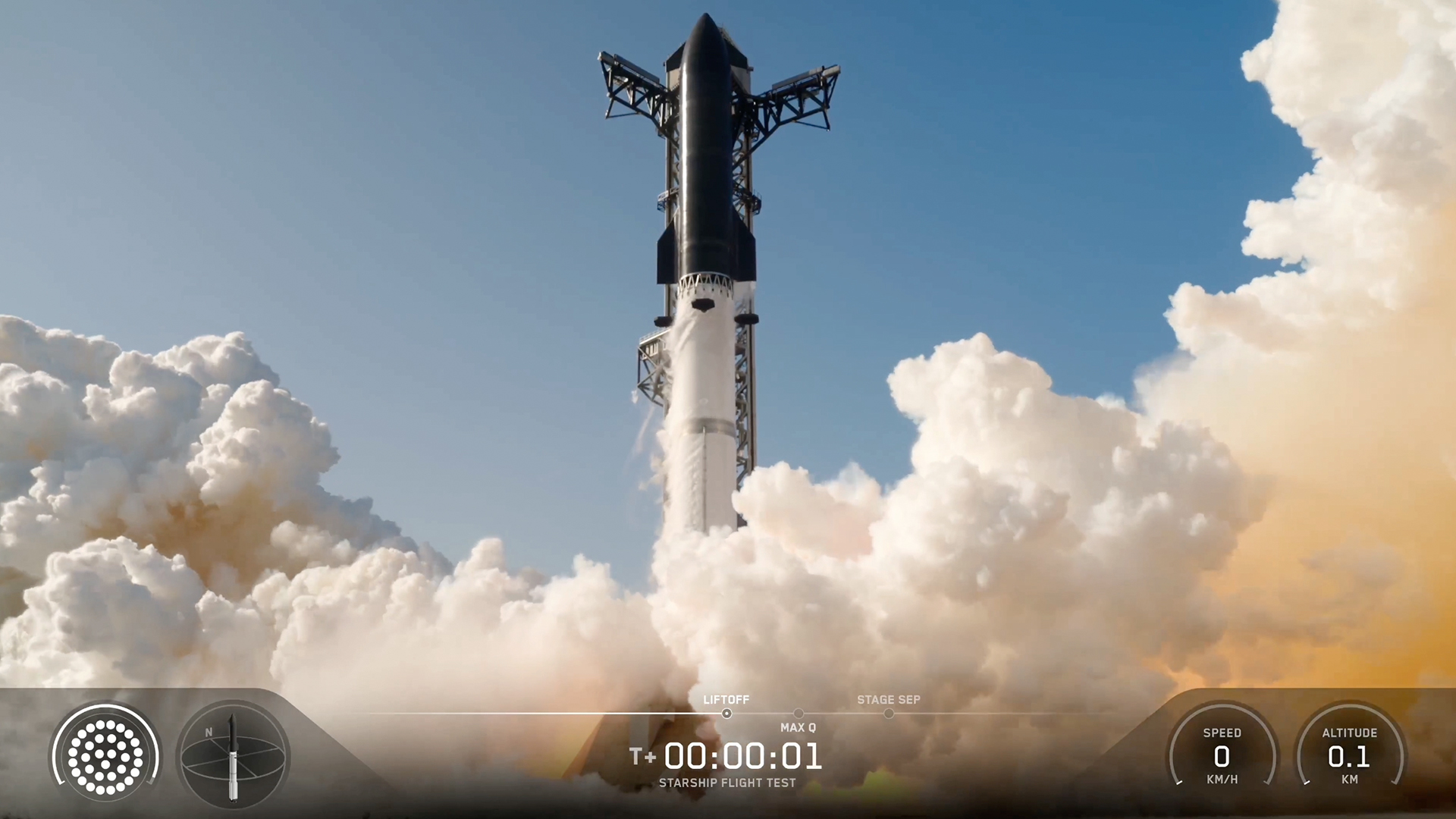
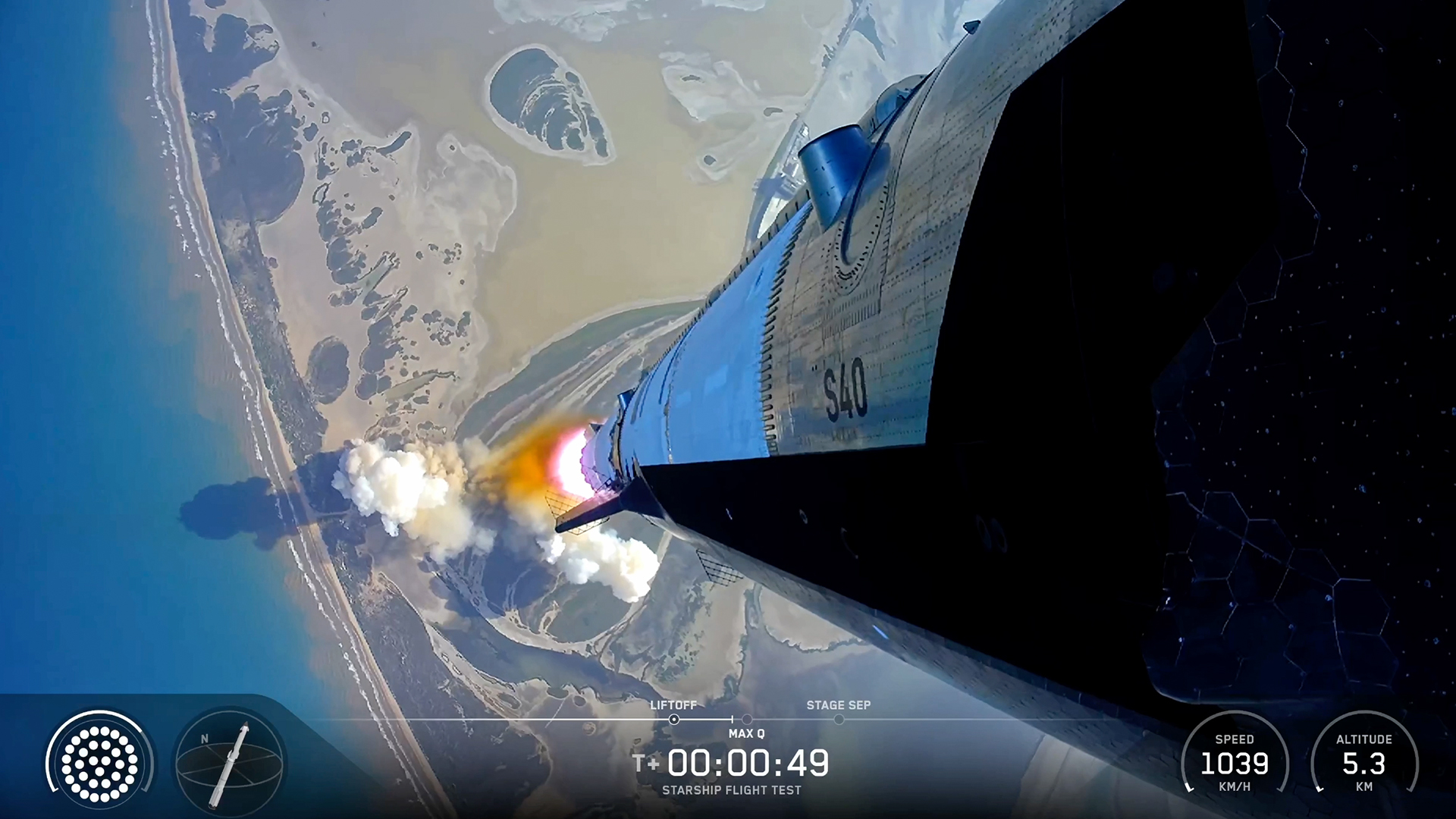
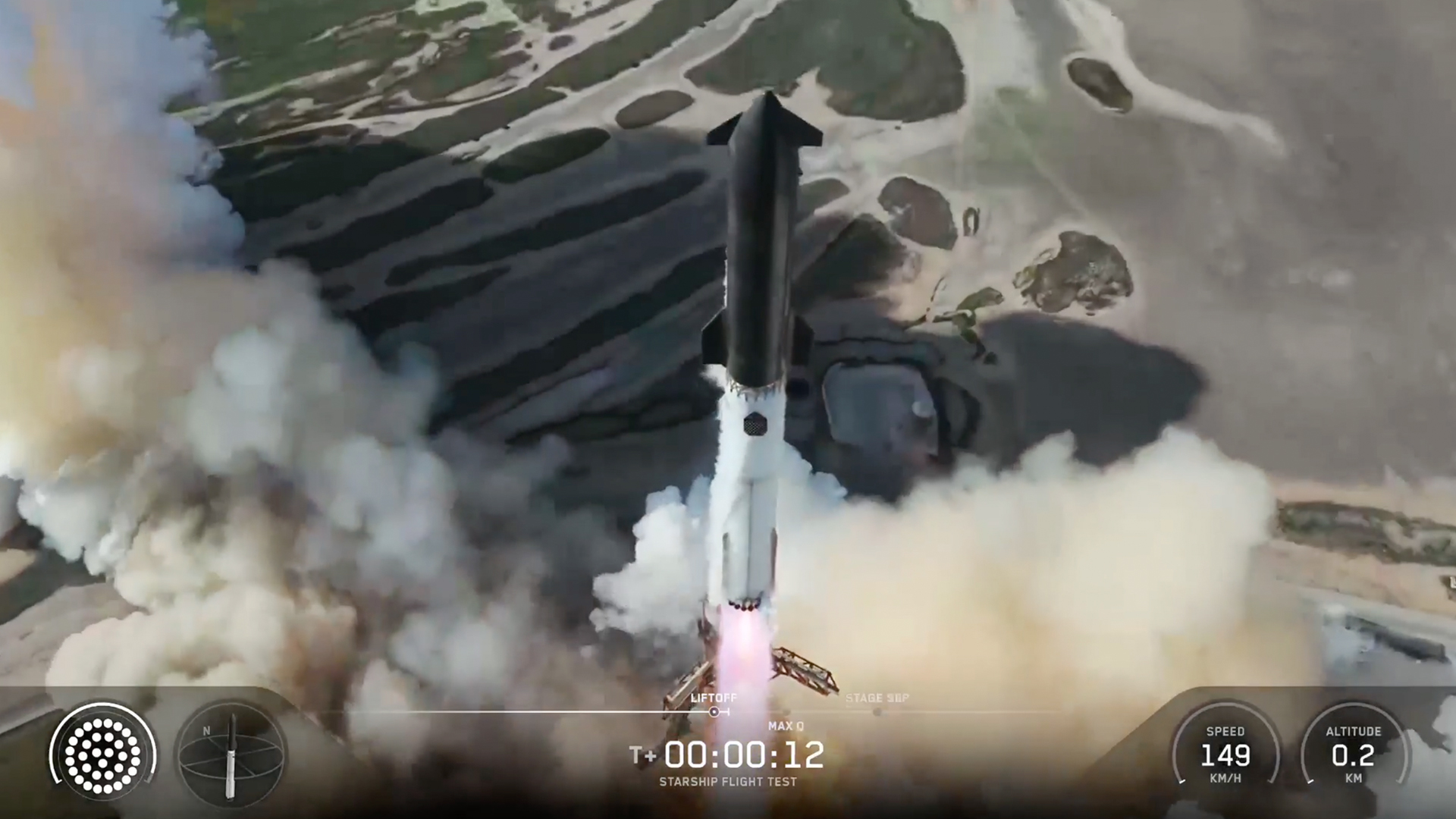
Flight 13 launched on Friday (July 24), sending the 408-foot-tall (124 meters) Starship Version 3 (V3) vehicle aloft from SpaceX's Starbase site in South Texas.
Starship's Super Heavy booster had some engine issues on its way back to Earth. But the Ship upper stage hit all of its marks, successfully deploying 20 next-gen Starlink satellites, re-igniting one of its Raptor engines in space as planned and splashing down softly off the coast of Western Australia. So softly, in fact, that Ship didn't explode after hitting the water — a first for a Starship flight.
The two stages of SpaceX's Starship megarocket separate during the vehicle's 13th test flight, on July 24, 2026. (Image credit: SpaceX)
SpaceX shared these milestones with us in real time, via the company's Flight 13 launch webcast. And the company highlighted a few of them after the fact as well, with some stunning imagery published on its X account.
One Friday post, for example, shows footage from Super Heavy of Ship cruising away shortly after stage separation, its six Raptors glowing with exertion against the backdrop of a gorgeously blue Earth.
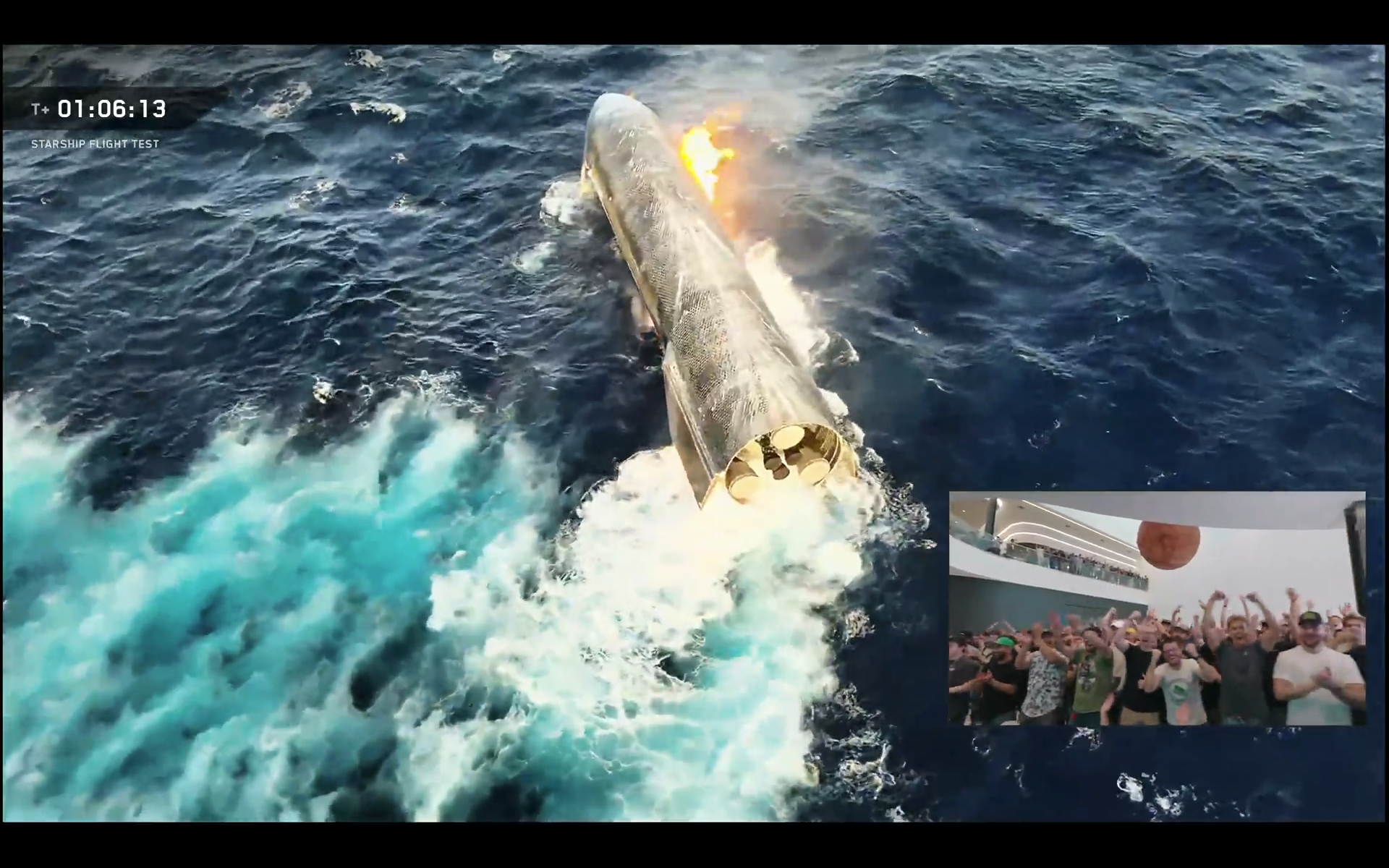
Another Friday X post provides a Ship's-eye view of the vehicle's descent toward the Indian Ocean, steering its way from sky to sea. The video switches over to drone footage just before Ship hits the water, capturing from above the dramatic splashdown — and Ship's survival, despite the outbreak of a sizeable fire around its nose.
Even if you can't see SpaceX's Starship in person, you can score a model of your own. Standing at 13.77 inches (35 cm), this is a 1:375 ratio of SpaceX's Starship as a desktop model. The materials here are alloy steel and it weighs just 225g.View Deal
Both Ship and Super Heavy are designed to be fully and rapidly reusable. Eventually, both vehicles will return to the launch site shortly after liftoff, for capture with their launch tower's "chopstick" arms, refurbishment and reflight.
SpaceX has already caught Super Heavy on three Starship test flights and will try to do the same with Ship for the first time on Flight 14, provided no red flags emerge during Flight 13 data review, according to SpaceX founder and CEO Elon Musk.
Starship conducted its first test flight in April 2023. Flight 13 was the second launch Version 3 of the vehicle, the first iteration of the vehicle that's designed to be operational.
SpaceX is working hard to get the giant rocket up and running soon. Starship is slated to fly on NASA's Artemis III astronaut mission to Earth orbit next summer and to land astronauts near the moon's south pole on Artemis IV in late 2028.
Rocket Lab is expanding its launch operations to the snowy north.
The California-based company, which already flies from New Zealand and Virginia, just inked a $266 million deal with the U.S. Space Force to fly up to 18 missile-defense missions, most of them from Alaska.
"The size and scale of this contract reflects the Space Force's confidence in our ability to meet their urgent national security demands with speed, responsiveness and scale, and we're proud to provide the high-frequency launch capacity required to keep the U.S. ahead of global threats," Rocket Lab founder and CEO Peter Beck said in a statement today (July 27).
The contract covers 12 suborbital launches, with the possibility of up to six more. These missions "will primarily take place" from the Pacific Spaceport Complex, a picturesque site on Alaska's Kodiak Island, which is most famous for its thriving population of brown bears.
The spaceport has hosted nearly three dozen missions since opening in 1998, most of them suborbital flights for the U.S. military. Recently, however, it has supported launches of private orbital rockets — specifically, those built by Astra and ABL Space Systems (now known as Long Wall).
The newly announced Rocket Lab missions will almost certainly be performed by HASTE, a suborbital variant of the company's workhorse Electron small-satellite launcher that customers use to test hypersonic technologies in the flight environment.
They may also be part of the United States' sprawling Golden Dome missile-defense initiative, though we don't know that for sure; today's release provides few details about the launches.
A Rocket Lab HASTE suborbital rocket launches on the "Prometheus Run" mission for the U.S. military on Nov. 18, 2025. (Image credit: Rocket Lab)
Rocket Lab's primary launch site is on Māhia Peninsula, on the North Island of Peter Beck's native New Zealand. The company also flies from two pads on Wallops Island, Virginia, one of which has been the jumping-off point for all HASTE suborbital launches to date.
HASTE debuted in June 2023 and now has nine missions under its belt. Electron lifted off for the first time in May 2017 and has flown 82 times to date.
SpaceX launched the world's most powerful rocket on a critical 13th test flight late Friday, but there was no triskaidekaphobia on this mission.
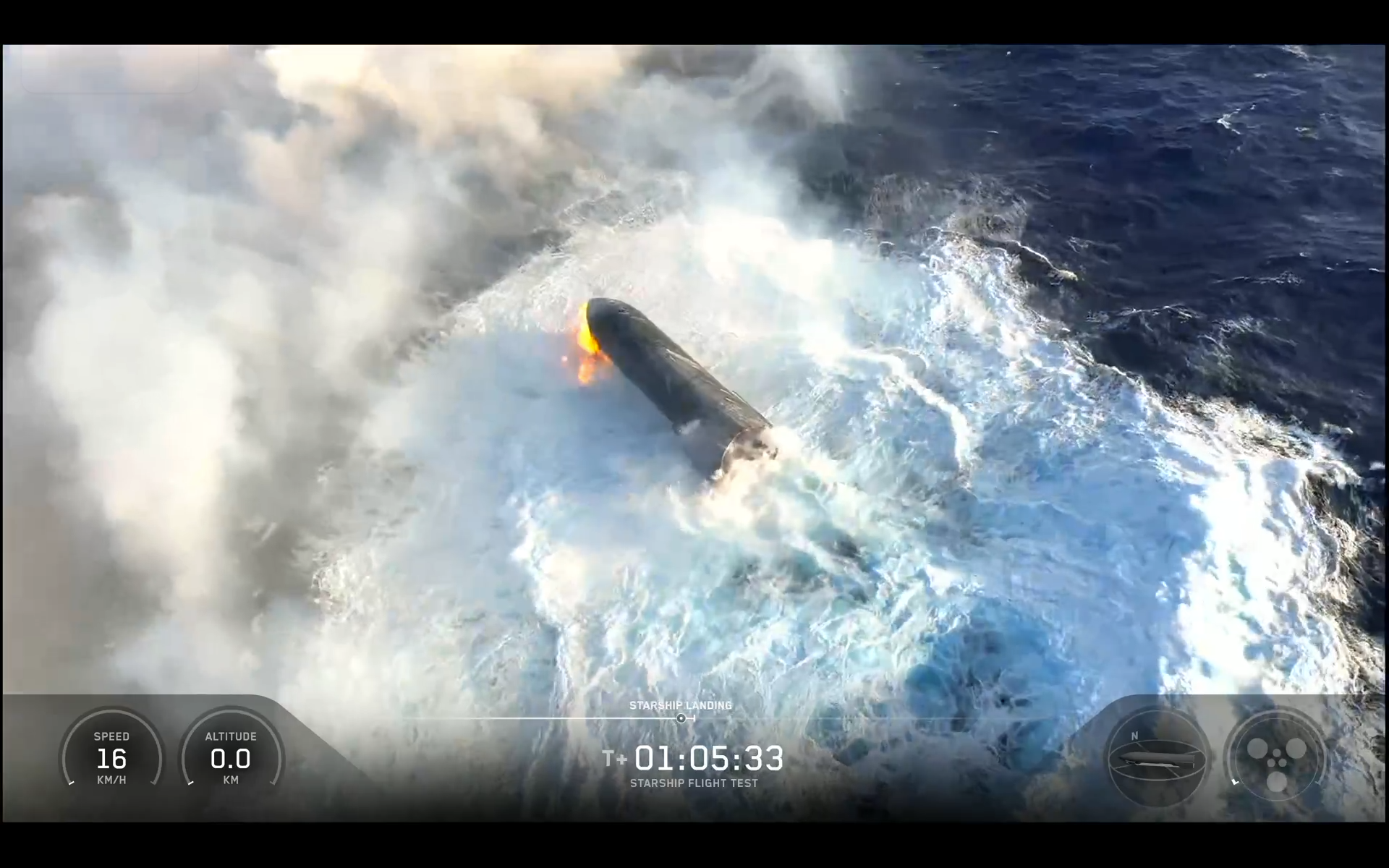
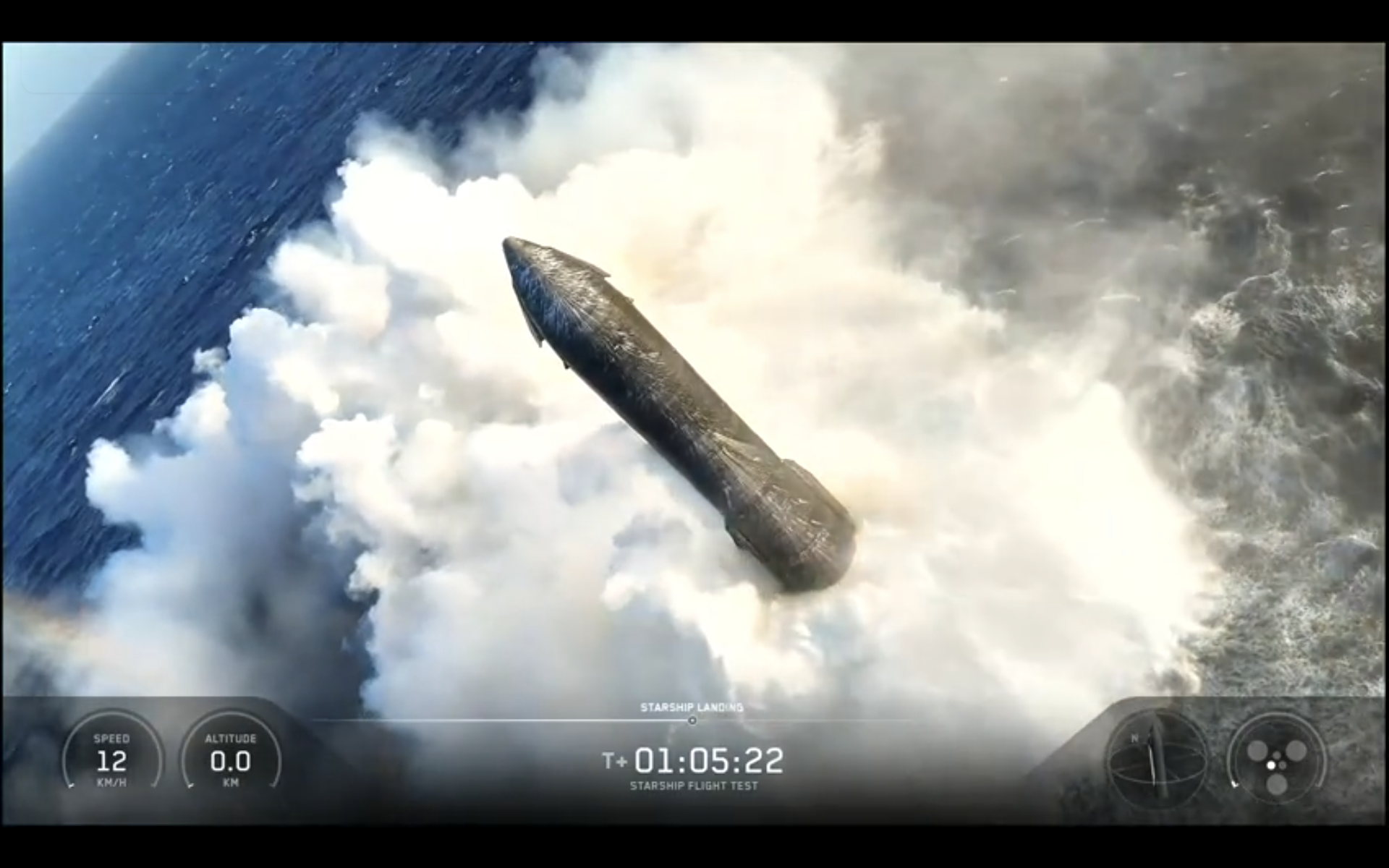
The July 24 test launch, Space's Starship Flight 13 mission, sent a towering rocket the size of a 40-story skyscraper into space from South Texas, returned its massive Booster to Earth, and then — in a feat perhaps none saw coming — gently landed its Starship upper stage in the Indian Ocean, where it tipped over to float belly up on the sea.
"Starship is intact, floating in the ocean and transmitting telemetry!" SpaceX CEO Elon Musk wrote on X.
SpaceX's Starship Flight 13 test flight lifts off from Starbase, Texas on July 24, 2026.SpaceXSpaceX's Starship Flight 13 test flight lifts off from Starbase, Texas on July 24, 2026.SpaceXSpaceX's Starship Flight 13 test flight lifts off from Starbase, Texas on July 24, 2026.SpaceX
Even if you can't see SpaceX's Starship in person, you can score a model of your own. Standing at 13.77 inches (35 cm), this is a 1:375 ratio of SpaceX's Starship as a desktop model. The materials here are alloy steel and it weighs just 225g.View Deal
"That is a first," SpaceX spokesperson Dan Huot added in live commentary as a drone beamed stunning views of Starship bobbing in the waves. "That is the softest splashdown we have ever had with Starship in the Indian Ocean."
The splashdown capped what appeared to be a mostly successful test flight of SpaceX's biggest Starship ever. With a mighty roar, Starship Flight 13 lifted off from SpaceX's Starbase, Texas launch site at 6:51 p.m. EDT (2251 GMT) on a test flight that lasted just over one hour.
It was only the second flight of the company's new Starship Version 3 design, or V3, and SpaceX was hoping for a better outing than its first attempt in May. During that previous test, the Starship Flight 12 mission, the massive Super Heavy first-stage Booster suffered engine problems after stage separation and failed to make a water landing in the Gulf of Mexico. It crashed instead.
Lucky Flight 13
Friday's Starship Flight 13 mission fared a bit better.
SpaceX initially tried to launch Flight 13 on July 16, but the rocket aborted the try at the last second due to engine issues. SpaceX replaced some first-stage Raptor engines in time for a July 23 launch attempt, but waved off due to weather, setting the stage for Friday's successful liftoff.
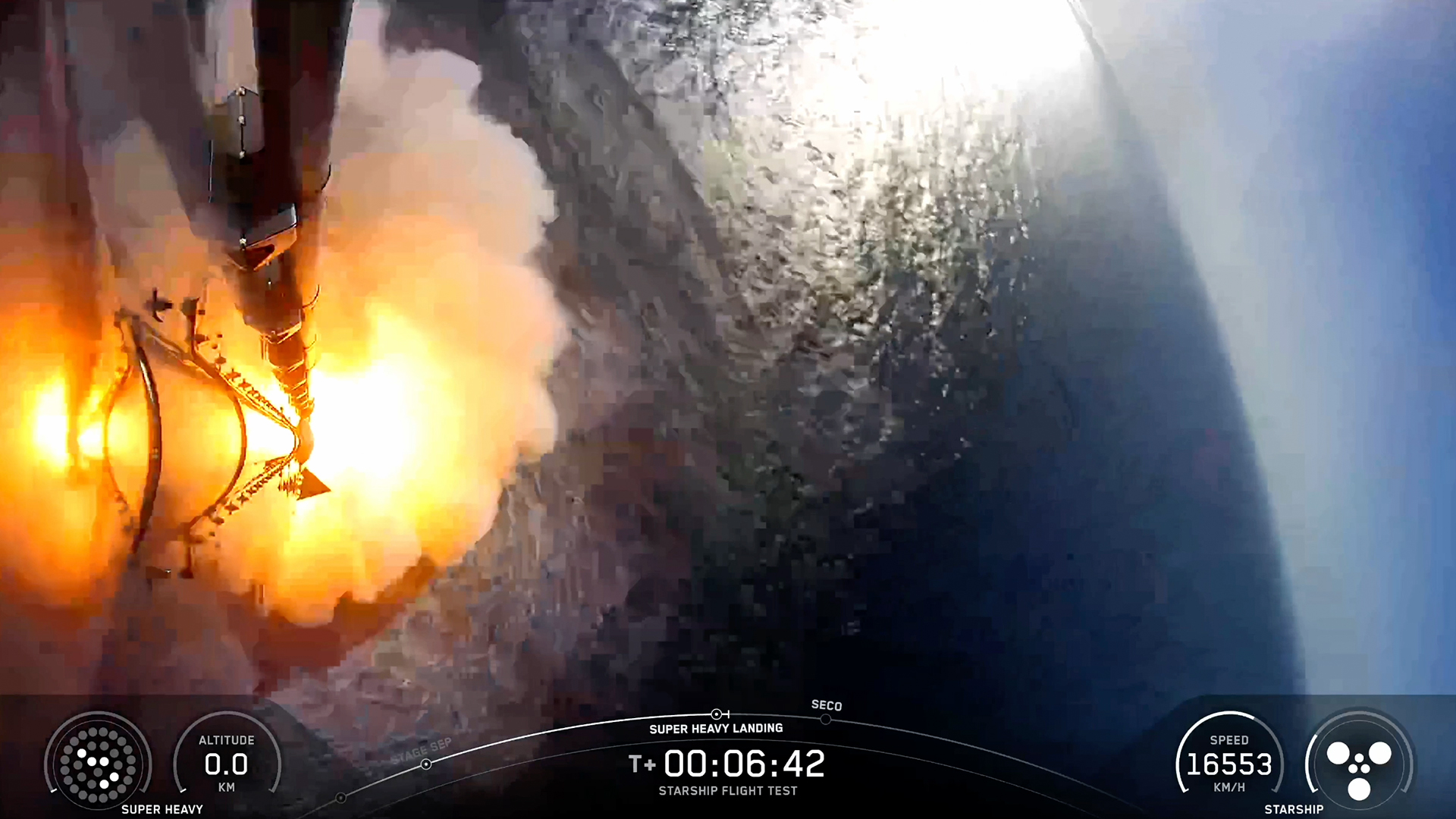
Minutes into the flight, the Super Heavy Booster successfully separated from its Ship upper stage, aced a flip maneuver and returned to Earth. There was a problem during the landing burn. Only five engines appeared to fire when 13 were required to slow the Booster to landing speed. It hit the Gulf waters harder than planned, its camera views cutting out.
"It didn't look like we lit all 13 engines that we were planning for that initial landing burn," Huot said. "We were targeting a softer splashdown and, as you saw, it came in with quite a bit of velocity."
SpaceX's Starship Flight 13 Booster hits the Gulf of Mexico waters hard, with only 5 of 13 planned engines firing during a landing burn, on July 24, 2026. (Image credit: SpaceX)
Starlink V3 makes a debut
Starship is intact, floating in the ocean...'
- Elon Musk, SpaceX CEO
Despite the Booster's rough landing, there were clear successes on Starship Flight 13.
While sailing on its suborbital trajectory, Flight 13's Ship upper stage deployed 20 next-generation Starlink Version 3 internet satellites — large, flat satellites equipped with laser communications links and expansive solar arrays that will replace SpaceX's current Starlink internet megaconstellation.
Starship is designed to launch 60 Starlink V3 satellites at a time, spitting them out through a slit-like payload bay door like a giant PEZ candy dispenser. All 20 Starlink V3 satellites deployed smoothly, with the last two switching on flashlights and looking back at their Ship carrier before floating off into orbital darkness. The satellites did not stay in space. They fell to Earth and burned up (by design) due to their suborbital flight path.
The Ship upper stage (which SpaceX also refers to as Starship) then reignited one of its six Raptor engines to test a critical engine relight capability that will allow future Starships to enter and leave orbit. The burn went off without a hitch — a milestone since SpaceX had not always performed the burn if a test didn't go smoothly.
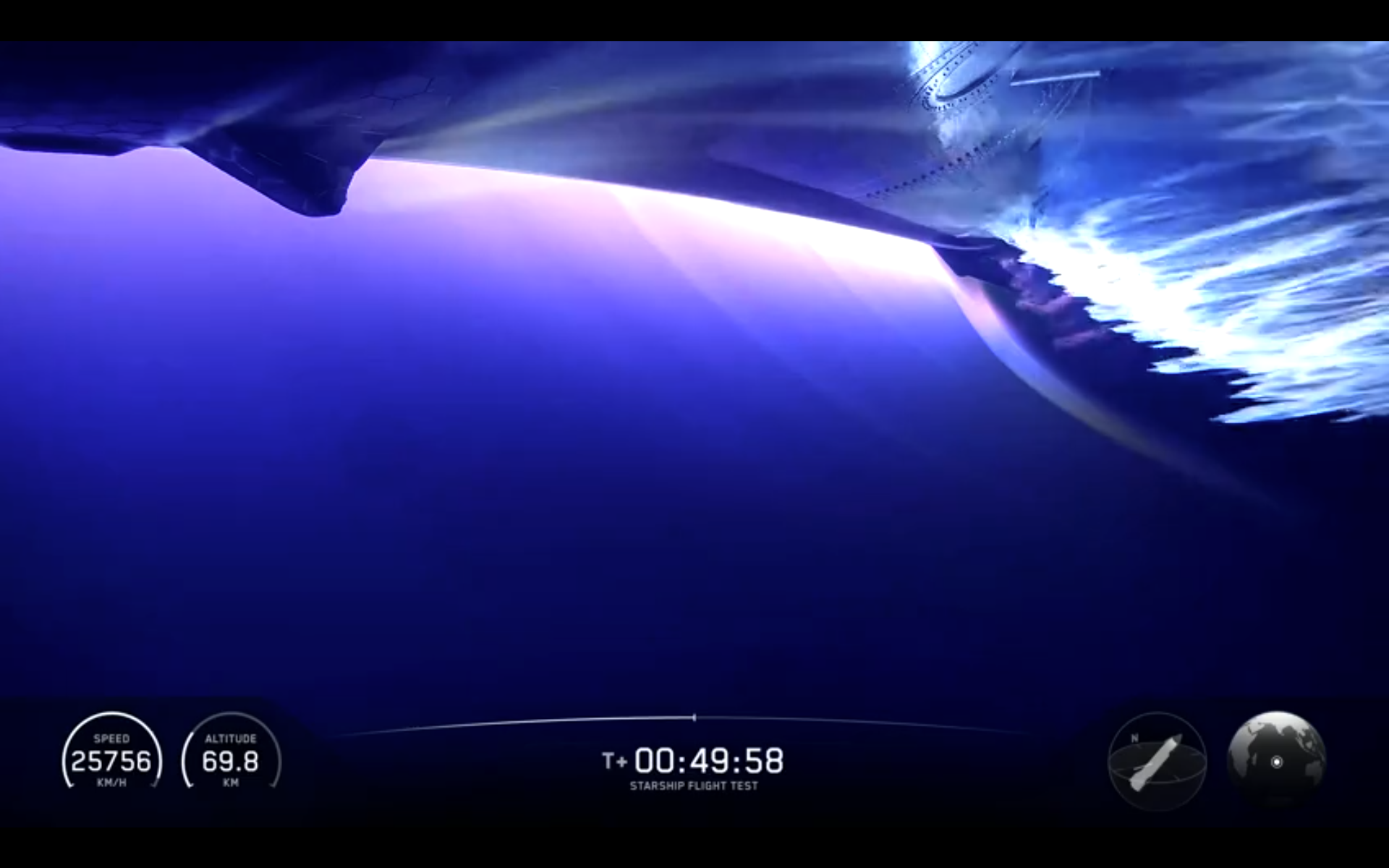
Then it was time for reentry, with cameras beaming back stunning views of Starship wrapped in super-hot plasma as it fell back to Earth. The spacecraft executed a three-engine burn to flip over into a vertical landing position, but did shift down to two engines, then one before it toppled over to rest on the waves.
The sight of a floating Starship triggered a cacophony of cheers from SpaceX teams at Starbase and its Hawthorne, California rocket factory in the company's livestream. After all, Starships usually explode after they tip over.
"This is just the first time we've put a Starship into the water," SpaceX's Dan Huot said during live commentary. He called it SpaceX's "softest splashdown" ever. "This is a dream scenario for this team that's trying to get this heat shield data."
A view of SpaceX's Starship Flight 13 Ship vehicle wrapped in plasma during reentry on July 24, 2026. (Image credit: SpaceX)
The heat shield isn't the only thing SpaceX's recovery team will be looking at.
Live views from Starship showed its six engines intact along with its flaps and other systems. Teams will be poring over what they can retrieve from the sea to help improve future Starship upgrades.
SpaceX is developing Starship to be a fully reusable launch system, a 407-foot-tall (124 meters) megarocket capable of taking Starlink fleets to orbit as easily as it lands NASA astronauts on the moon. That part is key.
NASA has tapped SpaceX's Starship to land its Artemis IV astronauts on the moon in 2028, but SpaceX has yet to ever complete an entire Earth orbit with Starship after 13 test flights and three years of launches. It's been a decade since Elon Musk first unveiled what SpaceX now calls Starship during a 2016 speech.
SpaceX's Starship Flight 13 Ship vehicle floats in the Indian Ocean just after splashdown on July 24, 2026.SpaceXSpaceX's Starship Flight 13 Ship vehicle floats in the Indian Ocean just after splashdown on July 24, 2026. Some flames are visible at the nose. SpaceXSpaceX's Starship Flight 13 Ship vehicle floats in the Indian Ocean just after splashdown on July 24, 2026. The flames near the nose are now gone.SpaceXA view of SpaceX's Starship Flight 13 Ship during its final landing and splashdown in the Indian Ocean on July 24, 2026.SpaceX
Over the next two years, SpaceX must not only send a Starship into orbit. The company also aims to return a Ship to Earth to catch it in the "chopsticks" of its Mechazilla launch pad at Starbase. (The company has already done so with its Super Heavy Booster stages.)
SpaceX also must successfully demonstrate in-space Starship refueling, complete an orbital tanker version of Starship, and finish a crewed lander version complete with a life support system that can keep astronauts alive on the moon. That's a lot on the Starship to-do list and NASA is watching.
"Congrats on getting Flight 13 underway," NASA Administrator Jared Isaacman wrote on X after the launch. "Excited for what will be learned from this mission. When Starship comes online, its capabilities will be game-changing, not least of which will be ensuring we never give up the Moon again!" In a lunar coincidence, Friday's launch coincided with the 57th anniversary of theApollo 11astronauts' return to Earth after their historic moon landing flight.
But for now, SpaceX is clearly celebrating.
"I'm a little over the moon right now," Huot said. "Wow. Lucky number 13. Hell of a great day for Starship."
Even if you can't see SpaceX's Starship in person, you can score a model of your own. Standing at 13.77 inches (35 cm), this is a 1:375 ratio of SpaceX's Starship as a desktop model. The materials here are alloy steel and it weighs just 225g.View Deal
A Long March-3B carrier rocket carrying the Tianlian II-06 satellite blasts off from the Xichang Satellite Launch Center on July 23, 2026 in Xichang, Sichuan Province of China. (Image credit: Zhou Quan/VCG via Getty Images)
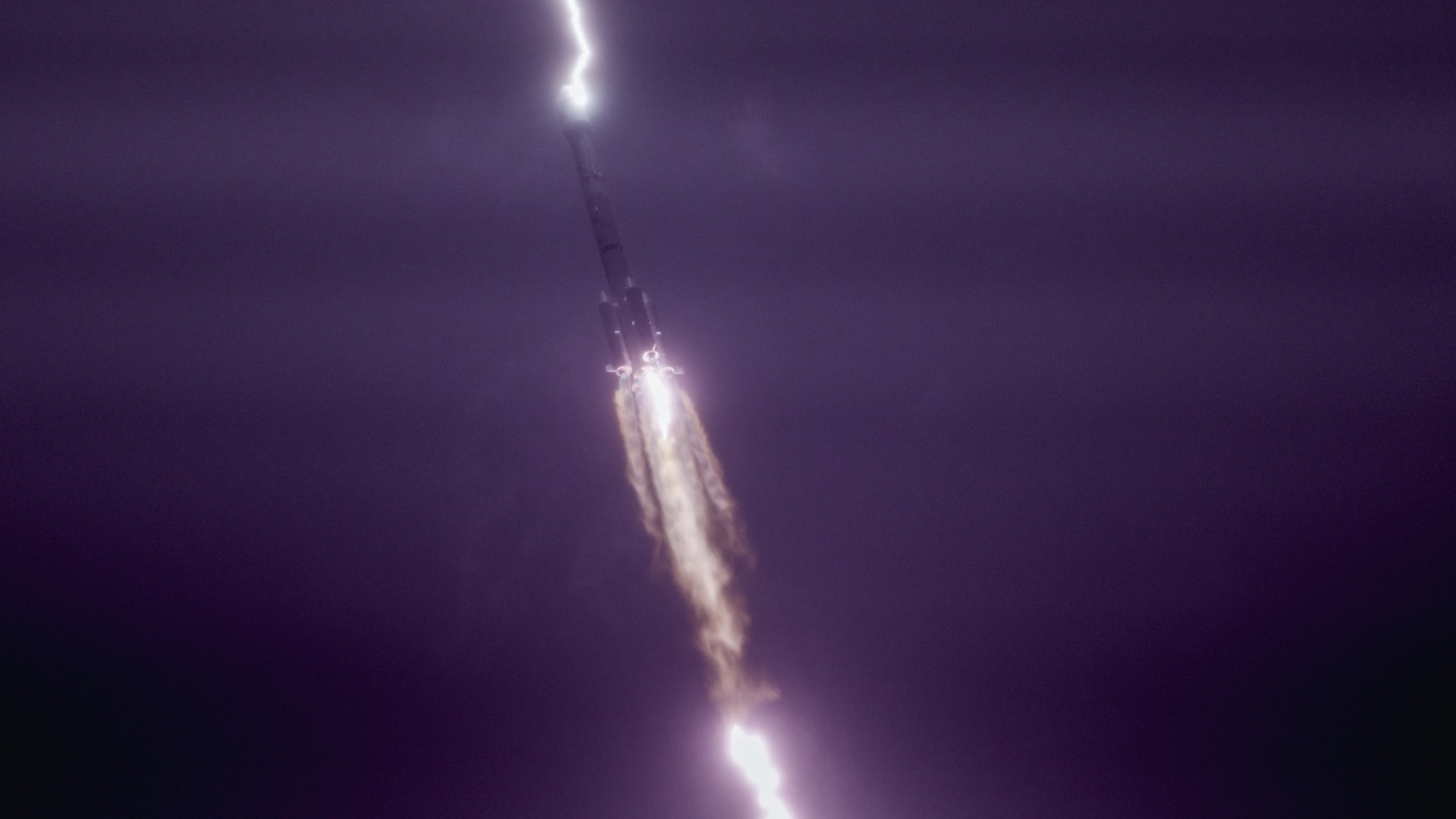
Lightning struck a Chinese rocket shortly after liftoff this week, as seen in incredible video and photographs.
A Long March-3B rocket lifted off from China's Xichang Satellite Launch Center on Thursday (July 23) carrying a communications relay satellite destined for geostationary orbit. Some 30 seconds into flight, lightning struck the rocket, leading to awestruck cries from crowds gathered nearby to watch the launch.
Despite the strike, the rocket delivered the satellite to its intended orbit as planned, according to the China Aerospace Science and Technology Corporation (CASC). The satellite will help relay communications to the nation's Tiangong Space Station and other crewed missions.
This isn't the first time lightning has struck a rocket shortly after liftoff. A lightning bolt famously struck the Saturn V rocket carrying NASA's Apollo 12 mission, the second to ever land astronauts on the moon. In fact, the rocket was struck twice.
According to a report NASA issued after the mission, some non-essential instruments and sensors experienced "permanent effects" from the strikes. Nevertheless, the mission put astronauts Charles "Pete" Conrad, Alan Bean and Richard "Dick" Gordon on the moon as planned.
More recently, lightning struck a Russian Soyuz rocket in 2019 shortly after it launched. Like in this most recent example, the vehicle was able to place its Glasnost communications satellite in orbit despite the strike.
Une fusée Longue Marche 3B vient de se prendre la foudre peu après son décollage de Xichang.Ce n'est pas la première fusée à subir ça, la Saturn V et la Soyouz-2 ont été aussi foudroyées par exemple. Aucun échec n'est lié à la foudre... pour l'instant.pic.twitter.com/vrAqaGAnnCJuly 23, 2026
But not all rockets struck by lightning fare so well. In 1987, a bolt struck the United Launch Alliance Atlas/Centaur-67 rocket, leading to a malfunction in one of the computers that guided the vehicle and "ultimately causing the breakup of the vehicle," NASA wrote in a report of the incident.
The incident led to NASA developing strict Lightning Launch Commit Criteria (LLCC) to lower the risk of strikes by further defining weather conditions that would delay launches. "Since Atlas/Centaur-67 and the rigorous implementation of the LLCC, no other launch vehicles have intercepted or triggered lightning on launch in the United States," NASA wrote in a technical paper outlining the criteria.
The world's most powerful solid-fuel rocket just aced its third-ever mission.
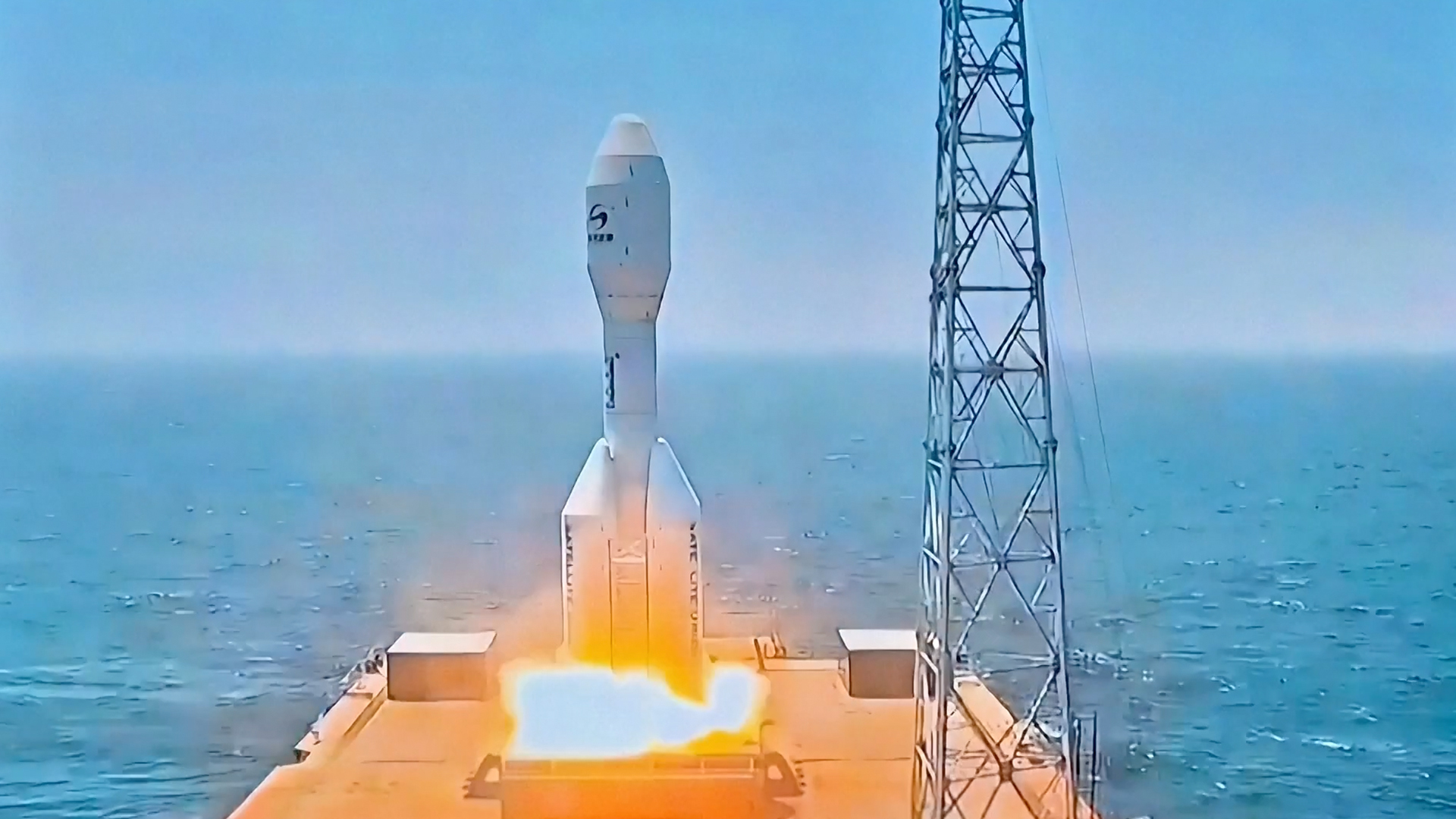
Gravity-1, a distinctively squat and stubby rocket, launched Tuesday night (July 21) from the deck of a ship stationed off the coast of Shanghai.
Liftoff occurred at 10:54 p.m. EDT (0254 GMT and 10:54 a.m. Beijing time on July 22), according to the state-run Chinese outlet Xinhua, which further reported that all nine satellites reached "their designated orbits." Details about those satellites were not provided.
Orienspace's Gravity-1 rocket launches nine satellites to orbit from a ship at sea on July 21, 2026. (Image credit: CCTV)
Gravity-1 is operated by Orienspace, a company based in the eastern Chinese province of Shandong. The rocket stands about 100 feet (30 meters) tall — less than half the height of SpaceX's workhorse Falcon 9 vehicle.
Gravity-1 consists of three core stages and four strap-on boosters, all of which feature solid rocket motors. The launcher can haul up to 14,300 pounds (6,500 kilograms) of payload to low Earth orbit (LEO), making it the most powerful solid rocket in the world. (For comparison: The liquid-fueled Falcon 9 can deliver a maximum of 50,265 pounds, or 22,800 kg, to LEO.)
The Chinese vehicle now has three flights under its belt, all of which launched from ships at sea and achieved full mission success. Gravity-1's first two flights occurred in January 2024 and October 2025.
There won't be such a long gap before Gravity-1 flies again, if all goes to plan. The rocket is expected to launch a batch of Chinese internet satellites in the next few months, according to the state-run outlet CGTN.
And Orienspace's ambitions don't end with Gravity-1. The company is also developing Gravity-2 and Gravity-3, larger, more powerful rockets that will feature liquid-fueled core stages and solid rocket boosters.
Gravity-2 could be ready to fly by the end of the year, CGTN reported. And that vehicle will likely lift off from an ocean-based pad as well.
"Sea launch of solid-propellant rockets paves the way for future launch of liquid rockets at sea," said Gravity-1 chief designer Xu Guoguang, according to CGTN. "We are also considering other methods, such as launching from drilling platforms."
The fight continues against SpaceX's controversial South Texas land swap.
That deal, which the company made with the U.S. Fish and Wildlife Service (USFWS), gives SpaceX 727 acres (294 hectares) of public land that's currently part of the Lower Rio Grande Valley National Wildlife Refuge. In exchange, the company hands over 683 acres (276 hectares) of its territory in the area, not all of it contiguous, to the USFWS.
Last month, a coalition of conservation and tribal groups sued the USFWS over the swap, saying it degrades the refuge and violates multiple laws, including the National Wildlife Refuge System Improvement Act of 1997. And yesterday (July 20), those groups filed an emergency injunction, asking a federal judge to stop the exchange until the courts can rule on the ongoing case.
"Federal officials are racing to fork over America's public lands to one of wealthiest corporations on Earth before the courts can even weigh in," Laiken Jordahl, national public lands advocate at the Center for Biological Diversity, said in a statement yesterday (July 20).
"This refuge is one of the last places left for the public to enjoy nature in the Rio Grande Valley," Jordahl added. "Why should Texans be forced to surrender even more of their public lands to a trillion-dollar corporation? The court has to intervene now, because once these refuge lands are transferred to SpaceX, they’re gone forever."
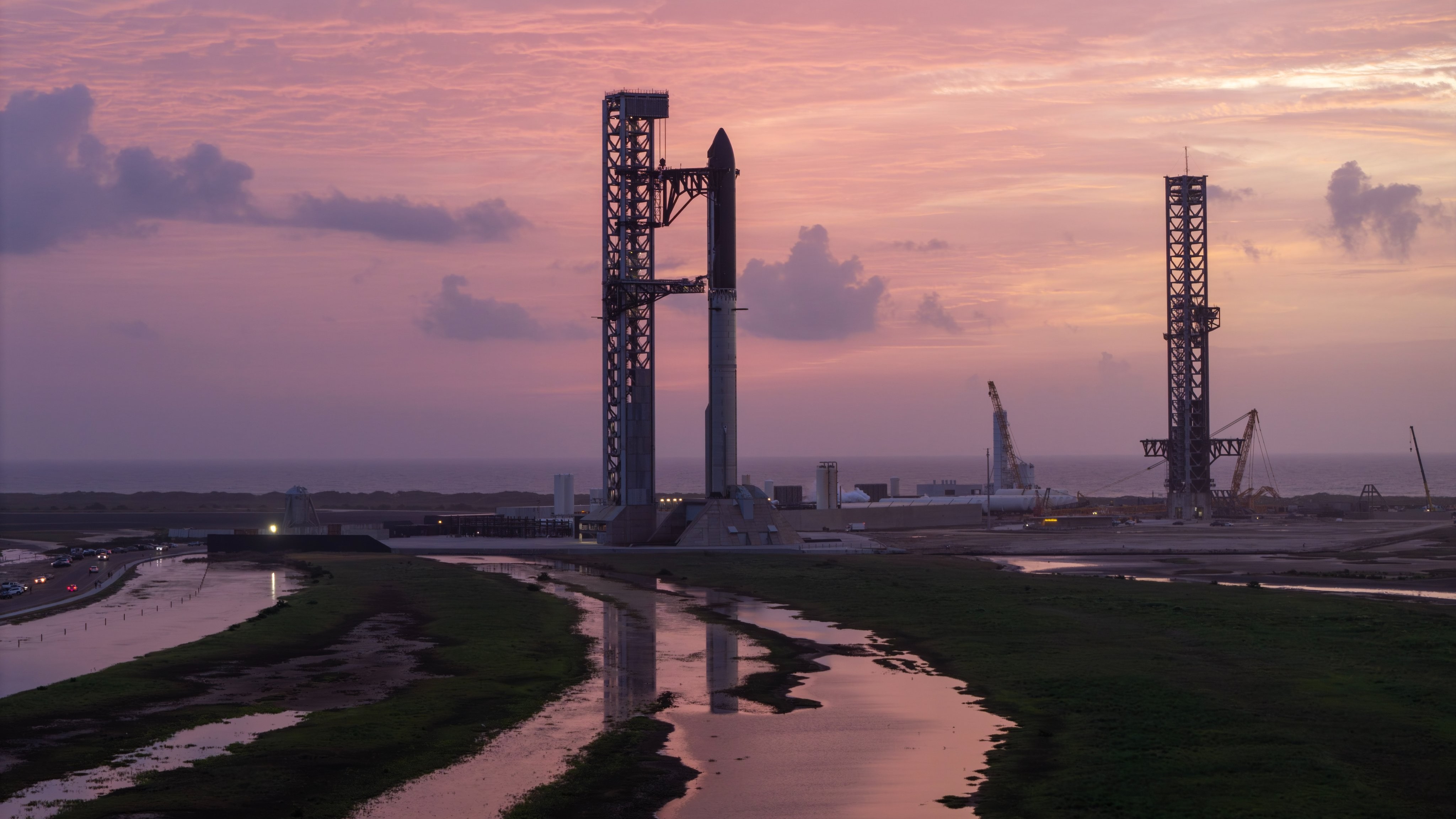
The land set to be transferred to SpaceX is near Starbase, the manufacturing and launch hub for the company's Starship megarocket. SpaceX sees Starship as transformational; it's the biggest and most powerful launcher ever built, and it's designed to be fully and rapidly reusable.
SpaceX's Starbase site sits amid wetlands with high biodiversity in South Texas. (Image credit: SpaceX)
Starship remains in the development-and-testing phase. It has flown 12 suborbital test flights to date, all of them from Starbase, and is gearing up for Flight 13 this Thursday (July 23).
These launches pose a threat to the wildlife that the 90,000-acre (36,420 hectares) refuge was established to protect, according to the Center for Biological Diversity, a conservation nonprofit based in Tucson, Arizona.
"A 2024 study found that, after one launch, every single monitored shorebird nest near the launch site suffered egg damage or loss," the organization said in yesterday's statement. "Instead of taking any enforcement actions or working with SpaceX to reduce or eliminate its harm to the refuge, the Service [USFWS] is now citing the resulting degradation as justification for handing the public land to SpaceX."
Some of the land being transferred to SpaceX is part of the Palmito Ranch Battlefield National Historic Landmark, where the final battle of the Civil War was fought. This means the swap also violates the National Historic Preservation Act, according to the Center or Biological Diversity.
The Center or Biological Diversity and its partners also take issue with how the land deal was made.
"The proposed land exchange was first made public in March, but records obtained under the Freedom of Information Act show internal agency planning began as early as April 2025," yesterday's statement reads. "In those discussions with the regional director of the Service, the agency developed 'the most expedited schedule possible' for completing a land transfer and recommended hiring additional staff to meet what they described as an 'optimum timeframe.'"
The plaintiffs in the lawsuit against the USFWS are the Center for Biological Diversity, Save RGV, the Carrizo/Comecrudo Nation of Texas, Inc., and the South Texas Environmental Justice Network.