I review optics gear for a living and have tested a range of telescopes, cameras and binoculars but I'm also aware of how expensive stargazing can be once you've dipped your toe in. We see some of the best prices of the year during holiday sales, which include October Prime Day,which ends tonight!
Astronomy and stargazing have come a long way in recent years, with the popularisation of smart telescopes and beginners being able to capture deep-sky wonders easily. Image-stabilized binoculars have been around a bit longer but new models are impressive for handheld stargazing, delivering a shake-free view of the night sky. What's next: Smart binoculars? (Yes).
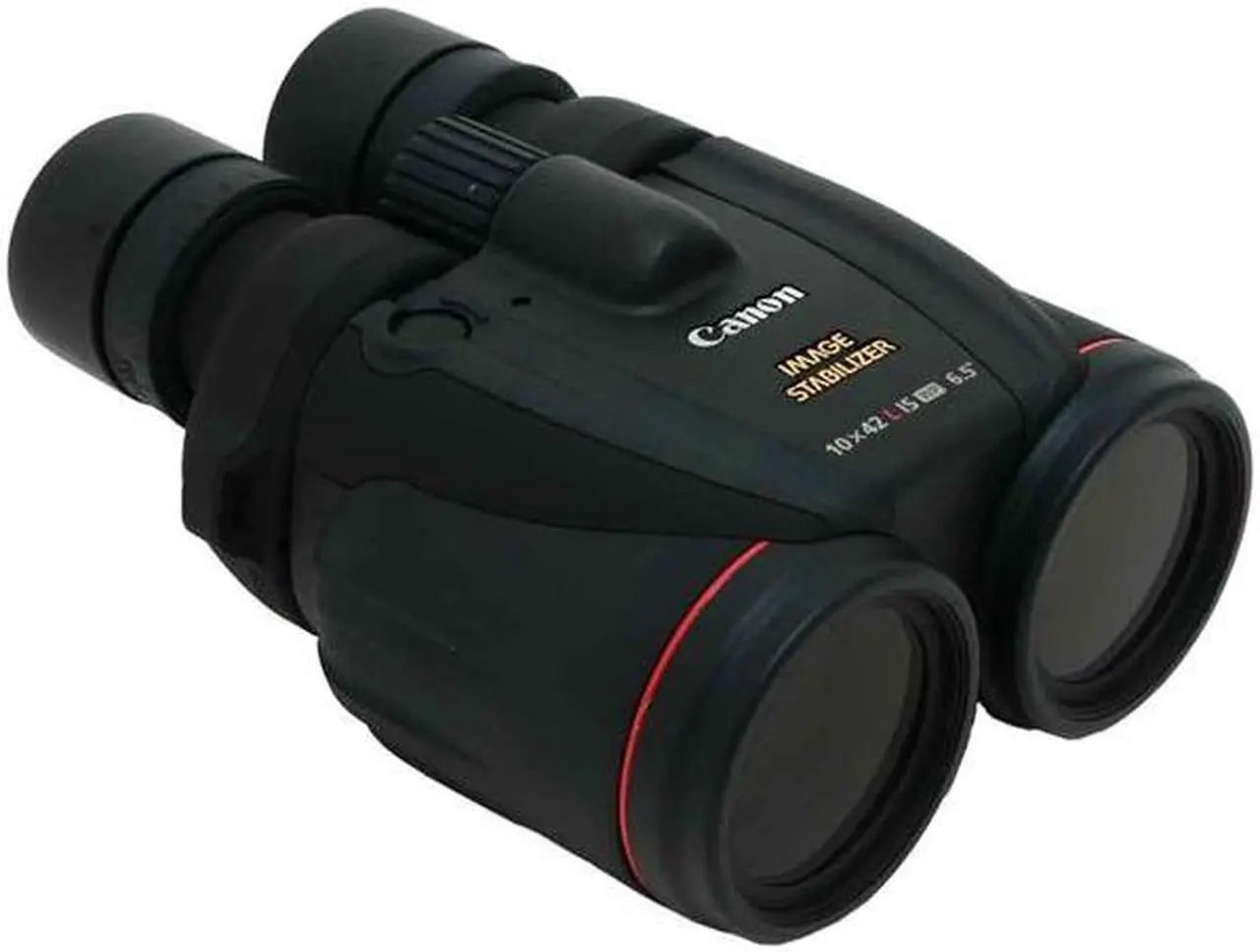
The latest advancements in skywatching are often within the premium price range and can outprice a lot of beginners. This is why waiting until the holiday savings season is a great idea if you are on a budget or a beginner. The new Dwarflab Dwarf Mini is now at its lowest-ever price and our best binoculars, the Canon 10x42L IS WP, are now 11% off. Amongst these premium picks are some cheaper models that are great for skywatching, whatever your budget or experience level.
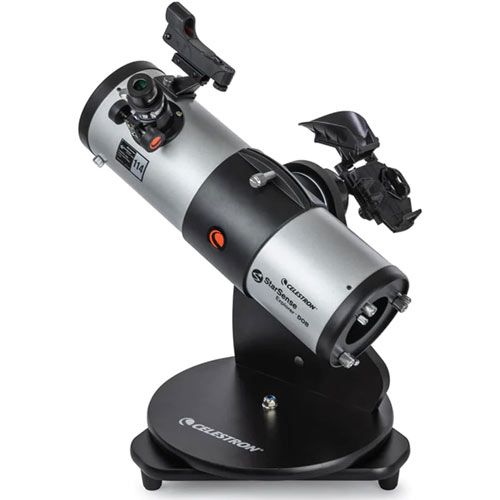
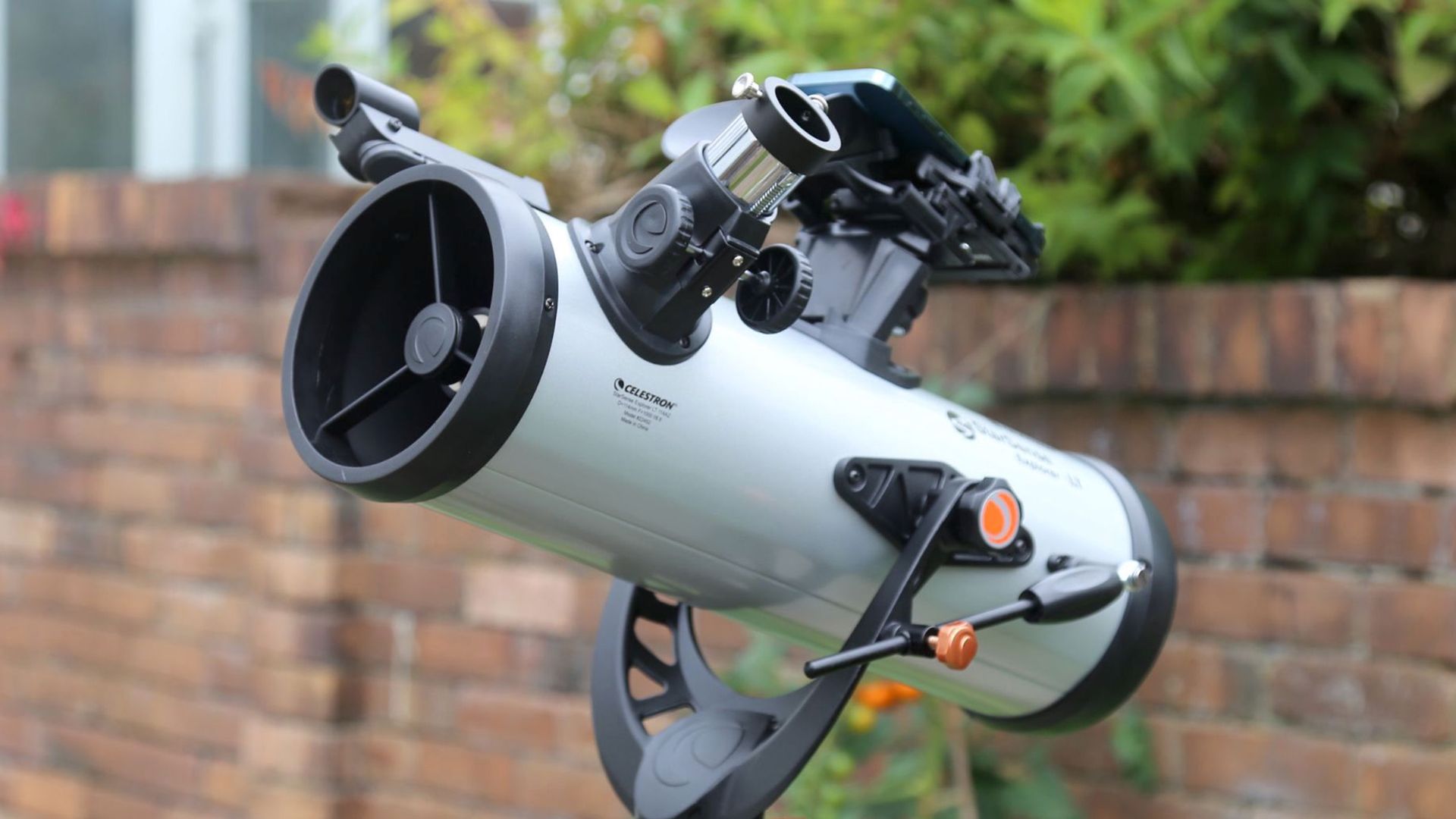
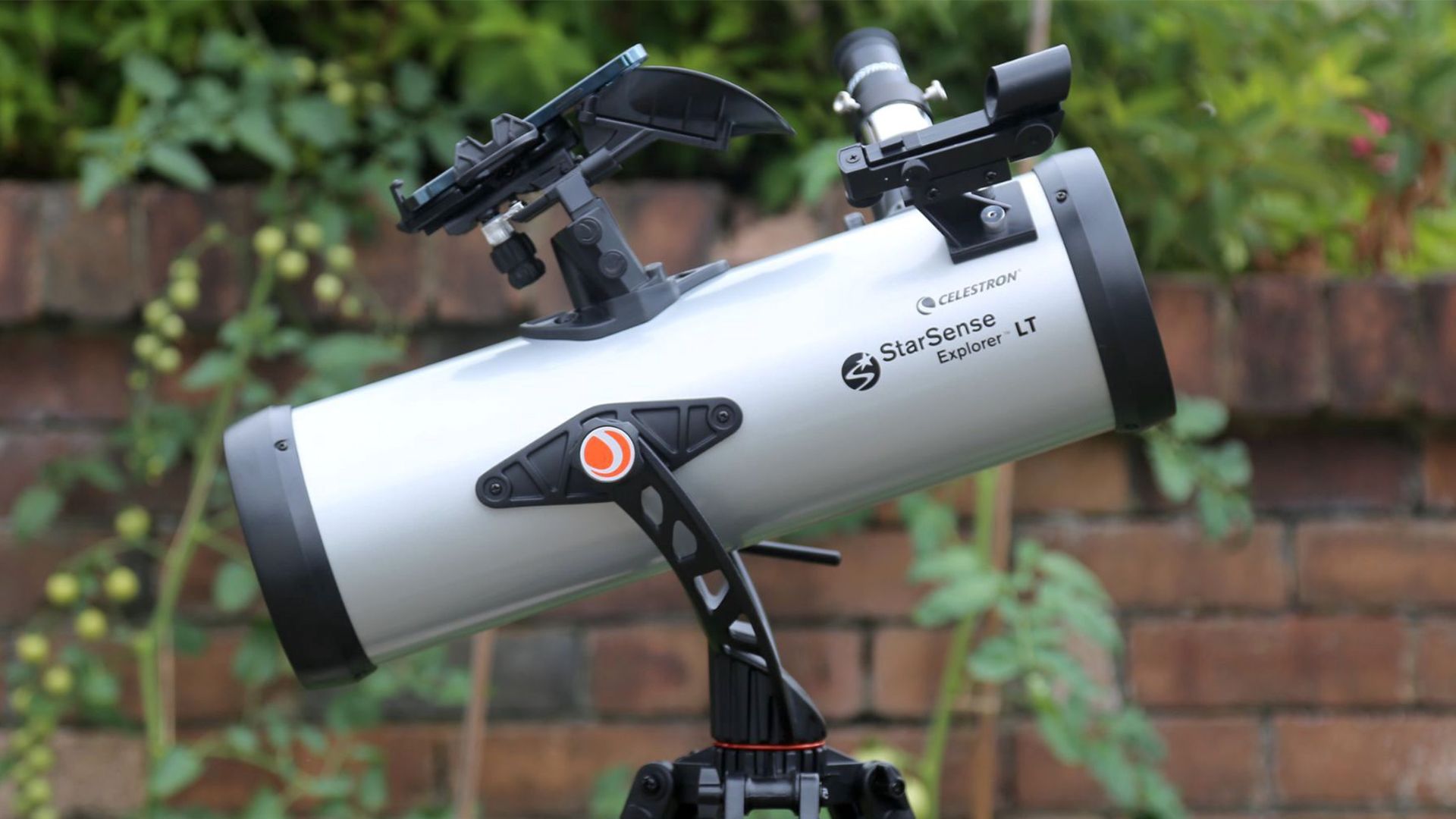
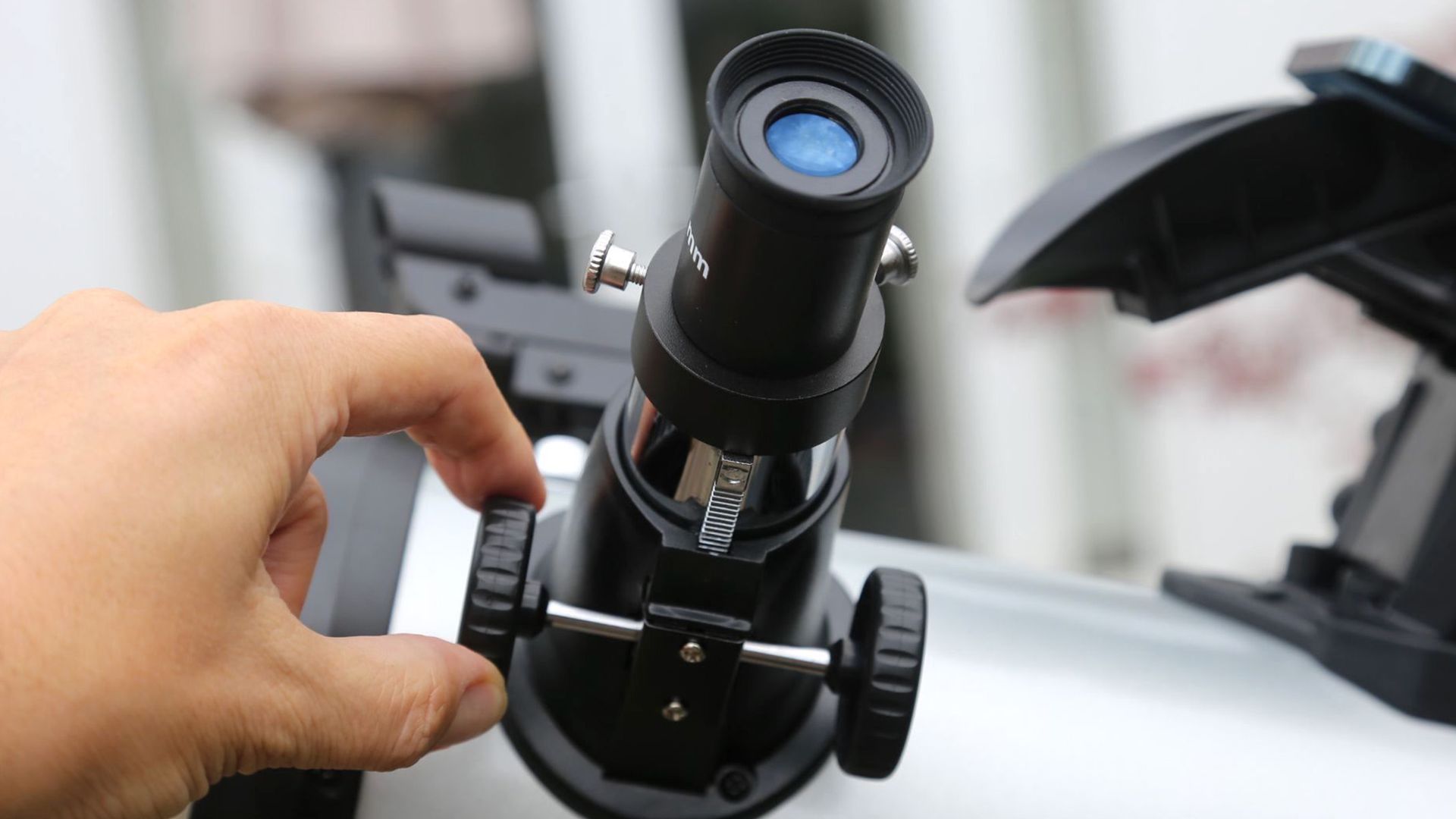
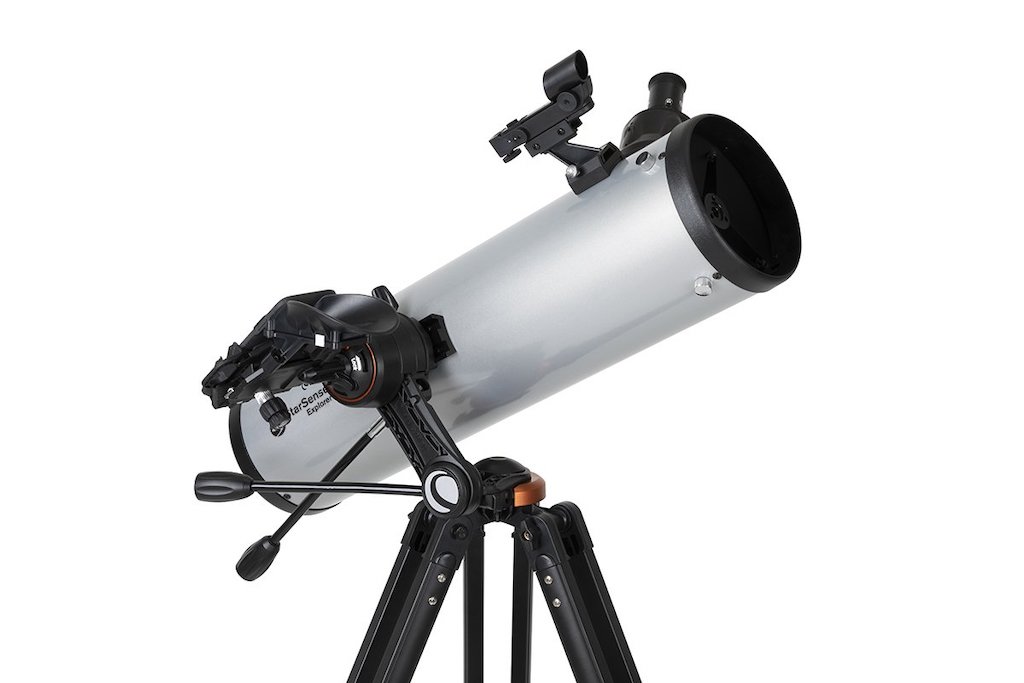
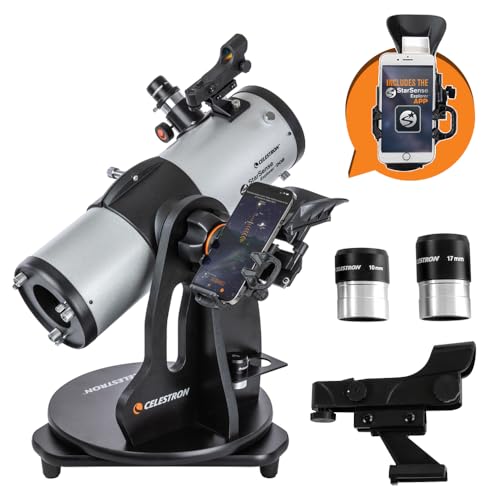
A telescopecan be complicated, simple or somewhere in-between. The Celestron 114AZ Dobsonian telescope is a great telescope for beginners, thanks to its easy-to-use Dobsonian design and assistive StarSense smartphone app inegration. We gave the lightweight tripod version, the Celestron LT 114AZ, three stars for its affordability and helpful navigation. Right now, it is at its cheapest price since June's Prime Day.
We are on the final day of Amazon's Prime Big Deal days event with the best prices reserved for Amazon Prime members. If you are new to Prime, you can get a 30-day free membership so that you can grab this 17% saving. All the best telescope and camera deals from all retailers will be on our Prime Day hub, with money off a range of products.
Celestron StarSense Explorer LT 114AZ comes with an Alt-Az mount for beginner-friendly skywatching tracking.Jamie CarterJamie CarterJamie CarterJamie CarterJamie CarterJamie Carter
When we reviewed the Celestron StarSense Explorer LT 114AZ, which is the lightweight tripod-mounted version of this telescope, we thought that the tripod was flimsy and affected our ability to observe and navigate to night sky objects. This version of the telescope doesn't have a tripod and has a Dobsonian design, which is very sturdy when used on a stable surface like a table or bench.
It really shines during planetary observation such as the moon and Jupiter, but it did struggle with deep-sky objects. The supplied eyepieces are ideal for planetary viewing, but if you wanted to upgrade your setup, you can always buy a separate set of the best eyepieces.
Price history: This telescope usually retails for $380, but it is generally on sale for $340. This price is the cheapest it has been since last Prime Day in June, when it dropped to $280.
✅ Buy it if: You are interested in planetary observation, as the optics and included Barlow lens are highly suitable for observing the moon, Jupiter and Saturn.
❌ Don't buy it if: You want to observe deep space objects like star clusters and galaxies; a telescope with a larger aperture would be better, such as one of the best telescopes for deep space.
There are plenty of star projectors out there; I should know, I've got four sitting on my shelves, including two Astronaut Starry Sky projectors (don't ask). But what if you want a projector that shows you the real cosmos? That's where the Pococo Galaxy Projector comes in and, thanks to Amazon's Prime Big Deal Days event, it's cheaper than ever.
You can get the Pococo Galaxy Projector on sale at Amazon for just $76 — the cheapest we have ever seen it!
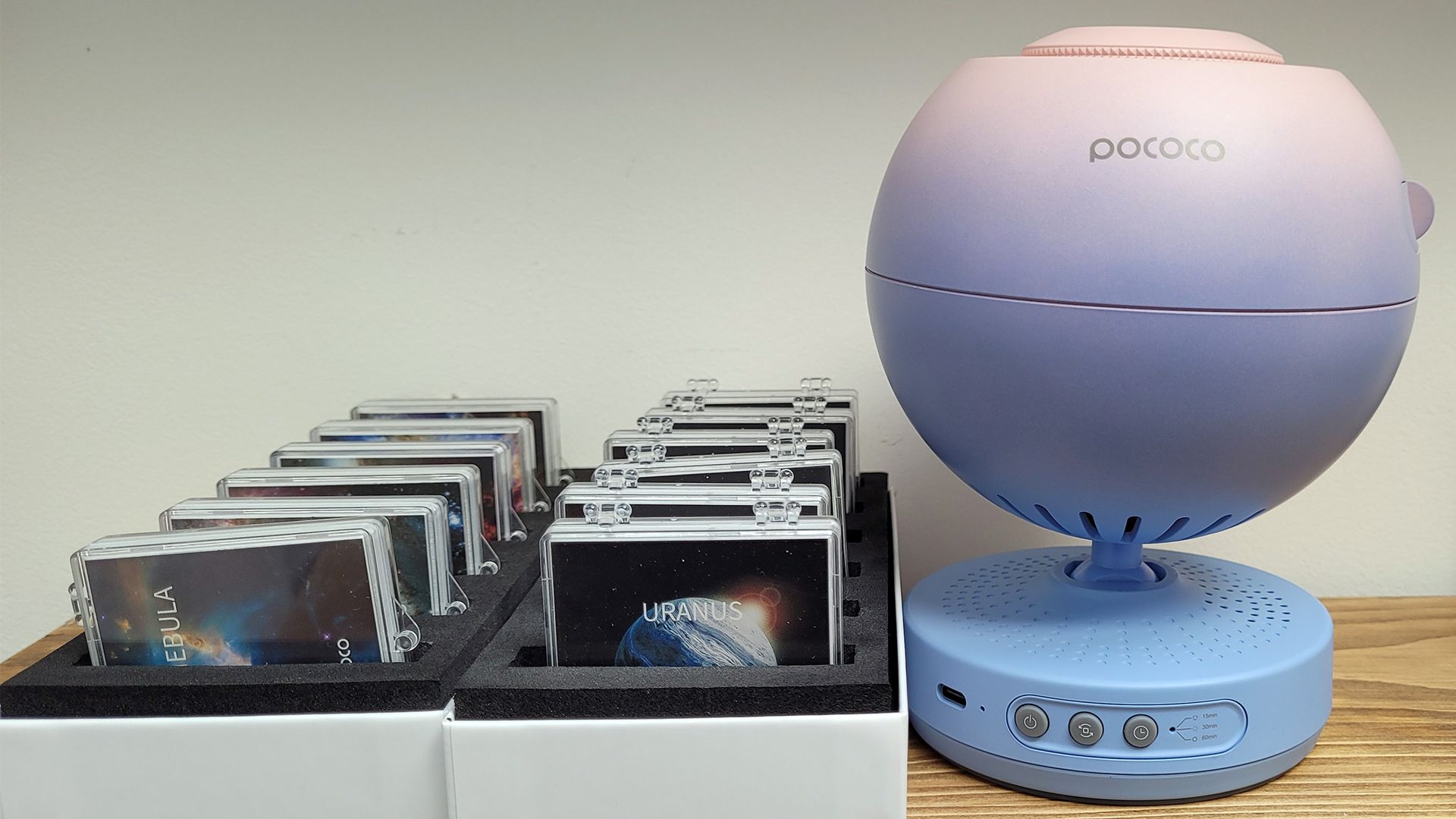
Instead of projecting random stars, the Pococo Galaxy Projector uses projection discs to fill the room with gorgeous, sharp images of planets, galaxies and much more. It's relaxing and educational with it, ideal for kindling an interest in space and space travel.
Galaxy Projector: was $100 now $76 This scientifically accurate star projector is at its lowest-ever price, which offers clear, sharp images of the real universe. It comes with two discs but you can buy additional image packs. View Deal
Want to save even more money? Visit our Amazon Prime Deal hub, where we bring you the best Prime Big Deal Days offers.
We rank this Pococo Galaxy Projector as the best value rechargeable star projector and for good reason. Using a projection disc system, it puts out gorgeous, clear images of the cosmos, rather than the randomized stars some cheaper projectors offer.
And yet, despite its sub-$100 price point (just $76 with this Prime Big Deal Days offer), it matches the performance of other, pricier projectors such as the Sega Homestar Classic and better yet, it's the lowest price we have ever seen it.
In our review of the Pococo Galaxy Star Projector, we awarded it four stars, seriously impressed with the quality of its images and its overall functionality (though it lacks remote or app support). It comes with two discs, but you can buy packs of additional discs for a reasonable price.
With its 12-square-meter projection area, it'll turn any small to mid-sized room into a home planetarium. Whether it's relaxation, education or both you're after, the Pococo Galaxy Projector is a galactically good buy, especially at this price.
Key features: 12 sq m projection surface, sleep timer, 157x120x120 mm, rechargeable, includes 2 image discs, expansion packs available.
Product launched: December 2022.
Price history: We've seen this model discounted on Black Friday and Prime Day, but $76 is the cheapest it's ever been.
Reviews consensus: We awarded this projector four stars in our Pococo Galaxy Projector review, praising its image quality and remarking that it "Gives the best star projectors we've tested a run for their money." Its Amazon reviews are also positive, with just a handful saying it could be a little brighter.
✅ Buy it if: You want a star projector that projects actual, realistic images of the universe, making it suitable for relaxation of education.
❌ Don't buy it if: You want long-distance control over your projector; the Pococo has no remote control or app support.
Unlike some of the competition, the Pococo Galaxy Projector's expansion discs are reasonably priced. Tantse WalterTantse WalterTantse WalterTantse Walter
There's only one catch to this deal, as well as the others detailed in our Amazon Prime Big Deal Days guide. You'll have to be an Amazon Prime member to take advantage of it, but it's well worth signing up for this subscription service. You'll be able to take advantage of these Prime Big Deal Days prices, as well as free delivery, and access to Amazon Prime Video (one of the best value streaming services).
It'll cost you $14.99 monthly (you can cancel any time) or $139 annually. If you've not had Prime before, however, you should be able to take advantage of Prime's free 30-day trial. That's more than enough time to make the most of these offers.
To sign up you need to have or create an Amazon account, then:
If you've already had Prime in the past, you'll need to re-subscribe from your account settings, but chances are you'll save more than you spend on the subscription.
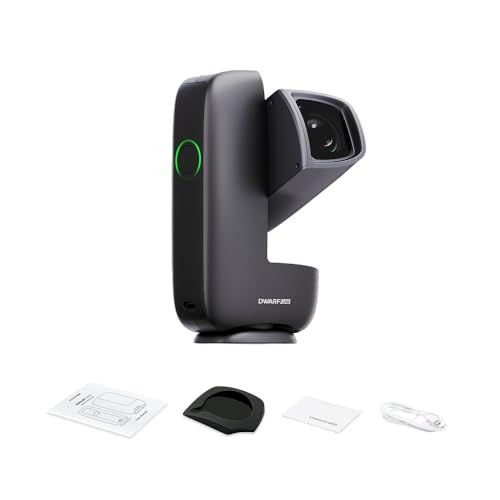
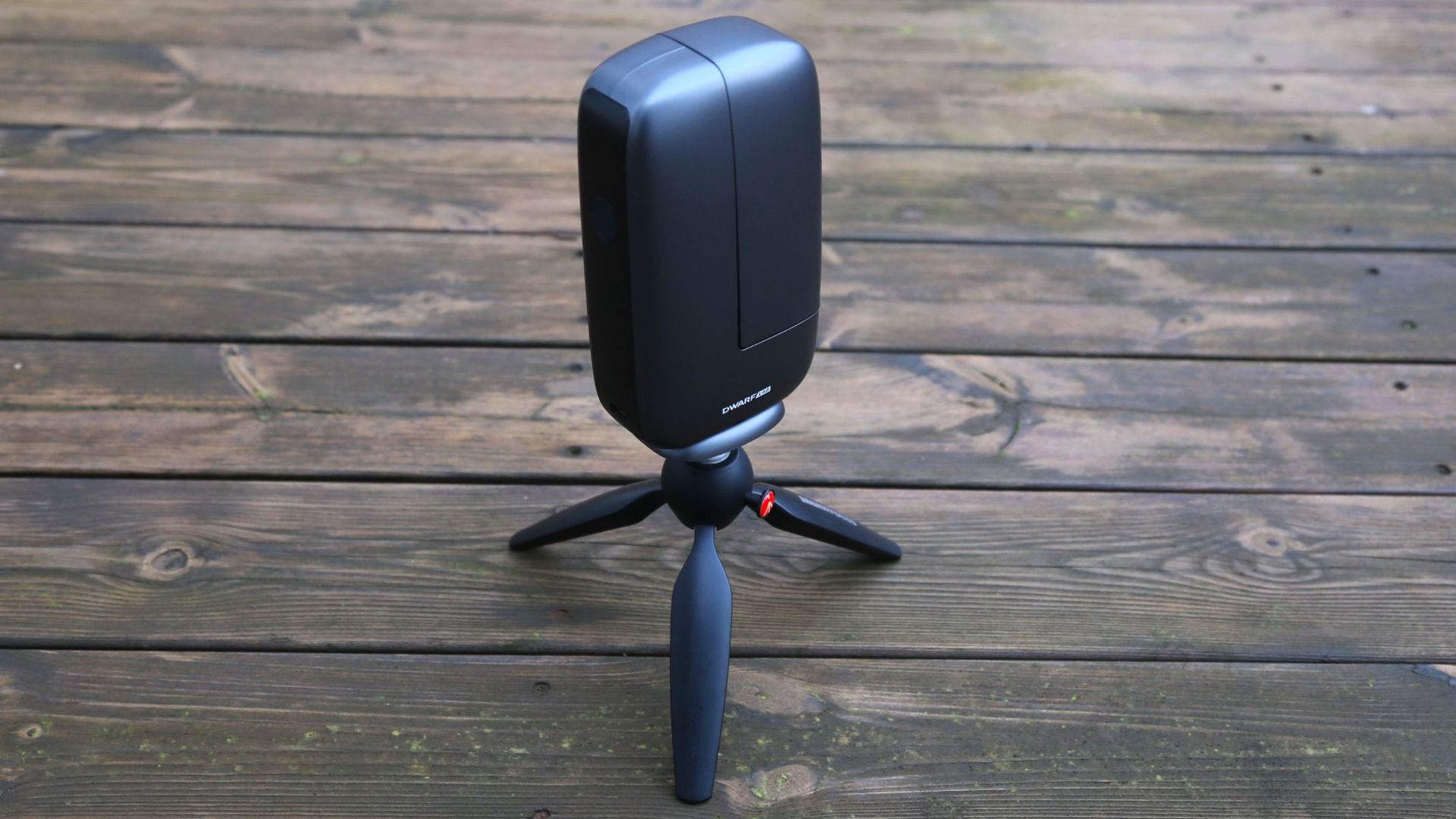
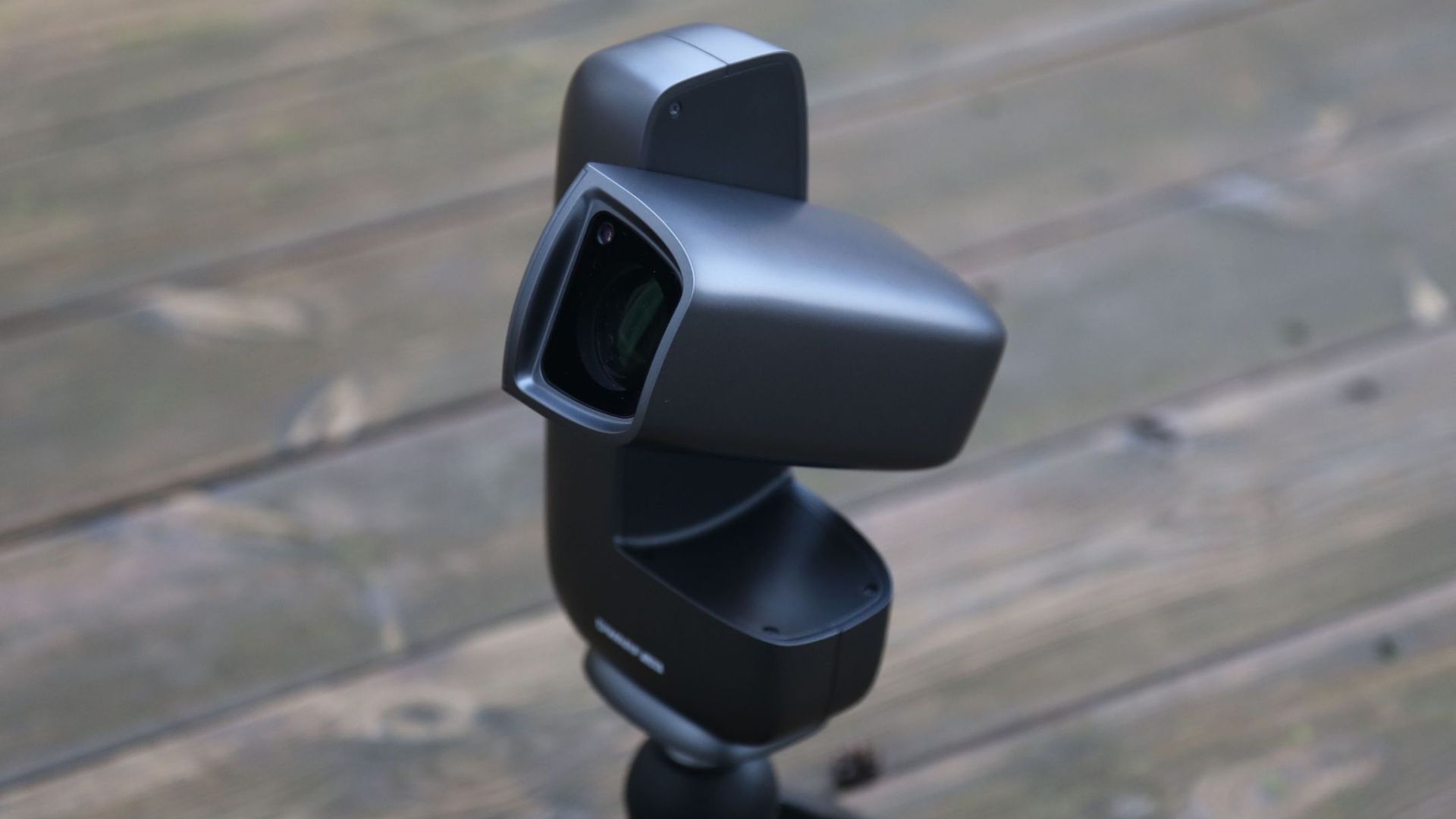
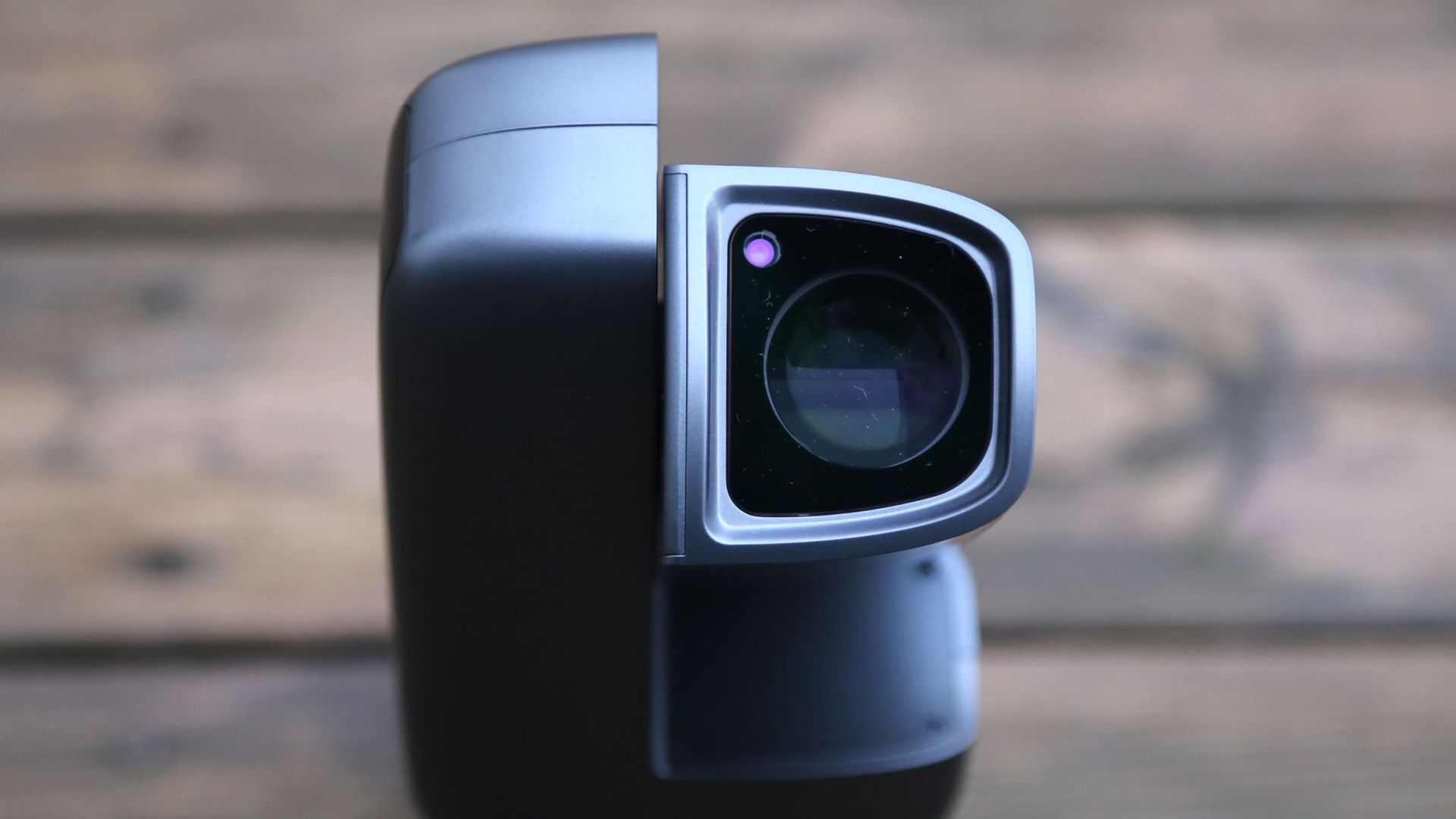
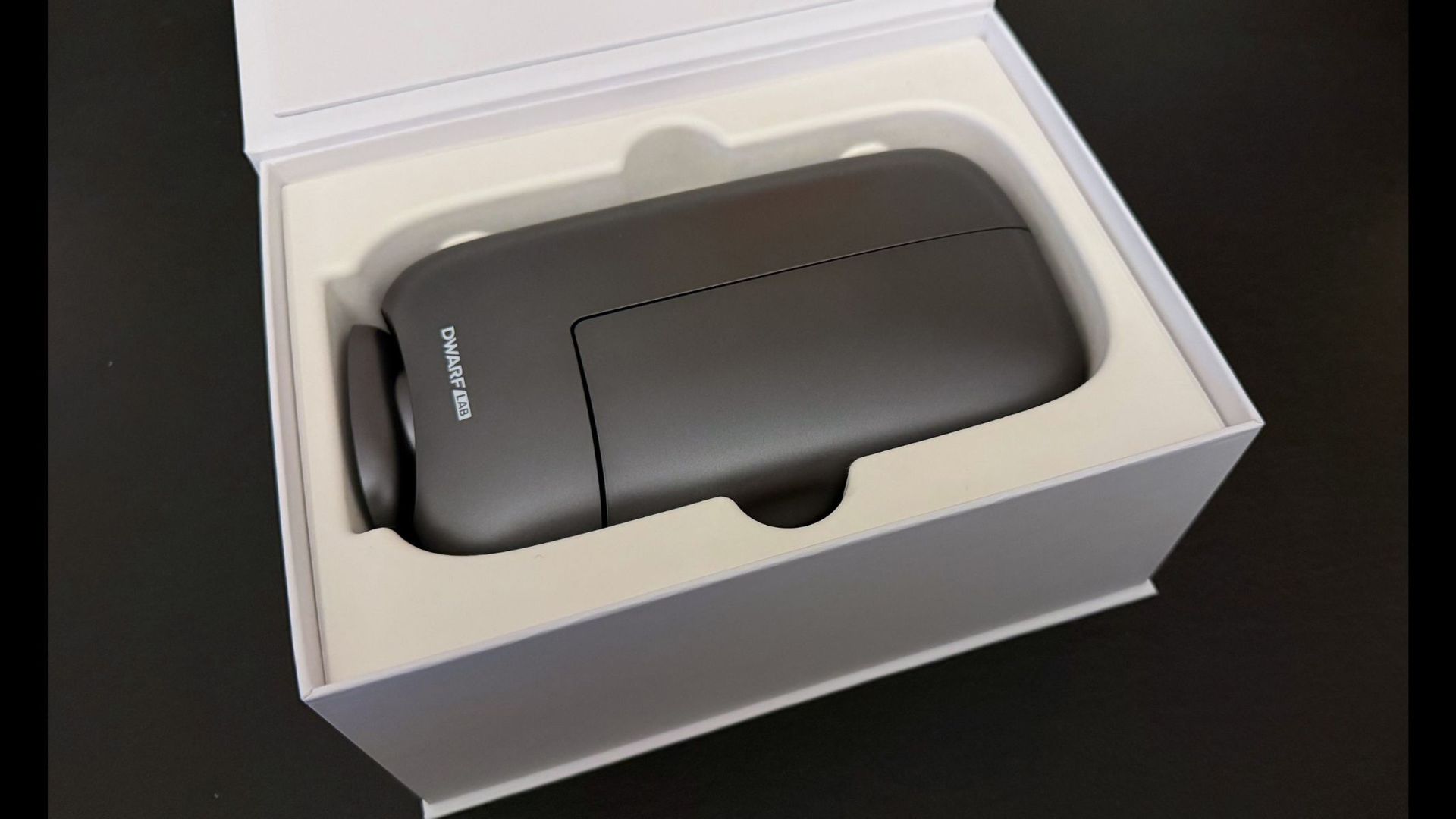
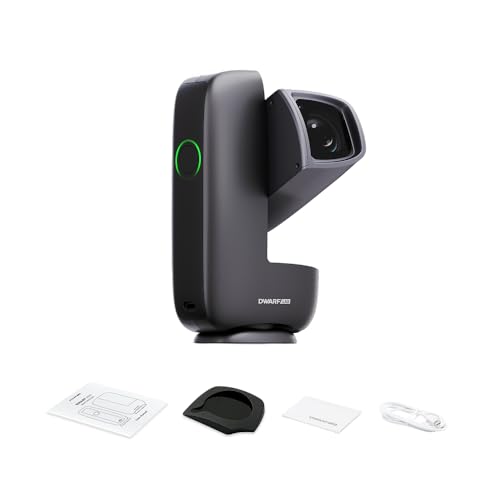
Want to take the effort out of watching and capturing the night sky? This Dwarflab Dwarf Mini smart telescope is just what you need, with the bonus that it's portable enough that you can pack it away to escape the curse of light pollution. Now it's $60 off in Amazon's Prime Big Deal Days event, the cheapest it's ever been. However, with limited stock, you'll have to be fast.
Expert Jamie Carter sang this scope's praises in his Dwarflab Dwarf Mini review, saying that it offers "A tempting combination of portability, automation and surprisingly capable astrophotography performance."
Since it lacks a screen, you will need a smartphone or tablet to control it but with a solar filter included, it offers excellent nighttime and daytime results, especially if you're sharing your images with fellow smartphone or tablet users. However, if you want 4K images, consider the ZWO Seestar S50 Pro.
Dwarf Mini: was $399 now $339 Save $60 on this super-portable smart telescope, just the right size to transport to a less light-polluted area, though it handles skyglow surprisingly well. View Deal
Want to save more on skywatching gear and technology? Visit our Amazon Prime Deal hub, where we bring you the best Prime Big Deal Days offers.
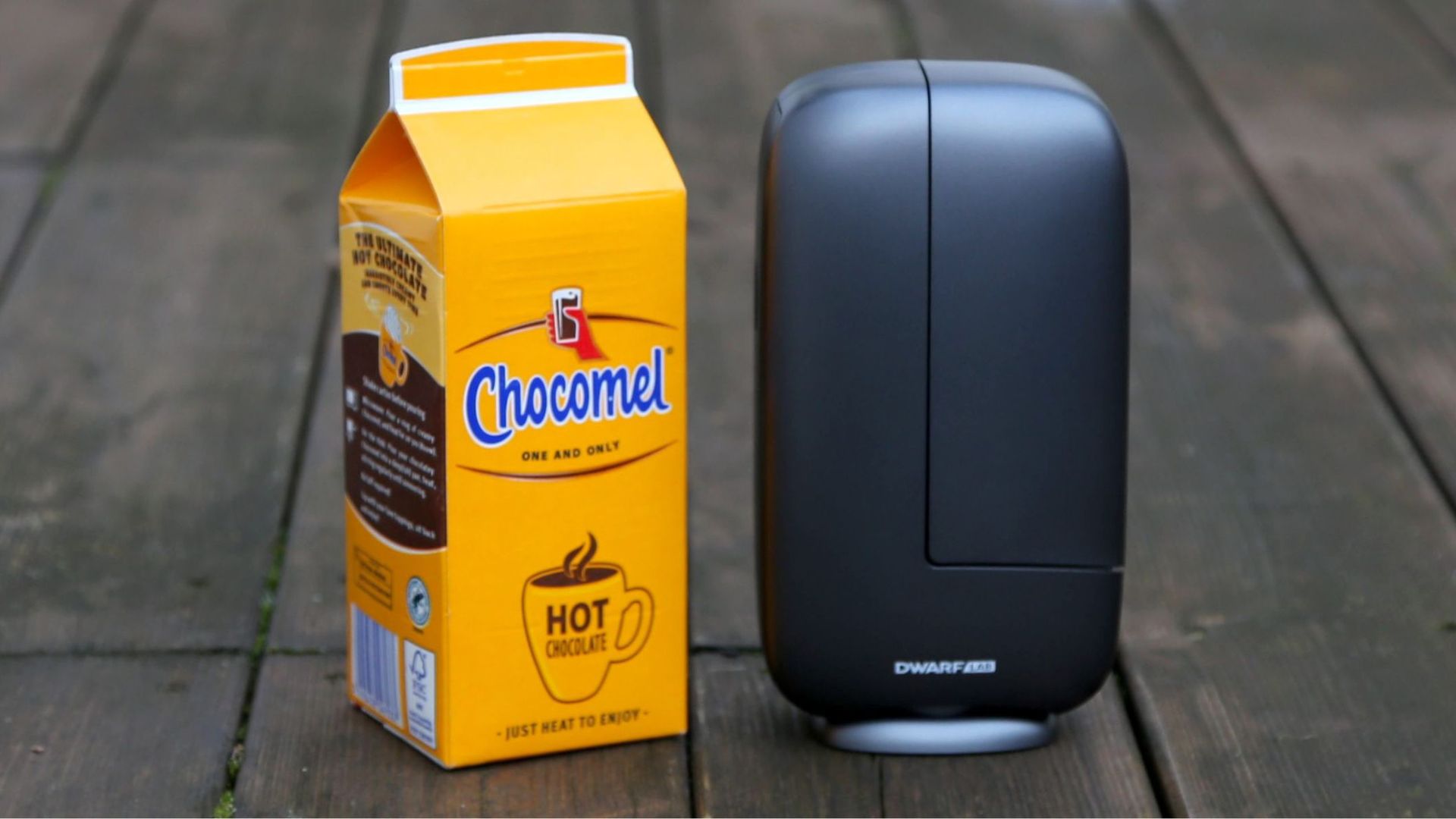
The Dwarflab Mini is portable enough that you can take it anywhere.Jamie CarterJamie CarterJamie CarterJamie CarterJamie Carter
Despite being about the size of a small milk carton, the Dwarflab Dwarf Mini packs a lot in, including a four-hour battery and an EQ tracking mode which, coupled with its magnetic solar filter, could prove invaluable for capturing the solar eclipse on Aug. 2, 2027. Naturally, it'll also track deep sky objects and even if travel isn't an option, it handles local light pollution surprisingly well.
Expert Jamie awarded it four stars in our Dwarflab Dwarf Mini review, praising how it made capturing the night sky essentially effortless. You can couple it with one of the best tripods but you can put it more or less anywhere with a view of the night sky, as long as the controlling device (your tablet or smartphone) is in range.
Its field of view is enough to capture objects in our own solar system. And for objects bigger than its FOV, Dwarflab Dwarf's mosaic feature stitches individual images together to give you a full picture. The only real negative, aside from the lack of a tripod, is that its 2MP sensor means the images it takes are best shared on a smartphone; show on a large screen or attempt to zoom in for editing and you'll likely notice artifacts.
Key features: 1.180-inch (30 mm) aperture, 150 mm focal length, field of view 50.59 x 45.06 degrees (wide)/2.5 x 2.14 degrees (telephoto), 7.24-in × 3.94-in × 2.4-in in size, Alt-Az/EQ mount, 64GB storage, 7,000 mAh / 4 hrs battery, smartphone or tablet required.
Product launched: January 2026
Price history: The Dwarflab Dwarf Mini has never been cheaper; this is a major reduction, even though it only launched in January.
Reviews consensus: In our Dwarflab Dwarf Mini review, expert Jamie said it "Makes capturing the deep sky and the solar system almost effortless," awarding it four stars. He did note that its 2MP sensor means the images it produces are best suited to sharing on smartphones.
Like the other deals featured in our Amazon Prime Big Deal Days hub, you have to be an Amazon Prime member to get this deal. However, if you've never had Prime before, or never had an Amazon account before, you may be able to take sign up for a free 30-day trial.
Beyond that offer, Prime will cost you $14.99 monthly (you can cancel any time) or $139 annually. But you're not just paying for access to these deals; you get free delivery, access to Amazon Prime Video (one of the best value streaming services for sci-fi fans), Amazon's Luna game streaming service and more.
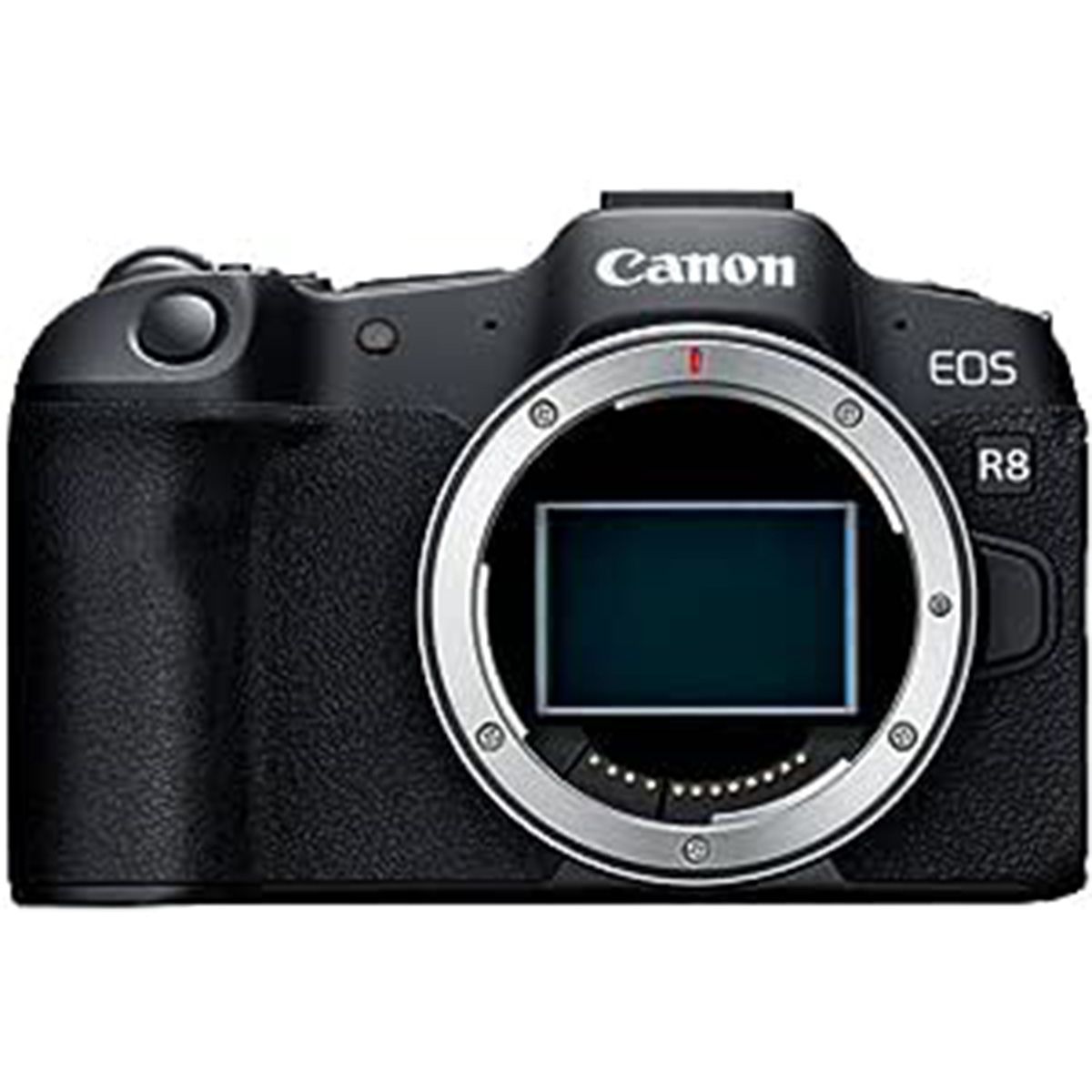
You don't need the latest mirrorless camera to start your photography journey, there is too much functionality for a beginner on them and tend to be very expensive. The Canon EOS R8 is a great camera for someone new to photography, with a 24MP sensor, great high ISO handling for astro and dual-pixel autofocusing. Best Buy is currently selling the model for $28 cheaper than Amazon during their Prime Big Deal Days event with a total saving up to $428.
Walmart kicked off the holiday savings period on Oct. 5, meanwhile, Amazon has kicked off its second Prime Day event, with the best prices reserved for Amazon Prime members. If you are a new Prime member, you can get a 30-day free membership so that you can access these savings. All the best deals from all retailers will be on our Prime Day hub, with money off cameras, telescopes and binoculars.
Save a huge $428 on this amazing beginner mirrorless camera. It has a 24MP sensor, a slim body and is well capable of astrophotography.
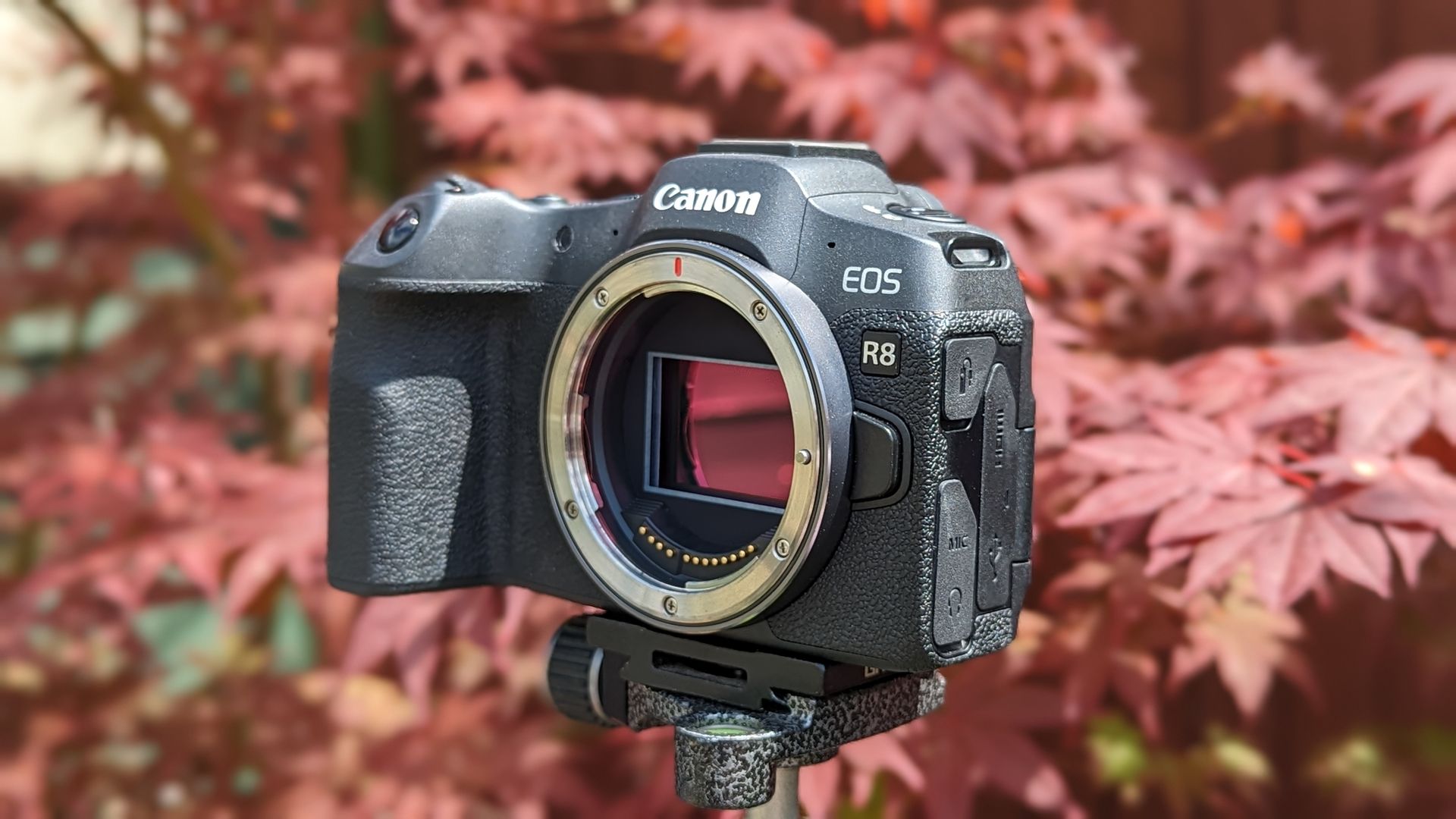
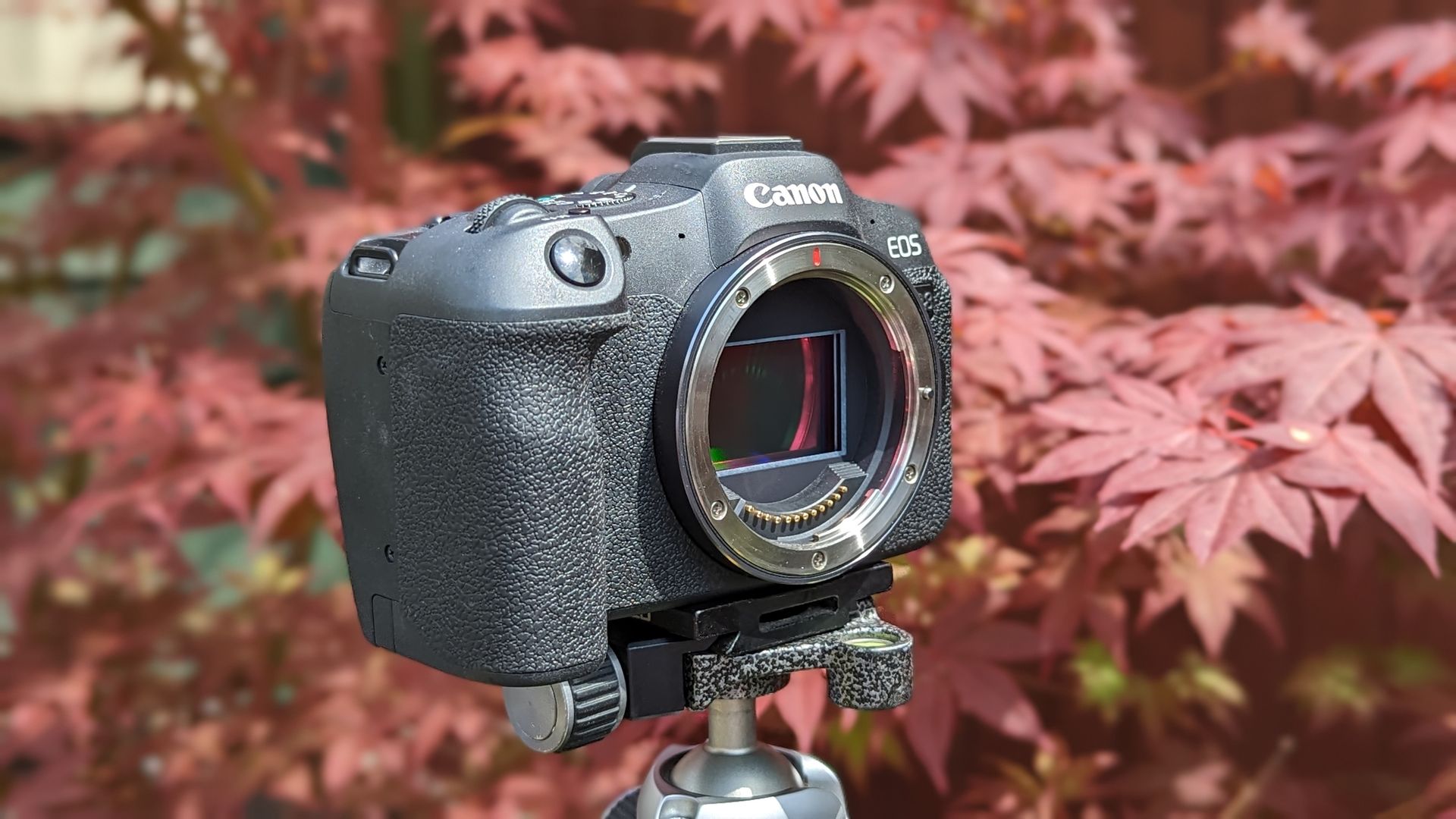
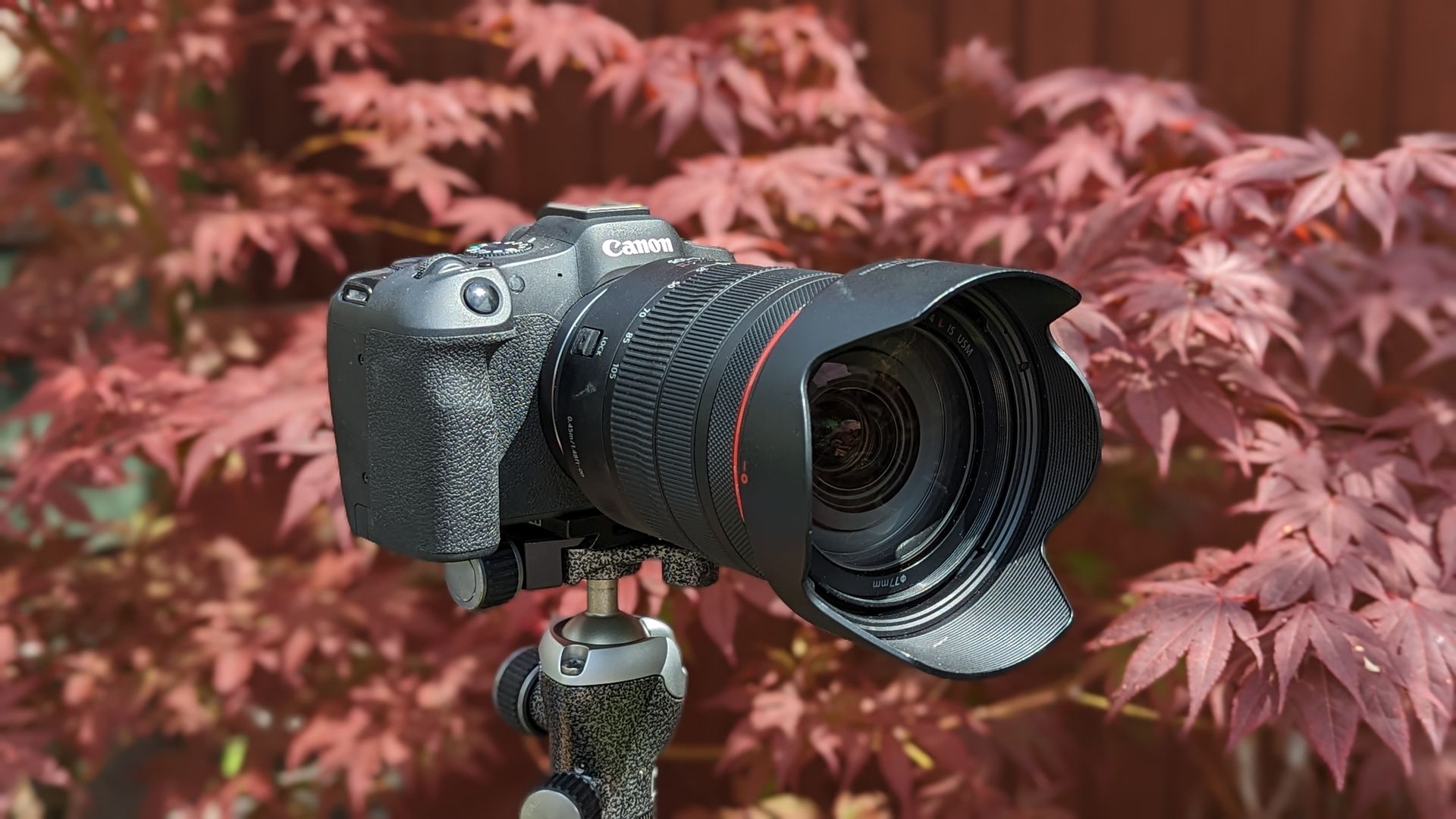
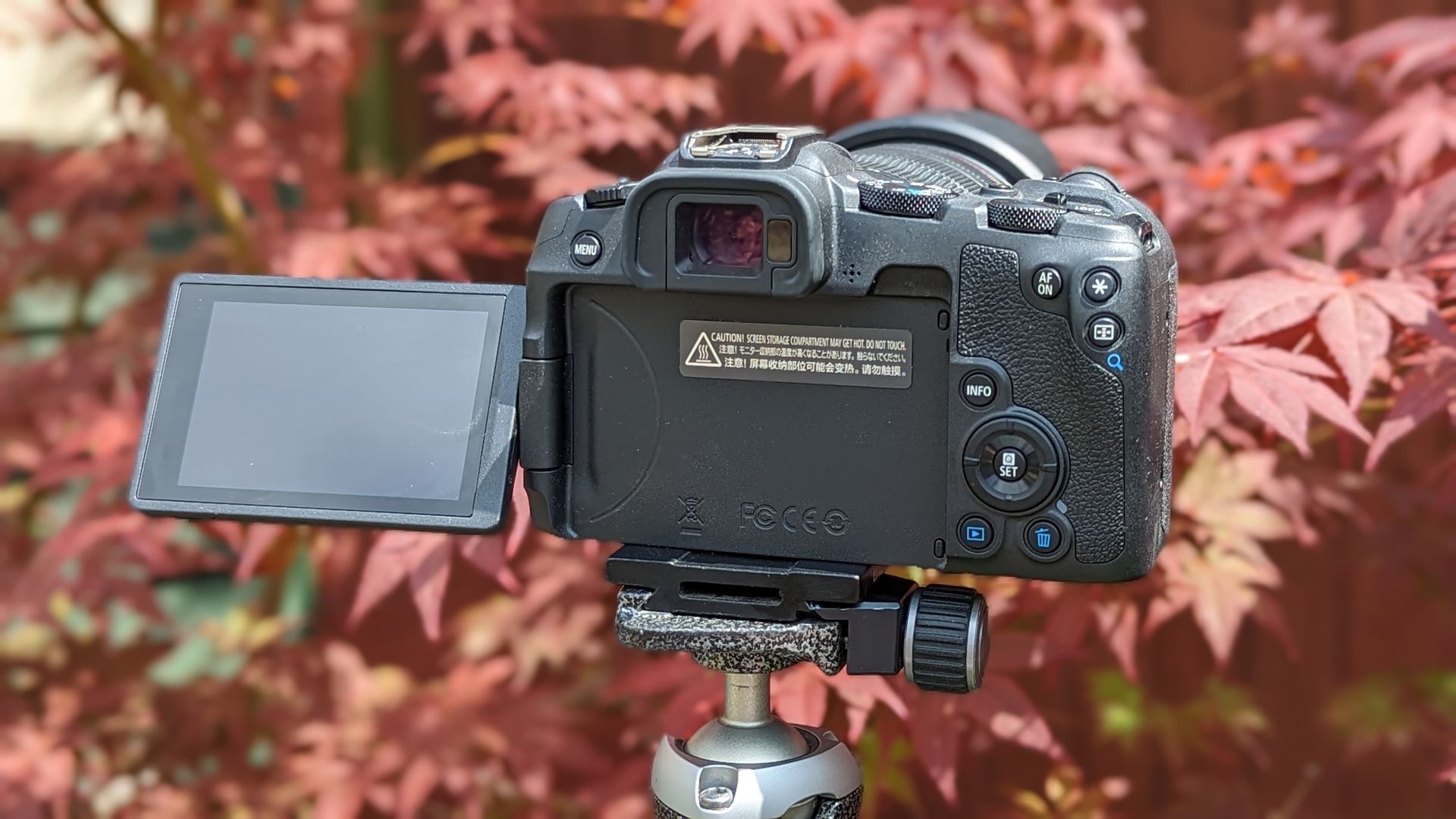
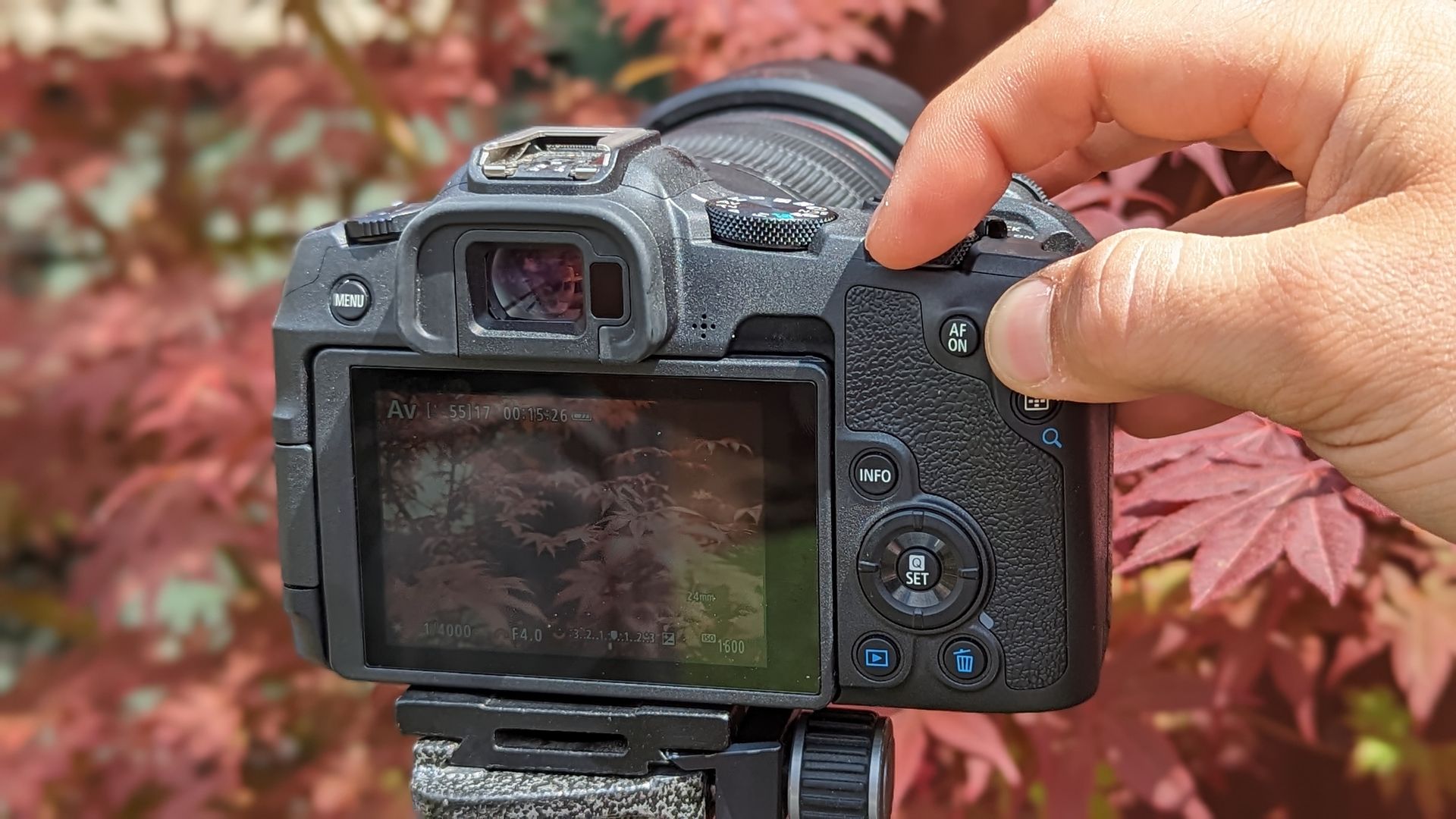
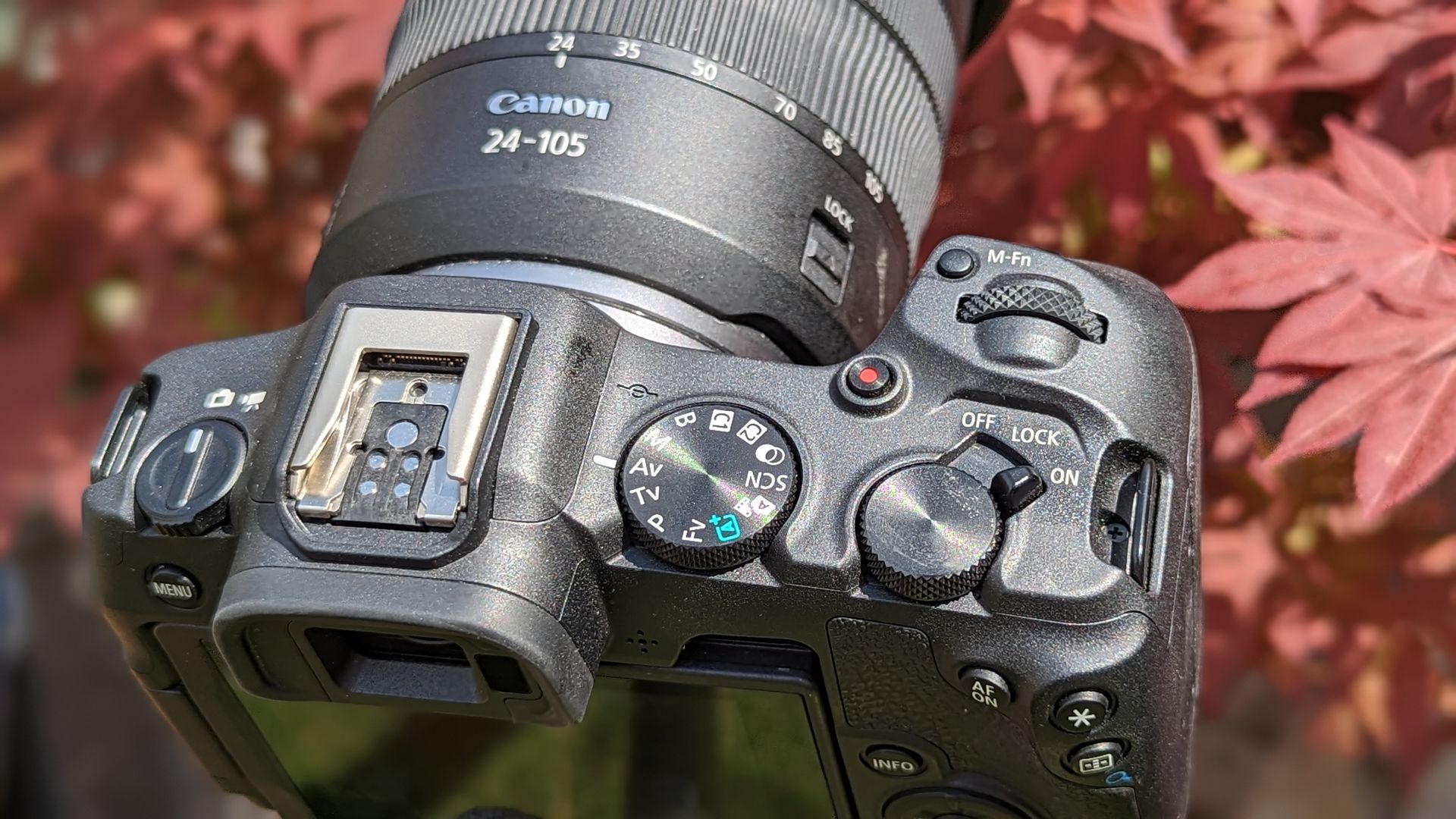
The Canon EOS R8 is compatible with all Canon RF lenses.Jason Parnell-BrookesThe build on the Canon EOS R8 is sturdy enough whilst staying light weight.Jason Parnell-BrookesThe Canon EOS R8 can handle some of the bigger RF lenses too, without seeming unbalanced.Jason Parnell-BrookesThe Canon EOS R8 has a fully articulated LCD screen which makes it a breeze for capturing photographs from difficult angles.Jason Parnell-BrookesThe back panel also features buttons that are placed in the right spots for easy use.Jason Parnell-BrookesThe dials on top of the Canon EOS R8 allow for easy manipulation of exposure controls and is intuitive enough for beginners and enthusiasts.Jason Parnell-Brookes
The Canon EOS R8 is a great beginner full-frame camera that packs a lot of functionality into such a cheap model. We thought the autofocus was great at tracking a range of subjects, using it to capture Venus in the night sky. On top of sharp dual-pixel autofocus, the R8 also has great high ISO handling and is one of the lightest Canon full-frame mirrorless cameras.
This is a great buy for someone looking to get into photography and even astrophotography because it offers strong overall performance within a relatively lightweight and cheap build. The button placement is great for beginners and allows new users to start straight away before moving up to more advanced shooting.
Both of these discounts come during October Prime Day, which is running from Oct. 6-7 and offering some great prices for Prime members. New members can sign up for a 30-day free trial so that you can access the best deals without having to pay a subscription fee.
Key features: 24.2MP full-frame sensor, DIGIC X image processor, 4K UHD 60p video recording, Dual Pixel CMOS AF II autofocus, ISO range 100-102,400 (expandable to 204,800), 40FPS burst shooting, vari-angle touchscreen LCD.
Product launched: April 2023
Price history: This camera usually retails between $1,499 and $1,349. This price from Best Buy is the cheapest the camera has been since January 2025.
Reviews consensus: We gave the Canon EOS R8 four and a half stars for its slim body, great high ISO noise handling and Dual Pixel CMOS AF II autofocusing. We think it is a great budget option for beginners who want to start shooting astrophotography as well as general photography.
Space: ★★★★½ | Digital Camera World: ★★★★½ | LiveScience: ★★★★½
✅ Buy it if: You want a cheap but great mirrorless camera to learn photography with, whilst having enough functionality to keep you learning for years.
❌ Don't buy it if: You need professional-level features like in-body image stabilization (IBIS), a CFexpress slot or a super-high resolution sensor. Our guide to the best cameras features a range of pro-level models.
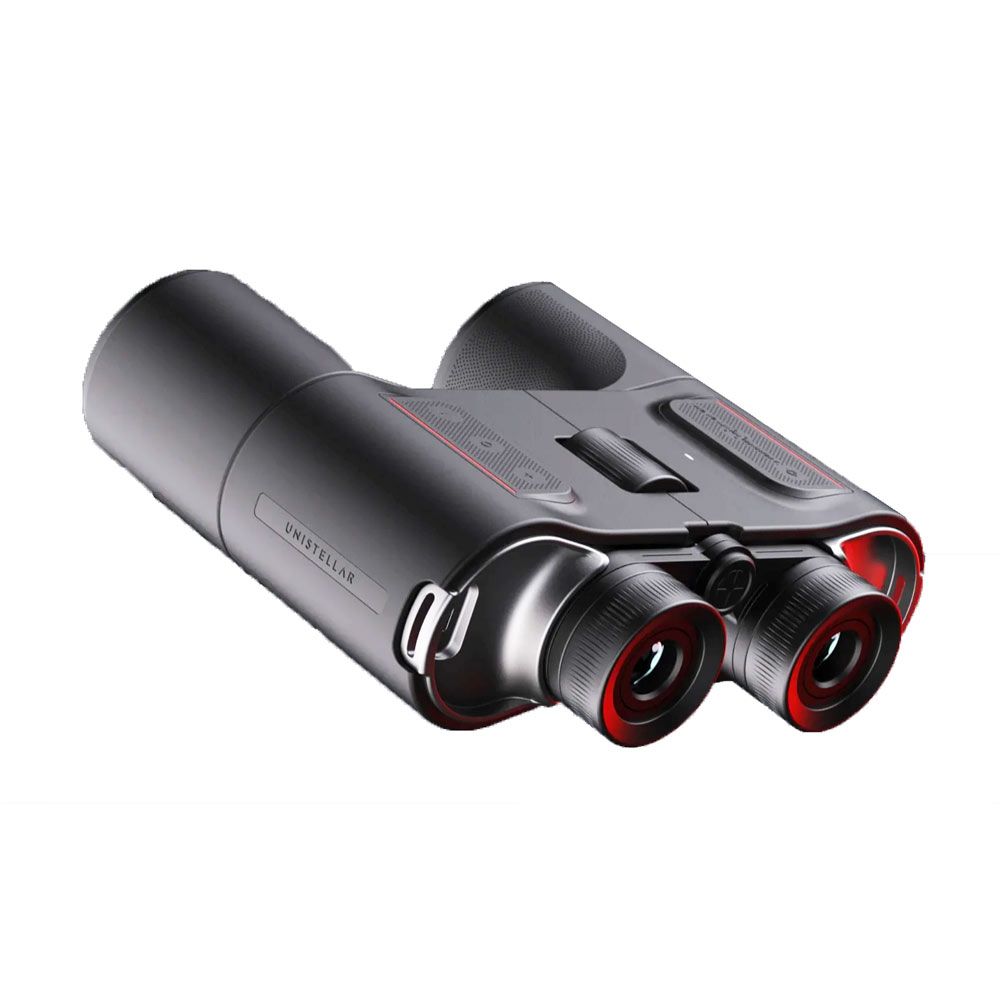
Unistellar announced that pre-orders were opening for the highly-anticipated Envisions at this year's IFA 2026 conference in Berlin and have delivered more details on the type of functionality customers can expect. The 10x50 smart binoculars can be used with or without the augmented reality (AR) overlay which is able to recognise constellations, planets and deep-sky objects in real time, with more functionality expected to be released within the coming months.
Pre-order now for guaranteed delivery before Christmas.
The Envisions are the highly anticipated augmented reality (AR) smart binoculars from Unistellar, with night sky object recognition from a database of over 1,000 astronomical targets, shareable target lock and guided navigation mode. Functionality to identify natural landmarks, paths and shelters is expected in the coming months.
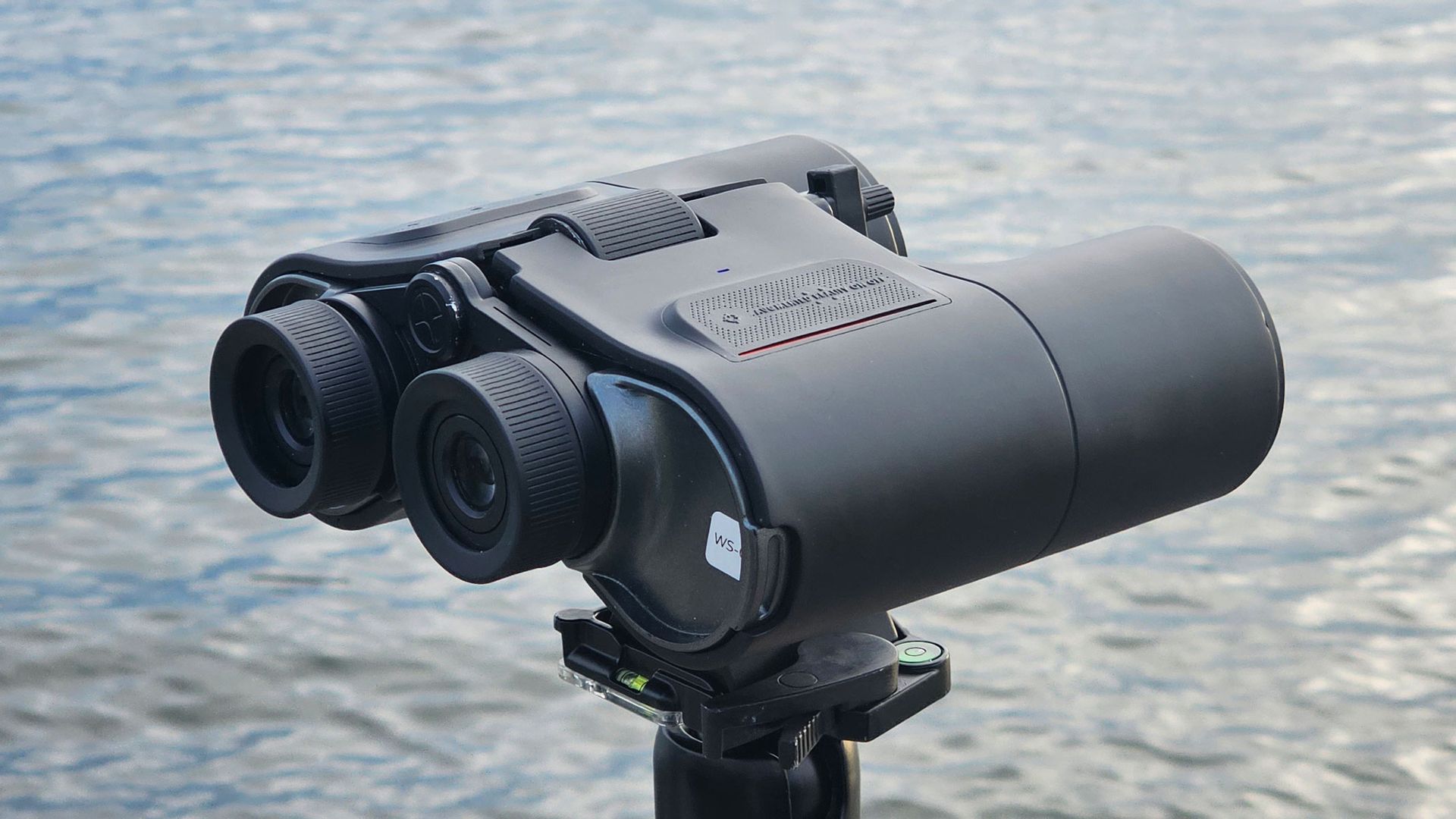
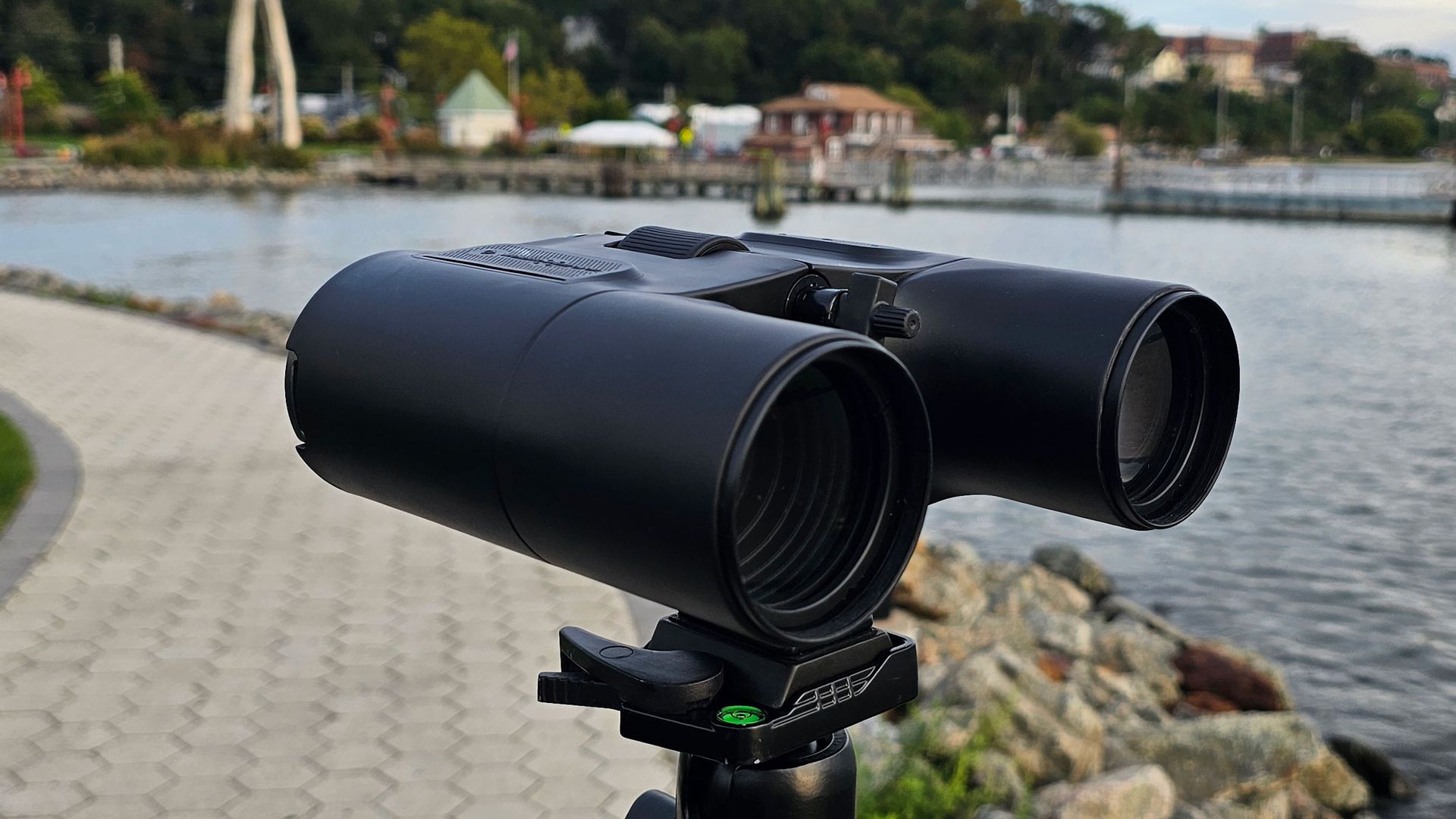
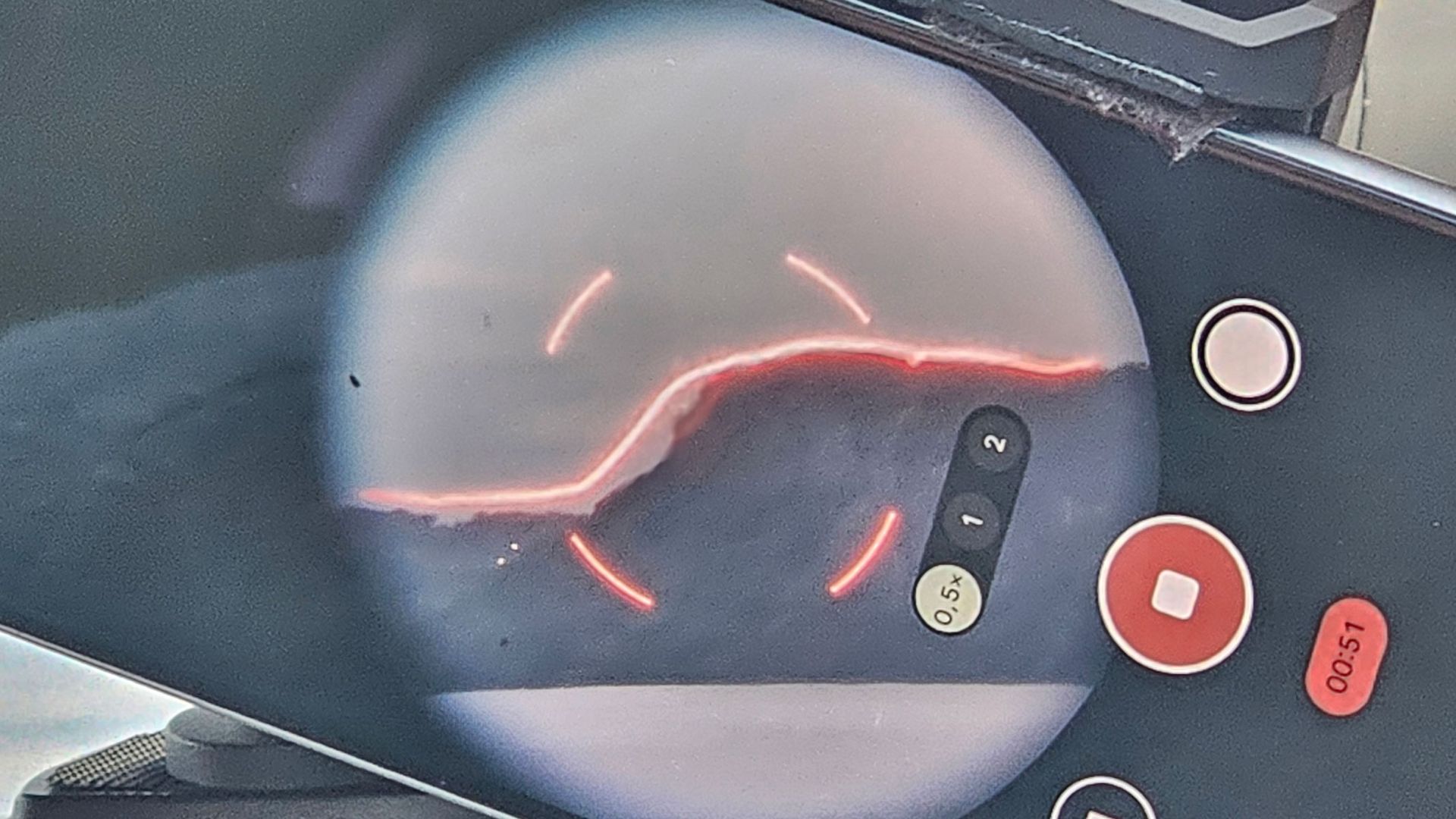
Our editor-in-chief Tariq Malik was very impressed with them during a demo and thought they felt like something from Star Trek. Tariq Malik / FutureControls on the right hand side of the model allow you to activate the AR overlay or just use them as regular 10x50 binoculars.Tariq Malik / FutureAt 10x magnification and with 50mm objective lenses, these smart binoculars also hit the key specs for stargazing binoculars even without the augmented reality (AR) overlay.Tariq Malik / FutureGuided navigation mode when paired with the Unistellar app helps guide you toward specific night sky objects that you want to observe.Tariq Malik / FutureOn top of night sky object identification, functionality for identifying geographical features is expected to be released soon. Tariq Malik / FutureThe red augmented reality (AR) overlay displays the name of your chosen target and helps you identify new parts of the natural world.Tariq Malik / Future
Unistellar have already shown their muscle in the smart telescope department with the Odyssey, eQuinox 2and eVscope 2 delivering easy and professional astrophotography to beginner and intermediate stargazers alike. Now they are pushing into the world of smart binoculars with the release of the Unistellar Envision smart binoculars.
These binoculars are "smart" in a different way to the rest of Unistellar's products. They use augmented reality to help users identify constellations, stars and deep sky objects, with a red overlay displaying names and information within the 10x magnified view. Our editor-in-chief got his hands on a pair of Envisions last year and was struck by how sci-fi they felt, likening them to something from Star Trek.
Whilst connected to the Unistellar smartphone app, users can select "Guided Navigation Mode" which guides them to their chosen target. This can also be used for custom targets that the user selects and can be used during shared viewing to help others find the same target. Functionality for geographical landmark identification is expected to be released in the coming months and subsequent software updates are expected to introduce new and exciting uses.
This Unistellar Envision pre-order guarantees delivery before Christmas, so if there is a stargazing obsessed loved one in your life, these smart binoculars could be the perfect gift. They are ideal for those who love adventuring and prefer dynamic skywatching with a new tool that boasts over 1,000 astronomical targets of interest and more than 200,000 visible stars in its database.
Key features: 10x magnification, 50mm objective lenses, porro prism design, weight 2.65 lbs (1.2 kg), five-hour AR battery life, operates without battery as classic binoculars, six-degree field of view, BaK-4 fully multi-coated optics, 1,000+ astronomy targets, +1,000,000 terrestrial targets (functionality expected to be released within the coming months).
Product launched: 2025
Price history: Unistellar did offer the binoculars for $999 for those who pre-ordered them last year but the current selling price is $1,499.
Reviews consensus: We tried them out before general release and were impressed with their augmented reality (AR) overlay which helped us identify stars and a geographical target.
Jase Parnell-Brookes has reviewed a huge range of skywatching optics, including the best telescopes, binoculars and image-stabilized binoculars. As our trusted authority and expert tester, when they recommend a product and you're in the market for it, their opinions and recommendations are worth paying attention to.
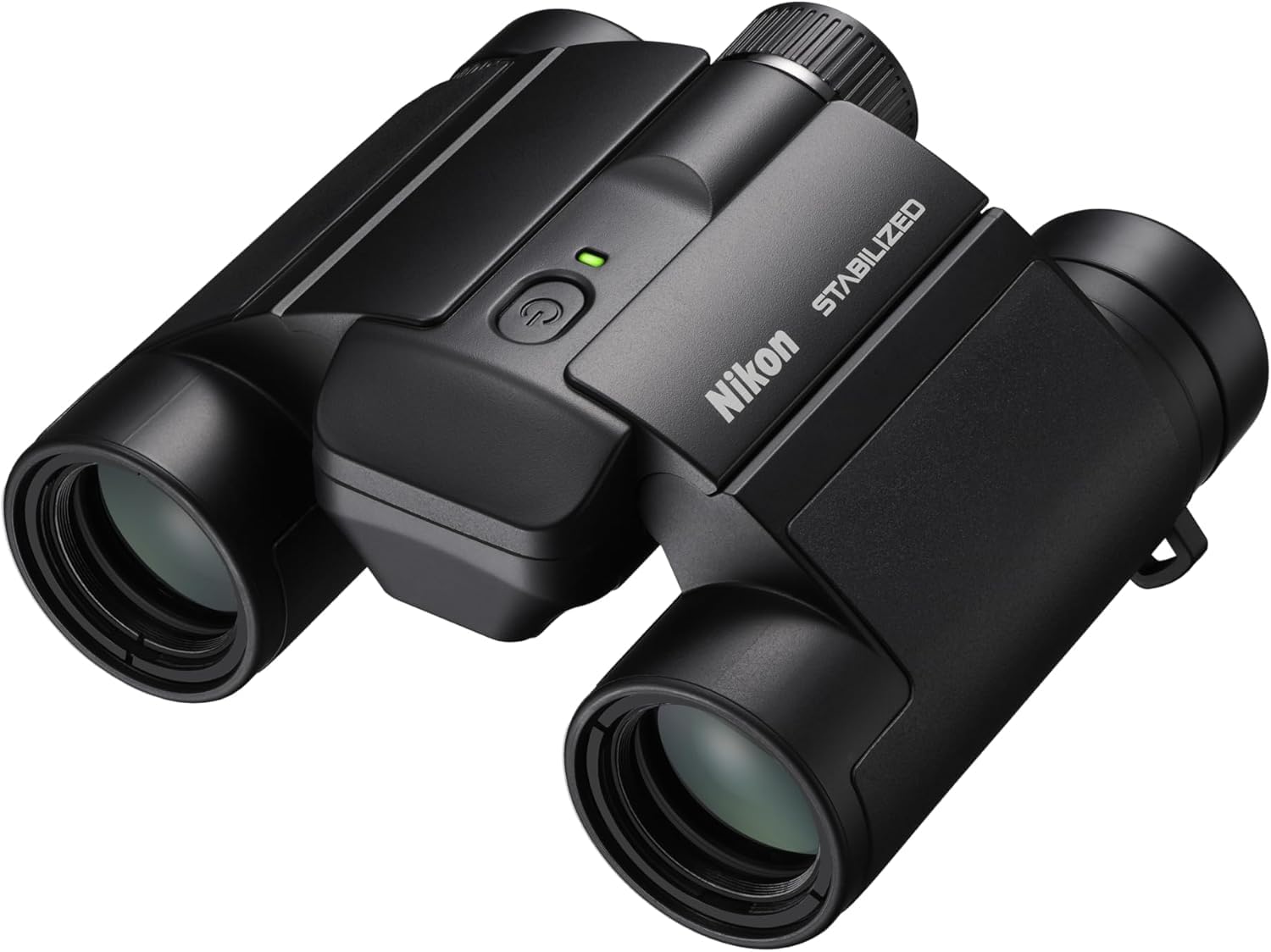
In their Nikon Stabilized 12x25 binoculars review, Jase reckoned they were without doubt the best compact image-stabilized (IS) binoculars they had ever tested. Right now they have $73 off and are at the best price we've seen since Black Friday 2025.
Jase awarded them with a perfect 5-star rating, which was mostly thanks to their excellent stabilization, their unobtrusive controls and incredibly small form factor. They also earned a place on our best binoculars guide as the best compact IS binoculars. This Best Buy deal is worthy of your attention if you're in the market for an incredibly versatile pair of binoculars that deliver still views in a compact body.
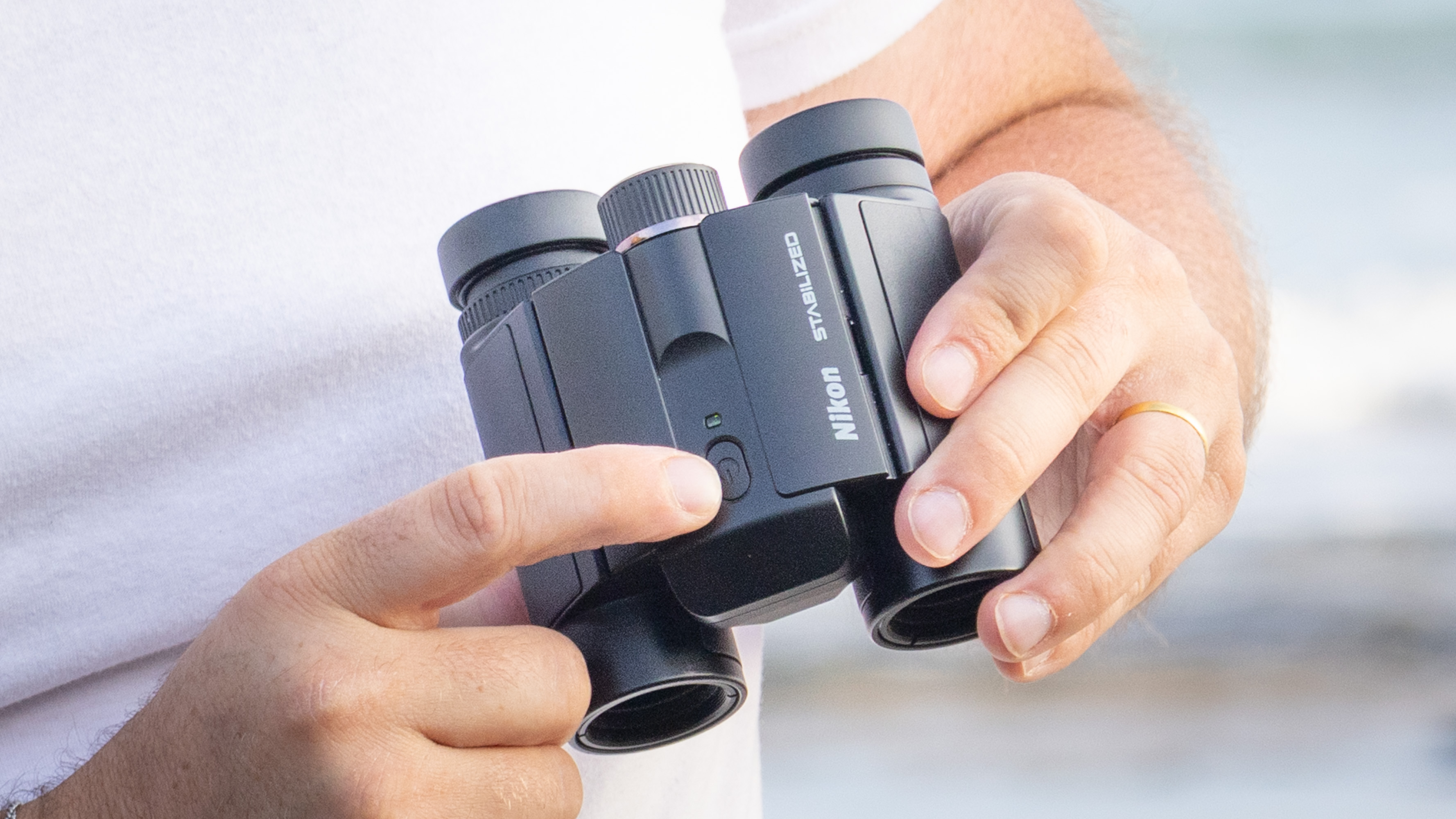
Save $73 on these pocket-sized image-stabilized (IS) binoculars from Nikon. They offer a strong 12x magnification and are portable enough to just slip into your pocket. In our review, we noted that the compact size and amazing IS system delivered amazing stargazing performance and earned them a perfect five-star review.
The Nikon Stabilized 12x25 S binoculars are incredibly compact and are a handy pair to take wherever you go. Kimberley LaneThe smaller objective lenses mean that the image looks a stop darker than viewing with the naked eye. Kimberley LaneThe eyecups rotate freely to adjust the amount of eye relief. Kimberley LaneThe binoculars are incredibly lightweight, considering their onboard image-stabilization system. Kimberley Lane
These image-stabilized (IS) binoculars punch well above their weight. Tipping the scales at a feathery 13.9 oz (395 g), they pack effortlessly into any bag, giving you rock-steady views wherever you roam. While the compact objective lenses yield a slightly dimmer view than the naked eye, they still deliver fantastic, crisp performance for casual stargazing.
In their testing, Jase managed to see the Andromeda galaxy (M31) with averted vision and the Orion nebula (M42), so these are worth taking out with you at night for a better look at the stars and some of the brighter deep sky objects.
They are also relatively cheap in the image-stabilized world where models can easily go for $1000 and up, depending on the model. Jase was happy to recommend these over another compact IS model, the Canon 8x20 IS binoculars, and they are actually lighter and smaller too. With their silky smooth steadying and clear views, they highly recommended them for anyone looking to get image-stabilized binoculars but doesn't want to spend big bucks.
Key features: 12x magnification, 25mm objective lens diameter, 4.5-degree angular field of view, 12.3mm eye relief, 13.9 oz (395 g) weight.
Product launched: November 2024
Price history: The Nikon Stabilized 12x25 binoculars usually retail for $699.95 on Amazon. This deal from Best Buy beats the Amazon price easily and, at just $626.95, is the best price we've seen since Black Friday 2025.
✅ Buy it if: You are looking for an affordable way into image-stabilized binoculars and need a pair that you can slip into your pocket.
❌ Don't buy it if: You need really high magnification or bigger objective lenses. For more powerful image-stabilized binoculars, try the Canon IS 15x50 binoculars.
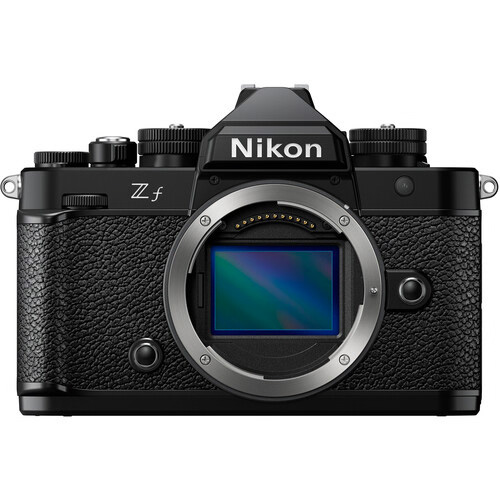
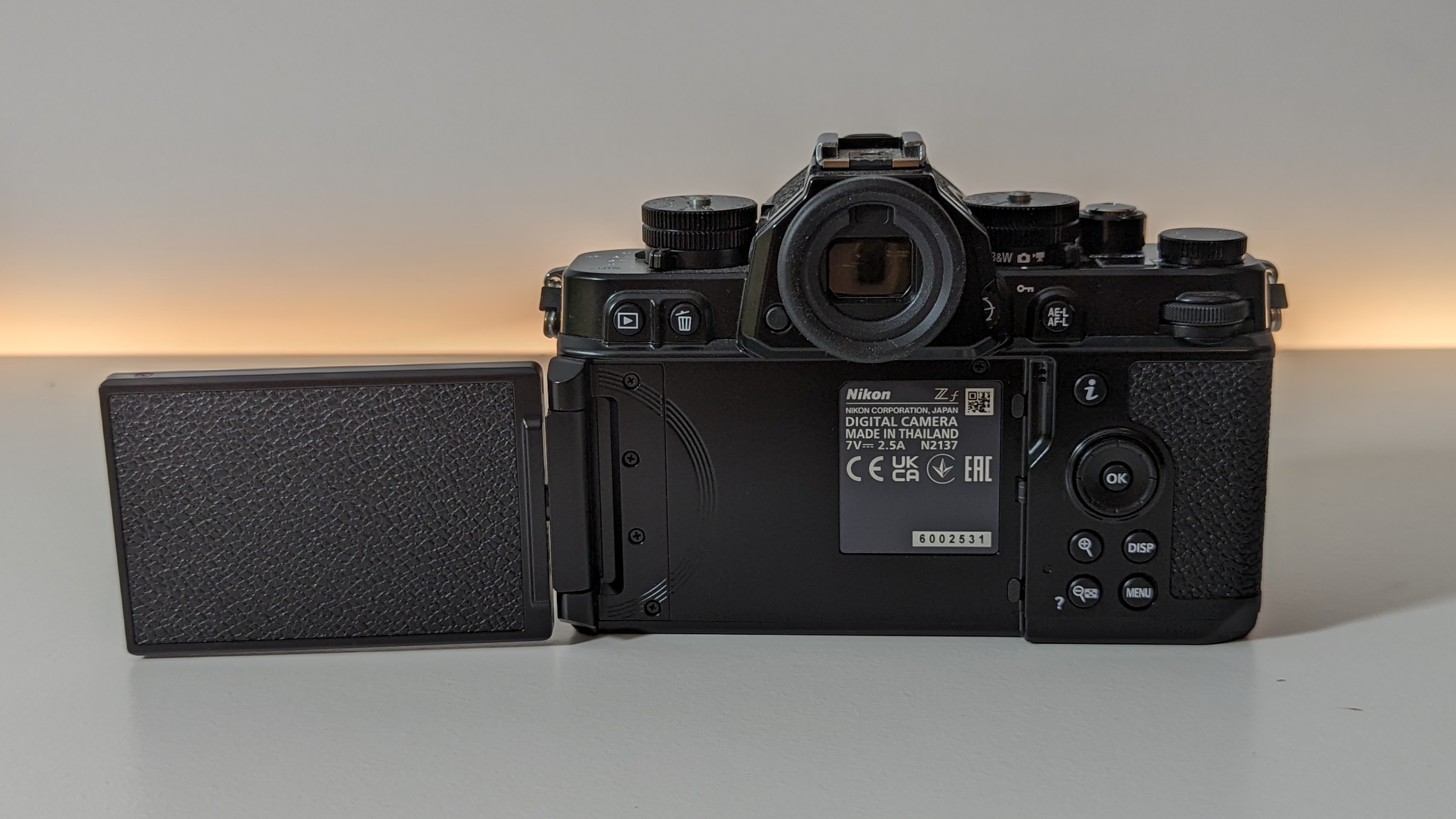
Looking for a quality camera that marries style and performance? Look no further than the Nikon Zf. Despite its vintage looks, it's one of the best Nikon cameras you can buy and with its excellent low-light performance, we also rank it as one of the best astrophotography cameras. Now, thanks to this deal, it's the cheapest it's been since last year's Black Friday.
In our Nikon Zf review, our expert called it "A great buy that offers excellent value for money when compared with some of the much more expensive Nikon models." Now less than $1,800, this is a steal for astrophotographers and photographers in general.
Save $453 on this impressively capable Nikon Zf camera. It isn't just a great low-light performer, it's an excellent all-rounder. Its retro-aesthetic is a bonus for those who miss the look and feel of film cameras. View Deal
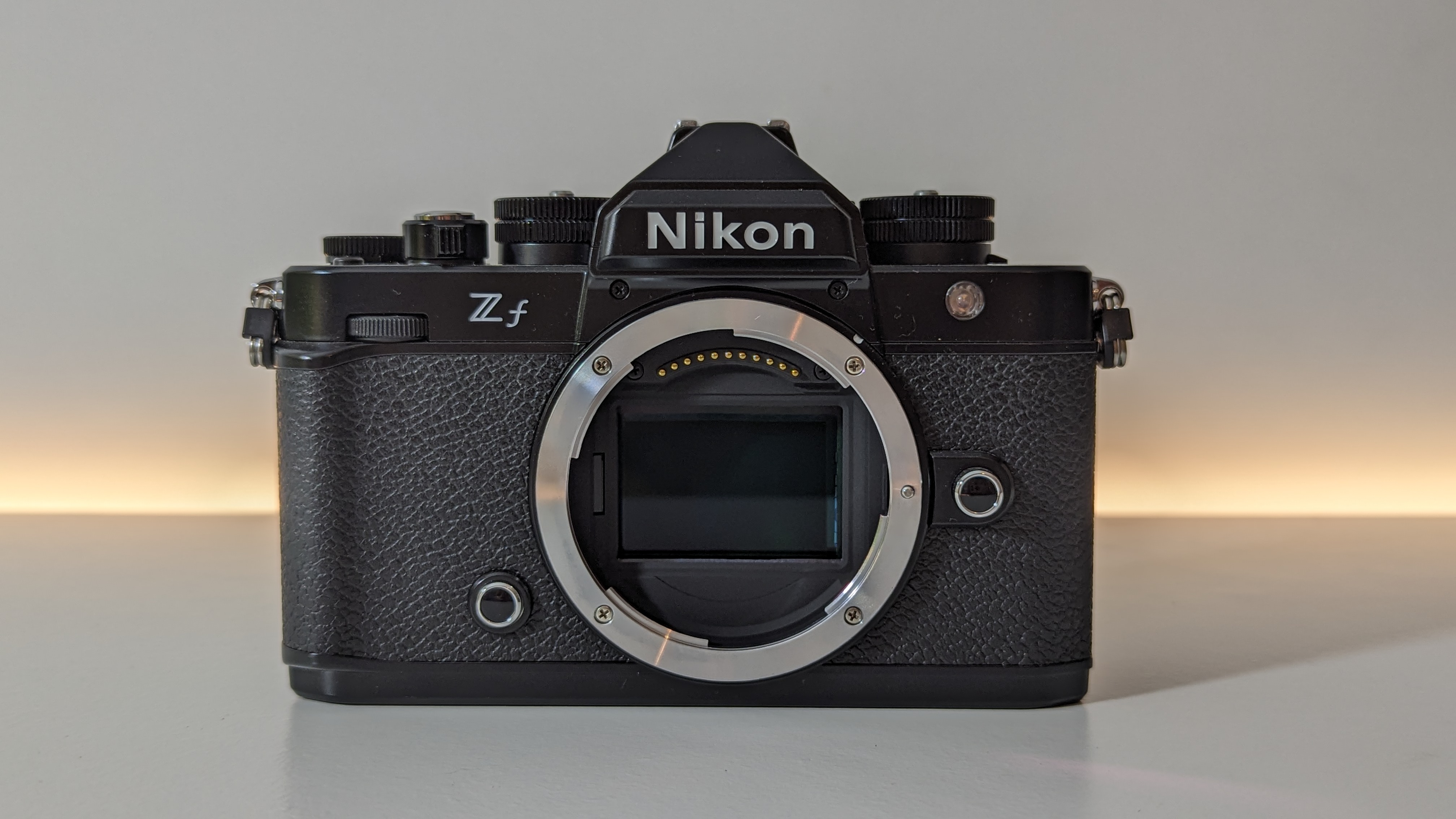
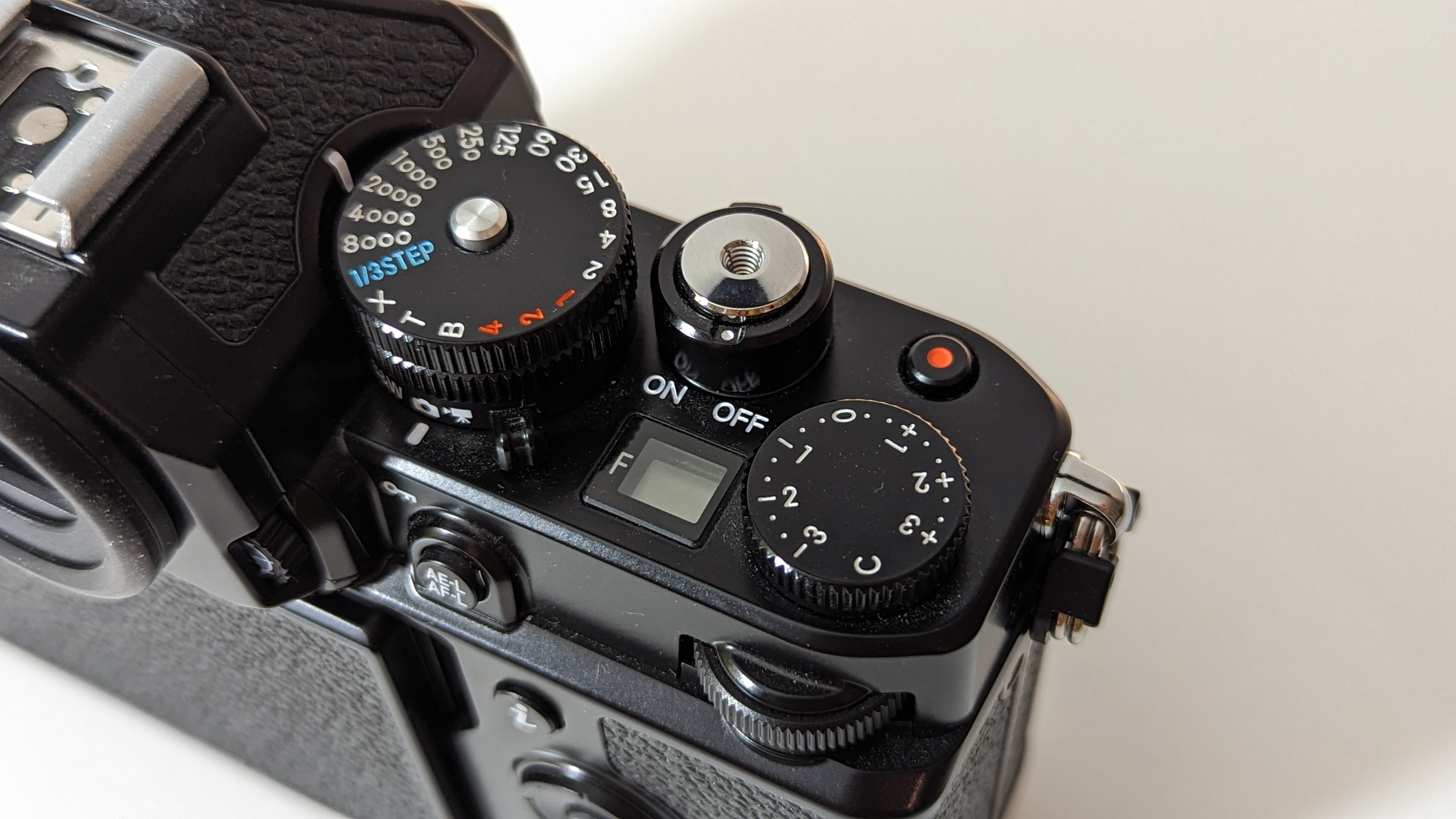
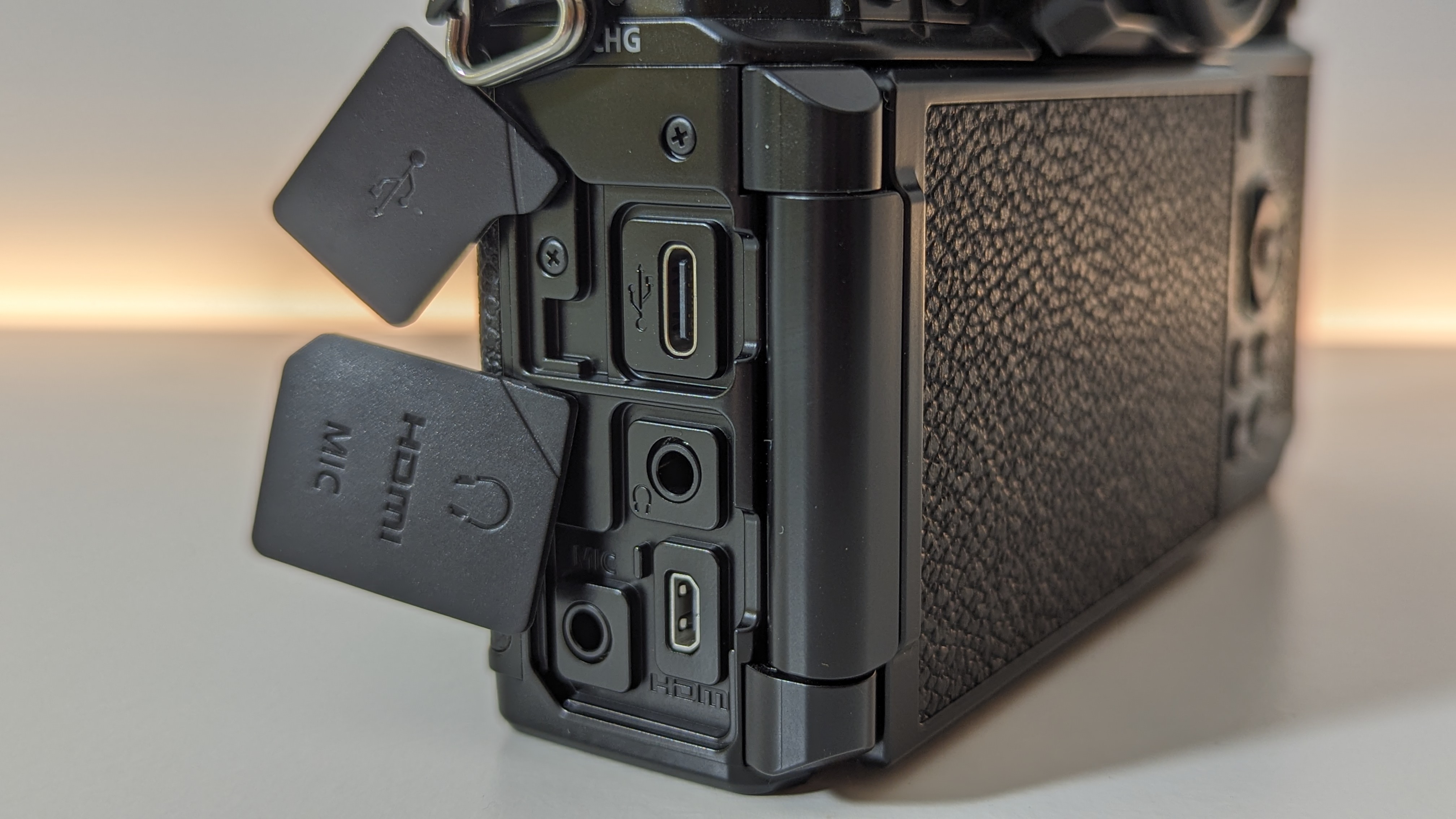
Couple the Nikon Zf with a suitable lens and you've got a camera that excels at astrophotography. FutureFutureFutureFutureFuture
What's not to love about this Nikon Zf camera? We ranked it as the best camera under $2,000, before inflation pushed it past that price point, and this deal makes it the cheapest it's been since last Black Friday.
Not only does this full-frame mirrorless camera offer excellent low-light performance, so much so that we think it's one of the best cameras for astrophotography, it's a brilliant all-rounder too.
In their Nikon Zf review, expert Jase Parnell-Brookes awarded it four-and-a-half stars, discovering that its strengths go far beyond its vintage stylings, remarking that "It delivered an impressive dynamic range and performed well in various lighting scenarios."
And, while you can point and shoot, the Nikon Zf is packed with controls designed to enhance your experience. From changing the ISO and ISO sensitivity, through to switch to black-and-white mode, you have complete control over your images. That much choice may seem daunting but the buttons and dials are intuitive enough that using them becomes second nature.
There are Nikon cameras out there that can beat its 24.5 MP images, but you'd have to spend significantly more. The Nikon Z8, for example, is over half as much again. If you want to make your money count, the Nikon Zf is the camera to buy. However, you'll have to hurry if you want to make the most of this deal. As we write this, there are just a handful of units left in stock.
Key features: 24.5 MP FX CMOS Sensor, Z mount, 100-64000 (expandable to 204,800) ISO, 4K UHD 30p video, 1 lb 9.1 oz / 710 g weight, 1SD UHS-II + MicroSD UHS-I card slots.
Product launched: September 2023
Price history: This is the cheapest this camera has been all year. It last dropped to around this price last Black Friday.
Reviews consensus: Reviewing theNikon Zf, we awarded it four-and-a-half stars praising, in particular, its low light performance and how it stacks up to Nikon's more expensive cameras. We were also impressed by its vintage appearance, replicating the look of a film camera. Its Amazon reviews are just as positive, with just a few purchaser complaining about its weight.
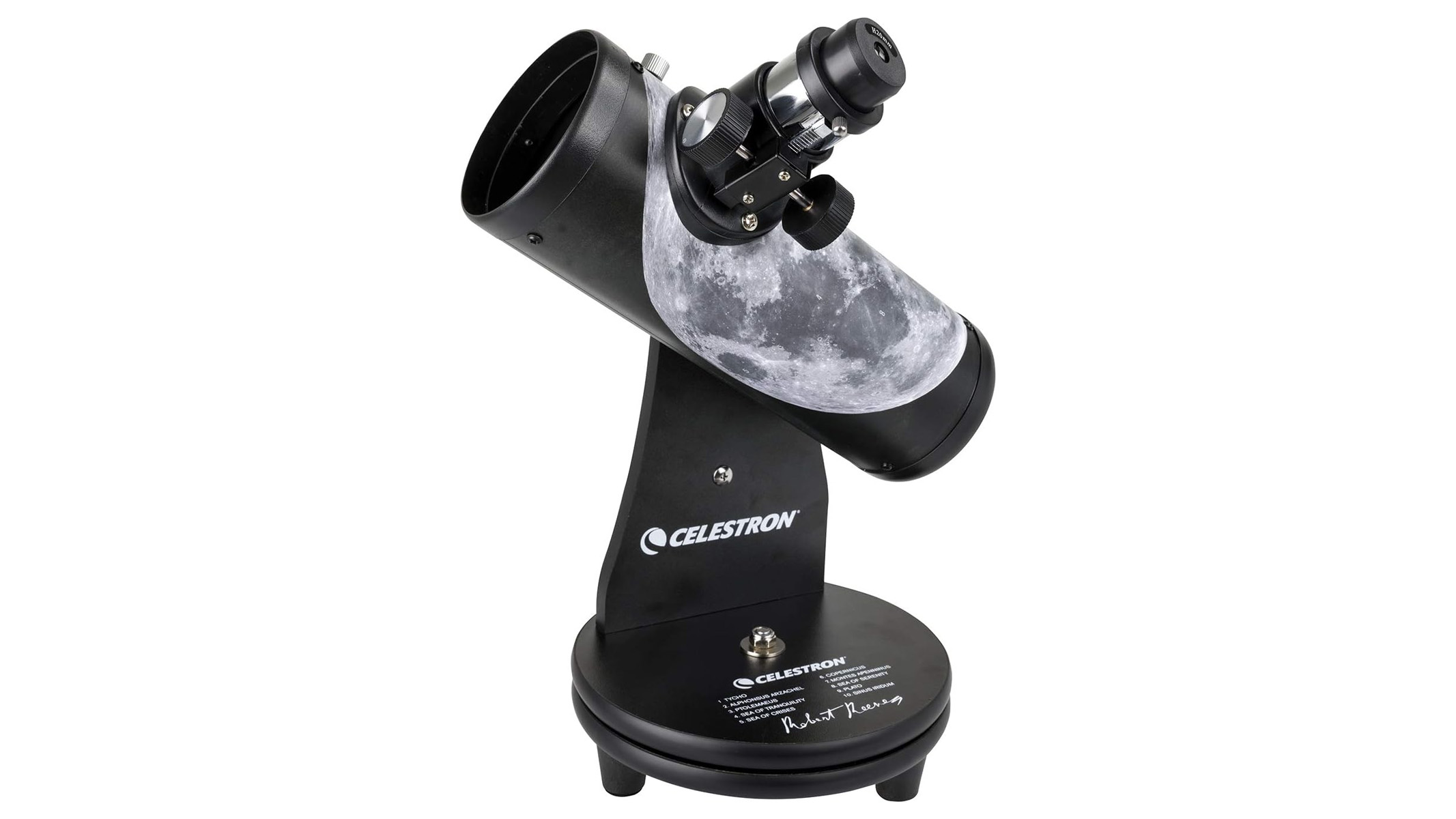
I've got three telescopesin my home, but the Celestron FirstScope is my first stop when it comes to stargazing. Now this super-portable, beginner-friendly tabletop scope is $60 at Amazon, even cheaper than Prime Day!
What makes the Celestron FirstScope so fantastic? It's all down to ease of use and portability. There's next to no assembly and once you've unboxed it, you can pick it up in one hand and head outside.
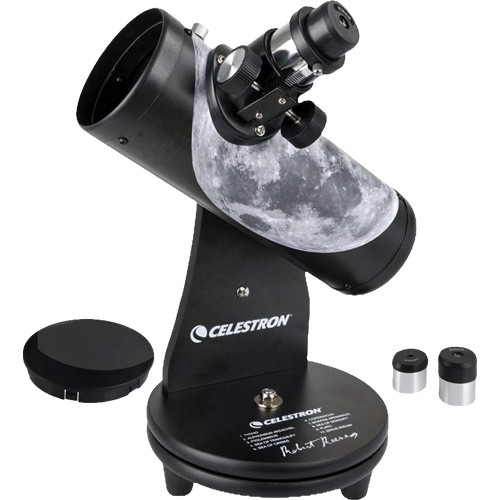
Save $15 on this moon-themed Celestron Firstscope which, with 76mm aperture and tabletop mount, is ideal for quick stargazing sessions as well as introducing children to a new hobby. View Deal
The Celestron Firstscope is a small but perfectly formed scope, great for a quick spot of skywatching. (Image credit: Celestron)
Even though I've got two bigger telescopes in my home, a Skyatcher Classic 200Pand a Bresser Solarix 114/500, I wouldn't dream of parting with my Celestron FirstScope. This tabletop scope is so easy to use and so portable, you can just grab it, head outside and get stargazing.
No fuss, no mess, no scraping the door frame because folding the tripod down seems like too much work. It's also small enough that you can sling it in a backpack, ideal for hopping on your bike and pedalling away from light pollution.
It comes with 20mm and 4mm eyepieces, but you can also trade up to any of the best eyepieces. As a tabletop telescope you'll need to find something to rest it on but a wall or even a trash can will do. And if you're a beginner, or buying for children, you'll be delighted with how the FirstScope performs. We think it's the best tabletop telescope for kids.
The lack of a finderscope is slightly disappointing but you can purchase one separately and, even without one, this is an impressively capable telescope, at a price that won't break the bank. It really is that simple. Want to watch Saturn at opposition this Oct. 4? Grab your FirstScope, perch it on a table or wall, and home in on this ringed planet. It's excellent for moonwatching too, especially if you're short on time. We think this is the best tabletop telescope for kids and beginners will love it too.
Key features: Newtonian reflector with Dobsonian mount, 2.99-in (76mm) aperture, 11.81in (300mm) focal length, 20mm and 4mm eyepieces.
Product launched: March 2009
Price history: This is even cheaper than Prime Day, when the Celestron FirstScope dropped to $70.
Reviews consensus: Reviewing the Celestron Firstscope, we awarded it four stars, saying "It exudes portability, ease of use and a price that's not going to break the bank." That sentiment still stands and its Amazon reviews are just as positive. At this price, it's a steal.
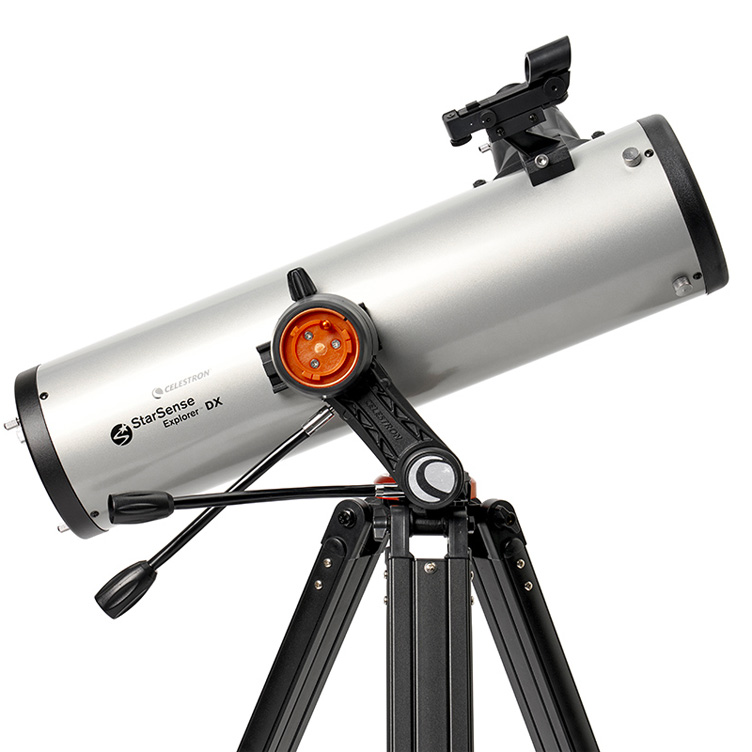
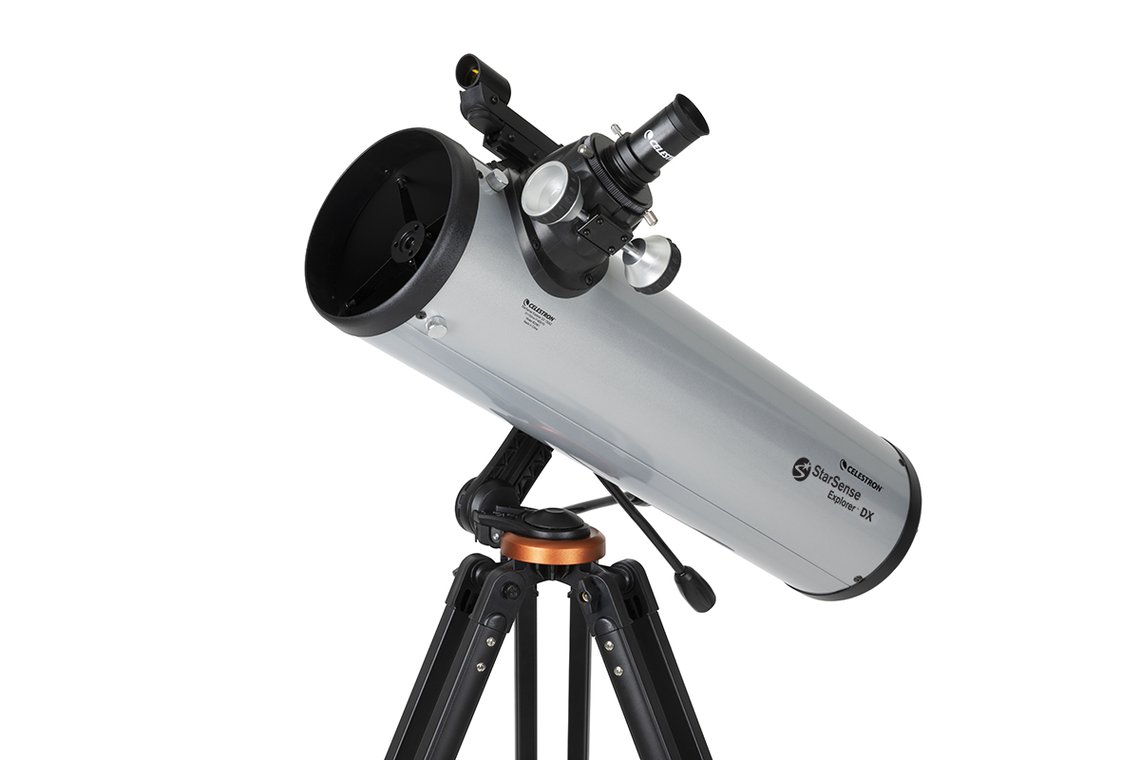
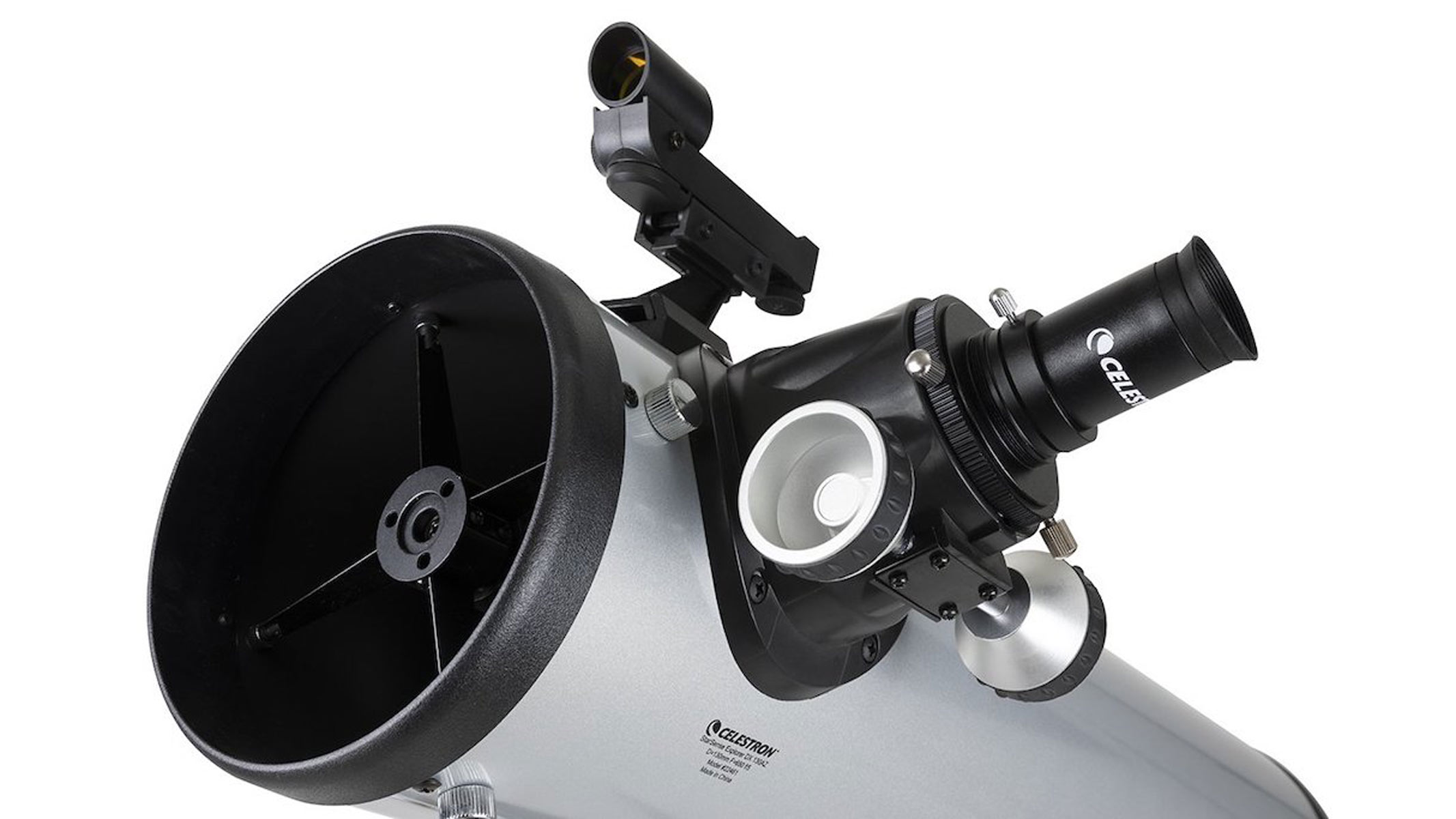
The Celestron StarSense Explorer DX 130AZ is one of the best telescopes for beginner-to-intermediate stargazers who want to view deep-sky objects and appreciate assistance in manually locating the targets.
In our Celestron StarSense Explorer DX 130AZ review, our expert tester Damian Peach awarded it an impressive 4 out of 5-star. Damian noted that it was an exquisite telescope for the beginner and added that the StarSense Explorer telescope was fully equipped, supplied with just about everything the skywatcher needs for a successful observing session under the stars.
It only missed out on the perfect score as Damian felt it would benefit from additional high-powered eyepieces to achieve more detailed views. However, at this discounted price, it's one of the best beginner-friendly telescopes you could ever want to own.
StarSense Explorer DX 130AZ Telescope: was $499.95 now $414.99 Save $84 The StarSense Explorer DX 130AZ is ourbest telescope for deep-space observing in our best budget telescopes guide. While a great choice for viewing nebulas and galaxies, it's also a great choice for viewing distant planets. We awarded it four stars for its crisp views and user-friendliness with the StarSense app that helps you locate your chosen night sky target easily. The 5.1-inch (130 mm) aperture can gather plenty of light for a bright and detailed image, no matter what you are observing.
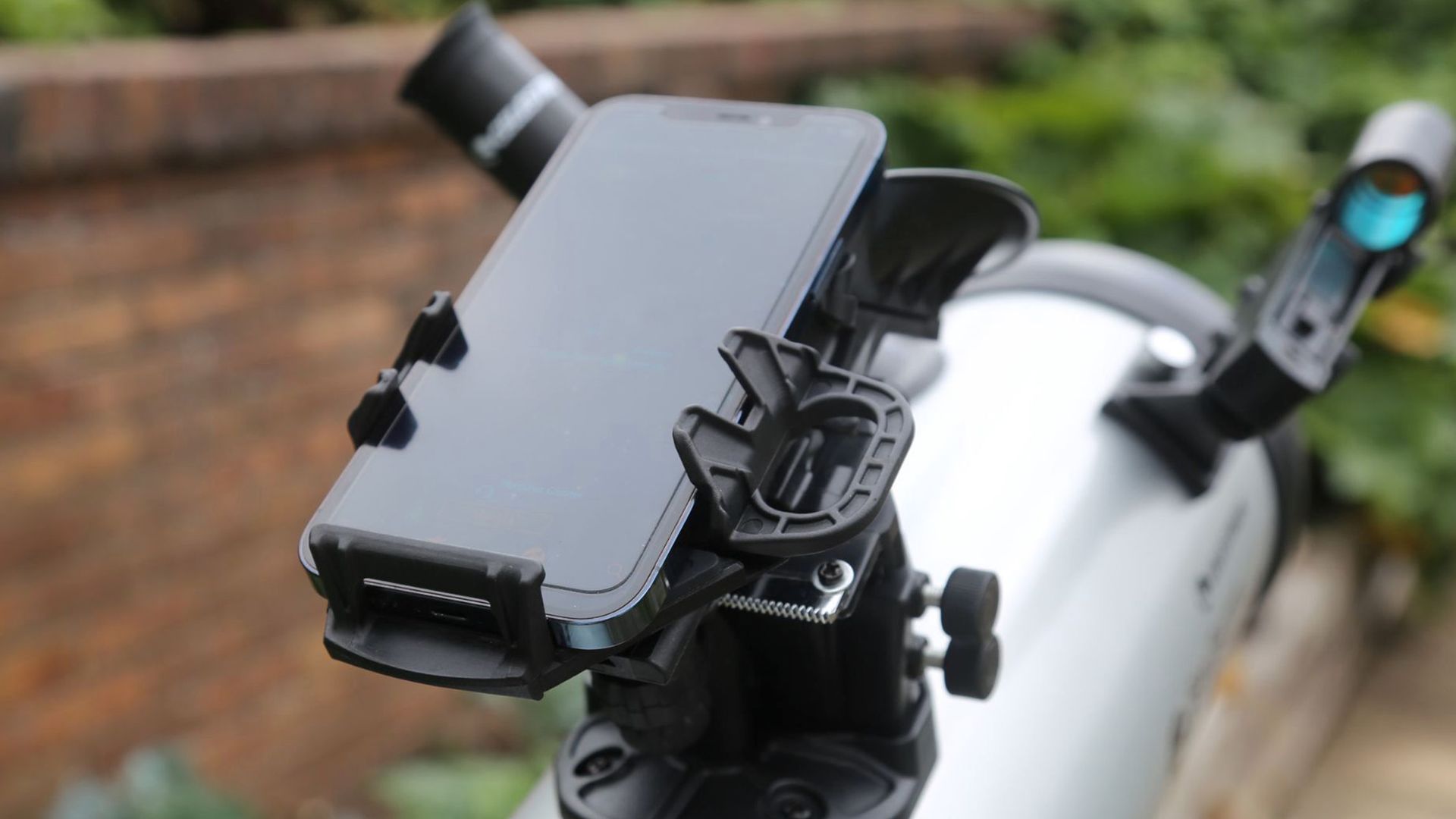
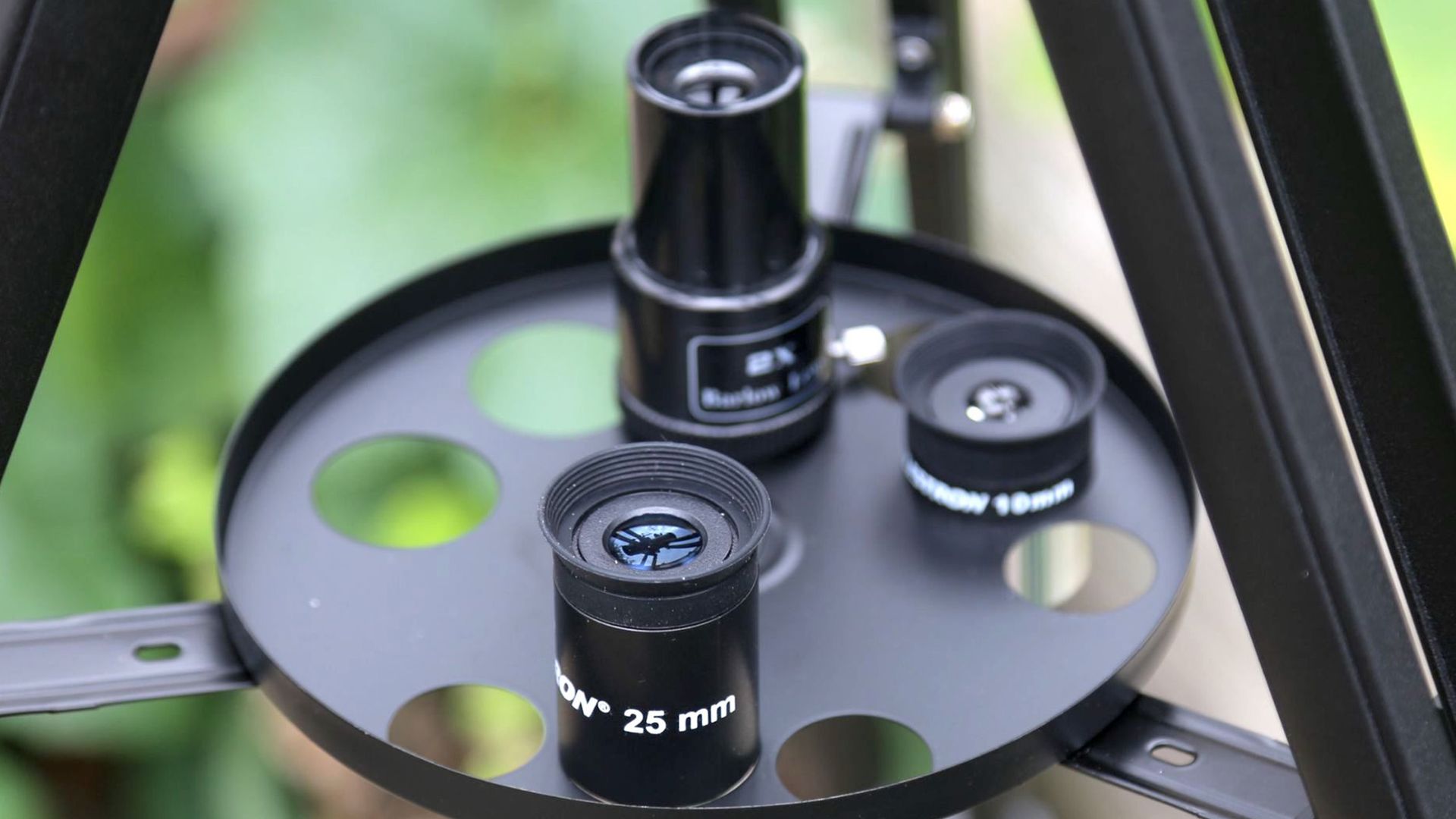
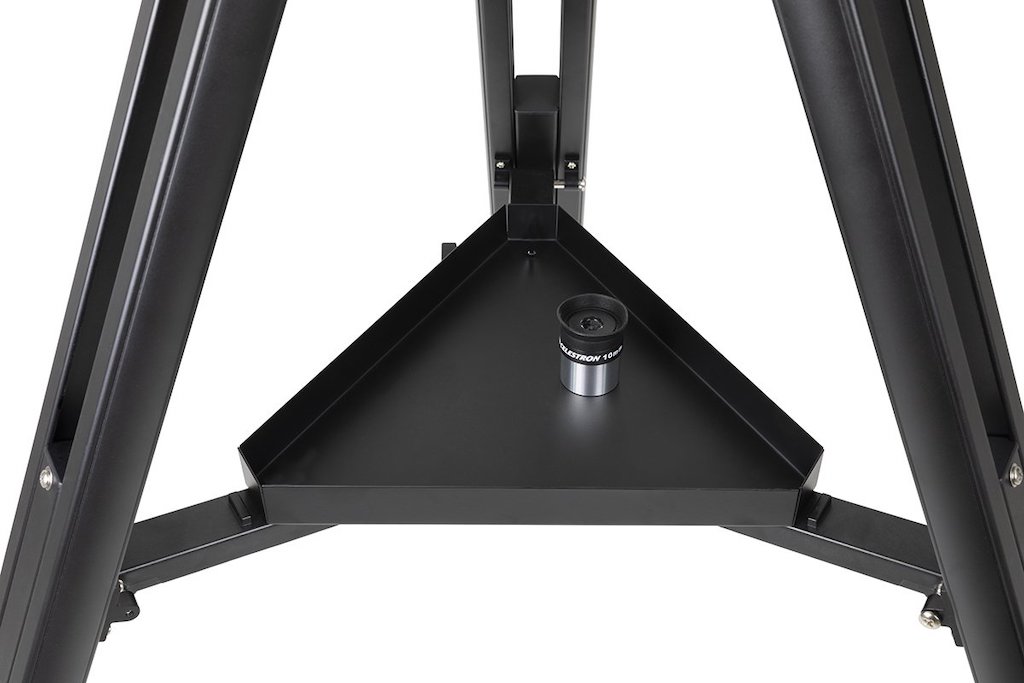
The Celestron StarSense Explorer DX 130AZ telescope has a 5.1-inch (130 mm) aperture.CelestronThe tripod included with the telescope has a handy tray for storing extra eyepieces for different celestial targets.CelestronThe alt-azimuth mount is an easy-to-operate mount and works well with the StarSense app for locating targets.CelestronThe Celestron StarSense Explorer DX 130AZ features a finderscope for helping to locate and center your target.Celestron
Ideal for entry-level stargazers, the Celestron StarSense Explorer DX 130AZ uses its clever StarSense smartphone app to streamline finding targets in the night sky. While it lacks the fully automated GoTo tracking found on some of the best smart telescopes, its substantial 5.1-inch aperture gathers plenty of light—delivering brighter, sharper, and more detailed views than most automated competitors.
One of its standout features is the clever mount-integrated smartphone dock, which takes the hassle out of locating faint deep-space targets. Fueled by real-time GPS tracking and your phone's camera, the StarSense app generates a live sky map that leads you straight to any celestial object. By replacing tedious star charts with turn-by-turn guidance, it lets you spend your time actually observing the universe rather than searching for it—earning it a top spot in our best budget telescope guide for astronomers of all experience levels.
Price history: Before today's telescope deal, the best price we've seen on the Celestron StarSense Explorer DX 130AZ telescope was $379 during the Prime Day sales in June. The MSRP is $499.95, which makes the current on-sale price of $414.99 a significant saving on what is a seldom-discounted model.
Reviews consensus: In our Celestron StarSense Explorer DX 130AZ review, we awarded this telescope four stars for its user-friendly interface and impressive views, making it an ideal choice for beginners who want a modern and simple way to explore the night sky.
✅ Buy it if: You want a user-friendly telescope for beginners that uses smartphone technology to help you navigate the night sky to observe planets and deep space objects.
❌ Don't buy it if: You want a fully automated smart telescope or prefer a more traditional method of navigating the night sky.

 Most affordable Prime Day smart telescope deal
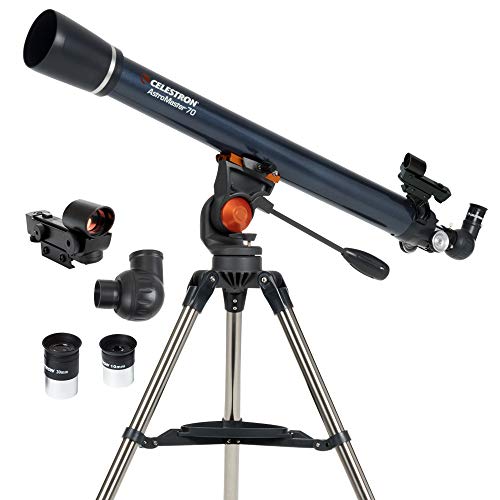 Best deal for absolute beginners
 Good discount for intermediates
 Ideal for stargazing and general use
 Best IS binoculars you can buy