Celebrate 250 years of America with the Estes Liberty Star model rocket

Aside from fireworks, what better way to celebrate 250 years of independence than by launching your own model rocket into the sky? The limited edition Estes Liberty Star rocket is the perfect model for the job, decked out with a blue and red styling and featuring beginner friendly assembly for an easy setup.

You can get the Estes Liberty Star America 250th Celebration model rocket for $38.84 on Amazon

Estes features a lot in our model rocket guide, with six of their models included. They are the biggest name in model rockets and have the reptuation to back it up. This special edition rocket was designed for the once-in-a-lifetime milestone of 250 years of American independence. For something that is a bit different from a fireworks show, launch this proud rocket and watch it return to solid ground this Independence Day.

The Estes Liberty Star launching upwards on a grey background.
The Estes Liberty Star has a projected flight altitude of 920 feet.Estes
The Estes Liberty Star with nose cone detached and parachute deployed on a grey background.
The 15-inch parachute is deployed after flight to help the rocket land safely. Estes
The Estes Liberty Star nose cone pointing upwards on a grey background.
The iconic red, white and blue styling is sure to be a crowd pleaser on Independence Day every year.Estes

It's an extra-special Independence Day this year, celebrating 250 years of America, and I'm sure that celebrations will be lasting longer than July 4. The Estes Liberty Star is a limited edition model rocket styled in red, white and blue with a projected altitude of 920 feet. It makes a great commemorative decoration of this special anniversary or it might make an exciting first flight for a loved one and kick off a lifelong hobby of model rocketry. If you don't have a launch setup already, we would recommending grabbing an Estes Porta-Pad II and an Estes 3/16-inch Maxi launch rod, along with a C11-5 or D12-5 model rocket engine from a hobby store. Asides from the extra purchases, this is an extremely beginner friendly model rocket, with a setup time under 10 minutes.

Estes is a household name in model rocket enthusiast circles and they helped revolutionise the entire industry in the 1950s with the National Association of Rocketry (NAR). Before Estes and the NAR, teenagers were making their own fuel for model rockets and the lack of regulation often led to severe injuries. Independence Day is synonymous with pyrotechnics but all kinds of explosive material can be life-threatening, so rest assured you are getting a patriotic rocket from a safety pioneer. That being said, extreme caution should always be followed when operating a model rocket with an engine and launch pad, as apart from self-injury, there is also a high risk of fire, so make sure you launch in a wide open area and check local fire laws.

Key features: Red, white and blue styling, beginner skill level, pre-molded plastic fins for easy setup, 15-inch (38 cm) recovery parachute, maximum altitude of 920 feet (280 m), 3.5 oz (99.2 g) weight.

Product launched: June 2026

Price history: This product was launched at $38.84 and has not seen any price fluctuations.

Price comparison: Amazon: $38.84 | Walmart: $38.84

Reviews consensus: We haven't reviewed any Estes rockets but they have a great reputation in the model rocket community and our editor-in-chief Tariq Malik has used a few models and loves them.

✅ Buy it if: You want to celebrate or commemorate the 250th anniversary of Independence Day with a limited edition red, white and blue rocket.

❌ Don't buy it if: You don't have access to a large open area or you live in a restricted area. Local laws and fire codes may totally ban model rocketry in your area.

Check out our other guides to the best telescopes, binoculars, cameras, star projectors, drones, lego and much more.
Moore’s law tells us that the price of technology should go down over time, so why is stargazing gear getting more expensive?

Intel co-founder Gordon Moore observed that processing power doubles every two years whilst almost halving in cost. That should translate to older technology dropping in price and year on year seeing the cheapest prices in the sales, right? The reality is far from simple in the world of skywatching.

For stargazers who have dipped their toes into the world of binoculars and telescopes, prices stack up quickly and even one purchase can wipe out thousands of dollars. Now, there are levels to stargazing equipment, budget models like a Celestron Travel Scope 70 telescope and a pair of Celelestron Cometron 7x50 binoculars will run you between $50-$100 but don't expect the best optical performance. At the complete other end of the scale are premium options like smart telescopes and some image-stabilized binoculars which can run from just under $1,000 all the way to $5,000. There are obviously plenty of in-between models but whichever option you pick, you are still seeing a big chunk of money go out of the bank account when purchasing.

Shopping the sales: Prime Day and Black Friday

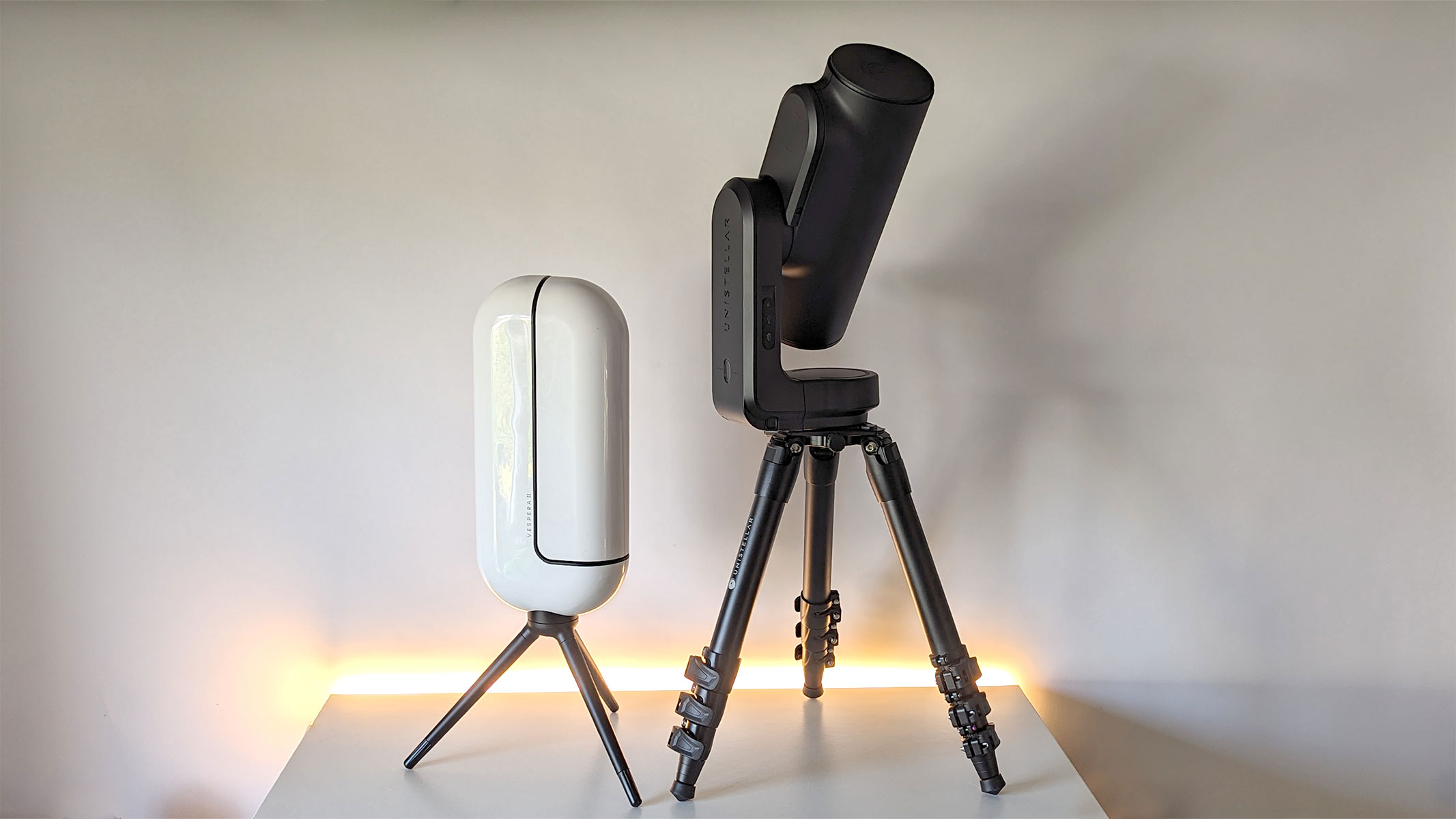
The Vaonis Vespera 2 and the Unistellar Odyssey Pro side-by-side on a white table and background, demonstrating their size difference.

Smart telescopes are here to stay and have revolutionized amateur stargazing. (Image credit: Jase Parnell-Brookes)

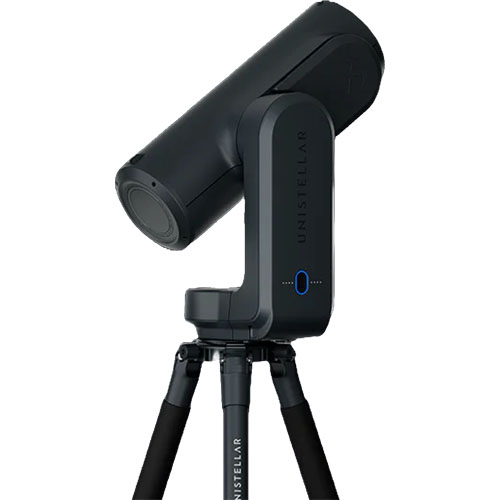
Sales events like Prime Day and Black Friday are the usual contenders for getting a good chunk of money off a big purchase. Prices fluctuate throughout the year but I would be inclined to say that the best prices on big purchases have been around Black Friday. Take this Unistellar Odyssey smart telescope, which is 15% off for their Father's Day 2026 sale, it had its last cheapest price on Black Friday 2025.

Save $390 on our best smart telescope for versatility, thanks to its small form factor and light weight compared to the rest of the Unistellar line-up. It has autofocus and doesn't require collimation, so it is the perfect smart telescope for a beginner.

It got four and a half stars in our Unistellar Odyssey review thanks to its great views of deep space objects and good color rendition on astrophotography shots.

Price accurate at time of writing.View Deal

Does that mean you should wait until then for a guaranteed lowest price? It depends. If you are not in a hurry to get it and are happy to wait, then I would advise you to wait and see if you can get it cheaper. Although waiting for too long just means more time not using the instruments and observing the night sky. You could also fall into the trap of waiting too long and missing out on the best deal available at that time.

Changes to the skywatching industry

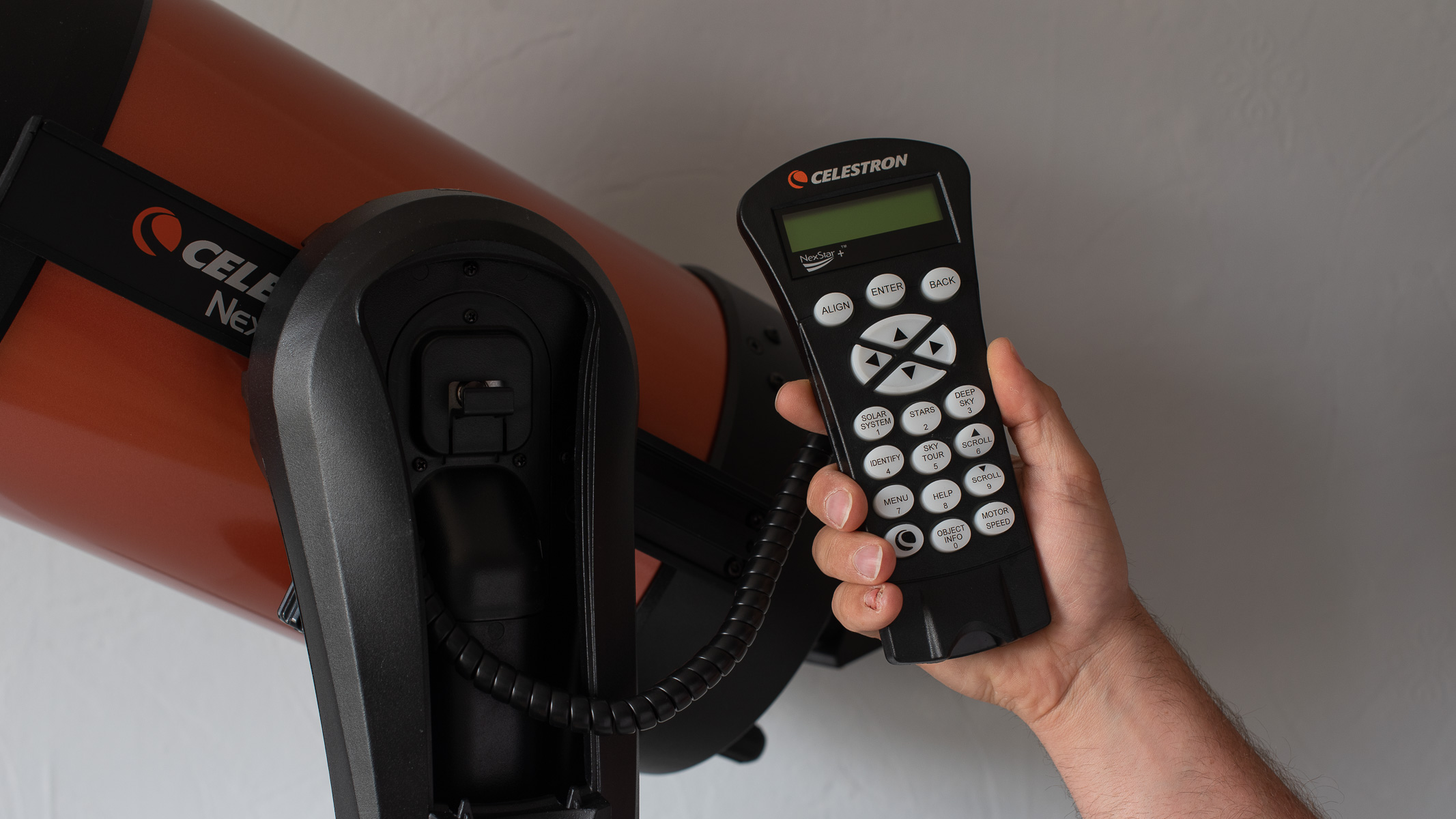
Celestron NexStar 8SE review photo

GoTo technology on the Celestron Nexstar SE series uses a physical remote and was groundbreaking at the time. (Image credit: Jason Parnell-Brookes)

Take the Celestron Nexstar 8SE; it's currently $200 off, but this is a frequent reduction for this product. Its last cheapest Amazon price was in October 2025 with $300 off but that is a far sight from its cheapest ever Amazon price of $882. If you had kept waiting after seeing this saving, thinking it might get cheaper, you would have missed out on getting it at over $800 off its current full retail price. Bear in mind, this was in Dec. 2019 and a lot has happened since then. Demand for skywatching optics exploded during the COVID-19 pandemic, with people staying at home more and looking for outdoor hobbies. Pair this with rising US-China trade tariffs and general inflation and you have conditions for a huge price increase on these kinds of products. There was also a huge $32 million class action settlement reached in 2025, resulting from a legal battle involving major telescope manufacturers and brands following allegations of price fixing and artificially inflated costs.

Save $200 on the best motorized telescope in our best telescopes guide. We rated it four and a half stars in our NexStar 8SE review.

It features an eight-inch aperture, a useful magnification of up to 180x, an easy-to-operate hand controller and stunning optics, perfect for almost any night sky object.

Amazon price match

Price accurate at time of writing.View Deal

Development and deployment of new technology can lead to high prices for the newest and most advanced models but it also makes obsolete or older technology much cheaper. The latest wave of fully smart telescopes are incredibly expensive because they represent the latest skywatching technology; they can automatically find objects (nothing new there) but they can also autofocus and image them straight from a smartphone, so you can get warm and toasty inside with a warm beverage if you so desire.

Their release has also driven down the prices of models with older GoTo technology and Wi-Fi-controlled mounts. For an easy comparison: the Celestron NexStar 8SE (2006) represents the first wave with GoTo technology and computerization, the NexStar Evolution 8 (2014) represents the second wave with Wi-Fi integration and the Celestron Origin Intelligent Obsevatory II (2026) represents the third wave, with full smart capabilities.

Binoculars: The new Frontier

A close up of the back of the Canon 18x50 IS binoculars, showing the strap holders.

Canon's latest version of their 18x50 IS binoculars, with super-spectra coatings and eco-glass optics. (Image credit: Jase Parnell-Brookes)

Binocular manufacturers are also working with new technologies but more often than not, the best improvements are made in the quality of optics, resulting in cleaner and brighter images. Image-stabilized (IS) models have been getting releases since the 90s, with the consumer wave of electronic stabilization being kicked off by Canon with the release of their 12x36 IS model in 1997. This and their other IS models have been receiving minor upgrades to their functionality and optics, like the latest version of the Canon 18x50 IS binoculars, which feature super-spectra coatings, higher precision manufacturing and eco-glass optics.

Save $100 on these great image-stabilized binoculars from Canon. They have a huge 18x magnification and big 50mm objective lenses, so you can get very close to the stars.

Check out our full Canon 18x50 IS binocular review.

Price accurate at time of writing.View Deal

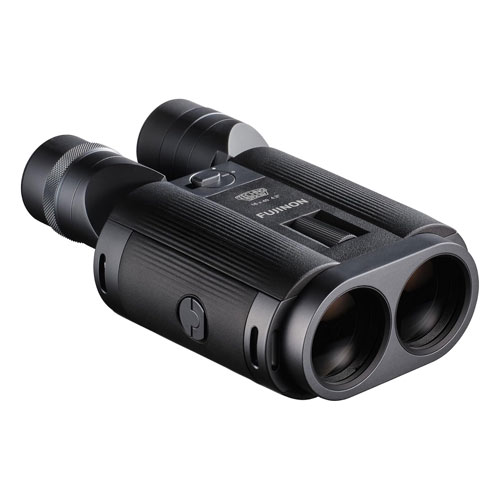
In the years since, we have seen other companies hone this technology, make housing smaller, improve optical elements and develop smoother stabilization mechanisms. The 2025 release of Fujifilm's Fujinon Techno-Stabi 1640 image-stabilized binoculars represent brand beating stabilization and high optical quality, which makes them one of the best pairs of binoculars I have ever used. For the 2026 summer sales events, they are currently at their lowest ever price at Walmart.

A close-up of a man looking through the Fujifilm Techno-Stabi TS-L 1640 image-stabilized binoculars with buildings and trees in the background.

It's easier to observe more detail when observing stars with image-stabilized binoculars. (Image credit: Harry Bennett / Future)

Save a huge $275 on the incredible Techno-Stabi TS-L 1640 image-stabilized binoculars. They contain Fujifilm's premium optics in a lightweight package with some of the strongest image stabilization on the market.

I gave them four and a half stars in my full Fujifilm Fujinon Techno-Stabi TS-L 1640 image stabilized binoculars review.

Price accurate at time of writing.View Deal

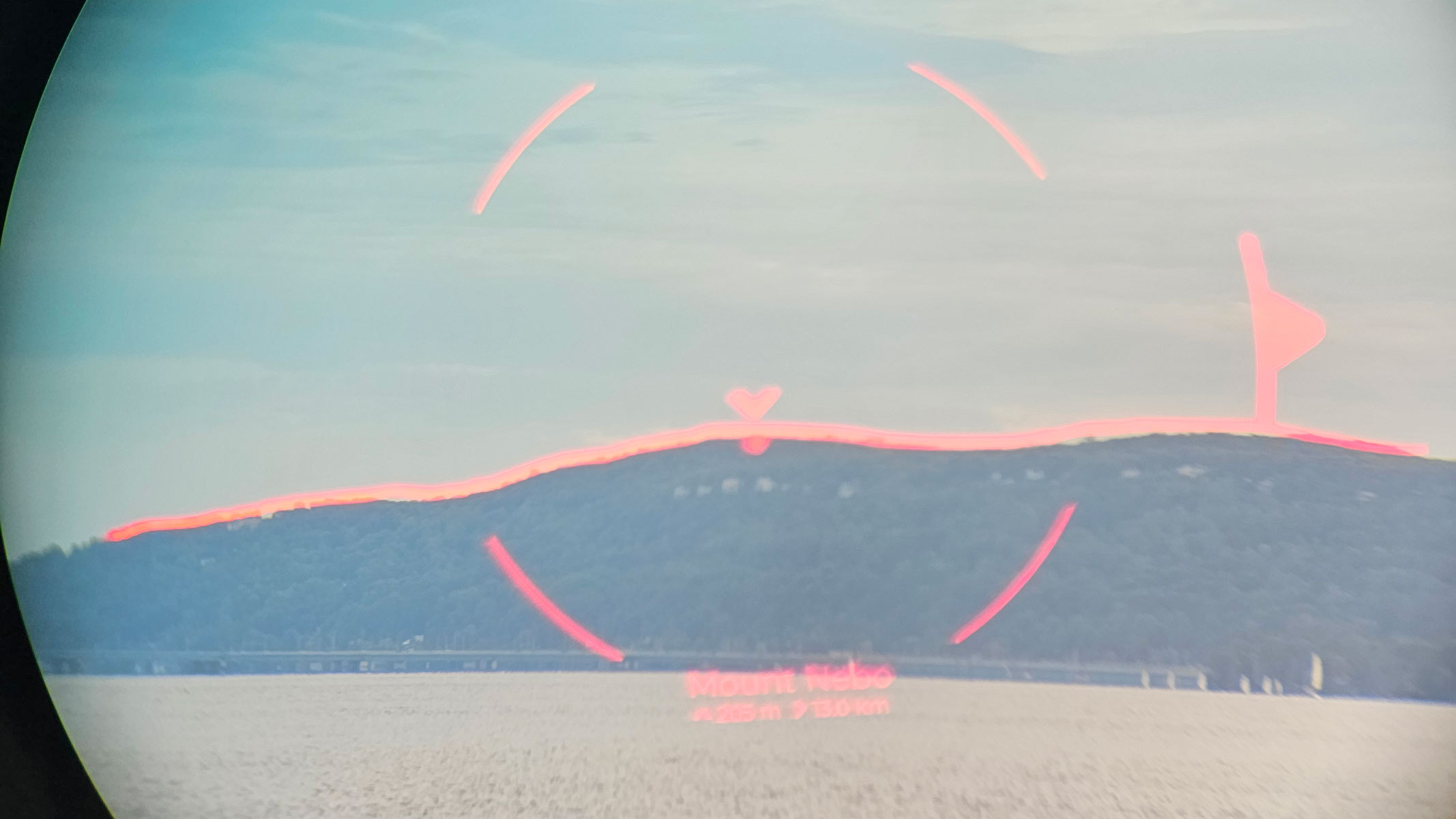
The handheld optics world is entering a new wave of advancements with the advent of smart binoculars that can identify stars and animals directly through the eyepieces. The upcoming Unistellar Envision smart binoculars use an augmented reality (AR) overlay to identify night sky objects, locate trails and identify landscape features. Their pre-order price was $999, with their release retail price expected to be $1499, so sometimes it can benefit you to invest early with innovative technologies.

A man looking through the Unistellar Envision smart binoculars with a dock in the background.
Our editor-in-chief Tariq Malik said the Unistellar Envision binoculars felt like something out of Star Trek.Tariq Malik / Future
A mountain in the distance with a red AR overlay through binoculars.
The red augmented reality (AR) overlay can identify stars and geographical features.Tariq Malik / Future

The Final Say

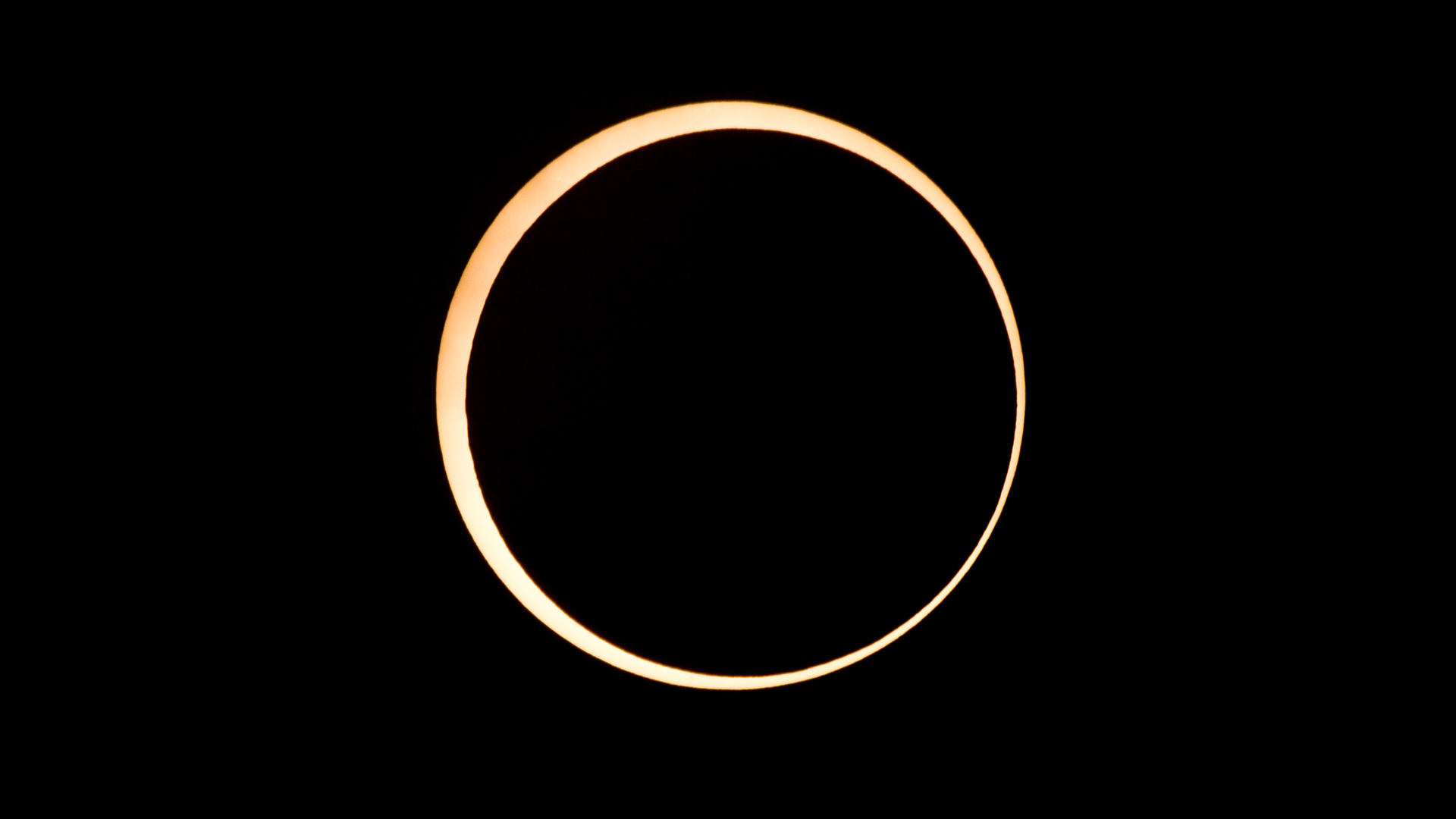
Is it worth buying now and risking the price dropping more in later years or waiting for a lower price, only to find that it never comes? Unless you have serious insider knowledge, it depends on what your personal circumstances and budget are right now. If you are going on holiday to a dark sky spot soon and have a once-in-a-lifetime opportunity for amazing stargazing or an event like a solar or lunar eclipse, you might be happier to sacrifice more money for that experience. If you are just casually interested in getting something but aren't super intent on needing it right now, then waiting could be better.

A photo of the moon's silhouette surrounded by the outer edge of the sun in a black sky during a total solar eclipse.

You can't wait to buy solar optics if the eclipse is tomorrow. (Image credit: Paul Souders via Getty Images)

If you have a huge budget and need stargazing optics quickly, you may not be bothered by a potential price leeway and would benefit from just getting the instrument at a good price but not its best one. If you are a beginner with a low budget who is just getting into skywatching, it can definitely pay off to wait for the best ever price, at least at a yearly low, so that you can save money which might go towards a more advanced piece of equipment in the future.

Beam me up to 4K: Your ultimate sci-fi collection for less than $25 on Prime Day

There are heaps of streaming services available, and if you're anything like us, you'll have subscriptions to several — Apple TV for Severance, Disney+ for Avatar, Hulu for Solar Opposites, and more. What you need is something where you can access them all in one place, on any device, whether you're home or away.

This is where the Amazon Fire TV Stick 4K Plus comes in. If you have a device with an HDMI port, you can plug in this USB-esque device and log in to your favorite streamers with the supplied remote. No separate power source is required (unlike the Roku Ultra).

Sure, the user interface isn't as clean as we'd like, and is quite ad-heavy, but if you can bear with it, it's a small price to pay for such a nifty device that will become your new favorite entertainment-providing travel companion.

Features include: 1080p Full HD, Dolby-encoded audio (HDMI pass-through) and the Alexa voice remote.View Deal

The Fire TV Stick 4K is Ultra HD, has Dolby Atmos audio, and features an Alexa voice remote for easy use.View Deal

The 4K Max has 4K Ultra HD as well, Dolby Atmos audio, Alexa voice remote enhanced and Fire TV Ambient Experience.View Deal

Product photo of the fire tv stick 4K plus with a blurred background
The device is compact and neat, which differs from the slightly clunky, ad-heavy home screen.Amazon

There are several versions of the Amazon Fire TV Stick, so be sure to choose the one that suits you (especially when there's so little price difference between them at the moment).

The main difference between this model, the 4K Plus, and the 4K Max, currently selling for $34.99, is that the latter offers 'Fire TV Ambient Experience,' which transforms your TV into an Alexa-powered smart display. Display your own photos, widgets like weather, calendars, stick notes and more.

Key features: 4K Ultra HD streaming, Dolby Atmos audio, Alexa Voice Remote, 8GB storage

Product launched: 2026

Price history: The Amazon Fire TV Stick 4K Plus usually retails for around $50, but because it's Amazon's own product, it's regularly discounted, especially during events like Prime Day and Black Friday. If you don't have the cash in the bank right now, we're sure the price will dip again during the next big Amazon Sale.

Price comparison: Amazon: $24.99

Reviews consensus: The Fire TV Stick 4K Plus has earned 4.6 out of 5 stars from more than 110,000 reviews on Amazon - seriously impressive. Users praise its ease of use, reliability, picture quality, value for money and speed. The remote control has mixed reviews, with this seemingly retracting from its otherwise glowing reviews. It's worth noting that the remote can be purchased separately if you ever need a replacement. Remember, the Fire TV Stick has voice control too.

✅ Buy it if: You want a portable means of streaming all of your favorite shows from one cable-free device. Take it on vacation to your hotel, buy one for the guest bedroom, or simply keep it plugged into your TV at home.

❌ Don't buy it if: You don't have a device with an HDMI port (e.g., a MacBook Air) and don't want to have to use an adapter.

Check out our other guides to the best telescopes, binoculars, cameras, star projectors, drones, lego and much more.
This Prime Day, save nearly $700 on ‘a camera of epic proportions’

Canon is rightly regarded as one of the premier manufacturers of cameras and optical equipment, and the Canon EOS R5 is a reminder of why. Labelled 'a camera of epic proportions' by our reviewer Jacob Little, it's an astonishing $699 off for Prime Day.

Buy this Canon EOS R5 body from Amazon for $2599.

Couple this 45 megapixel Canon EOS R5 body with one of the best lenses for astrophotography and you'll be stunned by its image quality, as our expert was in their Canon EOS R5 review, where they awarded it 4.5/5 stars. It's ideal for astrophotography, but its super-accurate tracking (including eye, face and head detection) means it's also excellent for nature watching and weddings. It's overkill for newcomers but if you're a pro or semi-pro photography you won't regret purchasing this powerhouse of a camera.

Think of all the memory cards, spare batteries and transport you could buy with the savings! Take yourself away to a dark sky reserve and shoot the stars knowing you saved.View Deal

Side profile of the Canon R5
While not the latest version, this original R5 packs a punch and is significantly reduced right now.Jacob Little
Side profile of the Canon R5
Jacob Little
Side profile of the Canon R5
Jacob Little
Rear view of the Canon R5
Jacob Little
Side profile of the Canon R5
Jacob Little

Looking to level up your photography to the point where you can profit from it? Then the Canon EOS R5 is for you, especially now it's reduced for Prime Day. It may have been superseded by the R5 Mark II but this is still a top-tier camera, suitable for pros or would-be pros.

In our review of the Canon EOS R5, our expert remarked that "It might be the most complete camera Canon has ever produced". Not only is it excellent for astrophotography, bringing out the detail in low light conditions, its autofocus and image stabilization is particularly impressive, making it a gift for nature-watchers or event photographers.

It captures images at up to 45 megapixels, and can also save them in RAW format. It likewise captures video in 8K, saving both to or CFexpress or SD. We'd recommend you use RAW when shooting astrophotography to maximize your editing abilities and take advantage of this camera's "superlative resolution and image quality".

Key features: 45MP sensor, 8K video, 100 to 51,200 (expanded 50 to 102,400) ISO range, 5-axis stabilization, excellent tracking.

Product launched: July 2020

Price history: We've seen the Canon EOS R5 drop to this price briefly in February, but it's never been cheaper. Walmart and Best Buy have matched this price if Amazon runs out of stock.

Price comparison: Amazon: $2599 | Walmart: $2599 | Best Buy: $2599

Reviews consensus: In our Canon EOS R5 camera review, our expert called it "A very impressive piece of kit," praising its autofocus and stabilization, leading to some superb quality images. They were also impressed with how well it handled. The camera's Amazon reviews are just as positive, the only real criticism being its price, which this Prime Day deal addresses.

Space: ★★★★½ | LiveScience: ★★★★½

✅ Buy it if: You want the performance of a once pro-level camera but without the price tag.

❌ Don't buy it if: You have little astrophotography experience; for newcomers, this is overkill.

Hosting a solar eclipse viewing party? Get money off solar eclipse multipacks this Prime Day

With the next total solar eclipse coming up on Aug. 12, you still have plenty of time to grab solar viewing gear for getting a better look at it. If you are hosting a solar eclipse party or want to make sure everyone in your family has a chance of observing the sun safely, grabbing a multipack of solar eclipse glasses is a great shout. Whilst they may seem like once-in-a-lifetime events, they happen fairly frequently in astronomical terms and can be predicted thousands of years into the future. We have an annular solar eclipse coming on Feb. 6, 2027 and the 'eclipse of the century' coming on Aug. 2, 2027.

Get a six pack of Galaxium solar eclipse glasses, on sale right now for $9.95 at Amazon.

Teenage girl looking at solar eclipse wearing the proper protective eyeglasses

(Image credit: Getty)

Save a huge 45% on this six pack of solar eclipse glasses that meet the ISO 12312-2 safety standard. It's perfect for families and comes with a DIY phone filter for quick solar photography on your smartphone.

INSPECT EACH PAIR BEFORE USE AND CHECK FOR CORRECT ISO 12312-2 STANDARD.View Deal

Solar eclipses are beautiful phenomena and I've heard that observing one is a truly monumental experience. I have never seen one but I can only imagine how mind-blowing it is to see the lunar disk cover the sun and plunge a portion of the world into shade during the day.

Whilst beautiful, eclipses should be approached with the utmost caution. Looking directly at any portion of the sun during any time of the day can result in severe eye problems and even full-blown solar retinopathy (permanent blind spots). This is why you must always use ISO 12312-2 approved solar eclipse glasses or solar viewing gear from reputable skywatching brands.

Two women wearing solar eclipse glasses while looking at the sun with palm trees in background.

(Image credit: Getty Images)

You should never look directly at the sun, even during a total solar eclipse, as it can result in permanent blindness. This is why it is important to buy solar viewing gear from reputable brands and look for compliance with the international ISO 12312-2 safety standard. Before using any solar eclipse glasses or viewing gear, you must check for scratches, punctures or tears before use to make sure they are safe. This is where a big multipack comes in handy as repeated use of the same pair of glasses could easily render them unsafe to use in years to come. With Amazon Prime Day in full swing, there are some good deals across solar eclipse glasses and other skwatching gear on our Prime Day hub.

Save 15% on these ISO 12312-2 approved solar eclipse glasses. They also come with 10 phone filters for taking photos of the solar eclipse with your smartphone.

Also available in 25 and 100 pack.

INSPECT EACH PAIR BEFORE USE AND CHECK FOR CORRECT ISO 12312-2 STANDARD.View Deal

The American Astronomical Society (AAS) publishes and updates a list of reputable suppliers on their site for safe solar viewing gear but you can still get safe viewing equipment that is not listed there, as long as it is compliant with the ISO 12312-2 safety standard. Galaxium and Helioclipse are not endorsed by the AAS but they are ISO 12312-2 compliant and have been made recently, so they are less likely to have degraded over time. There have been cases of companies misprinting the ISO standard on their glasses and have caused confusion, so just watch out and double check the ISO standard on every pair for maximum peace of mind. If you are unsure at any point, it is never worth risking your eyesight for. To skip that worry altogether go with an AAS approved manufacturer such as Rainbow Symphony.

Save 20% on this 10 pack of AAS approved solar eclipse glasses which also adhere to the ISO 12312-2 safety standard.

INSPECT EACH PAIR BEFORE USE AND CHECK FOR CORRECT ISO 12312-2 STANDARD.View Deal

Check out our other guides to the best telescopes, binoculars, cameras, star projectors, drones, lego and much more.
Traveling to see the total solar eclipse this August? This solar binocular Prime Day deal is a total-ly bright idea!

Who doesn't love a good total solar eclipse, now that we know they're not a portent of the world ending? The next one is on August 12 and these Celestron EclipSmart 12x50 solar binoculars are just what you need to observe the sun safely.

Get these Celestron EclipSmart 12x50 solar binoculars right now at Amazon for $100.

Our expert, Jamie Carter, awarded them four stars in his Celestron EclipSmart 12x50 solar binoculars review, praising their image quality and ease of use. But if you buy them, don't put them away post-eclipse. I've become addicted to sungazing, zooming into our sun and observing its shifting sunspots. It's a fascinating glimpse into how our star works and the turmoil going on beneath its visible surface. Pick these binoculars up and you could be as hooked as I am.

Save $30 on these Celestron EclipSmart 12x50 binoculars, compared to Celestron's online store, though it's not a discount on Amazon's own price.View Deal

EclipSmart 12x50 binoculars placed on foliage
These solar binoculars are fantastic for solar observation and deserve to be used for more than August's eclipse.Jamie Carter
EclipSmart 12x50 binoculars placed on a wooden surface with green foliage behind
Jamie Carter
EclipSmart 12x50 binoculars focus wheel
Jamie Carter
EclipSmart 12x50 binoculars close up eyepiece view
Jamie Carter
Underside view of the EclipSmart 12x50 binoculars
Jamie Carter

It doesn't matter if you're into regular solar observation, like I am, or just want to get a better view of the next total solar eclipse; safe sun observation is essential. You don't want to be the one complaining that their eyes hurt after the eclipse, because you can do real permanent damage to them if you view the sun without protection.

These Celestron EclipSmart 12x50 solar binoculars are perfect for watching the sun, offering amazing image quality, thanks in part to their porro prisms. That does, as Jamie remarked in his Celestron EclipSmart 12x50 solar binoculars review, make them heavier, so they'd benefit from a tripod but you'll still get great views handheld.

The solar filters are permanently attached, an important safety measure, and expert Jamie was able to use them to get clear views of sunspots, proving they have real utility beyond eclipse watching. They come with lens covers and a bag to both protect them and carry them around.

Key features: Porro prisms, 0.13 in / 3.3 mm exit pupil, 0.47 in / 12mm eye relief, 892g weight, 12x magnification, 50mm objective lenses, water resistant

Price history: Amazon hasn't actually sold these at $130 in a long time, but it's still a good deal and cheaper than Celestron's own price.

Price comparison: Amazon: $100 | Celestron: $130

Reviews consensus: In our Celestron EclipSmart 12x50 review, expert Jamie Carter remarked that they were "A wise choice if you're after something serious that will last beyond the next eclipse," praising their image quality, though remarking they'd benefit from the addition of a tripod. Its Amazon reviews are similarly positive again, with some remarking on its weight.

Space: ★★★★

Featured in guides: Best solar binoculars

✅ Buy it if: You want a close-up view of the sun, during and after August's eclipse.

❌ Don't buy it if: You intend children to use these; they're too heavy or have little hands. Consider eclipse glasses instead.

We praised this telescope’s ‘legendary performance,’ and the whole range is even cheaper for Prime Day

Looking for a beginner-friendly telescope? Then you'll love Celestron's Nexstar SE range of go-to telescopes, which takes all the work out of stargazing. And, from the entry-level 4SE to the top-tier 8SE, their prices have been slashed for Prime Day.

Save $100 on the Celestron Nexstar 4SE and $200 on the 8SE at Amazon — both of which we have reviewed and rate highly.

As our expert noted, you can find objects in the sky in a matter of seconds; with the 4SE that'll be planets and bright objects, while with the 8SE you can also spy far-reaching deep-space objects. Whichever model you go for, you'll never be lost in the cosmos again.

Save $100 on the Celestron NexStar SE, which we rank as the best telescope for beginners. In our review of the Celestron NexStar SE, our expert remarked it had that "instant wow factor," and that still stands.

Once set up, finding something to observe is as simple as pressing a few buttons on the computerised mount and away you go. Best suited to observing within our own solar system, it's sure to delight children and adults alike. View Deal

Save $200 on the top of the Celestron NexStar range, the 8SE. It's pricier than the 4SE, but this scope is capable of giving you stunning views of deep space objects with minimal effort.

Reviewing the Celestron NexStar 8SE, our expert praised its "legendary catadioptric telescope performance," adding that "Although it's pretty expensive, this telescope will last for decades." Now that it's cheaper, view this as long-term investment and you won't be disappointed. View Deal

Save $130 on this feature-packed NexStar 5SE which, like the others in this range, makes for effortless stargazing. It doesn't quite have the power of the 8SE but, light pollution aside, you should still be able to make out some deep sky objects. View Deal

In our review of the Celestron NexStar 6SE, our expert commented that it was "An instrument that is built to provide excellent views of the night sky for many observing sessions to come". At $150 off it's an even better deal, though if you can afford the extra it's worth the jump to the truly stunning Celestron NexStar 8SE. View Deal

My nephew still uses this kids’ star projector every night — get it for just $15 at Amazon on Prime Day

It has been four years since I reviewed the Astronaut Starry Sky projector and donated it to my then one-year-old nephew to enjoy as part of his bedtime routine. Now five years old, he still insists on it being turned on every night, leaving it to fill up his bedroom with lights and lasers until it turns itself off after 90 minutes, thanks to the built-in timer.

You can get this astronaut star projector on sale right now for just $15.19 at Amazon.

The astronaut star projector shown in this deal doesn't match the exact model we reviewed in 2022, but based on what we can see, it's very similar, aside from the color of its knee/elbow pads. For a bit of extra reassurance, there are almost 1500 Amazon reviews for this model, and it scores 4.5 out of 5 stars.

Note that the model in the picture here is the version we reviewed; this deal is for a slightly different model, but we're confident the functionality is the same.View Deal

Astronaut Starry Sky Projector review photo
This is a slightly different model from the one this deal relates to, but it is very similar!Tantse Walter

When we first reviewed the astronaut star projector, we were fairly skeptical about it and unfairly wrote it off as a novelty item. That's until we got our hands on it. We were actually pleasantly surprised with the build quality, and the lights and lasers were as impressive as we'd seen in more 'sophisticated' and more expensive models.

If you'd rather get the model I reviewed, it's also on sale but at a more expensive (but worth it) $27.99.

It is a great value gift for any space enthusiast, but it came into its own when we started using it as a night light. To soothe a young child to sleep. They were spellbound by the lights and lasers, and we loved that we could use a timer to set it to turn it off without risking waking the baby!

This model, though not exactly the same as the one we reviewed in 2022, looks to have all of the same functionality and is highly rated on Amazon. Like us, users were impressed with its build quality, appearance and value for money. Many report being pleasantly surprised by its performance and that gift recipients loved it.

Key features: LED and laser lights, mains powered, remote control, sleep timer, head can be rotated, ornamental when not in use.

Product launched: Not stated, but has been on Amazon for around 2.5 years.

Price history: This version has been on Amazon for about 2.5 years. The price fluctuates between $15 and $20. The lowest it has ever been is $14 for Black Friday in 2025.

Price comparison: Amazon (this model) $15.19 | Amazon (review model) $27.99

Reviews consensus: As we've mentioned, we've not reviewed this exact model, but we did review one that is very similar. We thought it was a great addition to any child or space enthusiast's bedroom. It has stood the test of time, too; the model we reviewed is still in use four years on.

Live Science: ★★★★ | Space: ★★★★

Featured in guides: Best Star Projectors, Best Star Projectors for Kids

✅ Buy it if: You're after a child-friendly star projector to set a calming mood, or to turn a child's room into a wonderful cosmic display. Even if this isn't the exact model we reviewed at this price, you can't go too far wrong — it is a great gift for kids and adults alike.

❌ Don't buy it if: You want a realistic or educational star projector. Though the lights and patterns are pretty, they aren't a true representation of the real night sky. For that, you'll want to consider a disk-based projector like the Pococo Galaxy Star Projector, currently $79.99 at Amazon.

Check out our other guides to the best telescopes, binoculars, cameras, star projectors, drones, lego and much more.
“Seeing this Nikon Z8 deal is painful — especially since I bought mine at full price!” Our Senior Manager took the hit so you don’t have to!

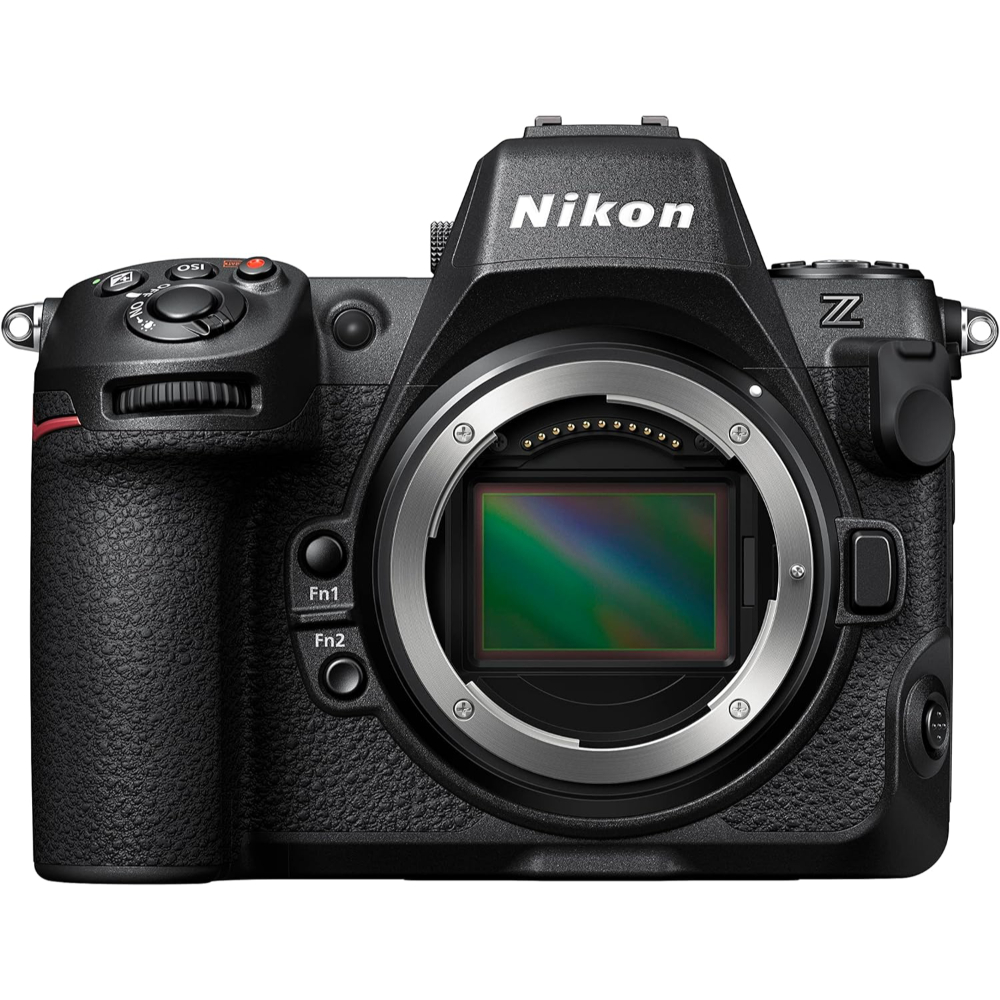
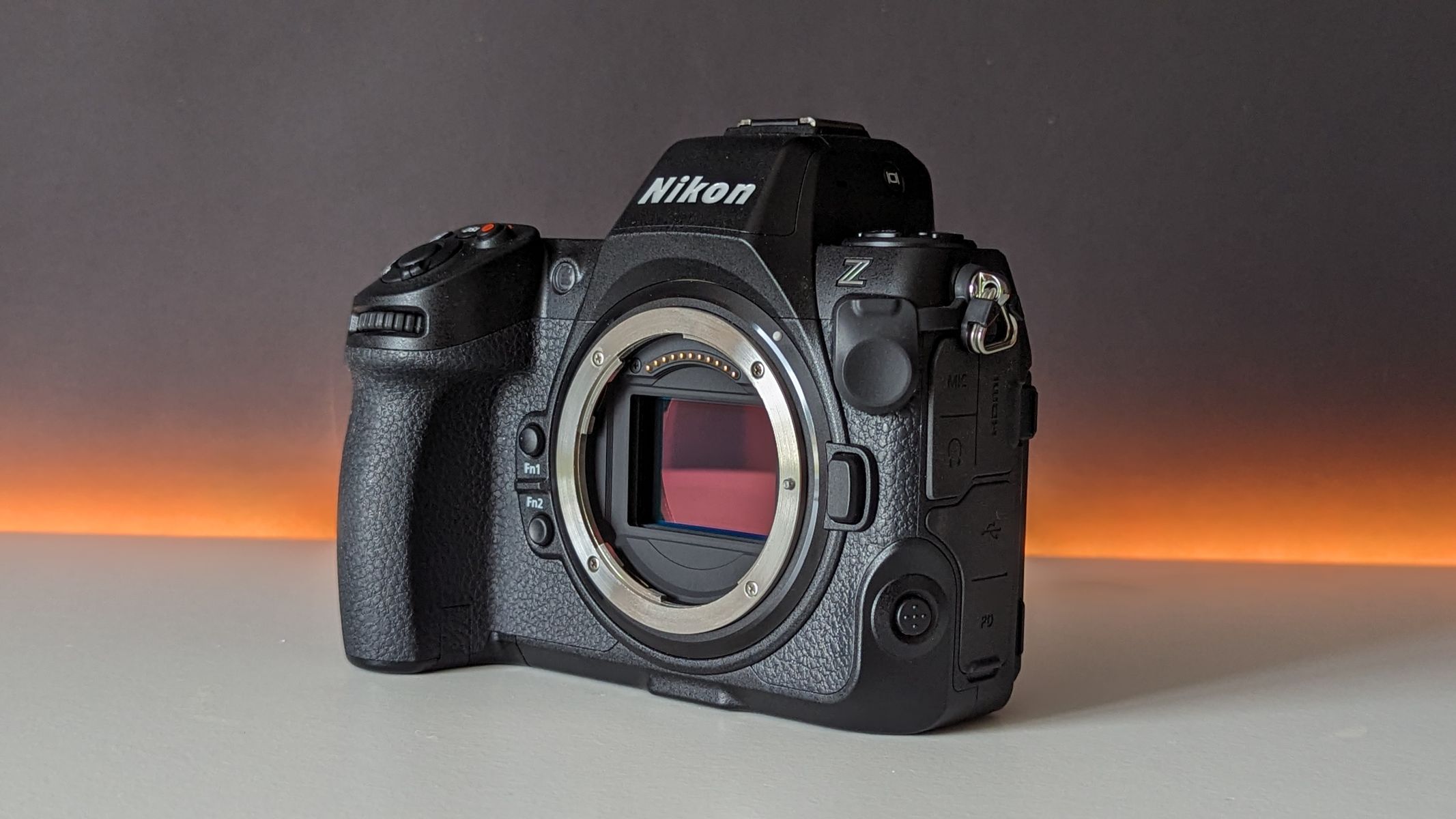
The Nikon Z8 is an exceptional camera, so much so that our Senior Manager, Jase, bought one recently for astrophotography. Unlucky for them, though, as they paid full price for it.

Since Jase's Nikon Z8 review, there have been several price drops during sales events like Amazon Prime Day and Black Friday, but we've yet to see it as cheap as Walmart's current price of $3,189.95. This is $80 less than Amazon's current listing price of $3,268, though we expect that to price match soon.

Pick up the Nikon Z8 for $3,189.95 at Walmart today — the cheapest we've seen online right now.

The Z8 is our choice as the best overall camera. There is nothing the Nikon Z8 can't do. It is especially great for astrophotographers and low-light shooters. This is the cheapest we've ever seen it.View Deal

We know, we know, this camera, even at the discounted rate, isn't cheap, but there's a reason we rave about it. The Nikon Z8 features in many of our 'best for' guides, including the best cameras for photo and video, where we rank it as best overall, the best cameras for astrophotography, and the best Nikon cameras. We can't remember a time when we've seen the price lower than $3,200.

In Jase's hands-on Nikon Z8 review, they awarded it 5/5 stars, praising both its specifications and real-world performance. A particularly impressive feature is the Starlight View mode, which enables autofocus detection down to -9EV. The best Jase had seen (and they have seen and tested a lot of amazing cameras over the years). There is a dedicated night vision mode for astrophotographers and an expanded ISO range up to 102,400.

Nikon Z8 on a white table
The night vision mode on the Z8 shows a dim and red display by default.Jase Parnell-Brookes
Nikon Z8 on a white table
The Z8 is 30% smaller than the Nikon Z9 from which it takes many inspiring features.Jase Parnell-Brookes
Nikon Z8 on a white table
Jase Parnell-Brookes
Nikon Z8 on a white table
Jase Parnell-Brookes
Nikon Z8 on a white table
Jase Parnell-Brookes
Nikon Z8 on a white table
Jase Parnell-Brookes

The Nikon Z8 has plenty of features that make it a fantastic choice for low-light photography and astrophotography, but those weren't the only things that impressed Jase during his review.

Nikon has long been known for getting its button layouts right, and the Z8 is no exception. It is so easy to adjust exposure settings on the fly, thanks to the command and sub-command dials, plus the ISO and exposure compensation buttons are positioned right next to the shutter release. It makes the camera incredibly intuitive to use and allows photographers to react quickly in changing conditions.

We've already touched on the Night Vision (Starlight View) mode, but it deserves another mention because it is genuinely useful rather than being a gimmick or a 'nice to have'. It even helps preserve your night vision by displaying menus and settings in red! Pair that with a red headlamp or flashlight and you're golden for not spoiling your stargazing experience.

Key features: Full-frame 45.7MP, 64-25,600 (expandable to 102,400), 8K 60p 12-bit, single SD UHS-II and single CFexpress/XQD card.

Product launched: May 2023

Price history: This camera started life on the market selling for around $4,300. Over time, it has dropped to a typical selling price of around $3,600, with special sale prices in the region of $ 3,400. The Walmart price of $3,189.95 is the cheapest we've seen.

Price comparison: Amazon: $3268 | Walmart: $3189 | B&HPhoto $3396

Space: ★★★★★ | Livescience: ★★★★½ | TechRadar: ★★★★★

Featured in guides: Best cameras, best cameras for astrophotography, best mirrorless cameras, best Nikon cameras.

✅ Buy it if: You want one of the best mirrorless cameras on the market.

❌ Don't buy it if: You're a beginner. This is still an expensive, advanced camera that might be overkill and somewhat intimidating for new users.

Check out our other guides to the best telescopes, binoculars, cameras, star projectors, drones, lego and much more.
These deals are giving Amazon a good run for their money

Amazon Prime Day 2026 has kicked off and we are seeing plenty of discounts across telescopes, binoculars and cameras. But there are plenty of deals that either match Amazon's price or even better, blow them out of the water! Like this Walmart deal that gives you $74 off the Amazon price of the Fujinon Techno-Stabi 1640 image-stabilized binoculars!

Amazon has tried to commandeer the summer sales space since it started Prime Day in 2015, but other retailers always come out swinging and bring with them some of the best deals. Even if they are not cheaper than Amazon, rivals tend to at least match the price, so you can still save money with your morals intact.

Our Prime Day hub has all the best Amazon deals as well as those coming from Adorama, Best Buy and BH Photo and Video.

Best anti-Prime Day telescope deals

Save $100 on our best telescope for beginners. It has a 4-inch aperture and go-to technology for help finding your favorite night sky objects.

We gave it four stars in our full Celestron NexStar 4SE review.

Amazon price matchView Deal

Save $150 and grab an iconic NexStar 6SE with an observer's kit that includes two Plossl eyepieces, a 2x Barlow Lens/T-Adapter, three filters for different viewing conditions, a microfiber cleaning cloth and a foam-lined carry case.

Check out our full Celestron NexStar 6SE review.View Deal

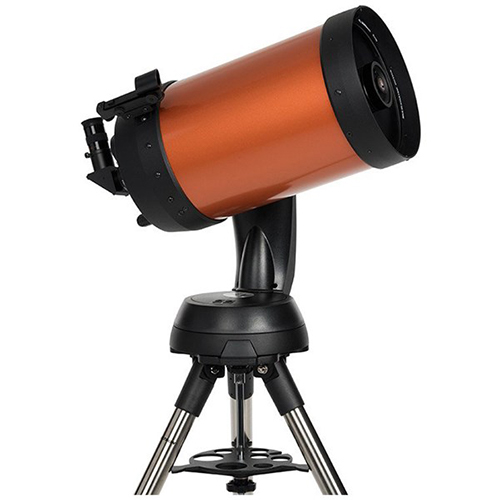
Save $200 on the best motorized telescope in our best telescopes guide. We rated it four and a half stars in our NexStar 8SE review.
It features an eight-inch aperture, a useful magnification of up to 180x, an easy-to-operate hand controller and stunning optics, perfect for almost any night sky object.

Amazon price matchView Deal

Save $126 on this huge Dobsonian telescope from Sky-Watcher with a 10-inch aperture, perfect for gathering the most light from faint deep-space objects like galaxies and nebulas.

We reviewed the Sky-Watcher 200P telescope and gave it four and a half stars. View Deal

Save $265 on this powerful refractor telescope with a 4.7-inch aperture and StarBright XLT coatings for maximizing light transmission.

Check out our full Celestron Omni XLT 120 review.

Amazon price matchView Deal

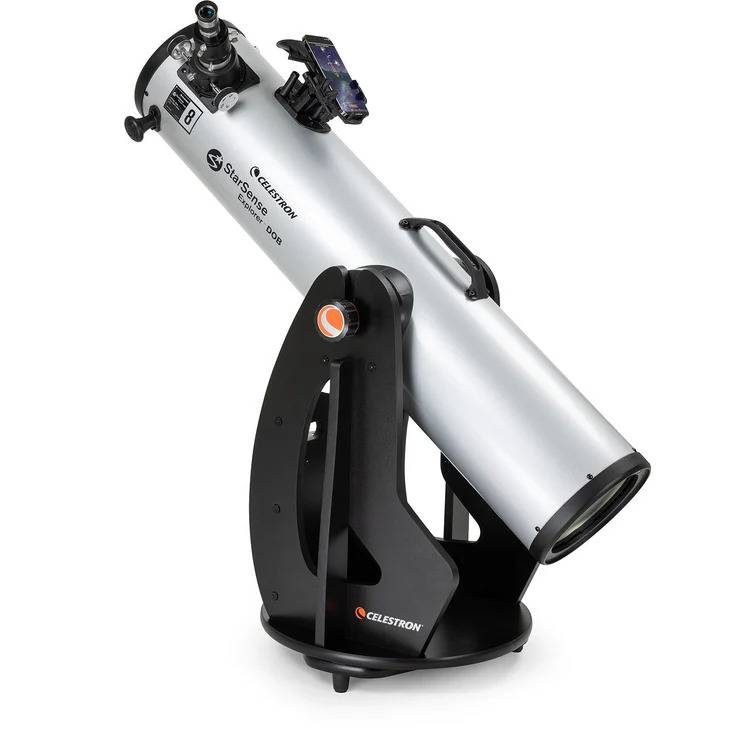
Save $264 on this 8-inch aperture Dobsonian from Celestron. It has StarSense technology to help you find your chosen night sky target.

Check out our full Celestron StarSense Explorer 8" Dobsonian review.View Deal

Save $85 on this premium solar set-up that includes the high-end Heliostar 76mm solar telescope and the SolarQuest mount that has powerful solar tracking capability.

This is great for solar imaging and getting an HD view of the upcoming total solar eclipse.View Deal

Best anti-Prime Day binocular deals

Save a huge $275 on the incredible Techno-Stabi TS-L 1640 image-stabilized binoculars. They contain Fujifilm's premium optics in a lightweight package with some of the strongest image stabilization on the market.

I gave them four and a half stars in my full Fujifilm Fujinon Techno-Stabi TS-L 1640 image stabilized binoculars review.View Deal

Save $100 on these Canon image-stabilized binoculars from Canon. Their 15x magnification, light-gathering 50mm objective lenses and judder-free views make them excellent for stargazing. View Deal

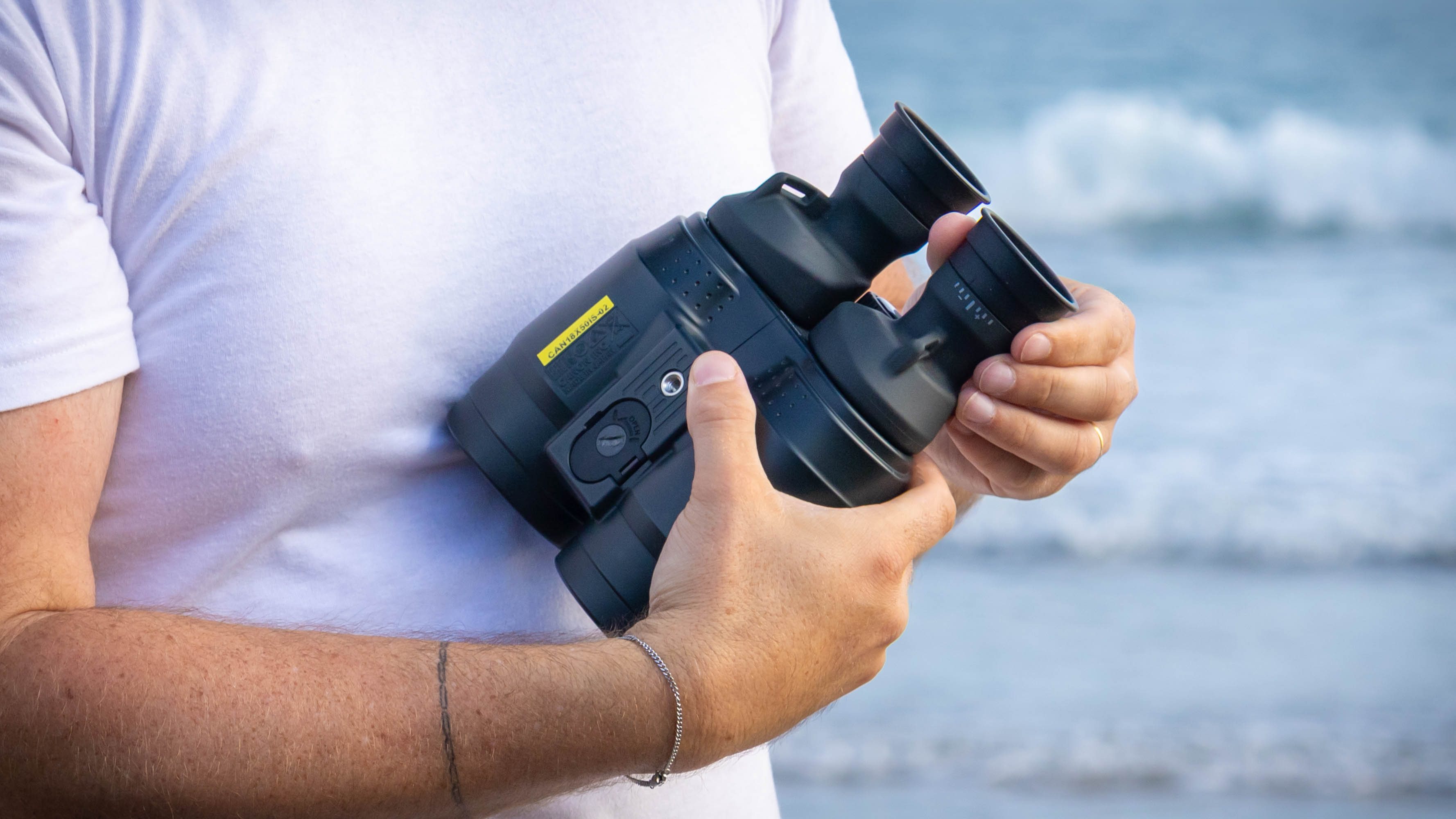
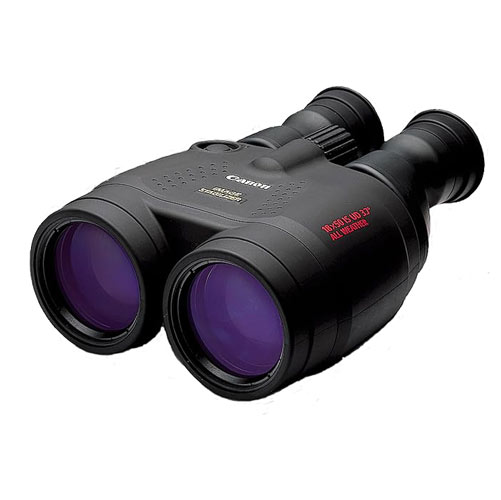
Save $100 on these great image-stabilized binoculars from Canon. They have a huge 18x magnification and big 50mm objective lenses so you can get very close to the stars.

Check out our full Canon 18x50 IS binocular review.View Deal

Best anti-Prime Day camera deals

Save over $200 on this workhorse camera, capable of 40MP stills and 8K video at up to 30p. It features a 5.76-million-dot viewfinder, a CFexpress card slot and advanced video output with Apple ProRes and raw video capability.

We think it's the best Fujifilm camera for professionals because of its powerful functionality and advanced features.View Deal

Save $929 on the latest hybrid A7 model from Sony. We reviewed the Sony A7R IV and gave it four and a half stars. This model has more advanced video capability and more autofocus points than the A7R IV.View Deal

Save over $1000 on this workhorse from Canon. It has a 45MP sensor, dual-pixel autofocus and 8K video capability.

Check out our full Canon EOS R5 Mark II review. View Deal