‘The X-Files’ creator Chris Carter says new director’s cut of ‘I Want to Believe’ is ‘the horror movie that we really wanted to make’ (interview)

Eighteen years later, it still gives me a jump scare, even though I know it's coming.

Agent Mulder, hot on the trail of a group of murderers who are harvesting their victims' organs, breaks into a makeshift laboratory in an attempt to save an abducted woman. He finds a gruesome scene of bodies on ice and surgeons, scalpels in hand, preparing to transplant the villain's head onto the abducted woman's body. Mulder turns and  — there it is! The villain's severed head on ice! And it opens its eyes.

It sounds less like a scene out of a science fiction mystery series and one more suited to a horror film. And that's precisely why Chris Carter, creator of "The X-Files", is revisiting the 2008 film "The X-Files: I Want to Believe" in a new R-rated director's cut coming to Hulu on Aug. 14.

Space.com got the chance to speak with Carter about the upcoming director's cut and the inspiration behind revisiting the standalone "X-Files" film nearly two decades after its release.

"I wanted to make the scary movie that I always had intended to make, intended to direct, and this is more in line with that," Carter told Space.com. "It gave me a chance to remember the making of the movie and what I had intended it to be, and how different it was from that original vision."

The director's cut features a new addition to the film's title  — "The X-Files: I Want to Believe  — Vrach Frankenshteyn". Carter said the name at the end (Russian for "Doctor Frankenstein") is a way of alluding to the tone and themes that he intended to focus on in the original film.

"It's a Frankenstein story, and the original inspiration for it was a doctor in Cleveland, Ohio, who transplanted the head of a monkey onto another monkey, and I thought that is perfect X-Files territory," Carter said.

Chris Carter on the set of the 2008 film "The X-Files: I Want to Believe." (Image credit: 20th Century Studios/Walt Disney Co.)

Carter's original version of the film was re-edited two times in order for it to be released with the PG-13 rating that 20th Century Fox (now 20th Century Studios) insisted upon.

"When we first made the movie, we had a vision, and we tried to bring it to life. And when we took it to the executives at 20th Century Fox, they said, 'This isn't a PG-13 movie. This is torture porn.'

"And so we cut it back to what we thought was a PG-13 movie to placate the executives, and then we gave it to the motion picture censors, and they said this isn't a PG-13 movie."

With many of the horror elements cut or toned down, the 2008 theatrical release ended up focusing quite a bit of time on the relationship between Mulder and Scully  — a fan-favorite part of the series for sure, but not one that Carter intended to be so central to "I Want to Believe."
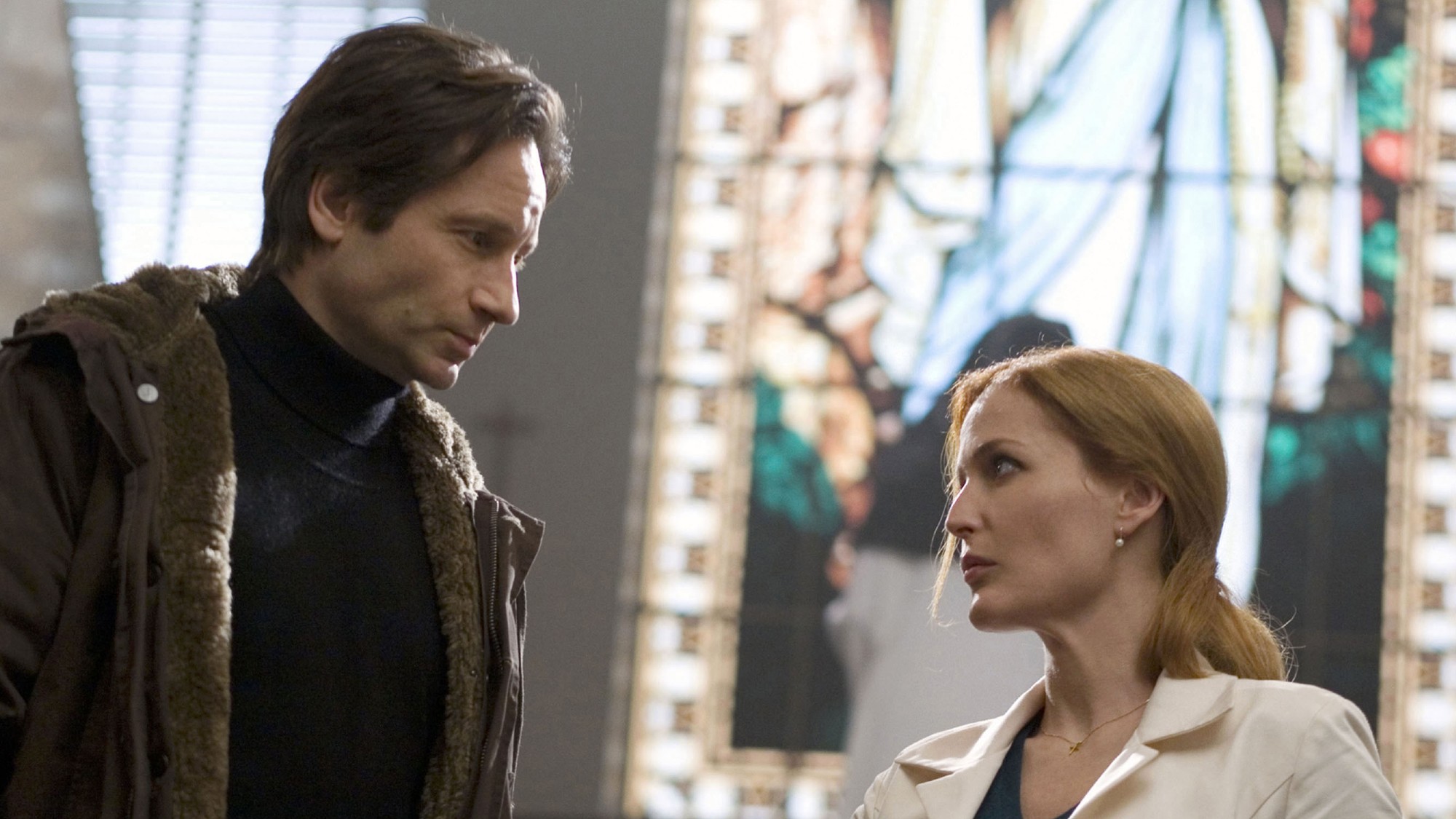
David Duchovny and Gillian Anderson as FBI agents Fox Mulder and Dana Scully in "The X-Files: I Want to Believe  — Vrach Frankenshteyn." (Image credit: 20th Century Studios/Walt Disney Co.)

The film's plot centers on a group of women who go missing. When a disgraced priest begins having supernatural visions of the missing women, agents Mulder and Scully come out of retirement to take on another case full of mysteries and unexplained events. Their investigation finds them uncovering an illegal organ harvesting operation, bizarre life extension experiments conducted by a murderous mad scientist, and unexplained supernatural occurrences and synchronicities: classic "X-Files" fare.

But despite being rooted in the long-running themes of the nine-season series, the film is accessible for first-time "X-Files" viewers or casual fans (or its underrated spin-off).

Rather than diving into the dense, overlapping conspiracies that form the series' core mythology of alien invasion and the government cover-up that keeps it a secret, "The X-Files: I Want to Believe  — Vrach Frankenshteyn" is what is referred to as a "monster of the week" story. It's a standalone plot that doesn't require a deep knowledge of the series or its mythology to enjoy.
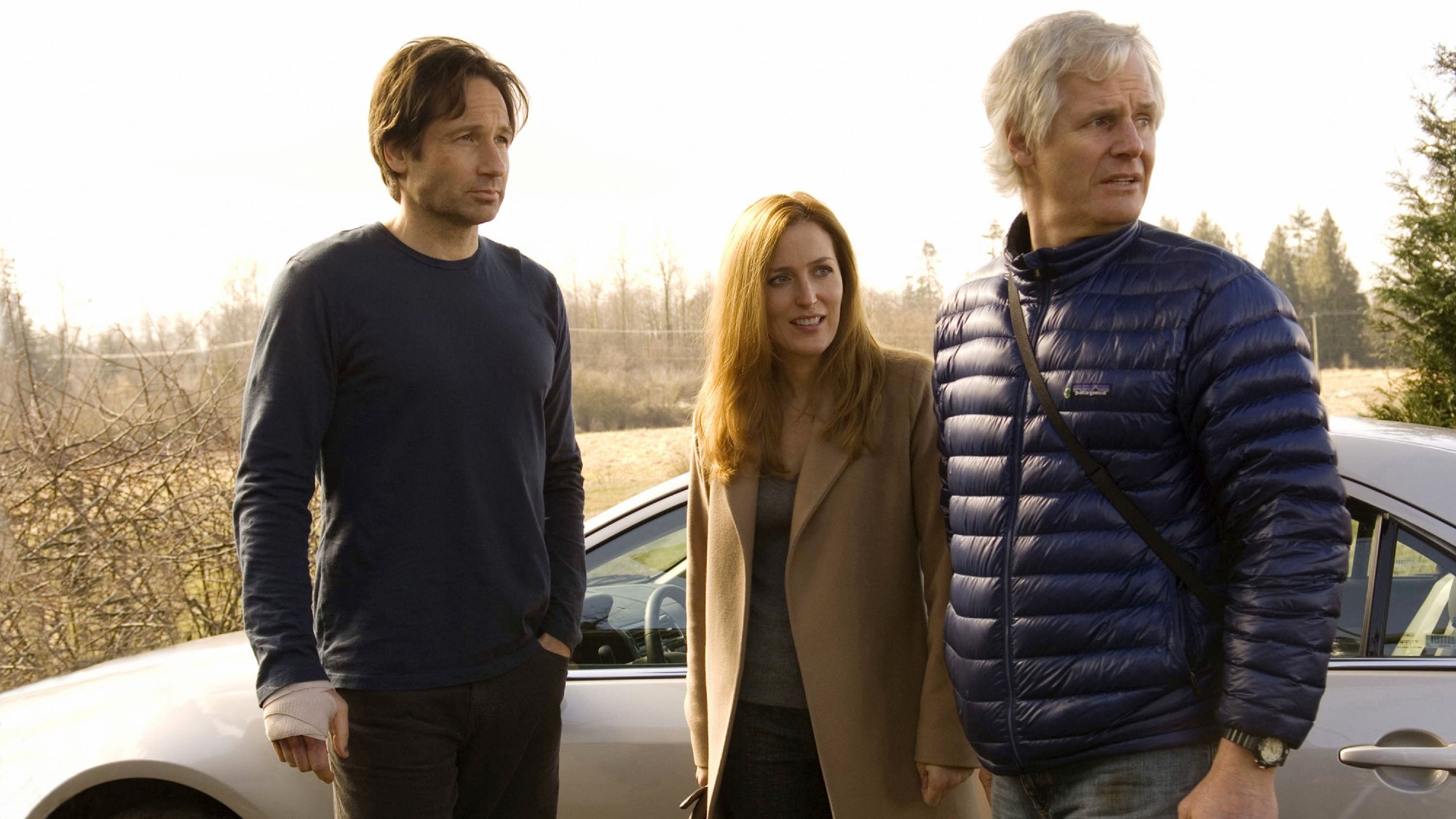
David Duchovny, Gillian Anderson and Chris Carter on the set of the 2008 film "The X-Files: I Want to Believe." (Image credit: 20th Century Studios/Walt Disney Co.)

Interestingly, the film breaks with the tradition of director's cuts featuring loads of deleted scenes and footage that never made it past the cutting room floor. It actually features a shorter runtime than the theatrical release.

"And everyone asks me that; why is it with most directors' cuts they're always longer because they throw everything in that got cut out. In this case, I felt it could be streamlined a little," Carter said. "I lightened up a little bit on the Mulder and Scully relationship beats and focused more on the horror movie that we really wanted to make."

In keeping with "X-Files" tradition, the director's cut also leaves many of its core mysteries and supernatural elements unresolved. That central theme, the ongoing search for truth and meaning in a sometimes mysterious and unexplainable universe, reflects Carter's own views.

"I really think of science as a search for God, and there are so many big questions that are unanswered, and we are trying to find the answers to those things," Carter said. "And will those answered questions bring us closer to an idea or a how it how it all began? What came before the Big Bang?"
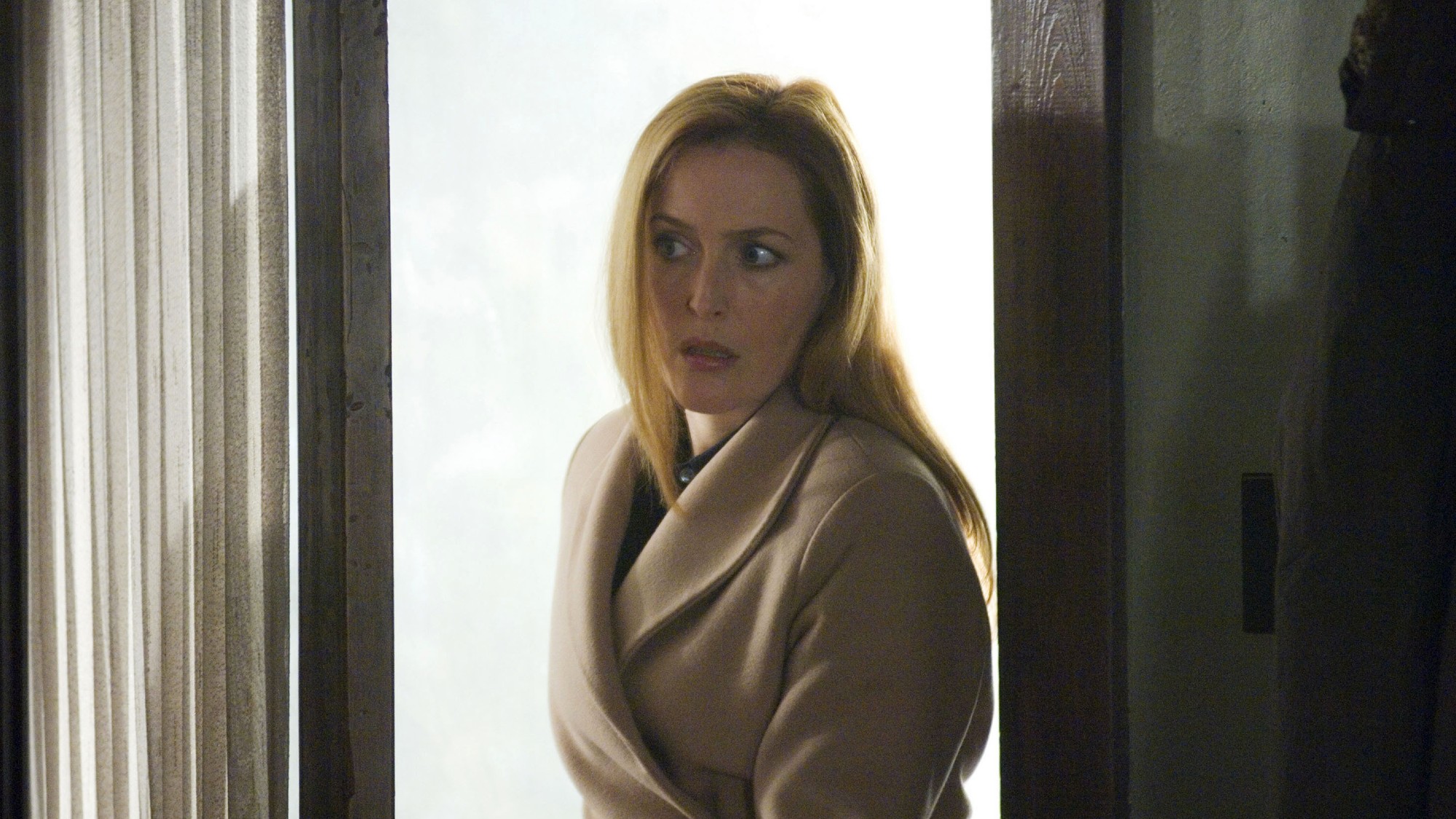
Gillian Anderson as Dana Scully in "The X-Files: I Want to Believe  — Vrach Frankenshteyn." (Image credit: 20th Century Studios/Walt Disney Co.)

Perhaps in a case of life imitating art, another key theme of "The X-Files" has made its way into the halls of the White House and Capitol Hill in recent years.

The U.S. government has held several congressional hearings discussing disclosure of alleged UFO secrets. The Trump administration has even released dozens of files, images and videos of alleged UFOs, or UAPs, as they're now known. Conspiracy theories of all kinds, particularly when it comes to aliens, have become mainstream.

Does that mean the truth is really out there? It certainly shows that we, as a nation, want to believe. But whatever the case may be, it is that same wonder, the same drive to question authority and probe the unknown, that drives Chris Carter to explore "The X-Files" after more than three decades.

"In every conspiracy is the kernel of truth, and that's interesting to me as a storyteller," Carter said.

"The X-Files: I Want to Believe  — Vrach Frankenshteyn" debuts on Hulu on Aug. 14, 2026.
‘Strange New Worlds’ latest lookalike episode is part of a long line of ‘Star Trek’ doppelganger stories

MINOR SPOILERS AHEAD! ANYONE YET TO WATCH "A CASE OF CHIAROSCURO" SHOULD PROCEED WITH CAUTION TO AVOID VIOLATING TEMPORAL PRIME DIRECTIVES.

You're on a top-secret mission to recover a lost Federation probe from enemy territory. A close encounter with a Klingon cruiser forces you into hiding on the surface of an alien world, which — thanks, in part, to the local star's radiation making everything appear stylishly monochrome — looks like it's been lifted from a classic 20th-century film noir. You dress up as one of the locals on this occupied world, and quickly learn that you're the spitting image of the leader of the local resistance. What are the chances?

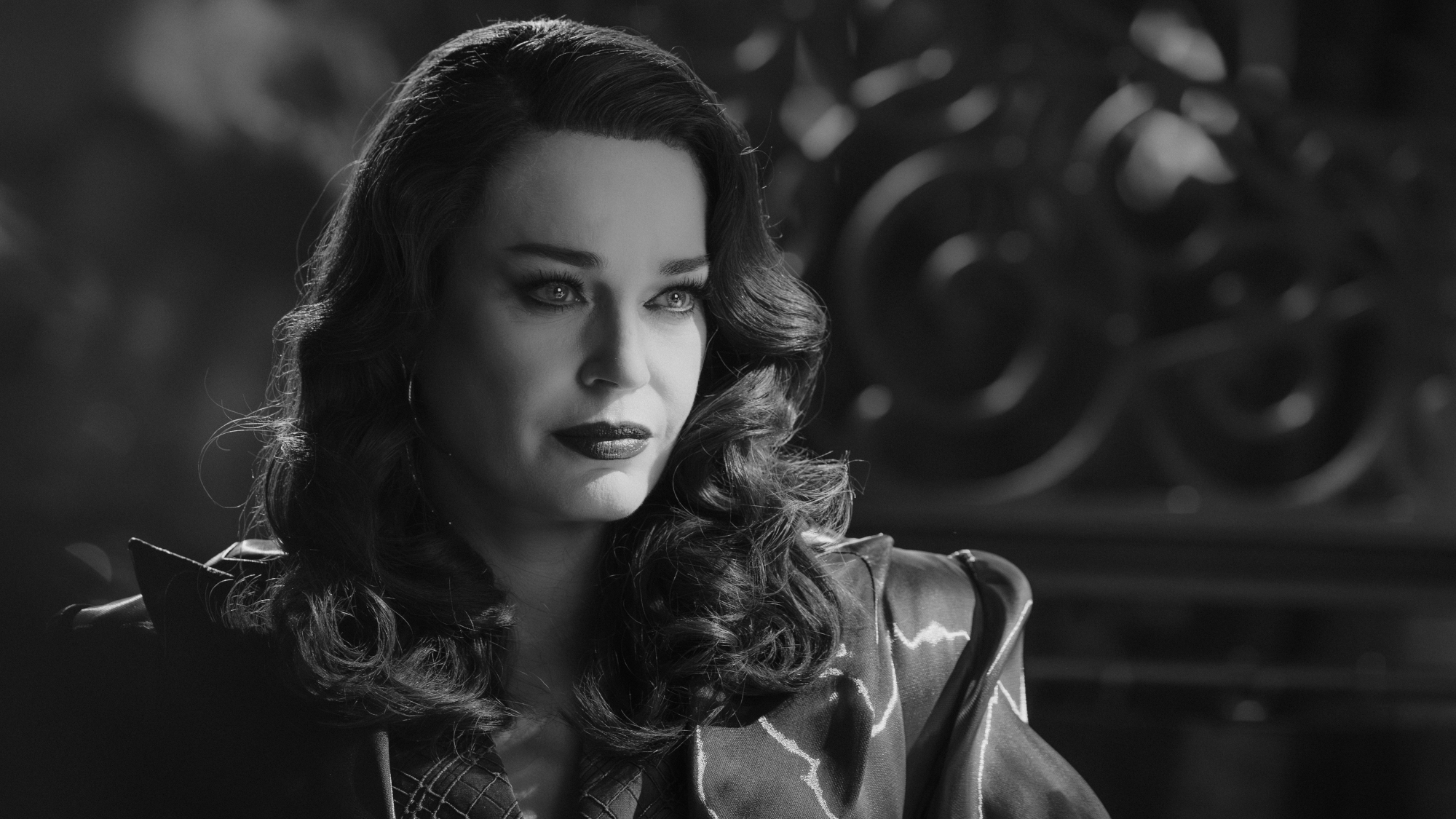
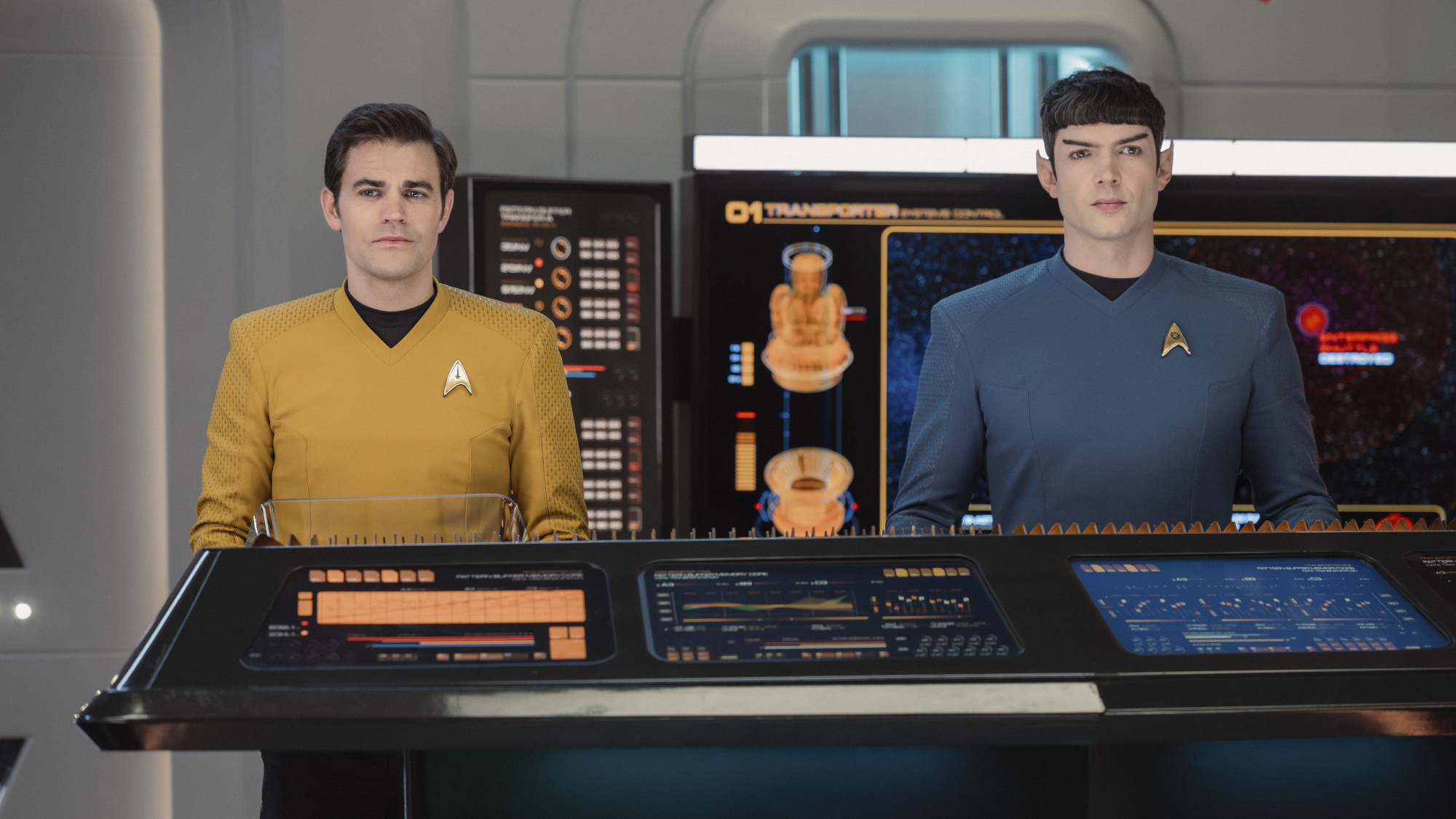
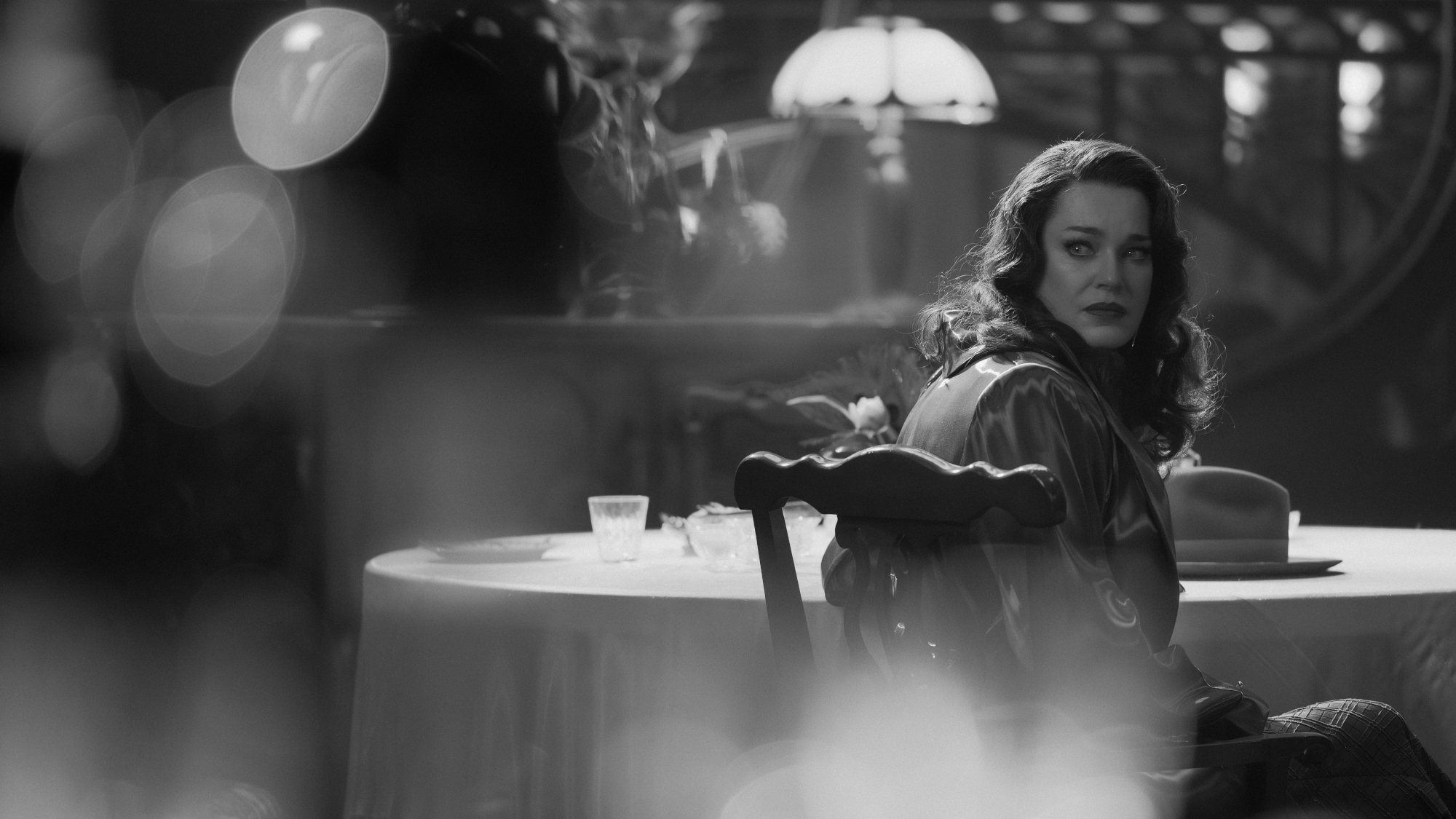
This being "Star Trek", the odds are nowhere near as long as they could — and maybe should — be. In fact, the galaxy is so chock-full of doppelgangers, clones and lookalikes that it's a wonder Una "Number One" Chin-Riley hadn't encountered her double before the latest episode of "Strange New Worlds", "A Case of Chiaroscuro".

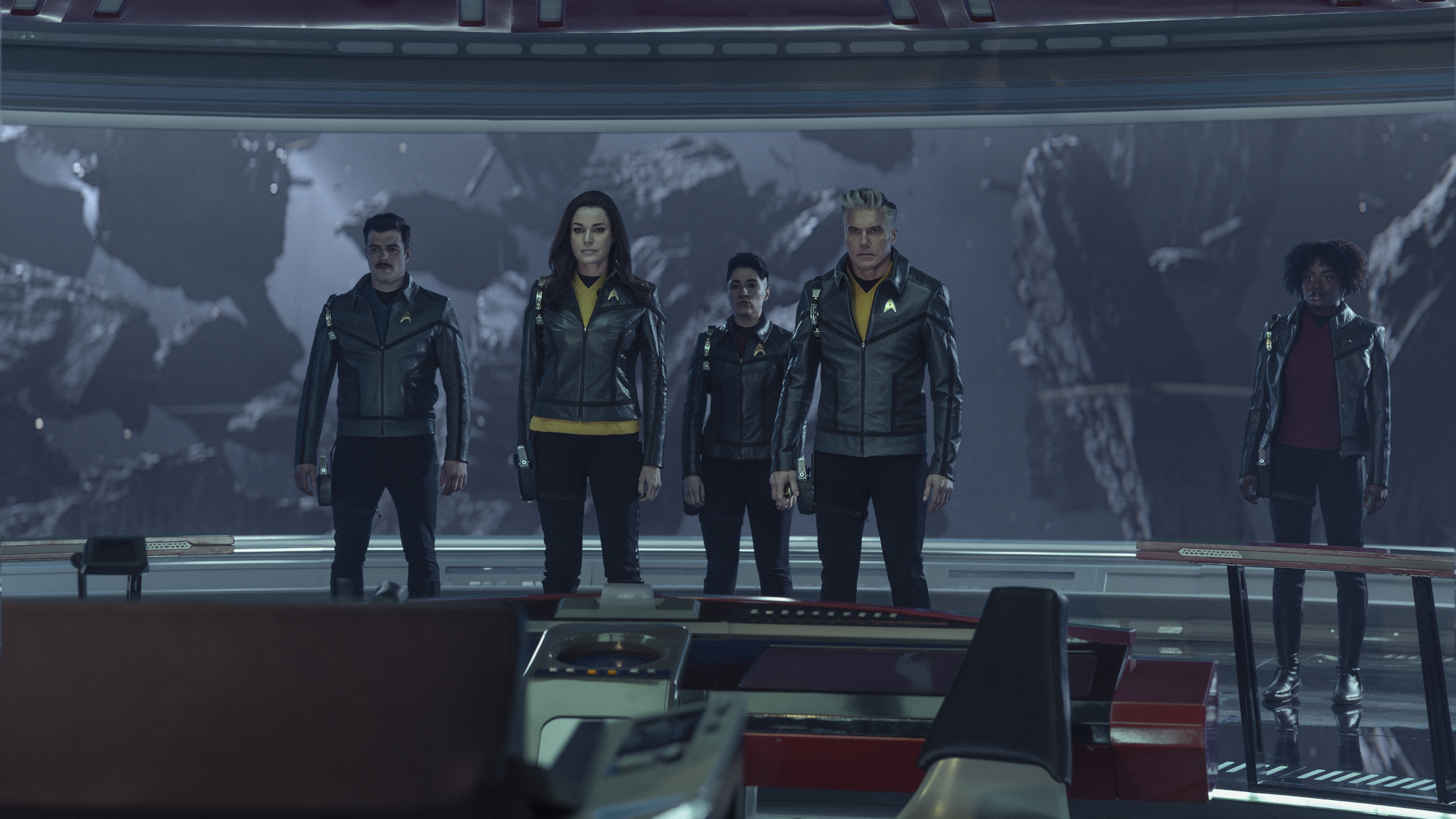
(Image credit: Paramount)

This may explain why Dr M'Benga doesn't think anything is particularly amiss. "In a universe as vast as ours, the real mystery is that we don't stumble onto our doppelgangers more often," he claims. "That we have found Una's is a momentary stroke of luck."

That said, the origin stories of Trek's previous escapees from the planet Xerox are usually a little more complex — and outwardly sci-fi — than coincidence. The matter transporters found on every Starfleet vessel, for example, have repeatedly given actors the chance to play two roles at once.

(Image credit: Paramount)

In theory, transporter tech breaks you down into your constituent atoms, beams those particles across space, and reassembles them in the right order at the other end. But, in the event of a glitch, transporter rooms effectively become highly sophisticated 3D printers, creating duplicates indistinguishable from the original beamee.

In the "Original Series" episode "The Enemy Within", James T Kirk is split into two versions of himself, one good, the other evil. In this metaphysical exploration of self, it turns out you can't have one half without the other, forcing Spock and co to reintegrate the two Kirks in order to save their captain.

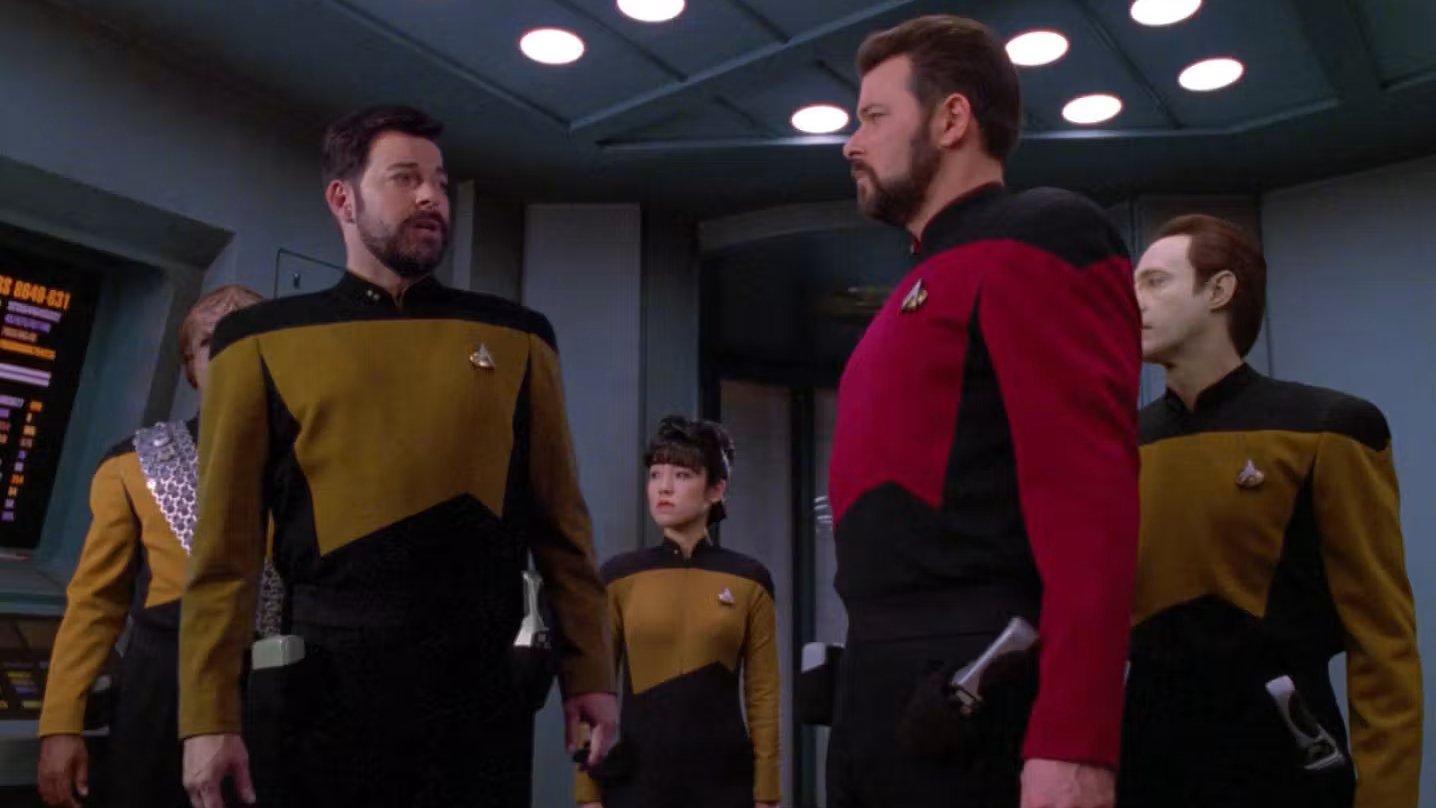
Will Riker also experiences transporter-induced imposter syndrome in "The Next Generation" episode "Second Chances". He learns that a beaming error on the USS Potemkin created an exact facsimile eight years earlier, and Riker 2.0 has been living alone on the remote Nervala IV ever since. Alas, this alt version (who opts to go by the name of Thomas) doesn't find it easy living in the shadow of the Enterprise-D's highly commended first officer, and eventually quits Starfleet to defect to the Maquis resistance organization.

(Image credit: Paramount)

When Bradward Boimler experiences similar duplication issues in "Lower Decks", it's his double, William, who makes better use of their resources. He ultimately finds himself in the captain's chair of a top-secret Section 31 vessel staffed by doppelgangers from alternative realities, including "Deep Space Nine"'s Dr Bashir, "Enterprise"'s T'Pol, and multiple incarnations of "Voyager"'s perennial ensign, Harry Kim.

"Trek"'s parallel universes are arguably even more conducive to duplication than transporter accidents. Indeed, even the Harry Kim who eventually makes it back from the Delta Quadrant in "Voyager" is an alternative version, transferred from a USS Voyager slightly out of phase with the original. (To be fair, OG Harry had just been sucked into the vacuum of space, so the switcheroo was easy to justify — and good news for actor Garrett Wang.)

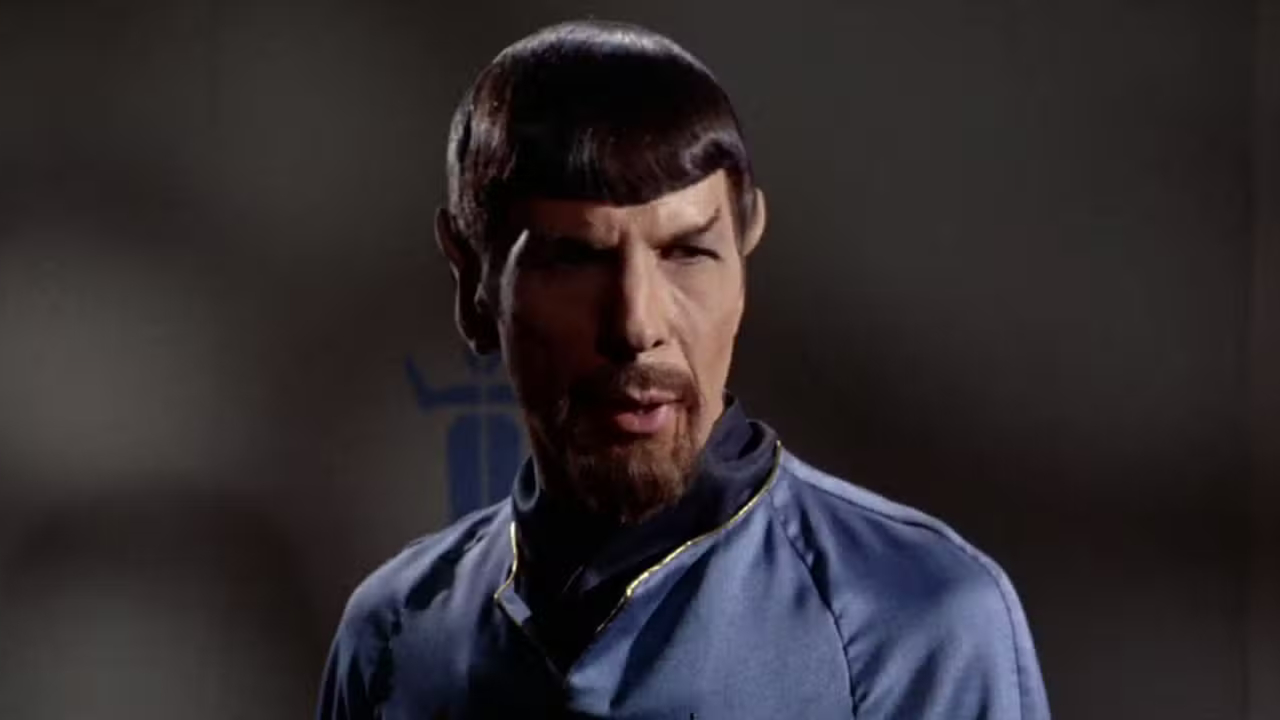
But "Star Trek"'s most famous doppelgangers from another dimension hail from the infamous Mirror Universe, where the morally dubious Terran Empire crushes non-Earthers under a bloodthirsty boot — while the Federation traditionally comes in peace, these guys make no secret of their love of shooting to kill. Crews from "Enterprise", "Discovery", the Original Series, "DS9" and "Prodigy" have all come face to face with their evil twins. Few imposters have been quite as easy to spot as Terran Empire Spock, however, whose trademark goatee is something of a giveaway.

(Image credit: Paramount)

Shapeshifters are even trickier customers, seeing as they can — in theory — take the form of anyone they want. Kirk shares facetime with himself when Chameloid Marta impersonates him while messing up their attempt to escape the Rura Penthe penal colony in "Star Trek VI: The Undiscovered Country".

"I can't believe I kissed you," says Kirk. "Must have been your lifelong ambition," Kirk replies — sort that one out, Sigmund Freud.

The metamorphing Changelings of the Dominion also prove a particularly tricksy enemy in "Deep Space Nine", thanks to their ability to replicate everyone from Dr Bashir and General Martok to the Federation's in-house shapeshifter, Odo.

(Image credit: Paramount)

And then there's "Trek"'s dalliances with the more traditional sci-fi trope of cloning, the most famous example showing up just in time for "The Next Generation" crew's final mission.

The Big Bad in the 2002 movie "Nemesis" is Shinzon, a Jean-Luc Picard duplicate created by Romulan scientists to infiltrate the Federation. The irony, of course, is that this clone looks nothing like the source material. In fact, the chances of anyone buying that Tom Hardy will one day look like Patrick Stewart are close to zero — Dr M'Benga may believe that we should bump into our doppelgangers more often, but even he wouldn't fall for that one.

New episodes of "Star Trek: Strange New Worlds" debut on Paramount+ on Thursdays.

This year’s ‘Masters of the Universe’ movie wasn’t Hollywood’s first attempt at capturing the power of He-Man; they tried back in 1987, and failed then too

For the generation that grew up in the 1980s, the release of the recent big-budget "Masters of the Universe" movie would undoubtedly have conjured up a sense of déjà-vu.

Picture the scene. The year is 1987. You've got the action figures and the Castle Grayskull playset, you've watched every episode of the cartoon again and again, and you can recite He-Man's opening credits voiceover by heart. He has the power!

Then someone tells you there's a live-action film adaptation coming out.

You persuade your parents to take you to the theater, pick up a great big bucket of popcorn, and get ready to be transported to the familiar surroundings of Eternia. And then…

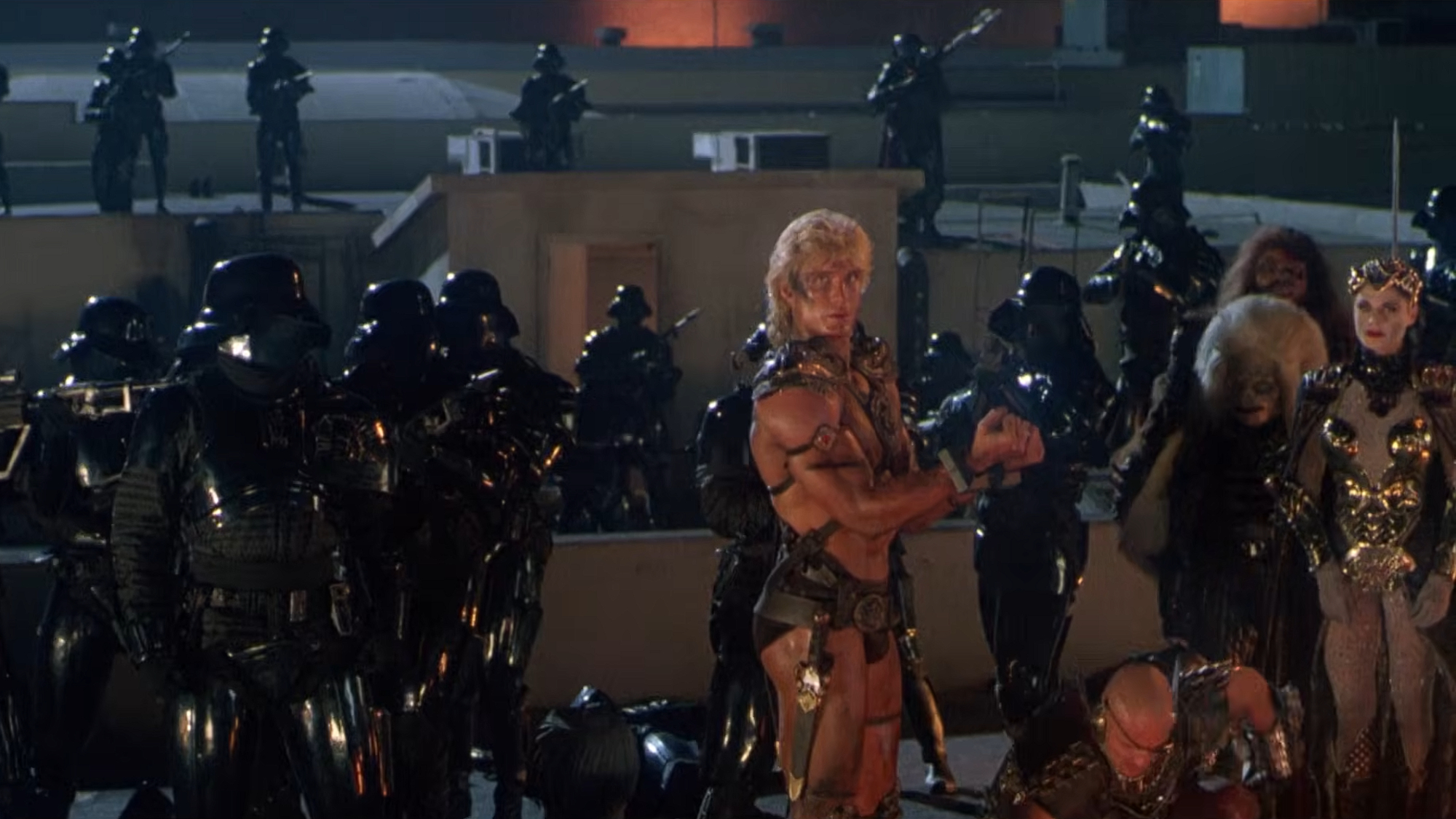
Well, it's fair to say this is not the "Masters of the Universe" you know and love. Sure, leading man Dolph Lundgren is big, but why does he look and dress nothing like He-Man? Who's that Gwildor guy, and what the hell happened to Orko, BattleCat and Prince Adam? Why do He-Man and Skeletor spend so much of the movie on planet Earth? And when are we going to hear that famous theme tune? (Spoiler: you won't.)

Screenshot from the 1987 science fantasy movie

(Image credit: Mattel / The Cannon Group)

By the power of Grayskull, this was not the film '80s kids expected, or indeed wanted. But disappointing a pre-teen fanbase was the least of "Masters of the Universe"'s worries. Sales of Mattel's previously all-conquering toyline were way past their peak, while the appetite for films trying to capture "Star Wars"' unique blend of sci-fi and fantasy had all but disappeared. Perhaps more importantly, "MOTU" 1987 had been bankrolled by an ambitious but eccentric studio, whose efforts to break into the mainstream had left it in a financial state so perilous that not even the most powerful man in the universe could save it.

"Masters of the Universe" was one of the undoubted pop culture success stories of the 1980s. Although Mattel had made the mistake of turning down the licence to make "Star Wars" toys, the toy giant responded in spectacular style by launching a fantasy behemoth of its own in 1982. He-Man, Skeletor and their Eternian colleagues would soon become household names, largely thanks to the advertising power of an immensely popular cartoon series.

Decades before "Transformers", "The Lego Movie" and "Barbie" made big money at the box office, producer Edward Pressman had seen the potential in taking a toy franchise to the big screen. There had been early interest in "He-Man" from major studios (including Warner Bros), but — largely thanks to delays caused by management changes at Mattel — interest had waned by the time Cannon Films stepped in to foot the bill.

Throughout the '80s, Cannon had become more renowned for the quantity of its output than the quality, as a pair of ambitious Israeli cousins, Menahem Golan and Yoram Globus, invested in unashamed B-movies like "Enter the Ninja", Charles Bronson's "Death Wish" sequels, and Chuck Norris vehicle "The Delta Force". The studio had around 40 movies in production at the time "Masters of the Universe" got the green light, but was keen to make a move on tentpole blockbuster territory. As well as financing the disastrous "Superman IV: The Quest for Peace", Cannon had also paid Sylvester Stallone a record-breaking fee to headline arm-wrestling drama "Over the Top". Both flopped at the box office.

Despite being "a little bit reluctant because it was [based on] a toy line", Stallone's "Rocky IV" co-star Dolph Lundgren signed up to play the mighty He-Man. The Swedish actor looked more like the lead singer of a hair metal band than the sword-wielding hero of the cartoons, though his impressive physique (coupled with He-Man's scanty wardrobe) ensured it was hard to find a convincing stunt double.

Director Gary Goddard also became concerned that his leading man (topping the bill for the first time) wasn't delivering dialogue as he wanted, and subtly chopped some of Lundgren's lines. He reasoned that heroes played by Clint Eastwood are often men of few words, with their sidekicks usually the ones supplying the supplemental information.

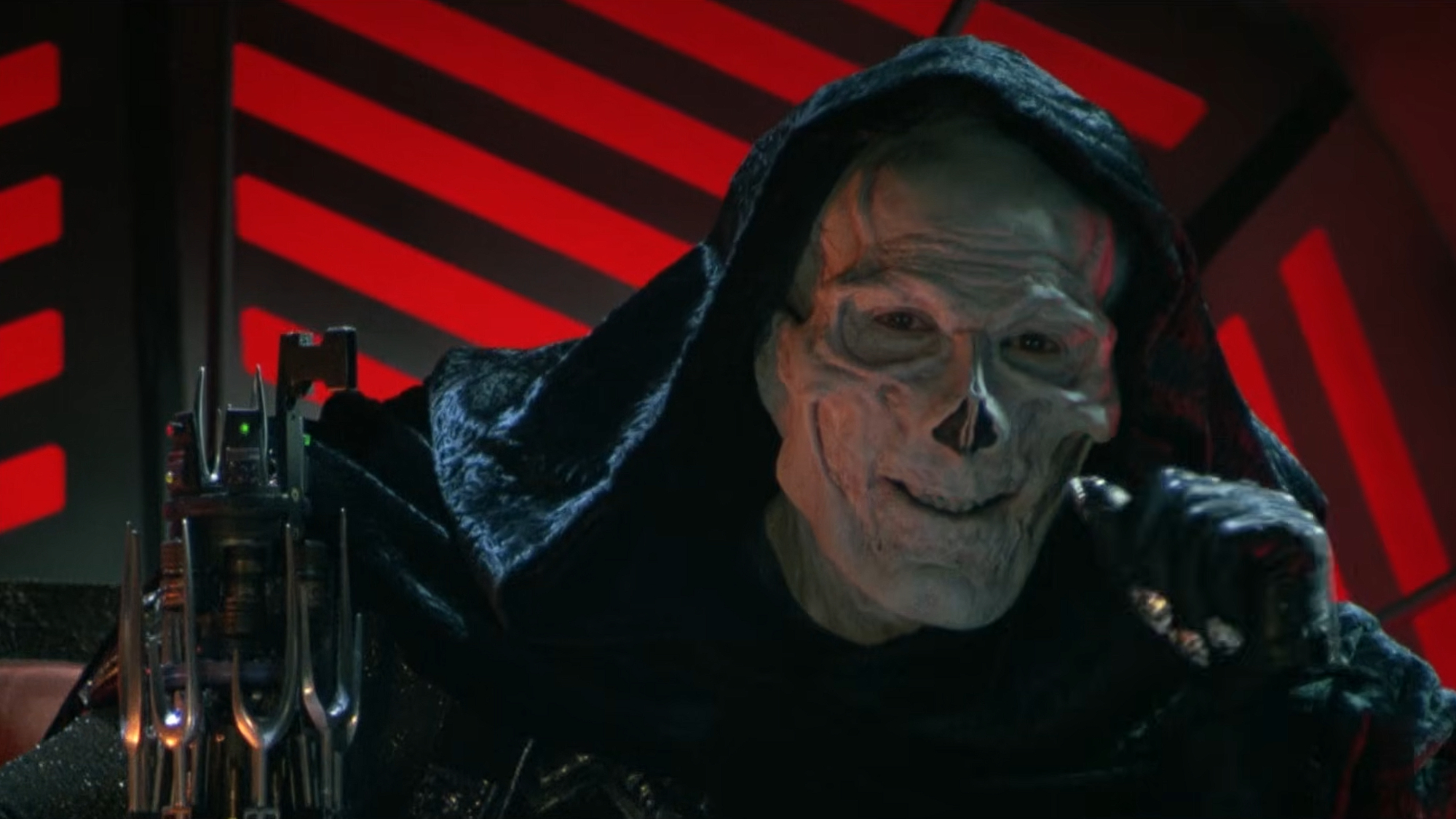
Screenshot from the 1987 science fantasy movie

(Image credit: Mattel / The Cannon Group)

There were never any doubts about the man playing He-Man's nemesis, Skeletor, however. Frank Langella had caught Goddard's eye in "Amadeus" on Broadway, and — buried under some impressive make-up — relished the opportunity to ham it up as Eternia's villain-in-chief. But this dark, calculating interpretation was a universe away from the cackling, frequently thwarted bad guy of the cartoon series. It wasn't the only way the film would completely lose track of what had made kids fall in love with the "Masters of the Universe" brand.

Even in 2026, with the help of CG effects and a colossal budget, the new "Masters of the Universe" had to pick and choose which classic Eternians — including Mekaneck, one of the weirdest "Masters of the Universe" characters — made the transfer to the big screen.

Spare a thought, though, for the 1987 fans who had to make do with (on Team He-Man) Man-at-Arms, Teela and the Sorceress; and (on Team Skeletor) Evil-Lyn and Beast Man.

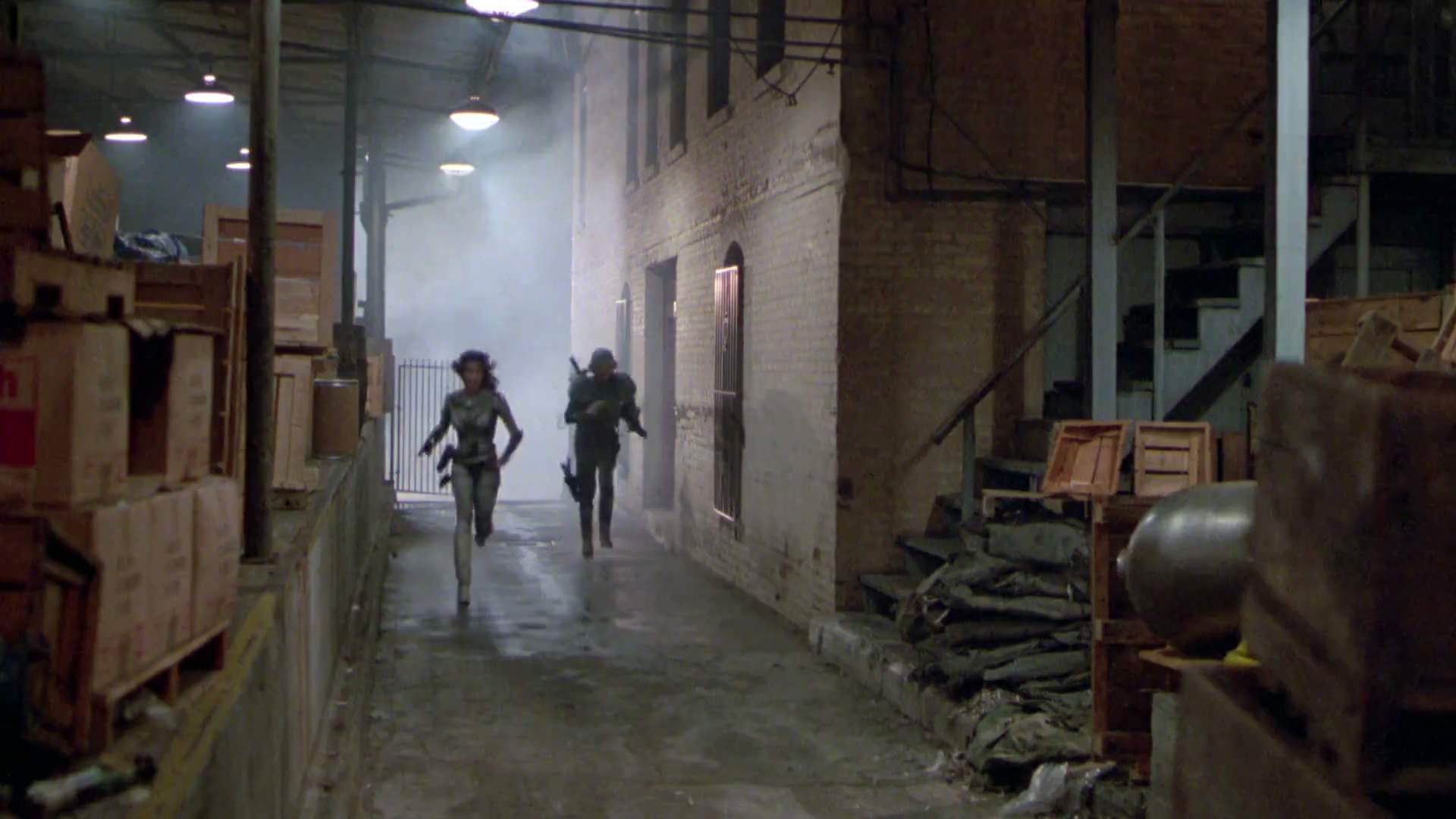
Screenshot from the 1987 science fantasy movie

(Image credit: Mattel / The Cannon Group)

Hovering wizard sidekick Orko was replaced by a new character, Thenurian inventor Gwildor, while Skeletor's rogues' gallery was expanded to the tune of lizard man Saurod, the sword-wielding Blade, and the not-sure-what-he-is Karg. Long-standing favorites like Trap-Jaw, Tri-Klops, and Mer-Man were conspicuous by their absence.

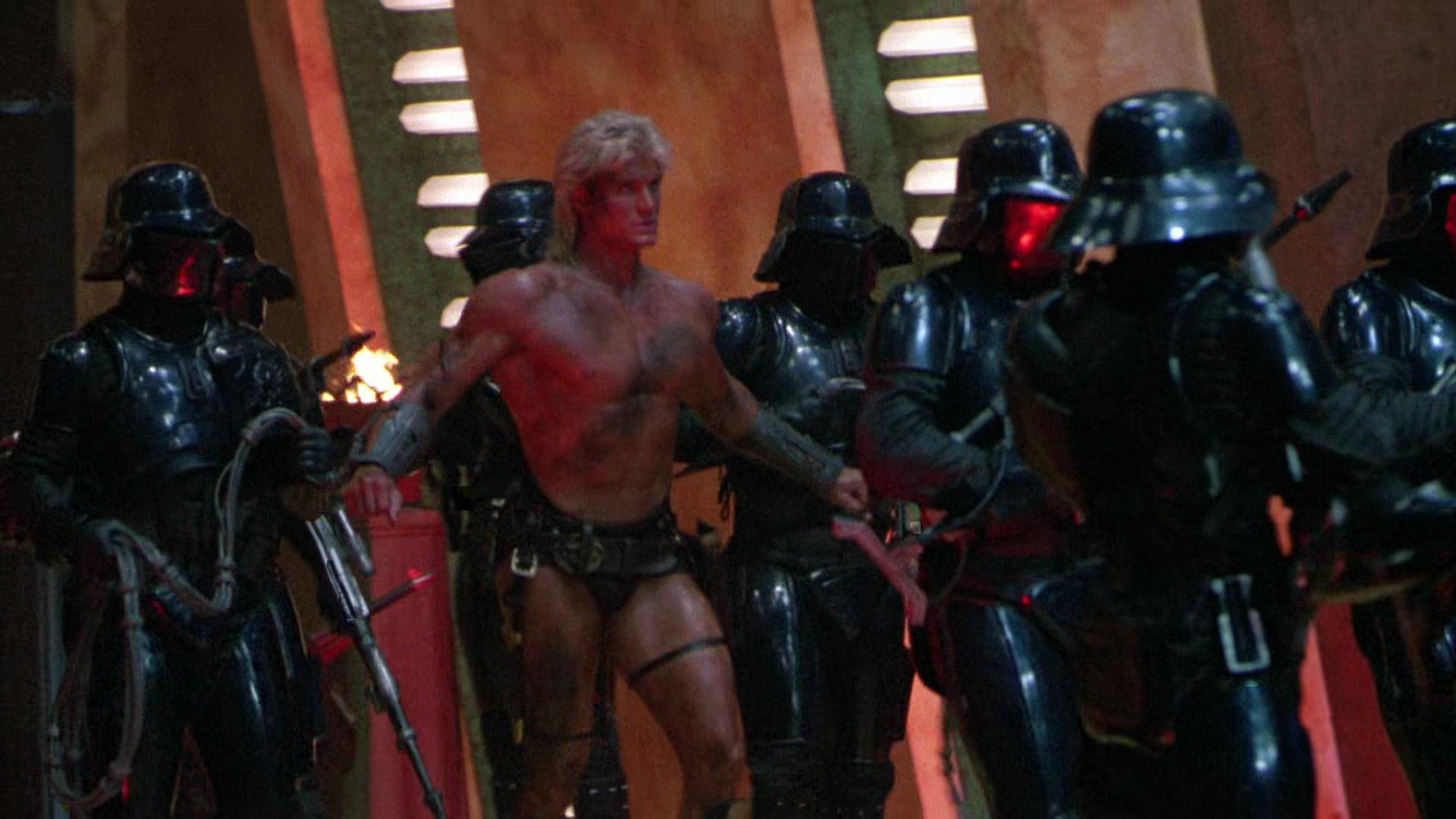
Skeletor was supported by legions of laser-wielding, Stormtrooper-esque soldiers, though — thanks to Mattel's mandate that He-Man couldn't kill anyone — these were robots rather than people. He-Man also tended to favor a laser gun of his own, mostly keeping his famous Sword of Power for show. He didn't even need the sword for a big transformation moment, seeing as alter-ego Prince Adam and his green tiger BFF Cringer were conveniently jettisoned from the story.

The movie's biggest problem, however, was arguably transferring the action to Earth. This didn't contradict franchise mythology (He-Man's mom, Queen Marlena, had long been established as an astronaut from Earth), and the new film has followed suit by bringing Adam to Oklahoma City. But in "Masters of the Universe" 1987, the decision simply made the action feel small — despite the best efforts of legendary "Star Wars" effects veteran Richard Edlund.

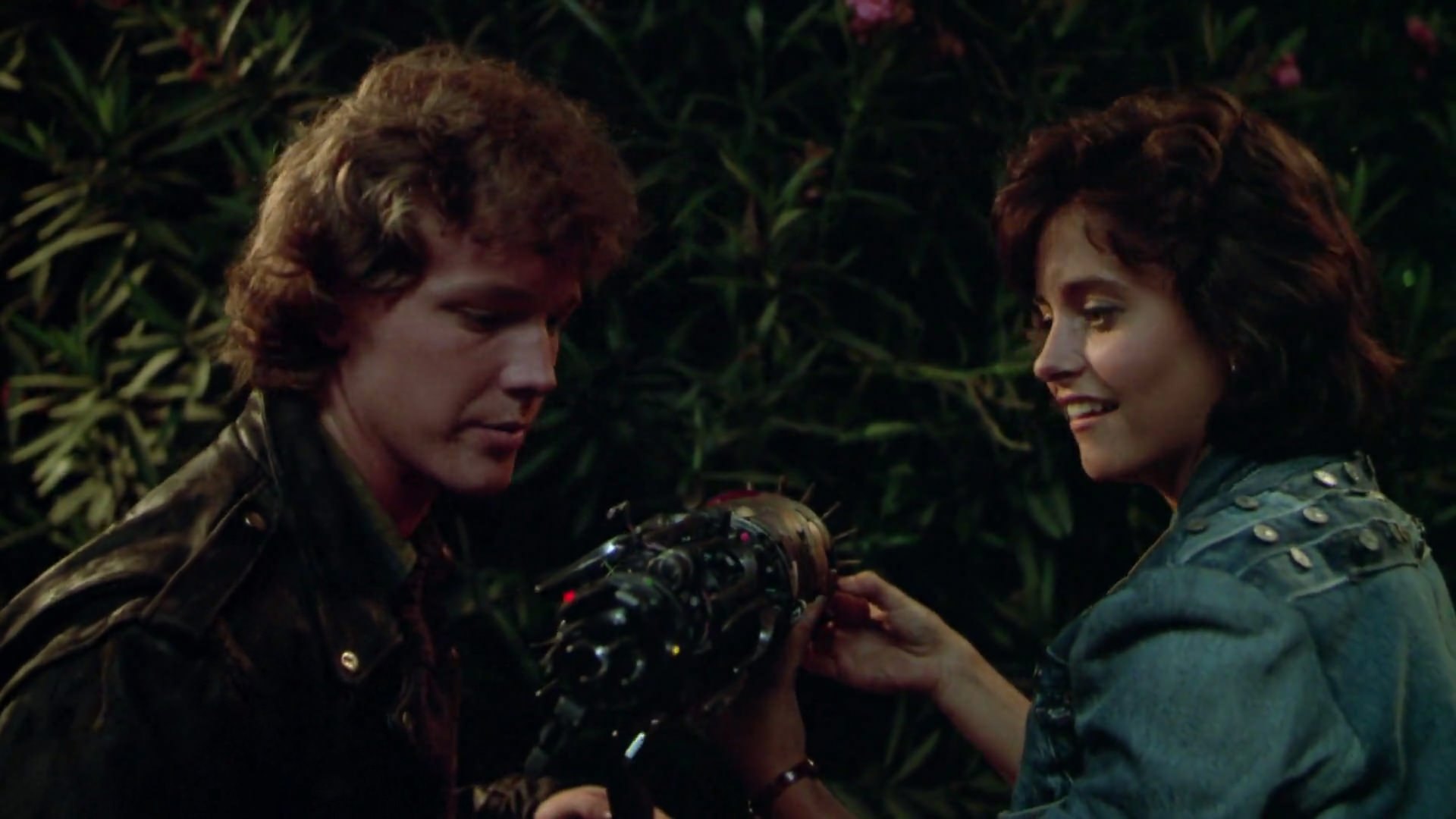
Screenshot from the 1987 science fantasy movie

(Image credit: Mattel / The Cannon Group)

Human teens Courteney Cox (the "Friends" star's first movie role) and Robert Duncan McNeill ("Star Trek: Voyager") did their best to grapple with an extended visit from walking, talking action figures, but you'd never know this was a He-Man movie if people didn't keep saying his name.

When Eternia did get a look in, it exposed the film's financial limitations, as over-investment and a series of expensive flops started to catch up with Golan and Globus. Goddard had wanted to shoot exteriors in Iceland to capture a more otherworldly vibe but had to make do with a few days at Vasquez Rocks (a location near Los Angeles that frequently doubled for alien worlds in "Star Trek") towards the end of production.

Money was so tight that, on the final scheduled day of the shoot, the plug was pulled as soon as the clock struck midnight, before Goddard had all the coverage he wanted. The director later admitted that he made a deal to stump up $50,000 of his own money (a sum matched by Cannon) to fund one last day of shooting on He-Man and Skeletor's climactic battle. At least the film would have an ending…

Screenshot from the 1987 science fantasy movie

(Image credit: Mattel / The Cannon Company)

But was it worth it? "Masters of the Universe" made a disappointing $17.3 million at the US box office. It was just the 65th highest-grossing release of 1987, and some way behind infamous stinker "Jaws: The Revenge". It certainly wasn't enough to save Cannon, which had sold off a large chunk of its film library earlier that year in order to stave off bankruptcy. The studio (by then known as Cannon Pictures) would release its final film in 1994.

"The Cannon boys were very charismatic and very ambitious," Lundgren recalled in the documentary "Electric Boogaloo: The Wild, Untold Story of Cannon Films".

"They were guys who came to Hollywood to take it over in a quick sort of way, perhaps not playing by all the rules but sometimes that works, and it worked for a while for these guys too. 'Masters' was their big shot, and even though it didn't reach the heights they'd wished for with 'Star Wars' and so forth, I think it's still a decent picture compared to some of the others they made. 'Masters' certainly beats 'Superman IV' in watchability."

"Masters of the Universe" 1987 is available to stream on Prime Video in the US and on Prime Video and ITVX in the UK.

‘Star Trek: Strange New Worlds’: Anson Mount, Rebecca Romijn, & Carol Kane on season 4’s big leaps and ‘outside the box’ episodes

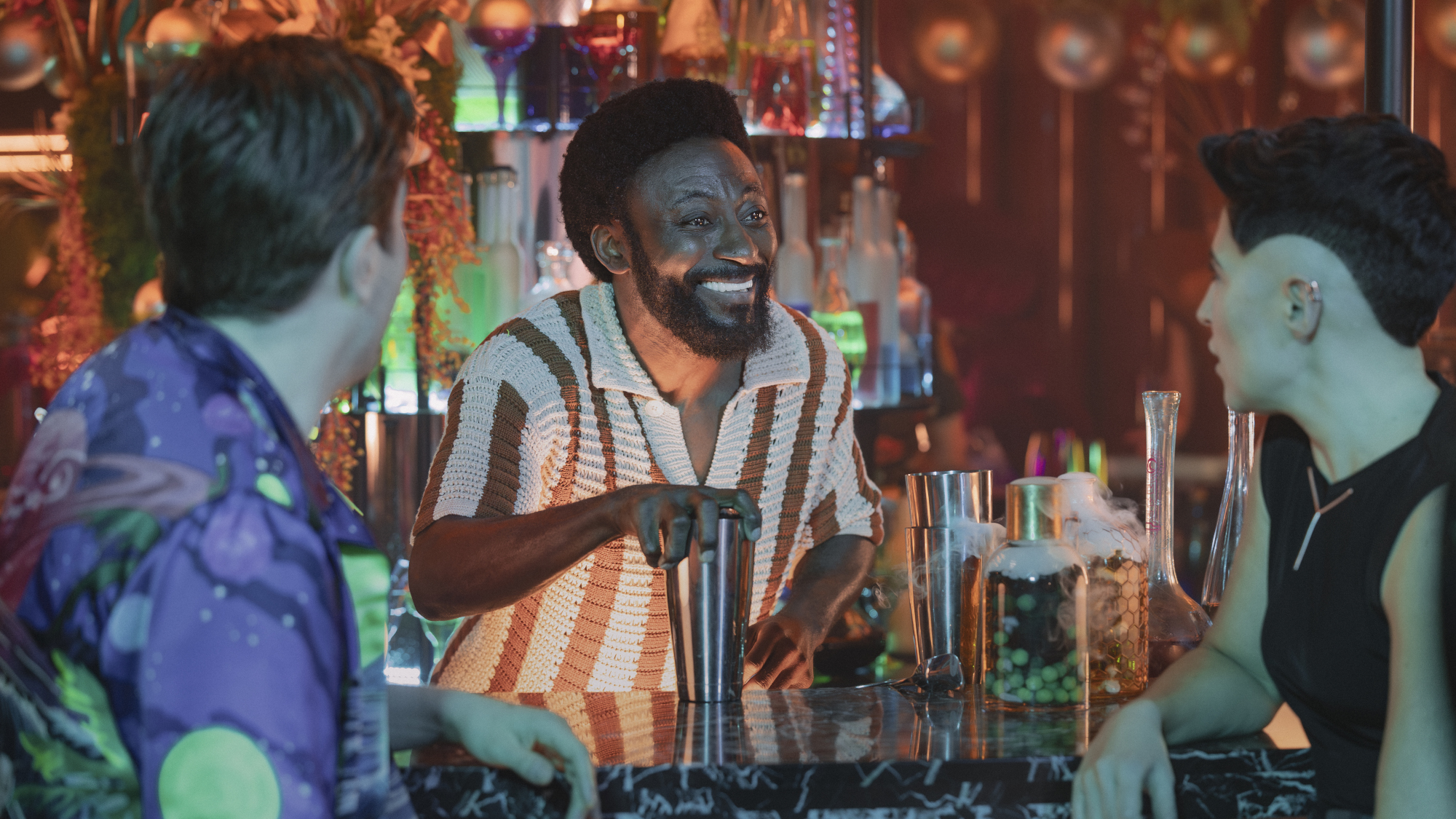
Season 4 of Paramount+'s "Star Trek: Strange New Worlds" is off to a roaring start with episodes already airing centered around primeval dinosaurs, a haunted starship, and a hedonistic pleasure planet.

This week's chapter, titled "A Case of Chiaroscuro", airs on Aug. 13 and takes another bold swing, featuring a wartime film noir-style tale with tense galactic politics at its core.

We connected with three of "Strange New Worlds'" brightest stars — Anson Mount (Captain Christopher Pike), Rebecca Romijn (Lt. Cmdr Una Chin-Riley), and Carol Kane (Commander Pelia) — to hear about this penultimate season's boundary-pushing vision delivered by executive producers Akiva Goldsman and Henry Alonso Myers, and learn more about that Muppet episode called “Level-Five Transporter Accident” that's coming later this month on Aug. 20.

(L-R): Dan Jeannotte as Sam Kirk, Rebecca Romijn as Una, Melissa Navia as Erica Ortegas, Anson Mount as Captain Pike, and Celia Rose Gooding as Uhura in season 4, episode 2, of Star Trek: Strange New Worlds

A scene from "Strange New Worlds"' season 4, "The Griffin Incident" (Image credit: Paramount)

"We're all in agreement that season 4 and season 5 are the strongest seasons of the whole series," Romijn tells Space. "I think the producers had more time to prepare for season 4, and every episode felt incredible on the page. Every episode felt like a really fun challenge. We just had a blast.

"The writers think so outside the box, and I can't believe they come up with the things they come up with," continues Romijn. "Every time a writer asks, 'What haven’t you done that you’d like to do?' I can't even think as outside the box as our writers. I leave it up to them."

Mount echoes those sentiments and finds the sci-fi series to be fully engaged.

"It just feels like the bolts were tight," Mount adds. "We've built this incredible machine and we were able to take bigger leaps and have more fun. Even curve balls that came in season 1 and season 2. I grew tired of going to Akiva and Henry and saying, 'Are you sure about this?' And then those ended up being the episodes that really pop. So I stopped asking questions and trusted them. Also, I think the sense of consequence was heightened at the same time."

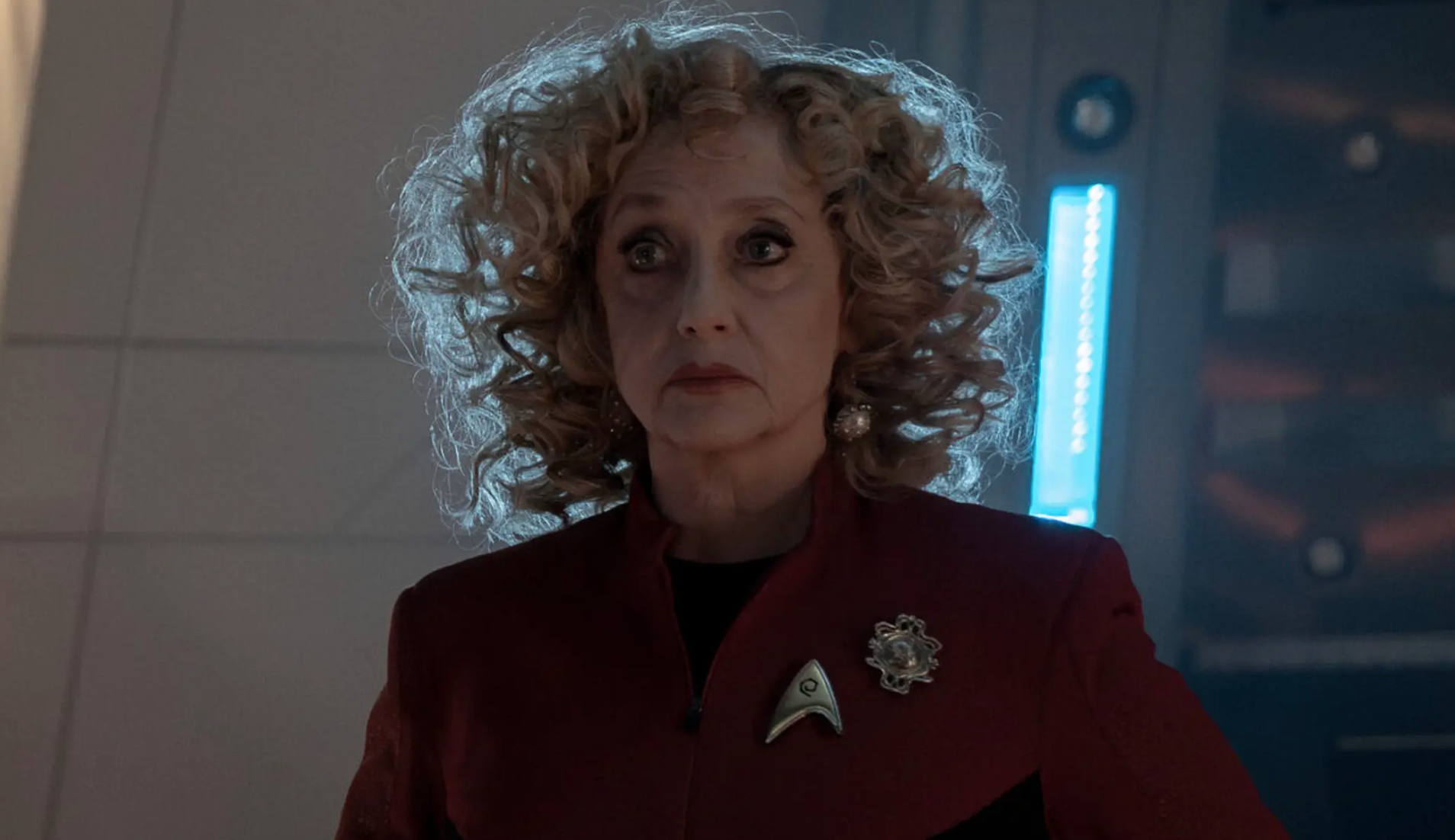
a woman with bushy blonde hair in a sci-fi tv show

Carol Kane as Commander Pelia in "Strange New Worlds" season 4 (Image credit: Paramount+)

Even though Carol Kane's ancient Lanthanite character, Pelia, didn't arrive until the second season, even she senses a major shift in the show's momentum.

"I feel like as we went on people were more and more willing to take risks at every level, from the writing to the acting to the cinematography to the directing and the wardrobe," Kane notes. "It was like, what the hell. Let's roll them dice. I feel that was a wonderful freedom."

As fans eagerly anticipate the Muppet episode (they won’t be disappointed!), the trio all admitted that the Pelia puppet with its wild tangle of blonde hair was the one most of the cast wanted to take home with them.

Sadly, none of the actors were allowed to actually keep their Muppets, though if folks saw the price tag on those puppets they’d quickly understand why.

"We were already working on another episode," Mount explains when the surreal time arrived to record their particular puppets' dialogue. "It was really wild going into the recording booth and trying to do an interpretation of someone else’s interpretation of your character."

"Star Trek: Strange New Worlds" season 4 is now streaming on Paramount+.

‘Transformers: The Movie’ at 40: the cartoon spin-off that traumatized a generation of kids

Fans who'd grown up on the original "Star Wars" trilogy were adults when they went through the ordeal of Han, Luke and Leia dying on screen. If tears were shed then, however, spare a thought for the kids who'd queued to watch "Transformers: The Movie" back in 1986, only to see many of their heroes expiring in the cartoon spin-off's opening act.

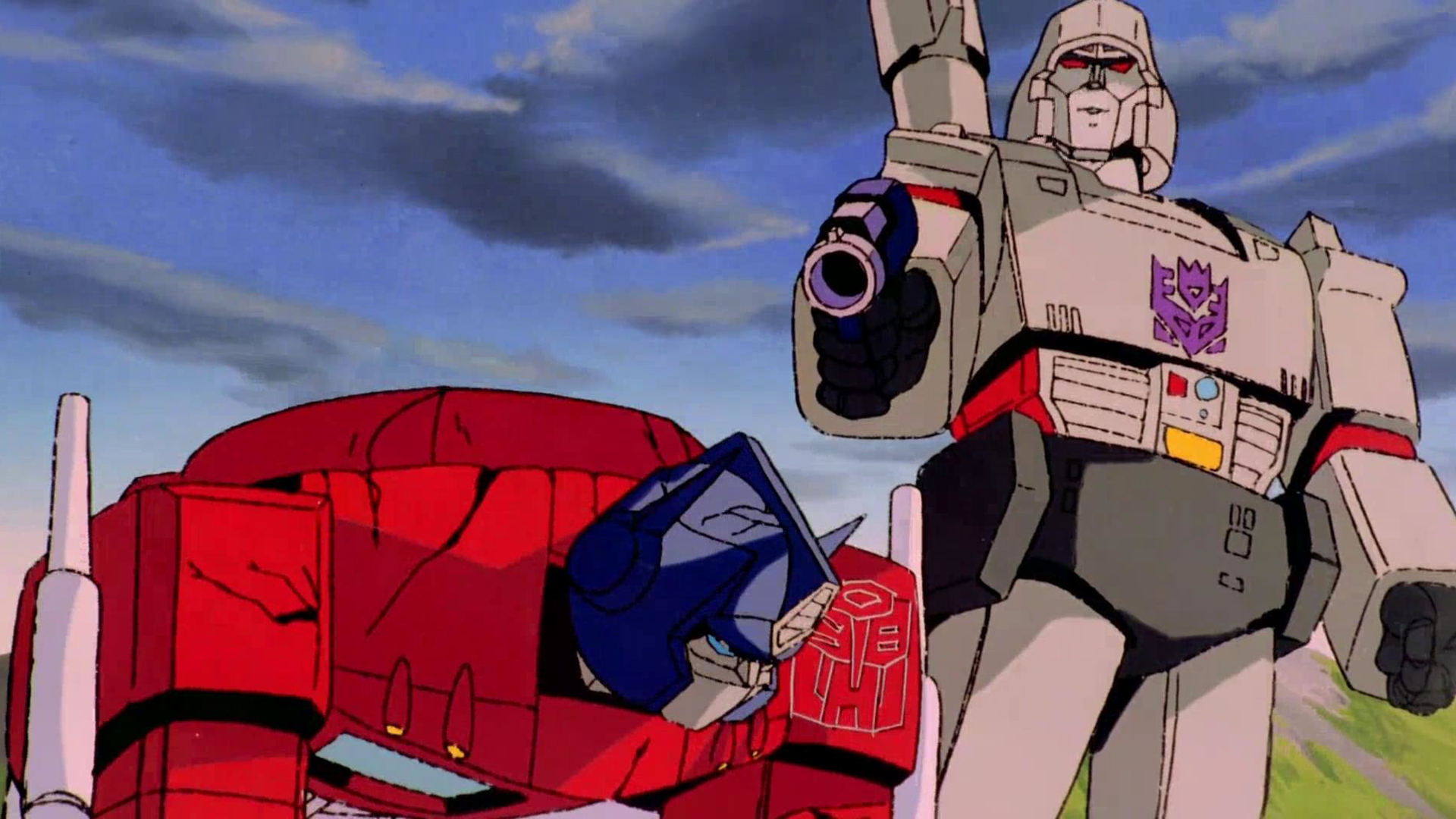
If you can have a bloodbath of sentient machines, this was it, as robots in disguise met their maker at an alarming rate. Ironhide? Dead. Ratchet? No more. Starscream? Pushing up mechanical daisies. Not even the iconic Optimus Prime was spared, as the noble leader of the Autobots met a brutal end at the hands of his nemesis, Decepticon leader Megatron.

This may seem like a recipe for traumatizing the film's target audience — and for many of "Transformers: The Movie"'s young viewers, it was a genuinely disturbing experience. But toy manufacturer Hasbro had ulterior motives for killing their darlings.

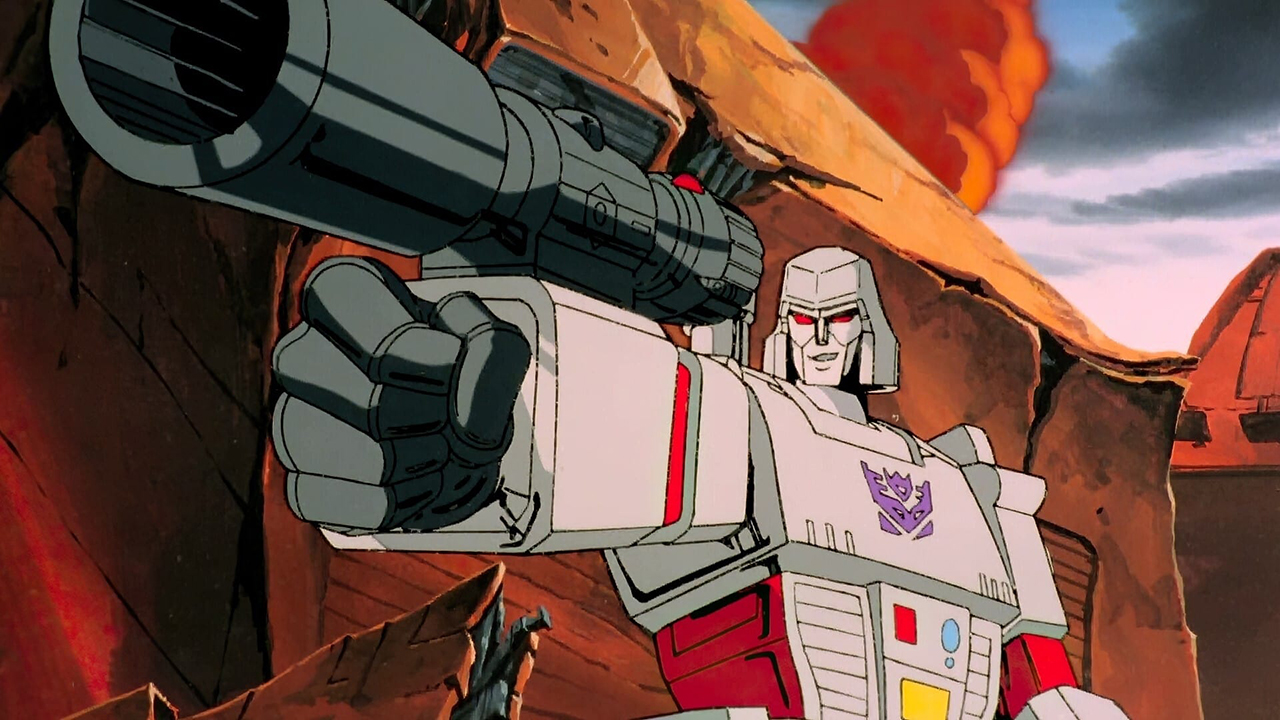
Still from the animated movie The Transformers: The Movie (1986). Here we see a robot point a gun.

(Image credit: Paramount Pictures/Hasbro)

Like "Masters of the Universe" (and many other '80s cartoons before and after), the popular "Transformers" TV show was a thinly veiled commercial for one of the hottest toylines on the planet. But, the theory went, the kids who'd been watching since the series debuted in 1984 would now be familiar/bored with the original line-up, and already have the relevant robots in disguise in their toyboxes. By instigating an on-screen cull, Hasbro believed they'd be able to make way for new characters, and keep their young fans coming back for more.

"They created the story using characters that could best be merchandised for the movie," director Nelson Shin (who, in a previous life, had helped to animate the lightsabers in the original "Star Wars") told SFX magazine in 2011. "Only with that consideration could I have freedom to change the storyline. What I tried to focus on was animation-izing the story. For example, when Optimus Prime died, I changed his color from red and blue into gray in order to show that the spirit was gone from his body."

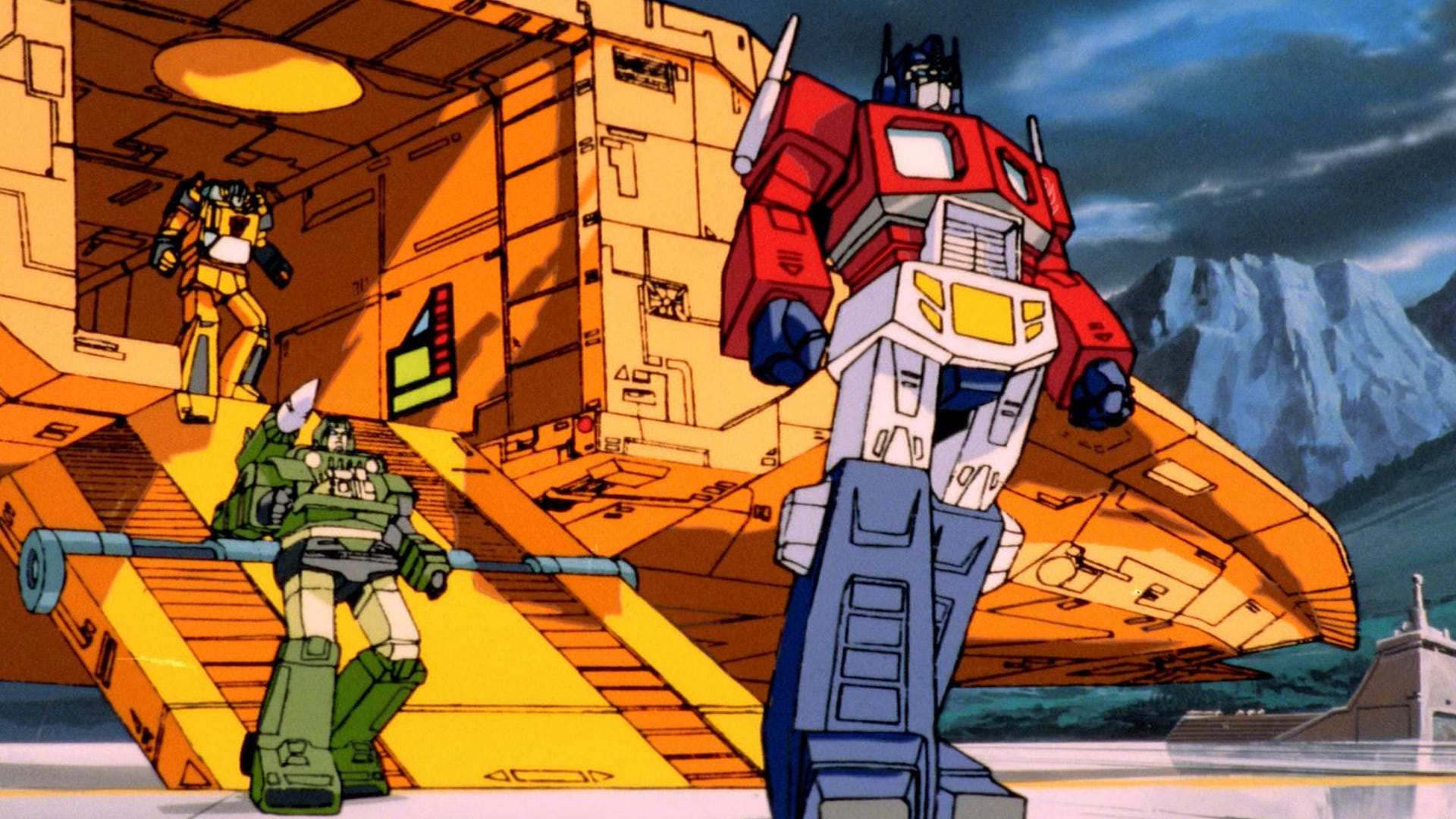
Screenshot from the 1986 animated sci-fi movie

(Image credit: Paramount / Hasbro)

Although screenwriter Ron Friedman was sceptical — "I told Hasbro and their lieutenants they would have to bring him back, but they said no and had 'great things planned'," he recalled to Todd Matthy.com — many of the production team had little idea of the emotional carnage they were about to unleash.

"We didn't know that [Optimus Prime] was an icon," story consultant Flint Dille admitted in an interview on the "Transformers: The Movie" DVD. "It was a toy show. We just thought we were killing off the old product line to replace it with new products.

"Kids were crying in the theaters," he continued. "We heard about people leaving the movie. We were getting a lot of nasty notes about it. There was some kid who locked himself in his bedroom for two weeks."

Screenshot from the 1986 animated sci-fi movie

(Image credit: Paramount / Hasbro)

Forty years on from its original release, a movie with such a high death count looks like a misguided brand extension for a popular Saturday morning cartoon — especially as the TV incarnation hadn't killed anyone across its two seasons to date. But for all its flaws, "Transformers: The Movie"'s storytelling was arguably bolder than any other Hollywood animation of the era.

It was also an impressive technical feat. Although the visuals are a visible step-up from the TV version, Shin (who'd been supervising producer on the cartoon from day one) and his team had to work to extremely tight deadlines to meet the film's release date:

"Time constraints and the sheer amount of work needed were the two biggest challenges, since everything had to be hand-drawn by people!"

Screenshot from the 1986 animated sci-fi movie

(Image credit: Paramount / Hasbro)

The film is set in 2005, some 20 years on from the original series. The Decepticons have taken control of the Transformer homeworld of Cybertron, while human Autobot chum Spike Witwicky (a kid in the TV show) is now grown up with a son of his own. When the villains attack the Autobots' base on Earth, Optimus Prime is fatally wounded, with Megatron also at death's door.

A moment where he pleads, "Don't leave me, Soundwave!" to his loyal cassette player lieutenant is unintentionally hilarious, though still can't compete with a later sequence in which the surviving Autobots dance for joy with some new allies — tonally this movie is all over the place.

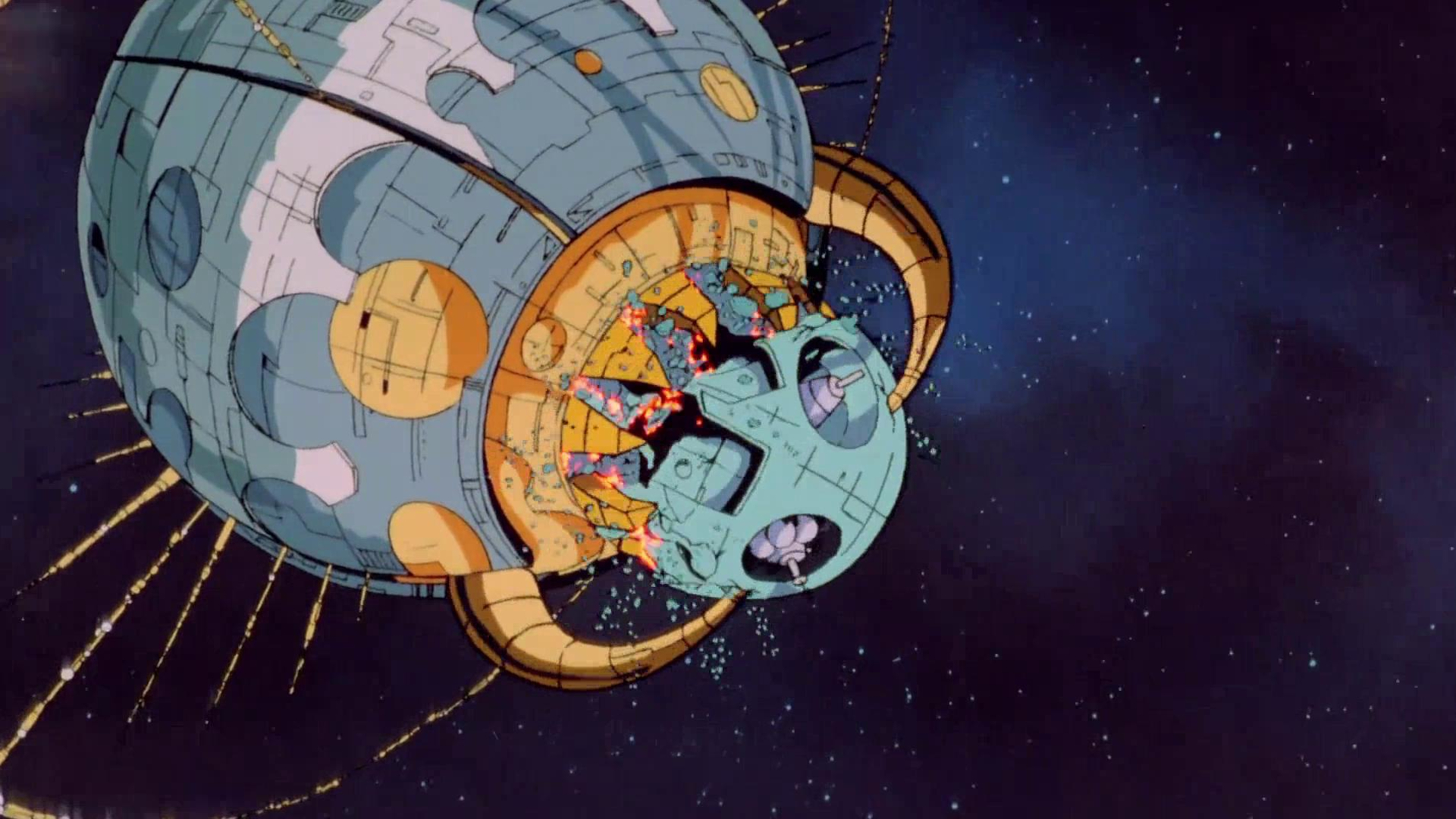
Having been cast adrift by the duplicitous Starscream, Megatron runs into a planet-sized robot in disguise named Unicron, who has a similar world-chomping MO as Marvel's Galactus. He wants to get his hands on the Autobots' Matrix of Leadership (the only thing in the universe that can kill him), so he transforms a reluctant Megatron into the souped-up Galvatron, and sends him out to hunt for the McGuffin.

Screenshot from the 1986 animated sci-fi movie

(Image credit: Paramount / Hasbro)

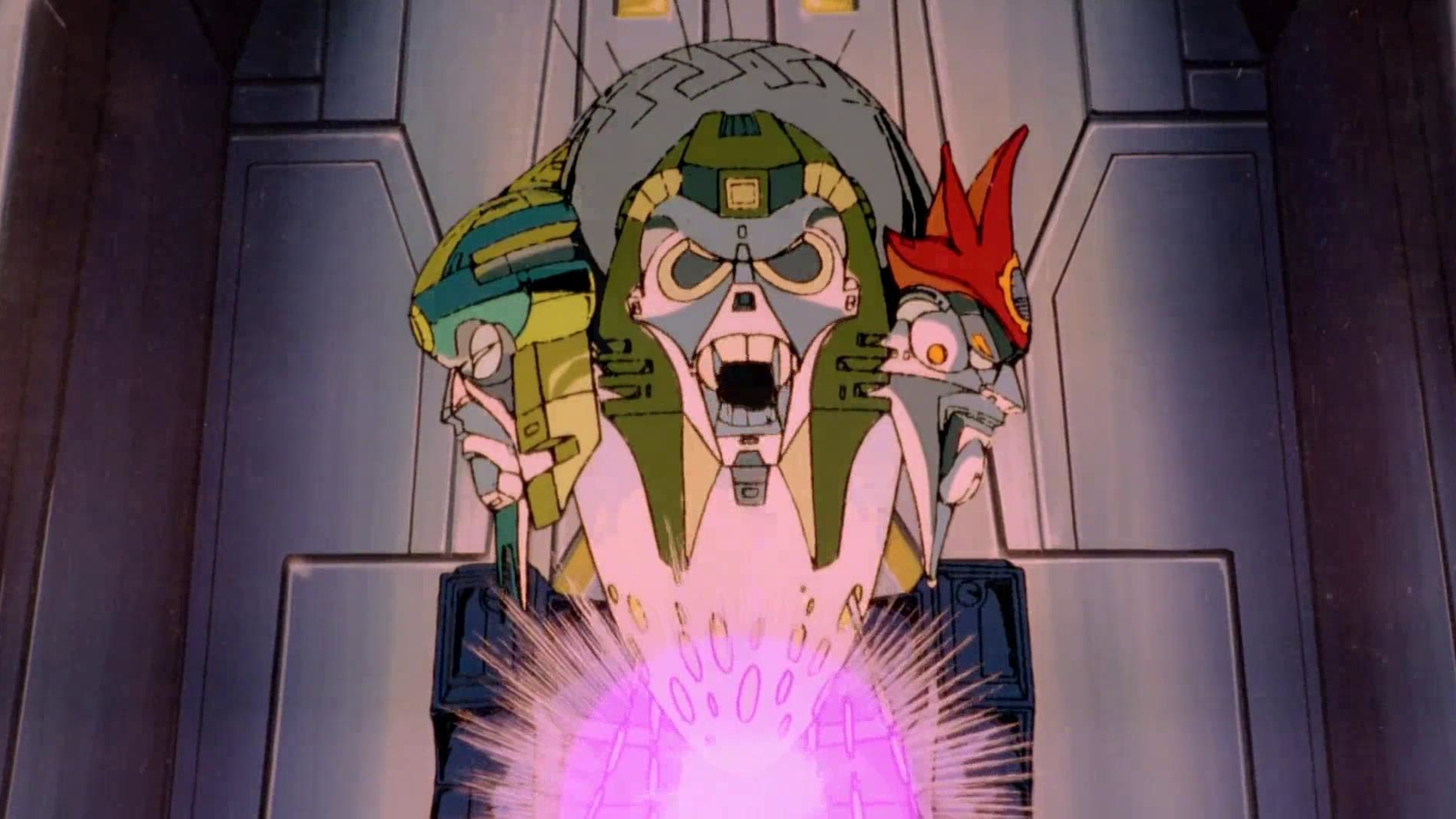
It makes for a madcap 85 minutes as two factions of mostly unfamiliar faces vie to come out on top. The story is mostly told via the medium of fast-paced laser battles, alongside encounters with the surprising number of robotic lifeforms who populate the galaxy. Among them are a five-faced being with a penchant for feeding its fellow machines to mechanical sharks, and some scrapyard dwellers whose conversation is based on snippets from TV ads.

The "Junkions"' leader, Wreck-Gar, is voiced by Monty Python's Eric Idle, just one of the numerous star names whose presence would have meant little, if anything, to the film's young audience back in 1986. Megatron's Galvatron upgrade brought with it the dulcet tones of "Star Trek"'s Leonard Nimoy, reckless Autobot up-and-comer Hot Rod was voiced by "The Breakfast Club"'s Judd Nelson, and Robert Stack (whom readers of a certain vintage will recognize from "Airplane!") was Optimus Prime's ultra-serious number two, Ultra Magnus.

The biggest name of all was a bona fide Hollywood legend, as Orson Welles delivered his final performance as Unicron. Of the "Citizen Kane" auteur, Shin said, "He was co-operative and professional, and I liked working with him," though Welles was apparently a little less convinced.

Screenshot from the 1986 animated sci-fi movie

(Image credit: Paramount / Hasbro)

"You know what I did this morning?" he reportedly complained to a friend. "I played the voice of a toy… I menace somebody called something-or-other. Then I'm destroyed. My plan to destroy whoever-it-is is thwarted, and I tear myself apart on the screen."

The filmmakers also spent more of their reported $6 million budget than they probably should have on a soundtrack powered by '80s hair metal and power ballads — Stan Bush's "The Touch", originally written for Sylvester Stallone vehicle "Cobra", went on to have a second life when the fictional Dirk Diggler "covered" the song in Paul Thomas Anderson's "Boogie Nights".

In hindsight, few of the creative decisions above were conducive to winning over a fanbase who'd have been happy with an extended episode of the TV show. "Transformers: The Movie" subsequently struggled to make back its budget at the box office, an also-ran in a packed summer that also included "Aliens", "Flight of the Navigator" and "Short Circuit".

Screenshot from the 1986 animated sci-fi movie

(Image credit: Paramount / Hasbro)

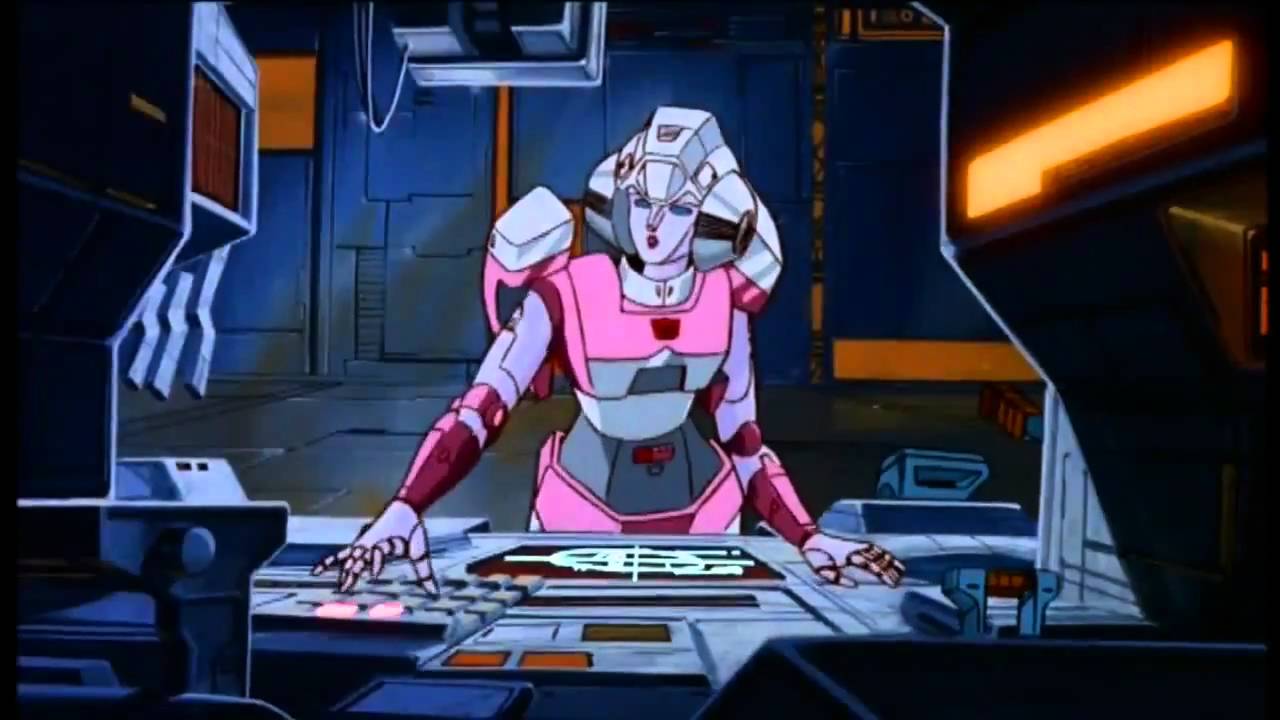
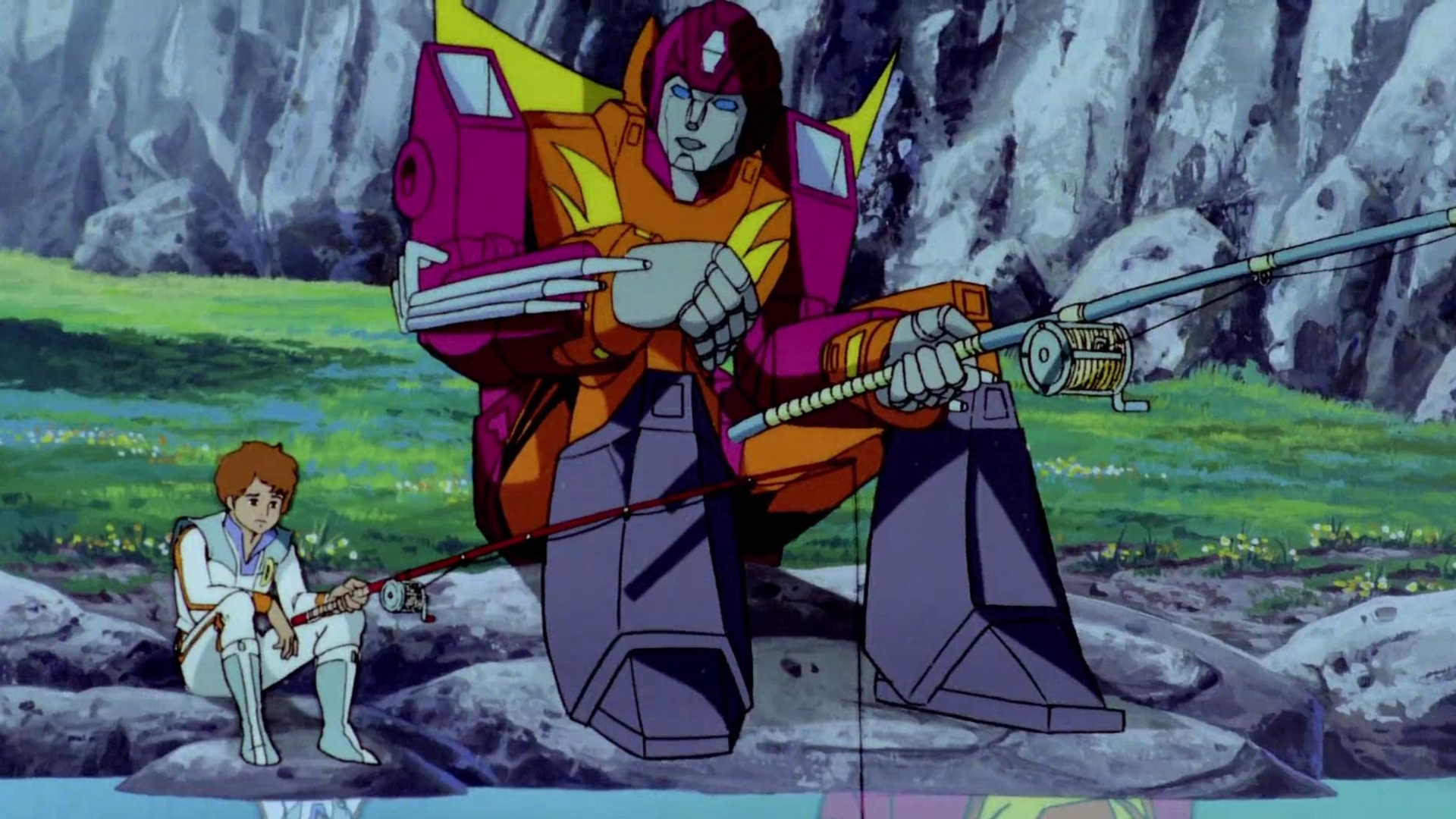
It's since gone on to pick up a cult following, but still feels like one for completists — ask a casual fan to name a Transformer, and they're going to say Optimus Prime, Bumblebee or Megatron ahead of movie debutants Kup, Arcee (belatedly the first female Autobot) or Rodimus Prime.

Perhaps inevitably, Optimus Prime didn't stay dead for long, and made his inevitable comeback in the next season of the TV show. The good/bad thing about living in a modern pop culture universe is that death doesn't have to be the end.

"Transformers: The Movie" returns to theaters with a 40th anniversary re-release on September 17. It's also available to buy or rent on Amazon Prime Video.

This Week In Space podcast: Episode 222 — How to Invade Earth in 22 Easy Steps

On Episode 222 of This Week In Space, Rod Pyle and Tariq Malik are joined by space writer Rich Edwards to discuss the best ways to repel space invaders.

We've all seen the movies... the aliens come to Earth, the aliens overcome the inferior humans, and the aliens fall prey to something dumb they overlooked, like microbes, Windows 95, or most absurdly, water. From the 1950s through yesterday, some of the best movies we've seen were about the invasion of our planet. They can be clever, scary, or even downright dumb, but they are all fun.

Download or subscribe to this show at: https://twit.tv/shows/this-week-in-space.

Get episodes ad-free with Club TWiT at https://twit.tv/clubtwit

Space news of the week

Model Falcon 9!

TOP TELESCOPE PICK:

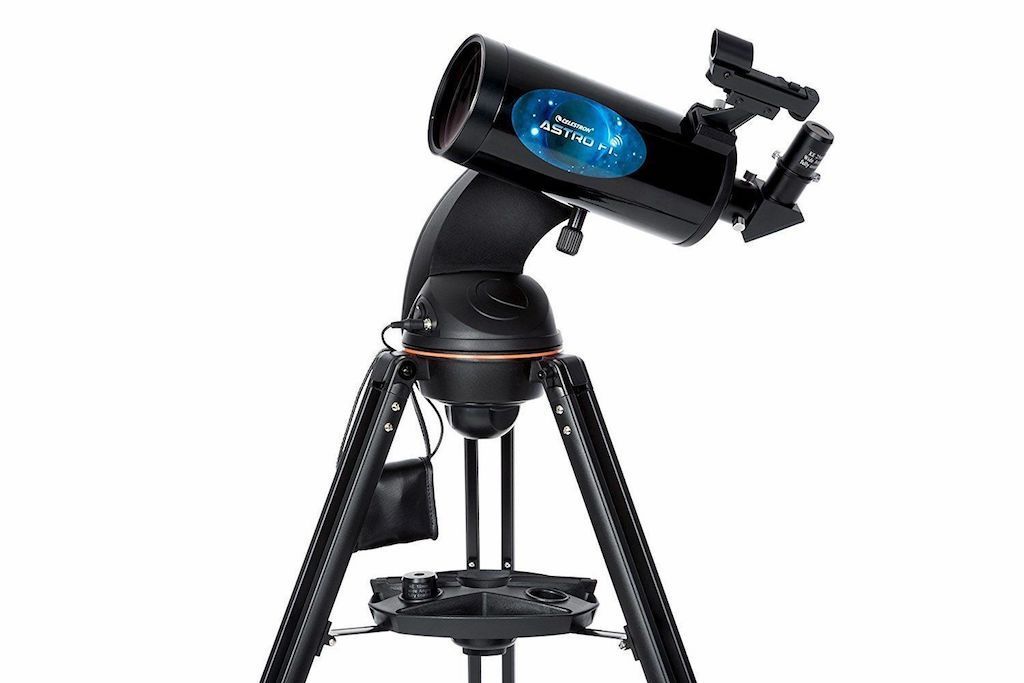
A Celestron telescope on a white background

(Image credit: Celestron)

Looking for a telescope to see planets and comets? We recommend the Celestron Astro Fi 102 as the top pick in our best beginner's telescope guide.

Finally, did you know you can launch your own SpaceX rocket? Model rocket maker Estes' stunning scale model of a Falcon 9 rocket that you can pick up now. The launchable model is a detailed recreation of the Falcon 9 and retails for $149.99. You can save 10% by using the code IN-COLLECTSPACE at checkout, courtesy of our partners collectSPACE.com.

About This Week In Space

This Week in Space covers the new space age. Every Friday we take a deep dive into a fascinating topic. What's happening with the new race to the moon and other planets? When will SpaceX really send people to Mars?

Join Rod Pyle and Tariq Malik from Space.com as they tackle those questions and more each week on Friday afternoons. You can subscribe today on your favorite podcatcher.

‘Strange New Worlds’ latest ‘Hangover’-inspired episode is a reminder that ‘Star Trek’ vacations are never a good idea

There are some things you can always rely on in "Star Trek". Vulcans are rarely great company at parties, for example, and you can be approximately 93% certain that the alien you're about to meet will be more-or-less human in form — give or take a few adornments around the forehead area.

And, just as most holodeck adventures turn out to be bad for the blood pressure, going on vacation is never as restful or relaxing as it's supposed to be. In fact, most starship crews would be better off saving the "out of office" for another day.

SPOILERS AHEAD! ANYONE YET TO WATCH "HUMAN BEST FRIEND" SHOULD PROCEED WITH CAUTION TO AVOID VIOLATING TEMPORAL PRIME DIRECTIVES.

That said, it's entirely understandable that the members of the Enterprise's Alpha Shift (aka the usual bridge crew) would want to take a break. They've been working non-stop for months, are on their way to mediate some potentially stressful peace negotiations, and — in the meantime — the mostly unseen members of Beta and Gamma Shifts have managed to sneak in some R&R of their own. But a quick trip through Starfleet history would tell them Pike and co's communal jolly in "Human Best Friend" (the latest episode of "Strange New Worlds" season 4) was doomed from the moment their shuttlecraft touched down.

Even James T Kirk and the Original Series gang take a brief sojourn away from their famous five-year mission. In aptly named season 1 episode "Shore Leave", the crew beam down to a theme park planet that was channelling "Westworld" several years before the 1973 movie unleashed a gunslinging android named Yul Brynner.

Screenshot from Star Trek: Strange New Worlds S4 Ep 3, Human Best Friend.

(Image credit: Paramount)

This seemingly idyllic vacation world is home to sophisticated tech that can read visitors' minds, and manufactures robots to manifest their thoughts in live-action. Some of these recreations are relatively harmless — Wonderland alumni Alice and the White Rabbit were, of course, no strangers to the '60s counter-culture — but Kirk somehow ends up face-to-face with a former school bully, while Dr McCoy winds up dead, Jim, on the end of a knight's lance. The ship's physician is subsequently resurrected by the park's in-house Caretaker, but it's not the sort of experience that earns five-star ratings on TripAdvisor.

Even so, the Enterprise gives the Omicron Delta region's hottest tourist destination another shot in Animated Series episode "Once Upon a Planet". But, following the kindly Caretaker's demise, the park is now under new management, in the form of a master computer that's become so resentful of its fleshy overlords that it's decided to rebel, kidnapping crew members, unleashing monsters from the darkest corners of their minds, and hatching a scheme to hijack the Enterprise — hardly a recipe for repeat business.

By the time the "Next Generation" era rolls around, Risa (a purpose-built "pleasure planet" with an artificially idyllic climate) has become the only place for vacationing Starfleet types to be seen.

Screenshot from Star Trek: Strange New Worlds S4 Ep 3, Human Best Friend.

(Image credit: Paramount)

When the famously workaholic Jean-Luc Picard bows to crew pressure in "Captain's Holiday" and agrees to spend a few days buried in a book by the pool, he instead finds himself embroiled in an Indiana Jones-esque quest to recover a powerful artefact from the future. It's not a bad experience, per se — numerous romantic sparks sizzle between Picard and professional relic hunter Vash — but it doesn't deliver on the R&R brief.

In "Deep Space Nine" episode "Let He Who is Without Sin…", meanwhile, the popular view of paradise proves too much for taciturn security guy Worf when girlfriend (and future wife) Jadzia Dax drags him to Risa.

Famously "not a merry man", he refuses to wear his civvies and sabotages the planet's weather systems, proving he's the kind of grump who'll think nothing about ruining the fun for everyone else. Some people really are only happy when it rains…

Screenshot from Star Trek: Strange New Worlds S4 Ep 3, Human Best Friend.

(Image credit: Paramount)

(The crew of the USS Voyager are presumably relieved that, being trapped in the Delta Quadrant, they have an excuse for giving the vastly overrated Risa a miss.)

That said, steering clear of pleasure planets is no guarantee of a happy vacation experience. When Picard decides to go back to the family vineyard to recover from his Borg assimilation ordeal in "Family", he spends most of the time butting heads with his stubborn brother, Robert — sometimes you just yearn for the simplicity of life in an emotionless cyborg collective. And Benjamin Sisko's own attempt at a family excursion with son Jake in "DS9"'s "Explorers" also proves to be far from peaceful, when the vintage lightship he's built from ancient Bajoran instructions warps them into uncharted waters and a run-in with the Cardassians.

So Pike and his crew should have known better when they embarked on shore leave of their own. Indeed, if anyone had bothered to read the microprint within the fine print — as highlighted by the Ceznar Grand's maître d' (played by "The Kids in the Hall" and "A Bug's Life" star Dave Foley) — they'd have been more prepared for the thumping headaches and memory gaps that come as standard when you're hanging out on a planet with a naturally intoxicating atmosphere.

Screenshot from Star Trek: Strange New Worlds S4 Ep 3, Human Best Friend.

(Image credit: Paramount)

Cue "The Hangover"-style hijinks as Ortegas and Scotty try to recall the night before via an extended game of "hunt the shuttlecraft", Nurse Chapel reveals a secret passion for bingo, and Number One karaokes her way through a succession of Klingon power ballads (aka the best kind).

They'll all be relieved to know that, in "Star Trek", whatever happens on shore leave tends to stay on shore leave — even questionable facial tattoos that, without futuristic Federation medical tech, Pike might otherwise have come to regret.

But crucially, we will always know what went down when Alpha Shift let their hair down. And at least Kirk and Spock had an excuse to enjoy the hugs and deep-and-meaningfuls we know they've always wanted.

New episodes of "Star Trek: Strange New Worlds" debut on Paramount+ on Thursdays.

‘Warhammer 40,000’ animated series coming to Prime Video, with Henry Cavill onboard as executive producer

It's always the way, you wait 40,000 years for a Warhammer series from Amazon Prime Video, and then two come along at once.

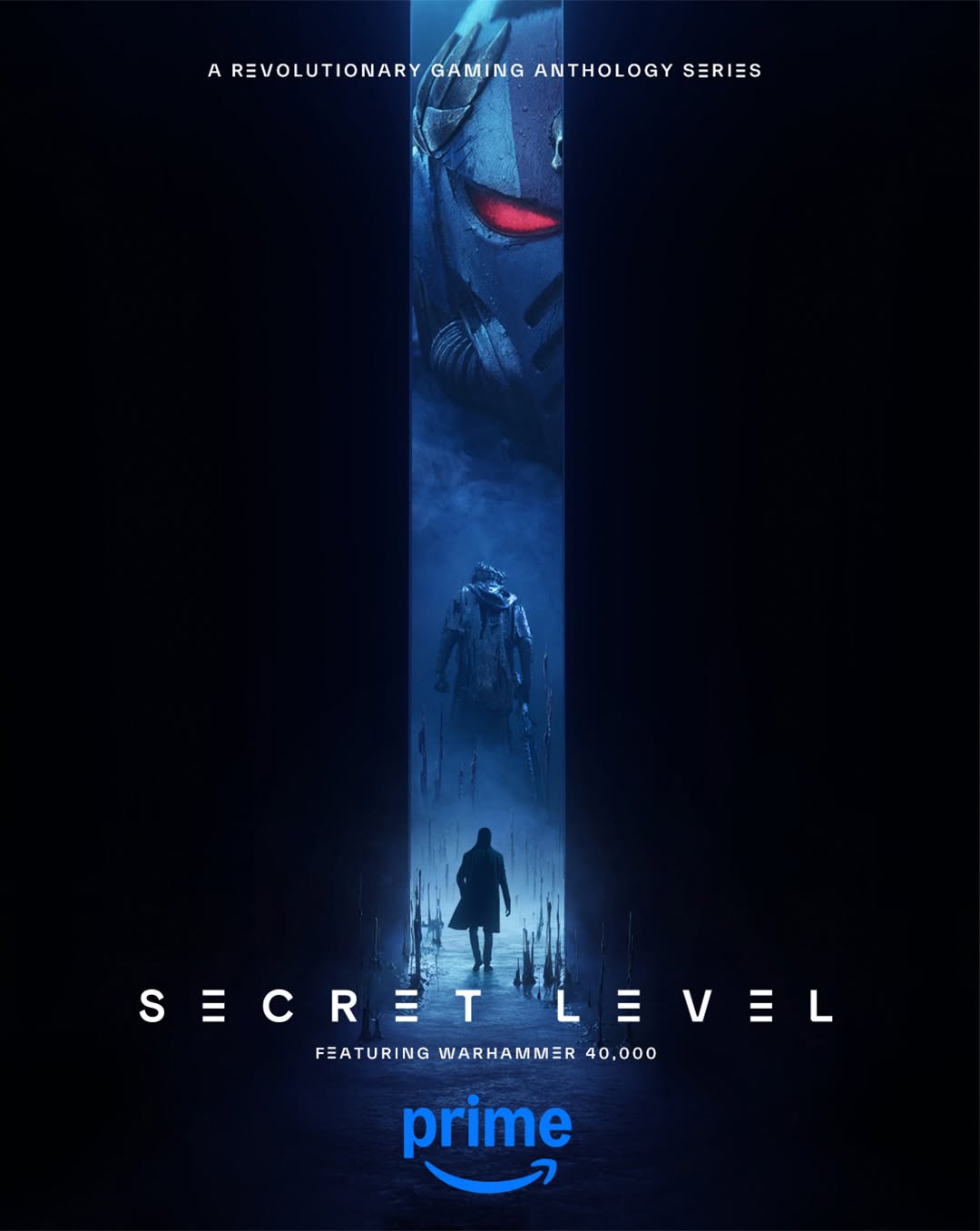
Spinning off of Prime Video's animated video game-based anthology, "Secret Level," a new "Warhammer 40,000" animated series is marching down the creative pipeline. This spin-off series is spawned from "Secret Level's" "Warhammer 40,000" episode titled "And They Shall Know No Fear," which debuted in December of 2024.

The show doesn't have a name yet, but we know it's coming courtesy of Amazon MGM Studios, Blur Studios, and the miniature wargame's British parent company, Games Workshop.

Hollywood megastar and king of the nerds, Henry Cavill ("The Witcher"), has signed on to executive produce, alongside his role on the previously announced live-action "Warhammer 40,000" series in development at Amazon MGM Studios, which is coming from prolific writer/producer Mike Flanagan ("Midnight Mass," "Carrie").

We don't know much about the plot at this time, other than that it will focus on the Deathwatch, who are a group of intimidating cybernetically enhanced Space Marines who are particularly adept at slaying nasty extraterrestrial xenos.

a promo poster for a sci-fi animation series

Prime Video's upcoming "Warhammer 40,000" animated series originated from 2024's "Secret Level" gaming anthology series. (Image credit: Amazon MGM Studios)

Dave Wilson directed the original short, and he's signed on again here as co-creator and director, with John Orloff ("Masters of the Air," "Band of Brothers") aiding in the development process.

"Secret Level" creator Tim Miller ("Love, Death + Robots") serves as executive producer with Dave Wilson for Blur Studios, alongside Cavill and Natalie Viscuso. Joining them are Roy Lee of Vertigo Entertainment and Games Workshop's Andy Smillie.

"'Secret Level' wasn’t conceived simply as an anthology. It was designed as a launchpad for larger stories," said Wilson in a statement. "The response to the 'Warhammer' episode was extraordinary, particularly from fans who understood how much care went into getting the world right. This series gives us the opportunity to build on that foundation and tell a much larger story. I've wanted to tell a long-form story set in 'Warhammer 40,000' for more than twenty years, and I'm incredibly grateful to Games Workshop and Amazon MGM Studios for the opportunity to do it."

Prime Video is knee-deep in gaming adaptations with its acclaimed "Fallout" series and a "Tomb Raider" show starring "Game of Thrones"' Sophie Turner on the roster. Amazon MGM Studios is also hard at work on an epic "God of War" project, with "Guardians of the Galaxy's" Dave Bautista currently topping the list to portray Kratos after Ryan Hurst left the production due to an injury.

No specific release date was unveiled for "Warhammer 40,000's" animated event series, but we’ll keep you briefed on any major details in the coming months!

The ‘Dark Matter’ season 2 trailer is here, and it looks like Apple TV has another sci-fi hit on its hands

You might think you're done with the multiverse, but the multiverse is not done with you, as Apple TV preps the next season of its mind-bending sci-fi series, "Dark Matter."

Adapted from New York Times bestselling novelist Blake Crouch's 2016 novel of the same name, "Dark Matter" is another stellar series from the streaming platform that's become the go-to destination for premium science fiction content with hit shows "Foundation," "Silo," "For All Mankind," "Star City," "Invasion," "Pluribus," "Severance," and "Murderbot."

The debut season in 2024 took audiences into a reality-warping nightmare, and season 2 kicks things into a darker dimension when it rolls out on Aug. 28, 2026.

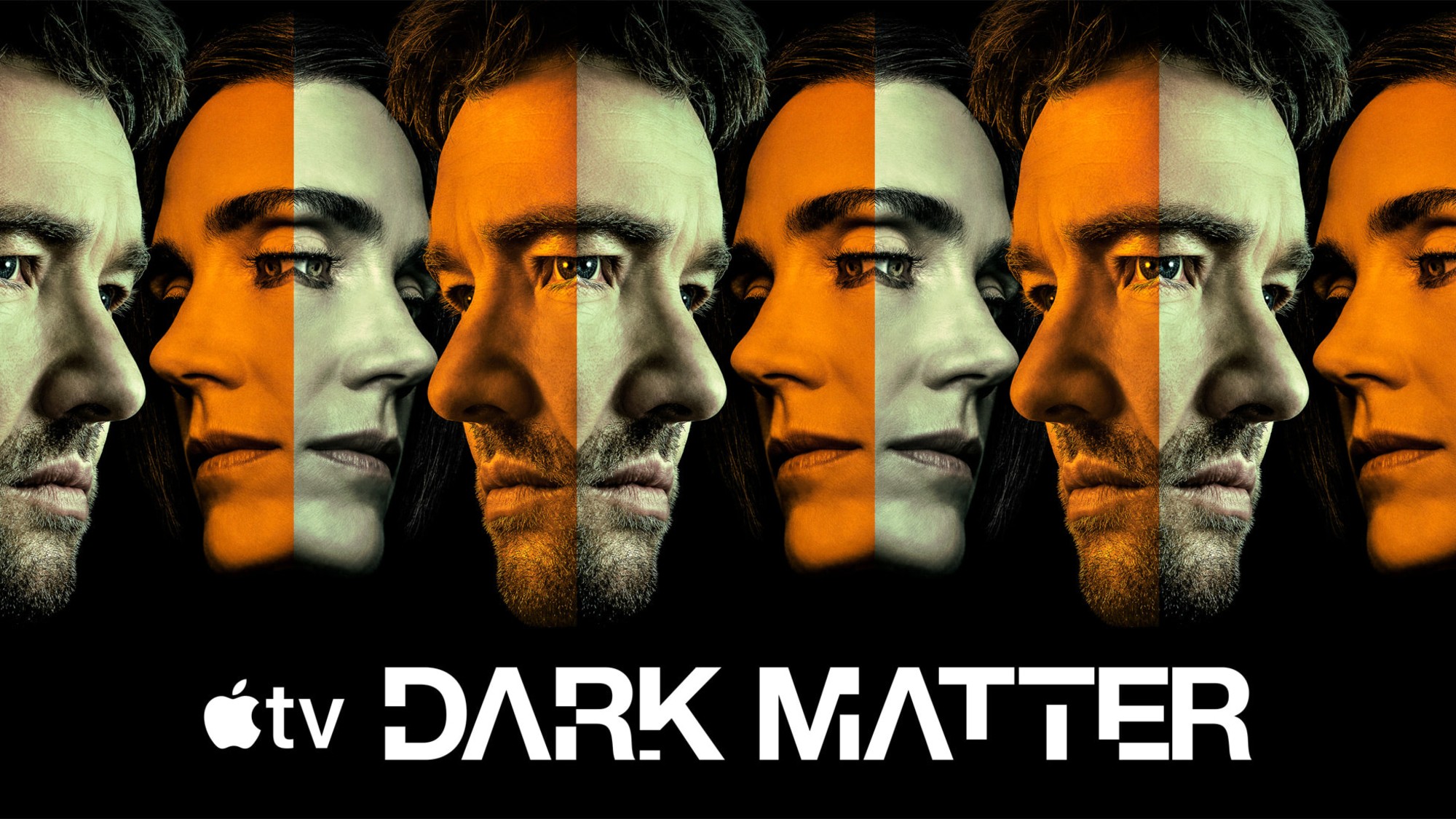
a man and a woman's faces are tessellated in a repeating pattern from left to right above the words 'dark matter'

"Dark Matter" season 2 manifests more multiverse action on Aug. 28, 2026 (Image credit: Apple TV+)

Season 1 found Joel Edgerton ("Star Wars: Revenge of the Sith," "Zero Dark 30," "Train Dreams") portraying Jason Dessen, a quantum physicist who gets sucked into an alternate reality and must struggle to prevent his second self from hijacking his life and family. Season 2 sees the Dessen family jolted out of their safe, quiet life once again when an unimaginable threat forces them to run once again.

"As Jason's obsession with the Box deepens, Daniela's growing paranoia pushes her to the brink, threatening to tear their fragile stability apart," reveals the synopsis. "Elsewhere, Amanda and Ryan join forces in a desperate attempt to find their way home. With Blair determined to stop him, while Leighton relentlessly chases his grand vision of creating a perfect world."

Oscar-winner Jennifer Connelly ("The Rocketeer," "A Beautiful Mind") plays his prime world wife, Daniela, and Alice Braga takes on the role of Amanda Lucas, Dessen’s girlfriend in the shifted universe. Crouch ("Wayward Pines," "Recursion," "Upgrade") again serves as "Dark Matter's" showrunner and executive producer, where he steers the first-class production with a steady, capable hand beyond the book's storyline for its sophomore season. He'll share executive producing duties alongside Joel Edgerton, Jakob Verbruggen, Don Kurt, David Manpearl, and Matt Tolmach.

"Dark Matter's first season was an engaging and underappreciated sci-fi series that should satiate fans of sci-fi shows like "Fringe," "The Man in the High Castle," "Black Mirror," and even "Rick and Morty." We can't wait for season 2.

Speaking of which, starring Jimmi Simpson, Dayo Okeniyi, Oakes Fegley and Amanda Brugel, "Dark Matter" season 2 appears on Apple TV for a fresh 10-episode outing on Aug. 28, 2026.

Watch Dark Matter on Apple TV+:
Apple TV+: $12.99/month (7-day free trial)
Apple TV & Peacock Premium: $14.99/month

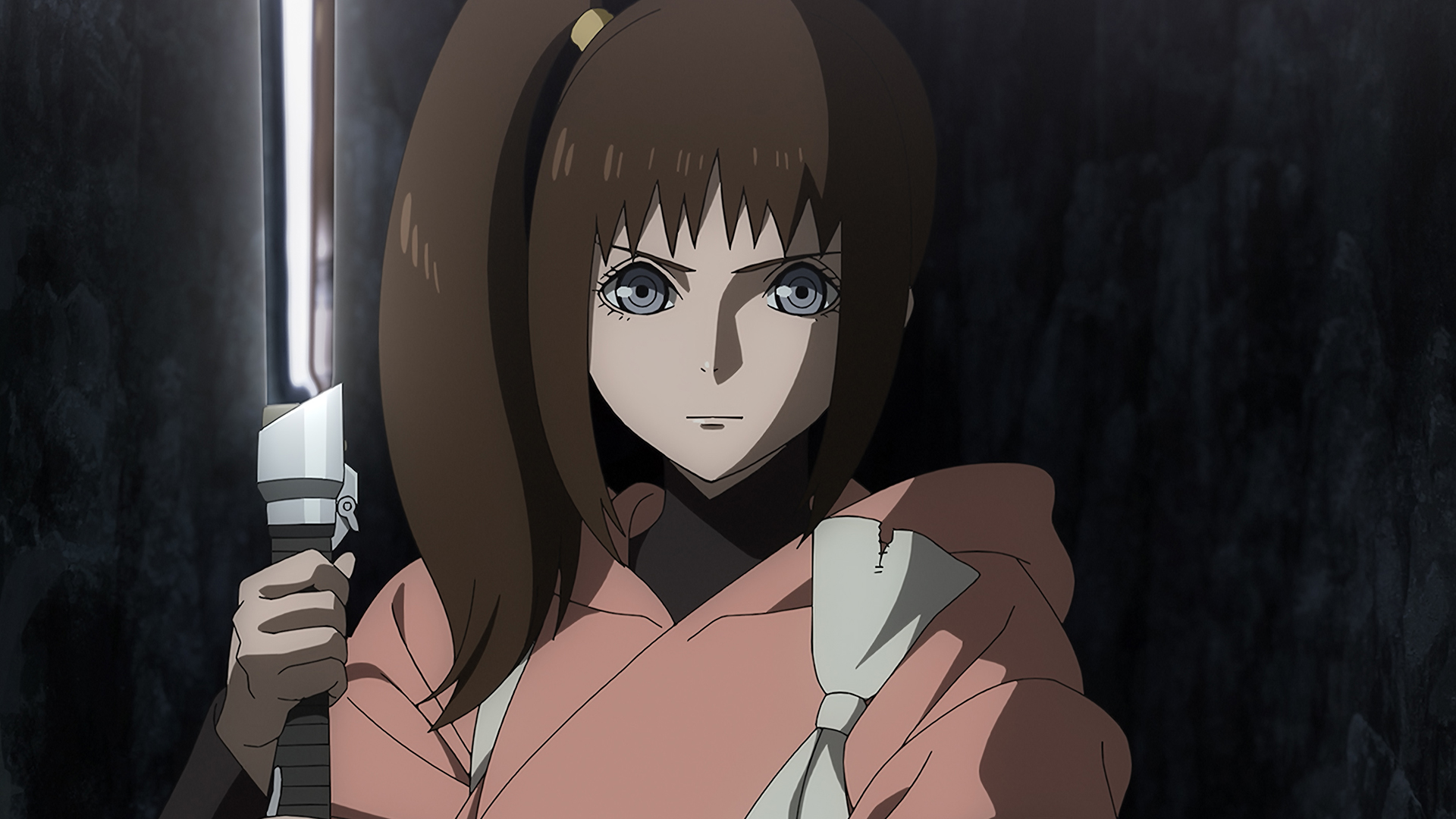
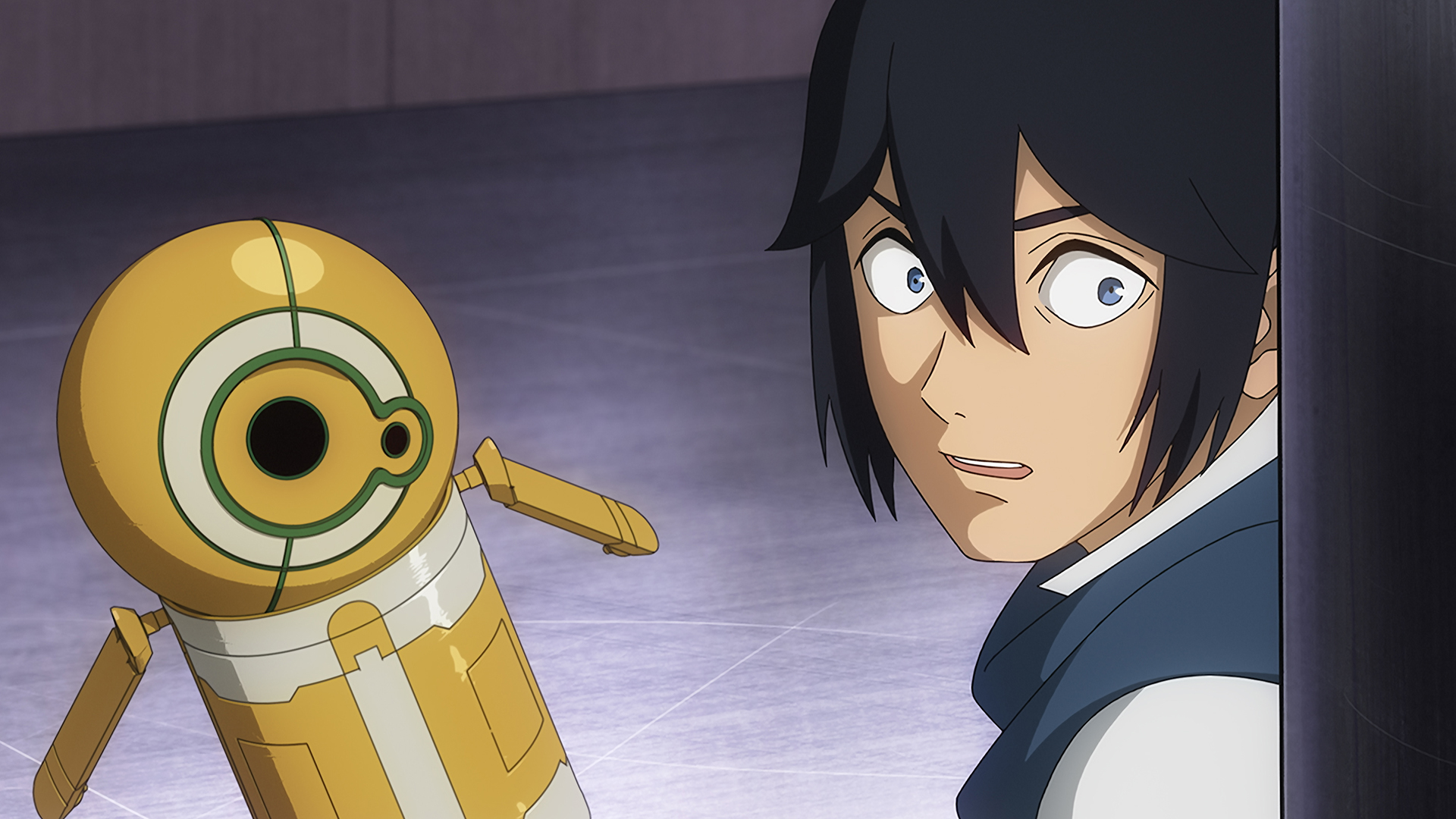
‘The Ninth Jedi’ review: This anime spin-off abandons ‘Star Wars’ canon, and it’s all the stronger for it

Star Wars: Visions Presents – The Ninth Jedi may not be the Star Wars TV show you were looking for, but after having watched its entire first season, I can confidently say it's something the franchise desperately needed.

With several new Star Wars movies on the horizon without a cohesive plan in sight and a surprising lack of new live-action Disney+ series beyond Ahsoka Season 2, it seems like the galaxy far, far away's future looks brighter in animation.

Shows like The Bad Batch and Maul – Shadow Lord have proven there's room for more tonal experiments and expansions of the canon canvas, yet it's the Legends-like Star Wars: Visions formula that's produced the most striking tales starring Jedi, Sith, Rebels, and whatnot in years.

After a second short released as part of last year's Star Wars: Visions Vol. 3, Production I.G's The Ninth Jedi has evolved into an eight-episode anime series that's far outside what we've come to expect from the canon Star Wars timeline.

And yet, the traditional nature of its story and setting showcases what an icon Star Wars could be for younger generations if it looked forward more often than backward.

A well-calculated evolution

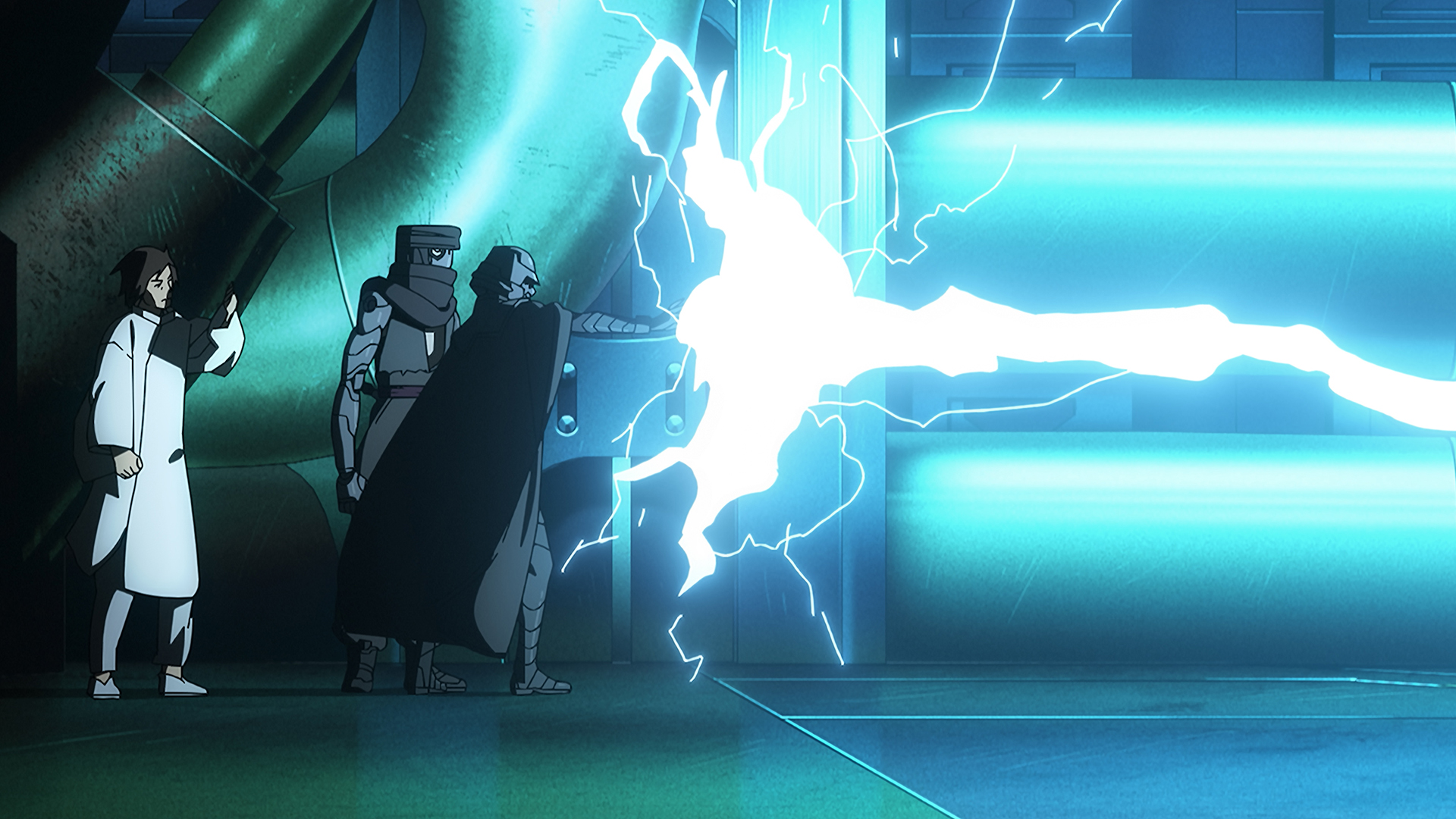
cartoon characters in robes fight with colorful laser swords

Still from "Star Wars: The Ninth Jedi." (Image credit: Lucasfilm)

Back in 2021, The Ninth Jedi became a fan-favorite what-if Star Wars scenario with a first short (which you can watch for free on YouTube right now) set generations after the disappearance of the Jedi Order. It's a familiar setup, but crucially, one that doesn't invoke the Skywalker family name, the Republic, or the Empire.

At the same time, the show's approach to the Force, the Jedi, and the Sith doesn't collide with what we've already seen. It almost feels like a canon Star Wars story that's just set centuries into the galaxy's future. Even the visuals, which evoke an old-fashioned style as possible — despite some jarring bits of CG imagery — use the same language Lucasfilm veterans like Doug Chiang have developed over the decades.

The Ninth Jedi sticks to the few rules established by the two previous shorts, but also dreams slightly bigger to paint a richer canvas that doesn't always feel like a genuine part of George Lucas' original universe, which is almost necessary at this point to avoid stagnation.

There will no doubt be back-and-forth conversation about its place within the franchise, but such chatter is less interesting than dissecting what it means for how Disney and Lucasfilm approach the property moving forward.

Honoring the recent past

cartoon characters in robes fight with colorful laser swords

Still from "Star Wars: The Ninth Jedi." (Image credit: Lucasfilm)

Interestingly, The Ninth Jedi borrows quite a lot from modern Star Wars entries the loud online types called unmitigated disasters: namely The Last Jedi and The Acolyte.

Lah Kara feels like the direct result of Rey's impact on a new generation of creatives and fans, and Lah Zhima – Kara's father – quickly goes from a missing sabersmith to a far more complex Jedi figure that lands close to Luke Skywalker's divisive role in Episode VIII. General Nawaam — the main villain — also makes for a memorable character that has more Kylo Ren (or The Stranger) than Darth Vader in them.

The nature of lightsaber-wielding warriors like the Jedi and Sith — both ancient concepts to the galaxy's common people — is also questioned. These are religions that, at least in their original shape, have gone extinct for a good reason.

While Kara and Jedi Knights like Margrave Juro — essentially the Obi-Wan Kenobi of this story — and Ethan fight to bring back the Order from the brink of extinction (again), it becomes evident there's no path forward for the guardians of peace and justice without some introspection. These shades of grey only deepen when lightsabers start to change colors, and unlikely heroes rise.

Over the course of this eight-episode season (with more teased but not confirmed), the Production I.G anime veterans Shunsuke Tada (director), Mitsuyasu Sakai (writer), and Kenji Kamiyama (supervising director) make a strong effort to bridge Star Wars' past and present, even if there was no real need to respect what had come before. The Ninth Jedi is its own thing, but not really.

It may be limiting for the Visions experiment — as many fans favor bolder swings as stylish and disruptive as The Duel — but ironically, that makes it a valuable endeavor for Lucasfilm as they navigate an uncertain future trying to conquer the big screen once again. How much classical Star Wars do we need in future projects? This show gives a very reasonable answer.

Star Wars for a new generation, even if the bones are old

cartoon characters in robes fight with colorful laser swords

Still from "Star Wars: The Ninth Jedi." (Image credit: Lucasfilm)

Veteran Star Wars fans need to remember newcomers don't care about canon outside of stories meant to be connected. Instead, they're looking for captivating tales starring new characters who are fun to spend time with, and on that front, the first of the Star Wars: Visions shows (more are rumored to be in the works) is a resounding success.

On a surface level, there are enough new planets, spaceships, alien species, and factions in The Ninth Jedi to fuel an entire trilogy of movies, yet it's all put to good use over the course of eight breezy episodes which tell a complete story, just in case Season 2 isn't a possibility.

Thematically, it's also among the richest explorations of the Force, the Jedi, and a cycle of conflicts sparked by the need for more Star Wars forever and ever. Even if corporate needs are the main reason why creatives are still getting to tell stories set in a galaxy far, far away, the meta conversation found in these tales might help refresh and save Star Wars. Beyond that, it shows that Rian Johnson and Leslye Headland had the right idea, even if they didn't nail the execution.

Those who have been around for decades will spot and appreciate the tradition holding this all together, but even with a Death Star-like threat and reheated plot beats peppered throughout the journey, The Ninth Jedi has the pulse and patience to build new legends that deserve a moment in the spotlight.

The galaxy Kara is fighting for might look a little different from the one we know, but this is the most Star Wars-feeling Star Wars entry in quite some time.

Star Wars: Visions Presents – The Ninth Jedi (full season) is now available to stream on Disney+ following its premiere on Aug. 5, 2026.

Watch The Ninth Jedi on Disney+:
Disney+ (With Ads): $11.99/month
Disney+ Premium (No Ads): $18.99/month or $189.99/year