Karst is a distinctive landscape formed by the dissolution of soluble bedrock—primarily limestone, dolomite, or gypsum—by slightly acidic water, resulting in unique surface and underground features. Covering roughly 20% of the Earth’s land surface, these, areas are characterized by sinkholes, caves, sinking streams, and springs.
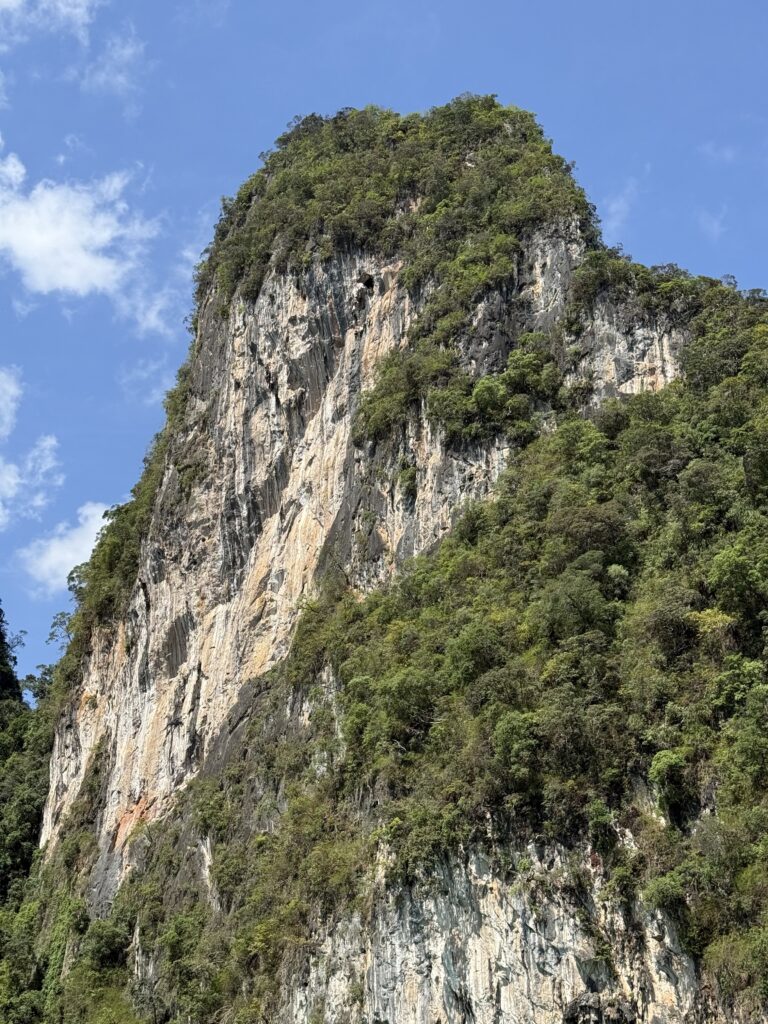
Formation Process: Rainwater absorbs CO2 from the atmosphere and soil, becoming a weak acid that dissolves cracks and fissures in limestone, over time creating massive underground caverns and surface depressions.
Characteristic Features: Typical landforms include sinkholes (collapsed caves), disappearing streams,, springs, vertical shafts, and, in advanced stages, rocky,, spired, landscapes,.
Environmental Importance: Karst regions are highly sensitive, often hosting unique,, endangered, biodiversity, and acting as crucial,, yet vulnerable, groundwater aquifers.
Global Examples: Significant karst landscapes include the South China Karst, the Yucatan Peninsula (cenotes),, Florida’s aquifers, the Nullarbor Plain in Australia, and the region in Slovenia from which the term is derived.



0 Comments