Nature
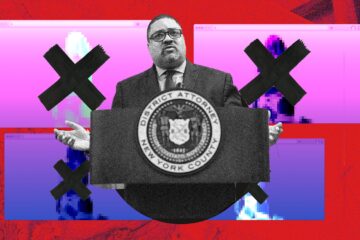
New York Seizes a Dozen Celebrity Deepfake Websites
In the biggest-ever legal action against harmful deepfake websites, the Manhattan District Attorney’s Office has seized 12 sites that collectively targeted around 1,200 victims.
In the biggest-ever legal action against harmful deepfake websites, the Manhattan District Attorney’s Office has seized 12 sites that collectively targeted around 1,200 victims.

Sam Altman and Elon Musk this weekend backed a call for restraint, after Dario Amodei called on Washington to slow AI development. Donald Trump, meanwhile, wants the US to maintain its lead over China.
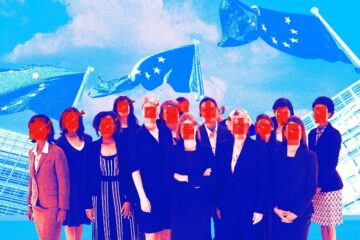
An analysis of 160 deepfake websites reveals politicians in 22 countries appear on them. Nearly all of them are women.

While the publishing industry frets over how authors are using AI, many readers are taking things into their own hands.

Silicon Valley is shifting away from chatbot queries toward a future filled with resource-intensive agentic AI—and it’s driving the data center buildout.
Plus: The US disrupts the internet’s biggest black market, a Conti ransomware hacker gets prison time, Meta fails to stop AI-generated videos of child abuse.

The proposed class action alleges Meta illegally harvested people’s Facebook and Instagram photos to train its AI image-generation models and to build its unreleased “NameTag” face recognition feature.
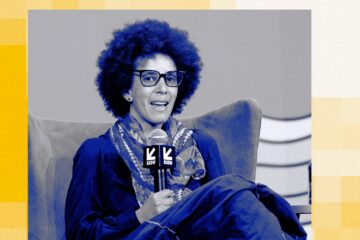
Timnit Gebru argues that AI companies are stoking fears of extinction to avoid discussing actual harms, like autonomous weapons.

A combination of rapid advances, recursive self-improvement, and agentic swarms are genuinely “spooking people” inside big labs.

AI leaders worry antitrust law could stand in the way of what they view as an increasingly urgent push to coordinate a slowdown in AI development.