
Nature
Can AI Kill the Venture Capitalist?
VCs are betting that artificial intelligence will disrupt nearly every industry in the world. Are they prepared for it to disrupt their own?
VCs are betting that artificial intelligence will disrupt nearly every industry in the world. Are they prepared for it to disrupt their own?

Deveillance’s Spectre I, developed by a recent Harvard grad, wants to give people control over the always-on wearables surrounding their lives. The problem? Physics.

I stuck Amazon’s Echo Show 15 and its Alexa+ AI assistant in my kitchen for a month. Things have not gone well.
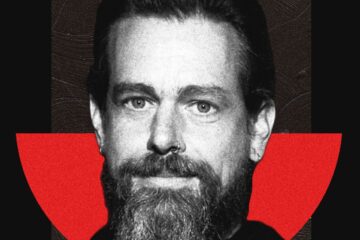
In an exclusive interview with WIRED, Block’s cofounder and CEO says he axed 40 percent of his workforce so that he can rebuild the company “as an intelligence.”

In this episode, our hosts unpack the ongoing conflict in the Middle East, particularly as the AI industry has been entrenching itself with the Department of Defense.

Sources allege the Defense Department experimented with Microsoft’s version of OpenAI technology before the ChatGPT-maker lifted its prohibition on military applications.

ByteDance’s new Seedance 2.0 AI video model seemed unstoppable—until heavy demand strained the company’s compute capacity and copyright complaints began piling up.

The tool, offered by the recently-rebranded company Superhuman, gives feedback based on the work of famous dead and living writers—without their permission.

“Data centers … they need some PR help,”President Donald Trump said at the event.

While companies like Anthropic debate limits on military uses of AI, Smack Technologies is training models to plan battlefield operations.